Author Archives: Eida McCoy

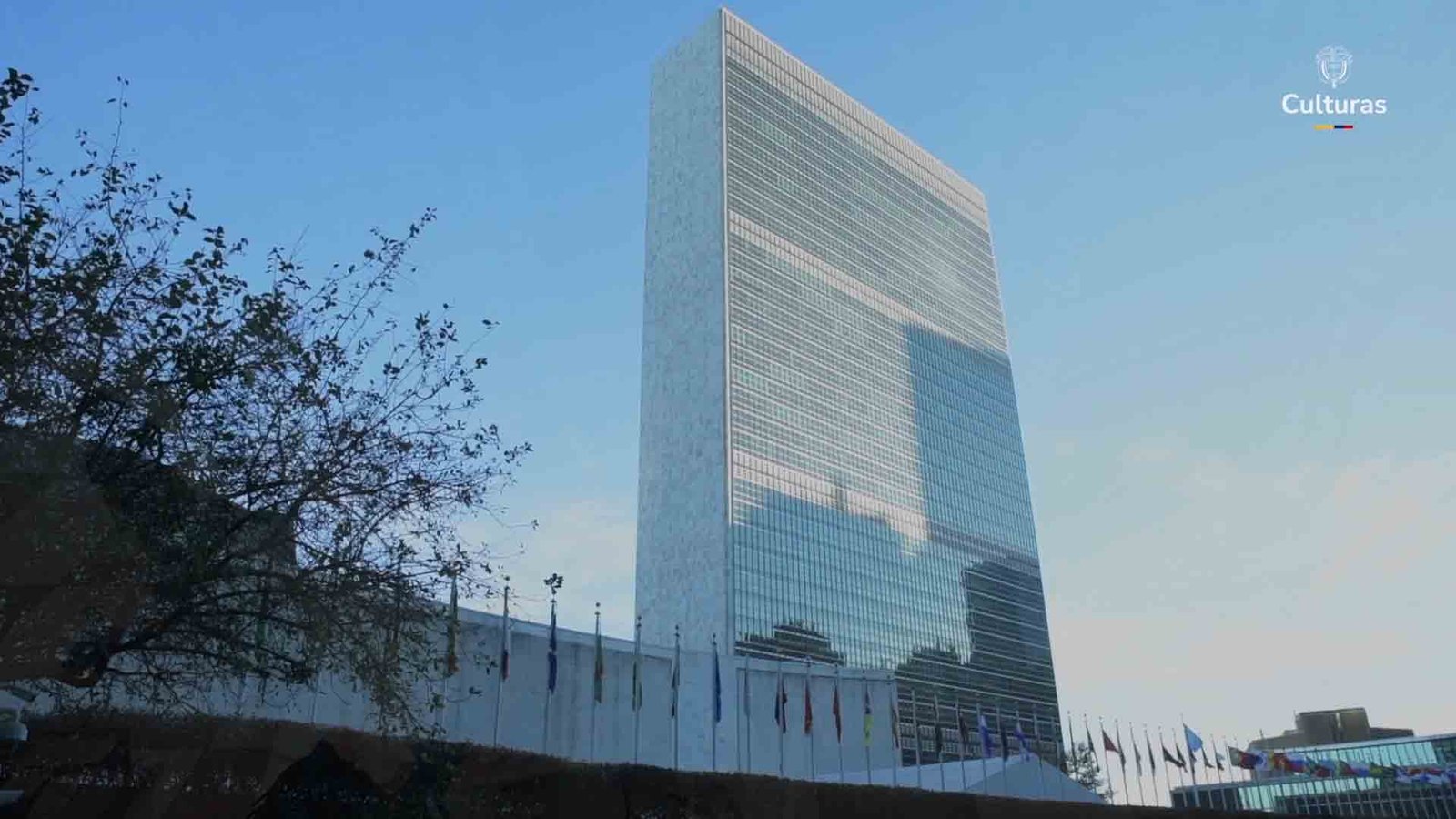
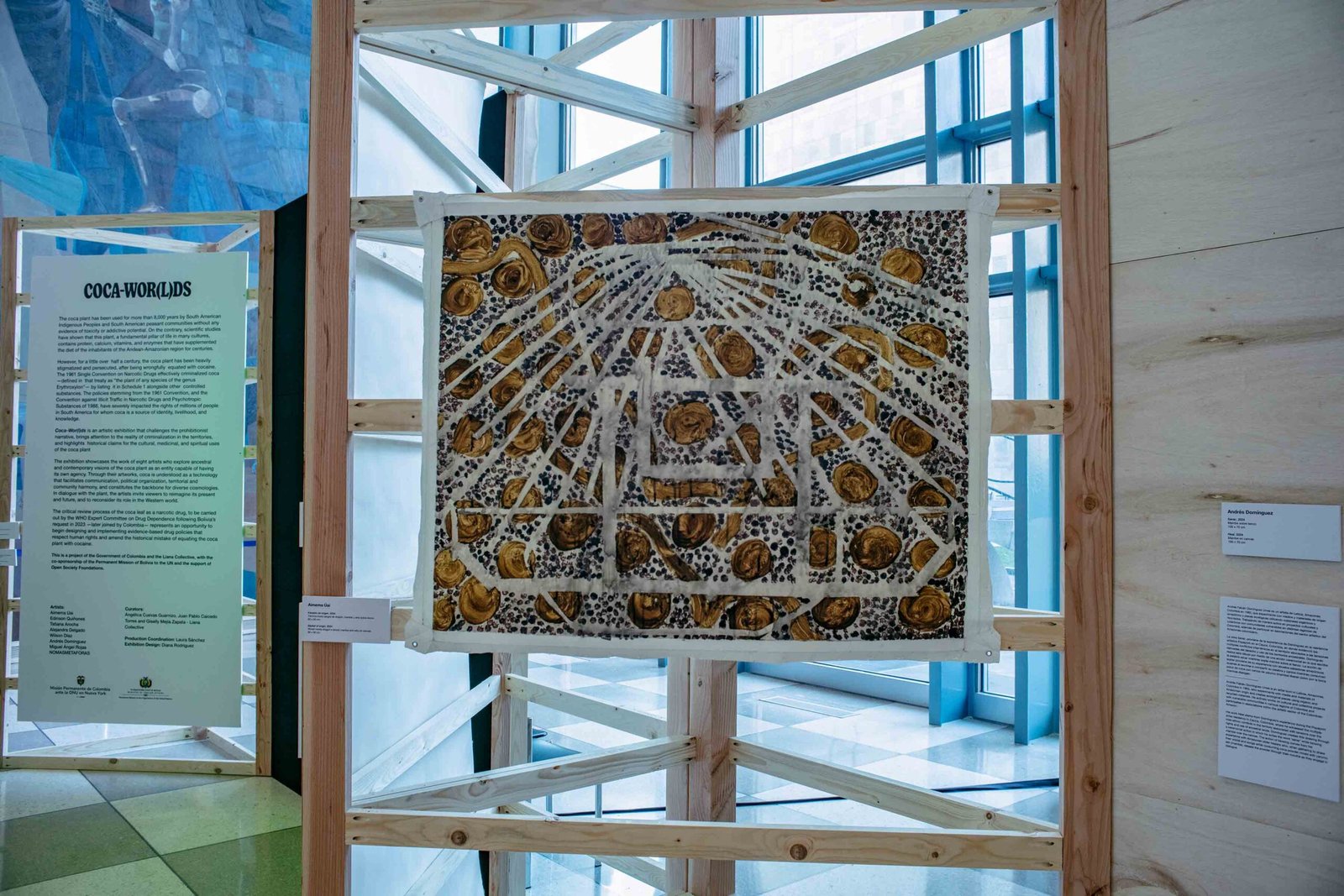
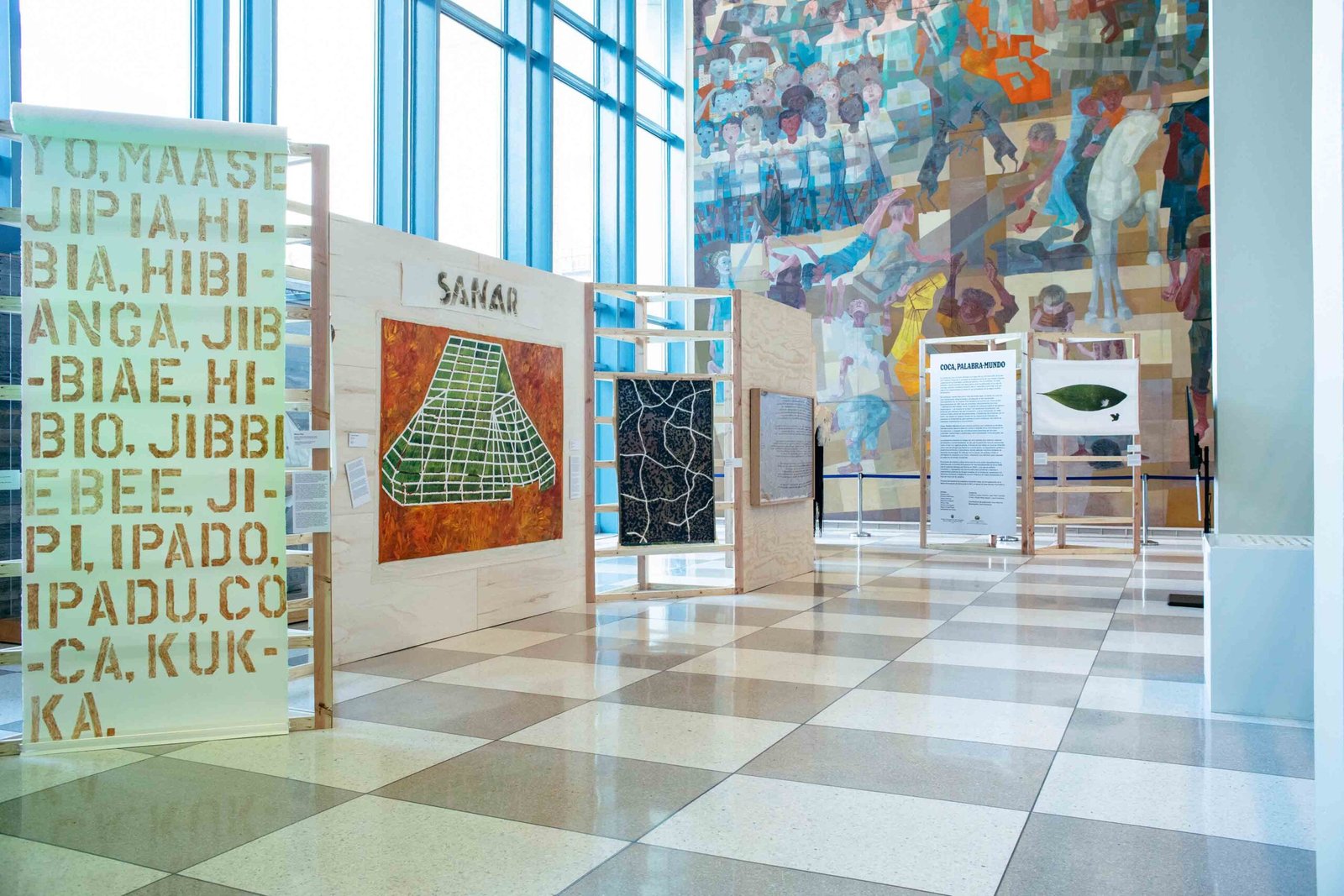
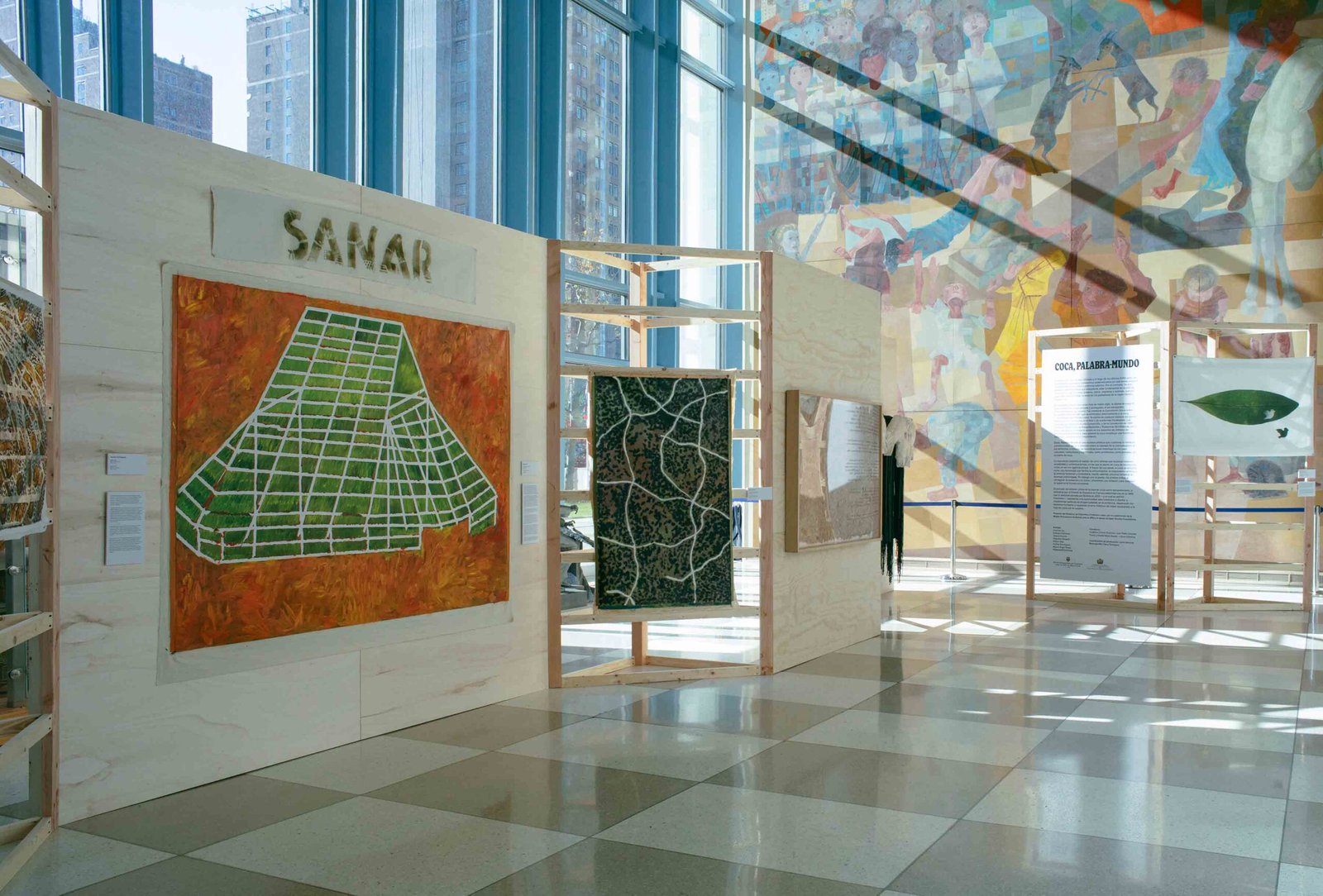
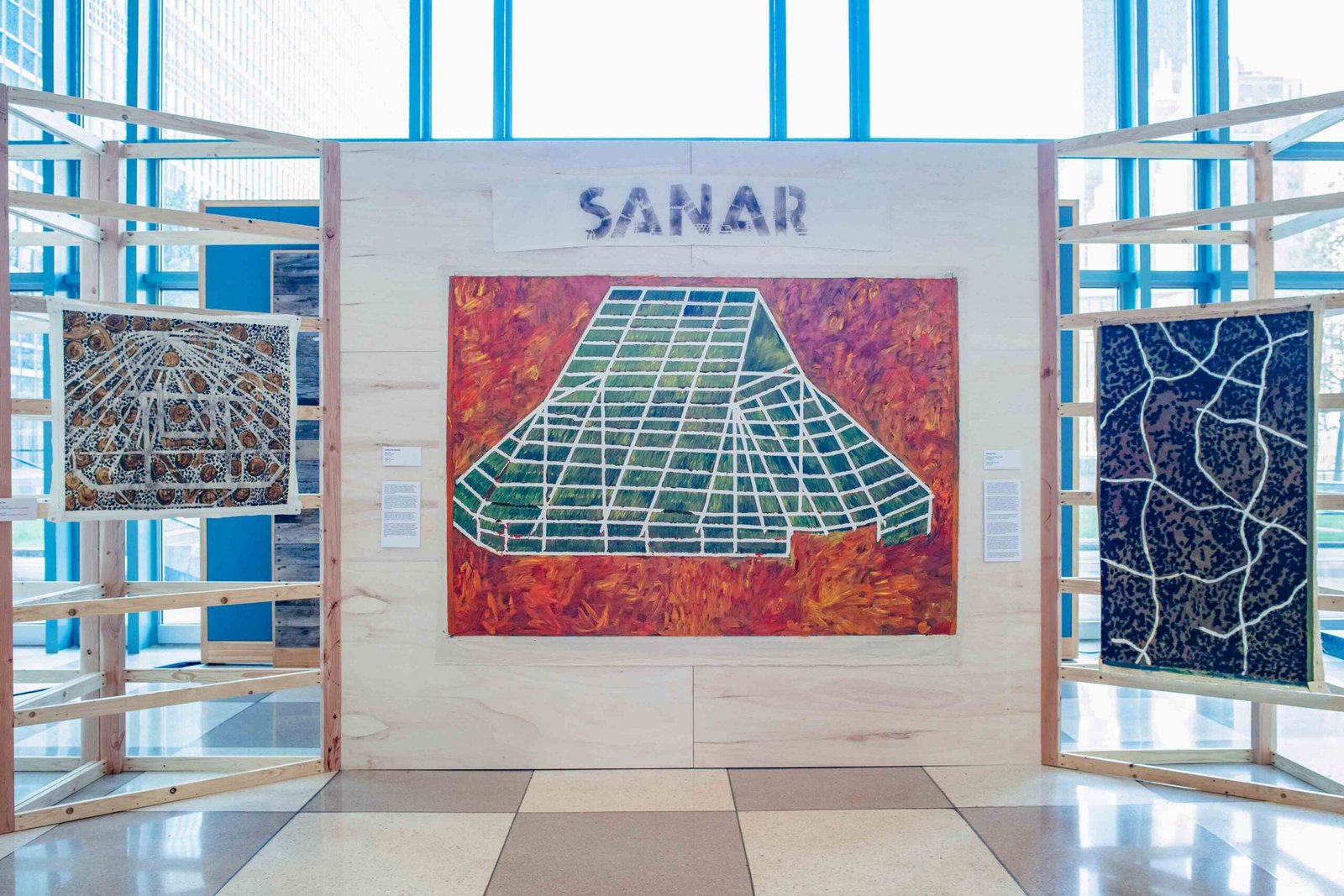
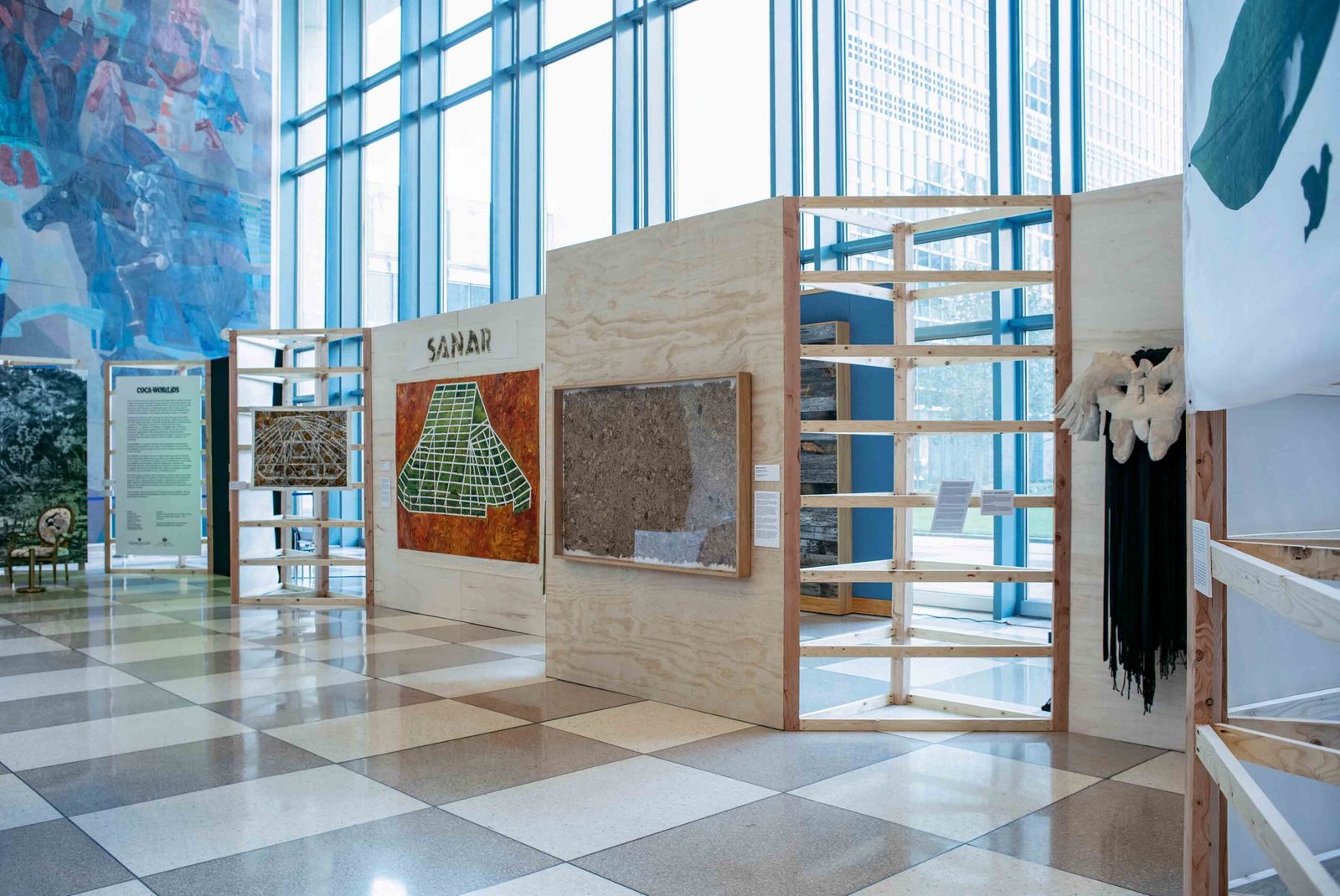
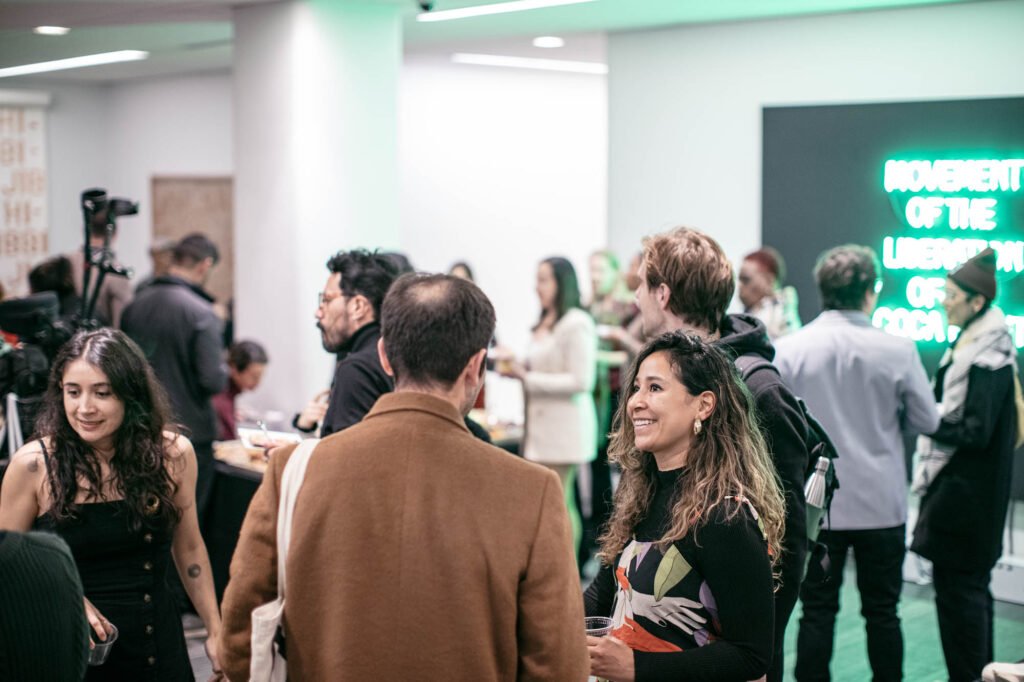
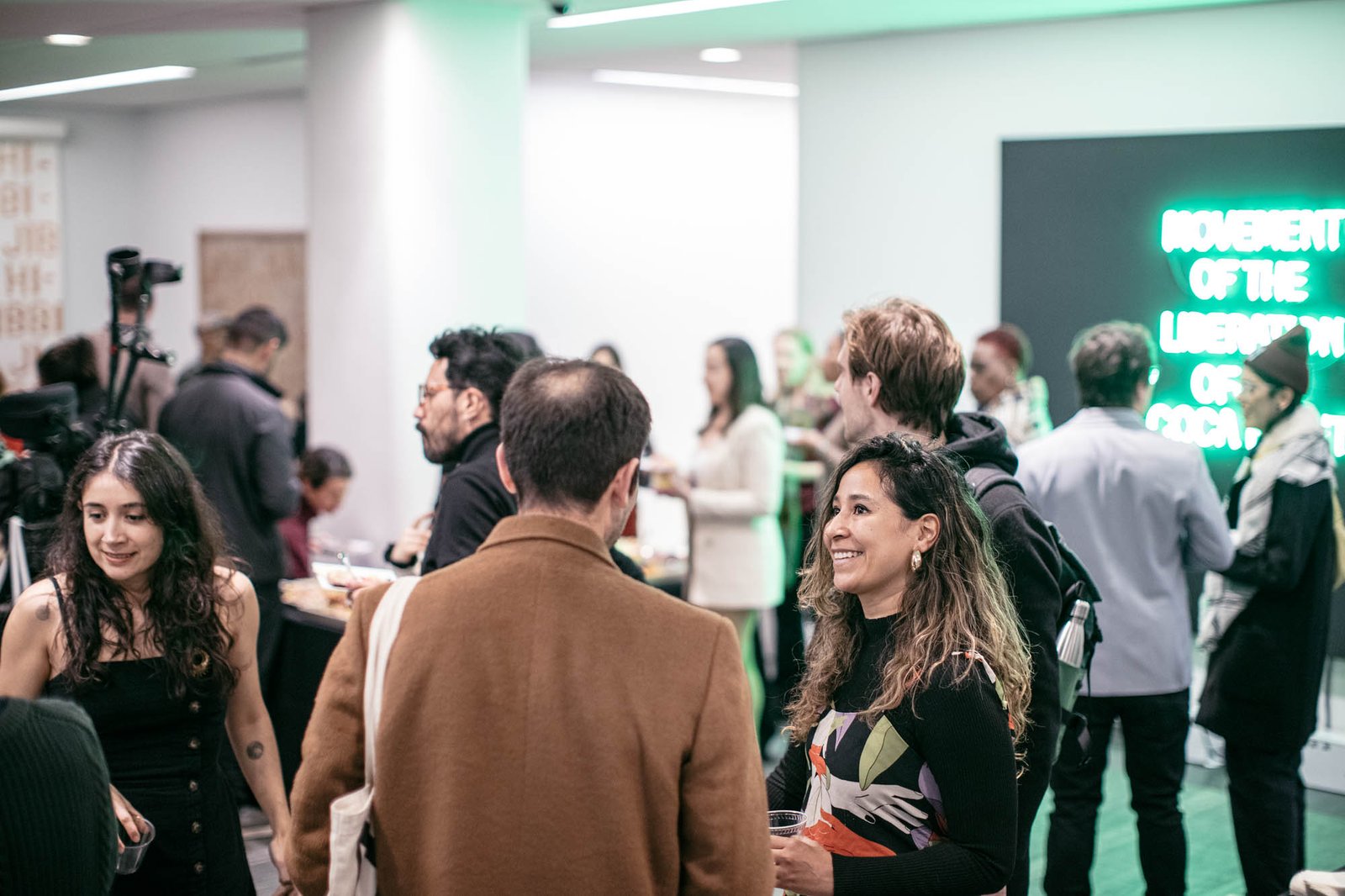
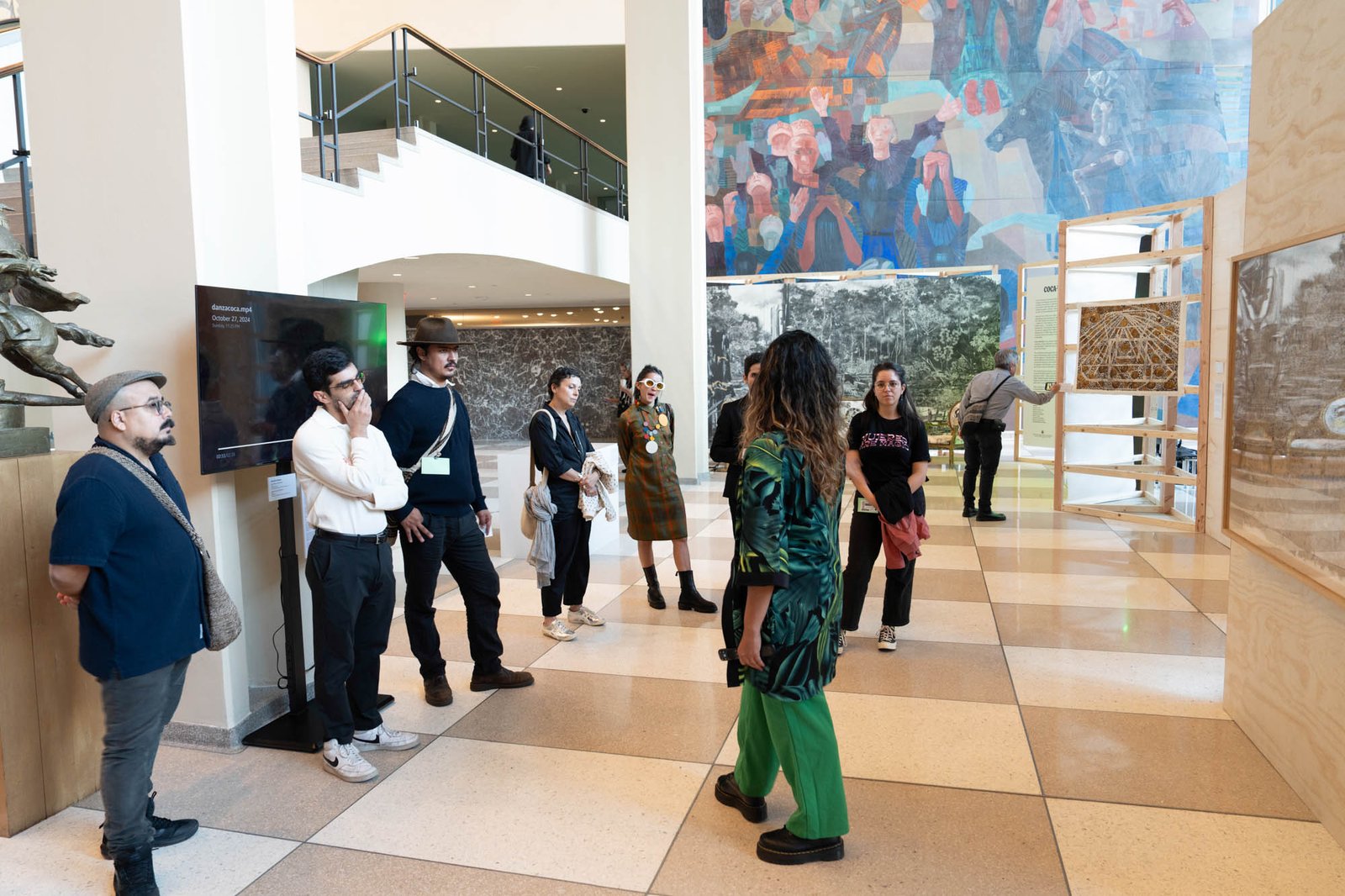
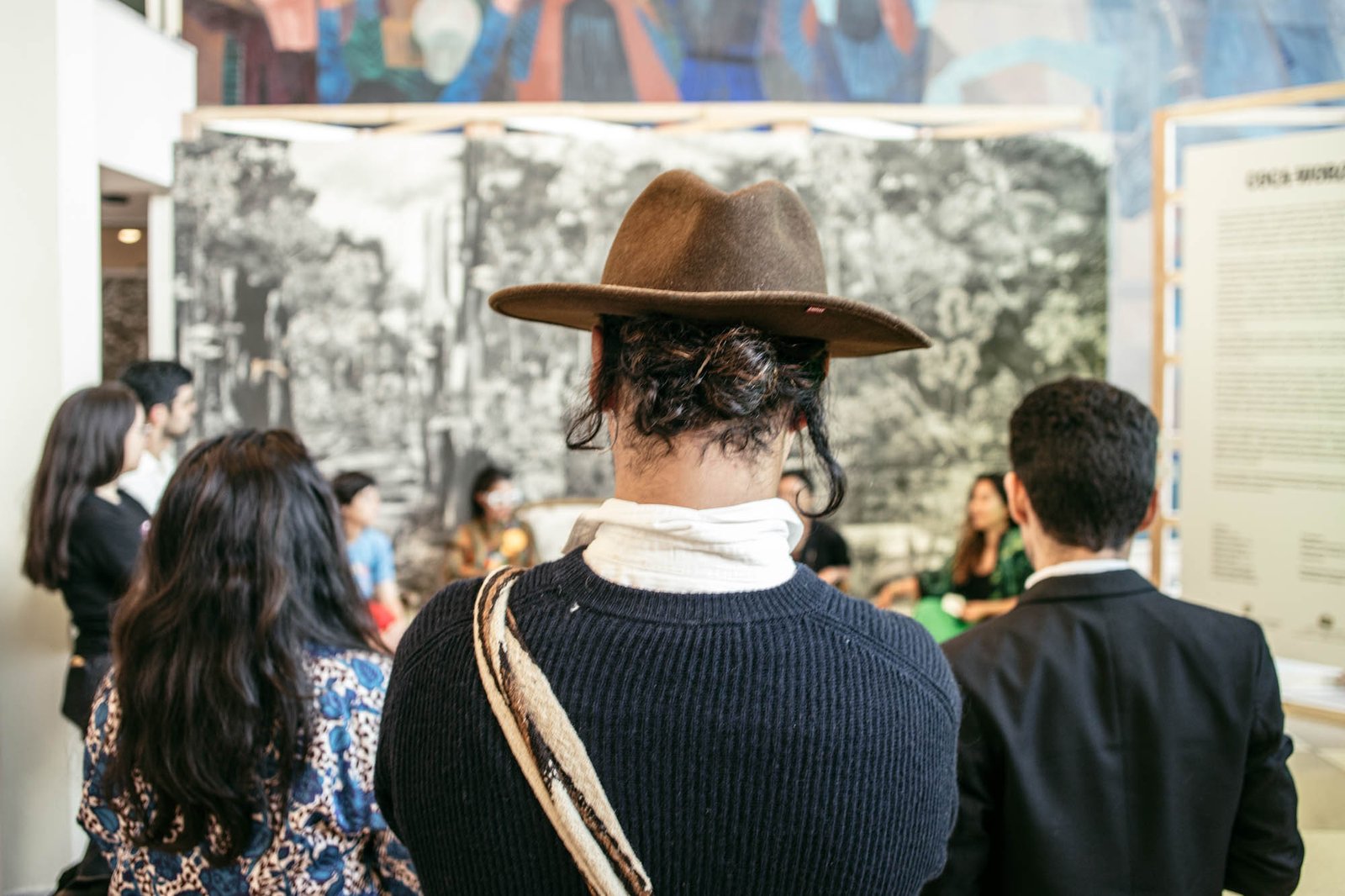
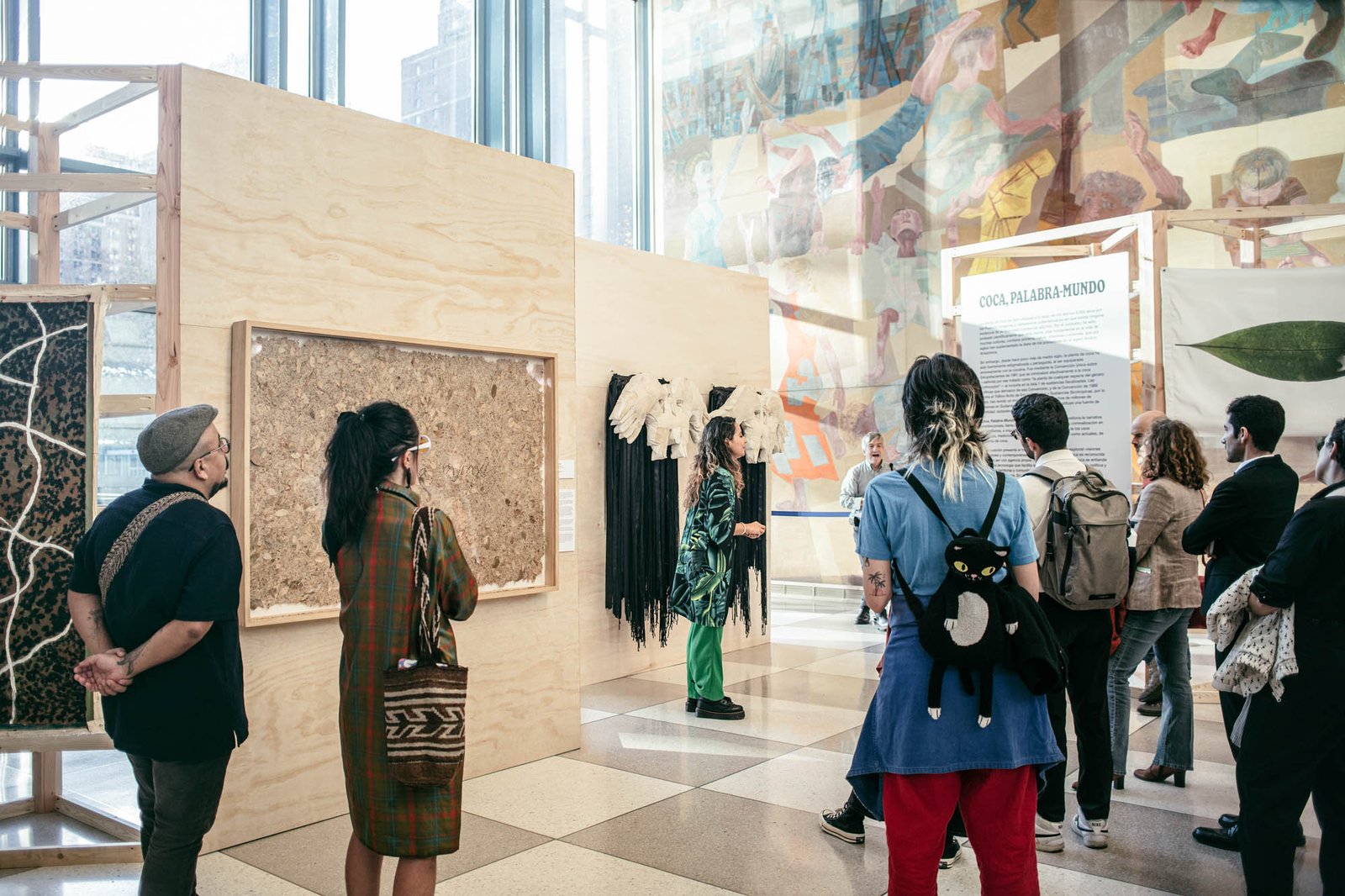
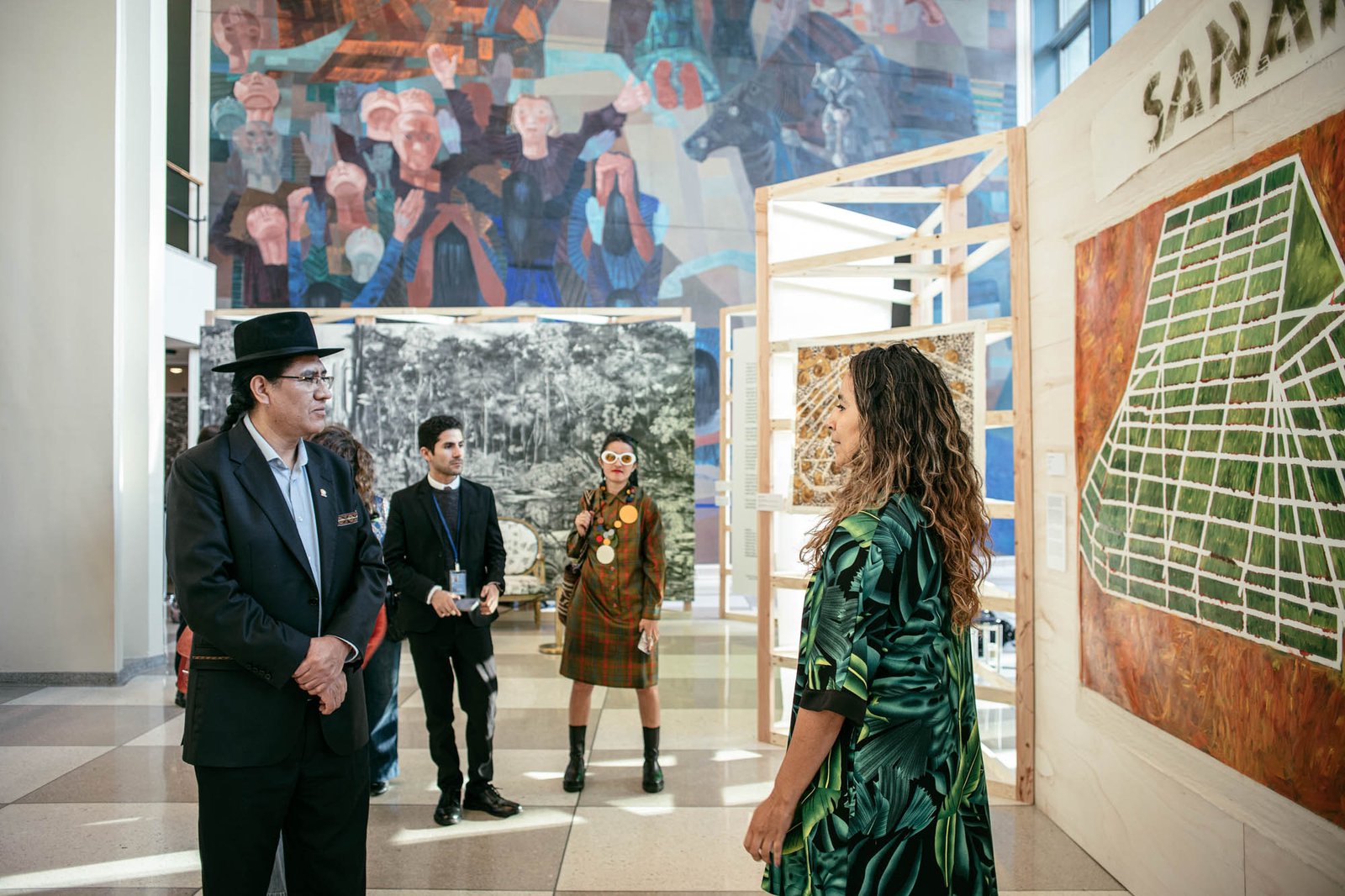
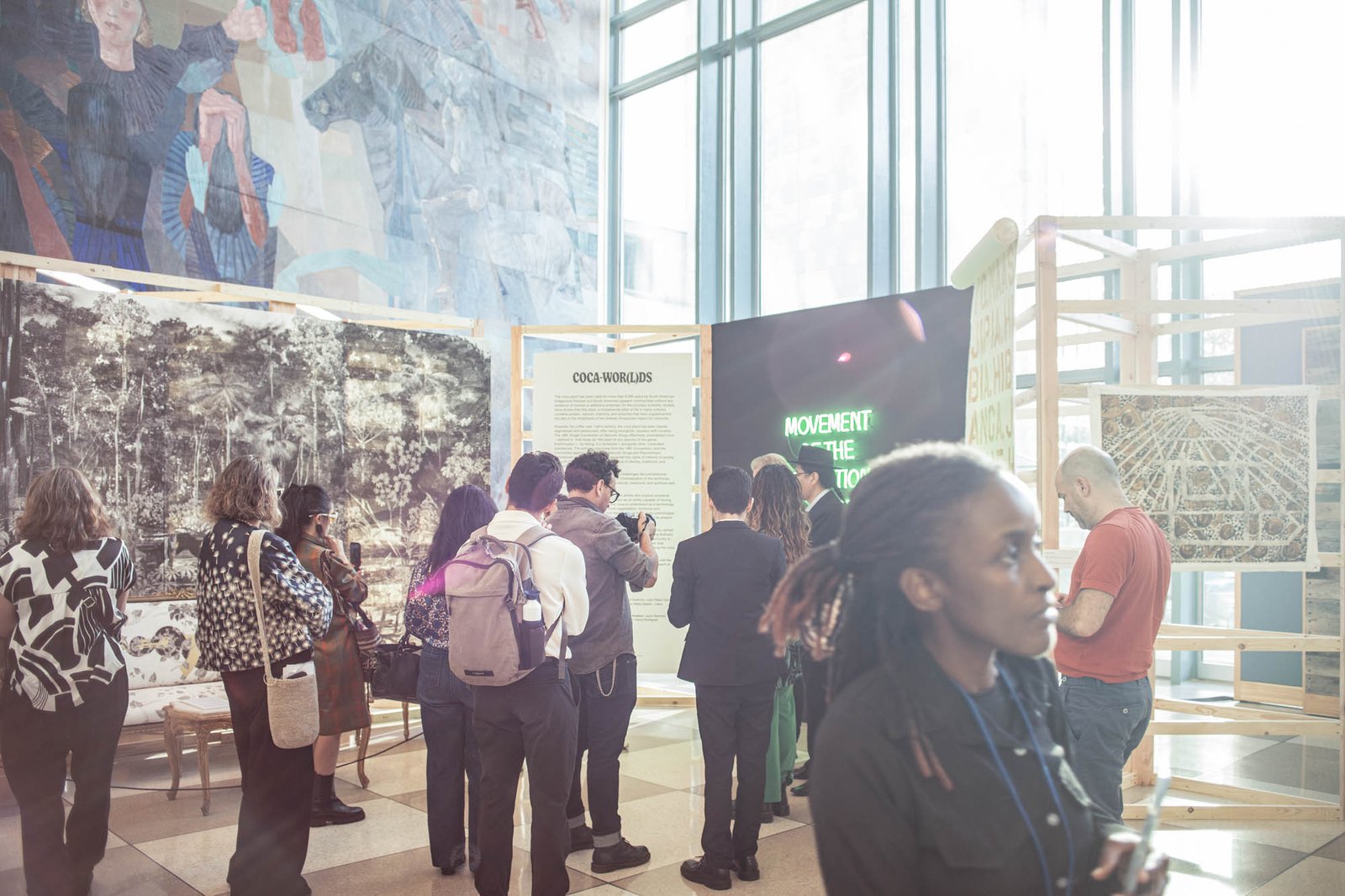
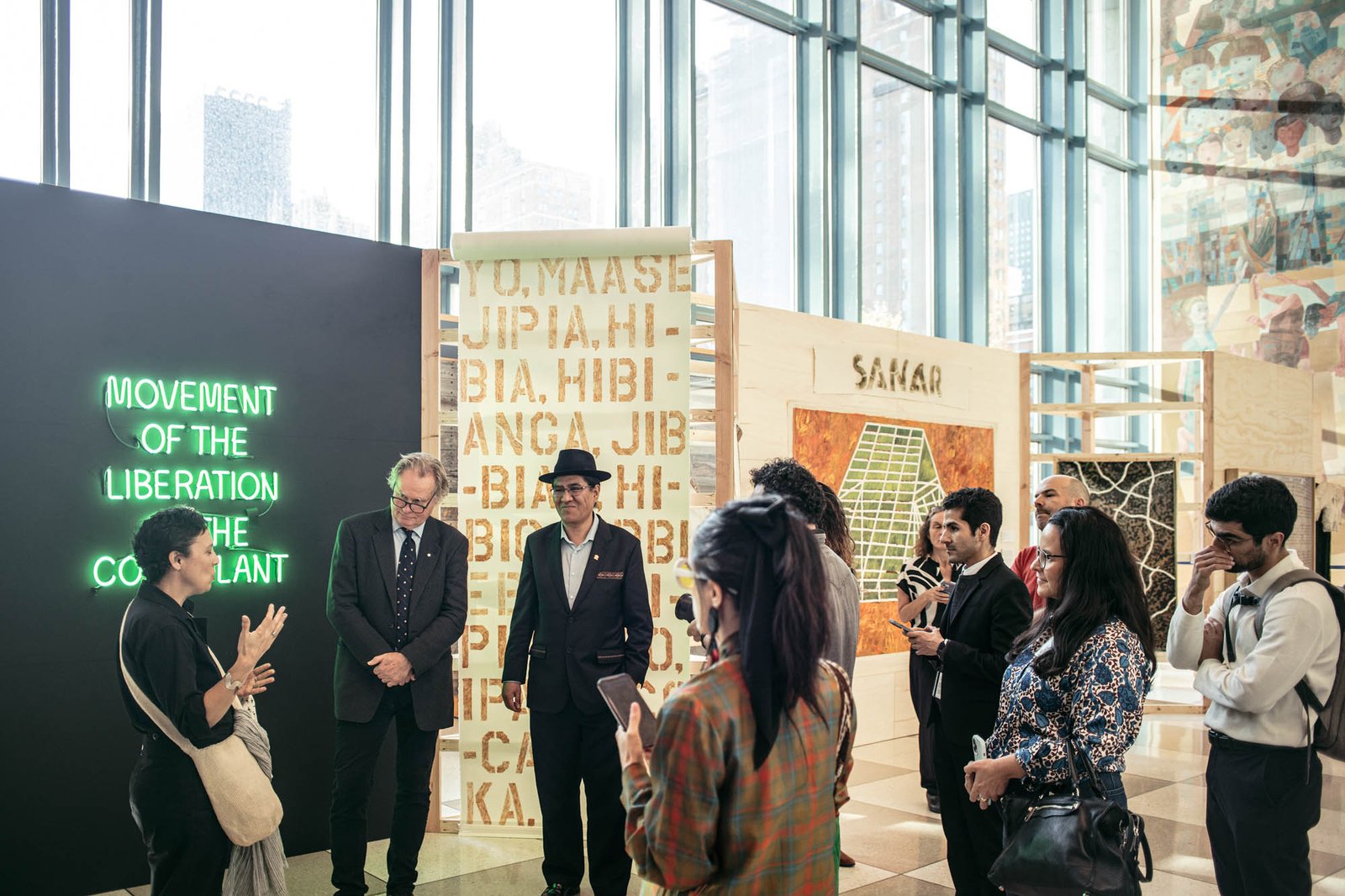
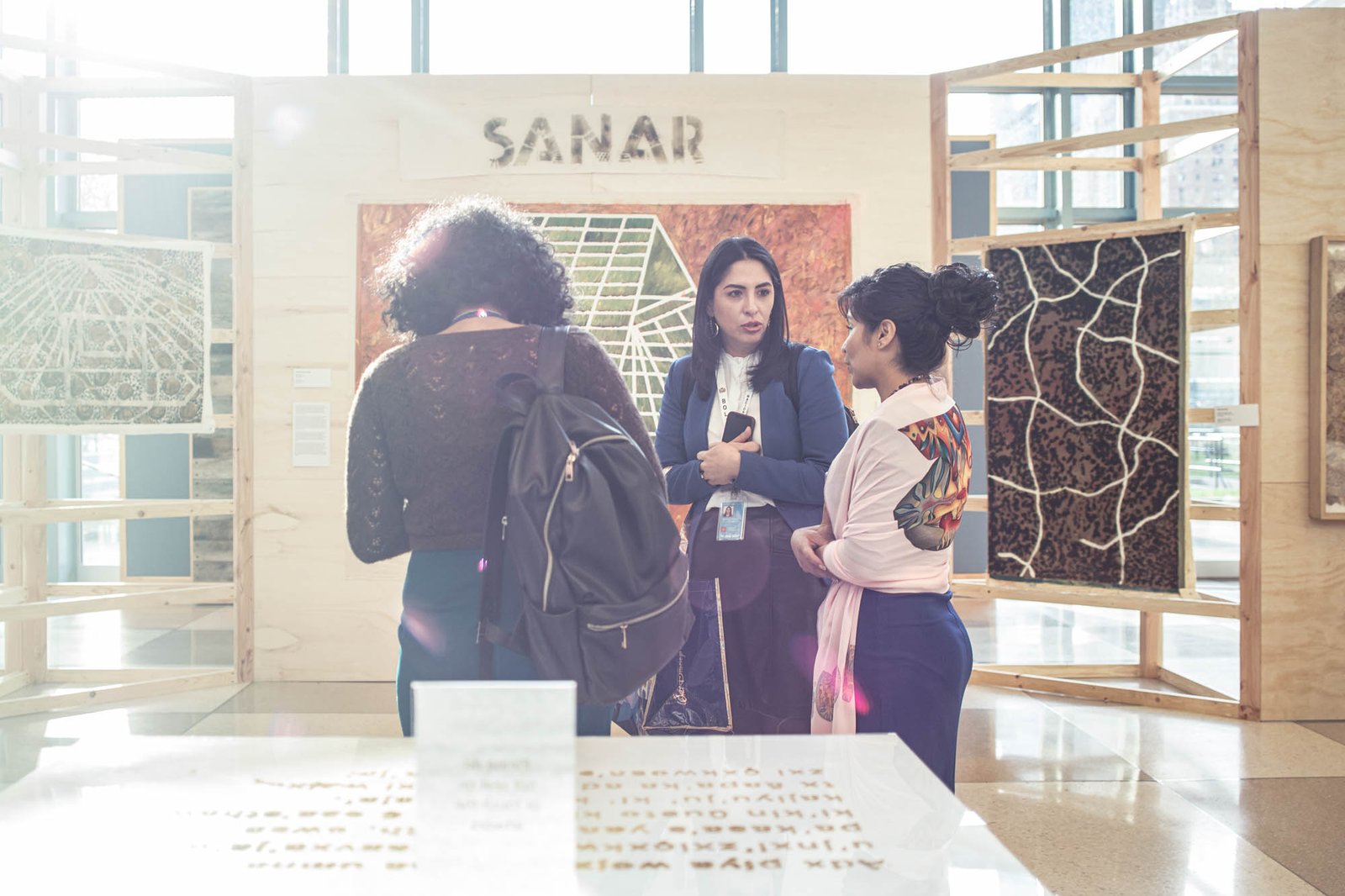
COCAWORLDS at the UNUnited Nations Headquarters, New York November 4–8, 2024. Open Society Foundations, New York November 11, 2024 – January 17, 2025

Curated by

Liana Collective

Location & Dates

United Nations Headquarters, New York

November 4–8, 2024

Open Society Foundations, New York

November 11, 2024 – January 17, 2025
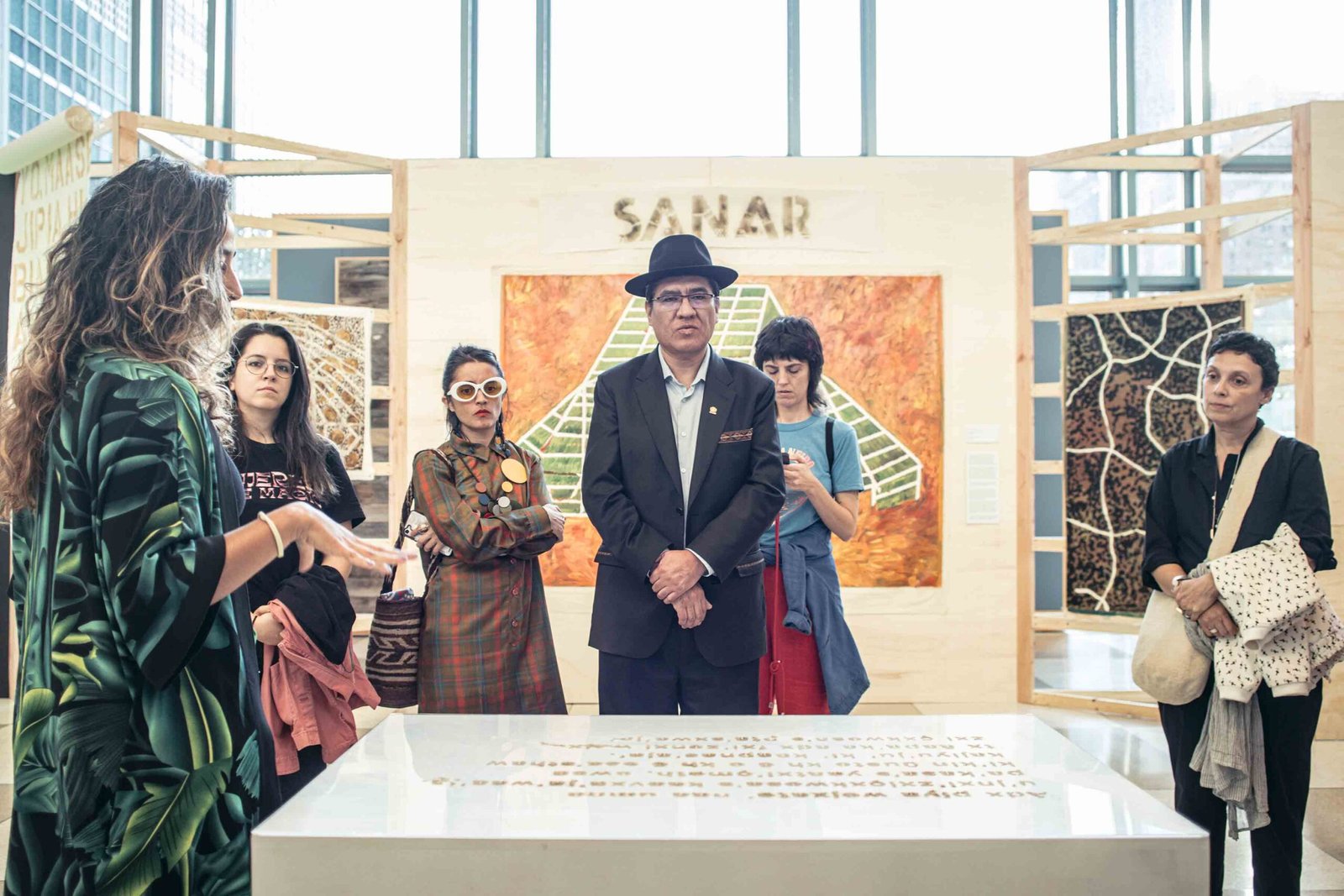
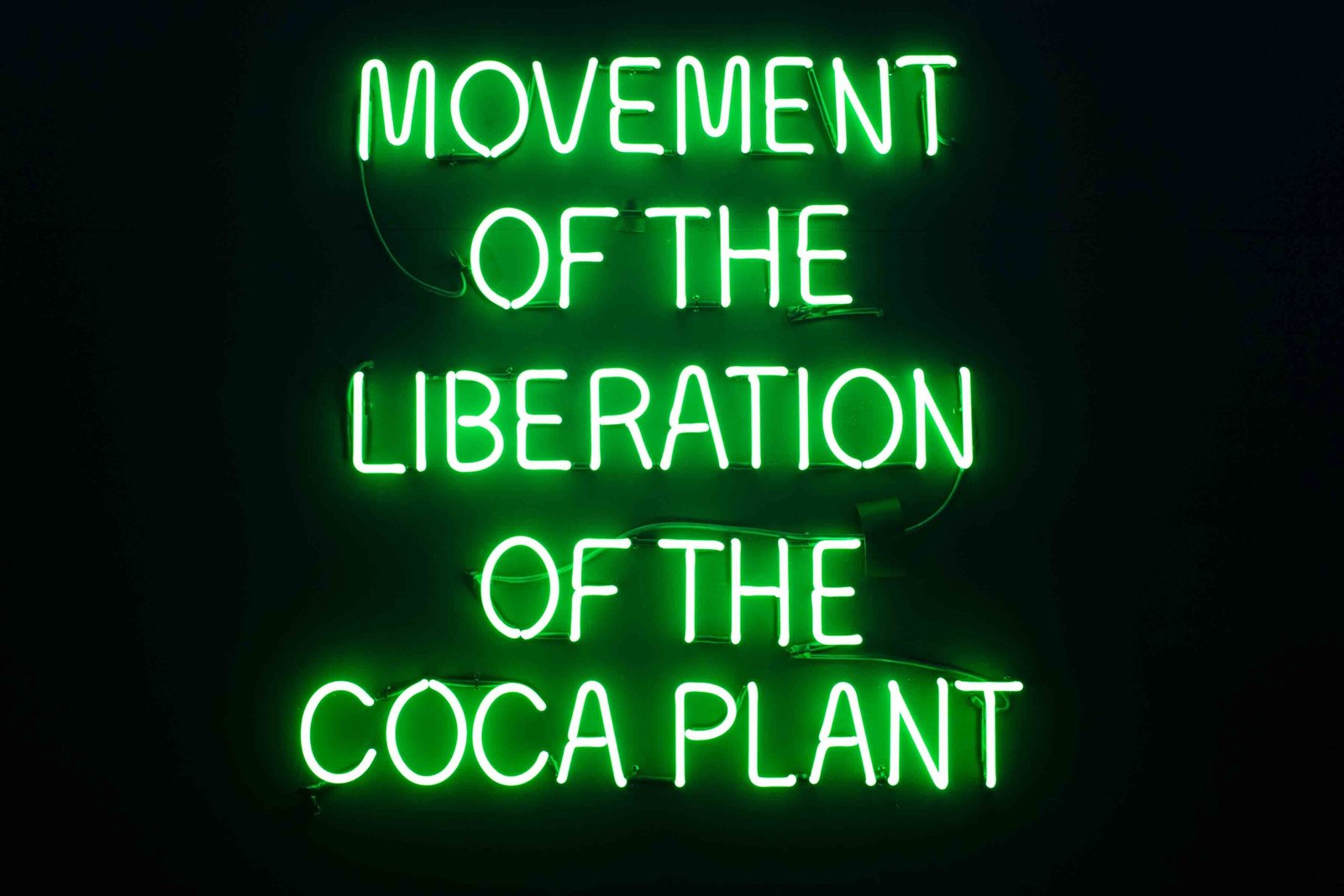
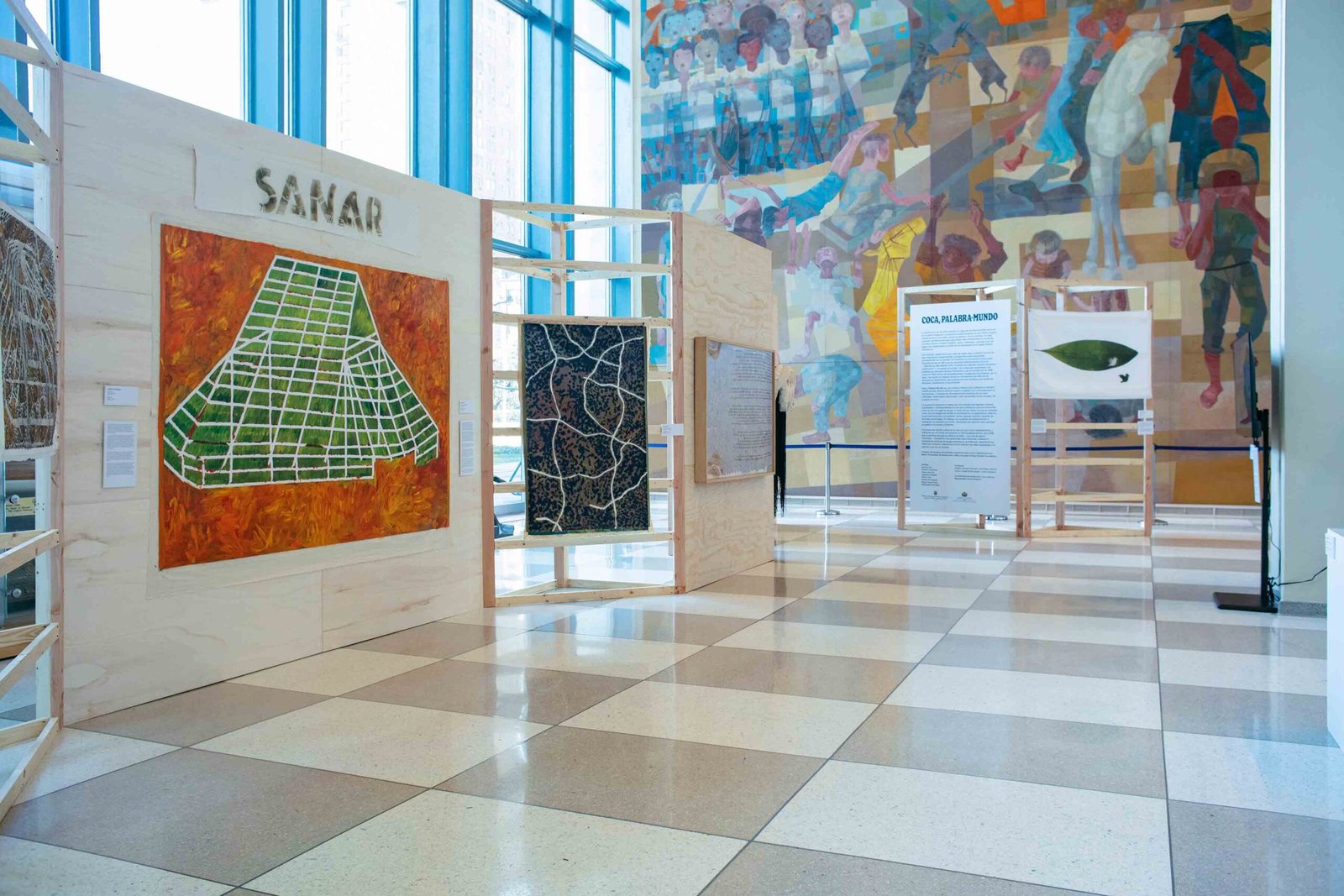
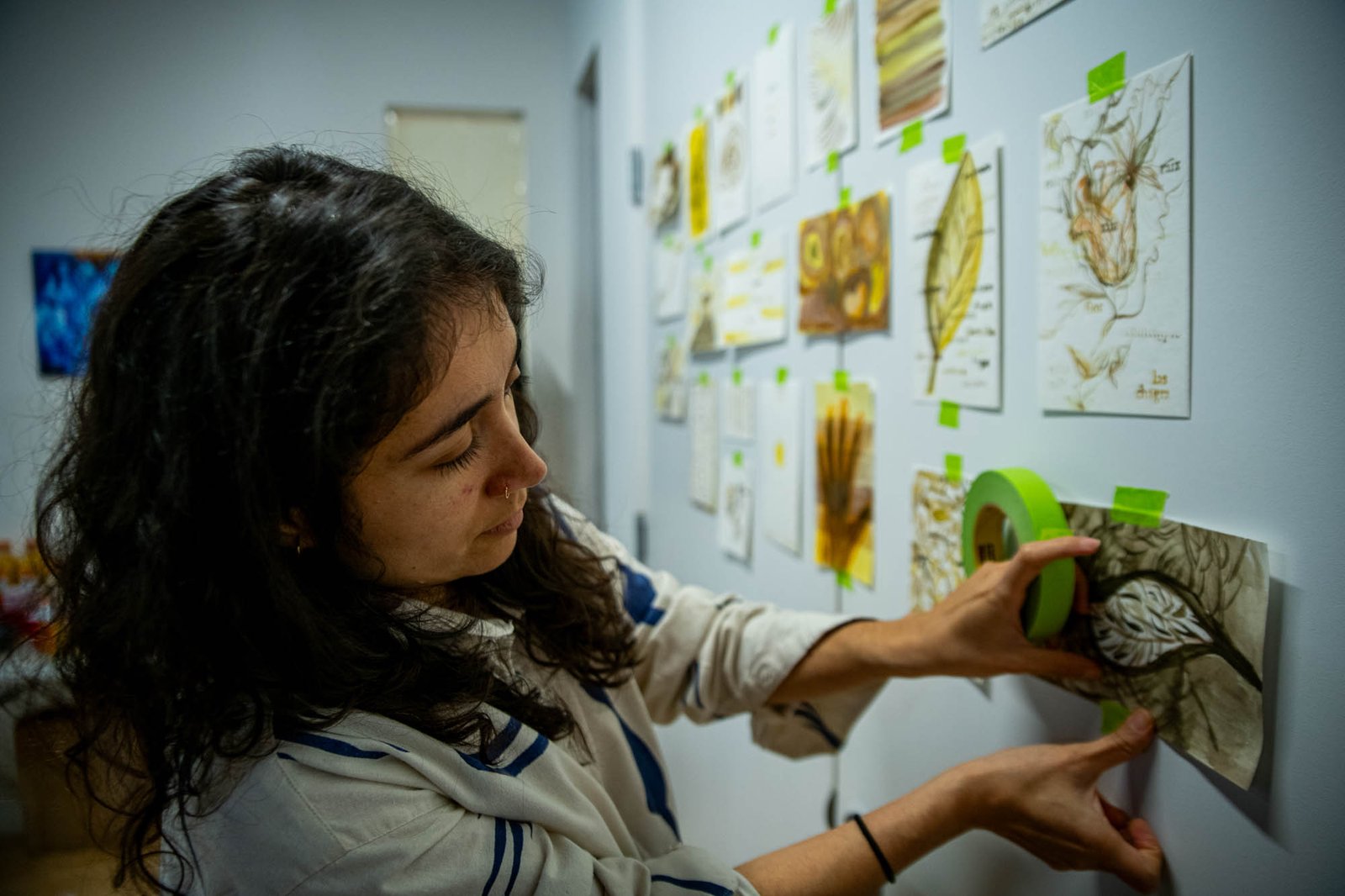
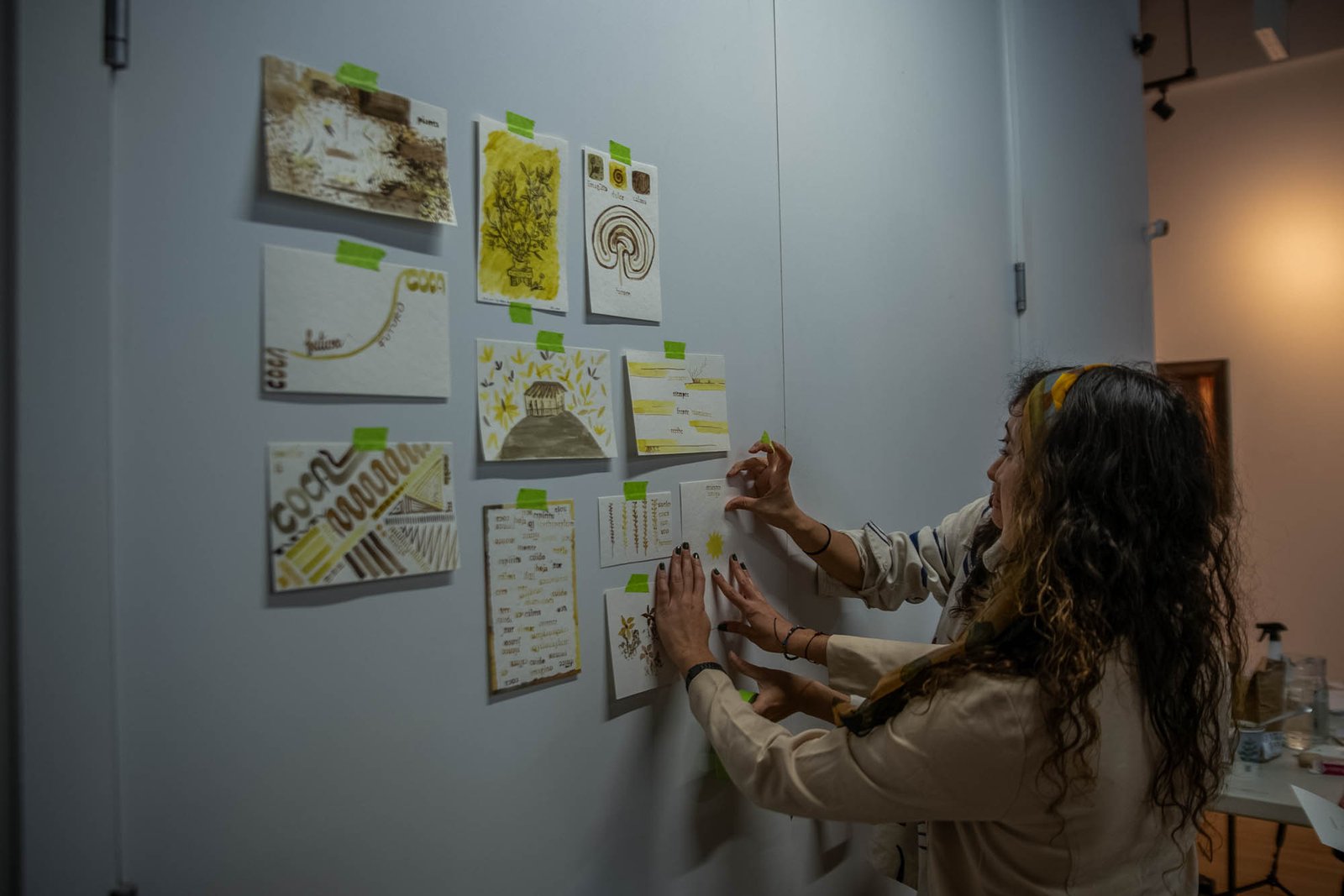
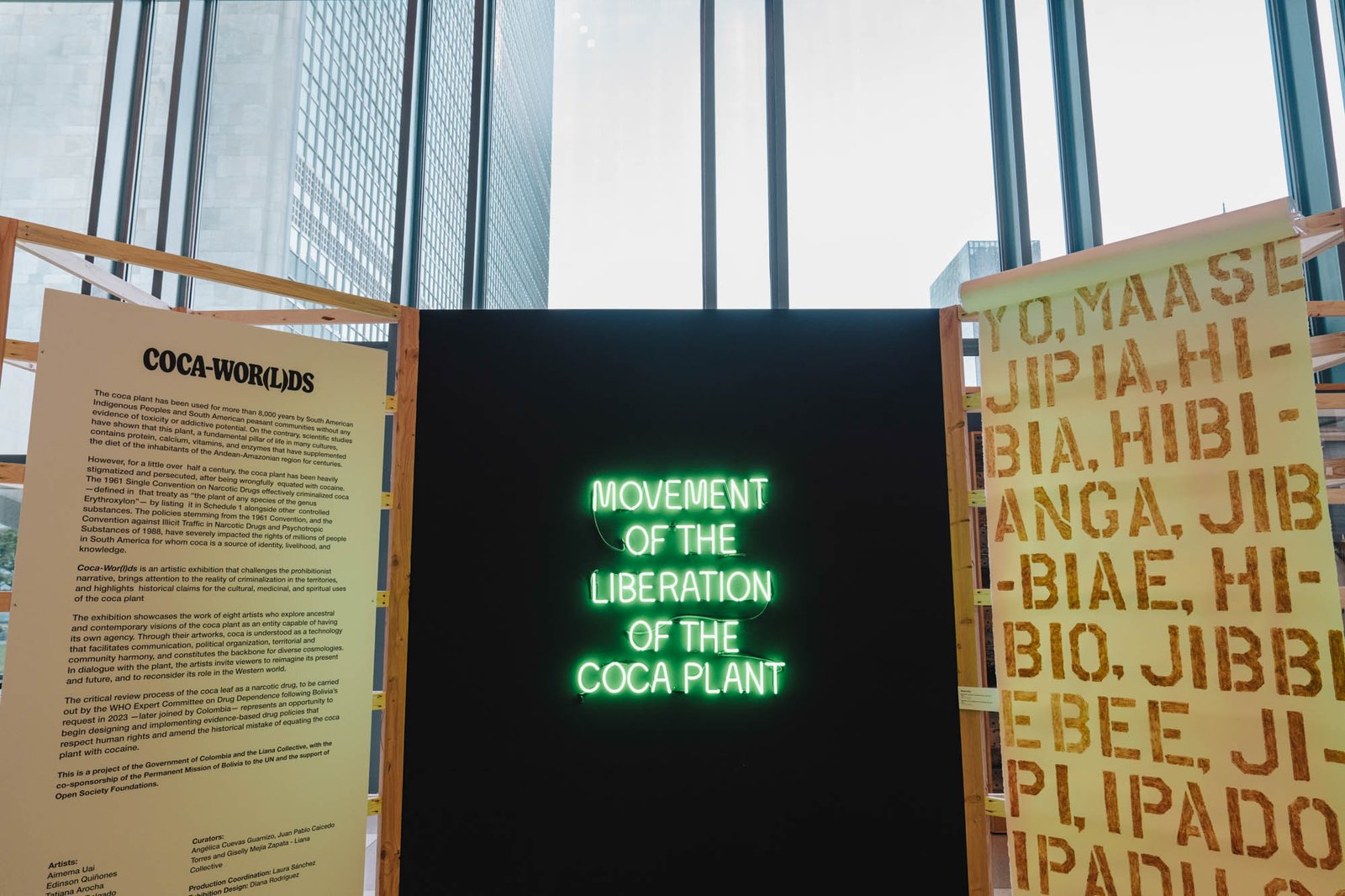
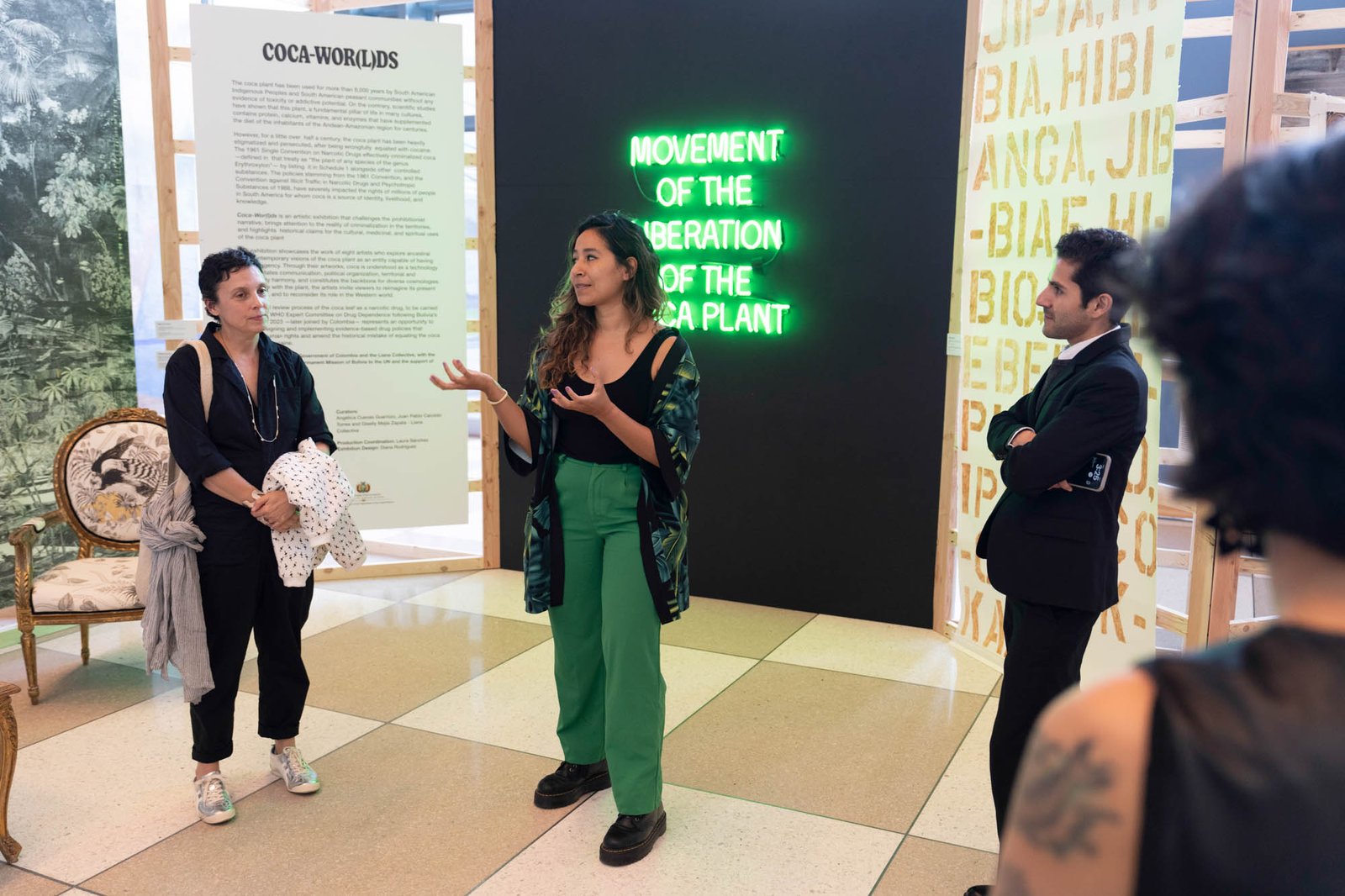
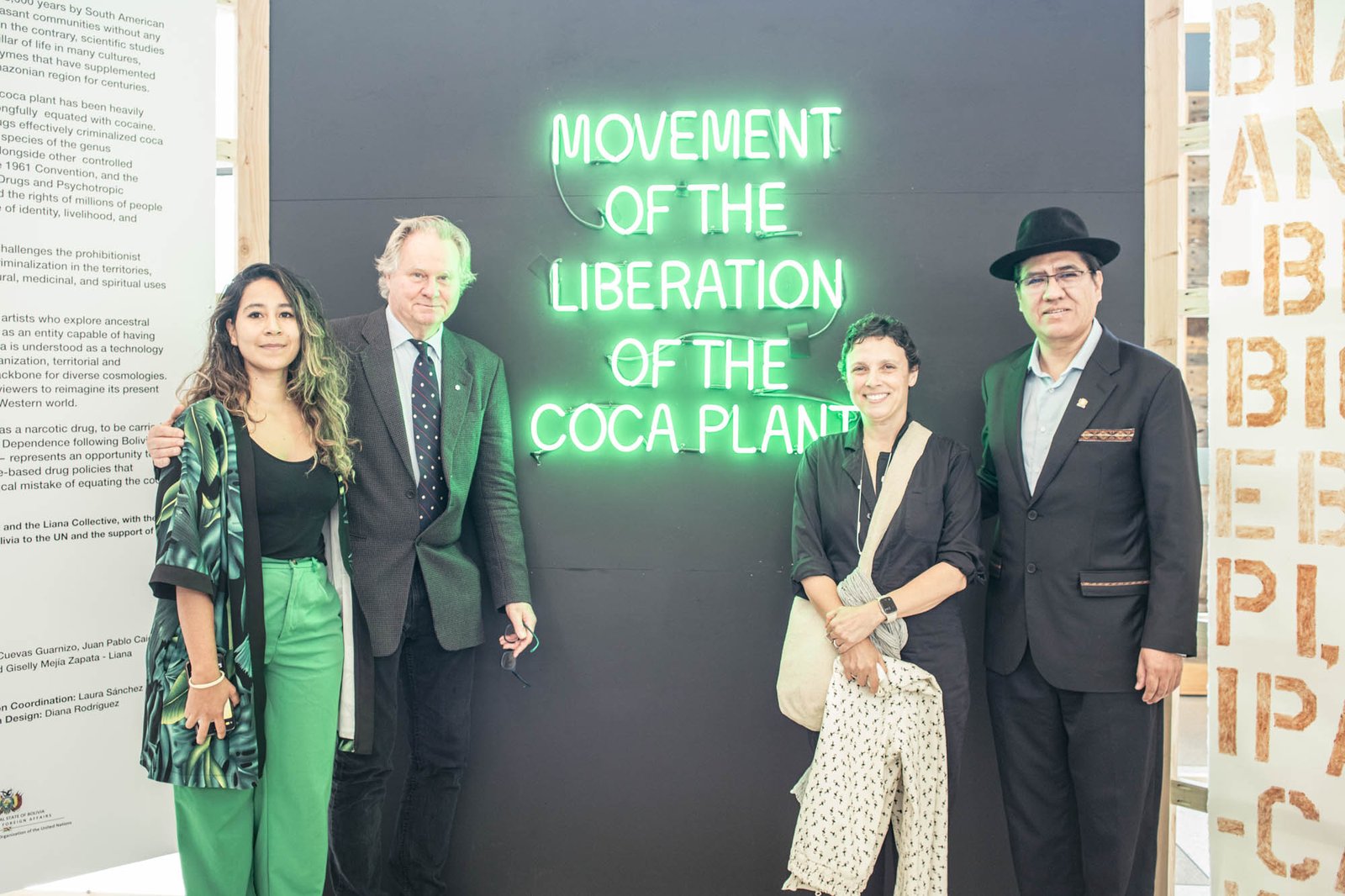
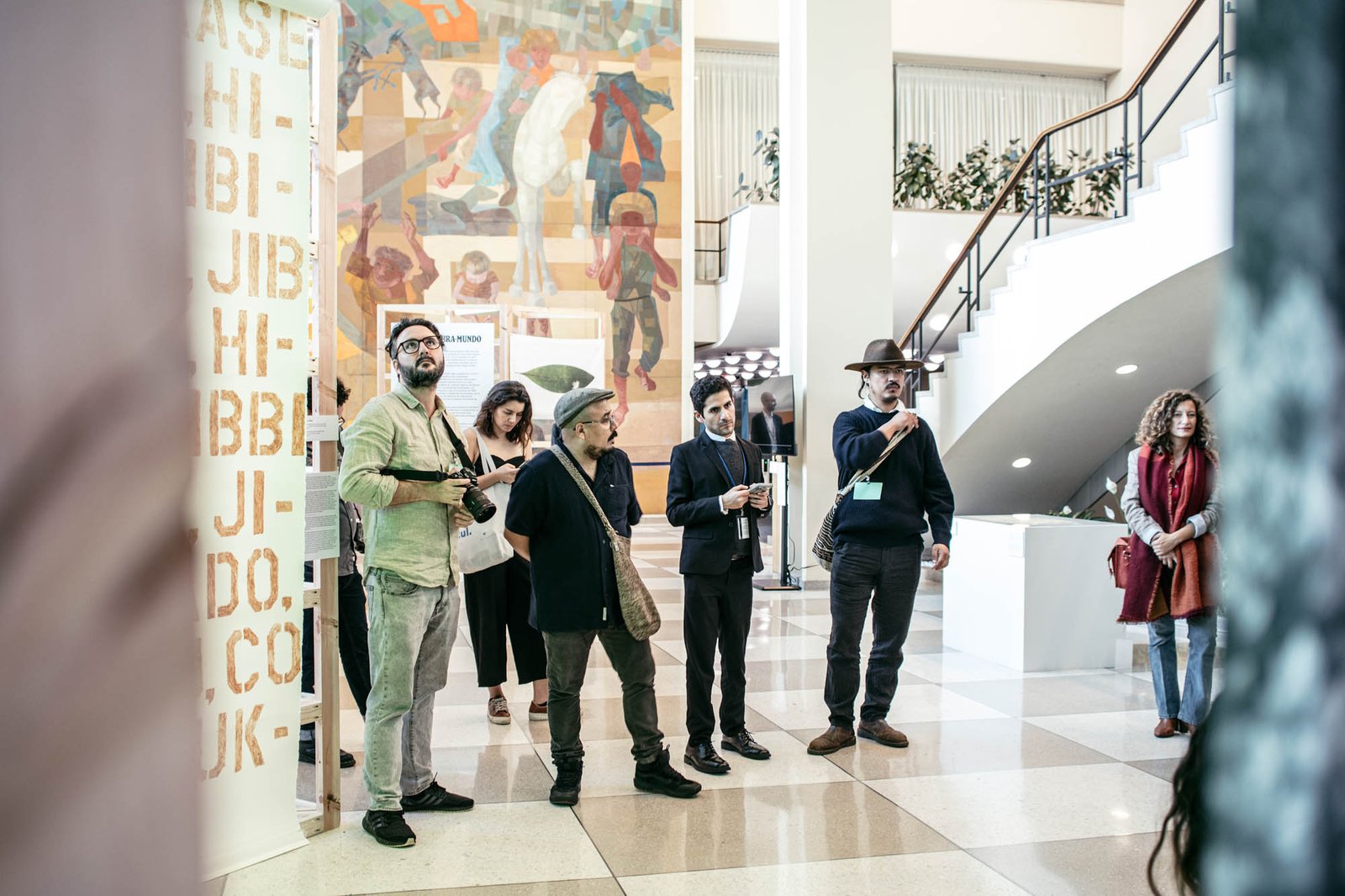
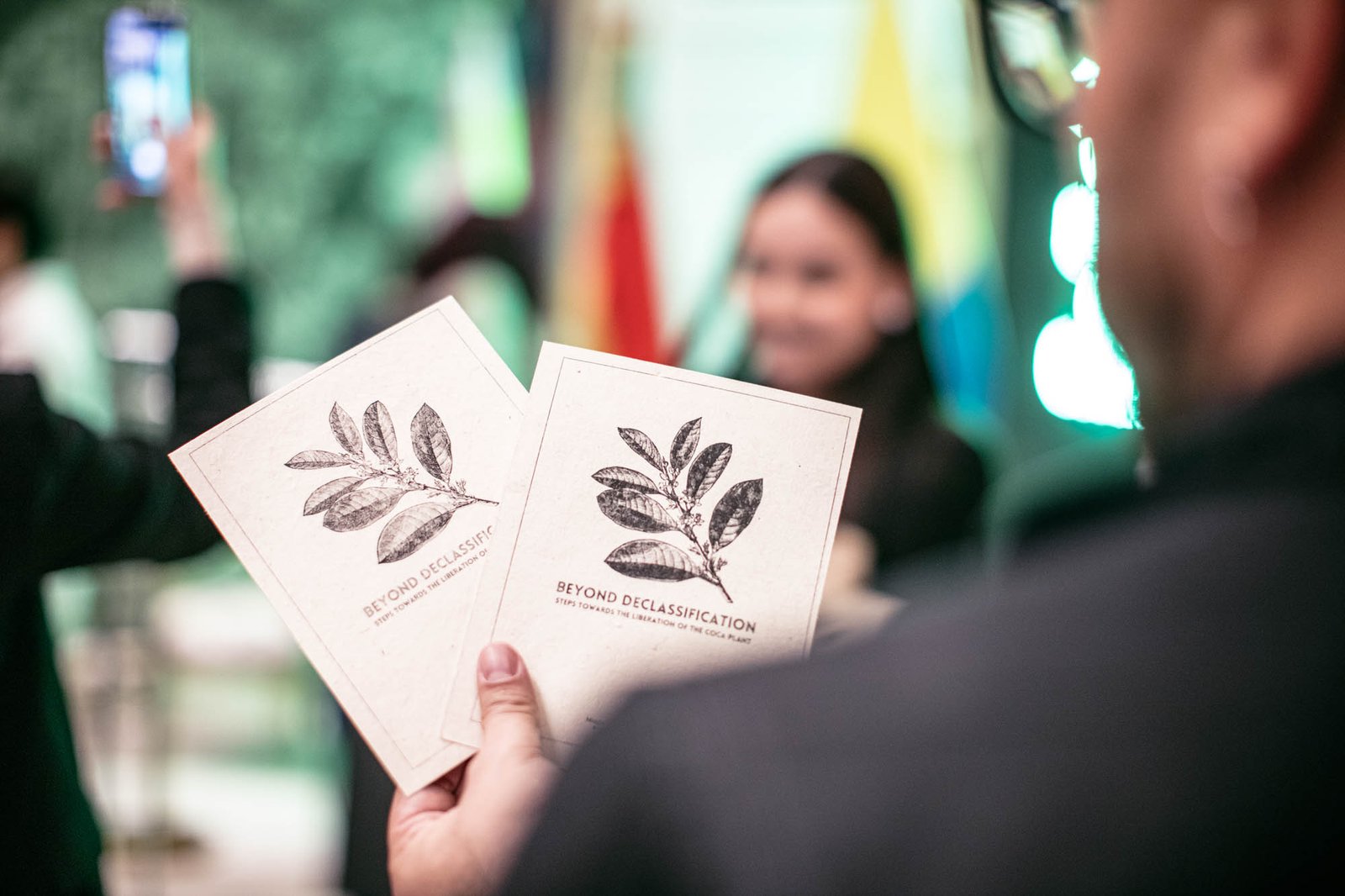
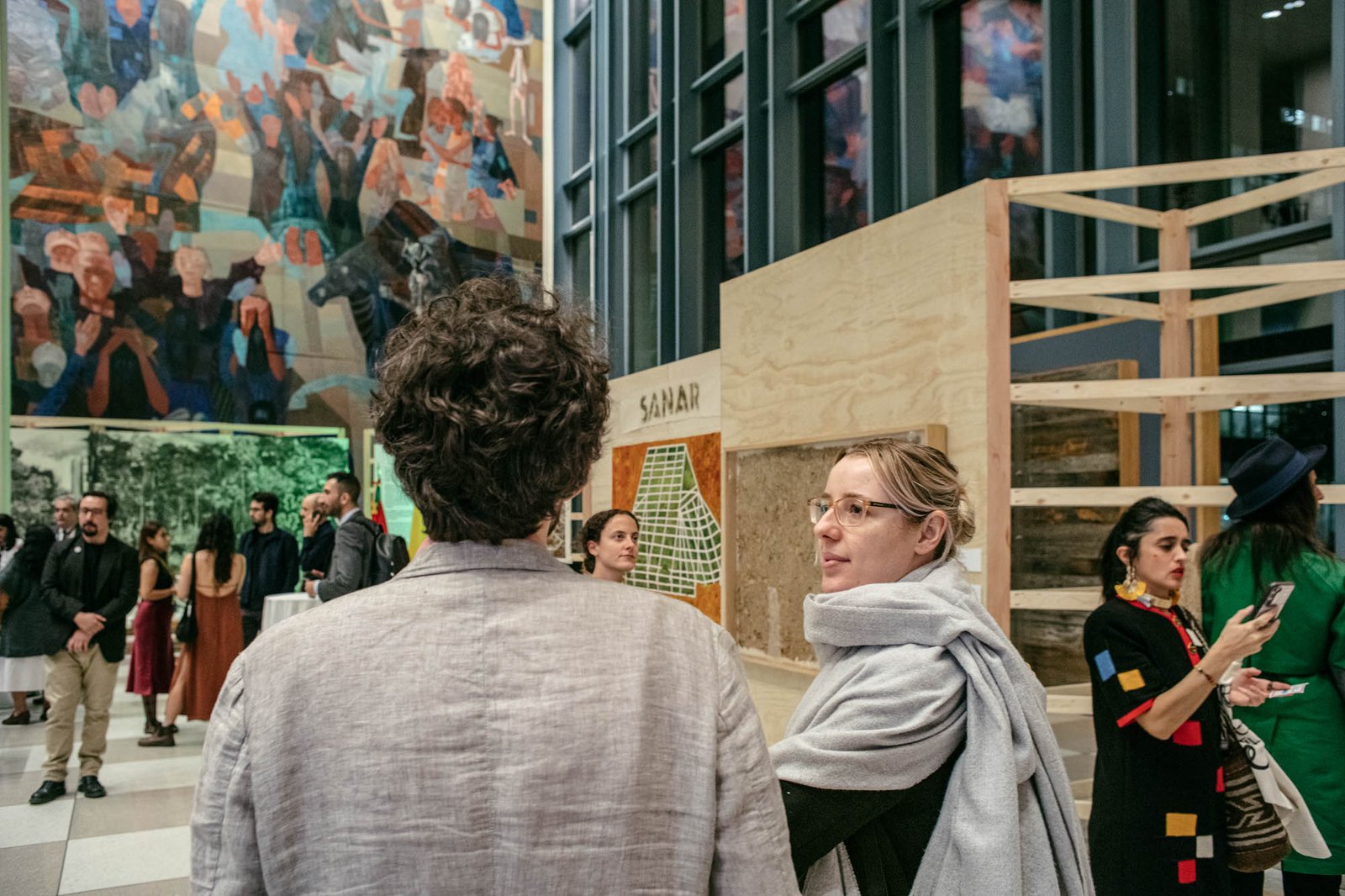
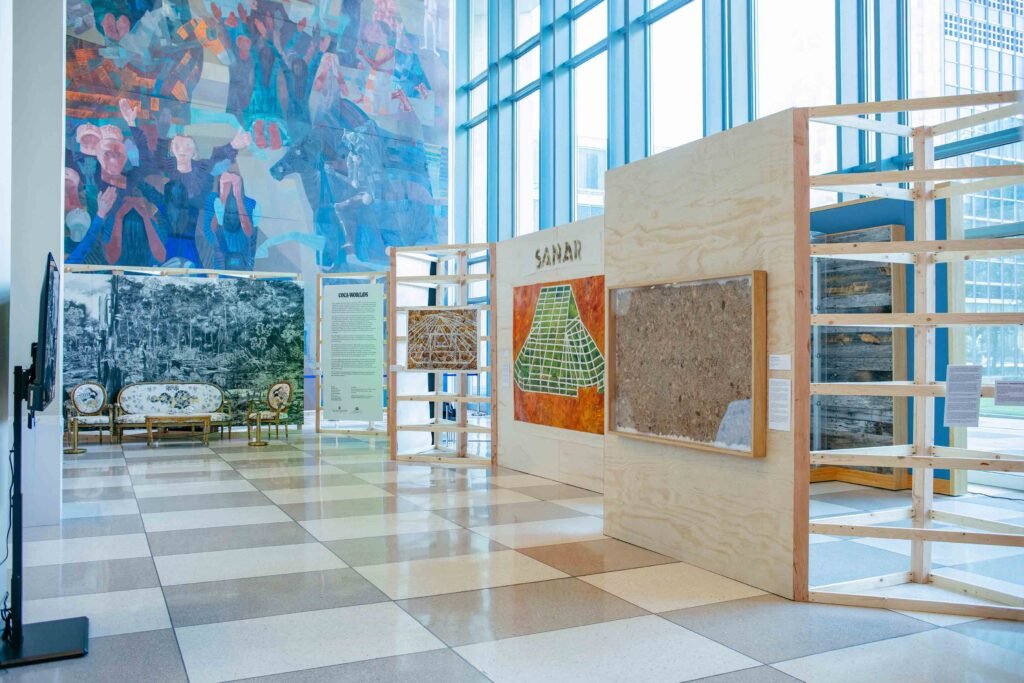
COCAWORLDS was a curatorial project by Liana Collective that reclaimed the coca leaf as a sacred, political, and cultural plant rooted in Andean-Amazonian territories. First presented at the United Nations Headquarters and later at Open Society Foundations in New York, the exhibition called for a critical reassessment of global narratives surrounding coca and urged the international community to address the historical injustice of its 1961 classification as a narcotic.

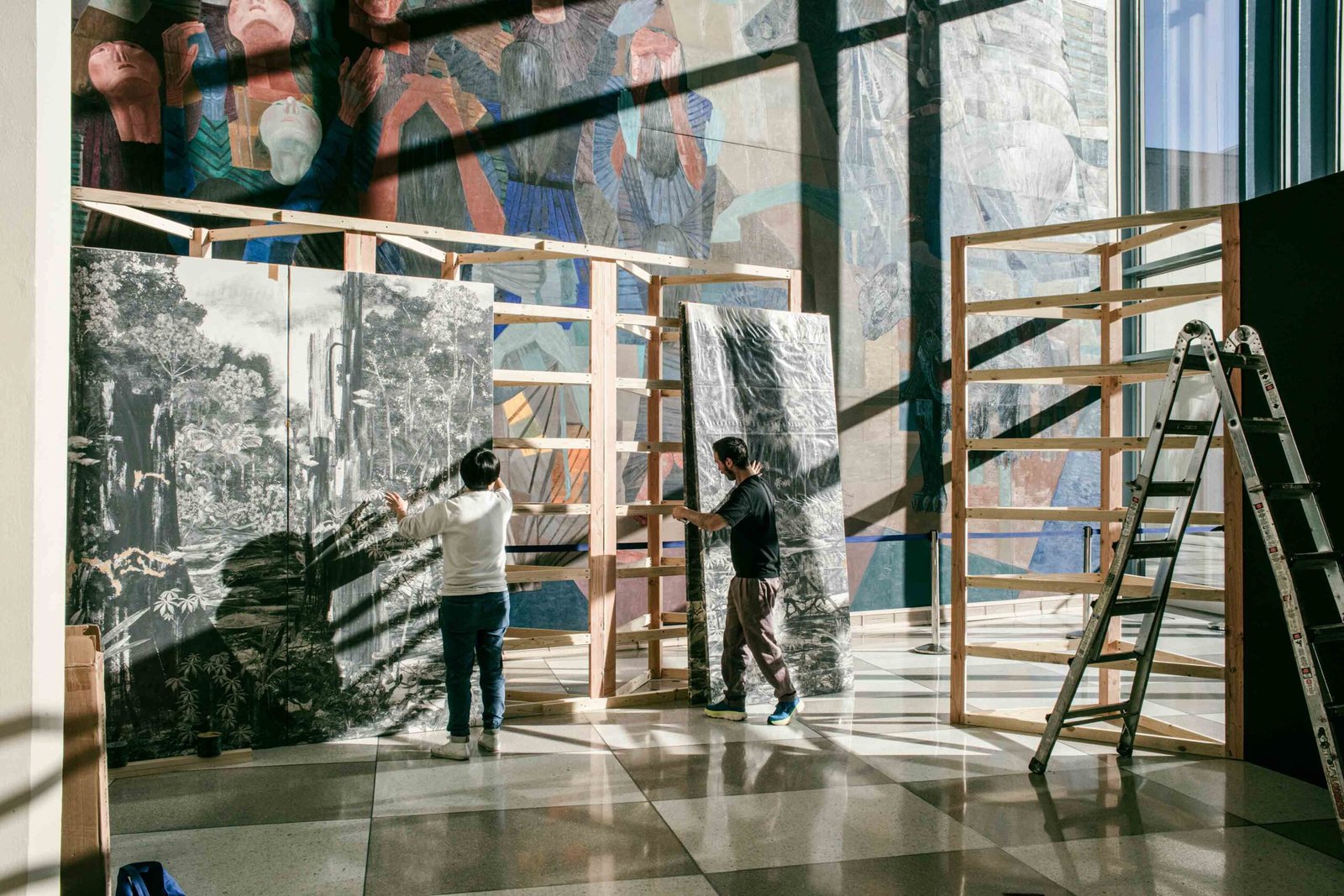
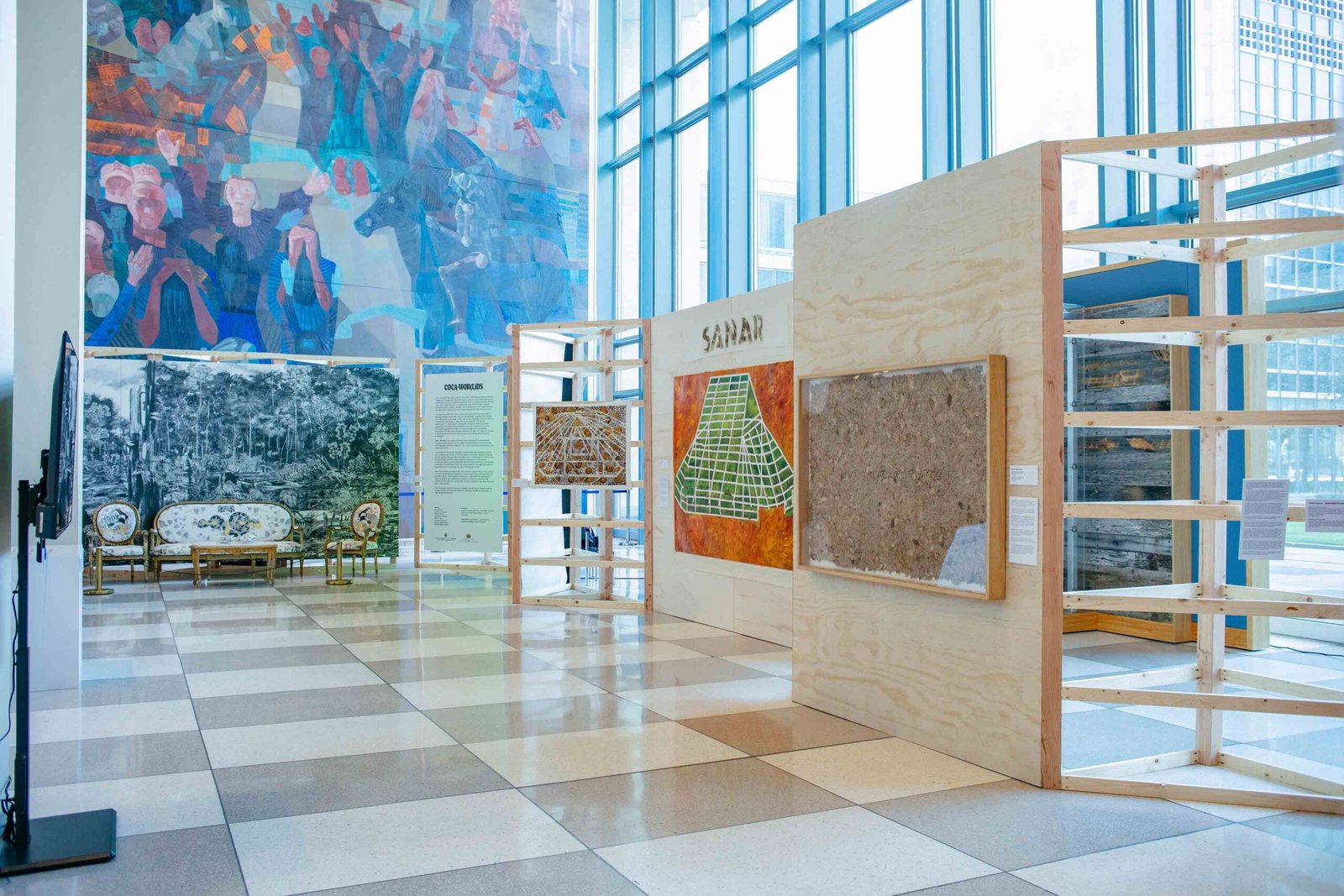
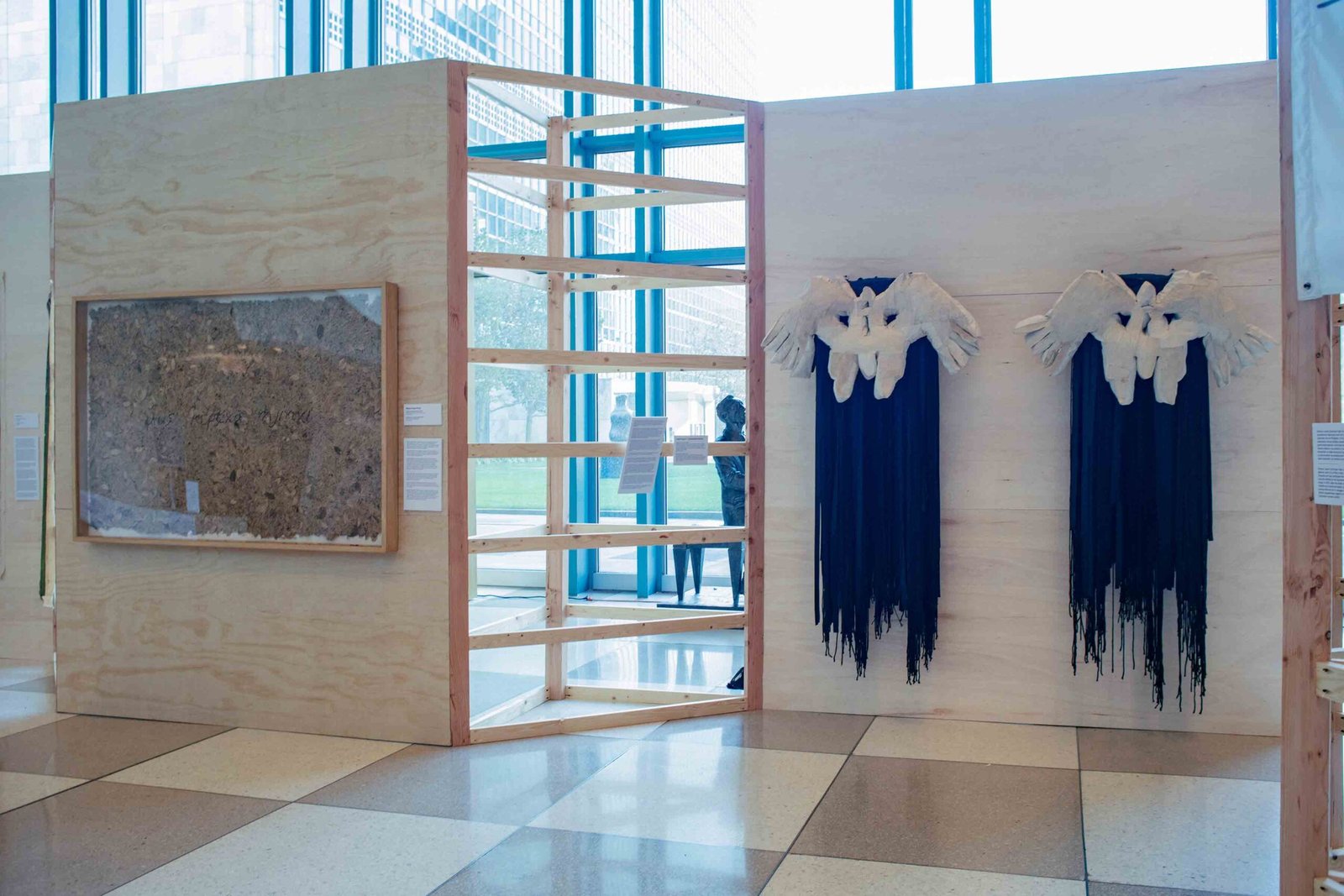
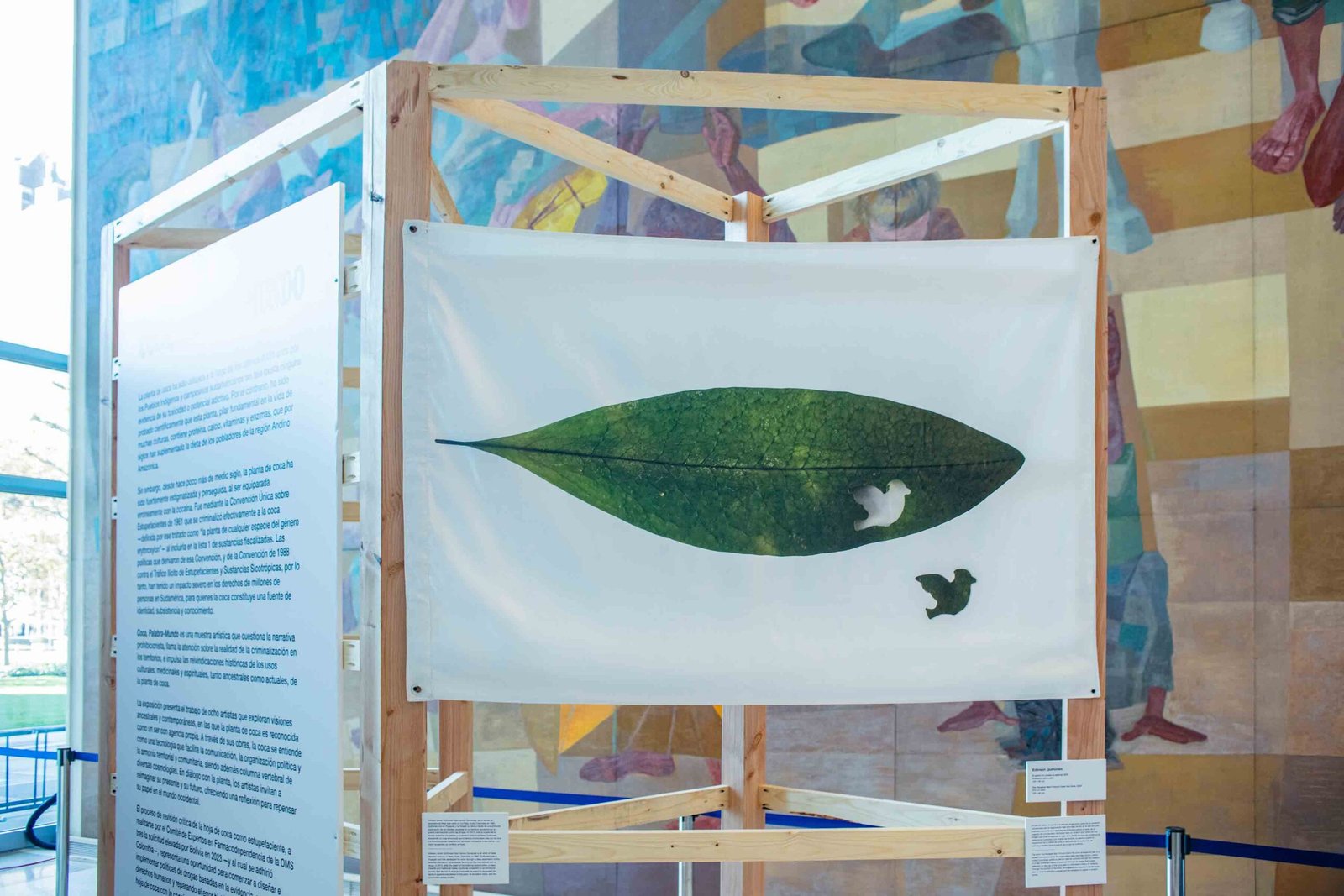
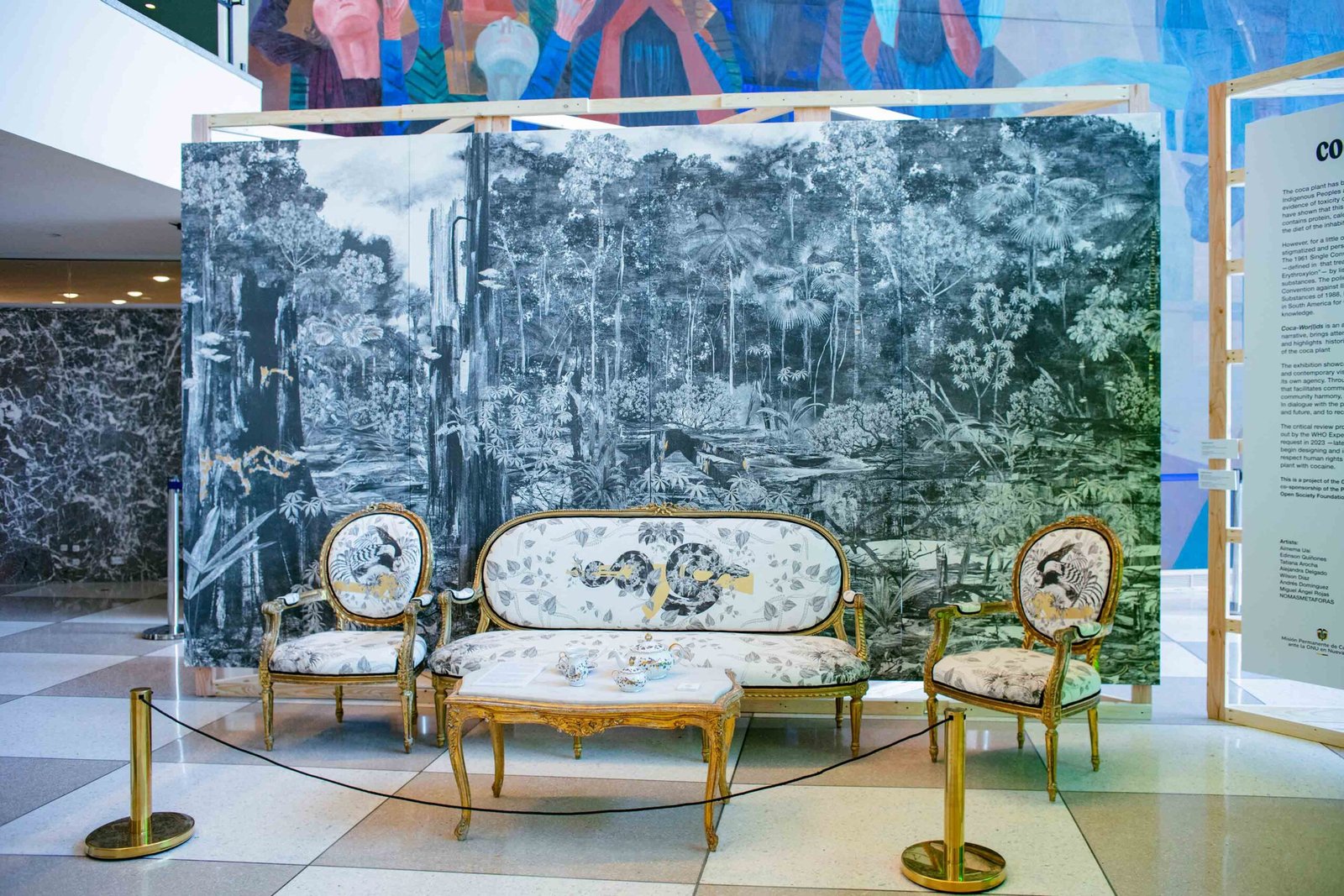
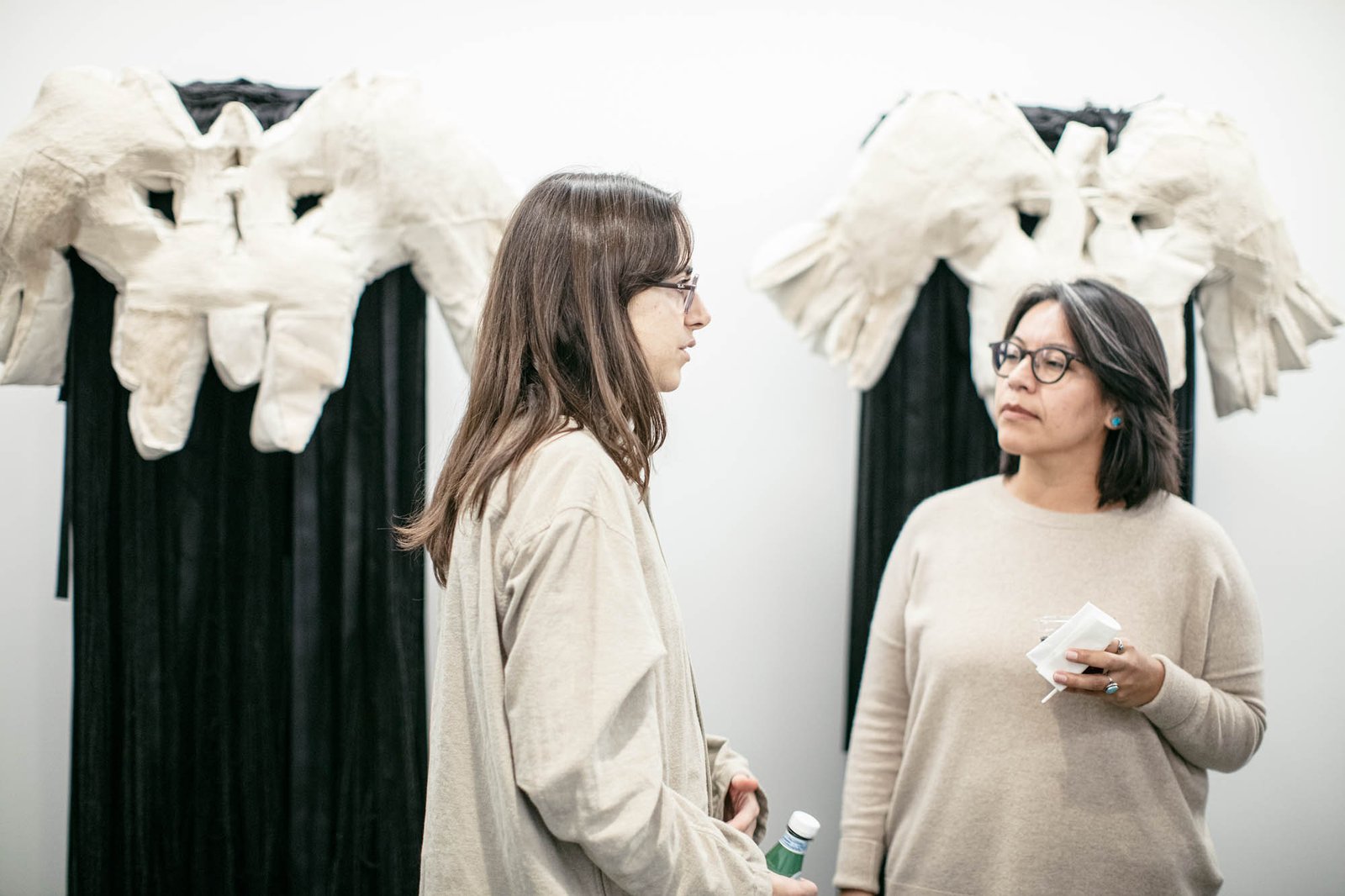
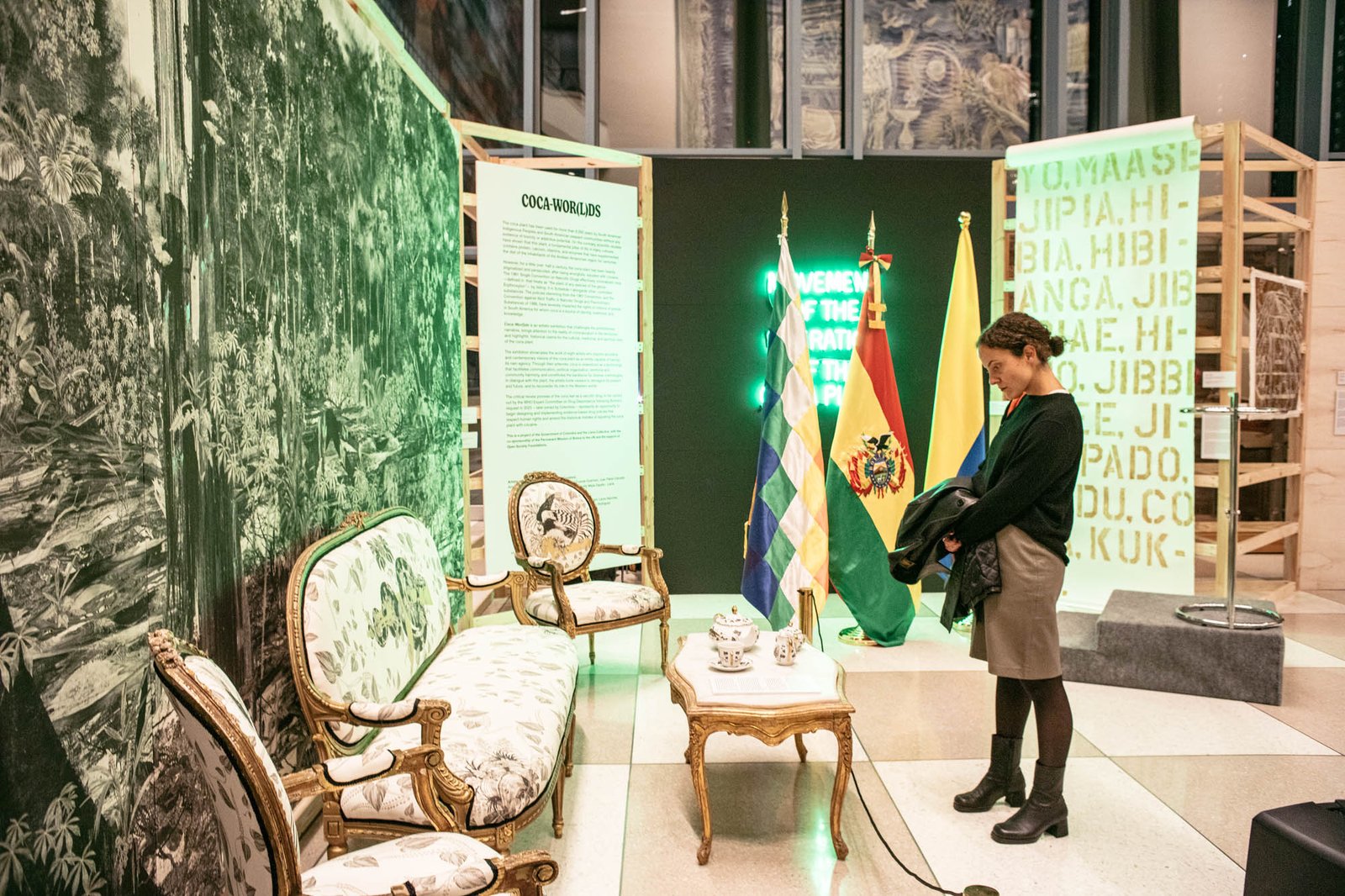
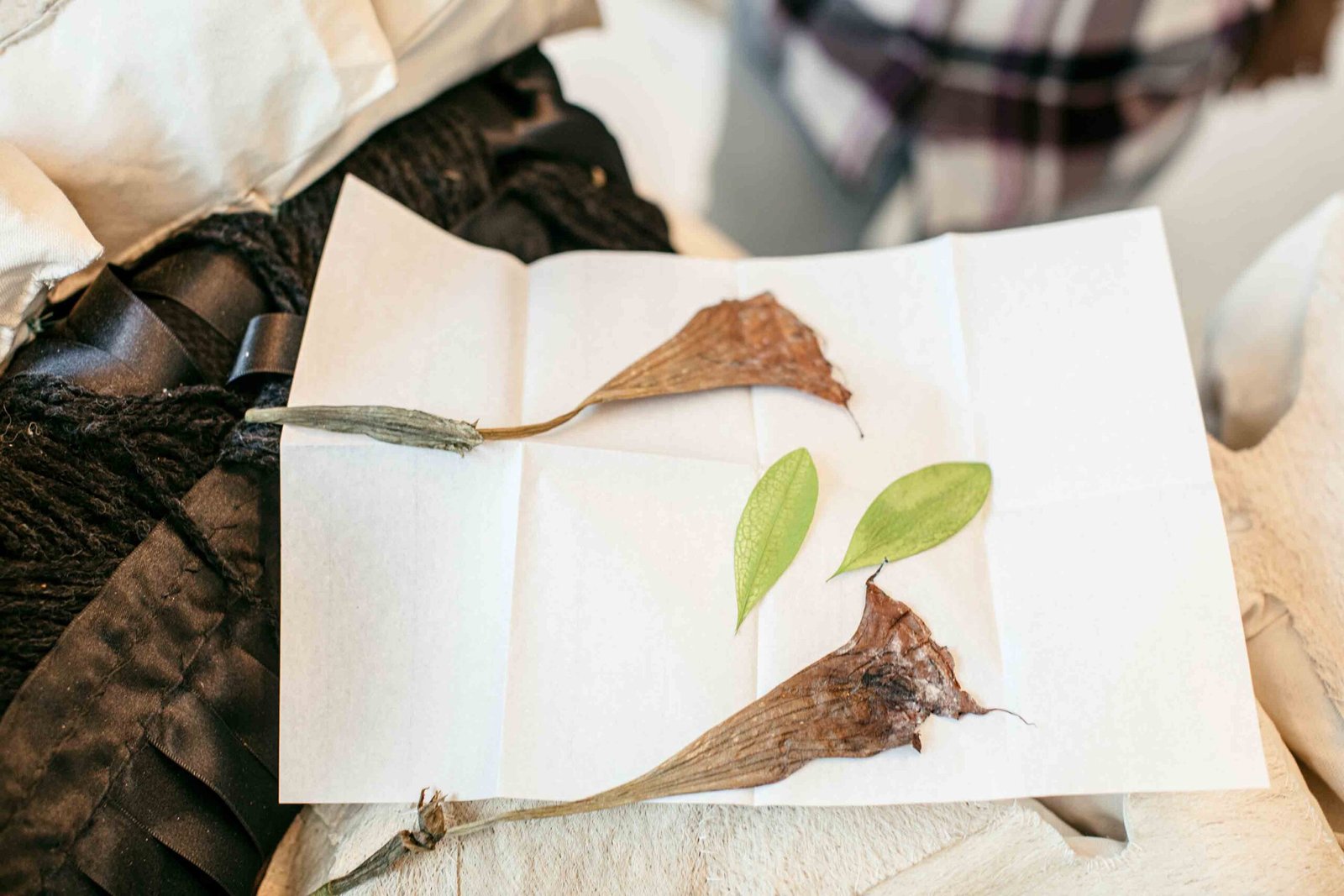
Co-sponsored by the Permanent Missions of Colombia and Bolivia to the UN, with support from the Colombian Ministry of Cultures and Open Society Foundations, the exhibition featured eight artists working in close relationship with Indigenous and peasant communities in coca-growing regions. Their works challenged colonial framings of the coca leaf, presenting it not as raw material for cocaine, but as a being with agency, a symbol of resilience, and a tool for spiritual and political continuity.

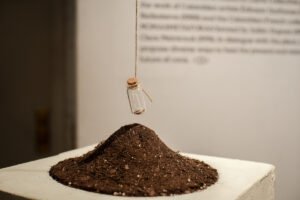
Artists Aimema Uai, Edinson Quiñones, Tatiana Arocha, Alejandra Delgado, Wilson Díaz, Andrés Domínguez, Miguel Ángel Rojas, and the collective NOMASMETÁFORAS used installation, performance, sculpture, and painting to open up new imaginaries around the coca plant. Their pieces—ranging from ceremonial actions and ancestral landscapes to dreamlike installations—wove together stories of healing, memory, and resistance, rooted in coca’s enduring presence across generations.

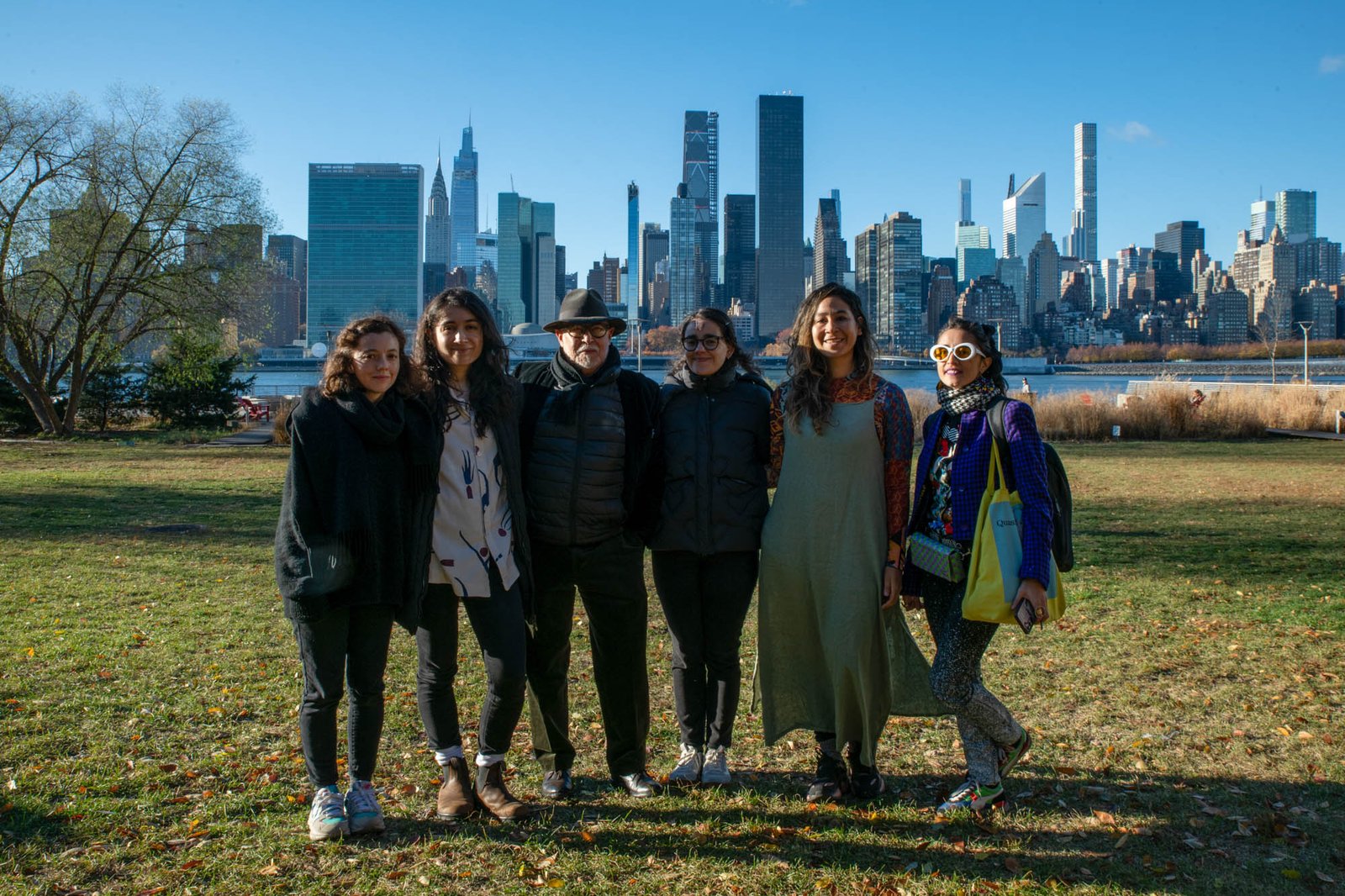
This exhibition formed part of a long-term curatorial investigation led by Liana—comprised of Angélica Cuevas, Giselly Mejía, and Juan Pablo Caicedo—that connects artists, Indigenous knowledge holders, and transdisciplinary thinkers. The project affirms the coca leaf’s value as a plant of power, medicine, and sustenance, while opposing the stigmas imposed by decades of prohibitionist policies.

At a critical moment when the international community is reviewing the status of the coca leaf under global drug control regimes, COCAWORLDS stood as a symbolic and political act of repair—and an invitation to listen to the voices that have long resisted erasure under the so-called war on drugs.
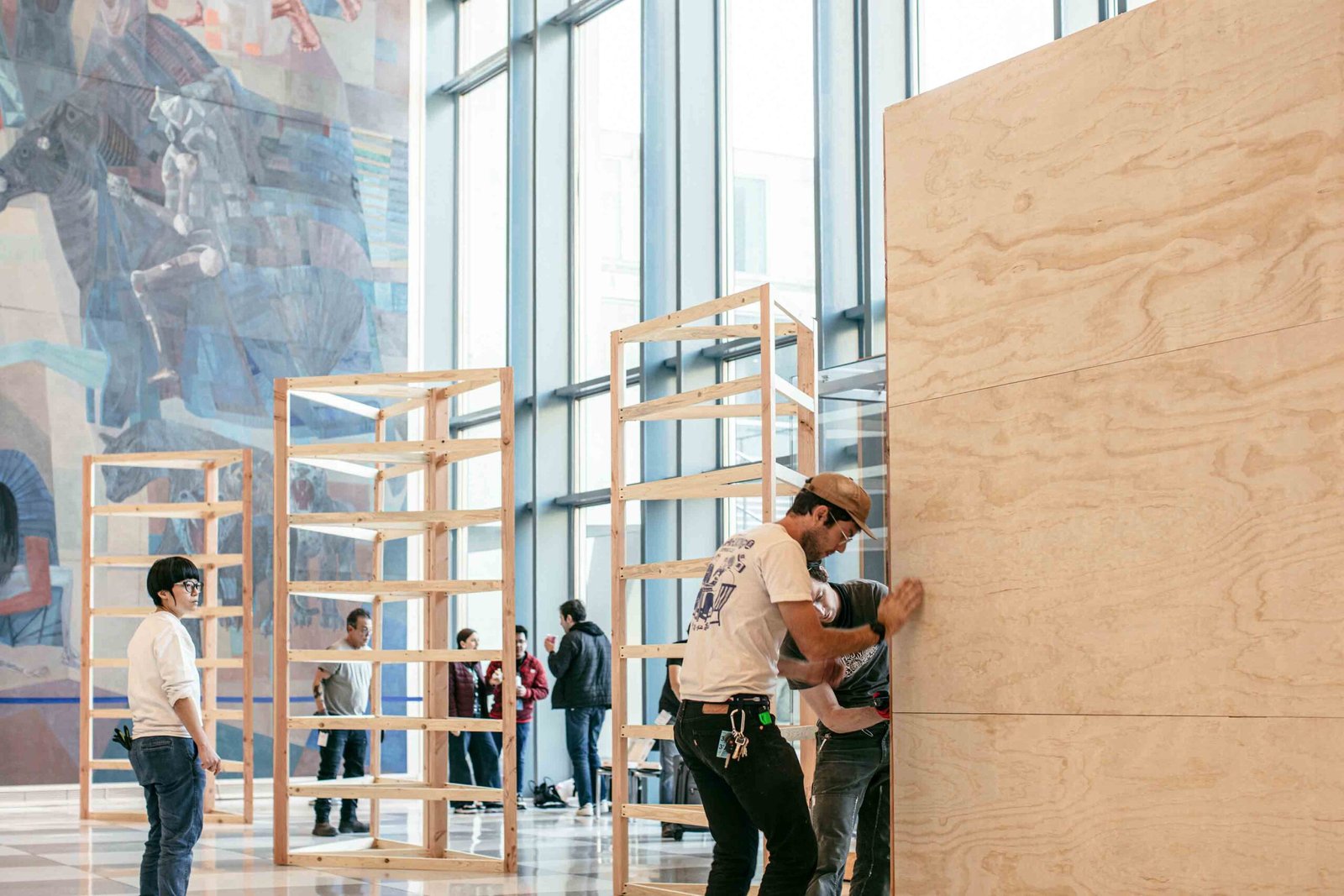
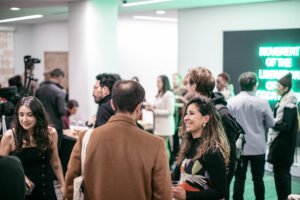
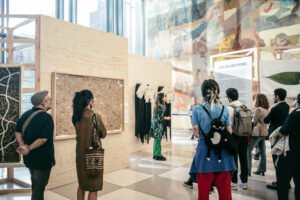
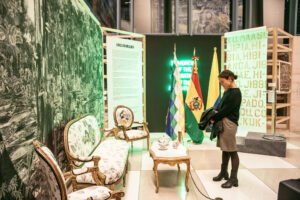
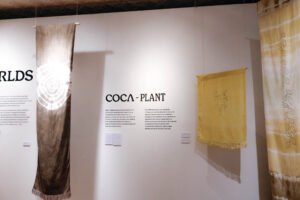
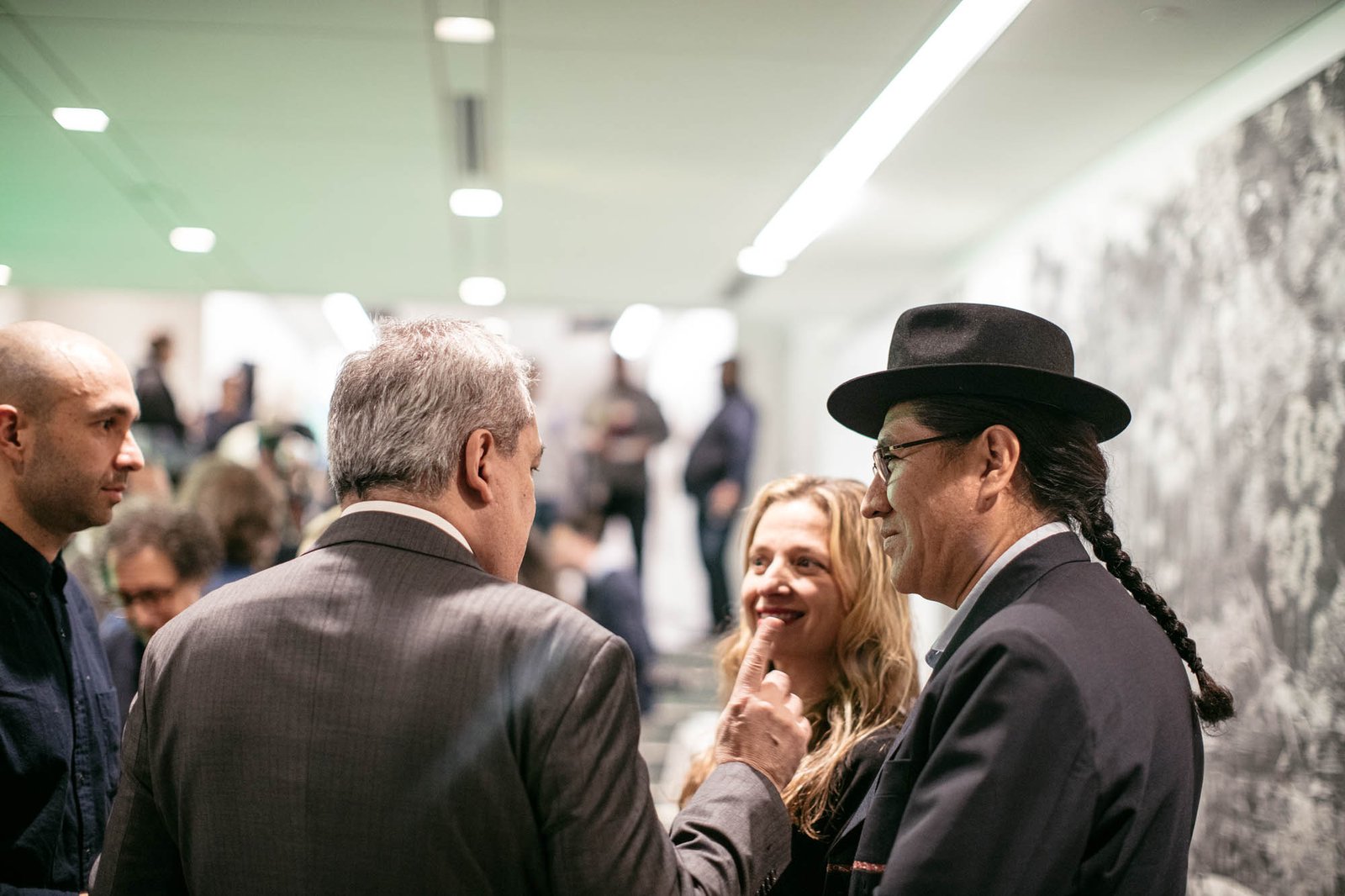
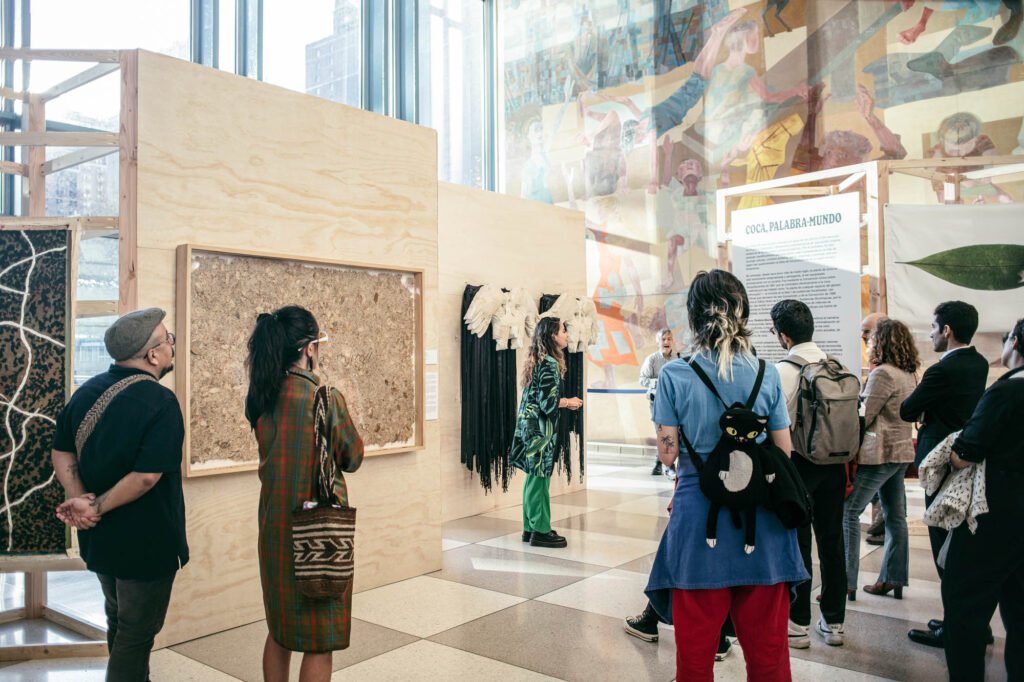
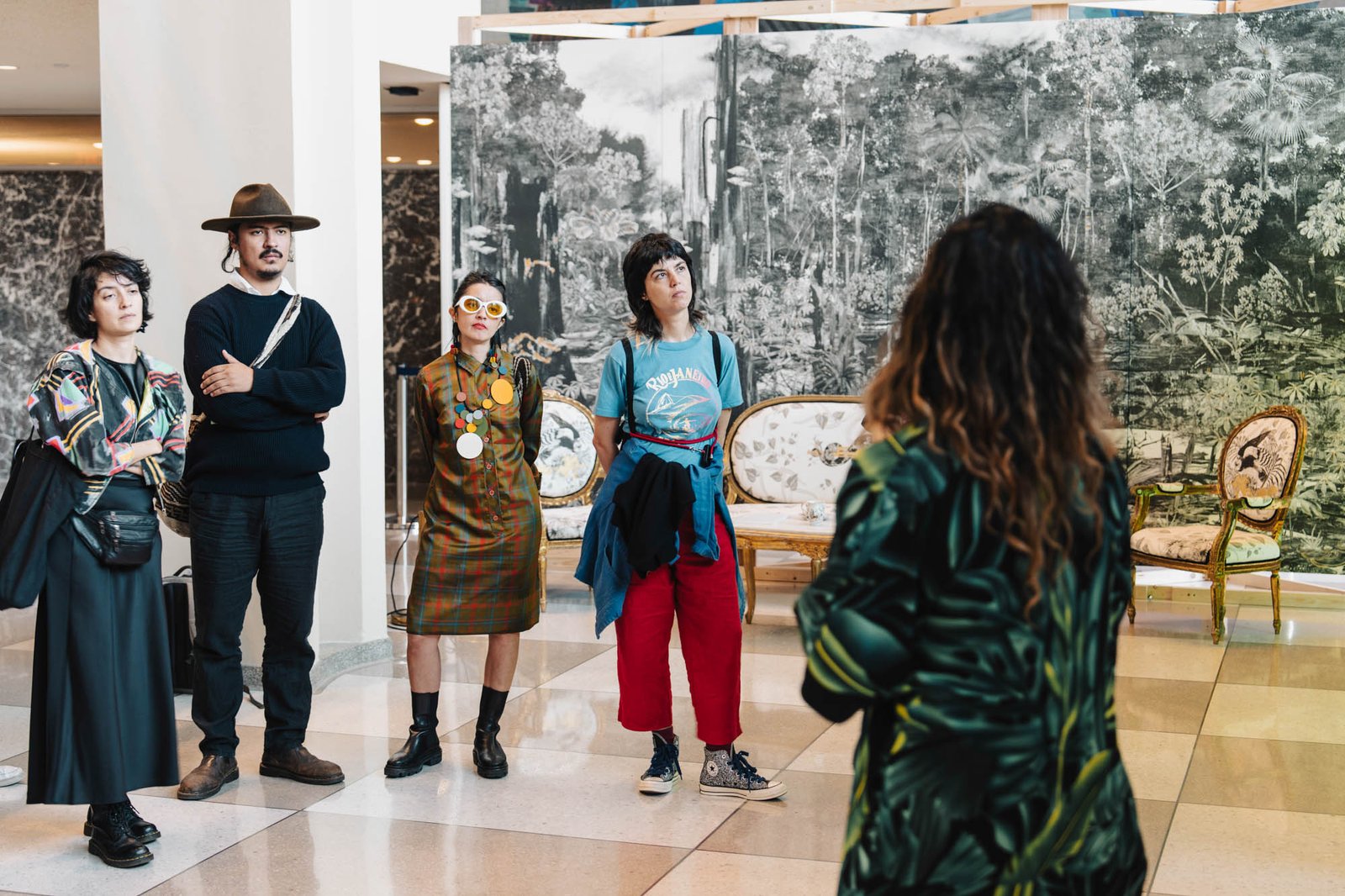
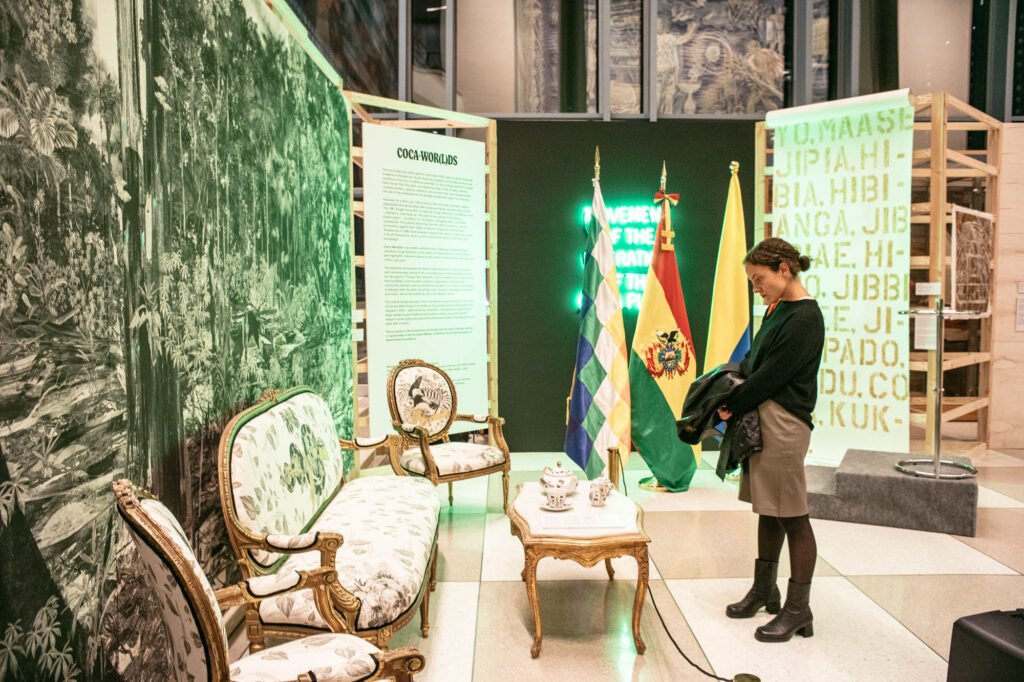
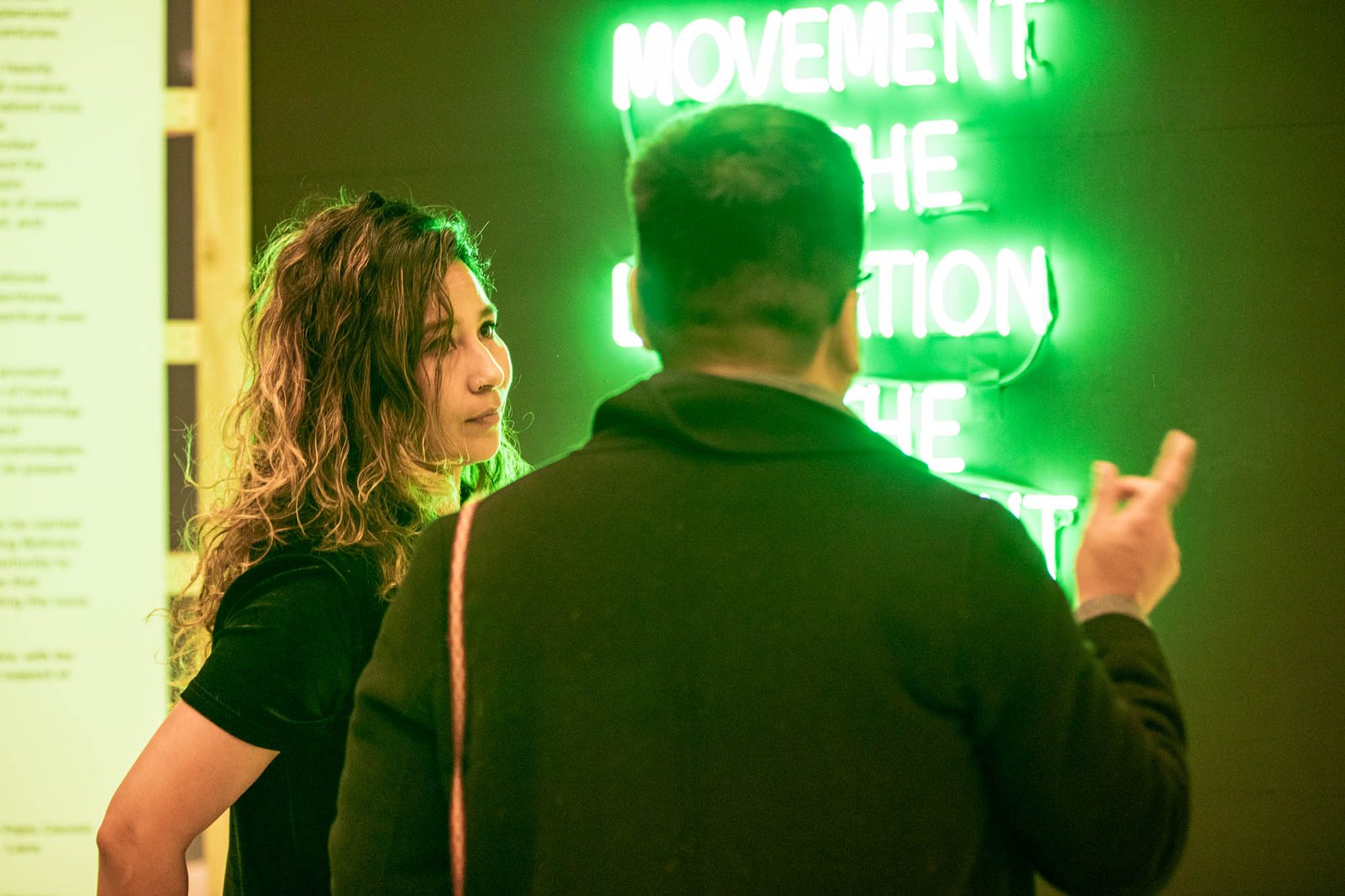
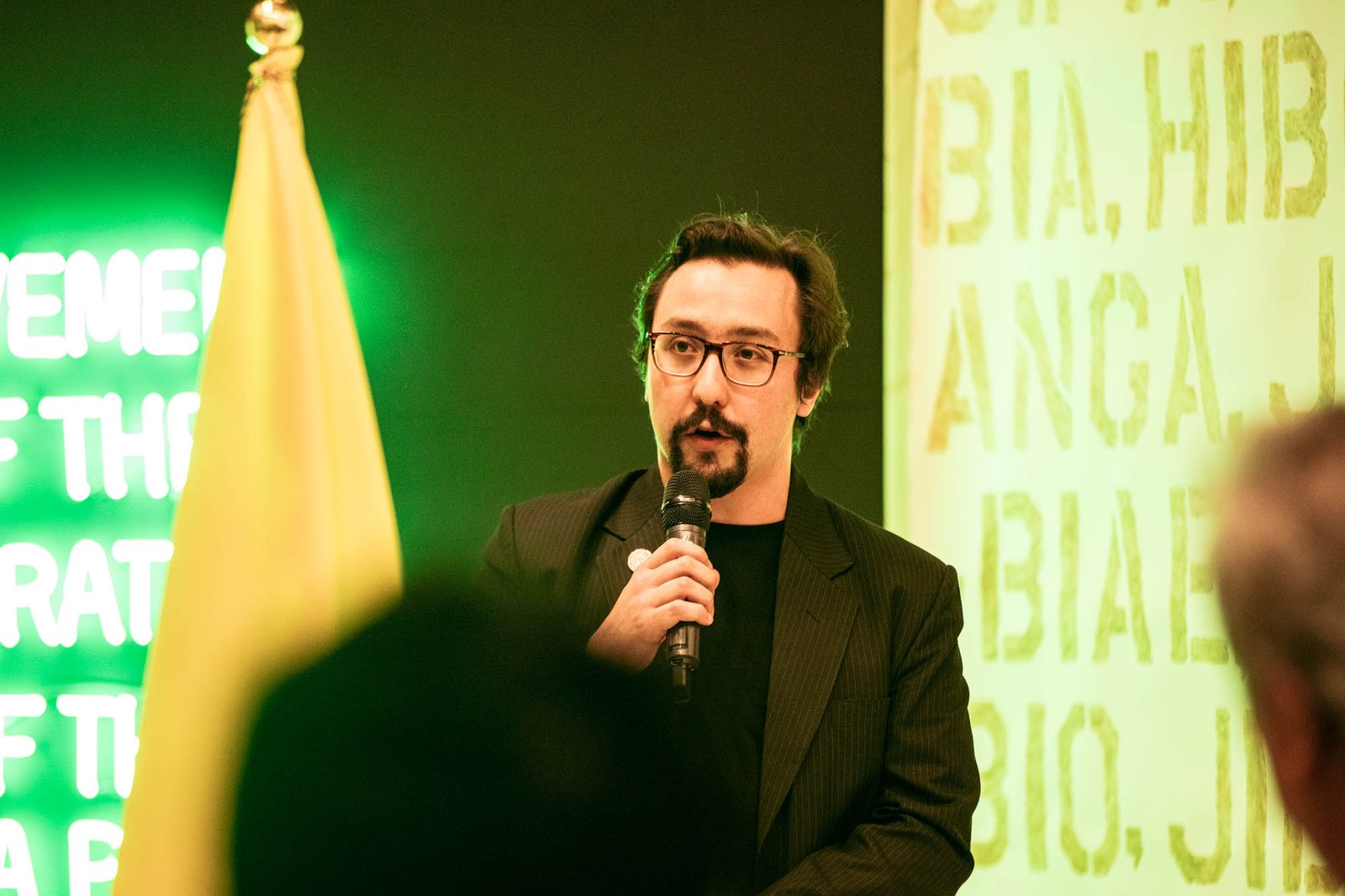
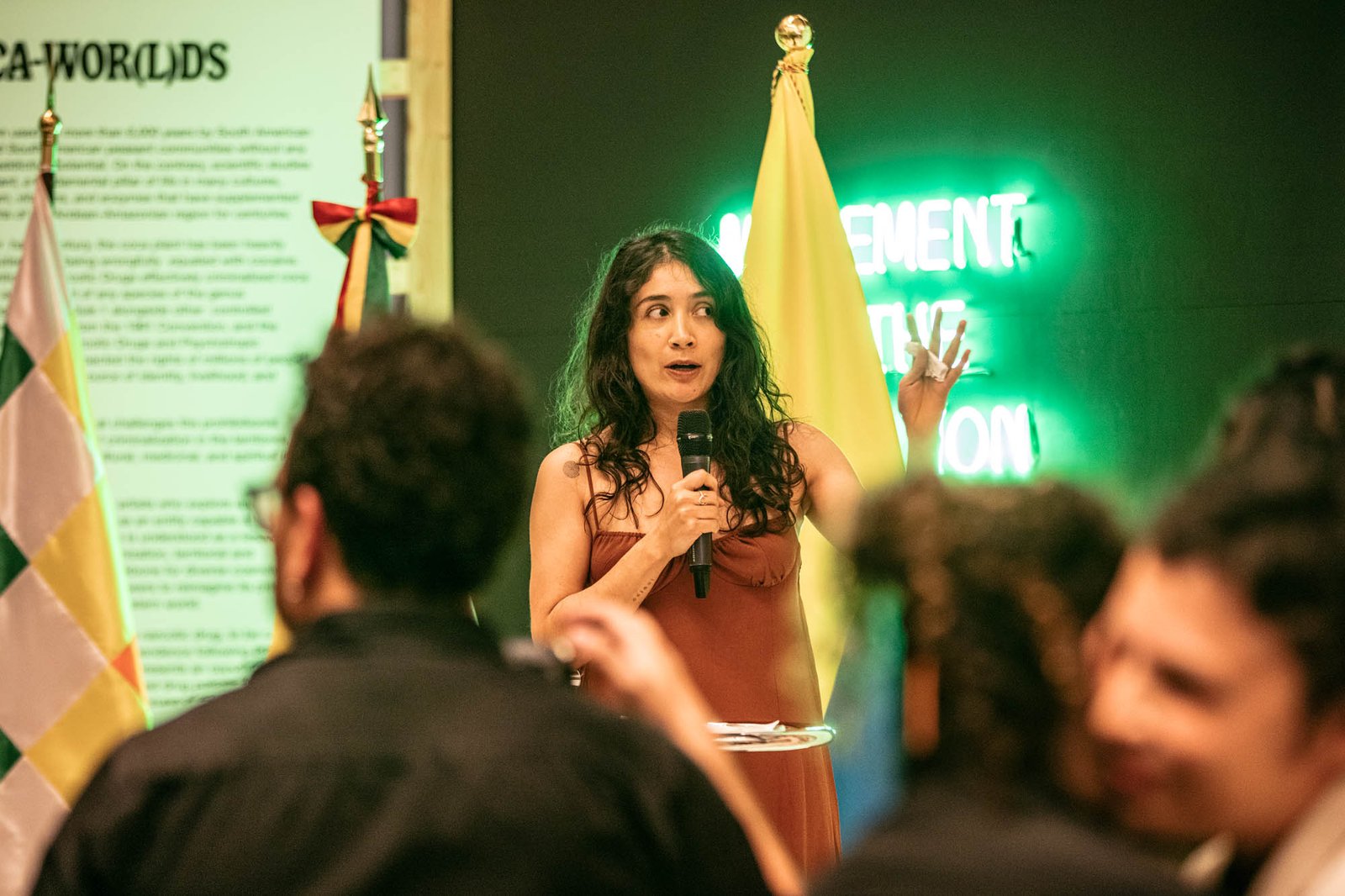
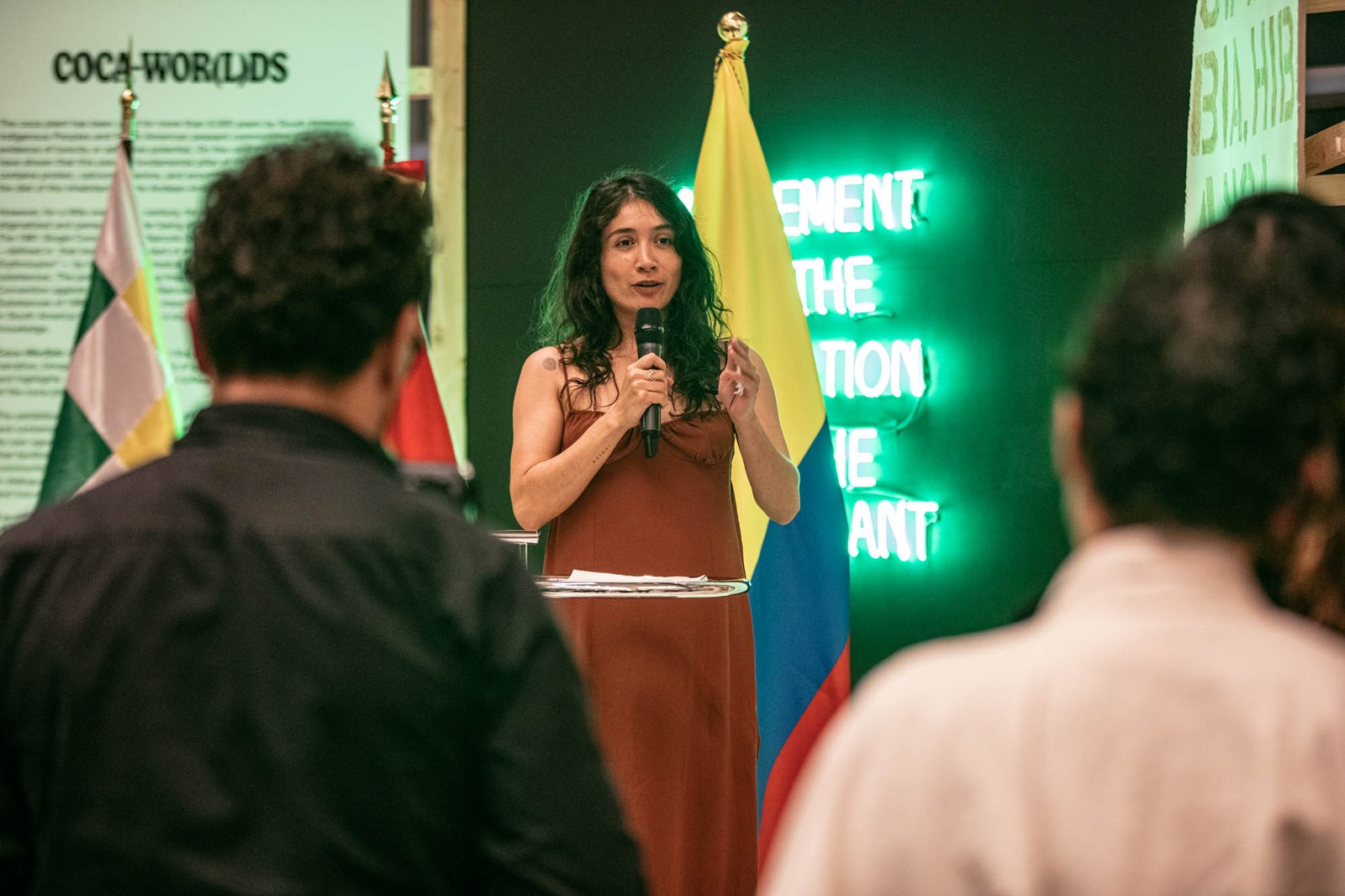
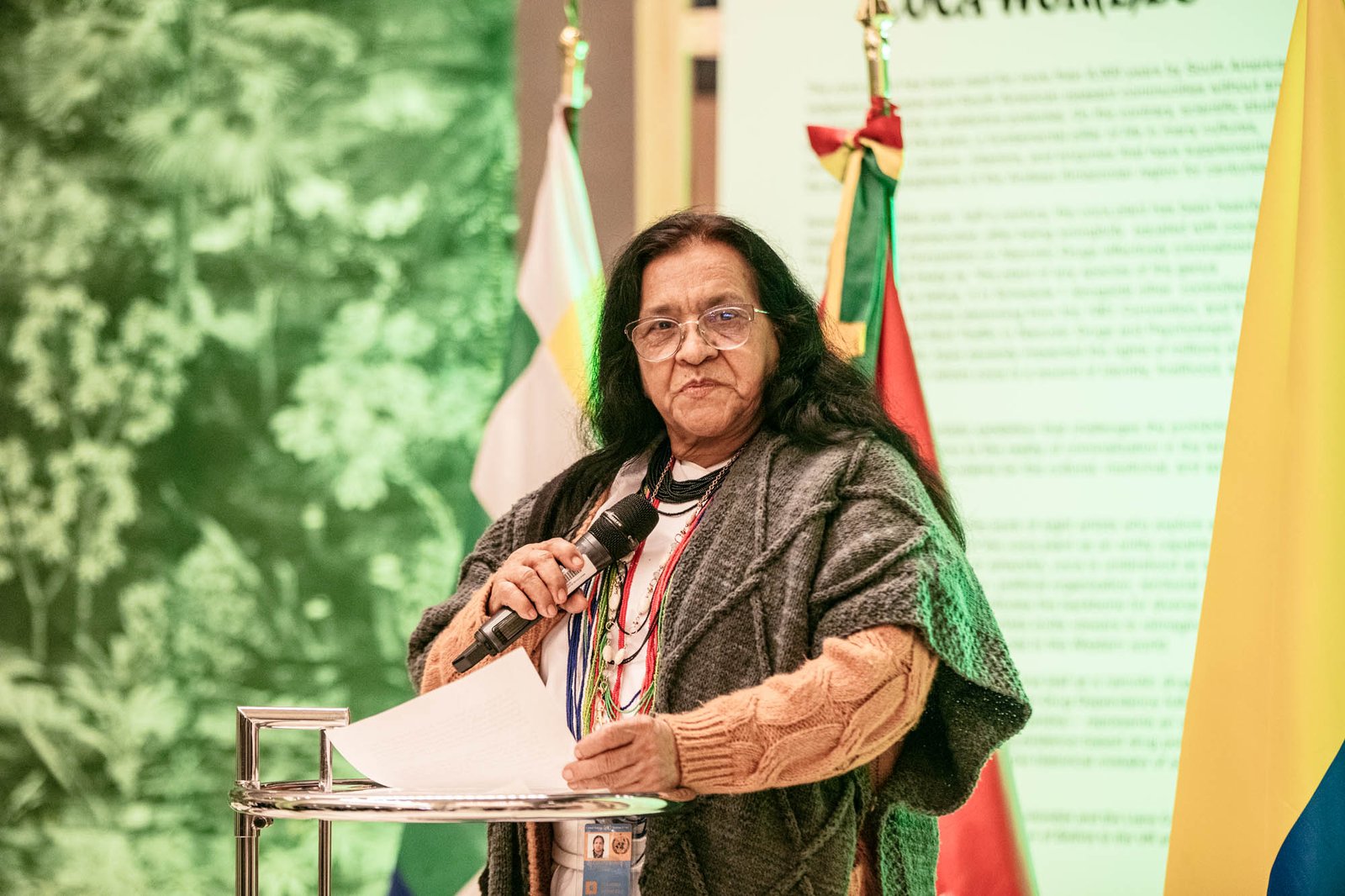
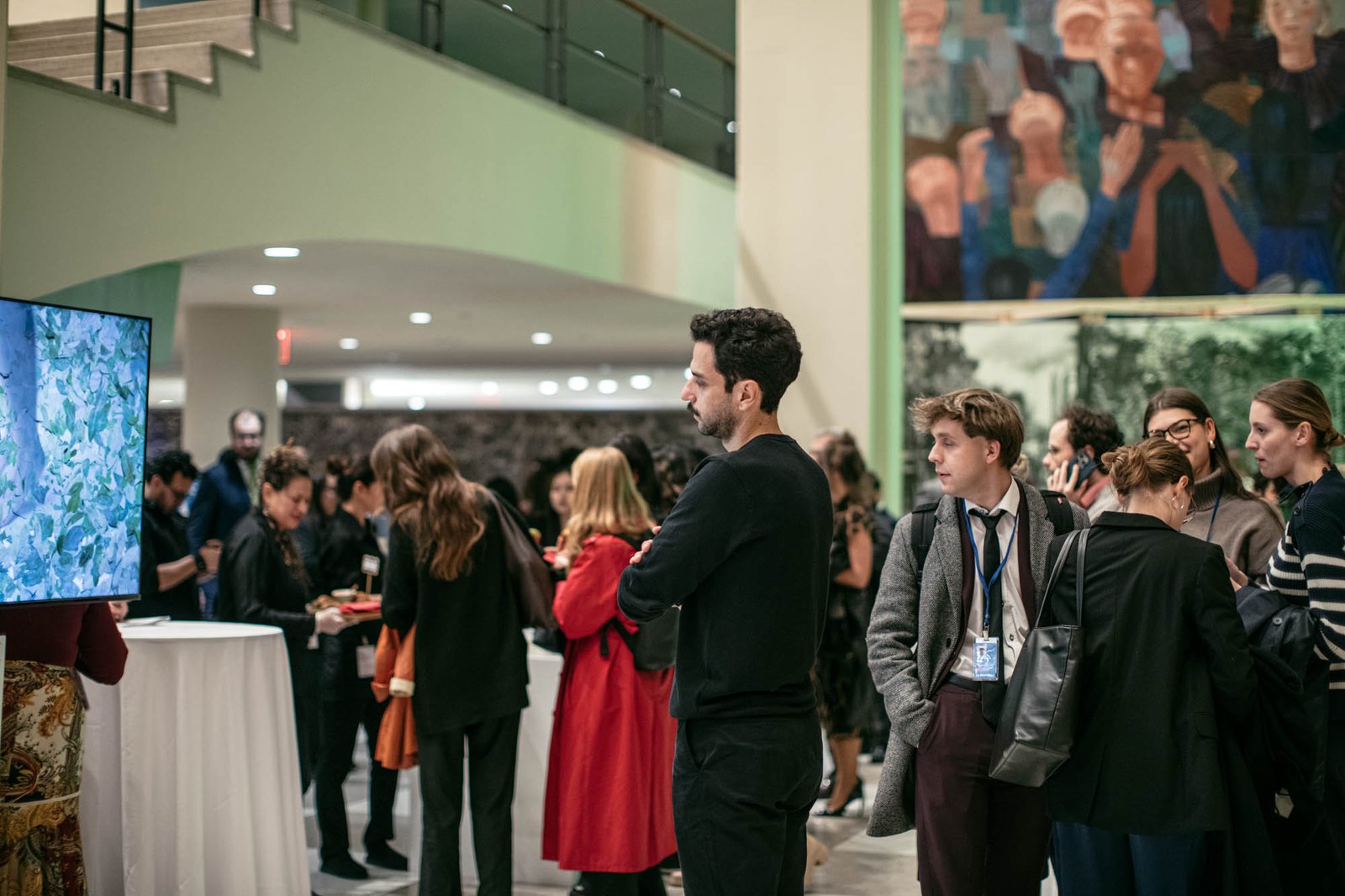
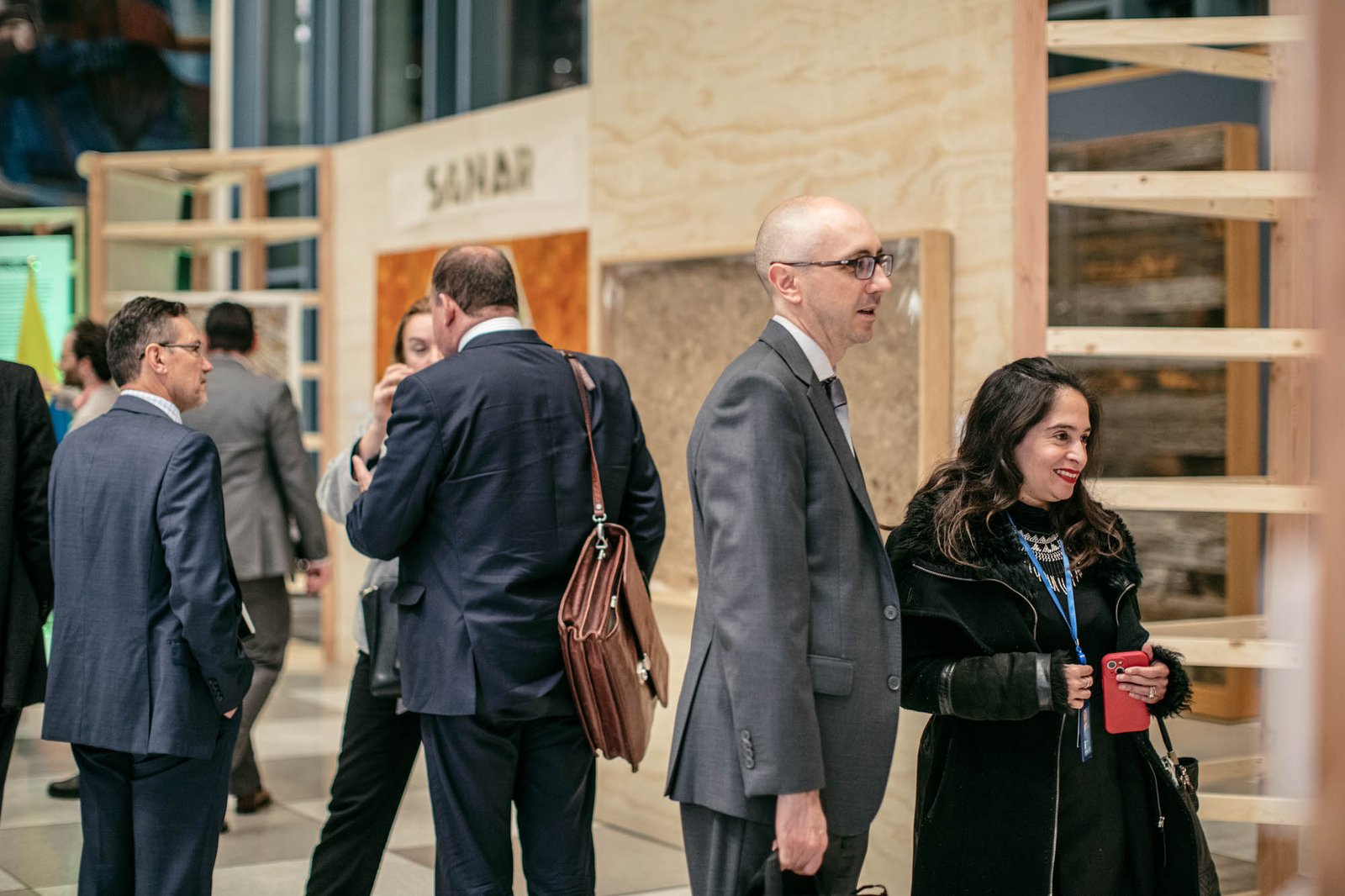
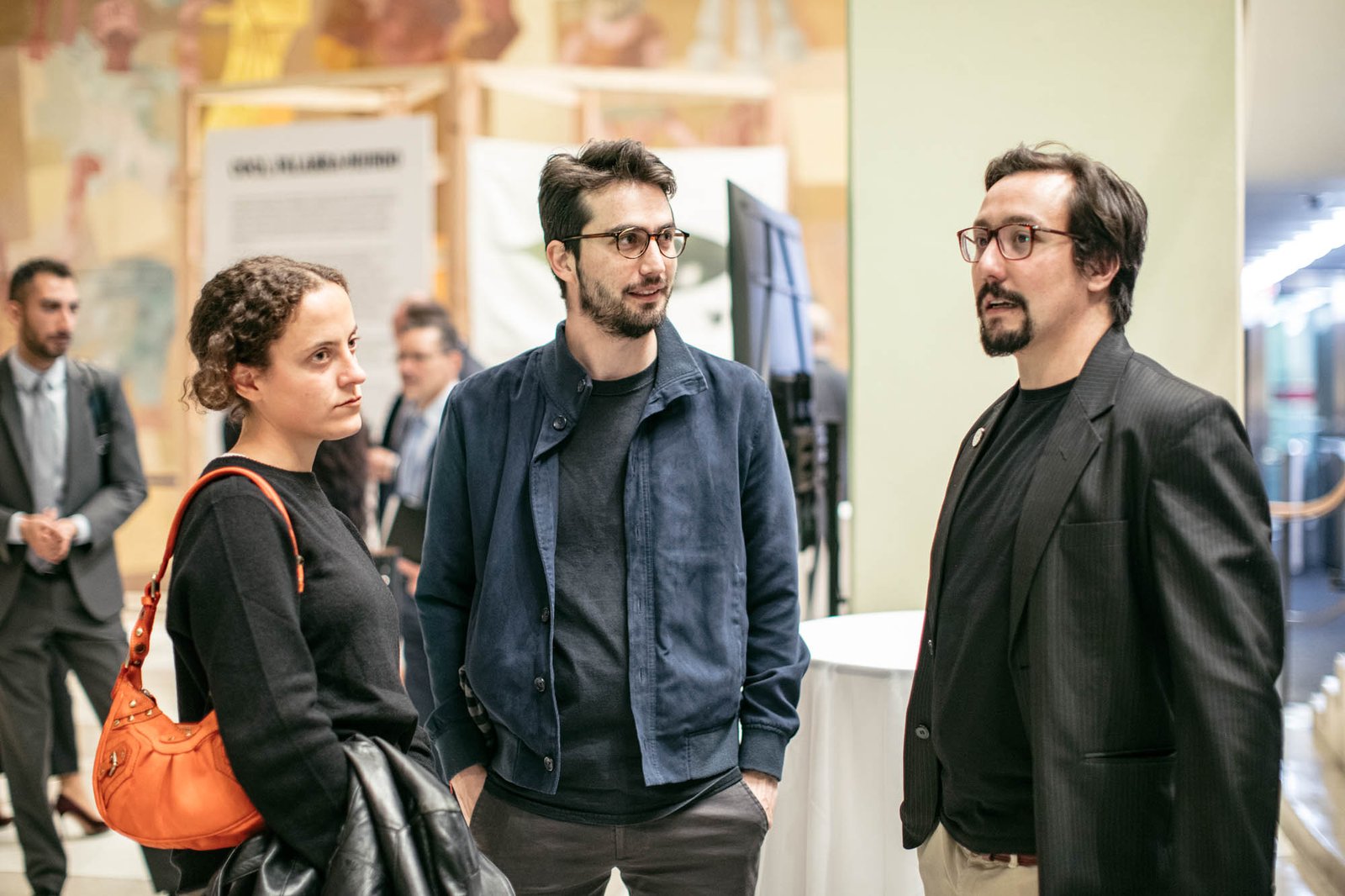
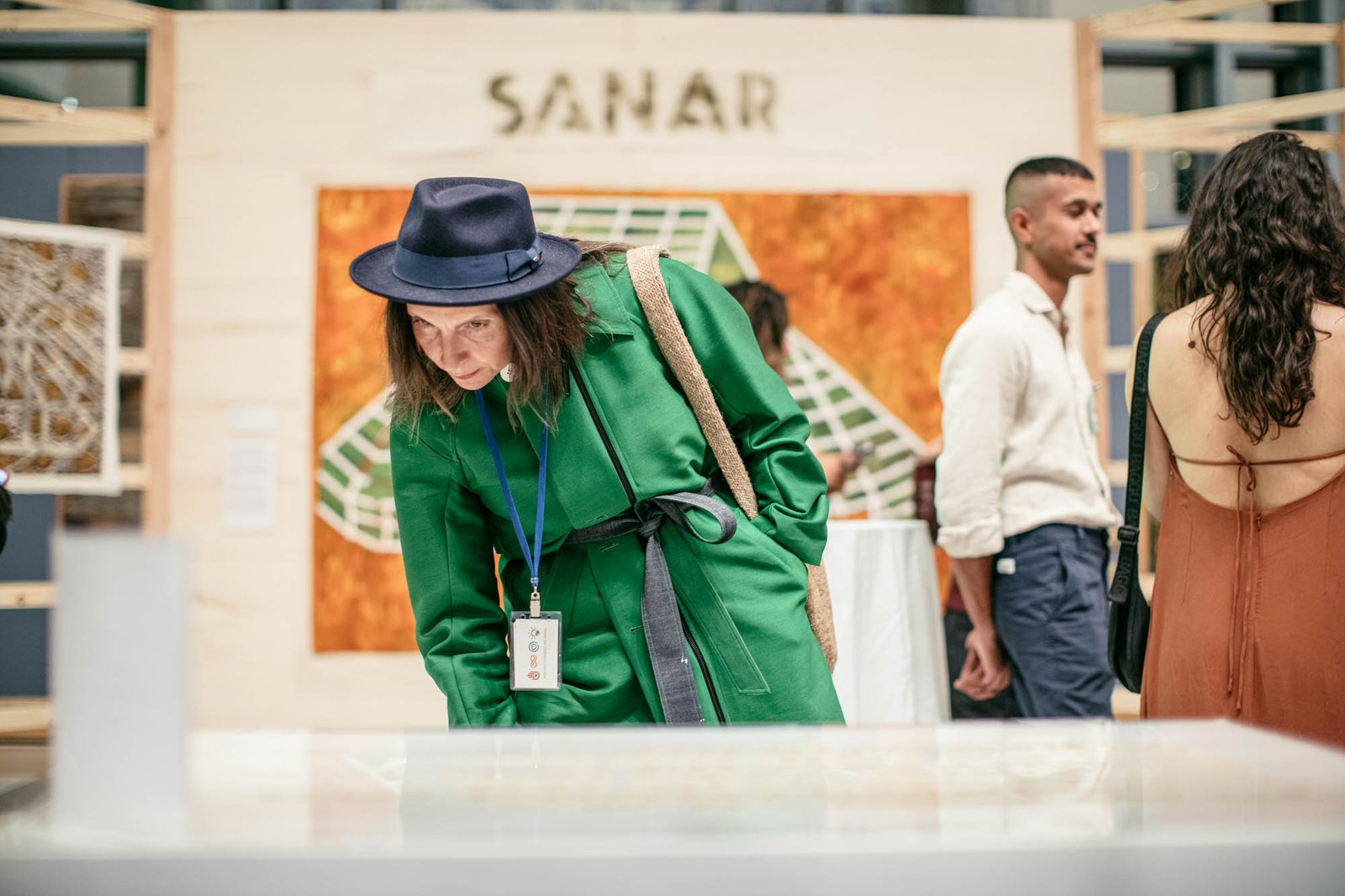
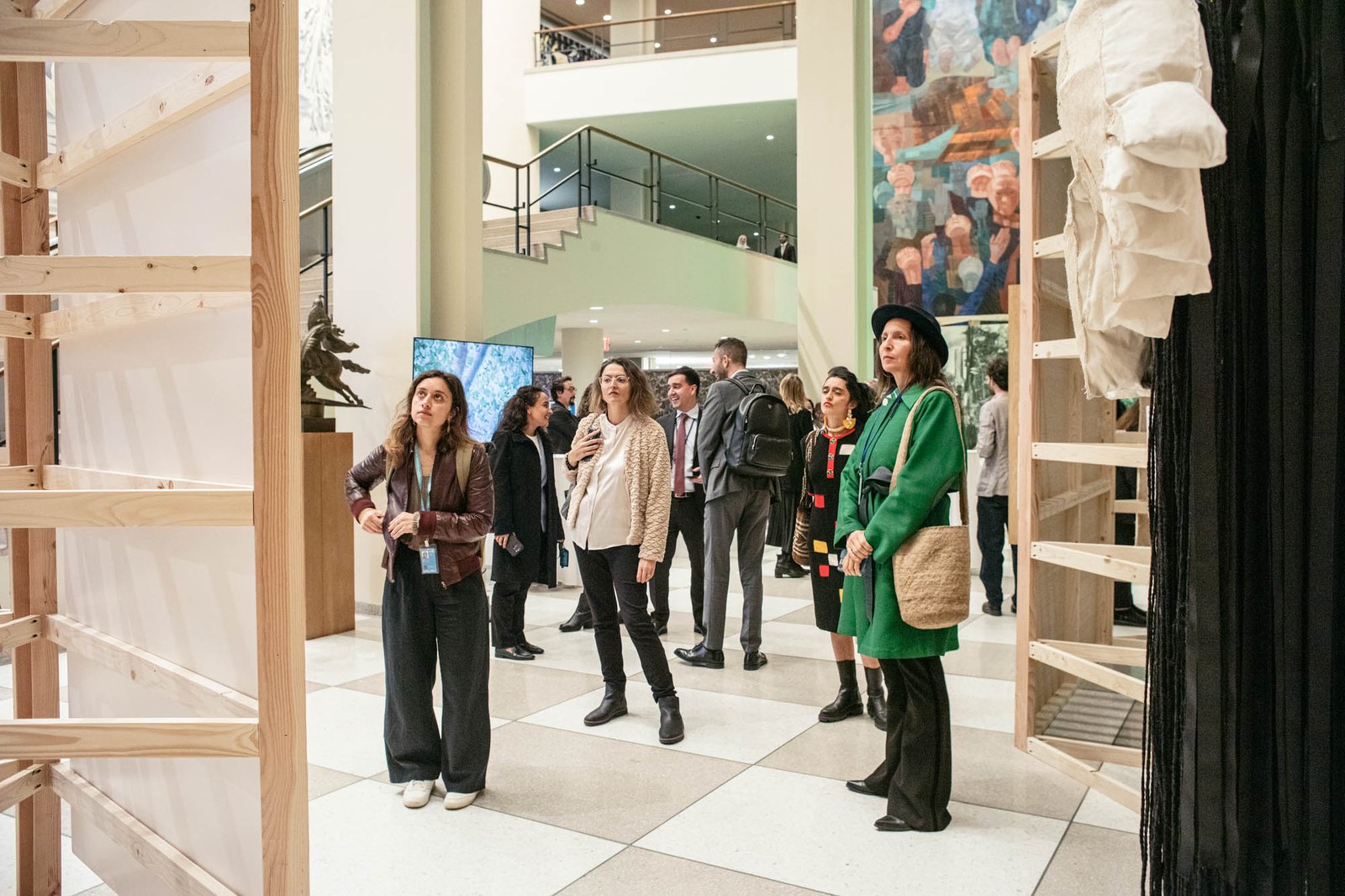
UN Headquarters, New York. November 4 – 8, 2024. Photo by Mariana Reyes for Liana Collective.

Painting as a Way of Mambear the WorldBy Angélica Cuevas

Written by

Angélica Cuevas

Photos:

Óscar Pérez for Forging Journal | Forge Project (NYC)

MORE BLOGS

The article I Speak for the Forest, for the Rivers, for the Ancestors Who Keep Conversing Through the Mambeexplores the work of Murui-Muina artist and mambeólogo Aimema Úai, for whom painting is not an aesthetic representation but a living practice of thinking with the forest.

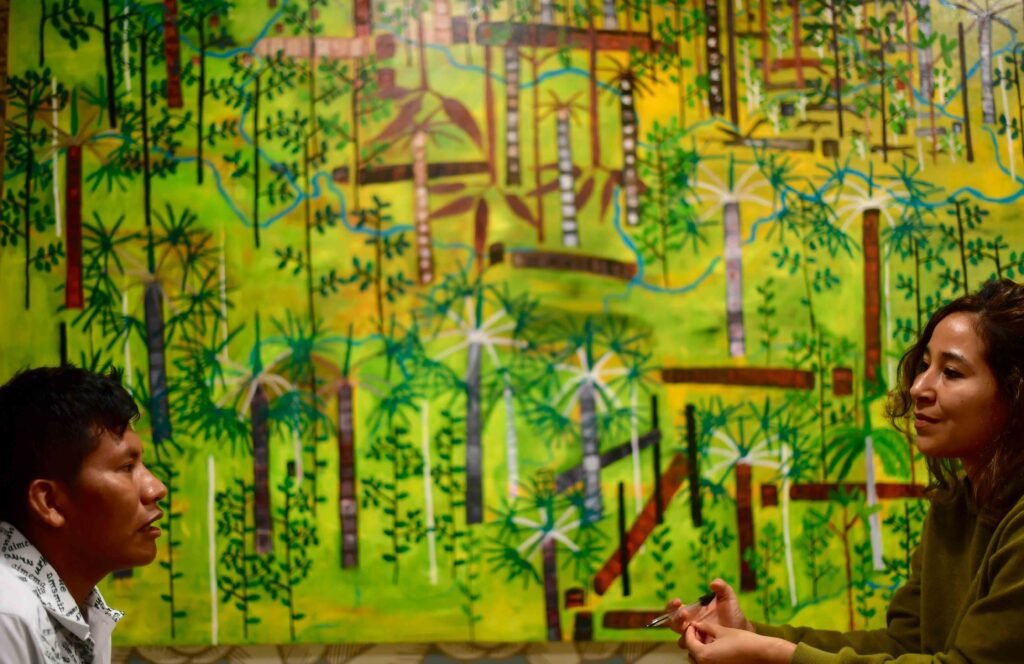
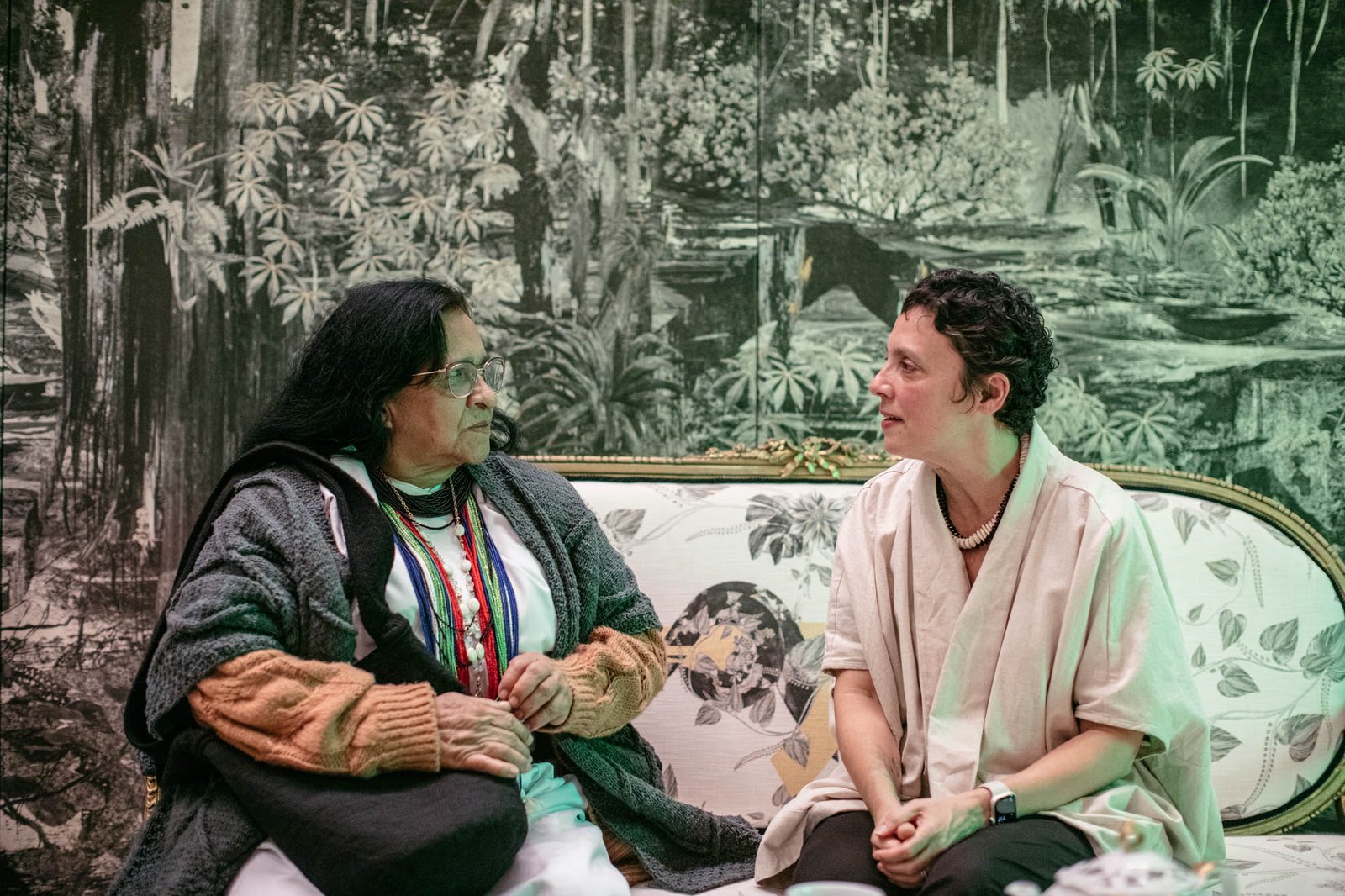
Aimema Úai and Angélica Cuevas during the interview at the artist’s home in Bogotá, October 2024. Photo: Óscar Pérez for Forging Journal | Forge Project (NYC)

This text was the first article I wrote after being selected as part of the 2025–2026 cohort of Journal Forging, the writing and editorial fellowship of Forge Project in New York (USA). Journal Forging accompanies writers, curators, and thinkers in the development of critical and experimental texts in dialogue with contemporary artistic practices, with a strong emphasis on Indigenous, decolonial, and situated perspectives. The program understands writing as a relational practice: an exercise in listening, research, and sustained conversation with artists, territories, and living memories, rather than a distant or extractive form of analysis.

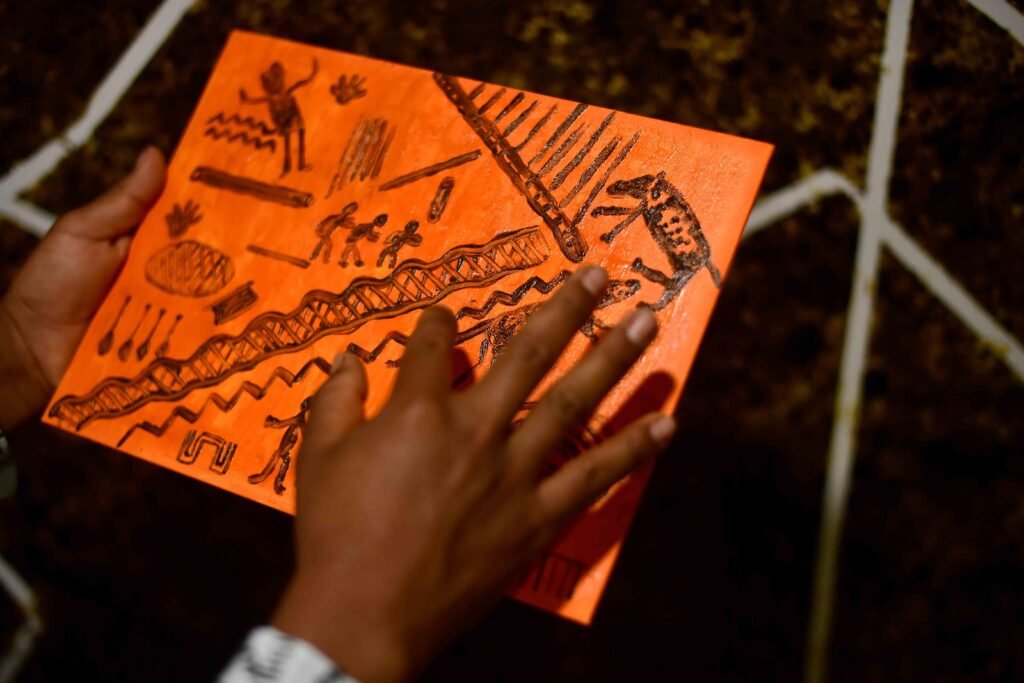
Raokaid+Ka+ / Caring for the Territory, 2025.

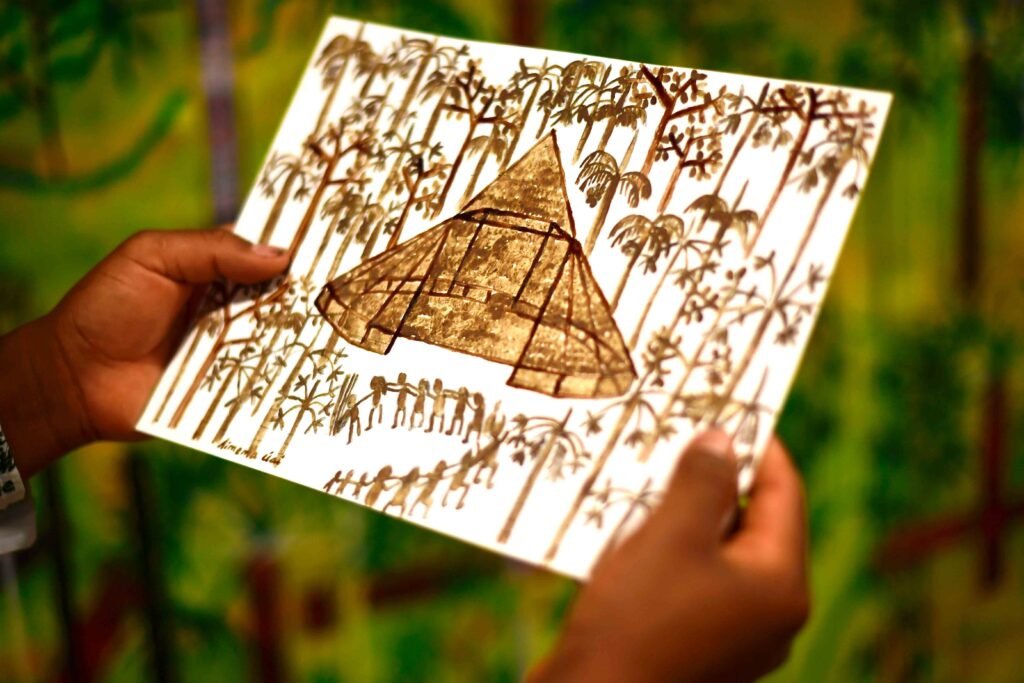
The article emerges from an in-depth interview I conducted with Aimema Úai in October 2025, at his home-studio in Bogotá, just days before his trip to Belém do Pará to participate in the Amazon Biennial and in parallel spaces to COP30. From that conversation, the text explores how his pictorial practice—activated by mambe, by the spoken word, and by pigments drawn from the territory such as wito and dragon’s blood resin—functions as an extension of the maloka, the ceremonial house, school, and spiritual center of the Murui-Muina people.

Aimema’s paintings operate as living cartographies of Murui-Muina continuity, where the maloka does not appear as a ruin or a metaphor, but as an active structure from which balance between body, territory, and spirit is continually rebuilt, even after the devastation caused by the rubber boom and the extractive violences that have deeply marked the Amazon. In his work, painting becomes a way of mambear: a space where the word is activated, where the world is cared for, and where different times and territories are allowed to speak to one another.

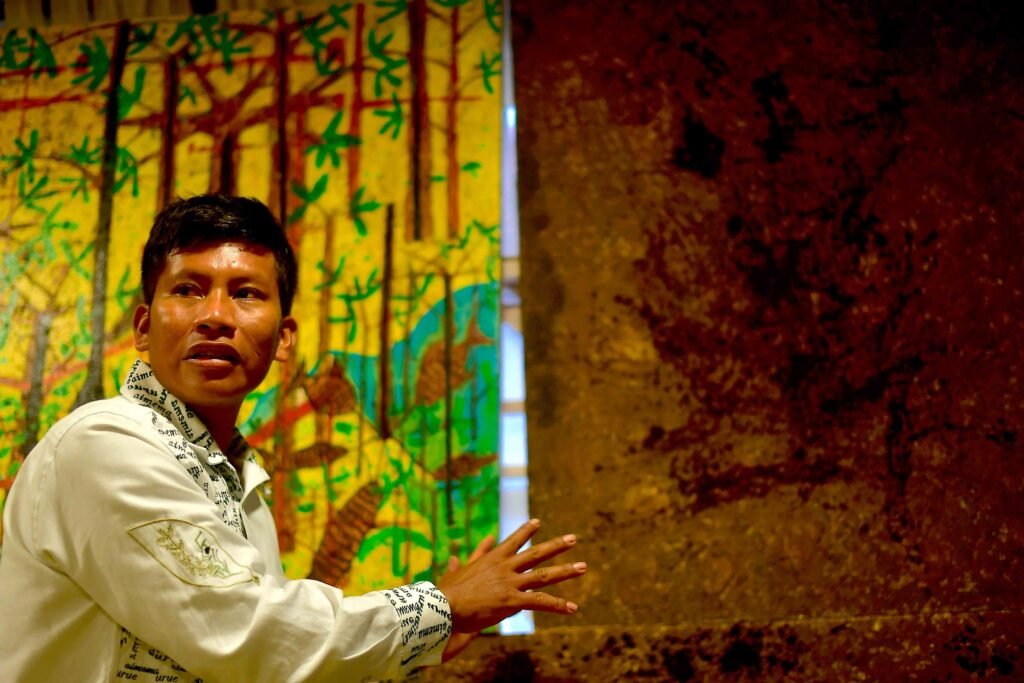
Aimema Úai at his home in Bogotá.

From COCAWORLDS, this text speaks directly to our lines of inquiry Coca–The Plant and Coca–Word, World, affirming coca as a relational being, a living medicine, and a technology of knowledge—challenging regimes of stigmatization that have reduced the plant to a commodity or a problem of control. Aimema’s work reminds us that art can also be a practice of reexistence: a way of keeping the house standing, of keeping the word moist and alive, and of continuing to listen to the forest even where we are no longer physically present.

Mama Coca and the Futures We Have Yet to ImagineBy Giselly Mejía

Written by

Giselly Mejía

MORE BLOGS

What would happen if we thought about the future of the coca leaf beyond prohibition, stigma, and inherited narratives?

Mama Coca Chronicles: Navigating Ancestral Heritage and Future Narratives, an academic article published in the Journal for Future Studies (Researched and written by me), begins with this question to explore how coca can open pathways toward more just, reparative, and decolonial Latin American futures.

The paper is structured as a journey across academic research, participatory practice, and speculative thinking. Rather than limiting itself to analyzing the plant’s past or present, it proposes something different: the use of futures methodologies to imagine possible, probable, and desirable scenarios, integrating ancestral knowledge, migrant voices, art, politics, and futures design.

How did I research and what did I find?

The research combines traditional qualitative methods with futuring ones.

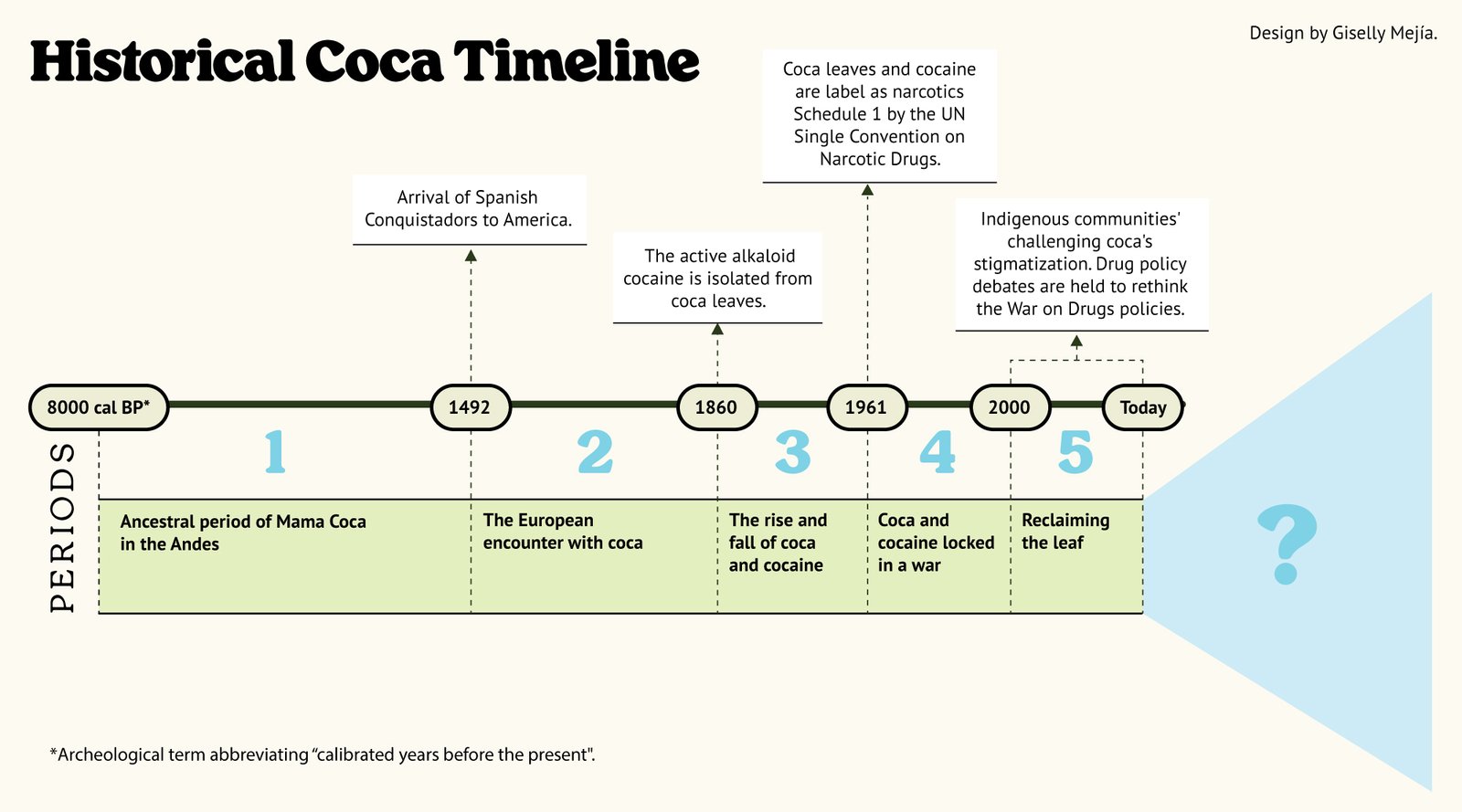
Desk Research: I conducted extensive literature reviews to understand how coca moved from being a sacred plant before the colonization of Abya Yala (the American continent) to a source of war, injustice, and political turmoil. At some point in my research, I wanted to map out that journey and created a timeline for the visual readers (see below).

Historical Coca Timeline
Design by Giselly Mejia

Signal scanning: I started scanning signals of change and categorizing them into Social, Technological, Economic, Environmental, and Political (STEEP model), which uncovered that the majority of the changes proposed today around coca are Economic related (use of coca as an ingredient for recipes, and natural products, prices of coca production lowering and crops increasing, etc) while the Technological ones are very few (Medical research on coca’s in cardiovascular and pulmonary conditions, as well as attention-deficit disorders)

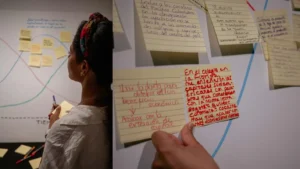
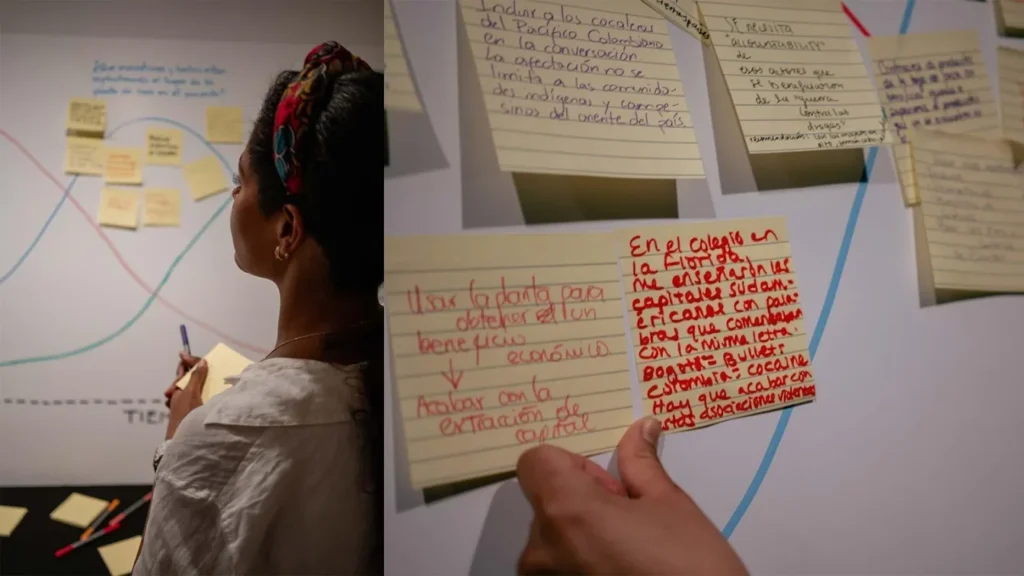
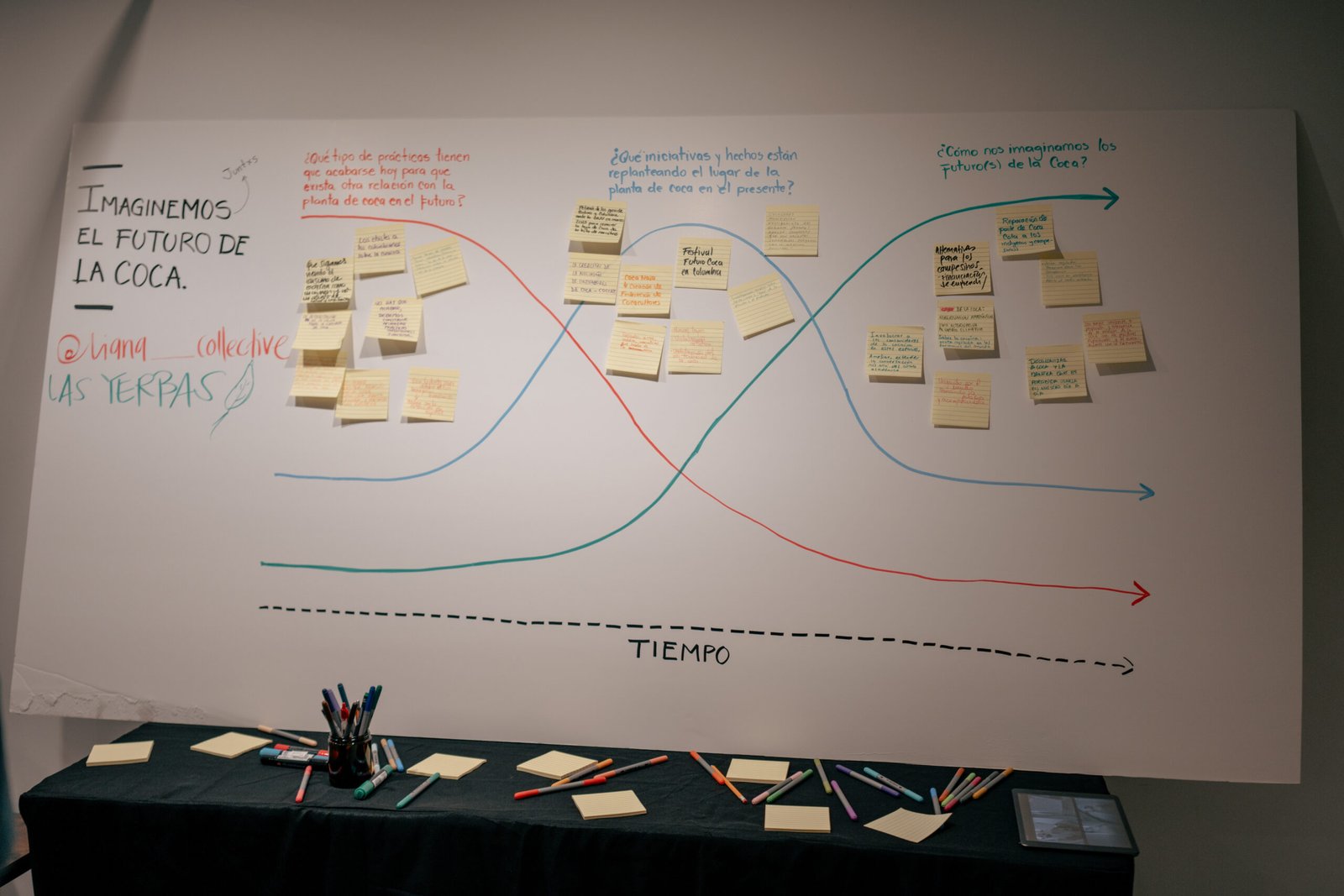
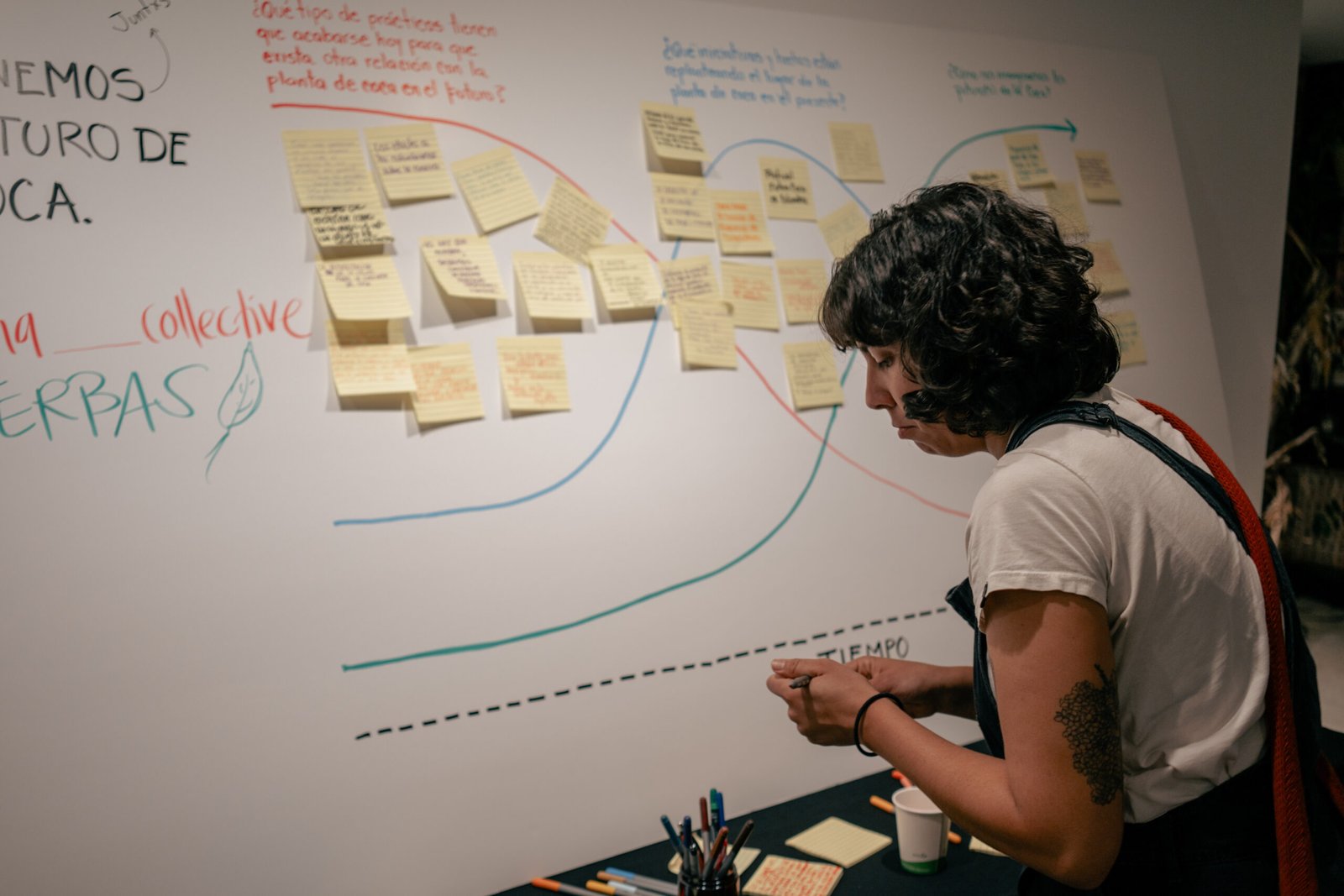
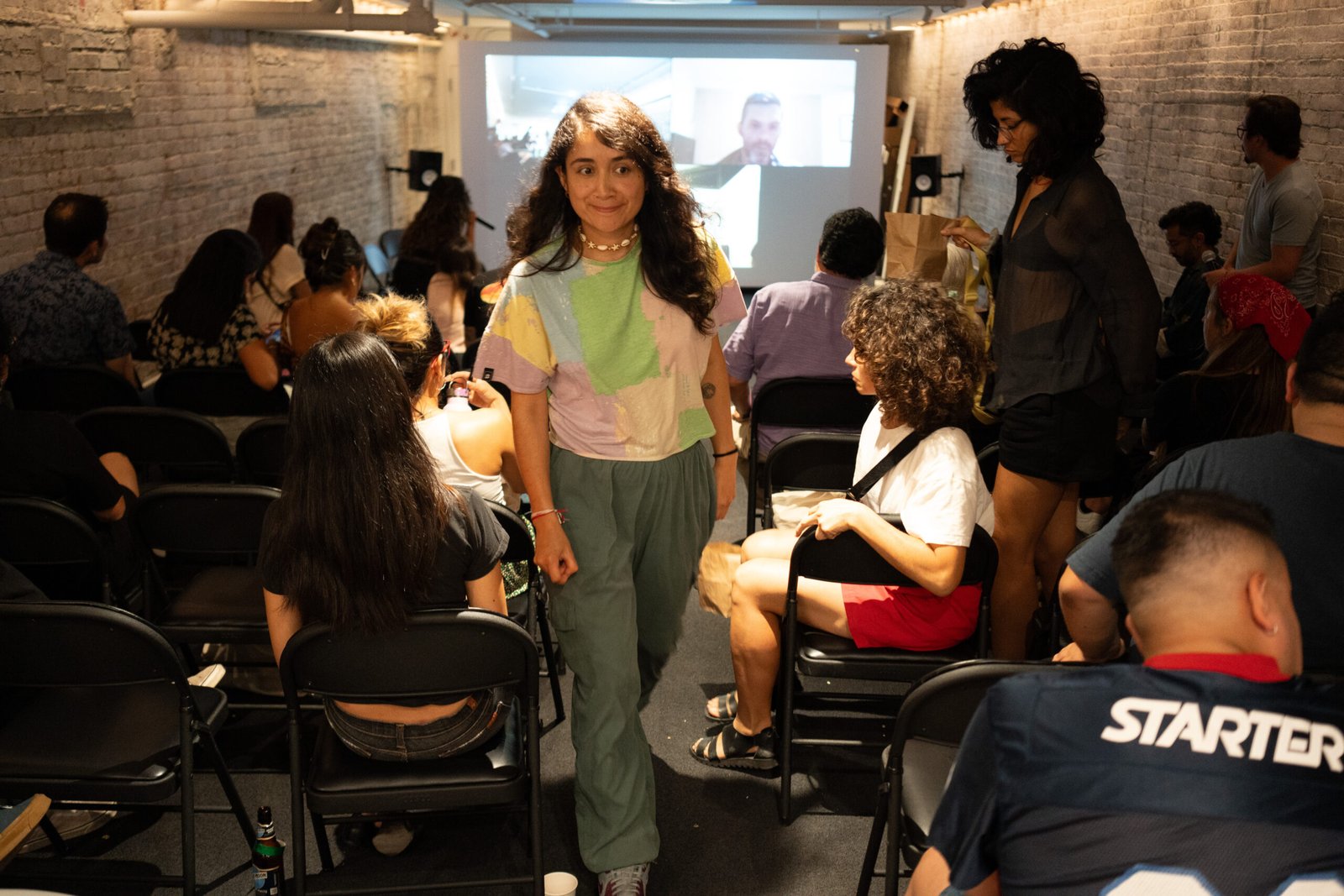
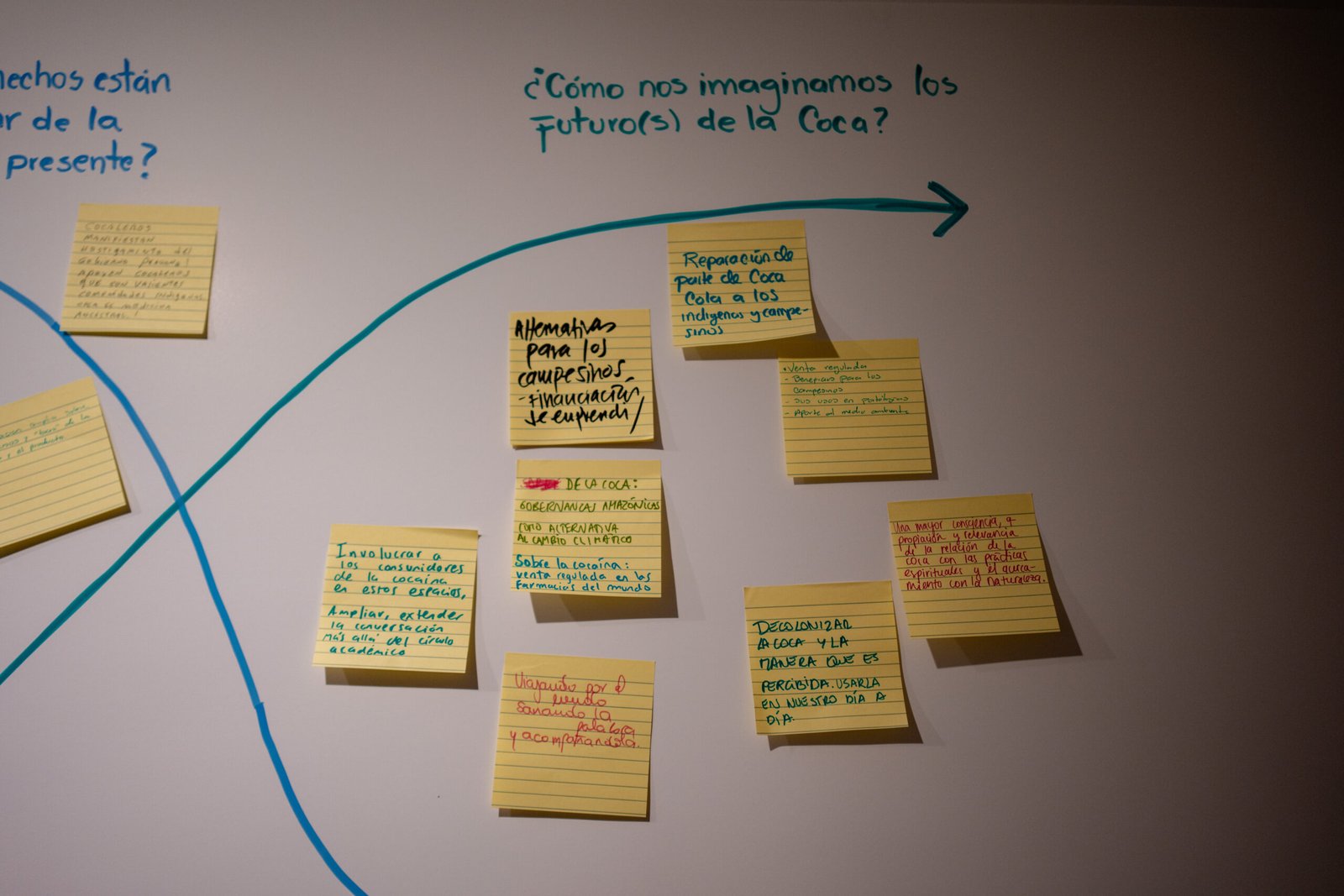
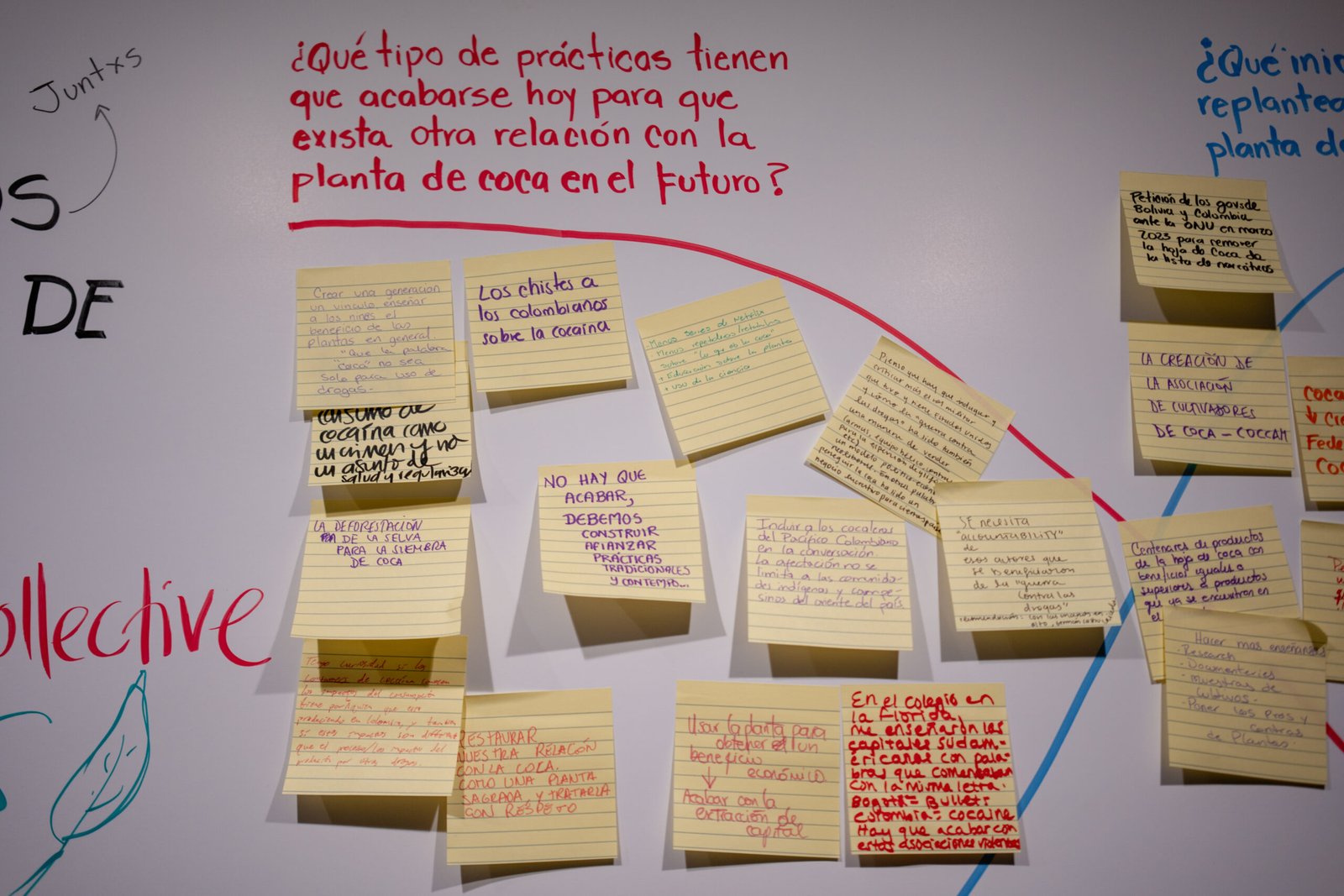
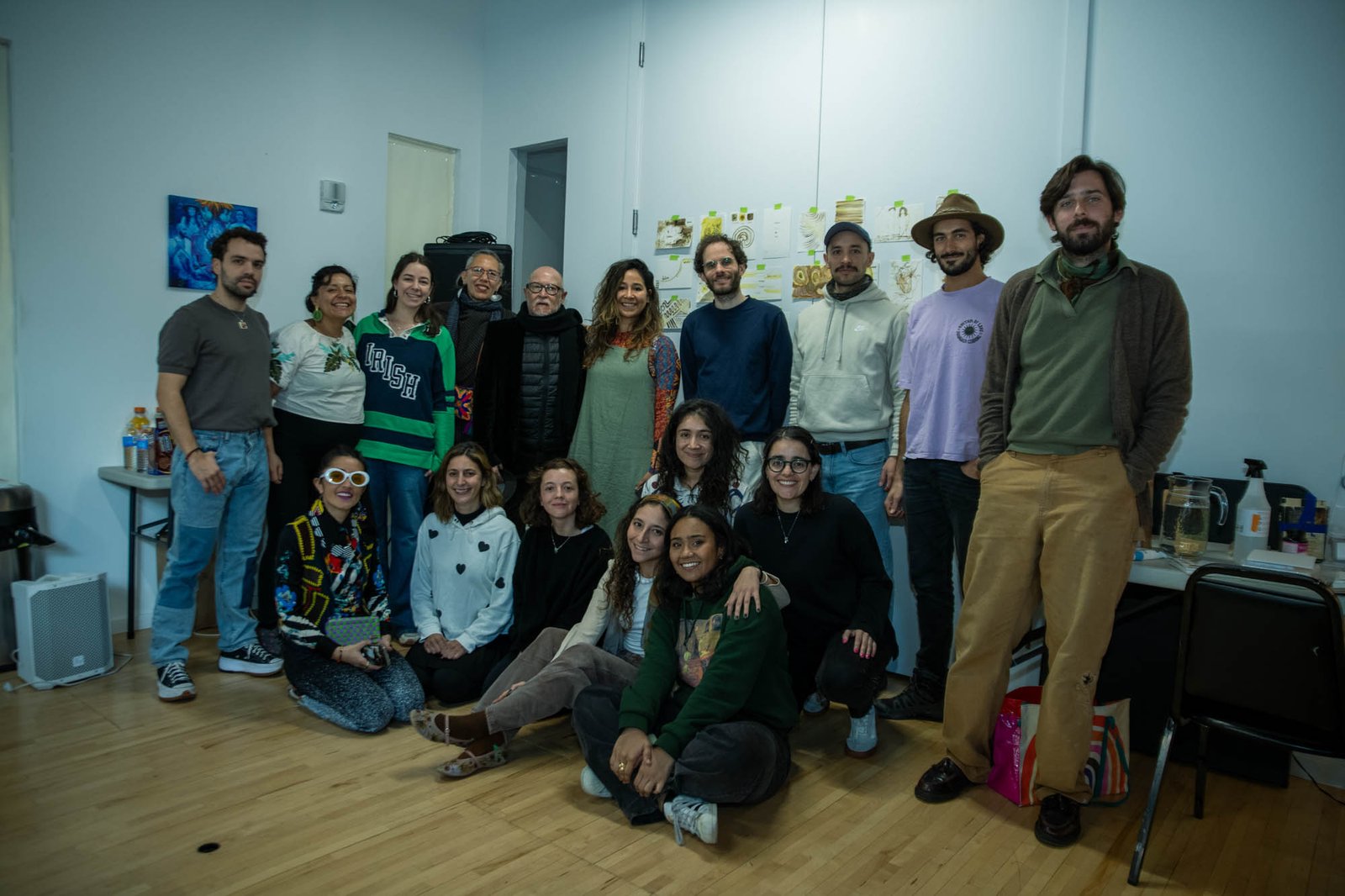
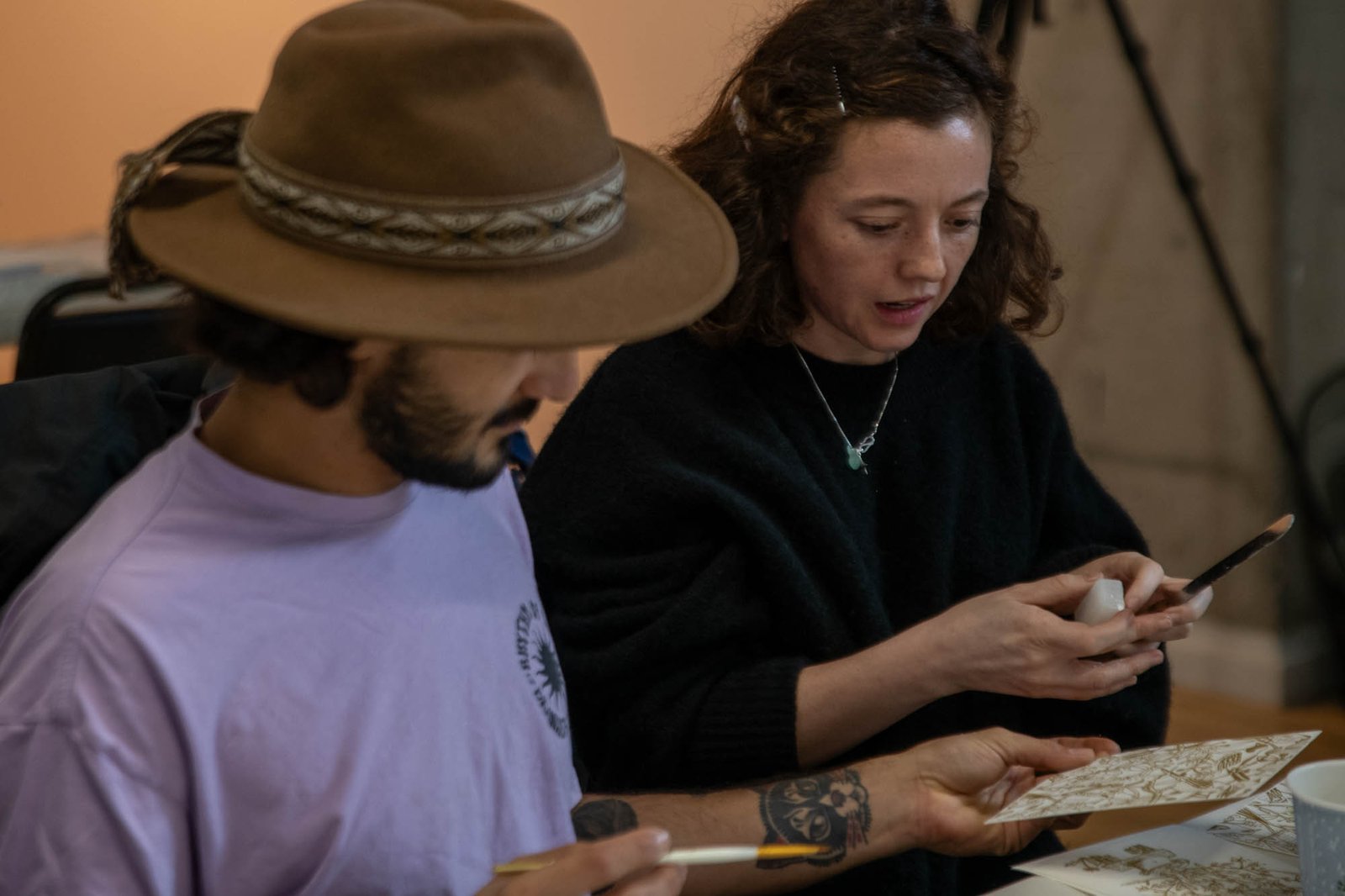
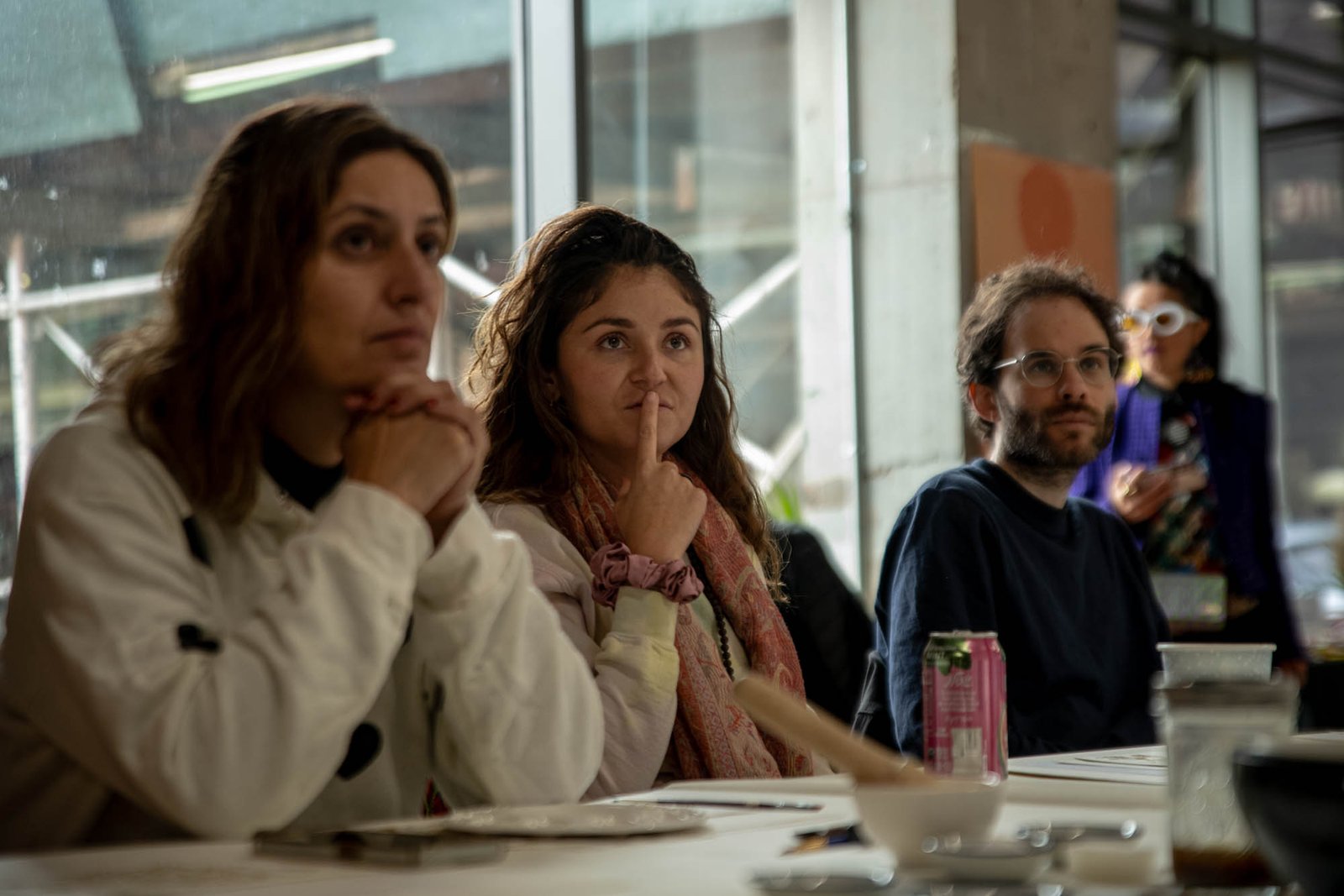
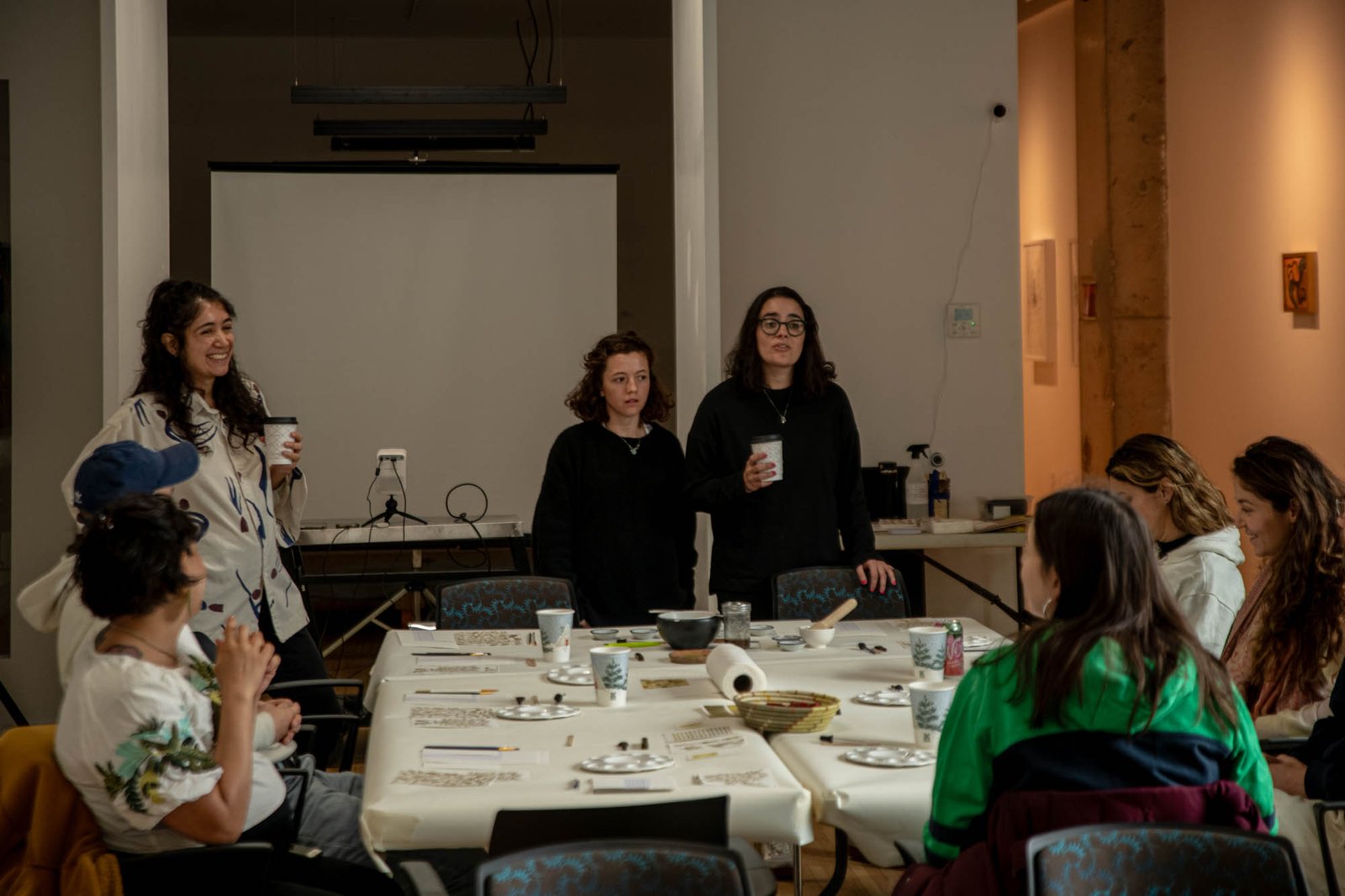
Workshops: I also had the fortune to facilitate participatory workshops with Andean and Amazonian artists, researchers, and traditional users of the coca leaf, using COCAWORLDS exhibitions in New York as a holding space for these. These participants (often absent from public policy debates) articulated a future for coca that centers education, reparations, and scientific research, framing the plant not merely as a botanical entity but as a living symbol of unfinished education, unresolved colonial harm, Indigenous governance, and alternative relationships to land and knowledge.

Three scenarios to think through (and decide)

The paper concludes with three speculative scenarios for the future of coca that serve as a narrative tool to provoke reflection, debate, and ethical positioning (Spoiler alert: some could make you feel uncomfortable, but that is the intention). 

  • The Coca Alkaloids’ Medical Journey (A counterfactual scenario): Here I go back to 1884 and send Freud to do research on the coca plant with Indigenous peoples in South America instead of experimenting on himself with the recently isolated cocaine alkaloid (which he actually did). I play with the idea that coca could have developed as a medicine since the nineteenth century through an early integration of Western science and Indigenous knowledge.
  • How Cocaine-Infused Products Captivated the World (A probable future): This scenario brings together things we have already seen happen with other previously illegal plants (i.e Coffee and Cannabis) that suddenly get legalized and absorbed by corporate and colonial logics, turning coca products into those that serve consumerism and continue making the rich richer.
  • A Story of Healing and Reconciliation (A preferable future): Preferable for whom? For those who participated in the COCAWORLDS exhibitions and my workshops, and for others dreaming of a future where legalization and regulation go hand in hand with Indigenous governance, public education, reparations, and healing—for people, territories, and the plant.

An open invitation

What futures are we helping to cultivate today?

Mama Coca Chronicles is not only a paper about coca. It is an invitation to reflect on how we imagine the future, who participates in that imagination, and which stories we choose to amplify. 

I invite you to read the full article.
Gracias for reading!

Coca Visión

coca vision

Curated by

Liana Collective

Location

Ofrenda Fest Foundation, Queens, NY

Dates

November 24, 2024

MORE EVENTS

Coca Visión

An audiovisual night and conversation exploring the...

Creative Workshop: Futures of Coca

Ginger Blonde and Giselly Mejía led an...

Conversation: Art, Coca, and Drug Policy

Artists Miguel Ángel Rojas, Ginger Blonde, Edinson...

Opening of the ‘Coca, Palabra-Mundo’ Exhibition at OSF

The exhibition opened at Open Society Foundations...

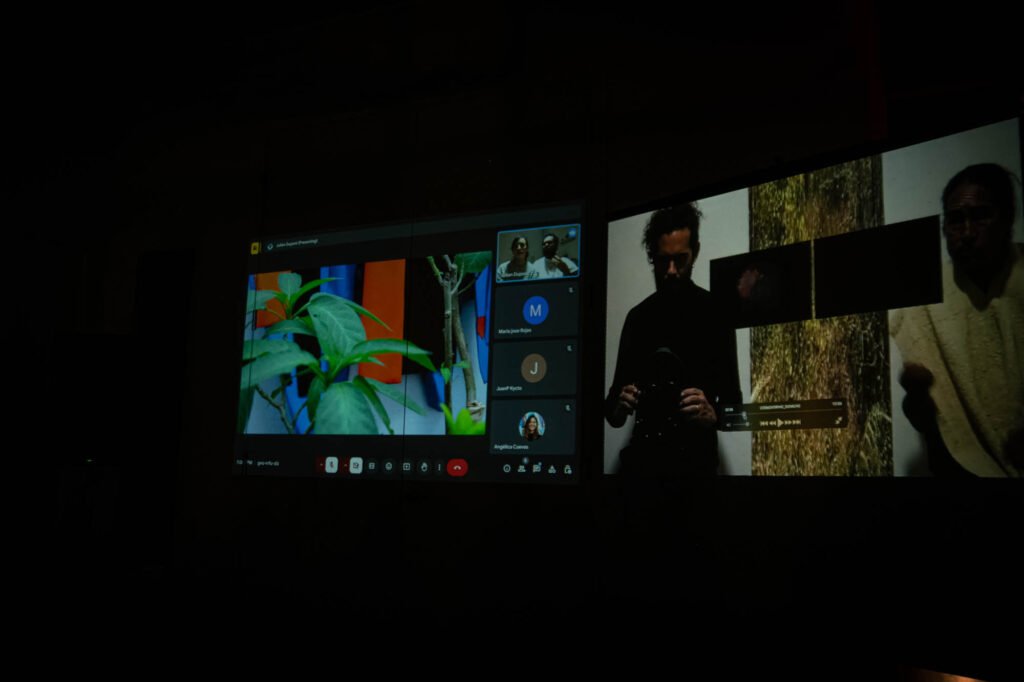
An audiovisual night and conversation exploring the intersection of art, drug policy, and Indigenous worldviews. The screening featured Danza Macabra by Alejandra Delgado, the photographic series Ofrenda by Ariel Arango, El Laberinto by Laura Huertas Millán, and Emancipación Sináptica by NOMASMETÁFORAS, followed by a conversation with Julián Dupont and Elder Luis Yonda.

Creative Workshop: Futures of Coca

Curated by

Liana Collective

Location

Ofrenda Fest Foundation, Queens, NY

Dates

November 23, 2024

MORE EVENTS

Coca Visión

An audiovisual night and conversation exploring the intersection of art,...

Creative Workshop: Futures of Coca

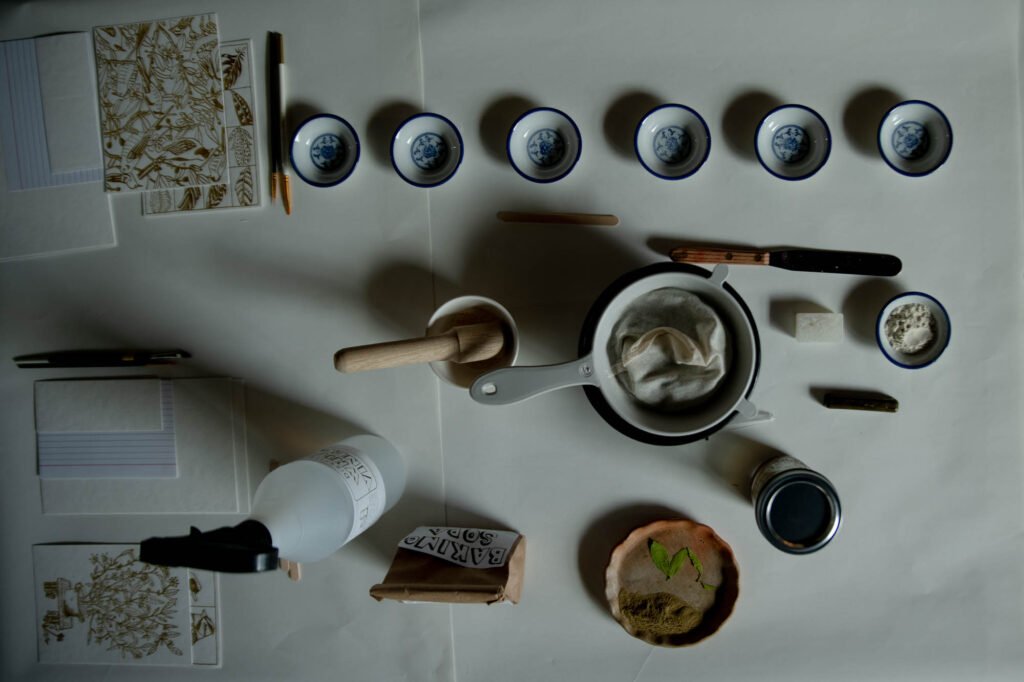
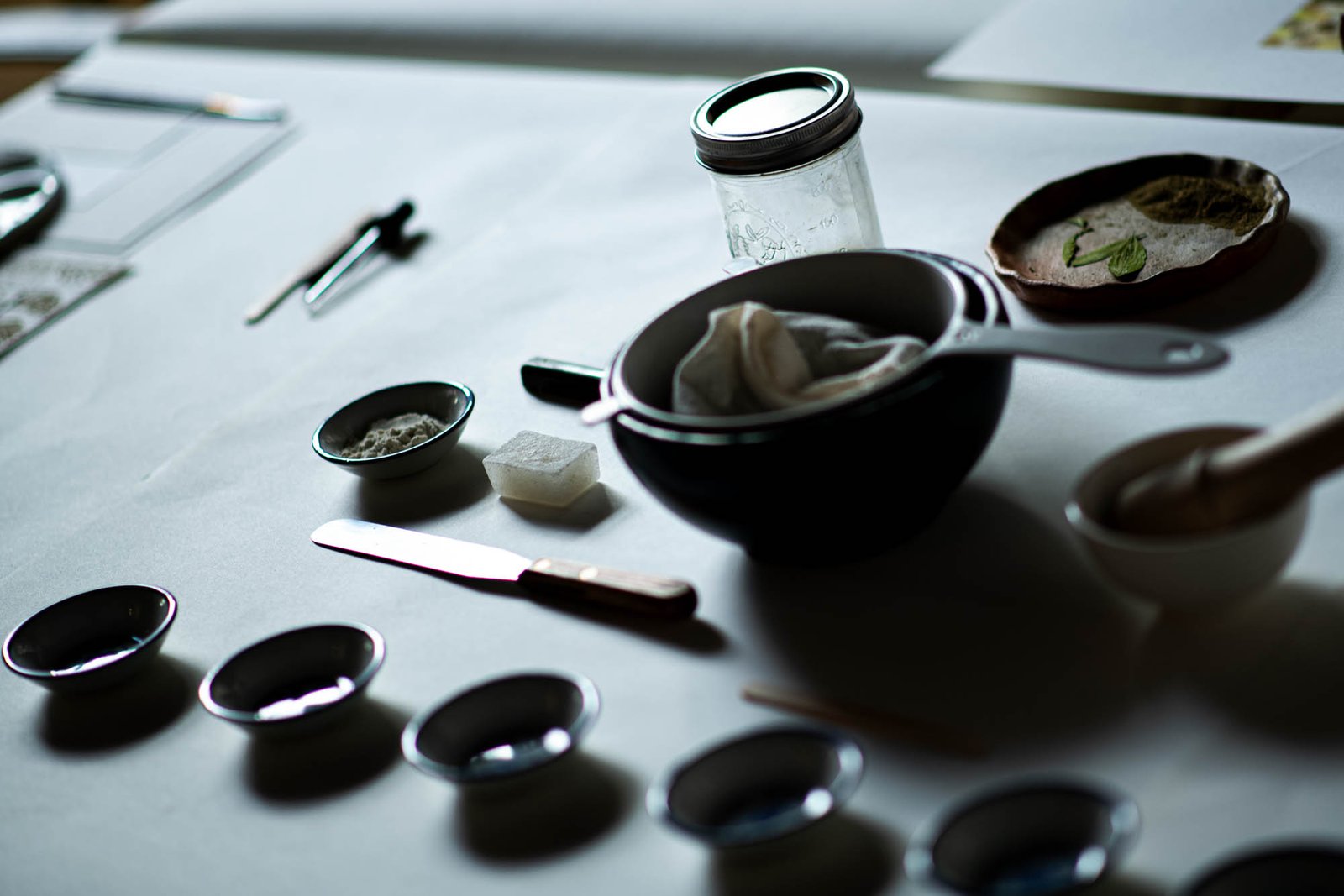
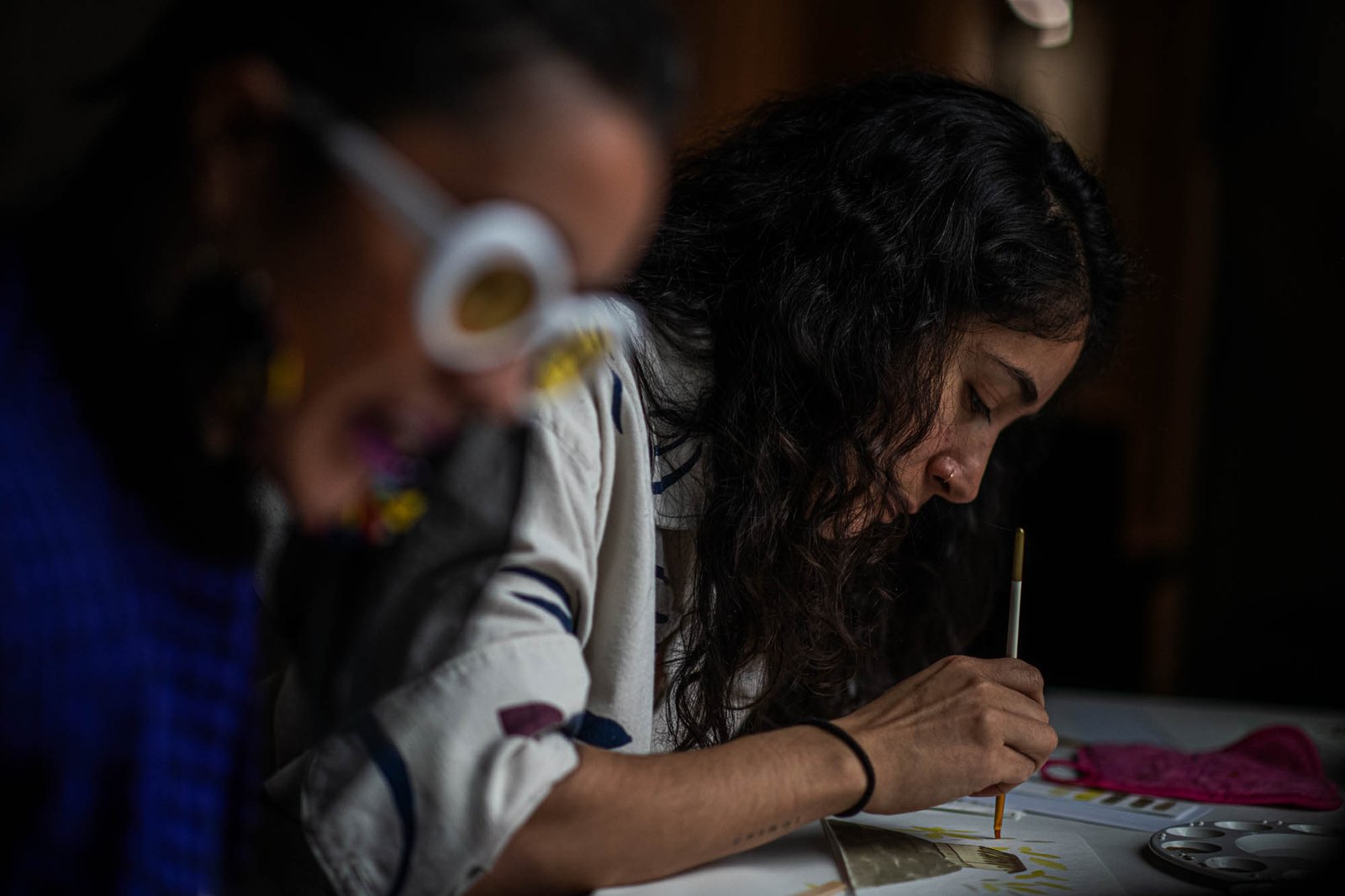
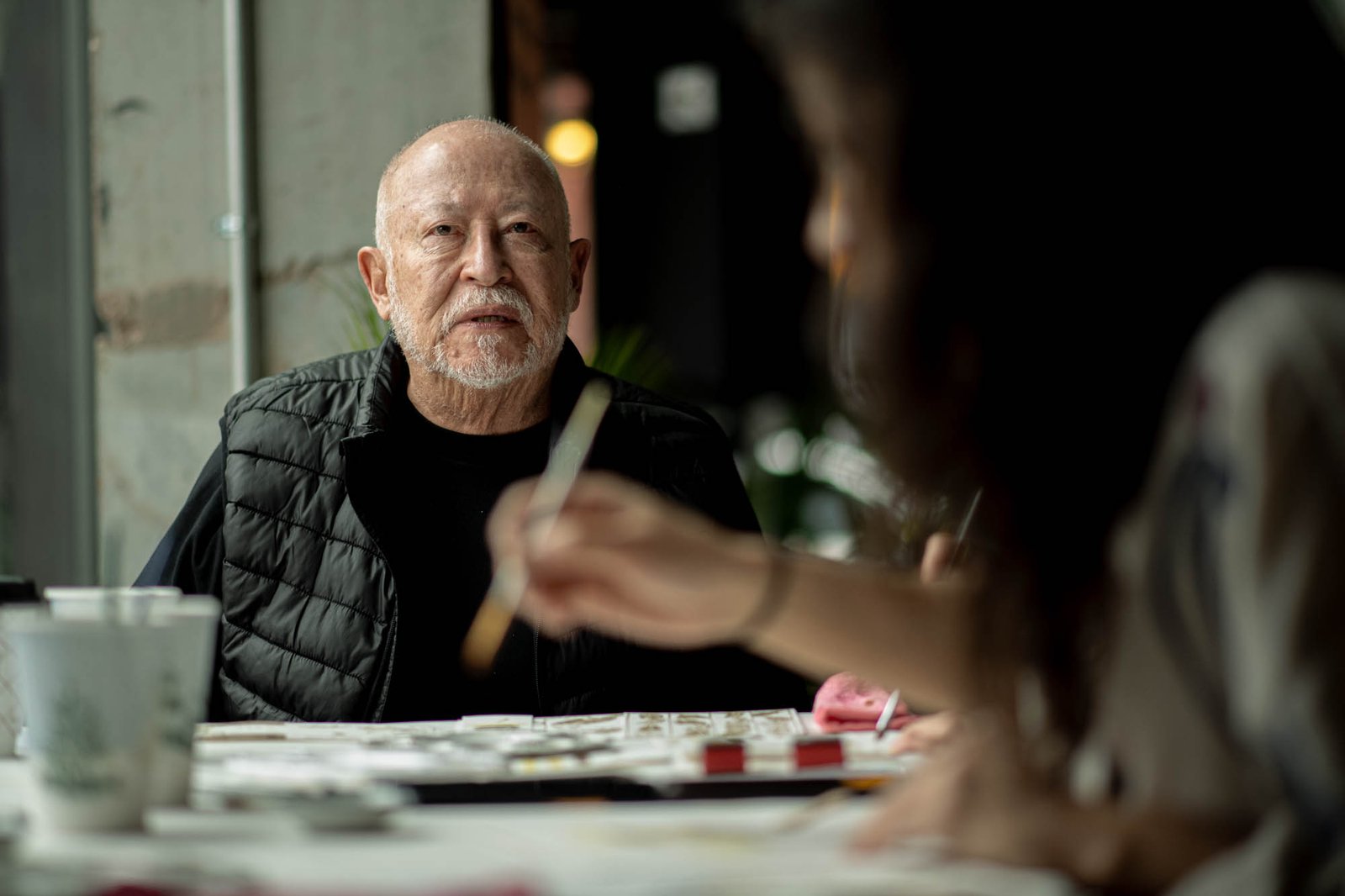
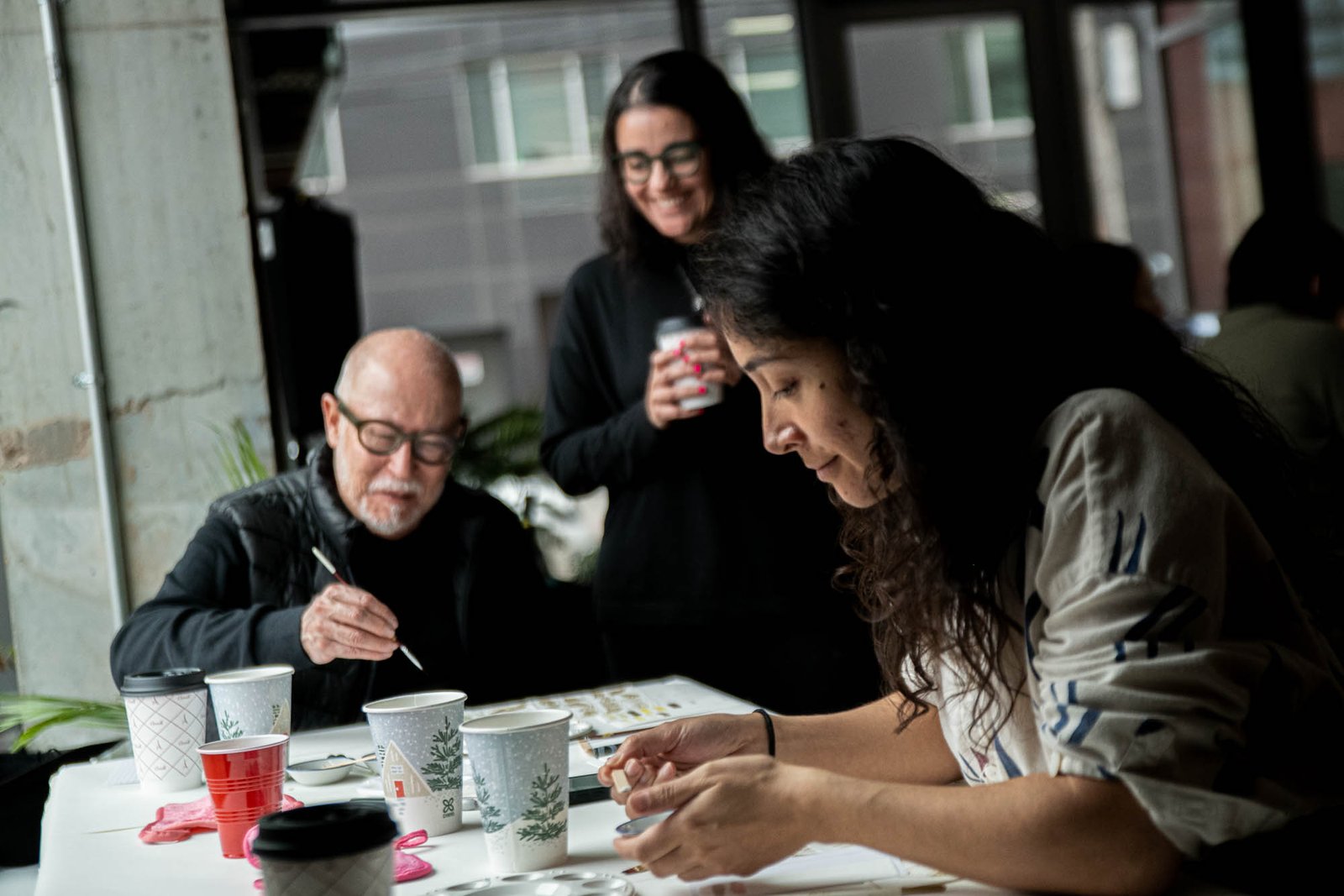
Ginger Blonde and Giselly Mejía led an intergenerational workshop exploring...

Conversation: Art, Coca, and Drug Policy

Artists Miguel Ángel Rojas, Ginger Blonde, Edinson Quiñones, and Estefanía...
Opening of the ‘Coca, Palabra-Mundo’ Exhibition at OSF

The exhibition opened at Open Society Foundations with speeches by...
Conversation: Art, Coca, and Drug Policy

Curated by

Liana Collective

Location

Open Society Foundations, New York

Dates

November 21, 2024

MORE EVENTS

Coca Visión

An audiovisual night and conversation exploring the...
Creative Workshop: Futures of Coca

Ginger Blonde and Giselly Mejía led an...
Conversation: Art, Coca, and Drug Policy

Artists Miguel Ángel Rojas, Ginger Blonde, Edinson...
Opening of the ‘Coca, Palabra-Mundo’ Exhibition at OSF

The exhibition opened at Open Society Foundations...

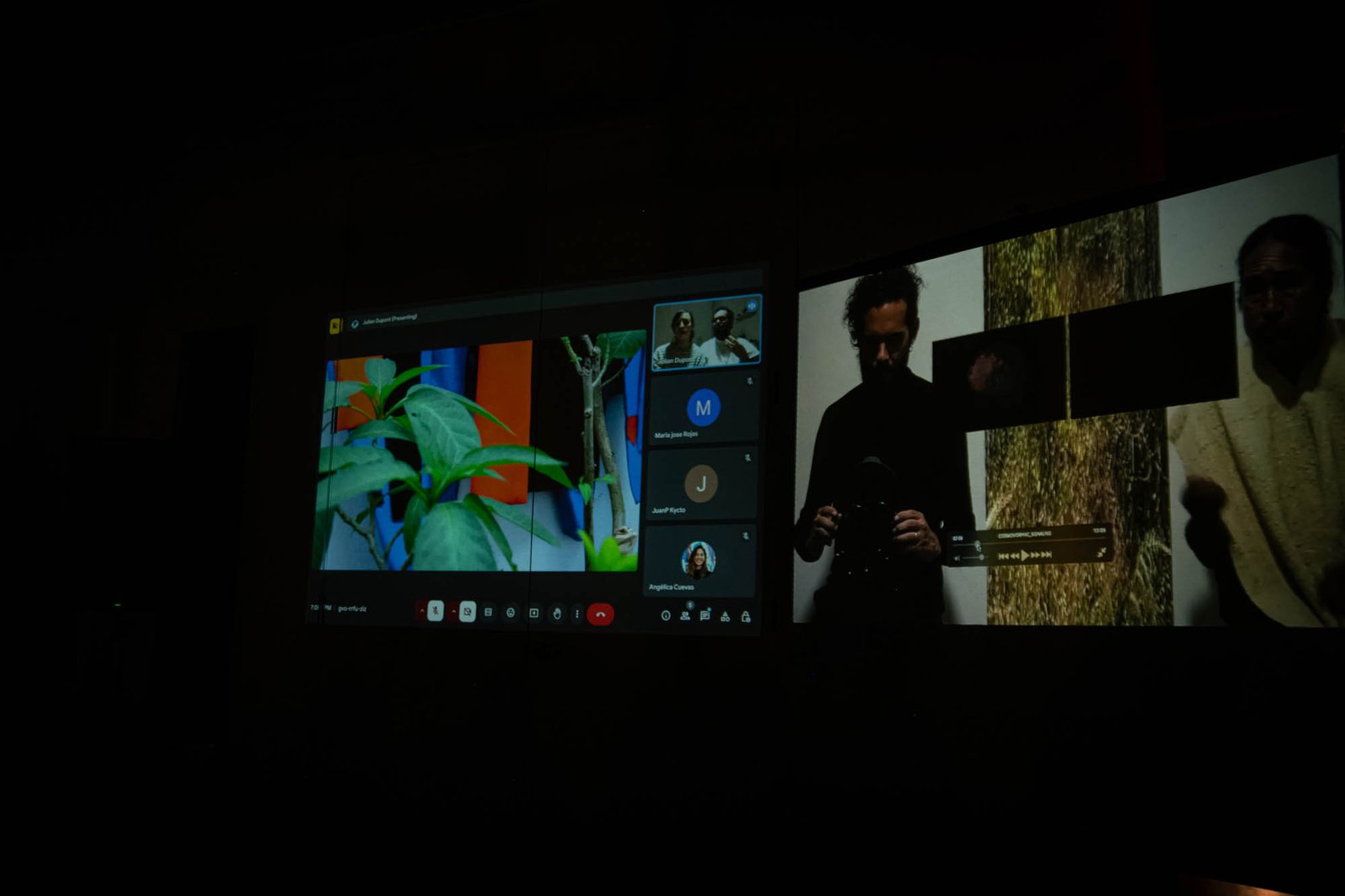
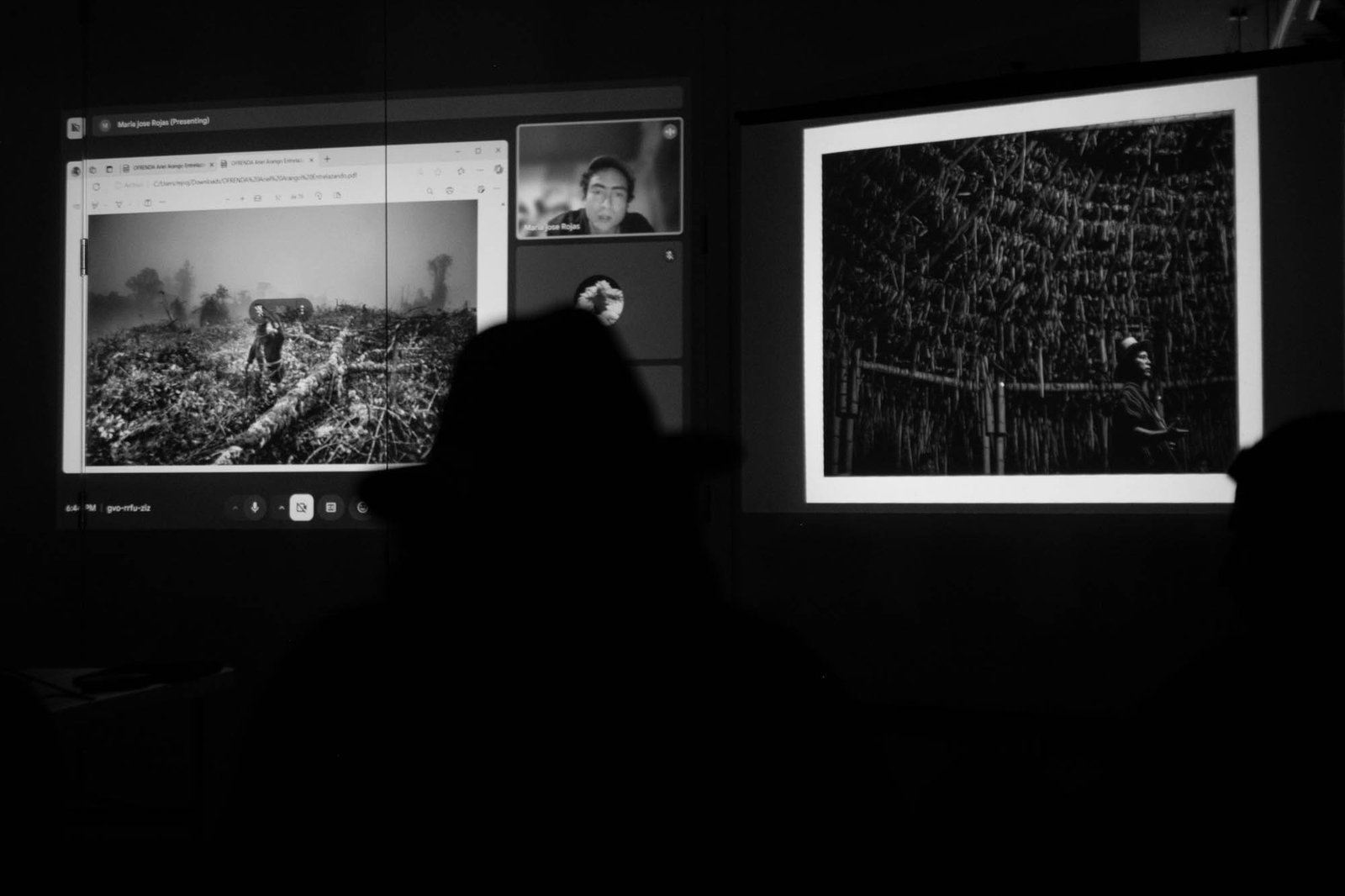
Artists Miguel Ángel Rojas, Ginger Blonde, Edinson Quiñones, and Estefanía García shared insights on how coca appears in their creative practices and how art can reshape drug-related public policies. Moderated by Juan Pablo Caicedo, this event fostered critical dialogue between art, territory, and policy.
Opening of the ‘Coca, Palabra-Mundo’ Exhibition at OSF

Curated by

Liana Collective

Location

Open Society Foundations, New York

Dates

November 13, 2024

MORE EVENTS

Coca Visión

An audiovisual night and conversation exploring the...

Creative Workshop: Futures of Coca

Ginger Blonde and Giselly Mejía led an...

Conversation: Art, Coca, and Drug Policy

Artists Miguel Ángel Rojas, Ginger Blonde, Edinson...

Opening of the ‘Coca, Palabra-Mundo’ Exhibition at OSF

The exhibition opened at Open Society Foundations...

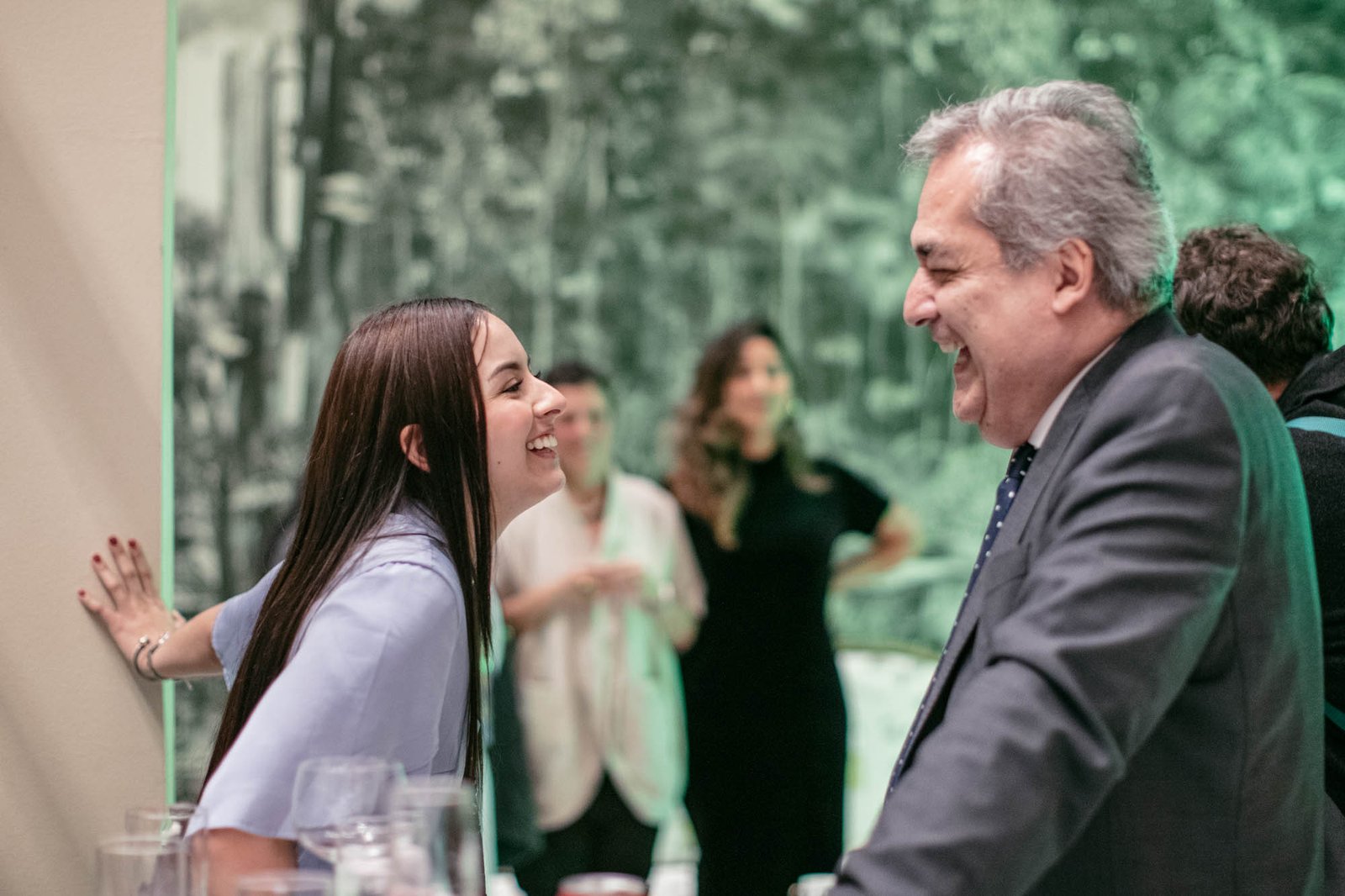
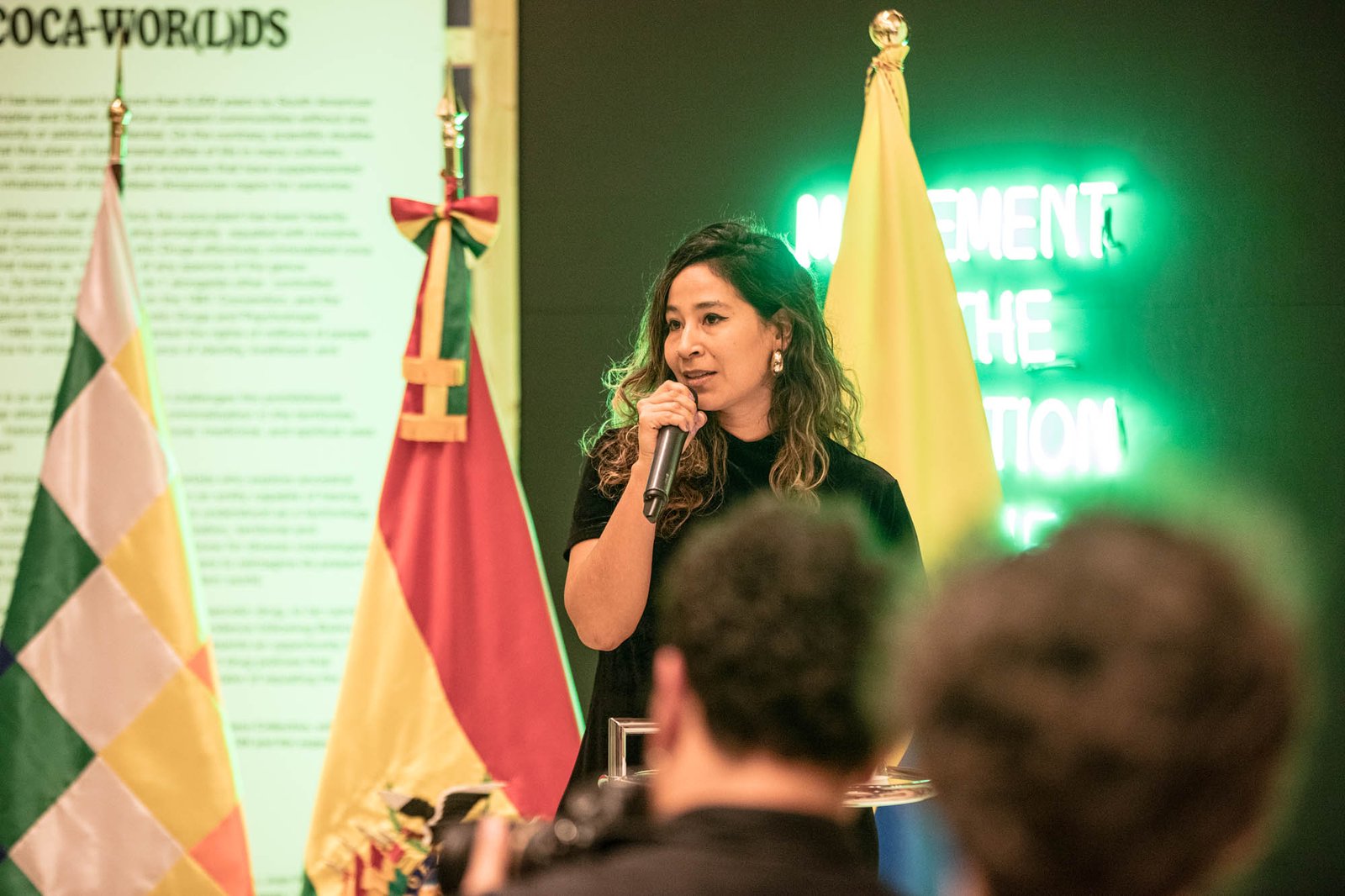
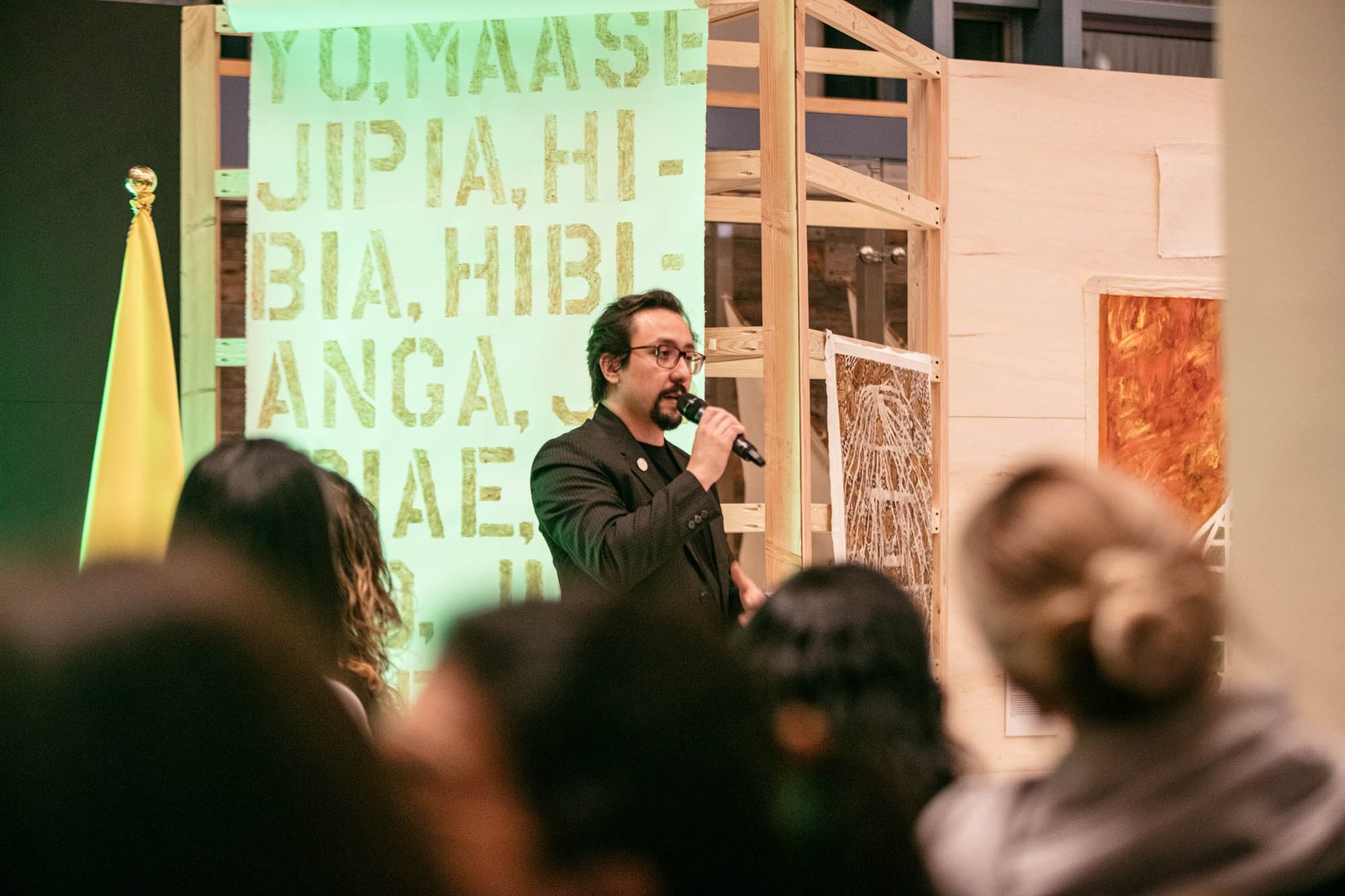
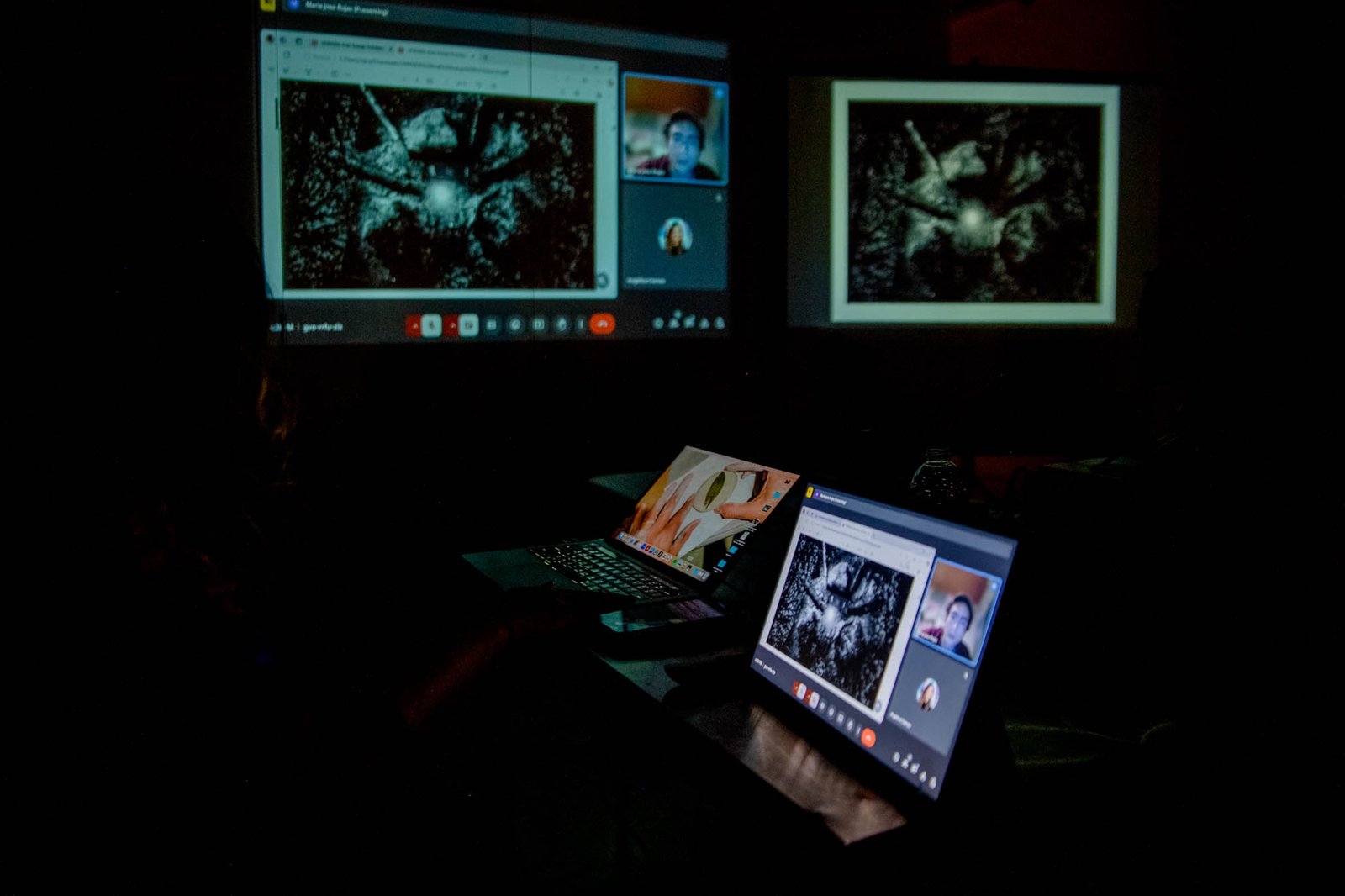
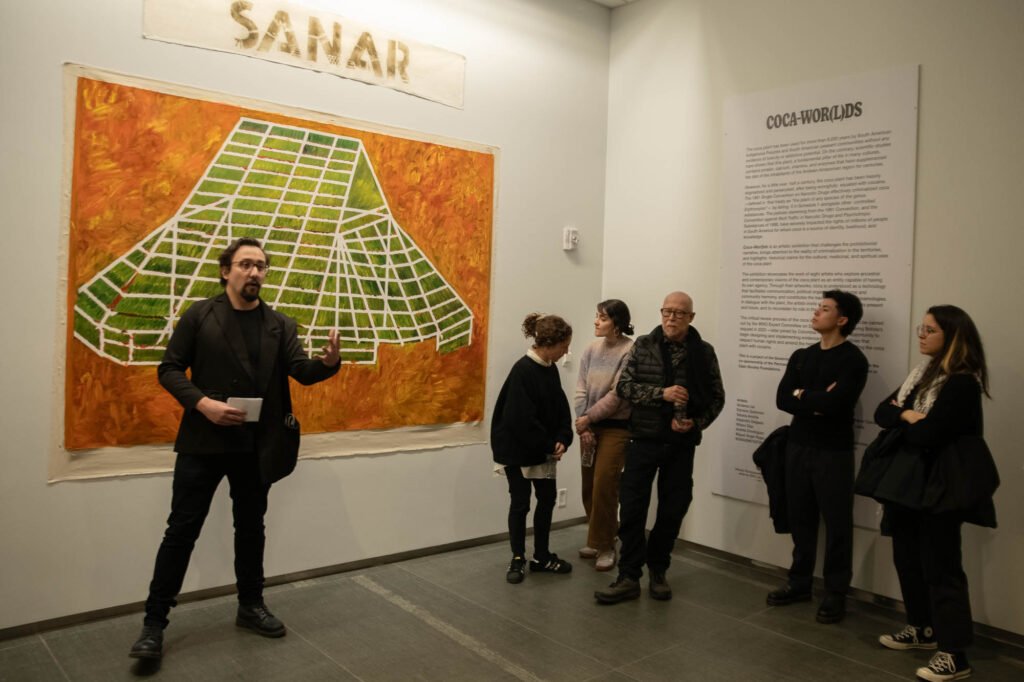
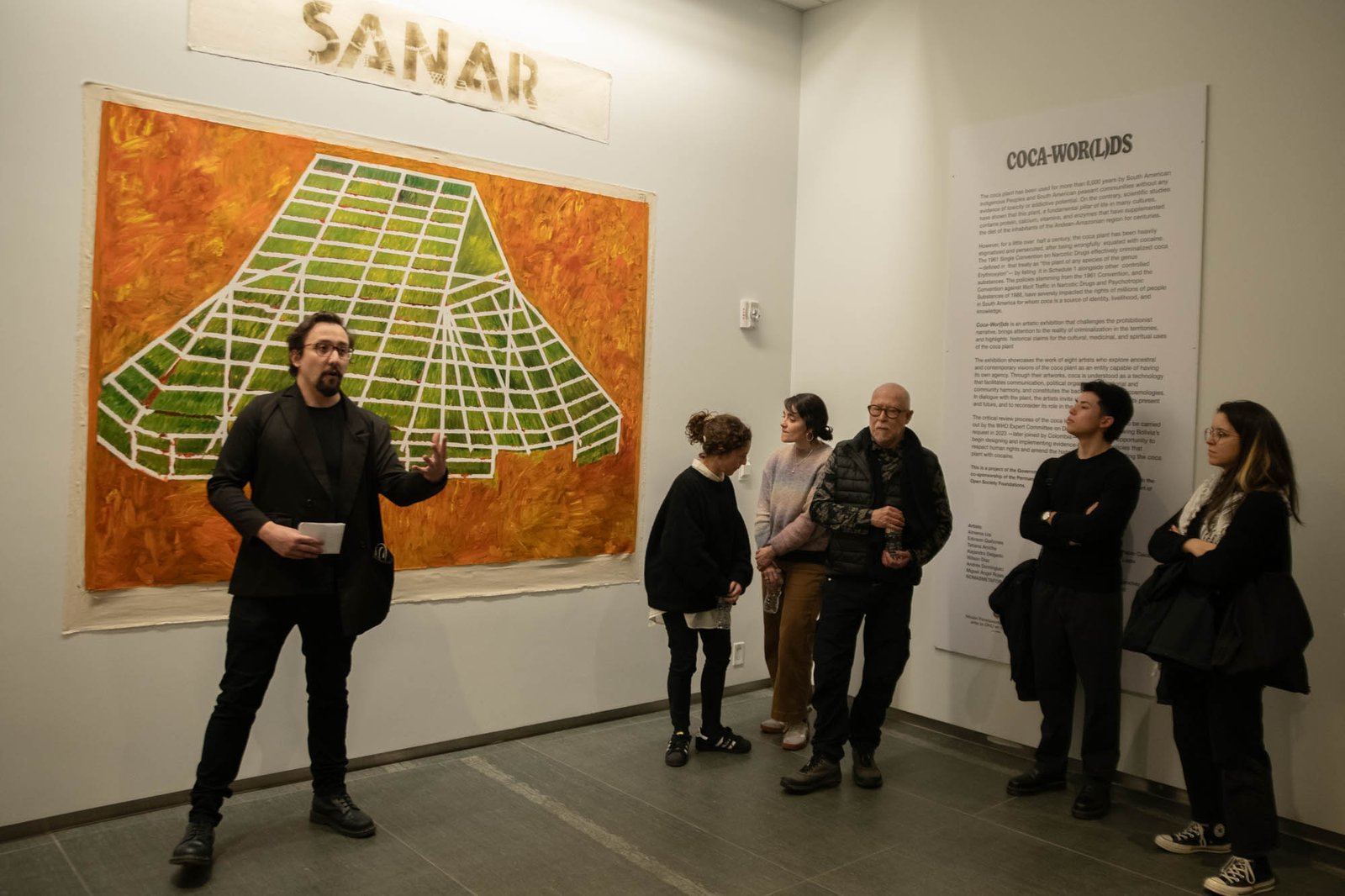
The exhibition opened at Open Society Foundations with speeches by representatives from the Colombian and Bolivian Missions to the UN, curators from Liana, and participating artists. The event reflected on the role of art in international advocacy efforts to reclassify the coca plant, connecting UN engagement with a broader New York audience.

Guided Tours: ‘Coca, Palabra-Mundo’ at the UN

Curated by

Liana Collective

Location

United Nations Headquarters, New York

Dates

November 7-8, 2024

MORE EVENTS

Coca Visión

An audiovisual night and conversation exploring the...

Creative Workshop: Futures of Coca

Ginger Blonde and Giselly Mejía led an...

Conversation: Art, Coca, and Drug Policy

Artists Miguel Ángel Rojas, Ginger Blonde, Edinson...

Opening of the ‘Coca, Palabra-Mundo’ Exhibition at OSF

The exhibition opened at Open Society Foundations...

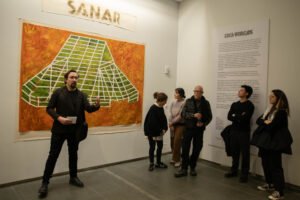
Liana led two guided tours of the exhibition at the UN. On November 7, Angélica Cuevas and artist Tatiana Arocha hosted a Spanish-language tour, while on November 8, Giselly Mejía and Juan Pablo Caicedo guided the English-language group. These visits provided context on the works and deepened engagement with the exhibition’s political and cultural significance.

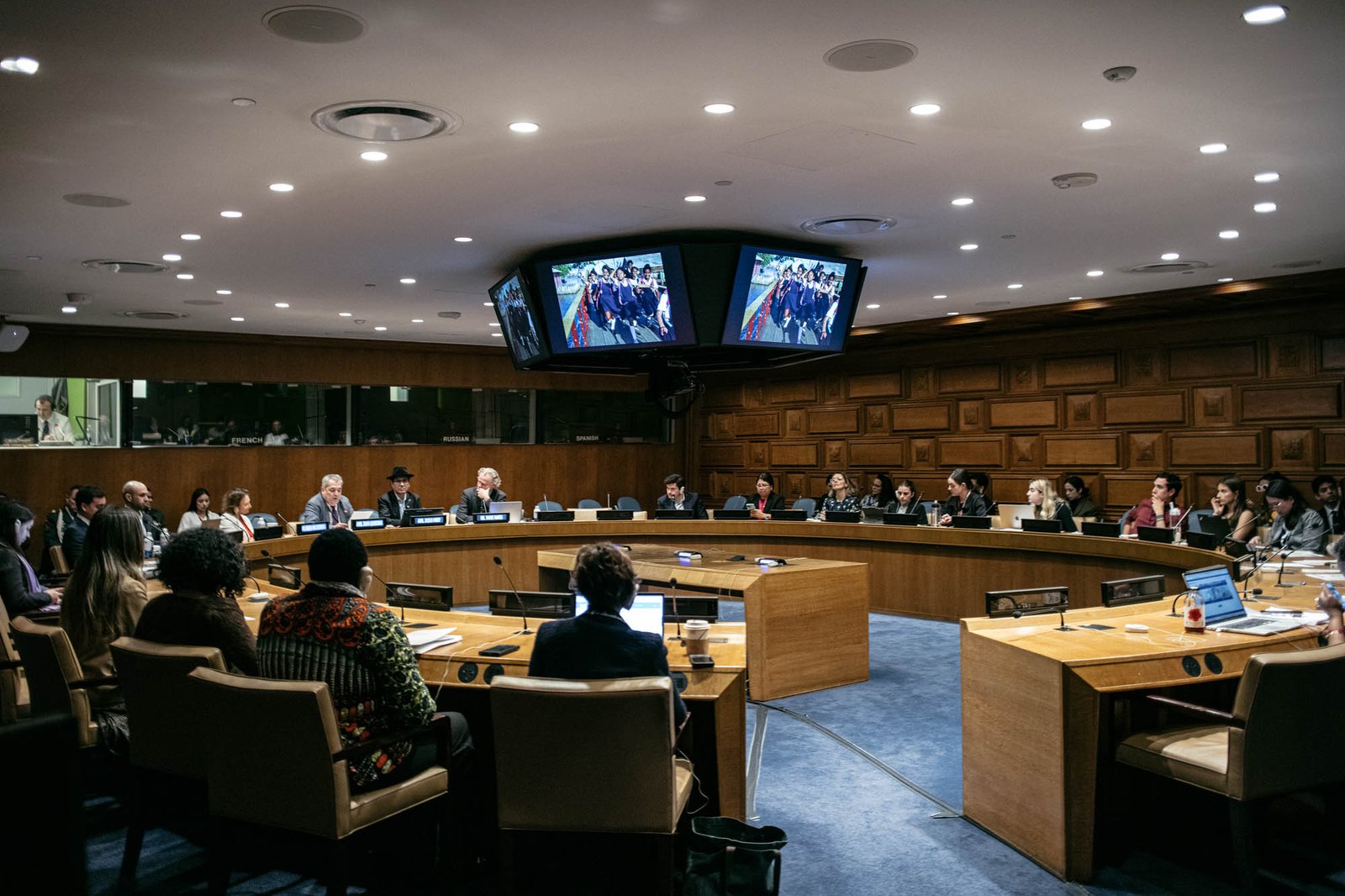
November 7, 2024 | United Nations Headquarters, New York UN Panel: Drug Policy and Coca

Curated by

Liana Collective

Location

United Nations Headquarters, New York

Dates

November 7, 2024

MORE EVENTS

Coca Visión

An audiovisual night and conversation exploring the...

Creative Workshop: Futures of Coca

Ginger Blonde and Giselly Mejía led an...

Conversation: Art, Coca, and Drug Policy

Artists Miguel Ángel Rojas, Ginger Blonde, Edinson...

Opening of the ‘Coca, Palabra-Mundo’ Exhibition at OSF

The exhibition opened at Open Society Foundations...

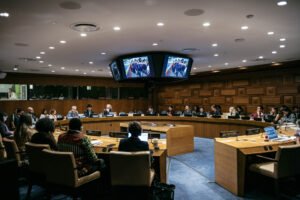
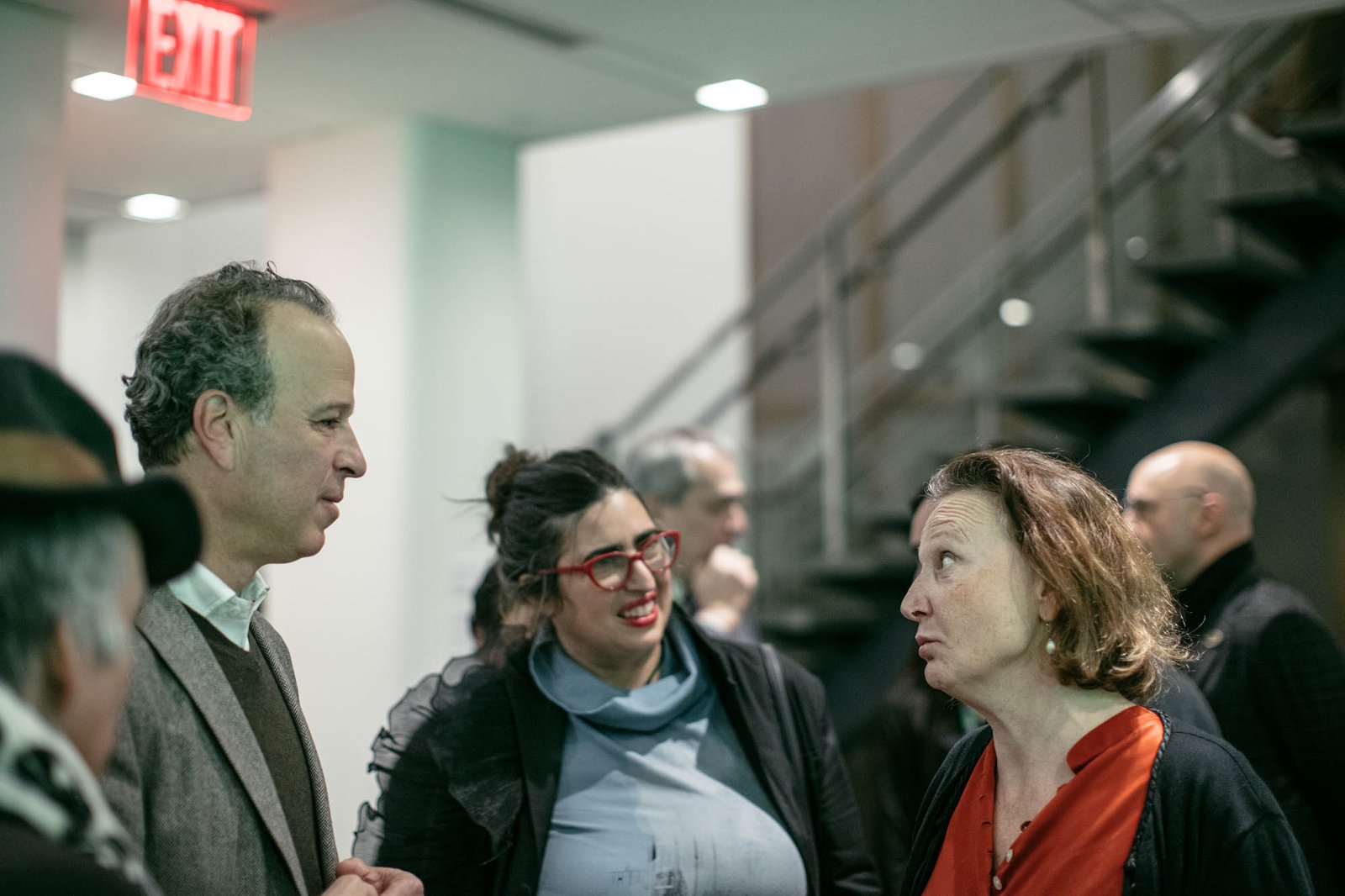
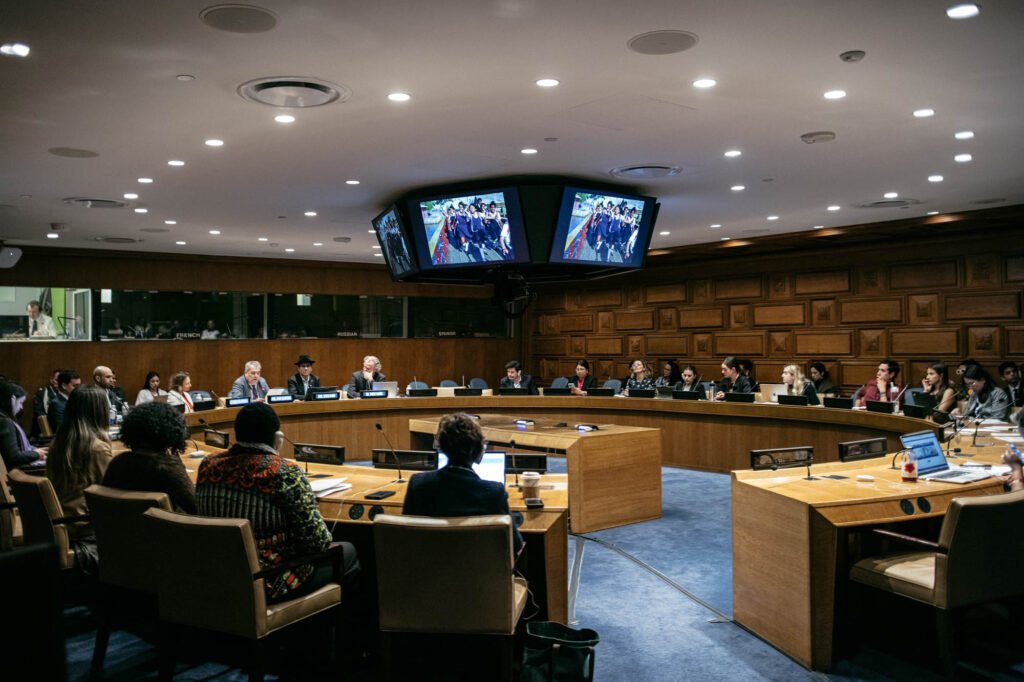
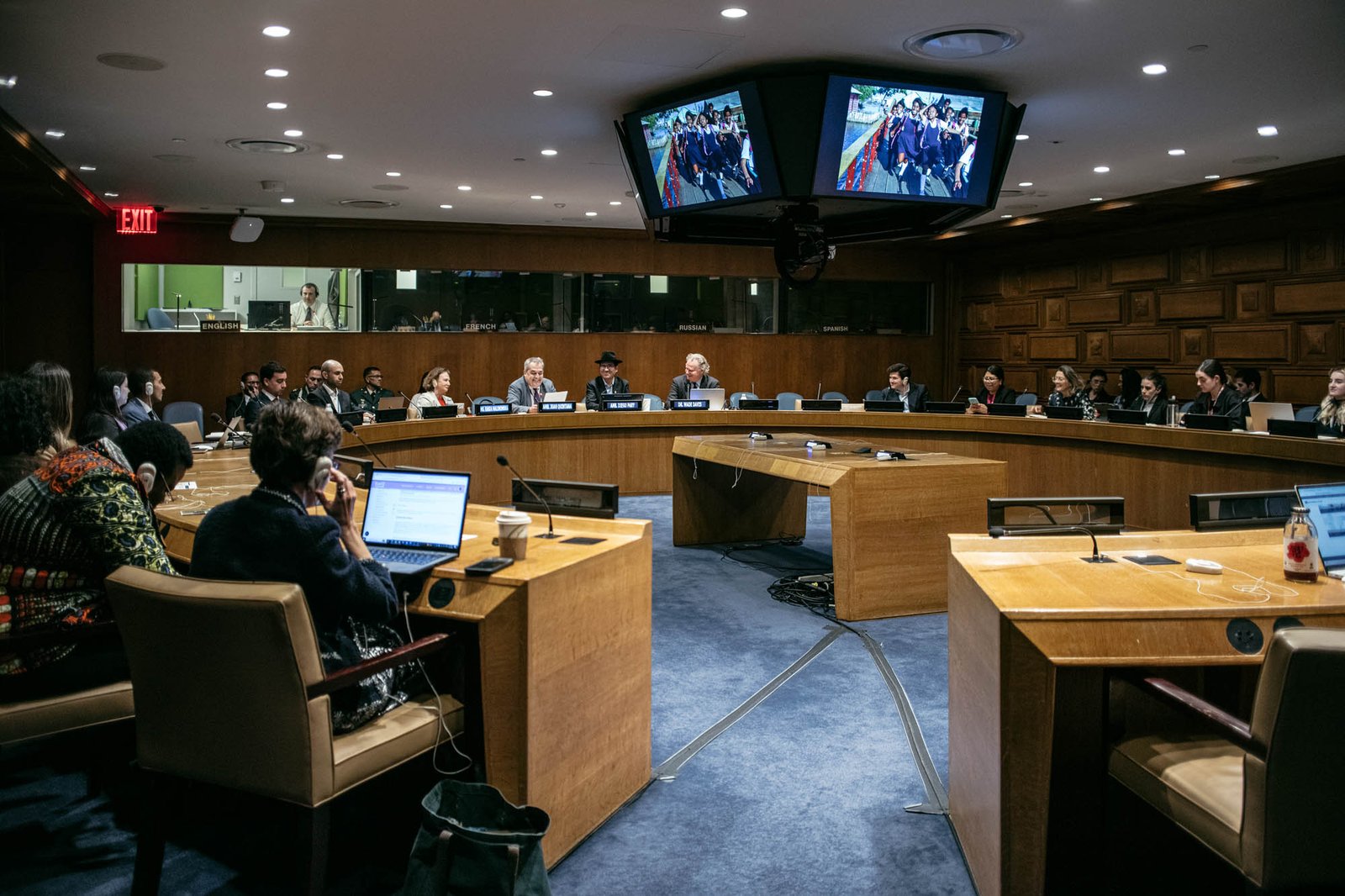
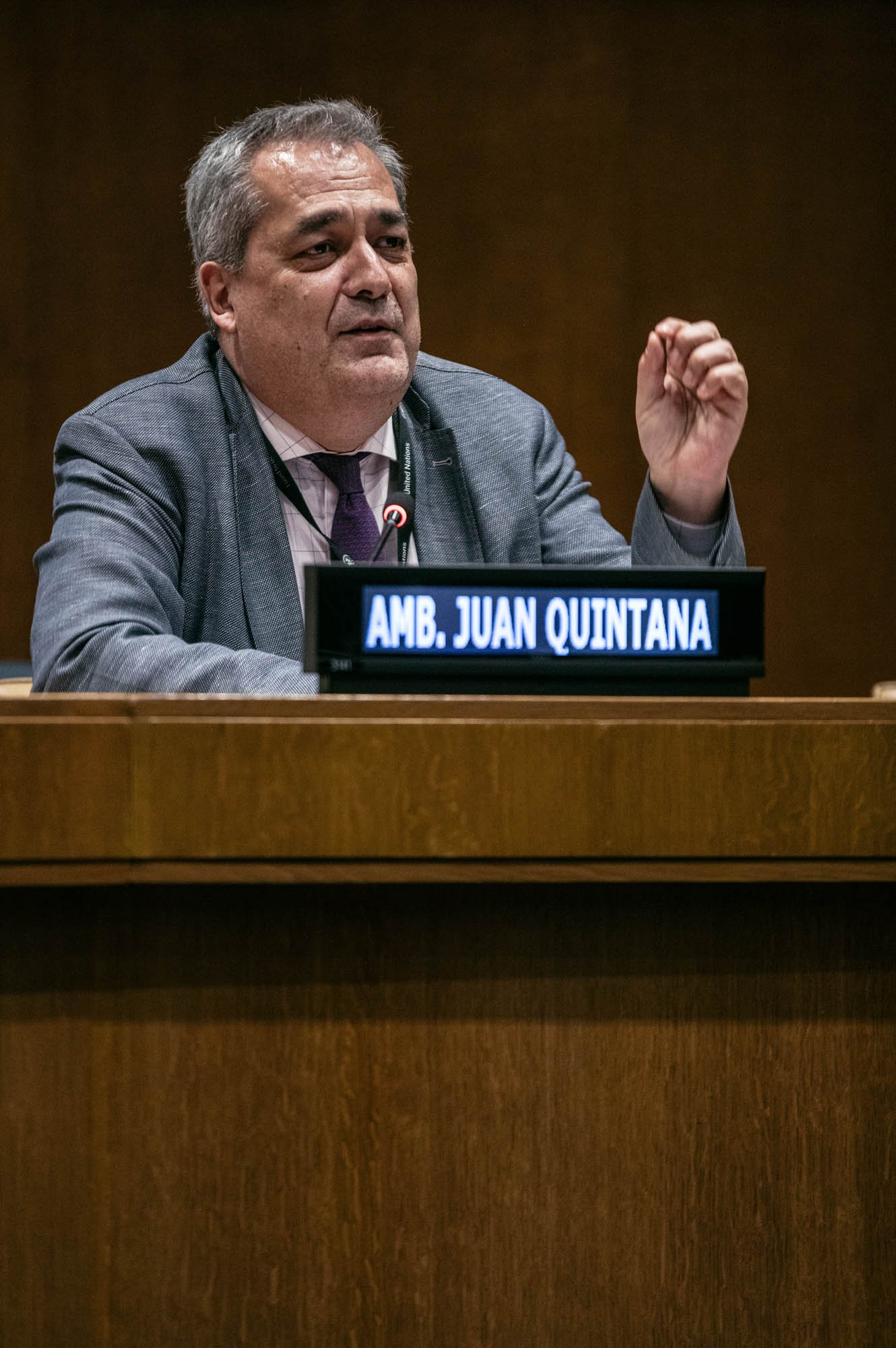
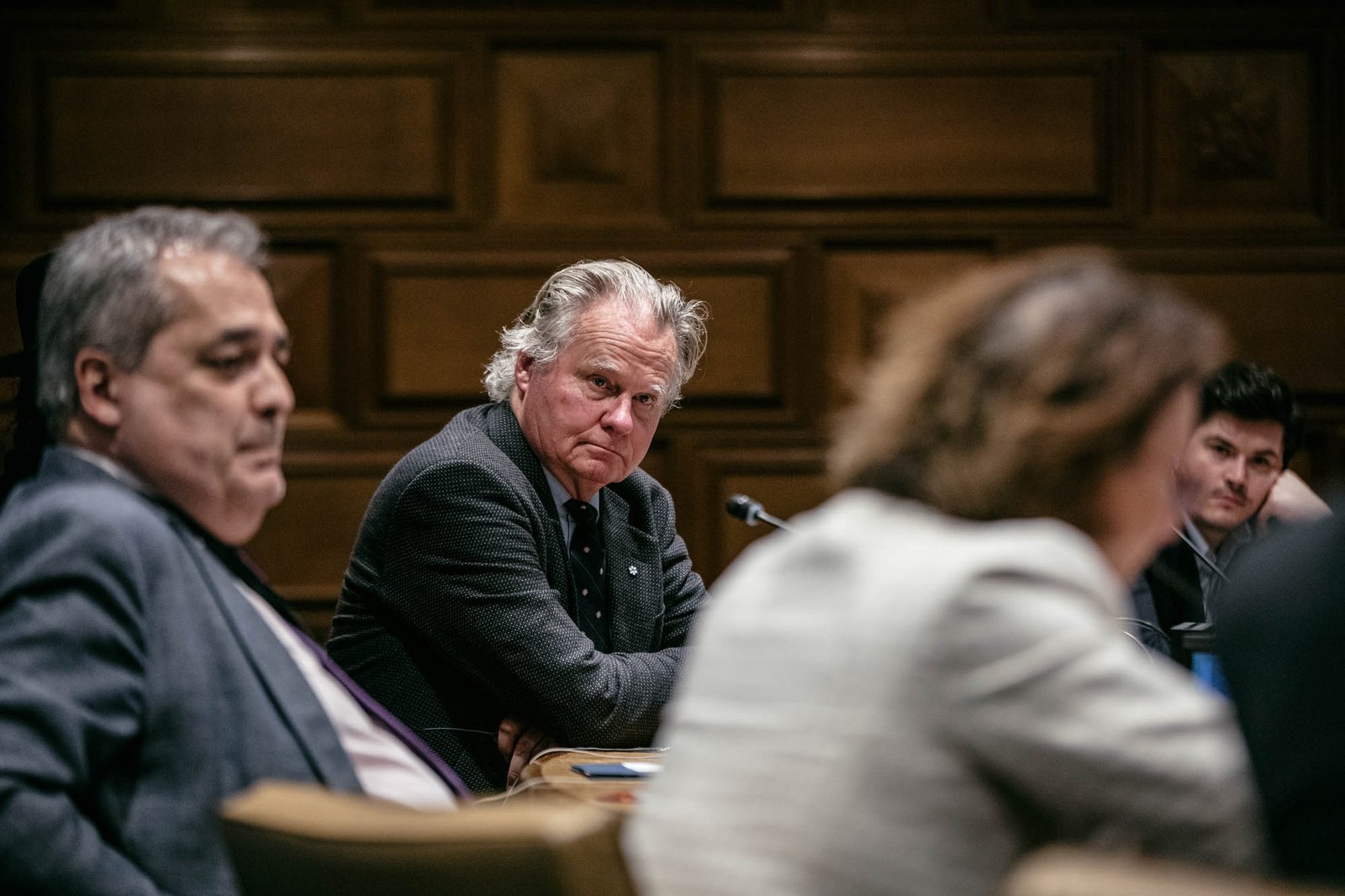
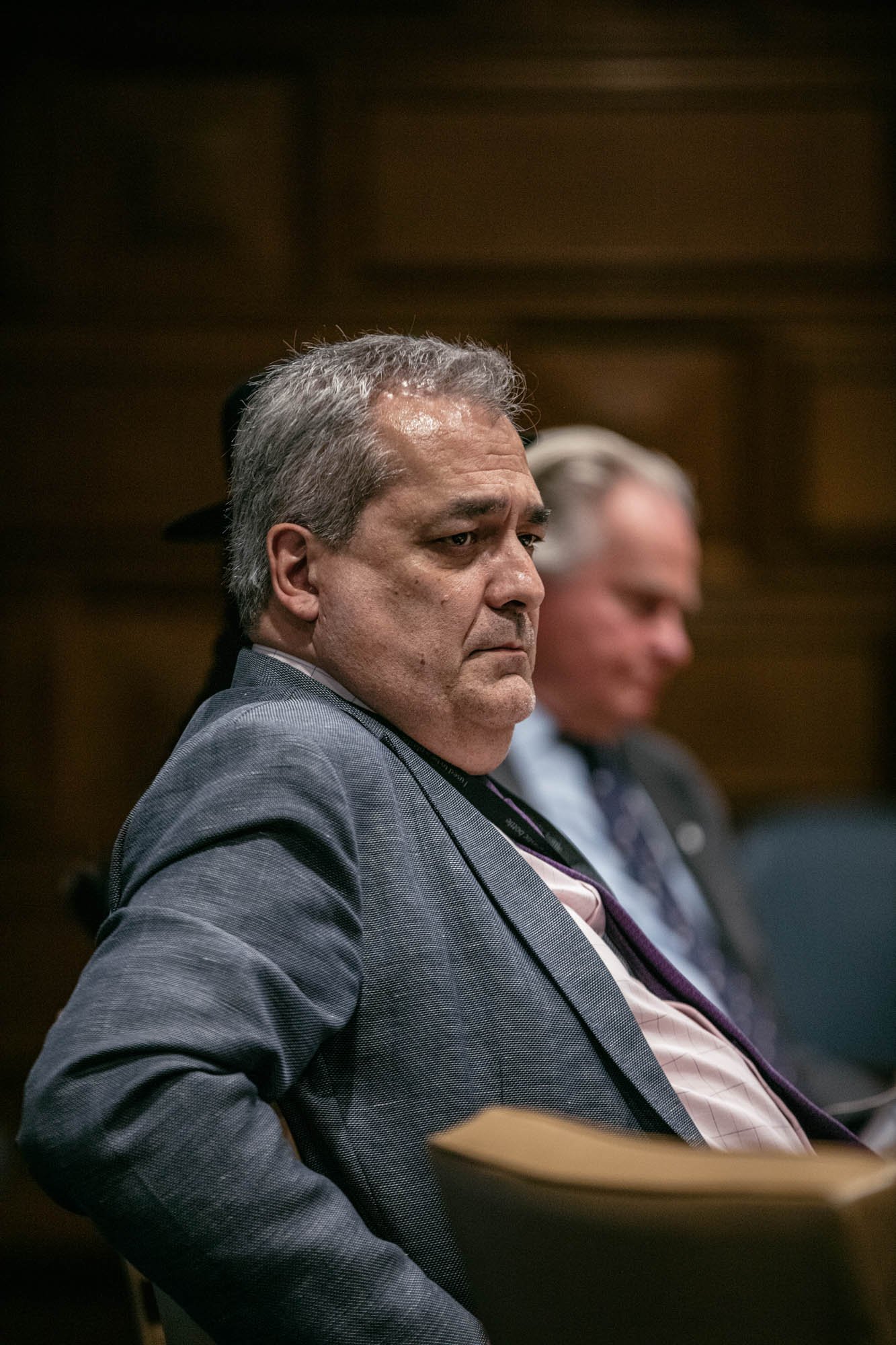
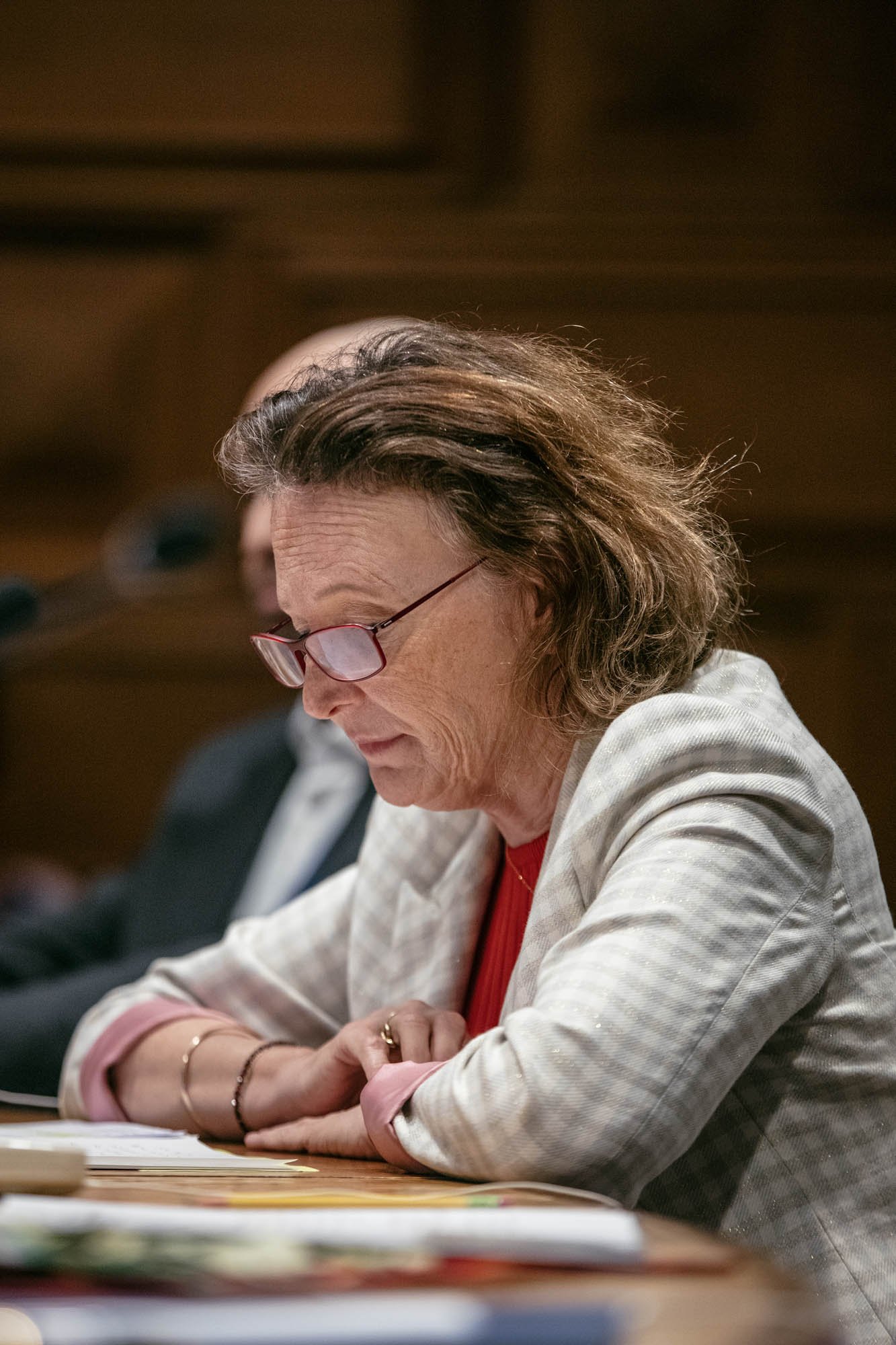
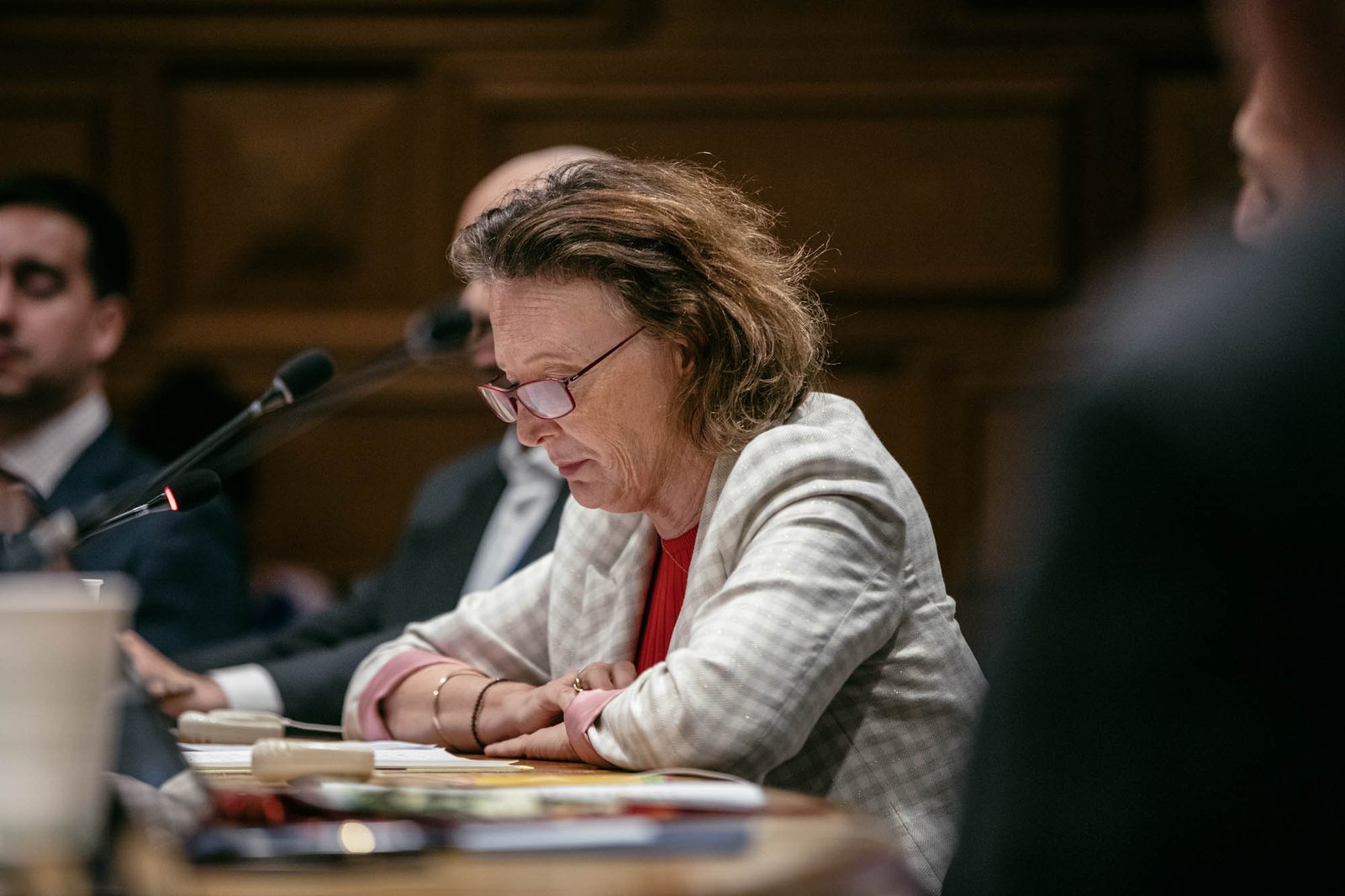
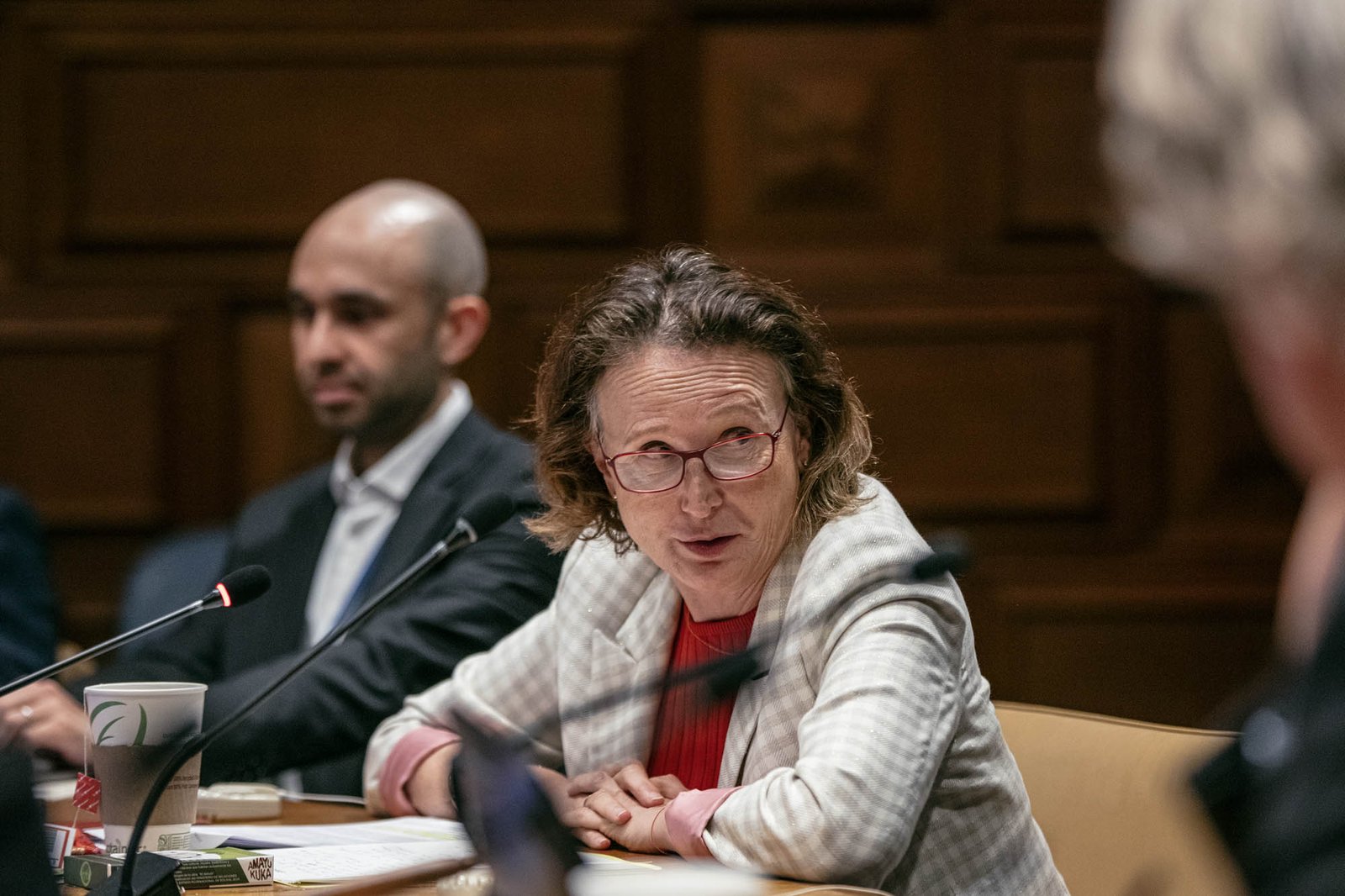
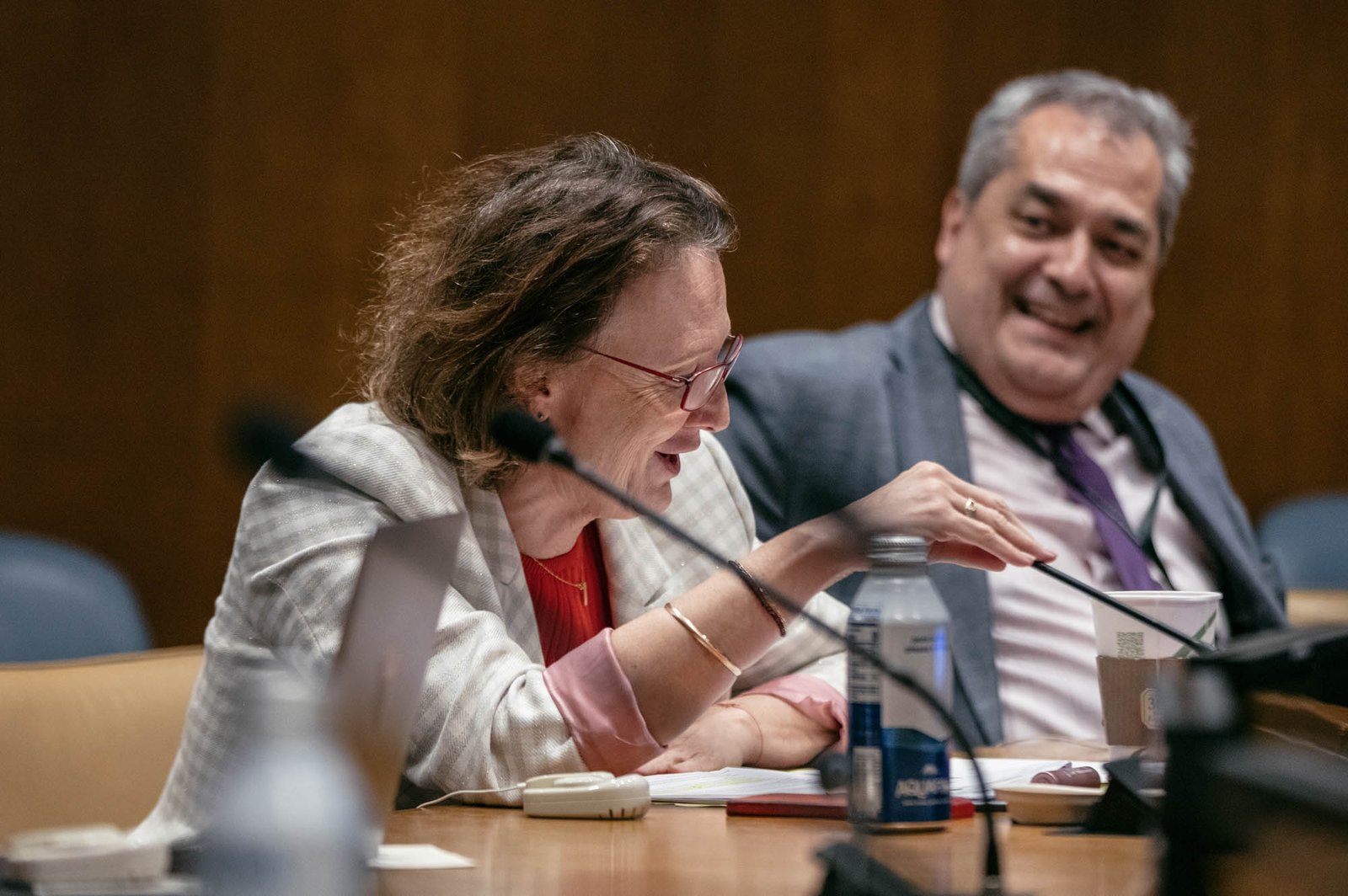
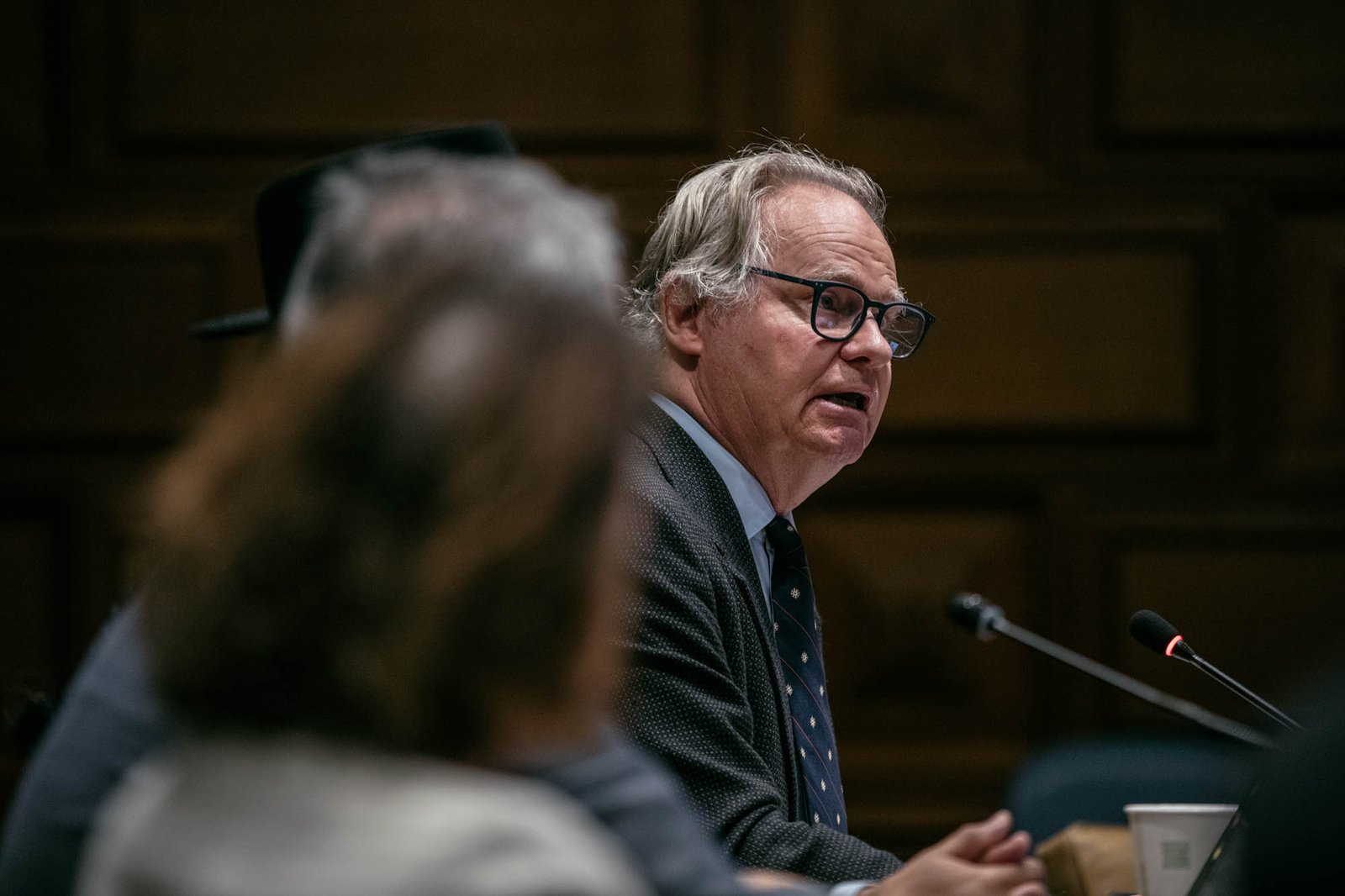
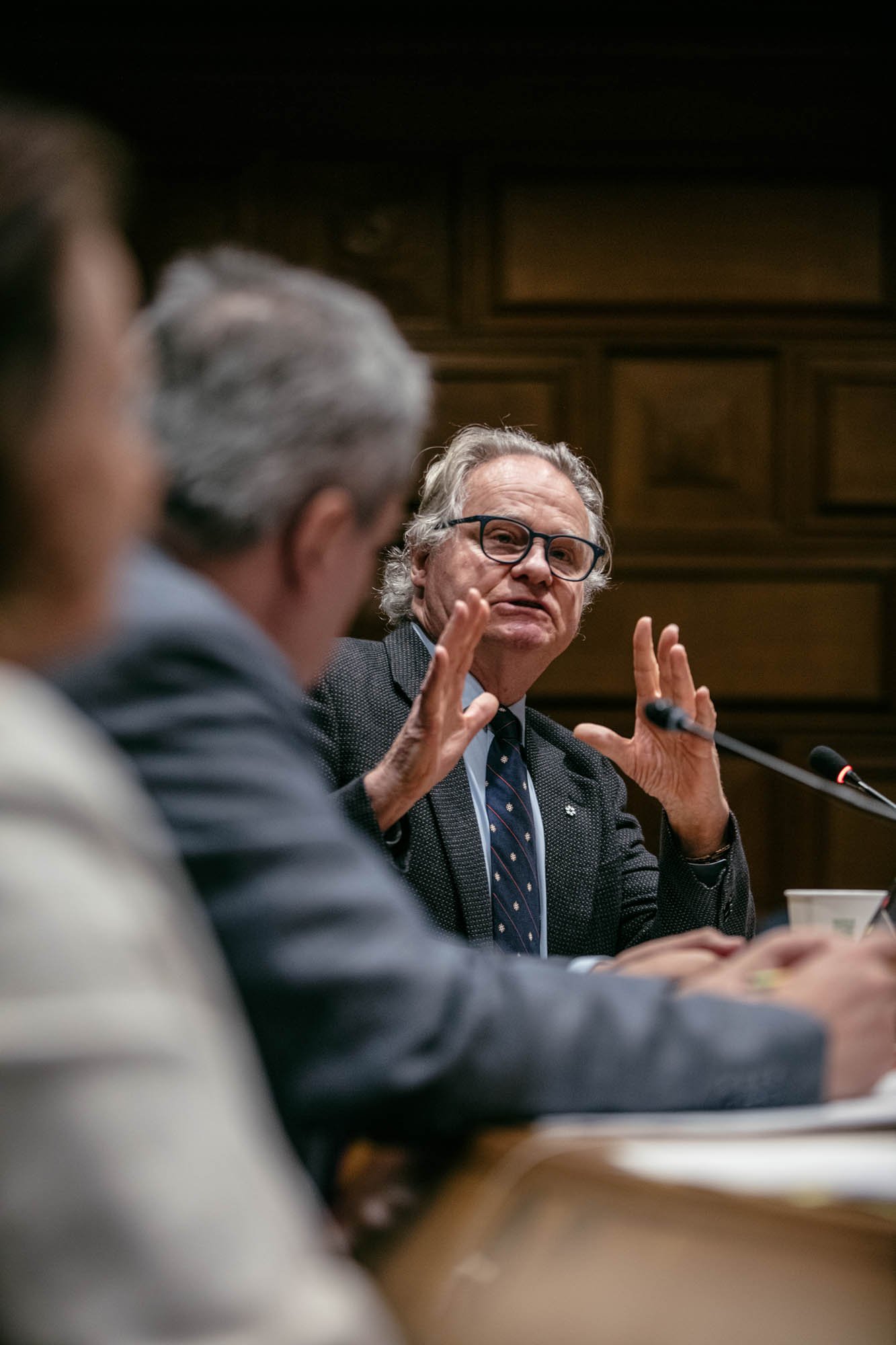
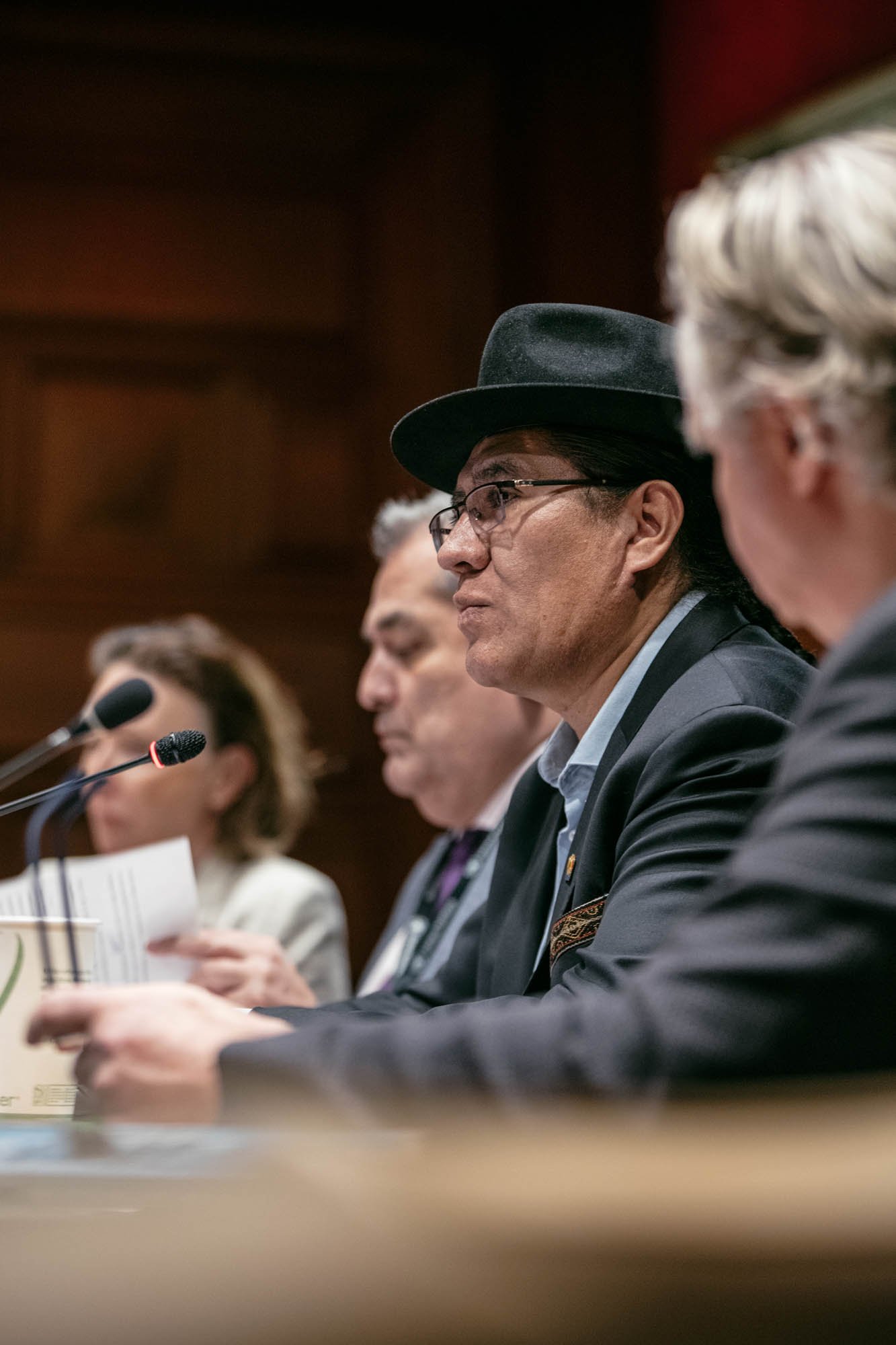
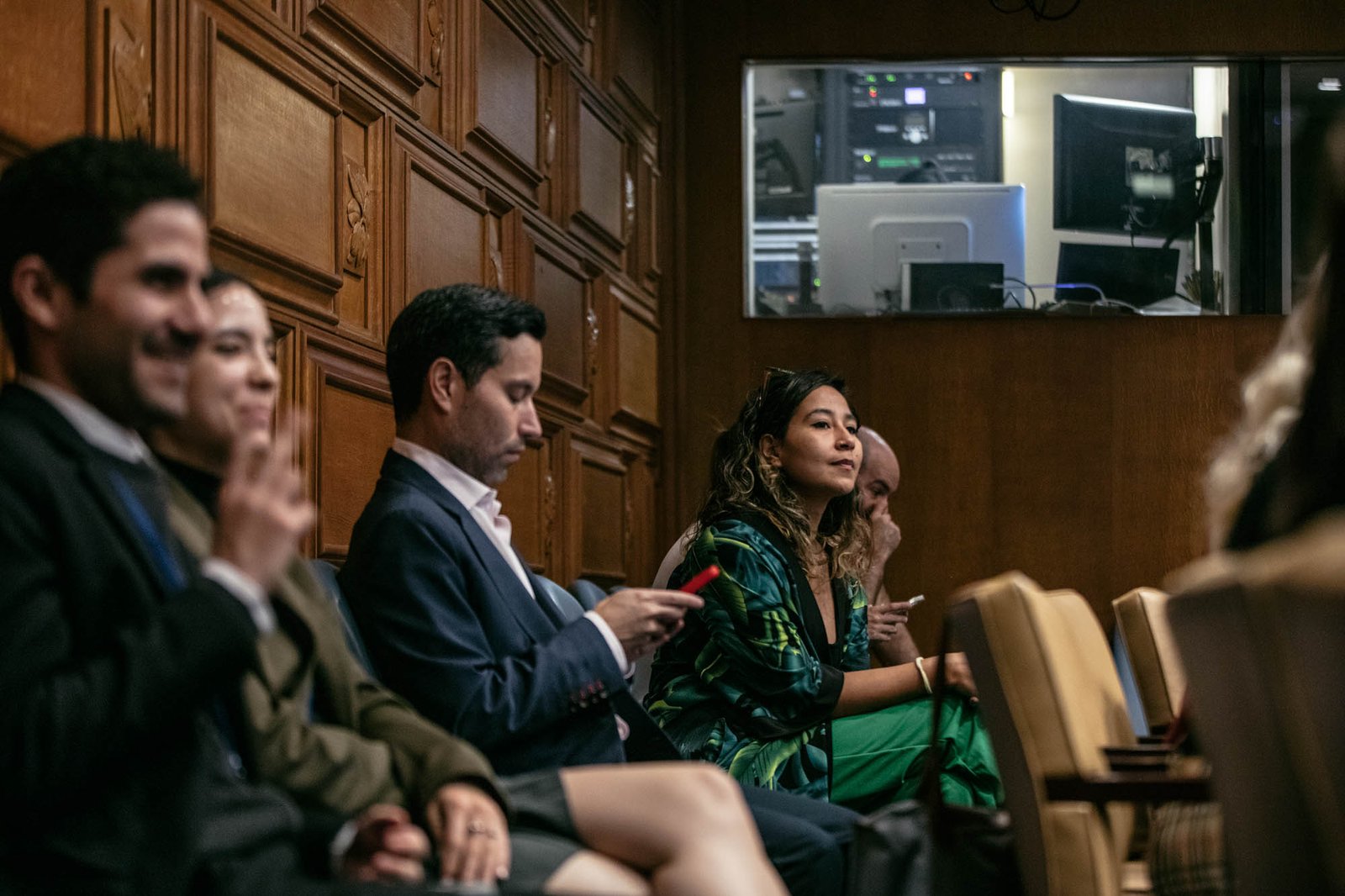
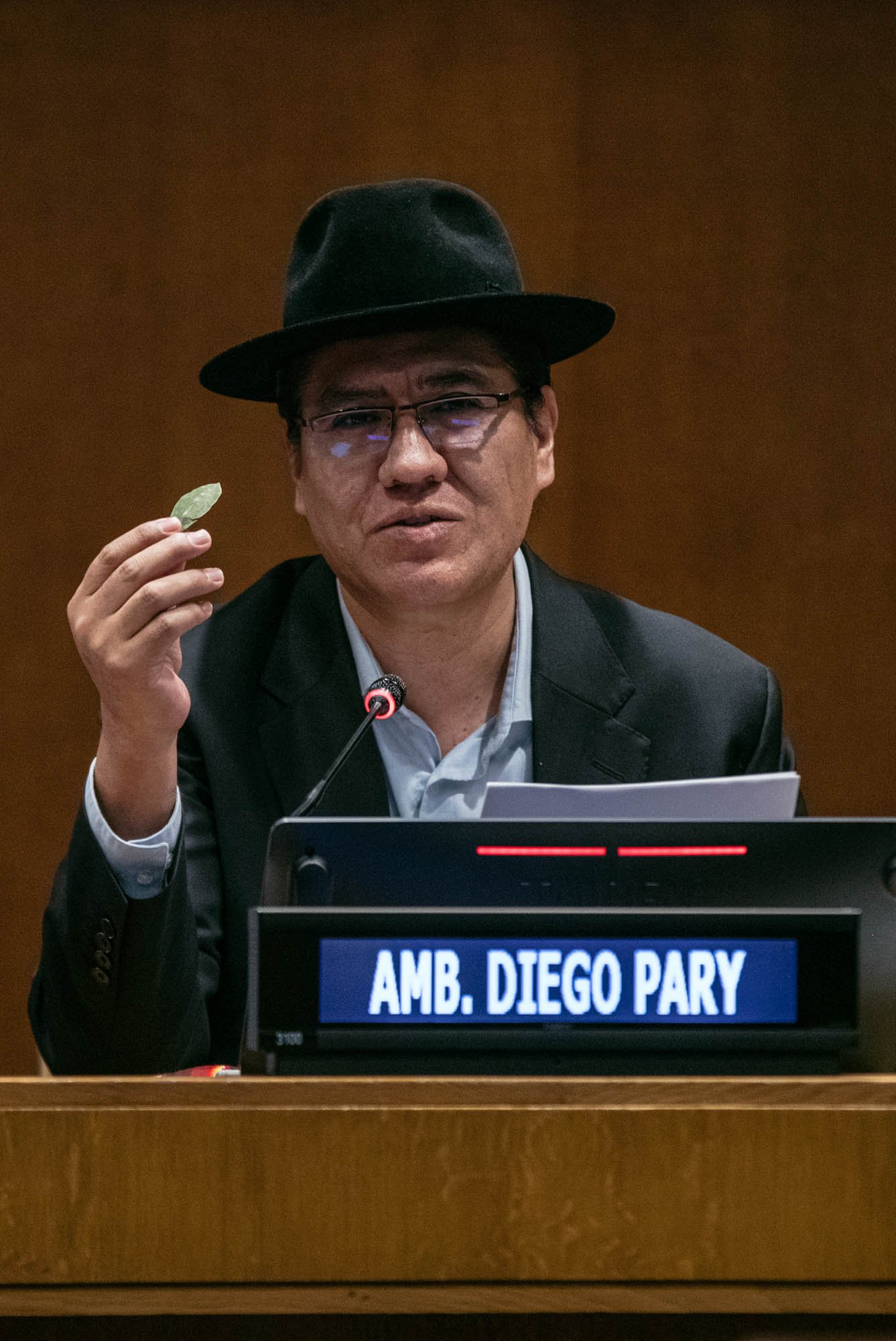
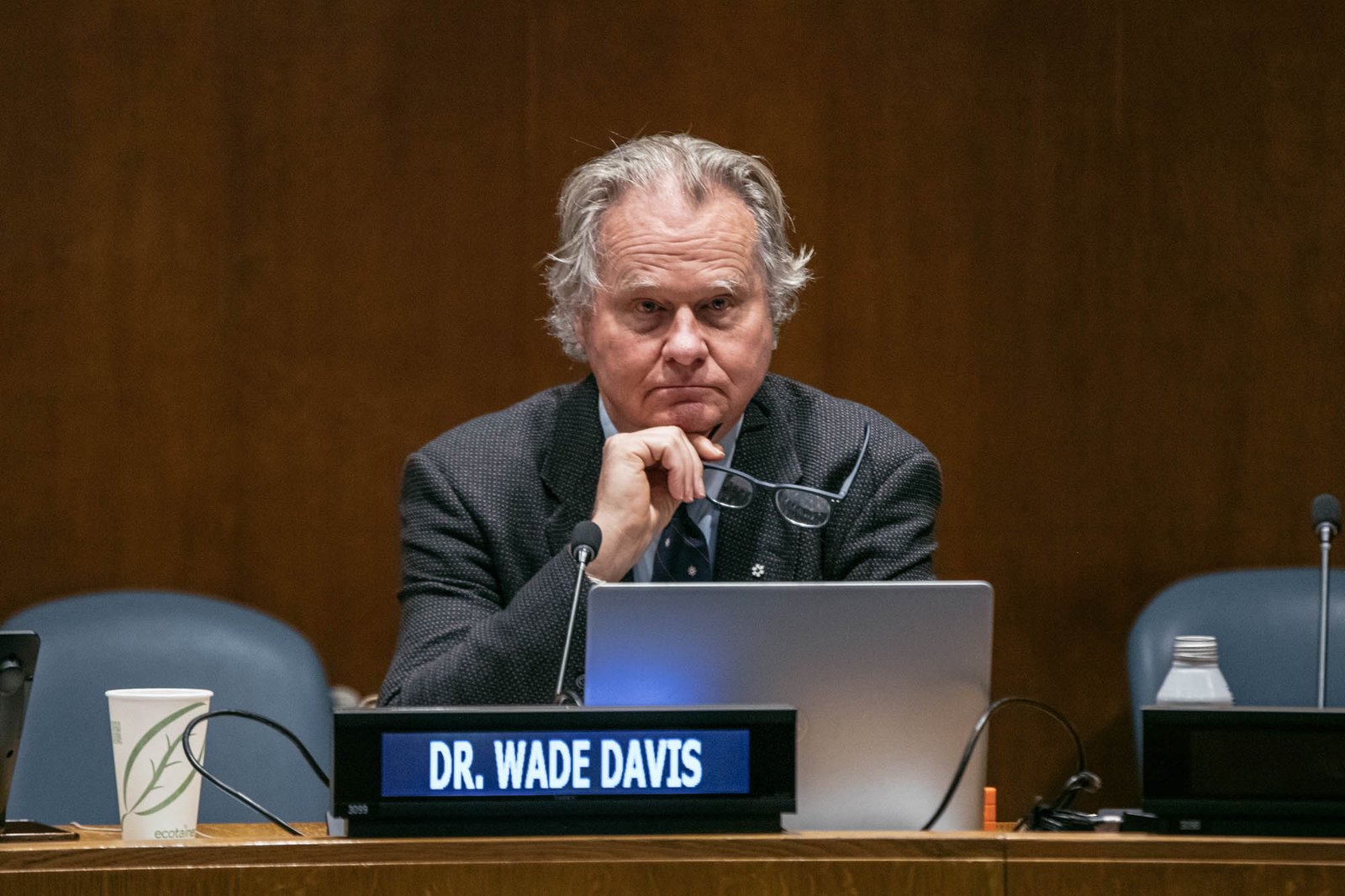
As part of the COCAWORLDS exhibition, the Permanent Missions of Colombia and Bolivia to the UN hosted a high-level panel featuring diplomats, Indigenous leaders, anthropologists, and artists. The conversation addressed the international reclassification of coca and included guided tours of the exhibition in both Spanish and English.

Opening of the ‘Coca, Palabra-Mundo’ Exhibition at the UN

Curated by

Liana Collective

Location

United Nations Headquarters, New York

Dates

November 4, 2024

MORE EVENTS

Coca Visión

An audiovisual night and conversation exploring the...

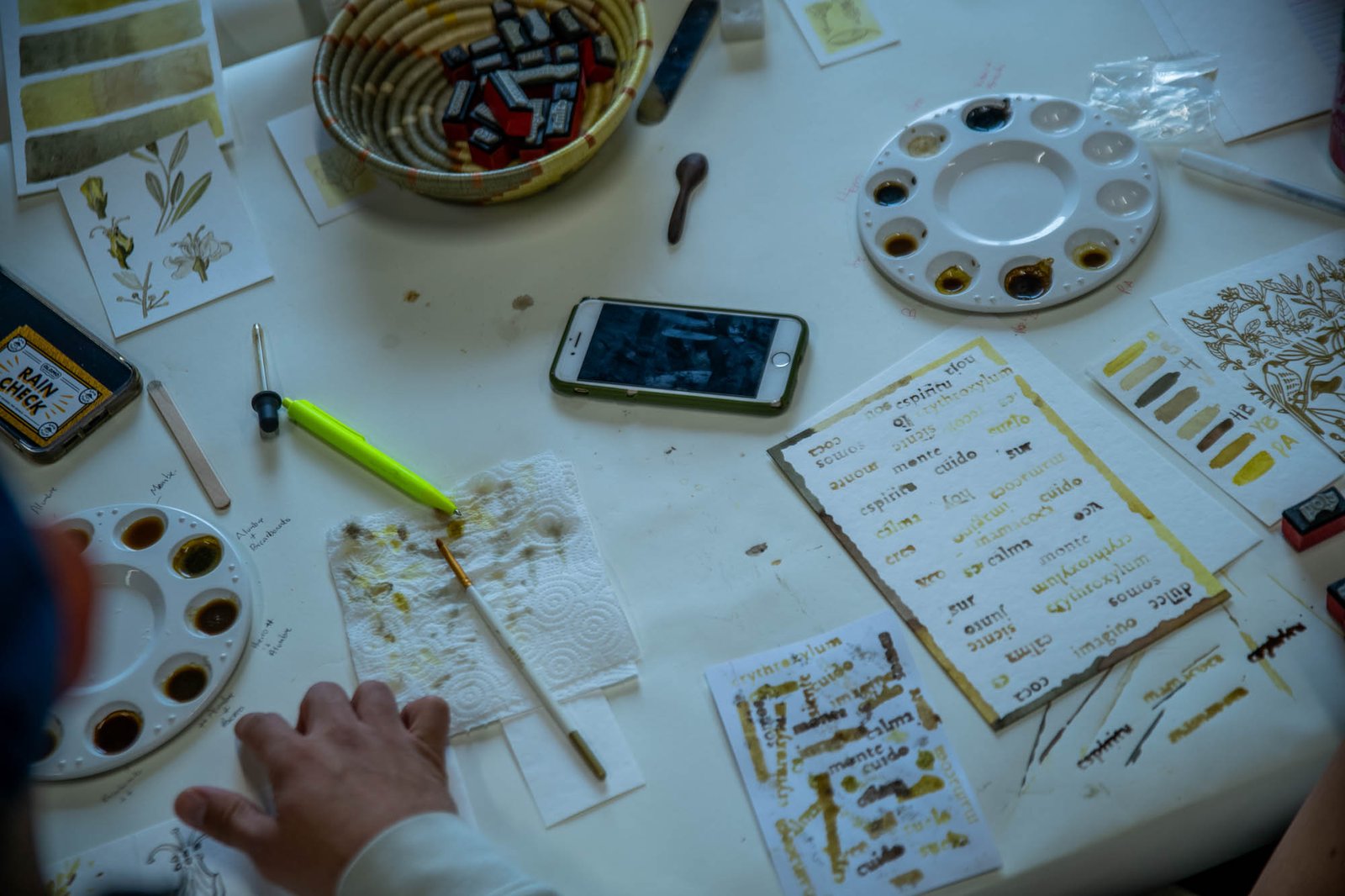
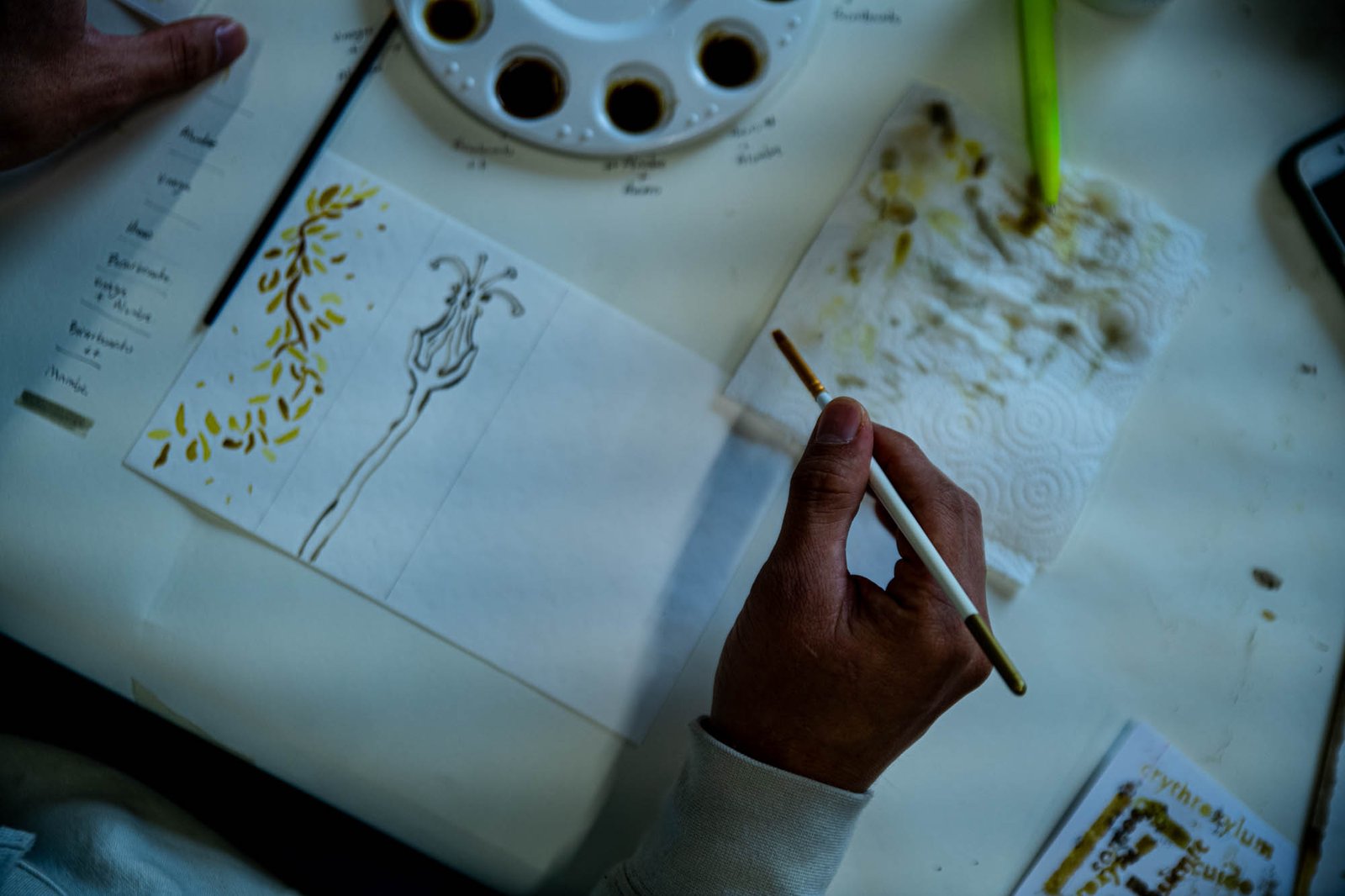
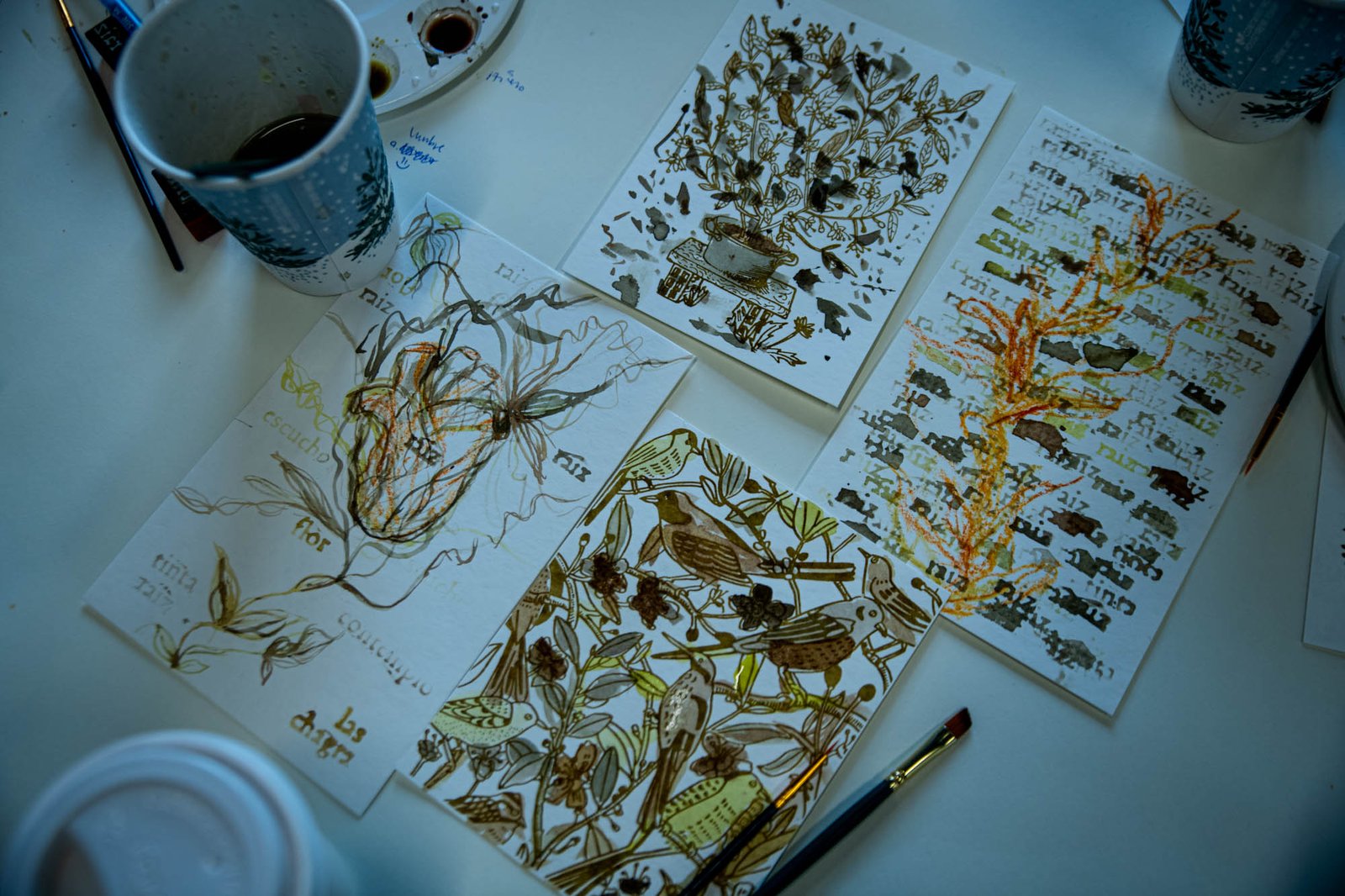
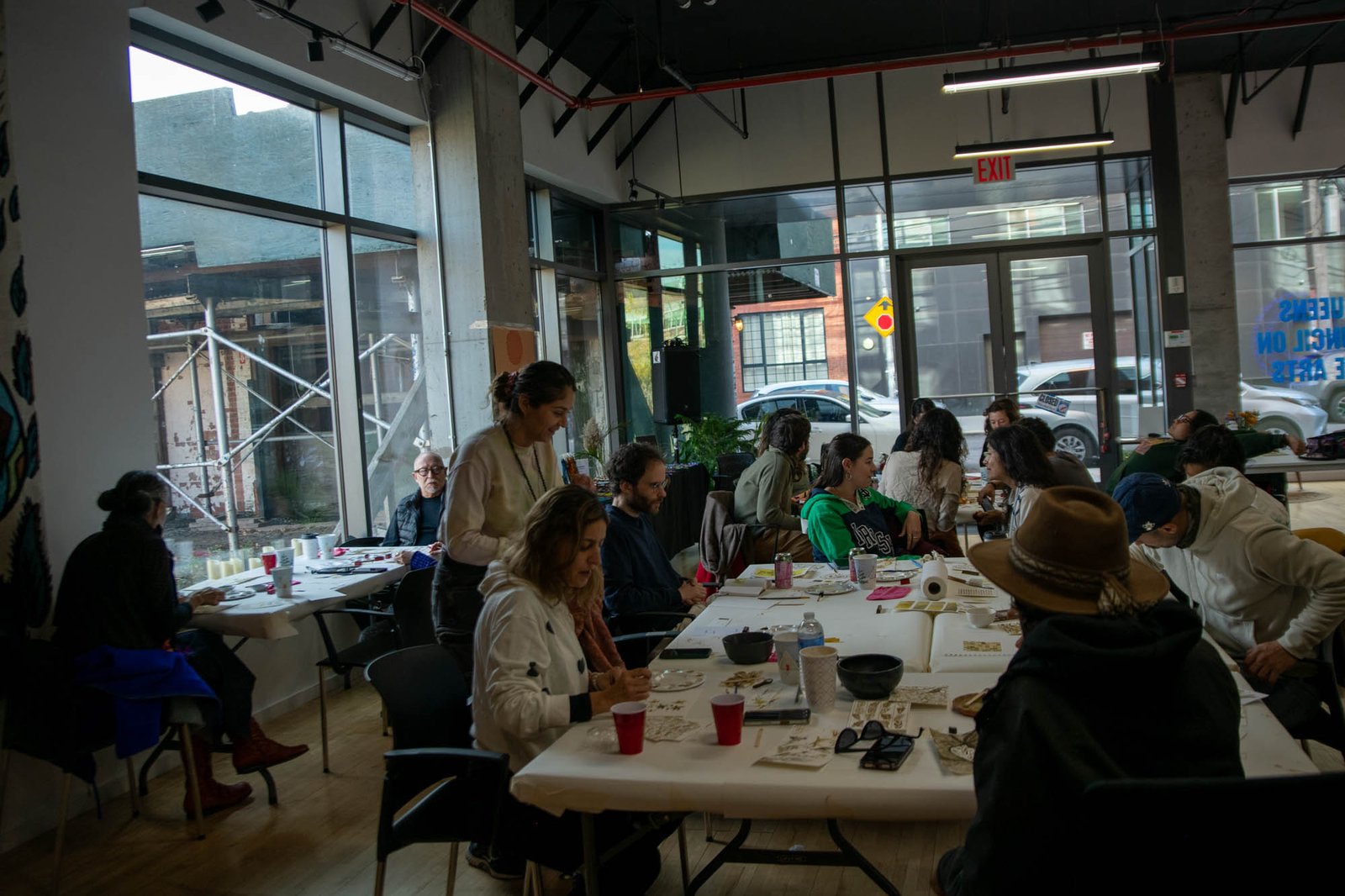
Creative Workshop: Futures of Coca

Ginger Blonde and Giselly Mejía led an...

Conversation: Art, Coca, and Drug Policy

Artists Miguel Ángel Rojas, Ginger Blonde, Edinson...

Opening of the ‘Coca, Palabra-Mundo’ Exhibition at OSF

The exhibition opened at Open Society Foundations...