Category Archives: Exhibitions

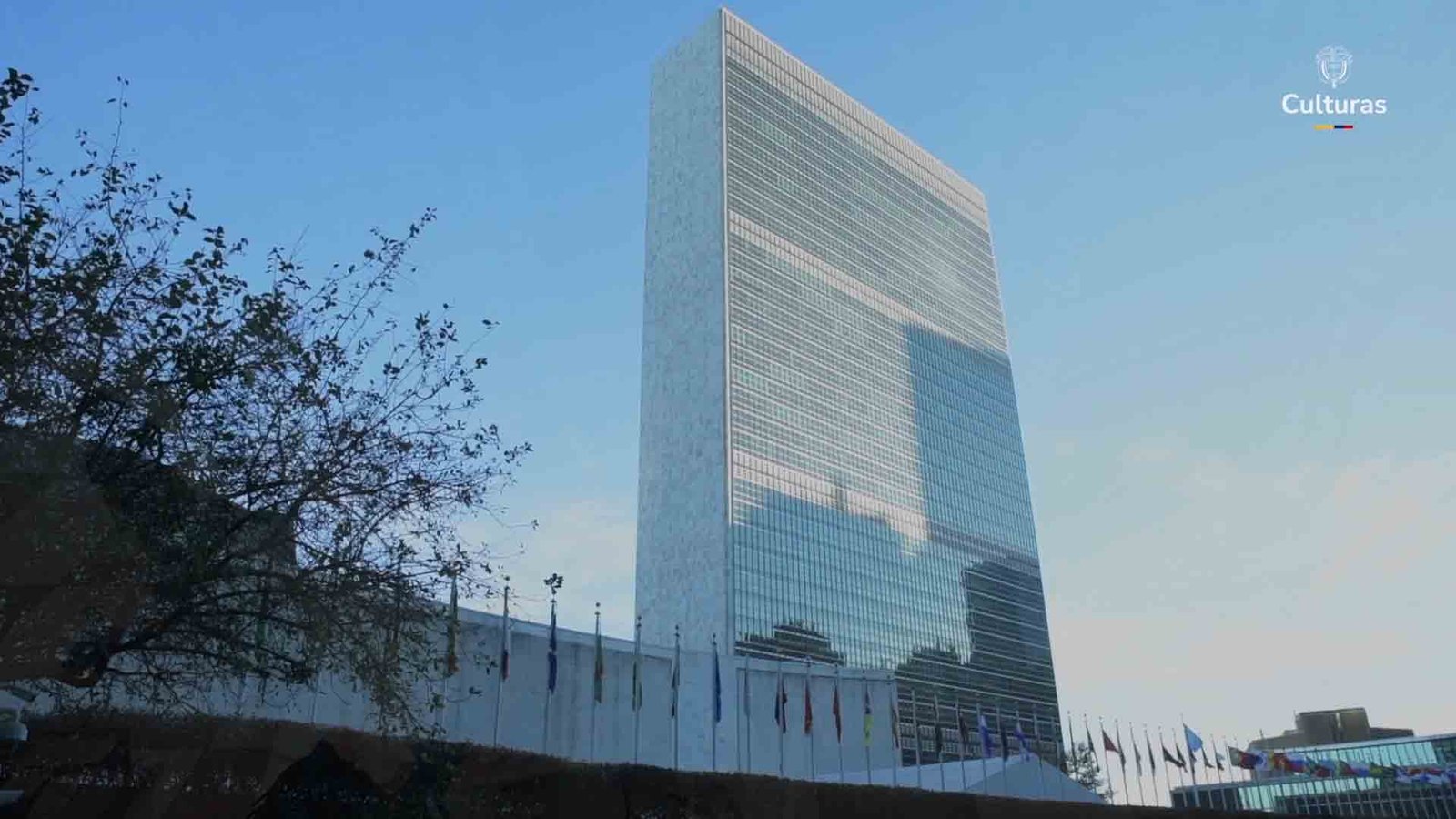
COCAWORLDS at the UNUnited Nations Headquarters, New York November 4–8, 2024. Open Society Foundations, New York November 11, 2024 – January 17, 2025

Curated by

Liana Collective

Location & Dates

United Nations Headquarters, New York

November 4–8, 2024

Open Society Foundations, New York

November 11, 2024 – January 17, 2025
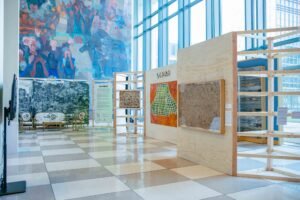
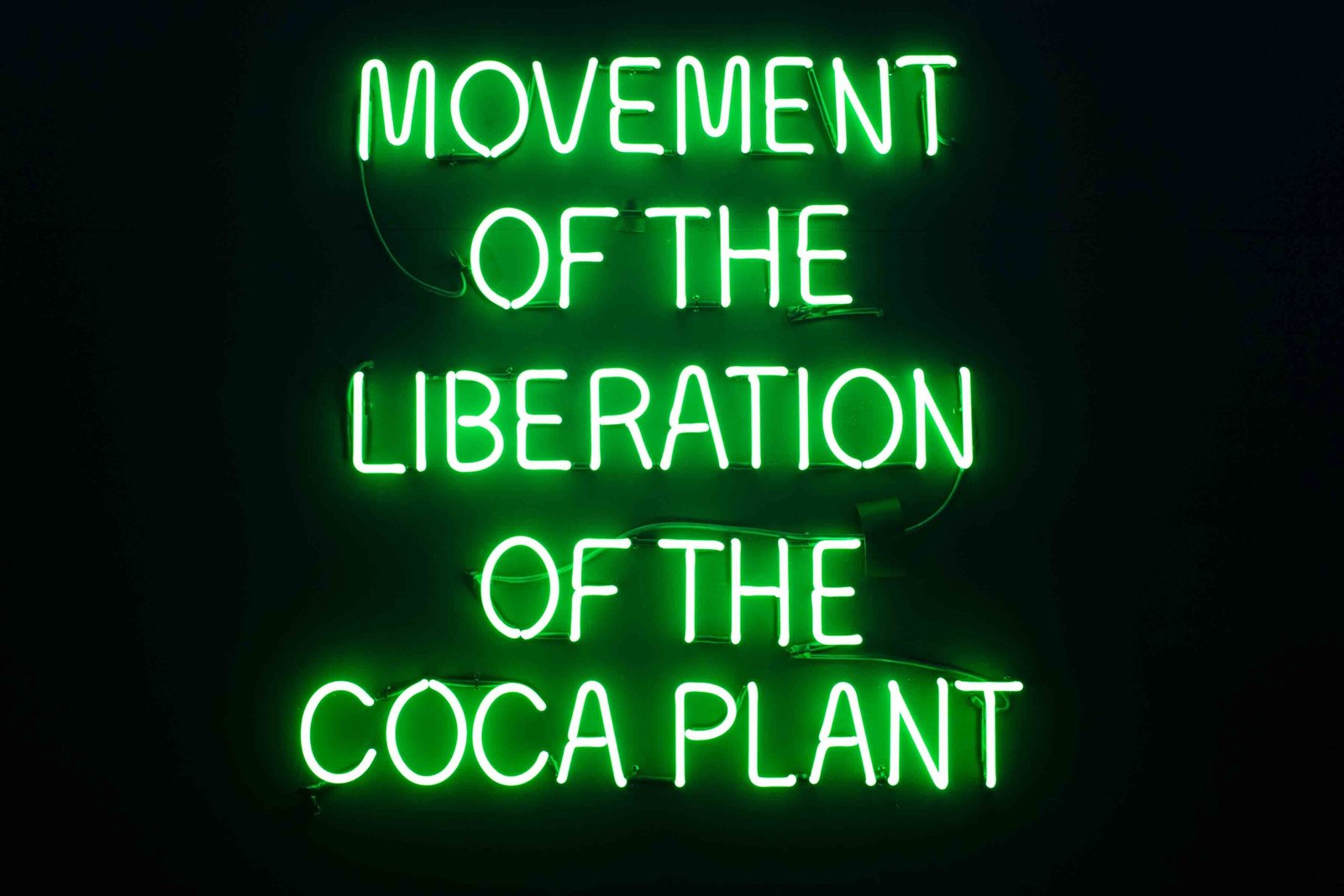
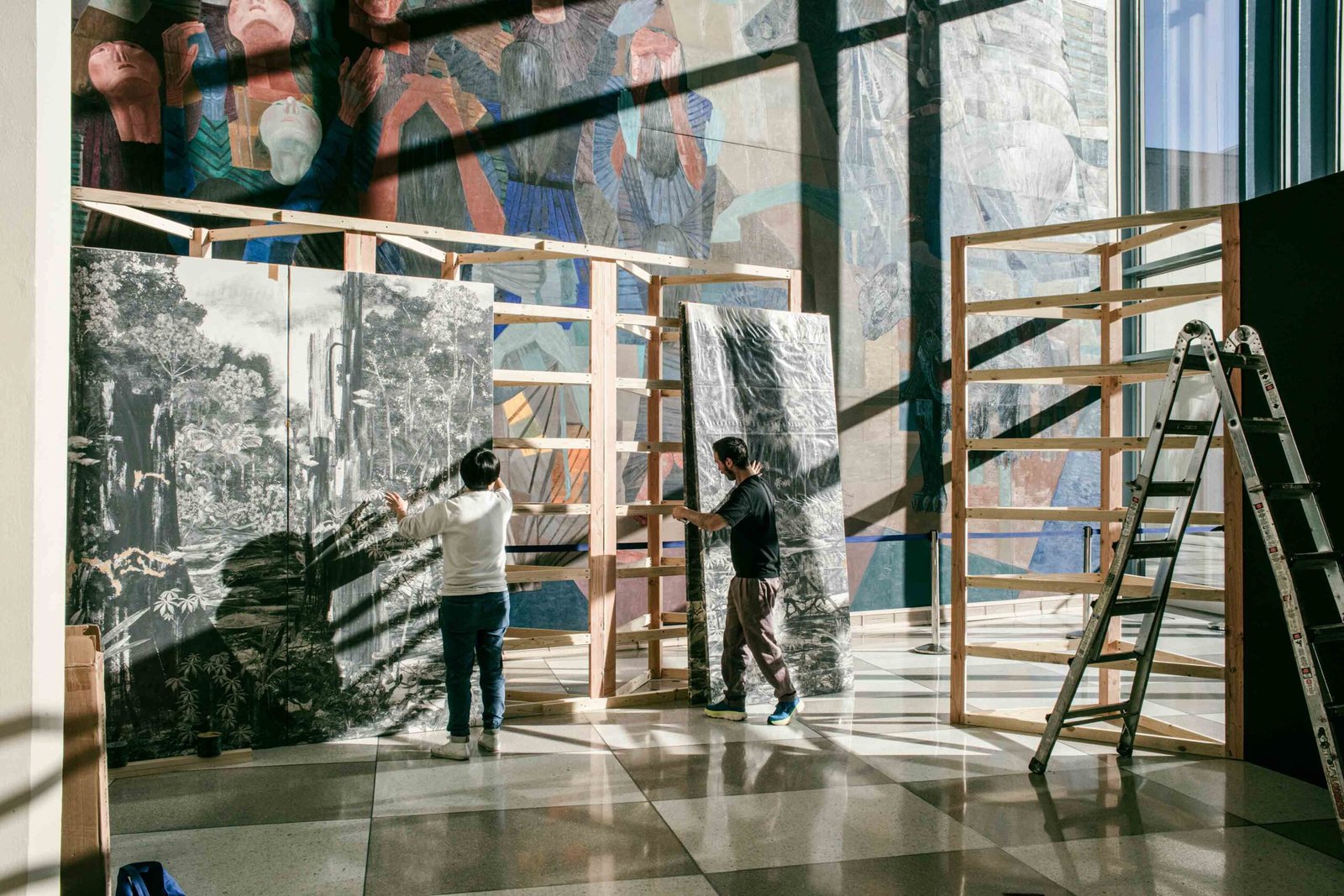
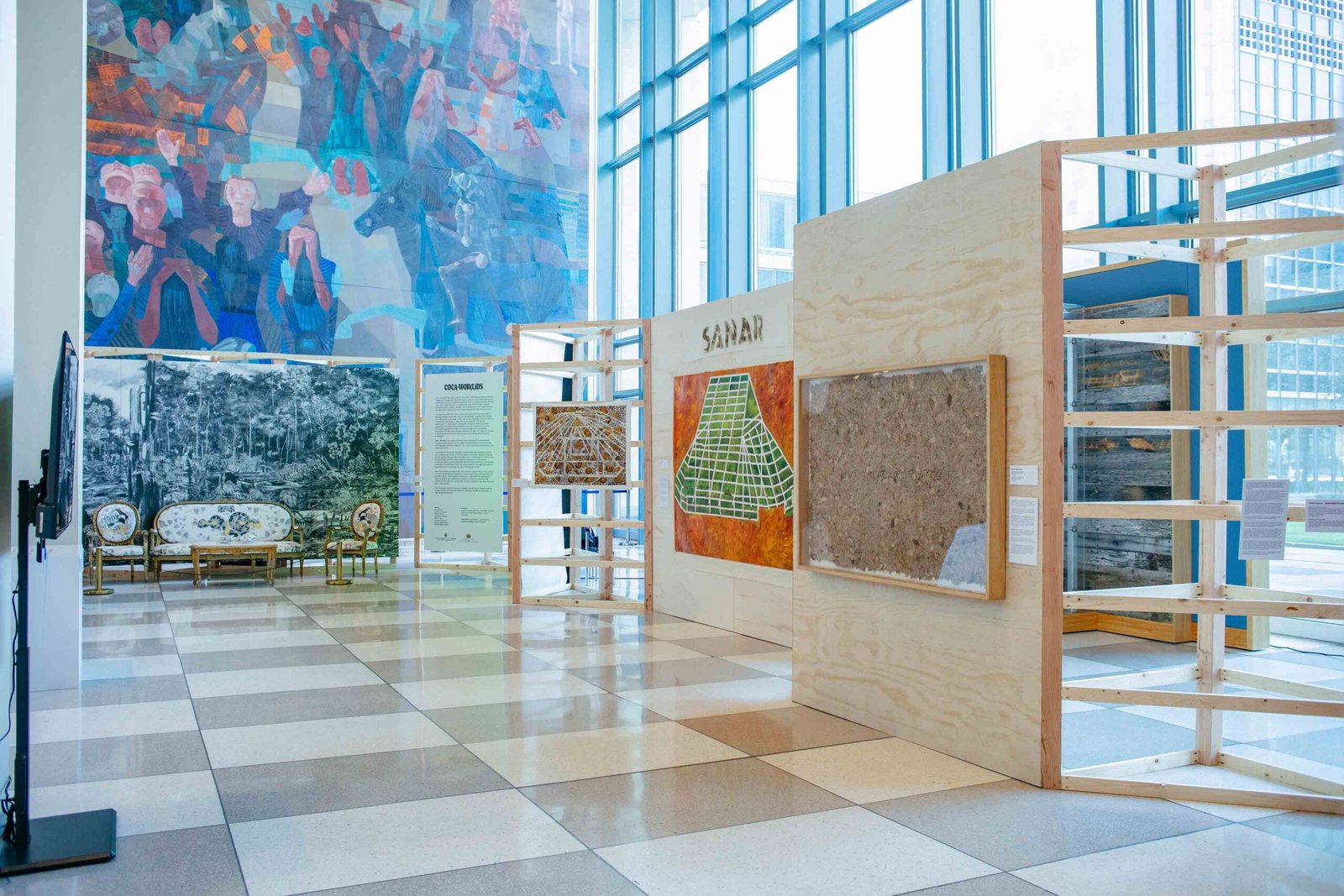
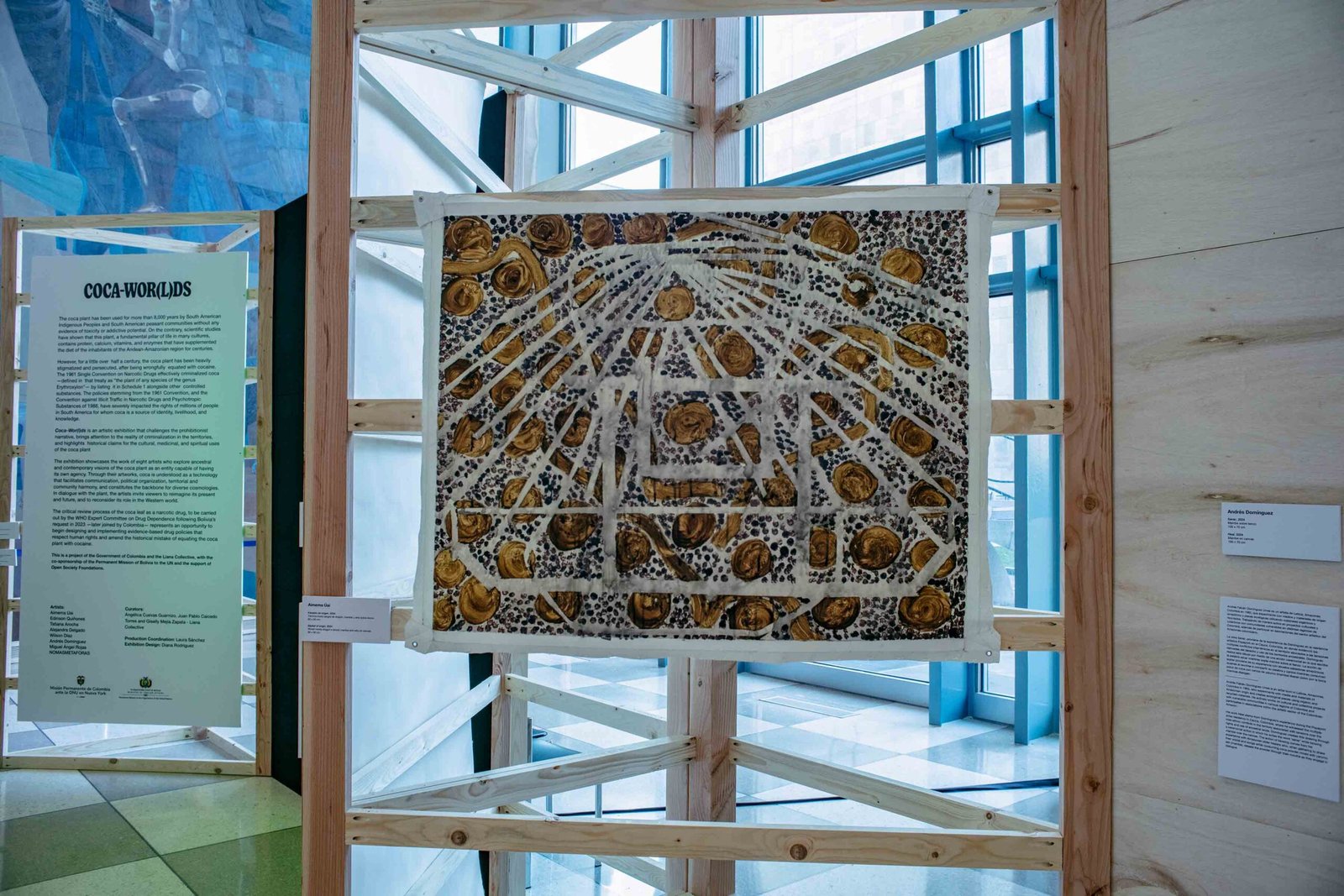
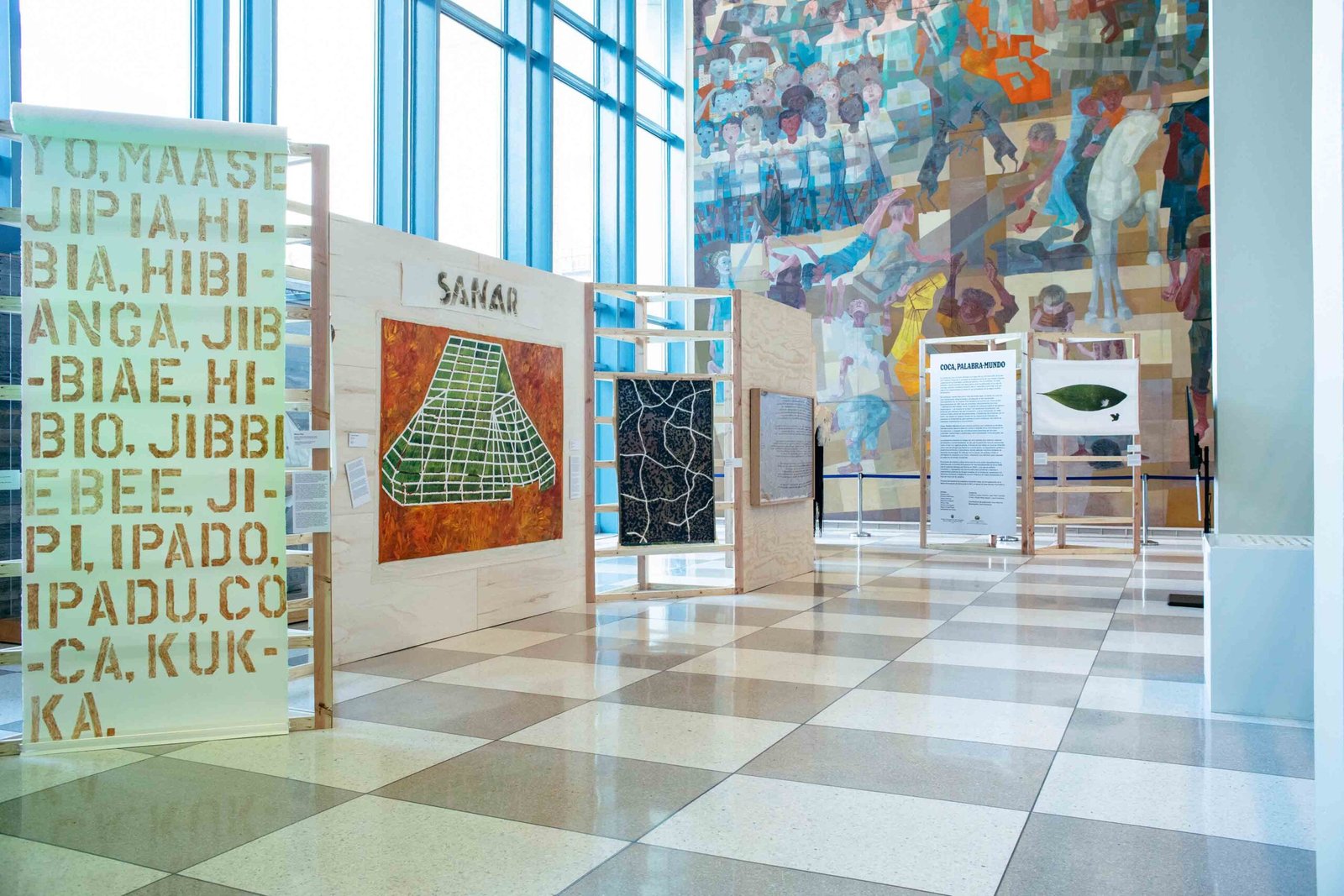
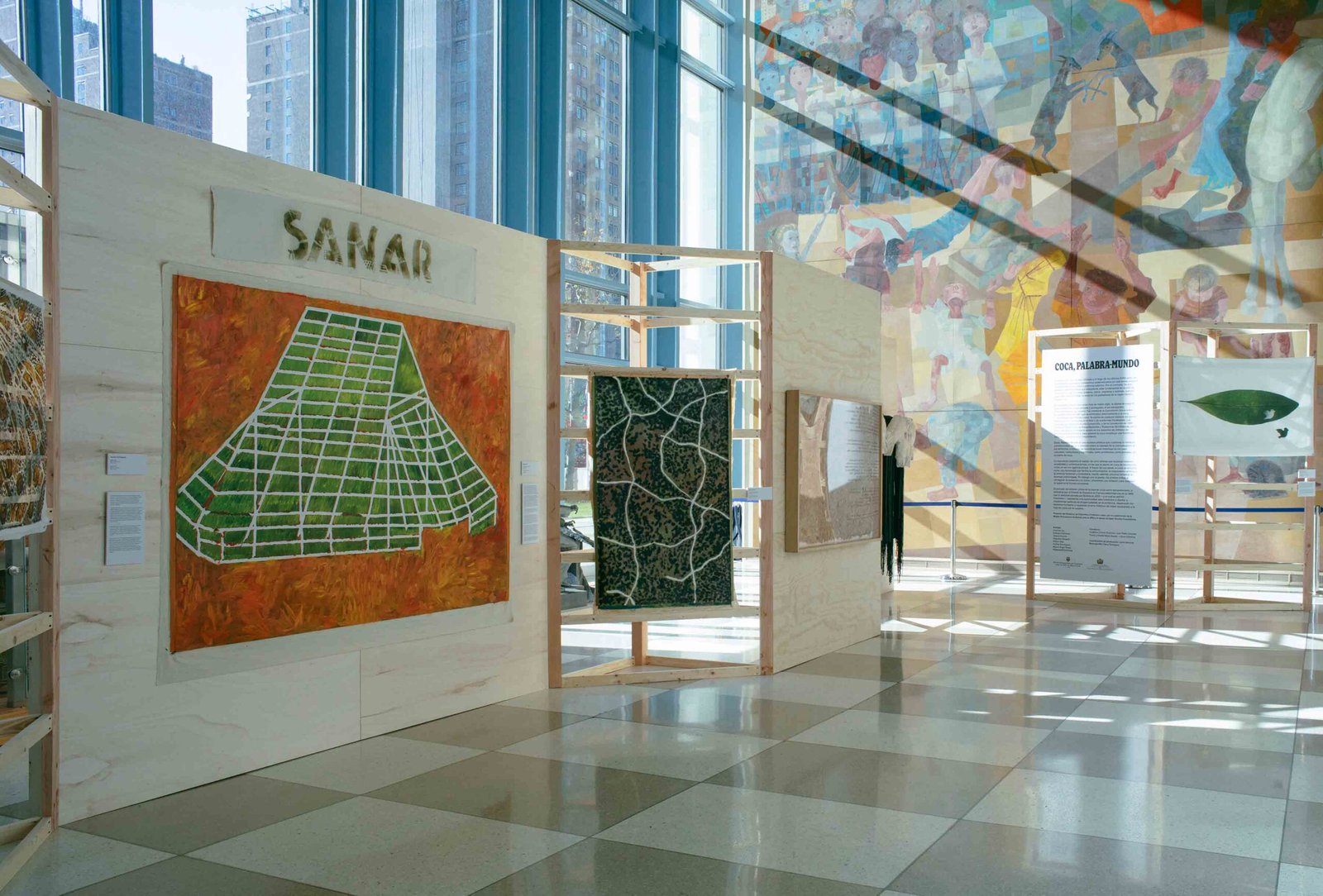
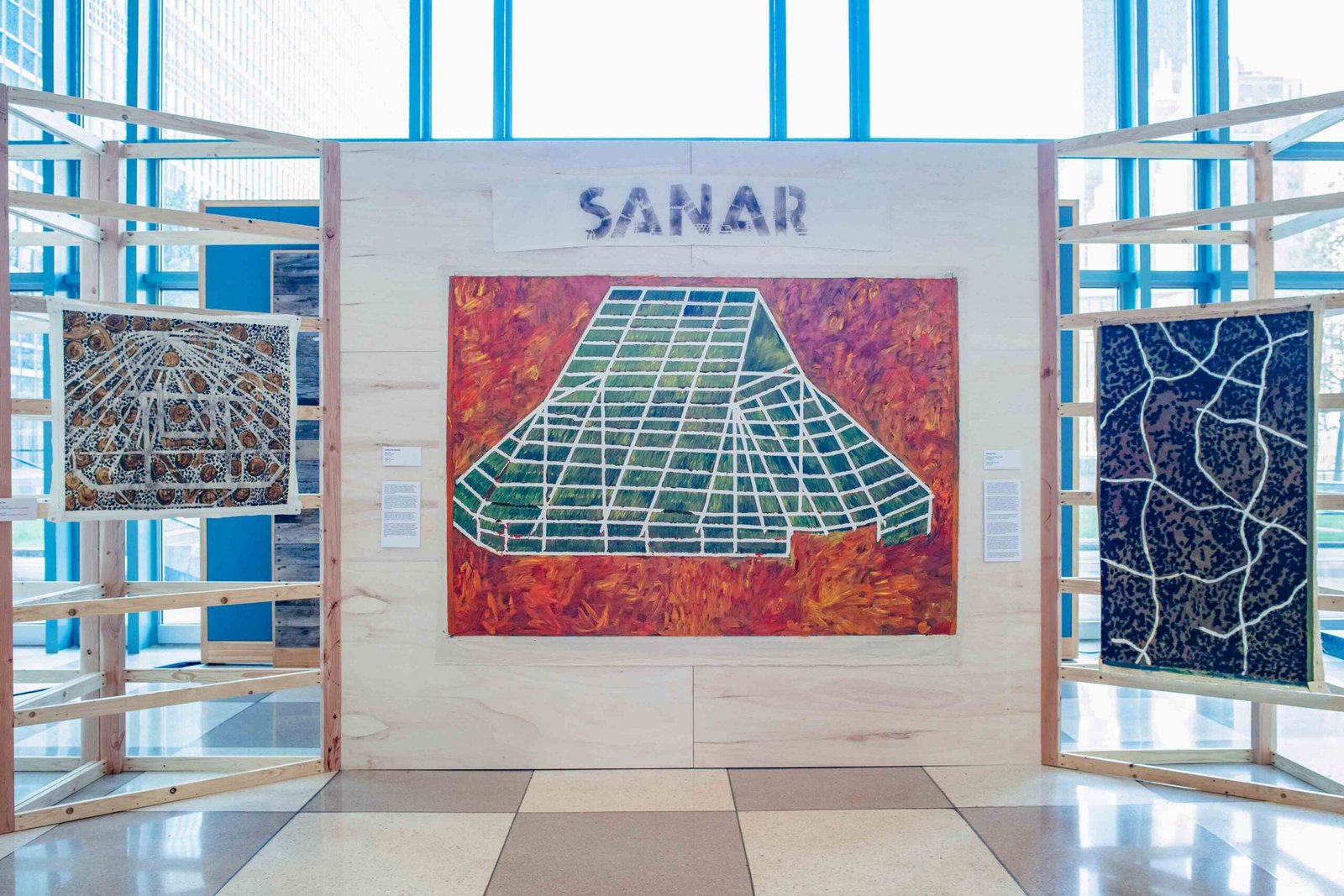
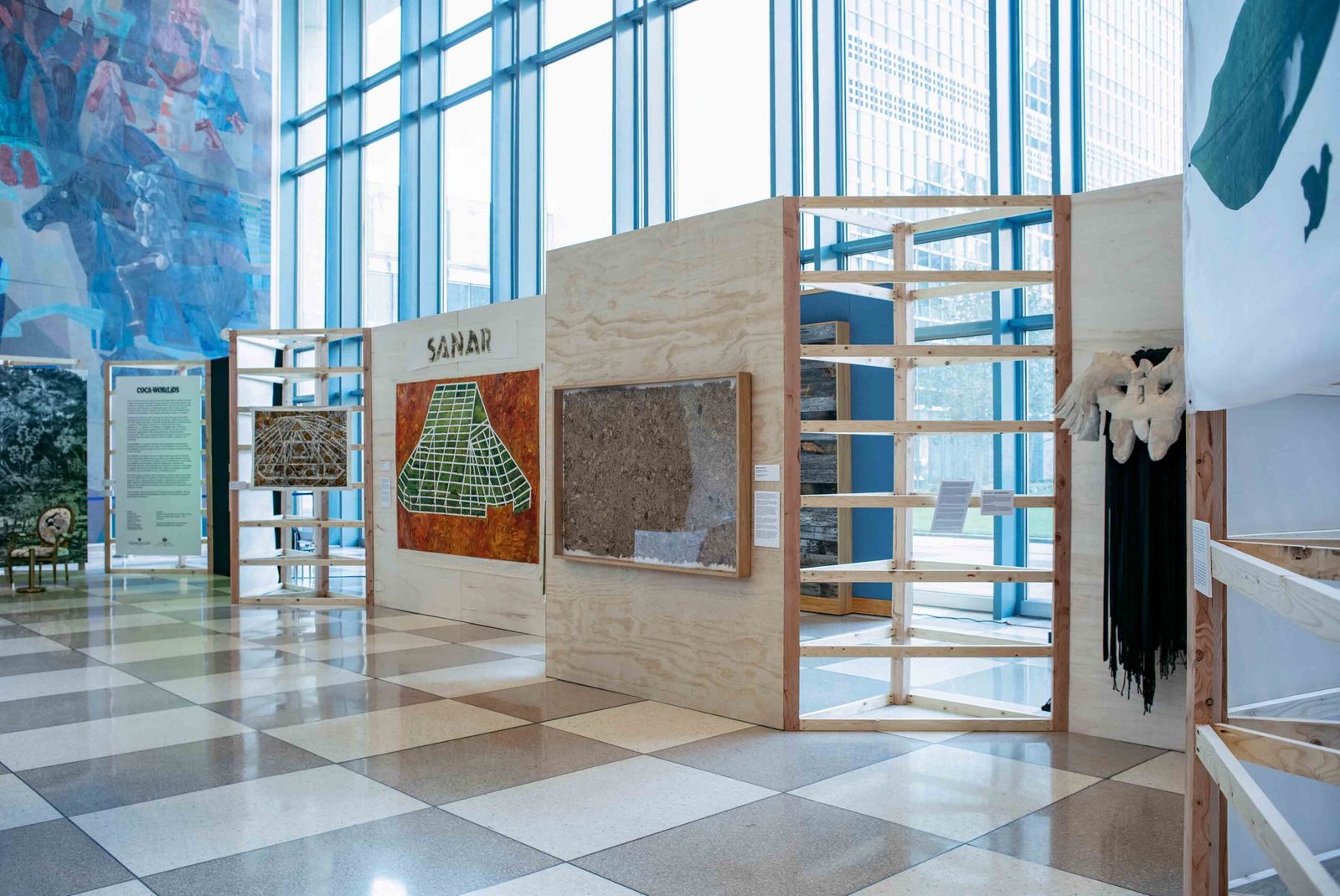
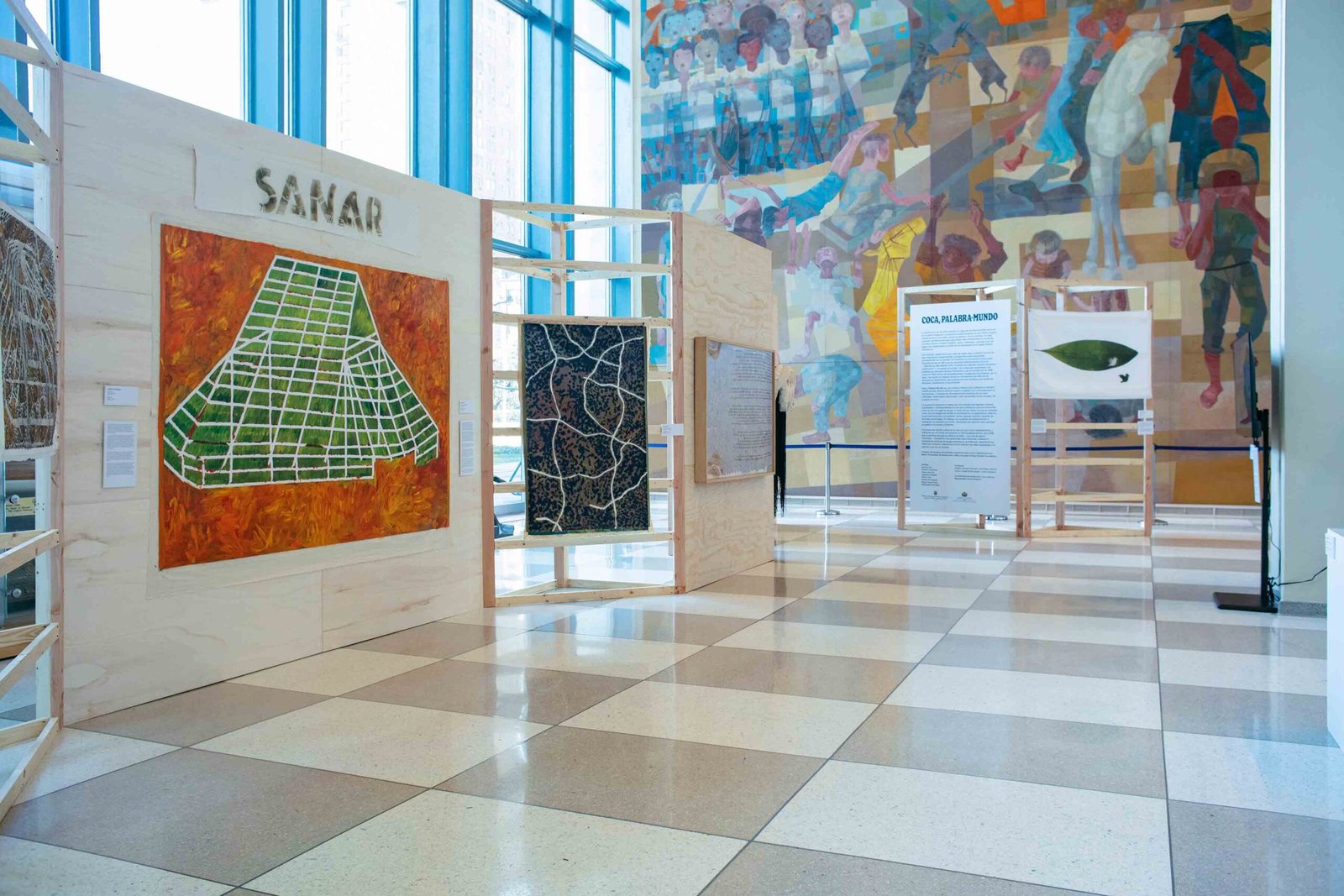
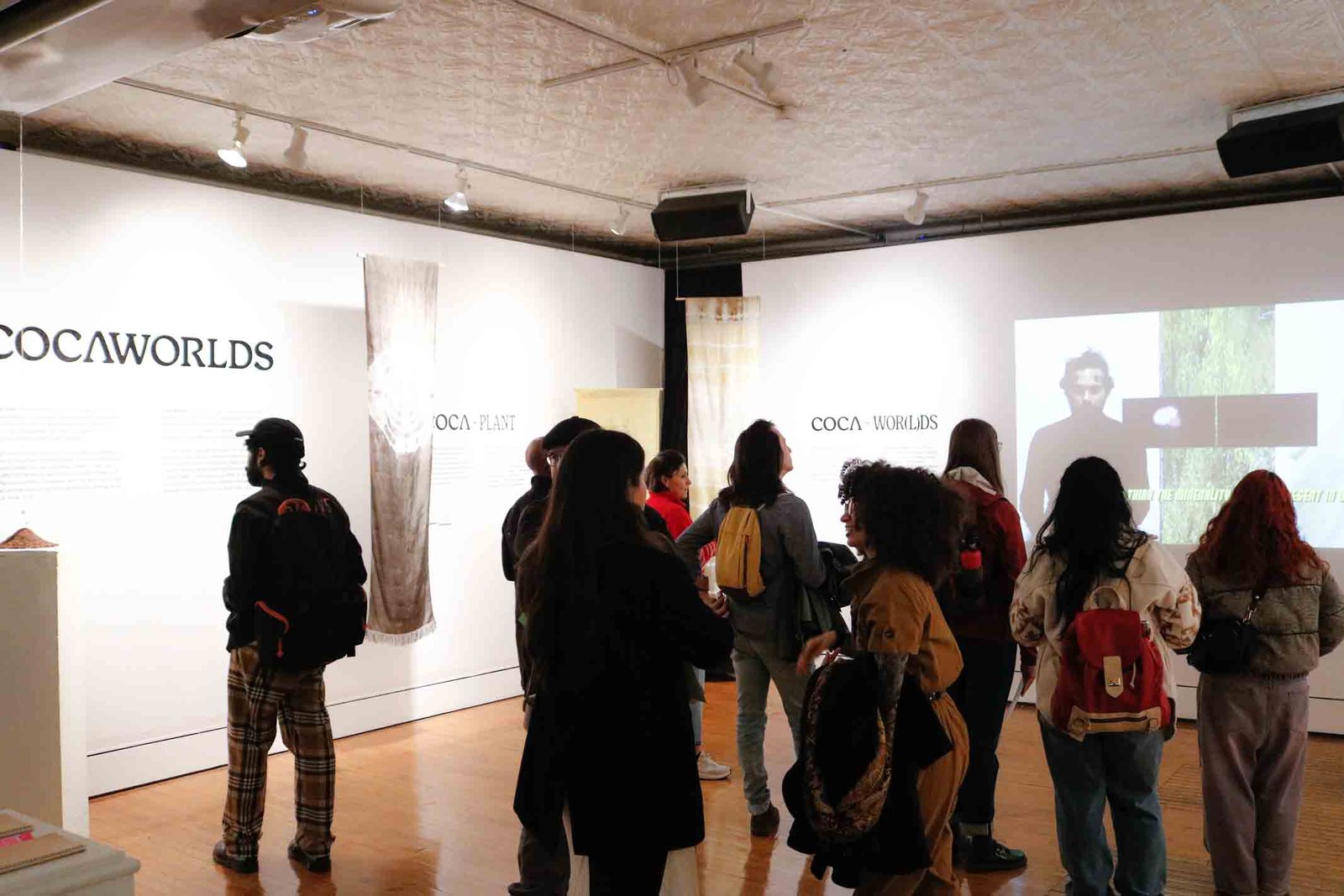
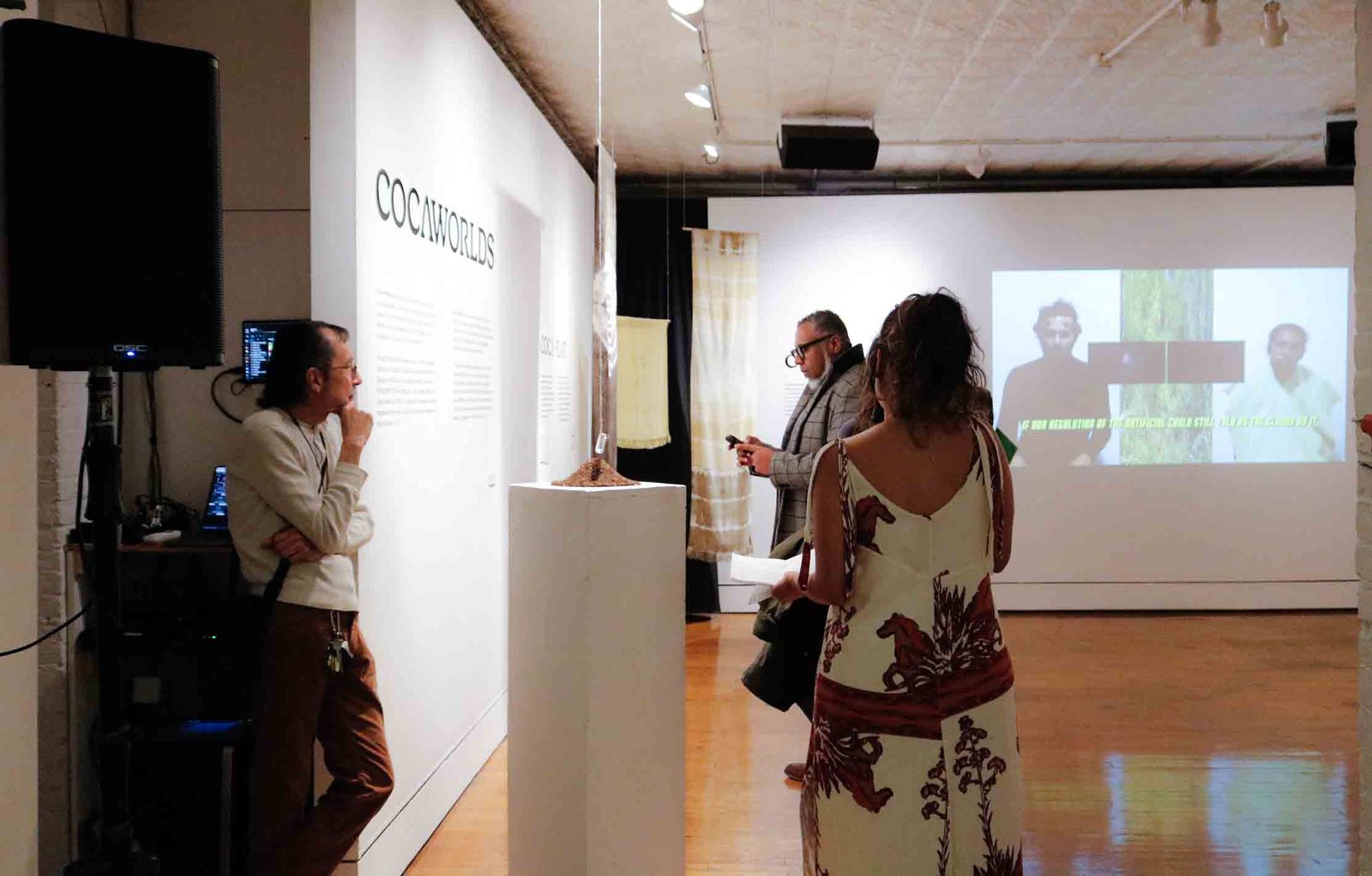
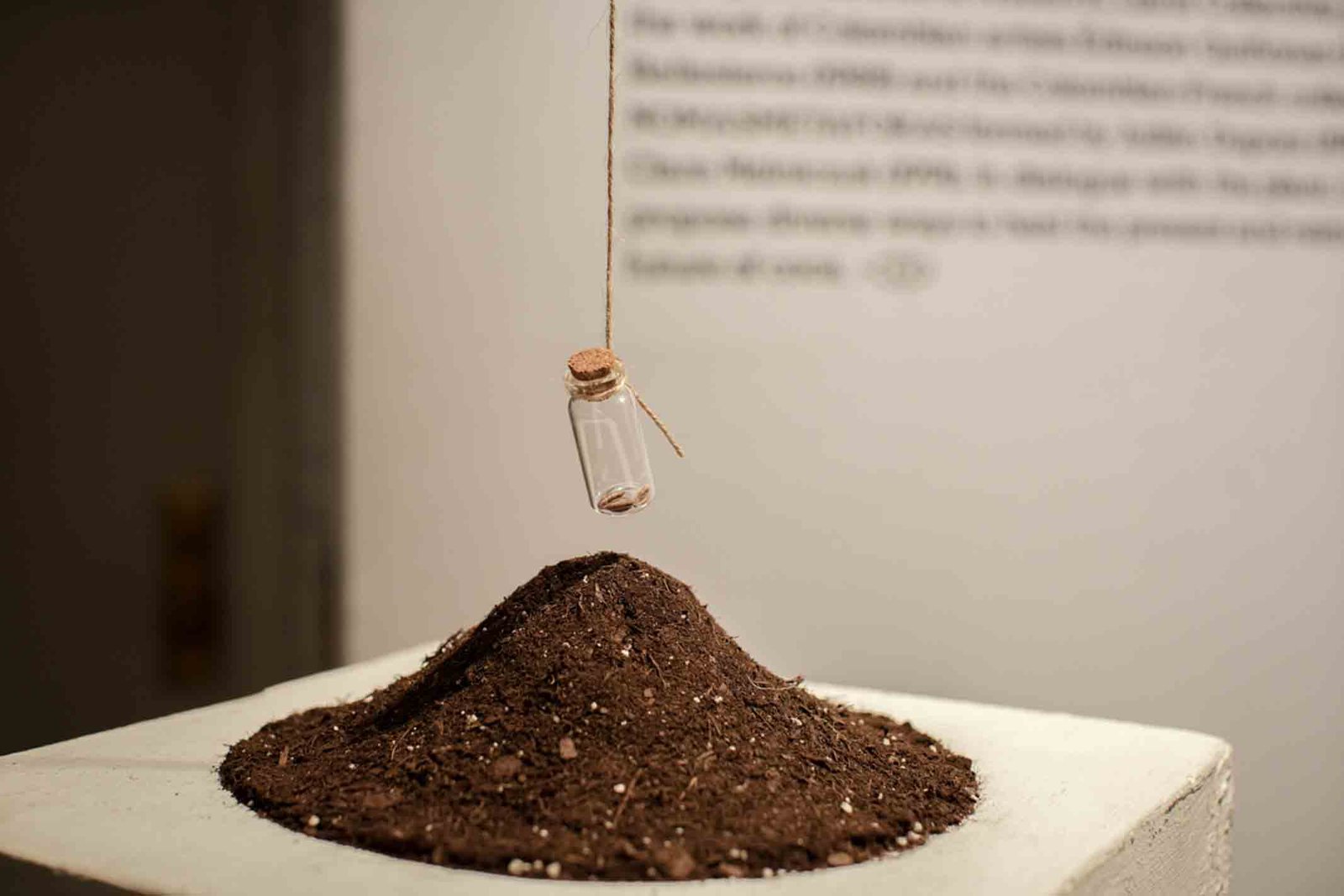
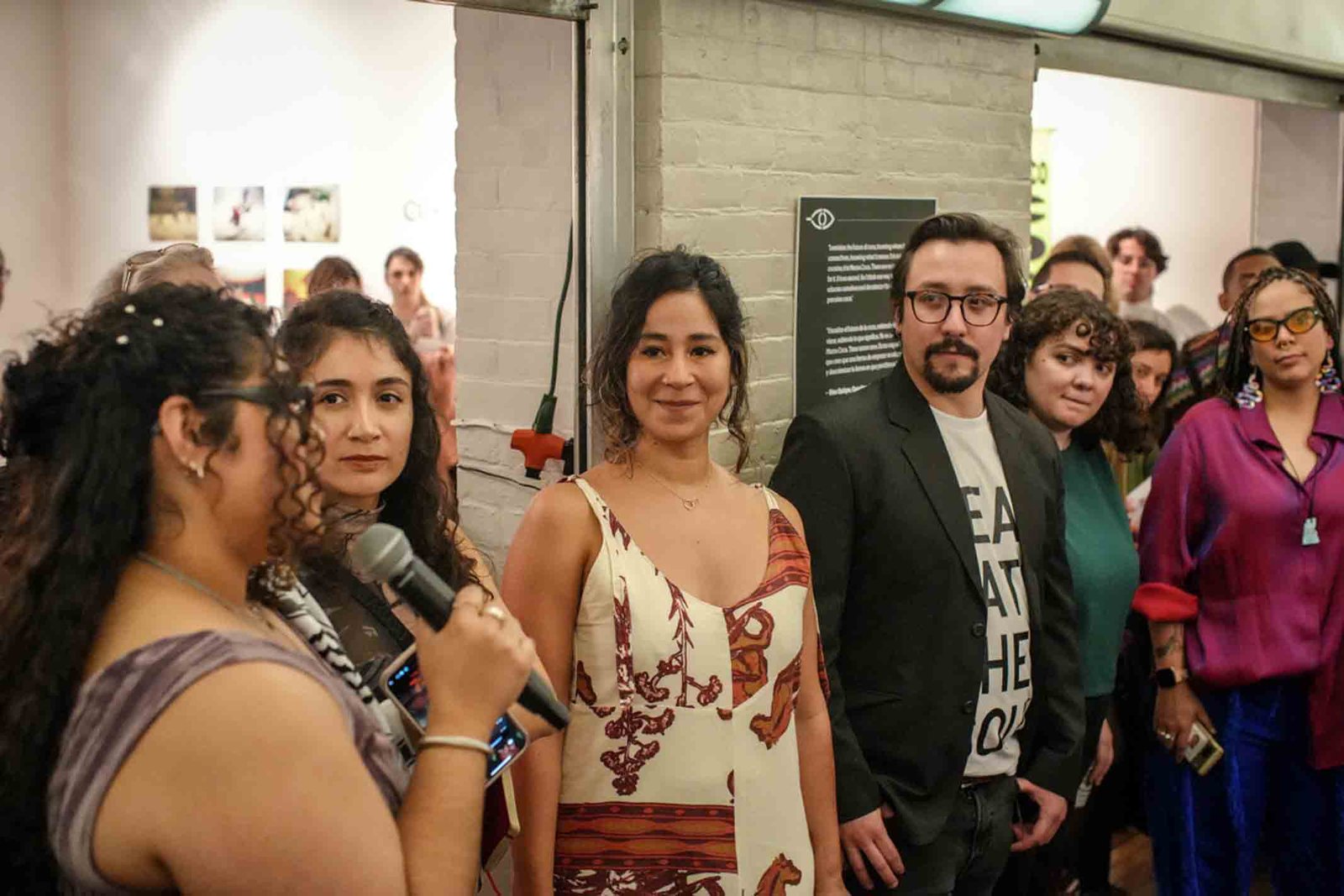
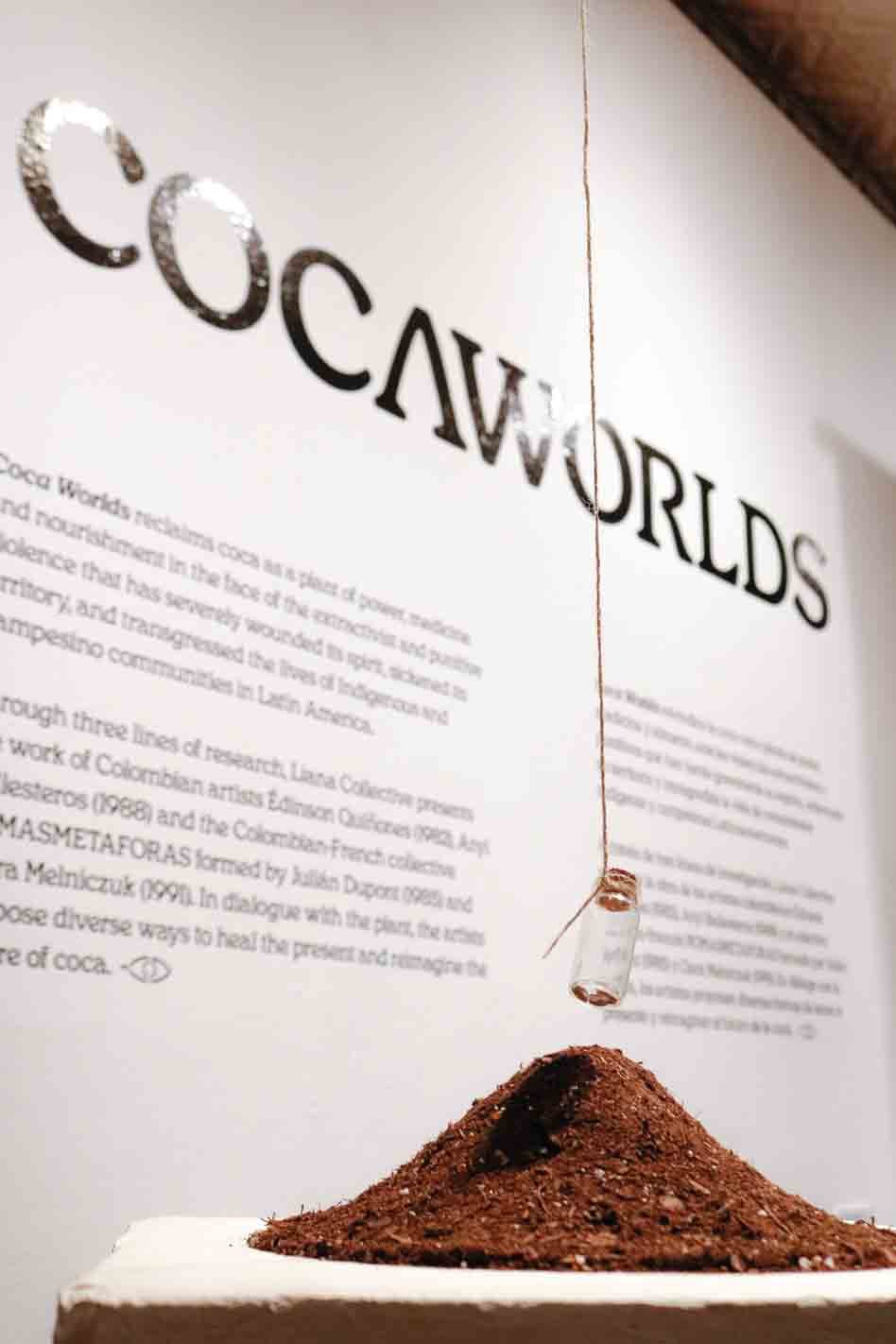
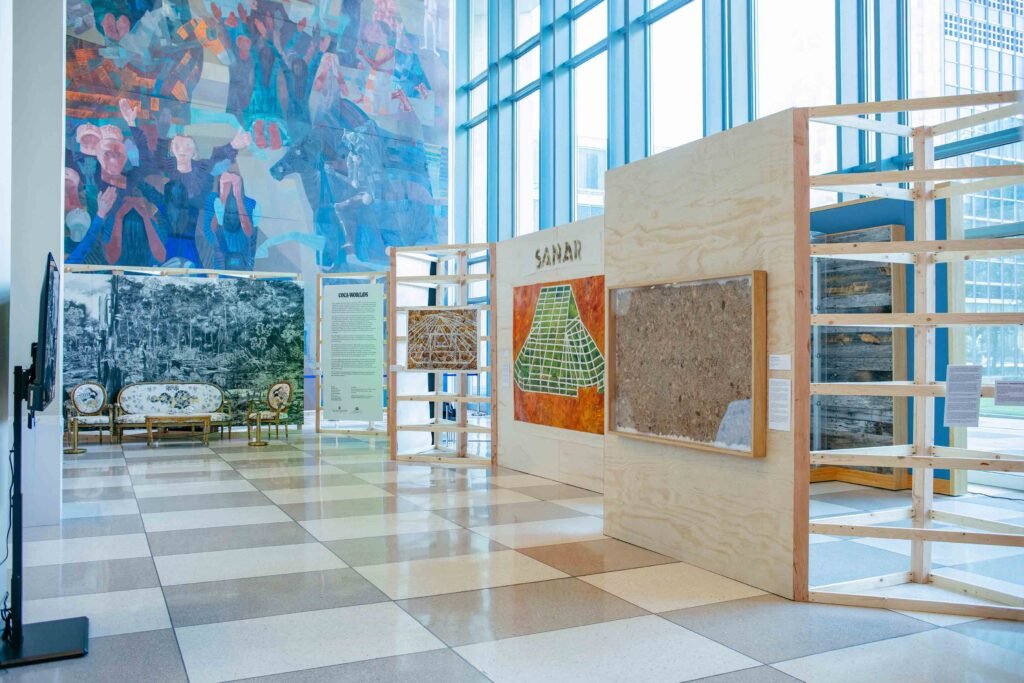
COCAWORLDS was a curatorial project by Liana Collective that reclaimed the coca leaf as a sacred, political, and cultural plant rooted in Andean-Amazonian territories. First presented at the United Nations Headquarters and later at Open Society Foundations in New York, the exhibition called for a critical reassessment of global narratives surrounding coca and urged the international community to address the historical injustice of its 1961 classification as a narcotic.

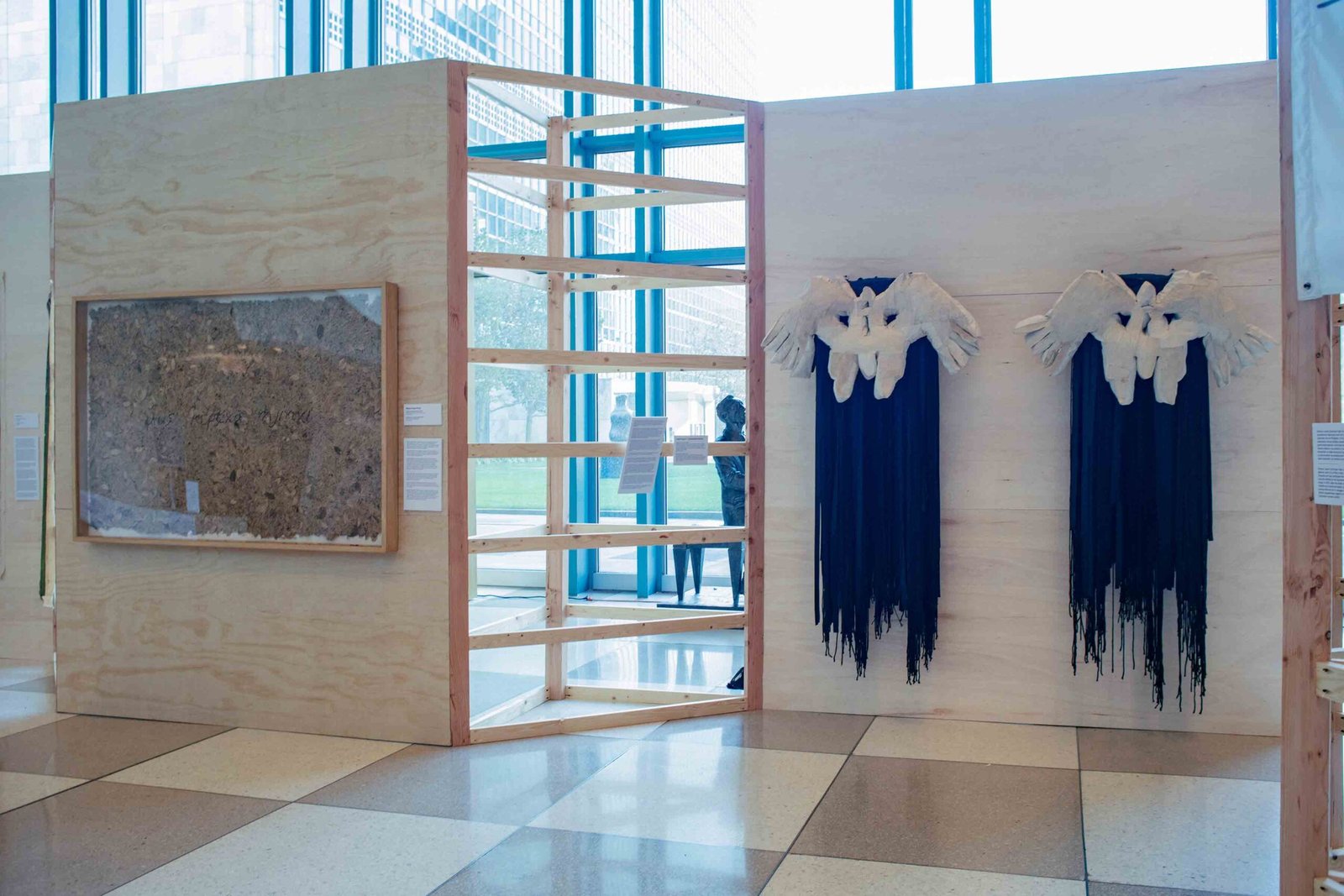
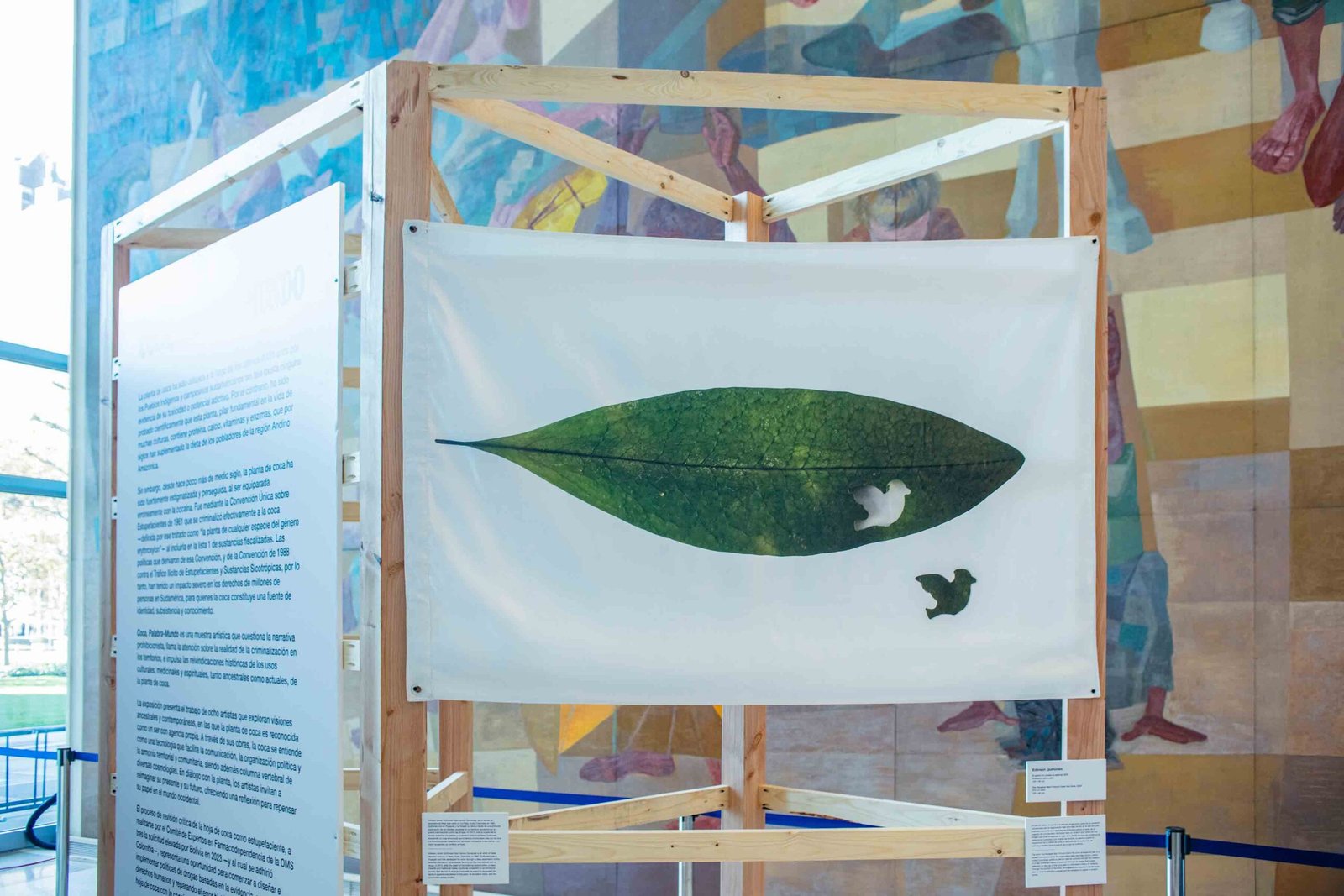
Co-sponsored by the Permanent Missions of Colombia and Bolivia to the UN, with support from the Colombian Ministry of Cultures and Open Society Foundations, the exhibition featured eight artists working in close relationship with Indigenous and peasant communities in coca-growing regions. Their works challenged colonial framings of the coca leaf, presenting it not as raw material for cocaine, but as a being with agency, a symbol of resilience, and a tool for spiritual and political continuity.

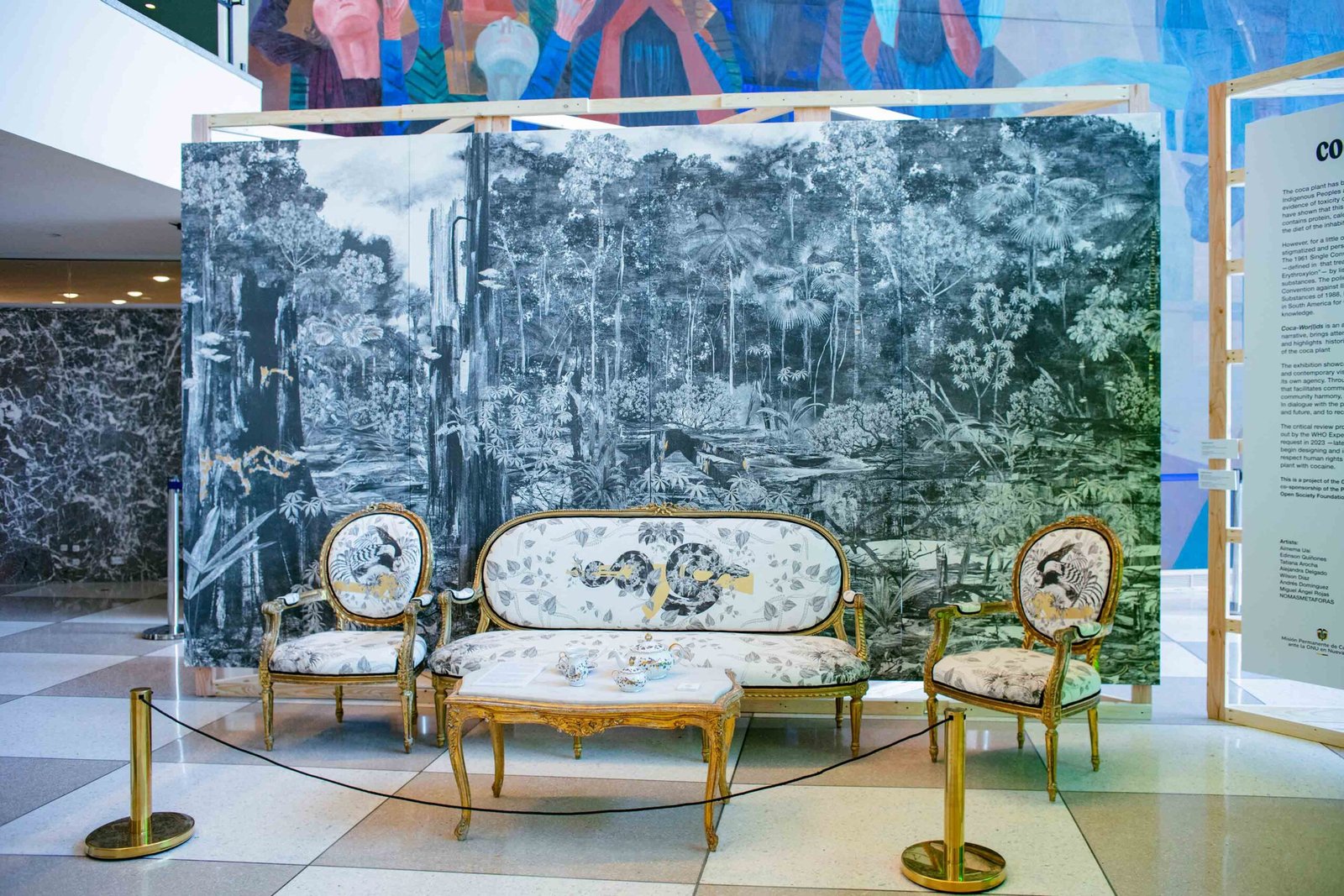
Artists Aimema Uai, Edinson Quiñones, Tatiana Arocha, Alejandra Delgado, Wilson Díaz, Andrés Domínguez, Miguel Ángel Rojas, and the collective NOMASMETÁFORAS used installation, performance, sculpture, and painting to open up new imaginaries around the coca plant. Their pieces—ranging from ceremonial actions and ancestral landscapes to dreamlike installations—wove together stories of healing, memory, and resistance, rooted in coca’s enduring presence across generations.

This exhibition formed part of a long-term curatorial investigation led by Liana—comprised of Angélica Cuevas, Giselly Mejía, and Juan Pablo Caicedo—that connects artists, Indigenous knowledge holders, and transdisciplinary thinkers. The project affirms the coca leaf’s value as a plant of power, medicine, and sustenance, while opposing the stigmas imposed by decades of prohibitionist policies.

At a critical moment when the international community is reviewing the status of the coca leaf under global drug control regimes, COCAWORLDS stood as a symbolic and political act of repair—and an invitation to listen to the voices that have long resisted erasure under the so-called war on drugs.
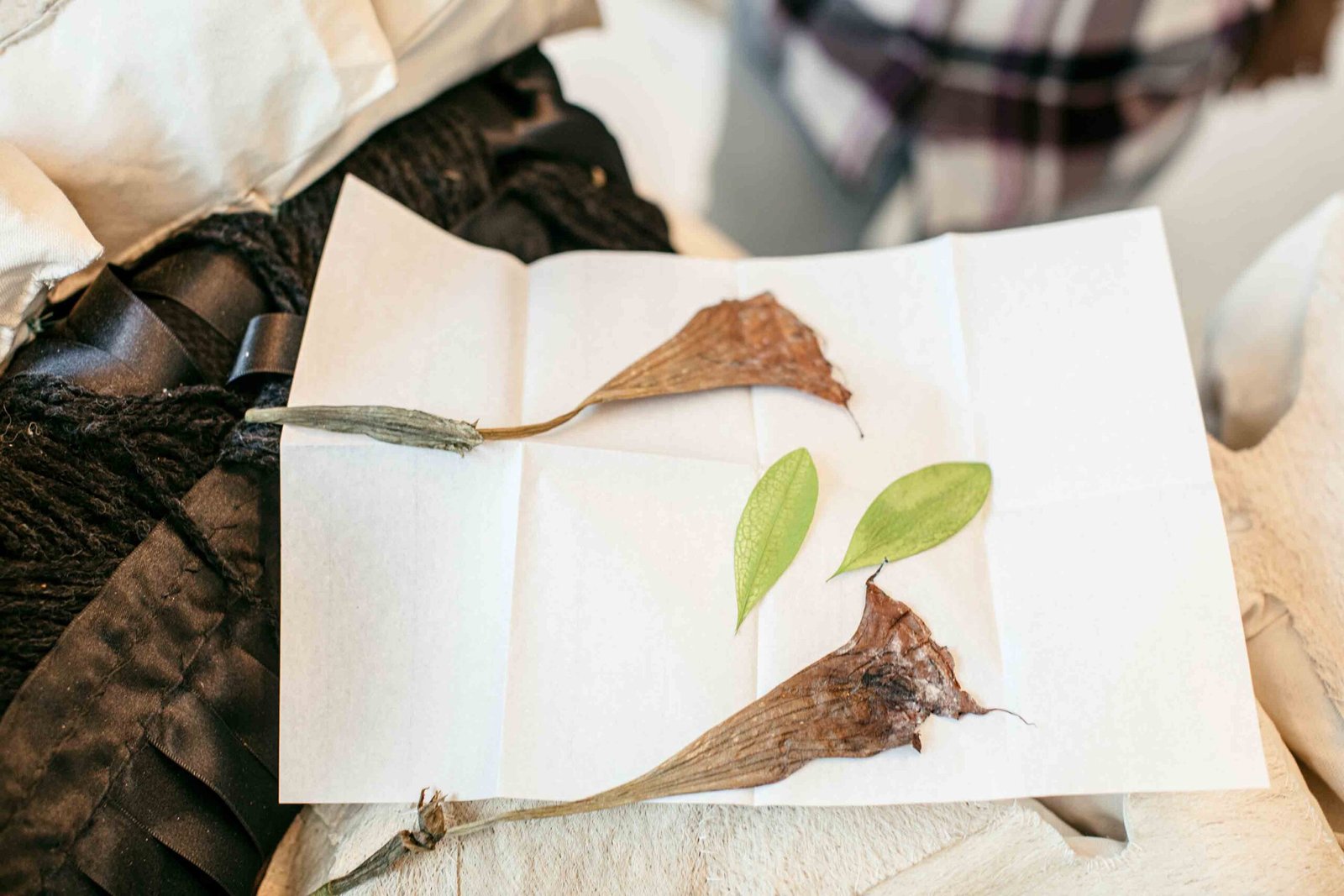
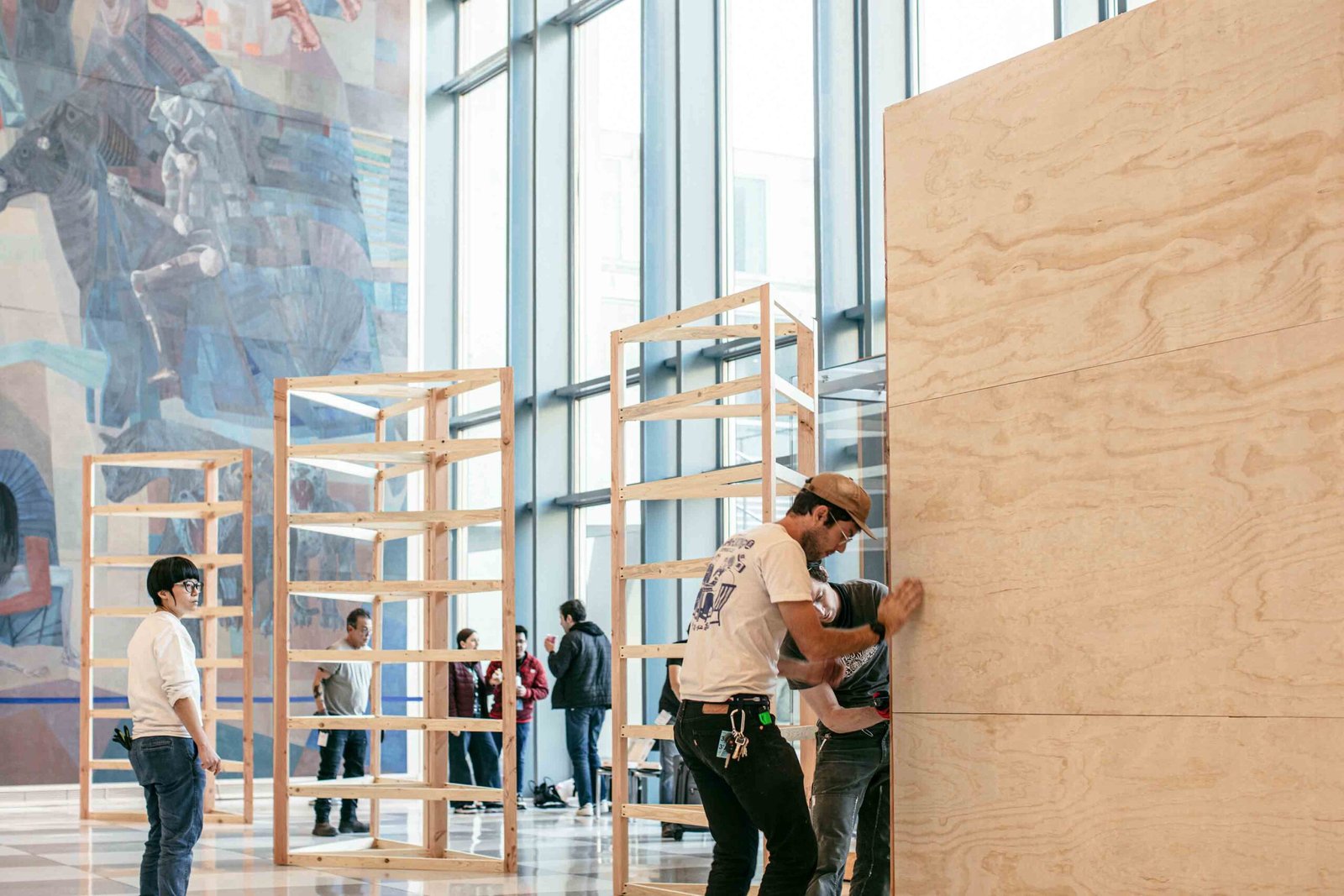
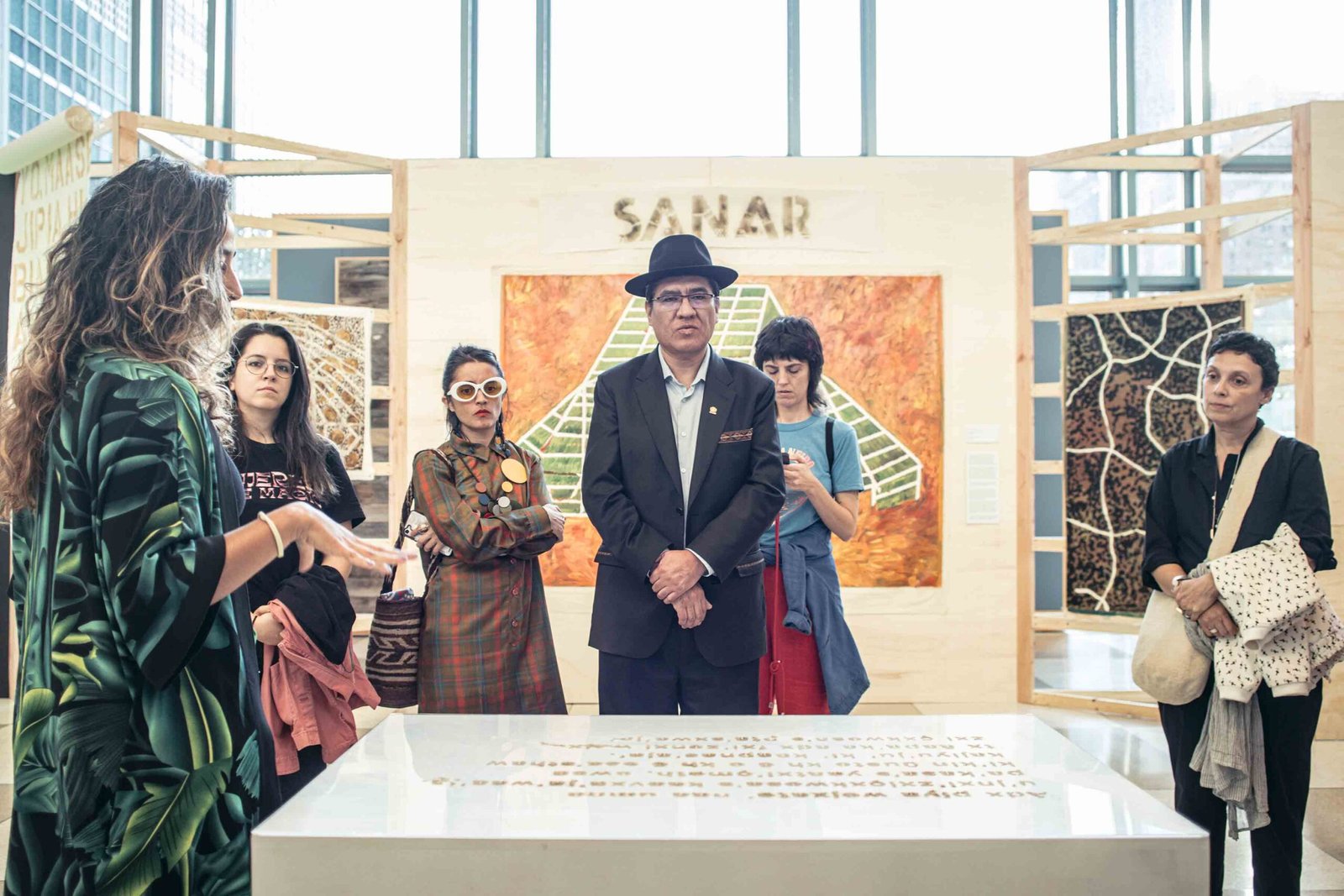
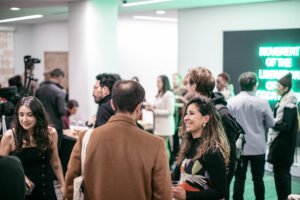
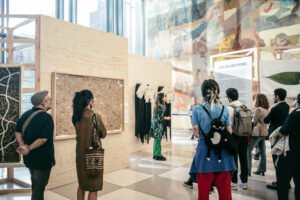
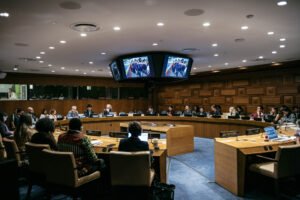
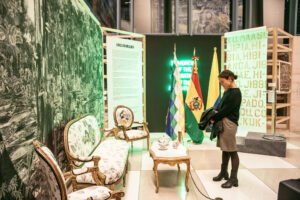
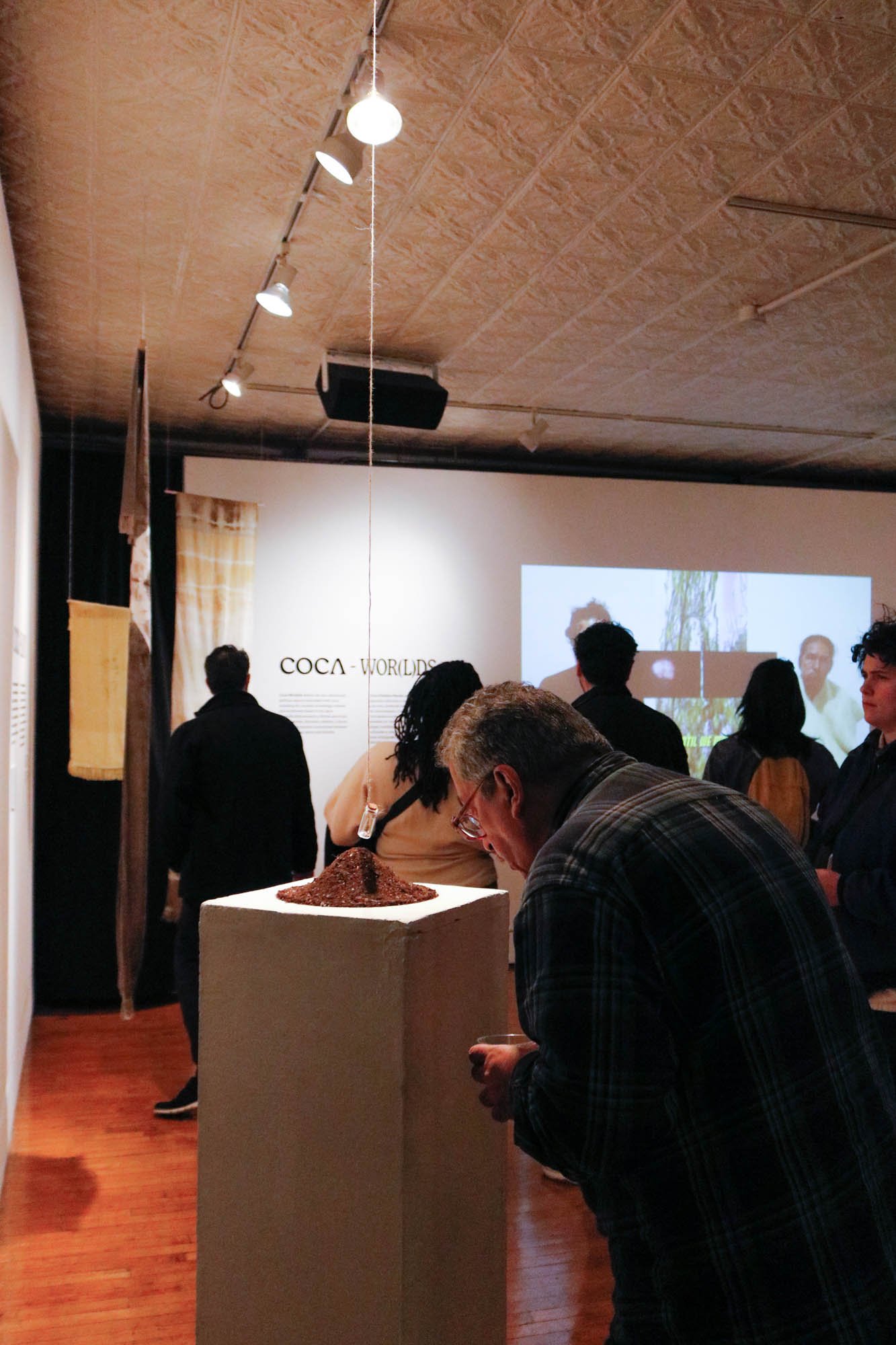
UN Headquarters, New York. November 4 – 8, 2024. Photo by Mariana Reyes for Liana Collective.
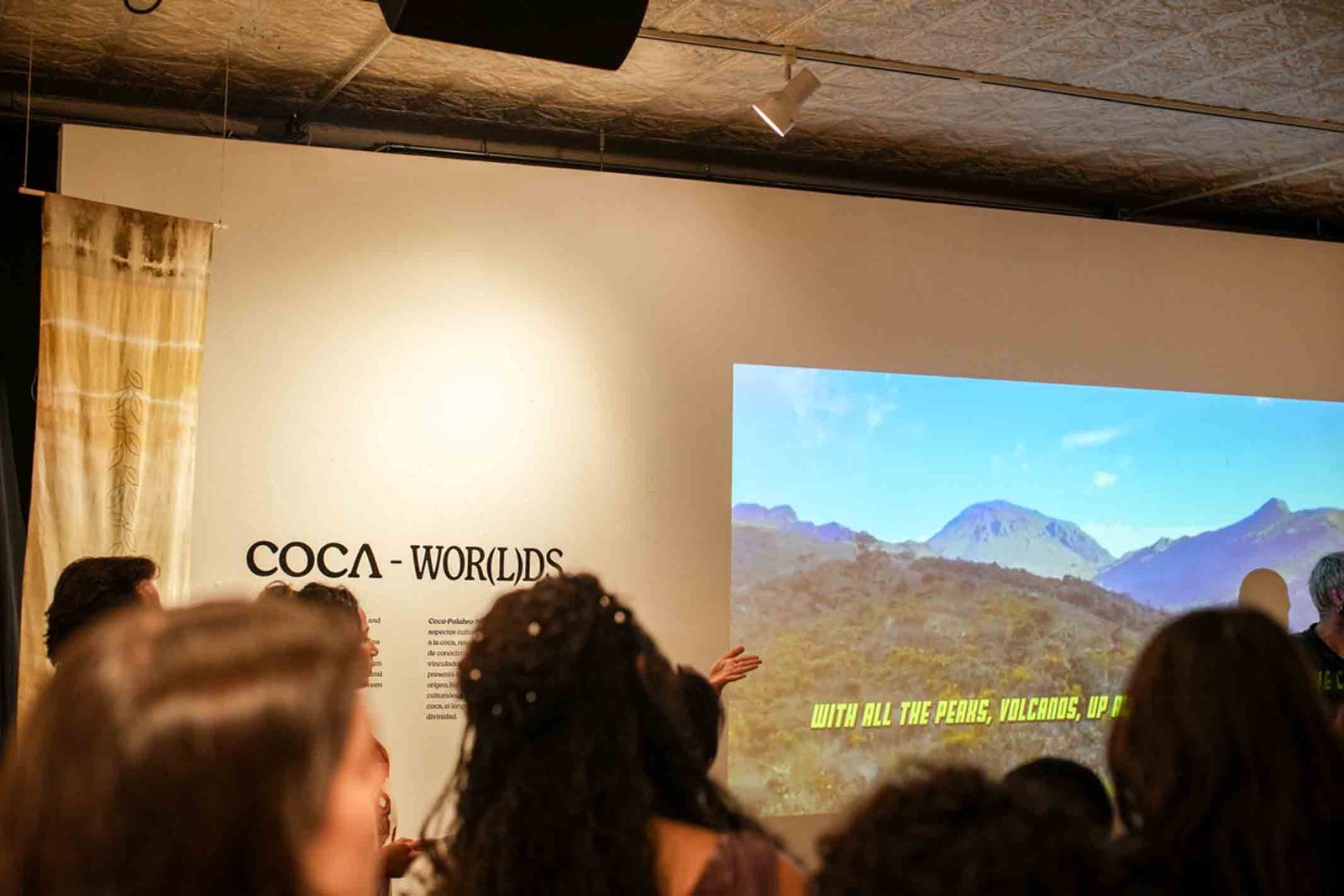
COCAWORLDS at Taller BoricuaTaller Boricua Galleries, Harlem, NYC I March 8 – May 11, 2024

Presented as

part of BotanicÁrte

Location

Taller Boricua Galleries, Harlem, NYC

Date

March 8 – May 11, 2024

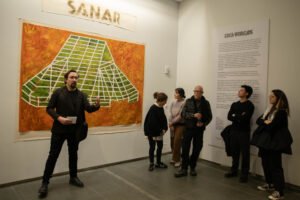
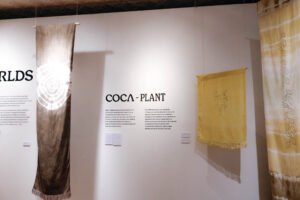
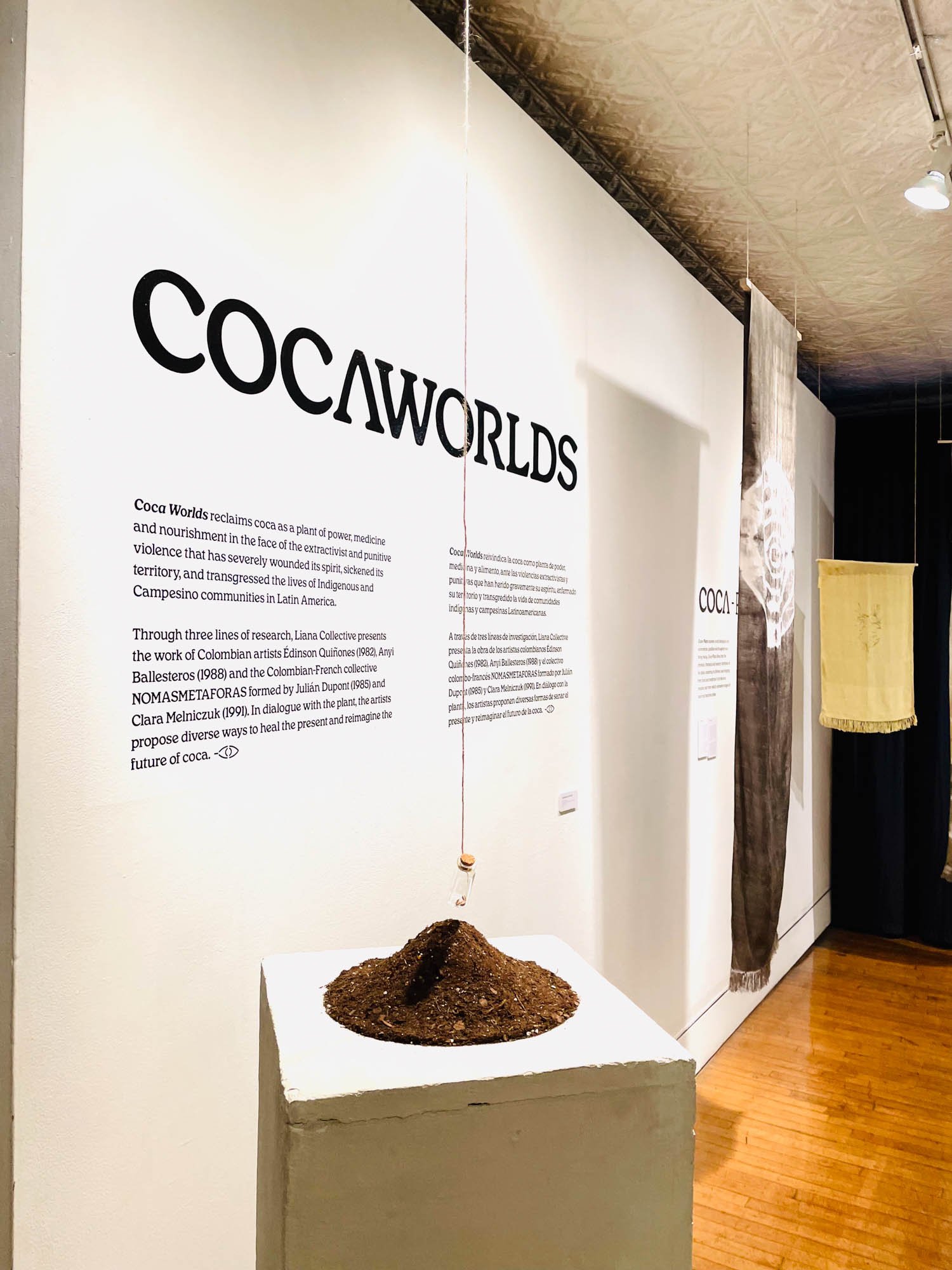
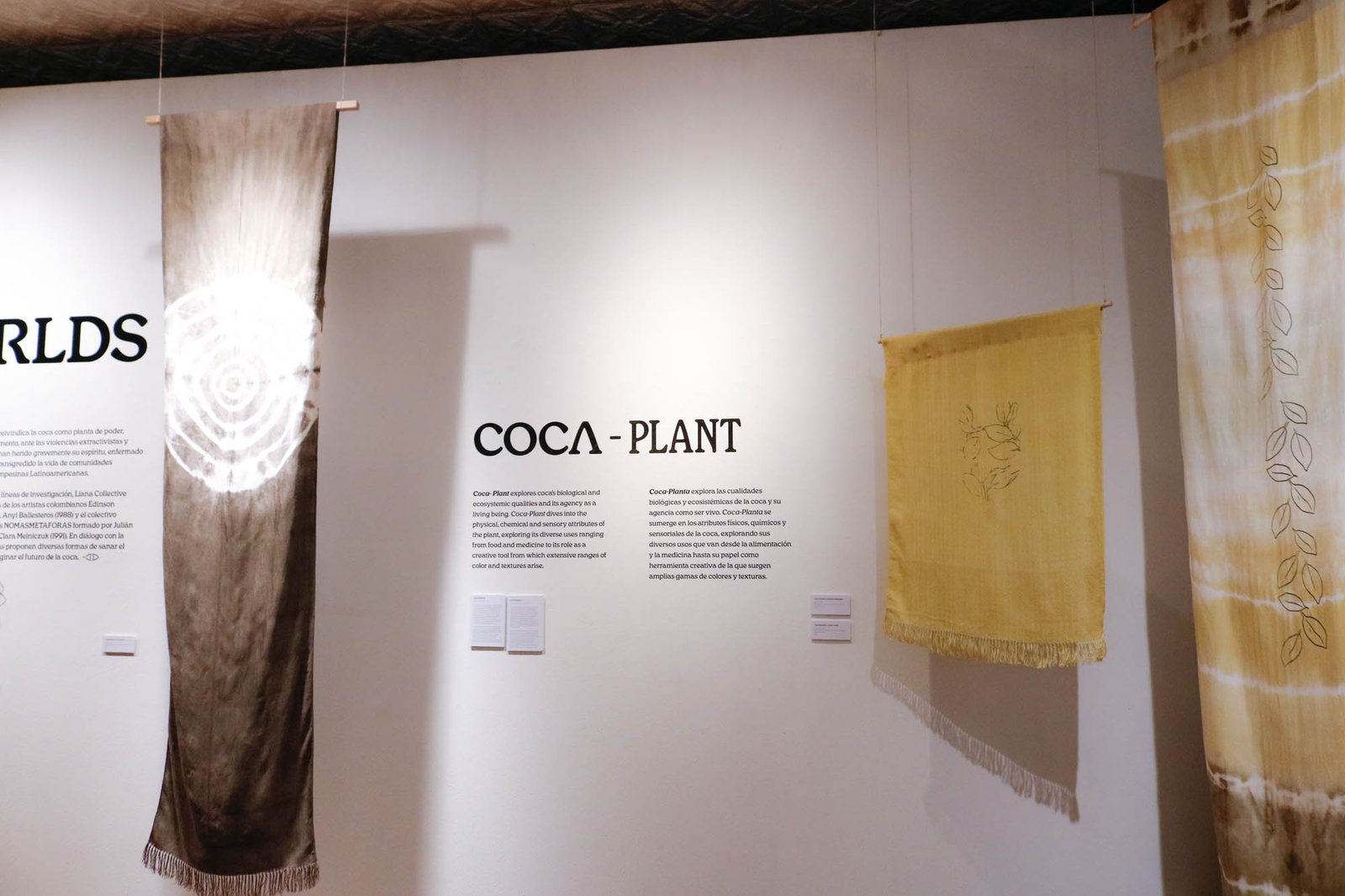
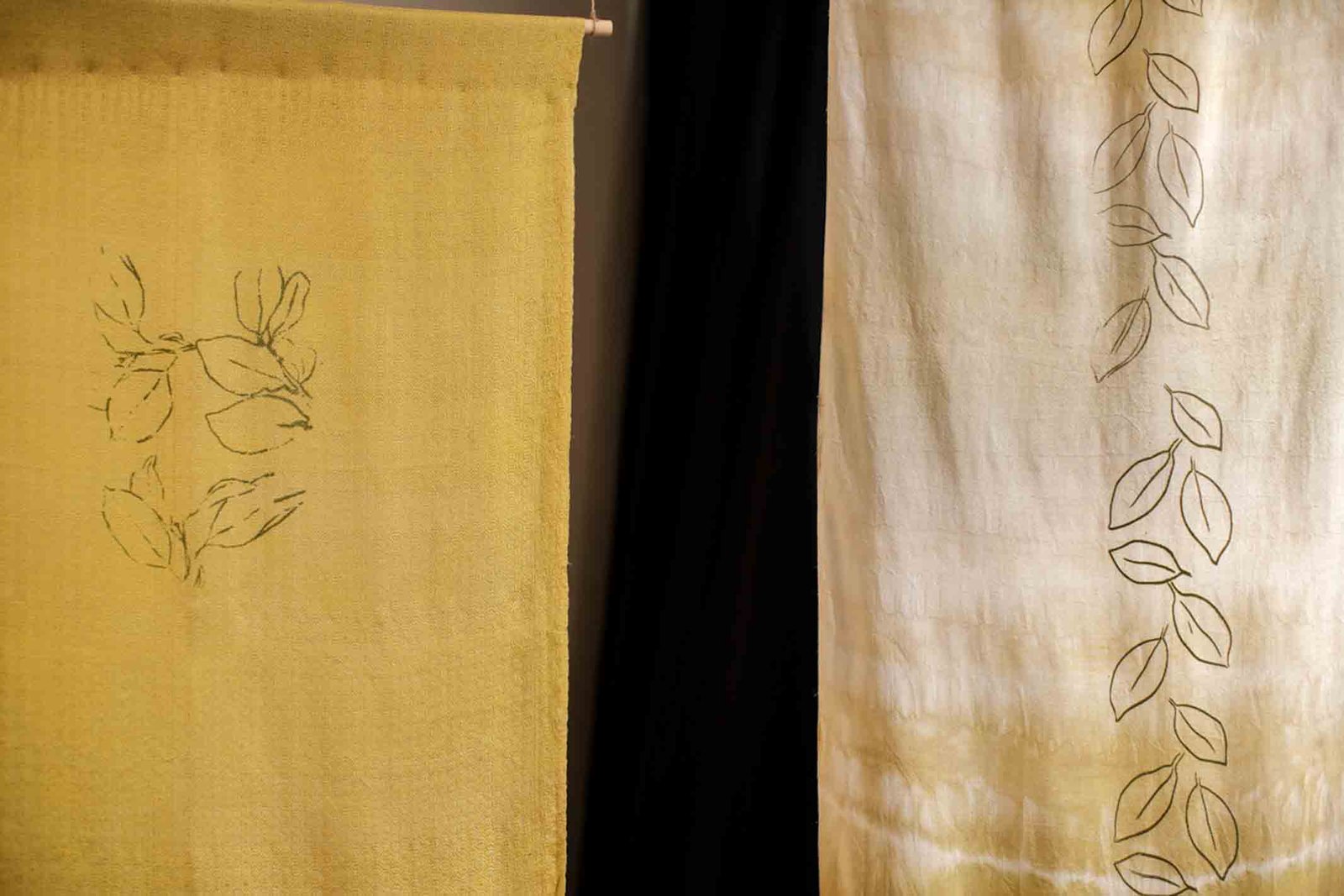
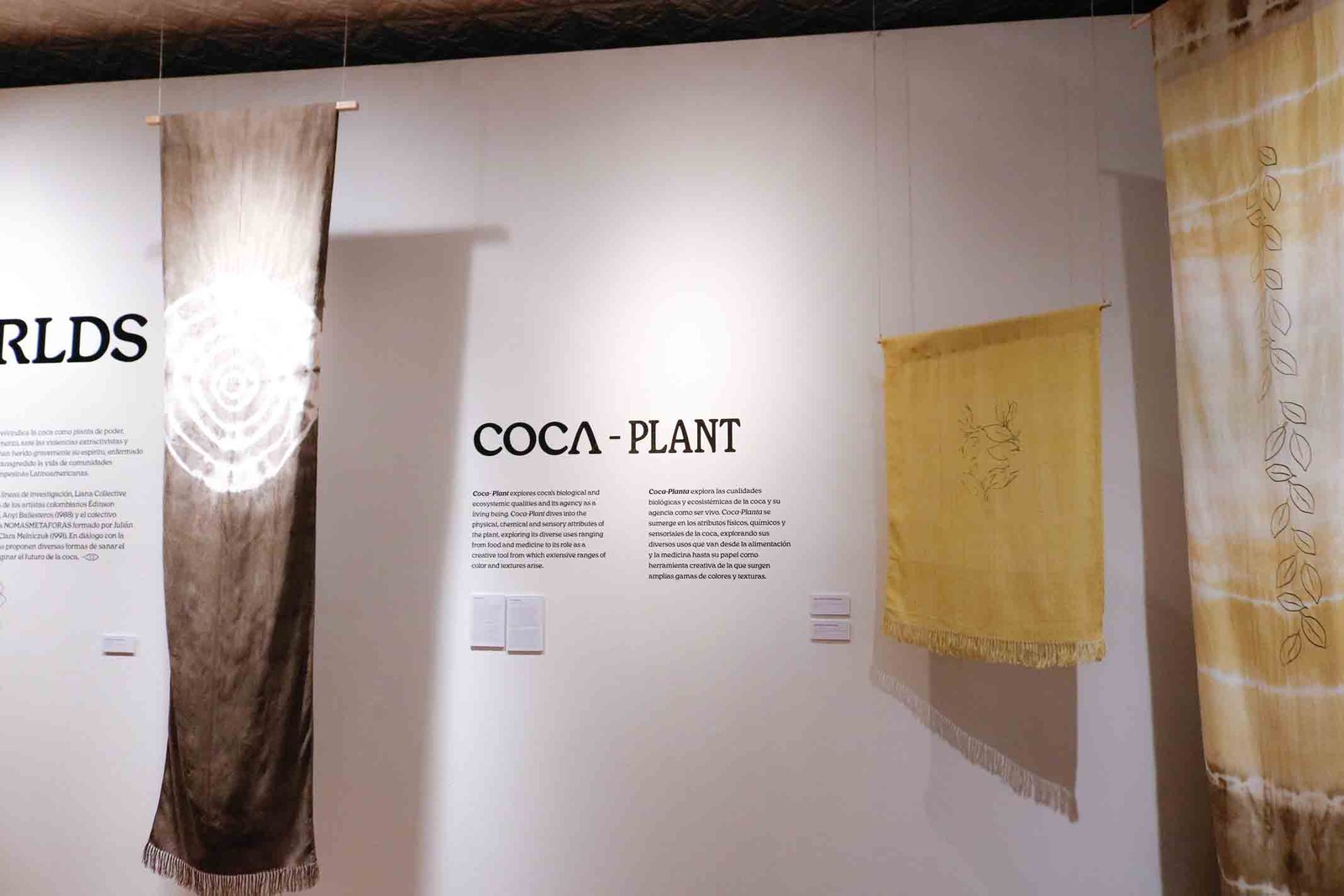
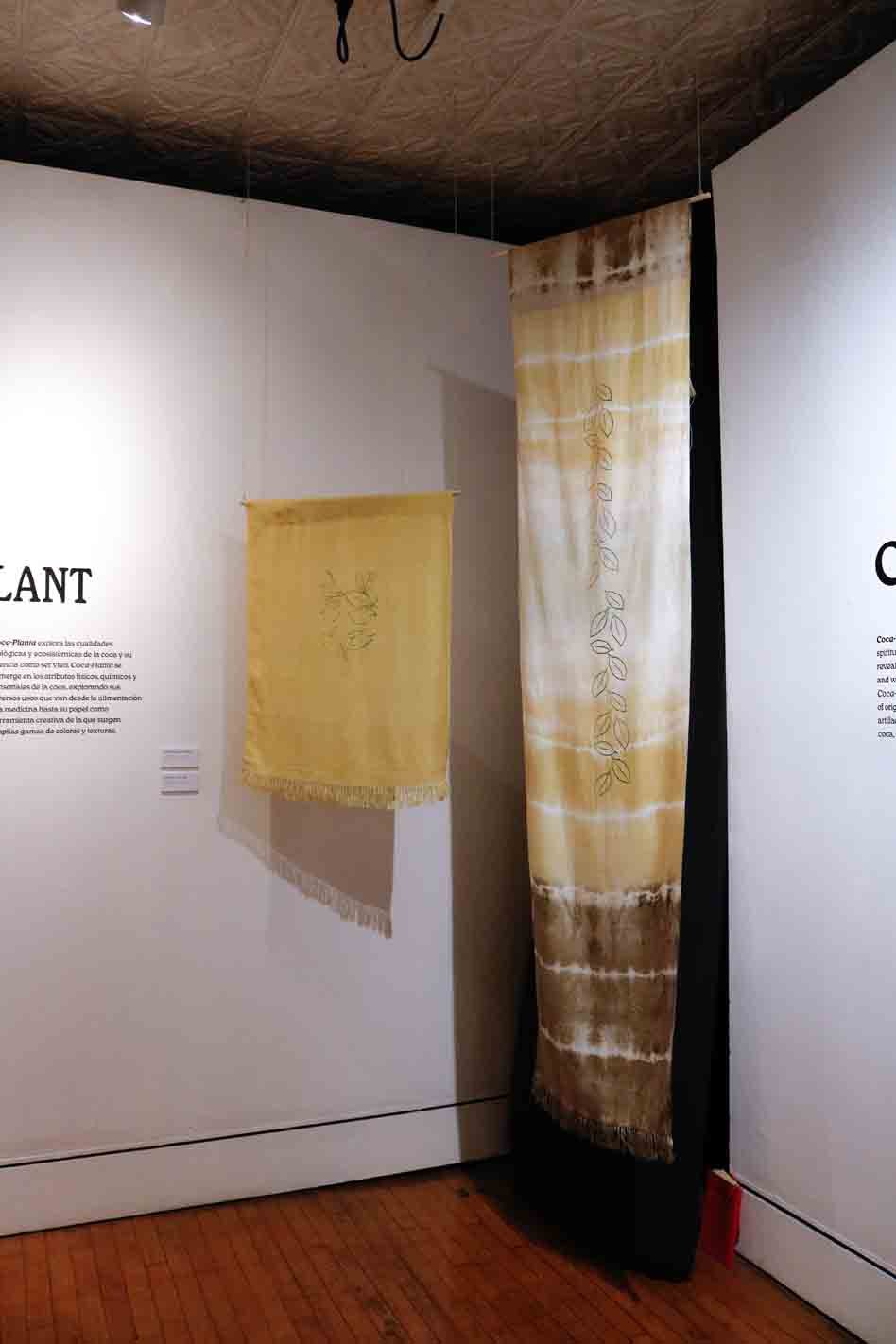
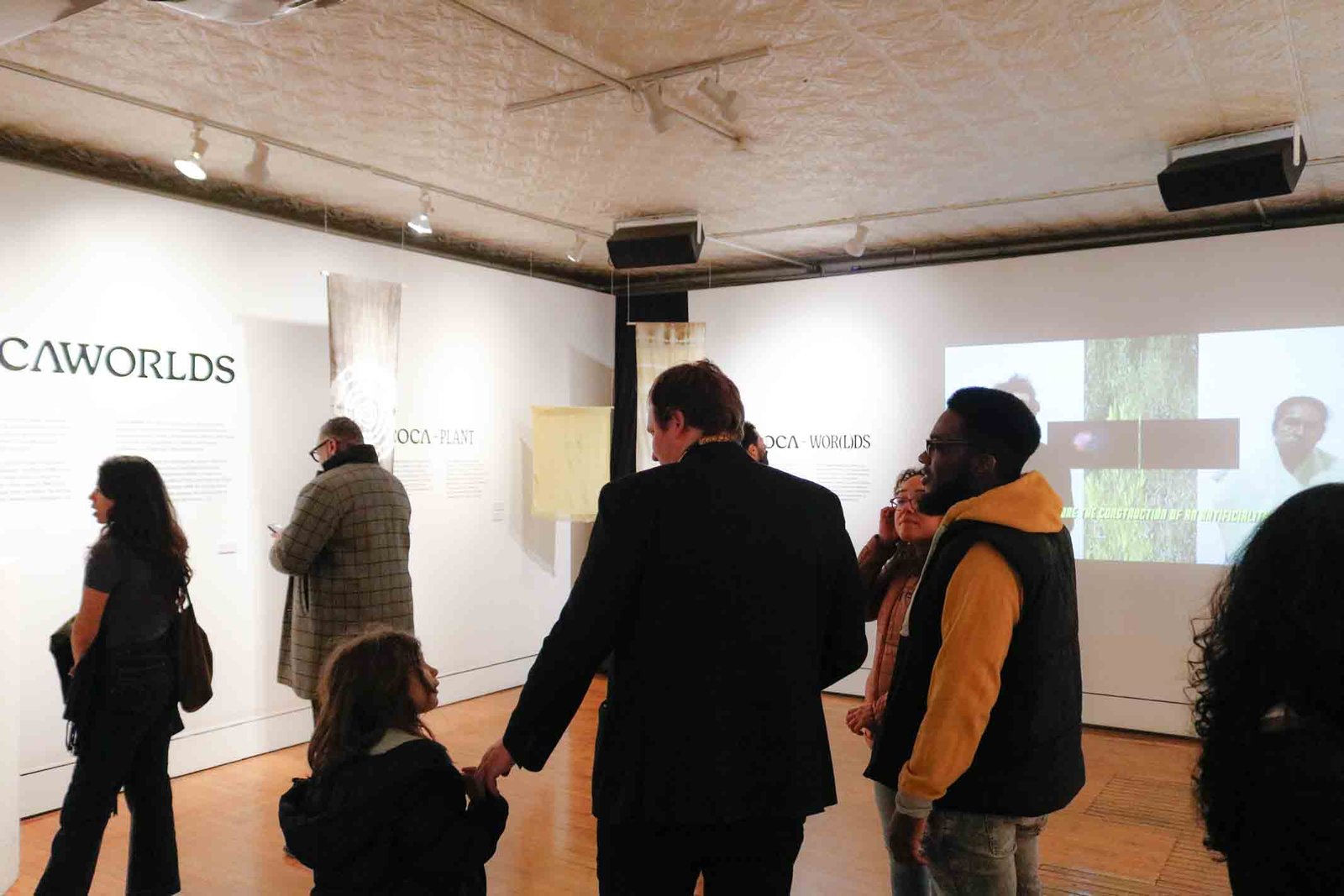
COCAWORLDS made its debut in New York as part of the exhibition BotanicÁrte at Taller Boricua in Harlem. Curated by Liana Collective—formed by Colombian artists and researchers Juan Pablo Caicedo, Giselly Mejía, and Angélica Cuevas—this exhibition marked the beginning of a year-long curatorial investigation into the coca plant as a symbol of resilience, healing, and resistance across Latin America.

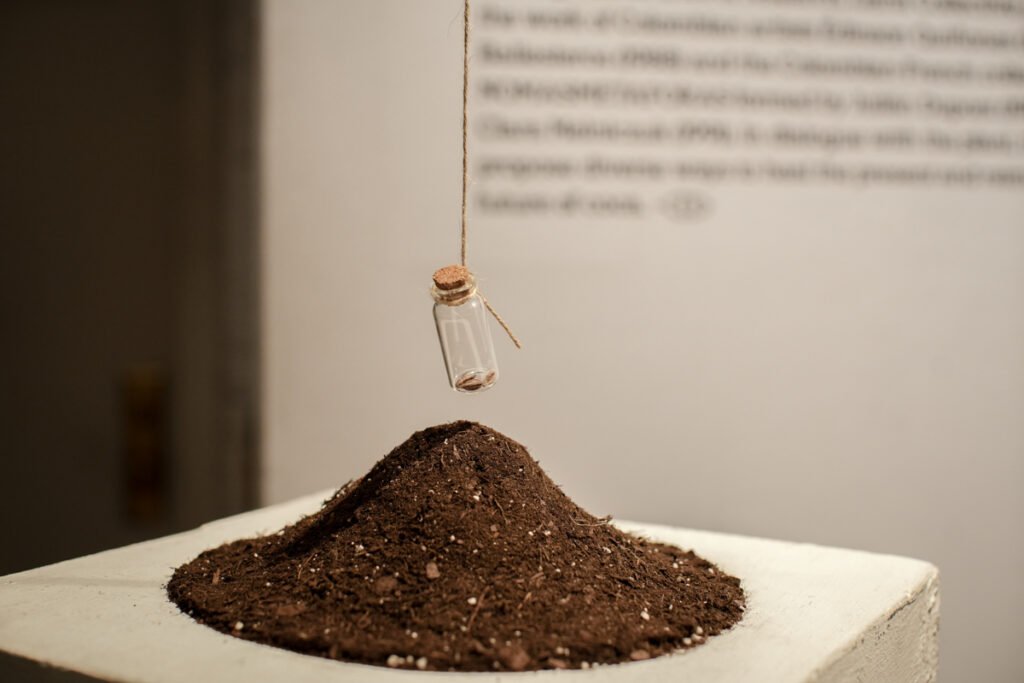
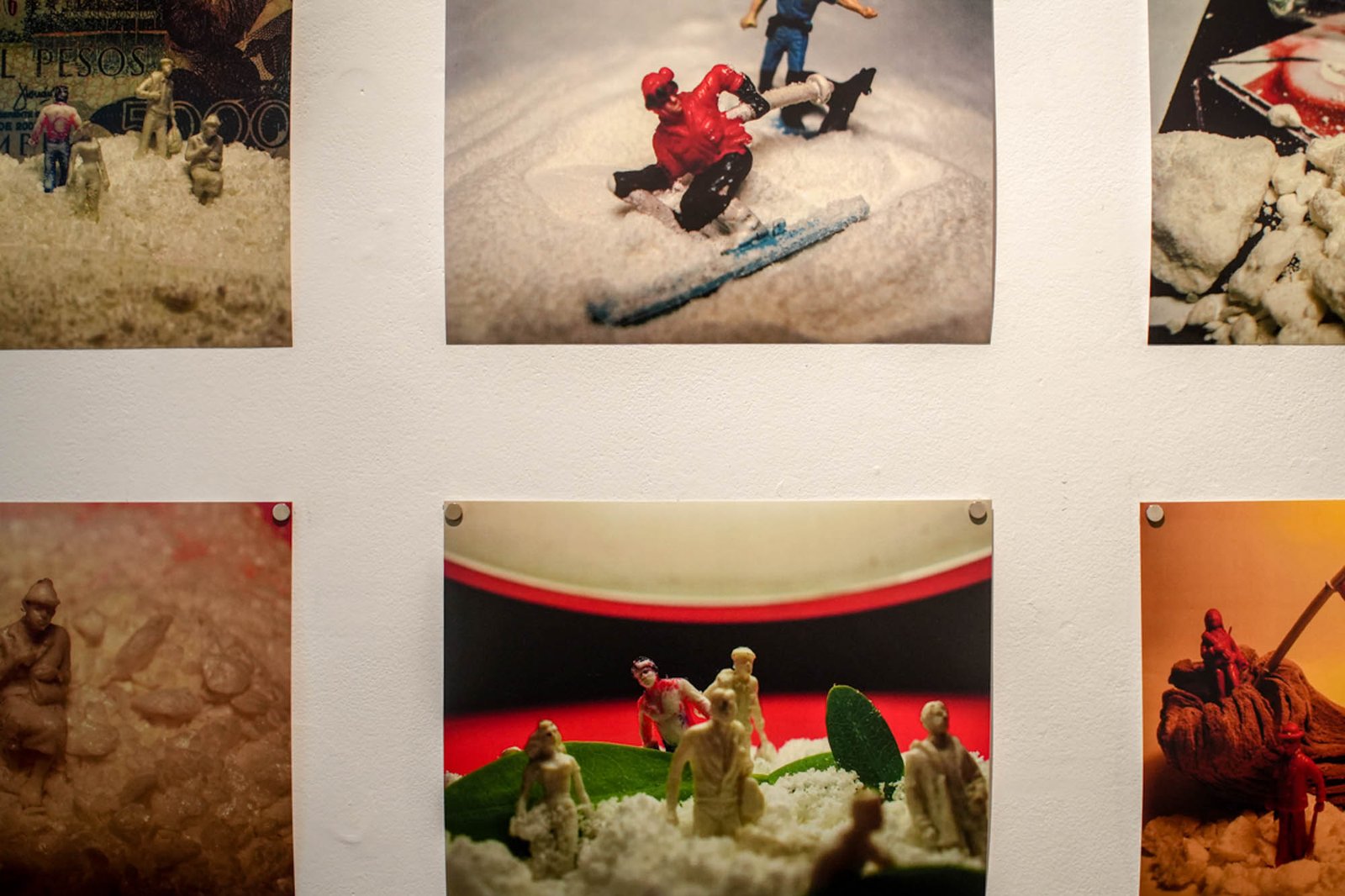
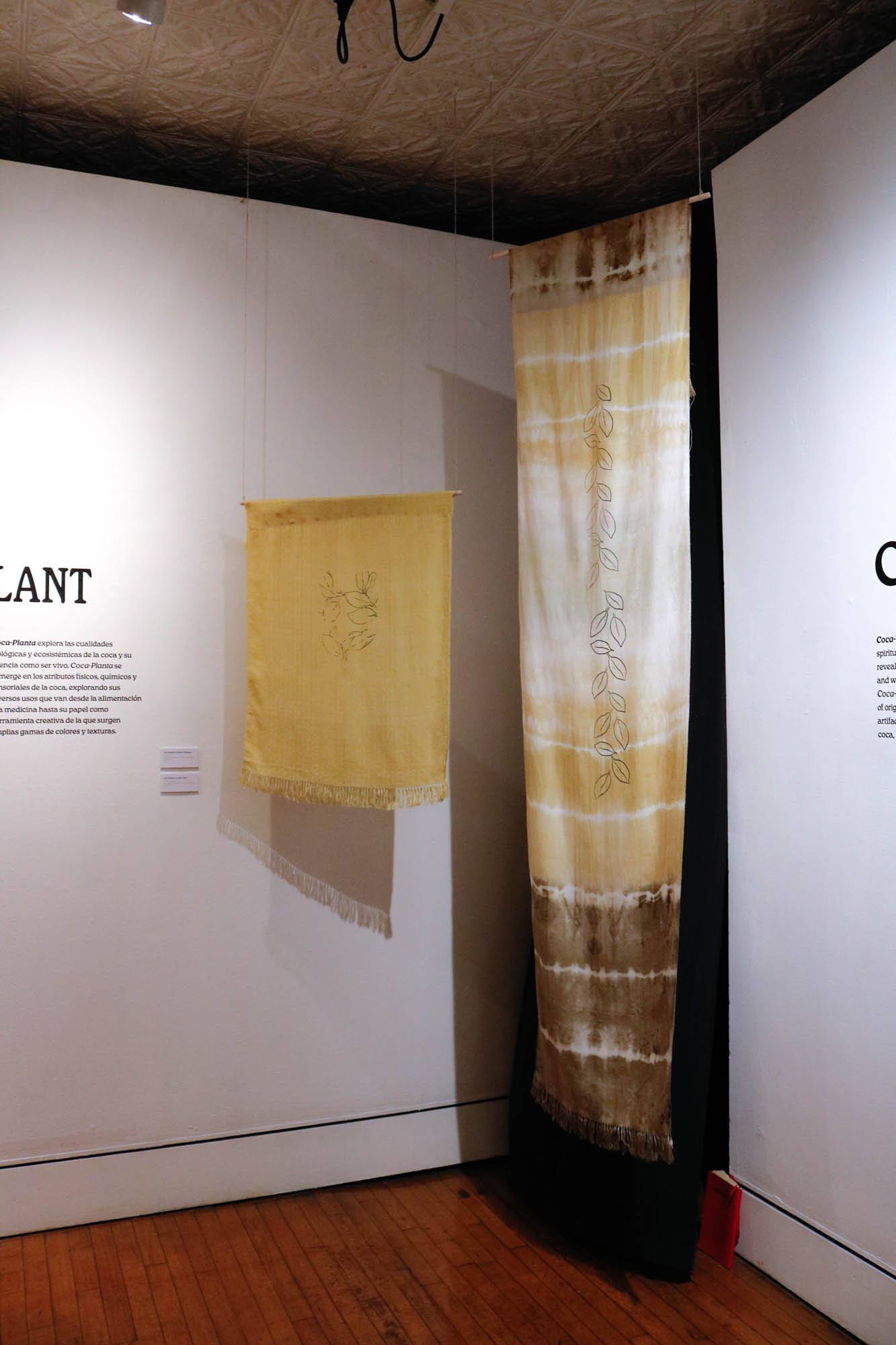
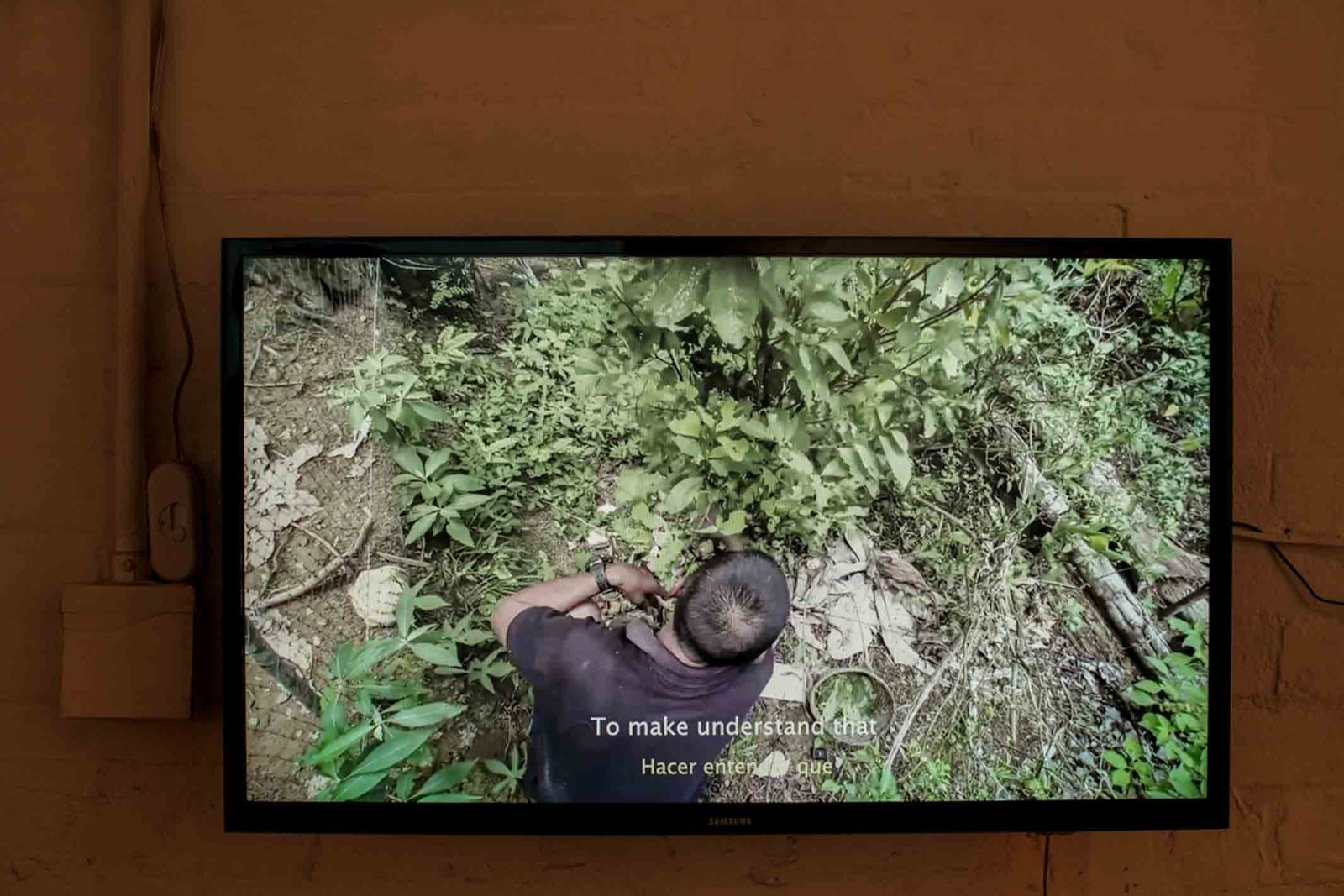
Through the work of Colombian artists Edinson Quiñones, Anyi Ballesteros, and the collective NOMASMETÁFORAS, COCAWORLDS introduced three powerful perspectives on the coca plant. Using photography, video, textiles, and everyday objects, the artists proposed new visual and political languages to address the historical wounds and social stigma surrounding coca.

The exhibition was structured around three thematic axes: Coca-Plant, Coca-Politics, and Coca Wor(l)ds. These sections explored the plant’s medicinal and nutritional roles, its agency and sacredness, and the structural violence imposed through its criminalization. Visitors were invited to consider coca not as a narcotic precursor, but as a living being central to Indigenous cosmologies, political organizing, and community care.

COCAWORLDS unfolded a rich landscape of geopolitical tensions, healing technologies, cultural memory, and mystical relations between coca, language, nature, and divinity. It offered a powerful counter-narrative to dominant representations of the plant and opened space for speculative futures rooted in justice, sovereignty, and ecological balance.

This first iteration was part of a larger research project that includes the contributions of twelve Latin American artists working in dialogue with the coca plant. The project also involved collaborators from the Colombia Studies Group in New York, as well as Indigenous elders, photographers, designers, and researchers whose expertise helped shape the curatorial vision.

Presented within BotanicÁrte—curated by Andrea Sofía Matos—the exhibition connected to broader conversations on art, wellbeing, and botanical knowledge, particularly within Afro-Caribbean and Indigenous traditions. The wider show also featured artists Gina Goico and Misla, and explored the energetic and spiritual dimensions of plant-based practices.

COCAWORLDS at Taller Boricua was made possible through the support of the New York City Department of Youth & Community Development, NYC Department of Cultural Affairs, New York State Council on the Arts, Upper Manhattan Empowerment Zone, Materials for the Arts, Ponce Bank, Goya Foods, and individual contributors.

Events

Las Yerbas ApothecaryLiana’s Summer Residency at Canal Projects, New York I July – October 2023

Curated by

Liana Collective

Location

Liana’s Summer Residency at Canal Projects, New York

Date

July – October 2023

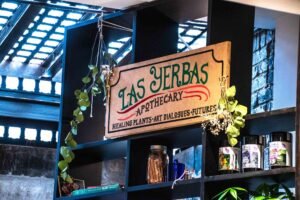
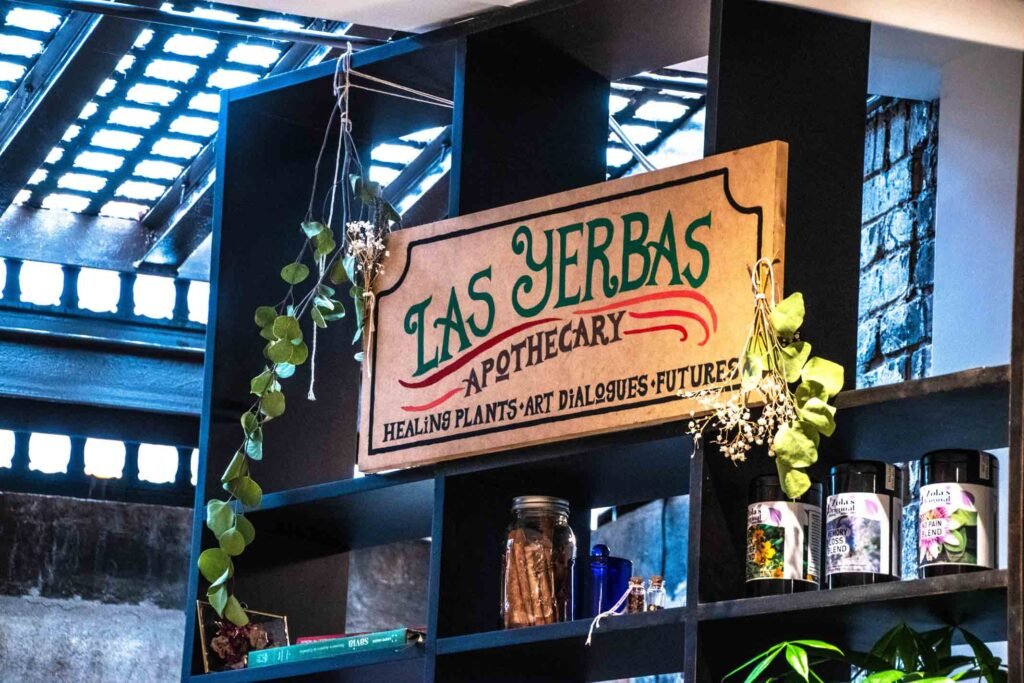
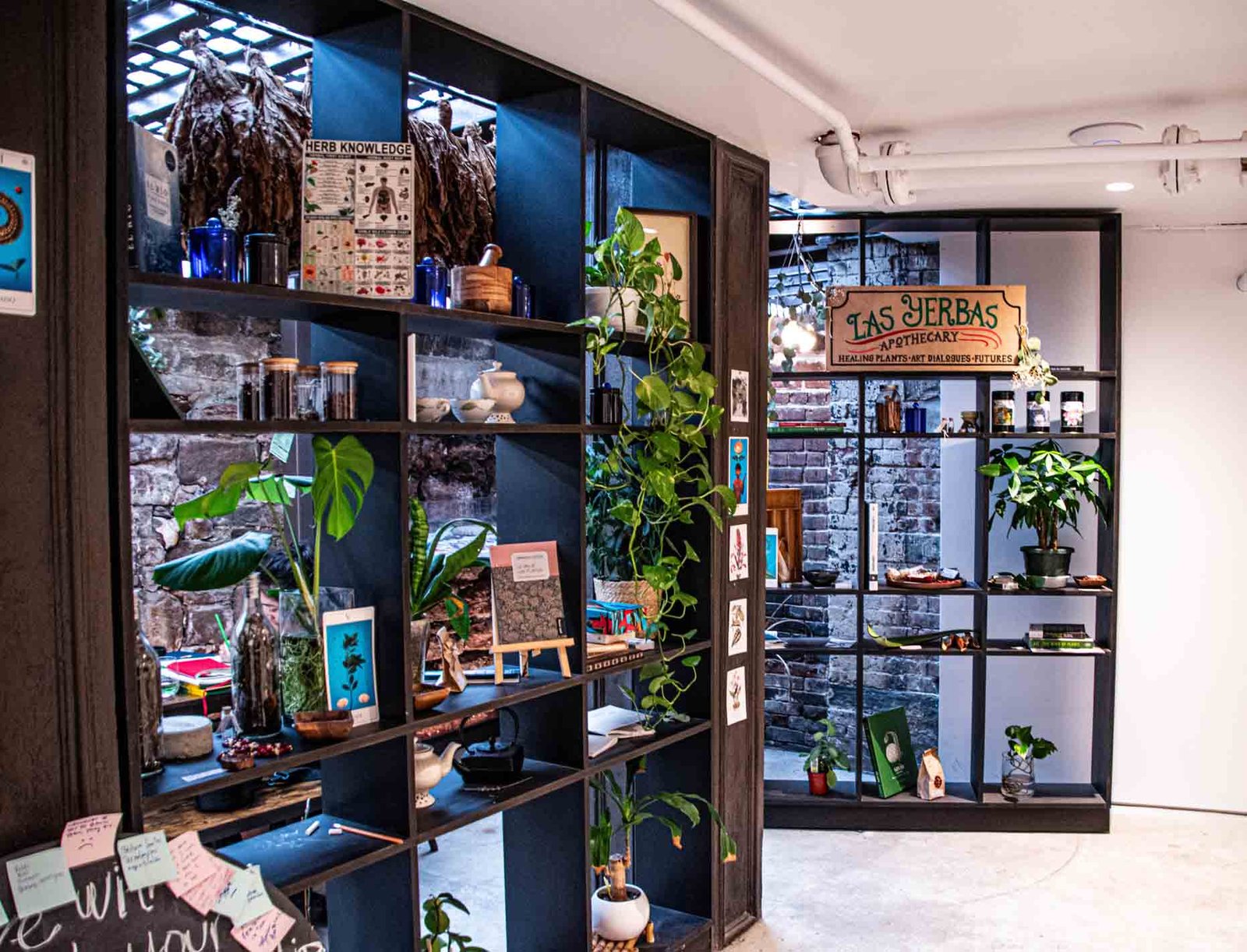
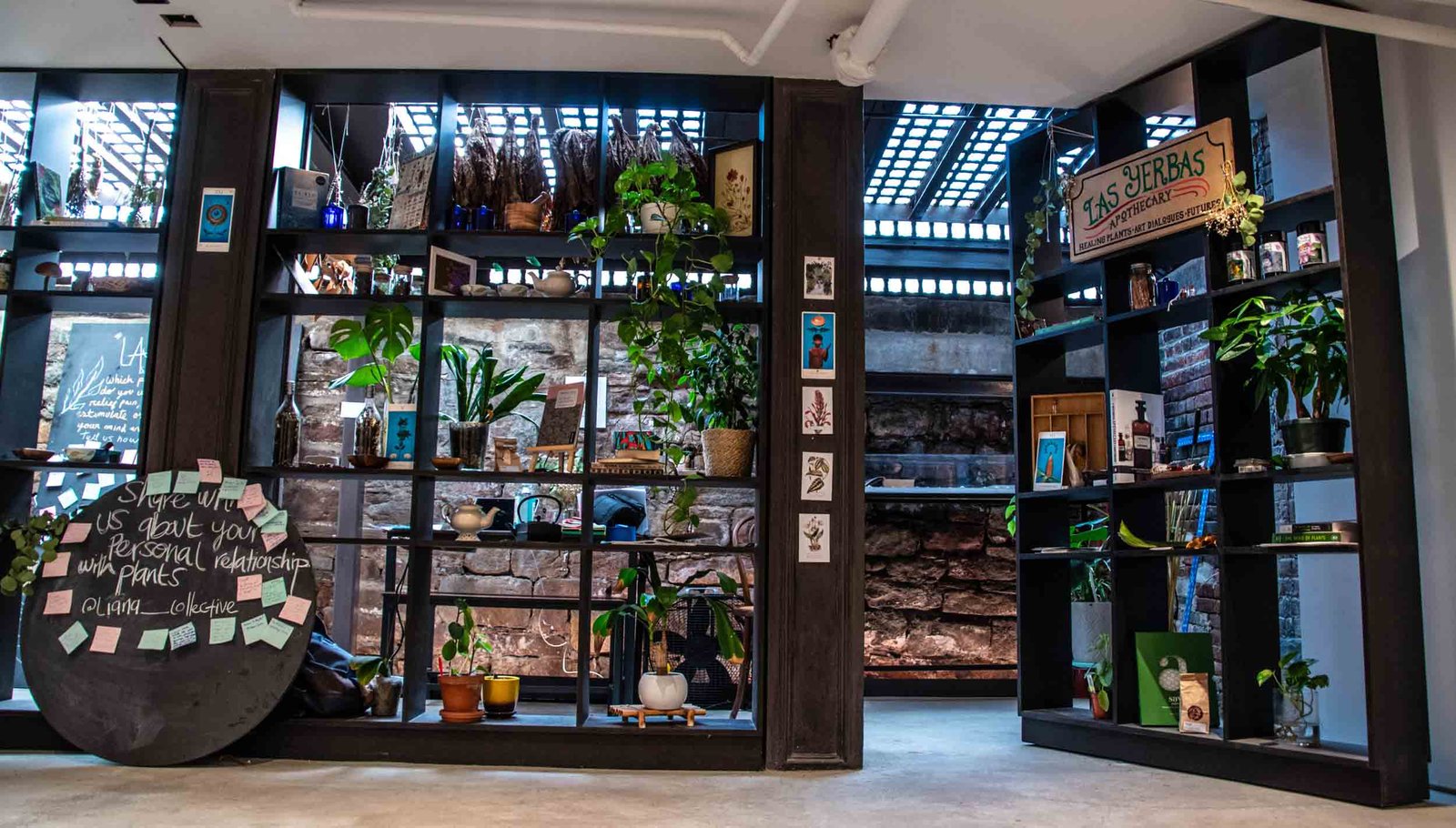
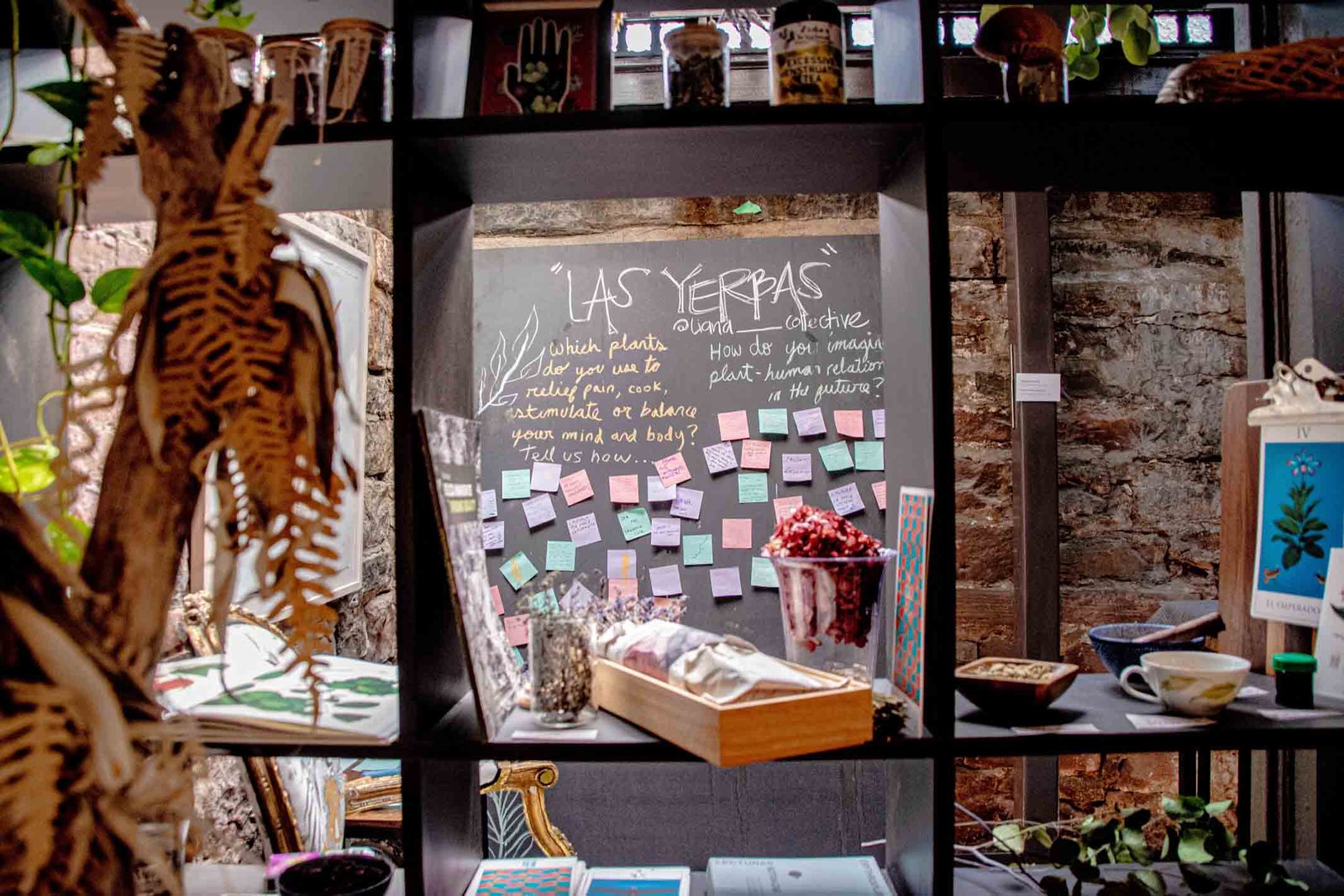
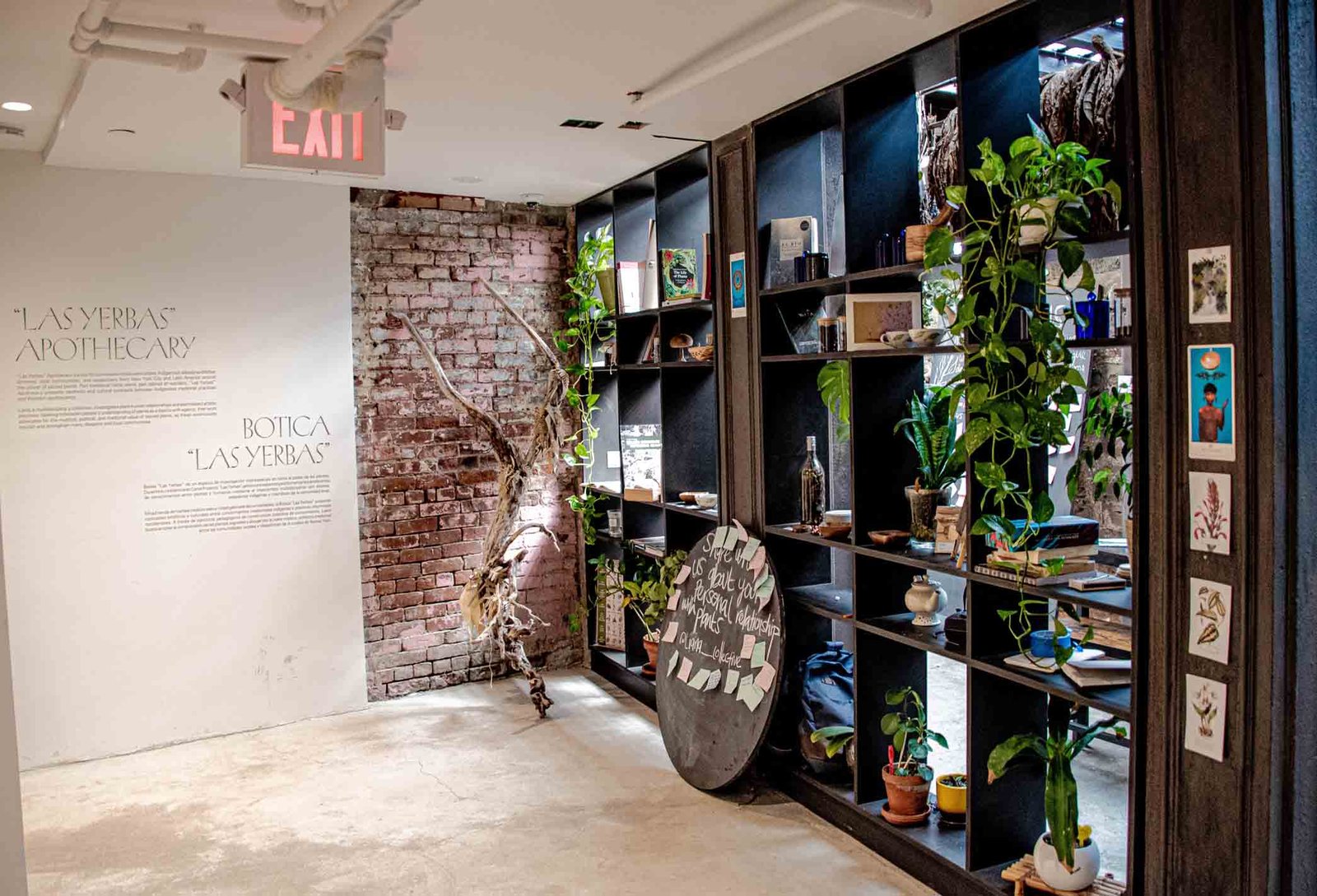
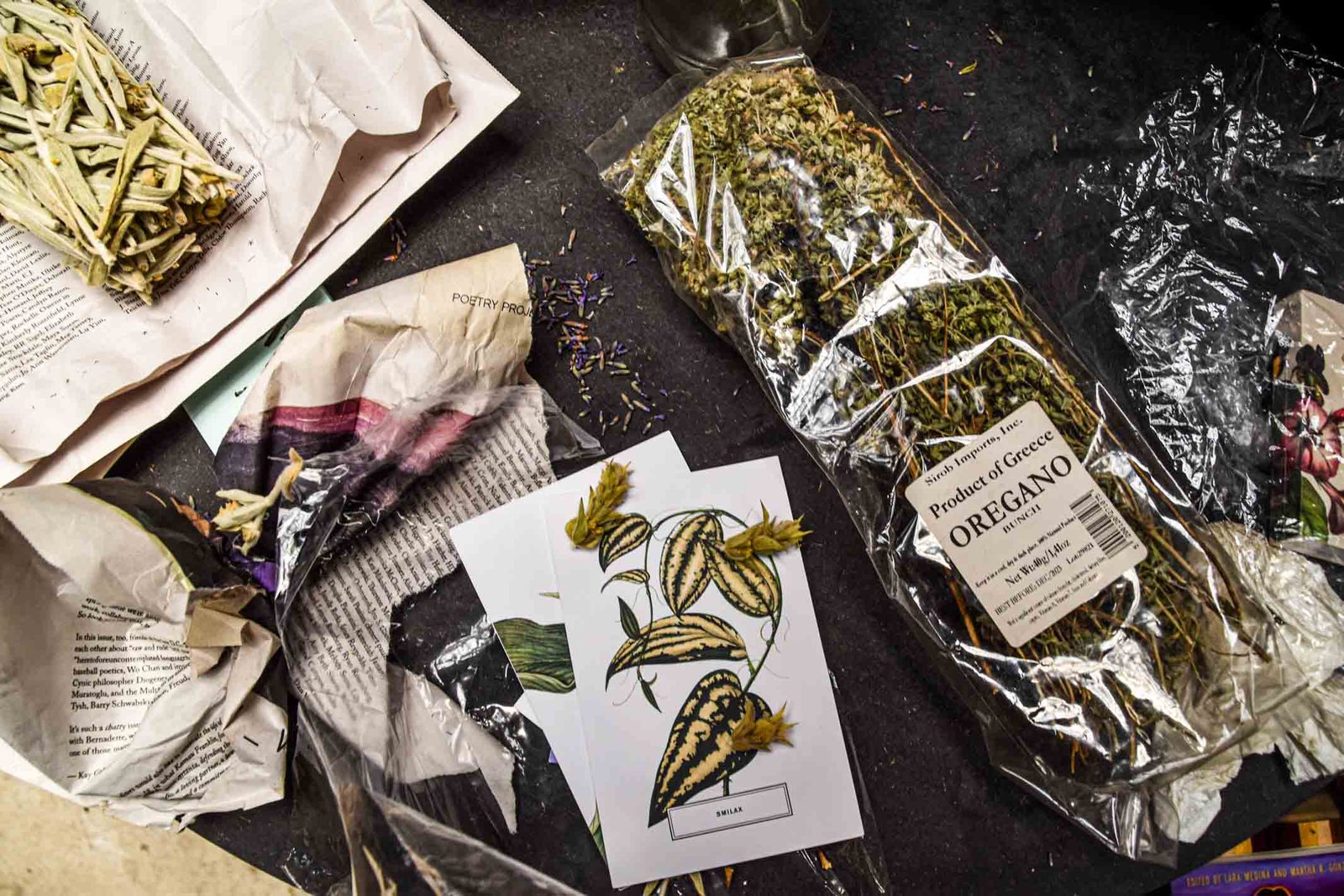
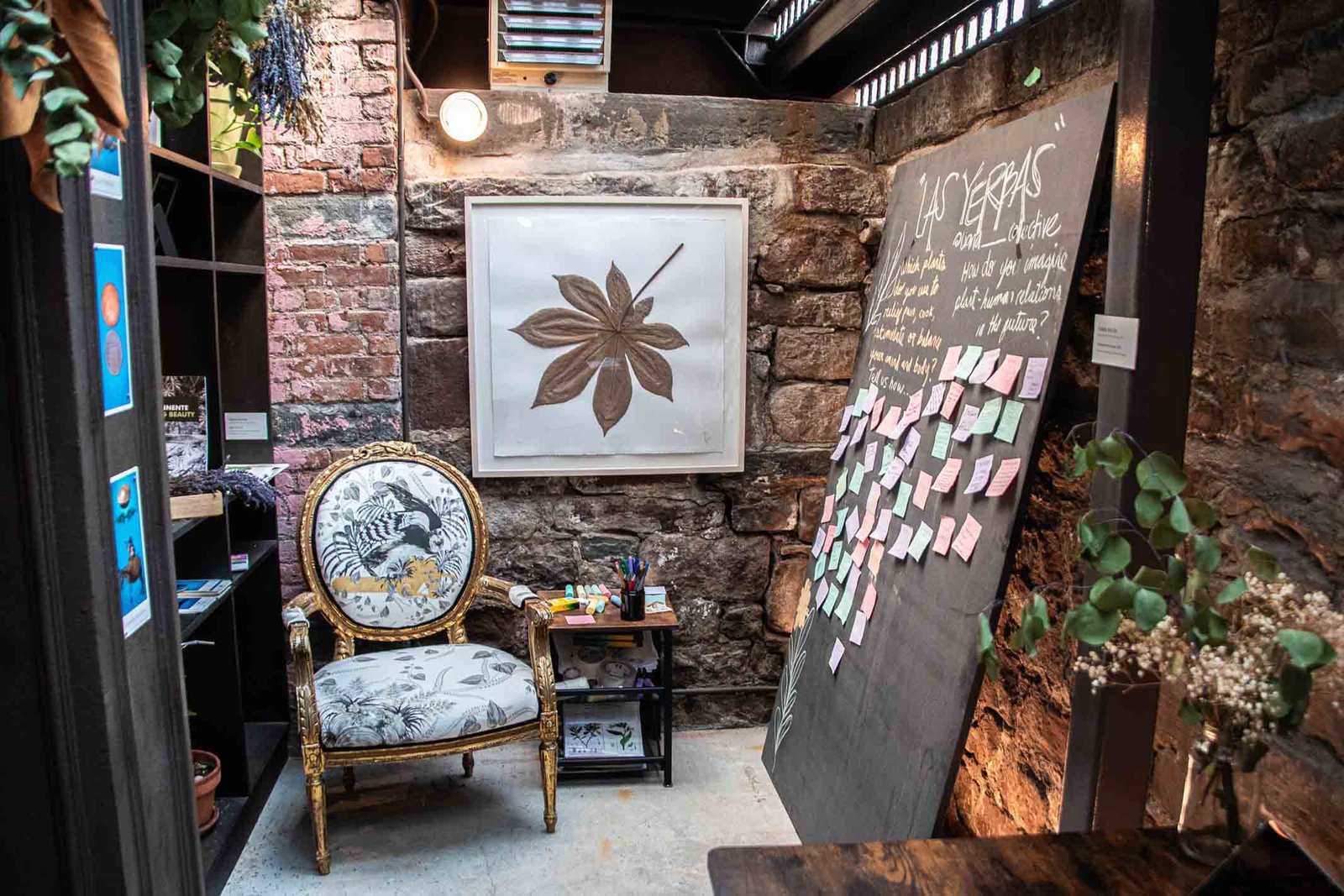
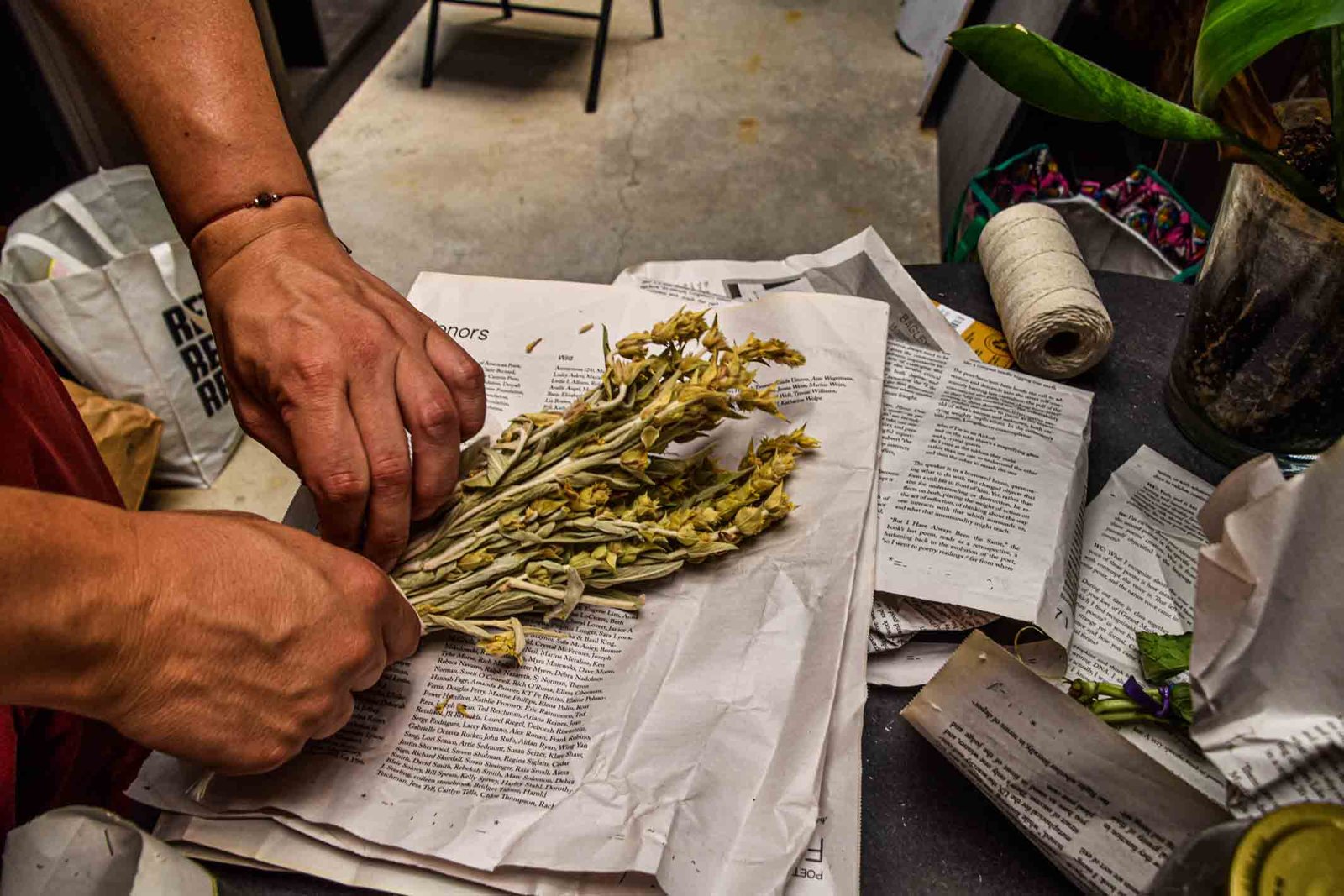
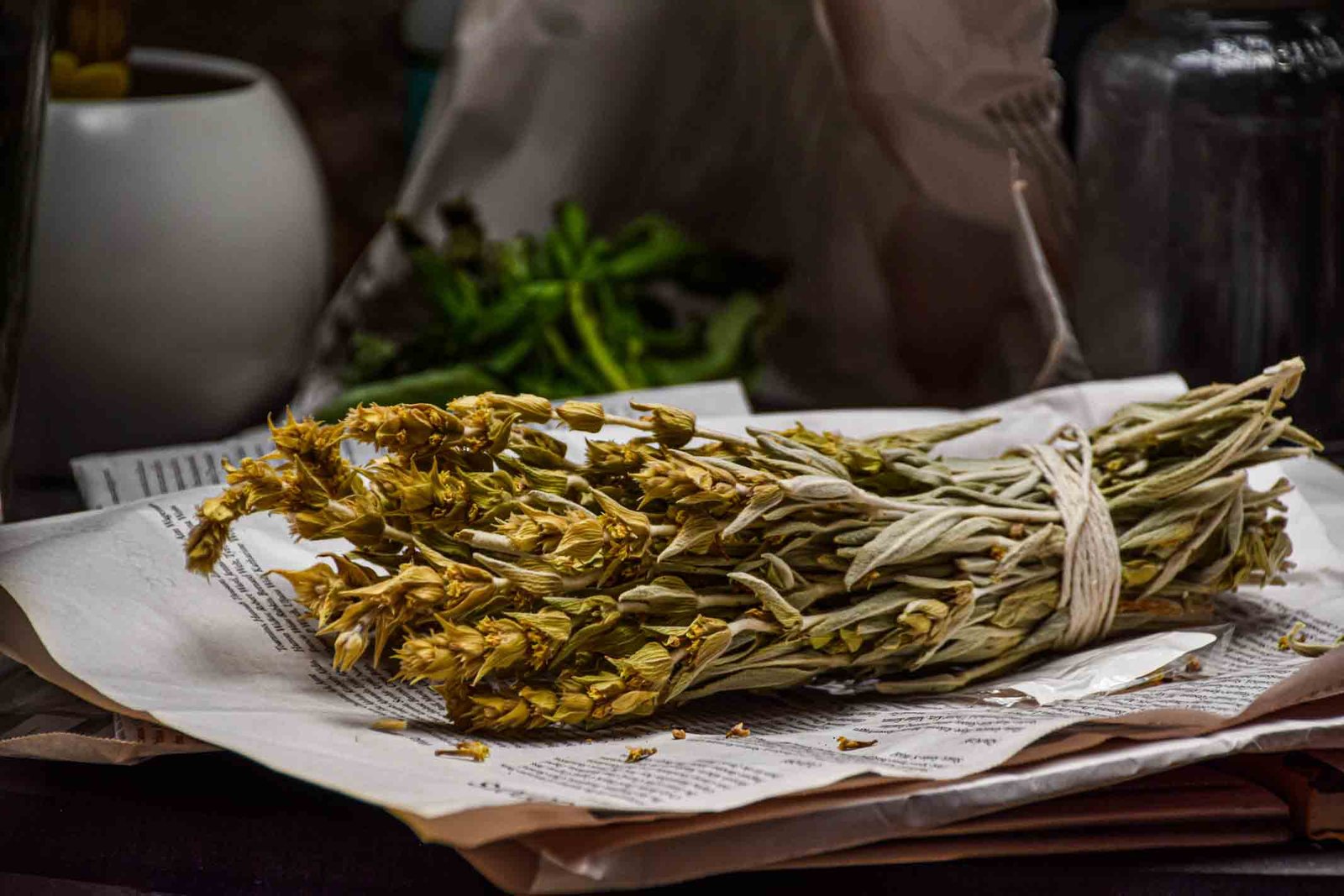
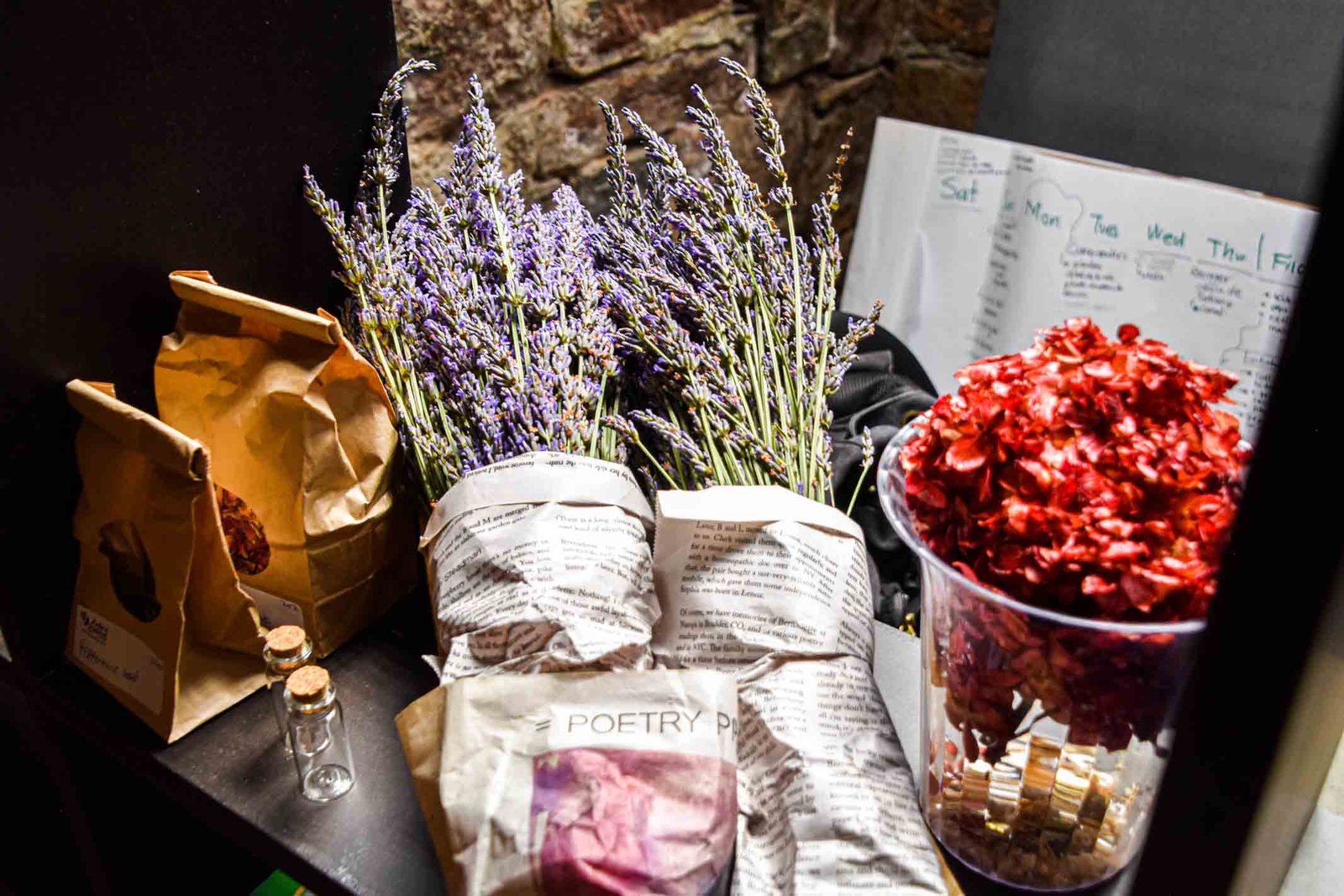
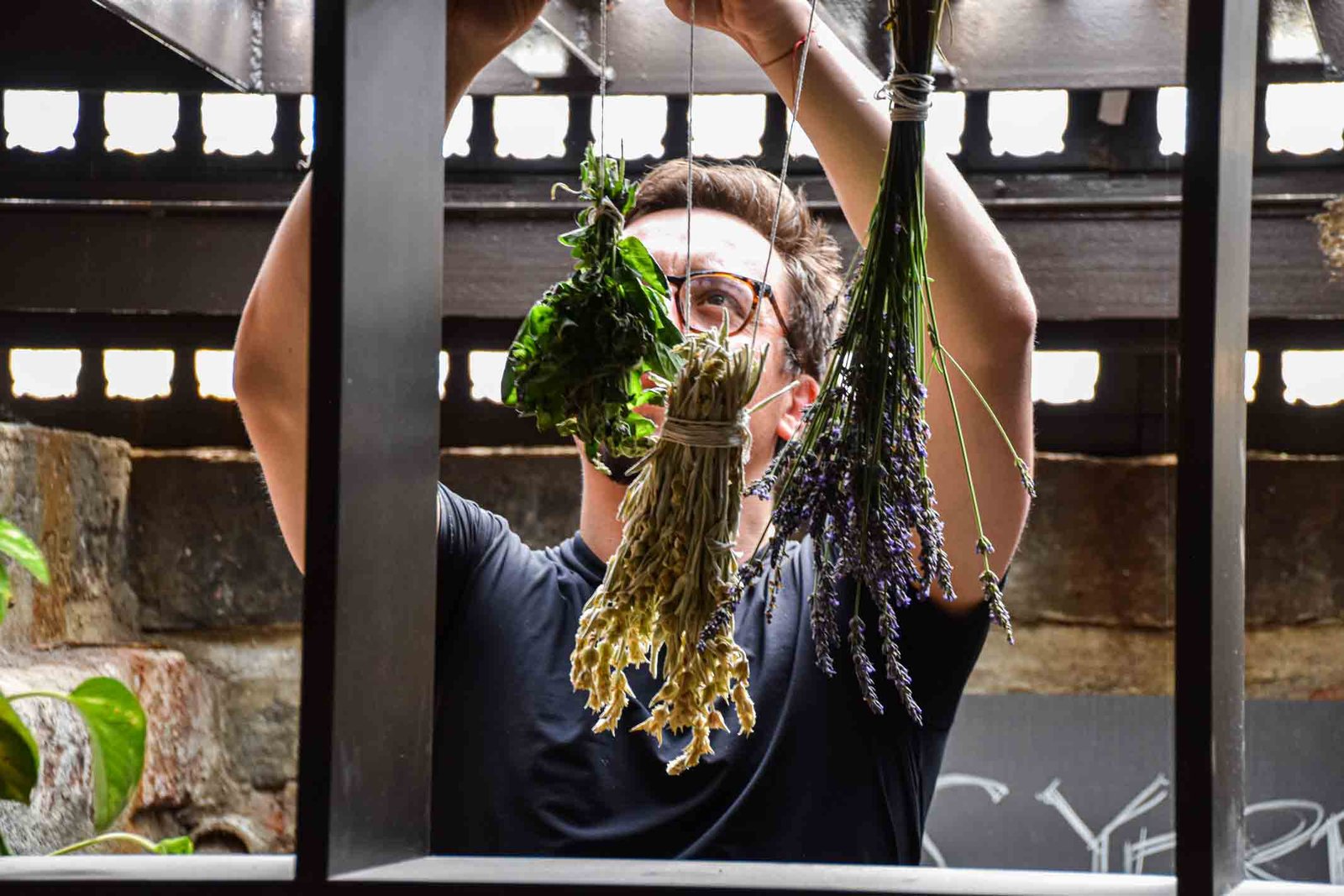
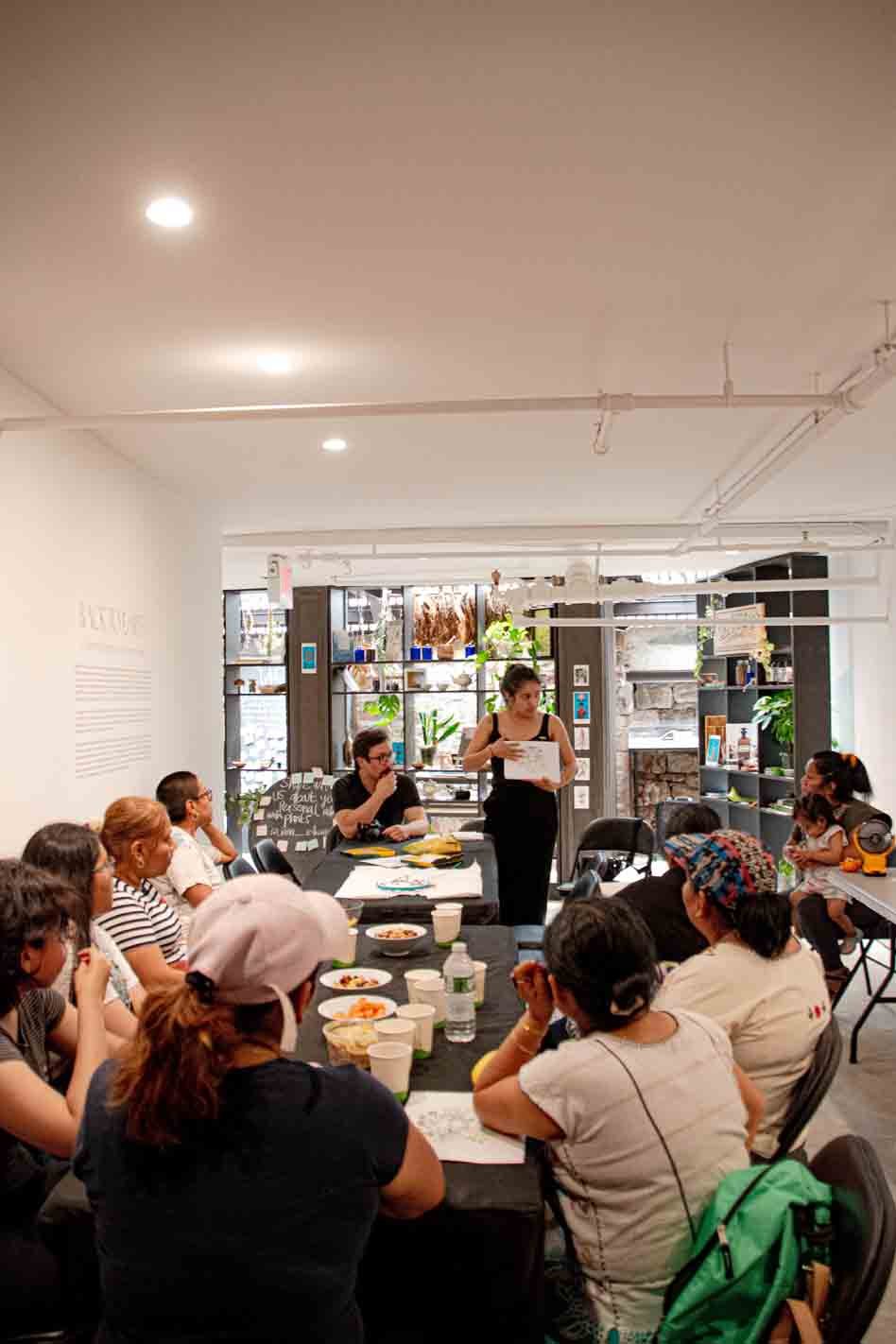
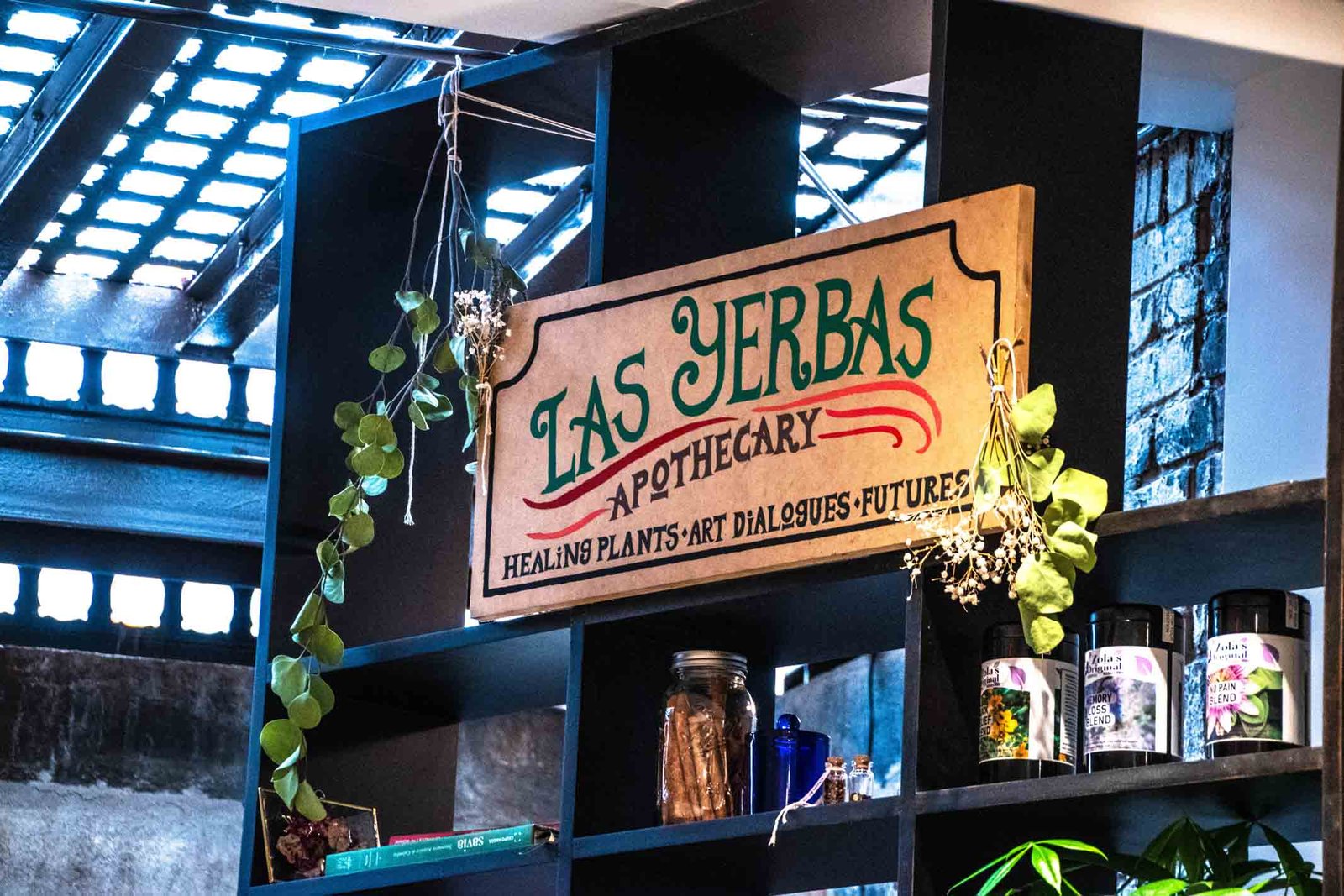
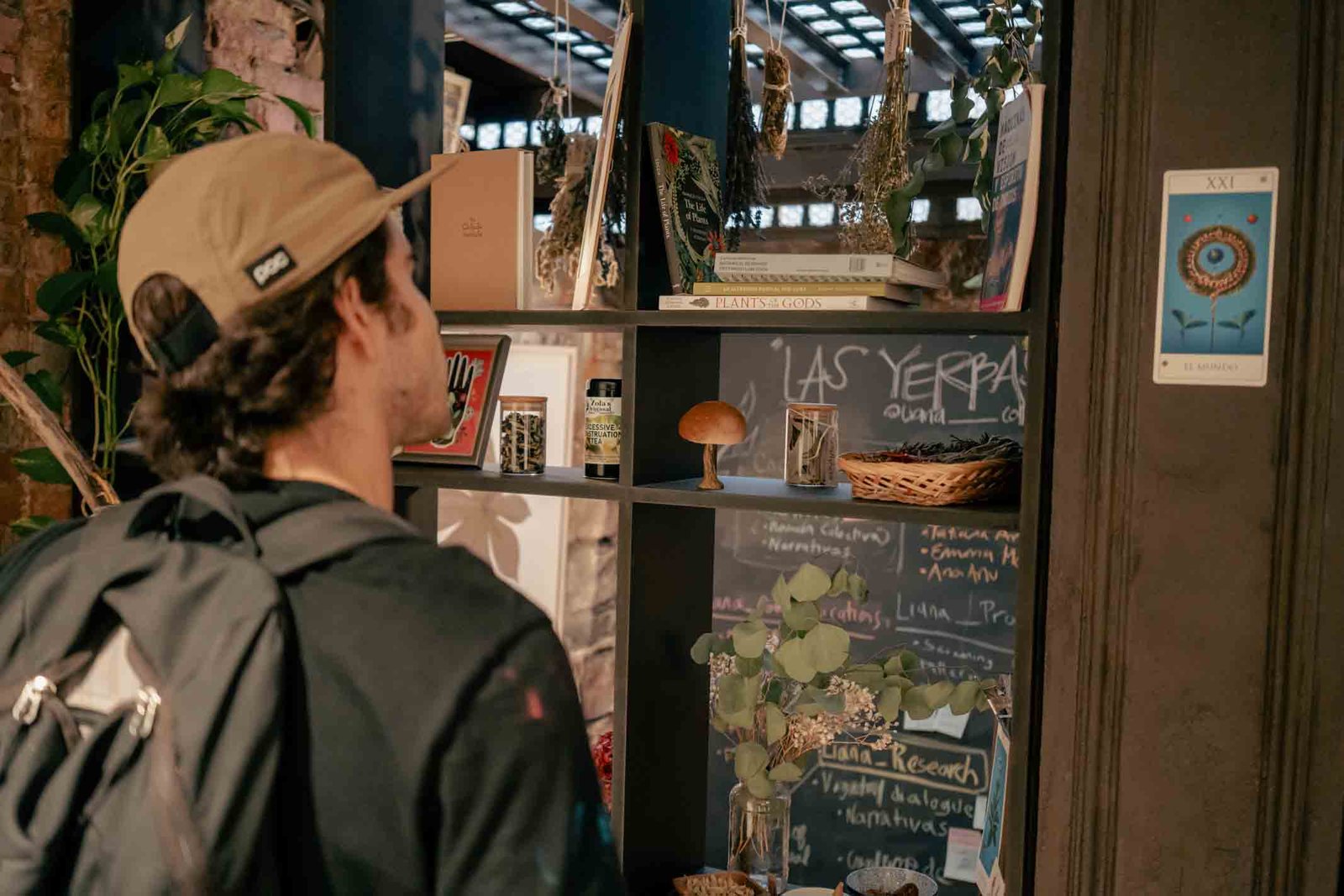
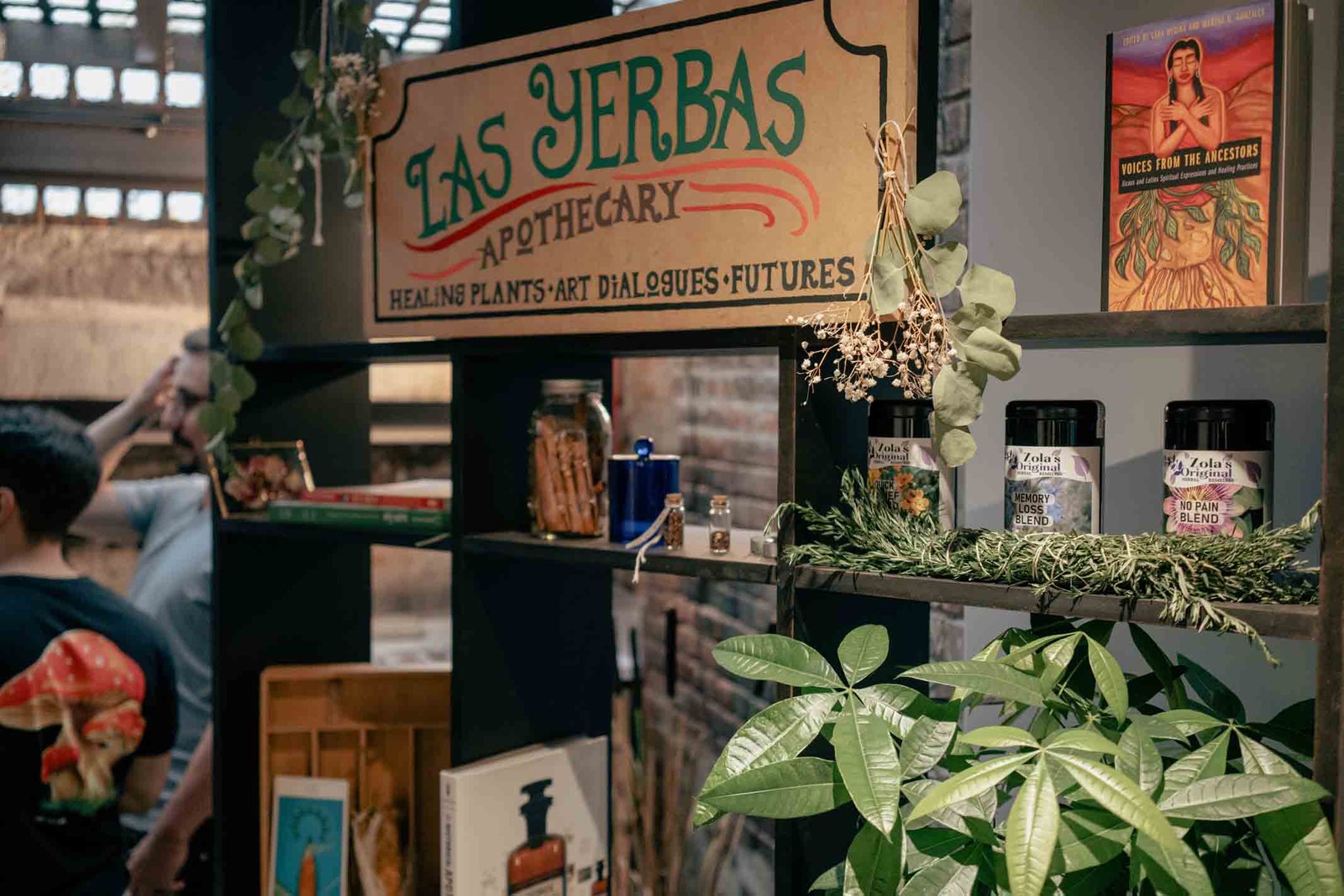
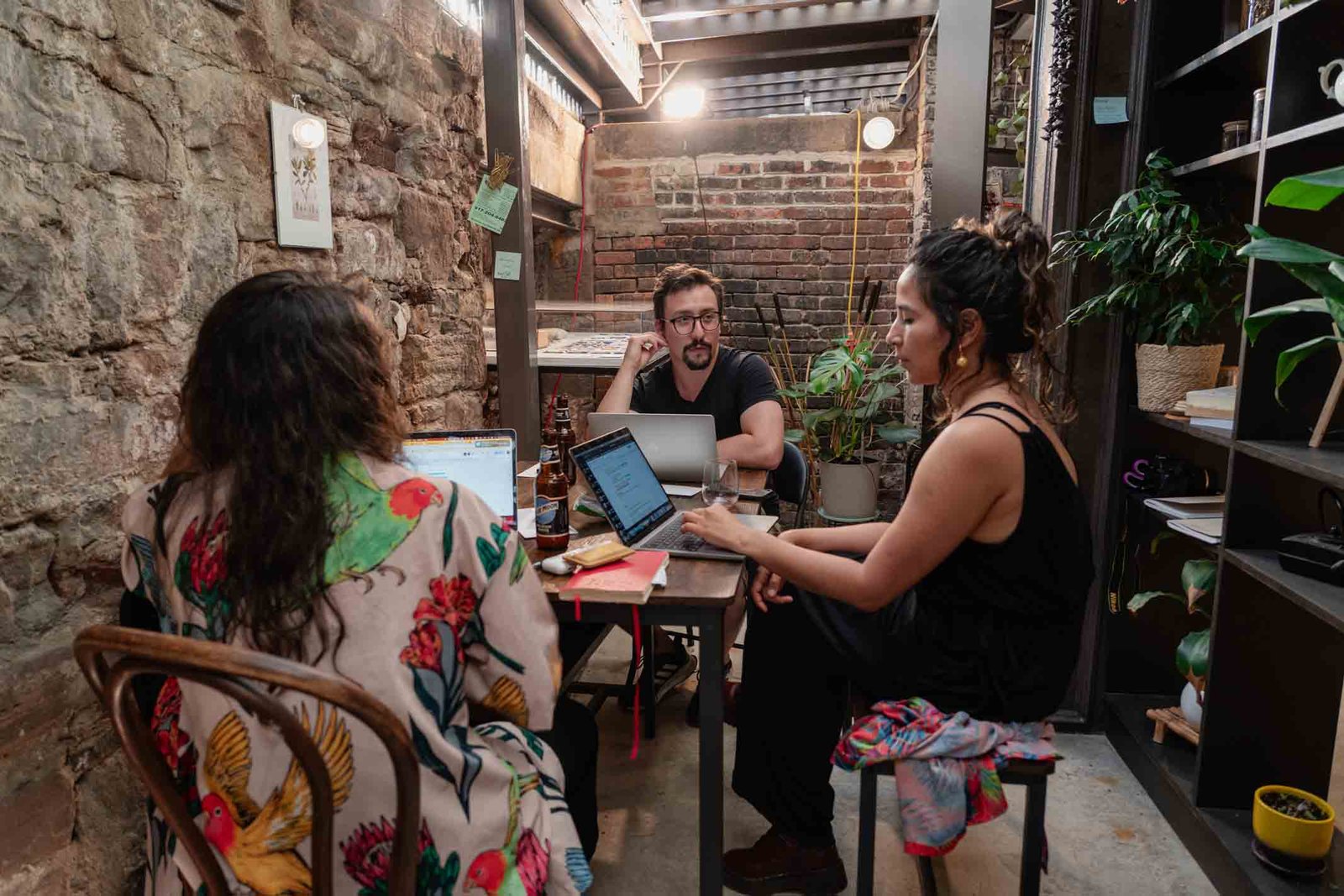
Las Yerbas Apothecary was an interspecies research space developed by Liana Collective during their summer residency at Canal Projects in New York. Over four months, Liana facilitated a series of workshops, public dialogues, and community gatherings focused on the exchange of knowledge between plants and humans. Grounded in the belief that plants are sentient beings, the residency expanded ways of relating to them beyond Western paradigms, highlighting their mystical, political, and aesthetic agency.

The residency unfolded in collaboration with artists, Indigenous knowledge keepers, and local community members who cook, heal, create, and think in deep relationship with plants. One of the main projects was Comedor de Quelites Mixtecos, created with the Indigenous women’s collective Voces from Guerrero, Mexico. Through interviews with five women—Mary José Prudente, Eufemia Neri, Zenaida Simón, Margarita Romualdo, and Paulina Mendoza—traditional recipes were documented that reveal ancestral forms of communication with plants. The result was a series of five recipe zines and a public dining event held in October 2023, where stories of migration, food, and healing were shared from a Mixtec perspective.

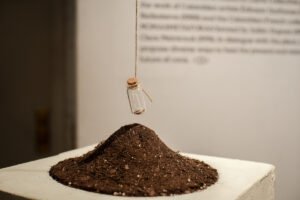
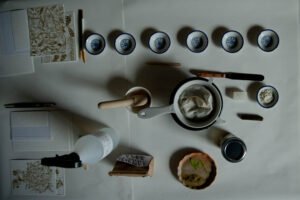
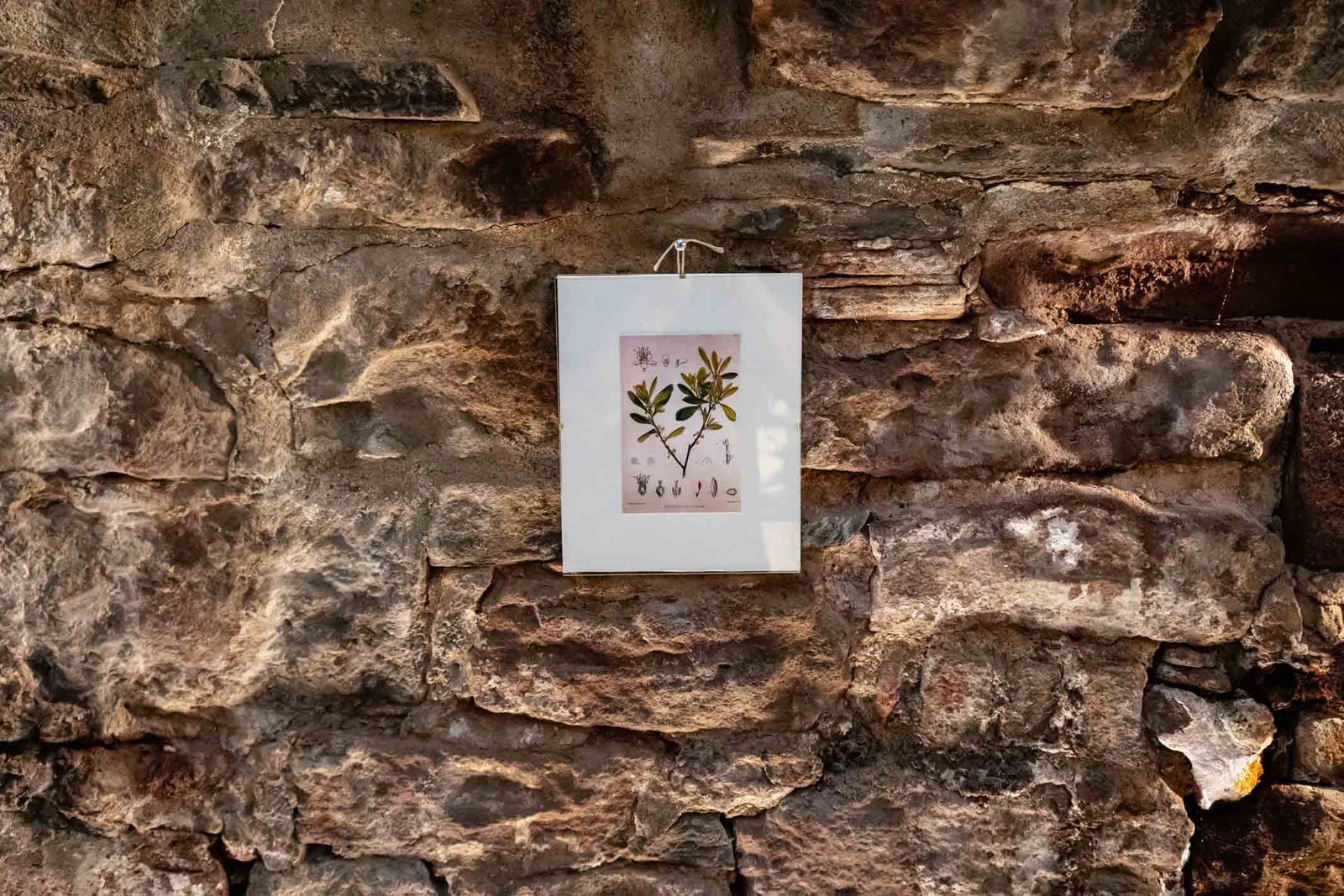
In parallel, Liana explored the poetics and politics of plant life with a particular focus on the coca leaf. In collaboration with Colombian artist Tatiana Arocha, three artworks were presented that addressed the symbolic and spiritual complexity of the plant. The public program included speculative research exercises on the future of coca, documentary screenings about coca-growing families in Colombia, and a drawing workshop using coca, corn, tobacco, and other vegetal materials.

Additionally, the collective organized Hable y vea coca, a short film screening event in collaboration with Colombia’s Futuro Coca Festival. Held in Spanish, the program sparked critical conversations around the stigmatization of coca in Colombia and the United States, while reclaiming the plant’s central role in Andean-Amazonian cosmologies through its culinary, medicinal, and ceremonial uses. Through poetic perspectives and testimonies from rural communities, the event invited audiences to imagine a different future for this sacred plant.

Las Yerbas Apothecary was conceived as a space to think alongside plants, create possibilities for healing, and reconfigure our relationships with botanical knowledge from a situated, critical, and transdisciplinary lens.

Events