Category Archives: Blog

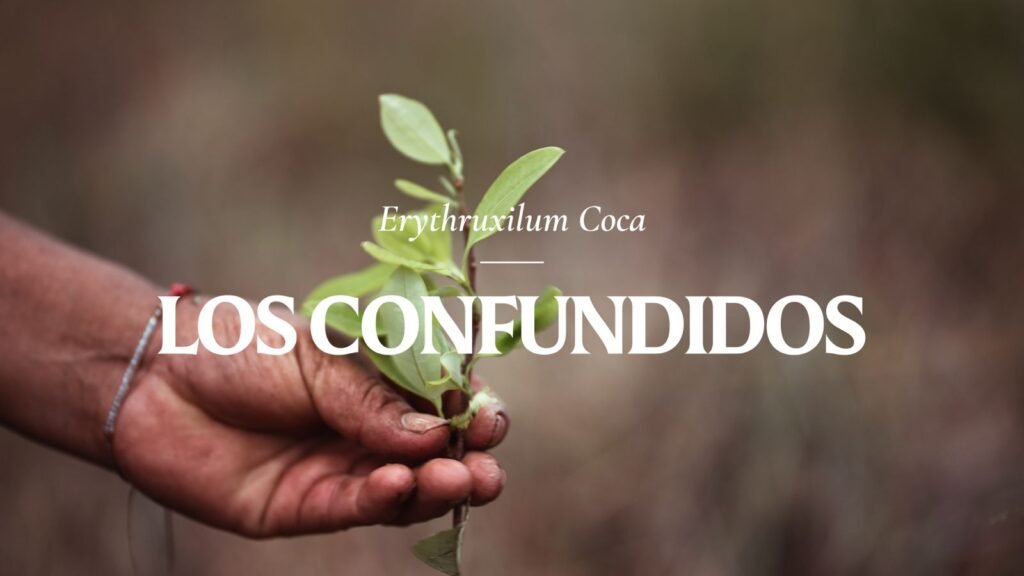
“Los Confundidos” (The Confused): a documentary about coca at the UNBy Giselly Mejía

Written by

Giselly Mejía
MORE BLOGS

For over 60 years, decisions about the coca leaf have been made in rooms far from the Andes — without the people who have lived with the plant for generations.

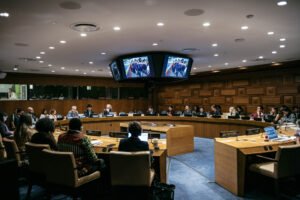
On March 12, 2026, in Vienna, during the 69th session of the UN Commission on Narcotic Drugs (CND), “Los Confundidos” (The Confused) premiered — a 19-minute documentary directed by Colombians Daniel Pineda and Nicolás Martínez that brings the voices of indigenous and peasant communities from Peru, Bolivia, and Colombia to one of the world’s most influential international policy stages on drug policy.

The response in the room was overwhelming. “It was a great success. People loved it, moved to tears. And we achieved our goal; what fills us most is that the message was sent and that the voices of all these people are now in these decision-making spaces,” said Nicolás Martínez, one of the directors.

Why this documentary exists now

In 1961, the UN Single Convention on Narcotic Drugs classified the coca leaf under Schedule I — the same category as heroin and cocaine, reserved for substances considered high-risk and without recognized medical use. To understand why that classification is so controversial, one figure helps: it takes approximately 300 to 600 kilograms of fresh coca leaves to produce a single kilogram of refined cocaine. Between the leaf and the powder lies a long and complex industrial chemical process. The plant and the alkaloid are not the same thing.

Since 1961, there have been several attempts to revise that classification, either to recognize the medicinal and traditional use of the leaf or to remove it from the international control system altogether. None succeeded. The most recent attempt was led by the Bolivian government roughly two years ago, later joined by Colombia. The CND opened a new review process that included an assessment by the World Health Organization’s Expert Committee on Drug Dependence (ECDD). In December 2025, the WHO published its decision: it recommended keeping the coca leaf in Schedule I, with no changes (see official statement).

A journey through six territories and three countries

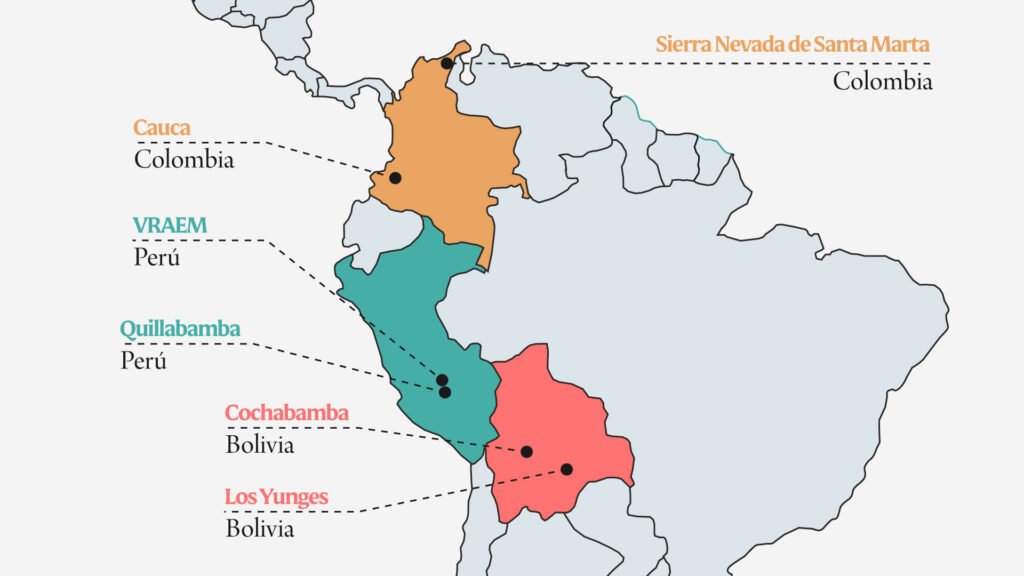
Pineda and Martínez traveled through six regions across three countries — Los Yungas and Cochabamba in Bolivia, Quillabamba and the VRAEM in Peru, and the Sierra Nevada de Santa Marta and Cauca in Colombia — capturing landscapes of remarkable beauty and intimate conversations with people who have grown, used, and known coca their entire lives.

Locations of Los Confundidos documentary

These are not neighboring communities; they are separated by thousands of kilometers, speak different languages, and have distinct histories. They are Andean peoples — inhabitants of the longest mountain range in the world, where coca grows wild and has been cultivated for at least 8,000 years. And yet, all of them share a deep and everyday relationship with the same plant. Coca is not the tradition of a small or isolated group: it is a cultural bond that spans an enormous geography and an extraordinary diversity.

Among the most moving moments in the documentary is the way these peasants and indigenous people speak about the plant. They call it “coquita” (little coca)— a diminutive, the affectionate way you speak of someone you love. They recount how they first encountered it as children, how their parents and grandparents taught them to use it, and how it is present in moments of work, rest, celebration, and healing.

The uses are concrete and everyday. For agricultural laborers, coca is a mild stimulant that helps them endure long hours of physical work at high altitude. For communities with limited access to healthcare, it is medicine: it relieves altitude sickness, stomach pain, and supplements calcium-deficient diets — the leaf is, in fact, high in calcium, iron, and vitamins.

Who are the confused ones?

The title of the documentary carries its own irony. The confused ones are not the Andean peasants and indigenous communities who have grown coca for thousands of years. They are the policymakers who, for over 60 years, have regulated a plant they barely understand. The documentary opens a window into a relationship with a plant through beautiful, everyday images of real people. And that, perhaps, is what makes it most effective.

“Yes, we know the UN is always controlling the coca leaf, and I truly say to other countries that are listening to me or will see me or are watching me: I wish they would not demonize it. We, as coca leaf producers, also don’t want it going to drug trafficking, or becoming a drug. I wish it could be consumed in its natural state, just as it is.”

— Cynthia Mollo, Huayrapata, Coripata (Bolivia)

“They have not consulted us on the issues of coca, have they? So that means that Western culture has this mindset of wiping out the plant by carrying out and practicing an ethnocide. This is an act of aggression. If in 25 years they have not managed to wipe it out and now they ratify the prohibition, they wont succedd. And they will be left in shame; it is a global shame today, above all for science.”

— Genaro Cahuana, peasant leader from Quillabamba (Peru)


MORE BLOGS

Mama Coca and the Futures We Have Yet to ImagineBy Giselly Mejía

What would happen if we thought about...

Painting as a Way of Mambear the WorldBy Angélica Cuevas

This text was the first article I...

Painting as a Way of Mambear the WorldBy Angélica Cuevas

Written by

Angélica Cuevas

Photos:

Óscar Pérez for Forging Journal | Forge Project (NYC)

MORE BLOGS

The article I Speak for the Forest, for the Rivers, for the Ancestors Who Keep Conversing Through the Mambeexplores the work of Murui-Muina artist and mambeólogo Aimema Úai, for whom painting is not an aesthetic representation but a living practice of thinking with the forest.

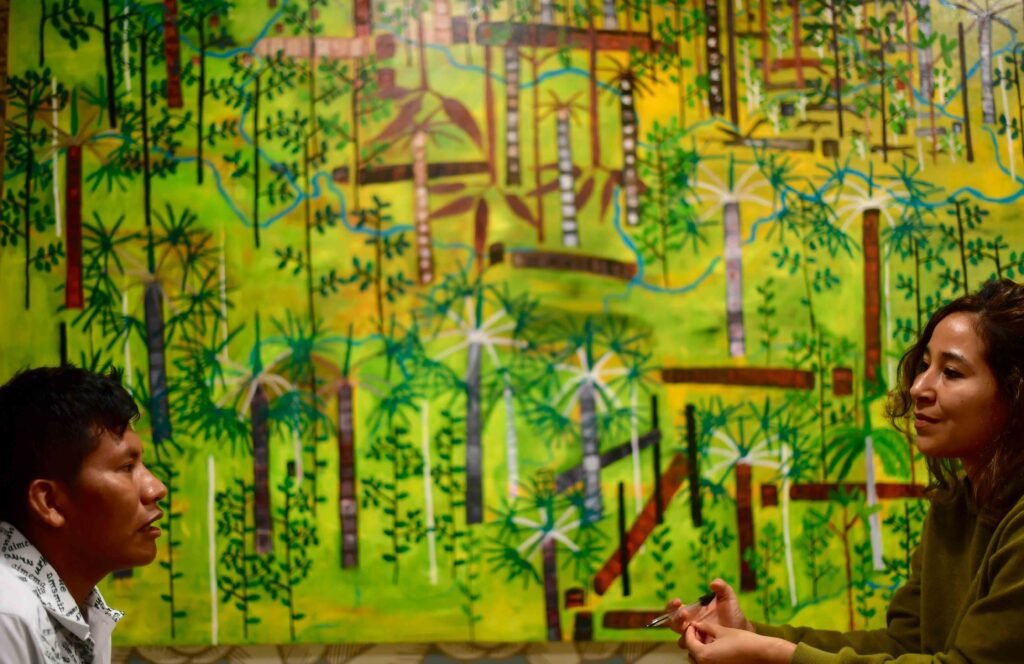
Aimema Úai and Angélica Cuevas during the interview at the artist’s home in Bogotá, October 2024. Photo: Óscar Pérez for Forging Journal | Forge Project (NYC)

This text was the first article I wrote after being selected as part of the 2025–2026 cohort of Journal Forging, the writing and editorial fellowship of Forge Project in New York (USA). Journal Forging accompanies writers, curators, and thinkers in the development of critical and experimental texts in dialogue with contemporary artistic practices, with a strong emphasis on Indigenous, decolonial, and situated perspectives. The program understands writing as a relational practice: an exercise in listening, research, and sustained conversation with artists, territories, and living memories, rather than a distant or extractive form of analysis.

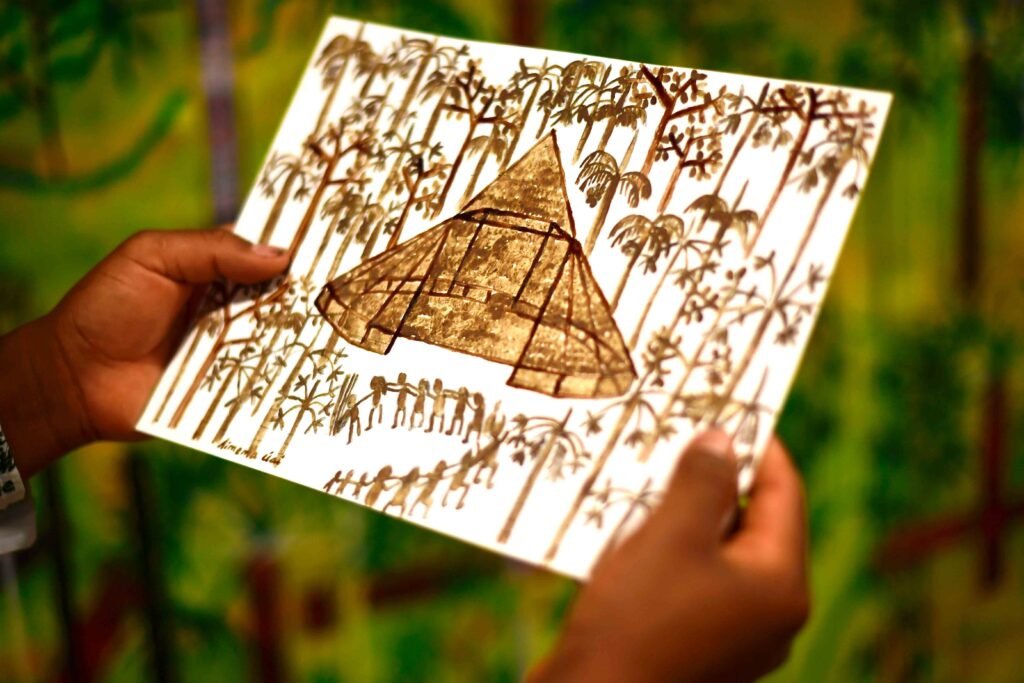
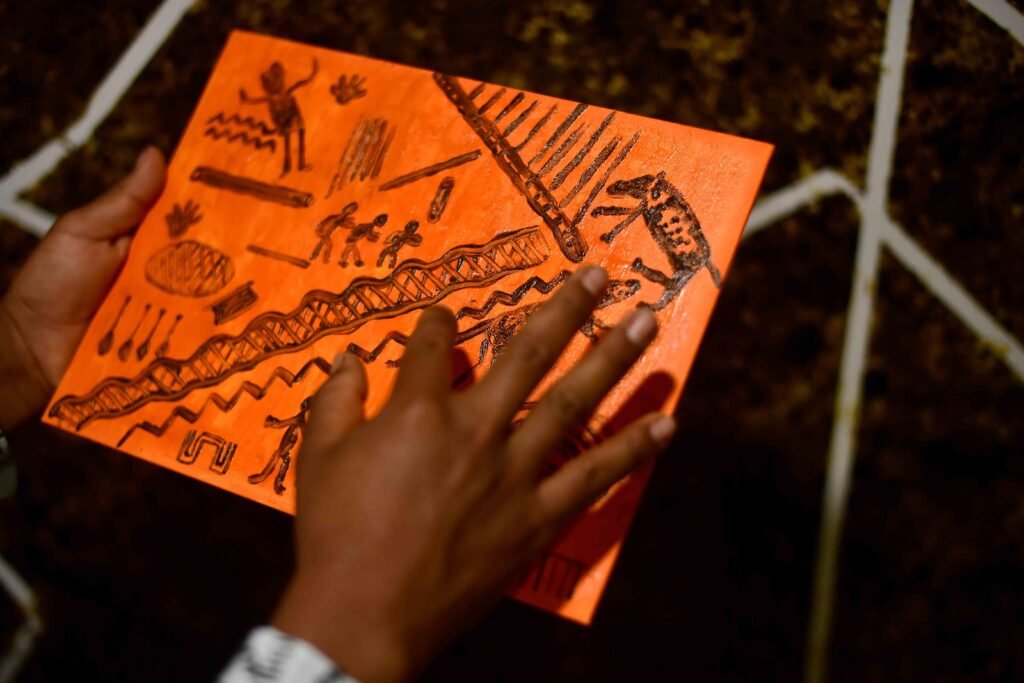
Raokaid+Ka+ / Caring for the Territory, 2025.

The article emerges from an in-depth interview I conducted with Aimema Úai in October 2025, at his home-studio in Bogotá, just days before his trip to Belém do Pará to participate in the Amazon Biennial and in parallel spaces to COP30. From that conversation, the text explores how his pictorial practice—activated by mambe, by the spoken word, and by pigments drawn from the territory such as wito and dragon’s blood resin—functions as an extension of the maloka, the ceremonial house, school, and spiritual center of the Murui-Muina people.

Aimema’s paintings operate as living cartographies of Murui-Muina continuity, where the maloka does not appear as a ruin or a metaphor, but as an active structure from which balance between body, territory, and spirit is continually rebuilt, even after the devastation caused by the rubber boom and the extractive violences that have deeply marked the Amazon. In his work, painting becomes a way of mambear: a space where the word is activated, where the world is cared for, and where different times and territories are allowed to speak to one another.

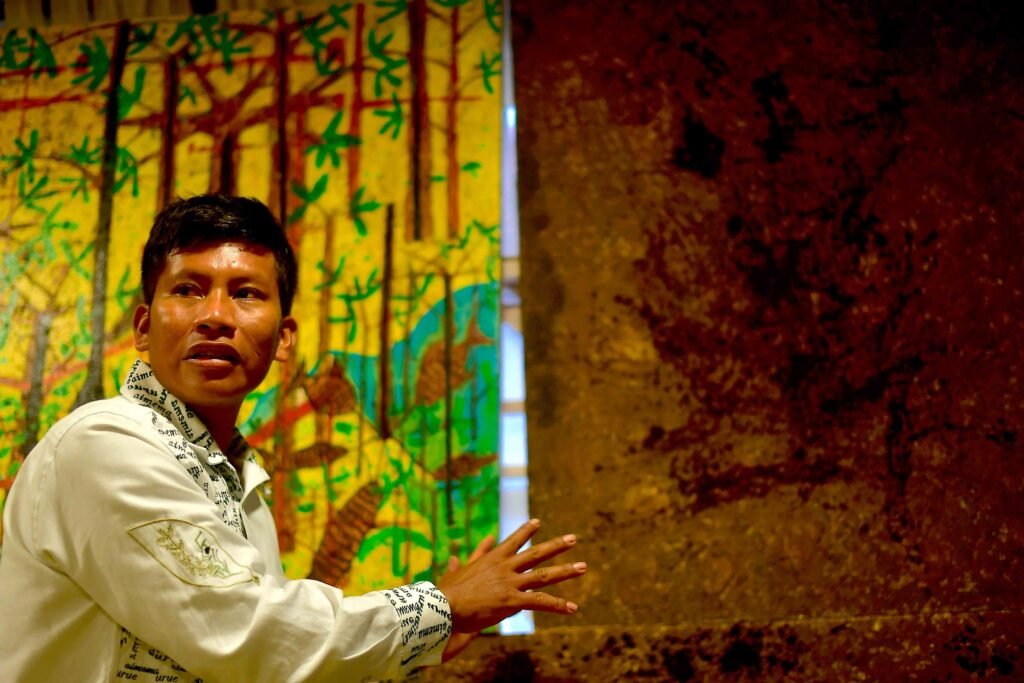
Aimema Úai at his home in Bogotá.

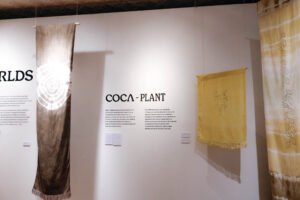
From COCAWORLDS, this text speaks directly to our lines of inquiry Coca–The Plant and Coca–Word, World, affirming coca as a relational being, a living medicine, and a technology of knowledge—challenging regimes of stigmatization that have reduced the plant to a commodity or a problem of control. Aimema’s work reminds us that art can also be a practice of reexistence: a way of keeping the house standing, of keeping the word moist and alive, and of continuing to listen to the forest even where we are no longer physically present.

Mama Coca and the Futures We Have Yet to ImagineBy Giselly Mejía

Written by

Giselly Mejía
MORE BLOGS

What would happen if we thought about the future of the coca leaf beyond prohibition, stigma, and inherited narratives?

Mama Coca Chronicles: Navigating Ancestral Heritage and Future Narratives, an academic article published in the Journal for Future Studies (Researched and written by me), begins with this question to explore how coca can open pathways toward more just, reparative, and decolonial Latin American futures.

The paper is structured as a journey across academic research, participatory practice, and speculative thinking. Rather than limiting itself to analyzing the plant’s past or present, it proposes something different: the use of futures methodologies to imagine possible, probable, and desirable scenarios, integrating ancestral knowledge, migrant voices, art, politics, and futures design.

How did I research and what did I find?

The research combines traditional qualitative methods with futuring ones.

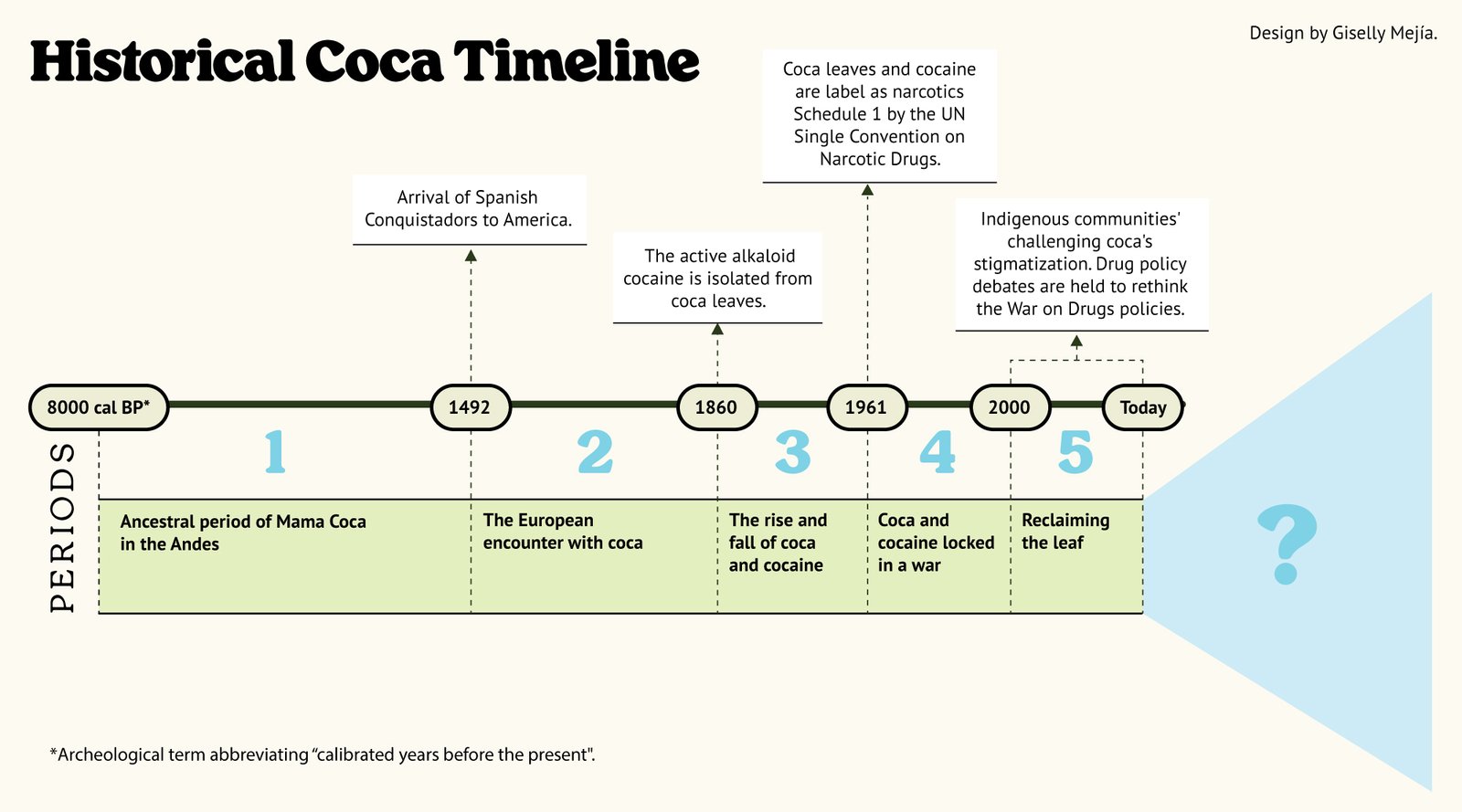
Desk Research: I conducted extensive literature reviews to understand how coca moved from being a sacred plant before the colonization of Abya Yala (the American continent) to a source of war, injustice, and political turmoil. At some point in my research, I wanted to map out that journey and created a timeline for the visual readers (see below).

Historical Coca Timeline
Design by Giselly Mejia

Signal scanning: I started scanning signals of change and categorizing them into Social, Technological, Economic, Environmental, and Political (STEEP model), which uncovered that the majority of the changes proposed today around coca are Economic related (use of coca as an ingredient for recipes, and natural products, prices of coca production lowering and crops increasing, etc) while the Technological ones are very few (Medical research on coca’s in cardiovascular and pulmonary conditions, as well as attention-deficit disorders)

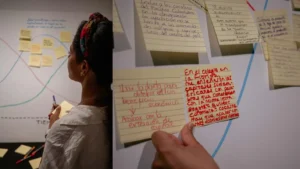
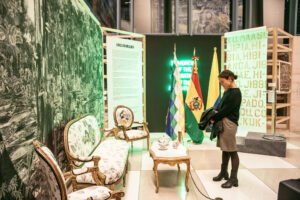
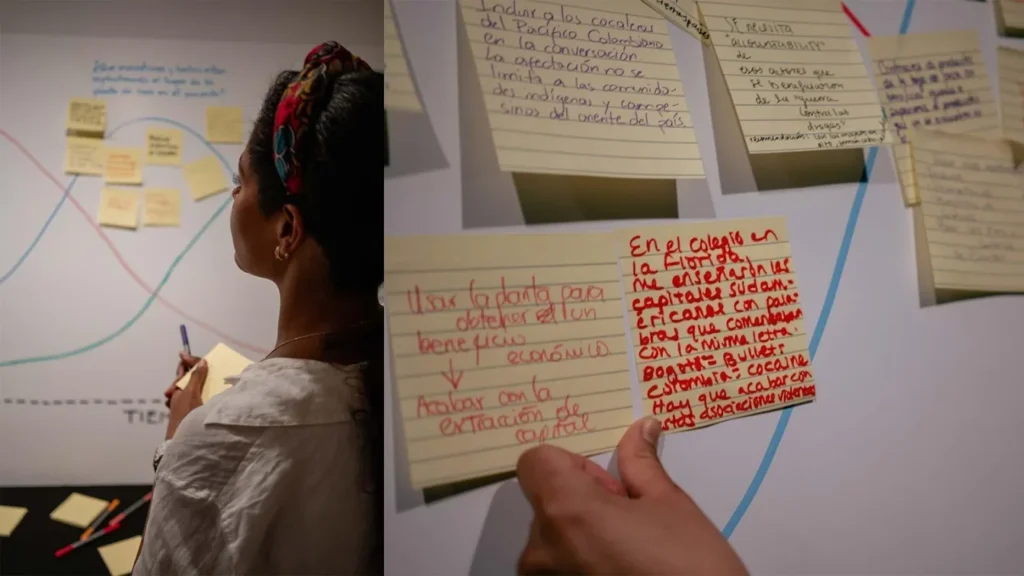
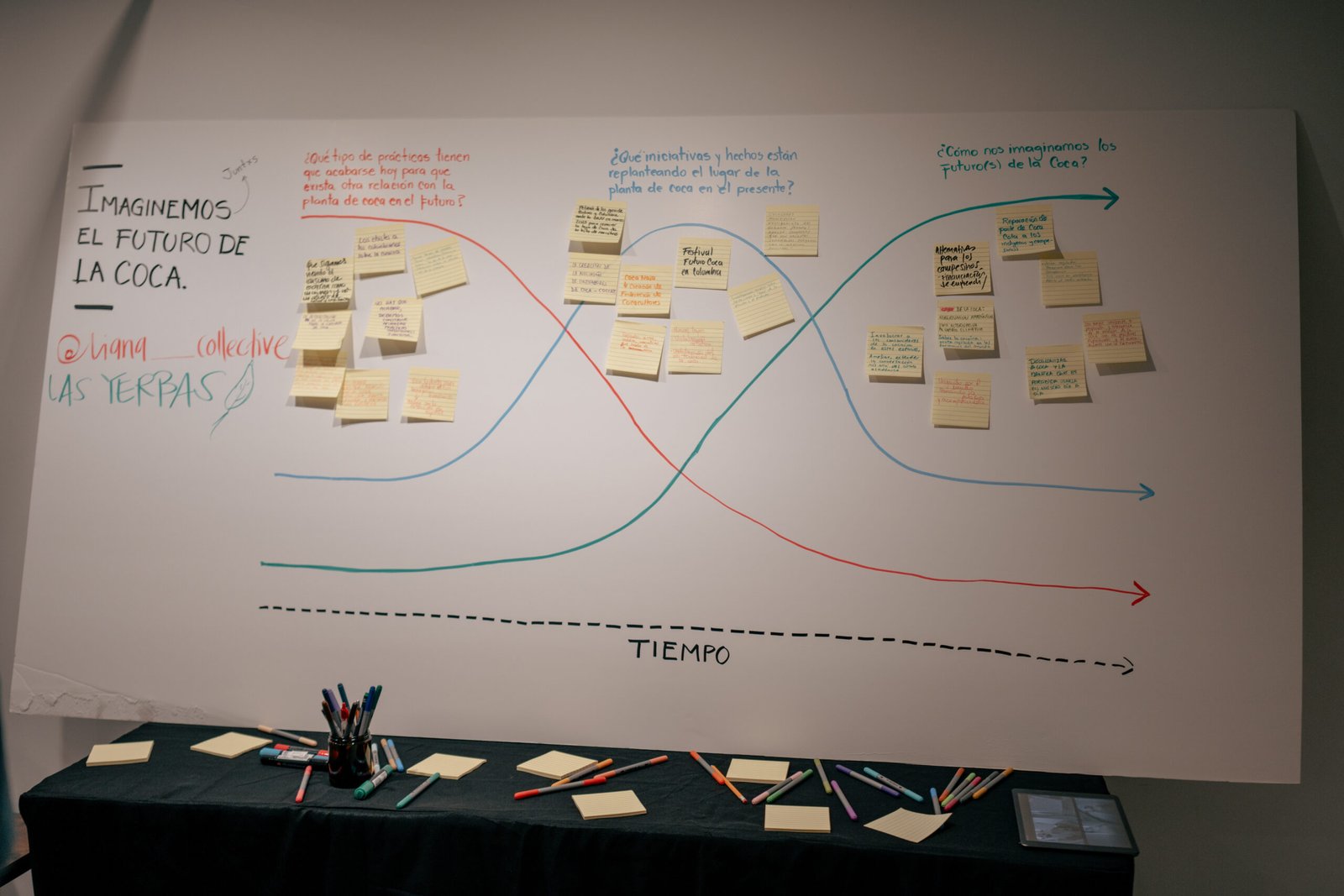
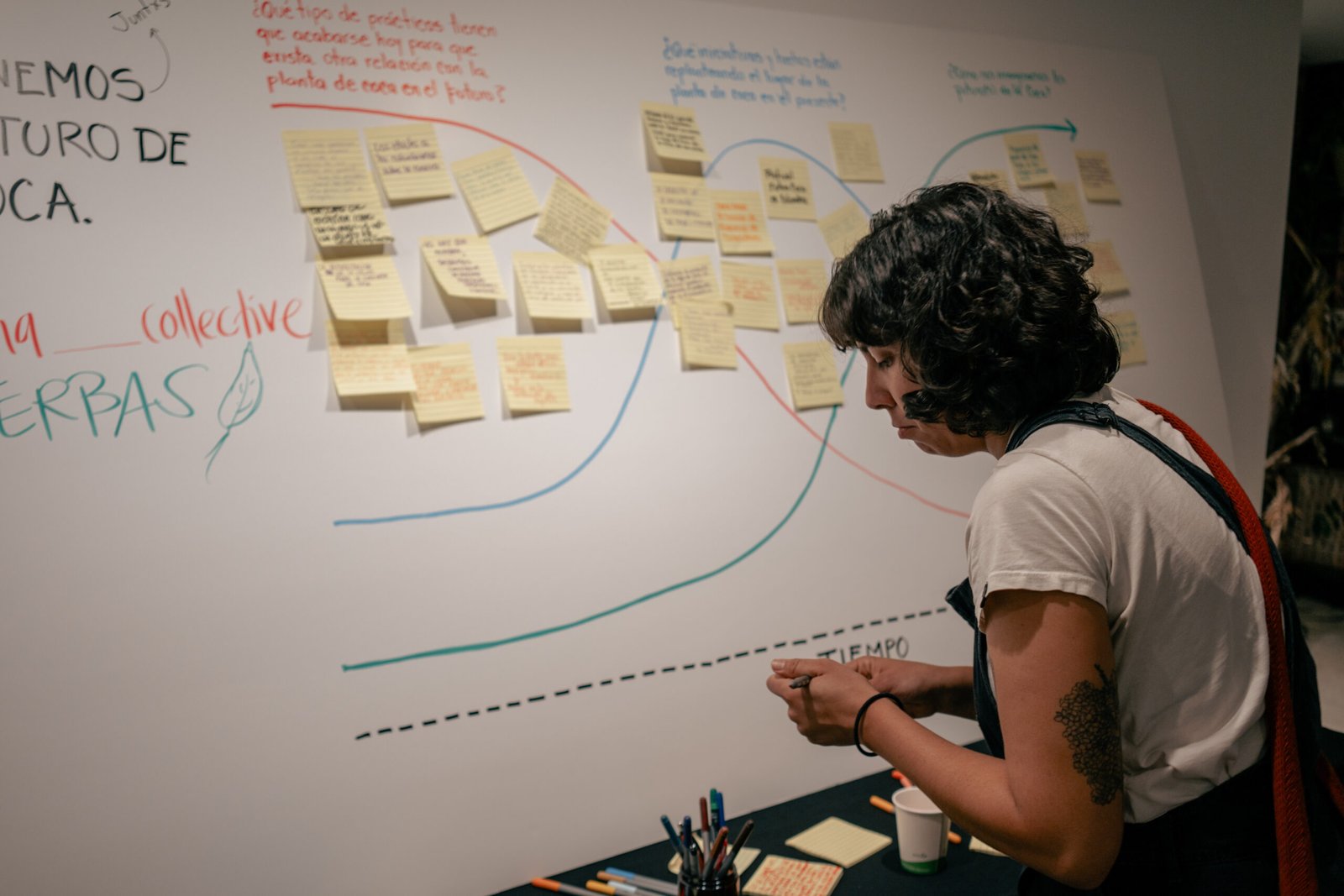
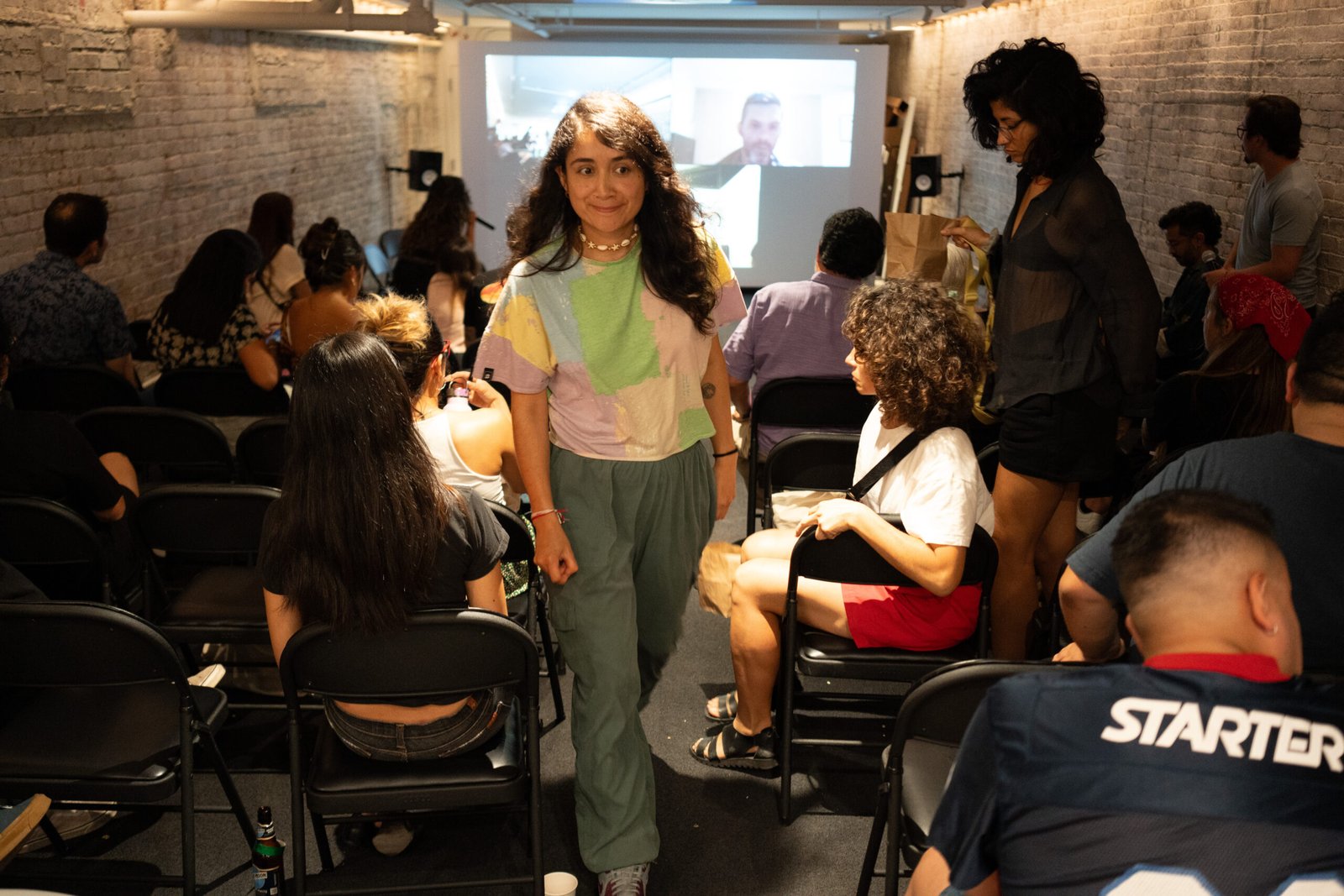
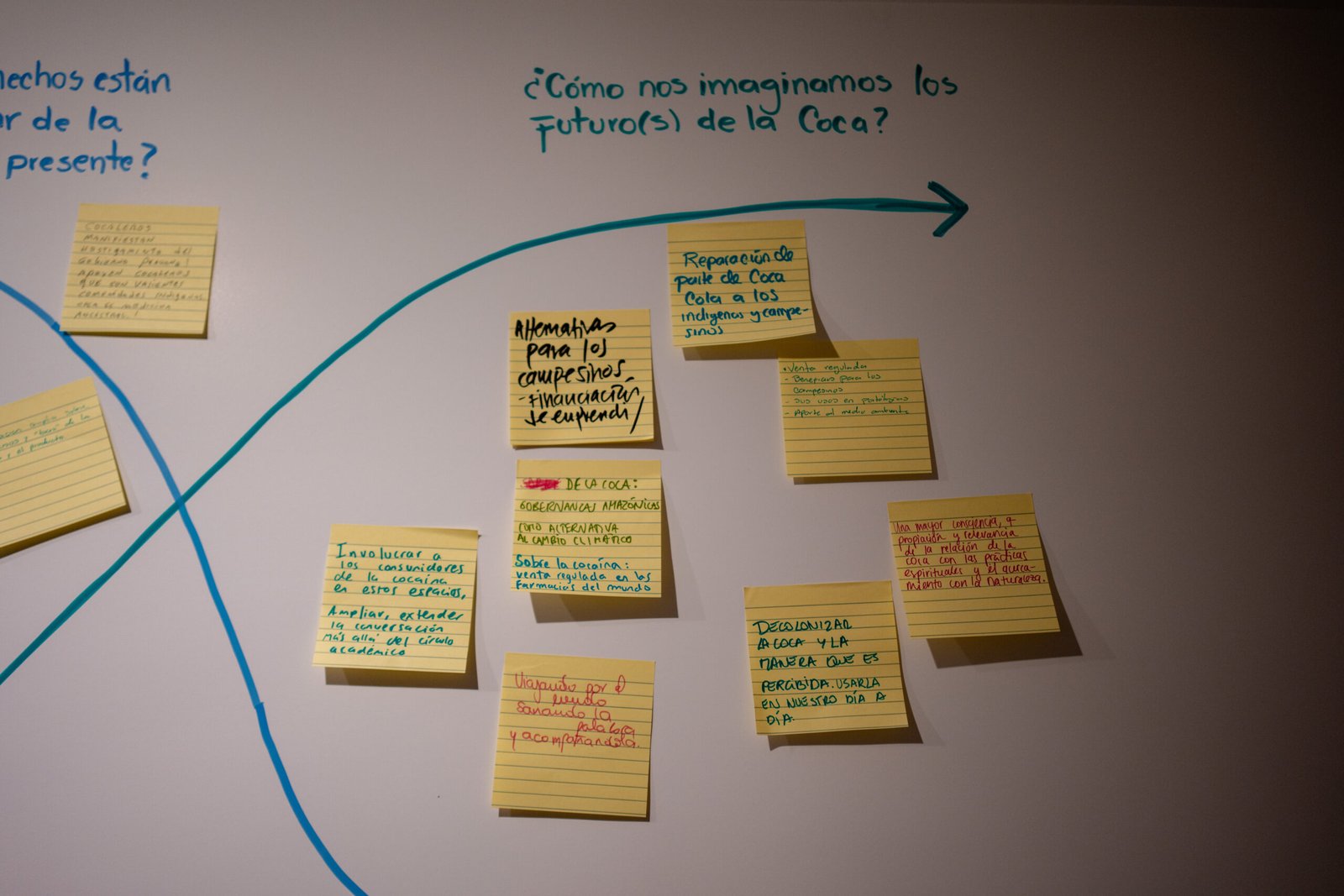
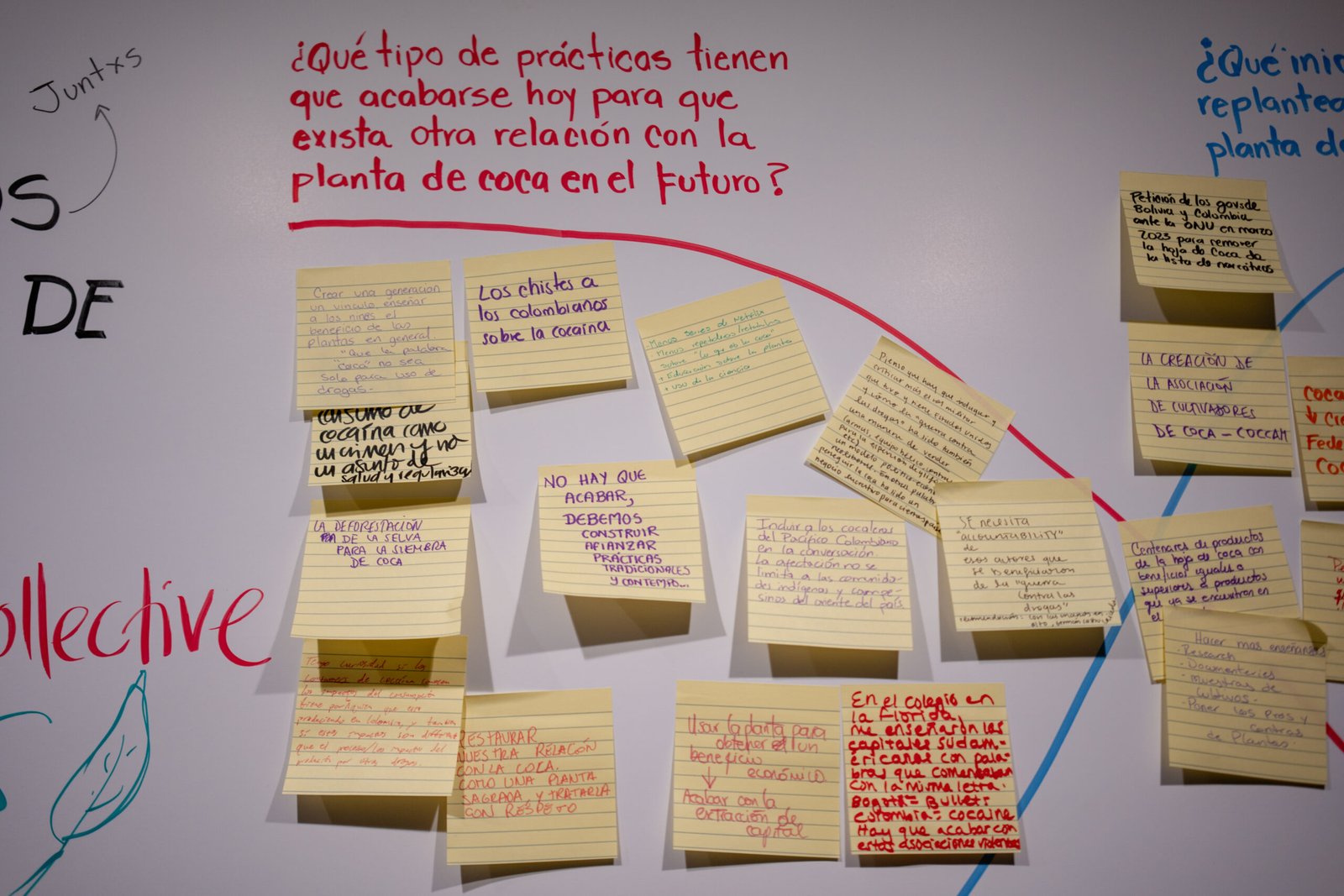
Workshops: I also had the fortune to facilitate participatory workshops with Andean and Amazonian artists, researchers, and traditional users of the coca leaf, using COCAWORLDS exhibitions in New York as a holding space for these. These participants (often absent from public policy debates) articulated a future for coca that centers education, reparations, and scientific research, framing the plant not merely as a botanical entity but as a living symbol of unfinished education, unresolved colonial harm, Indigenous governance, and alternative relationships to land and knowledge.

Three scenarios to think through (and decide)

The paper concludes with three speculative scenarios for the future of coca that serve as a narrative tool to provoke reflection, debate, and ethical positioning (Spoiler alert: some could make you feel uncomfortable, but that is the intention). 

  • The Coca Alkaloids’ Medical Journey (A counterfactual scenario): Here I go back to 1884 and send Freud to do research on the coca plant with Indigenous peoples in South America instead of experimenting on himself with the recently isolated cocaine alkaloid (which he actually did). I play with the idea that coca could have developed as a medicine since the nineteenth century through an early integration of Western science and Indigenous knowledge.
  • How Cocaine-Infused Products Captivated the World (A probable future): This scenario brings together things we have already seen happen with other previously illegal plants (i.e Coffee and Cannabis) that suddenly get legalized and absorbed by corporate and colonial logics, turning coca products into those that serve consumerism and continue making the rich richer.
  • A Story of Healing and Reconciliation (A preferable future): Preferable for whom? For those who participated in the COCAWORLDS exhibitions and my workshops, and for others dreaming of a future where legalization and regulation go hand in hand with Indigenous governance, public education, reparations, and healing—for people, territories, and the plant.

An open invitation

What futures are we helping to cultivate today?

Mama Coca Chronicles is not only a paper about coca. It is an invitation to reflect on how we imagine the future, who participates in that imagination, and which stories we choose to amplify. 

I invite you to read the full article.
Gracias for reading!