Seeking the Origin

Seeking the Origin

Aimena Úai

Artist’s country of origen: Colombia
Materials: Mambe, wito, and oil on canvas

Size: 90 x 150 cm
Year: 2024

Line of Inquiry:

Coca-Politics Coca-Worlds

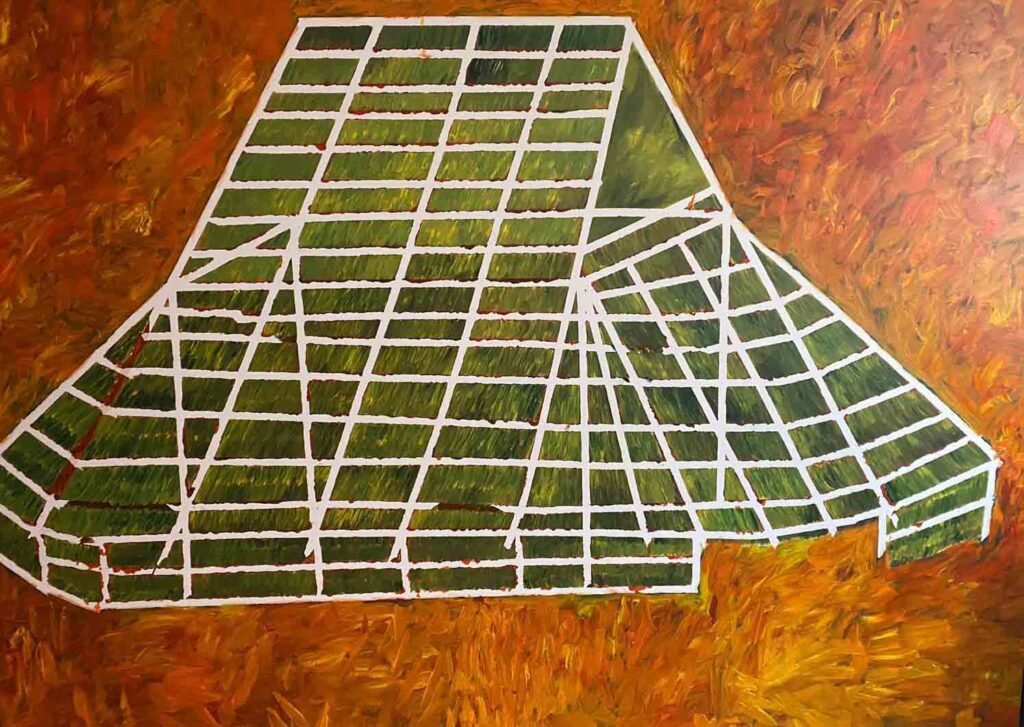
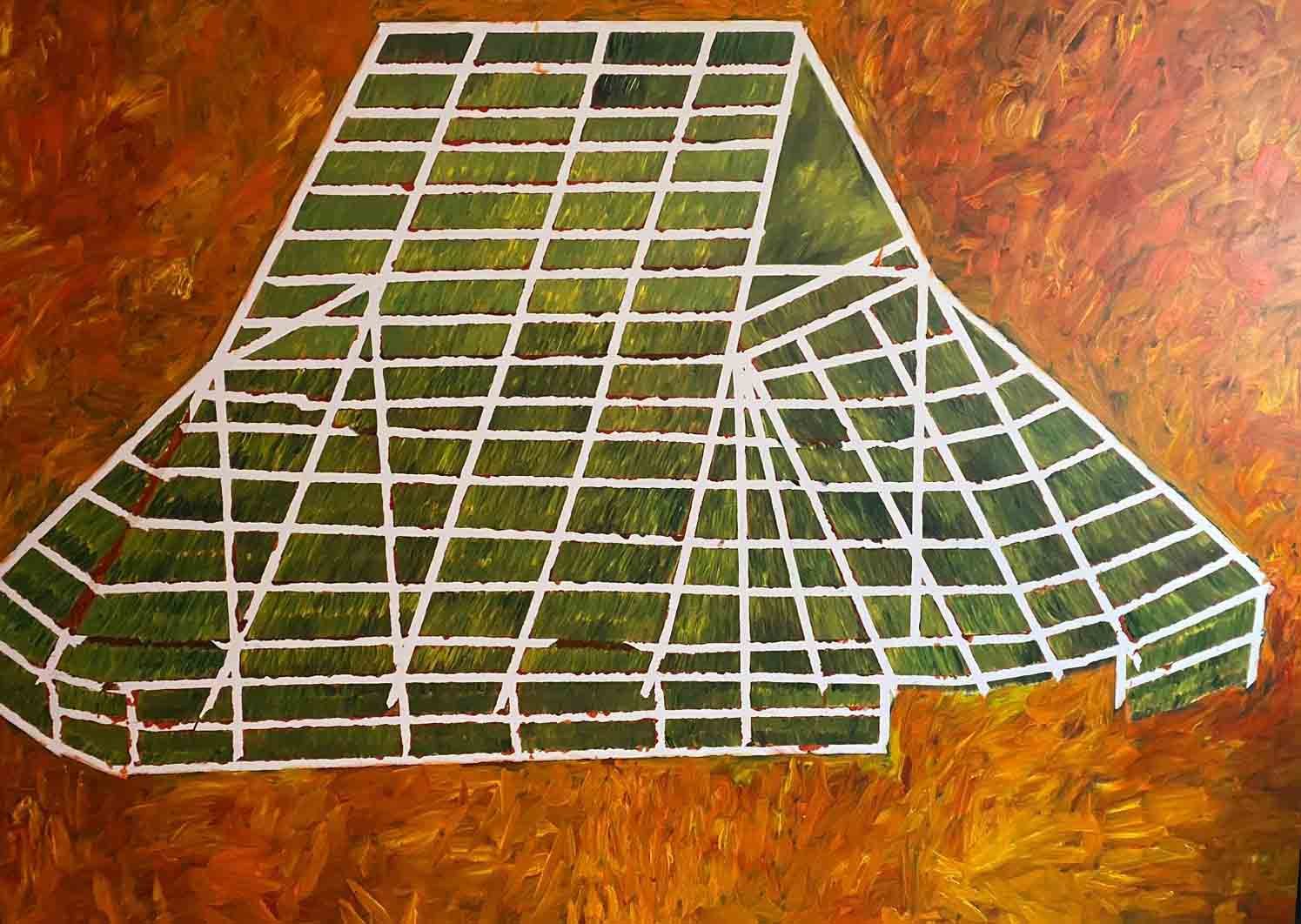
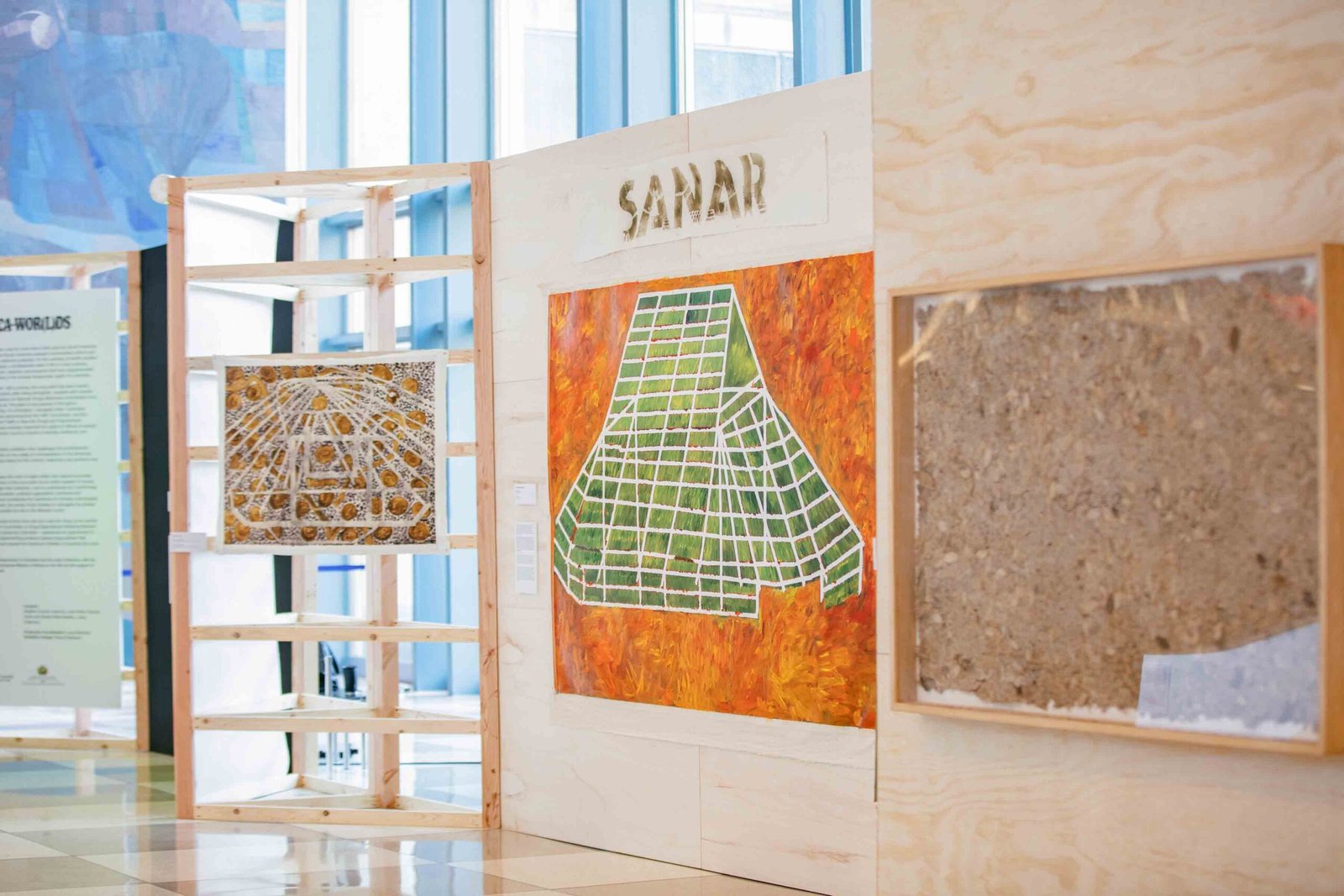
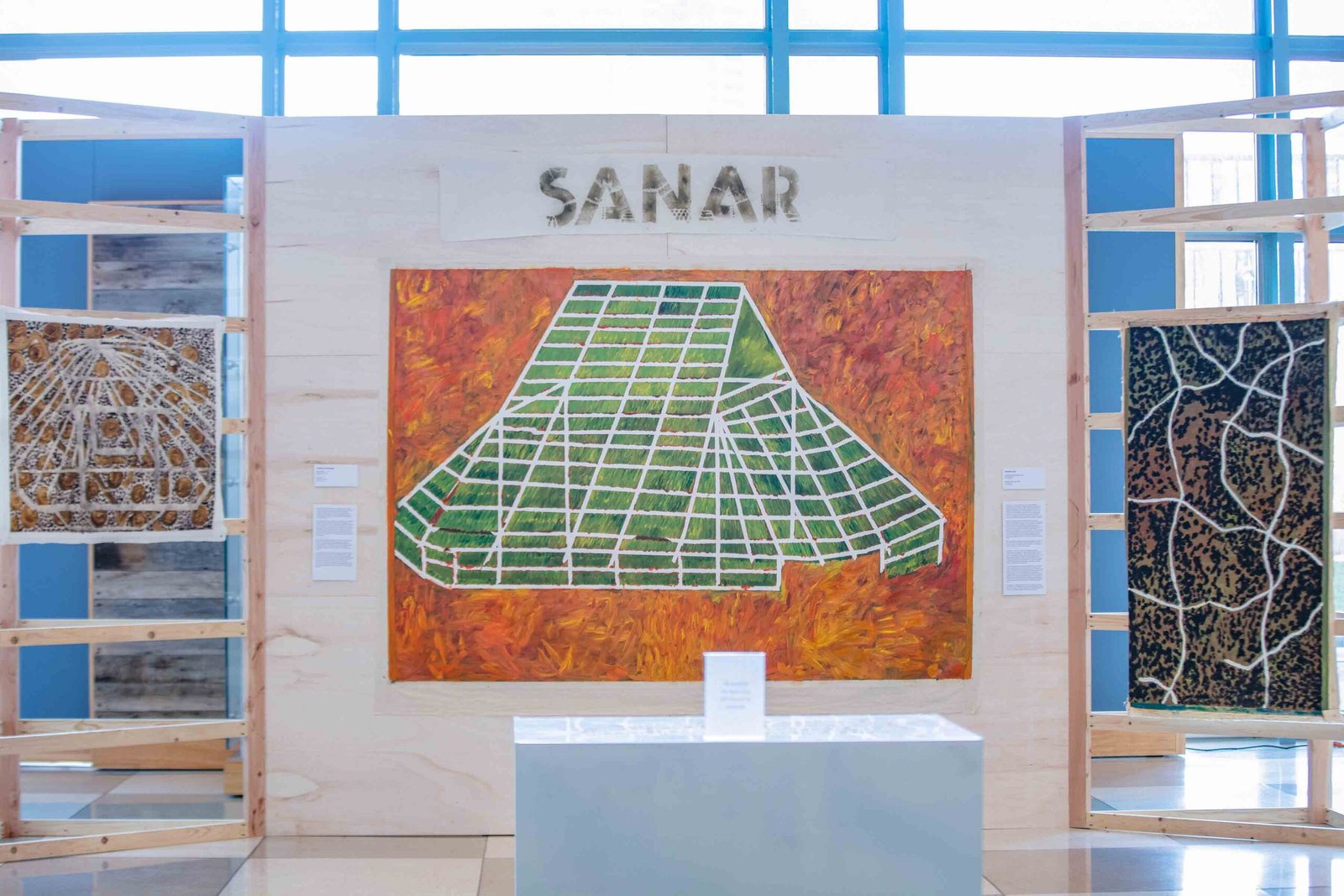
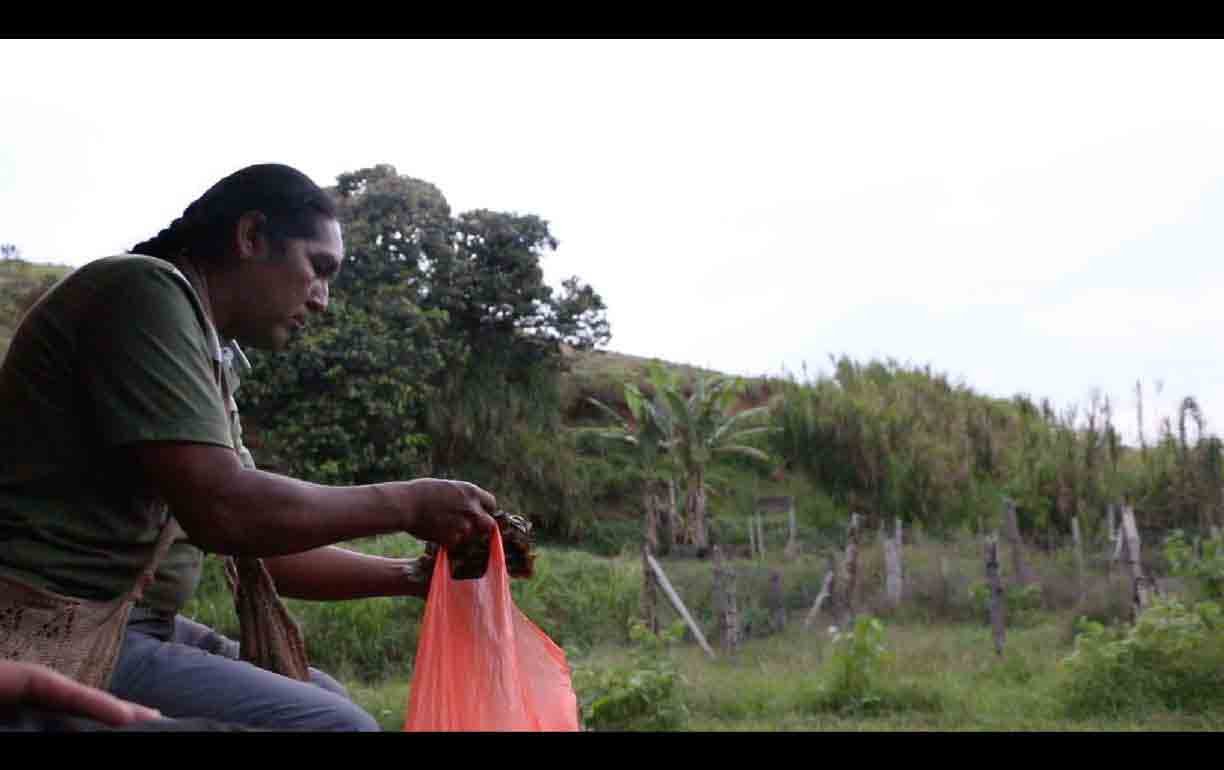
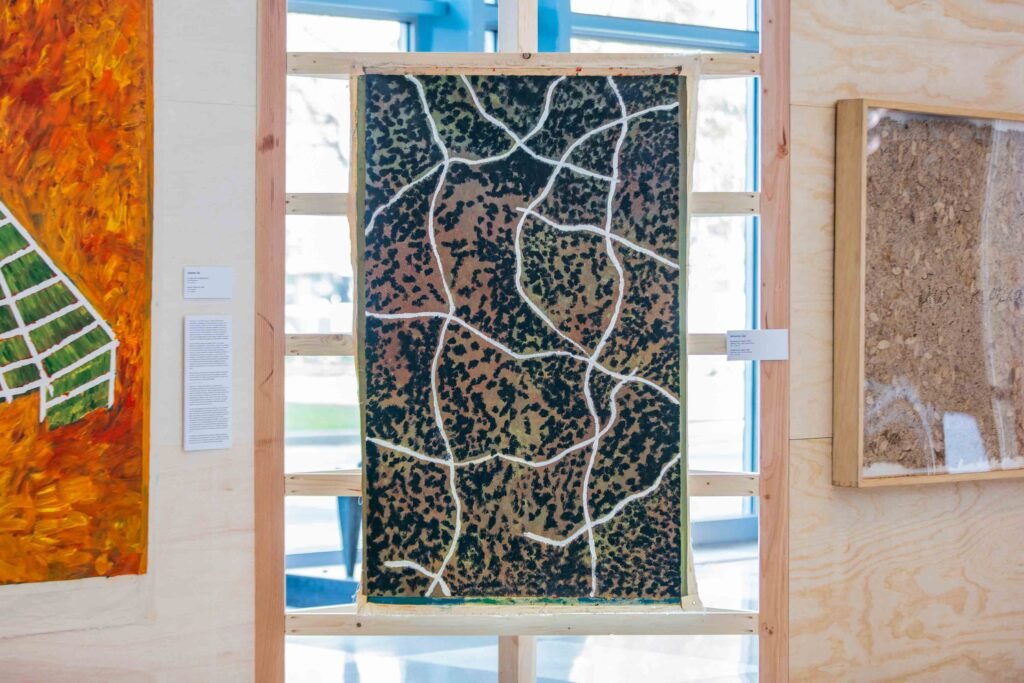
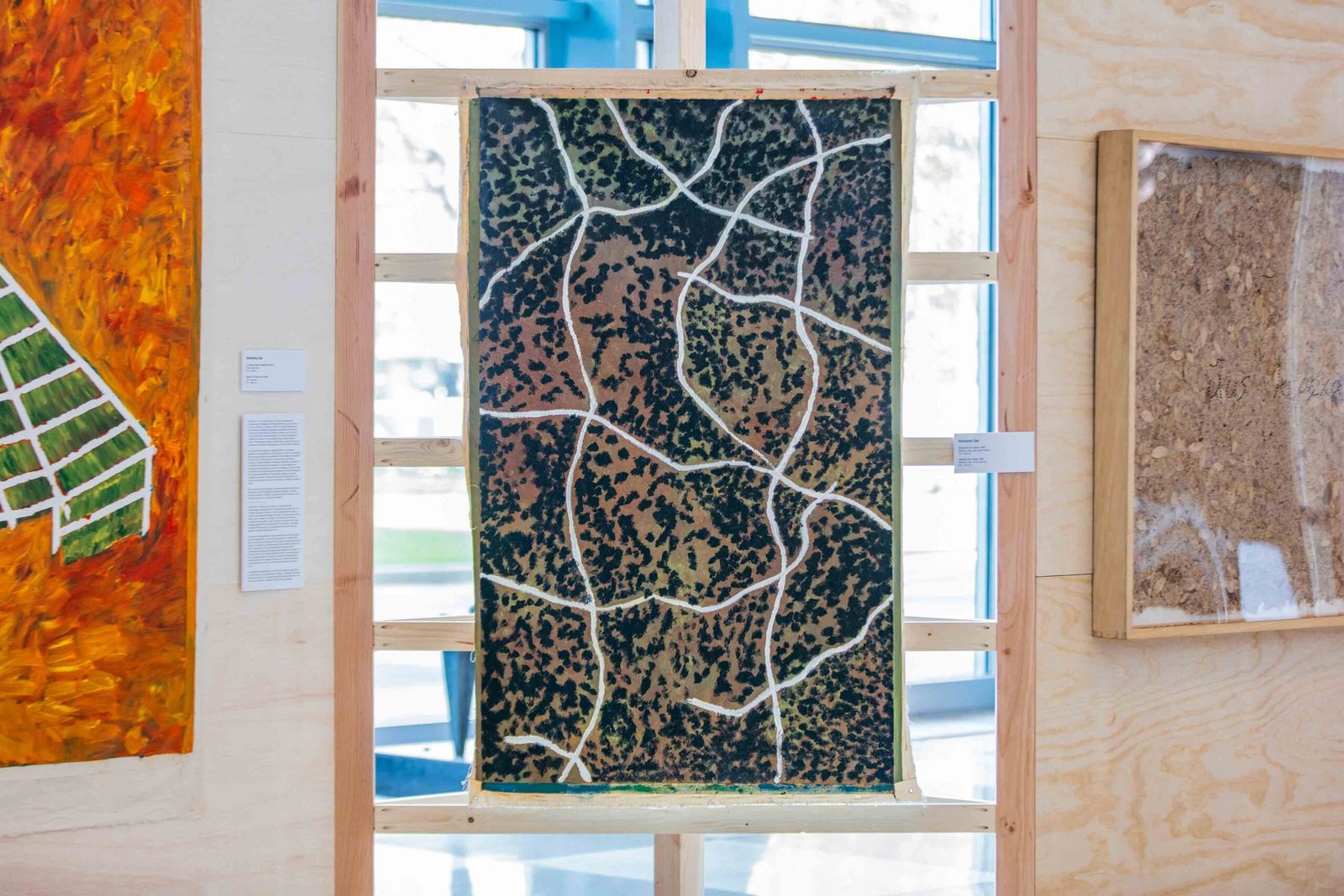
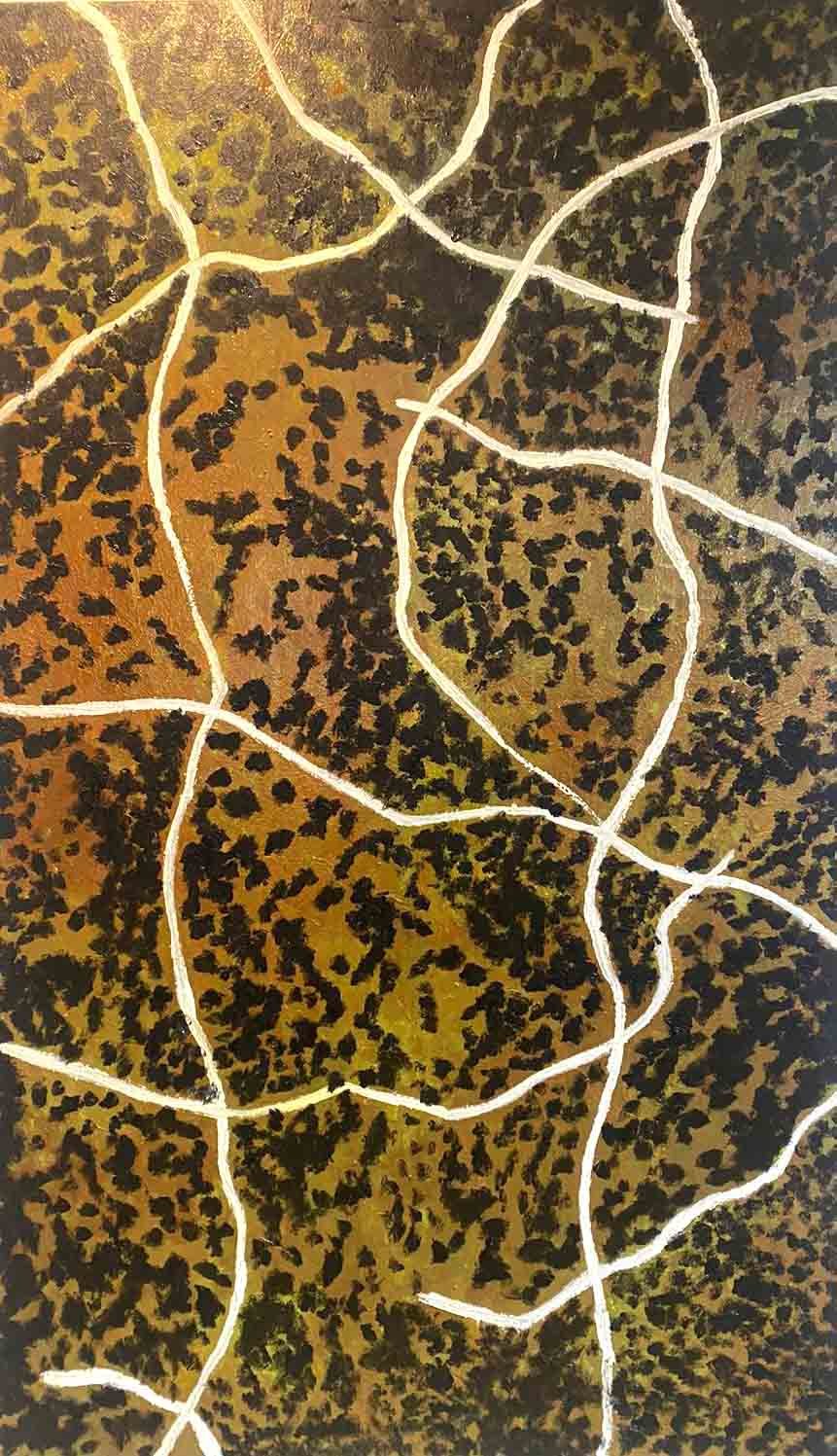
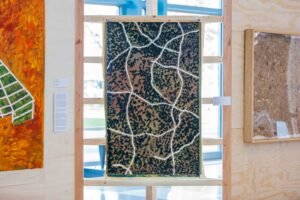
In Seeking the Origin, Aimema Úai evokes the memory of his grandparents and the path that connects his territory to ancestral knowledge. The work is part of the Caminos (íio) series, in which painting becomes a gesture of spiritual search and return to his Murui-Muina roots. From his place of origin —La Chorrera, between the Putumayo and Caquetá rivers— the Murui-Muina and other Amazonian peoples have resisted in order to preserve the jíbina or koka, the sacred plant that helps care for the world and maintain its natural balance. However, with the arrival of Catholic evangelizers after the rubber genocide, the demonization of the plant began. Decades later, during the cocaine boom, its spiritual meaning was again distorted. Despite these ruptures, within the mambeadero —a space for word, listening, and teaching— ancestral knowledge about the proper use of the plant has been preserved. Today, mambe, the fine powder resulting from mixing toasted and ground coca leaves with the ashes of yarumo —a plant and tree considered sacred by Amazonian peoples—, reaffirms itself as a symbol of strength and cultural continuity: word of life. Mambe sustains spiritual communication, collective thought, and the daily practice of the principles that guide life.

The Artist
Aimena Úai

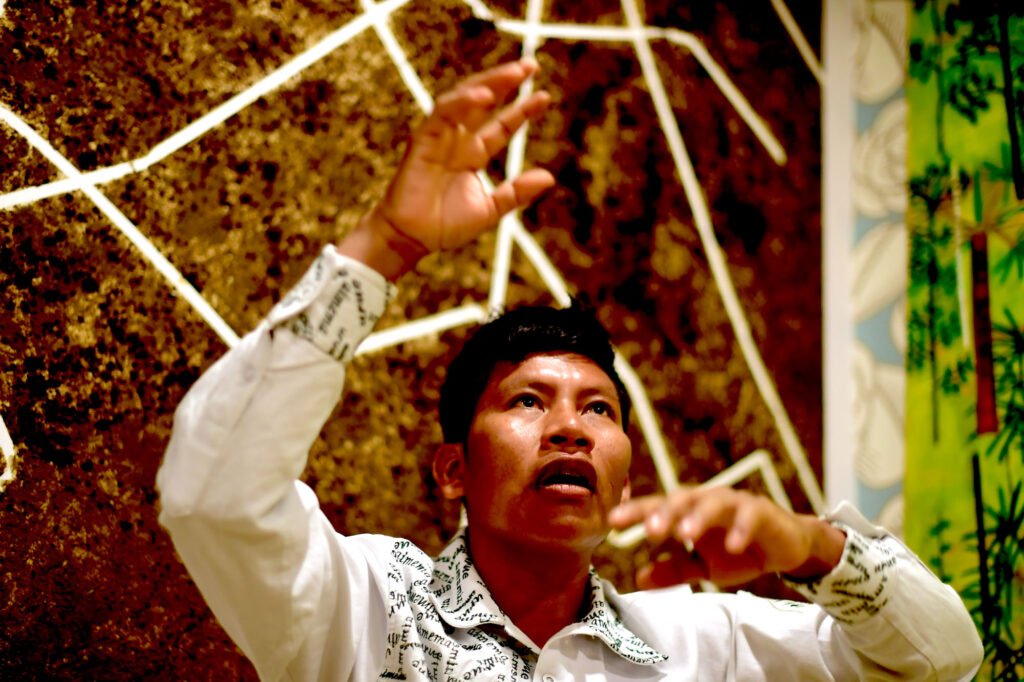
Aimema Úai —The Voice of the Crane— is a contemporary artist, mambeólogo (coca practitioner), and researcher from the Murui-Muina people of the Colombian Amazon. Born in La Chorrera in 1996, his artistic formation is deeply rooted in the ancestral knowledge of his family.
Read more

More From This Artist

The House Where Words Are Chewed

The House Where Words Are Chewed

Aimena Úai

Artist’s country of origen: Colombia
Size: 165 x 230 cm
Year: 2025

Line of Inquiry:

Coca-Worlds

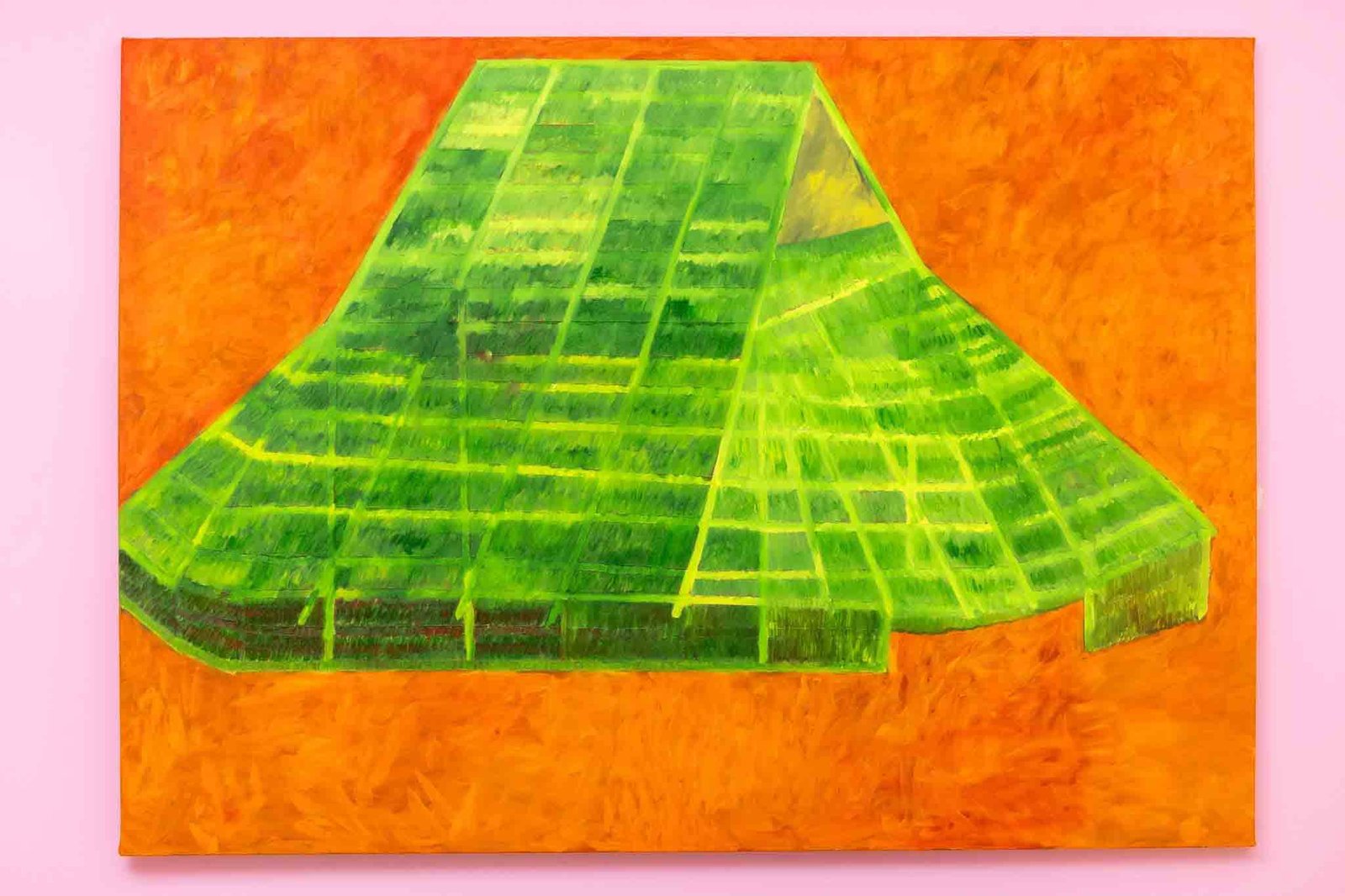
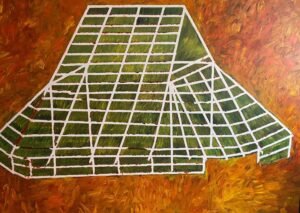
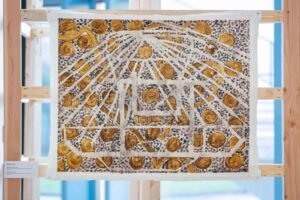
In Moo Buinaima Jofo, Aimema Úai depicts the communal space where mambe, ambil, and word are shared. The work translates a spiritual architecture—the maloka—into pictorial form, merging oil paint with coca leaves and other natural materials. These elements not only reference ritual practices but also embody the physical presence of plants as carriers of knowledge and memory. Through painting, Úai examines how relationships between body, territory, and thought materialize in living matter, positioning coca as a symbol of dialogue and cultural continuity.

The Artist

Aimena Úai

Aimema Úai —The Voice of the Crane— is a contemporary artist, mambeólogo (coca practitioner), and researcher from the Murui-Muina people of the Colombian Amazon. Born in La Chorrera in 1996, his artistic formation is deeply rooted in the ancestral knowledge of his family.
Read more

More From This Artist

Synaptic Emancipation

Synaptic Emancipation

NOMASMETAFORAS

Artist’s country of origen: Colombia – Francia
Materials: Video, sound recording, audiovisual archive.
Size: 13’10 Mins
Year: 2023

Line of Inquiry:

Coca-Worlds

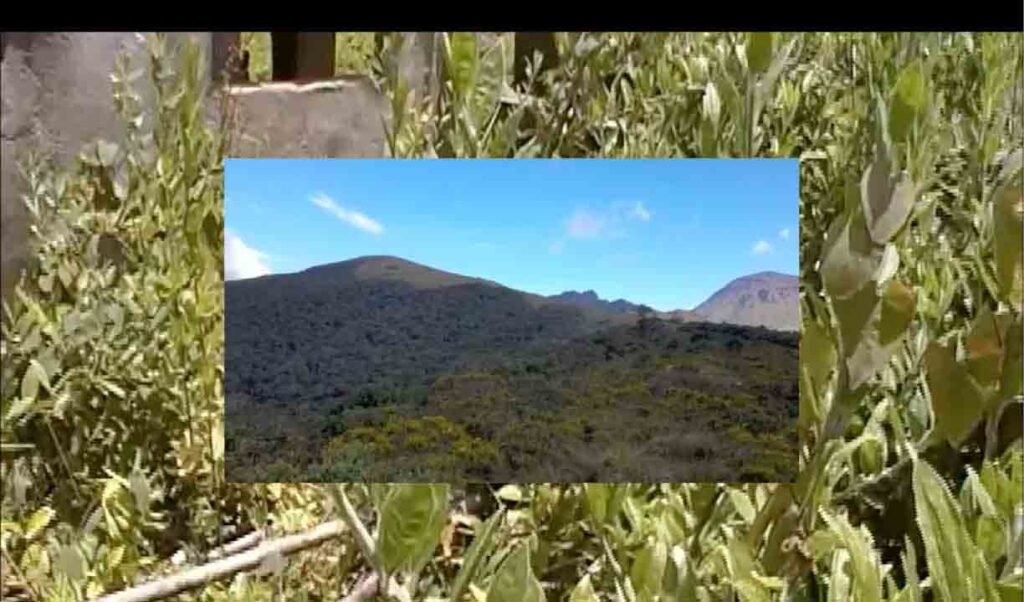
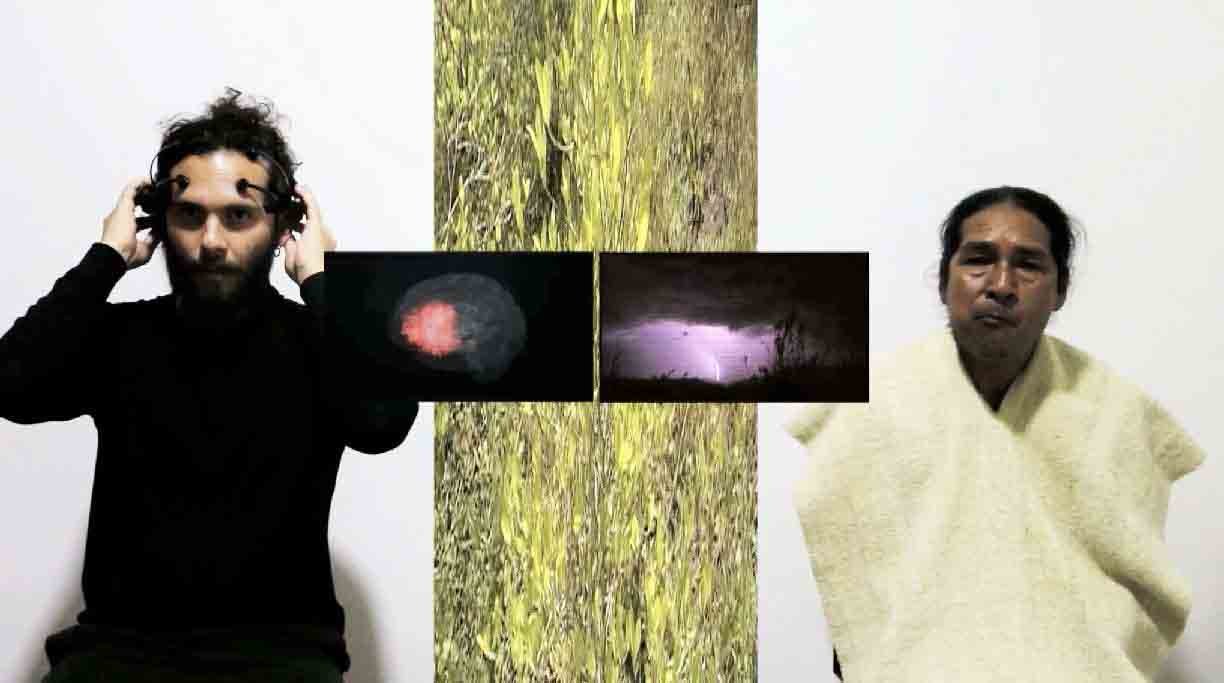
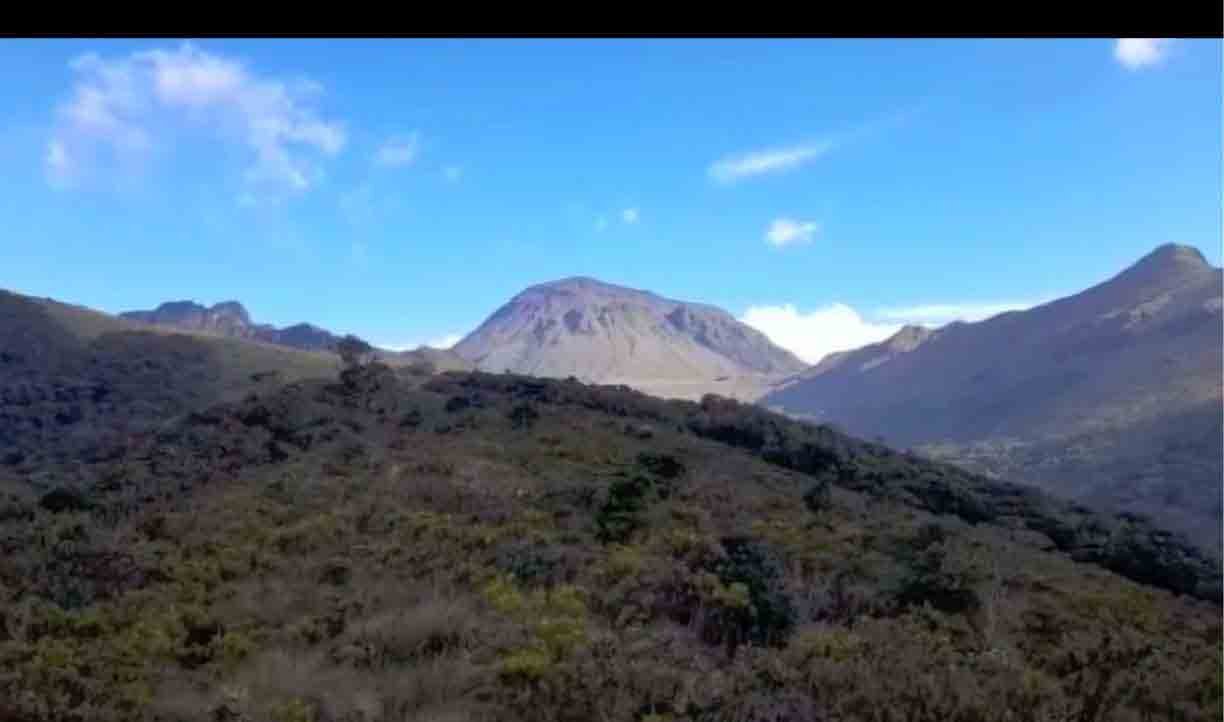
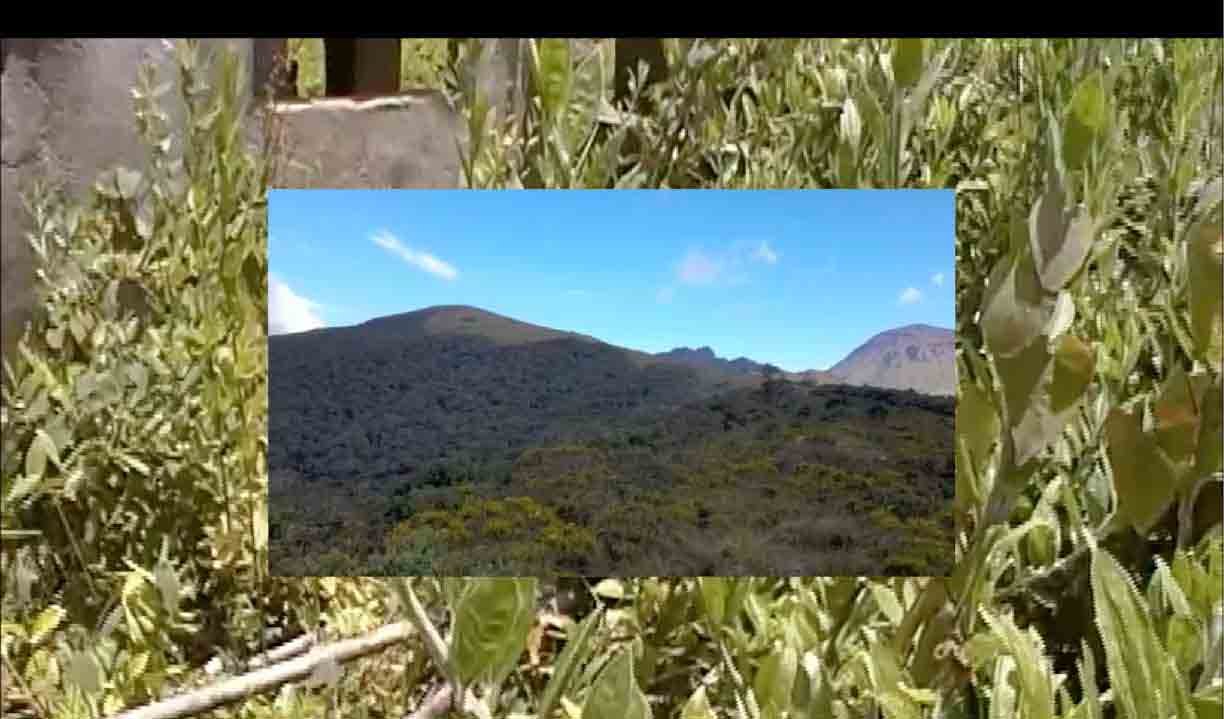
Synaptic Emancipation contrasts the narratives embedded in Western technological objects—designed to access the mysteries of the brain—with the ways in which Indigenous communities activate their own technologies by chewing coca leaves to awaken consciousness. Receiving the visions of coca through dreams opens a space of telepathic communication that does not entail the destruction of any ecosystem, unlike the production of so-called “high technology” in the West.The video features Luis Aureliano Yunda, a The’ Wala (traditional healer) from the Nasa community, who has been a close friend of the artists for over fourteen years. Their friendship has been intertwined with traditional medicine and with ceremonial, philosophical, artistic, and ritual experiences that foster collaborations between visual arts and ancestral knowledge.

The Artist

NOMASMETAFORAS

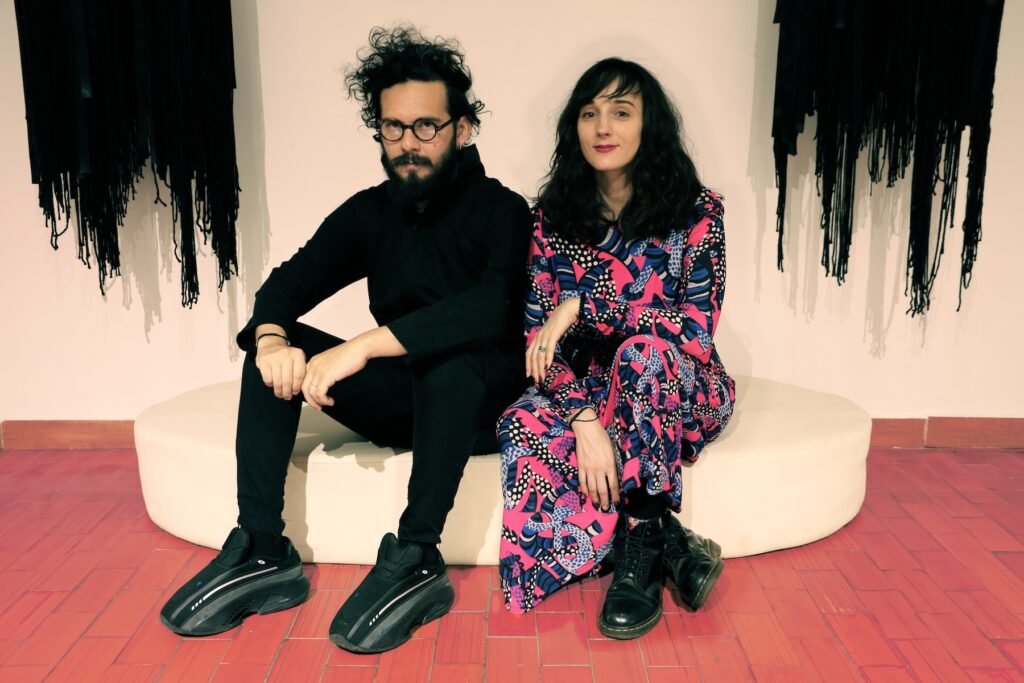
NOMASMETÁFORAS is a contemporary art and research collective founded by Clara Melniczuk and Julián Dupont, whose work unfolds between Colombia and France at the intersection of art, philosophy, and Indigenous epistemologies.

Read more

More From This Artist

Dreaming in Condors

Dreaming in Condors

NOMASMETAFORAS

Artist’s country of origen: Colombia – Francia
Medium: Sculpture, Performance
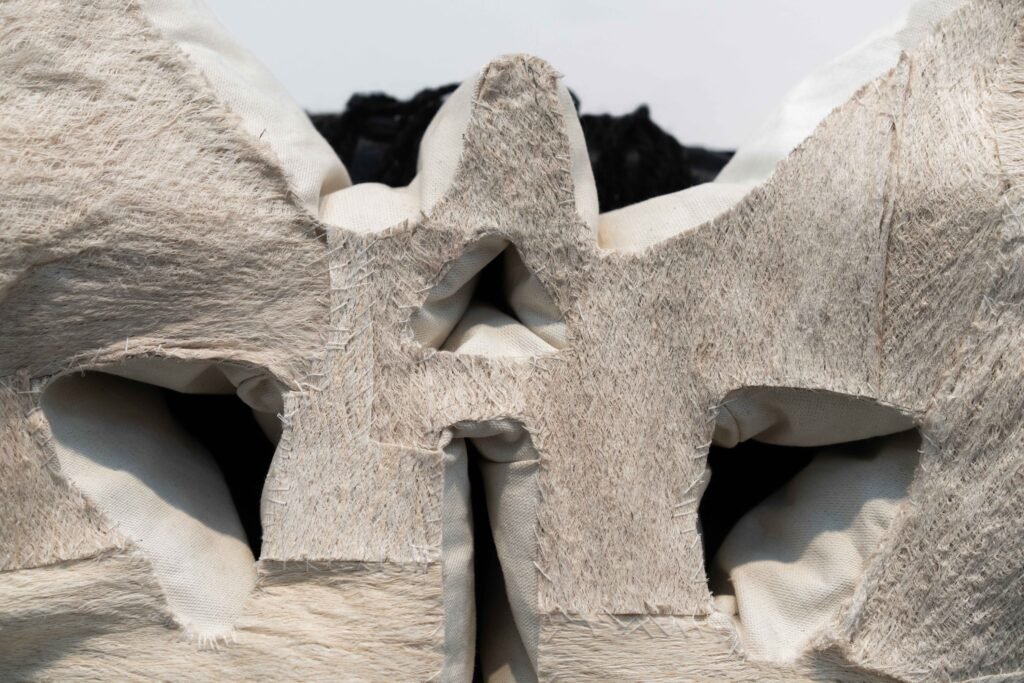
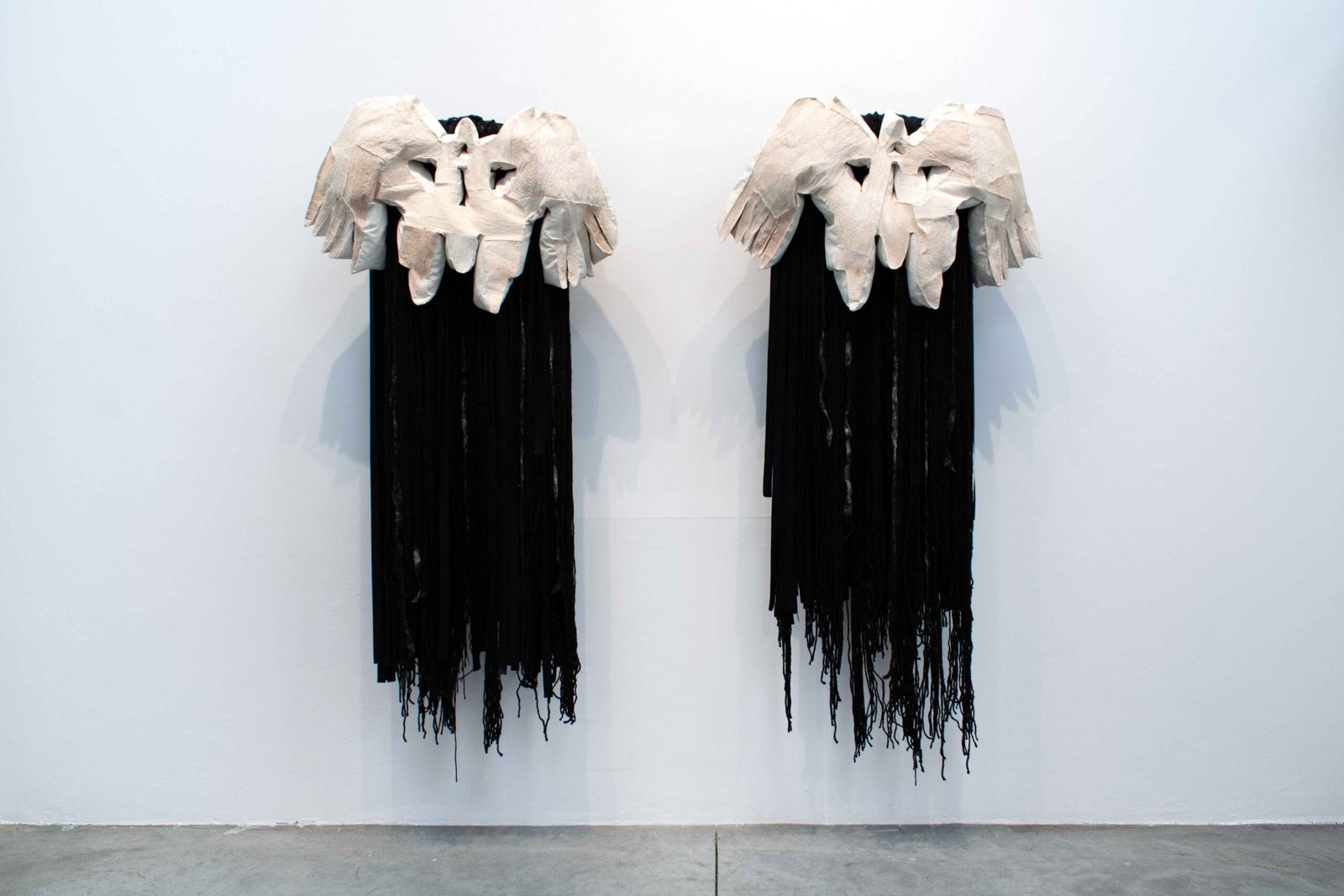
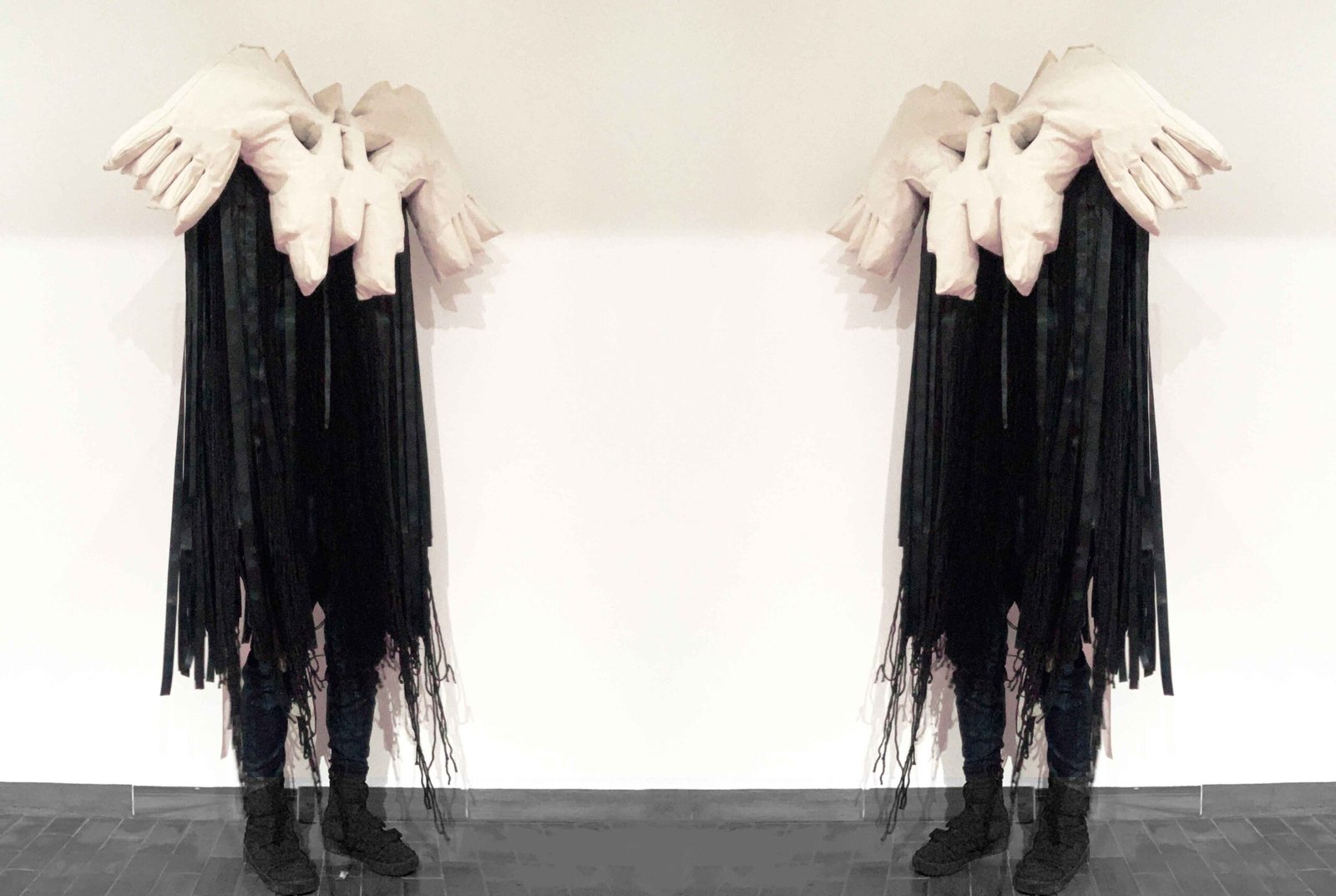
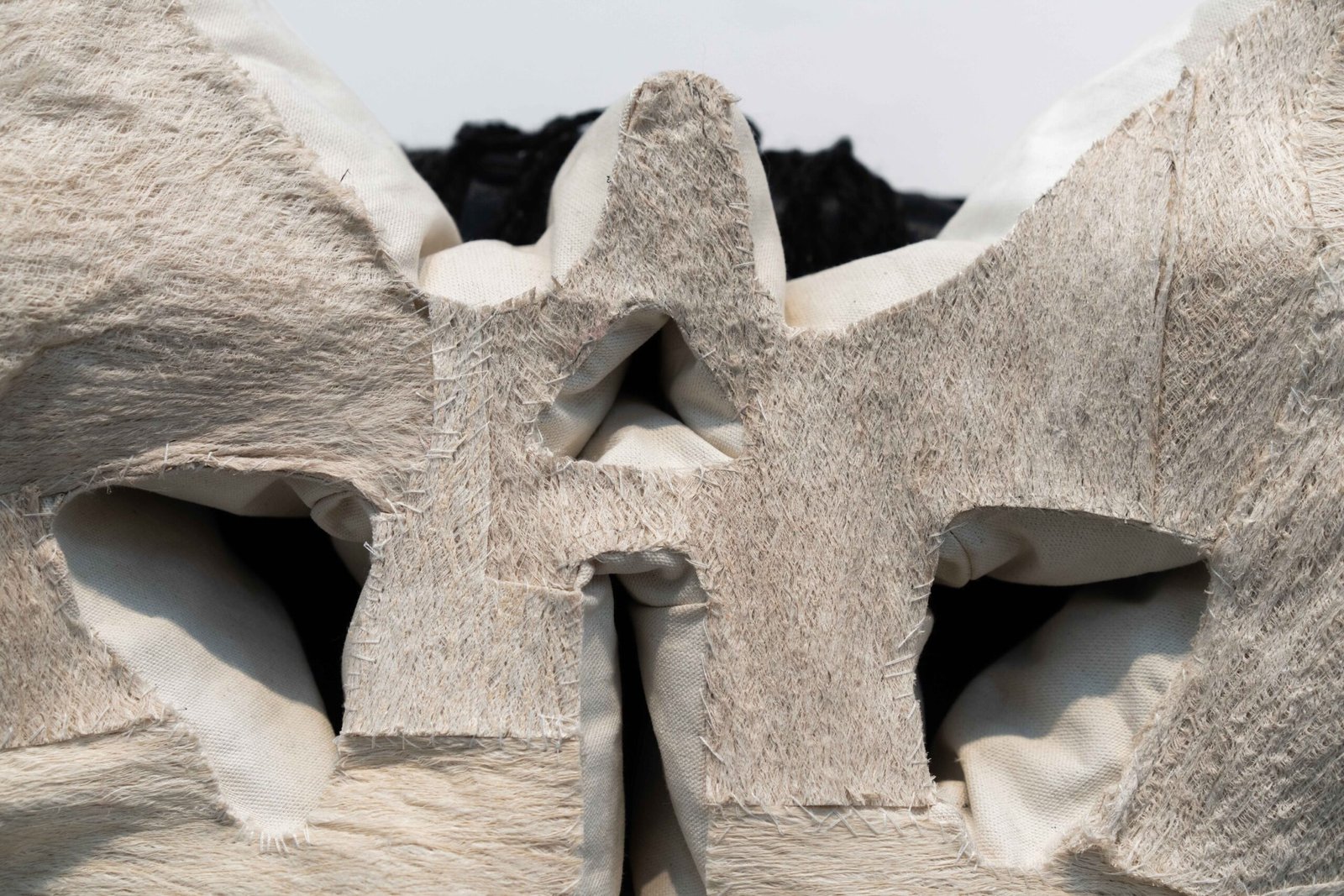
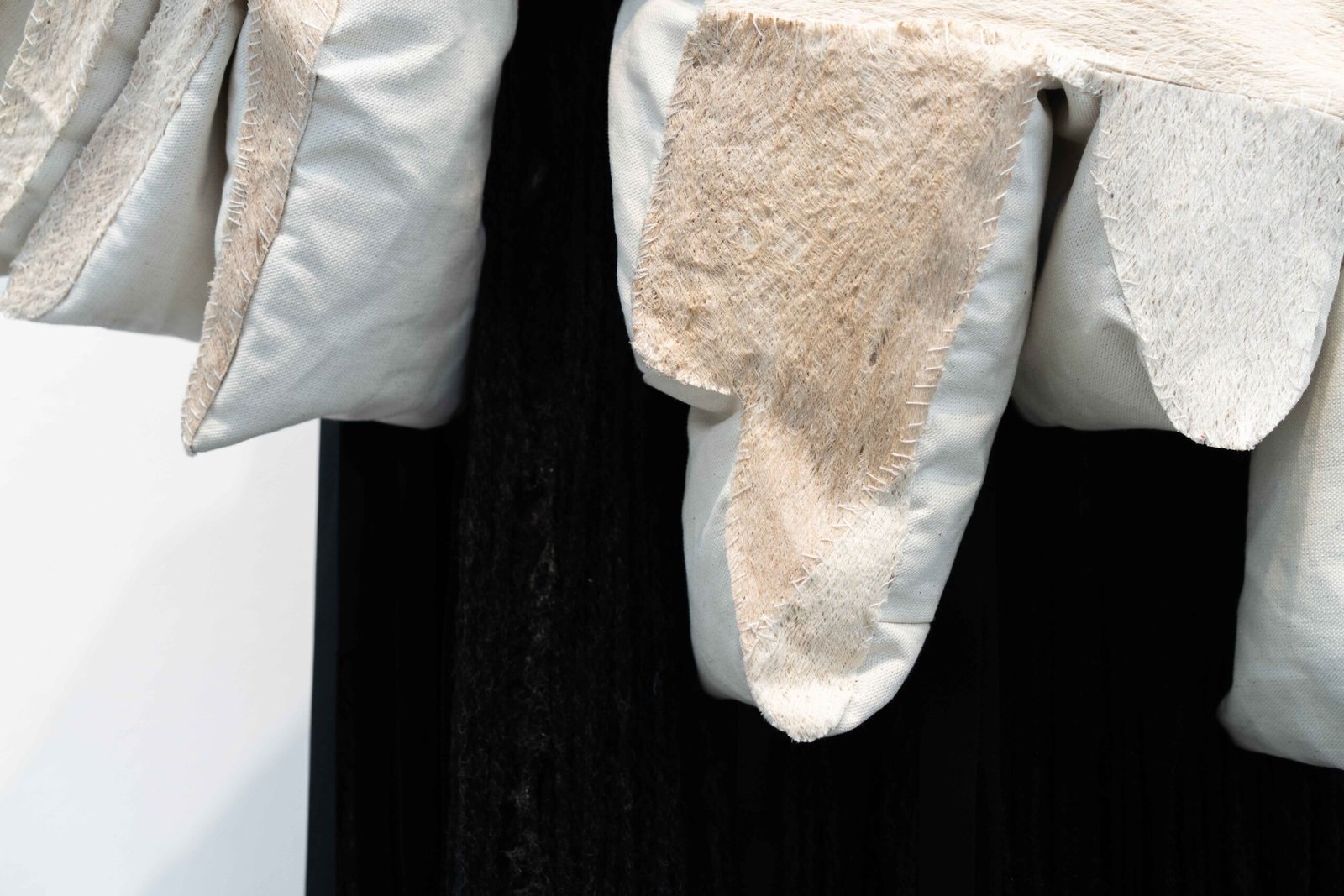
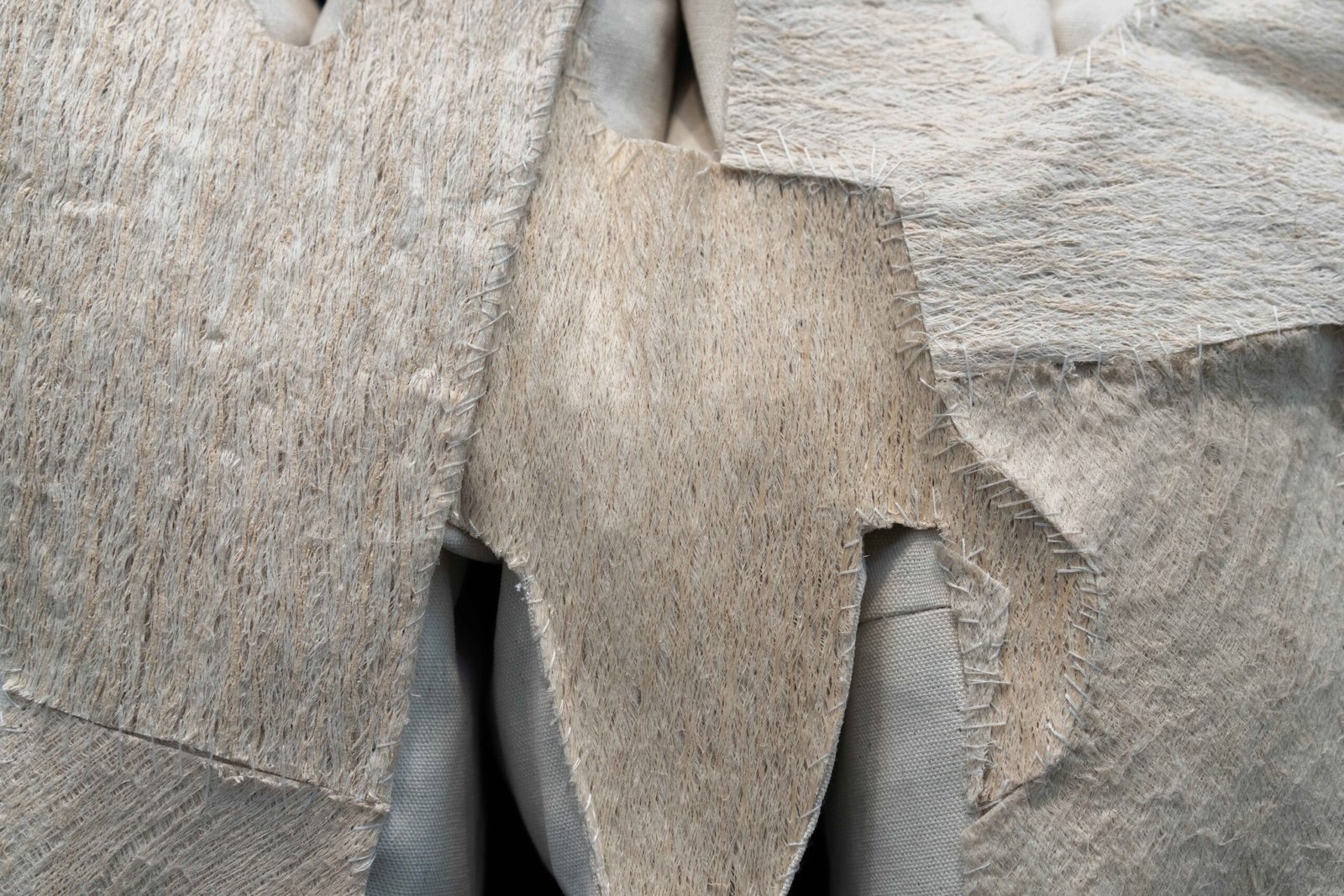
Materials: Canvas masks covered with yanchama fiber, filled with coca leaves, lavender, tobacco, white sage, eucalyptus, and datura; supported by black synthetic mesh, synthetic ribbons, sheep’s wool, and strips of yanchama pigmented with coca charcoal and palo santo charcoal.
Size: 150 x 90 x 30 cm
Year: 2023

Line of Inquiry:

Coca-Worlds

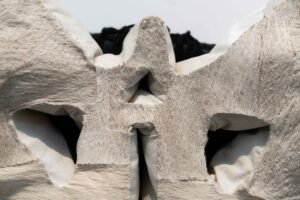
Dreaming in Condors originates from a vision experienced by Clara Melniczuk in Puracé (Cauca), where two condors flew in perfect synchrony, following two human figures on the ground. From that dream, the artist collective NOMASMETAFORAS — formed by Melniczuk and Julián Dupont — conceived these sculptures as transitional bodies between dream and wakefulness, the human and the more-than-human.

The masks, crafted from yanchama — a traditional Amazonian bark cloth — and filled with sacred plants such as coca, tobacco, and datura, function as portals activated by vegetal memory. Each material component participates in a symbolic system that binds matter, spirit, and territory.

In collaboration with the Universidad Autónoma Indígena Intercultural (UAIIN–CRIC), the collective sustains a practice of co-creation that interlaces art, pedagogy, and ancestral knowledge, extending the work beyond its physical form into a field of spiritual and political resonance.

The Artist

NOMASMETAFORAS

NOMASMETÁFORAS is a contemporary art and research collective founded by Clara Melniczuk and Julián Dupont, whose work unfolds between Colombia and France at the intersection of art, philosophy, and Indigenous epistemologies.

Read more

More From This Artist

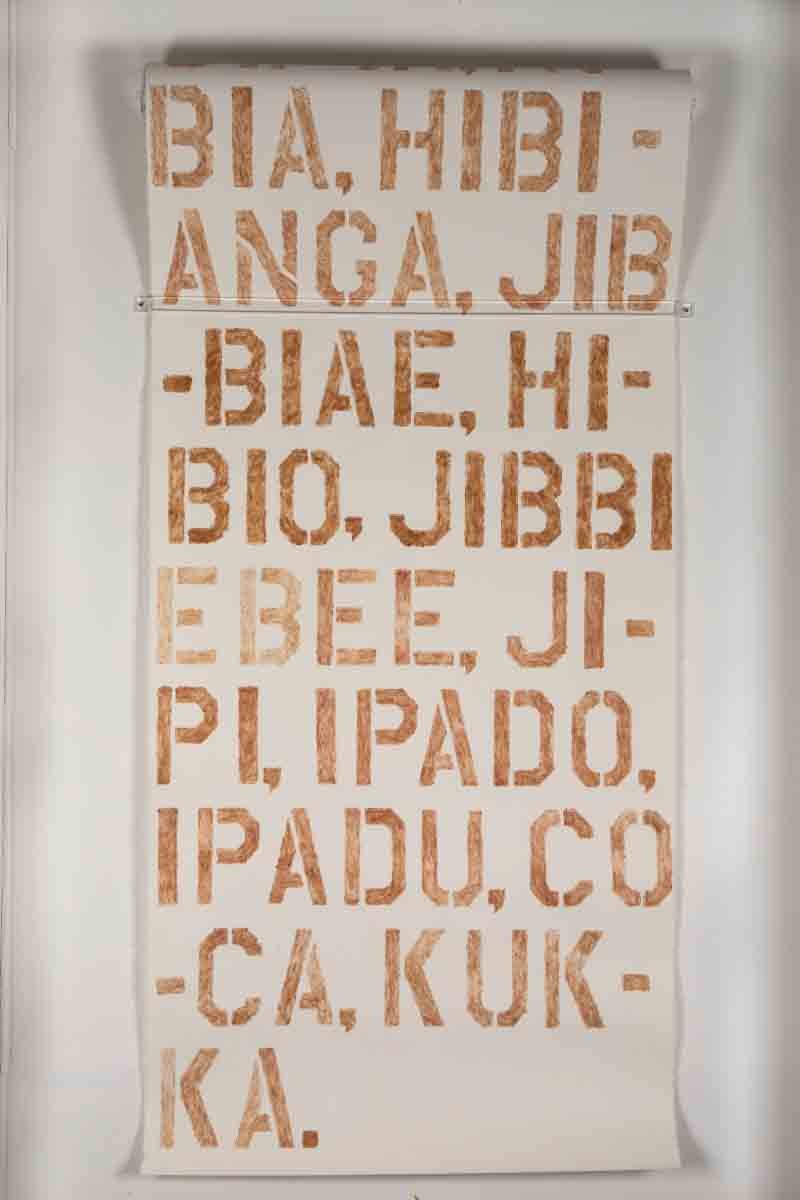
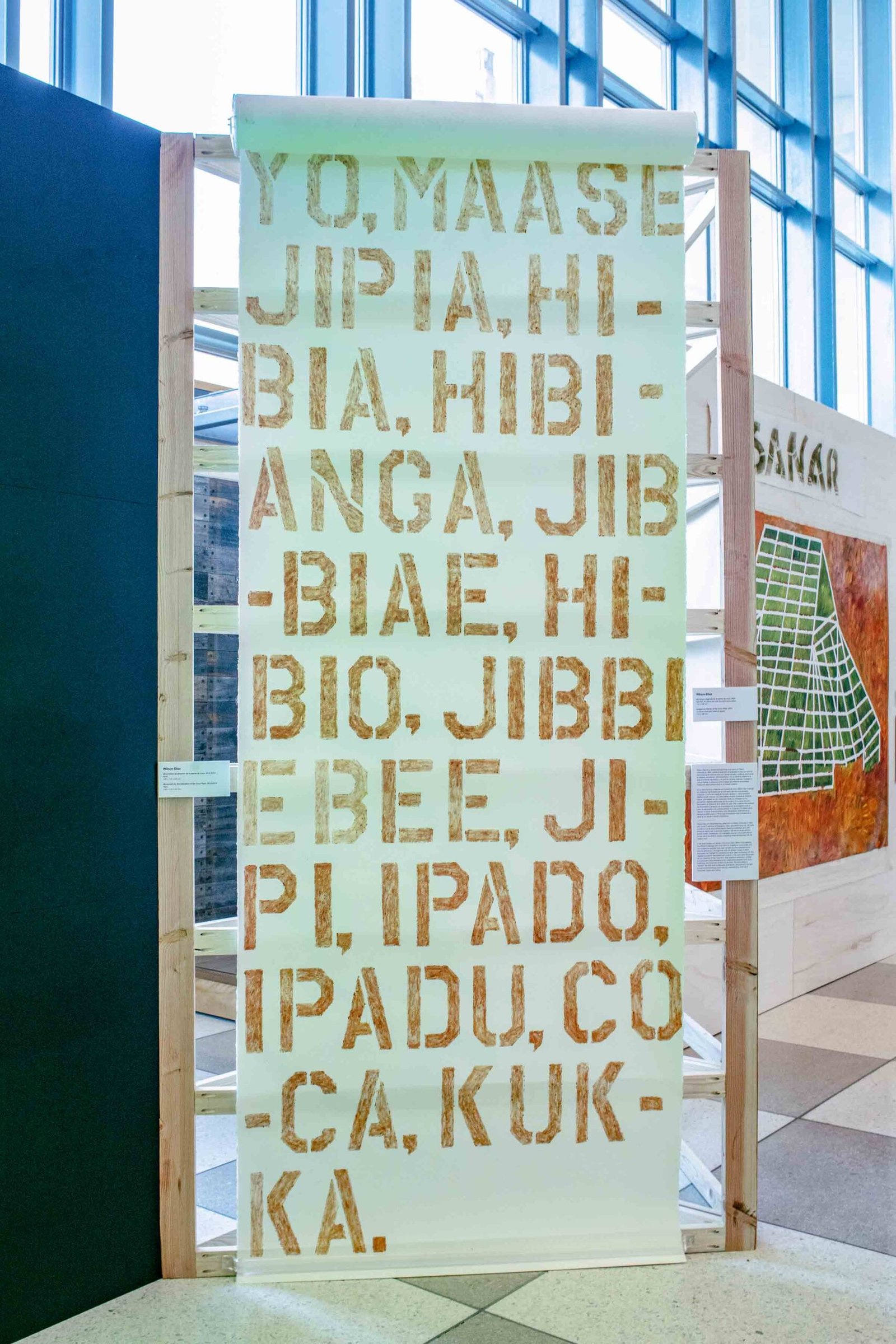
Indigenous Names of the Coca Plant

Indigenous Names of the Coca Plant

Wilson Díaz Polanco

Artist’s country of origen: Colombia
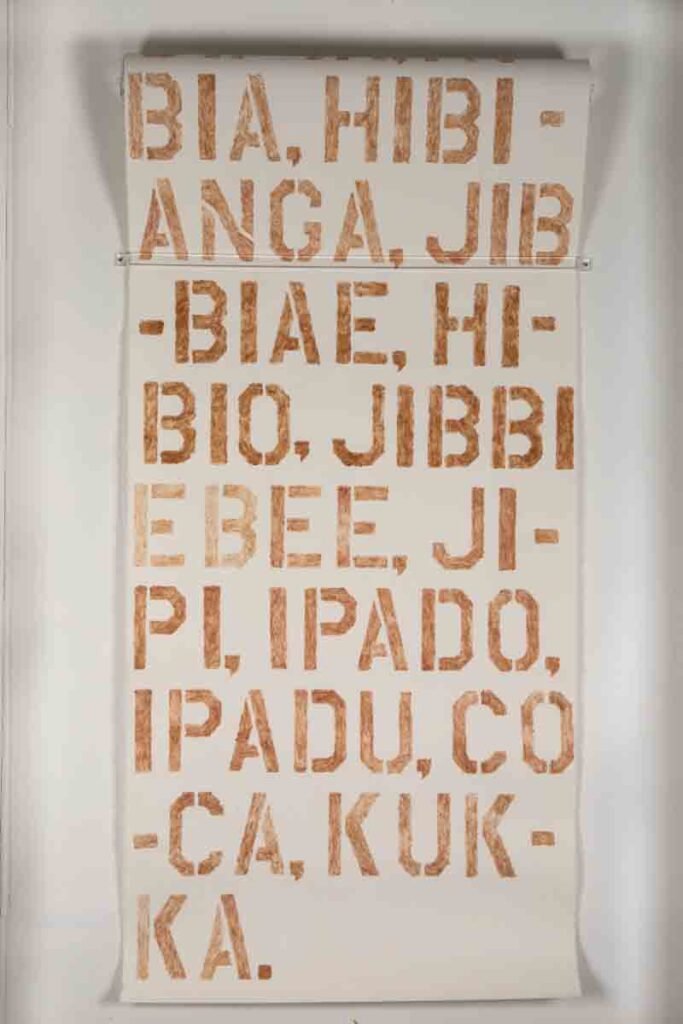
Materials: Crushed coca plant seed on paper
Medium: Installation, Print / Graphic Work
Size: 113 x 400 cm
Year: 2021

Line of Inquiry:

Coca-Politics

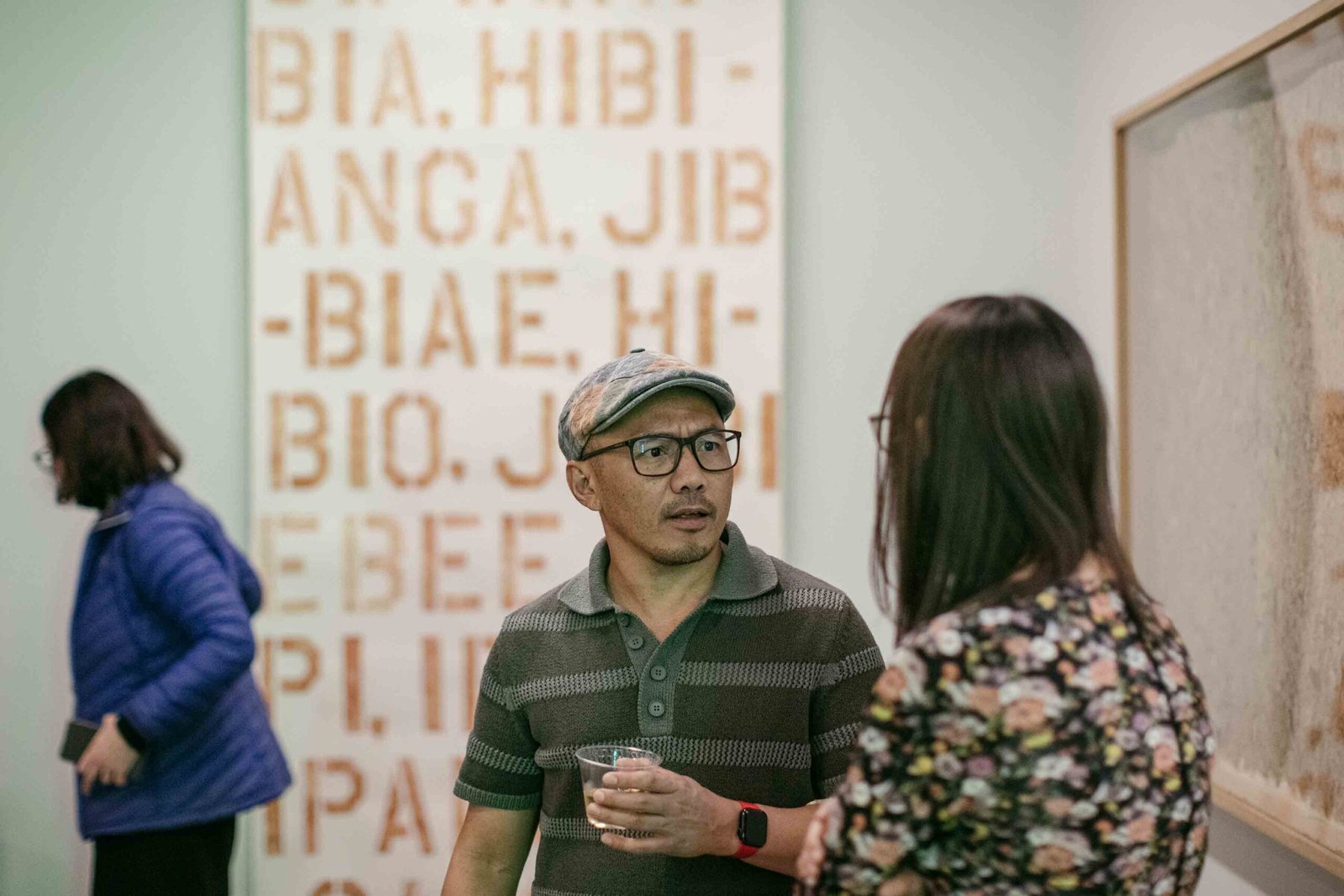
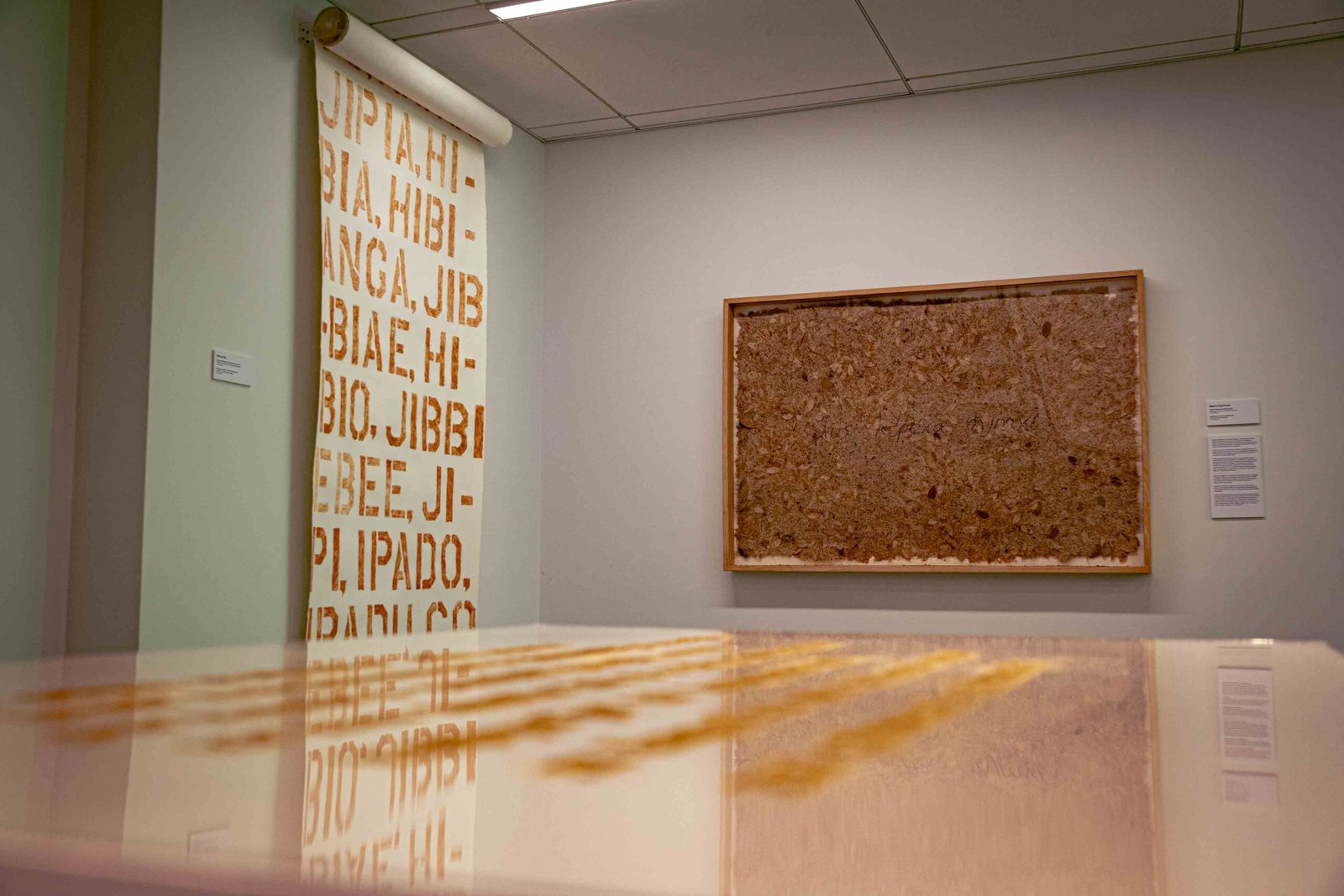
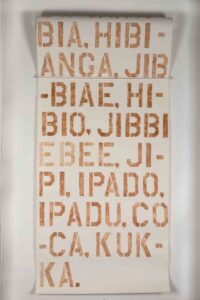
Díaz uses pigment made from crushed coca-seeds to inscribe, on paper the myriad of indigenous names for coca. The work juxtaposes the botanical taxonomy developed under colonial modernity with the vernacular vocabularies of Andean and Amazonian communities, making visible how language and power have long mediated the fate of a single plant. 

Through its material and symbolic form the piece asks us to reconsider how the coca plant has been framed: first within scientific classification and then as an illicit commodity. By reclaiming the plant’s own seeds as pigment, Díaz re-centers indigenous epistemologies, restoring the leaf’s rootedness in cultural knowledge rather than only its exploitation in the war on drugs.

The Artist

Wilson Díaz Polanco

Wilson Díaz Polanco is a Colombian visual artist exploring the sociopolitical landscape of Colombia through popular culture, armed conflict, and media representation.

Read more

More From This Artist