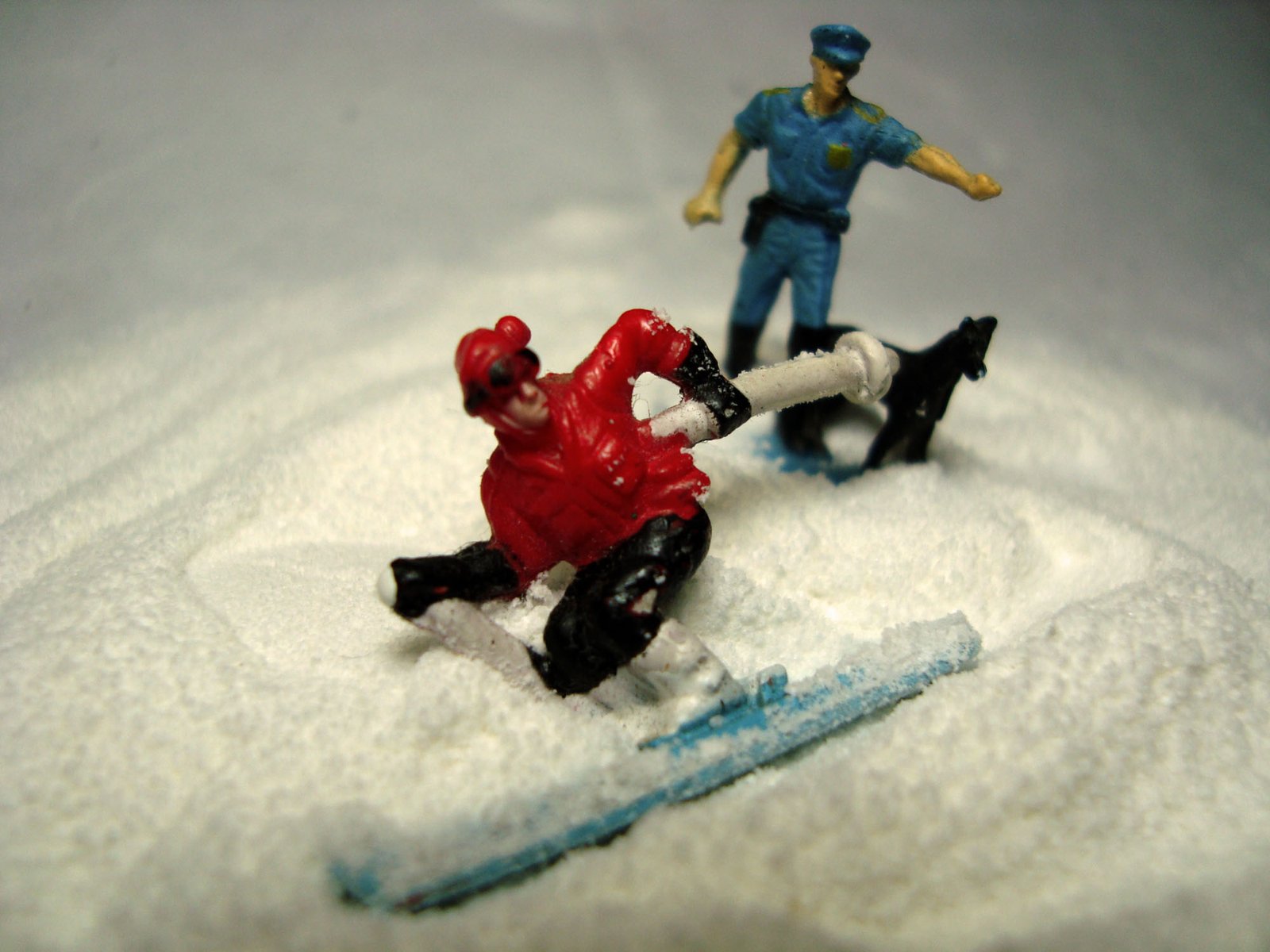
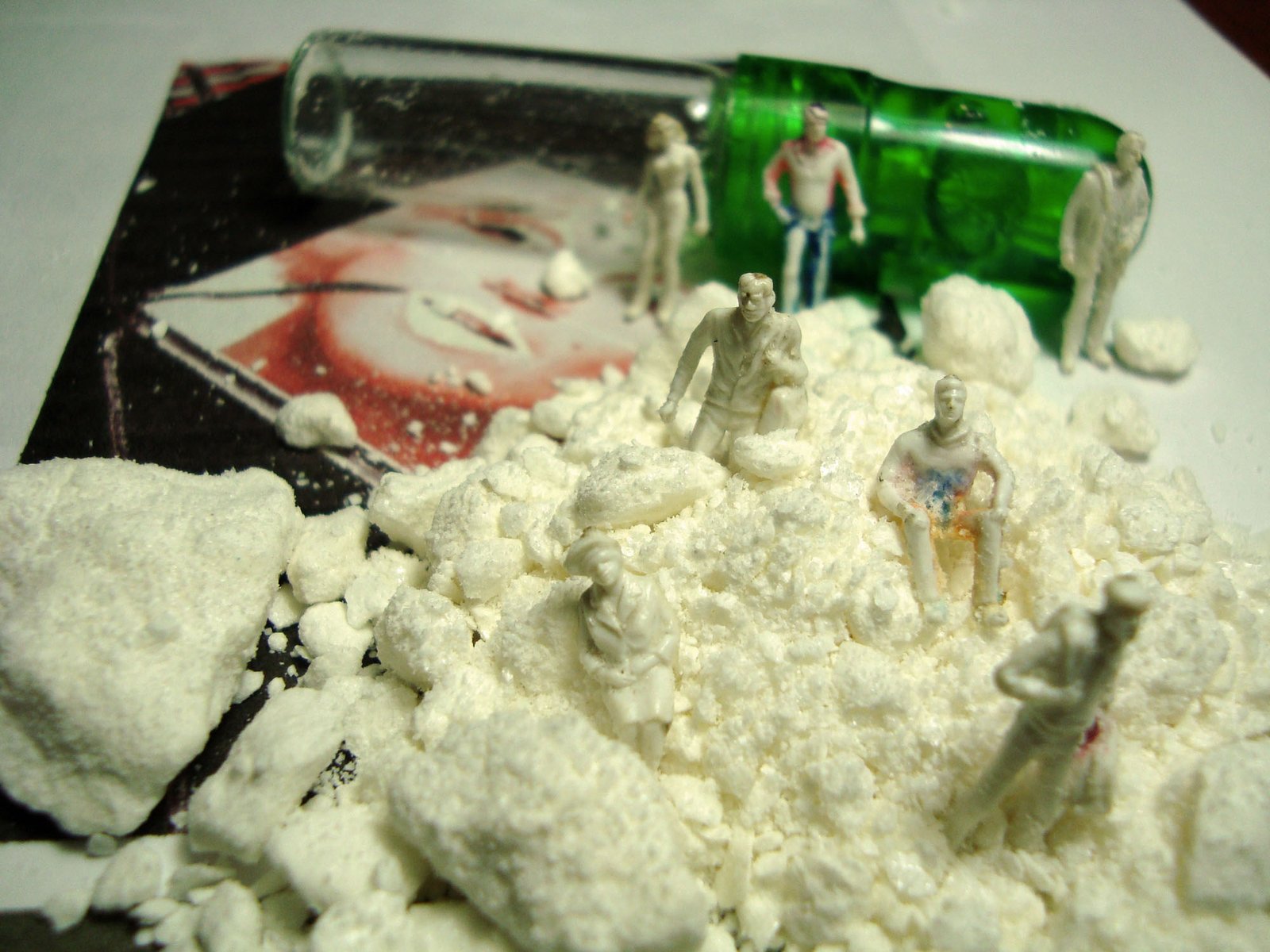
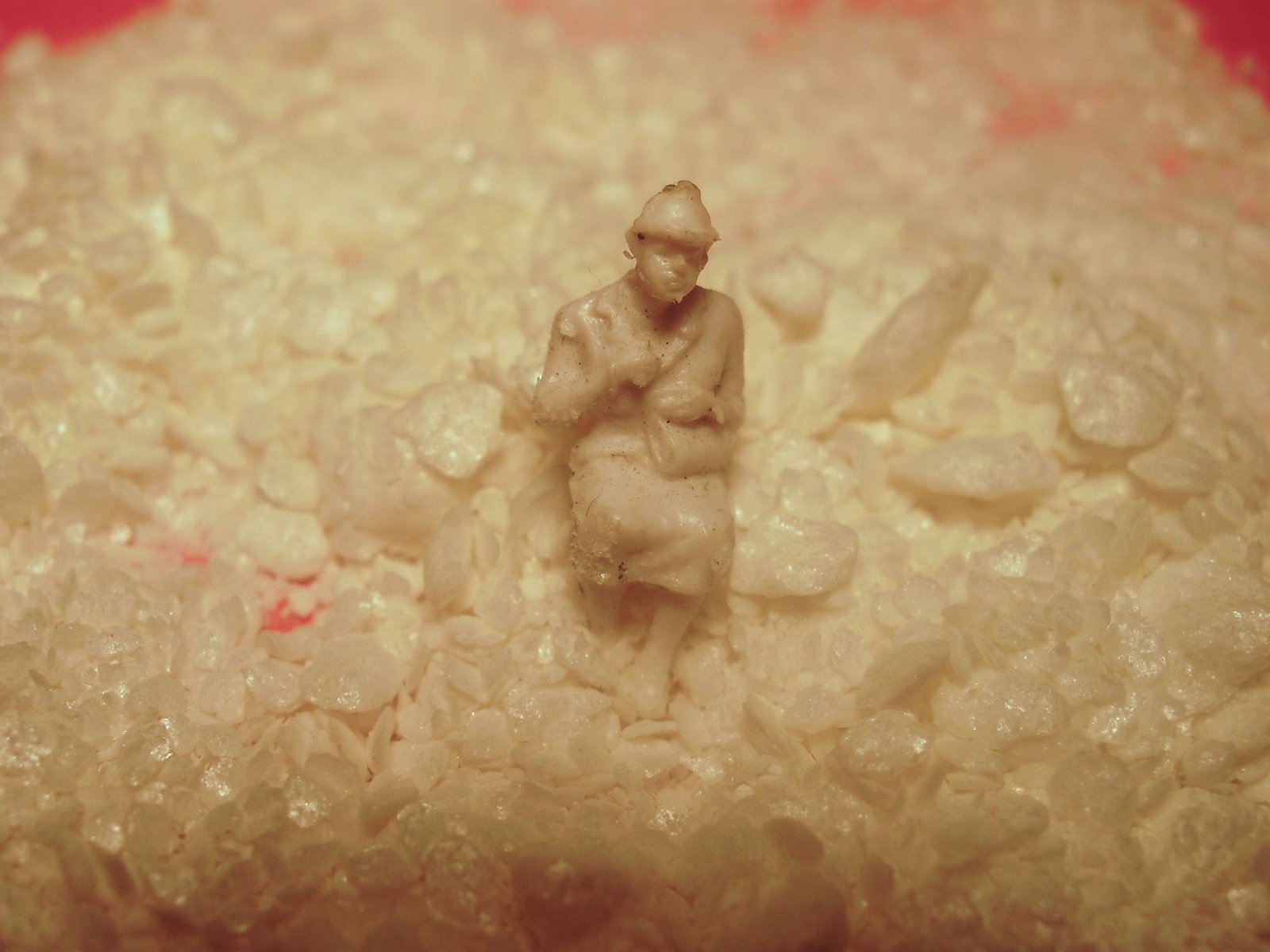
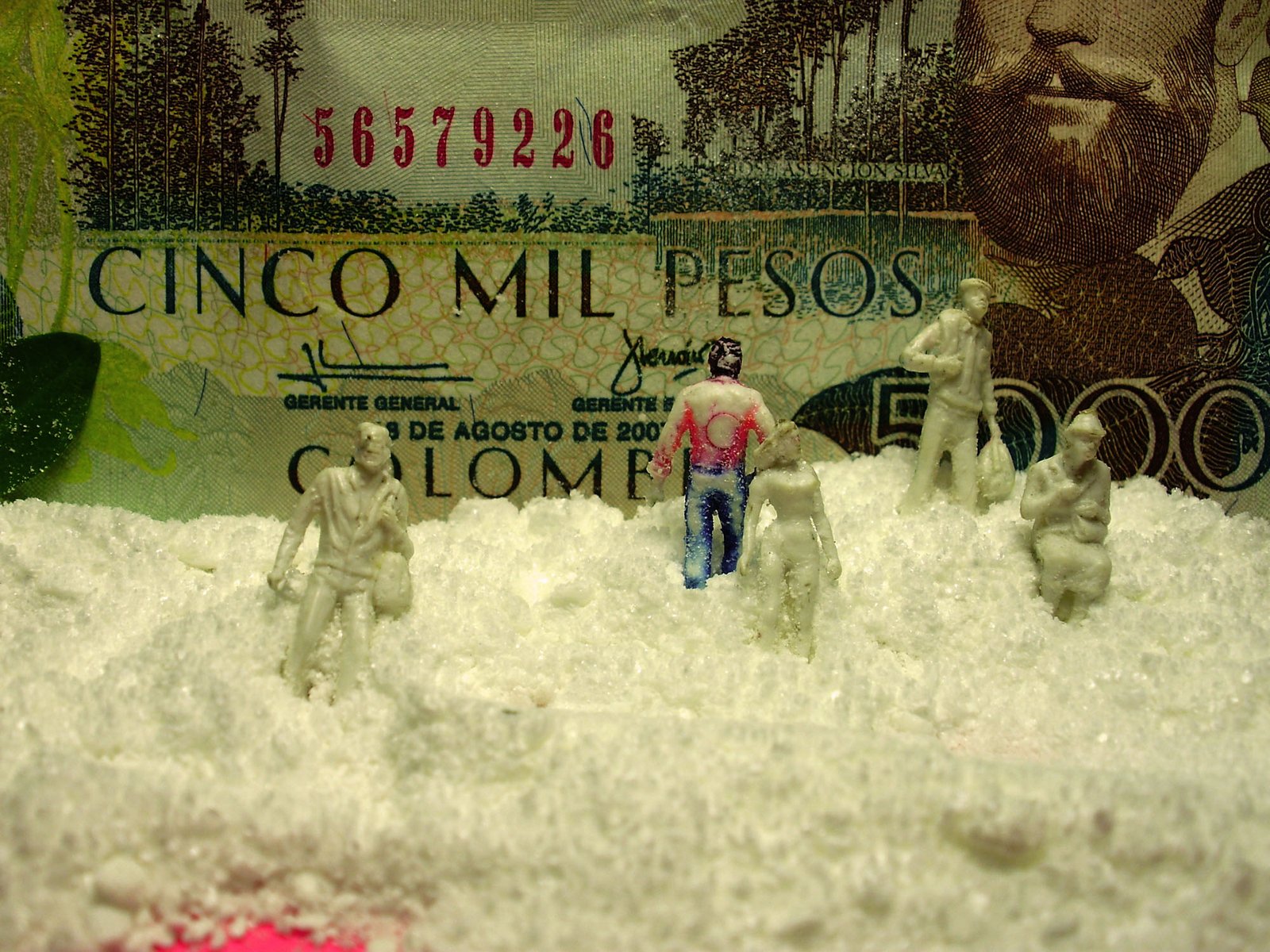
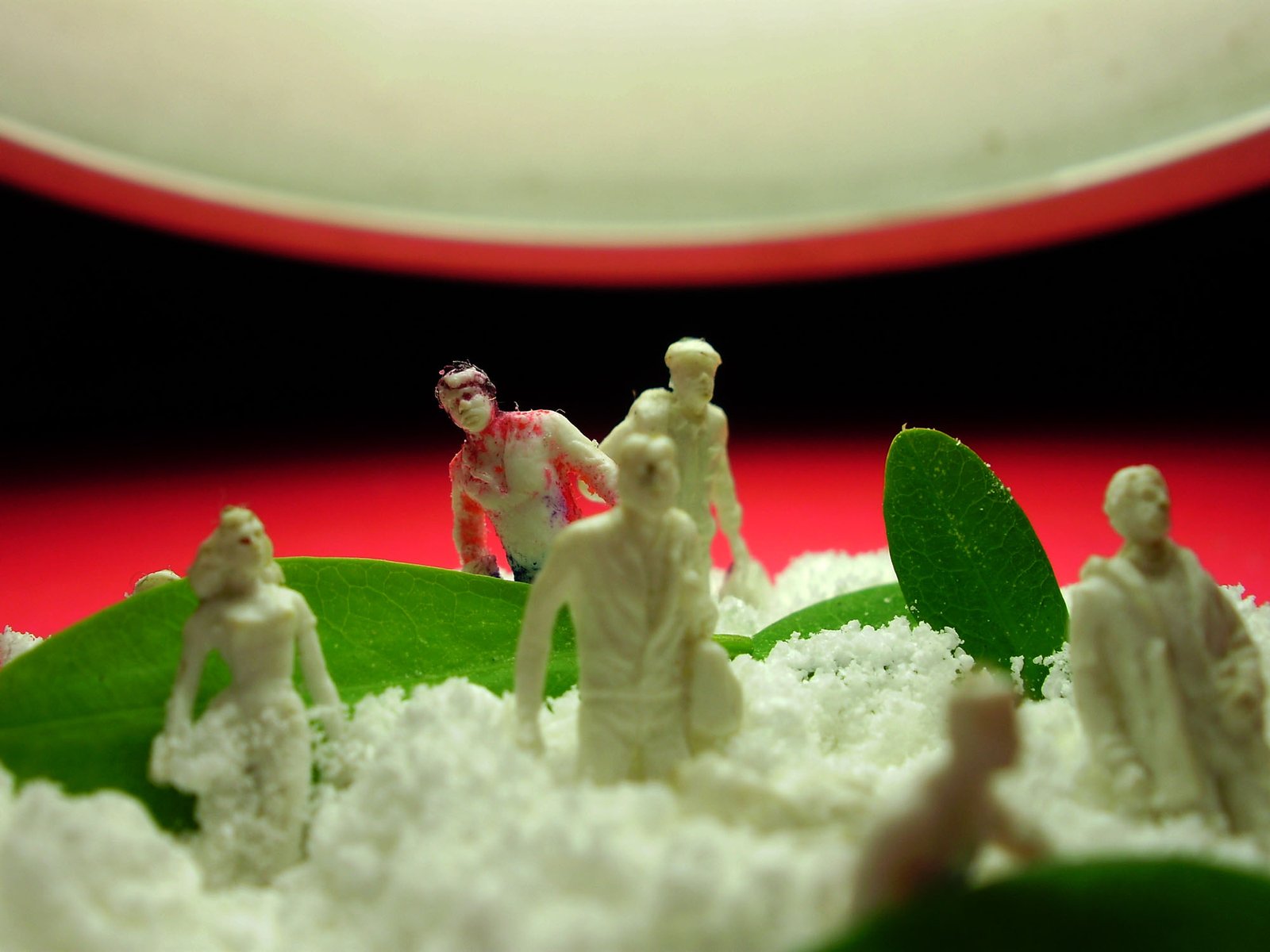
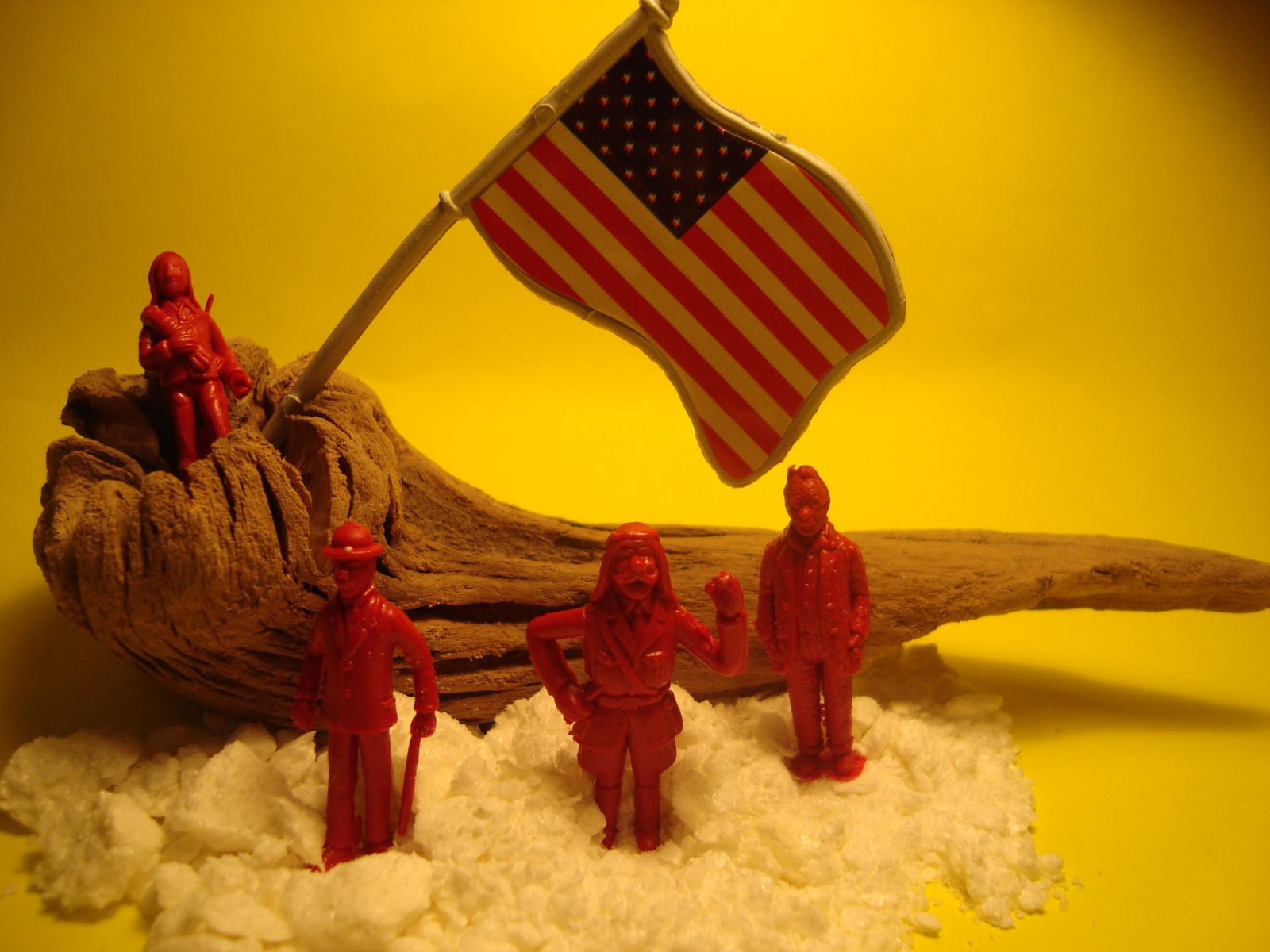
Flaky Landscapes – Work with the nails

Flaky Landscapes – Work with the nails

Edinson Quiñones

Artist’s country of origen: Colombia
Materials:
Digital Print
Size: 15 x 25 cm
Year: 2012 – 2019

Line of Inquiry:

Coca-Politics

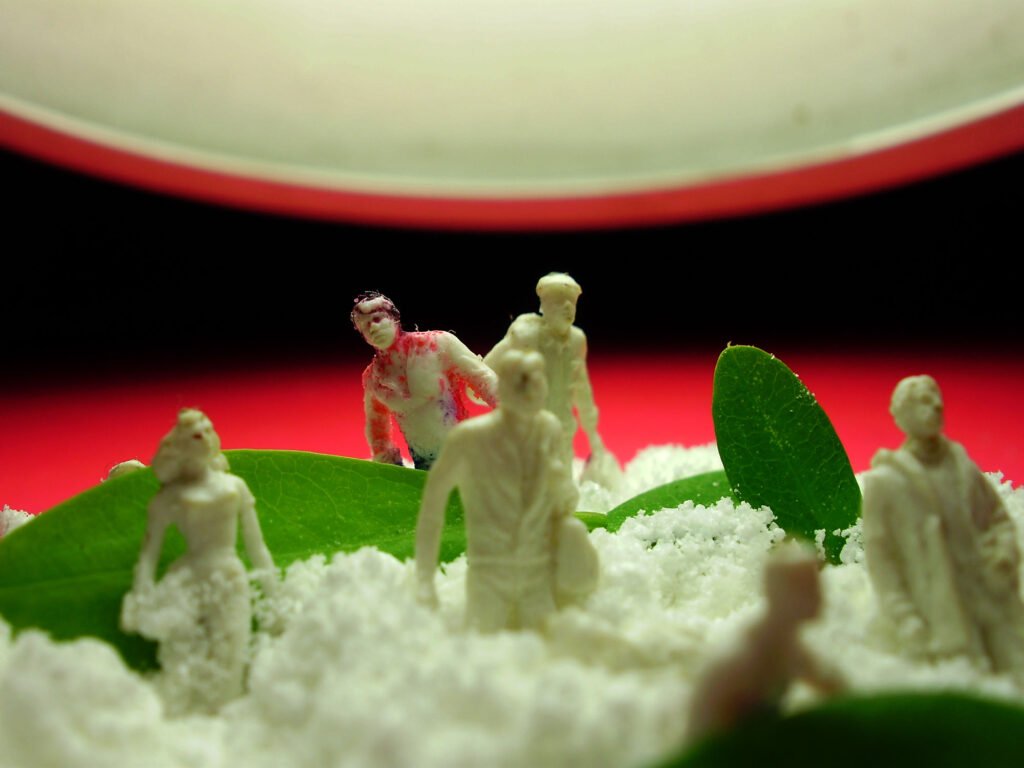
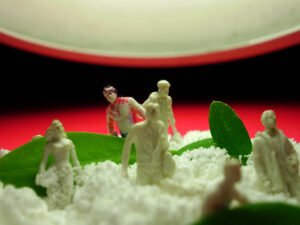
The series Flaky Landscapes – Work with the nails presents miniature scenarios integrating model figures, bills, coca leaves, and cocaine crystals representing everyday situations where European and American characters immerse themselves in the “Colombian snow”.

The Artist
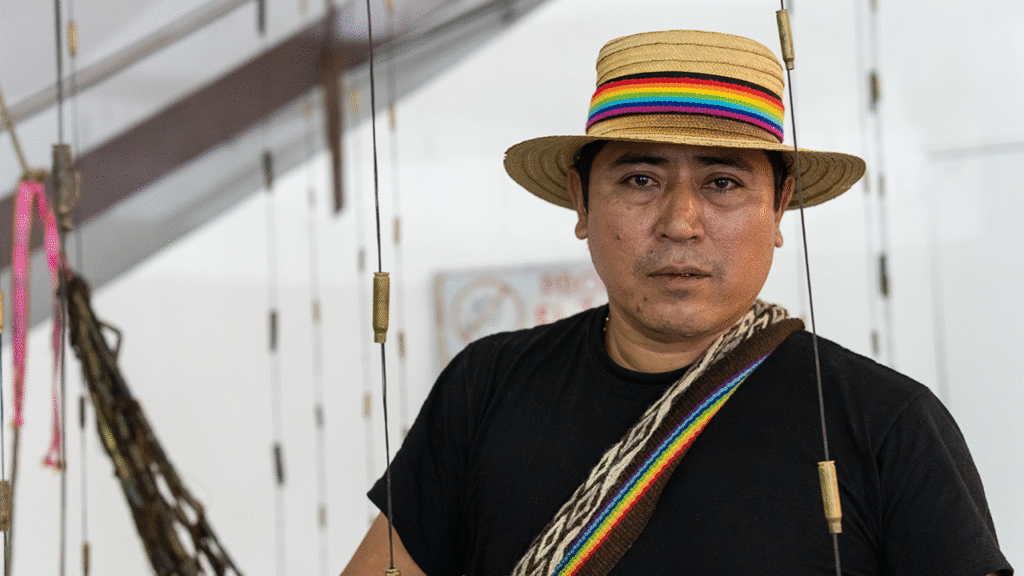
Edinson Quiñones

Edinson Javier Quiñones Falla Campo Zemanate is an artist of Nasa descent, born in La Plata, Huila (Colombia) in 1982. He holds a BFA in Visual Arts and a Master’s degree in Arts Integrated with the Environment from the University of Cauca.
Read more

Narco pedagogical advertisement

Narco Pedagogical Advertisement

Edinson Quiñones

Artist’s country of origen: Colombia
Materials:
Fabric printed banners
Size: 140 x 30 cm
Year: 2015 – 2017

Line of Inquiry:

Coca-Politics

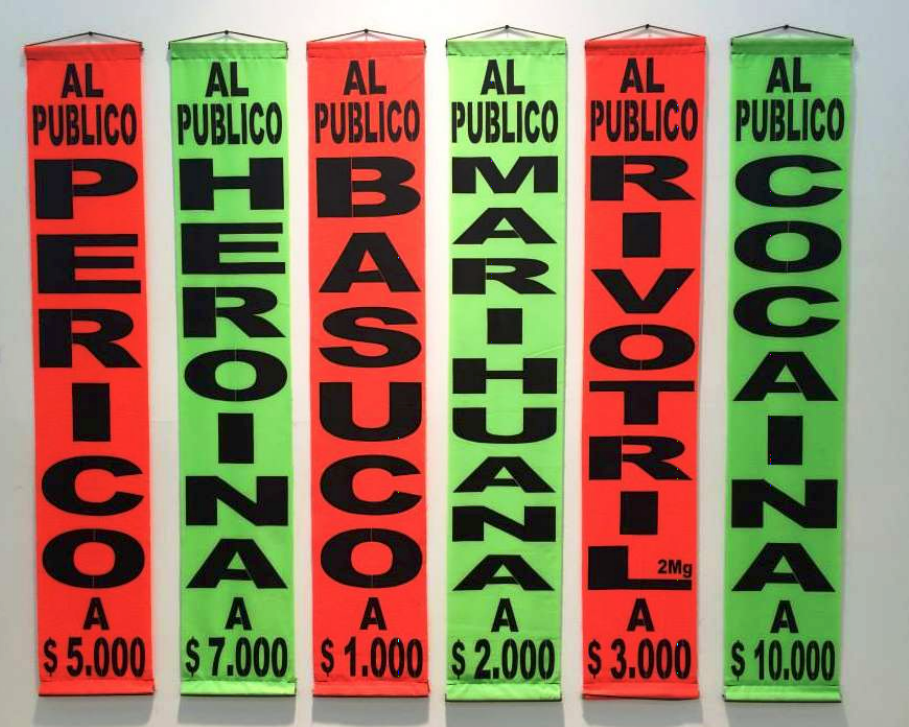
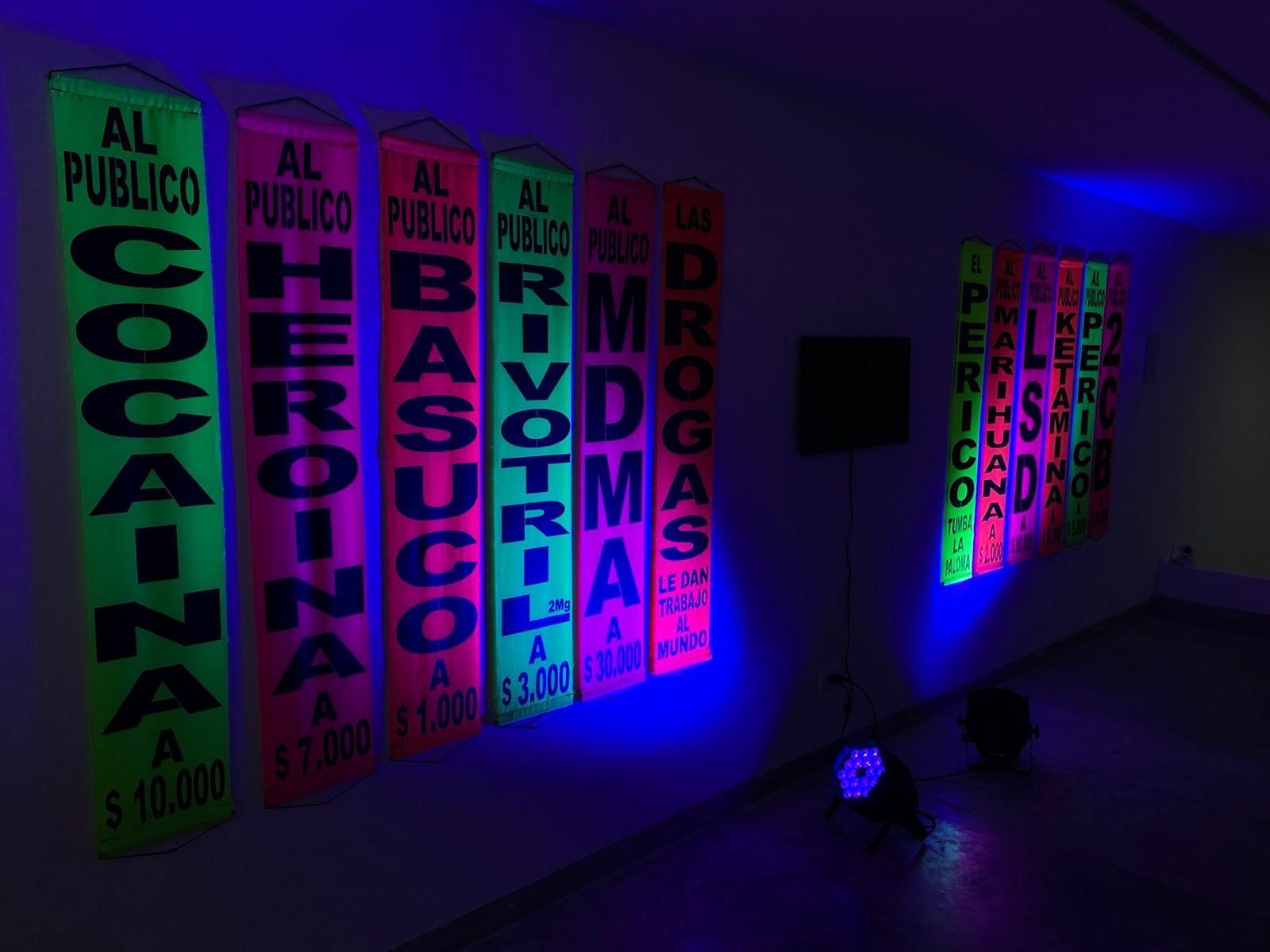
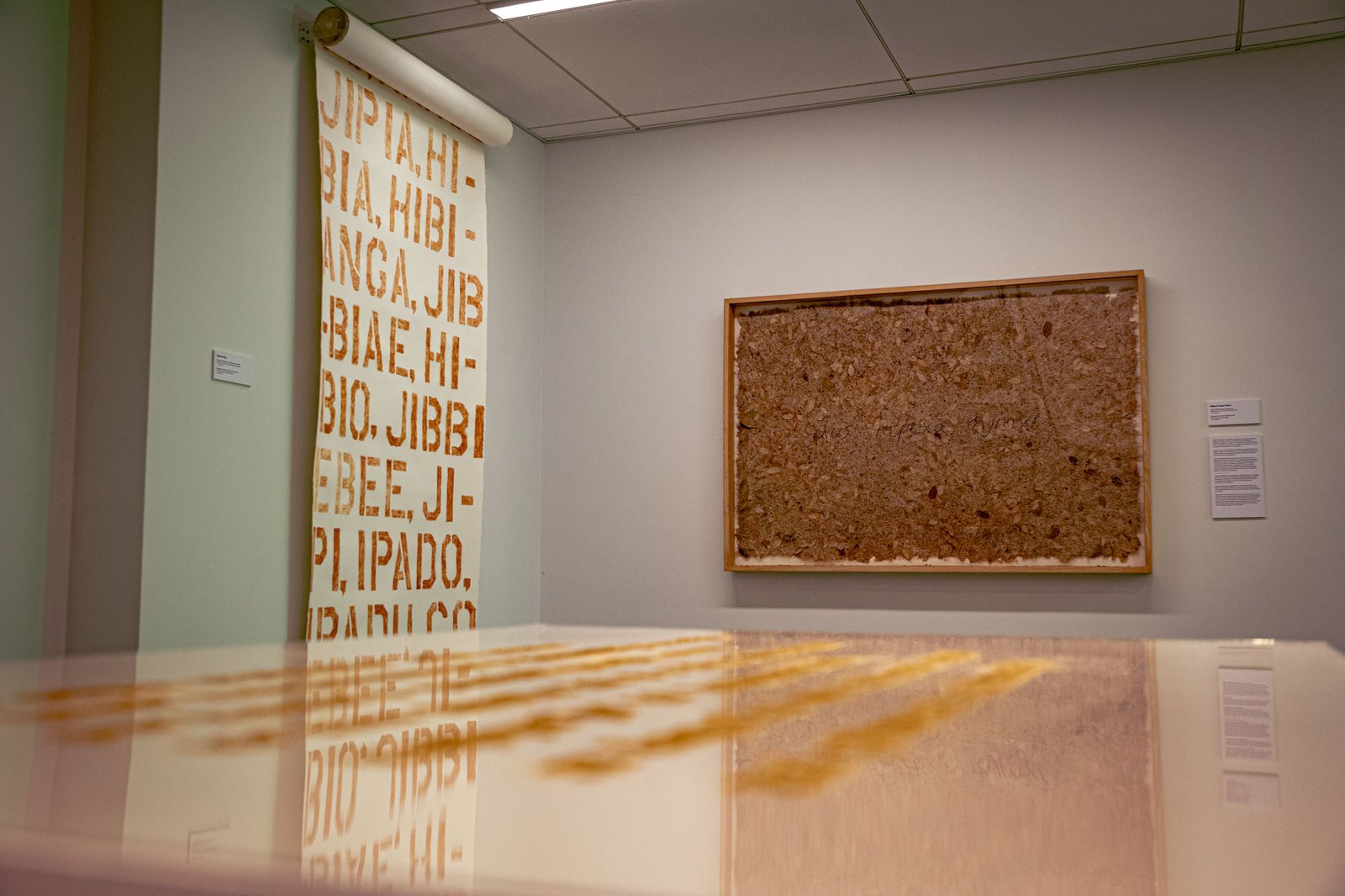
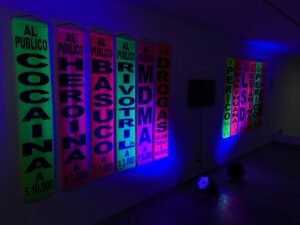
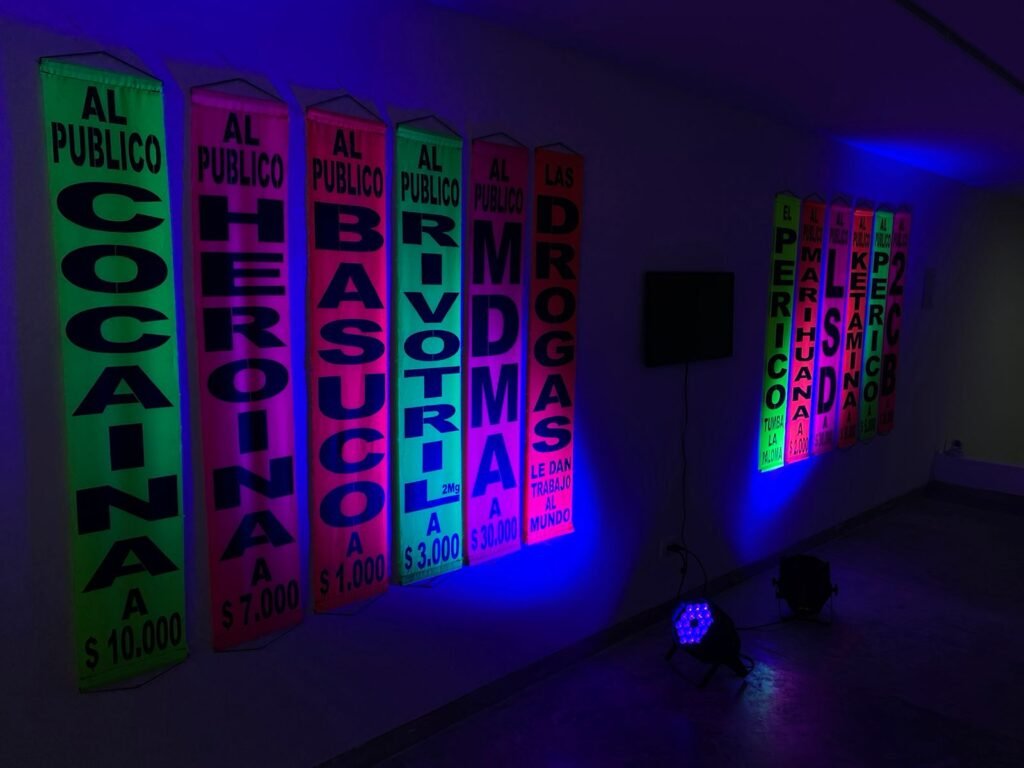
Narco Educational Advertisements is a series of banners that reproduce the aesthetic of Colombian street advertising from the 2000s, showing the prices of cocaine and “perico,” a colloquial term for cocaine. This series is activated by the artist through conversations in streets and parks about drug legalization and the future of coca. Through these conversations, Quiñones questions the global misinformation about the plant and the reality of cocaine consumption.

The Artist

Edinson Quiñones

Edinson Javier Quiñones Falla Campo Zemanate is an artist of Nasa descent, born in La Plata, Huila (Colombia) in 1982. He holds a BFA in Visual Arts and a Master’s degree in Arts Integrated with the Environment from the University of Cauca.

Read more

If it’s Bayer, it’s good

If it’s Bayer, it’s good

Edinson Quiñones

Artist’s country of origen: Colombia
Materials: Digital Print
Size: 100 x 80 cm
Year: 2017

Line of Inquiry:

Coca-Politics

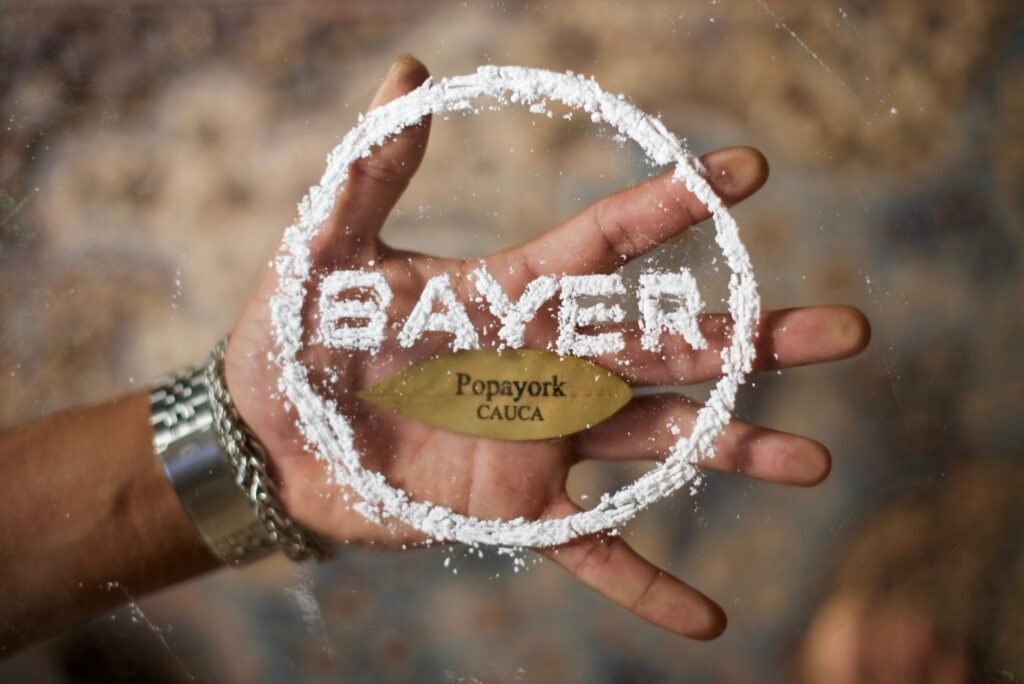
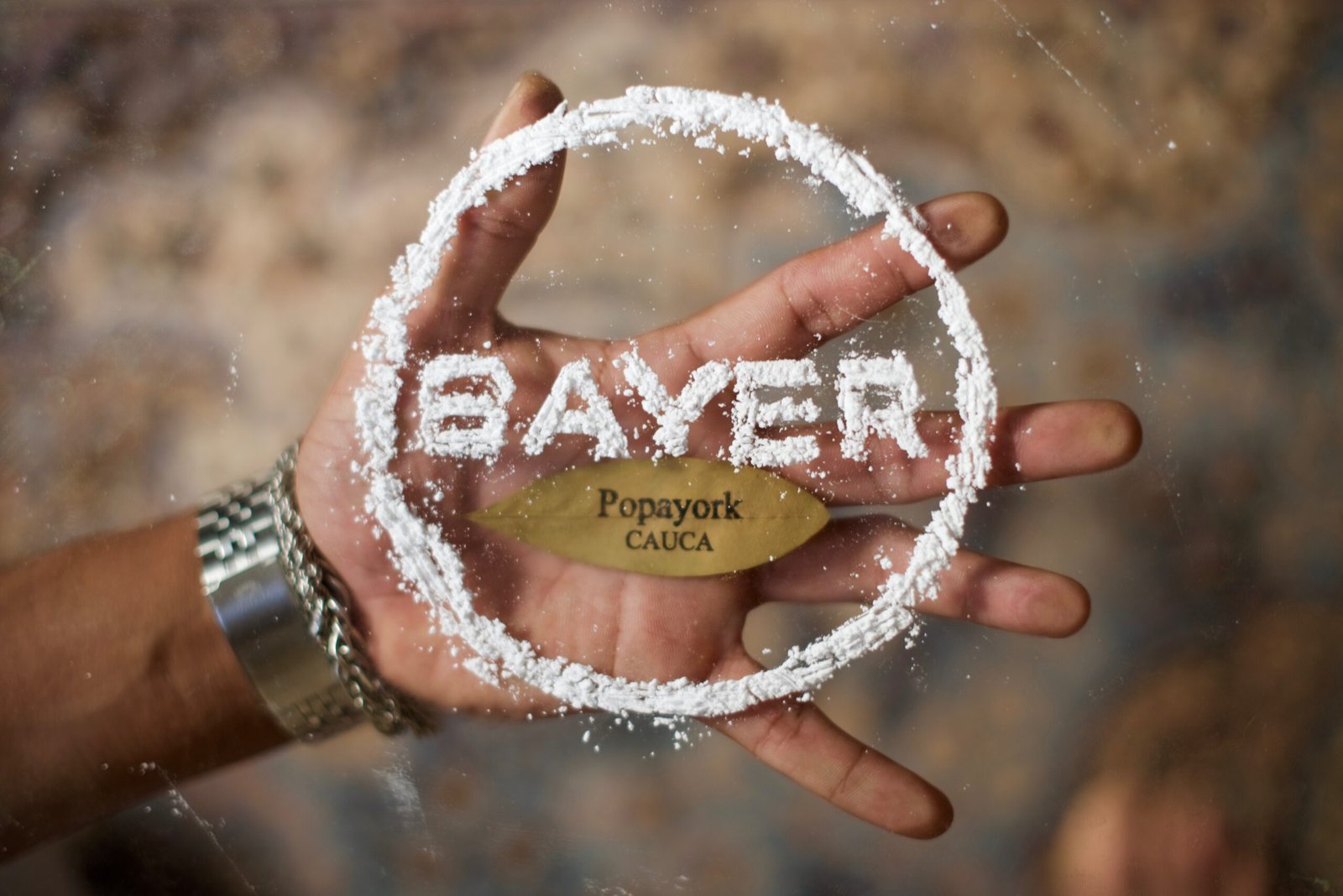
In the work If it’s Bayer, it’s good, Quiñones appropriates the symbol of the German company to point to the role of the European and North American pharmaceutical industry in stripping the sacred coca leaf of its ancestral meaning. Since the extraction of the psychoactive alkaloid cocaine by european scientist, the plant became of popular use for scientific purposes, as anaesthesia in dental surgeries (although later replaced with less risky substances).

Following the mid-19th-century extraction of cocaine from the coca leaf by German chemists Gaedcke and Niemann in around 1860s, the plant entered European scientific and medical pharmaceutical industry. This chemical research enabled companies such as Merck and Bayer to commercialize isolated plant compounds, transforming coca from a sacred Andean plant into an industrial medical substance.

The Artist

Edinson Quiñones

Edinson Javier Quiñones Falla Campo Zemanate is an artist of Nasa descent, born in La Plata, Huila (Colombia) in 1982. He holds a BFA in Visual Arts and a Master’s degree in Arts Integrated with the Environment from the University of Cauca.
Read more

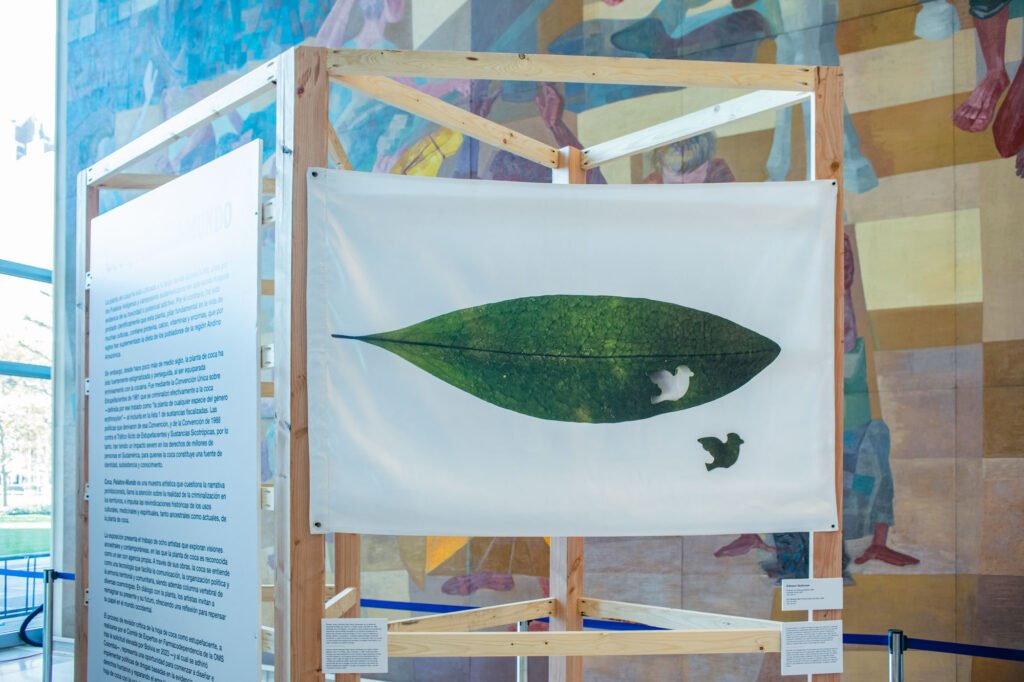
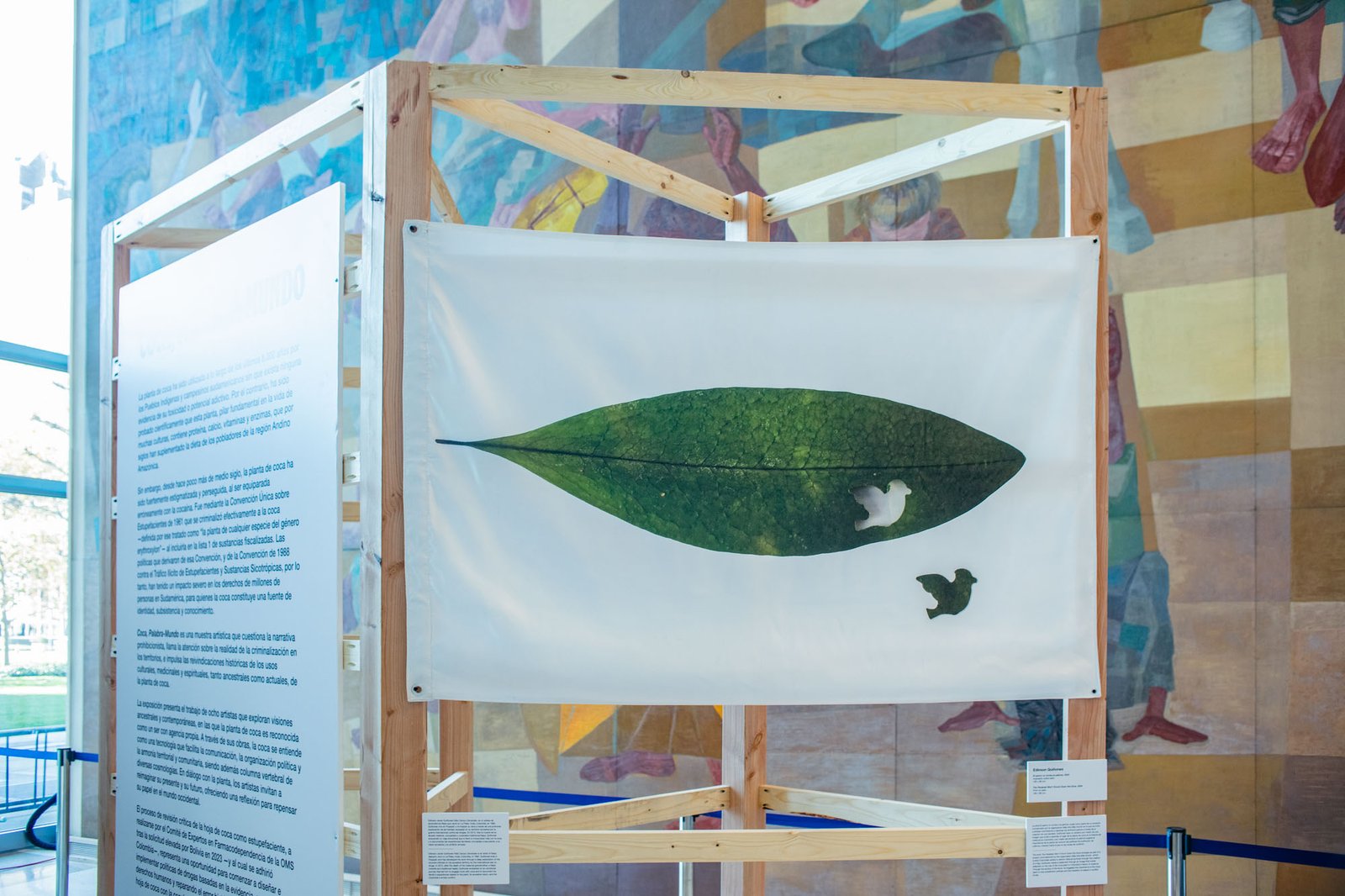
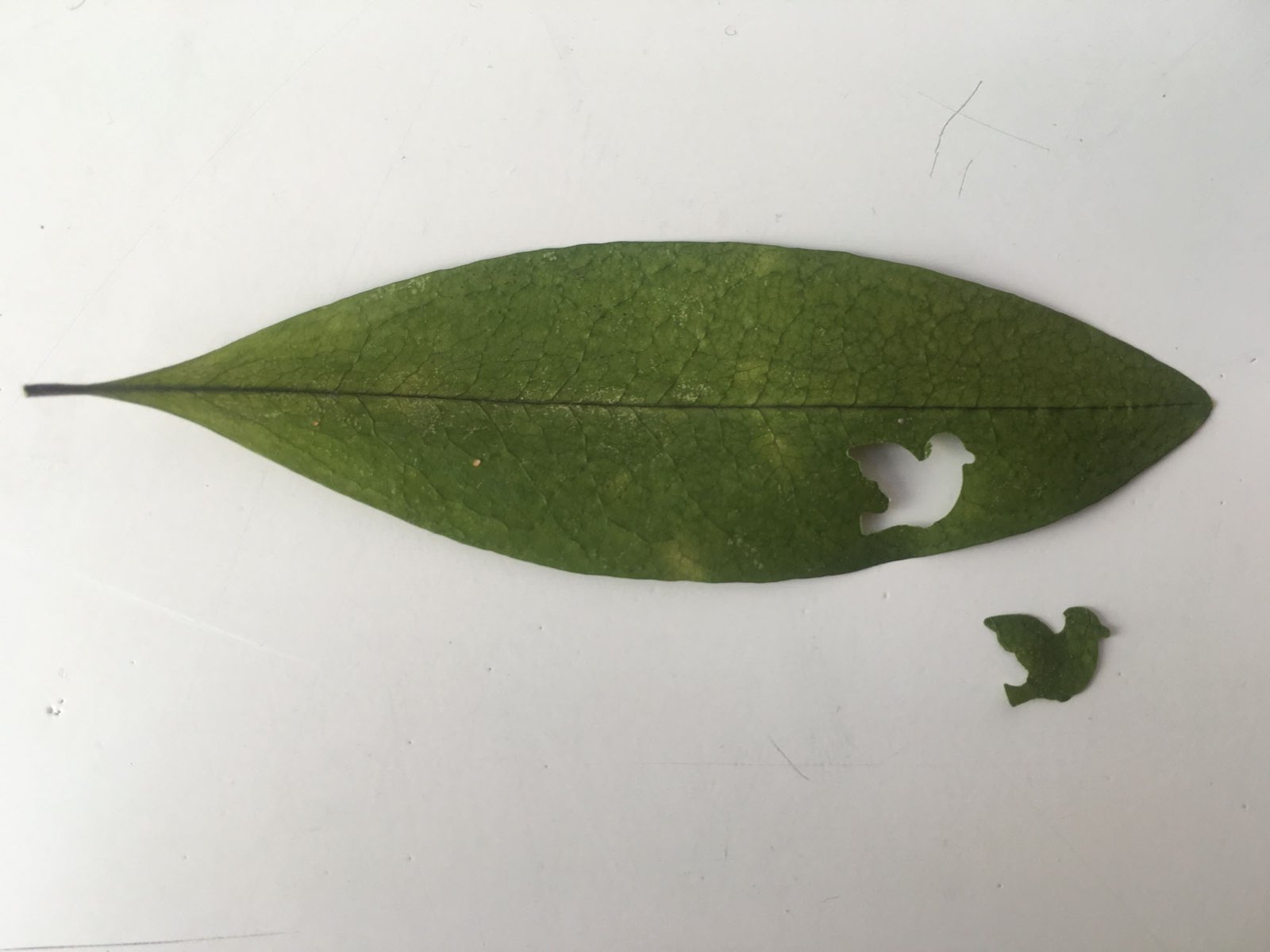
The Parakeet Won’t Knock Down the Dove

The Parakeet Won’t Knock Down the Dove

Edinson Quiñones

Artist’s country of origen: Colombia
Materials: Impresión sobre satín
Size: 100 x 80 cm
Year: 2024

Line of Inquiry:

Coca-Worlds

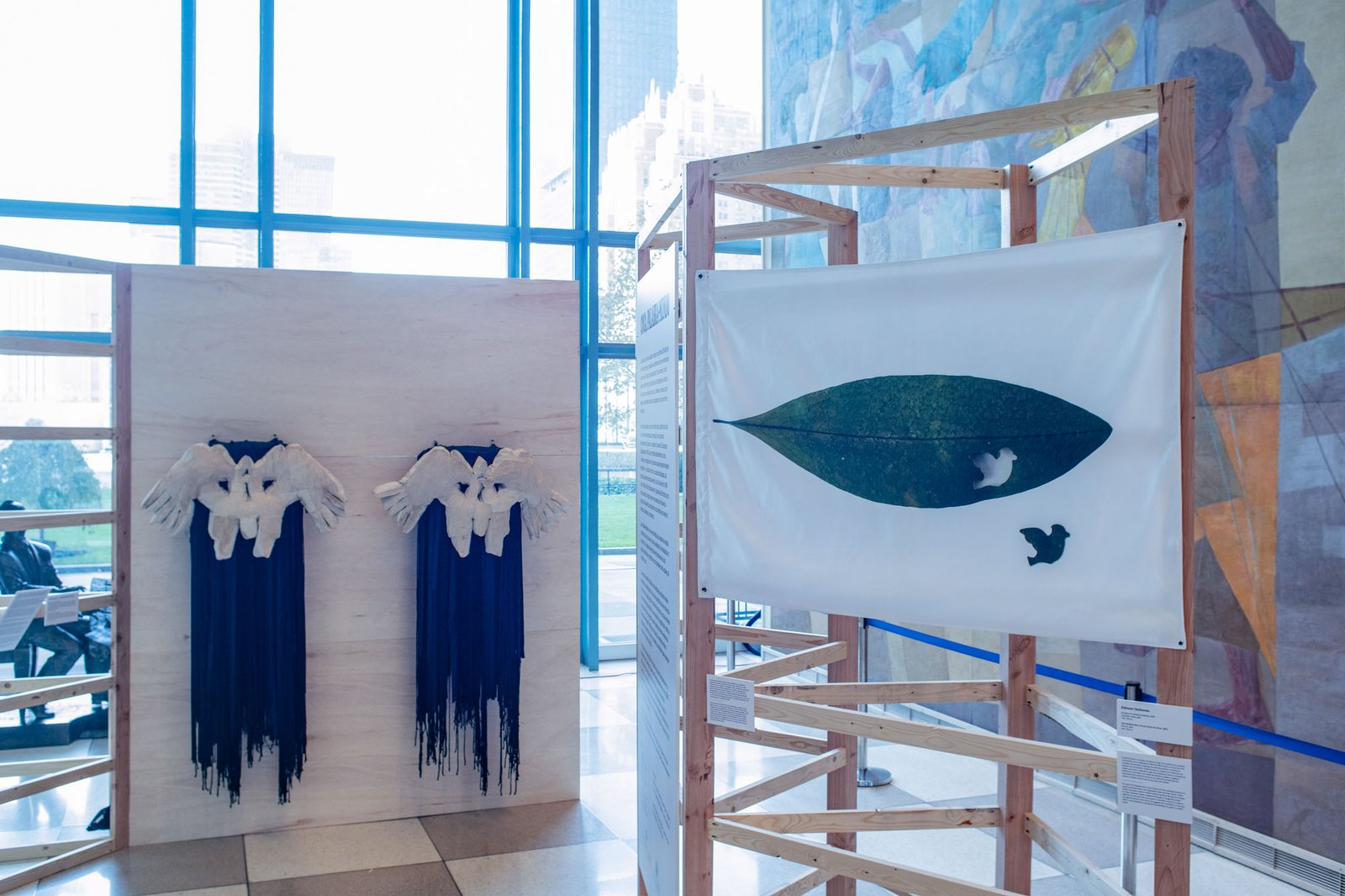
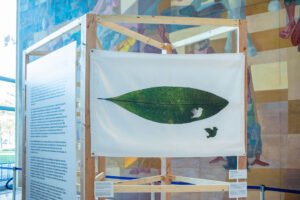
The work The Parakeet Won’t Knock Down the Dove emerges as part of a project commissioned by the organization Más Arte Más Acción, which invited Colombian artists to rethink national symbols through the creation of a flag. Quiñones makes a statement through an image that invites reflection on the role of the coca plant in Colombia’s history of violence. Through the symbol of the dove, he suggests the importance of the coca plant in crop substitution policies and the transition to peace in conflict zones.

The Artist

Edinson Quiñones

Edinson Javier Quiñones Falla Campo Zemanate is an artist of Nasa descent, born in La Plata, Huila (Colombia) in 1982. He holds a BFA in Visual Arts and a Master’s degree in Arts Integrated with the Environment from the University of Cauca.
Read more

Artist Manifesto, Point 4 of the Peace Agreements

Artist Manifesto, Point 4 of the Peace Agreements

Edinson Quiñones

Artist’s country of origen: Colombia
Materials: Mambe powder
Size: 100 x 70 cm
Year: 2024

Line of Inquiry:

Coca-Worlds

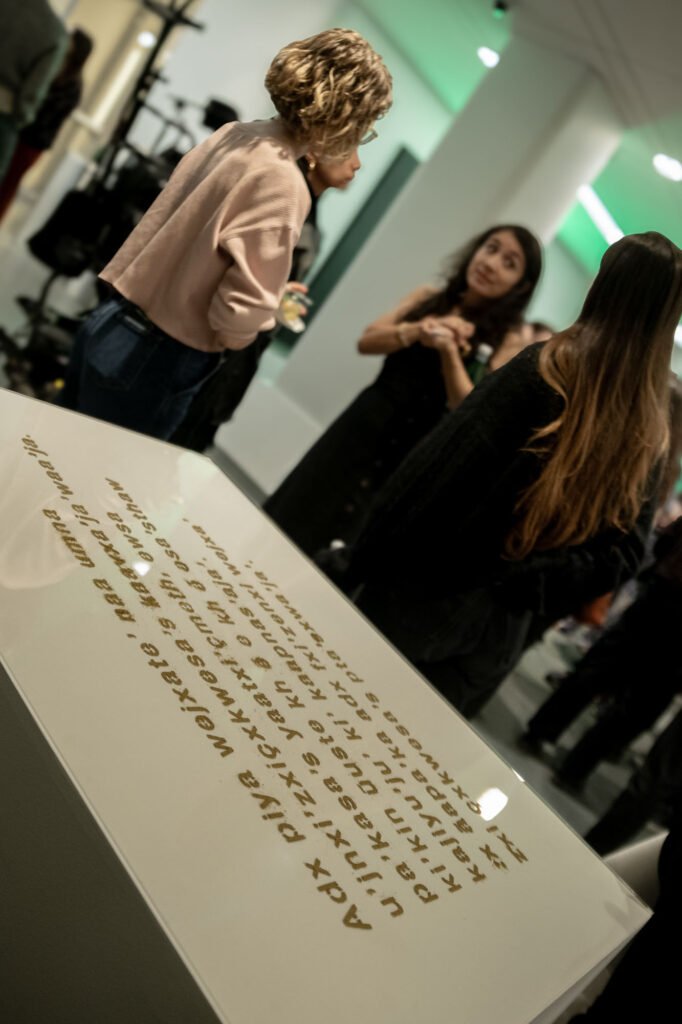
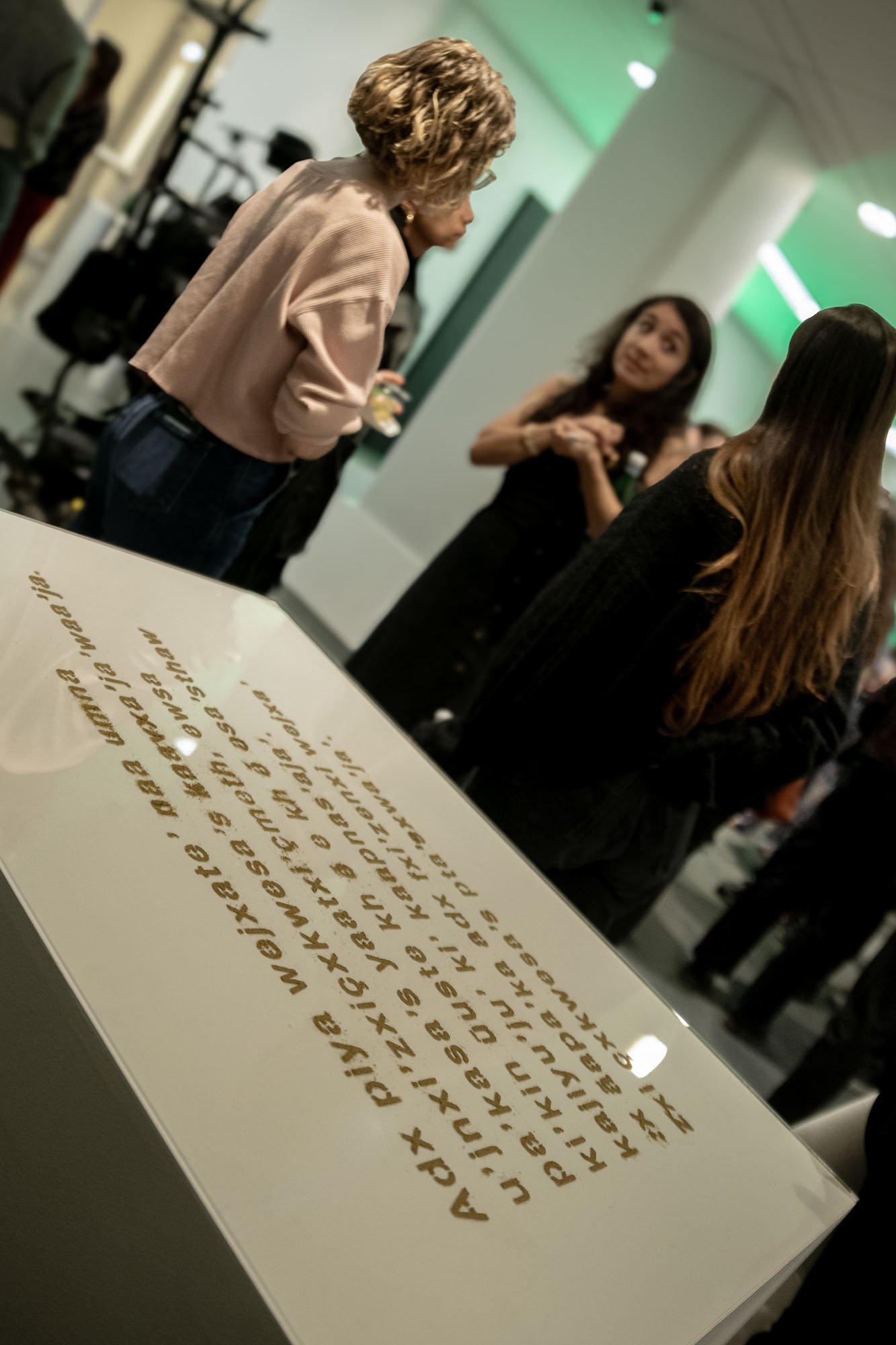
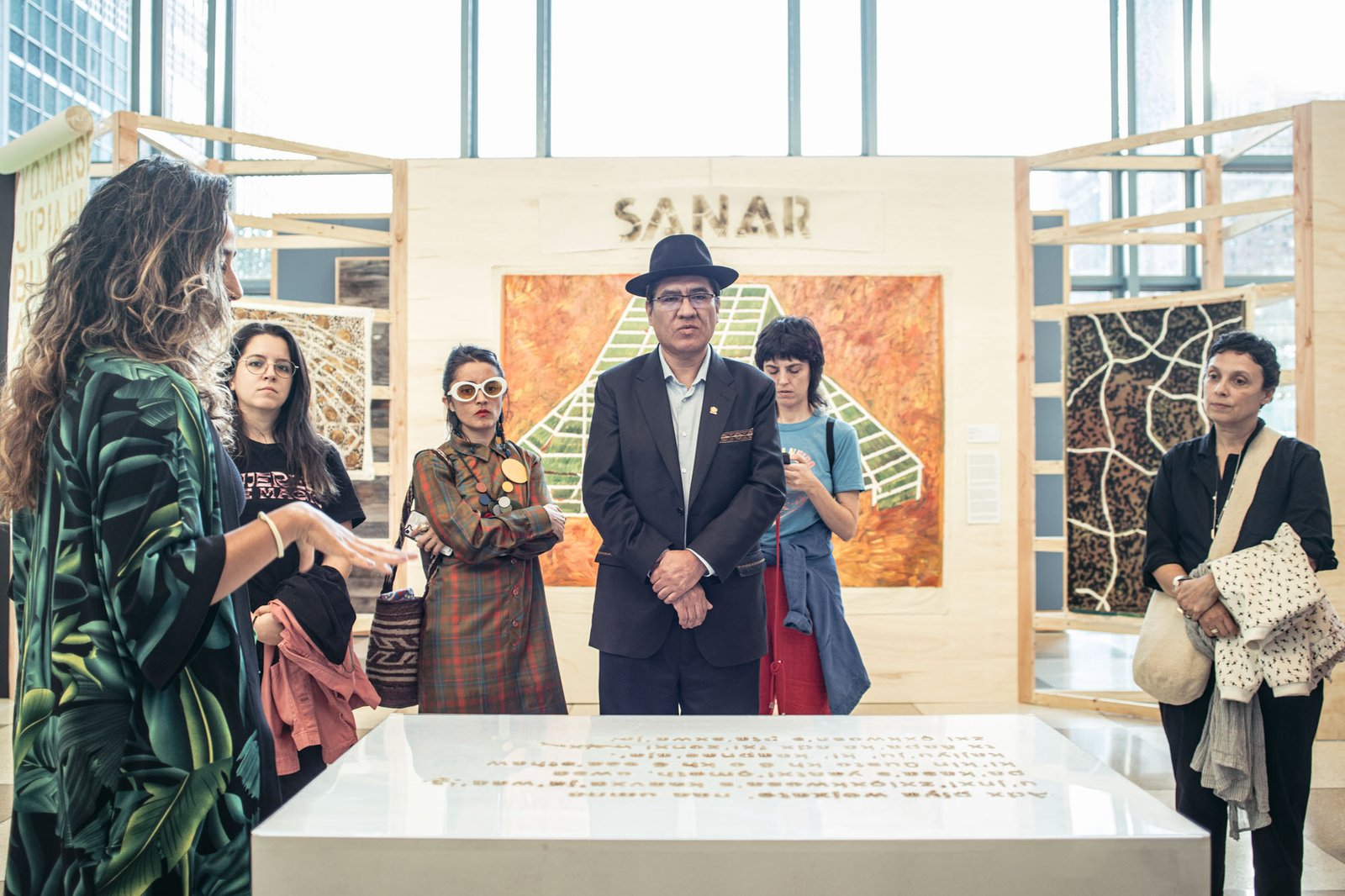
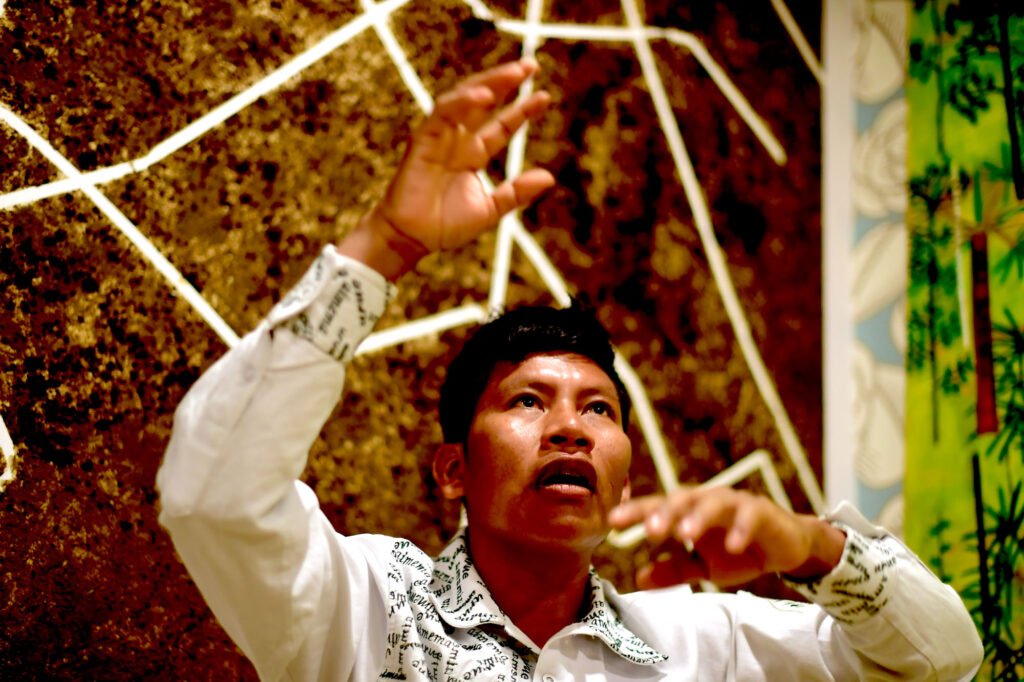
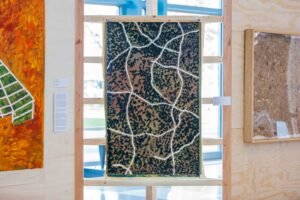
His work, Artist Manifesto, Point 4 of the Peace Agreements, presents a biography of the artist in which he speaks about how his personal experience has been central to his artistic production, written in the Nasa language as part of his lineage. Using mambe (coca powder mixed with Yarumo ash), Quiñones constructs an ephemeral narrative that highlights the oral nature of Indigenous language and underscores the need to rethink the use of the coca plant in the substitution of illicit crops and the transition to peace.

The Artist

Edinson Quiñones

Edinson Javier Quiñones Falla Campo Zemanate is an artist of Nasa descent, born in La Plata, Huila (Colombia) in 1982. He holds a BFA in Visual Arts and a Master’s degree in Arts Integrated with the Environment from the University of Cauca.
Read more

Heal

Heal

Andrés Domínguez

Artist’s country of origen: Colombia
Materials: Mambe on canvas
Size: 100 x 70 cm
Year: 2024

Line of Inquiry:

Coca-Worlds

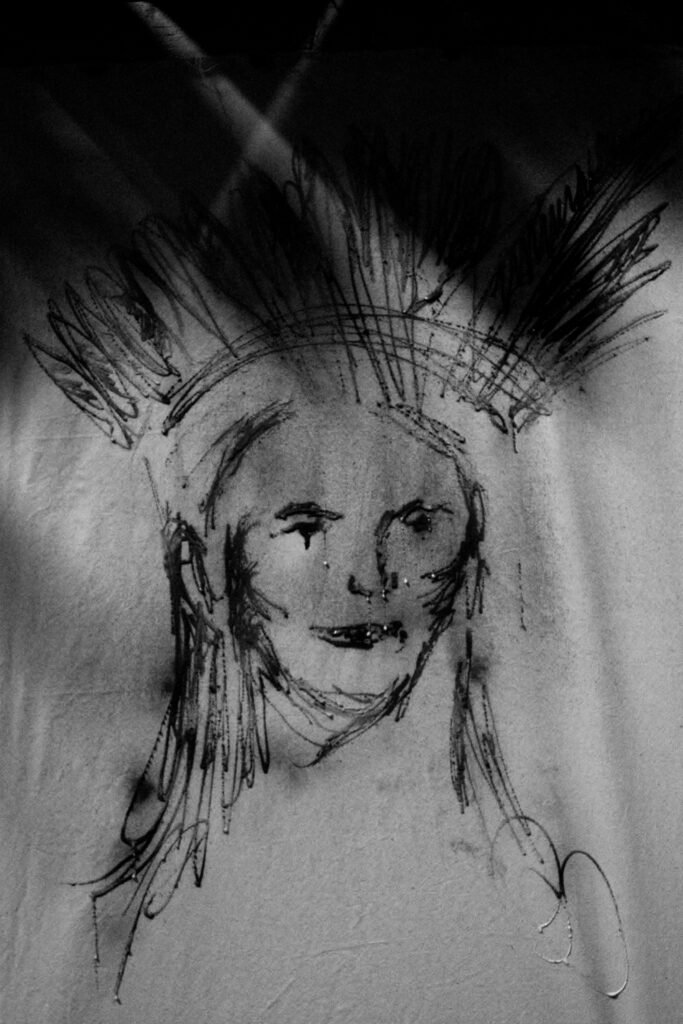
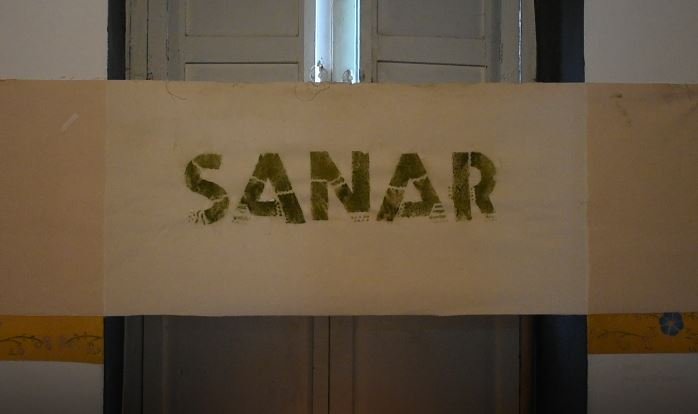
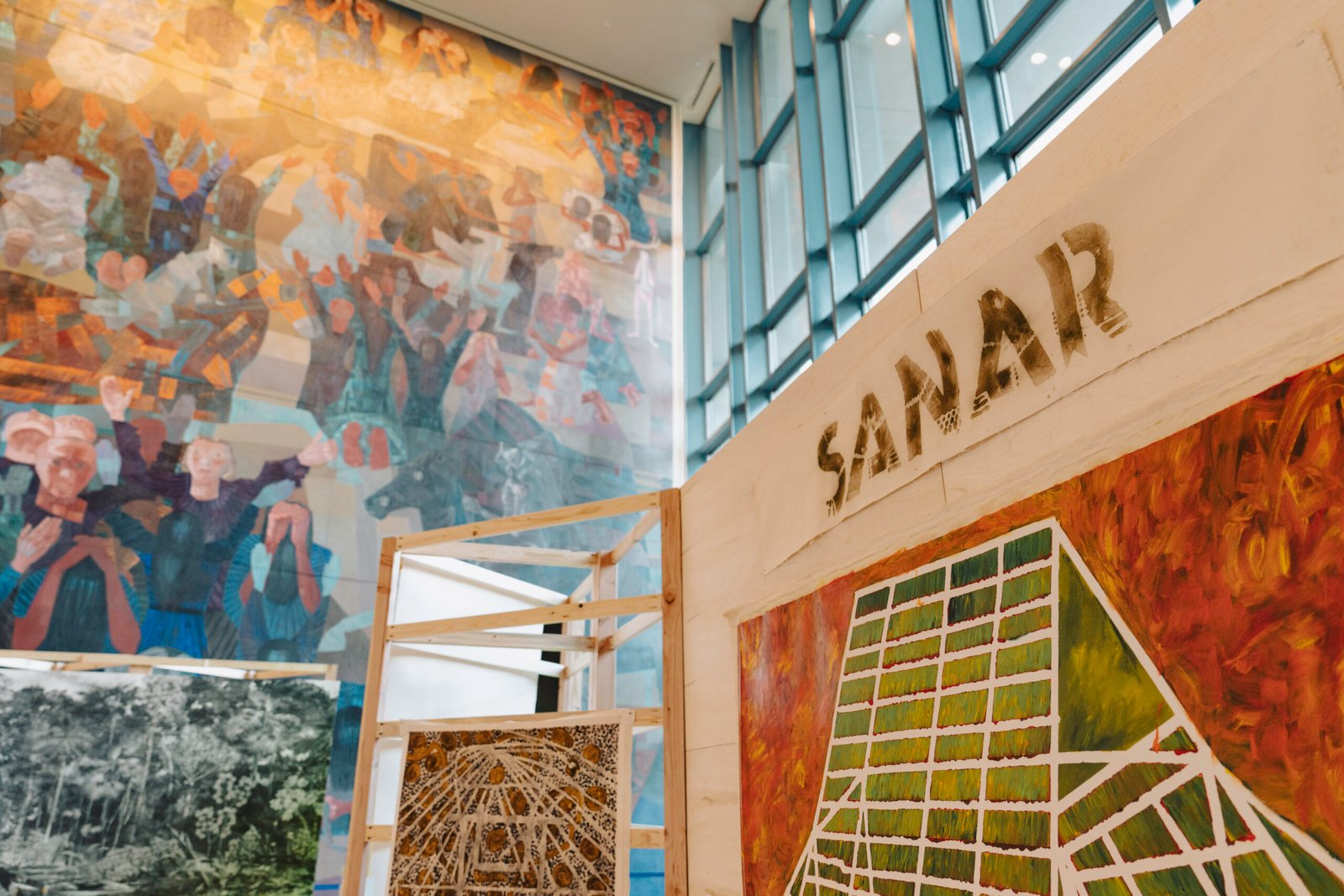
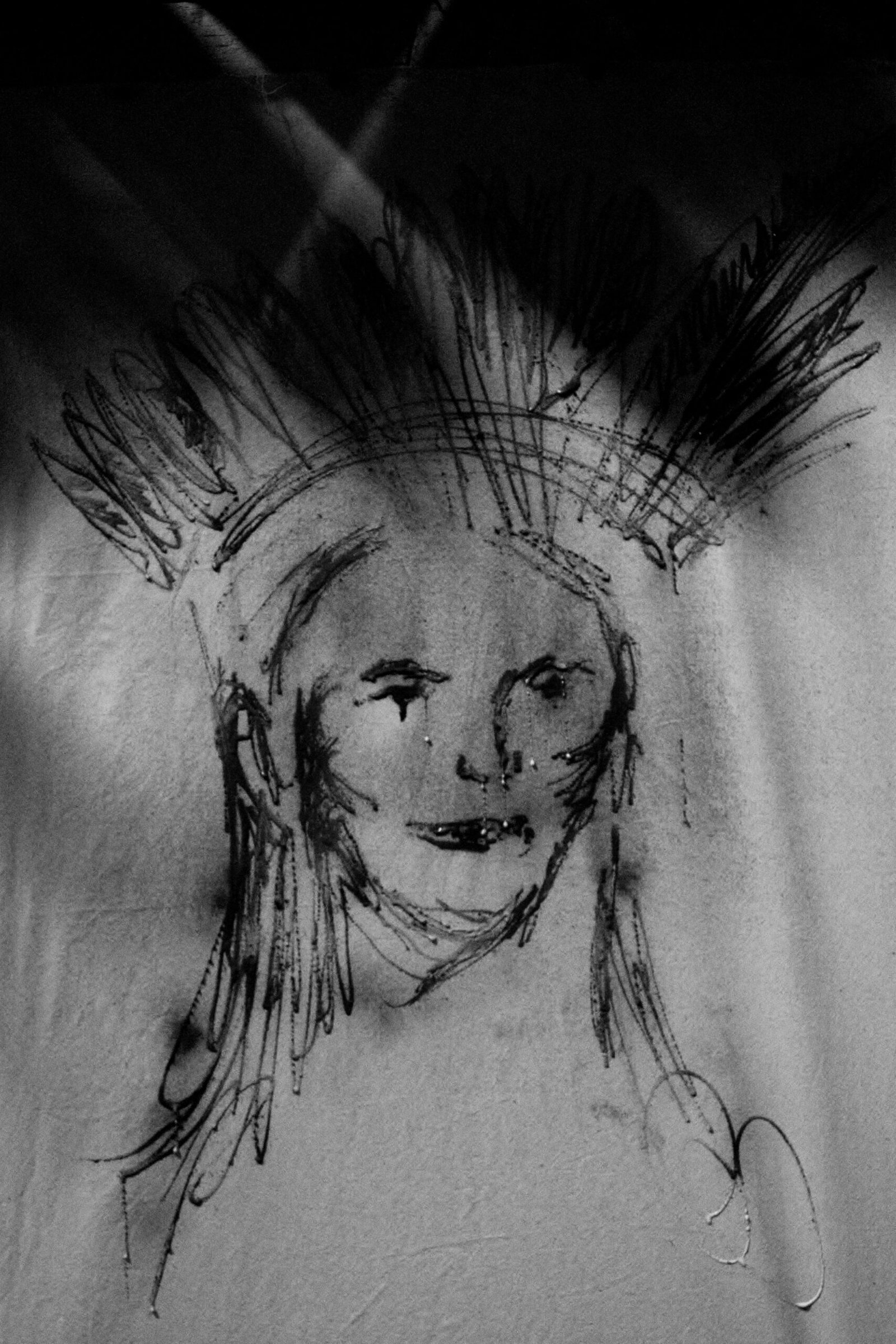
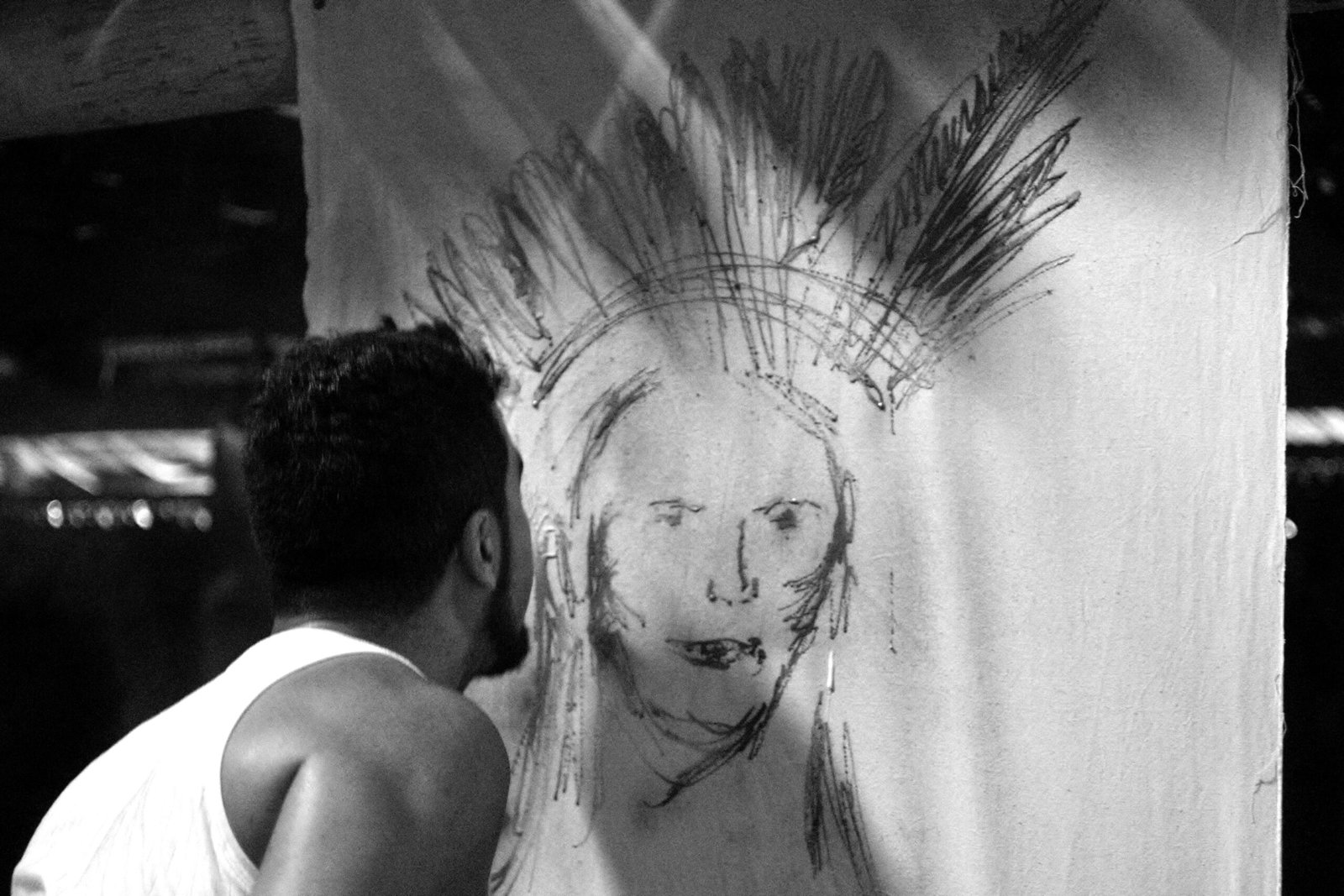
This workd stems from Domínguez’s experience during the Popayork artist residency in Cauca, Colombia, where he witnessed the multiple inter-ethnic conflicts in the territory associated with tensions over the rights and use of ancestral lands. Domínguez creates this drawing through a ceremonial action in which he writes the word ‘sanar’ while blowing mambe over the canvas. The action of blowing comes from his experience with Amazonian elder healers who, when gathering to share their words and songs while consuming coca powder mixed with yarumo ash (mambe), release the powder through their mouths as they engage in dialogue.
The Artist

Andrés Domínguez

Andrés Fabián Domínguez Urrea is an artist born in Leticia, Amazonas, Colombia, in 1983. His practice experiments with media and materials of Amazonian origin, such as yanchama or mambe, as well as with ecologically oriented works that use organic and recycled materials.

Read more

More From This Artist

Impending Beauty

Impending Beauty

Tatiana Arocha

Artist’s country of origen: United States
Materials: Vintage settee (1940s), upholstered in cotton fabric hand-painted with gold acrylic paint.
Size: 99  x 180 x 68  cm / 96 x 60 x 66 cm ​
Year: 2017

Line of Inquiry:

Coca-Politics

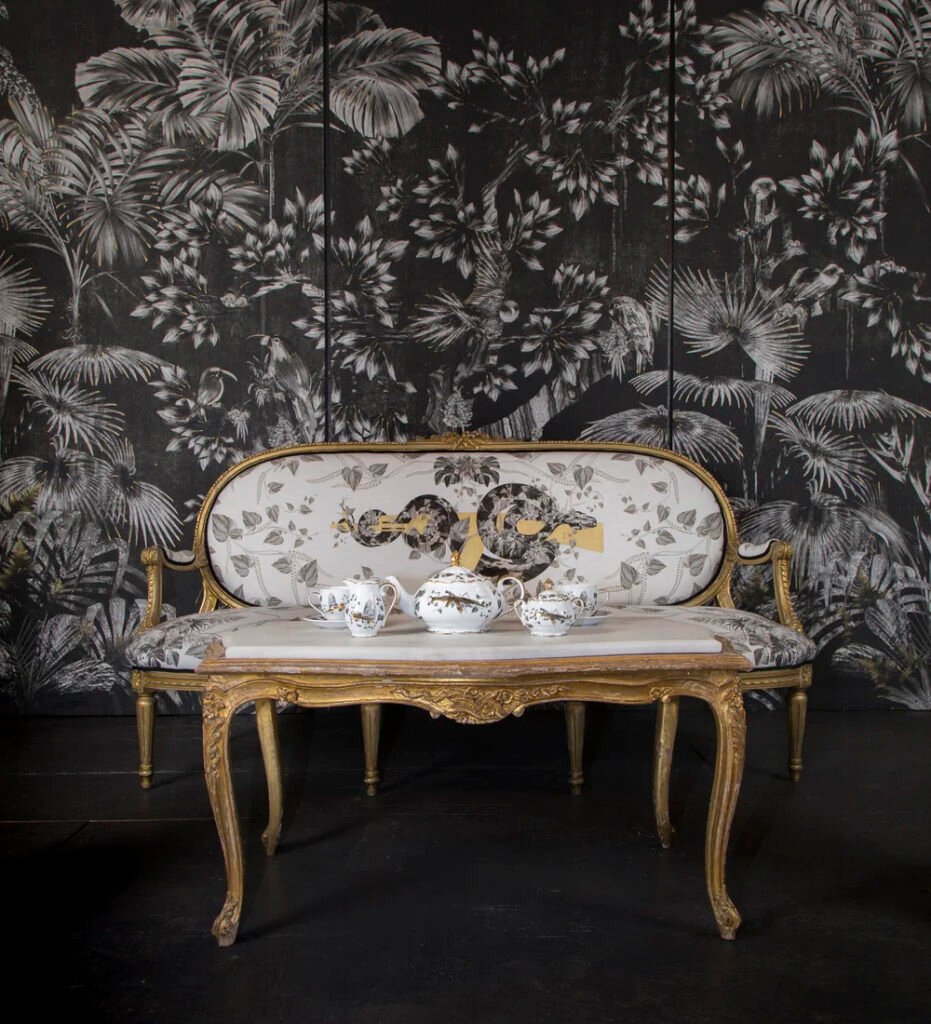
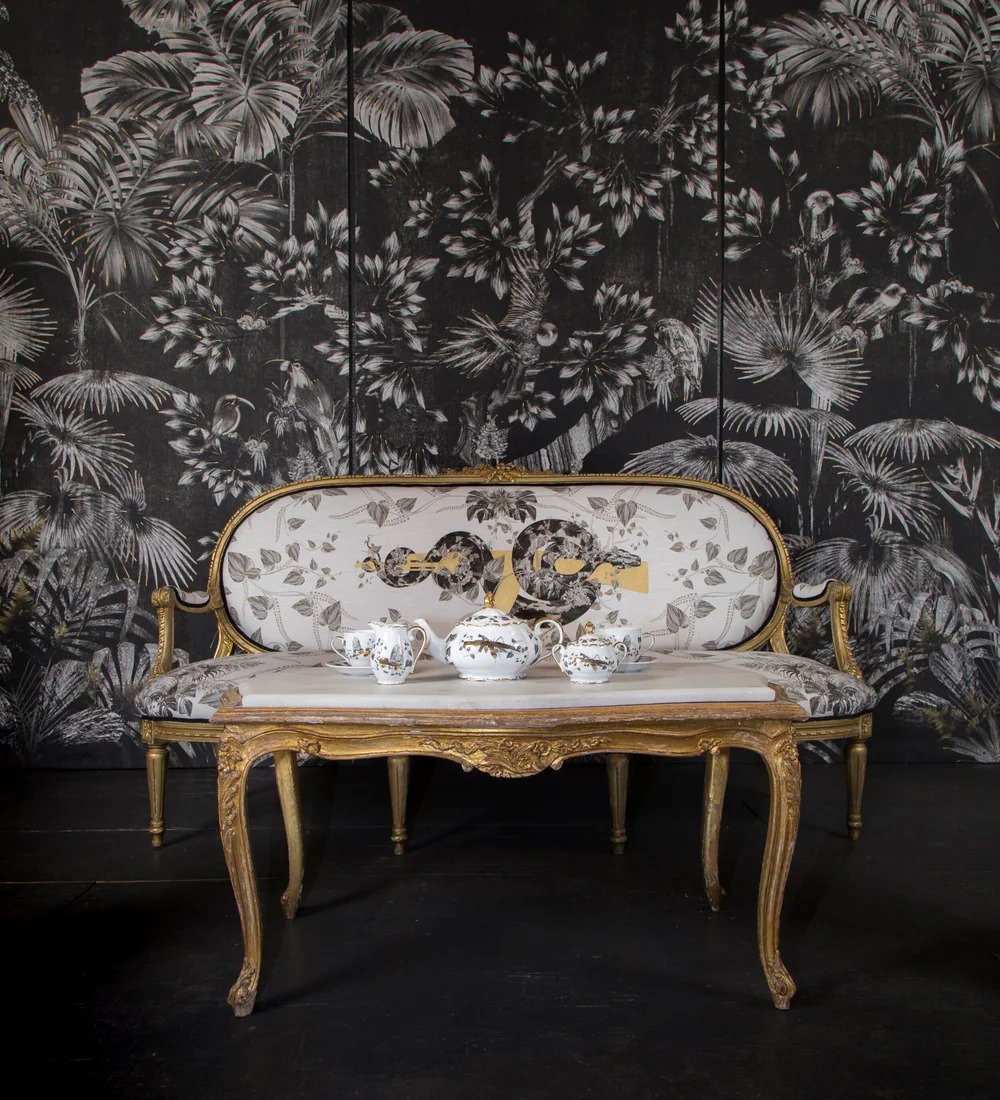
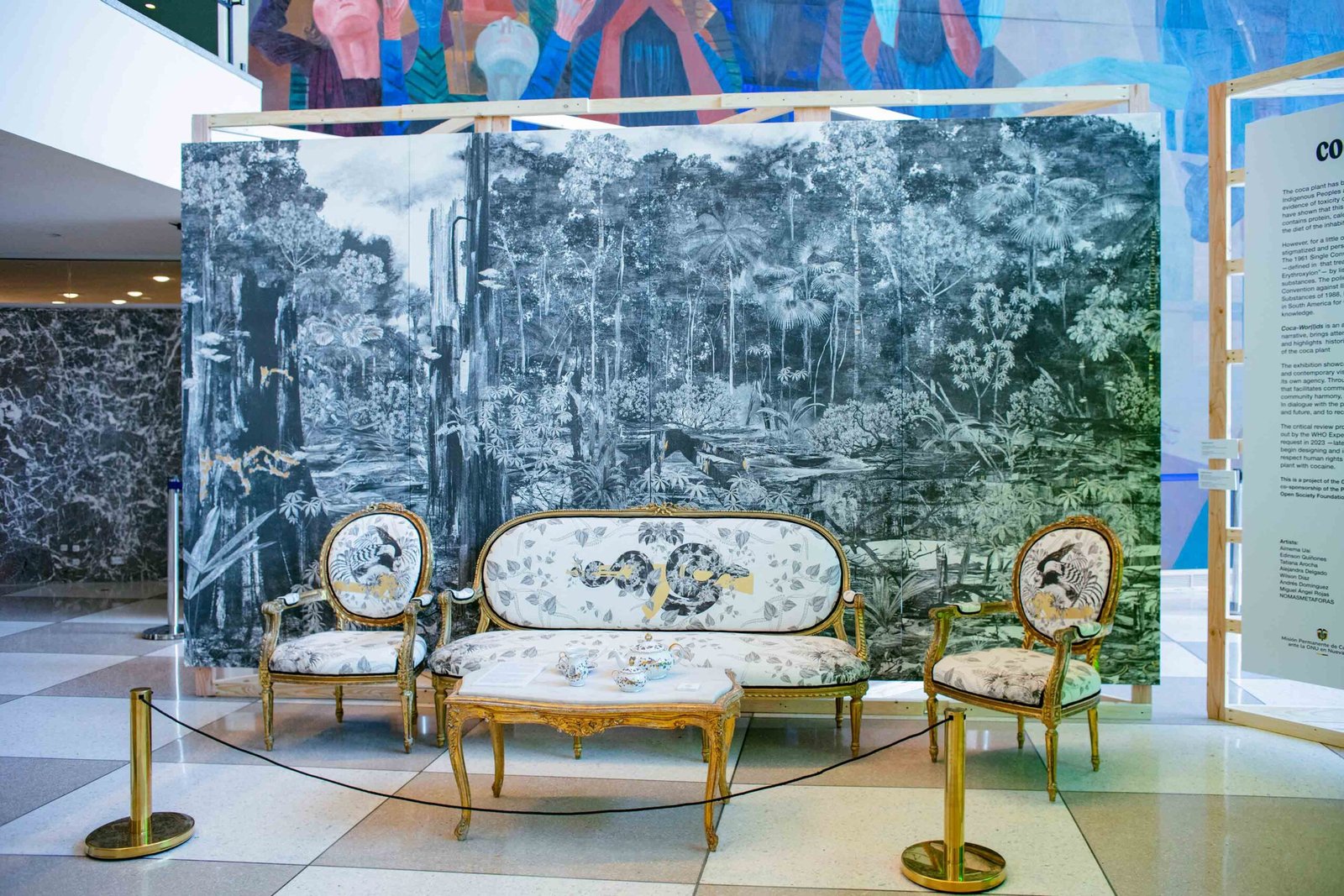
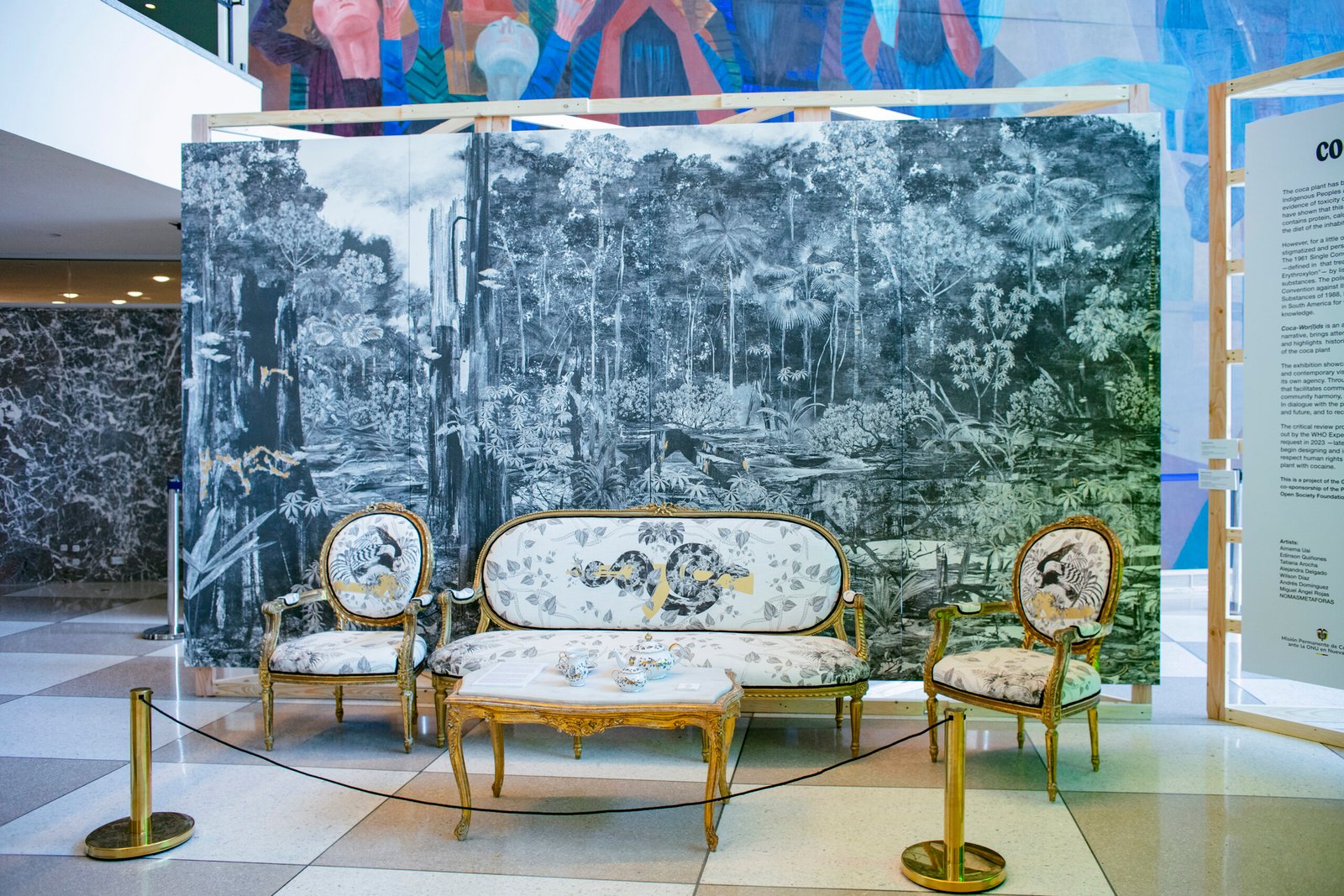
In her installation Impending Beauty, artist Tatiana Arocha reconstructs a late 19th-century European tea room through elements that allude to the environmental impact that illicit economies have on tropical forests. The upholstery of the furniture is intervened by the artist with images that evoke the rainforest—plants, snakes, and other animals.

The wooden parts of the furniture, painted in gold, highlight the tension between the material value of this metal and the ecological value of an ecosystem such as the Amazon, which is of vital importance to global balance.

The installation is activated through the collective act of sharing coca tea, as an invitation to engage in dialogue about the consequences of colonial power on the territories and cultures of Indigenous and rural peoples.

For the exhibition Coca, Palabra-Mundo at the United Nations Headquarters in New York, this installation was presented alongside the work La Chagra de Amoka, which served as a backdrop and created a space of encounter where her large-scale work became the setting.

The Artist

Tatiana Arocha

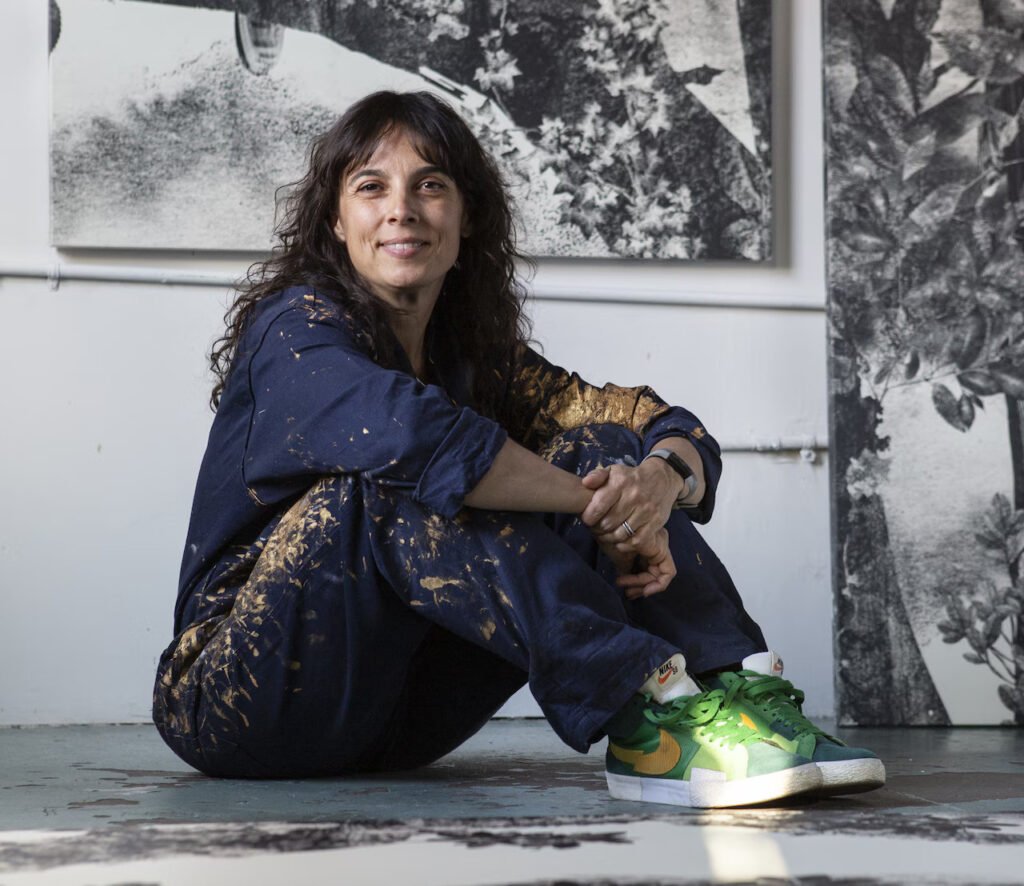
Tatiana Arocha is a Colombian artist born in New York in 1974, whose practice explores the intimacy between people and the land, personal memory, and her own experience as an immigrant.

Read more

Amoka’s Hort

Amoka’s Hort

Tatiana Arocha

Artist’s country of origen: Colombia – United States
Materials: Acrylic on canvas, gold
Size: 822 x 274 cm
Year: 2019

Line of Inquiry:

Coca-Politics Coca-Worlds

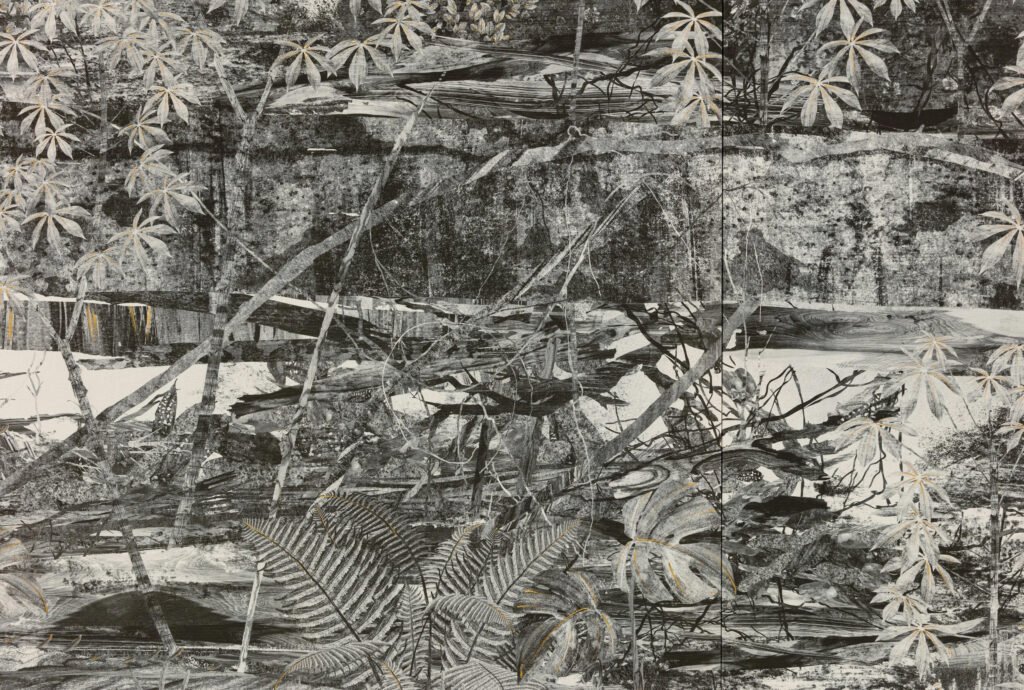
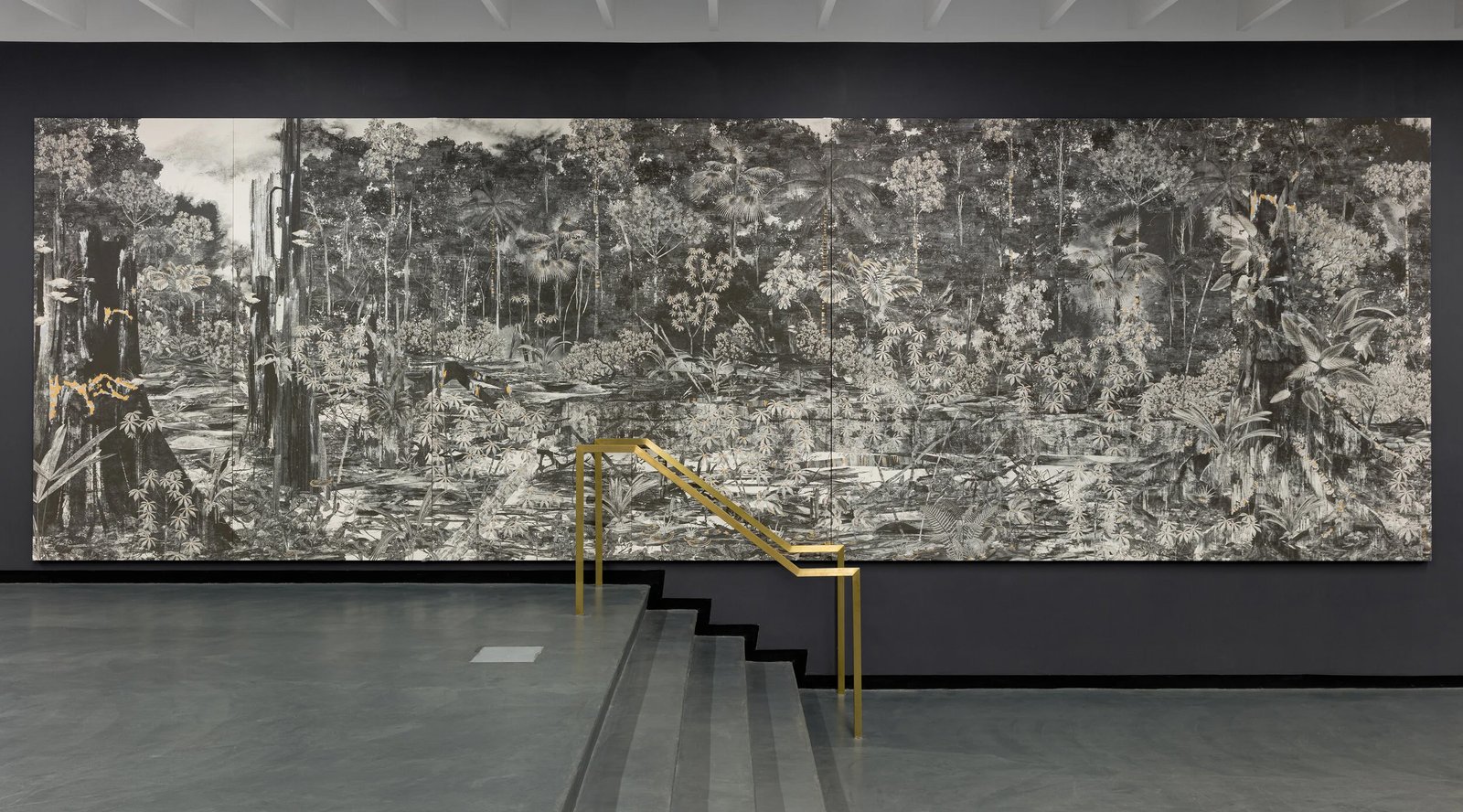
In conversation with Gory Nejedeka Jifichiu, a Muinane elder, Arocha deepened her understanding of the sacred plants, gardens, and ancestral knowledge of the Murui-Muinane people. During a visit to his maloca in the Colombian Amazon in July 2019, made possible through the Sustainable Arts Foundation fellowship for artist-parents, Arocha and her son Joaquín were warmly received by Gory and his family.

These conversations are documented in Arocha’s catalogs, recording Gory’s teachings about the jungle and mambe, a preparation primarily made from coca leaves and yarumo ashes, consumed with tobacco paste, called ambil. The experience expanded Arocha’s perception of the forest and the ancestral knowledge that sustains the land, maintaining its connectivity, diversity, and vitality.

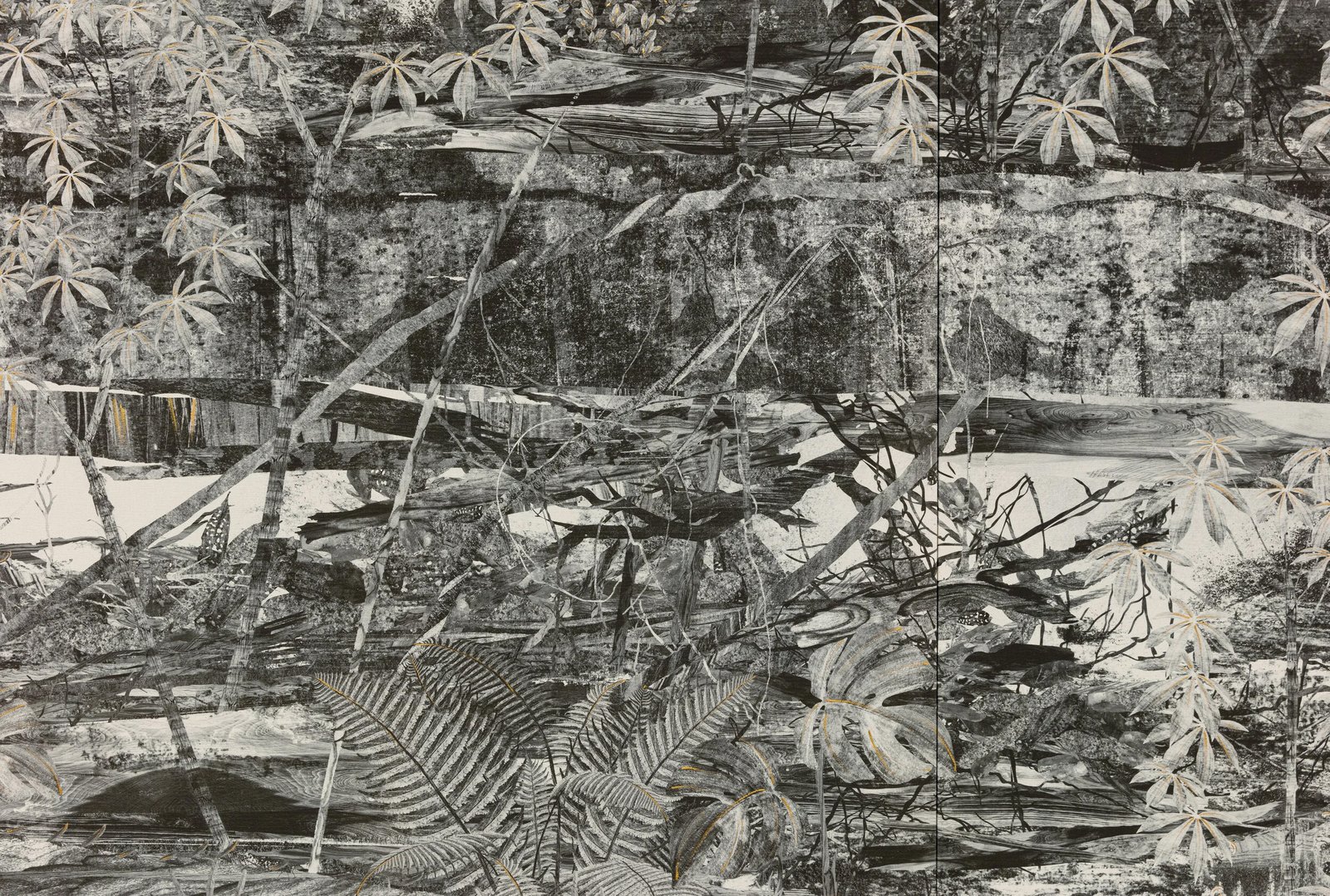
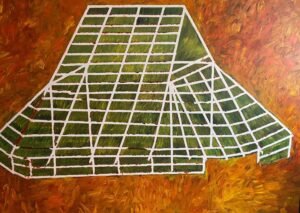
In her large-scale work Amoka’s Garden, Arocha reconstructs the landscape of the Amazonian gardens of the reserve where she exchanged knowledge with Gory Nejedeka during her research travels in the Amazon.

The Artist

Tatiana Arocha

Tatiana Arocha is a Colombian artist born in New York in 1974, whose practice explores the intimacy between people and the land, personal memory, and her own experience as an immigrant.

Read more

Essence, Memory, and Transformation

Essence, Memory and Transformation

Anyi Ballesteros with Pajarita Caucana, in collaboration with Daniela Rubio, María Alejandra Torres, and Mónica Suárez.

Artist’s country of origen: Colombia
Materials: Organic silk, coca leaves, natural dyes.
Size: Variable
Year: 2021

Line of Inquiry:

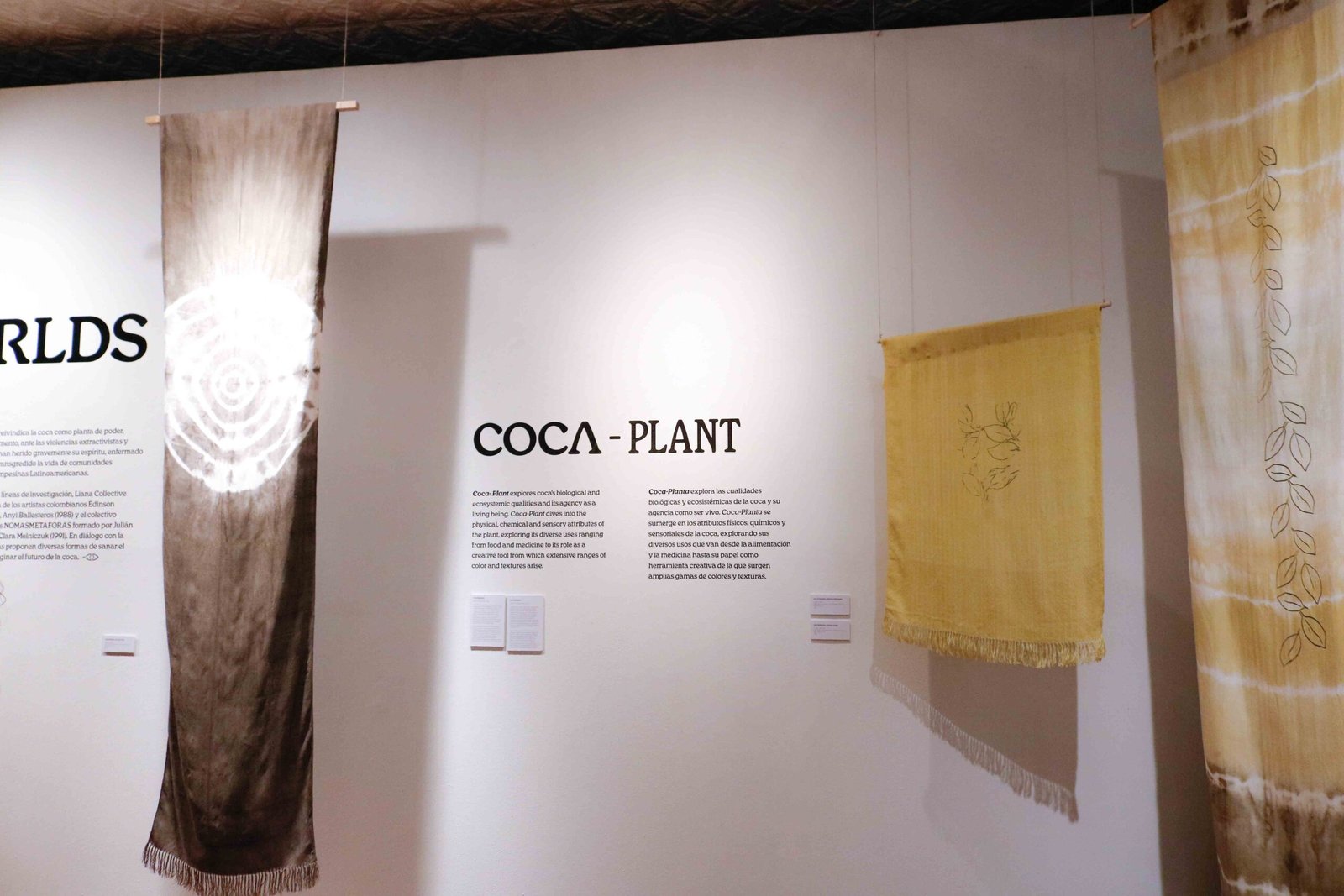
Coca-Plant

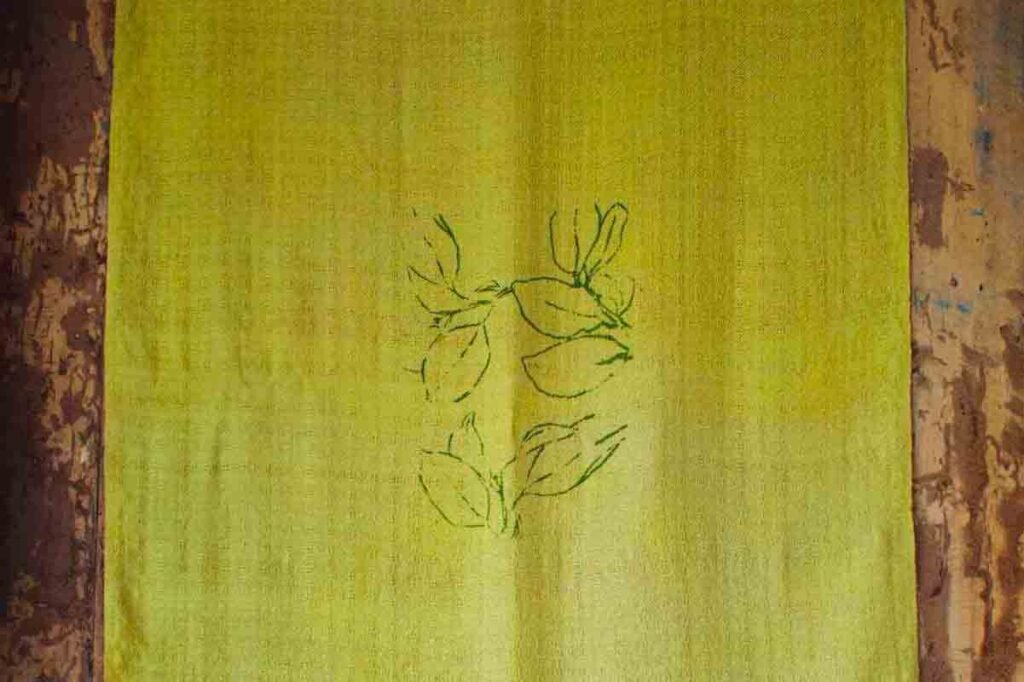
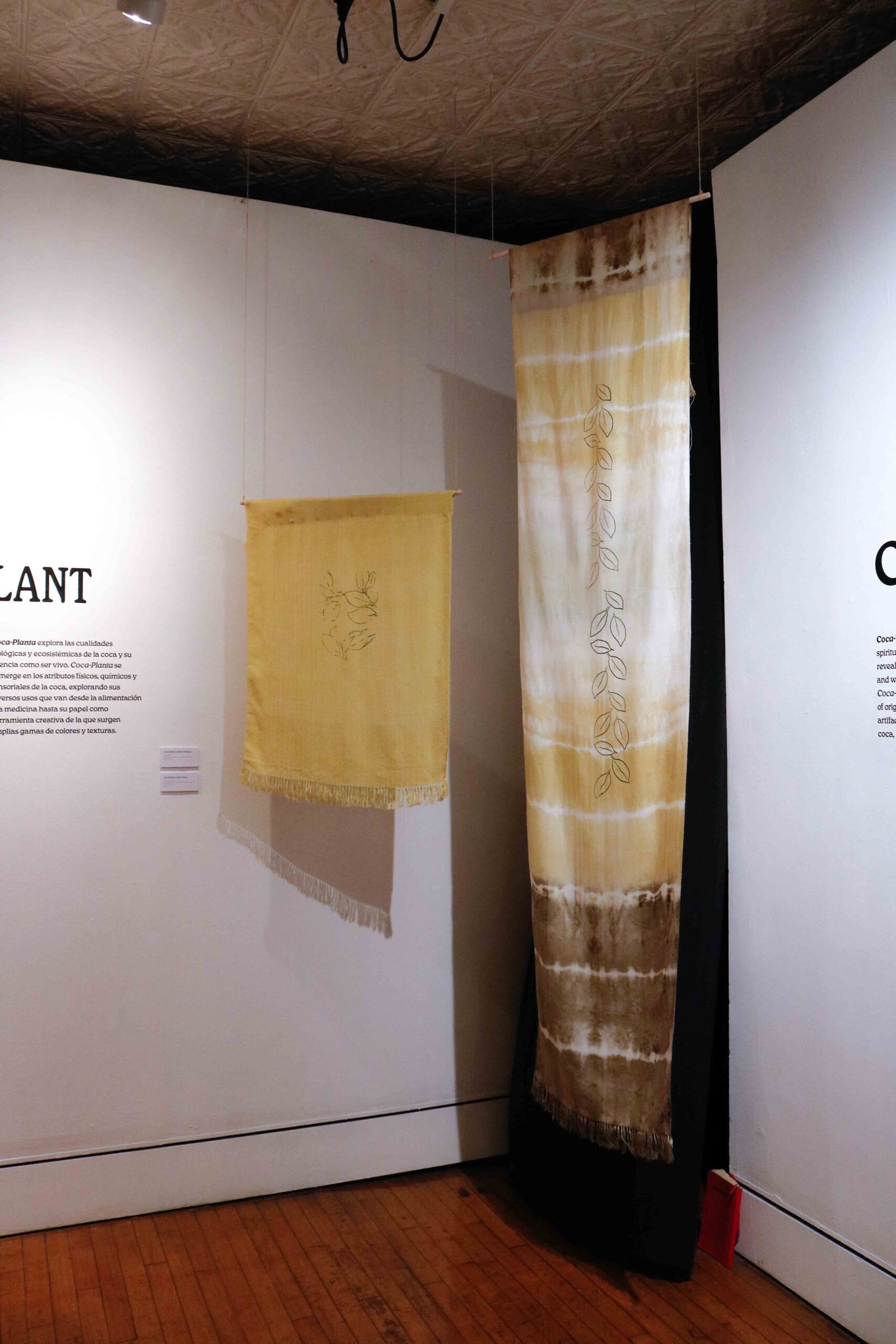
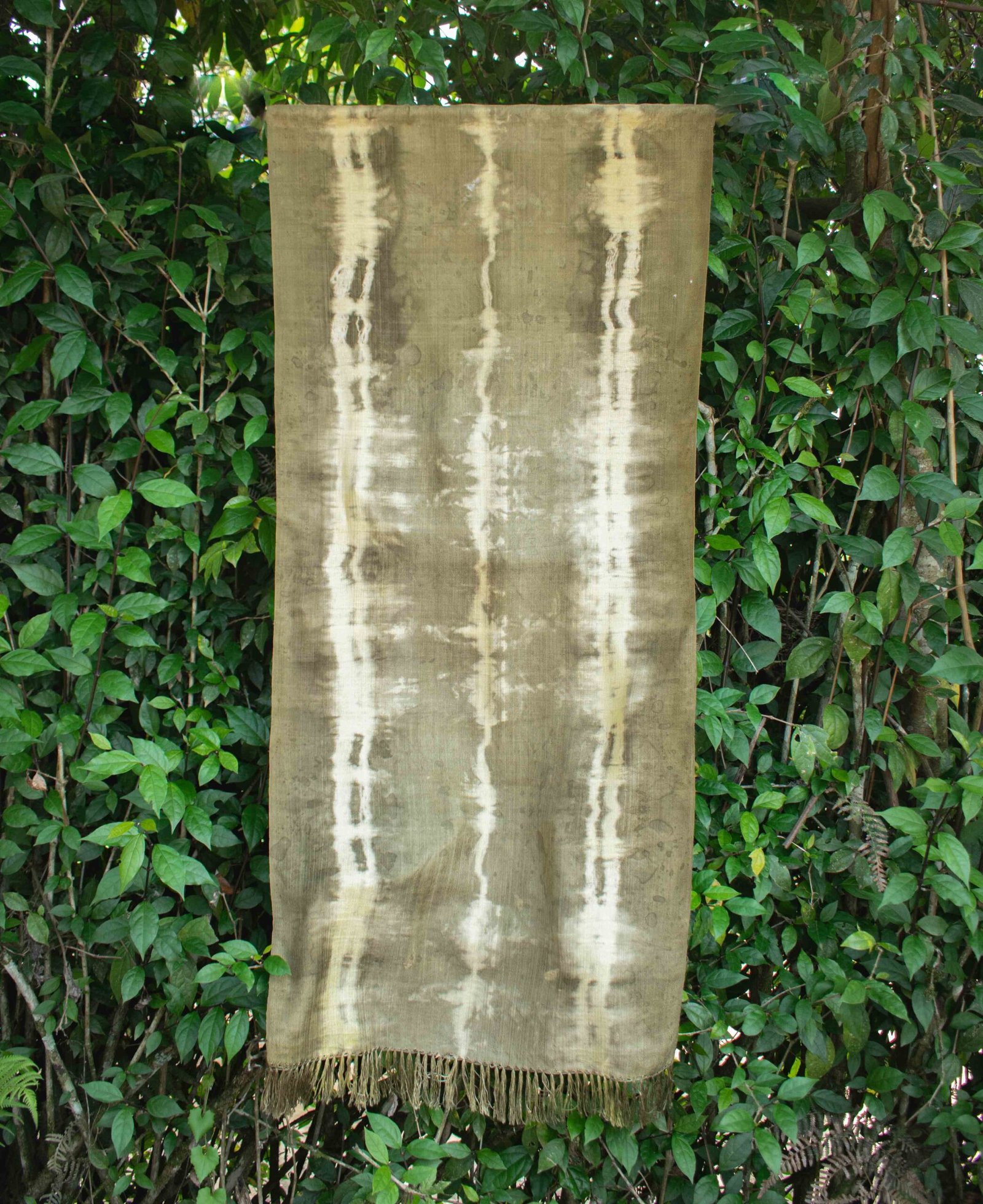
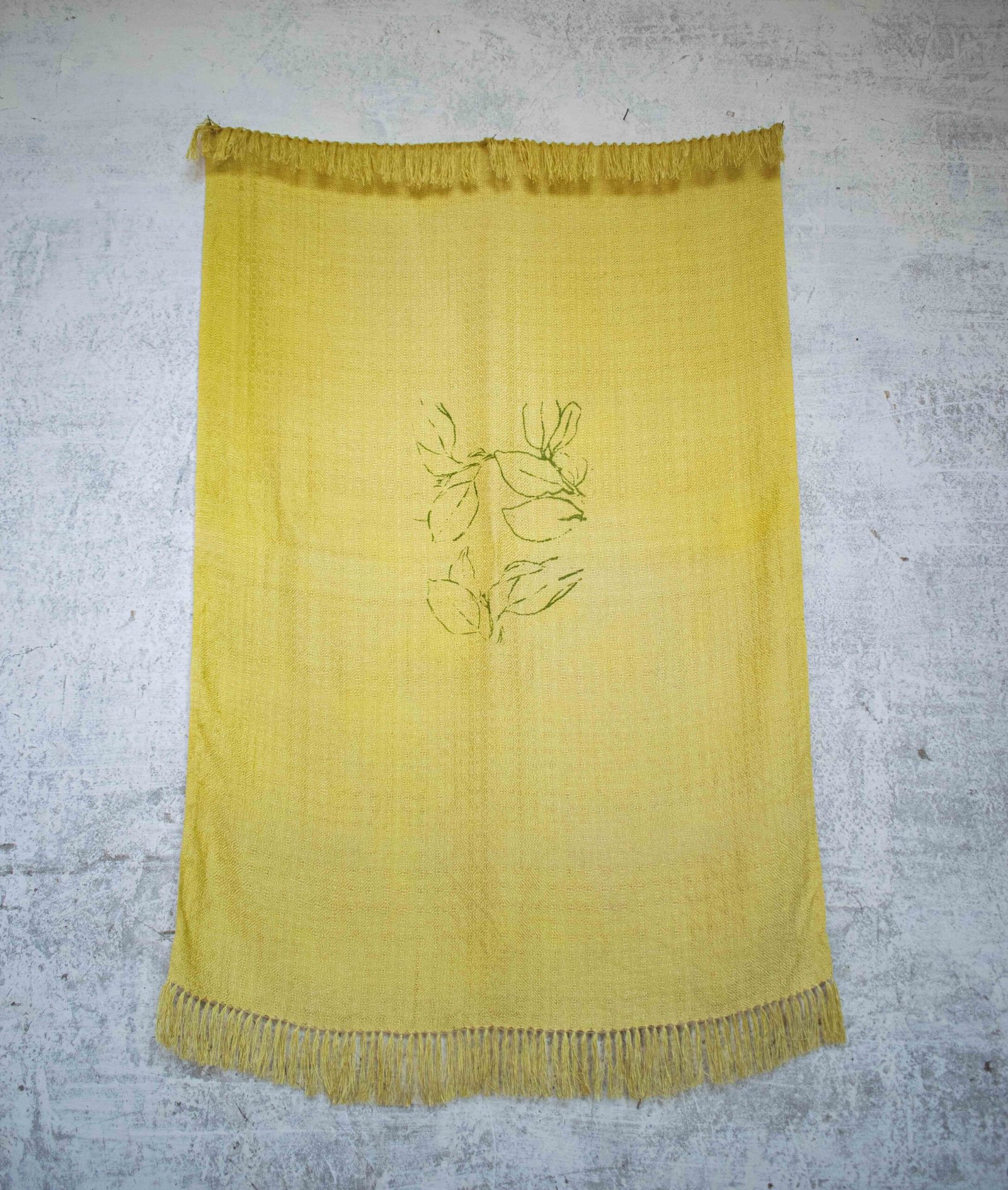
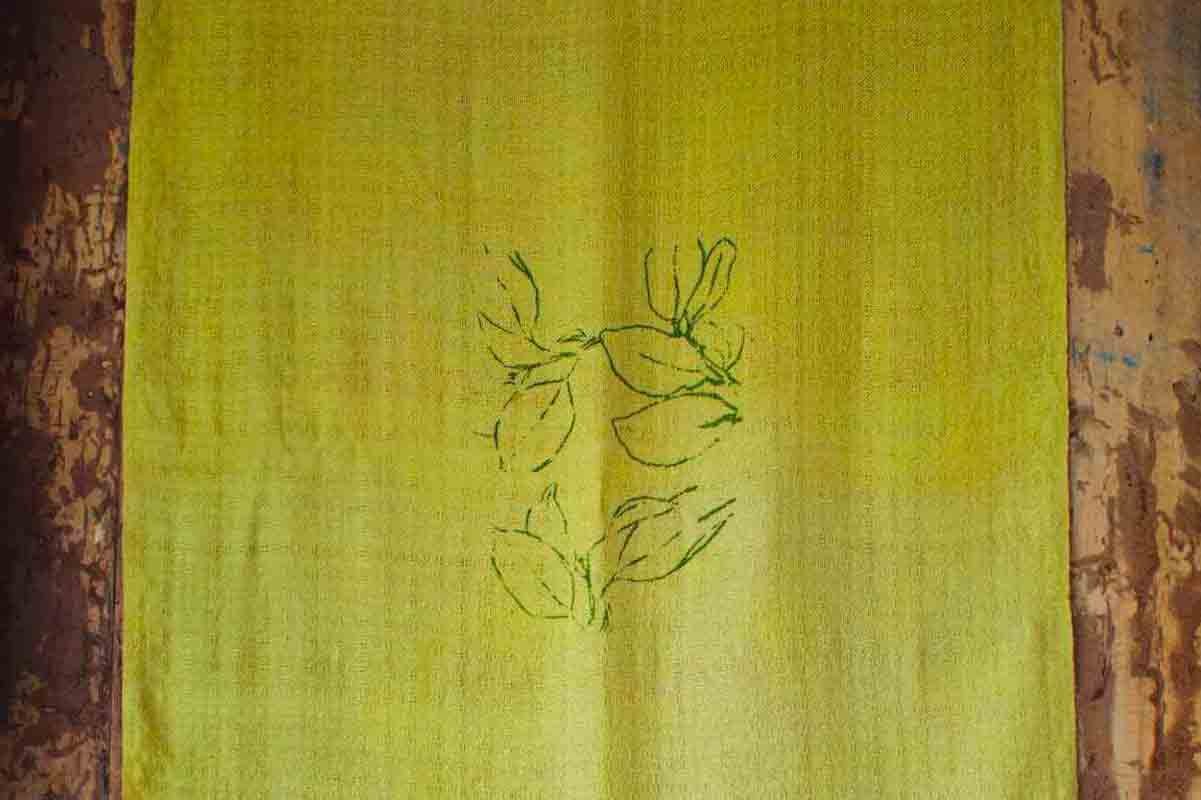
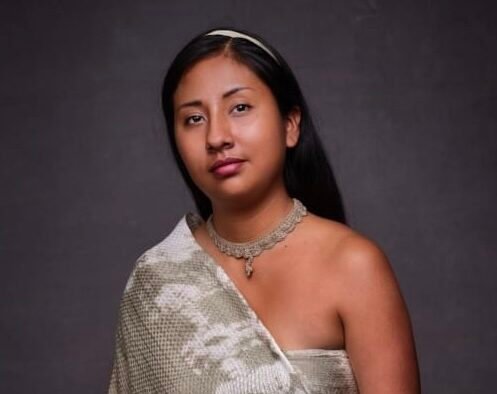
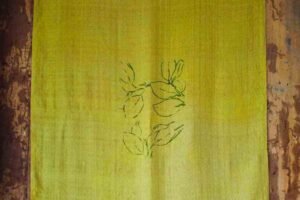
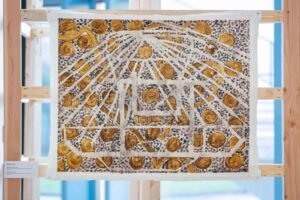
Since 2021, Anyi Ballesteros has been researching dyeing techniques using coca leaves through her project Pajarita Caucana, developed in collaboration with designers Daniela Rubio, María Alejandra Torres, and Mónica Suárez. This process led them to discover 96 natural hues derived from the plant, ranging from yellows and greens to browns and beiges.Her collection “Essence, Memory, and Transformation” consists of three shawls designed and woven by Agroarte artisans using organic silk thread dyed with coca leaves. Created collectively, these pieces evoke the history and resilience of their communities. The shawl “Renacer” (Rebirth) alludes to new narratives of the coca plant and its potential for a sustainable future; “El Alba” (Dawn) embodies the serene dawns of Cauca; and “Semilla” (Seed) represents birth, with coca sprouts emerging in soft yellow tones—the result of dyeing experiments with coca leaf and flour.

The Artist

Anyi Ballesteros

Anyi Ballesteros is a textile artisan working at the intersection of ecology, community, and ancestral craft traditions.

Read more

More From This Artist

Kanasto de Origen

Kanasto de Origen

Aimena Úai

Artist’s country of origen: Colombia
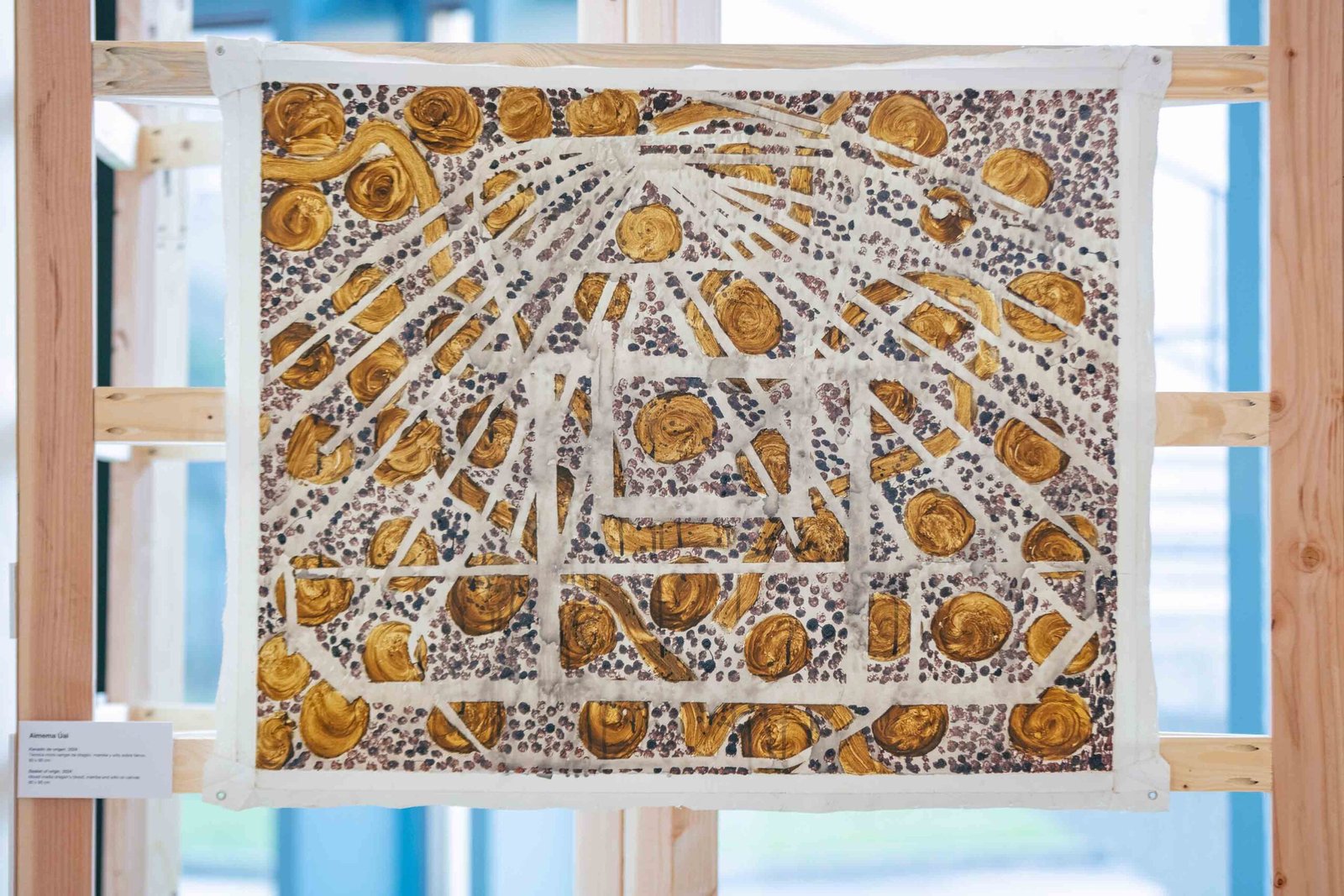
Materials: Mixed media: dragon’s blood resin, mambe, and wito on canvas

Size: 80 × 90 cm (31.5 × 35.4 in)
Year: 2024

Line of Inquiry:

Coca-Worlds

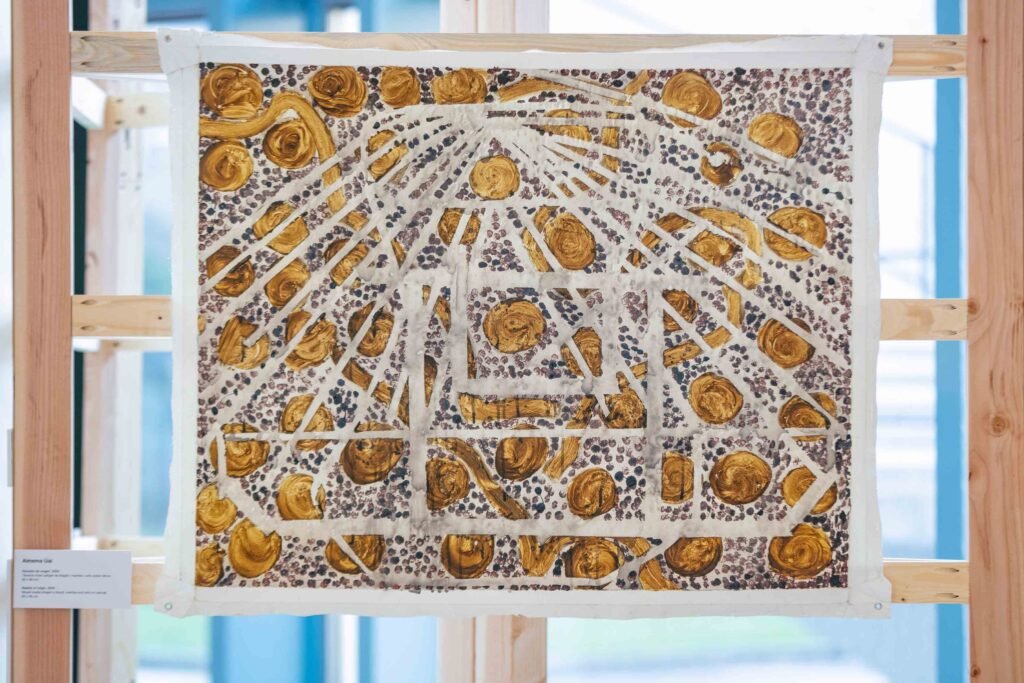
The Maloka and everything learned within it form a constellation of great interconnected knowledges. In this context, the kanasto embodies the image and practice of weaving the Murui word-thought: a living archive opened to teach, heal, deliberate, and envision the future—anchored in the mambeadero, the house, and the plants of power.

The Artist

Aimena Úai

Aimema Úai —The Voice of the Crane— is a contemporary artist, mambeólogo (coca practitioner), and researcher from the Murui-Muina people of the Colombian Amazon. Born in La Chorrera in 1996, his artistic formation is deeply rooted in the ancestral knowledge of his family.

Read more

More From This Artist