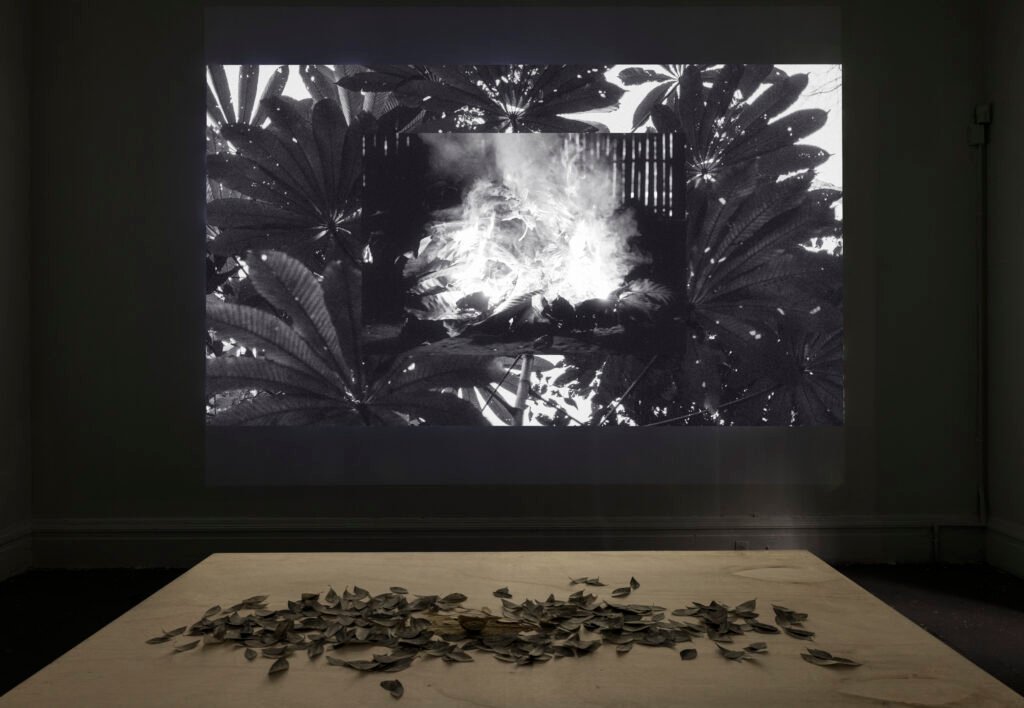
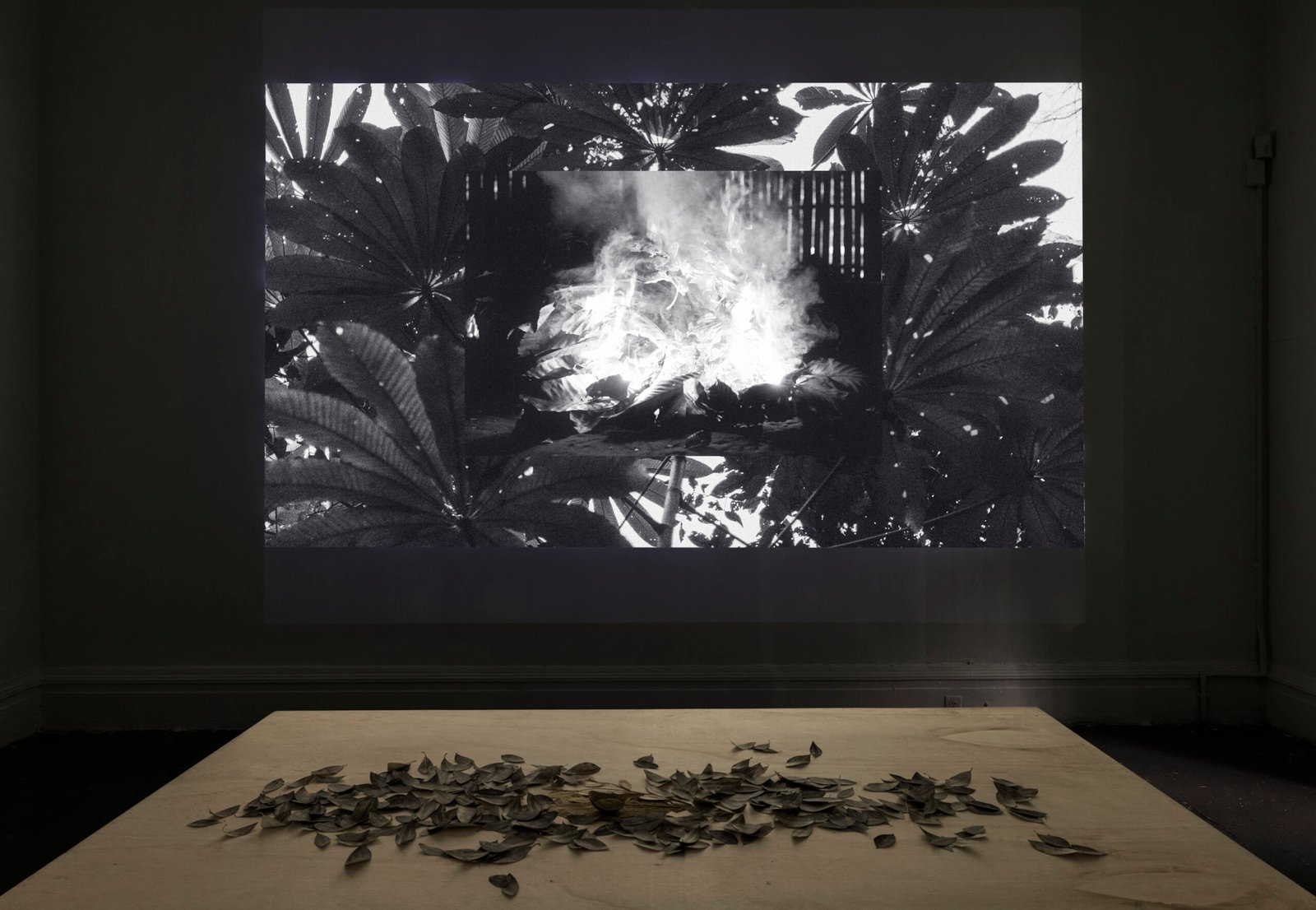
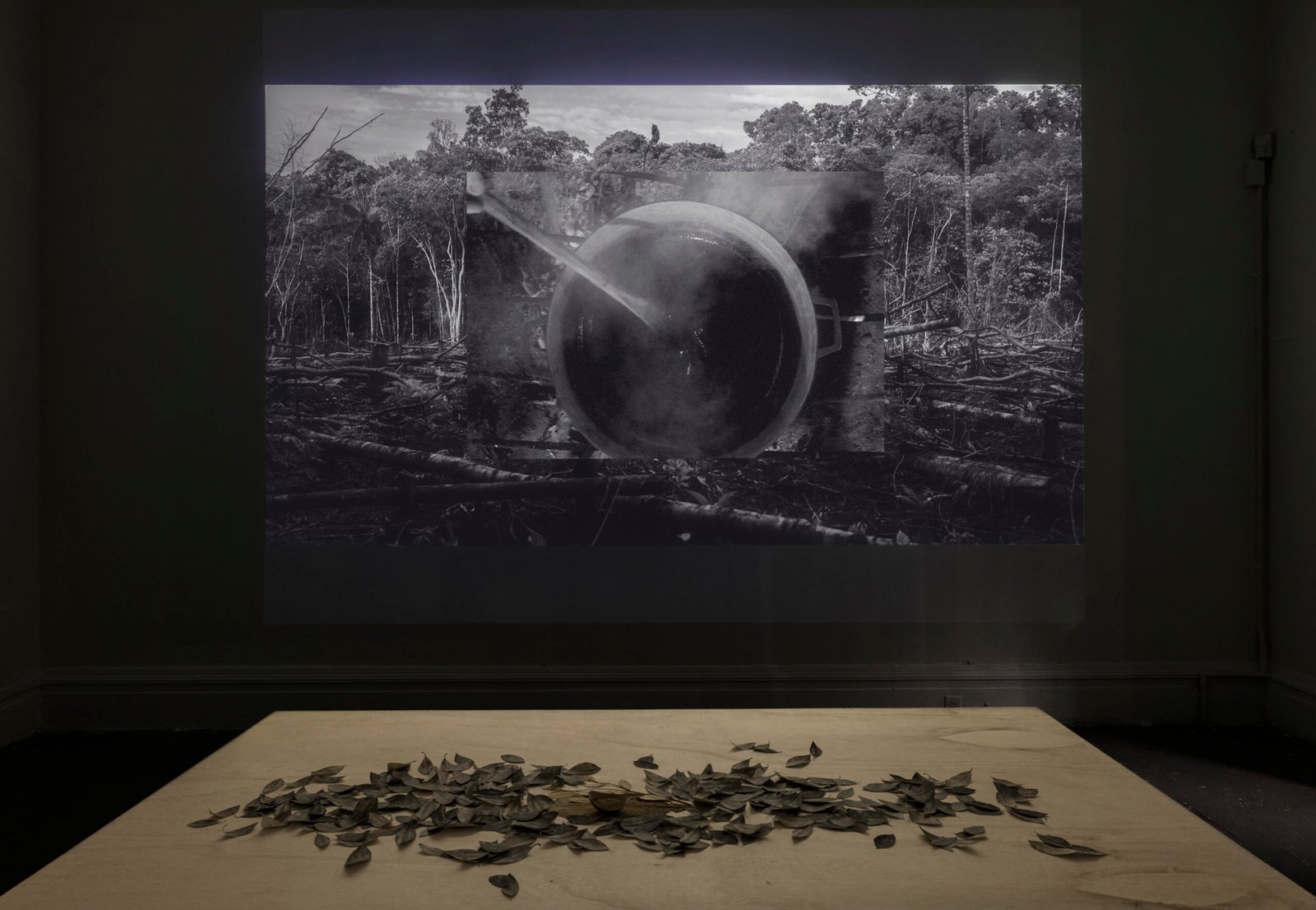
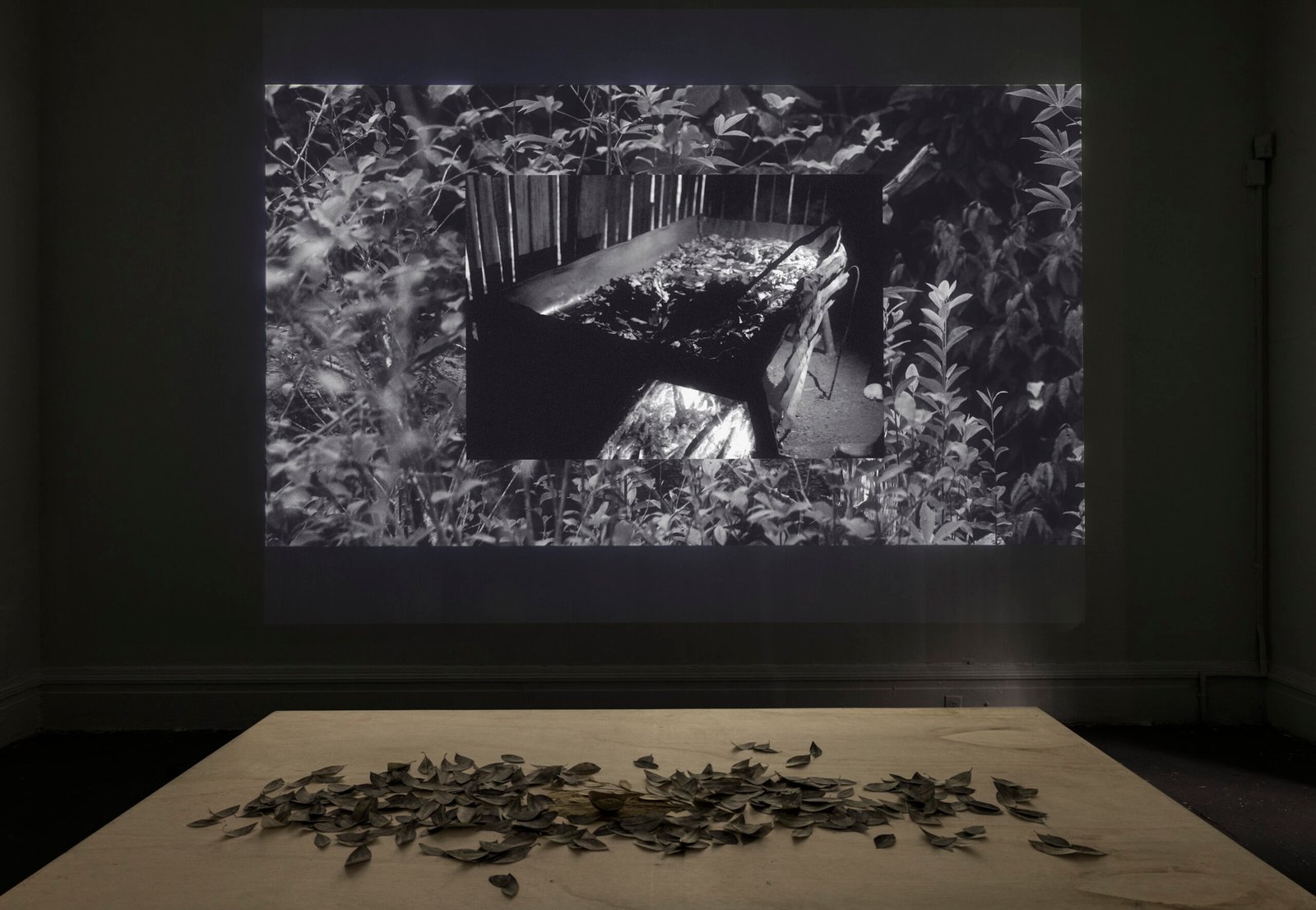
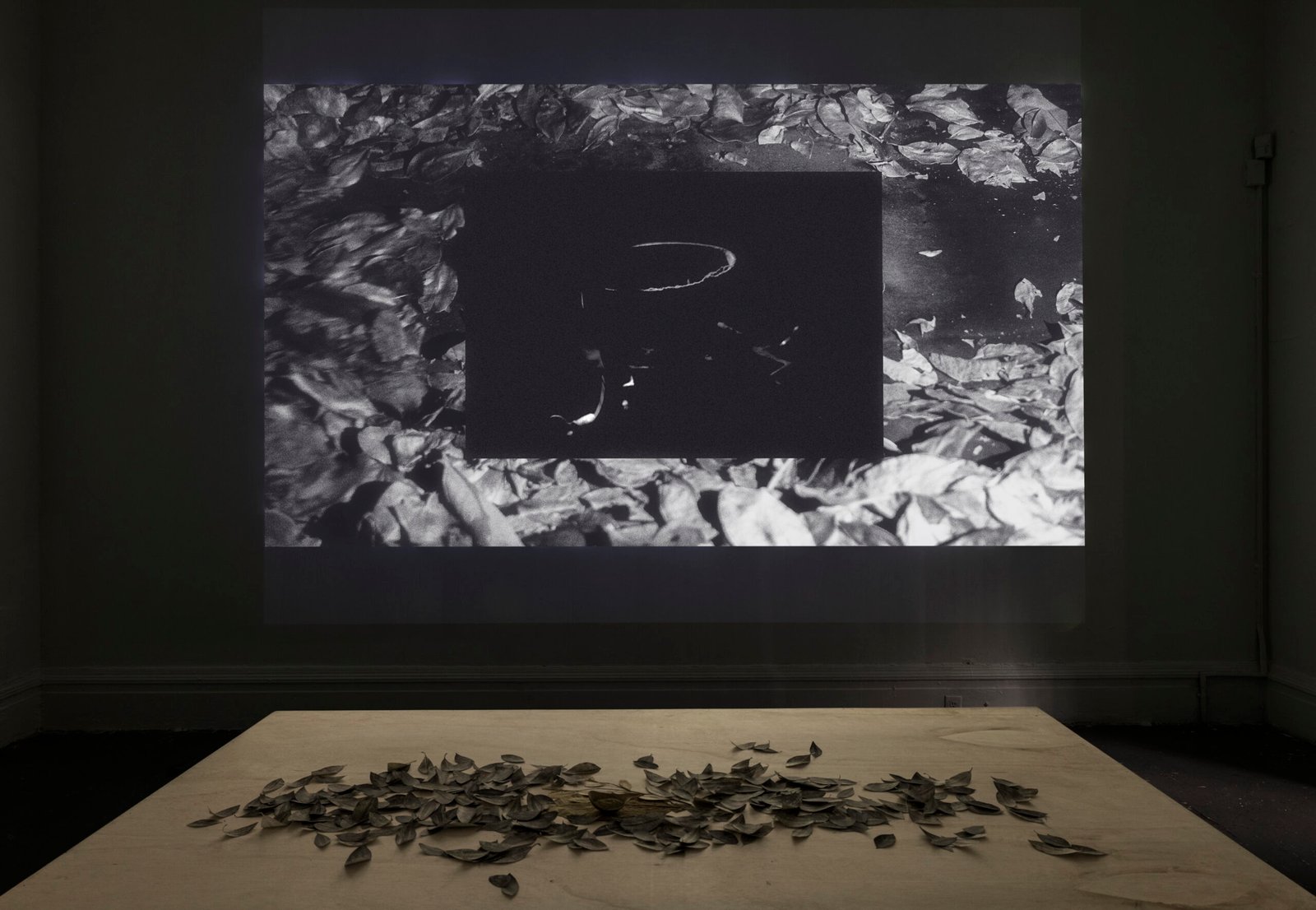
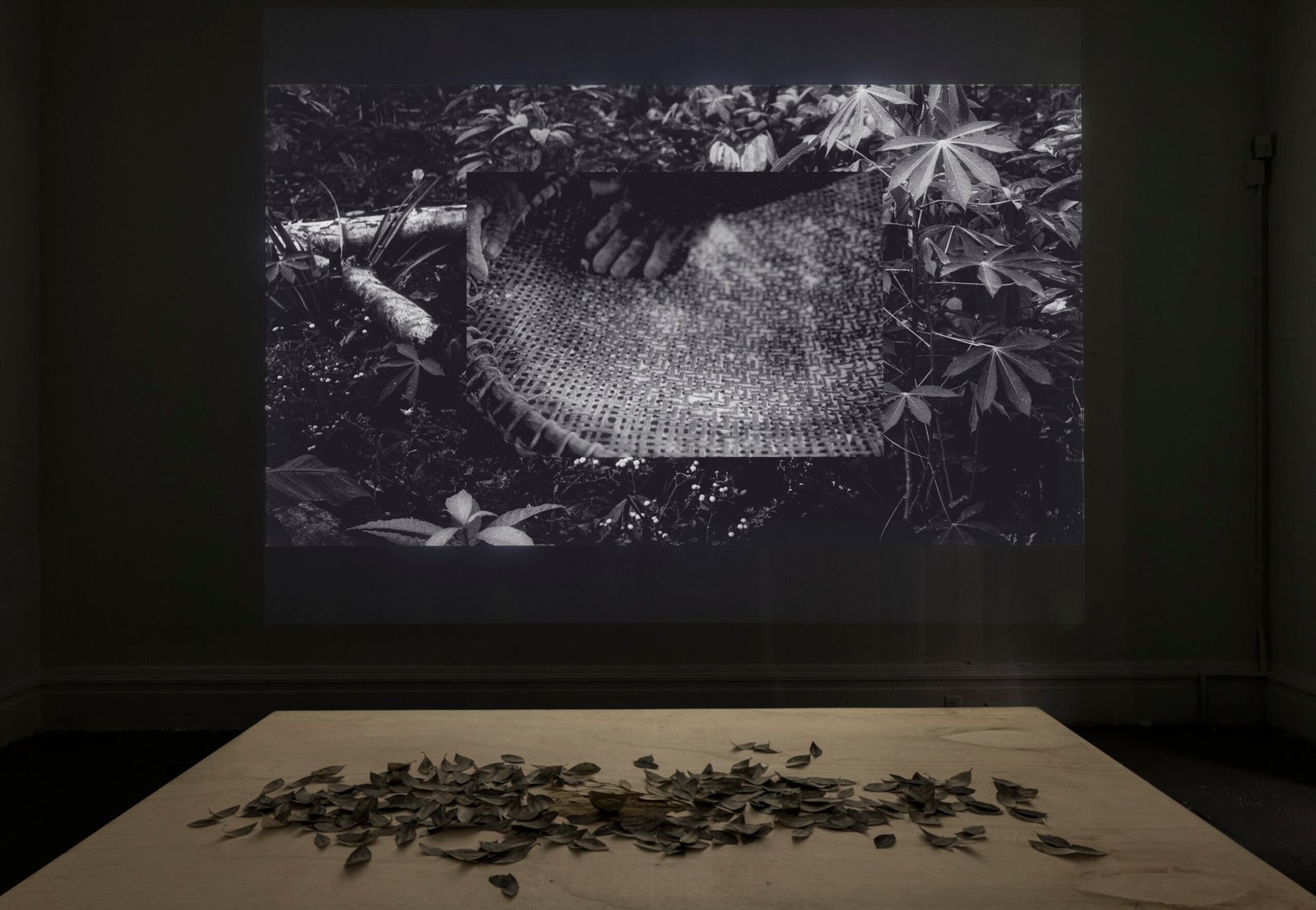
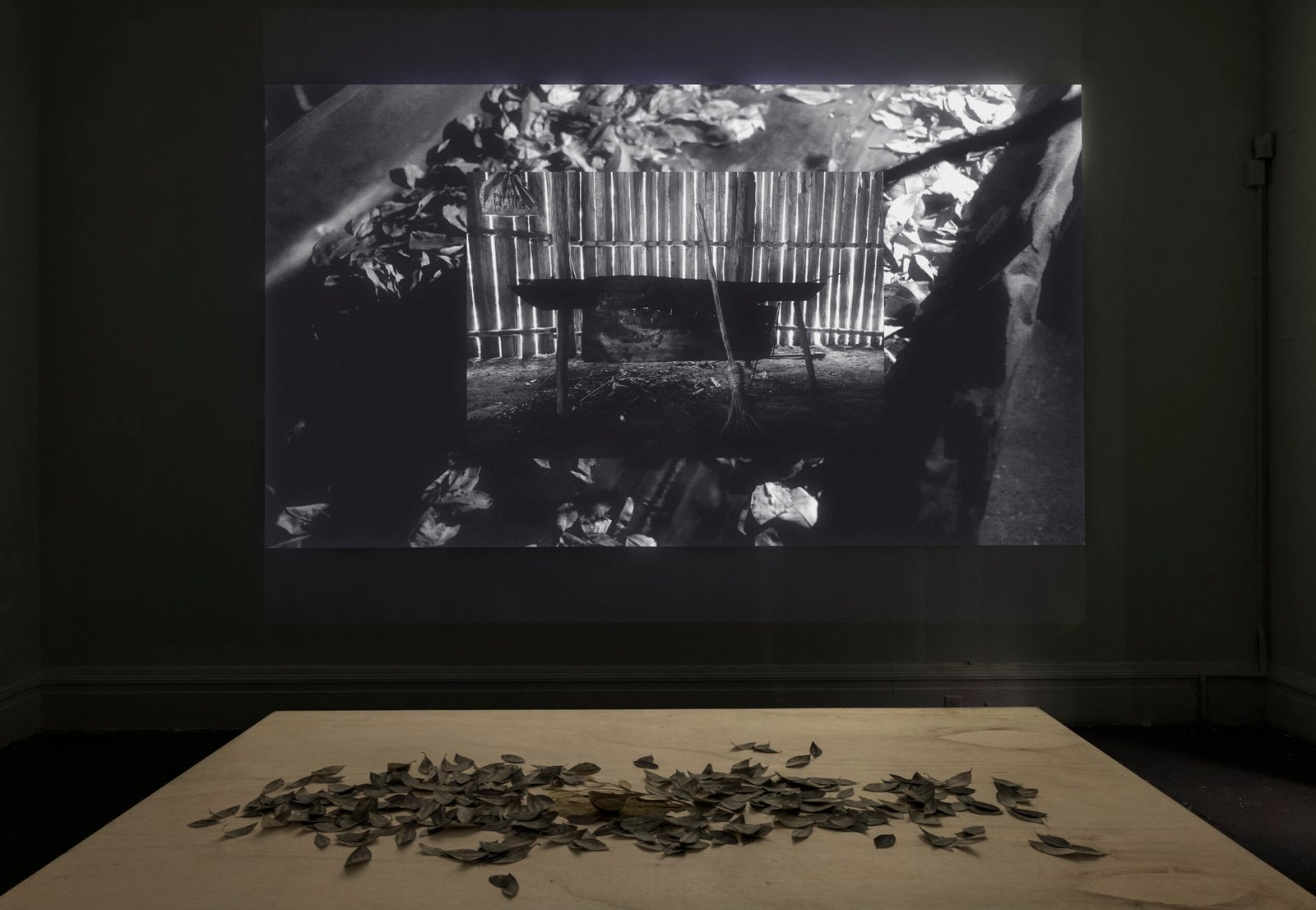
Sabio yarumo, dulce coca, tabaco frío y yuca brava

Sabio yarumo, dulce coca, tabaco frío y yuca brava

Tatiana Arocha

Artist’s country of origen: Colombia – United States
Medium: Single channel video with audio
Year: 2025
Photo Credit: Etienne Frossard © Tatiana Arocha

Line of Inquiry:

Coca-Worlds

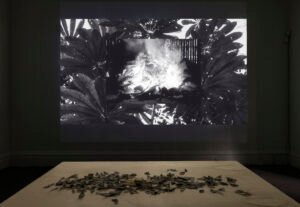
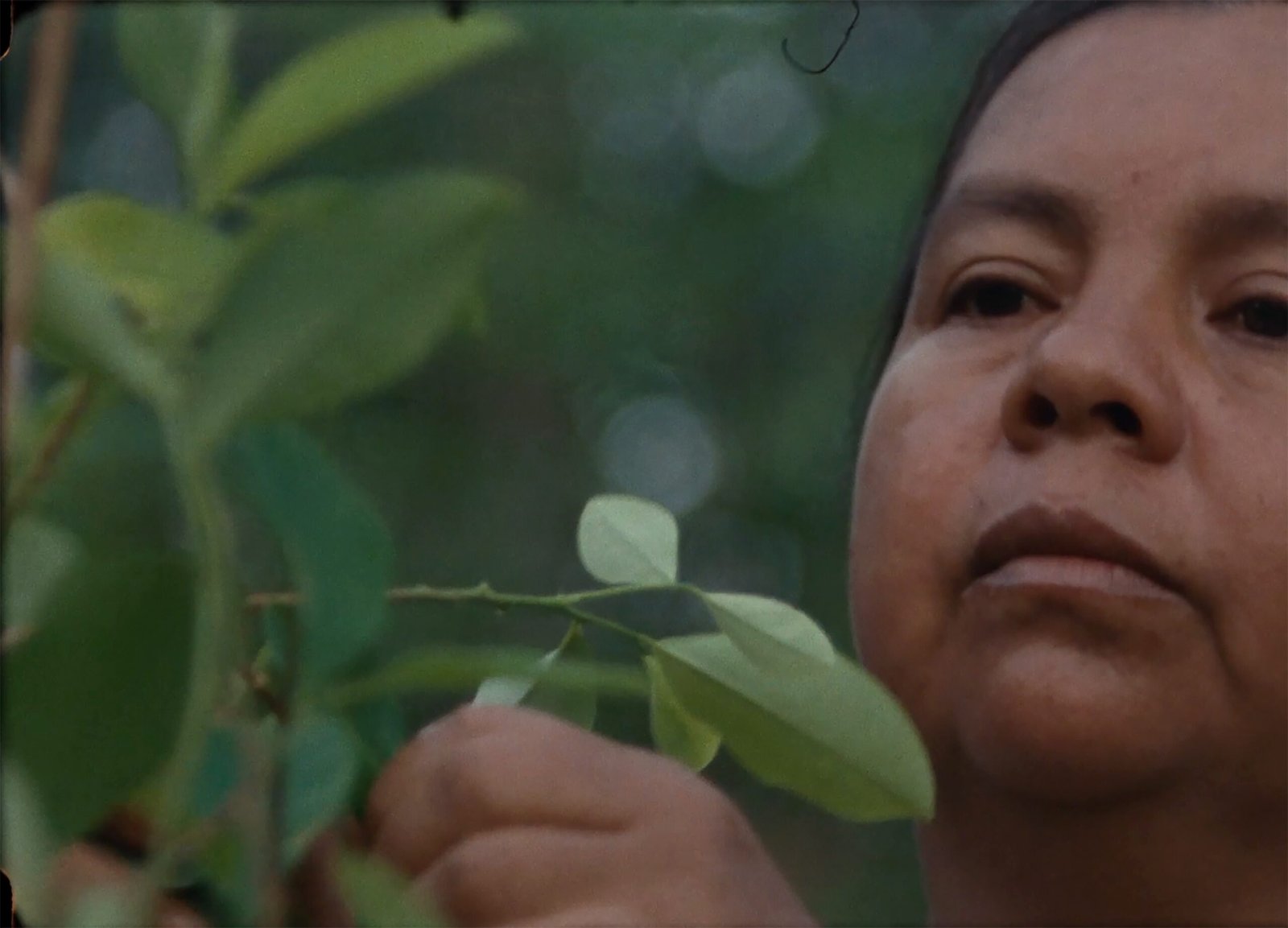
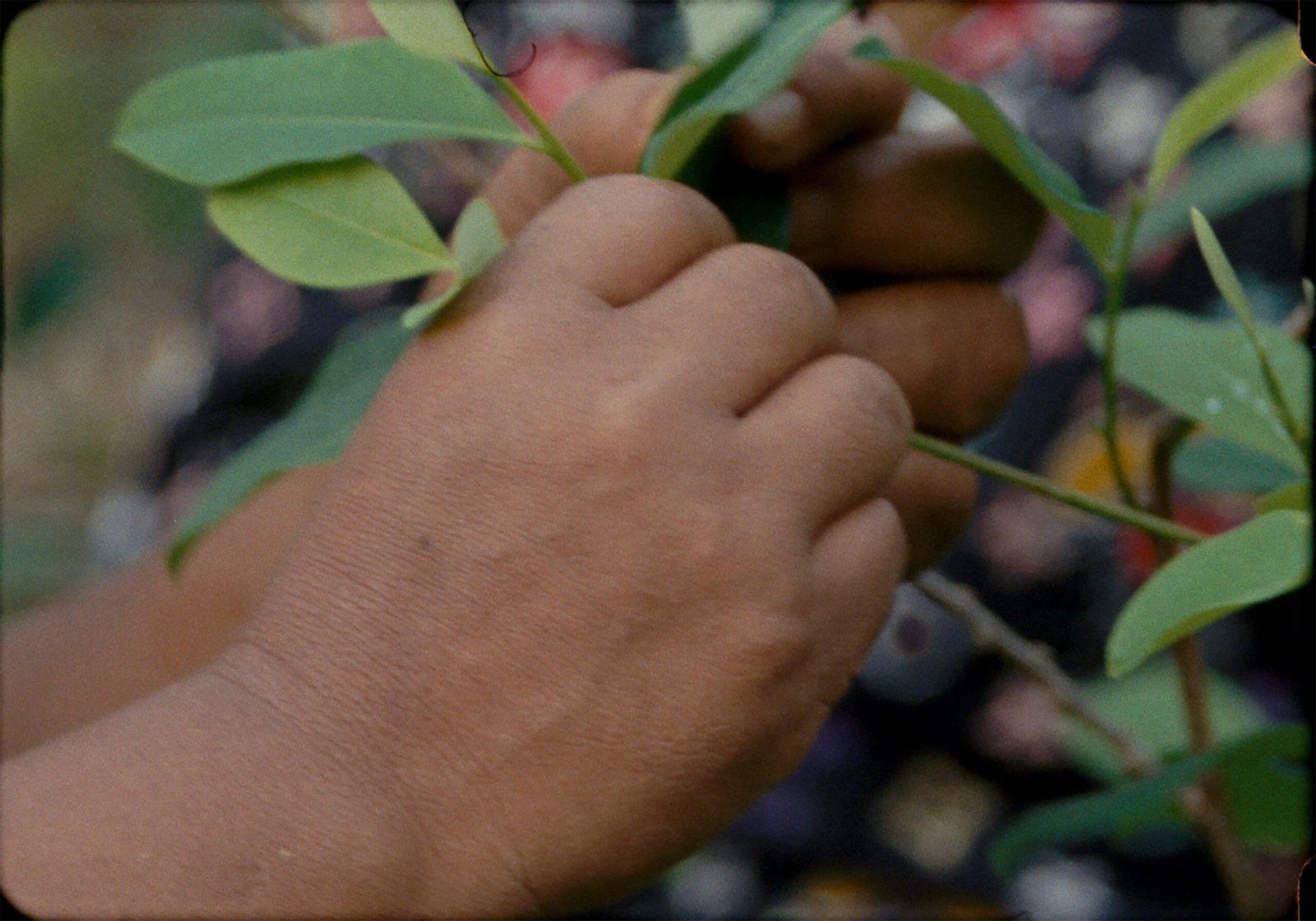
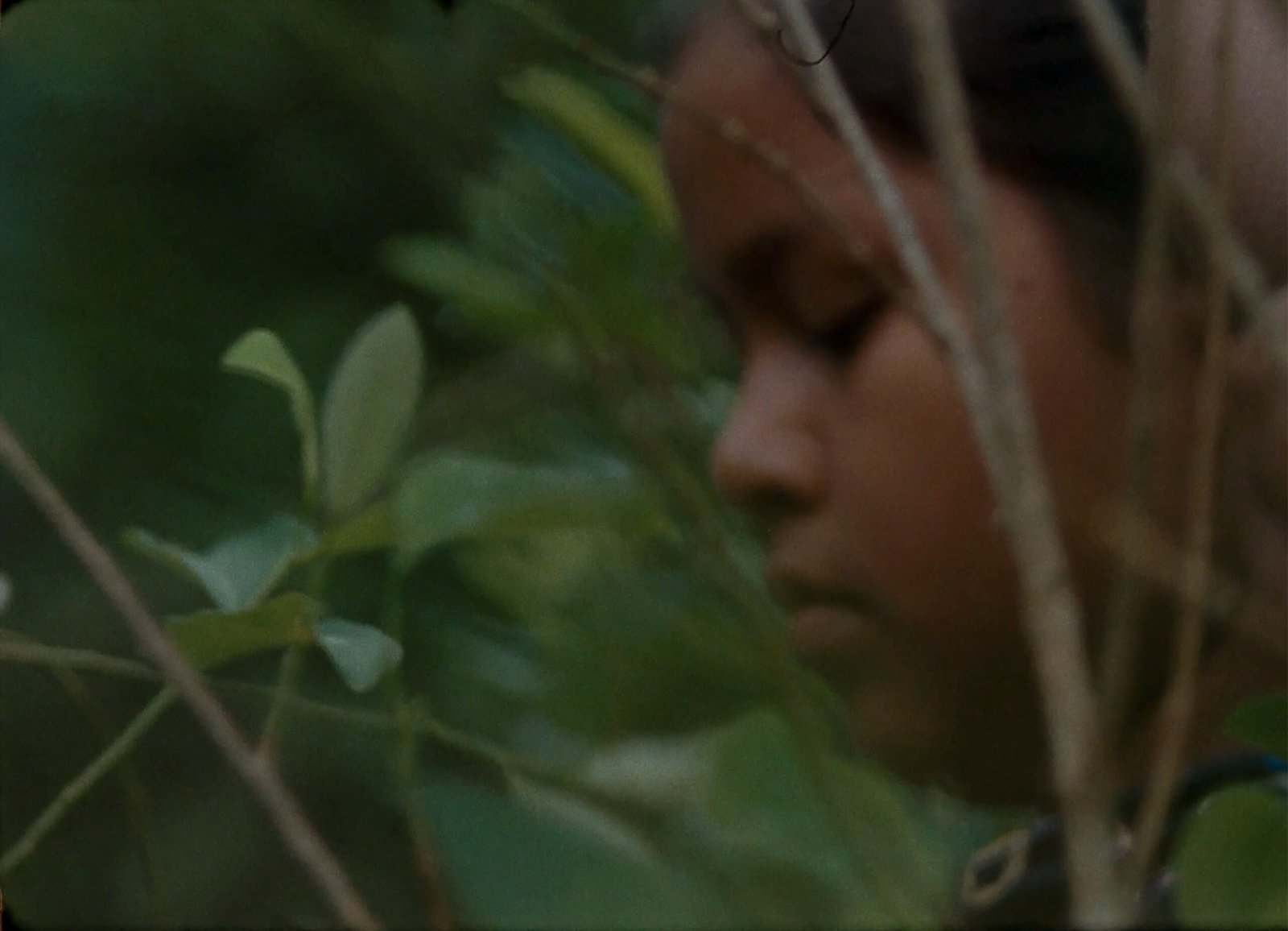
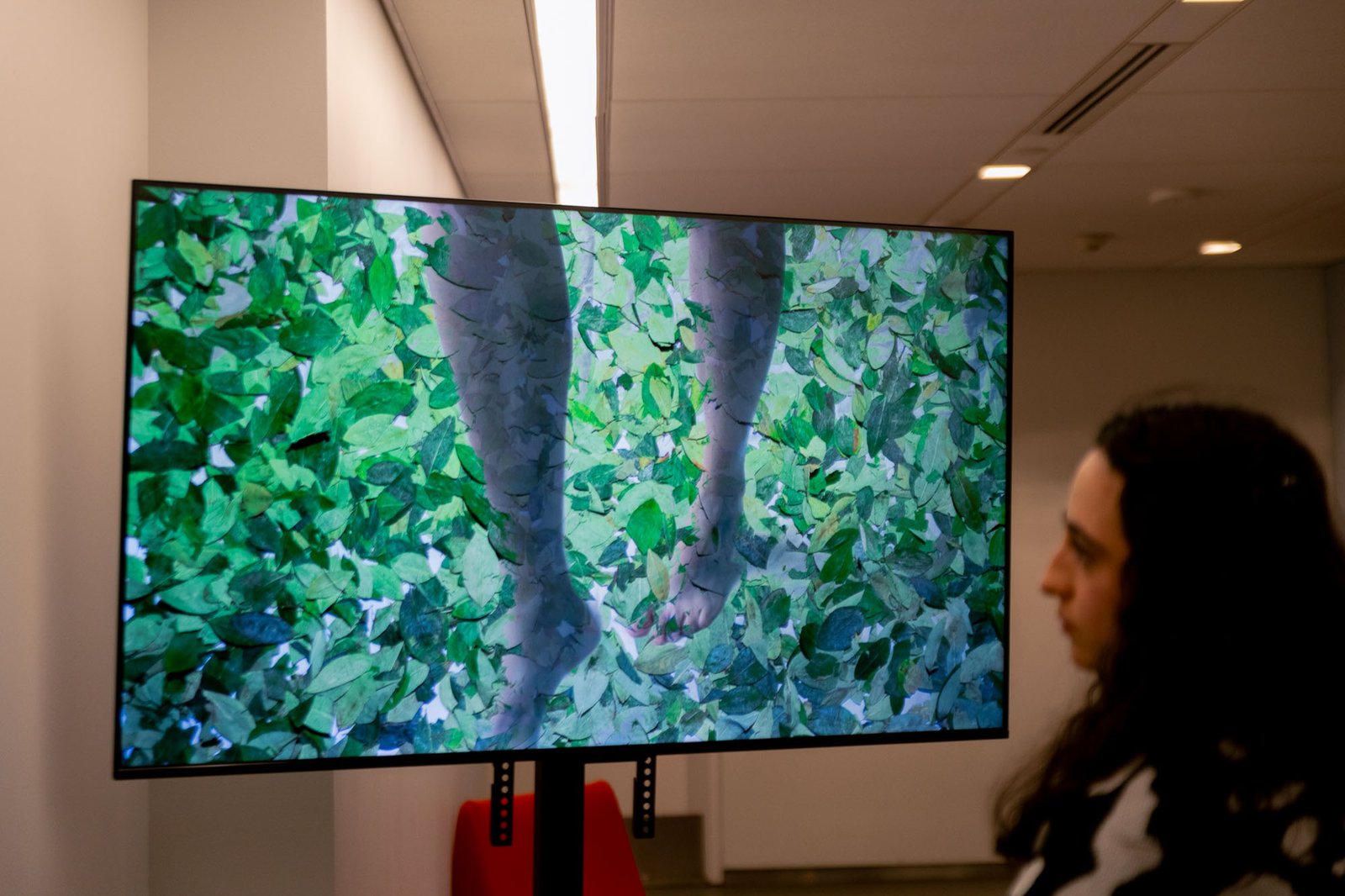
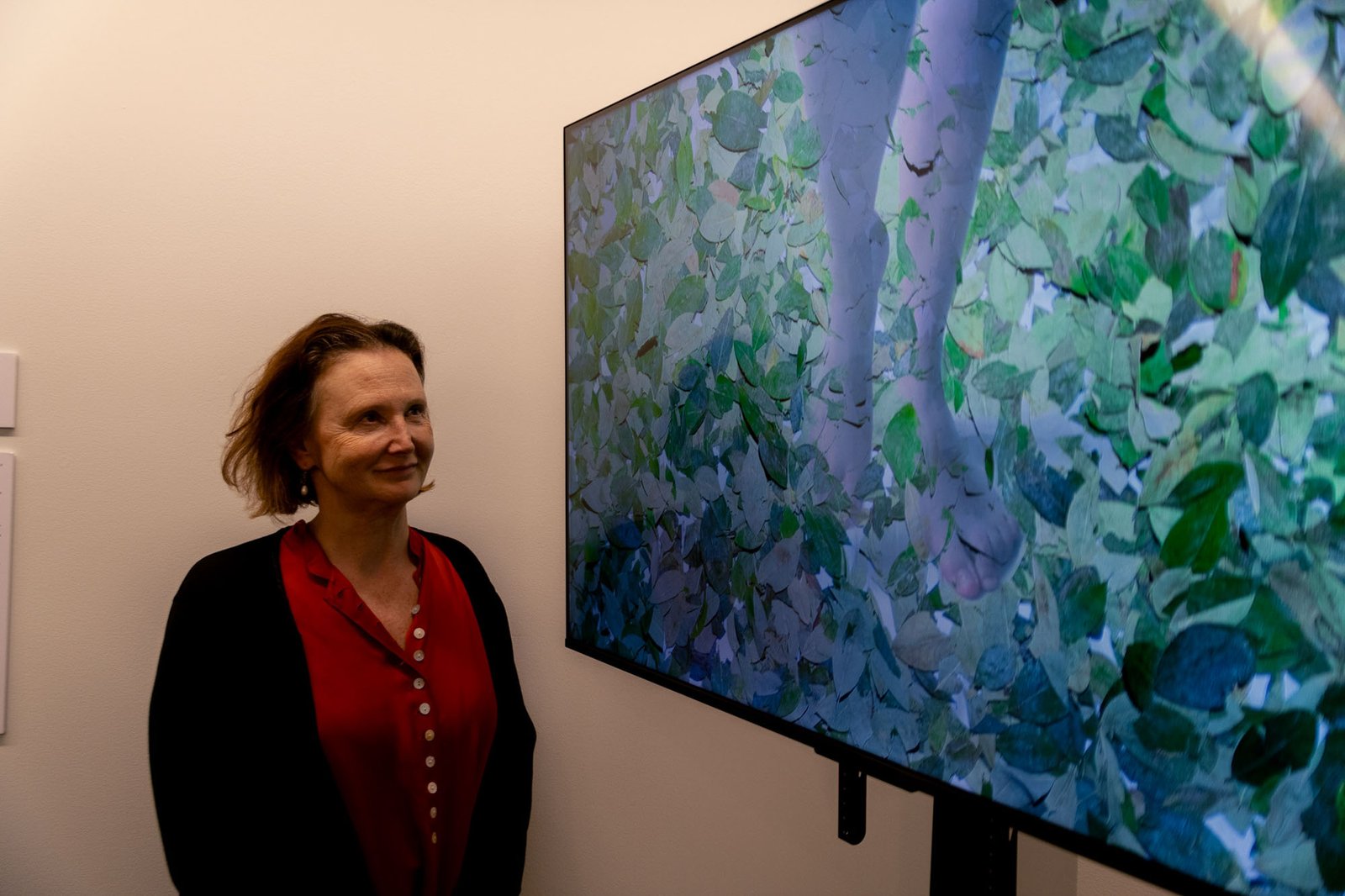
Sabio Yarumo, Dulce Coca, Tabaco Frío y Yuca Brava is an immersive audiovisual installation in which the four elements that give it its title — yarumo, coca, tobacco, and yuca — are living forces in constant dialogue at the center of the maloca, where the domestic and the sacred intertwine.

In the maloca of the Bora Muinane reserve, everything happens simultaneously: the preparation of mambe, the roasting of the leaves, and the voices of the community intertwine like layers of a single sonic fabric, creating a living archive and inviting an act of deep listening.

The Artist

Tatiana Arocha

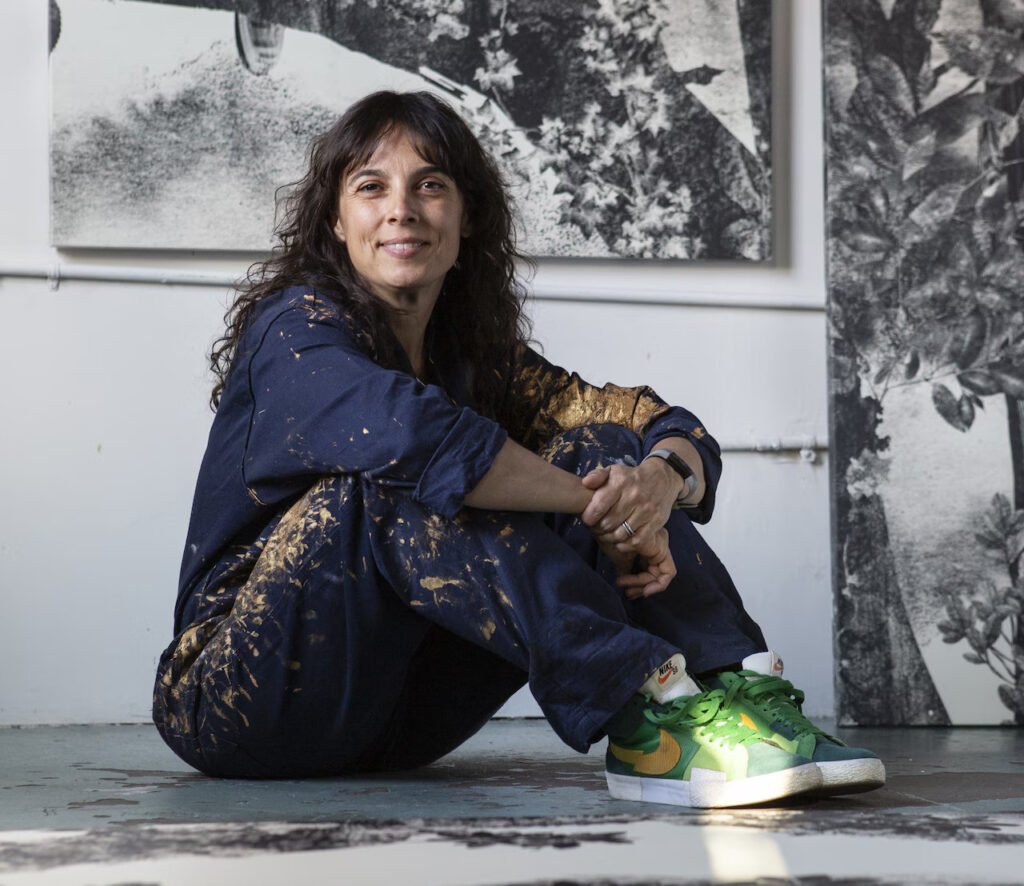
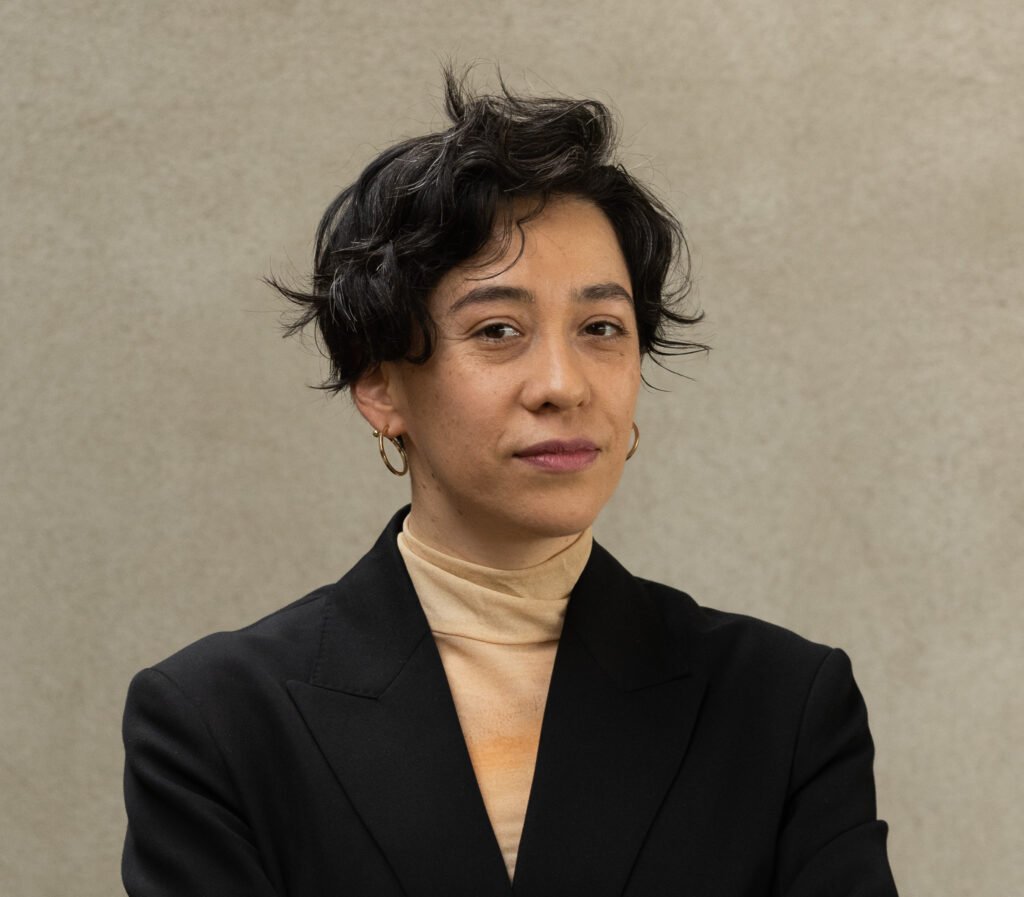
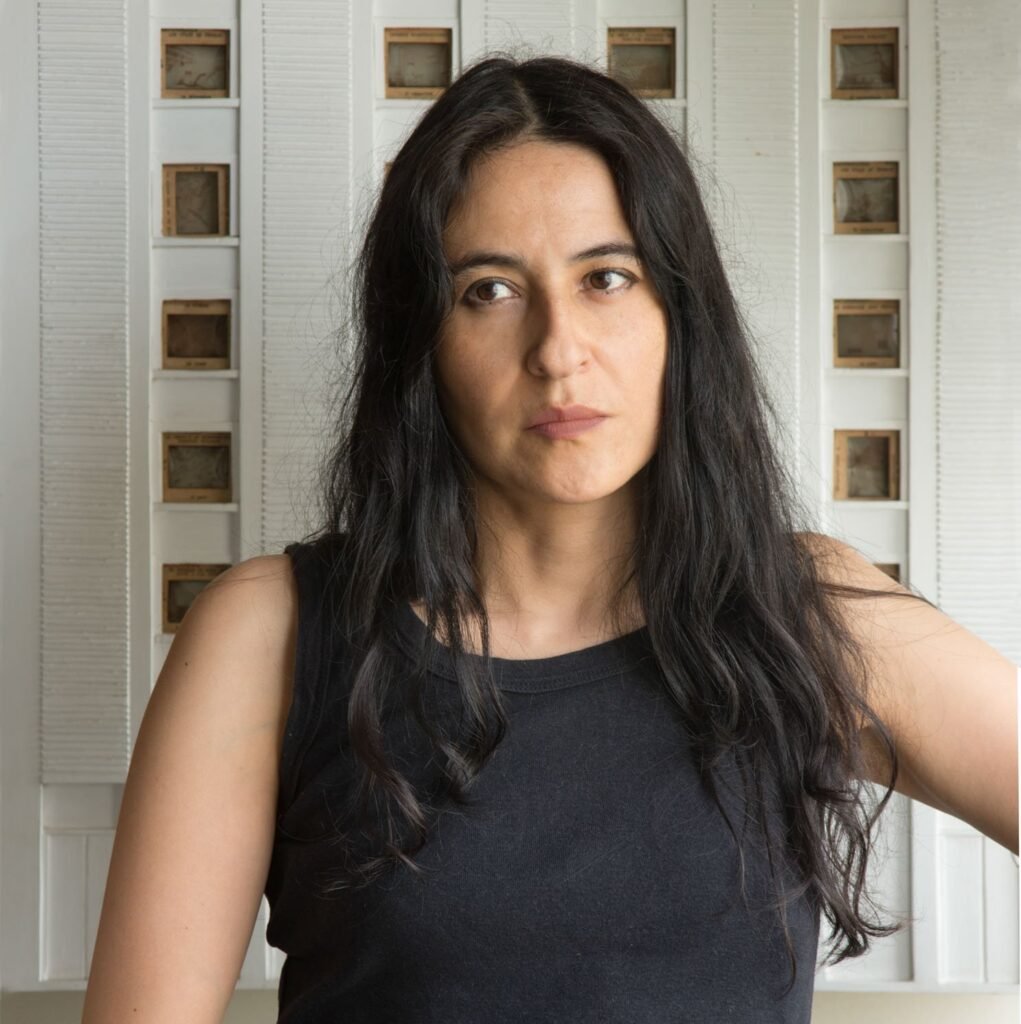
Tatiana Arocha is a Colombian artist born in New York in 1974, whose practice explores the intimacy between people and the land, personal memory, and her own experience as an immigrant.

Read more

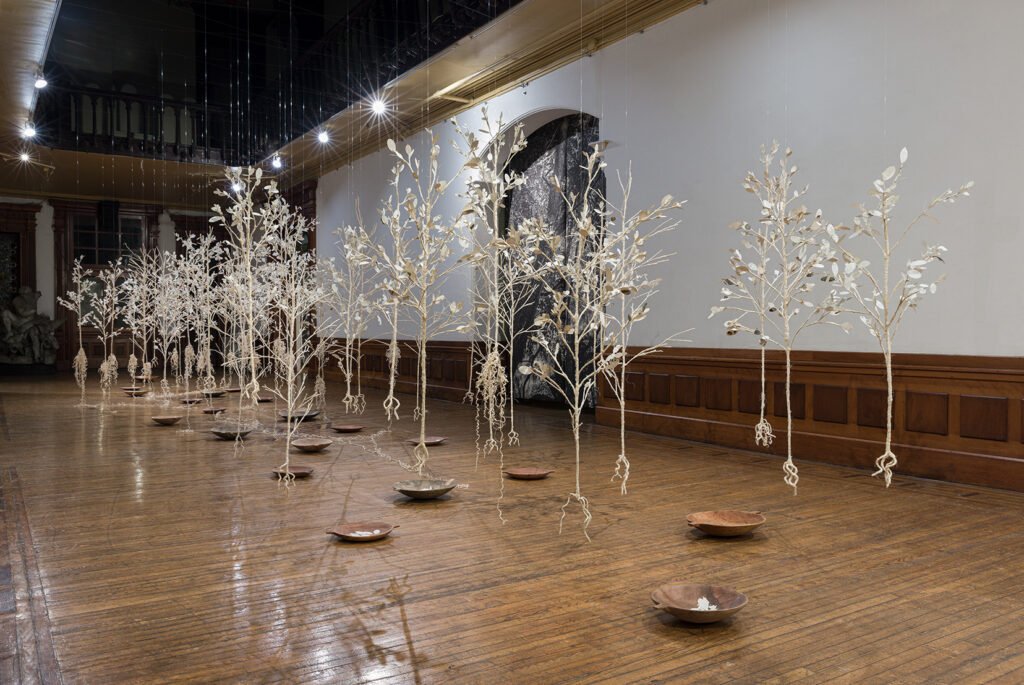
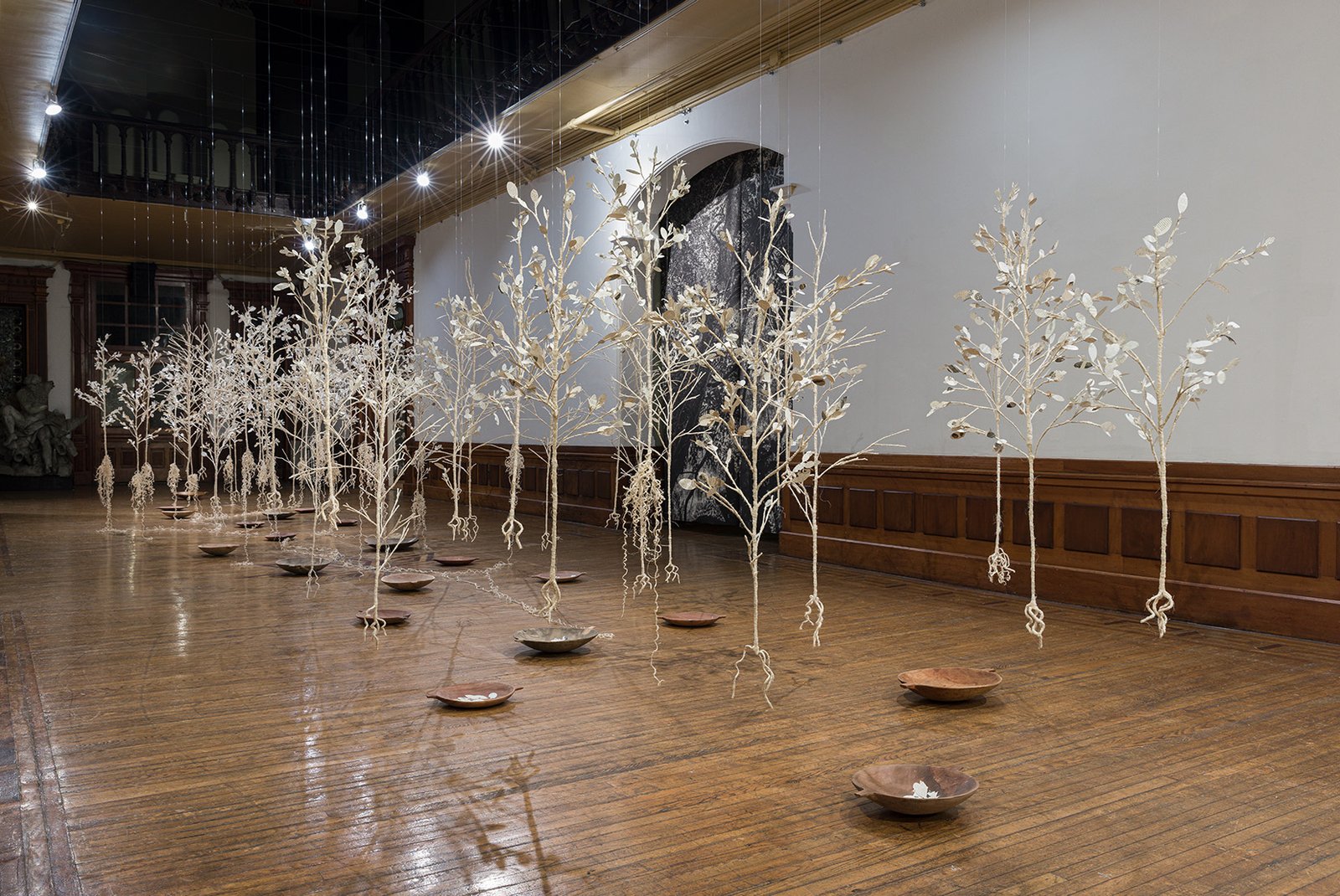
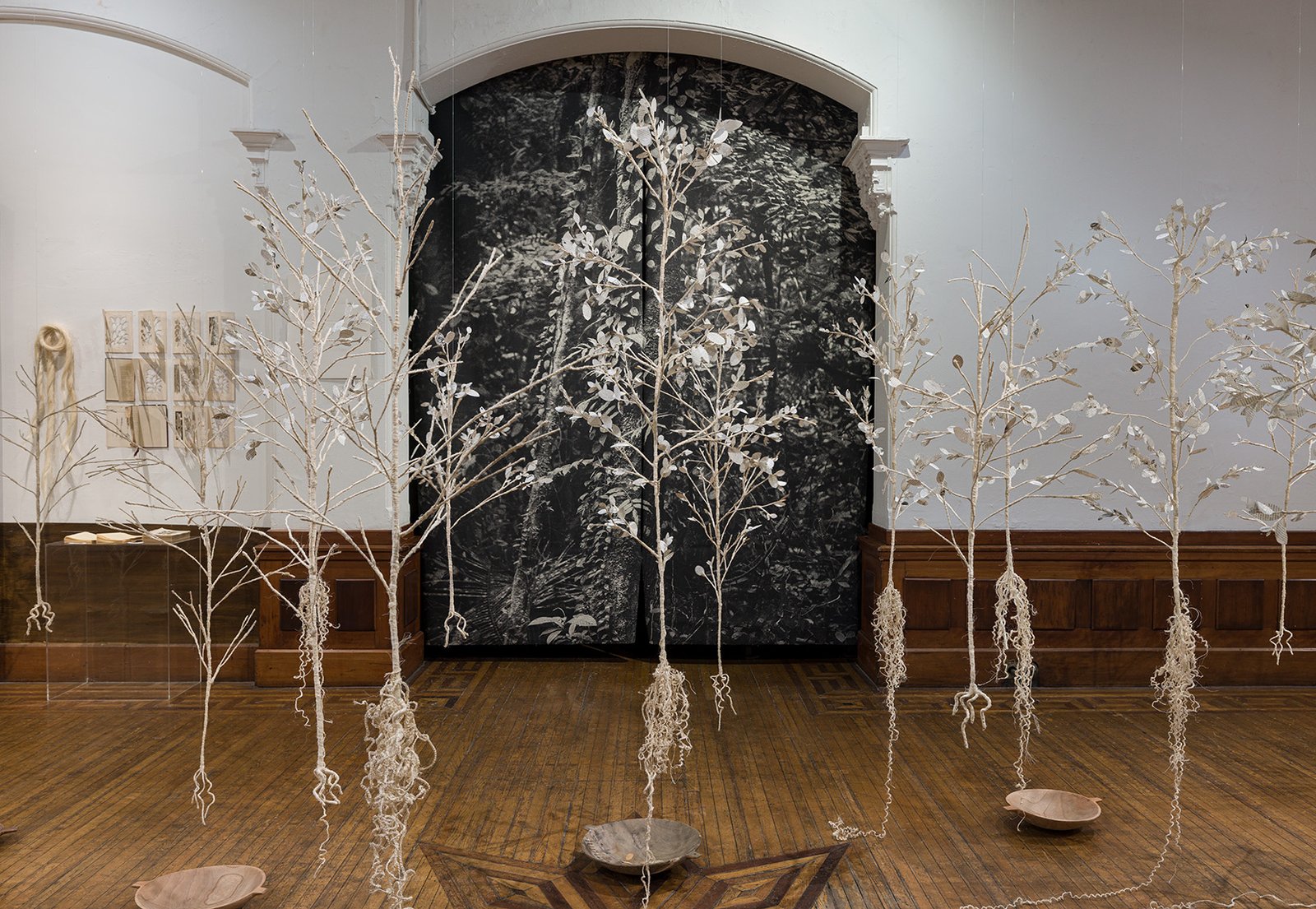
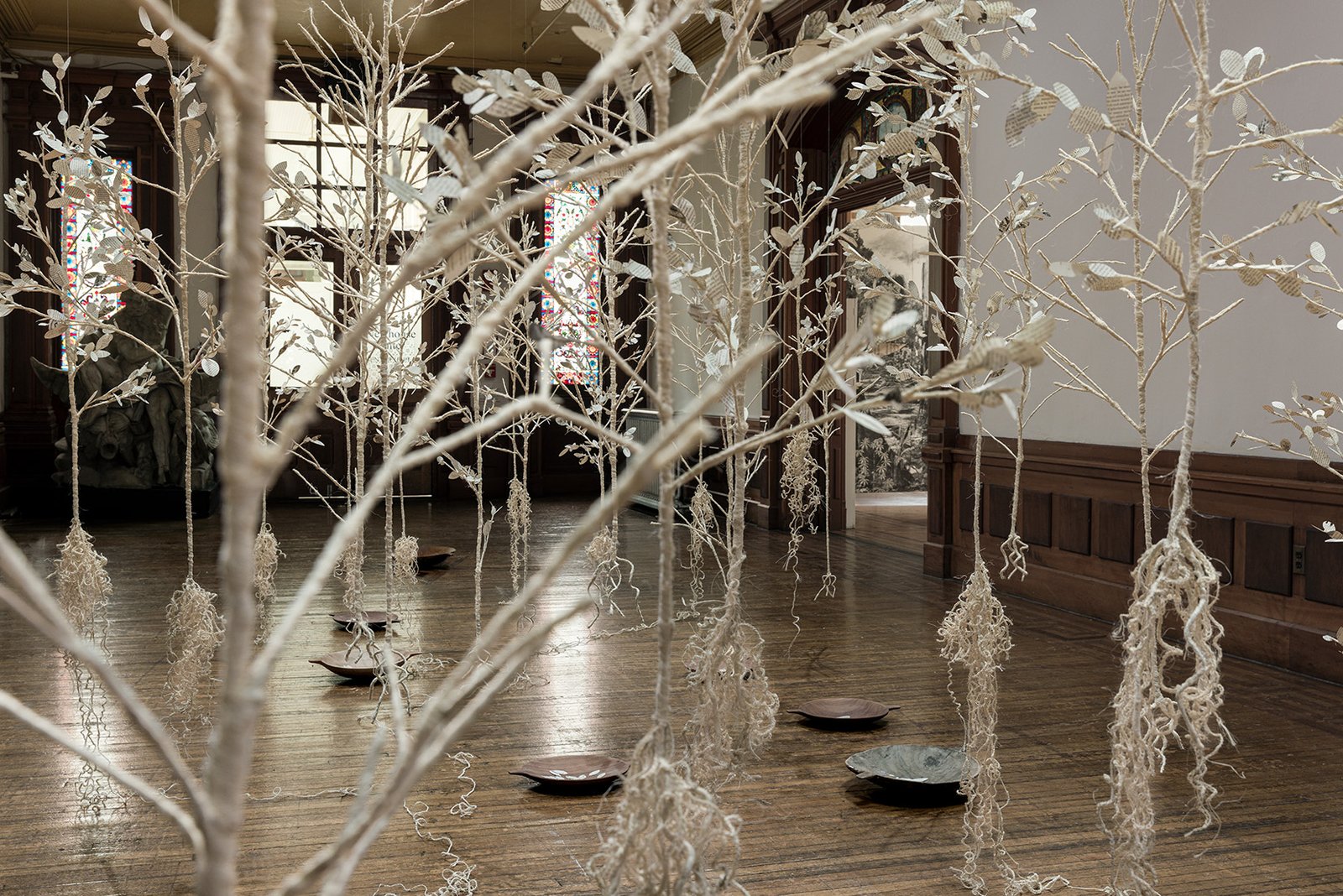
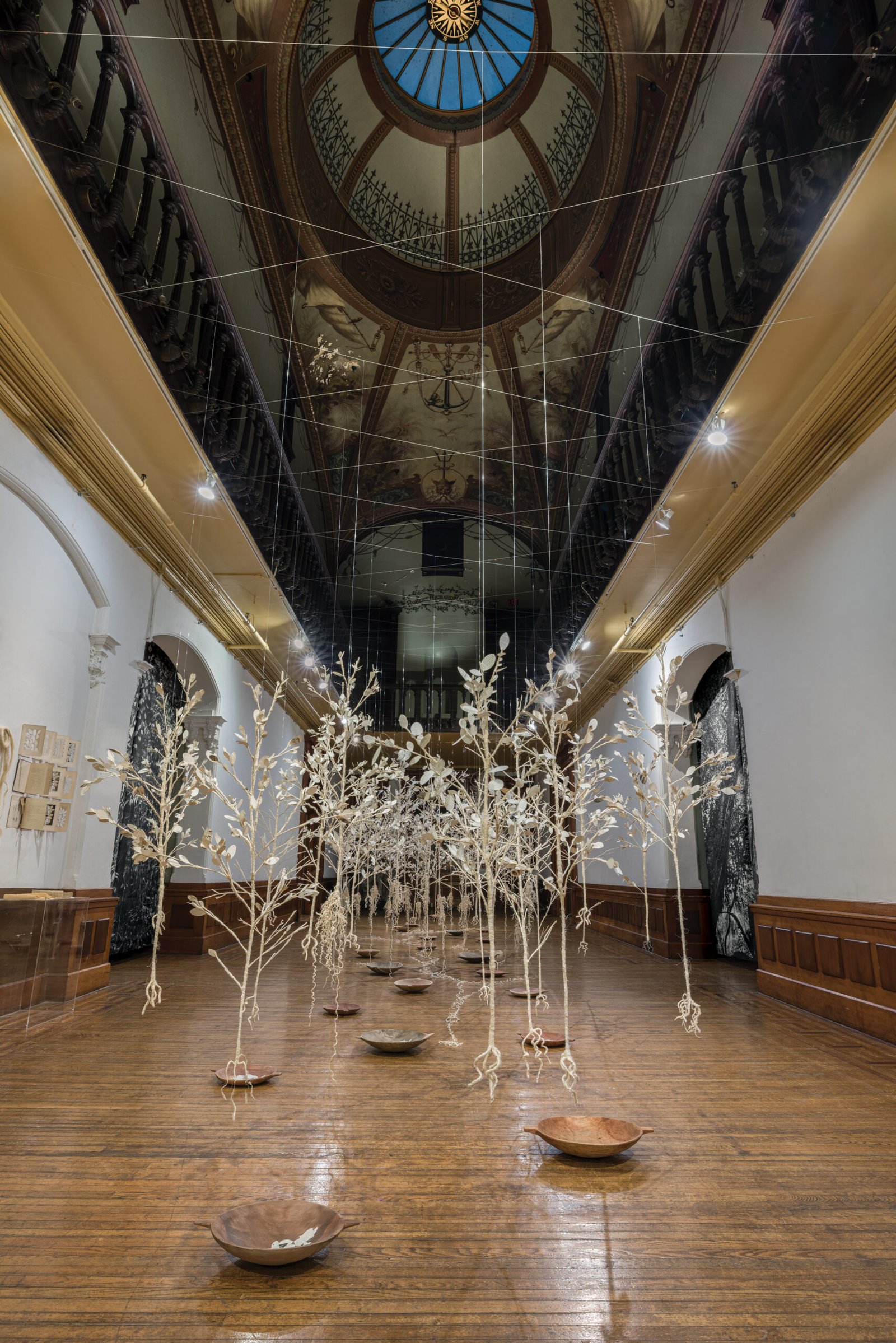
Sueño con Jardines de Coca

Sueño con Jardines de Coca

Tatiana Arocha

Artist’s country of origen: Colombia – United States
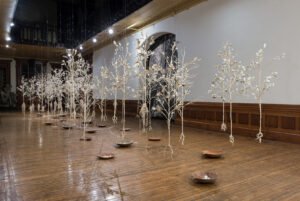
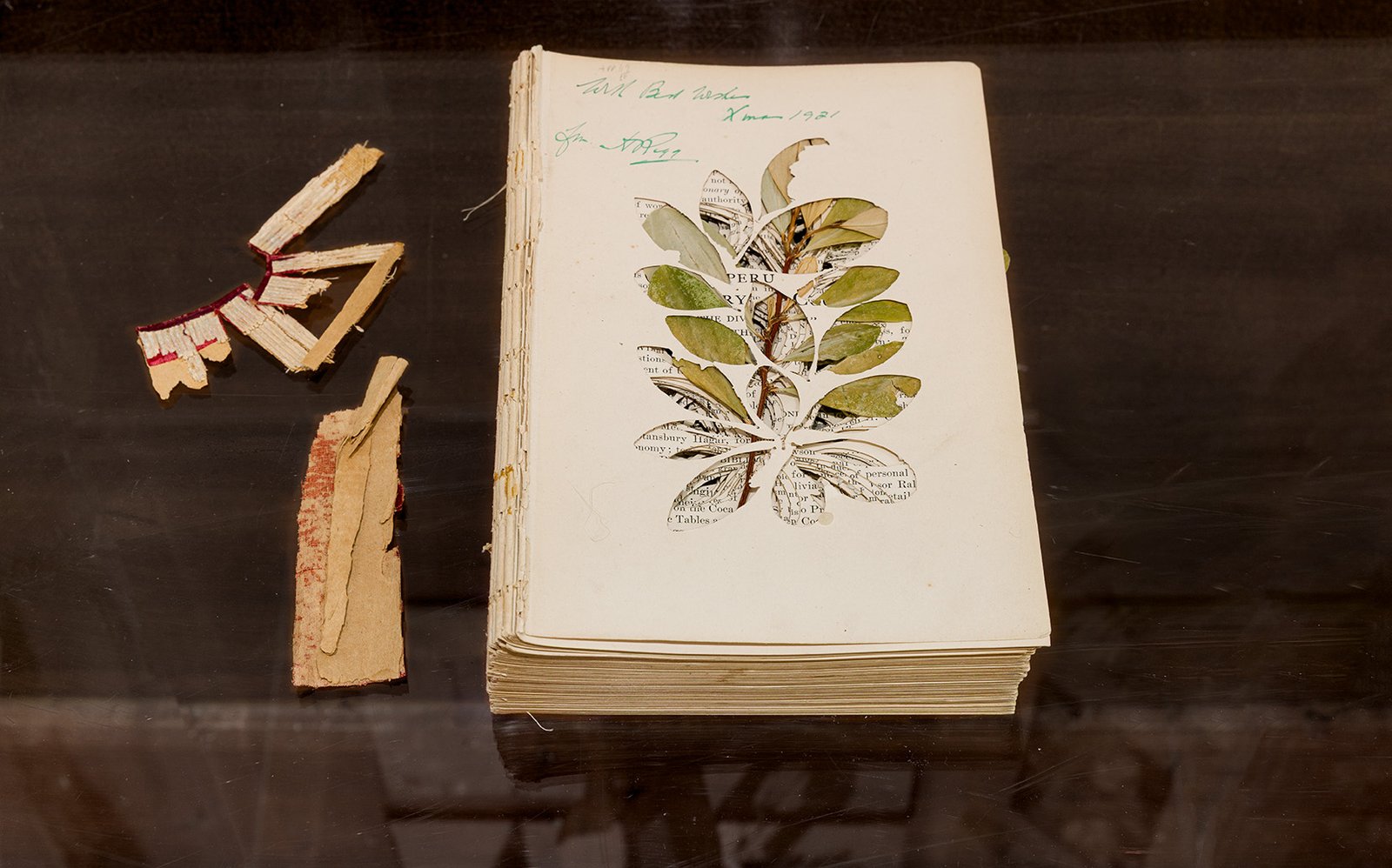
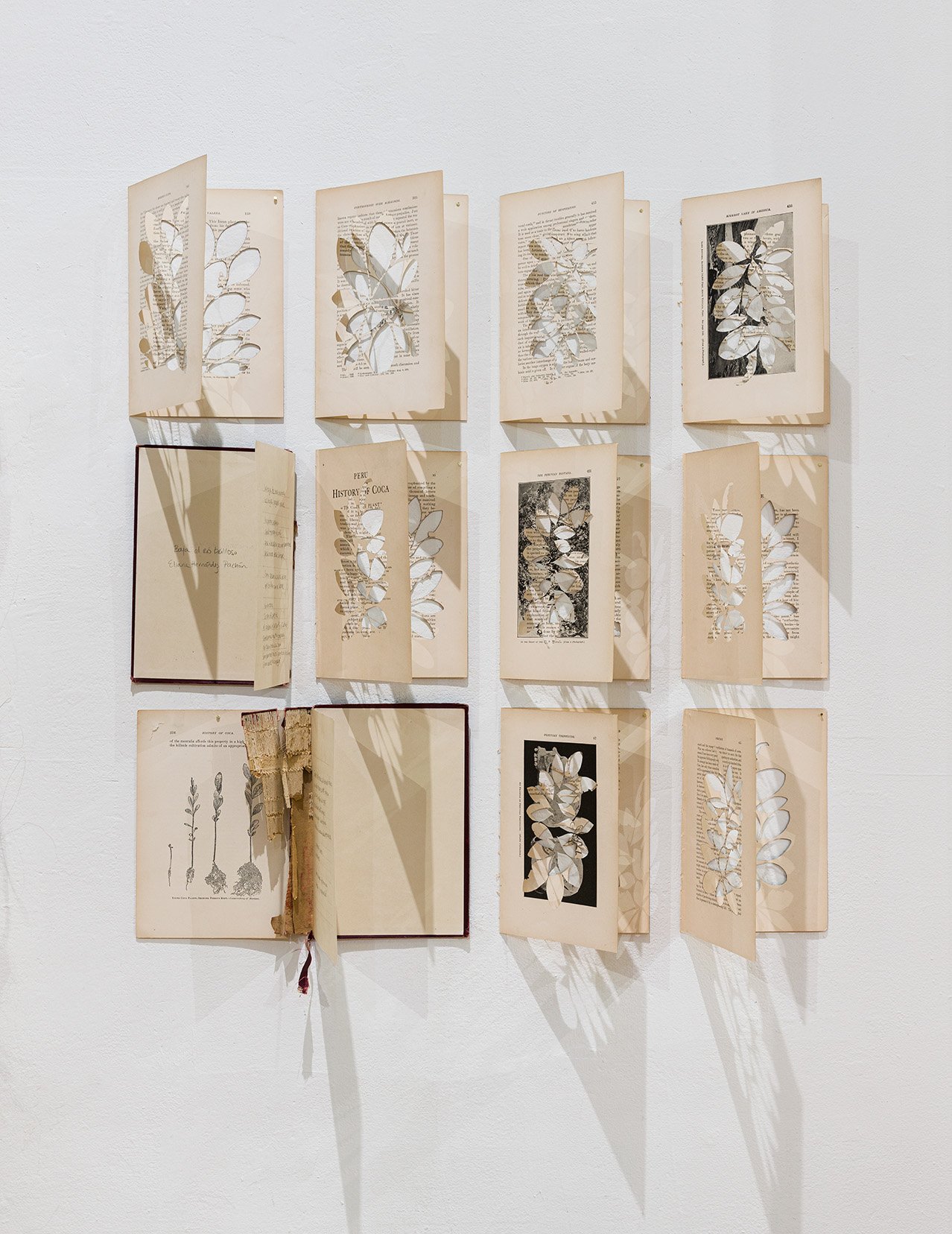
Medium: Fique fiber, aluminum wire, wooden bateas, coca leaves, and paper from nineteenth-century book pages
Year: 2025
Photo Credit: Etienne Frossard © Tatiana Arocha

Line of Inquiry:

Coca-Politics Coca-Worlds

This work was created in collaboration with Fundación San Lorenzo de Barichara —Yadira Bueno, Margarita Suárez, y Gloria Inés Beltrán, Juli Viviana Silva Sánchez— who hand-crafted the structure of each coca bush using fique fiber and wire. The wooden bateas, traditionally used to separate gold from river sand, were made by José Félix Murillo, Choibá Chocó.

The Artist

Tatiana Arocha

Tatiana Arocha is a Colombian artist born in New York in 1974, whose practice explores the intimacy between people and the land, personal memory, and her own experience as an immigrant.

Read more

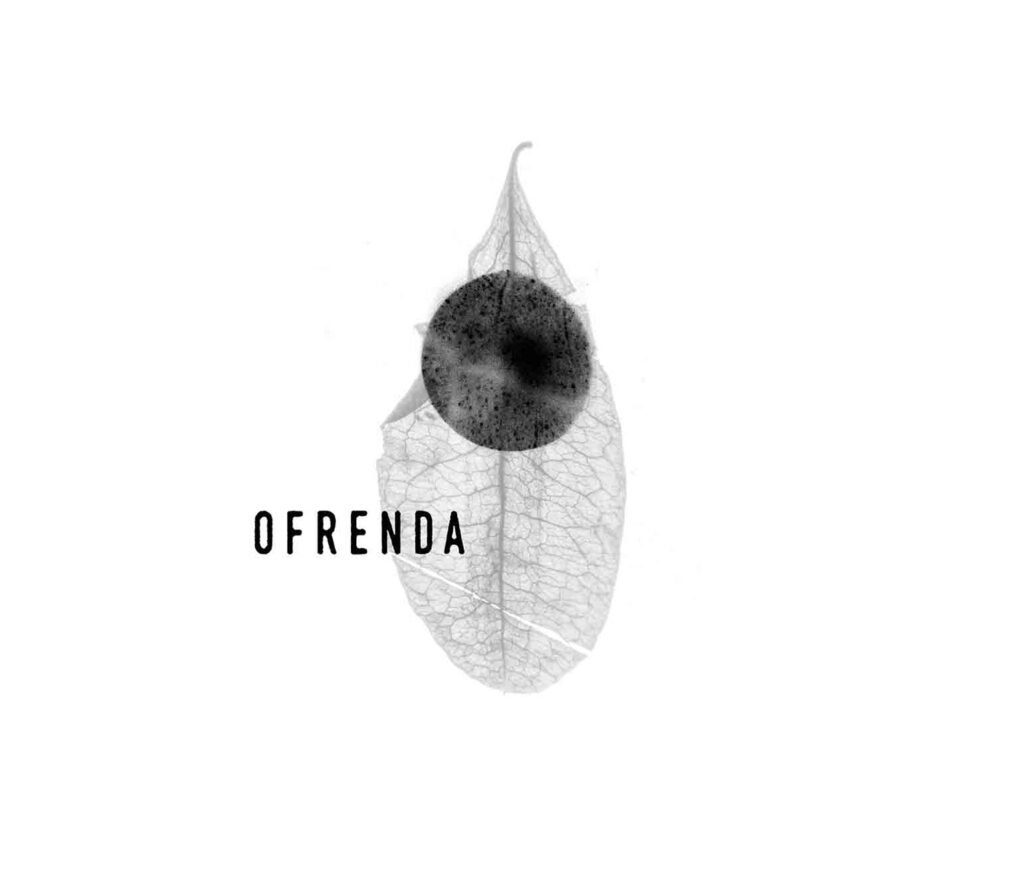
Ofrenda

​​Ofrenda

ENTRELAZANDO

Artist’s country of origen: Colombia
Medium: Photography
Year: 2015-2024
Photo Credit: © Entrelazando | Ariel Arango y Laura Langa

Line of Inquiry:

Coca-Politics Coca-Worlds

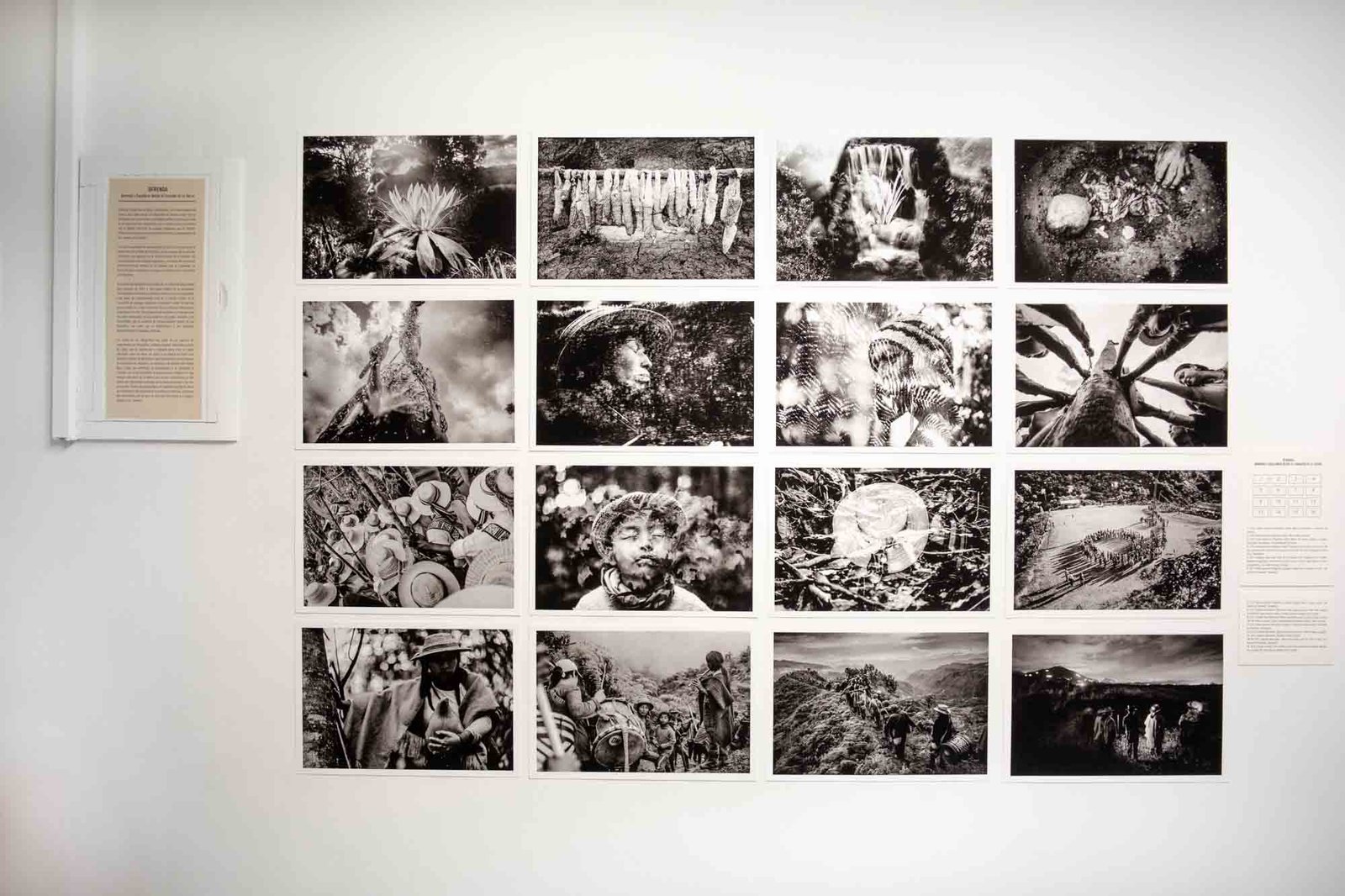
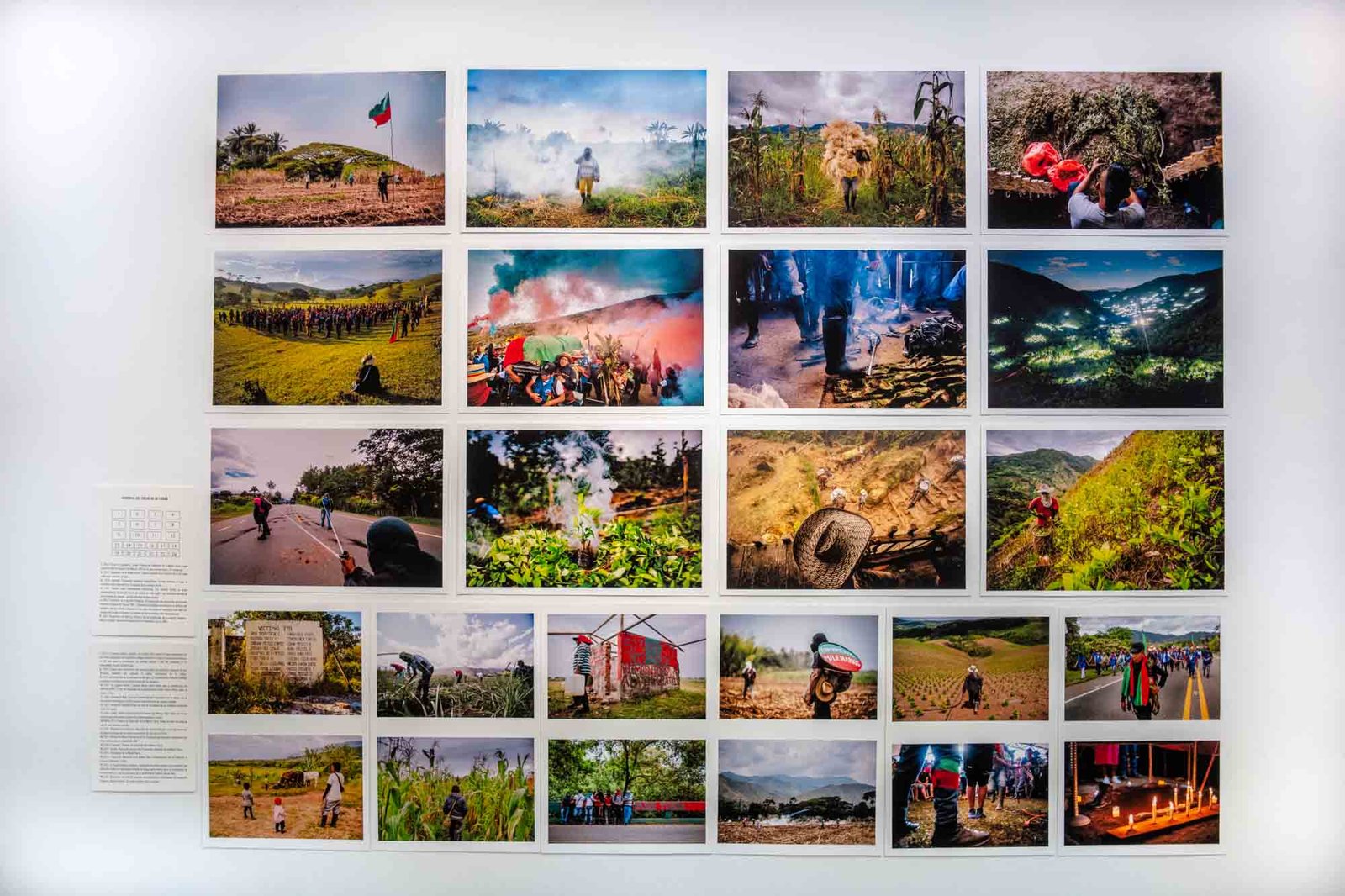
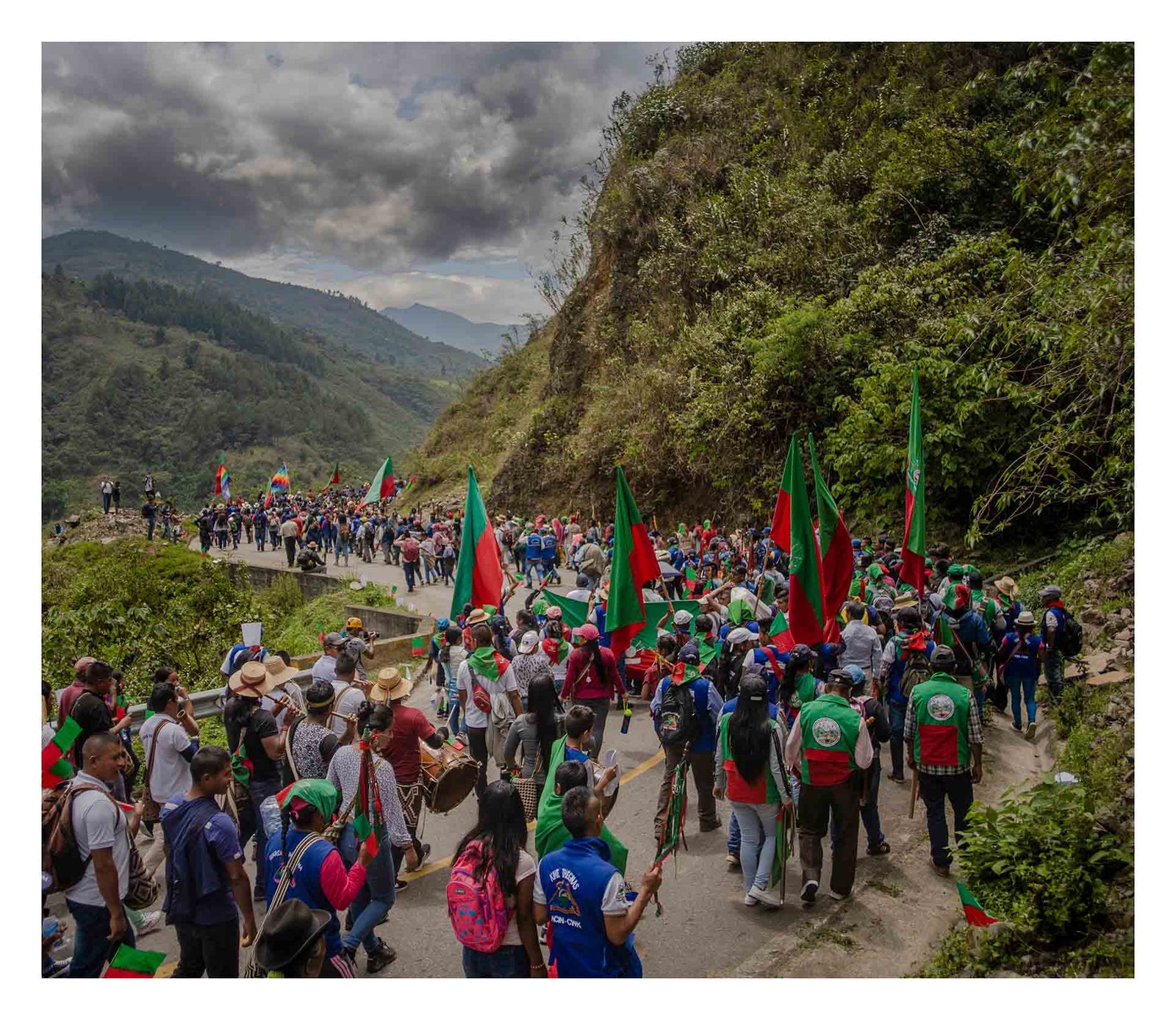
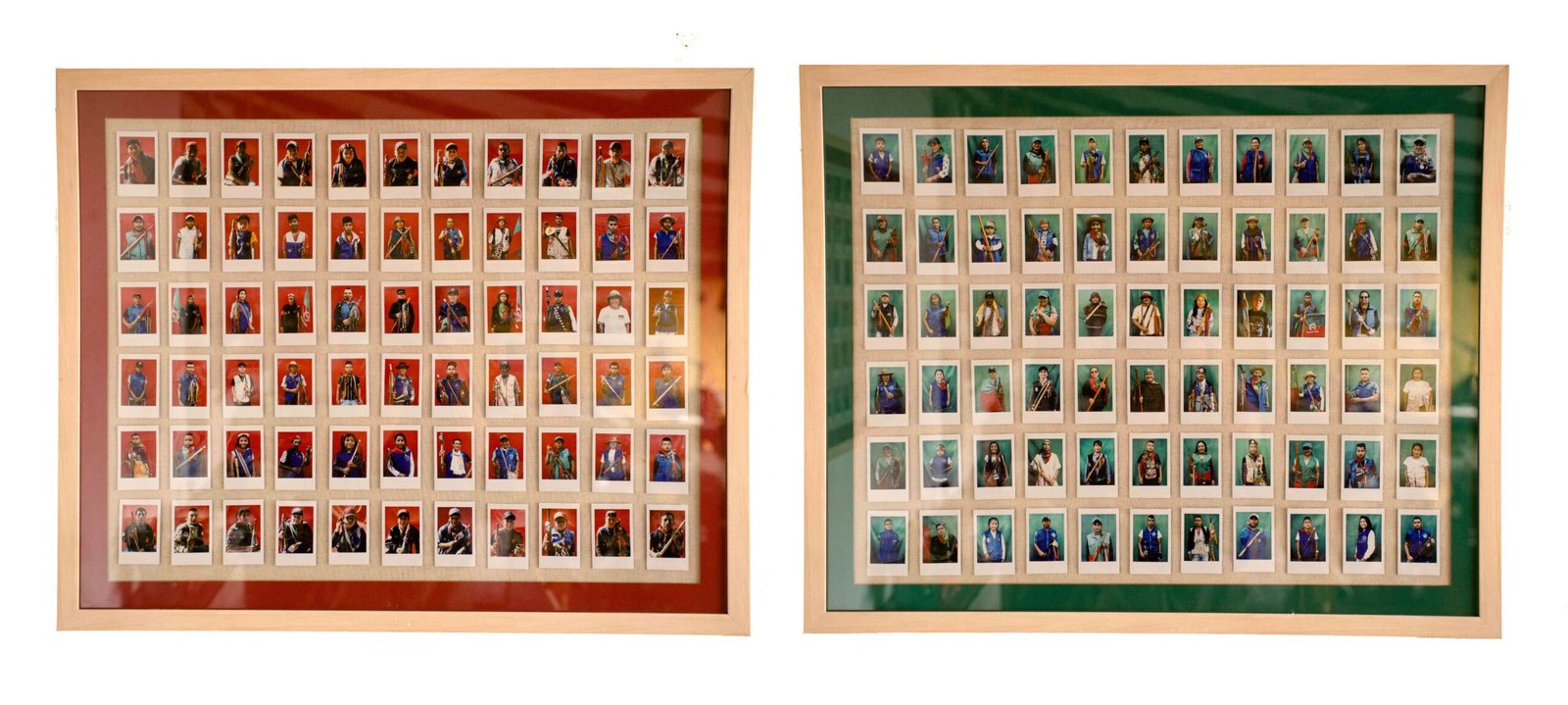
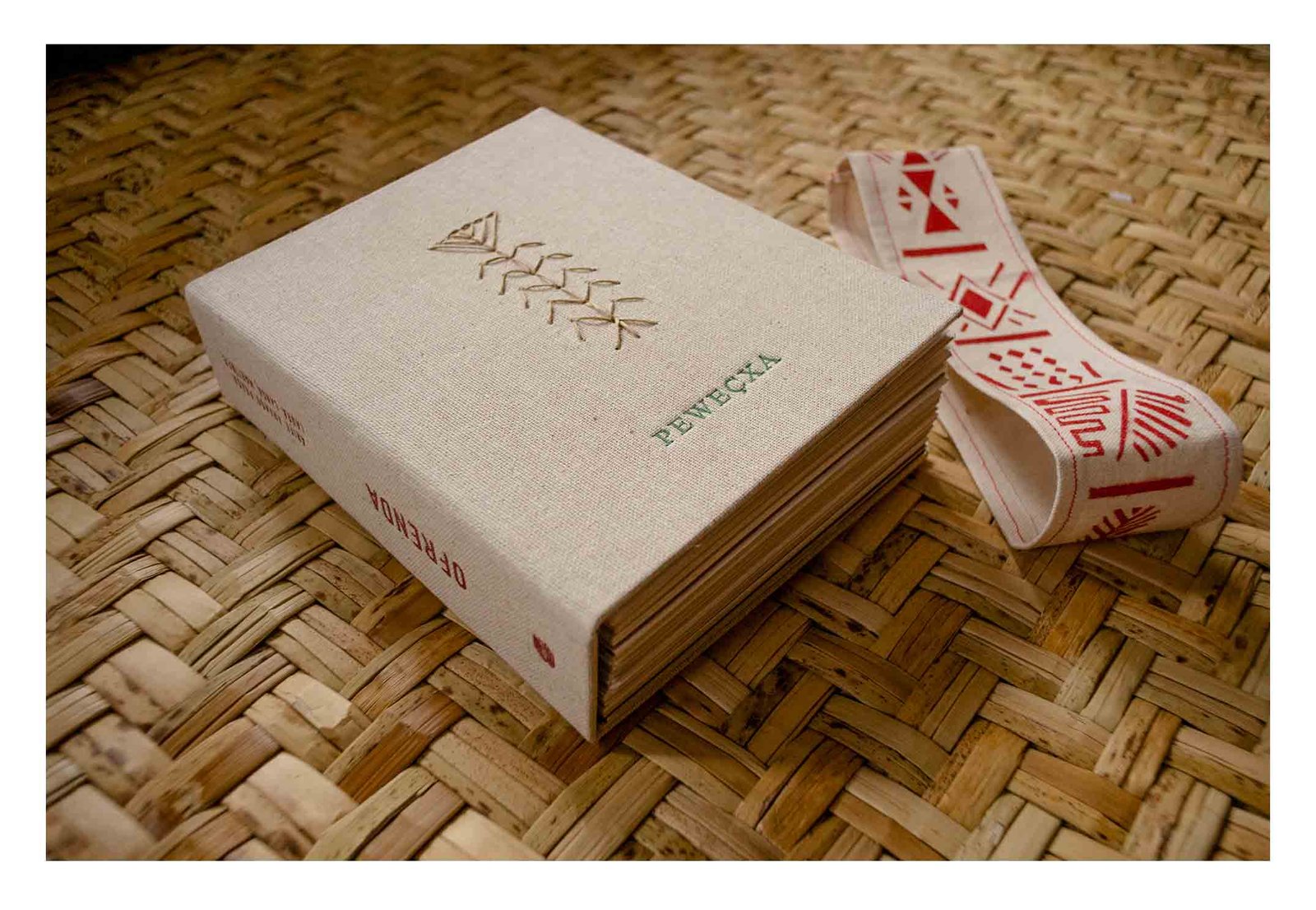
OFRENDA is the result of a long-term creative and research process that, through photography, audiovisual work, writing, and sound, traces the paths walked by the Entrelazando collective (Ariel Arango Prada and Laura Langa Martínez) since 2015 in the department of Cauca, alongside the Nasa Indigenous people.

This journey is grounded in a practice of listening, accompaniment, and learning around what constitutes the strength of re-existence—a concept articulated by Afro-Colombian thinker Adolfo Albán—which speaks to ways of life that do not merely resist or survive, but actively create, reinvent, and sustain vital alternatives through the activation of ancestral knowledges.

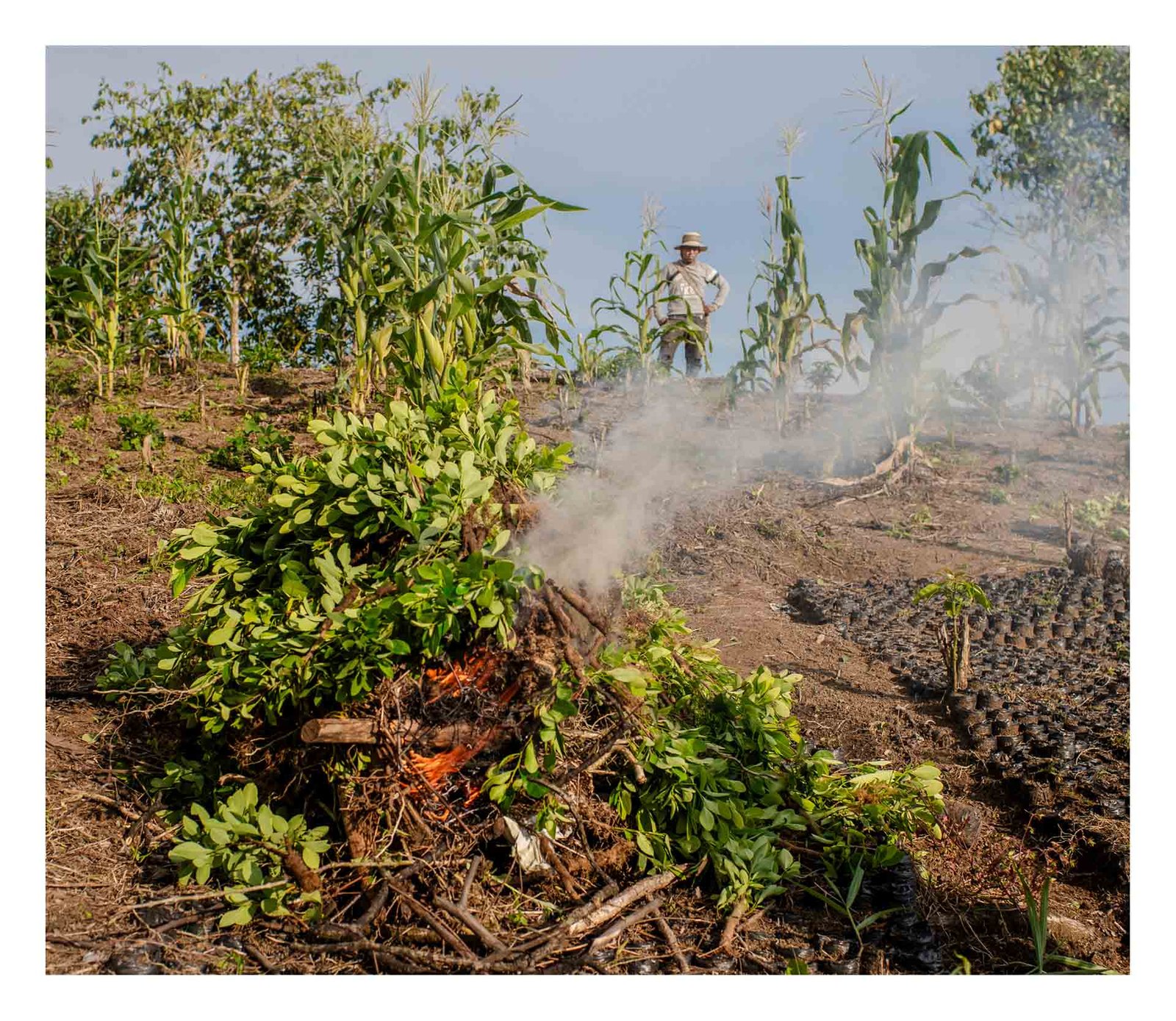
This re-existence unfolds within a territory deeply wounded by violence and its continuities: assassinations, the recruitment of children for war, unfulfilled peace agreements, the presence of old and new armed groups, drug trafficking—including illicit coca and marijuana crops—extractivism, deeply unequal agricultural relations, and the expansion of the sugar agroindustry, among other dynamics, particularly in northern Cauca.

In the face of these territorial disruptions, collective processes such as the Liberation of Mother Earth and the Indigenous Guard emerge, sustaining life through community organization and the care of territory.

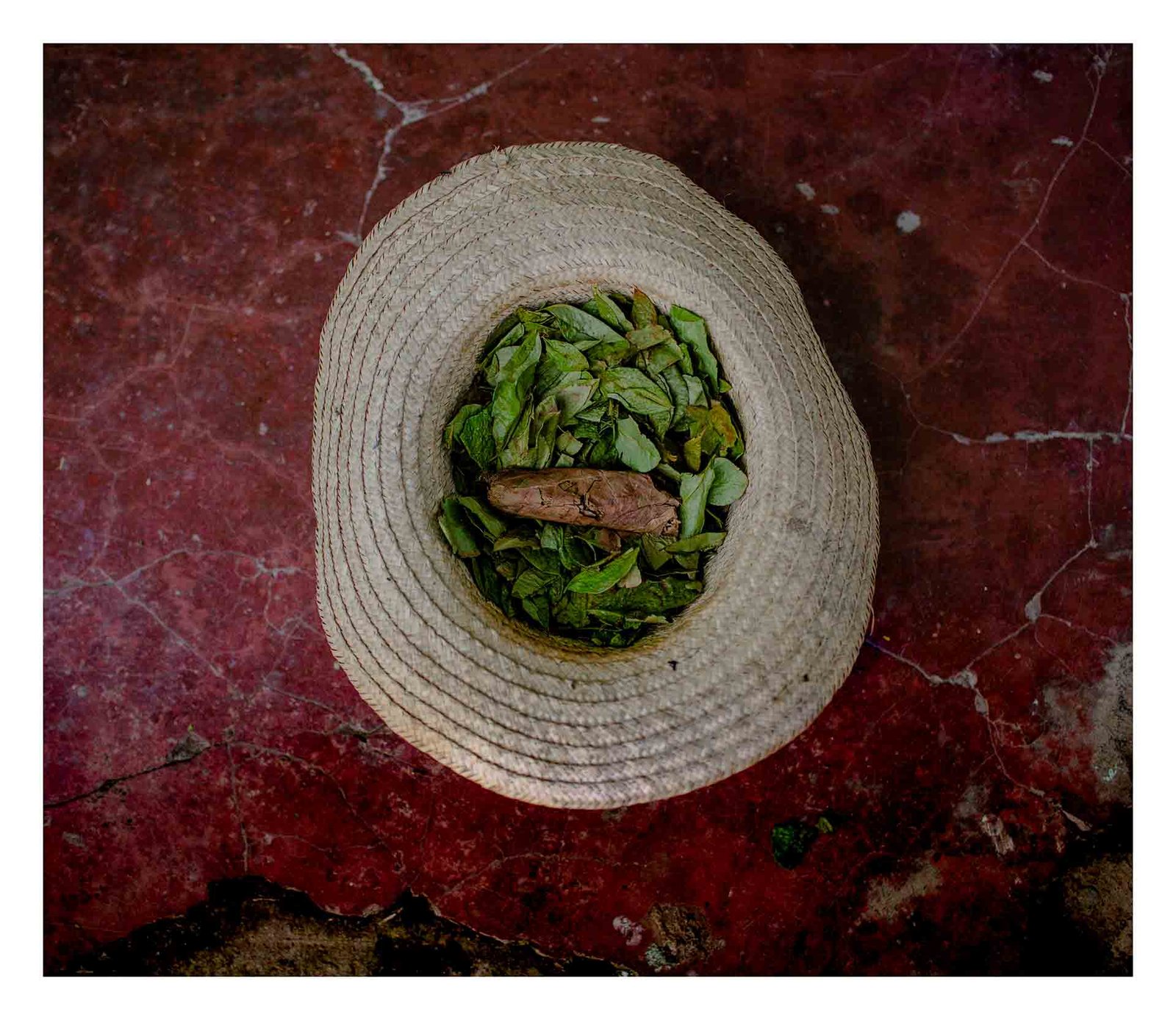
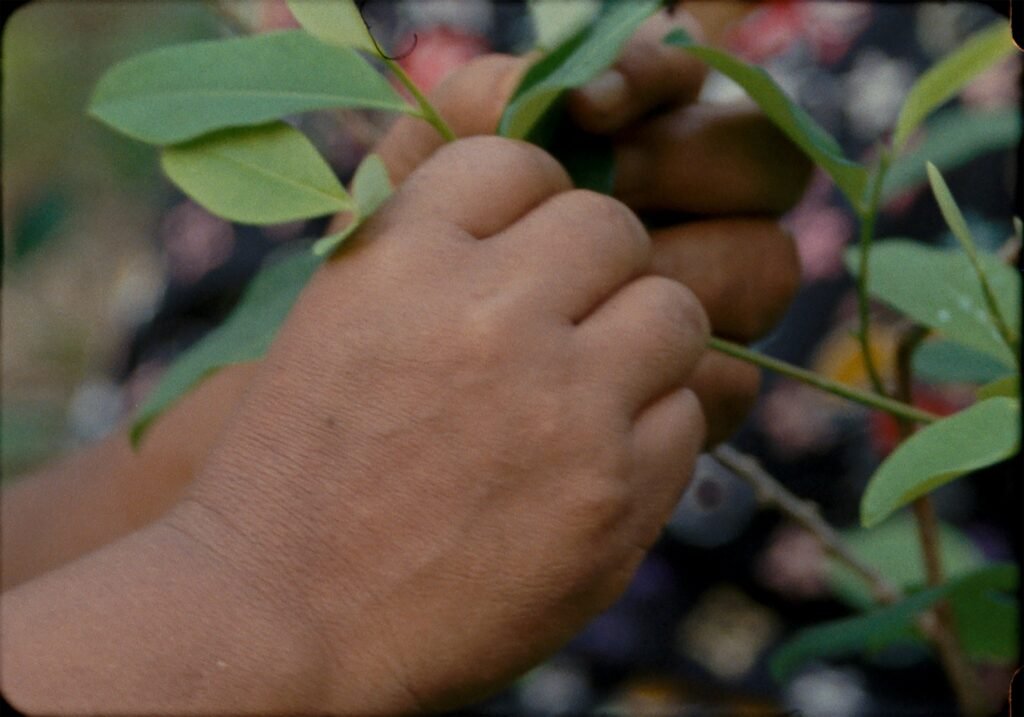
OFRENDA offers a partial cartography of this complex weave: on the one hand, of the dissonances that traverse Indigenous Cauca; and on the other, of the re-existences that reveal how communities reinvent everyday life through ancestral practices. Within this horizon, the coca leaf occupies a central place as a living, relational plant—one capable of carrying us into deep time to activate other ways of thinking and another political ethics, in direct opposition to logics of violence and to the uses imposed on it by drug trafficking.

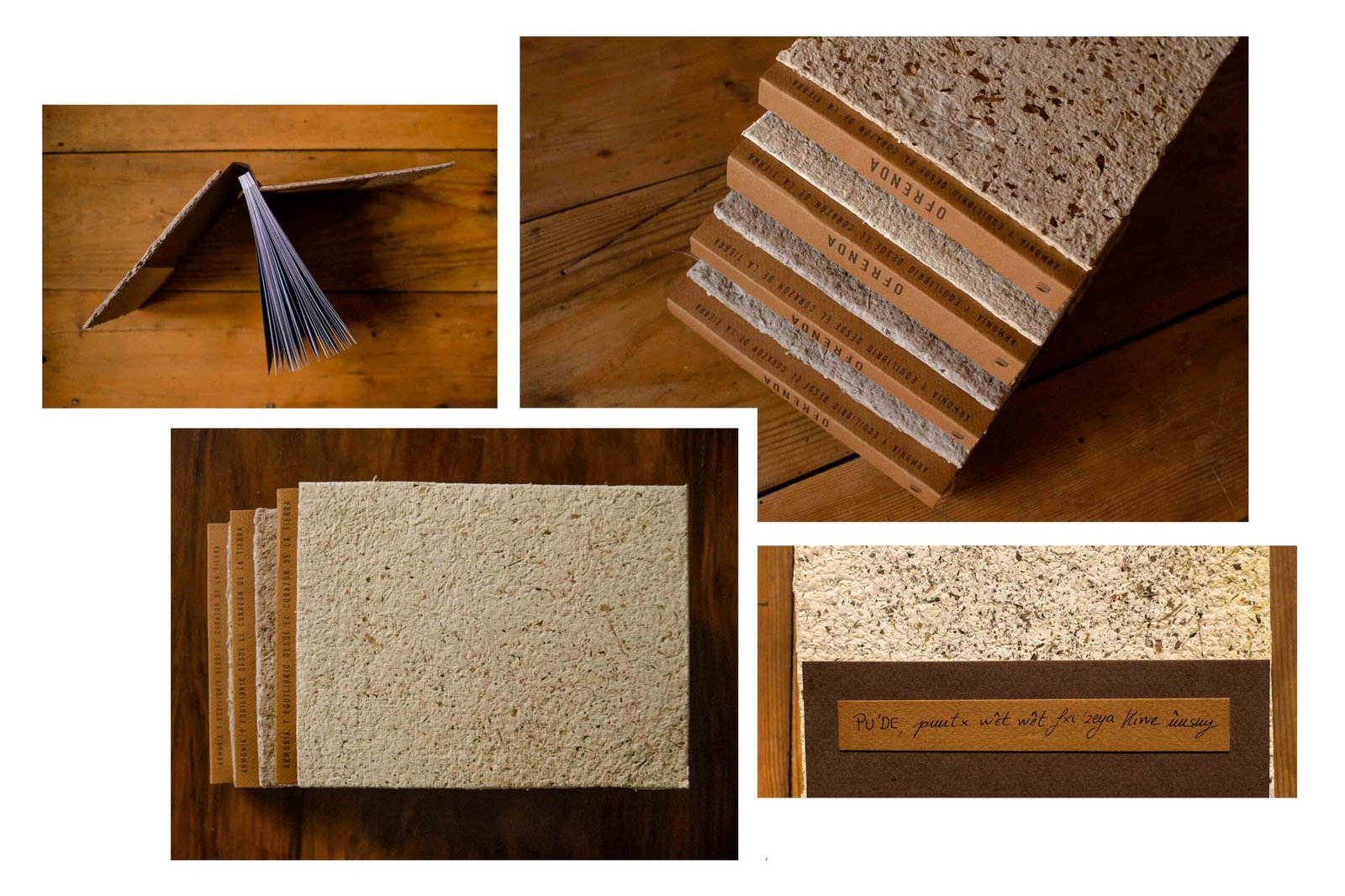
Over ten years of documentation and research, OFRENDA has taken material form in two artist books, experimental audiovisual projects, and multiple exhibitions, drawing from an extensive body of work that includes photographs, archival and hemerographic materials, audiovisual fragments, texts, soundscapes, woven pieces, and other elements from the territory.

The Artist

ENTRELAZANDO

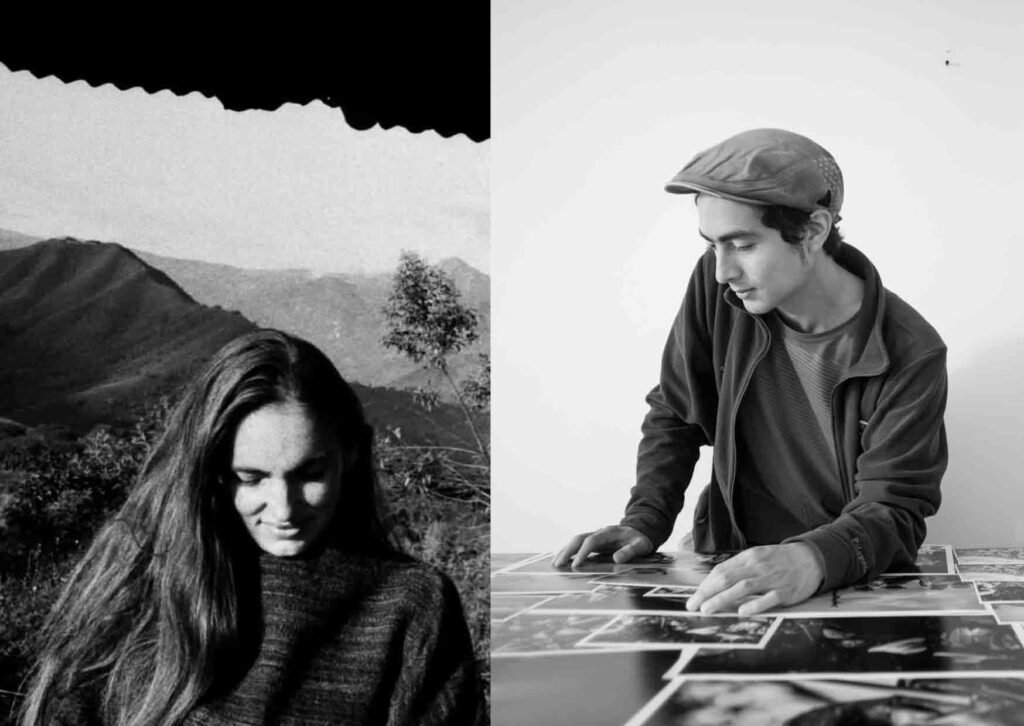
Rooted in collective practice and critical thought, Entrelazando has taken shape since its founding in 2011 as an audiovisual and photographic production platform, and since 2020 as an autonomous, handcrafted publishing house.

Read more

More From This Artist

Para la Coca

Para la coca

Based on Jibina Marena Uay – Coca de la Buena Palabra, an ongoing script written by Cristobal Gomez Abel (Murui/Bora) and Laura Huertas Millan.

Artist’s country of origen: Colombia – Francia
Materials:
2-channel installation
Medium: video, installation
Size: 14 min
Year: 2024

Line of Inquiry:

Coca-Plant Coca-Worlds

Para la Coca is a film and audiovisual installation centered on the coca plant (Erythroxylum coca), co-authored with Cristóbal Gómez Abel, a member of the Bora and Murui Colombian First Nations, the work emerges from a dialogue sustained over more than ten years. Initiated by Gómez Abel, Para la Coca revisits a Murui myth of origin that functions as an ancestral law, offering ethical guidance on the proper use of the coca plant.

In this myth, coca is not an object or a resource, but a person and a deity, embodied in the figure of a young girl who teaches her father and community how to relate to the plant with responsibility, care, and reciprocity. The work challenges dominant colonial and Western frameworks that reduce coca to its extraction into cocaine, and instead affirms its cultural, spiritual, and medicinal significance within Indigenous worlds. Para la Coca advocates for the decriminalization of the plant by restoring its place within living systems of knowledge and practice.

The project was developed with the guidance of Nelly Kuiru, founder and director of the Escuela de Comunicación Indígena Amazonía Ka+ Jana Uai (La voz de nuestra imagen). Her role was central to the production and writing of the film. The work is shared with the permission of Gómez Abel and his community, acknowledging the responsibility involved in circulating the teachings of coca through the form of myth.

Creditos: Based on Jibina Marena Uay – Coca de la Buena Palabra, an ongoing script written by Cristobal Gomez Abel (Murui/Bora) and Laura Huertas Millan.

We acknowledge that the ancestral myth of origin of the coca plant belongs to the Murui nation. We thank them for allowing our interpretation with the purpose of de-stigmatizing the coca plant and psychotropics, as well as honoring and amplifying ancestral indigenous political, cultural and spiritual resistance in Colombia.

With
Cristobal Gomez Abel, Pedro Armando Sopin Morales, Harold Jeferson Gomez Florez, Gilber Olmedo Morales, Dewins Nicolas Gomez Florez, Didier Libardo Santana Gaspar, Carmen Sofia Gaspar Florez, Libardo Santana Florez, Diana Valentina Cuellar Gomez, Cristian Gomez Florez, Alina Santana Gaspar.

Recorded in
the Muiri Muina community,
Nimaira Náimeke ibike, Patio de Ciencia Dulce

Directed and produced by
Laura Huertas Millán

Creative and production consultant
Nelly Kuiru

DoP
Mauricio Reyes, Laura Huertas Millan

Sound recording
Laura Huertas Millan, Grégory Castéra, Angel Maria Fajardo

With the support of
PinchukArtCenter, Liverpool Biennial, CNAP (Centre National des arts plastiques), Institut Français (Résidence+), Mondes Nouveaux (Ministère de la culture).

More info visit: https://www.laurahuertasmillan.com/shows

The Artist

Laura Huertas Millán

Laura Huertas Millán (b. 1983, Colombia) is an artist and filmmaker. She holds a PhD from Université PSL (SACRe-Programm) in Paris and conducted research at Harvard’s Sensory Ethnography Lab as part of her studies.

Read more

More From This Artist

Pajarita

Pajarita. Cuaderno para colorear

Pajarita

Esteban Borrero (Illustrator), Felipe Herreño at Taller El Primitivo (Printing), and Ginger Blonde

Artist’s country of origen: Colombia
Materials:
printed in screen-printing technique with coca leaf–based ink
Medium: Print / Graphic Work
Size: 21.5 cm x 27.9 cm
Year: 2024

Line of Inquiry:

Coca-Plant

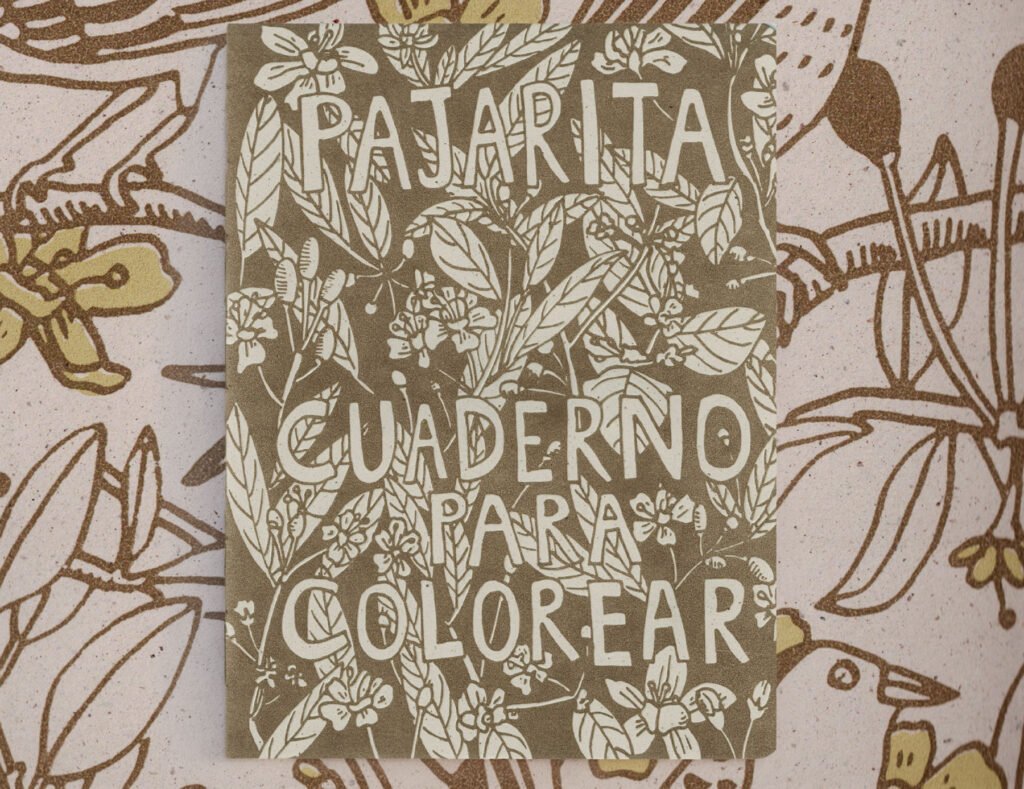
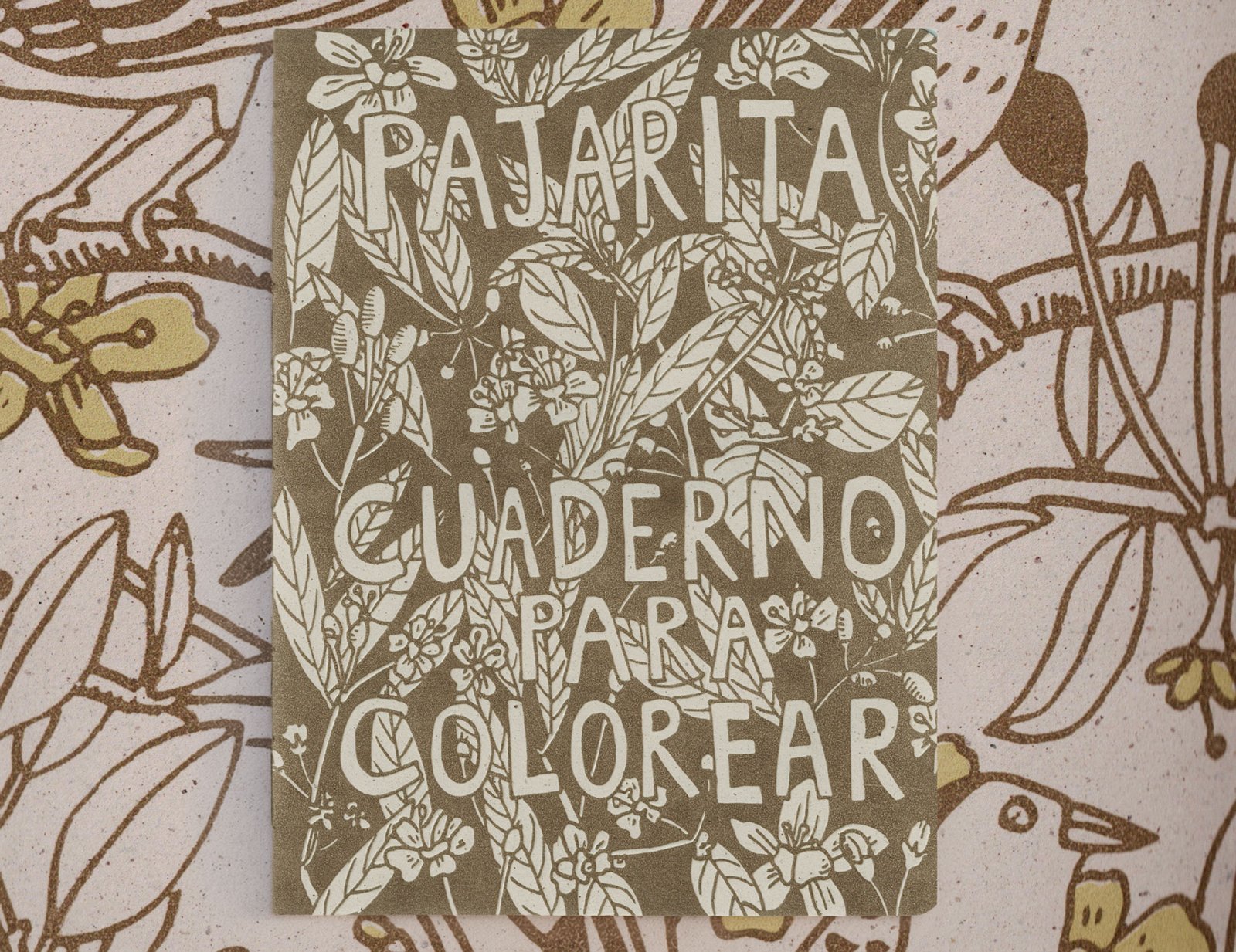
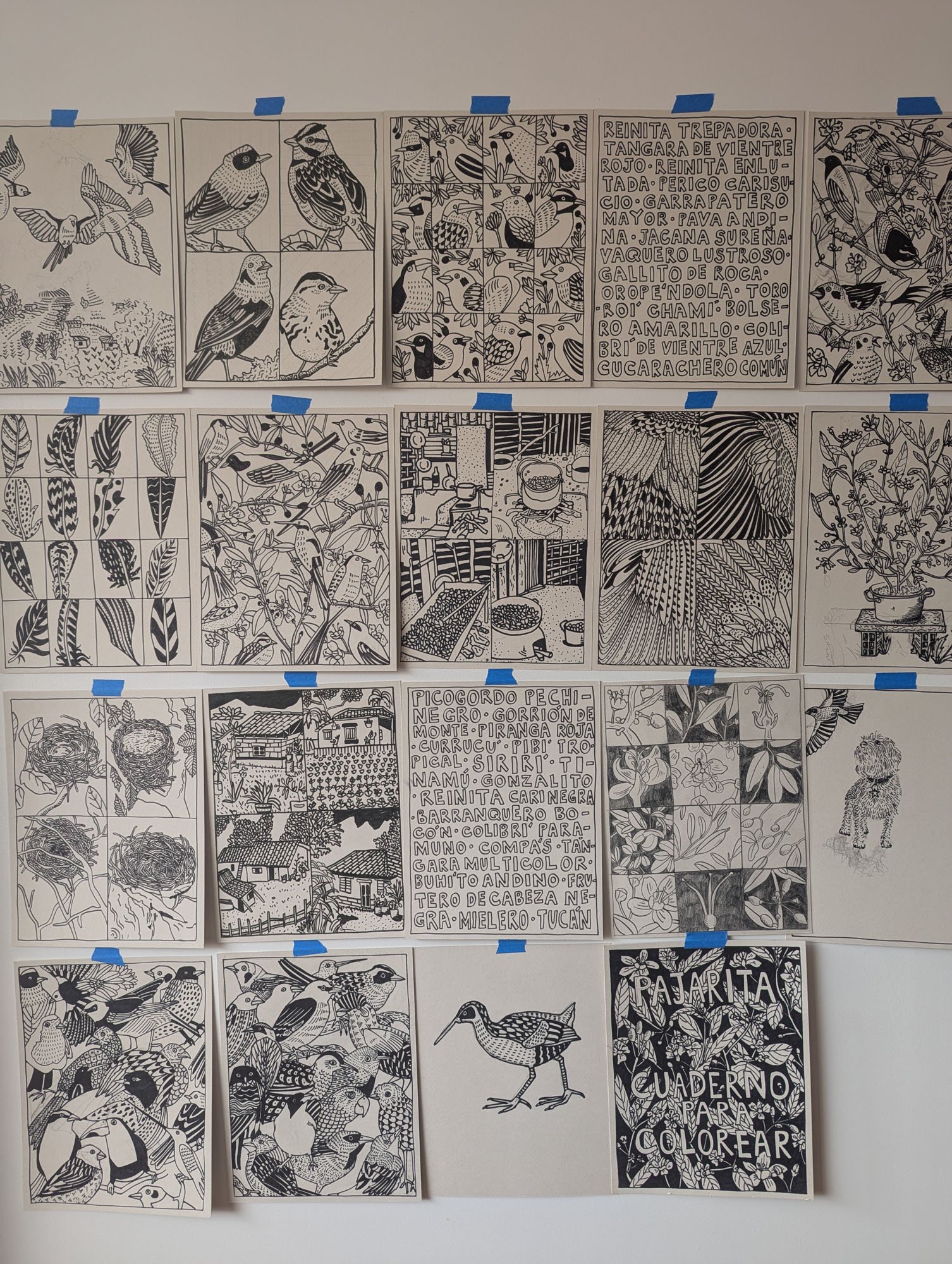
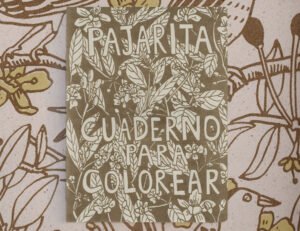
Pajarita is a coloring book published by the Ginger Blonde collective, printed using ink made from coca leaves. The publication proposes a playful and educational way of engaging with this ancestral plant beyond the stigmas that surround it, especially reaching younger audiences through art and play.

The illustrations were designed by artist Esteban Borrero, who explores his imaginative interpretations of Colombian birds as a way to connect the project with children and other young audiences, incorporating elements of the plant’s anatomy and subtle references to its close relationship with Andean farming communities. The publication was printed at Taller El Primitivo using ink prepared by mixing coca leaf flour with screen-printing ink on paper, reinforcing the book’s sensory and material experience.

The Artist

Ginger Blonde

Ginger Blonde is a design and visual communication studio founded in 2021 by Mónica Suárez and Daniela Rubio. Based between Bogotá and Panama City, the studio works from a cooperative, interdisciplinary, and predominantly female approach, focused on social innovation, responsible design, and territorial transformation.

Read more

More From This Artist

Tinta Dulce (Sweet Ink)

Tinta Dulce (Sweet Ink)

Asociación de artesanos de Guacamayas, Asociación de los Oficios Tradicionales Tejilarte, Cooperativa de fibras naturales de Santander (ECOFIBRAS) and Ginger Blonde.

Artist’s country of origen: Colombia
Materials:
Fique fibers, wool, dyes made from coca leaves
Medium: Textile / Object
Size: N/A
Year: 2024

Line of Inquiry:

Coca-Plant

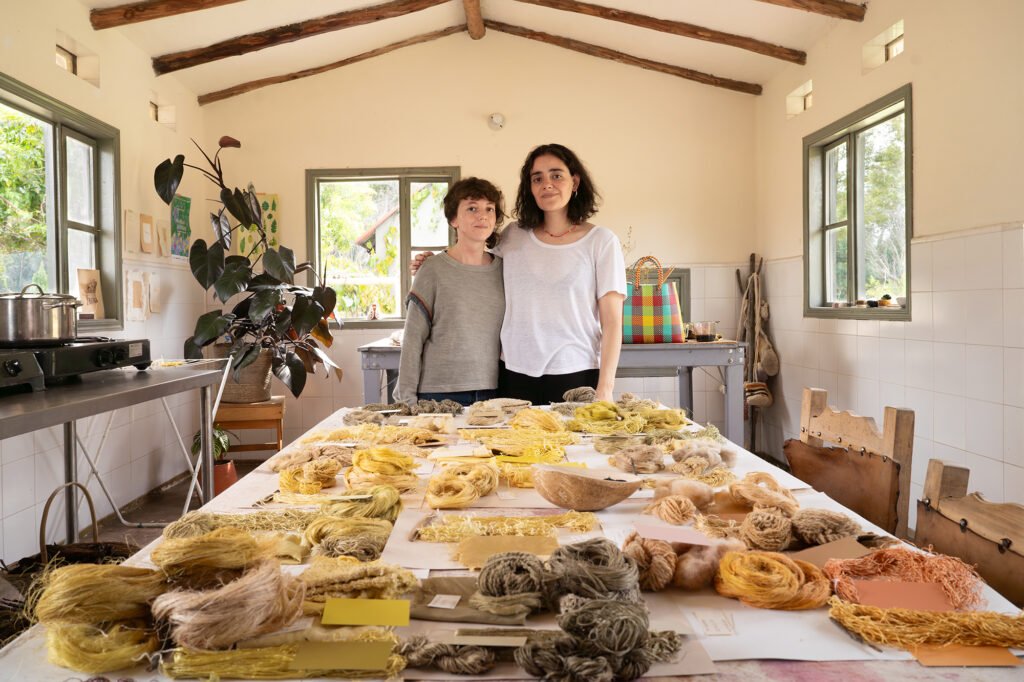
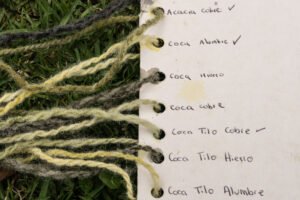
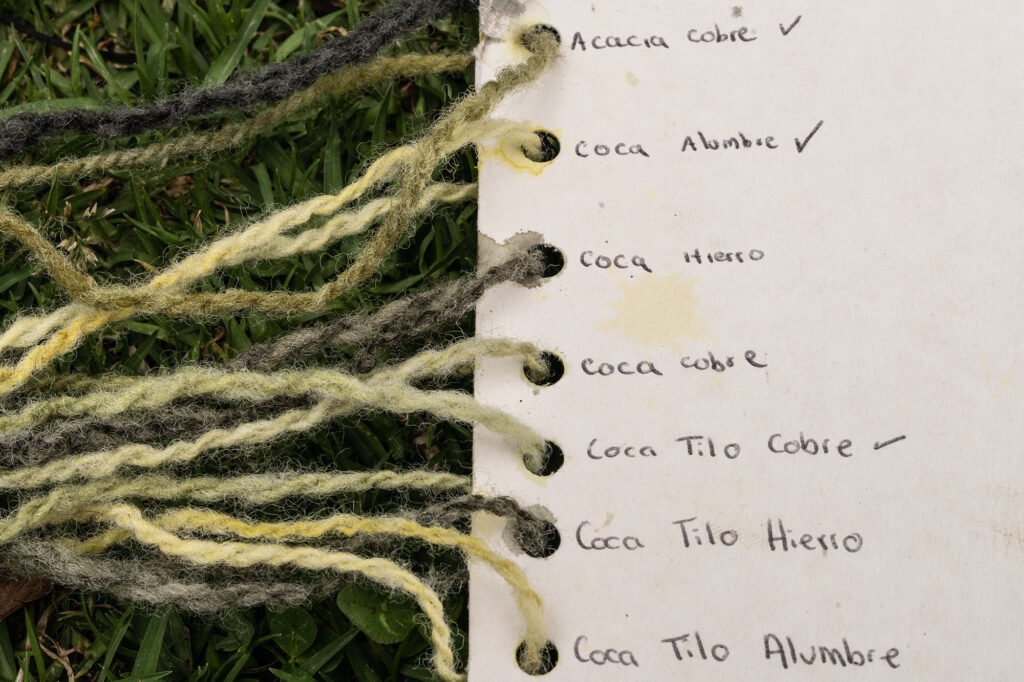
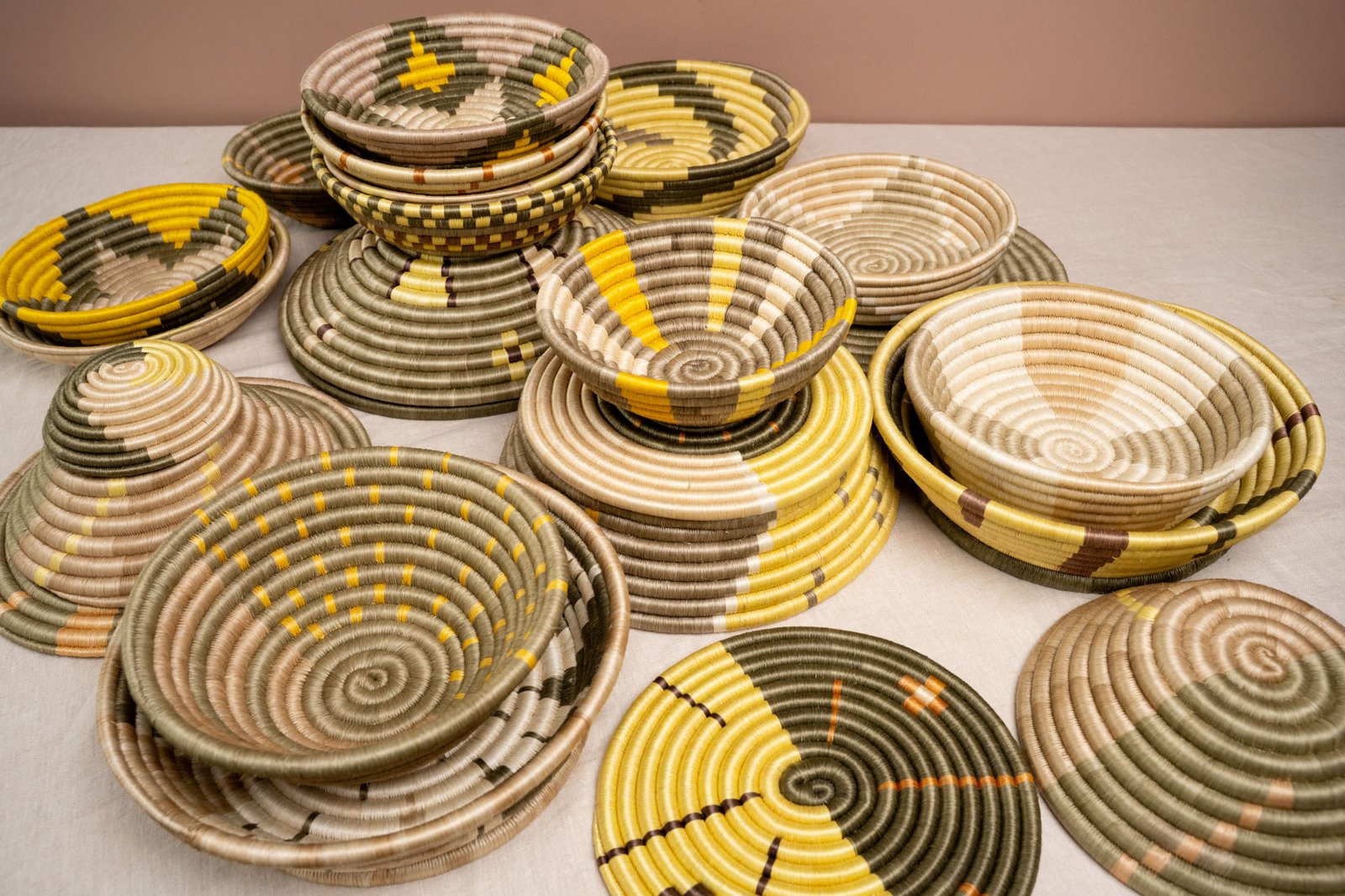
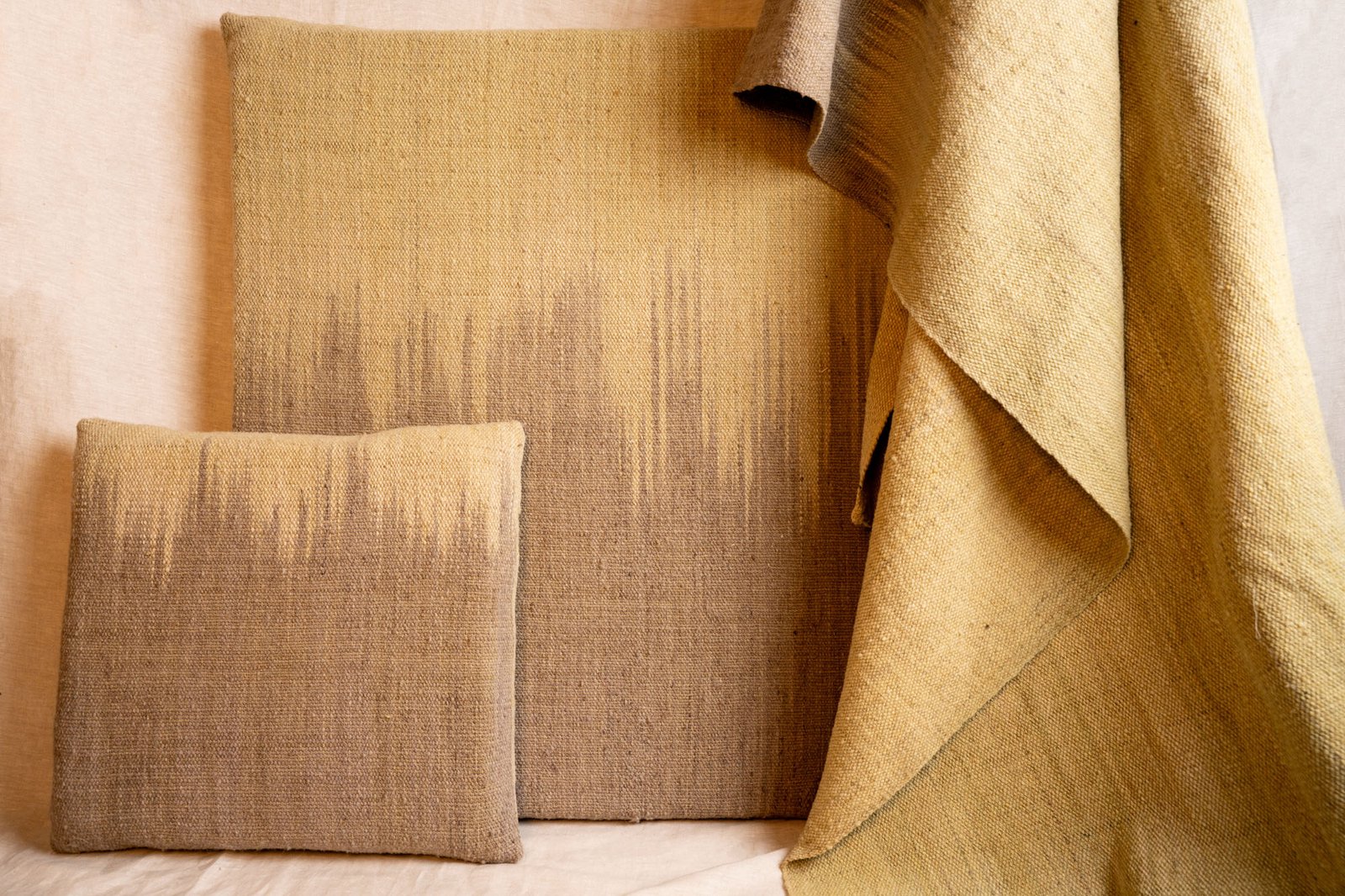
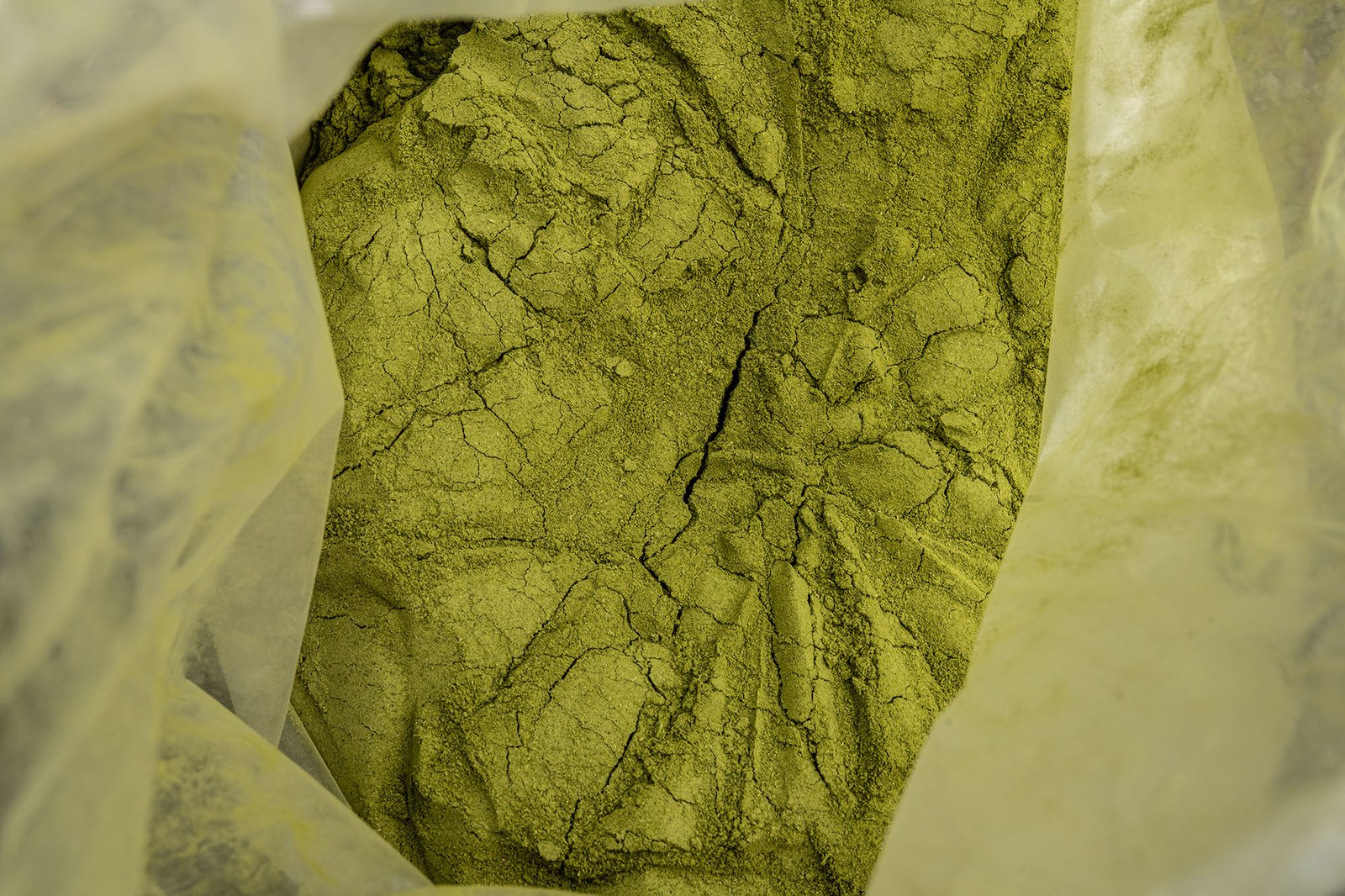
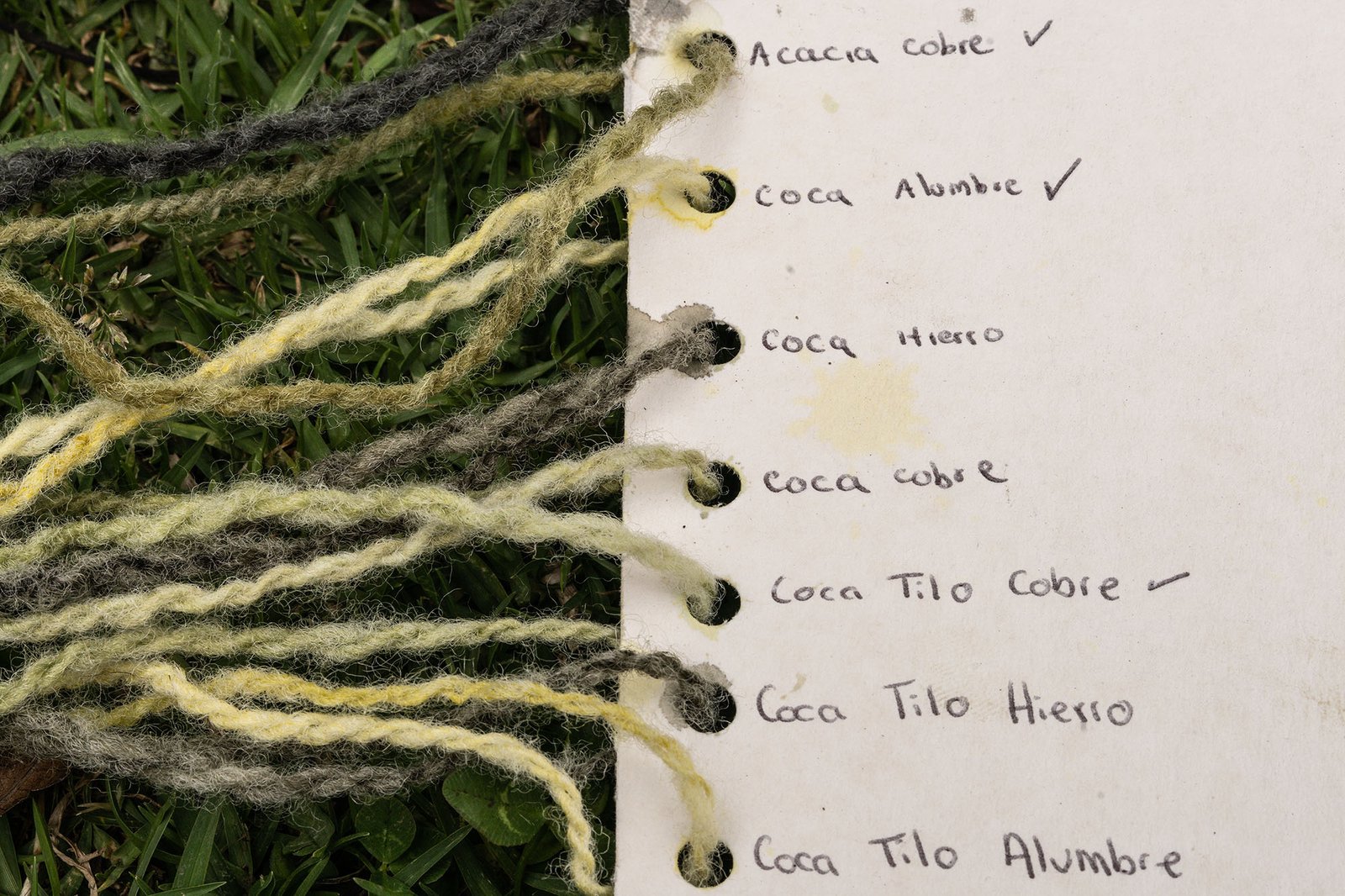
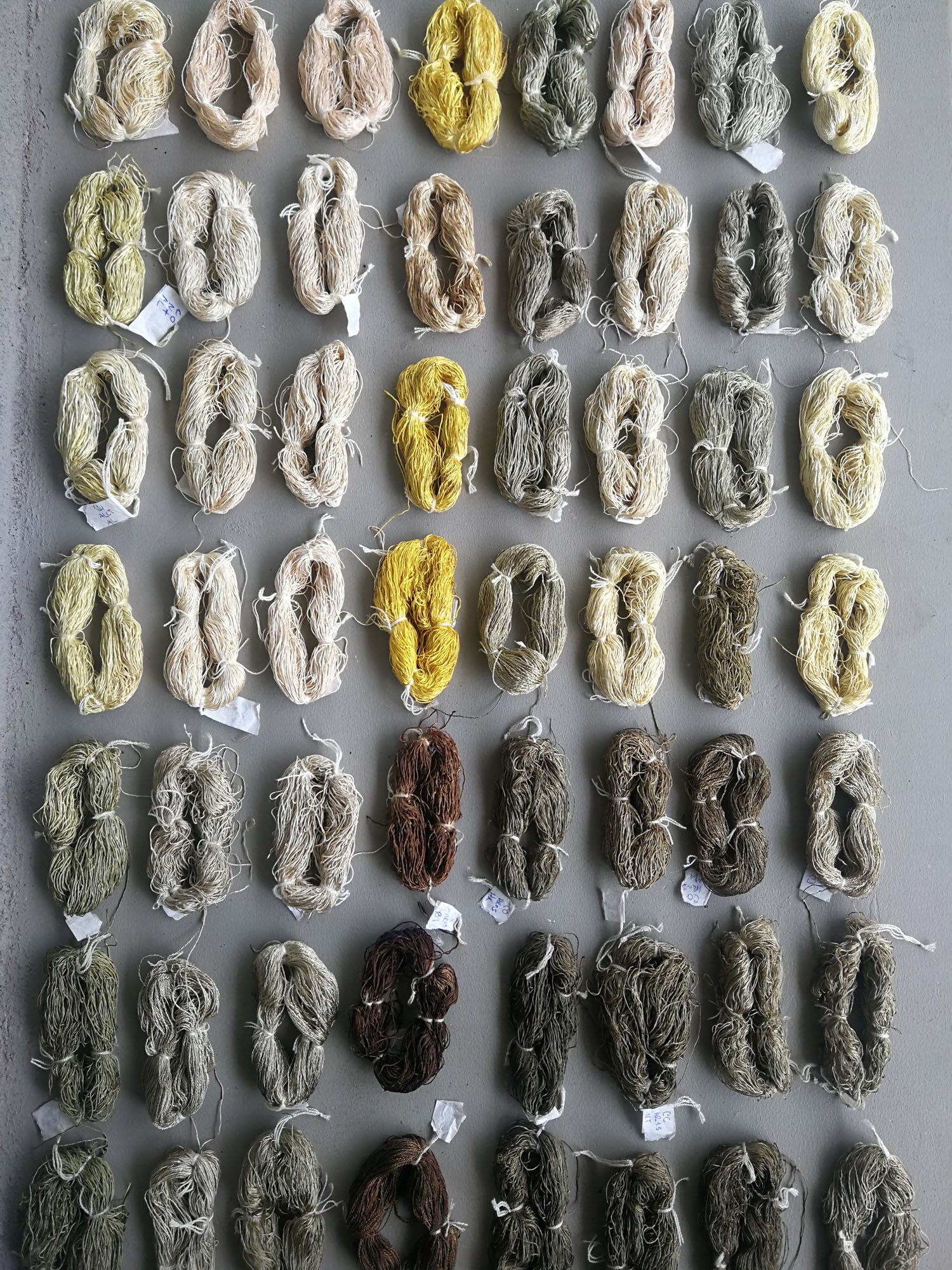
Tinta Dulce is a project of experimentation and collective creation that investigates the use of coca leaf flour as a natural source of color. Through artisanal dyeing processes, the project develops pigments applied to fibers such as silk, cotton, fique, and wool, resulting in a chromatic palette that ranges from yellows to greens.
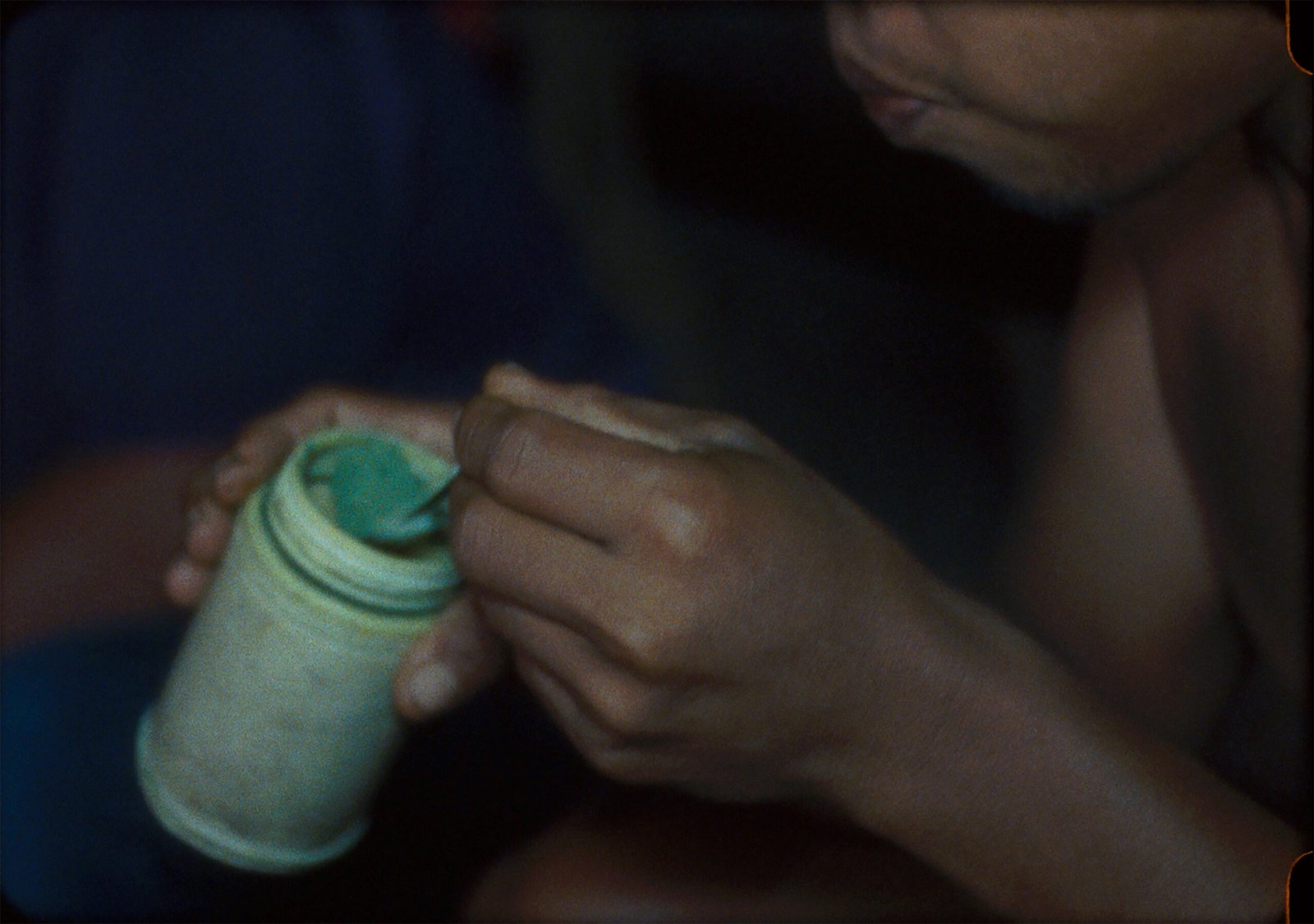
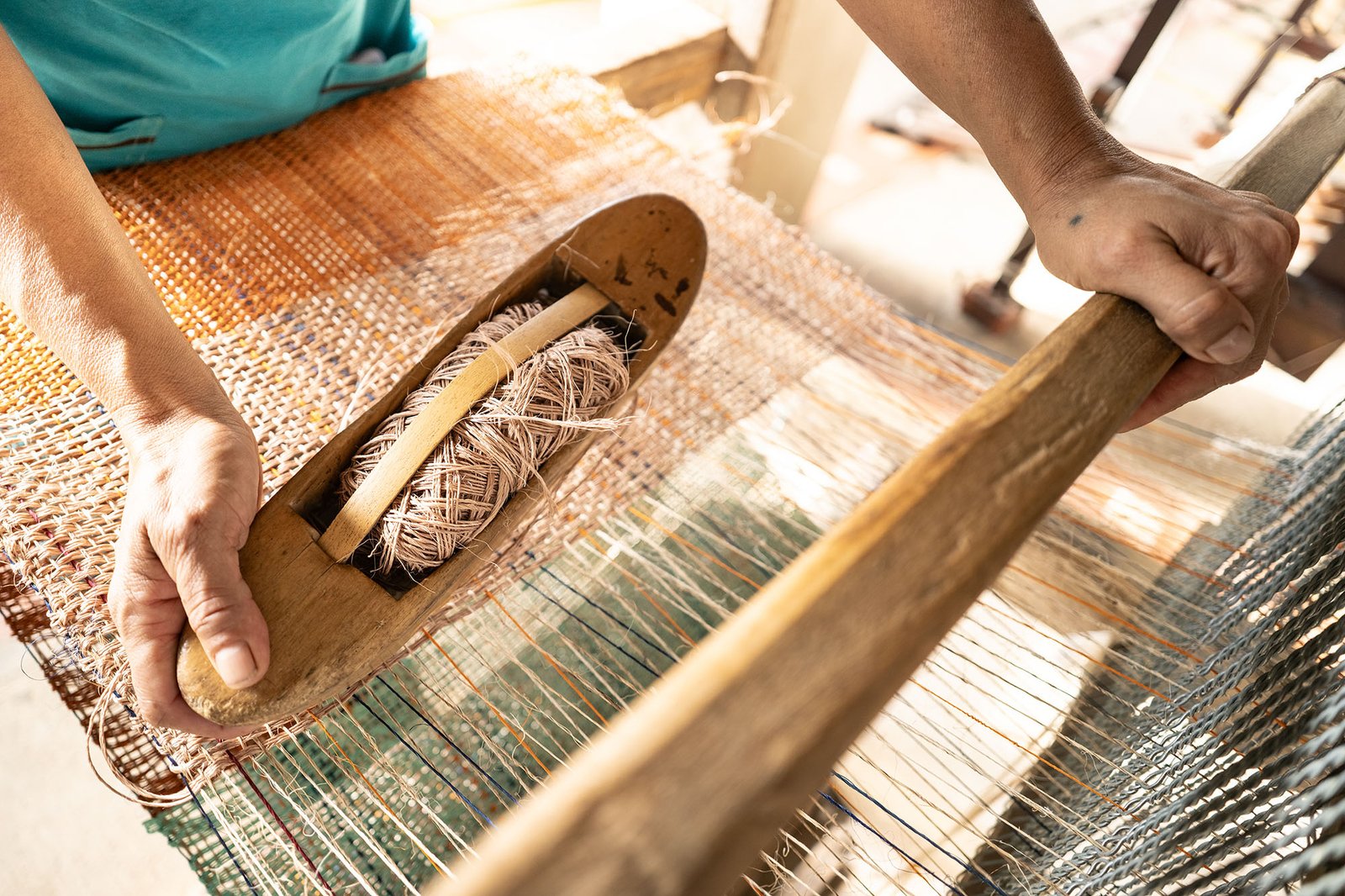
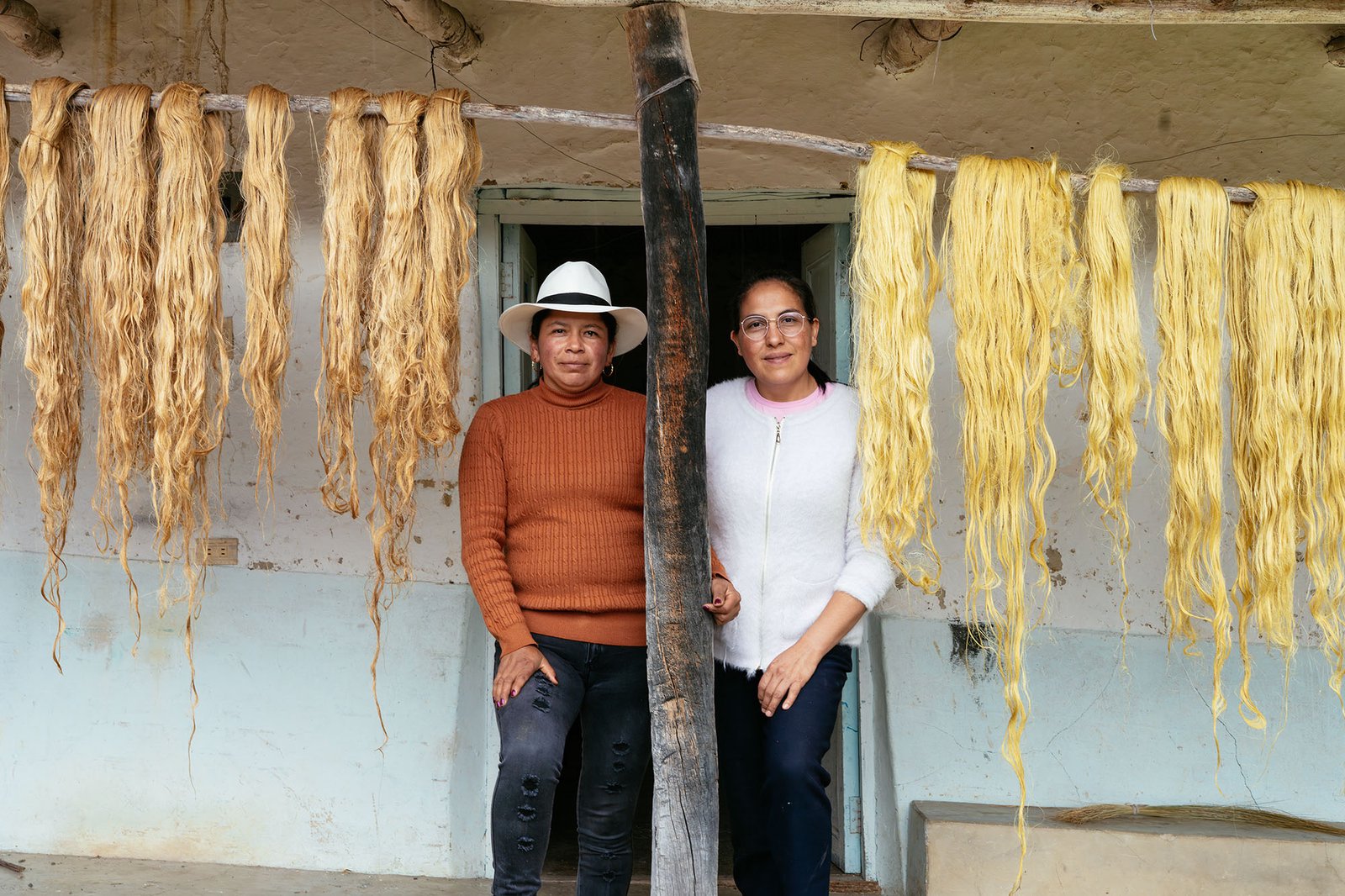
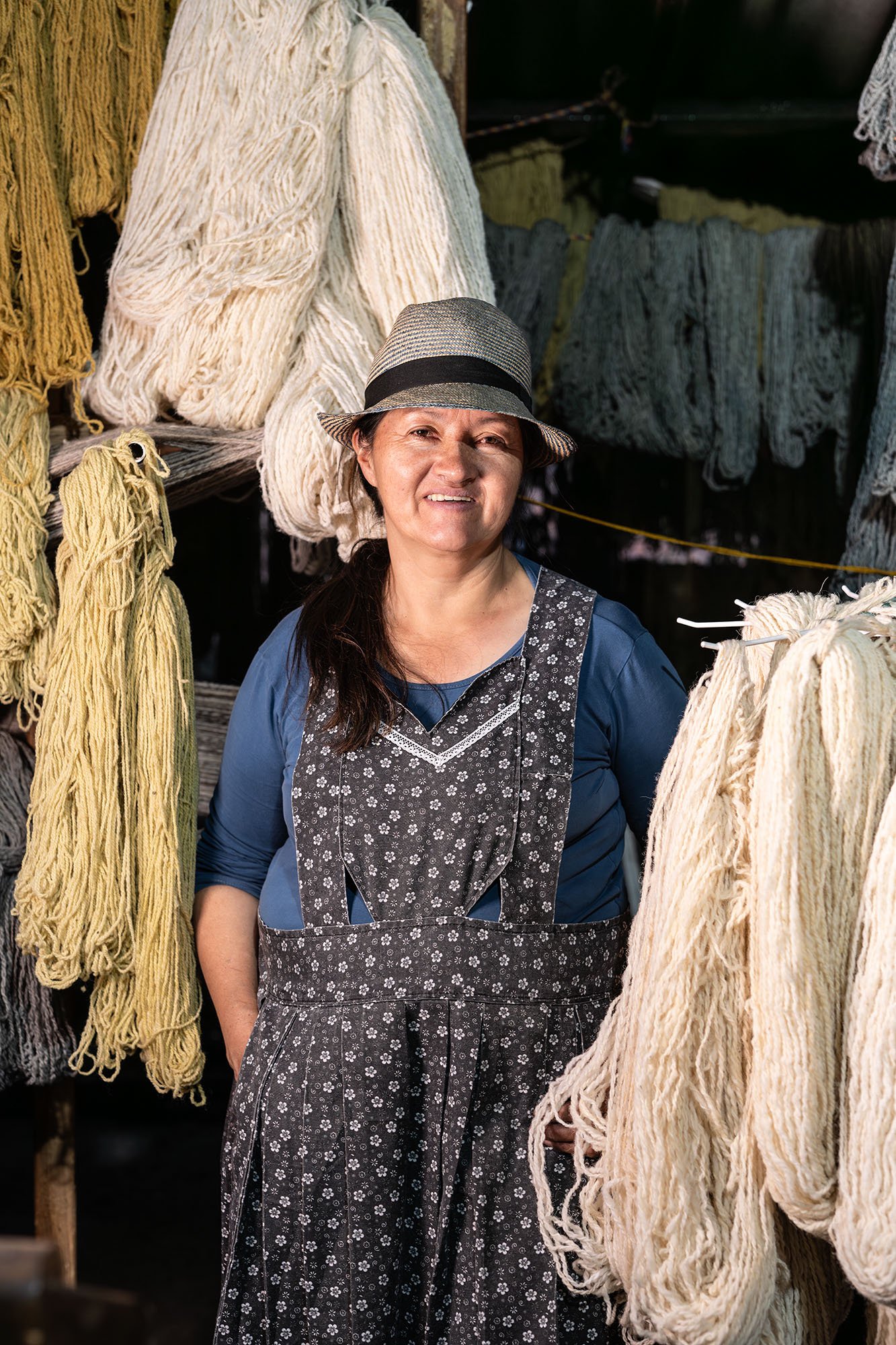
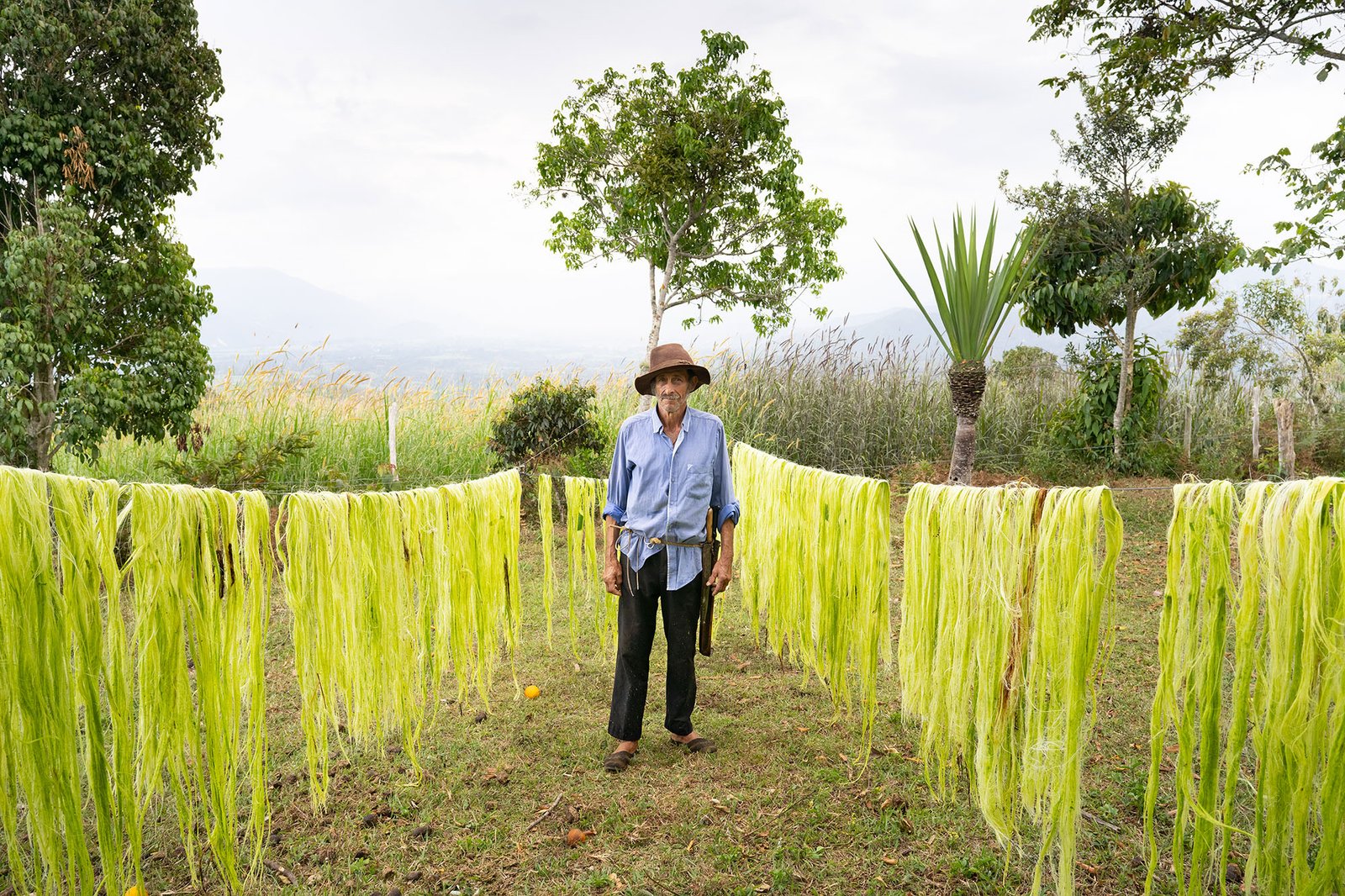
The initiative has been developed in collaboration with women’s artisan associations and natural fiber cooperatives in different regions of Colombia, including Boyacá, Santander, Cauca, and Cundinamarca. Through workshops and knowledge-transfer processes, Tinta Dulce has supported the integration of coca dyes into artisanal product portfolios, strengthening local capacities, diversifying incomes, and promoting alternative productive value chains.
Beyond its artistic dimension, Tinta Dulce seeks to transform perceptions of the coca leaf and the communities that cultivate it, reclaiming its cultural value and its potential as a creative resource. This purpose is reflected in a short documentary that brings together the voices of artisans from Guacamayas, Sutatausa, and Curití, who share their experiences using coca leaves as a textile dye and opening new horizons grounded in local knowledge.

Additionally, Tinta Dulce makes available a free, downloadable dyeing logbook focused on coca leaf inks and dyes, which documents the processes and aims to expand the project’s reach to those interested in incorporating coca as a natural source of color in their own creative projects.
Download the Booklet (PDF)

The Artist

Ginger Blonde

Ginger Blonde is a design and visual communication studio founded in 2021 by Mónica Suárez and Daniela Rubio. Based between Bogotá and Panama City, the studio works from a cooperative, interdisciplinary, and predominantly female approach, focused on social innovation, responsible design, and territorial transformation.

Read more

More From This Artist

Macabre Dance

Macabre Dance

Alejandra Delgado Uría

Artist’s country of origen: Bolivia
Materials:
Video Sound: Danse macabre by Camille Saint-Saëns, Op. 40
Medium: Installation, Video, Performance
Size: 00:02:31 sec.
Year: 2013 / 2022 / 2024

Line of Inquiry:

Coca-Politics

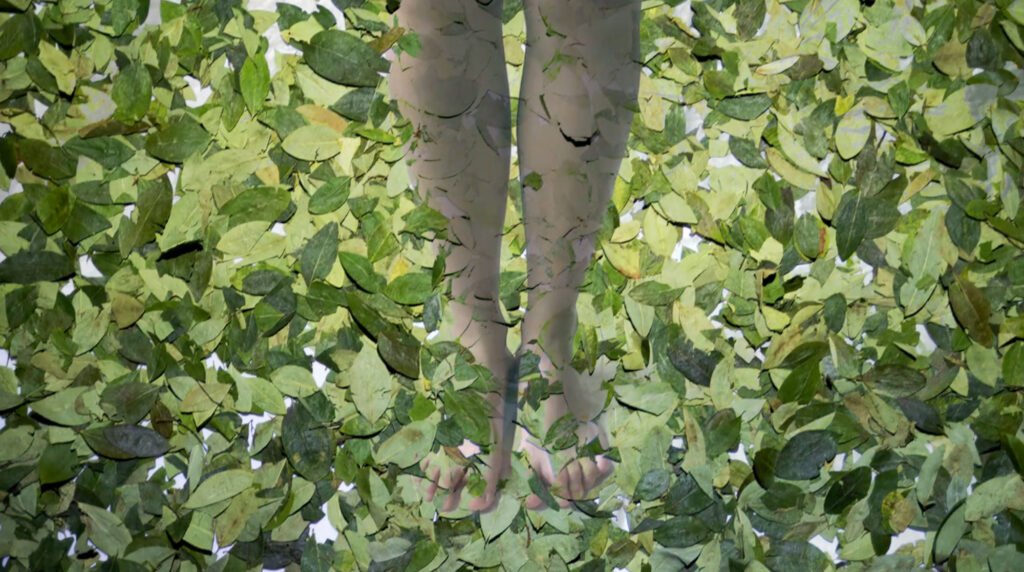
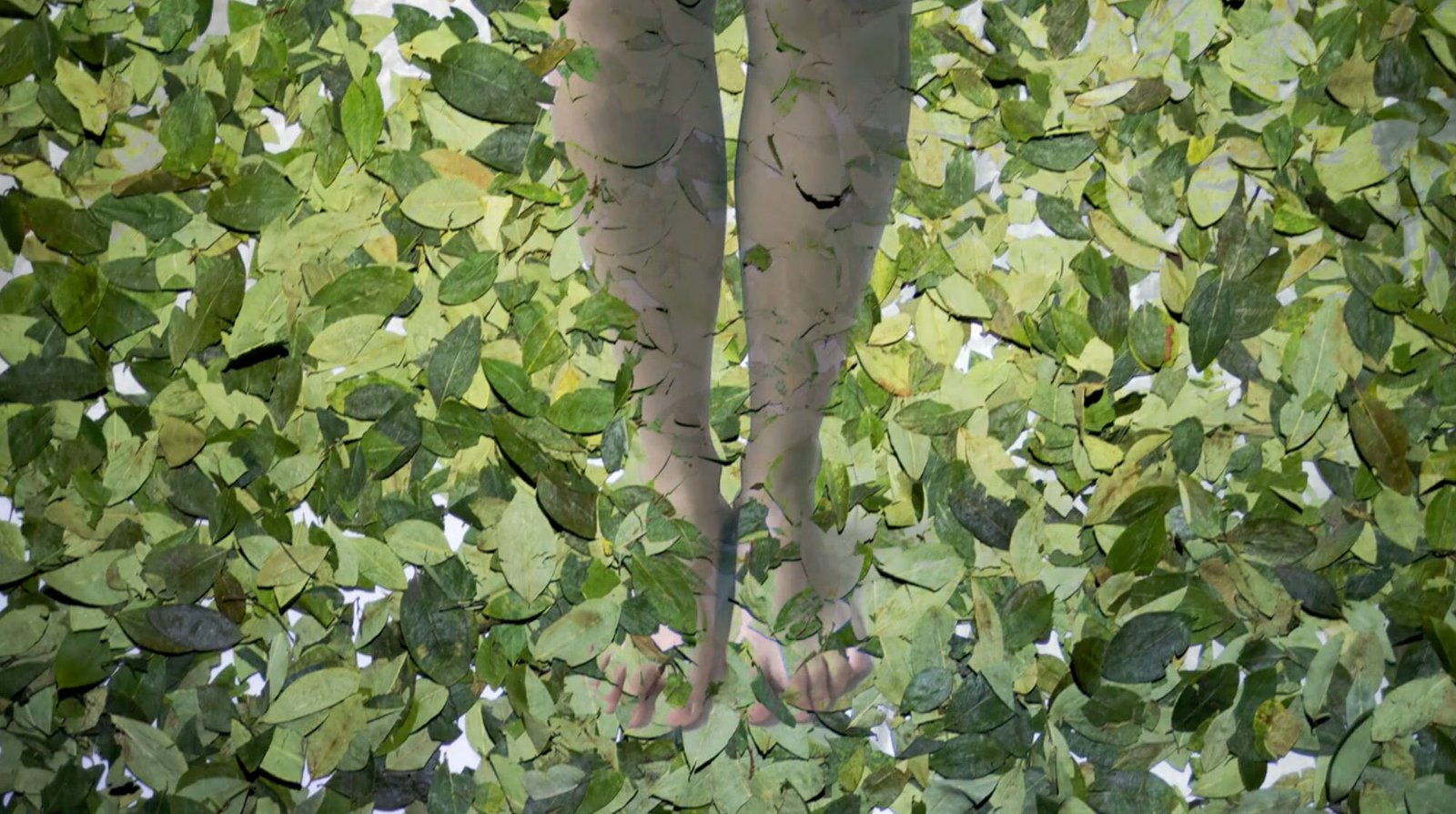
In her piece Macabre Dance, Delgado intertwines performance, sound, and installation to explore the complex historical realities of Bolivia surrounding the coca leaf. She creates a tapestry made of coca leaves, onto which she projects a video showing a woman’s feet dancing to Danse Macabre by Camille Saint-Saëns, inspired by the play Danza macàbra by Camillo Antona Traversi, a satirical Italian work from the late 19th century. 

The femele feet projected onto the tapestry reference the traditional process of stomping coca leaves to produce coca base paste, while also symbolizing the role of Bolivian Indigenous women in the fight against the prohibition of the coca leaf and their their vulnerability to the abuses of drug trafficking, prostitution, and human trafficking embedded in the illicit economy. Delgado uses this duality to highlight the contradictions surrounding coca: a plant both sacred and commodified.

This work reflects the fundamental role of women in defending their traditions, as well as their resistance to the violence and exploitation stemming from the global drug problem, highlighting their role in care networks and in the struggle for dignity and justice.


The Artist

Alejandra Delgado Uría

Alejandra Delgado Uría is a Bolivian visual-artist and photographer whose work explores architecture, memory, and identity in the Andean region.

Read more

More From This Artist

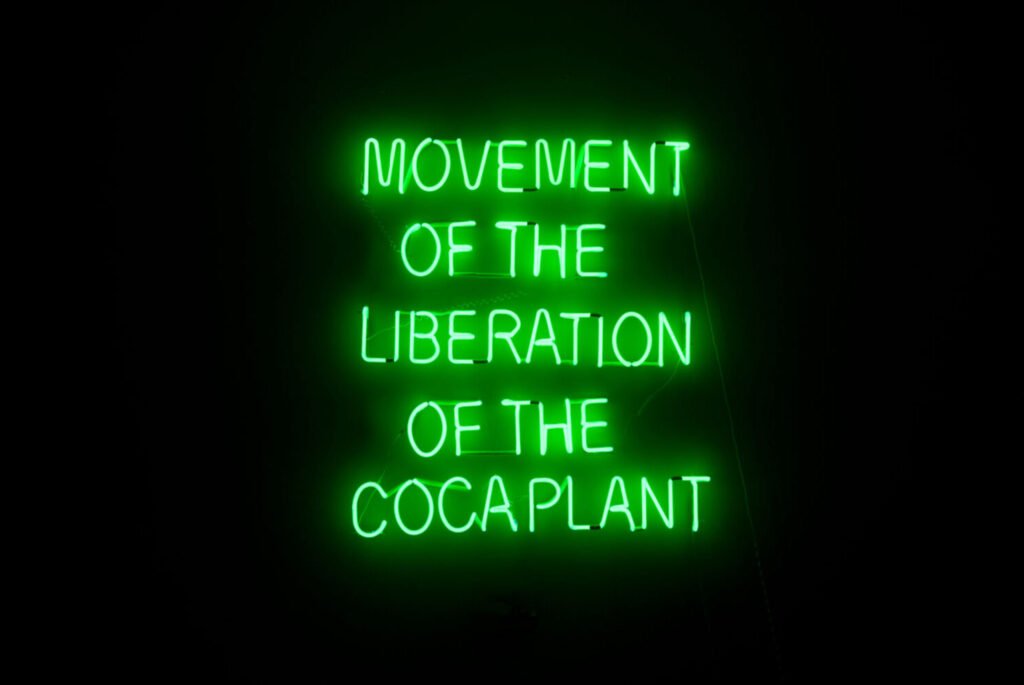
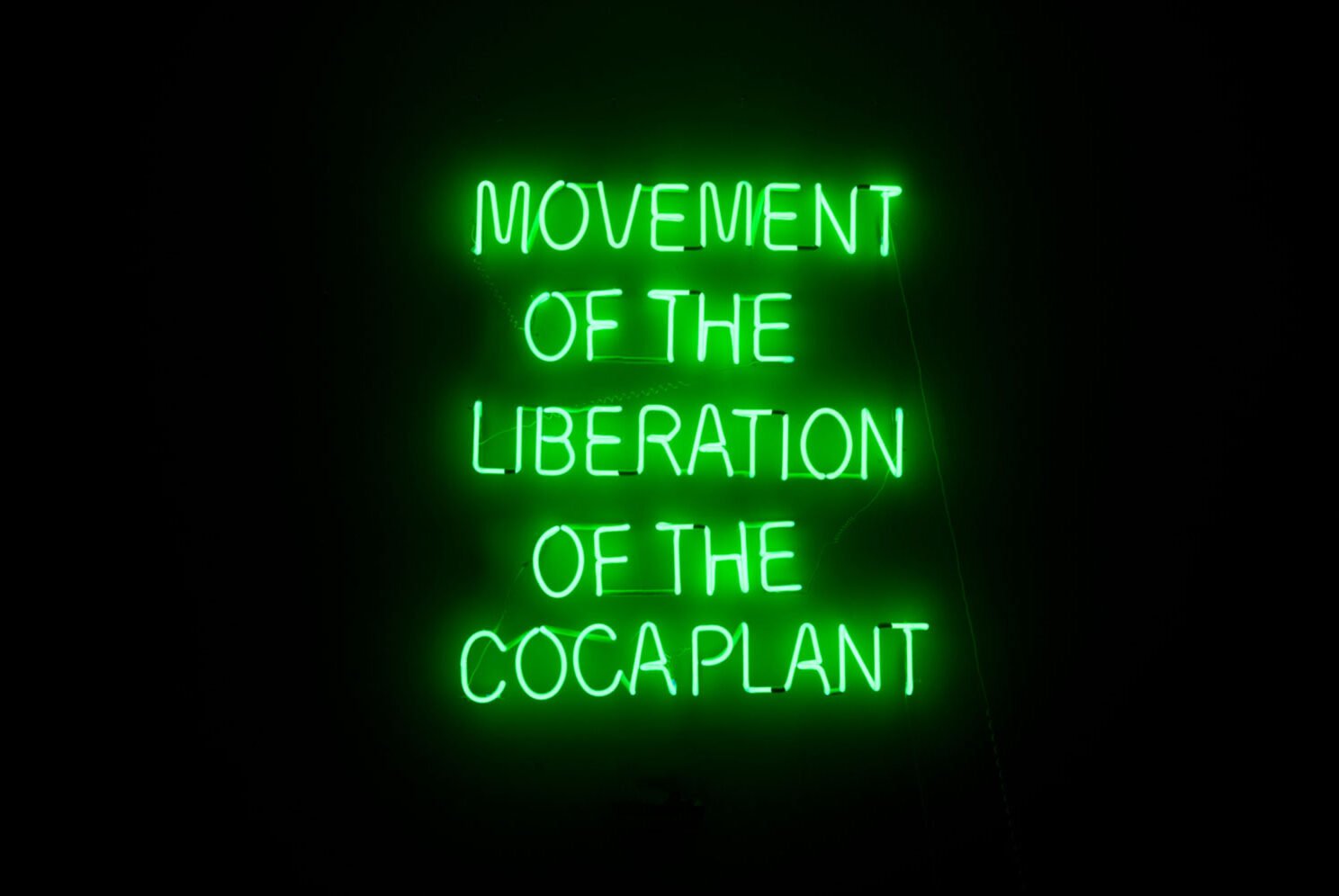
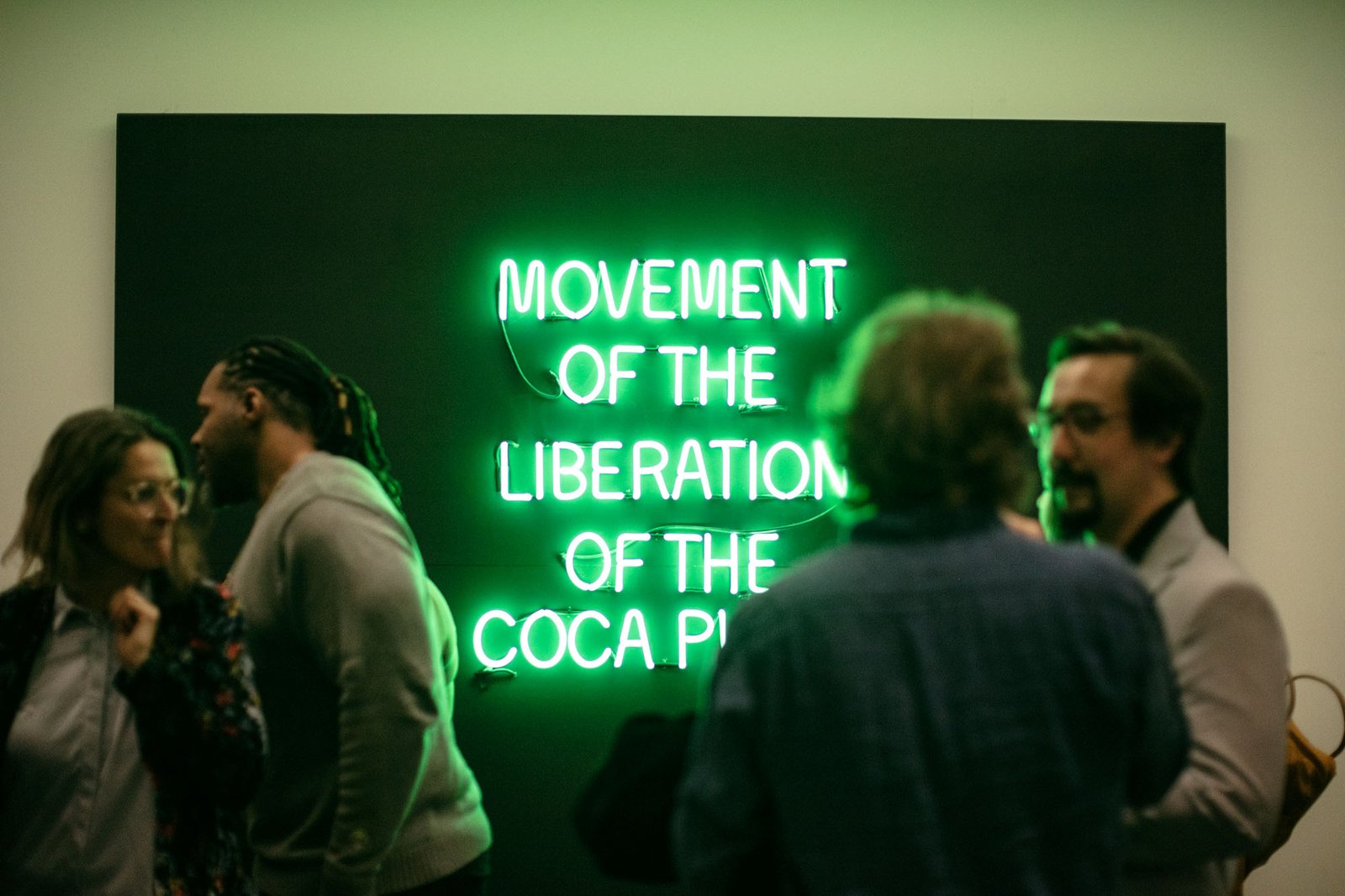
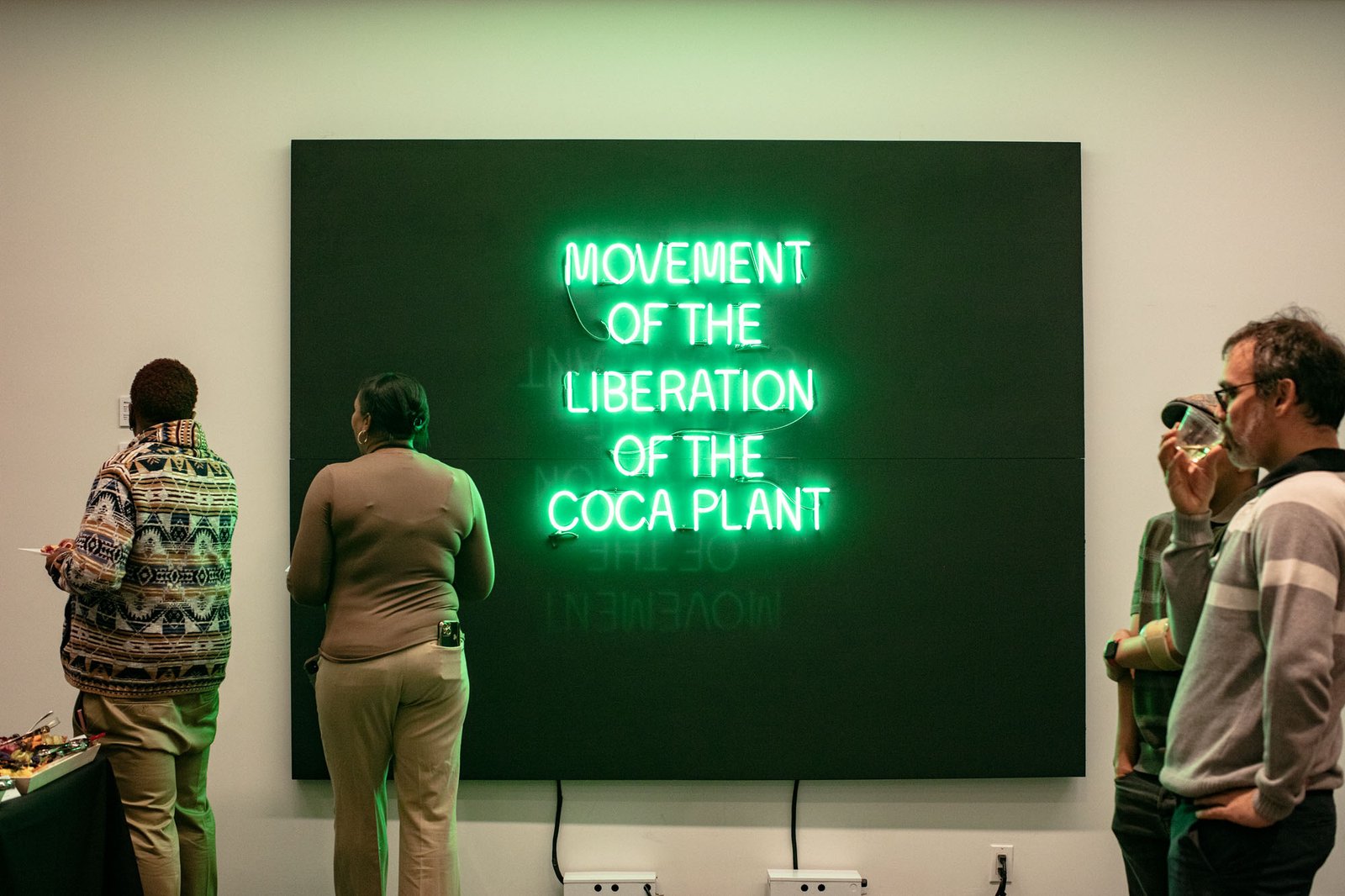
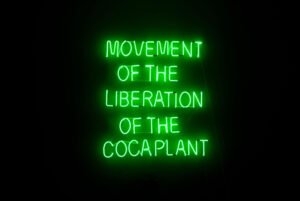
Movement for the Liberation of the Coca Plant

Movement for the Liberation of the Coca Plant

Wilson Díaz Polanco

Artist’s country of origen: Colombia
Materials:
Neón
Medium: Sculpture, Installation, Digital Art / New Media
Size: 140 × 114 × 5.5 cm
Year: 2012 – 2014

Line of Inquiry:

Coca-Politics

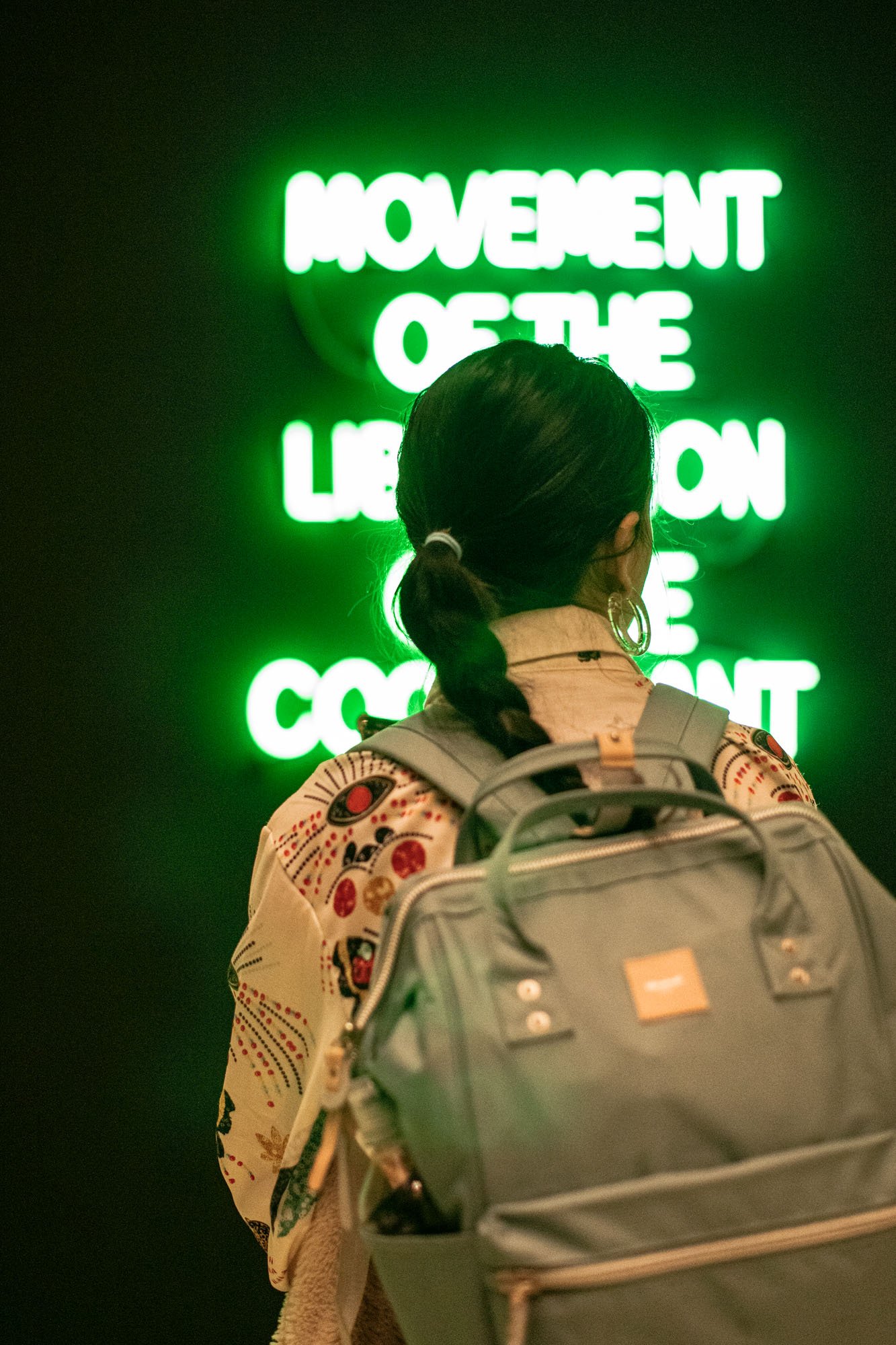
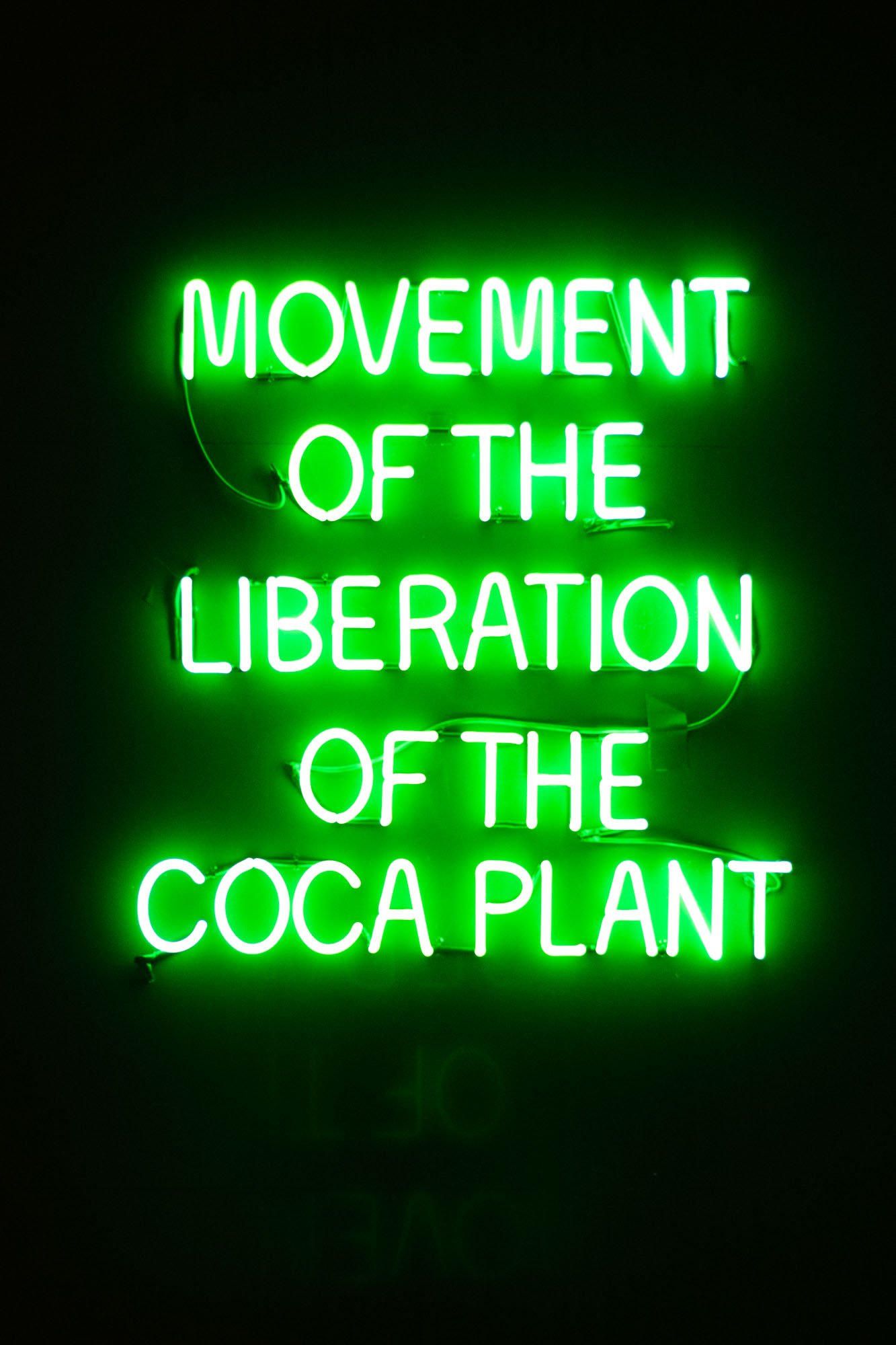
In this neon installation, Wilson Díaz transforms a simple phrase, “Movimiento de liberación de la planta de coca”, into a luminous declaration. The work reclaims the coca plant from decades of stigma tied to drug policy and the armed conflict in Colombia. By inscribing this call to liberation in glowing light, Díaz invites viewers to reflect on how language, power, and perception shape the fate of both plants and people.

The piece challenges official narratives of eradication and control, proposing instead a symbolic and literal “liberation” of the coca leaf. Díaz advocates for recognizing the plant’s ancestral, medicinal, and cultural dimensions, which have been overshadowed by its association with narcotrafficking. Through its simplicity and clarity, the neon text becomes both artwork and manifesto, a call to restore the coca plant’s dignity and to envision new, decolonial relationships between nature, politics, and society.

The Artist

Wilson Díaz Polanco

Wilson Díaz Polanco is a Colombian visual artist exploring the sociopolitical landscape of Colombia through popular culture, armed conflict, and media representation.

Read more

More From This Artist

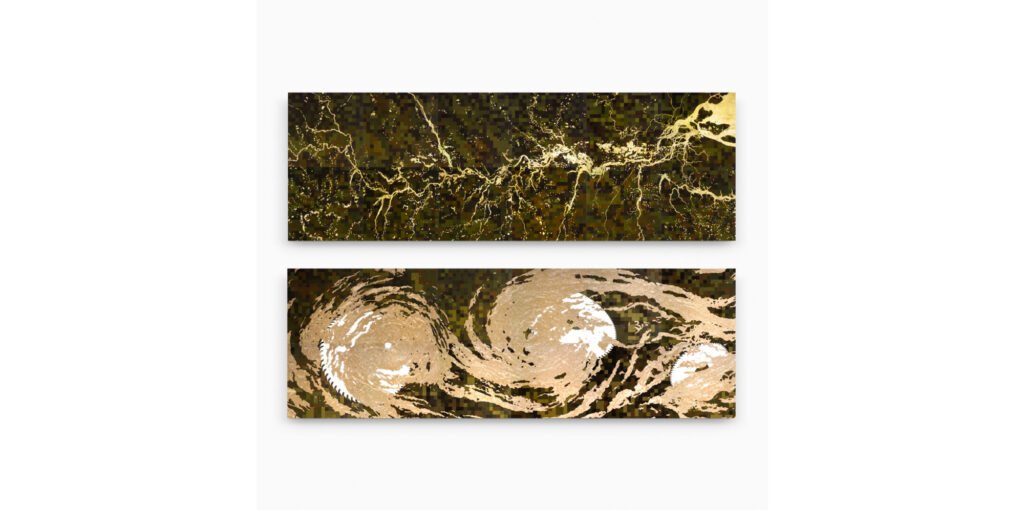
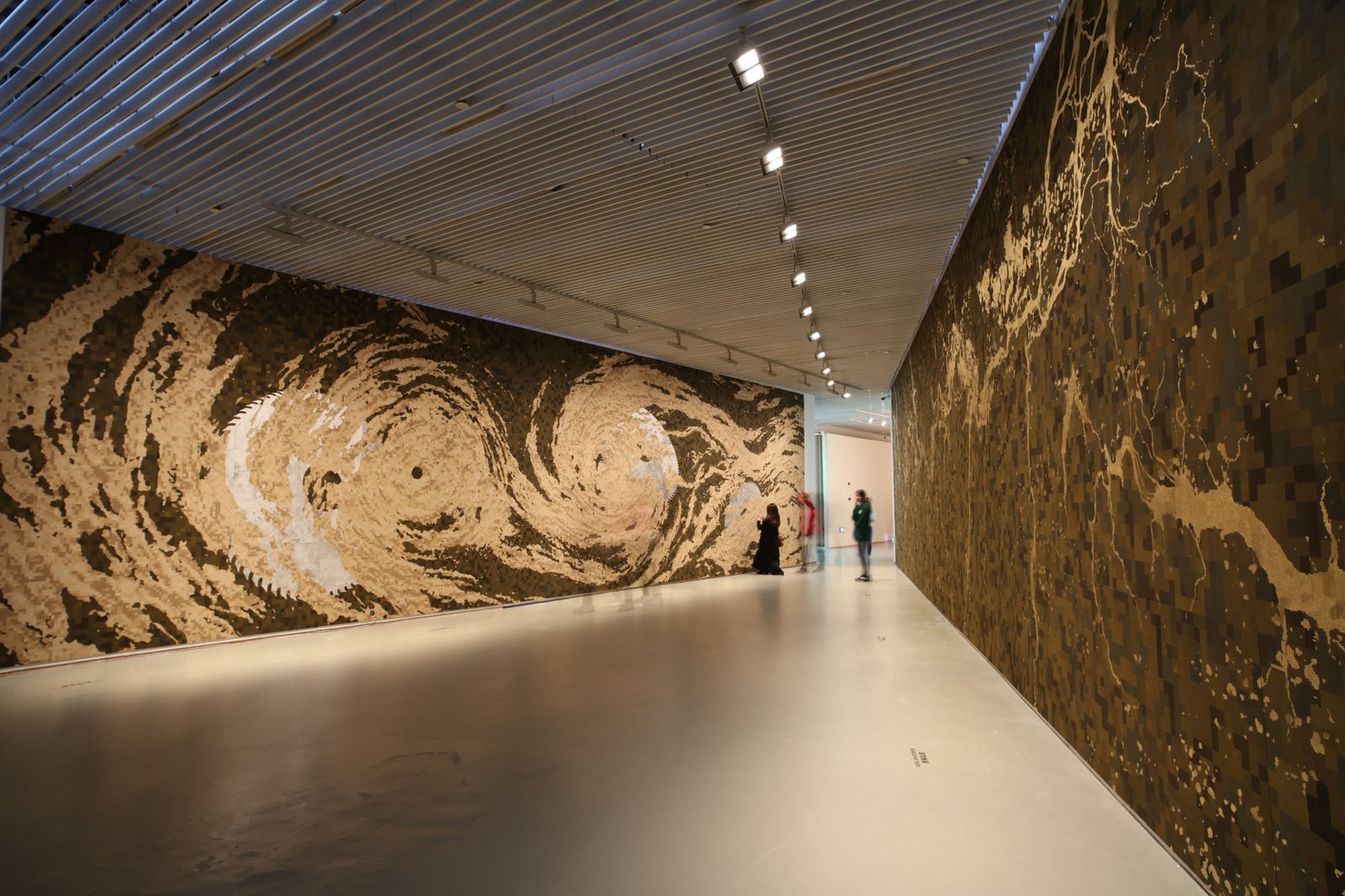
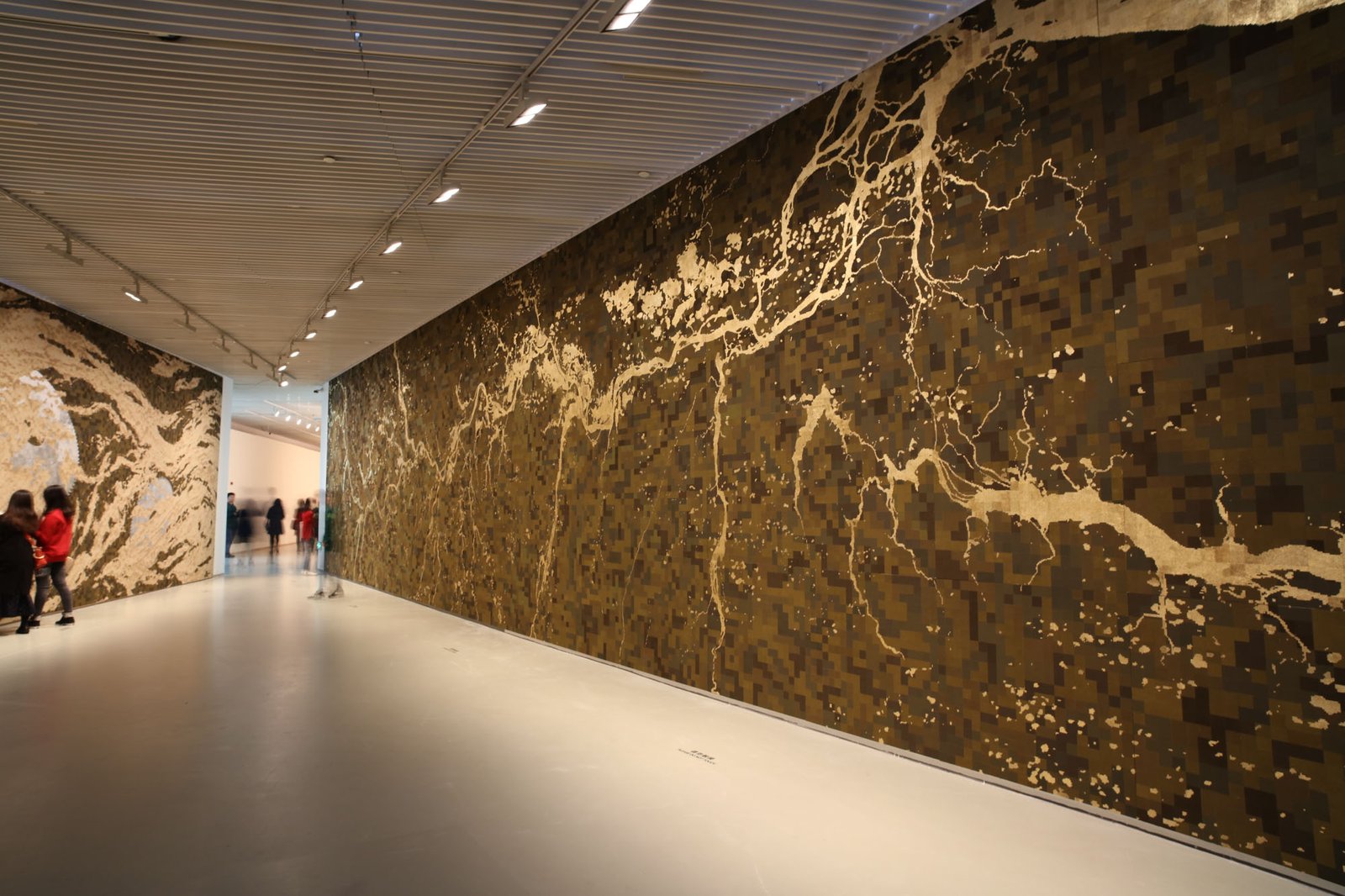
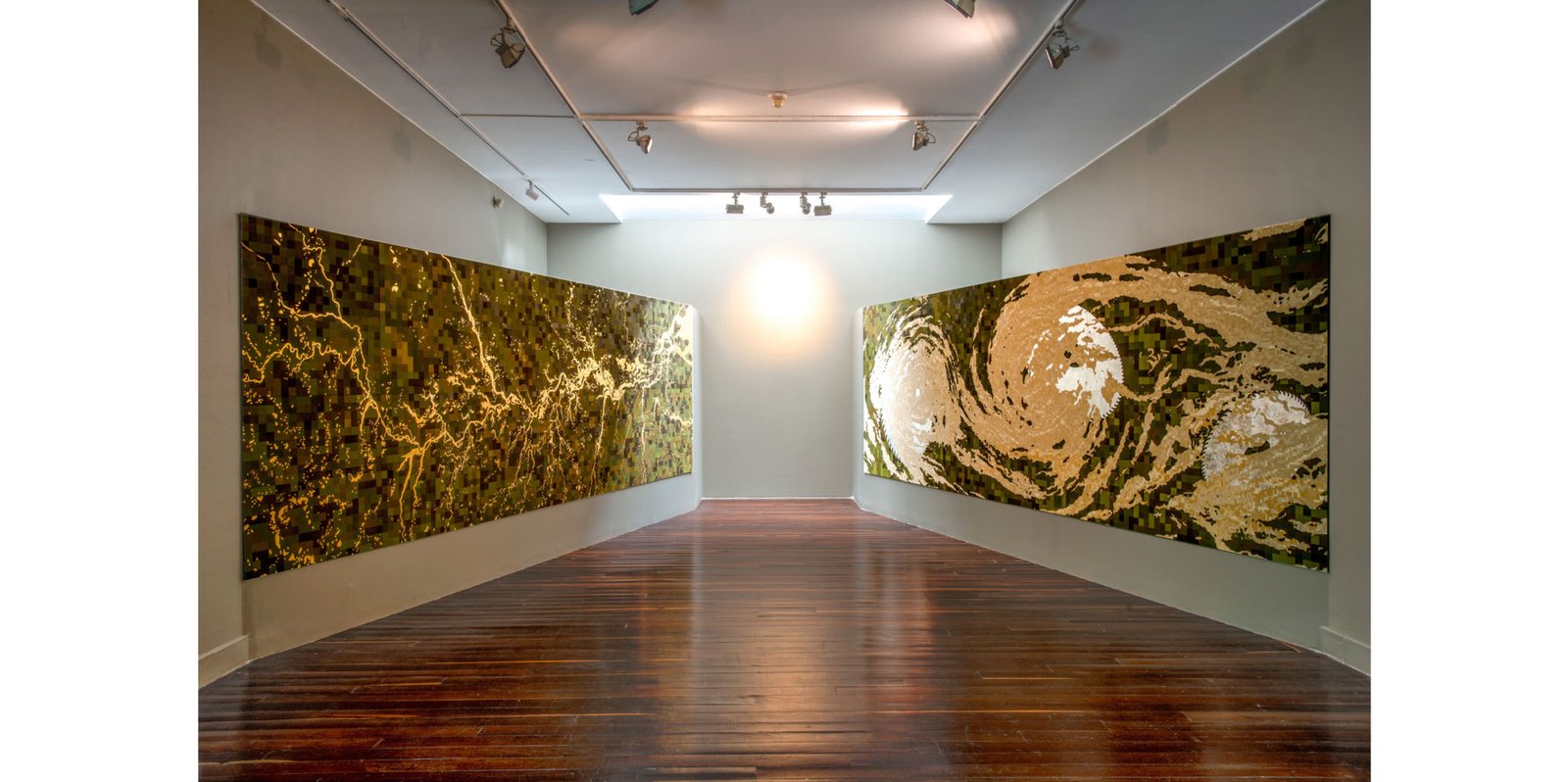
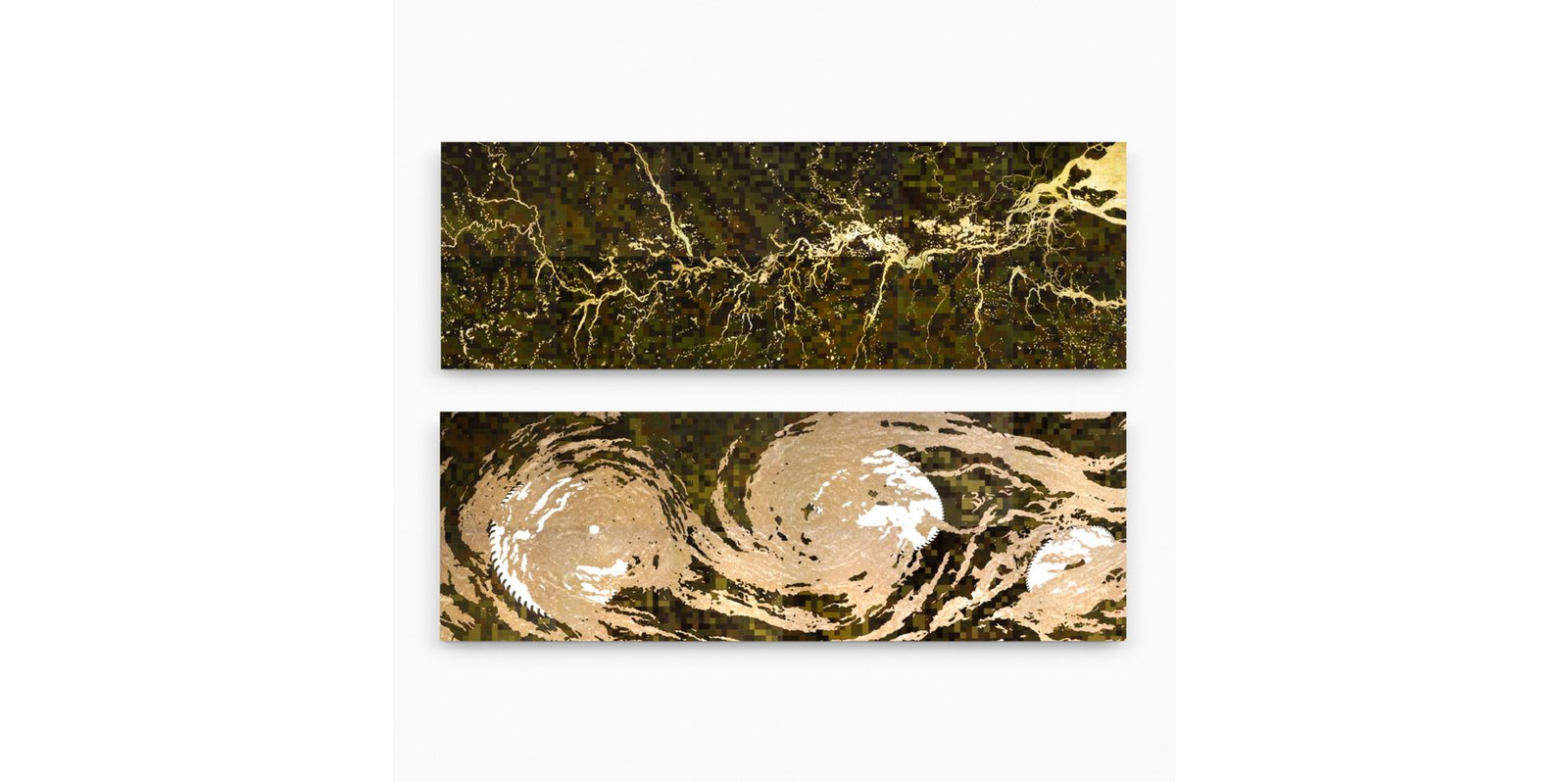
Nuevo El Dorado (Wild Economy)

Nuevo El Dorado (Wild Economy)

Miguel Ángel Rojas

Artist’s country of origen: Colombia
Materials:
Coca leaf powder, neutral silkscreen base, clay, mineral pigments, gold and silver leaf on fiber paper mounted on foam board
Medium: Installation, Print / Graphic Work
Size: 400 x 1800 cm – 400 x 1500 cm
Year: 2018

Line of Inquiry:

Coca-Politics

In this monumental installation, Rojas critiques the environmental degradation and social inequalities resulting from extractive industries and illicit economies. By using materials like coca leaf powder and gold leaf, Rojas underscores the complex interplay between cultural heritage and the exploitative forces of globalization.

Displayed at the 12th Shanghai Biennale and later at the Museo de Arte Moderno de Bogotá (MAMBO) in the exhibition Regreso a la Maloca, this piece serves as a poignant commentary on the ongoing colonial dynamics and the commodification of natural resources. Rojas’s work invites viewers to reflect on the intertwined histories of indigenous knowledge, ecological destruction, and the pursuit of wealth, challenging them to reconsider the true cost of progress.

The Artist

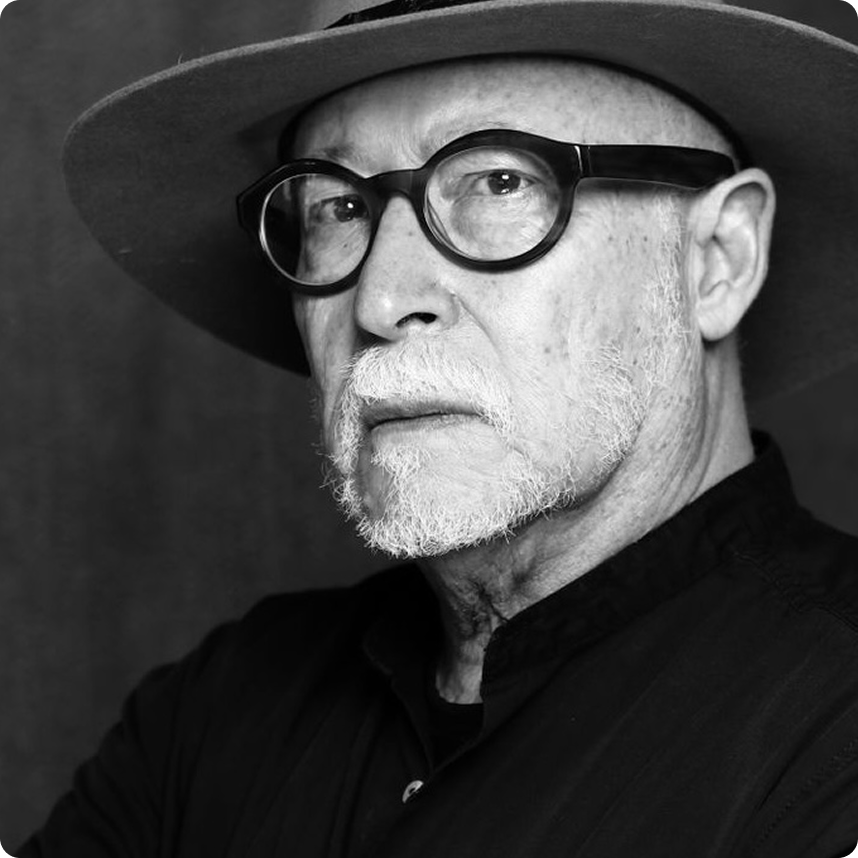
Miguel Ángel Rojas

Miguel Ángel Rojas is a pioneering Colombian conceptual artist whose work exposes hidden systems of power, marginality, and identity through an examination of his country’s social and political landscape.

Read more

More From This Artist

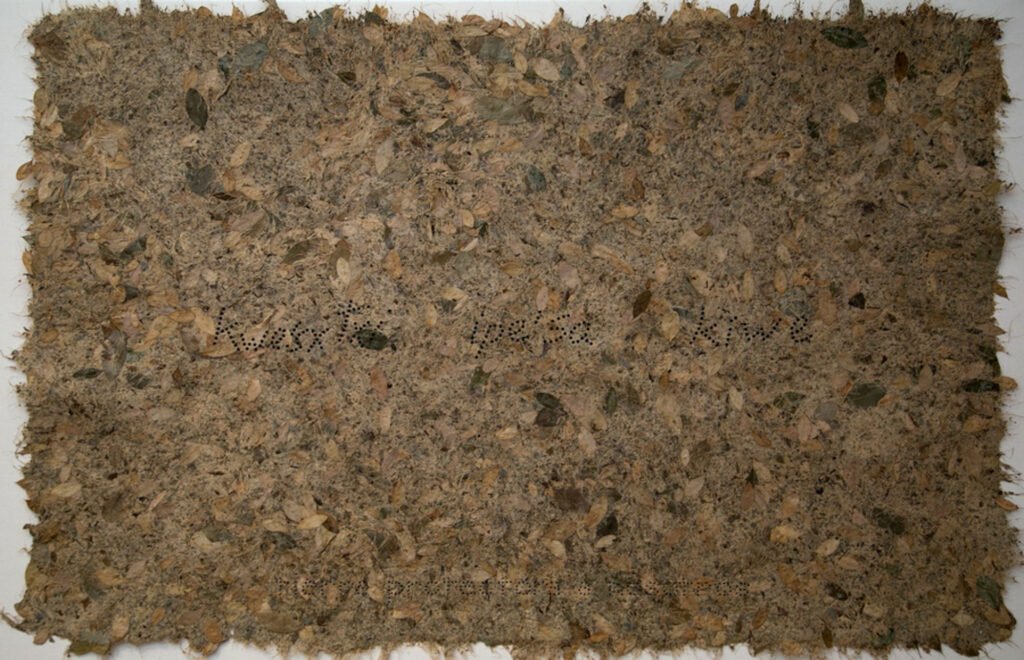
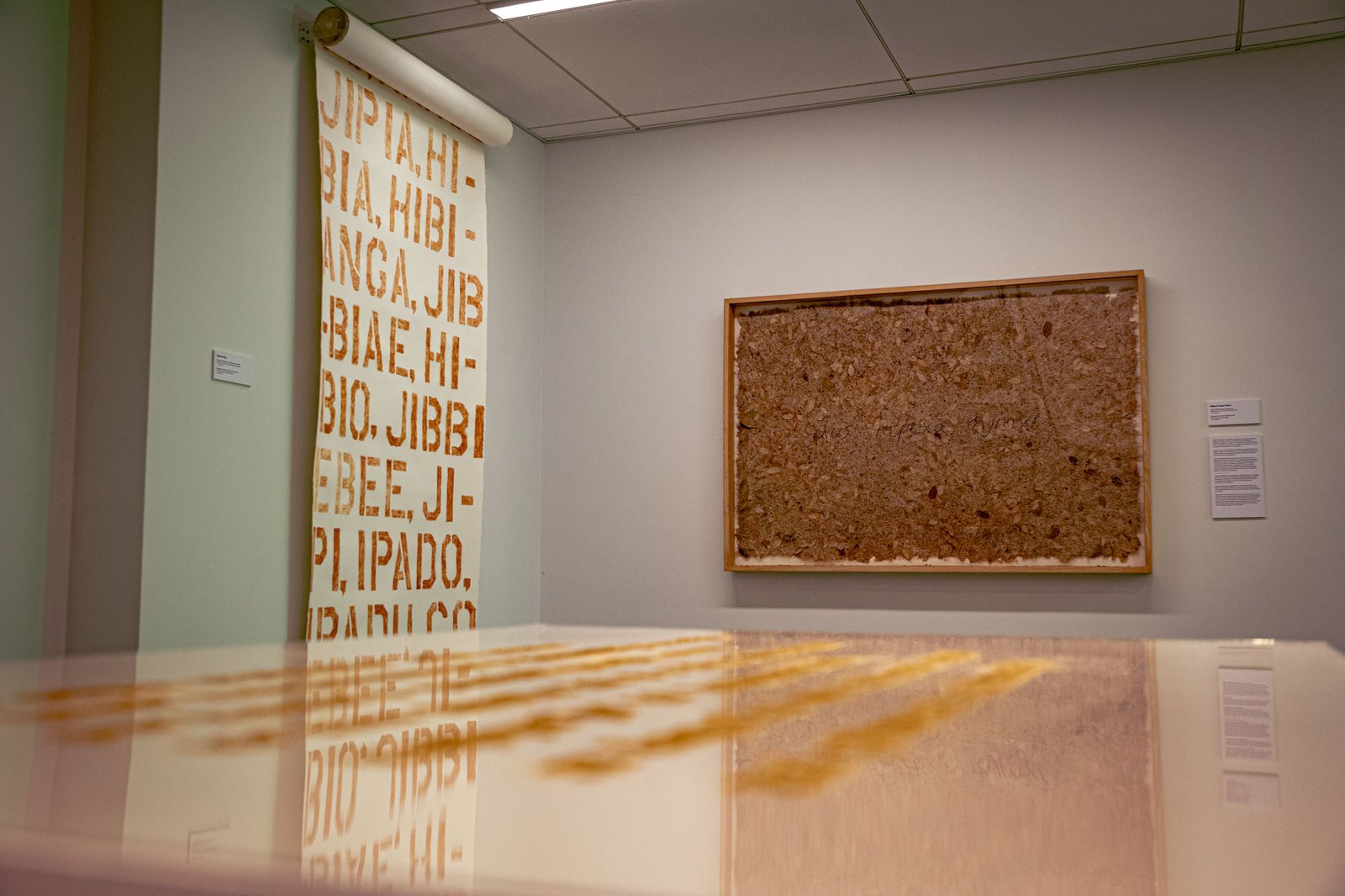
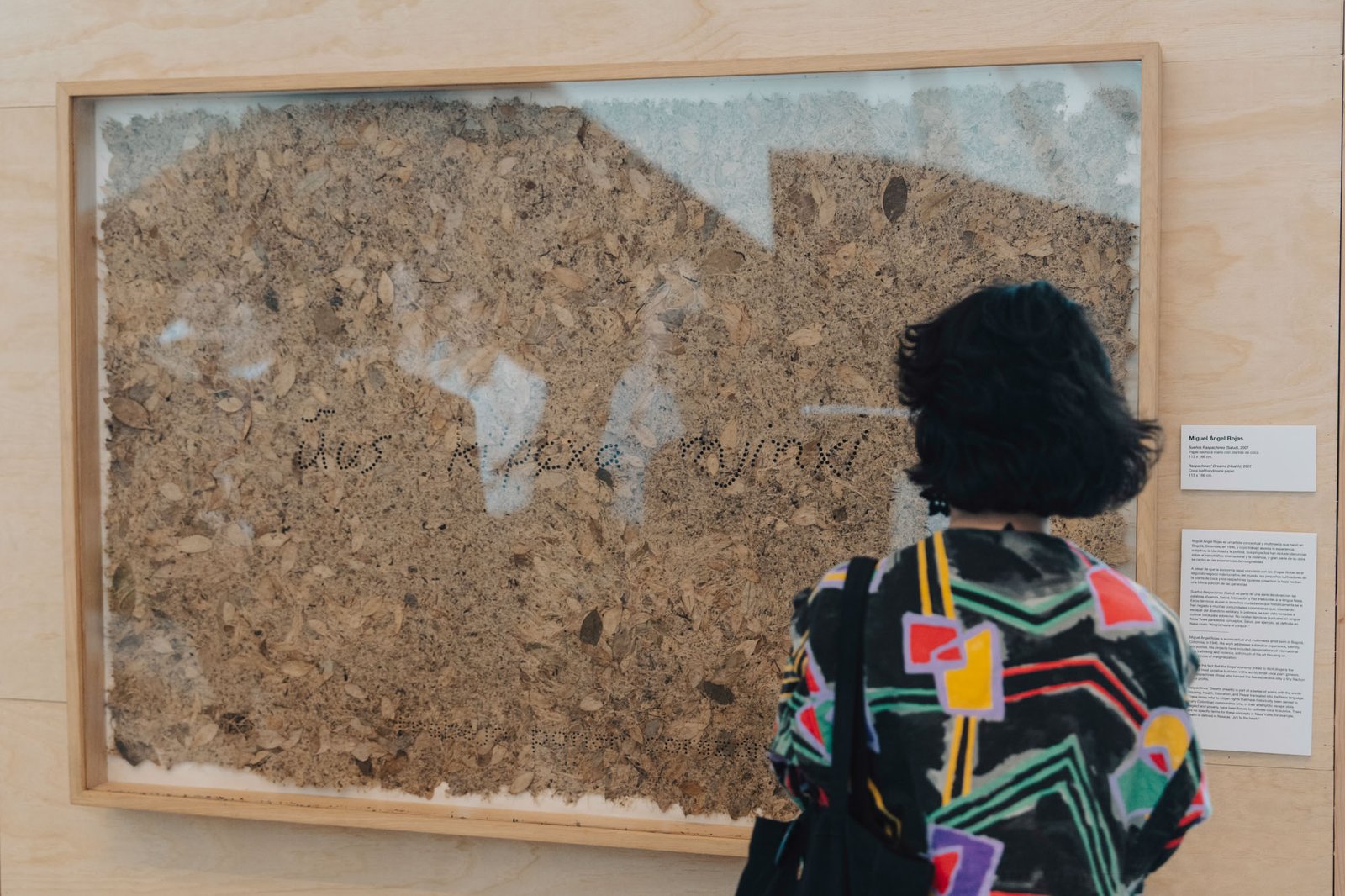
Raspachines’ Dreams (Health)

Raspachines’ Dreams (Health)

Miguel Ángel Rojas

Artist’s country of origen: Colombia
Materials:
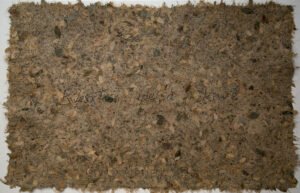
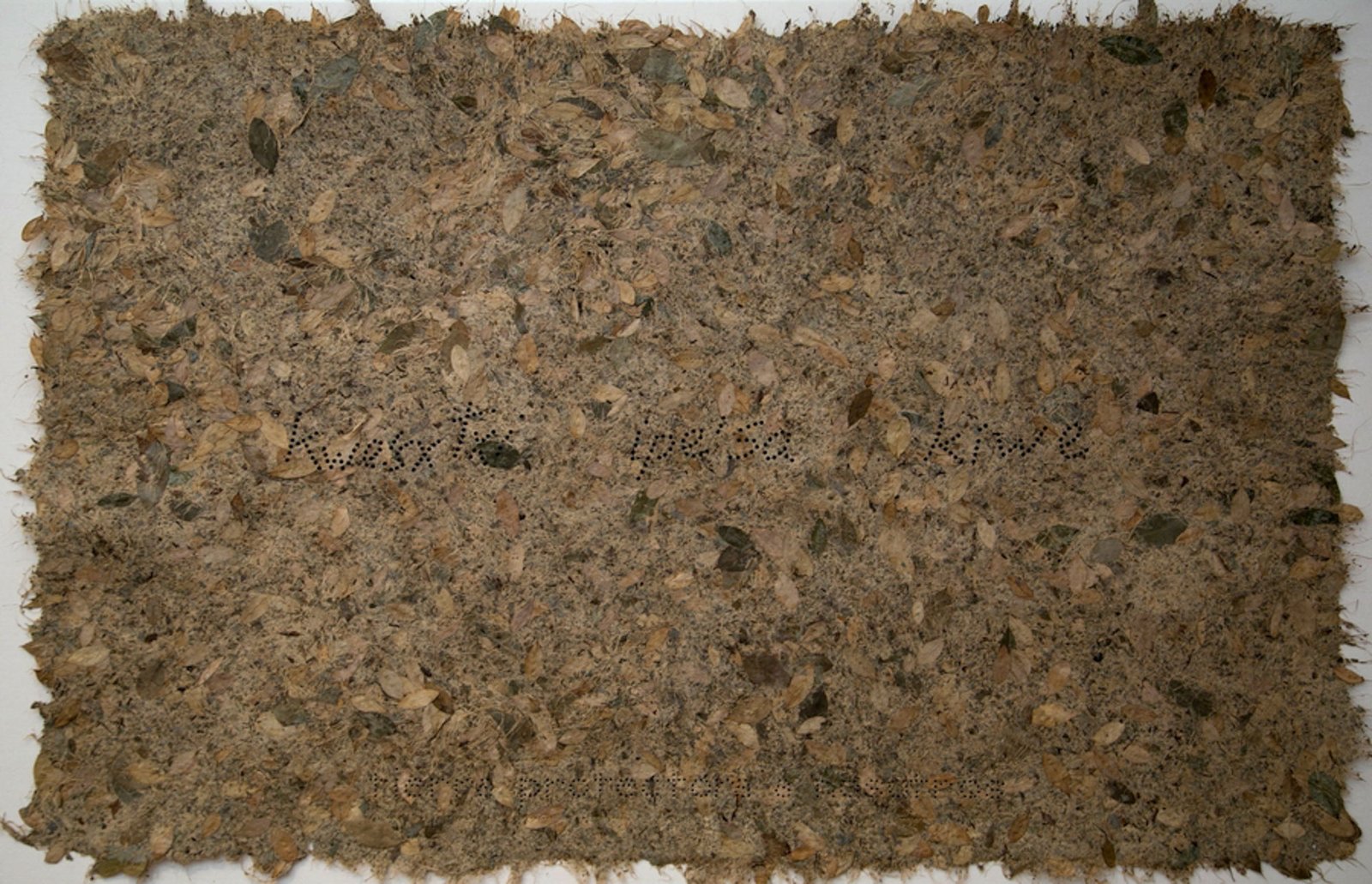
Coca leaf handmade paper
Medium: Installation, Print / Graphic Work
Size: 113x166cm
Year: 2007

Line of Inquiry:

Coca-Politics

Despite the fact that the illegal economy linked to illicit drugs is the second most lucrative business in the world, small coca plant growers and raspachines (those who harvest the leaves) receive only a tiny fraction of the profits.

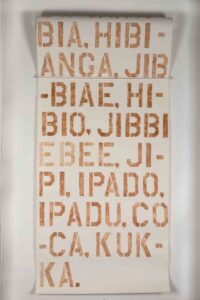
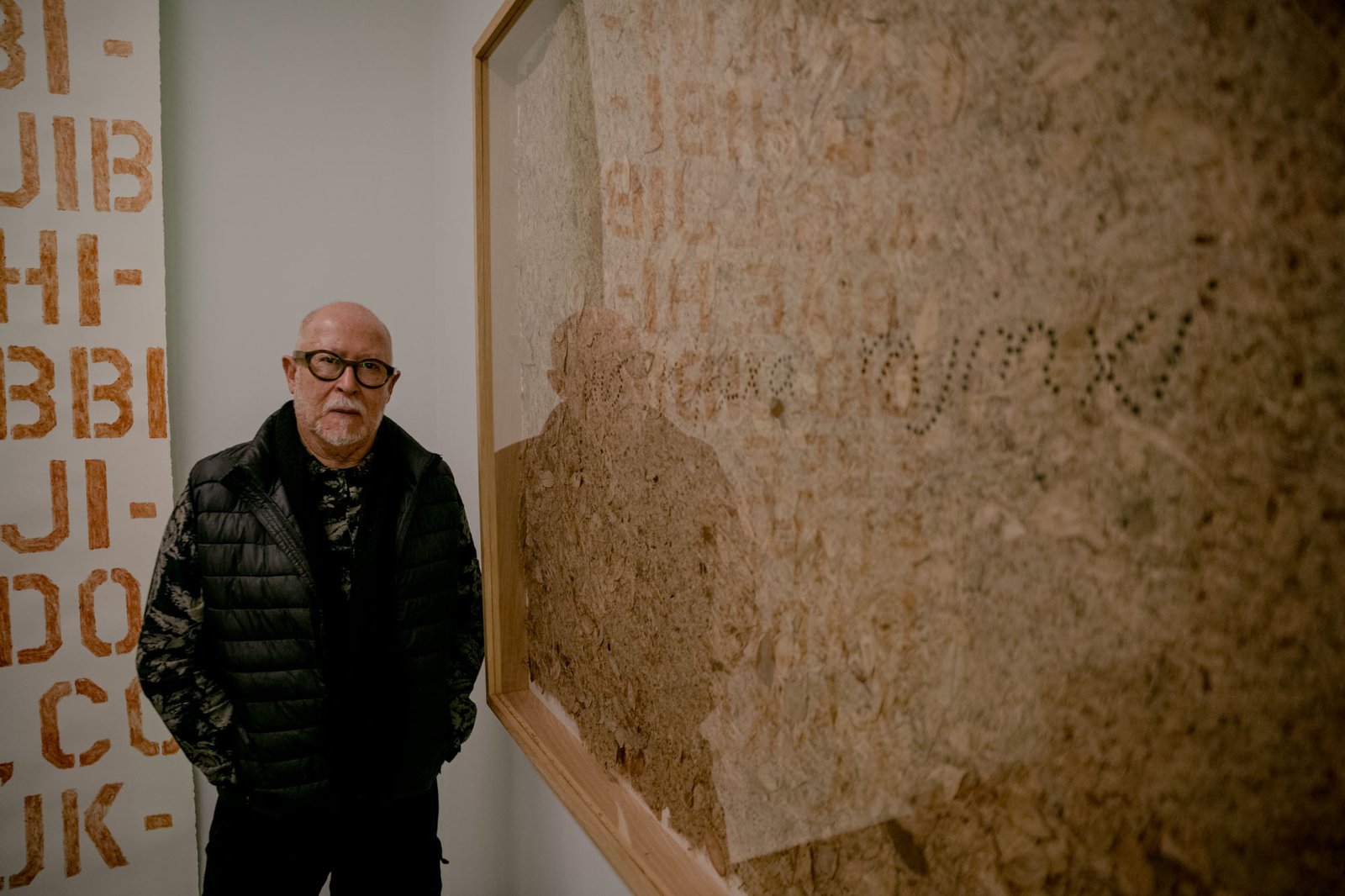
Raspachines’ Dreams (Health) is part of a series of works with the words Housing, Health, Education, and Peace translated into the Nasa language. These terms refer to citizen rights that have historically been denied to many Colombian communities who, in their attempt to escape state neglect and poverty, have been forced to cultivate coca to survive. There are no specific terms for these concepts in Nasa Yuwe; for example, health is defined in Nasa as “Joy to the heart.”

The Artist

Miguel Ángel Rojas

Miguel Ángel Rojas is a pioneering Colombian conceptual artist whose work exposes hidden systems of power, marginality, and identity through an examination of his country’s social and political landscape.

Read more

More From This Artist