ENTRELAZANDO

ENTRELAZANDO

GO TO ARTISTS

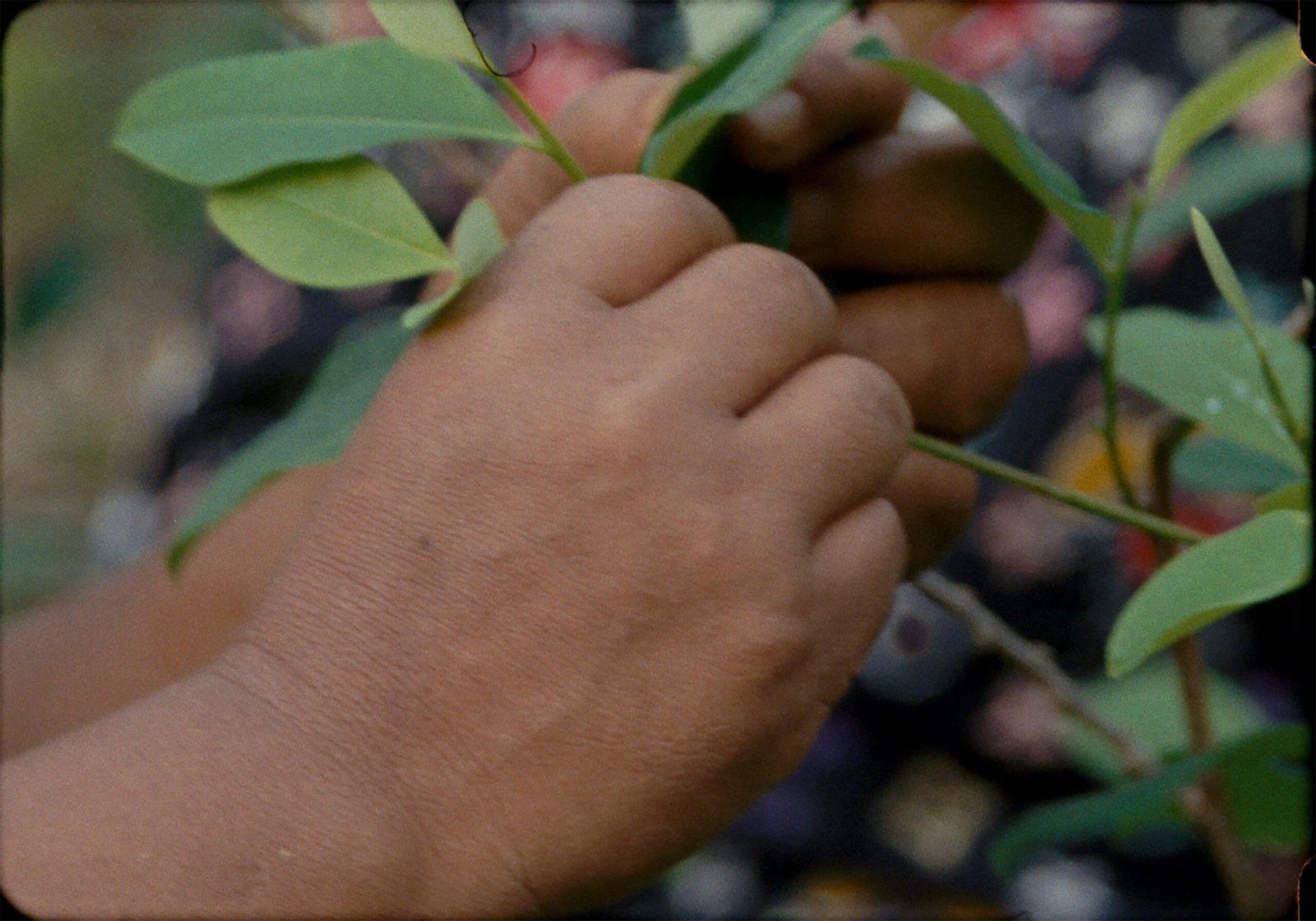
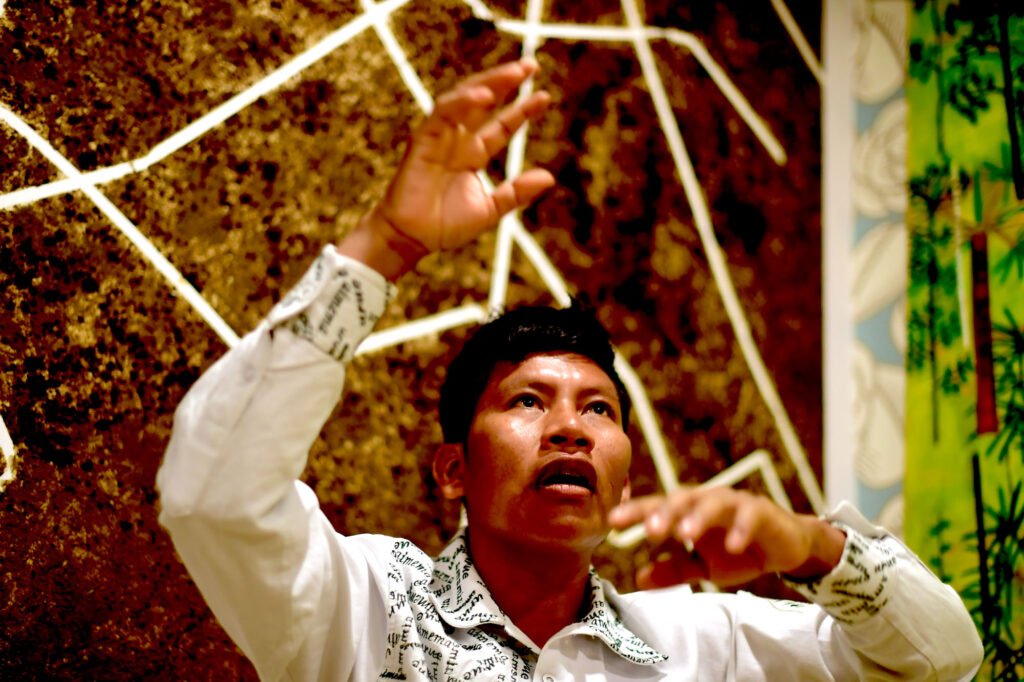
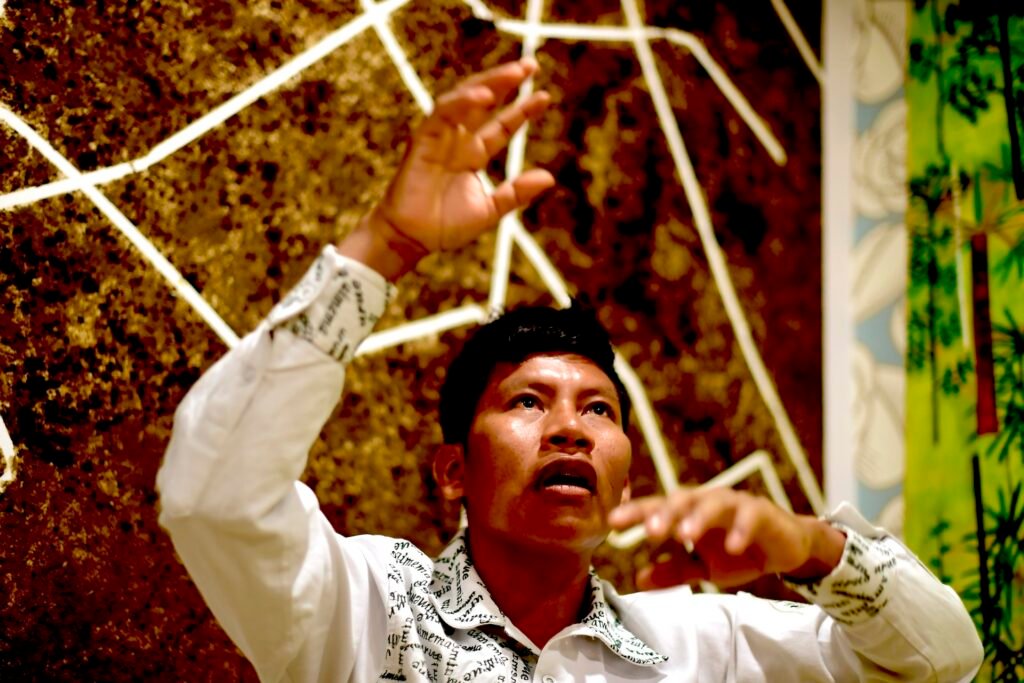
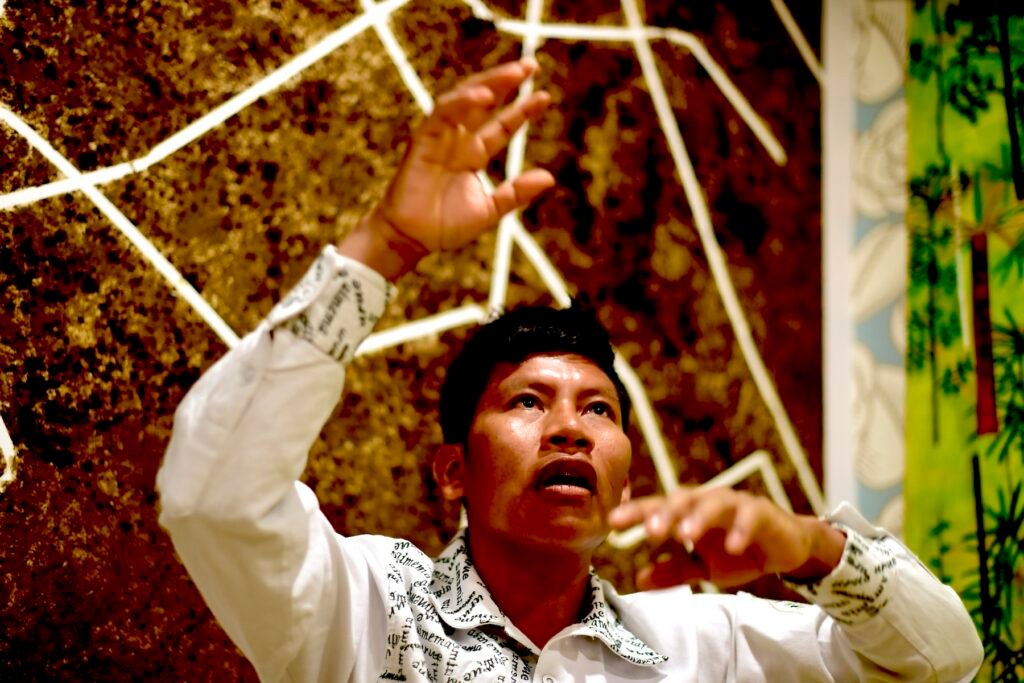
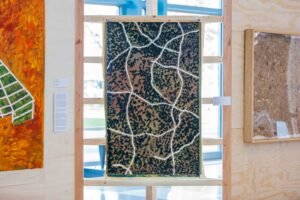
Rooted in collective practice and critical thought, Entrelazando has taken shape since its founding in 2011 as an audiovisual and photographic production platform, and since 2020 as an autonomous, handcrafted publishing house.

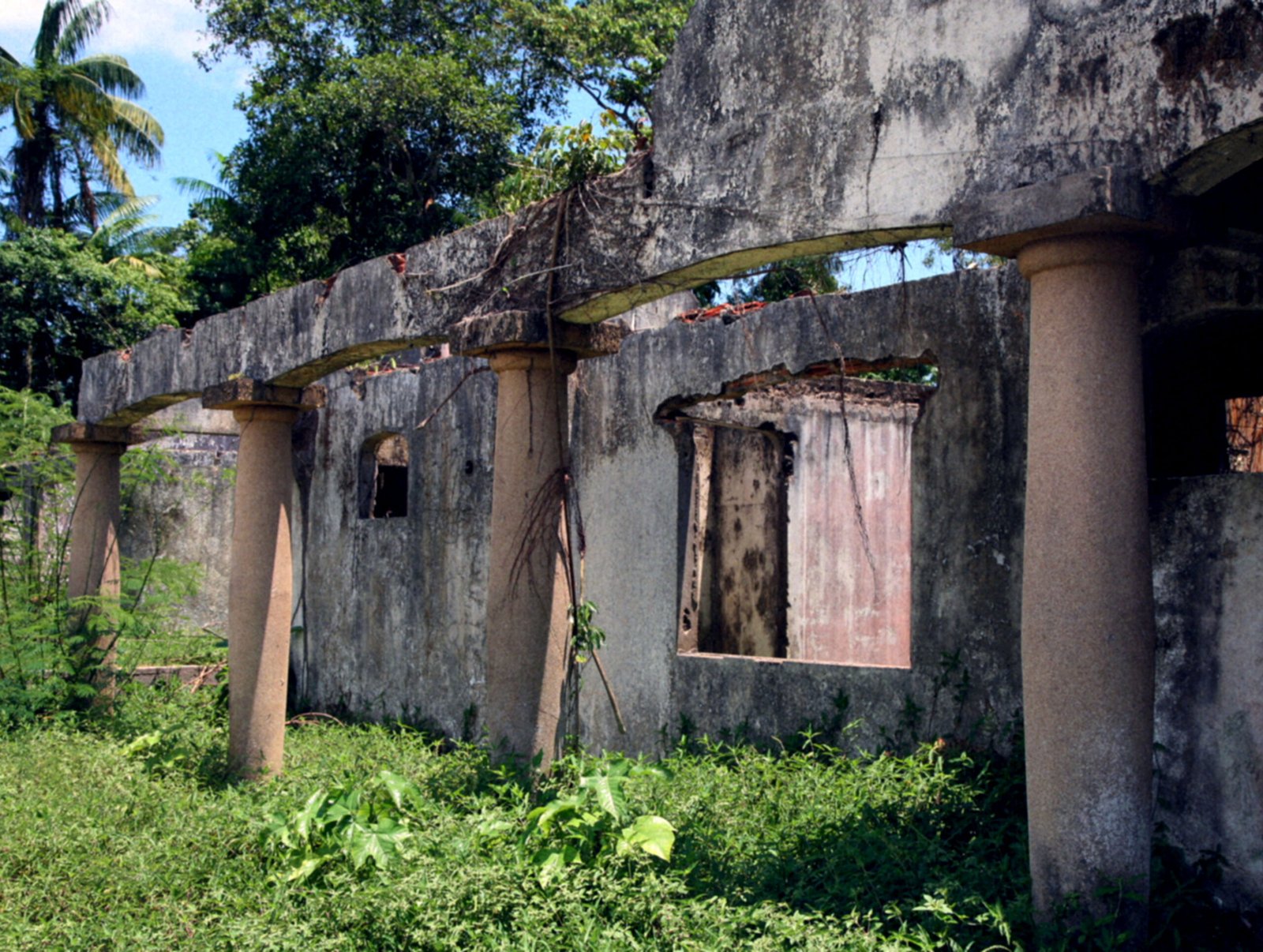
Entrelazando is a space for workshop, encounter, labor, thought, and political positioning. It seeks to reflect on—and offer critical perspectives about—how to create narratives that enable multiple ways of expression and relation. At the same time, it operates as an observatory of the present and a space for recovering, preserving, and re-signifying archives and their memories. This commitment underpins its sustained focus on practices of documentation.

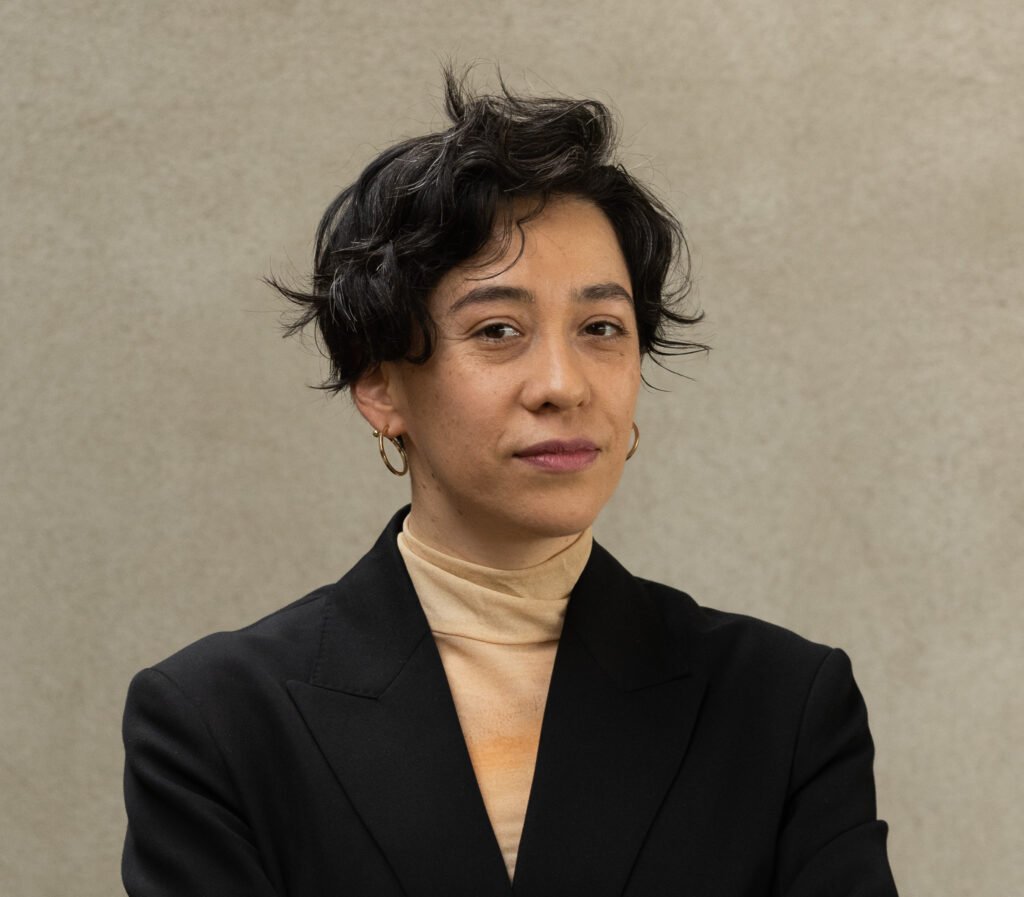
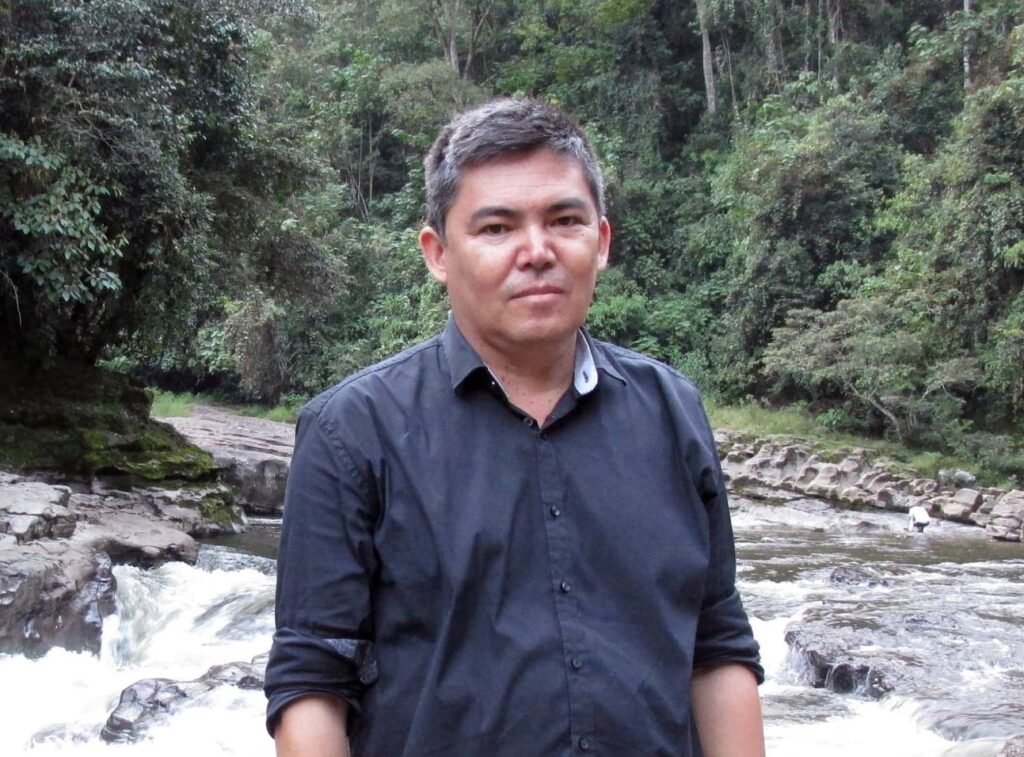
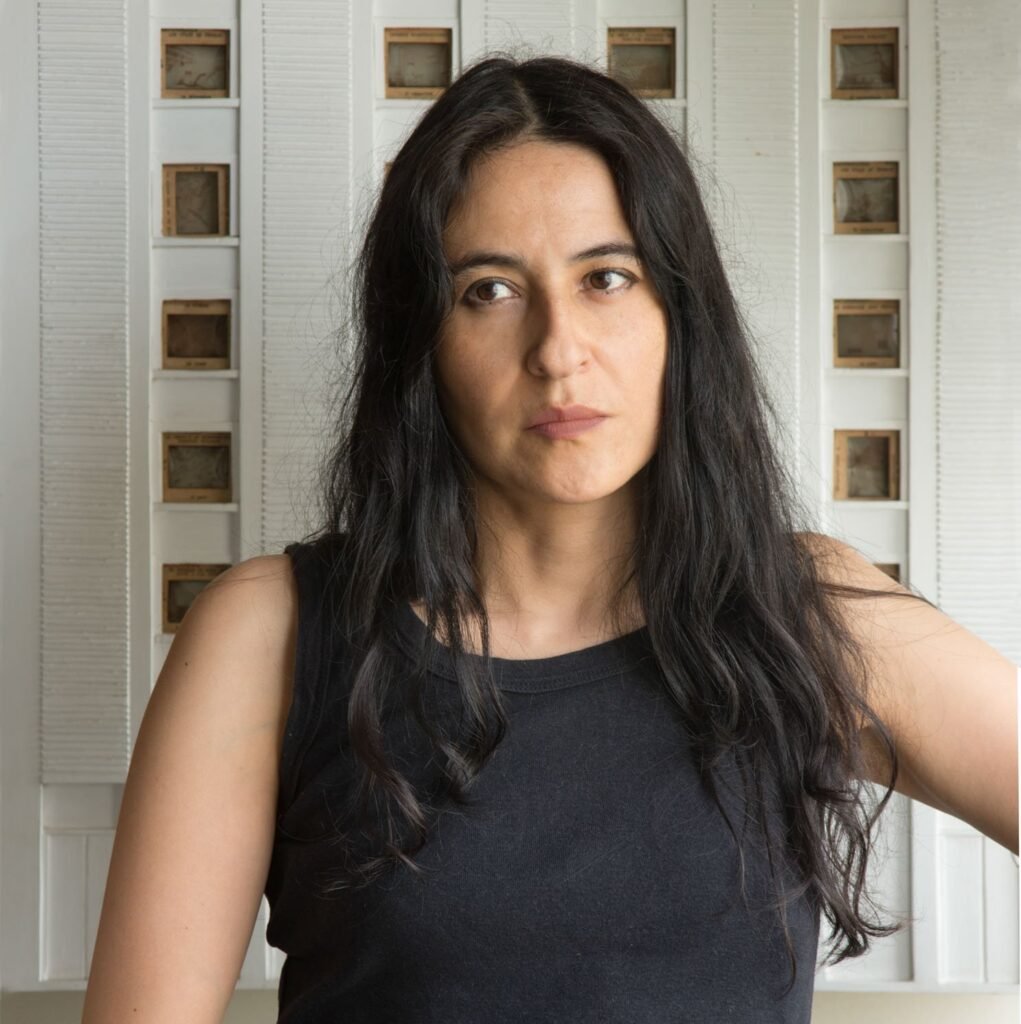
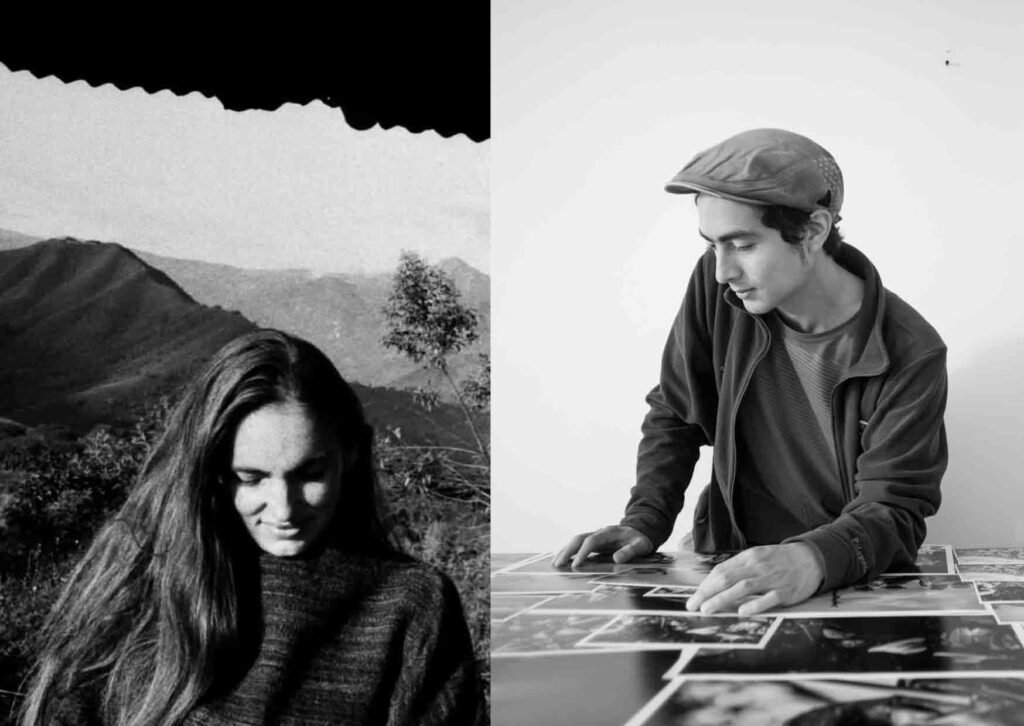
The project is formed by Ariel Arango Prada and Laura Langa Martínez, who, from complementary disciplines, articulate research, creation, and artistic explorations primarily across Latin America.

Members

Ariel Arango Prada
Bogotá, Colombia, 1989

Independent photographer and documentary filmmaker. He trained in Film and Photography in Argentina, where he founded Entrelazando in 2011. His work centers on cultural identity, artistic and urban expressions, conflict, and memory, primarily within Latin American contexts. His photographic and audiovisual works have been exhibited internationally and have received multiple recognitions.

Laura Langa Martínez
Huesca Spain, 1982

PhD in Social and Cultural Anthropology. Her research engages with processes of violence, (in)transitional justice, archives, and memory from a historical and comparative perspective. She co-directs Entrelazando’s audiovisual production platform and publishing house. She has participated in R&D research projects on exhumations, necropolitics, and human rights, and served as a consultant for Colombia’s National Commission on Indigenous Territories, researching the reconfiguration of war and political violence against the Nasa people in northern Cauca.

More information:
www.entrelazando.com
GO TO ARTISTS CATALOG

More From This Artist
Laura Huertas Millán

Laura Huertas Millán

GO TO ARTISTS CATALOG

Bogotá, Colombia, 1983
Based: Brussels, Belgium

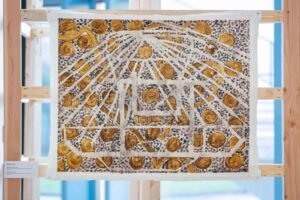
Laura Huertas Millán (b. 1983, Colombia) is an artist and filmmaker. She holds a PhD from Université PSL (SACRe-Programm) in Paris and conducted research at Harvard’s Sensory Ethnography Lab as part of her studies. Her films have been shown at leading festivals including the Locarno film festival, FIDMarseille, Doclisboa in Lisbon, and Videobrasil in São Paulo. MASP São Paulo, Maison des Arts de Malakoff, and Museum of Modern Art in Medellín have mounted solo exhibitions of her work. Moreover, her work has been shown at Centre Pompidou and Jeu de Paume in Paris, Guggenheim Museum in New York, Times Art Center Berlin, Liverpool Biennale, FRONT International – Cleveland Triennial for Contemporary Art, Videonale in Bonn, and Sharjah Biennale. She lives and works in France.

GO TO ARTISTS CATALOG

More From This Artist

Wilson Díaz

Wilson Díaz

GO TO ARTISTS

Pitalito, Huila, Colombia, 1963
Based: Cali, Colombia

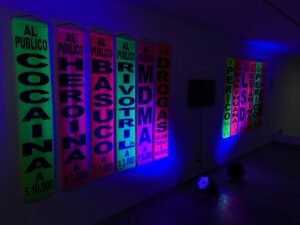
Wilson Díaz Polanco is a Colombian visual artist exploring the sociopolitical landscape of Colombia through popular culture, armed conflict, and media representation.

Born in 1963 in Pitalito, Huila—a rural coca-growing region in southern Colombia—Díaz grew up immersed in the realities of armed conflict that have shaped the country’s political landscape and visual culture for over half a century. 

Based in Cali since the mid-1990s, he initially developed his career as a self-taught painter before expanding into other media. Díaz is a founding member of Helena Producciones, a grassroots artist collective formed in 1998 to build an inclusive creative community in Cali and produce a performance art festival, with eight editions to date. He has also held teaching positions at institutions including the Universidad del Valle and the Conservatorio de Bellas Artes in Cali.

Díaz works across painting, installation, video and performance, frequently drawing on imagery from popular culture, music, mass media and the visual economy of conflict. His themes include the legacy of the armed conflict, the entanglement of culture and power, and the everyday visuals of Colombia’s shifting identity. For instance, his 2017 exhibition “Quimera” examined the role of vinyl-records, popular music, guerrilla culture and commodity aesthetics in one installation. Through humour and archival tactics, Díaz interrogates how media and music have shaped and reflected social and political dynamics in Colombia.

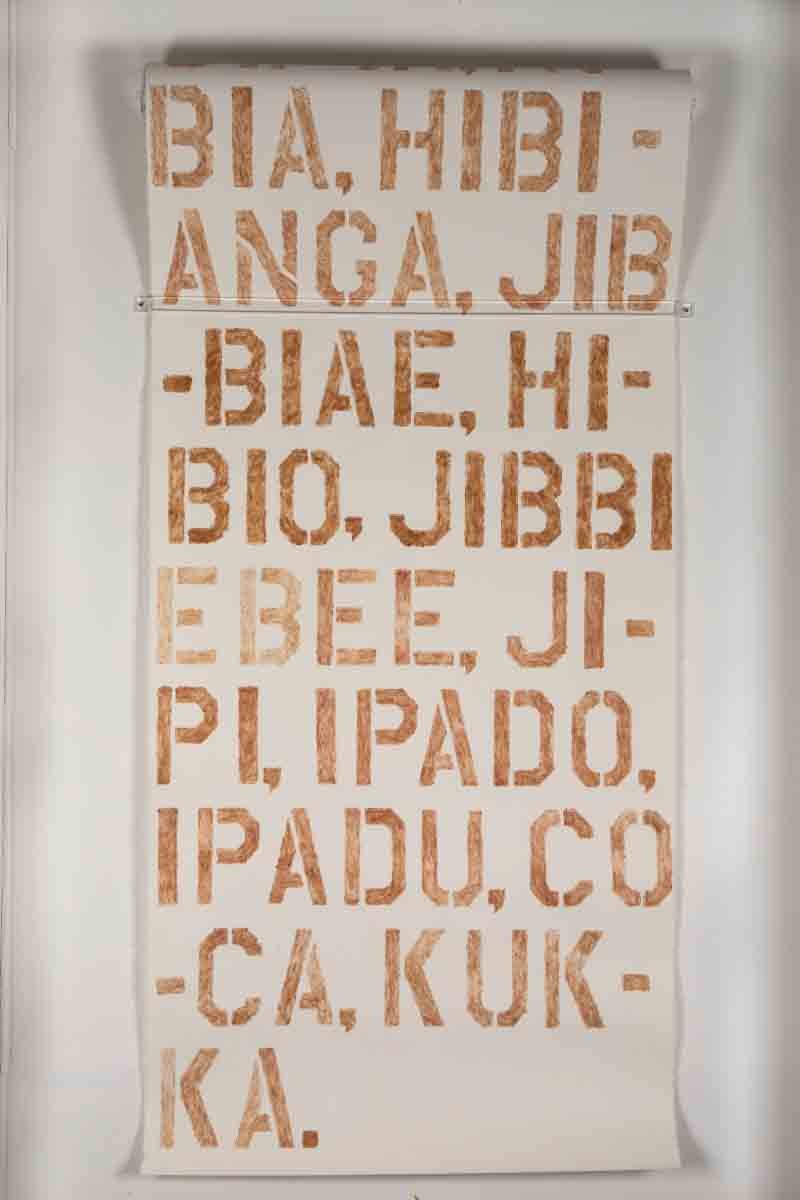
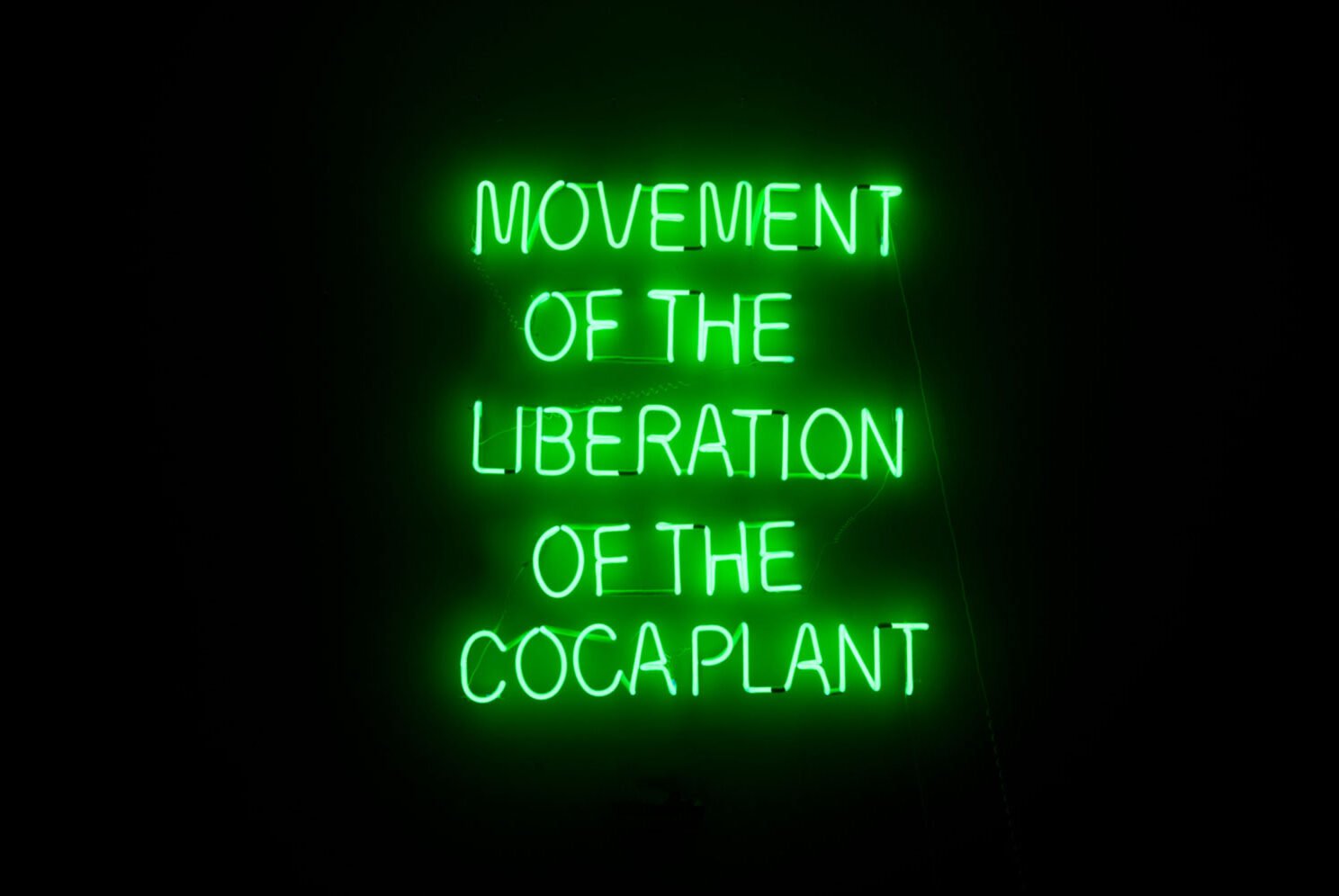
A distinctive strand in Díaz’s work is his engagement with the leaf of the coca plant. He uses coca and coca-derived materials (such as dyes and charcoal) and installations referencing coca’s cultural, ecological and political role in Colombia. Through his works, Díaz examines the coca plant as a nexus of biodiversity, the war on drugs, cultural resistance, and chemical economies, reflecting on national, global, and indigenous histories of violence and resilience.

Wilson Díaz Polanco has achieved significant international recognition, beginning with his participation in the 50th Venice Biennale (2003) and later the 10th Havana Biennial (2009). His work has been presented in major solo exhibitions, including Quimera at Museo Tamayo in Mexico City (2017), the retrospective With Wilson… two vulnerable local and visual decades at Galería Santa Fe in Bogotá (2014), and Taste and Conflict: Reasons to Connect at Museo La Tertulia in Cali (2021–2022). He has also been an artist-in-residence in the prestigious DAAD Berlin Artists Program (2017–2018), culminating in an exhibition at the daadgalerie.

GO TO ARTISTS CATALOG

More From This Artist

Anyi Ballesteros

Anyi Ballesteros

GO TO ARTISTS

El Tambo, Cauca, Colombia. 1998

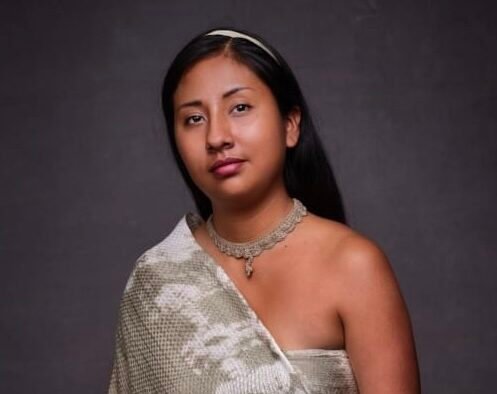
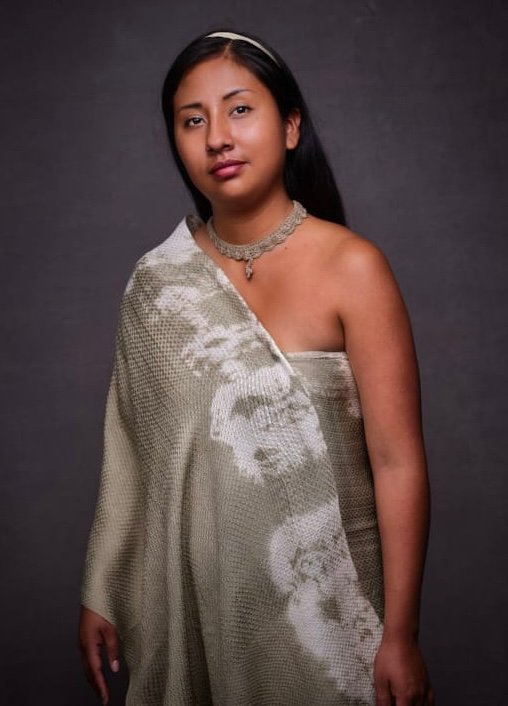
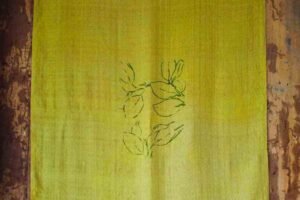
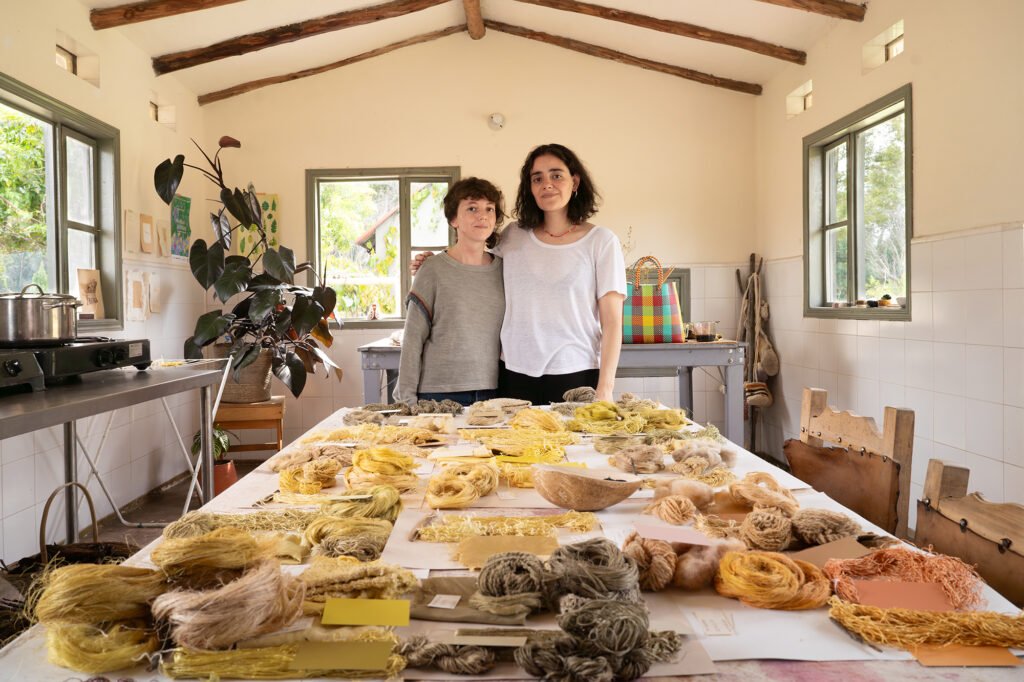
Anyi Ballesteros is a textile artisan working at the intersection of ecology, community, and ancestral craft traditions. She directs Agroarte, an organization dedicated to the organic production of silk and the revitalization of ancestral knowledge of natural dyeing. Founded in 1989 by ten farming families, Agroarte has become a living example of rural resilience, where women lead every stage of production—from cultivating mulberry trees and raising silkworms to harvesting thread and hand-weaving textiles dyed with pigments drawn from the land.

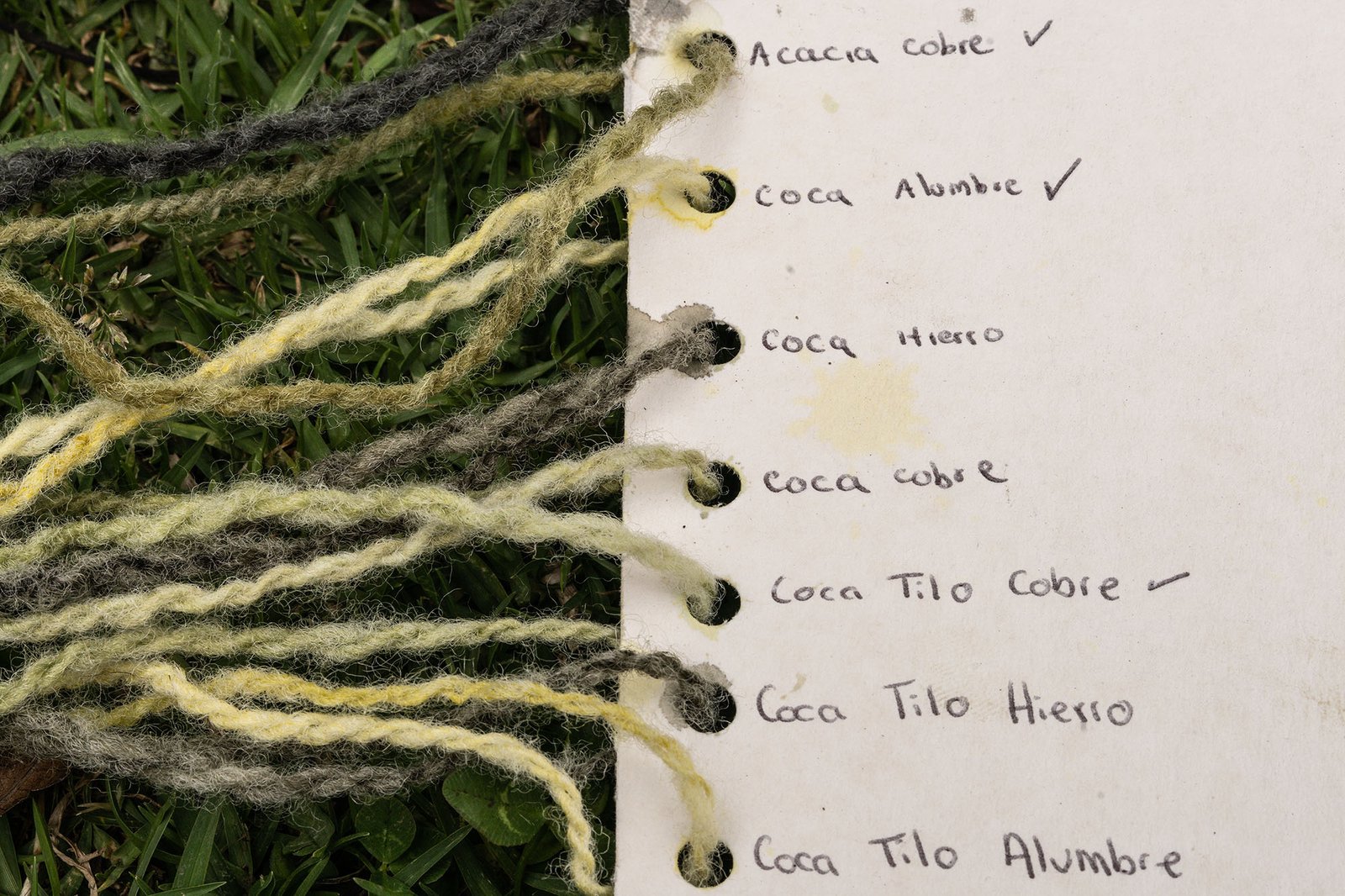
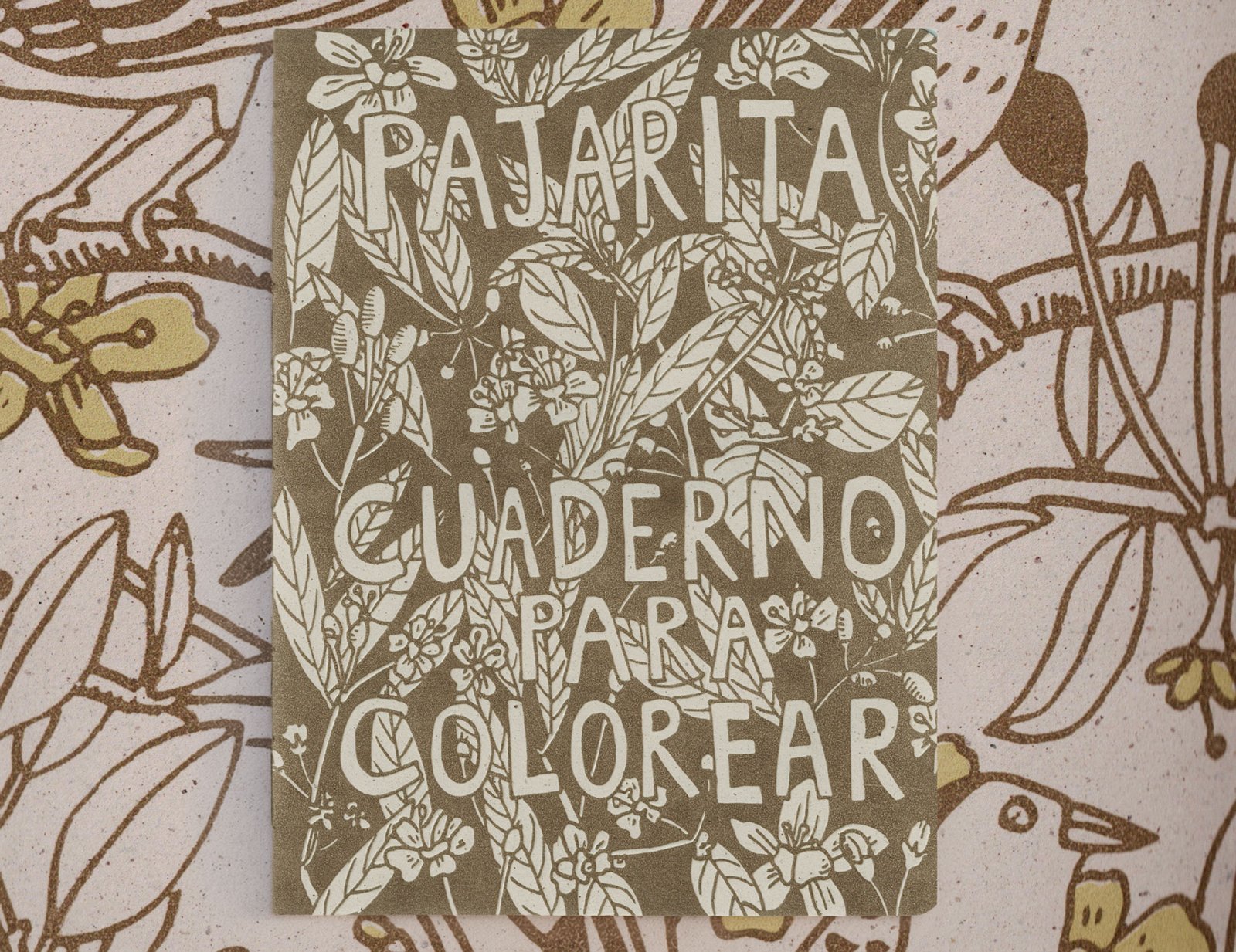
Through projects such as Pajarita Caucana, the collection Essence, Memory and Transformation, and ongoing collaborations with contemporary artists, Ballesteros and the Agroarte artisans have explored the chromatic spectrum of the coca leaf, reclaiming its ancestral and cultural significance. By extracting color from fruits, roots, seeds, and leaves native to the Cauca territory, they redefine the role of the coca plant within textile art, transforming it into a medium of healing and storytelling for communities that have endured the consequences of conflict surrounding its cultivation.

The work of Anyi Ballesteros and Agroarte has been presented in COCAWORLDS at Taller Boricua (New York, 2024); Arte Vivo: Amazonia, organized by Artesanías de Colombia within the ARCO Contemporary Art Fair (Madrid, 2024); and the Salerno Art Biennale (Italy, 2025).

GO TO ARTISTS CATALOG

More From This Artist

Alejandra Delgado Uría

Alejandra Delgado Uría

GO TO ARTISTS

La Paz, Bolivia, 1977
Based: Lima, Perú

Alejandra Delgado Uría is a Bolivian visual-artist and photographer whose work explores architecture, memory, and identity in the Andean region.

Delgado Uría was born in La Paz, Bolivia in 1977. She studied at the Academia Nacional de Bellas Artes “Hernando Siles” in La Paz, Bolivia. She later obtained a Master’s in Photography at the School of Photography EFTI (Centro de Imagen) in Madrid, Spain. She relocated to Lima, Peru, where she lives and works. Her career began in the early 2000s (her video- and performance-works appear already by 2006–2008).

Delgado Uría’s work spans photography, video, performance and installation. She often engages with Andean architecture, urban forms and identity, using layering, collage and visual dislocation (for example in her series Fantasmagorias, exploring the stylized Bolivian “cholet” architecture). Her practice interrogates cultural histories, power relations and spatial imaginaries of the Andes. She has exhibited widely in Latin America, Europe and the U.S., and been included in curated group exhibitions of note (e.g., at Art Museum of the Americas / OAS). She is regarded as a significant contemporary Bolivian-Andean artist in international dialogue.

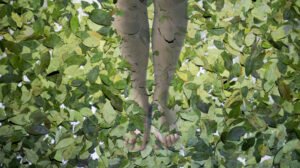
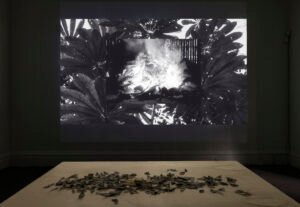
Since 2013 Delgado Uría has also worked directly with the coca leaf in her installation-video Danza Macabra Op. 40 (2013): a floor-bed of coca leaves (1 × 2 m) becomes the stage for projected female feet dancing to Saint-Saëns’s Danse Macabre, folding together references to ritual consumption, the gendered labour of coca cultivation and its illicit after-life. 

Her practice has gained growing international visibility, with recent highlights including her participation in Fragmenting Obsolescence. Matter in Conflict at BIENALSUR 2023 and its upcoming BIENALSUR 2025 edition in La Paz; her inclusion in Panorama del Videoarte de Bolivia at the Centro Cultural de España (2021); the major group show Building Dialogs at the Art Museum of the Americas/OAS in Washington D.C. (2020); and her solo exhibition Fantasmagorías at Nube Gallery in Santa Cruz (2018).

GO TO ARTISTS CATALOG

More From This Artist

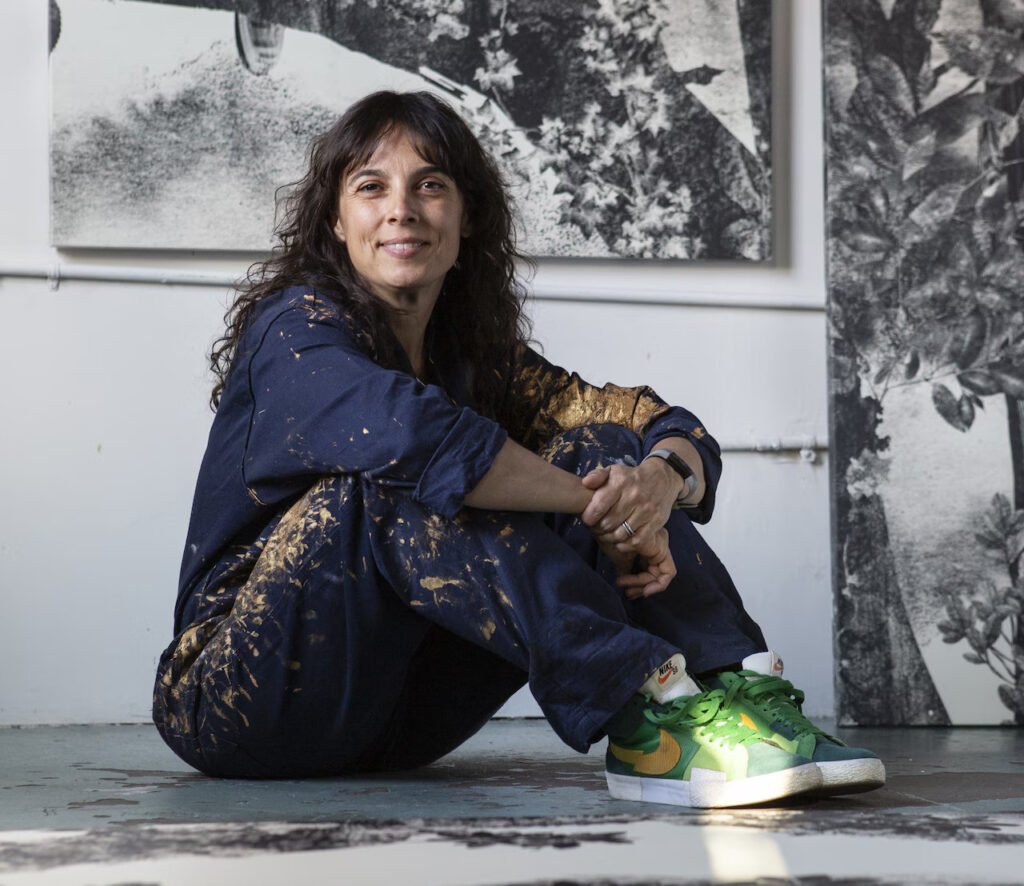
Tatiana Arocha

Tatiana Arocha

GO TO ARTISTS

New York, USA, 1974

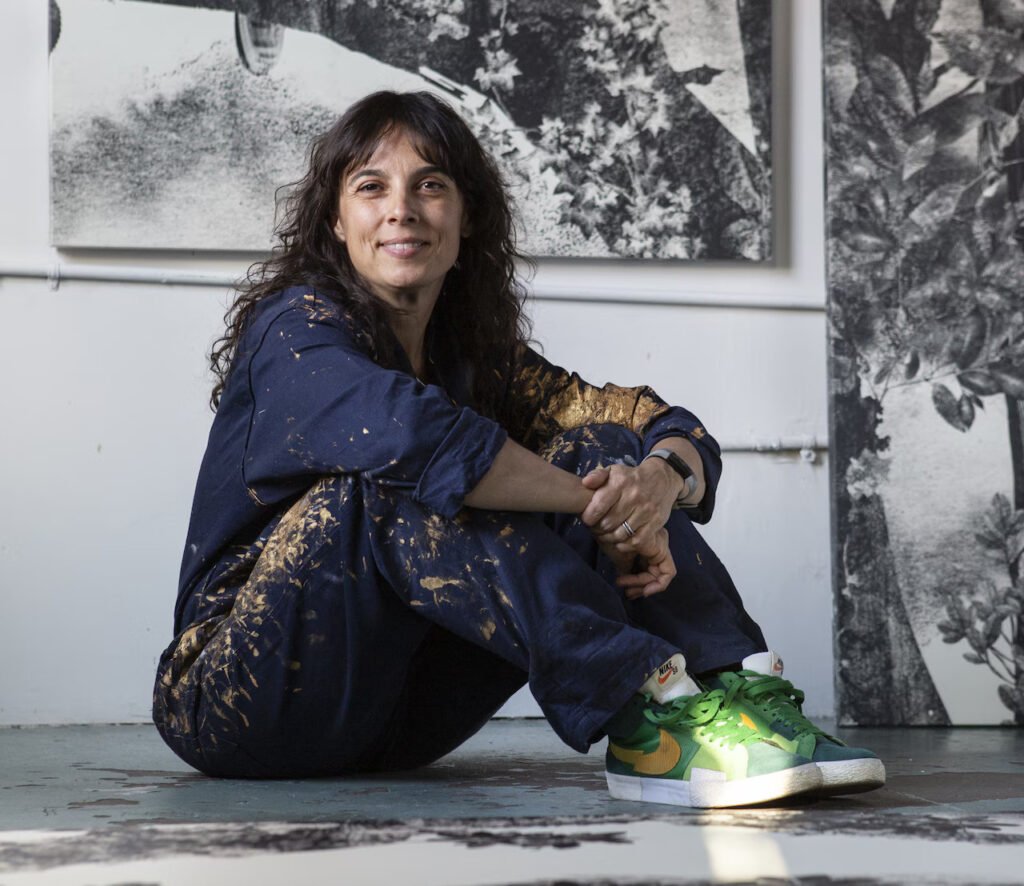
Tatiana Arocha is a Colombian artist born in New York in 1974, whose practice explores the intimacy between people and the land, personal memory, and her own experience as an immigrant.

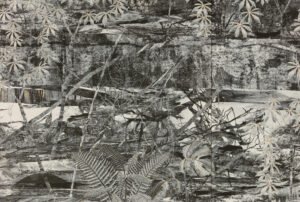
A graduate of the Graphic Design Department at Universidad Jorge Tadeo Lozano in Bogotá and the Mural Arts Program in Philadelphia, Arocha’s work reconstructs Colombia’s tropical forests, addressing the ecological, emotional, and cultural losses caused by extractive economies and colonial practices. The coca leaf has been central to her artistic research: through her work, she delves into the ancestral and rural knowledge associated with the plant, often in contrast to the distorted perception projected onto it by Western narratives.

For over a decade, Arocha has researched the processes of colonization and exploitation of the coca plant by European powers, analyzing its visual presence throughout history and in advertising. Through dialogue with Indigenous knowledge keepers from the Amazon, and often working directly with the coca plant—its textures and fibers—her practice proposes a de-cocainization of the plant, seeking to understand it beyond its association with narcotics production. Her work highlights the complexity of the ancestral knowledge surrounding coca, emphasizing the role of both urban and rural women in preserving this knowledge and transforming the stigma attached to the plant.

In 2023, Arocha was awarded a MacDowell Fellowship, the Annual Award for Excellence in Design from the Public Design Commission of the City of New York, and a residency at Residency Unlimited. In 2024, shewas an artist-in-residence at the Santa Fe Art Institute. Previous residencies include The Lower East Side Printshop, LABverde, Sinfonía Trópico, and The Wassaic Project.

Arocha has received support from the Sustainable Arts Foundation, the Brooklyn Arts Council, and City Artist Corps, and was the recipient of the Brookfield Place New York Annual Arts Commission and the FST StudioProjects Fund.

Her solo exhibitions include presentations at the Sugar Hill Children’s Museum of Art & Storytelling, BioBAT Project Space, and the Queens Botanical Garden, as well as site-specific installations at BRIC, Brookfield Place/Winter Garden, MTA Arts, the Goethe-Institut Kolumbien, and Hilton Bogotá Corferias. She has also participated in group exhibitions at PS122, Smack Mellon, Wave Hill, BRIC, The Wassaic Project, ArtBridge, KODALab, and The Clemente.

GO TO ARTISTS CATALOG

More From This Artist

Ginger Blonde

Ginger Blonde

GO TO ARTISTS

Mónica Suárez (Bogotá, Colombia, 1987) y Daniela Rubio (Bogotá, Colombia, 1986. Reside en Ciudad de Panamá)

Ginger Blonde is a design and visual communication studio founded in 2021 by Mónica Suárez and Daniela Rubio. Based between Bogotá and Panama City, the studio works from a cooperative, interdisciplinary, and predominantly female approach, focused on social innovation, responsible design, and territorial transformation.

Mónica Suárez and Daniela Rubio met as Industrial Design students and, drawing on complementary backgrounds in visual design, textile design, and cultural project management, decided to join their professional paths to found Ginger Blonde. The studio has specialized in rural development projects and in working with artisan communities. Its practice brings together multidisciplinary teams and uses design, craftsmanship, and cultural management as tools for social and economic development.

A fundamental pillar of their work is the exploration of the coca leaf as a natural ink for fibers, watercolors, screen printing, and textiles. Through this research, Ginger Blonde challenges the stigmatization of the plant, reclaims its cultural value, and promotes its sustainable and creative use. Through projects such as Tinta Dulce, Ginger Blonde invites a rethinking of coca from the perspectives of fashion, art, and design, transforming a stigmatized plant into a legitimate aesthetic, cultural, and economic resource.

In recent years, Ginger Blonde has developed and participated in workshops and exhibitions within internationally relevant cultural and artistic contexts. Highlights include embroidery and watercolor workshops using coca pigments at the Museum of Contemporary Art of Panama (2024); a workshop and conversation in New York as part of the exhibition Coca Palabra Mundo, organized by the Ministry of Cultures and the Liana Collective (2024); a series of watercolor and screen-printing workshops using coca ink, a winning project of the Narrativas Vivas de Chapinero open call by the Center for Happiness (2025); and the exhibition of posters printed with coca ink at ARCO Madrid Art Fair (2025).

GO TO ARTISTS CATALOG

More From This Artist

Edinson Quiñones

Edinson Quiñones

GO TO ARTISTS

La Plata, Huila, Colombia. 1982

Edinson Javier Quiñones Falla Campo Zemanate is an artist of Nasa descent, born in La Plata, Huila (Colombia) in 1982. He holds a BFA in Visual Arts and a Master’s degree in Arts Integrated with the Environment from the University of Cauca.

His artistic practice is self-referential, tracing the passage between the countryside and the city: the ways of seeing and perceiving territories, the coca leaf as an ancestral and sacred plant, and the media narratives that associate it with trafficking, organized crime, and national identity. Through installations, interventions, drawings, photographs, and videos, his work recreates, connects, reveals, and exposes a condition that seems to have become ingrained in Colombia’s collective psyche.

Based in Popayán, Quiñones has developed his work through a profound exploration of the wounds inflicted on his ancestral territory by the international war on drugs. In 2012, following the death of his maternal grandmother —a Nasa midwife and traditional healer— he embarked on an emotional journey that led him to engage more deeply with the coca plant, documenting family experiences linked to it, its ancestral dimension, and its relationship to the armed conflict.

In addition to his work as an artist, Quiñones has led projects such as the Manuel Quintín Lame Intercultural International Salon of Indigenous Art, Minga Decolonial Practices, and the Popayork Artistic Residencies.

His work has been presented in various spaces in Colombia and abroad, including the Valenzuela Klenner Gallery (Bogotá), Gallery Mario Kreuzberg (Berlin), the United Nations Headquarters (New York), and the National Salon of Artists of Colombia, among others.

GO TO ARTISTS CATALOG

Andrés Fabián Domínguez

Andrés Fabián Domínguez

GO TO ARTISTS

Leticia, Amazonas, Colombia, 1983

Andrés Fabián Domínguez Urrea is an artist born in Leticia, Amazonas, Colombia, in 1983. His practice experiments with media and materials of Amazonian origin, such as yanchama or mambe, as well as with ecologically oriented works that use organic and recycled materials. He works actively on cultural and collective projects alongside communities in different regions of Colombia and participates in associations within the artistic sector of the Colombian Amazon.

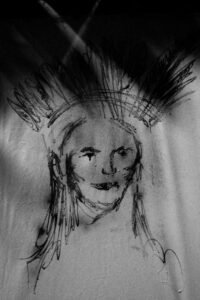
Domínguez’s work frequently combines mythological elements derived from his experience in the Amazon and from his relationships with ancestral cultures. His practice explores drawing—particularly landscape and portraiture of the knowledge keepers with whom he has established close ties—and incorporates references to comics and representations of territory. These images are often created through the use of mambe (powdered coca leaf), which the artist blows onto the paper, leaving its mark through breath. His work addresses Amazonian ancestral knowledge and underscores its central role in caring for the territory and sustaining life on the planet.

His career highlights include his participation in the 15th Regional Art Salon, Del Orinoco–Amazonía (2015), and an artist residency at Popayork, Cauca (2018). Domínguez has collaborated with institutions such as the National University of Colombia, the Colombian Institute of Family Welfare (ICBF), and the National Army. He has been awarded grants from the Ministry of Culture, including the National Stimulus Program in 2018. Since 2021, Domínguez has participated in group exhibitions in Bogotá, Boyacá, and Leticia. He represents the Department of Amazonas in Fine Arts and co-founded the independent art space Se Arrienda in Leticia with the Amazonas Association of Visual Artists.

GO TO ARTISTS CATALOG

More From This Artist

Aimema Úai

Aimena Úai – The Voice of the Crane

GO TO ARTISTS

La Chorrera, Amazonas, Colombia, 1996

Aimema Úai —The Voice of the Crane— is a contemporary artist, mambeólogo (coca practitioner), and researcher from the Murui-Muina people of the Colombian Amazon. Born in La Chorrera in 1996, his artistic formation is deeply rooted in the ancestral knowledge of his family. The forest was his first school: a territory without internet connection, where he engaged with the world through traditional medicine, songs, dances, and the care of the chagra, the sacred garden his mother taught him to cultivate. There, he planted his first tobacco and coca plants, which later became the guiding forces of his spiritual and creative path.

His work emerges from an intimate relationship with sacred plants and their preparations —such as mambe and ambil— medicines through which he connects with his ancestors and the secrets of the forest. In the maloka, the communal house where word and medicine are shared, his family introduced him to the spirits, granting him access to deep knowledge about nature and its healing power. The maloka, both a physical and symbolic space, remains central to his life and art: within it, the coca leaf becomes a tool for healing, a guide for collective decision-making, and a vessel for the memory of his people.

While painting, Aimema engages in the practice of mambear —chewing the sacred coca preparation— as a way to communicate with the plant, quiet the mind, and open thought. His compositions, created with vegetal pigments extracted from seeds, resins, and minerals, evoke the symbolic architecture of the territory, the woven patterns of the kanasto, and the cosmological designs that link body and landscape. The grandson of elders who survived the Indigenous genocide of the rubber boom, his paintings act as visual ceremonies of memory and healing —restoring the dignity of plants, spirits, and the peoples who care for them.

Grounded in the territory of the Murui-Muina people and the wisdom of plants, his practice moves fluidly between art, spirituality, and ecology, inviting new ways of seeing and being in relation with the living world.

Aimema Úai’s work has been featured in international exhibitions such as El Sol y la Luna (Instituto de Visión, New York, 2021), El Alma y la Memoria (Instituto de Visión, New York, 2023), the collective exhibition COCAWORLDS at the United Nations Headquarters (New York, 2024) and its subsequent presentation at Open Society Foundations (New York, 2024–2025), as well as the Bienal das Amazônias (Belém do Pará, 2025).

GO TO ARTISTS CATALOG

More From This Artist