
Tinta Dulce (Sweet Ink)

Tinta Dulce (Sweet Ink)

Asociación de artesanos de Guacamayas, Asociación de los Oficios Tradicionales Tejilarte, Cooperativa de fibras naturales de Santander (ECOFIBRAS) and Ginger Blonde.

Artist’s country of origen: Colombia
Materials:
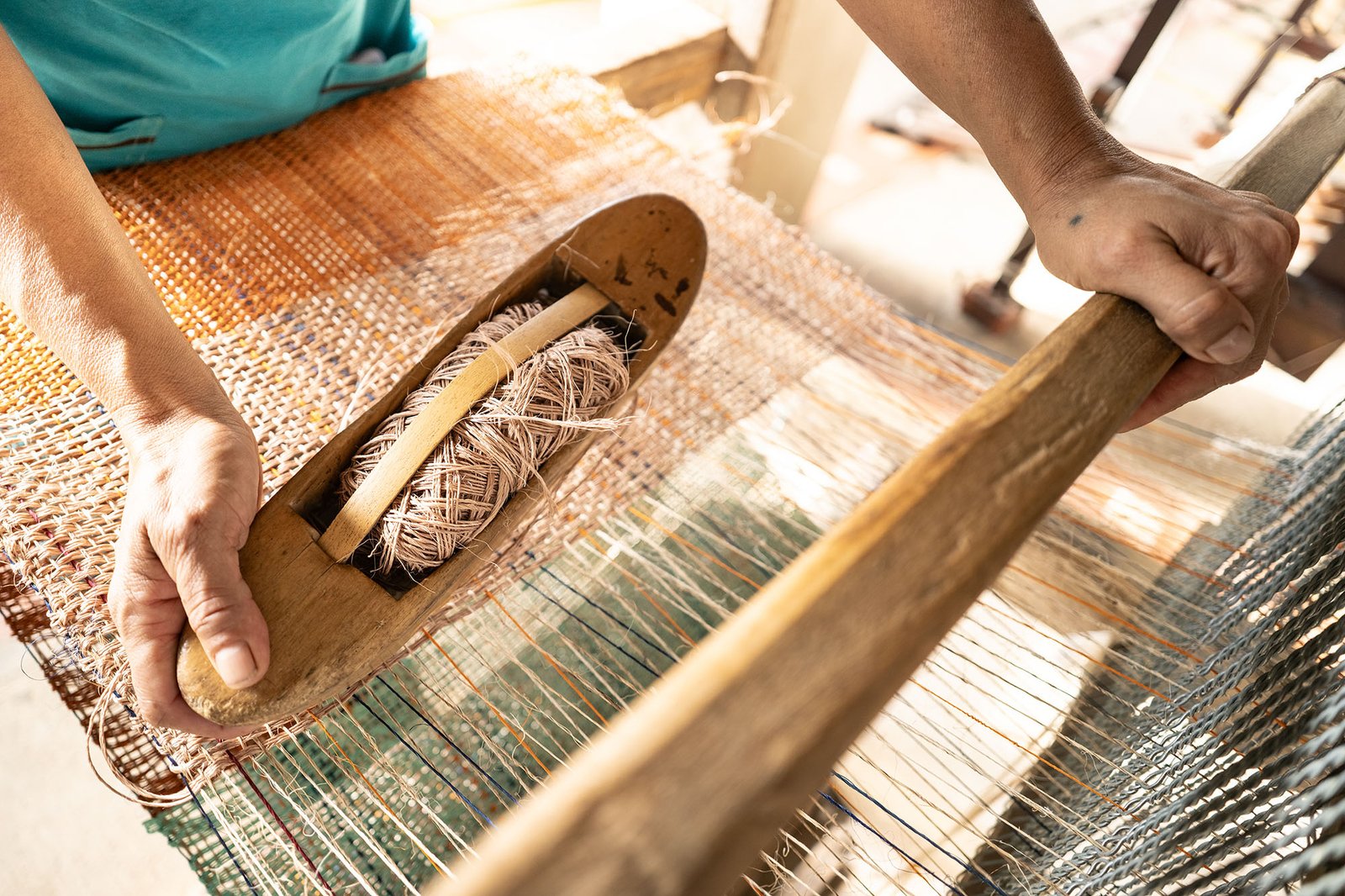
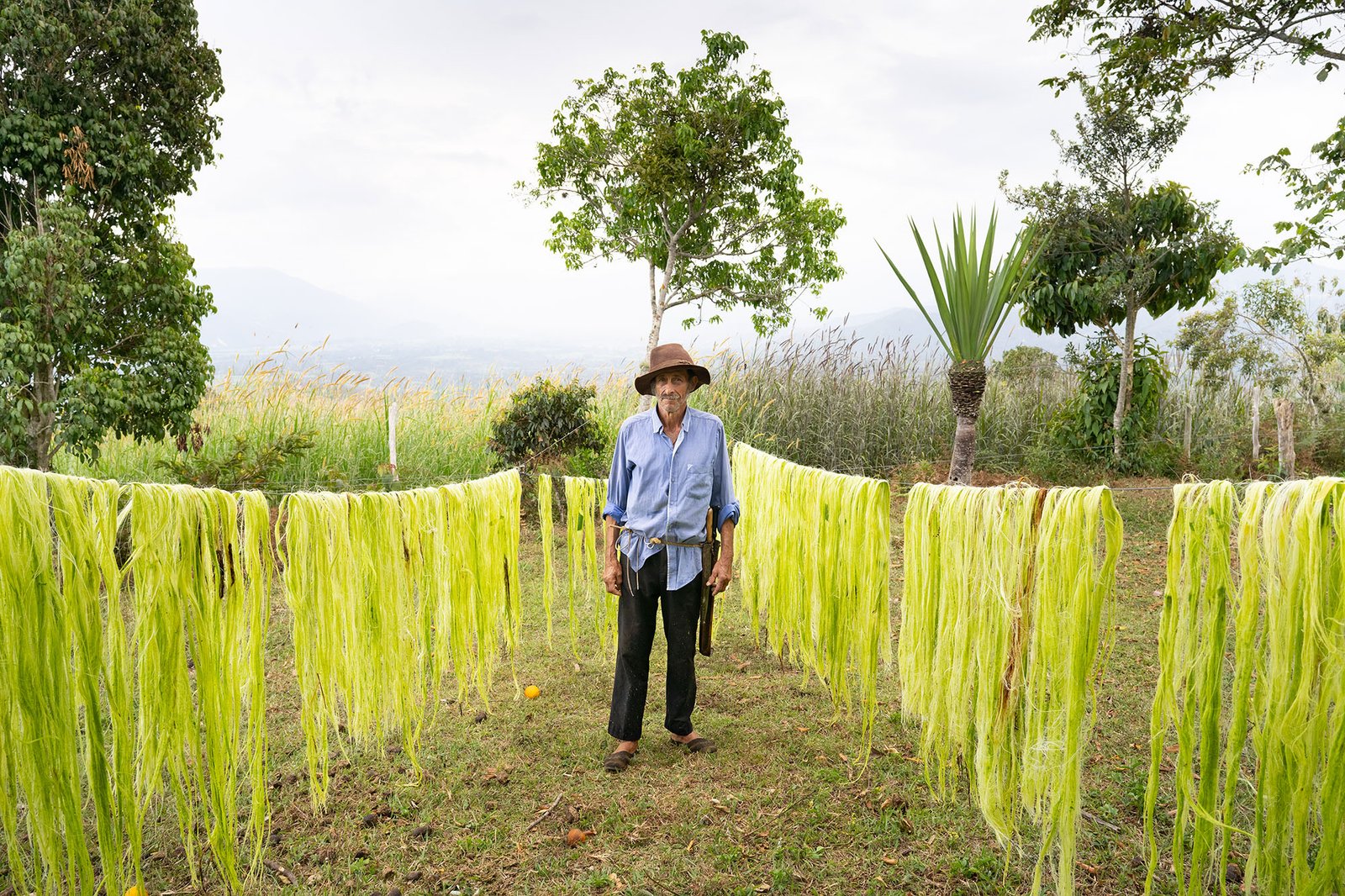
Fique fibers, wool, dyes made from coca leaves
Medium: Textile / Object
Size: N/A
Year: 2024

Line of Inquiry:

Coca-Plant

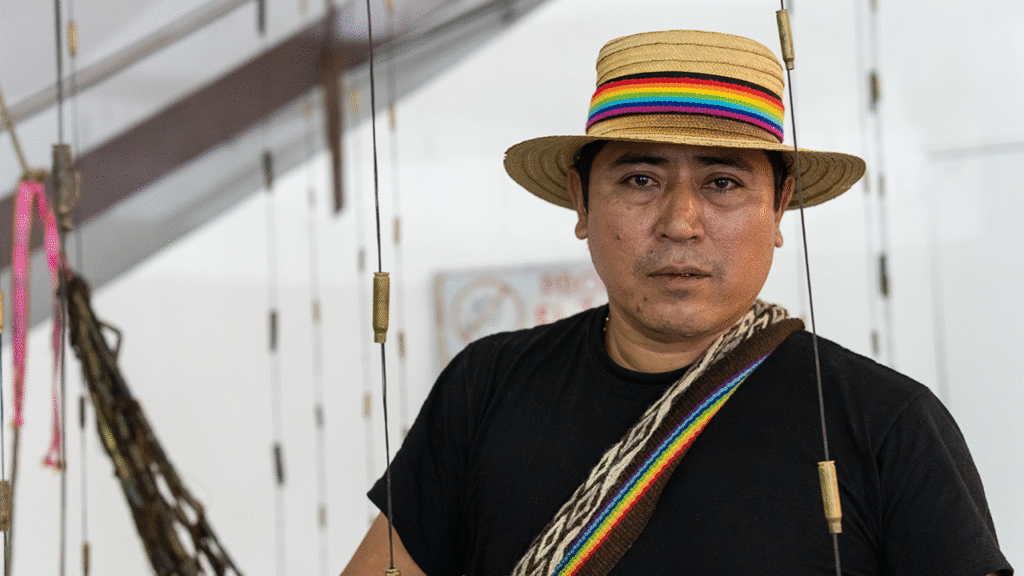
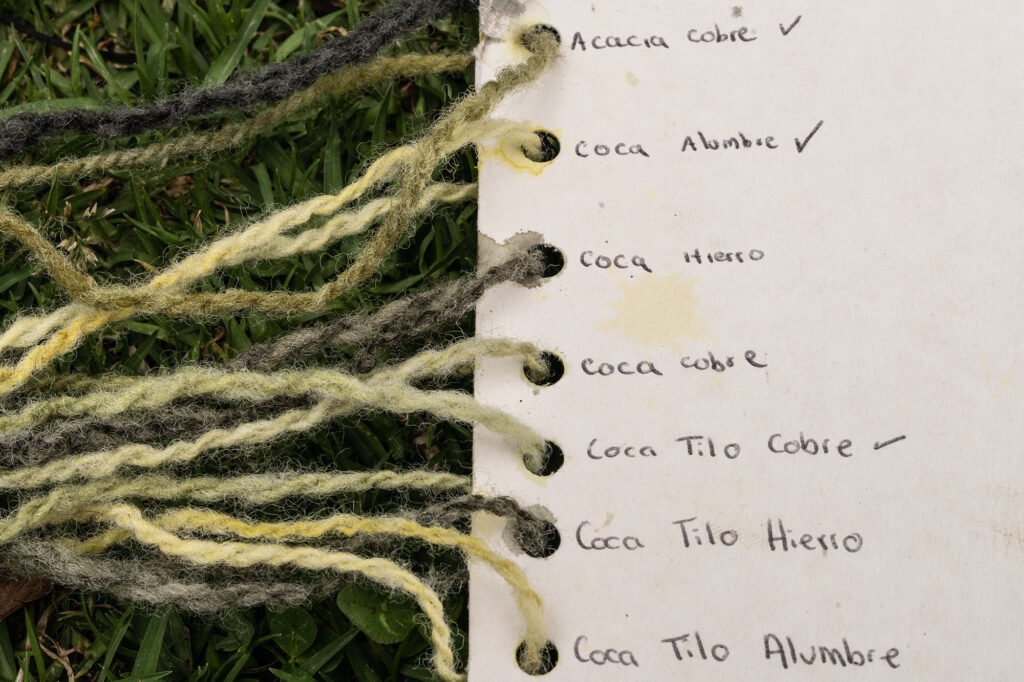
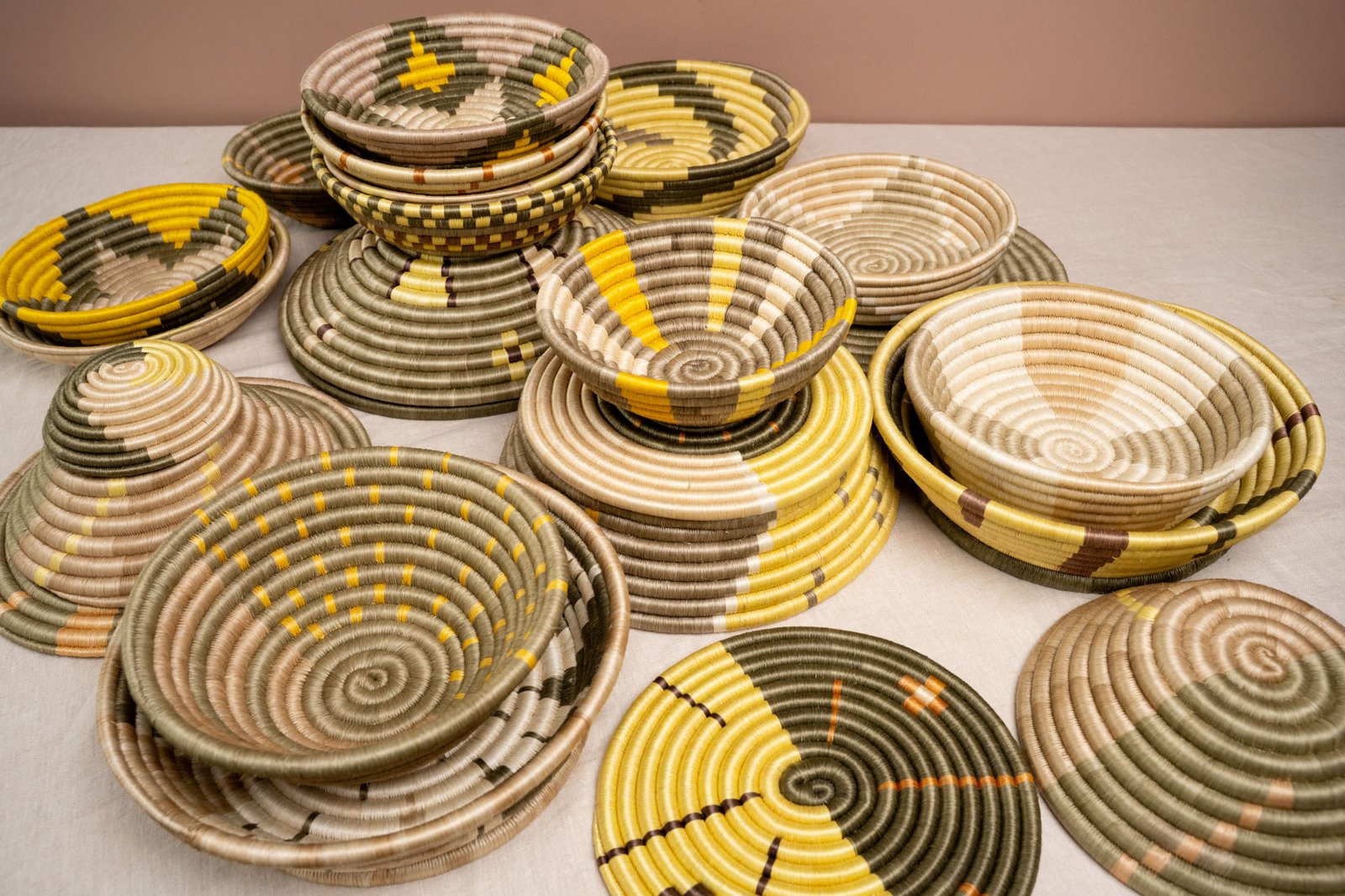
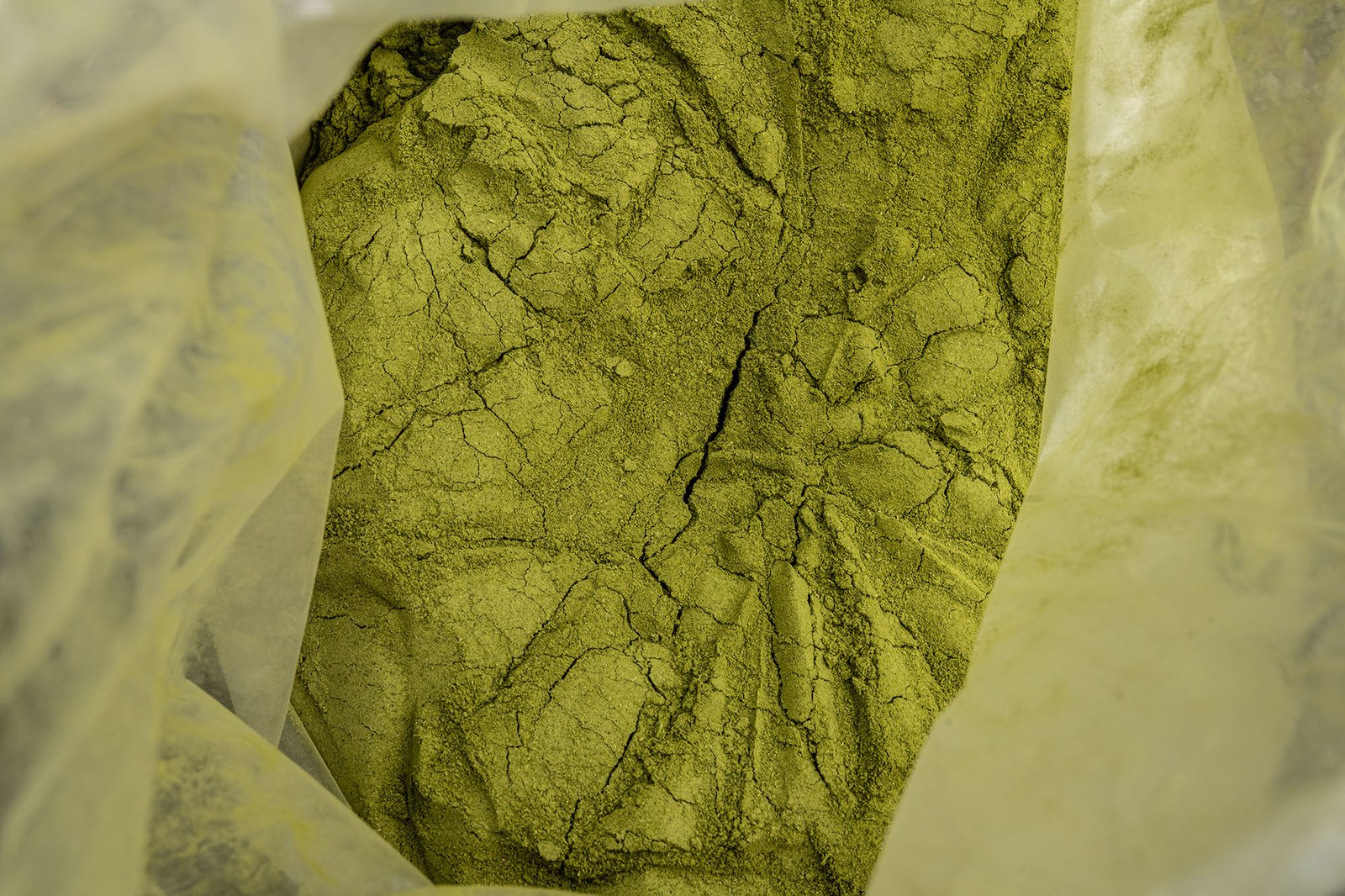
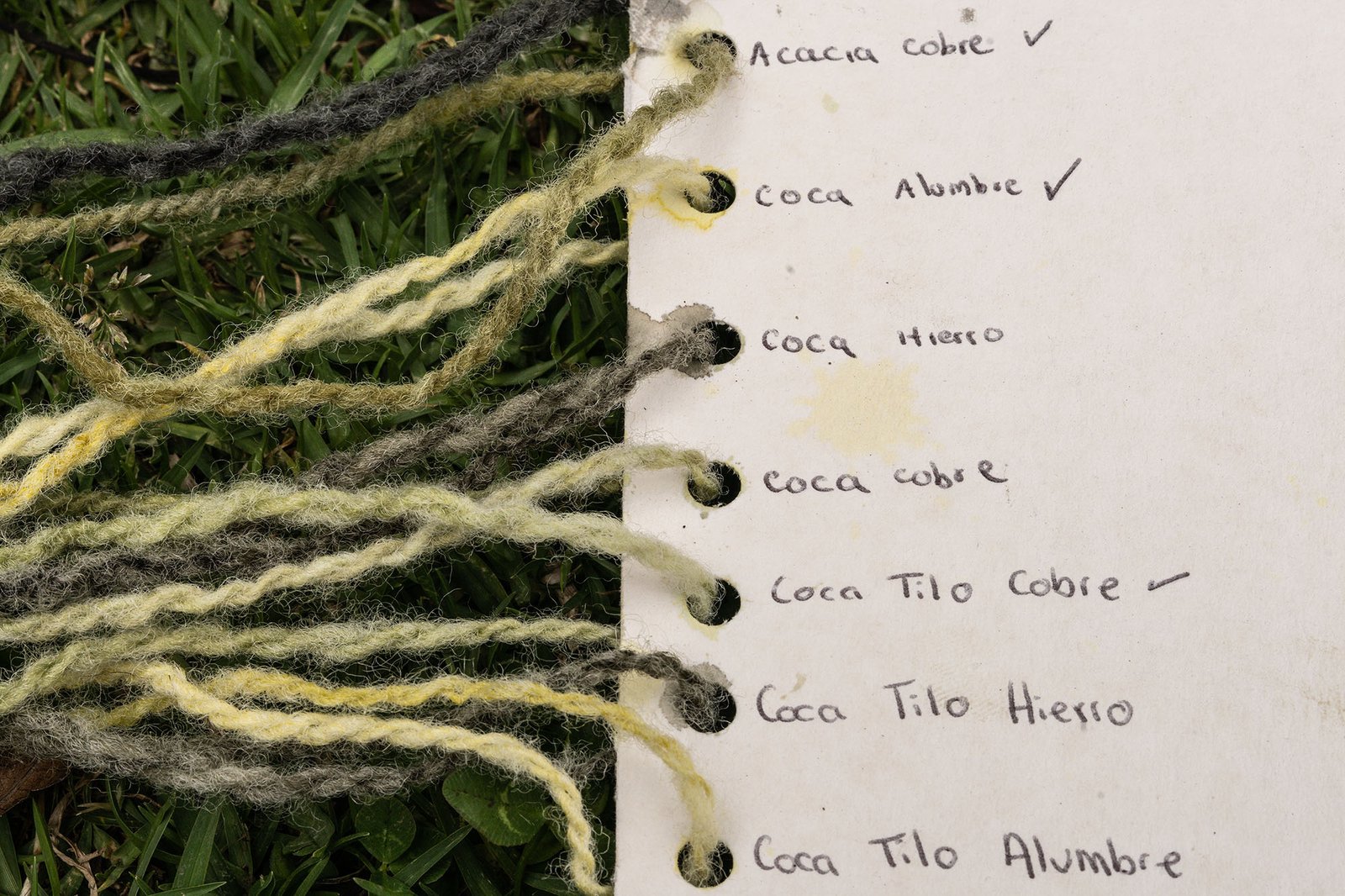
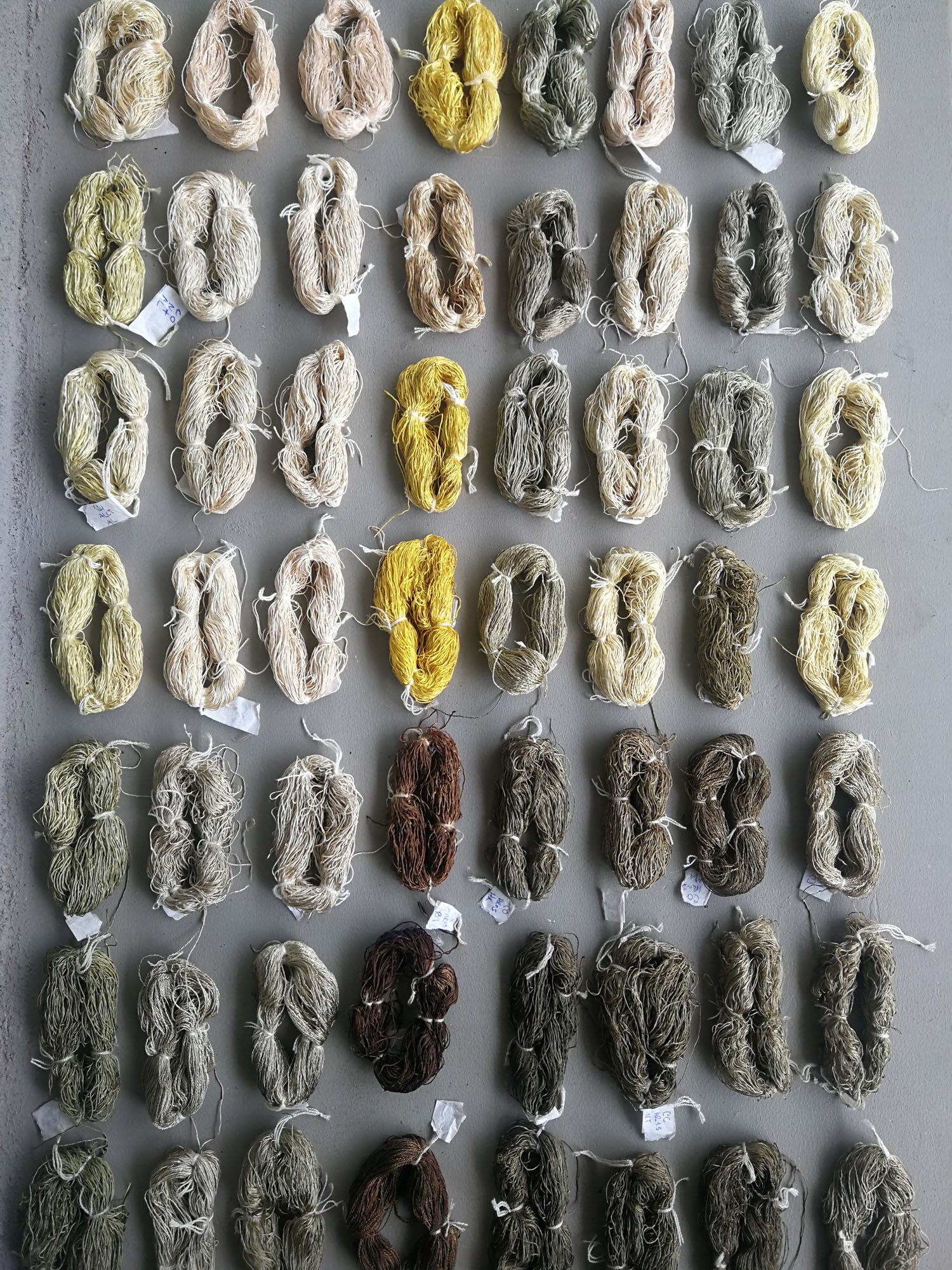
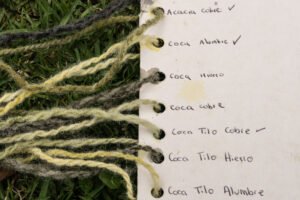
Tinta Dulce is a project of experimentation and collective creation that investigates the use of coca leaf flour as a natural source of color. Through artisanal dyeing processes, the project develops pigments applied to fibers such as silk, cotton, fique, and wool, resulting in a chromatic palette that ranges from yellows to greens.

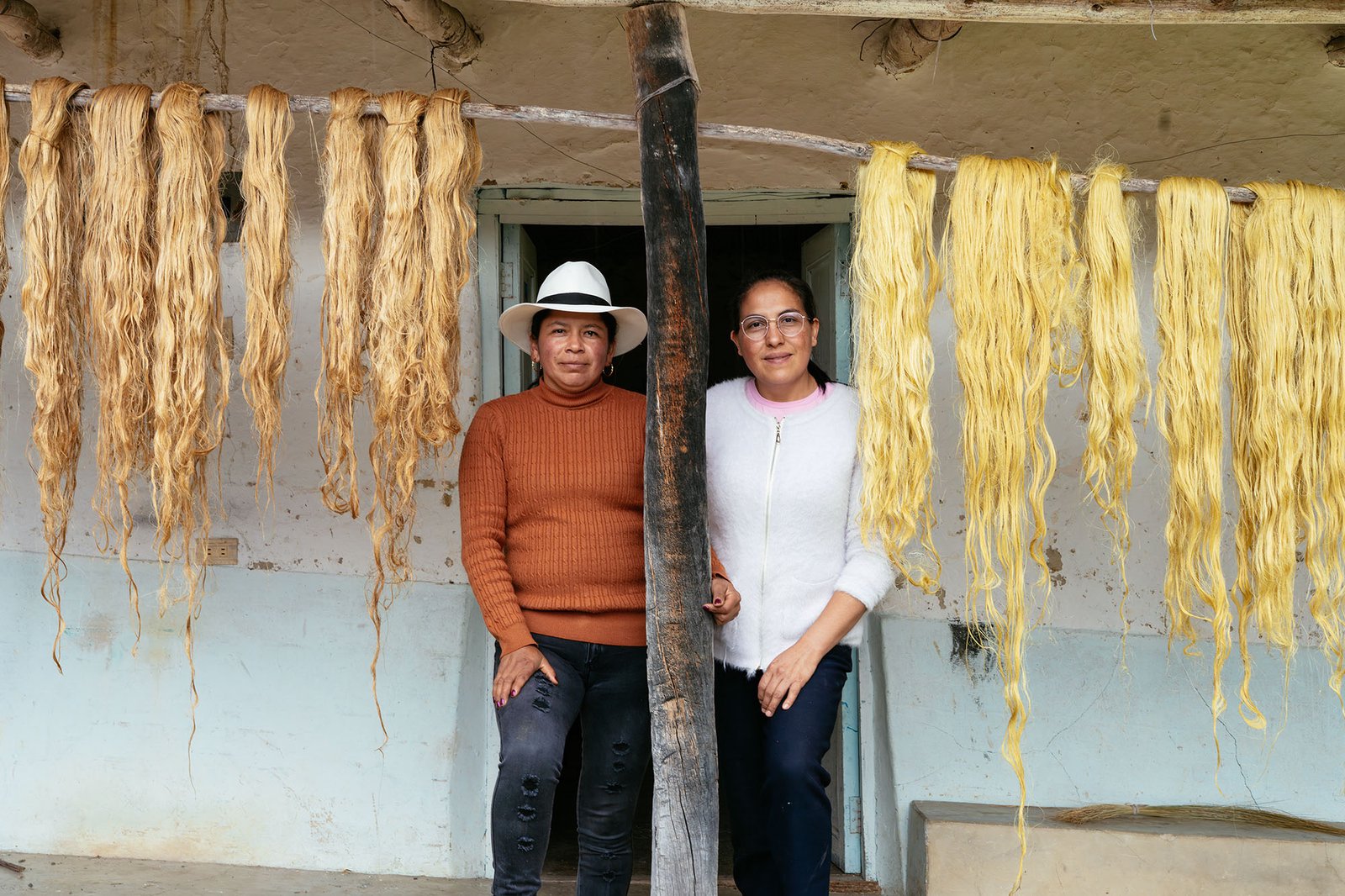
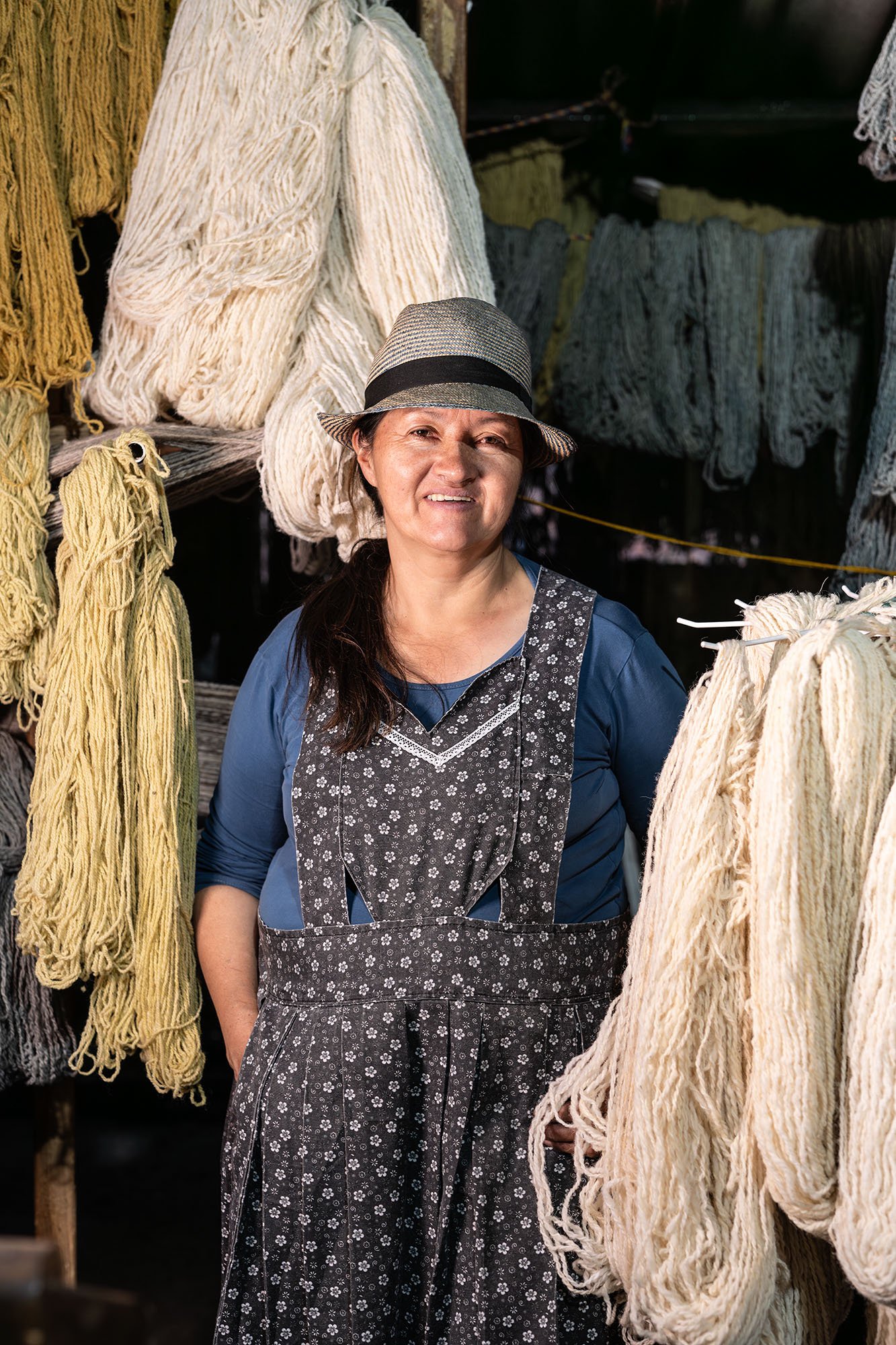
The initiative has been developed in collaboration with women’s artisan associations and natural fiber cooperatives in different regions of Colombia, including Boyacá, Santander, Cauca, and Cundinamarca. Through workshops and knowledge-transfer processes, Tinta Dulce has supported the integration of coca dyes into artisanal product portfolios, strengthening local capacities, diversifying incomes, and promoting alternative productive value chains.

Beyond its artistic dimension, Tinta Dulce seeks to transform perceptions of the coca leaf and the communities that cultivate it, reclaiming its cultural value and its potential as a creative resource. This purpose is reflected in a short documentary that brings together the voices of artisans from Guacamayas, Sutatausa, and Curití, who share their experiences using coca leaves as a textile dye and opening new horizons grounded in local knowledge.

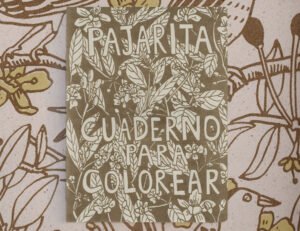
Additionally, Tinta Dulce makes available a free, downloadable dyeing logbook focused on coca leaf inks and dyes, which documents the processes and aims to expand the project’s reach to those interested in incorporating coca as a natural source of color in their own creative projects.
Download the Booklet (PDF)

The Artist
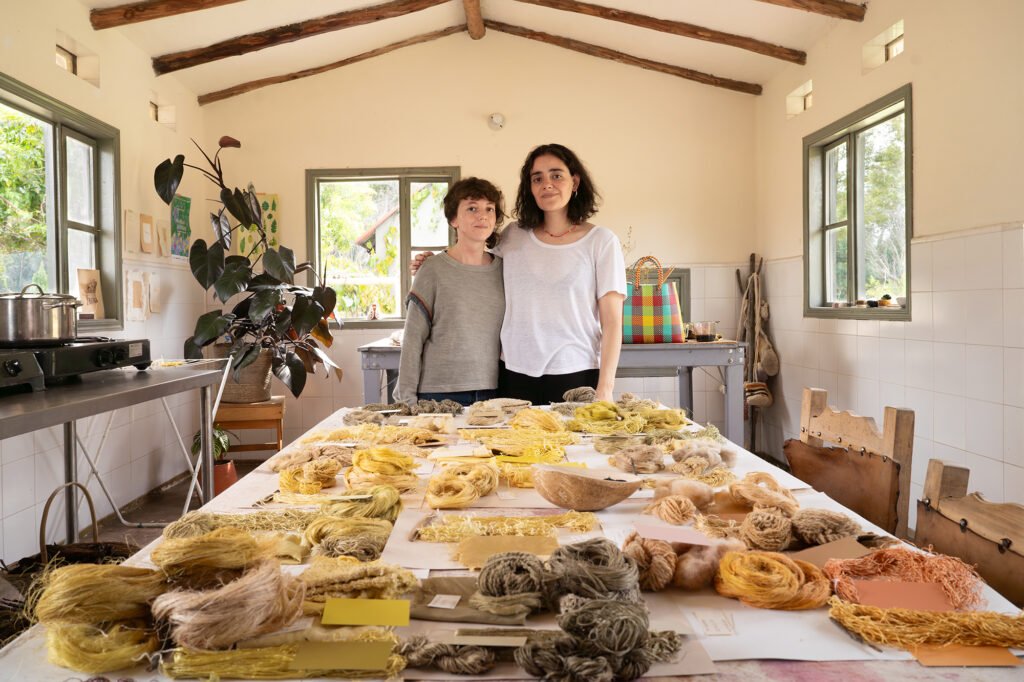
Ginger Blonde

Ginger Blonde is a design and visual communication studio founded in 2021 by Mónica Suárez and Daniela Rubio. Based between Bogotá and Panama City, the studio works from a cooperative, interdisciplinary, and predominantly female approach, focused on social innovation, responsible design, and territorial transformation.
Read more

More From This Artist

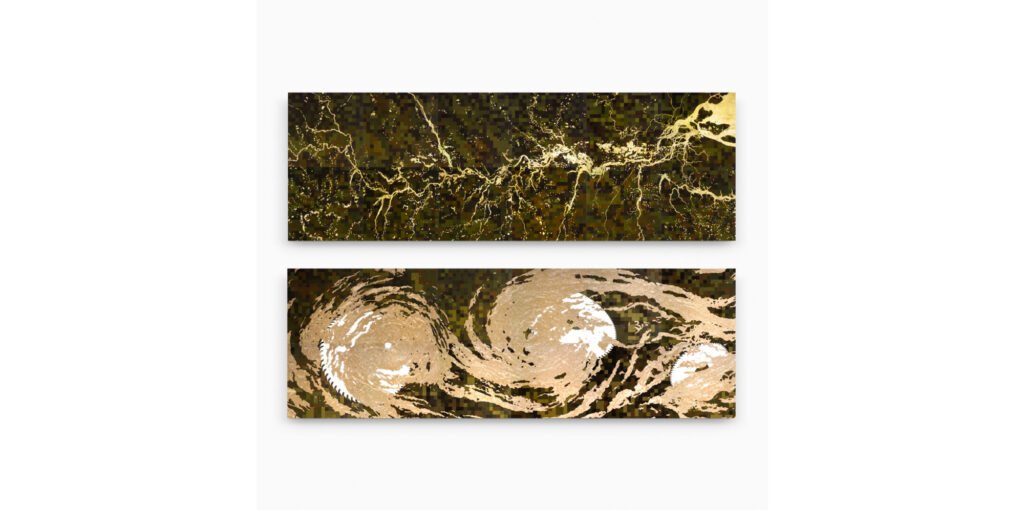
Nuevo El Dorado (Wild Economy)

Nuevo El Dorado (Wild Economy)

Miguel Ángel Rojas

Artist’s country of origen: Colombia
Materials:
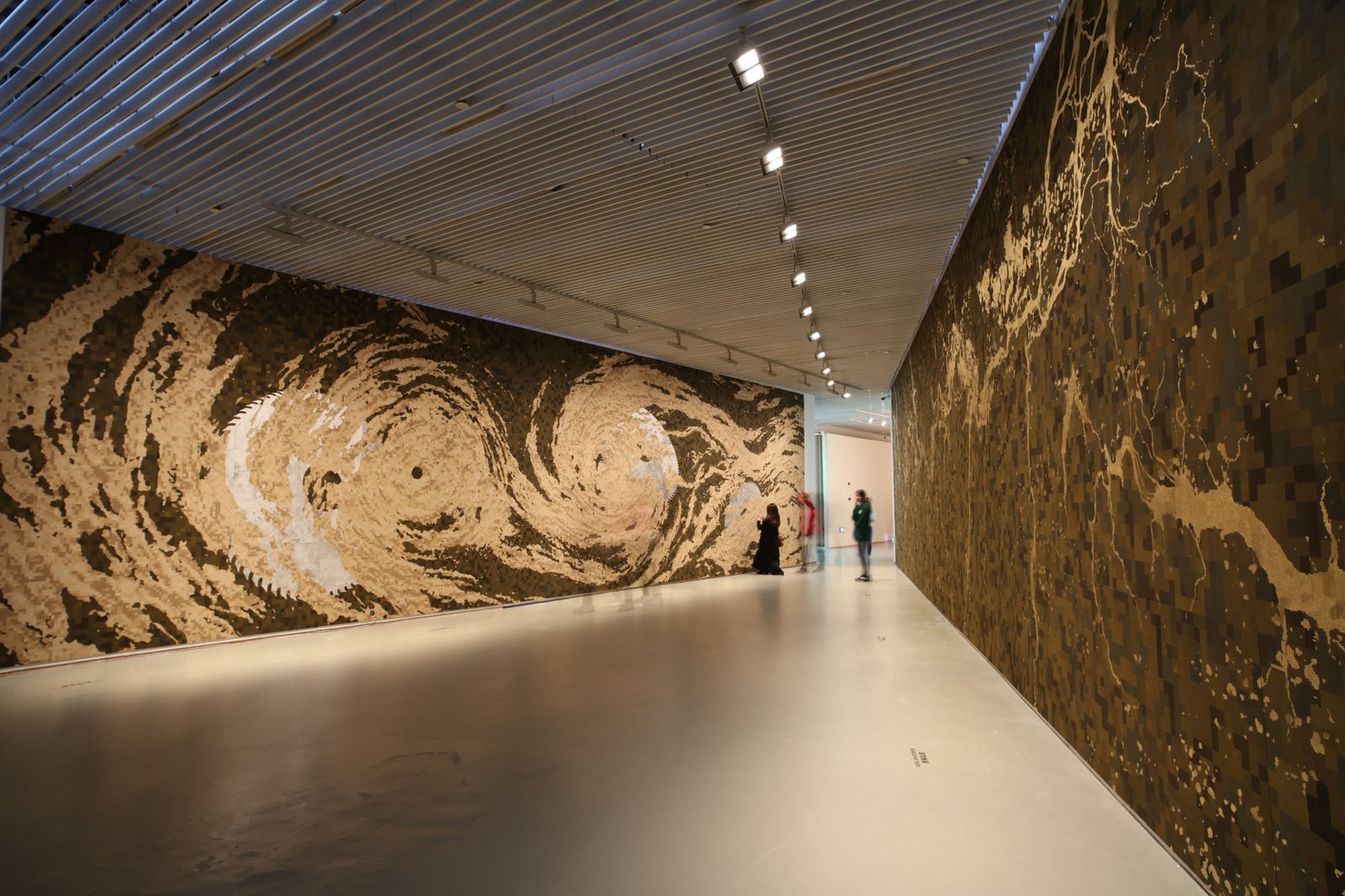
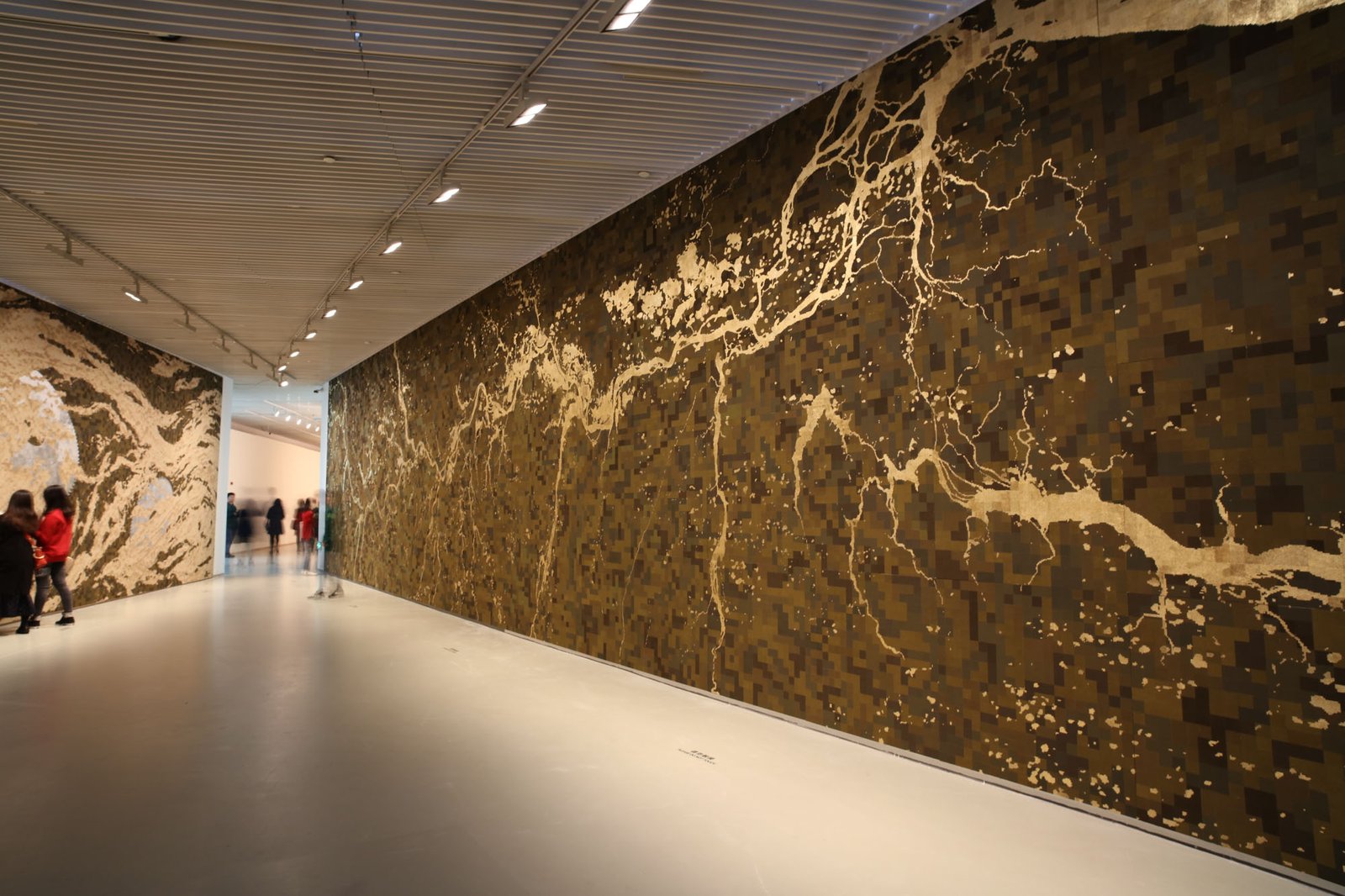
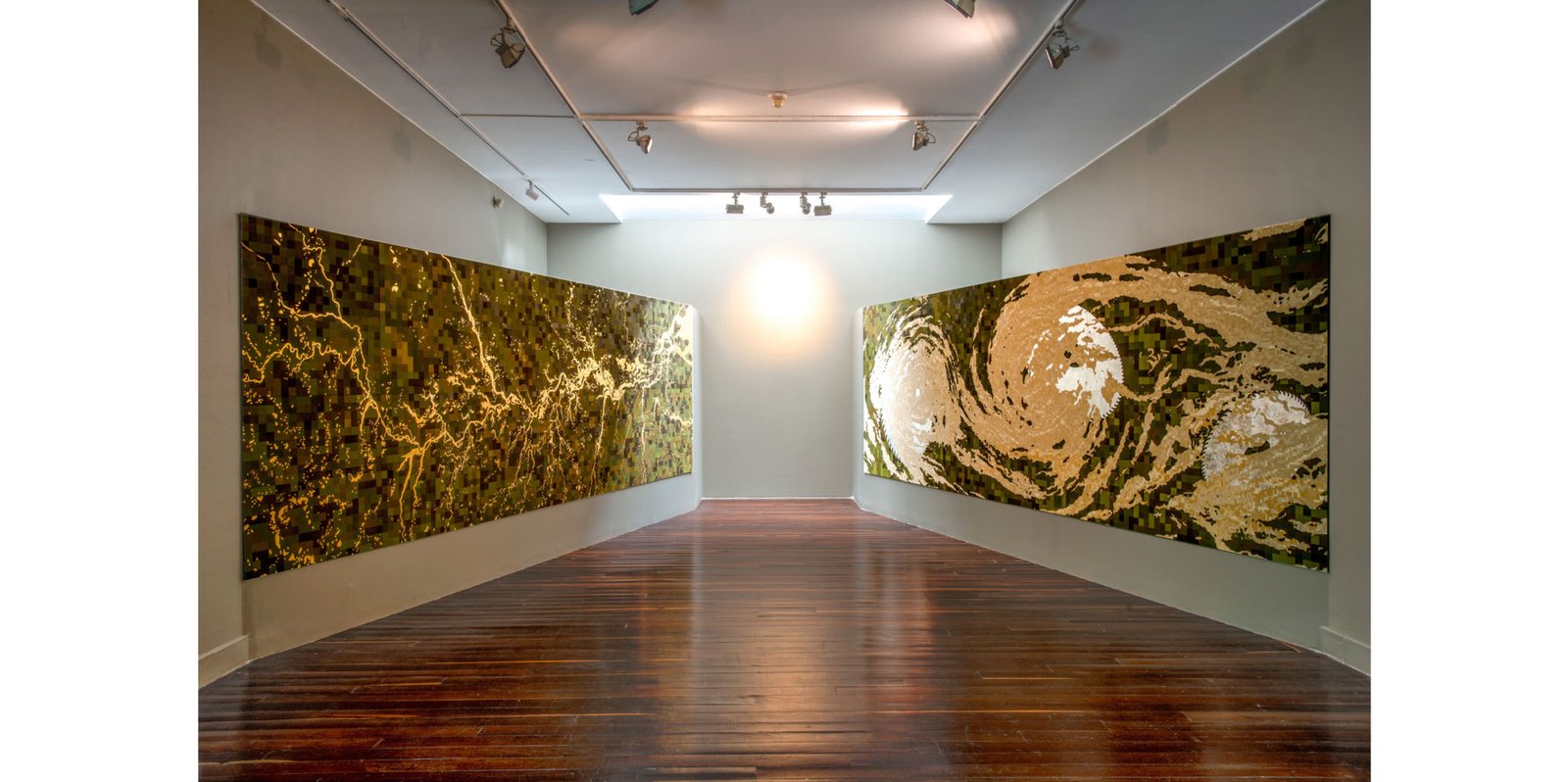
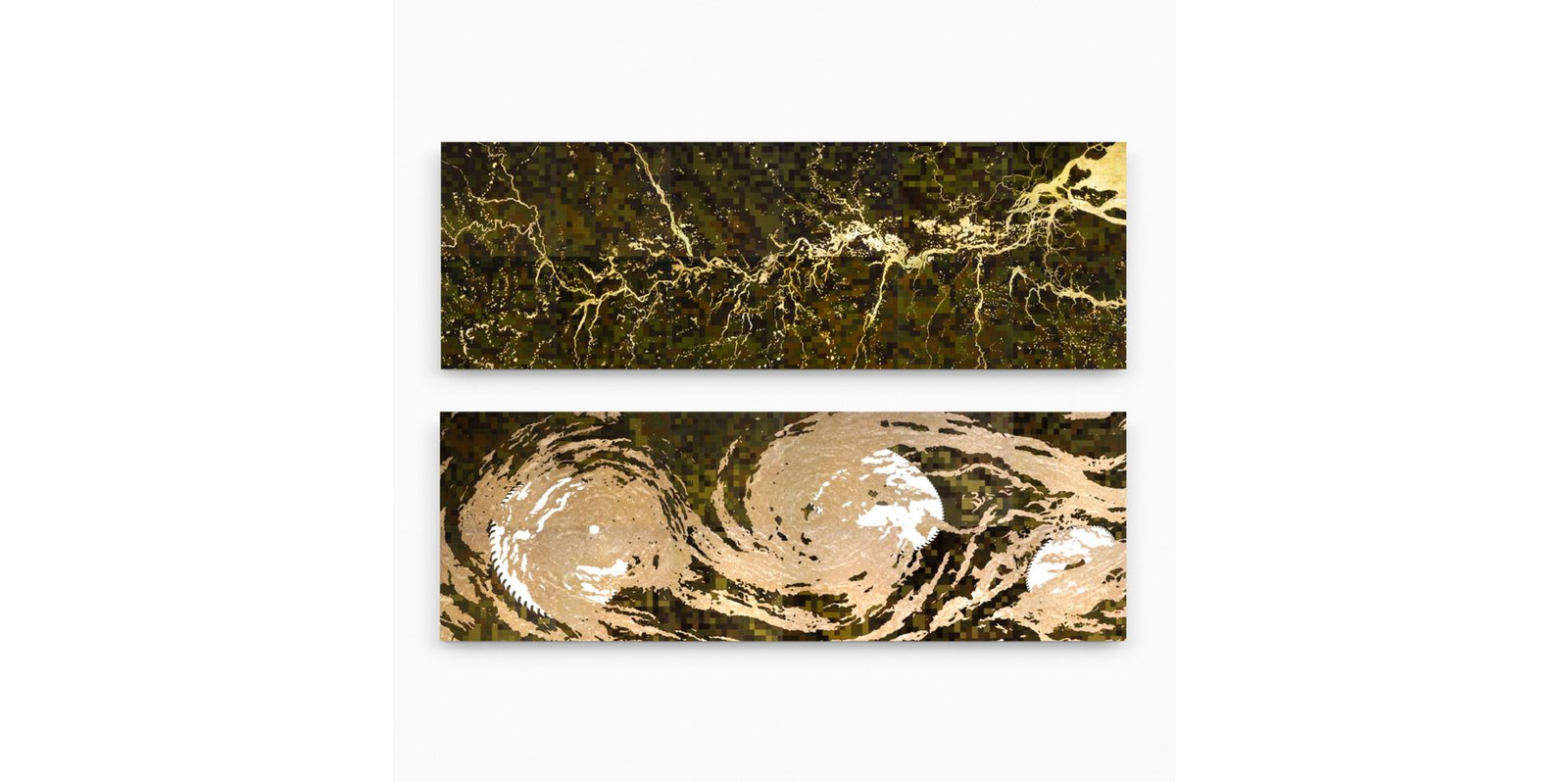
Coca leaf powder, neutral silkscreen base, clay, mineral pigments, gold and silver leaf on fiber paper mounted on foam board
Medium: Installation, Print / Graphic Work
Size: 400 x 1800 cm – 400 x 1500 cm
Year: 2018

Line of Inquiry:

Coca-Politics

In this monumental installation, Rojas critiques the environmental degradation and social inequalities resulting from extractive industries and illicit economies. By using materials like coca leaf powder and gold leaf, Rojas underscores the complex interplay between cultural heritage and the exploitative forces of globalization.
Displayed at the 12th Shanghai Biennale and later at the Museo de Arte Moderno de Bogotá (MAMBO) in the exhibition Regreso a la Maloca, this piece serves as a poignant commentary on the ongoing colonial dynamics and the commodification of natural resources. Rojas’s work invites viewers to reflect on the intertwined histories of indigenous knowledge, ecological destruction, and the pursuit of wealth, challenging them to reconsider the true cost of progress.

The Artist

Miguel Ángel Rojas

Miguel Ángel Rojas is a pioneering Colombian conceptual artist whose work exposes hidden systems of power, marginality, and identity through an examination of his country’s social and political landscape.

Read more

More From This Artist

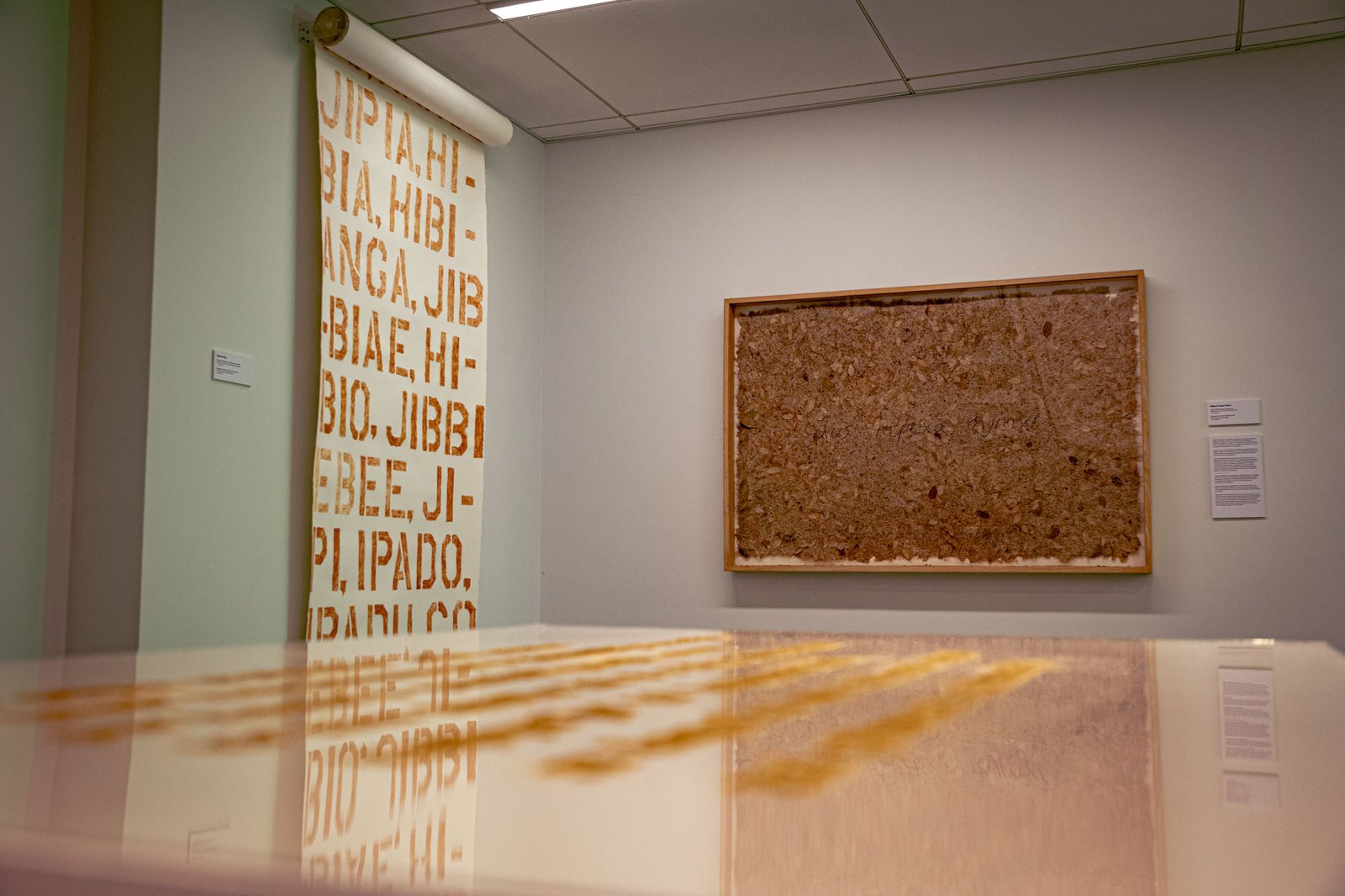
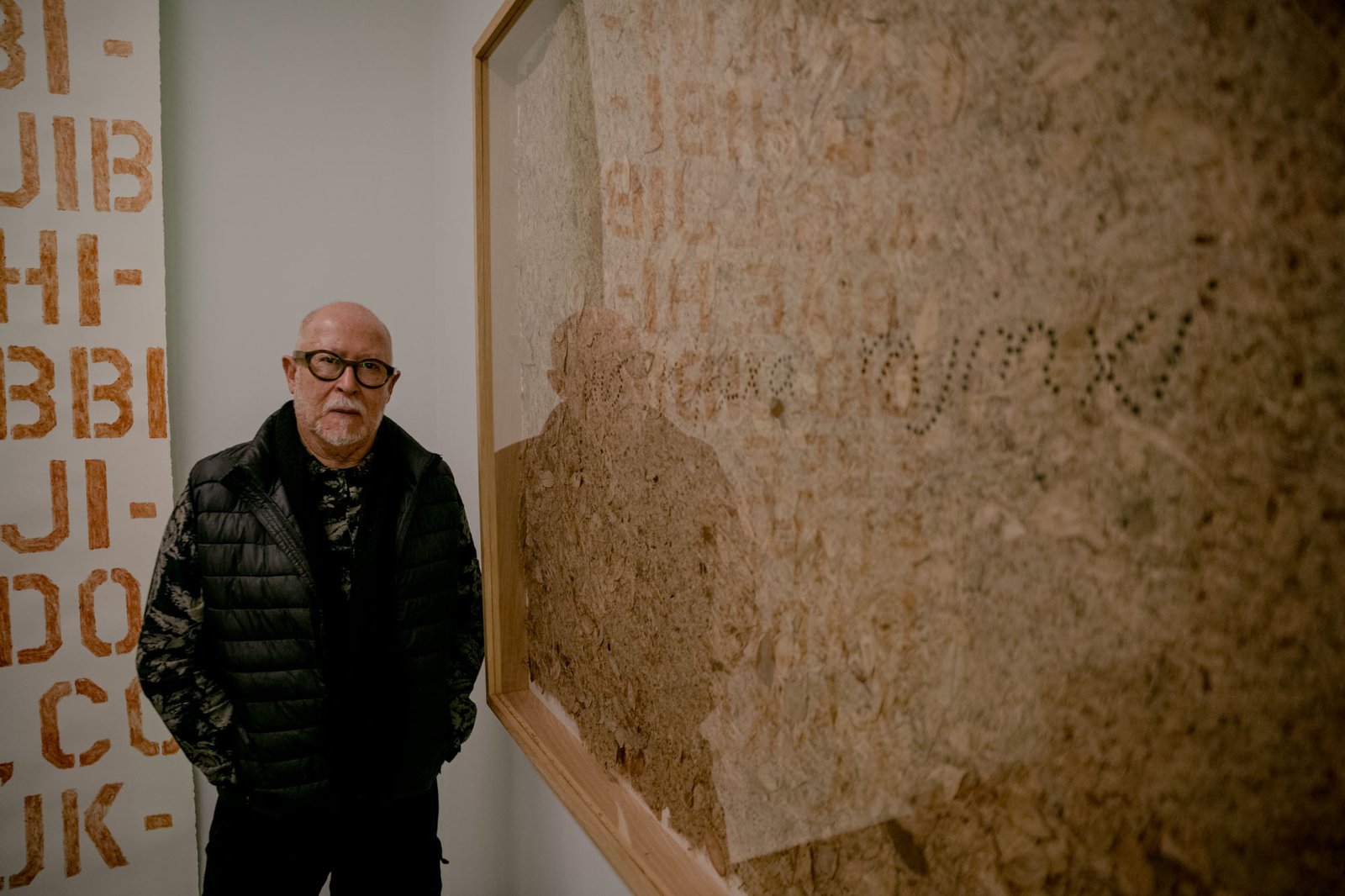
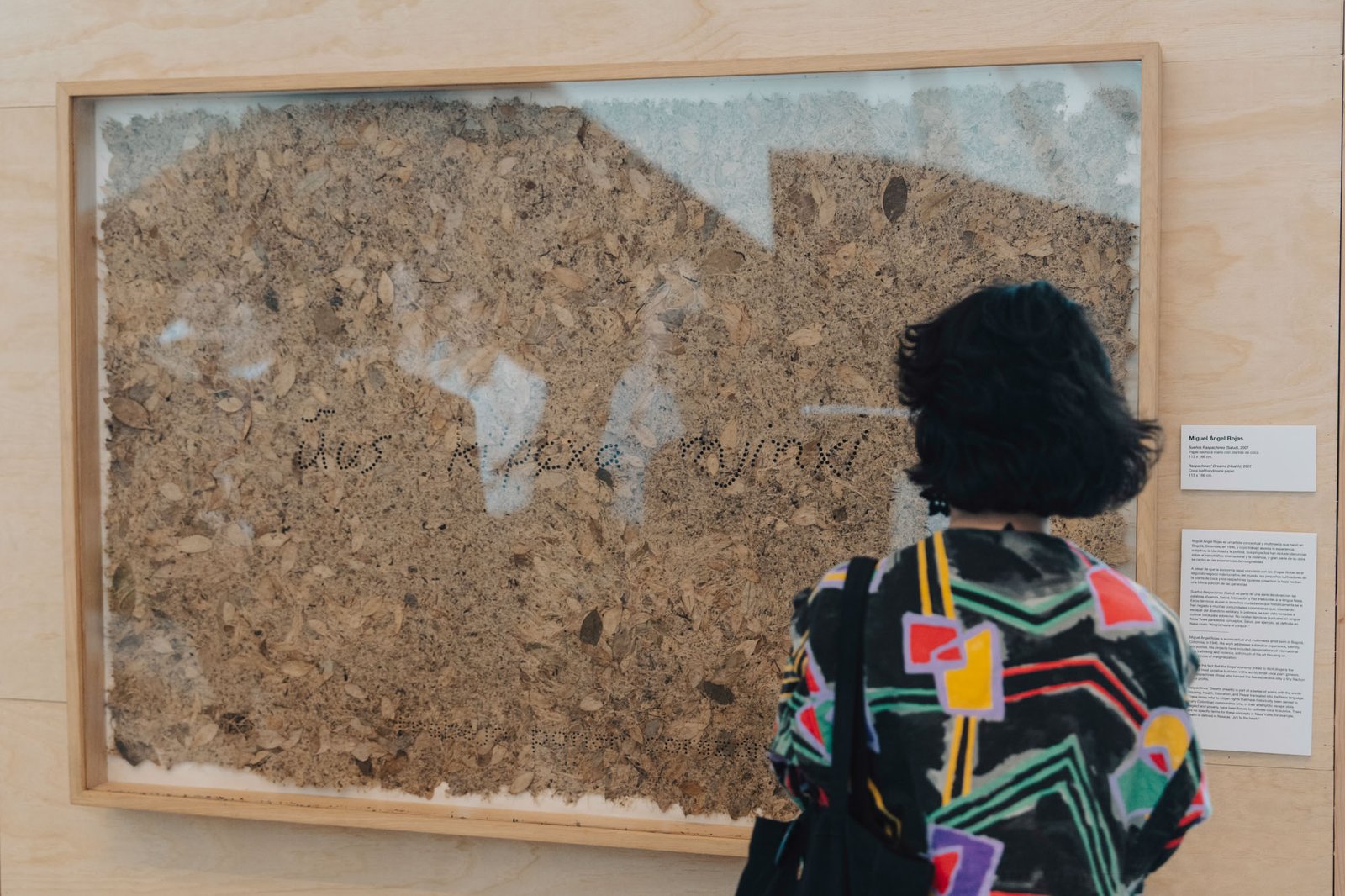
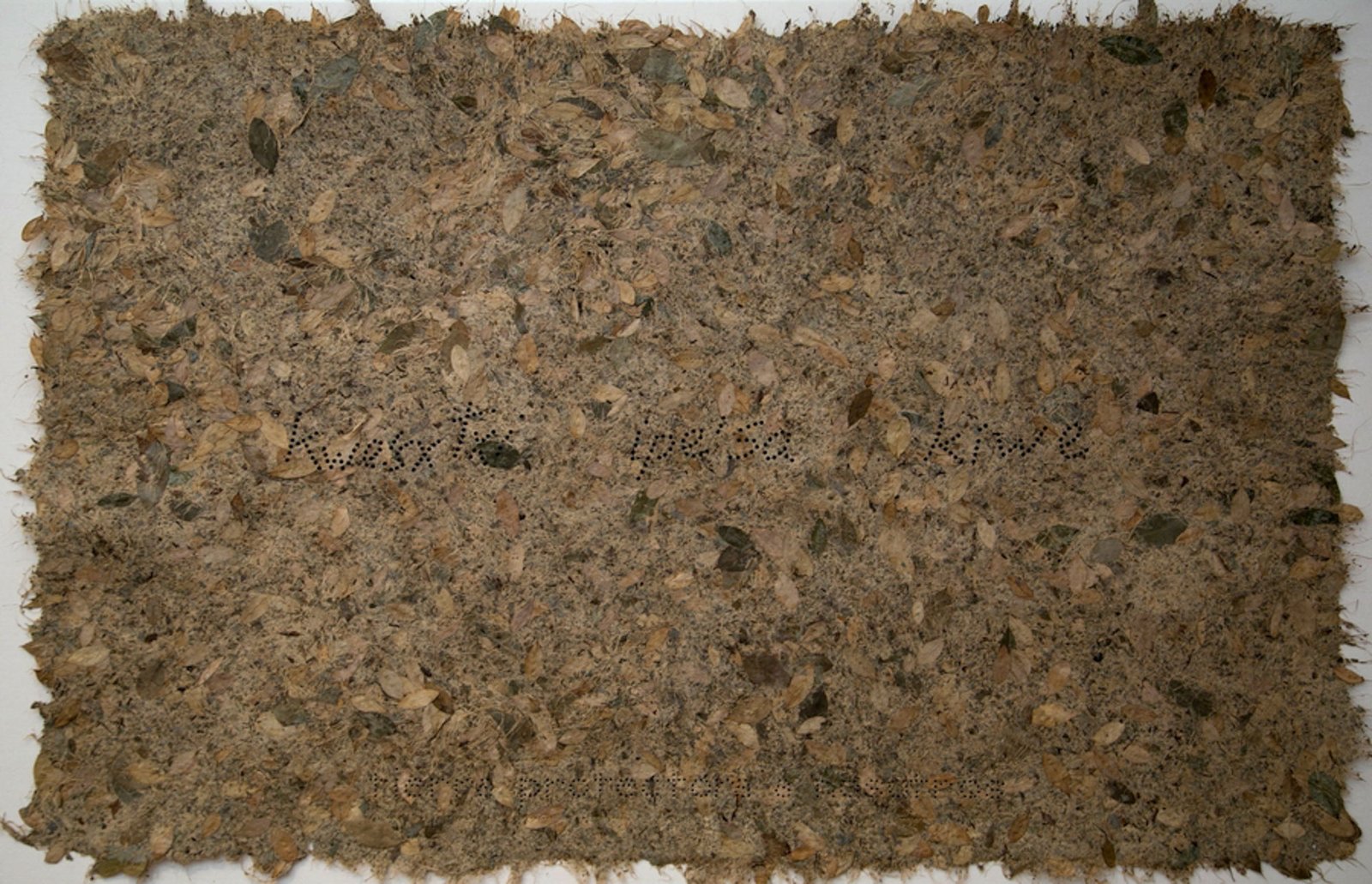
Raspachines’ Dreams (Health)

Raspachines’ Dreams (Health)

Miguel Ángel Rojas

Artist’s country of origen: Colombia
Materials:
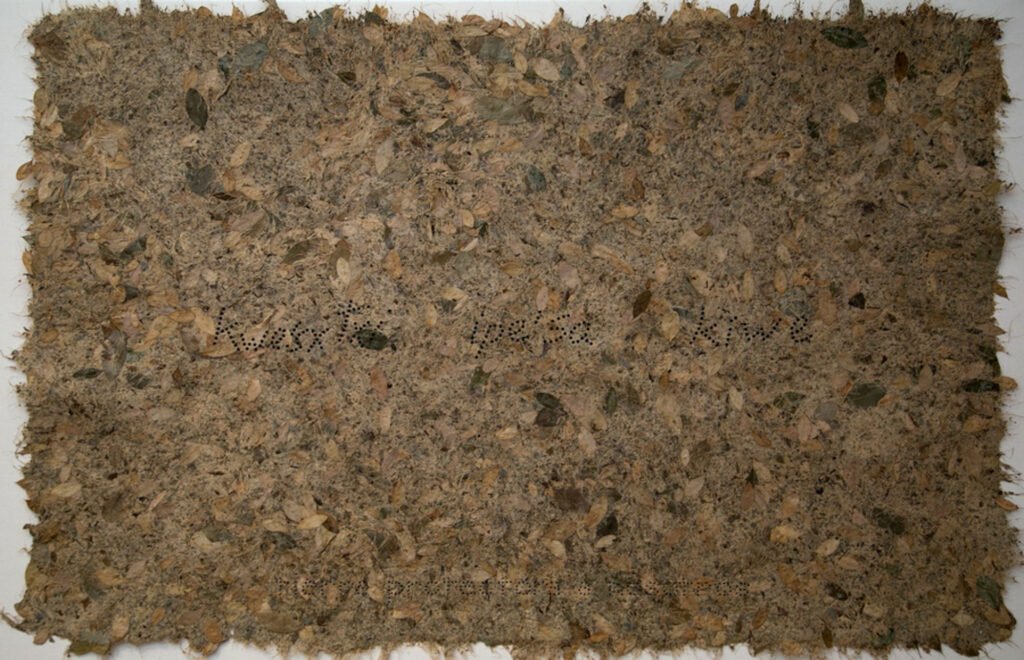
Coca leaf handmade paper
Medium: Installation, Print / Graphic Work
Size: 113x166cm
Year: 2007

Line of Inquiry:

Coca-Politics

Despite the fact that the illegal economy linked to illicit drugs is the second most lucrative business in the world, small coca plant growers and raspachines (those who harvest the leaves) receive only a tiny fraction of the profits.

Raspachines’ Dreams (Health) is part of a series of works with the words Housing, Health, Education, and Peace translated into the Nasa language. These terms refer to citizen rights that have historically been denied to many Colombian communities who, in their attempt to escape state neglect and poverty, have been forced to cultivate coca to survive. There are no specific terms for these concepts in Nasa Yuwe; for example, health is defined in Nasa as “Joy to the heart.”

The Artist

Miguel Ángel Rojas

Miguel Ángel Rojas is a pioneering Colombian conceptual artist whose work exposes hidden systems of power, marginality, and identity through an examination of his country’s social and political landscape.

Read more

More From This Artist

Flaky Landscapes – Work with the nails

Flaky Landscapes – Work with the nails

Edinson Quiñones

Artist’s country of origen: Colombia
Materials:
Digital Print
Size: 15 x 25 cm
Year: 2012 – 2019

Line of Inquiry:

Coca-Politics

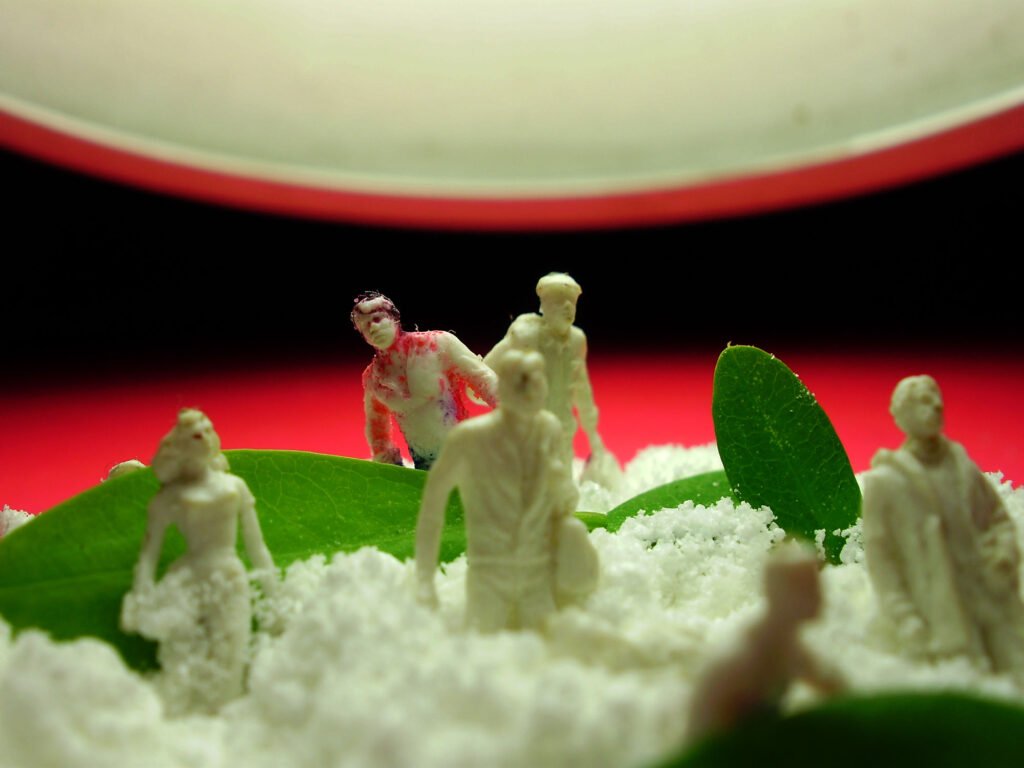
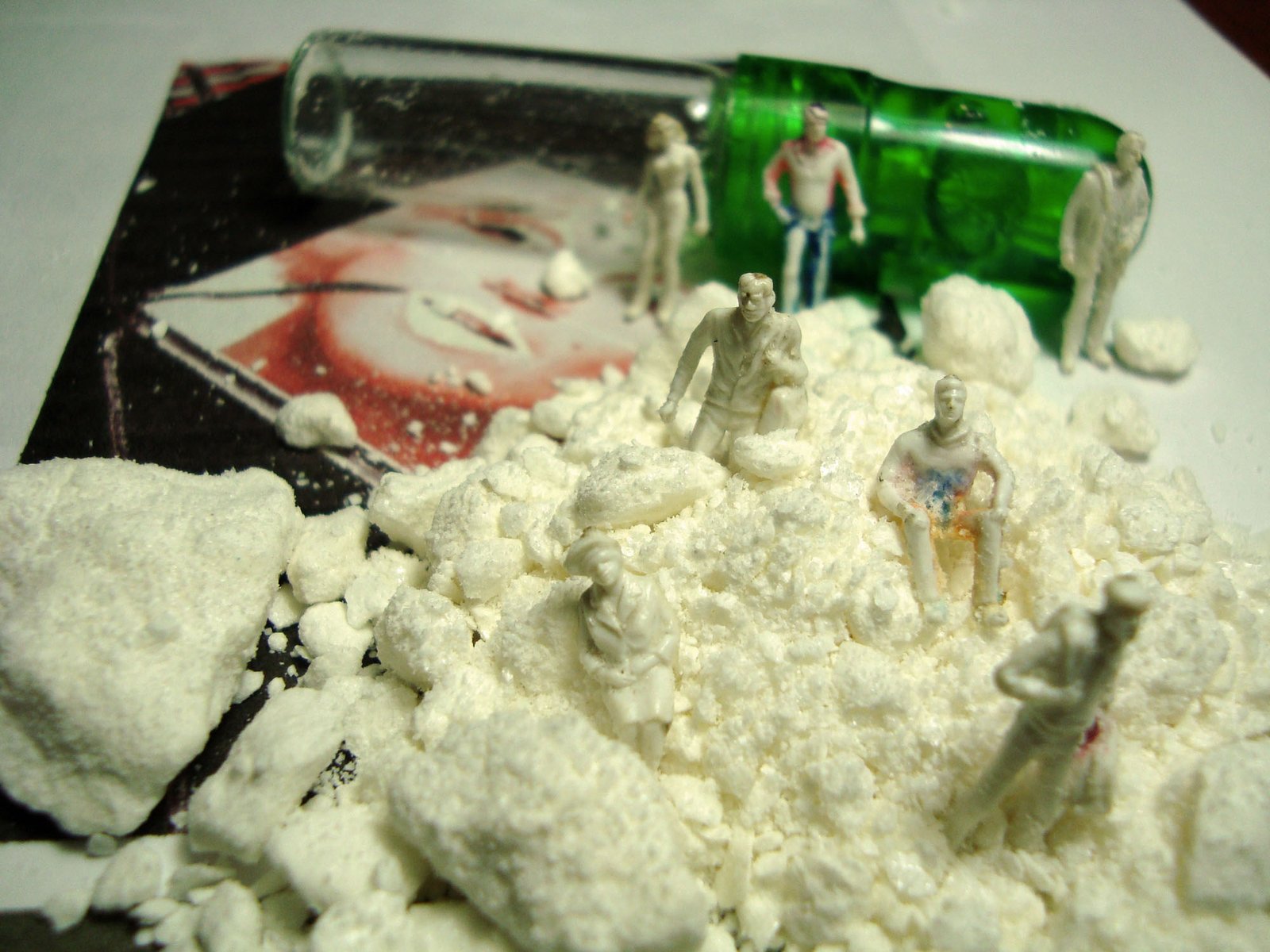
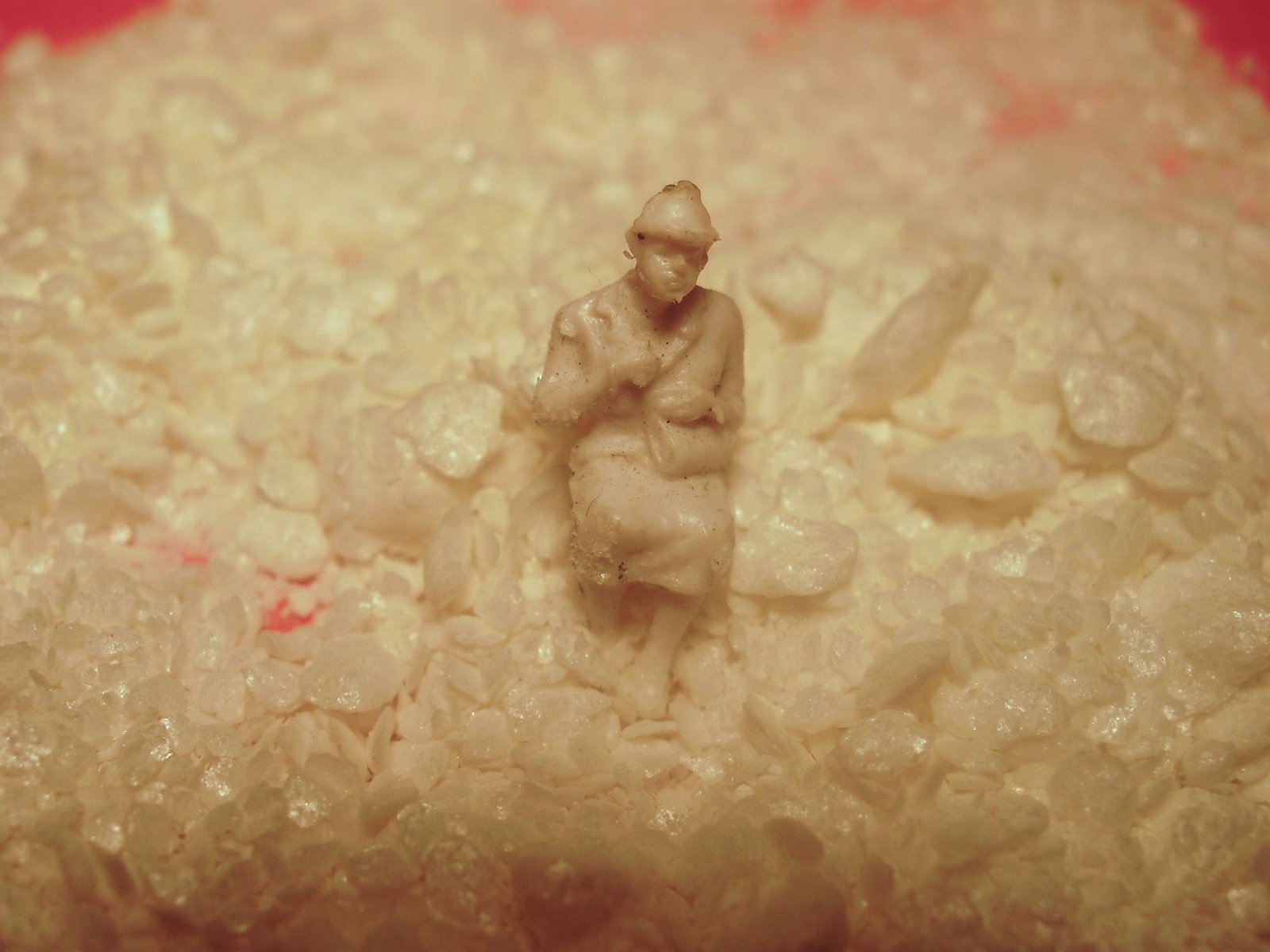
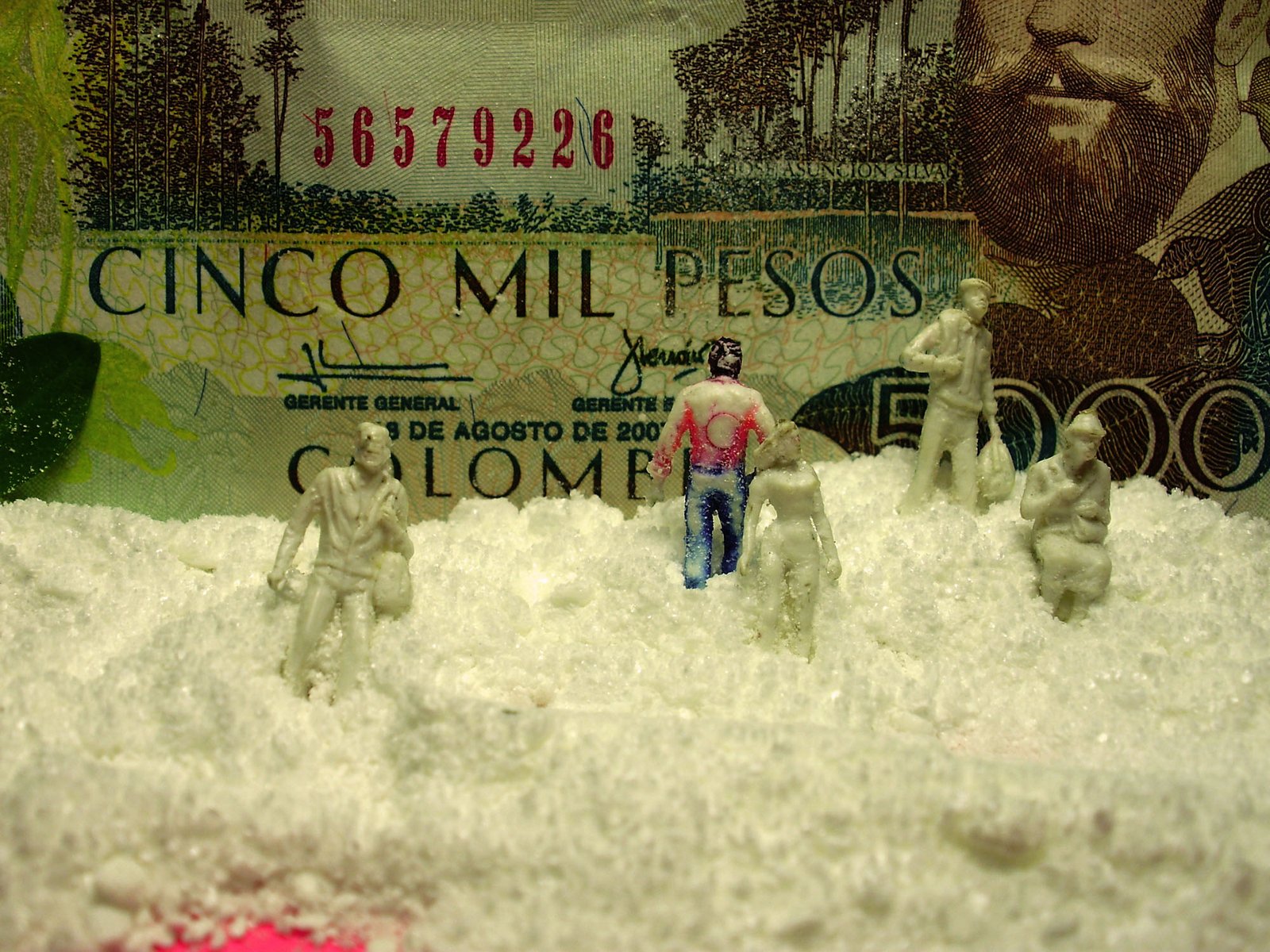
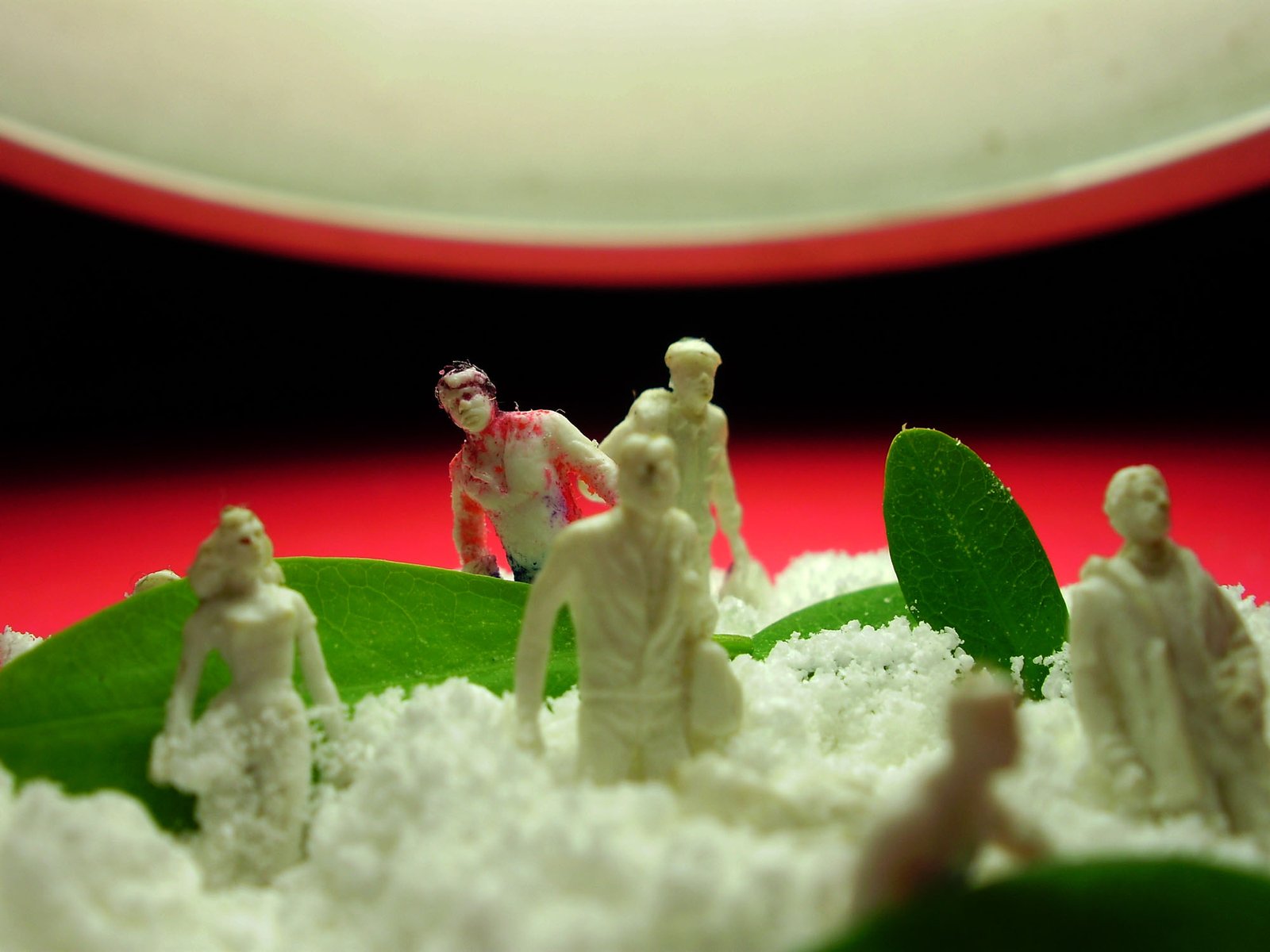
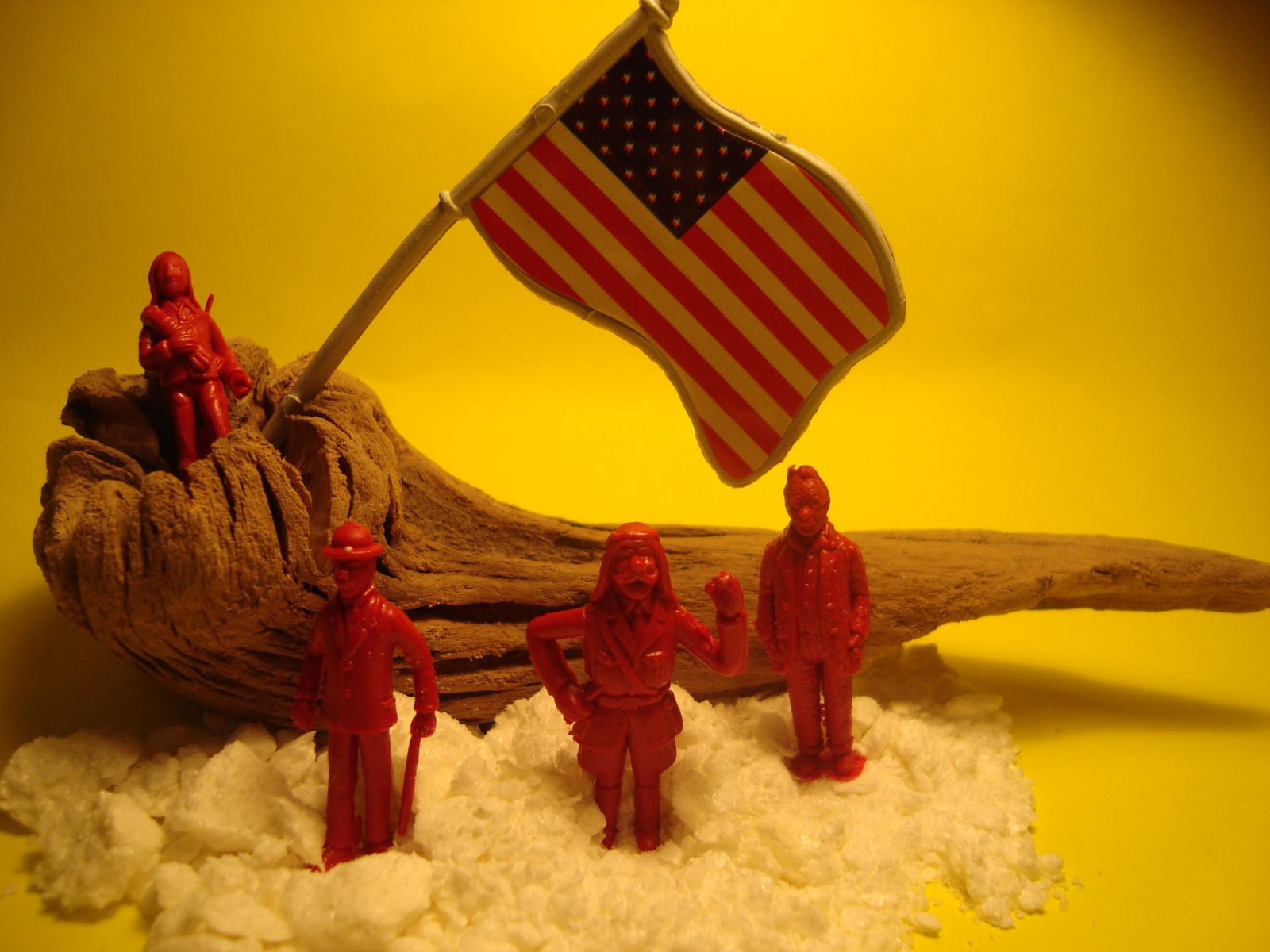
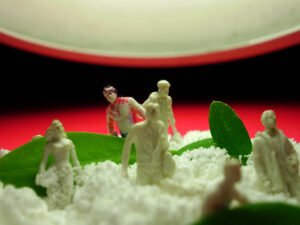
The series Flaky Landscapes – Work with the nails presents miniature scenarios integrating model figures, bills, coca leaves, and cocaine crystals representing everyday situations where European and American characters immerse themselves in the “Colombian snow”.

The Artist

Edinson Quiñones

Edinson Javier Quiñones Falla Campo Zemanate is an artist of Nasa descent, born in La Plata, Huila (Colombia) in 1982. He holds a BFA in Visual Arts and a Master’s degree in Arts Integrated with the Environment from the University of Cauca.

Read more

If it’s Bayer, it’s good

If it’s Bayer, it’s good

Edinson Quiñones

Artist’s country of origen: Colombia
Materials: Digital Print
Size: 100 x 80 cm
Year: 2017

Line of Inquiry:

Coca-Politics

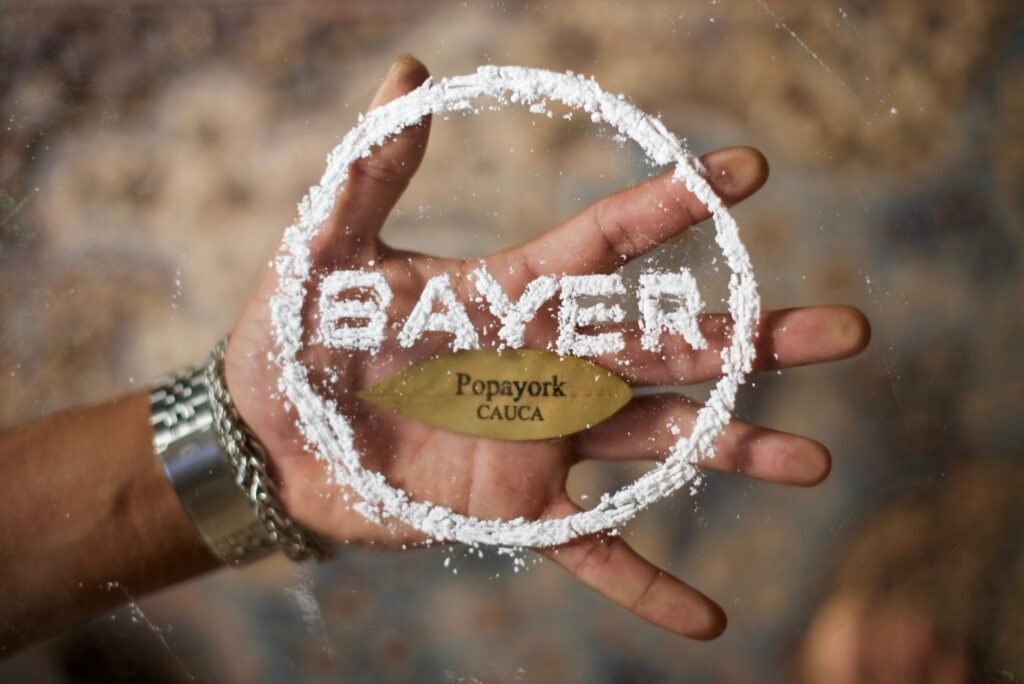
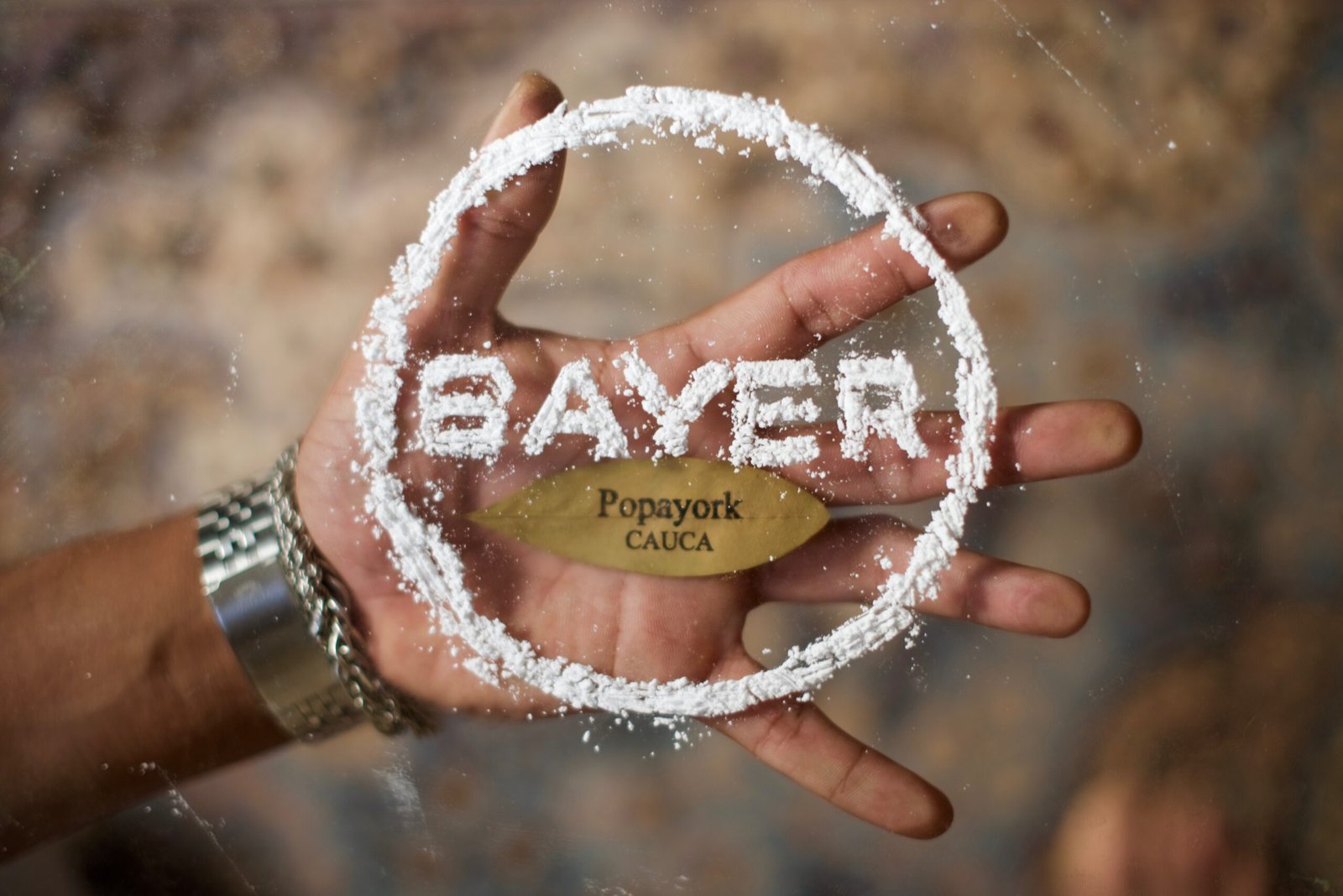
In the work If it’s Bayer, it’s good, Quiñones appropriates the symbol of the German company to point to the role of the European and North American pharmaceutical industry in stripping the sacred coca leaf of its ancestral meaning. Since the extraction of the psychoactive alkaloid cocaine by european scientist, the plant became of popular use for scientific purposes, as anaesthesia in dental surgeries (although later replaced with less risky substances).

Following the mid-19th-century extraction of cocaine from the coca leaf by German chemists Gaedcke and Niemann in around 1860s, the plant entered European scientific and medical pharmaceutical industry. This chemical research enabled companies such as Merck and Bayer to commercialize isolated plant compounds, transforming coca from a sacred Andean plant into an industrial medical substance.

The Artist

Edinson Quiñones

Edinson Javier Quiñones Falla Campo Zemanate is an artist of Nasa descent, born in La Plata, Huila (Colombia) in 1982. He holds a BFA in Visual Arts and a Master’s degree in Arts Integrated with the Environment from the University of Cauca.

Read more

The Parakeet Won’t Knock Down the Dove

The Parakeet Won’t Knock Down the Dove

Edinson Quiñones

Artist’s country of origen: Colombia
Materials: Impresión sobre satín
Size: 100 x 80 cm
Year: 2024

Line of Inquiry:

Coca-Worlds

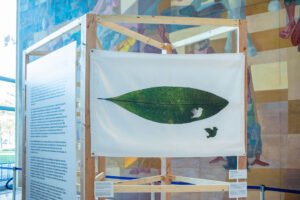
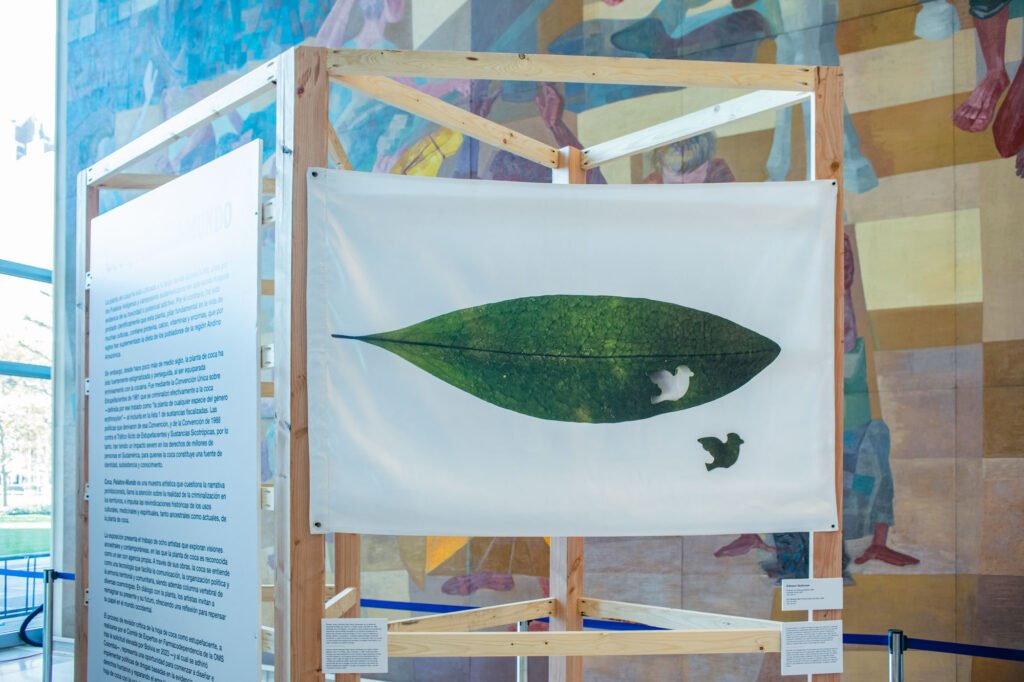
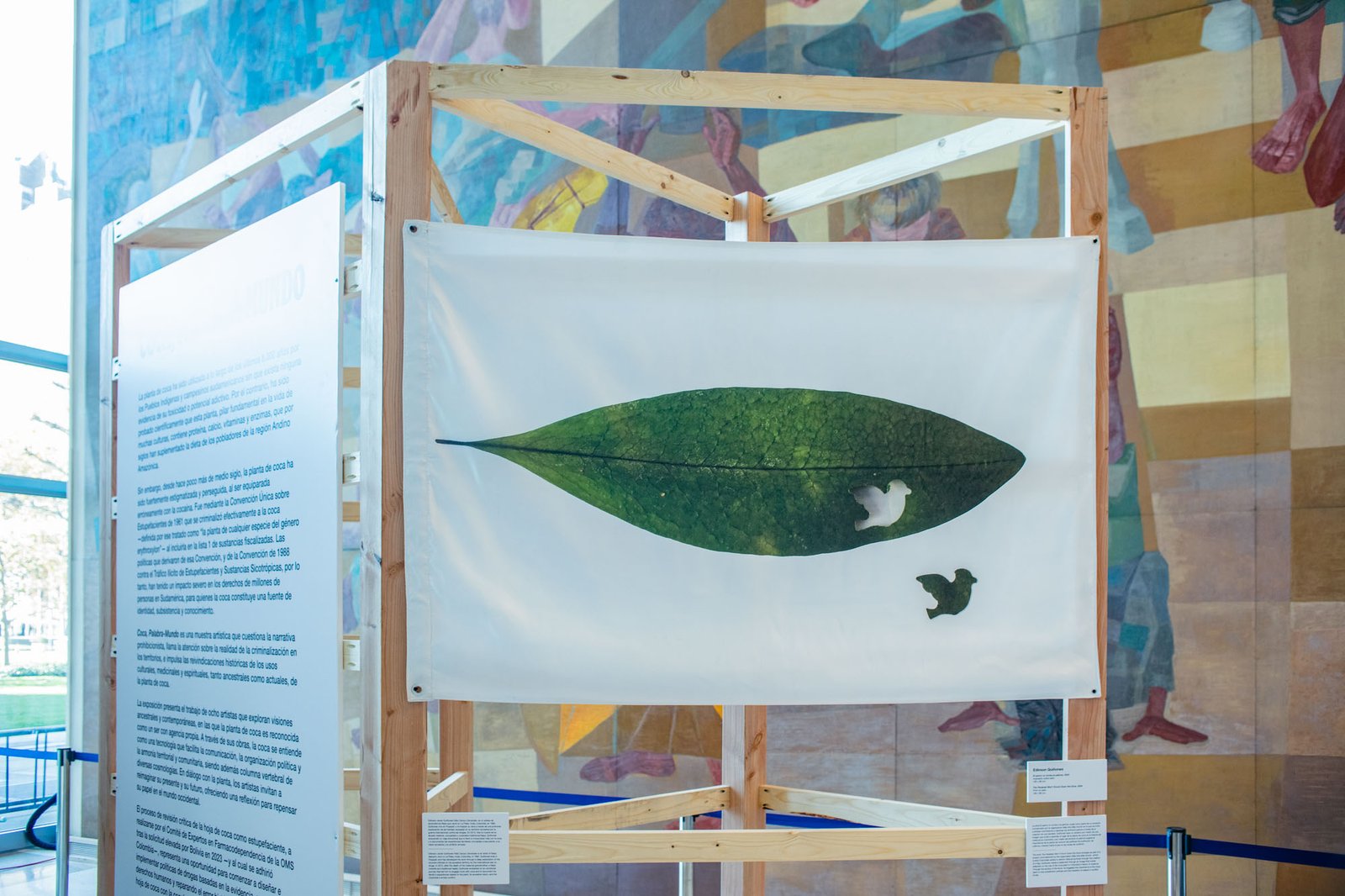
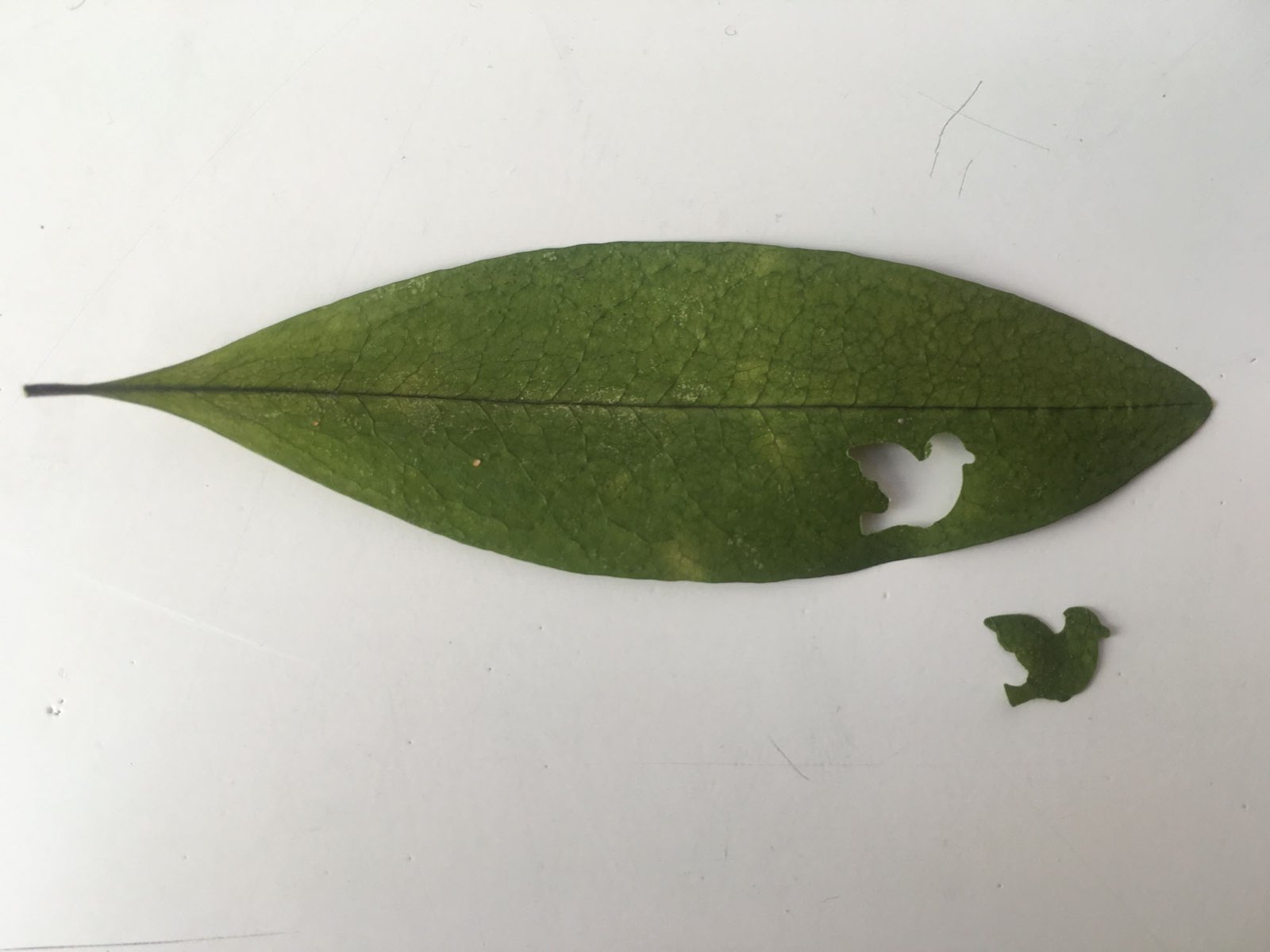
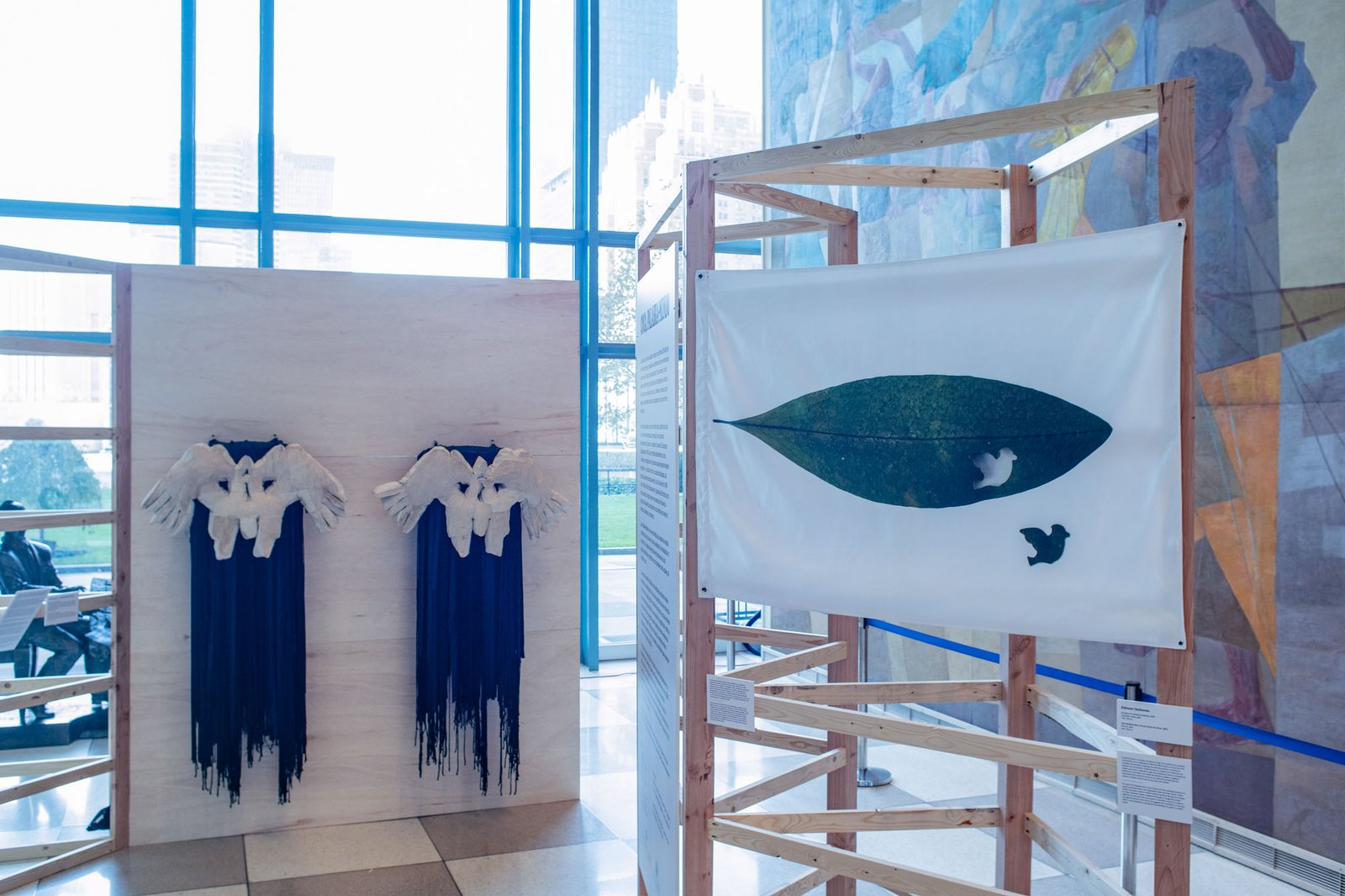
The work The Parakeet Won’t Knock Down the Dove emerges as part of a project commissioned by the organization Más Arte Más Acción, which invited Colombian artists to rethink national symbols through the creation of a flag. Quiñones makes a statement through an image that invites reflection on the role of the coca plant in Colombia’s history of violence. Through the symbol of the dove, he suggests the importance of the coca plant in crop substitution policies and the transition to peace in conflict zones.

The Artist

Edinson Quiñones

Edinson Javier Quiñones Falla Campo Zemanate is an artist of Nasa descent, born in La Plata, Huila (Colombia) in 1982. He holds a BFA in Visual Arts and a Master’s degree in Arts Integrated with the Environment from the University of Cauca.

Read more

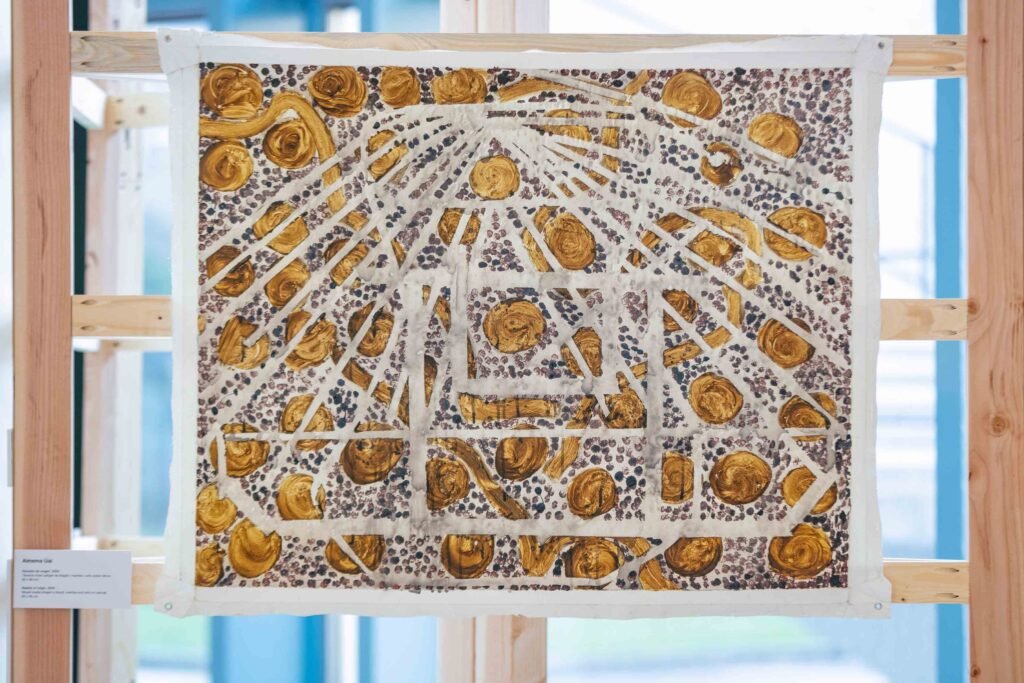
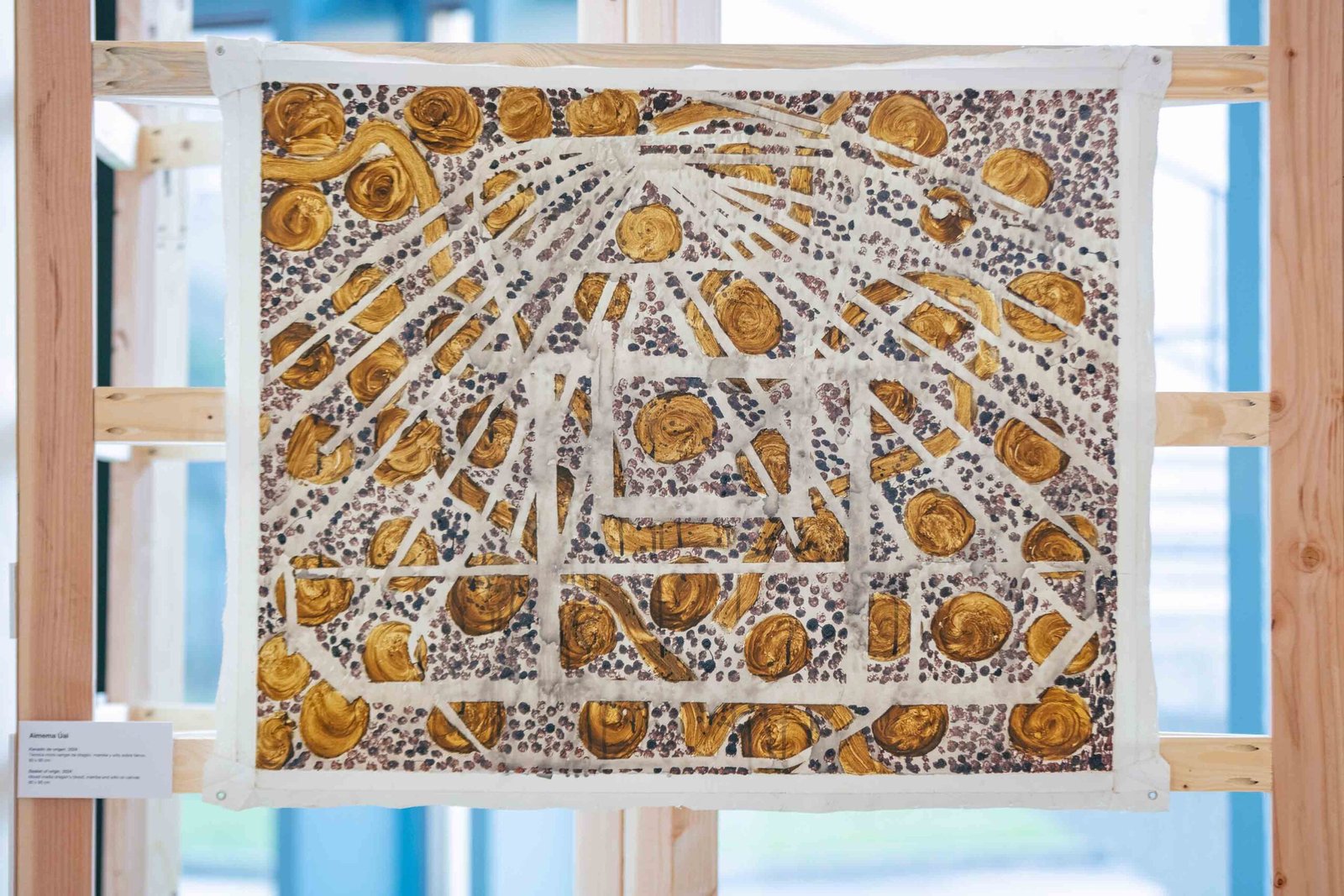
Kanasto de Origen

Kanasto de Origen

Aimena Úai

Artist’s country of origen: Colombia
Materials: Mixed media: dragon’s blood resin, mambe, and wito on canvas

Size: 80 × 90 cm (31.5 × 35.4 in)
Year: 2024

Line of Inquiry:

Coca-Worlds

The Maloka and everything learned within it form a constellation of great interconnected knowledges. In this context, the kanasto embodies the image and practice of weaving the Murui word-thought: a living archive opened to teach, heal, deliberate, and envision the future—anchored in the mambeadero, the house, and the plants of power.

The Artist

Aimena Úai

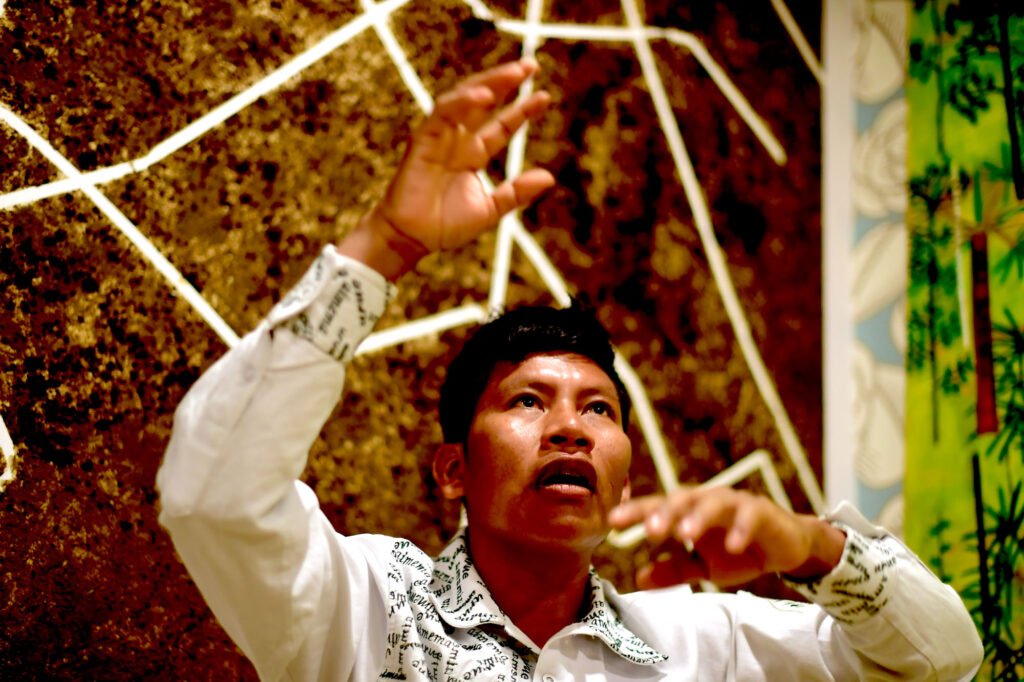
Aimema Úai —The Voice of the Crane— is a contemporary artist, mambeólogo (coca practitioner), and researcher from the Murui-Muina people of the Colombian Amazon. Born in La Chorrera in 1996, his artistic formation is deeply rooted in the ancestral knowledge of his family.
Read more

More From This Artist

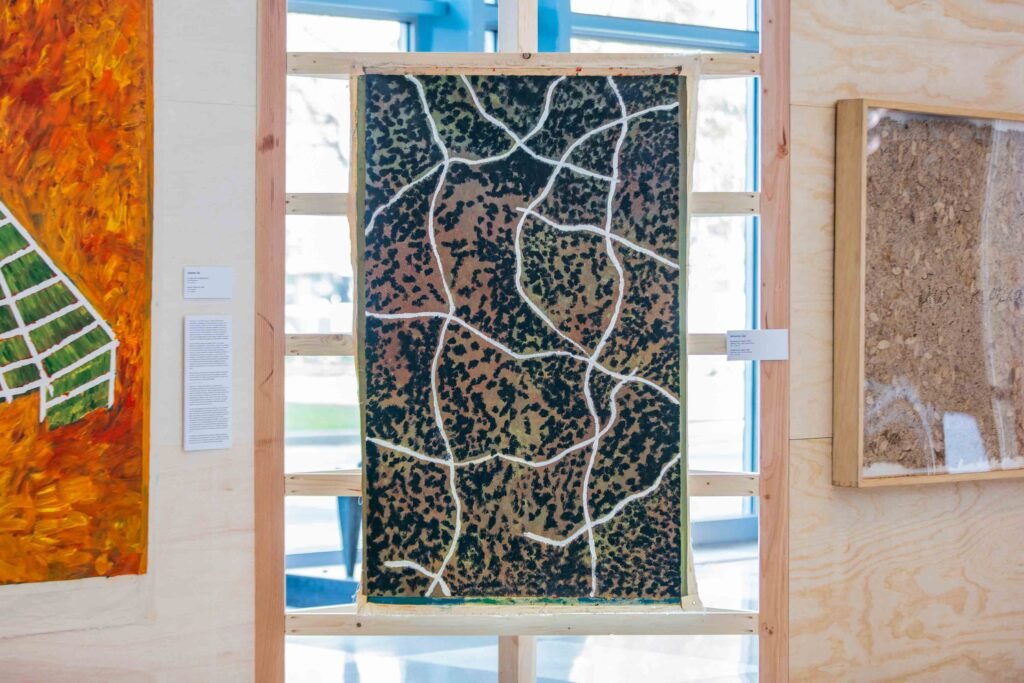
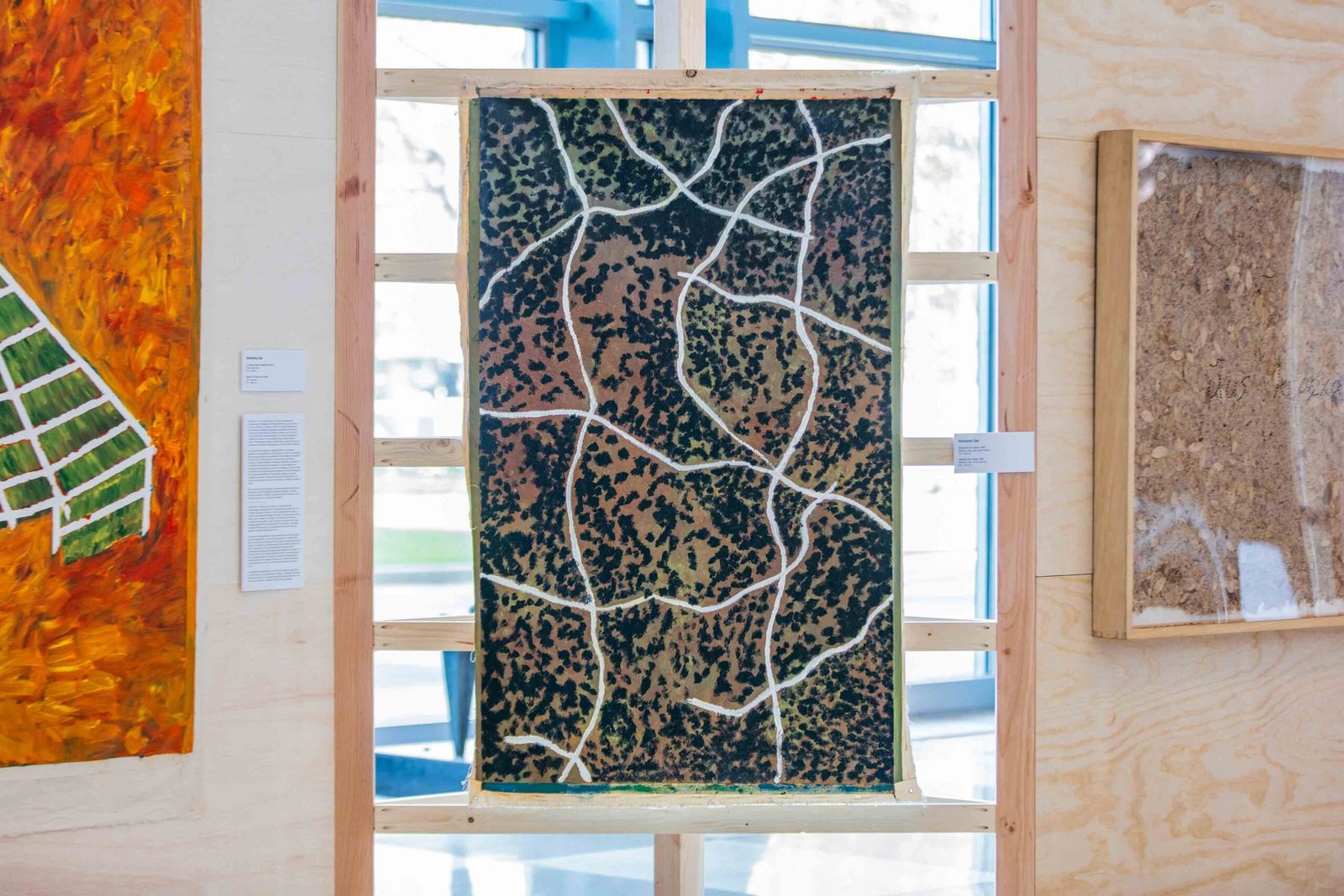
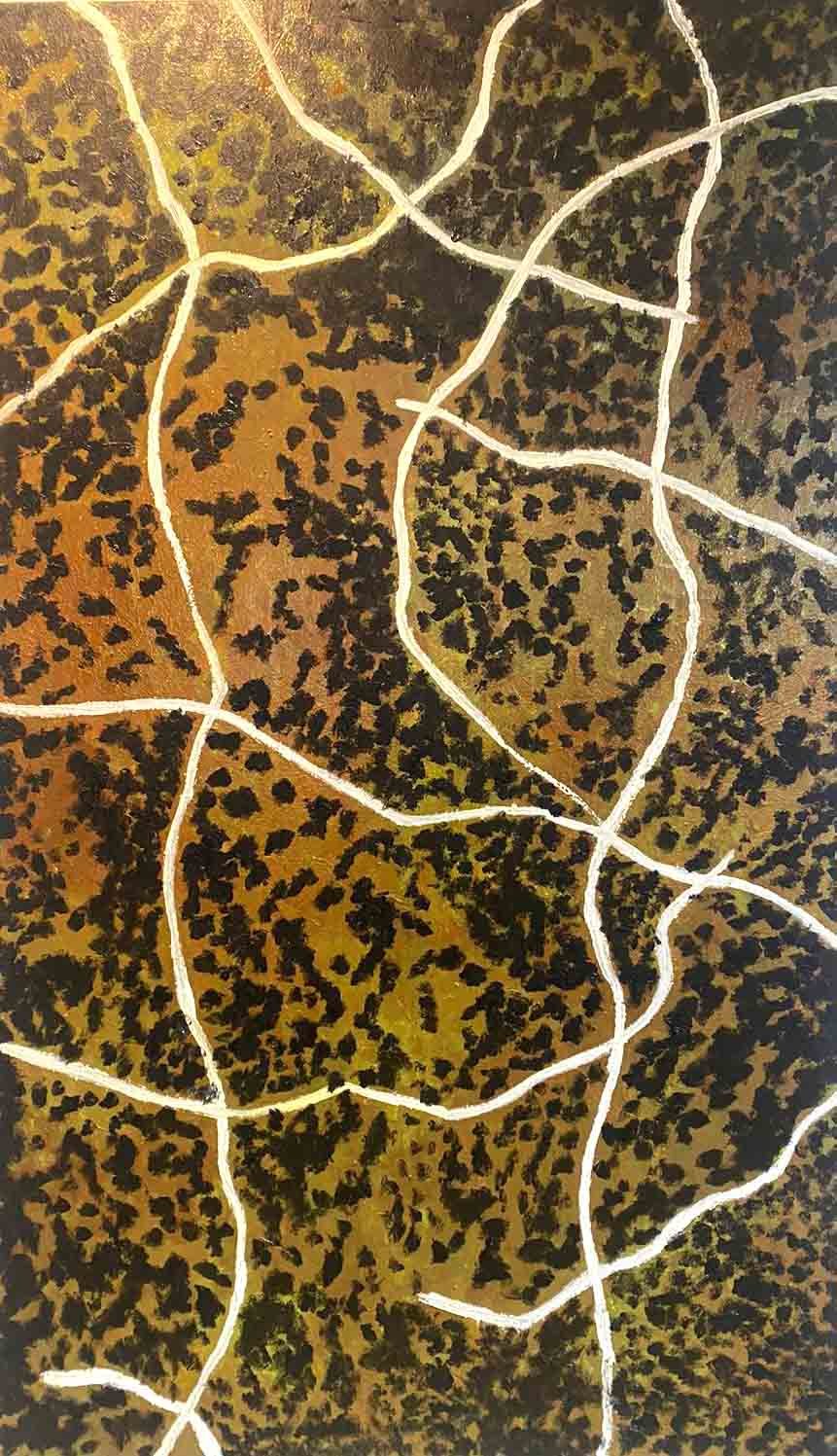
Seeking the Origin

Seeking the Origin

Aimena Úai

Artist’s country of origen: Colombia
Materials: Mambe, wito, and oil on canvas

Size: 90 x 150 cm
Year: 2024

Line of Inquiry:

Coca-Politics Coca-Worlds

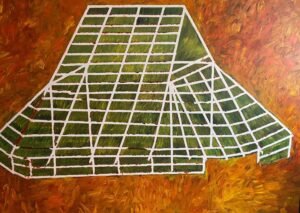
In Seeking the Origin, Aimema Úai evokes the memory of his grandparents and the path that connects his territory to ancestral knowledge. The work is part of the Caminos (íio) series, in which painting becomes a gesture of spiritual search and return to his Murui-Muina roots. From his place of origin —La Chorrera, between the Putumayo and Caquetá rivers— the Murui-Muina and other Amazonian peoples have resisted in order to preserve the jíbina or koka, the sacred plant that helps care for the world and maintain its natural balance. However, with the arrival of Catholic evangelizers after the rubber genocide, the demonization of the plant began. Decades later, during the cocaine boom, its spiritual meaning was again distorted. Despite these ruptures, within the mambeadero —a space for word, listening, and teaching— ancestral knowledge about the proper use of the plant has been preserved. Today, mambe, the fine powder resulting from mixing toasted and ground coca leaves with the ashes of yarumo —a plant and tree considered sacred by Amazonian peoples—, reaffirms itself as a symbol of strength and cultural continuity: word of life. Mambe sustains spiritual communication, collective thought, and the daily practice of the principles that guide life.
The Artist

Aimena Úai

Aimema Úai —The Voice of the Crane— is a contemporary artist, mambeólogo (coca practitioner), and researcher from the Murui-Muina people of the Colombian Amazon. Born in La Chorrera in 1996, his artistic formation is deeply rooted in the ancestral knowledge of his family.

Read more

More From This Artist