Impending Beauty

Impending Beauty

Tatiana Arocha

Artist’s country of origen: United States
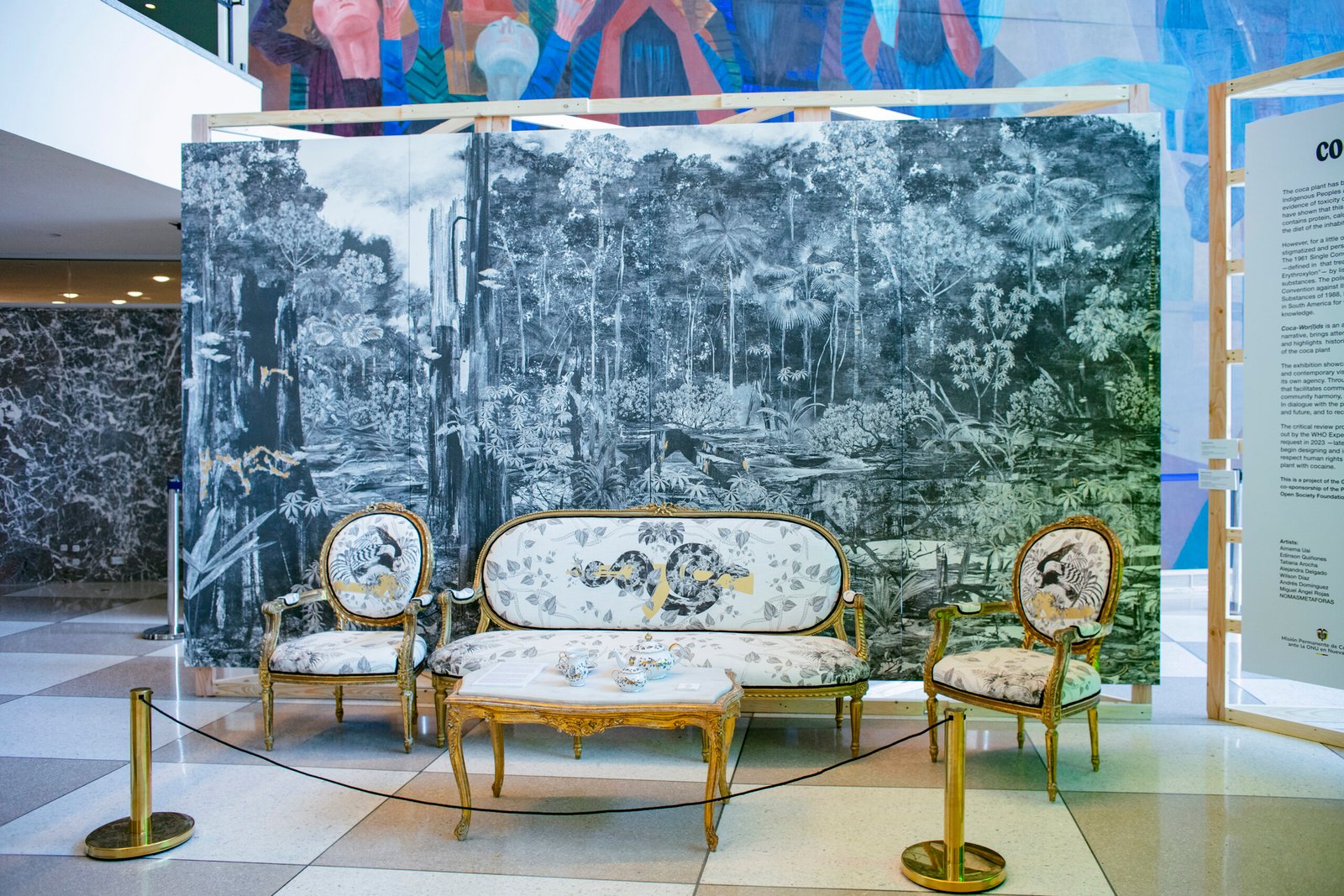
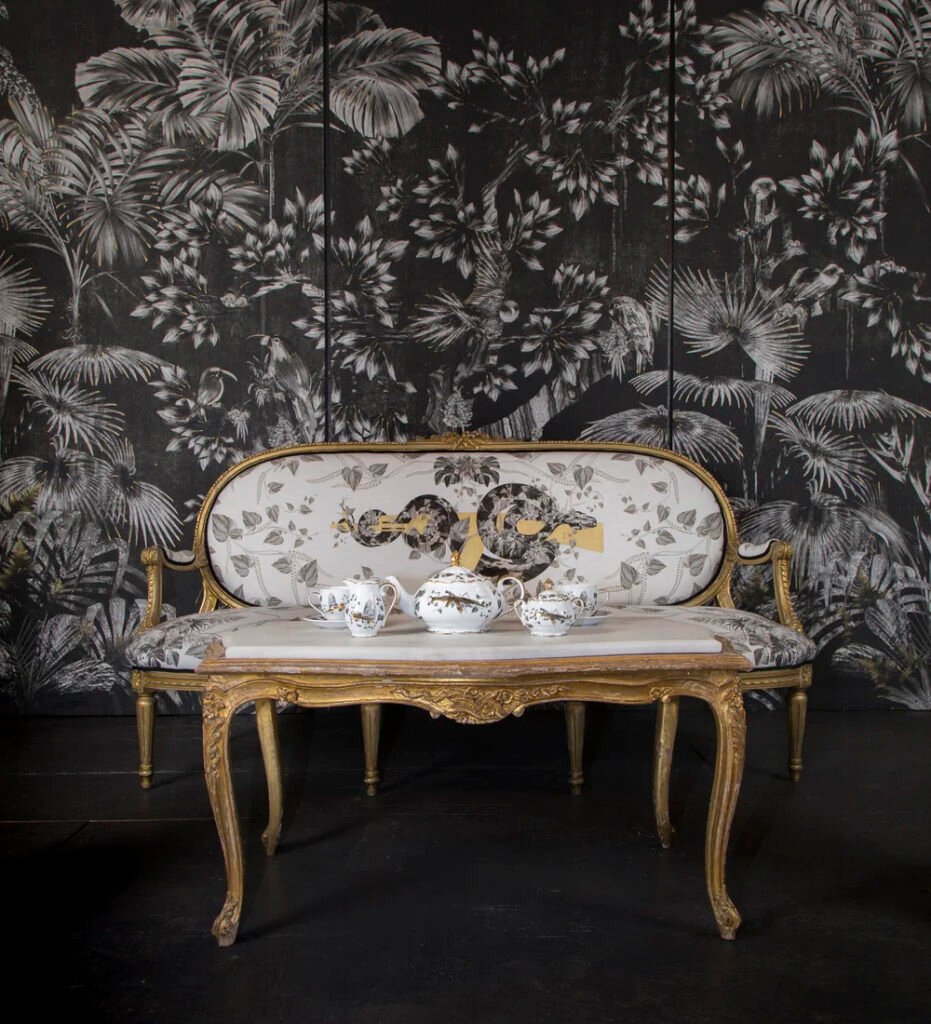
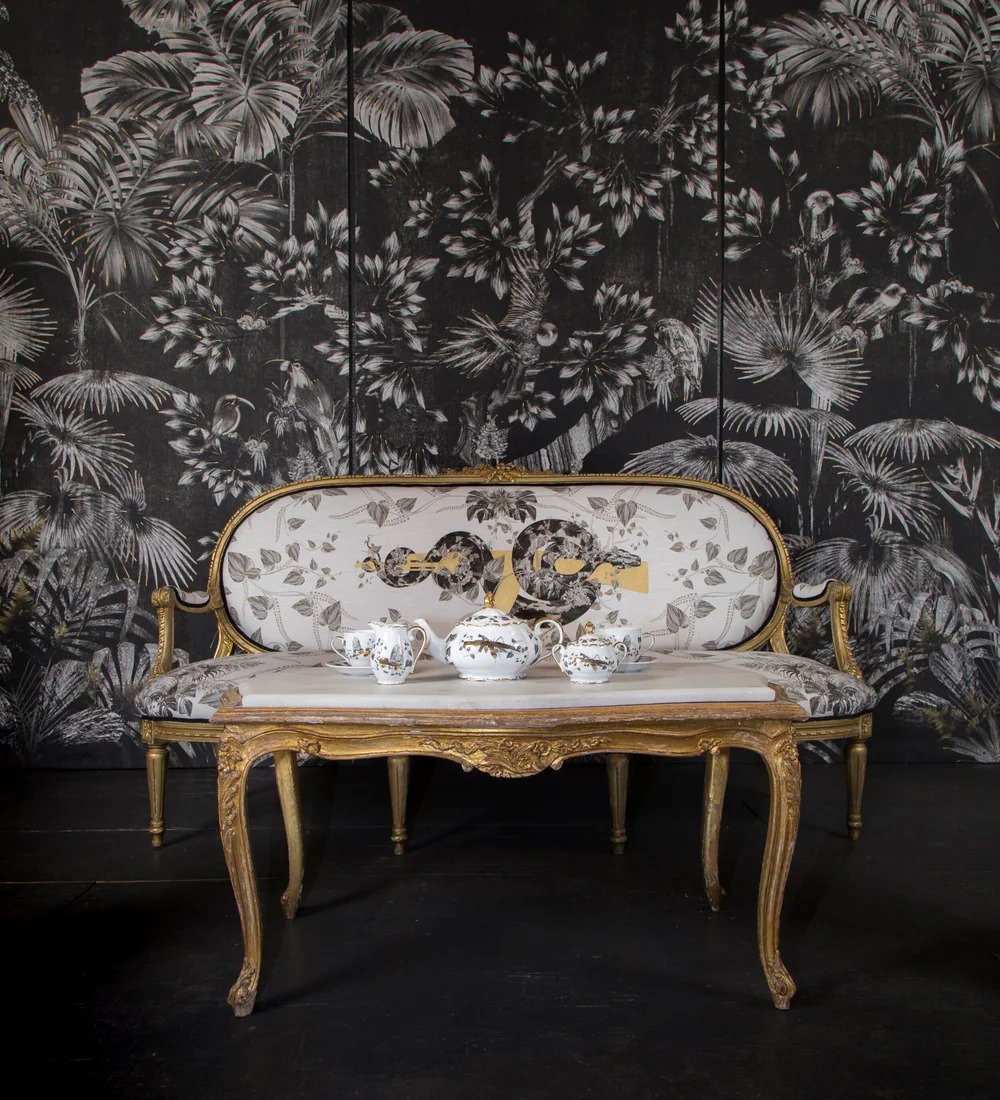
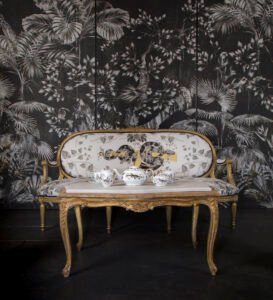
Materials: Vintage settee (1940s), upholstered in cotton fabric hand-painted with gold acrylic paint.
Size: 99  x 180 x 68  cm / 96 x 60 x 66 cm ​
Year: 2017

Line of Inquiry:

Coca-Politics

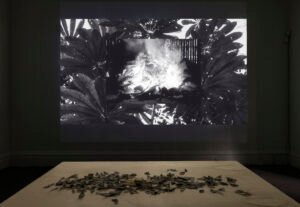
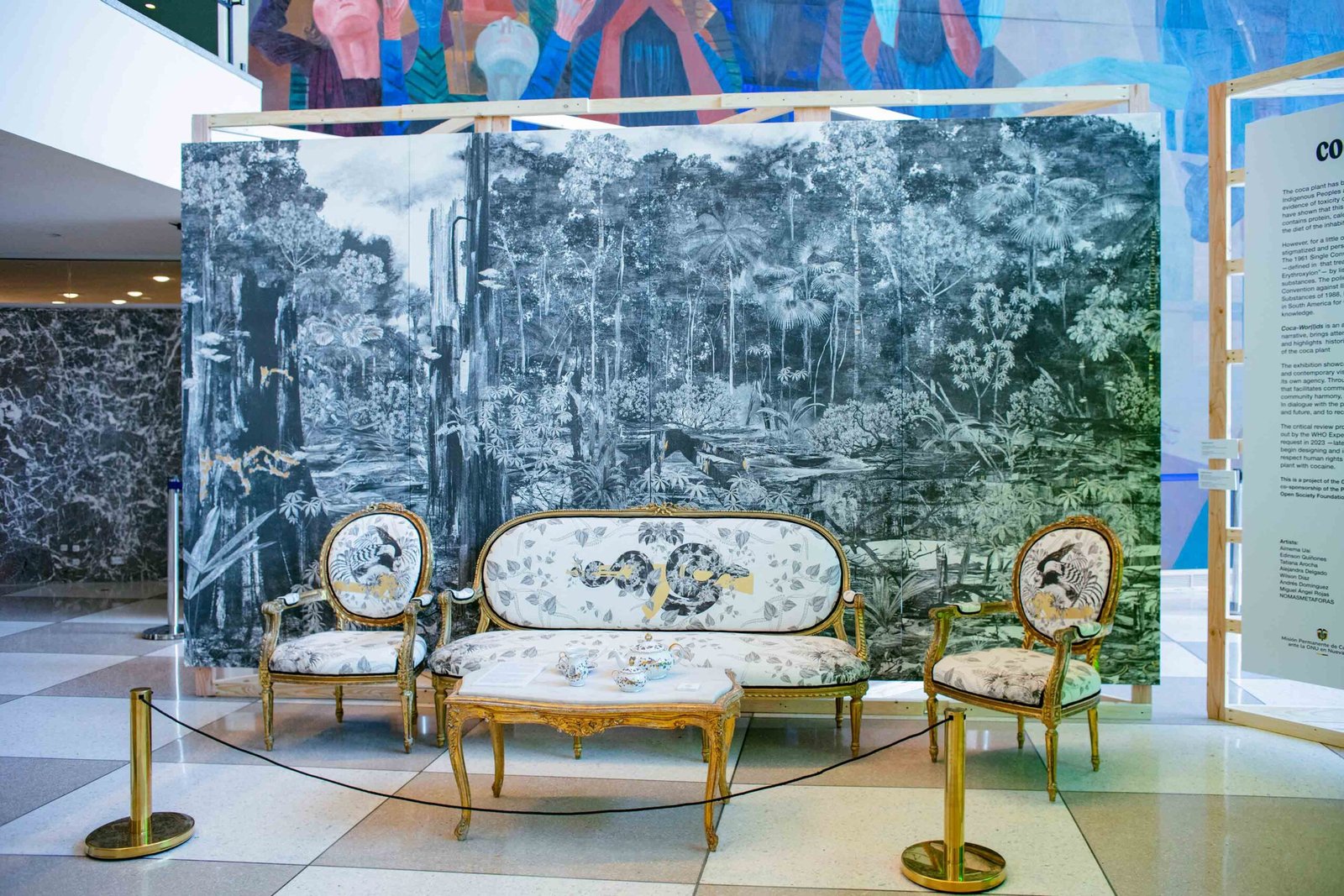
In her installation Impending Beauty, artist Tatiana Arocha reconstructs a late 19th-century European tea room through elements that allude to the environmental impact that illicit economies have on tropical forests. The upholstery of the furniture is intervened by the artist with images that evoke the rainforest—plants, snakes, and other animals.

The wooden parts of the furniture, painted in gold, highlight the tension between the material value of this metal and the ecological value of an ecosystem such as the Amazon, which is of vital importance to global balance.

The installation is activated through the collective act of sharing coca tea, as an invitation to engage in dialogue about the consequences of colonial power on the territories and cultures of Indigenous and rural peoples.

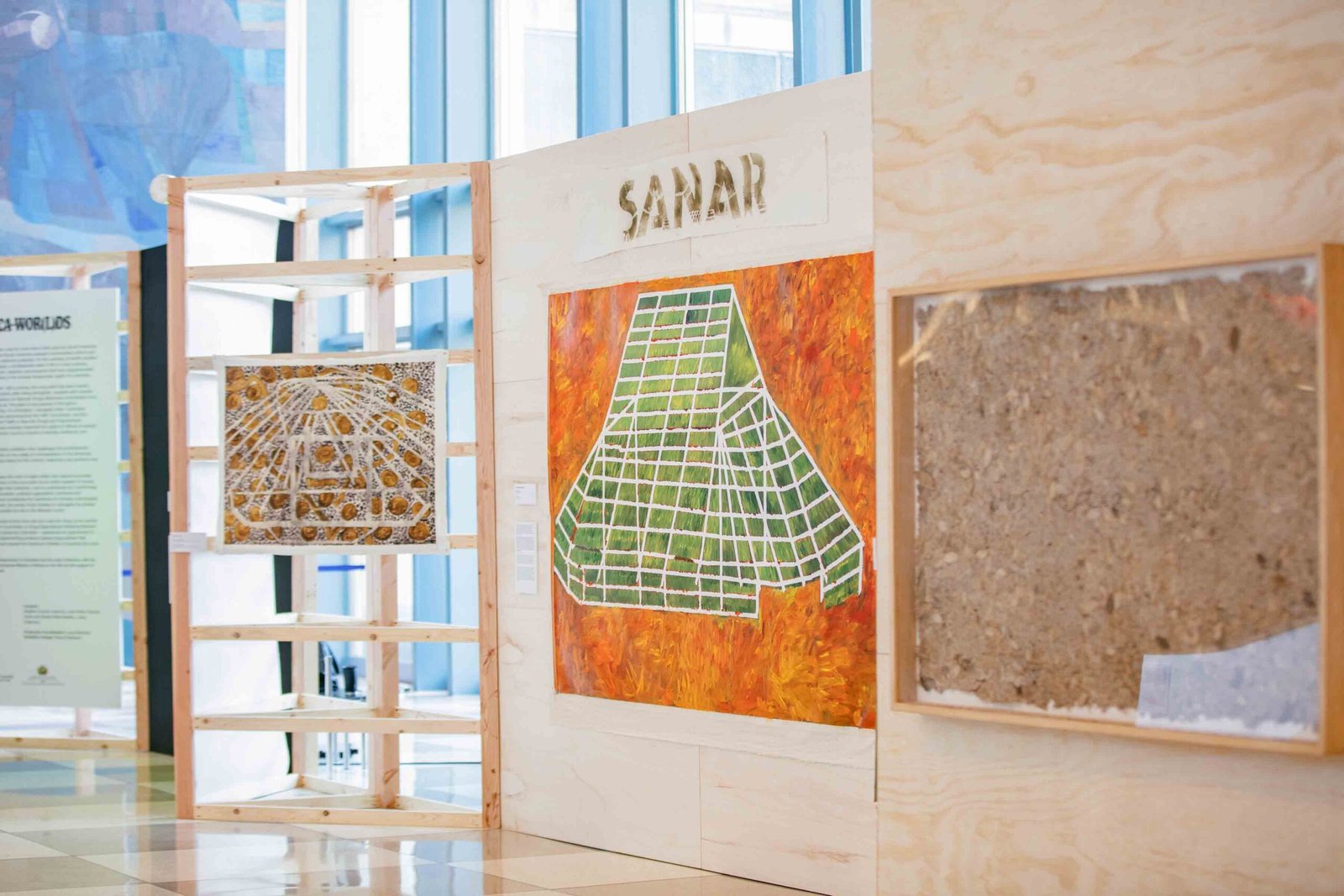
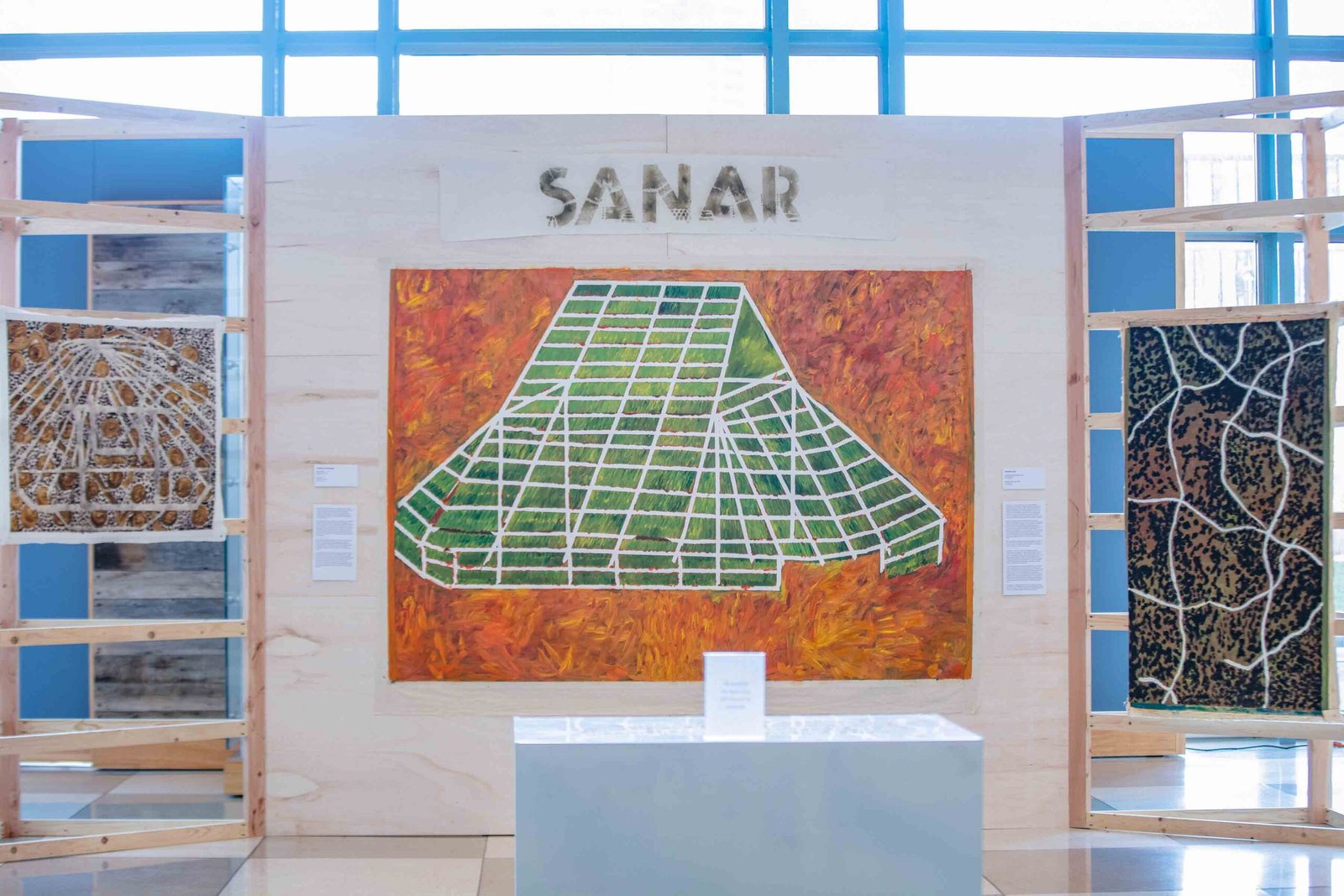
For the exhibition Coca, Palabra-Mundo at the United Nations Headquarters in New York, this installation was presented alongside the work La Chagra de Amoka, which served as a backdrop and created a space of encounter where her large-scale work became the setting.

The Artist
Tatiana Arocha

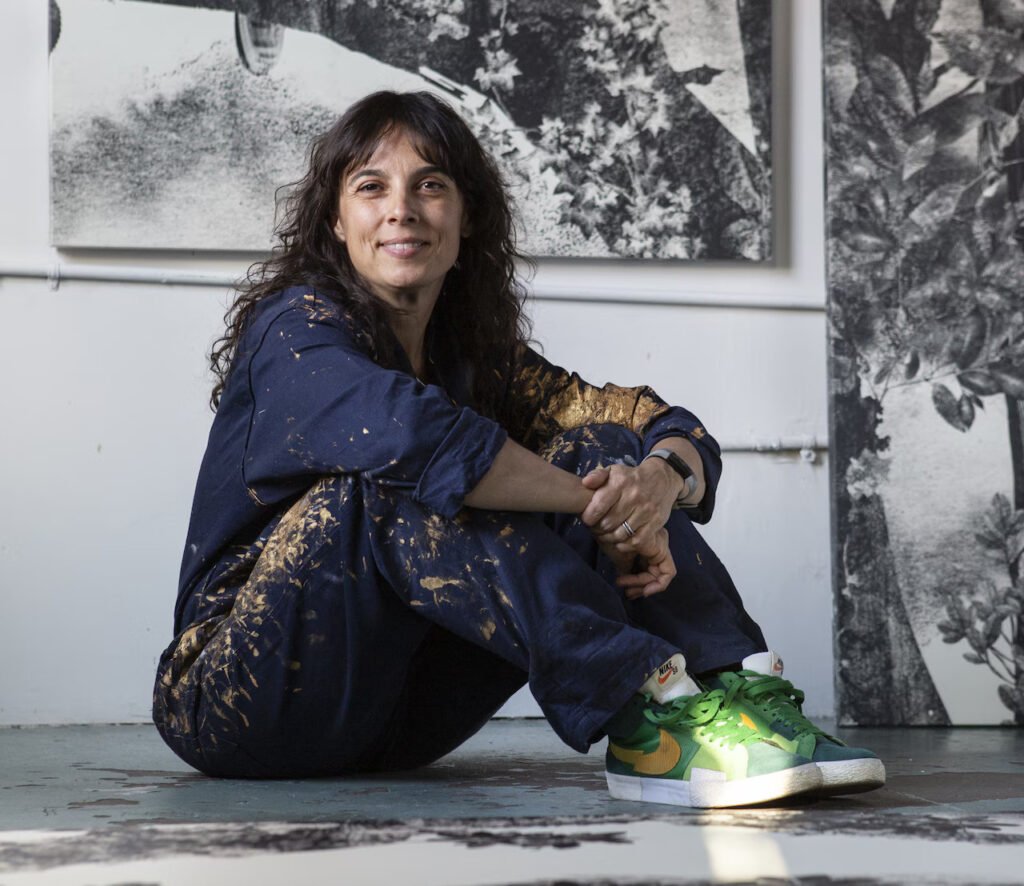
Tatiana Arocha is a Colombian artist born in New York in 1974, whose practice explores the intimacy between people and the land, personal memory, and her own experience as an immigrant.
Read more

Amoka’s Hort

Amoka’s Hort

Tatiana Arocha

Artist’s country of origen: Colombia – United States
Materials: Acrylic on canvas, gold
Size: 822 x 274 cm
Year: 2019

Line of Inquiry:

Coca-Politics Coca-Worlds

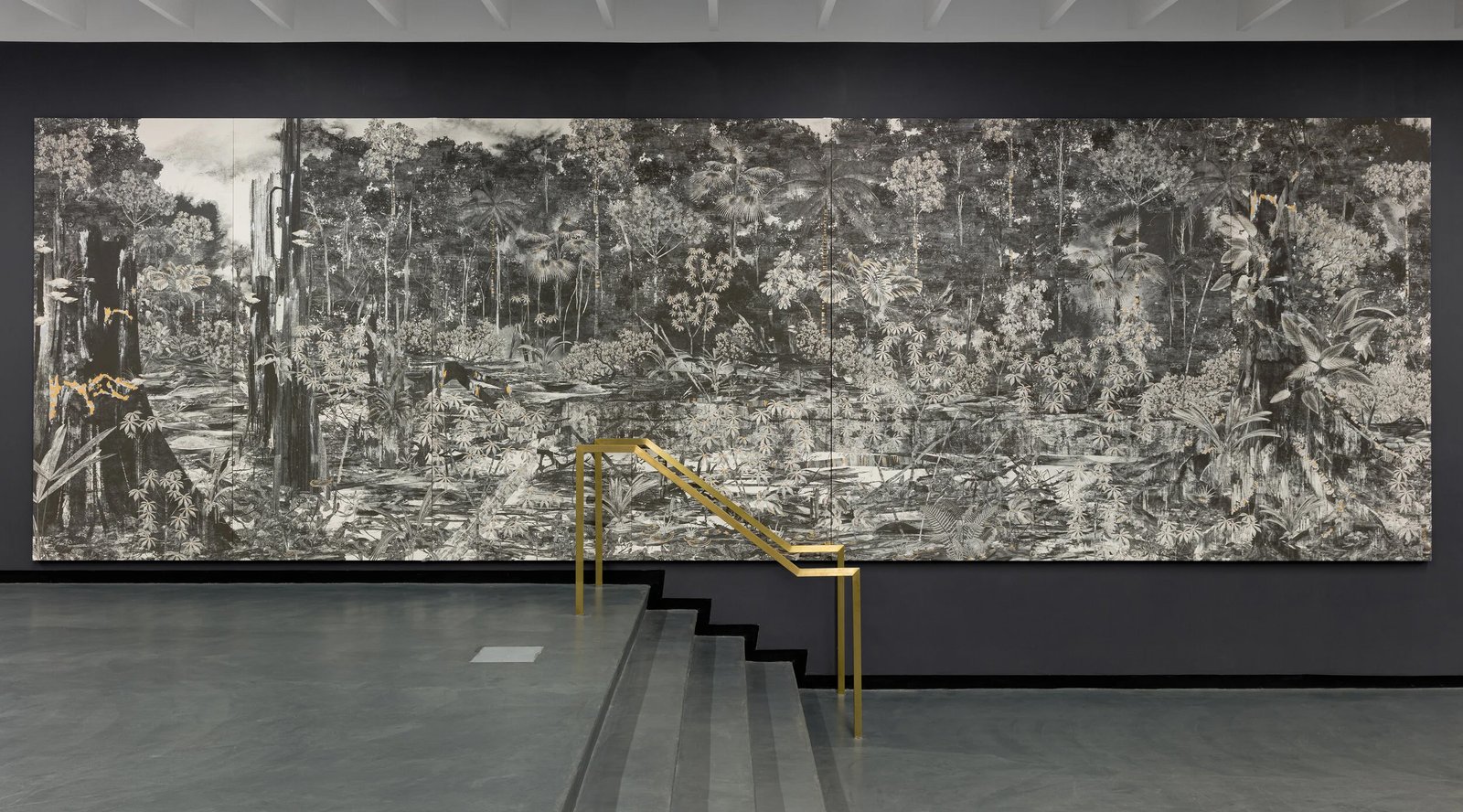
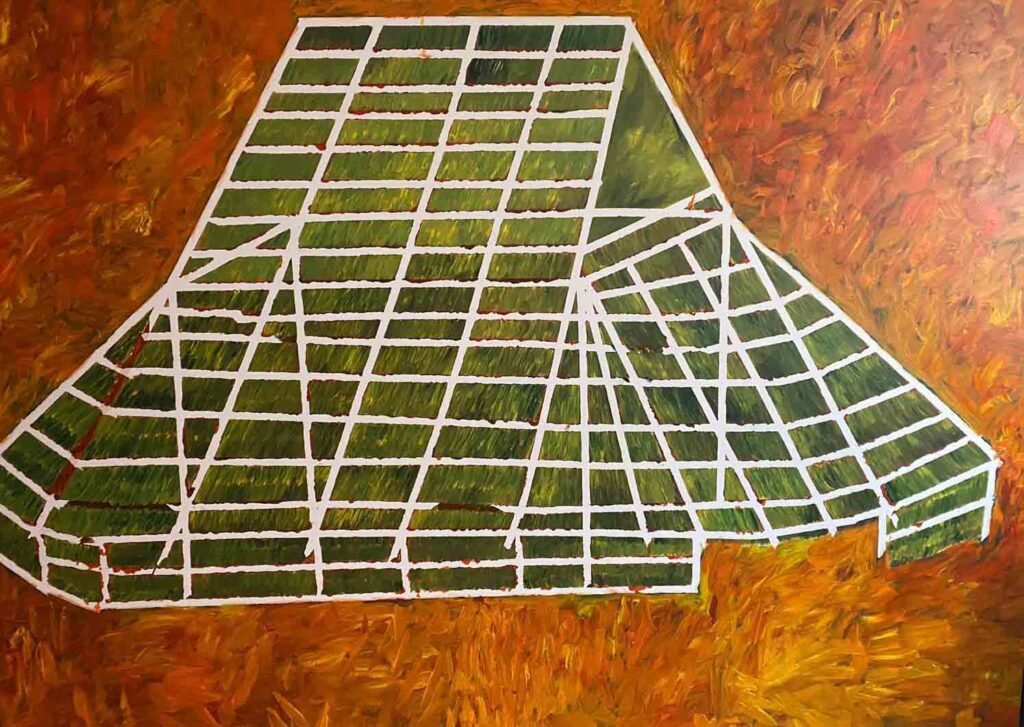
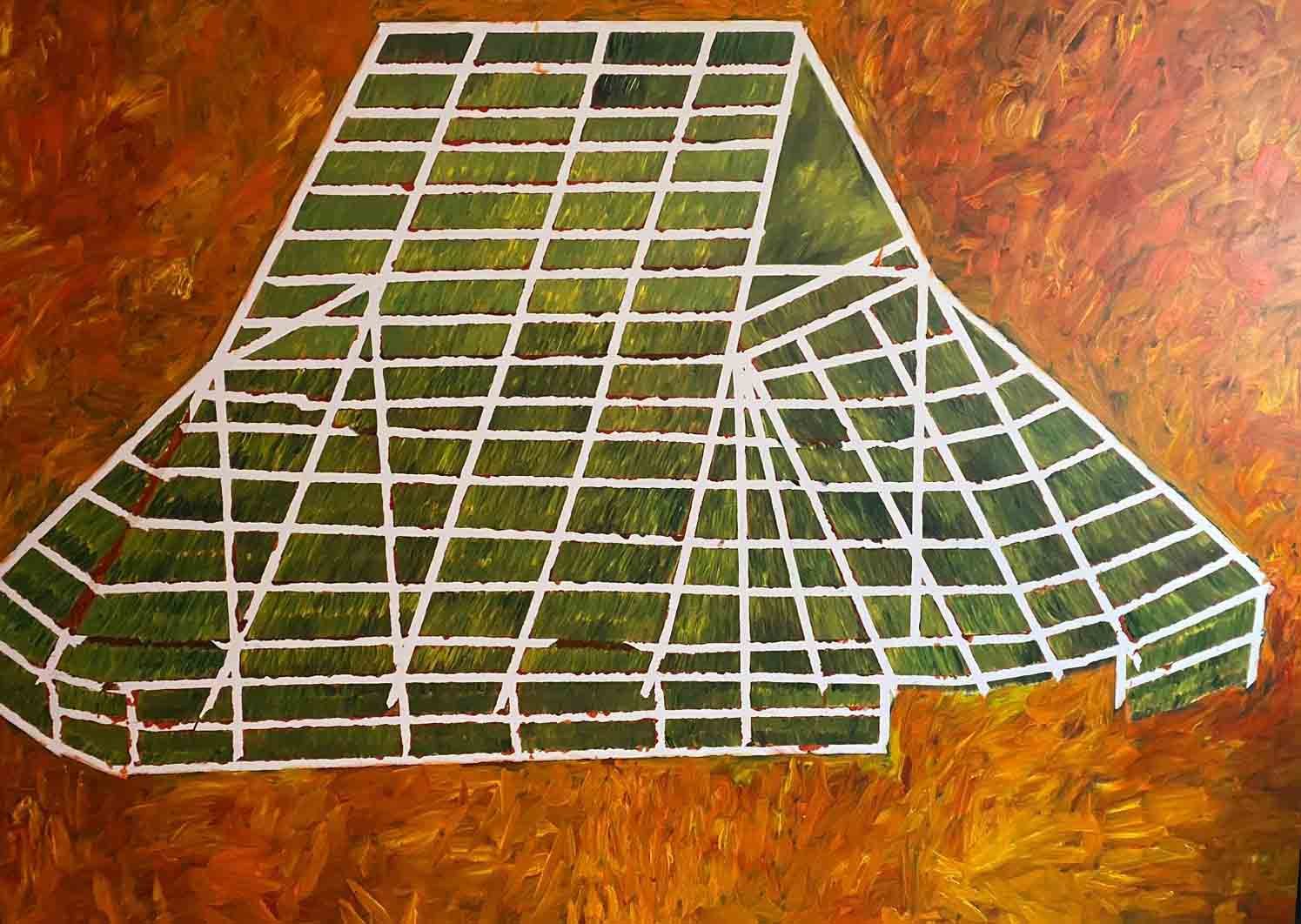
In conversation with Gory Nejedeka Jifichiu, a Muinane elder, Arocha deepened her understanding of the sacred plants, gardens, and ancestral knowledge of the Murui-Muinane people. During a visit to his maloca in the Colombian Amazon in July 2019, made possible through the Sustainable Arts Foundation fellowship for artist-parents, Arocha and her son Joaquín were warmly received by Gory and his family.

These conversations are documented in Arocha’s catalogs, recording Gory’s teachings about the jungle and mambe, a preparation primarily made from coca leaves and yarumo ashes, consumed with tobacco paste, called ambil. The experience expanded Arocha’s perception of the forest and the ancestral knowledge that sustains the land, maintaining its connectivity, diversity, and vitality.

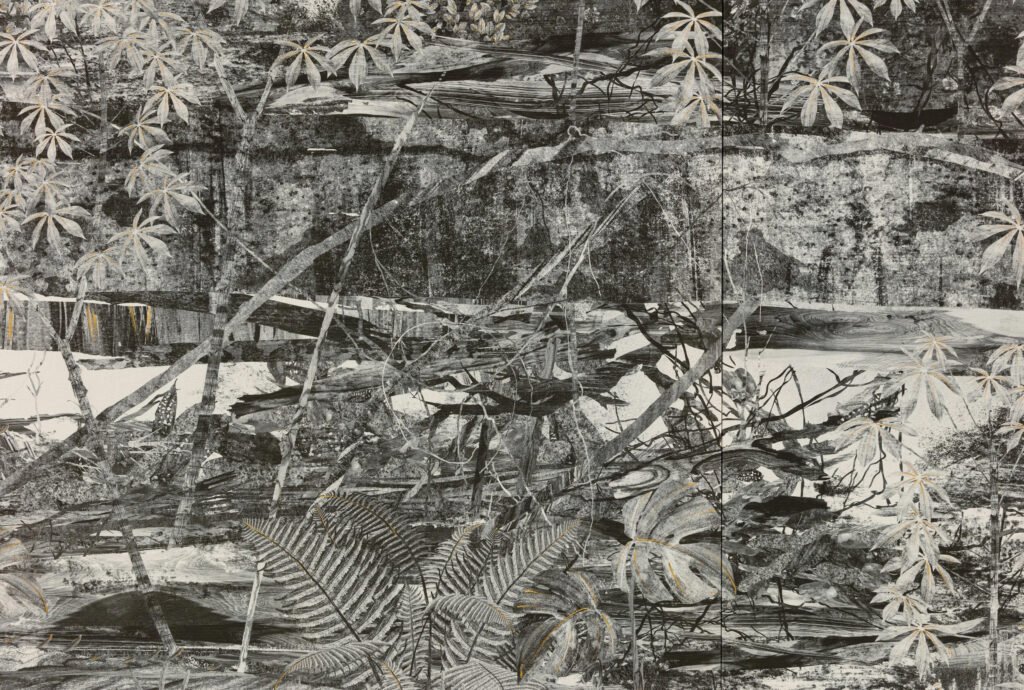
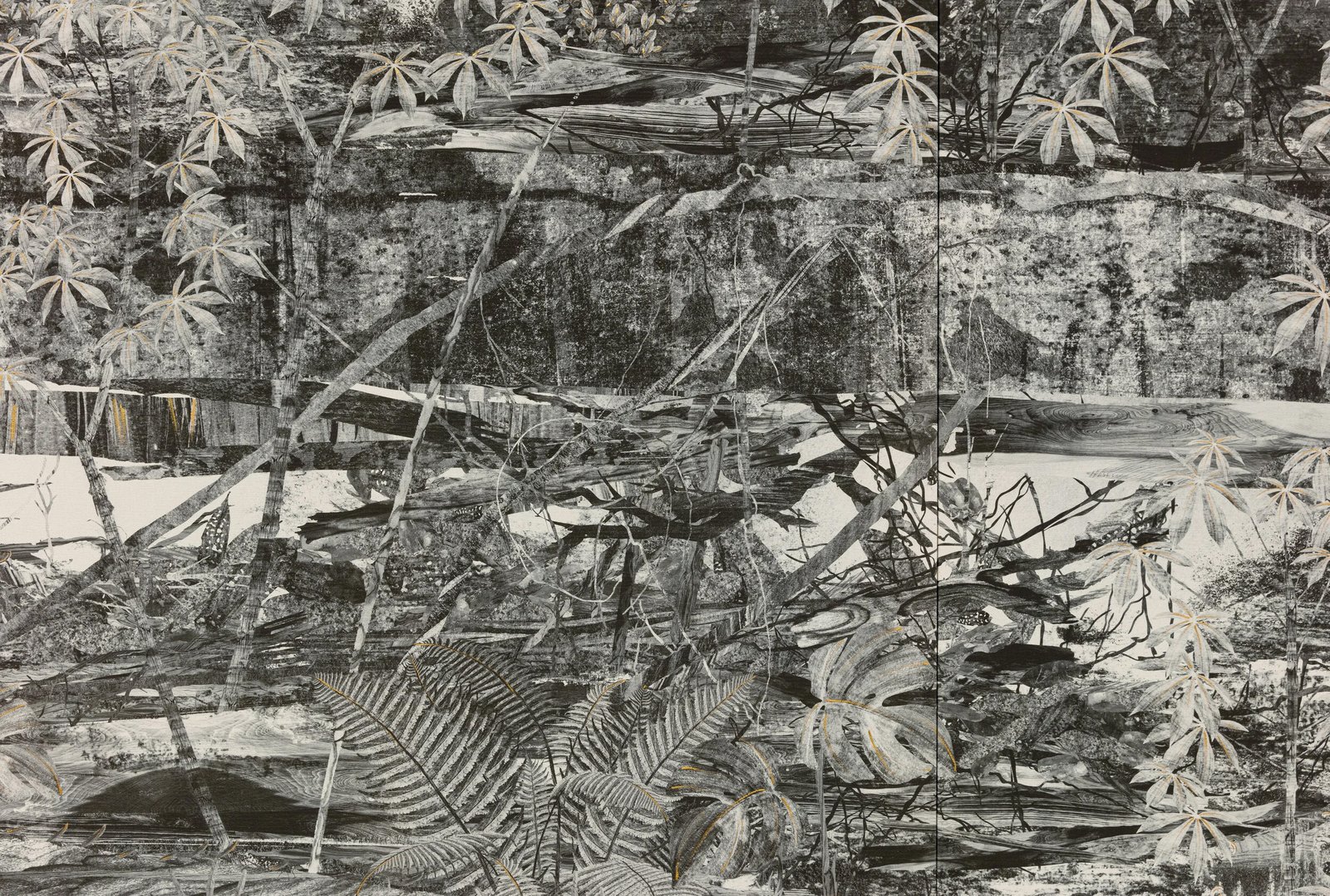
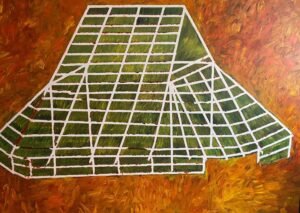
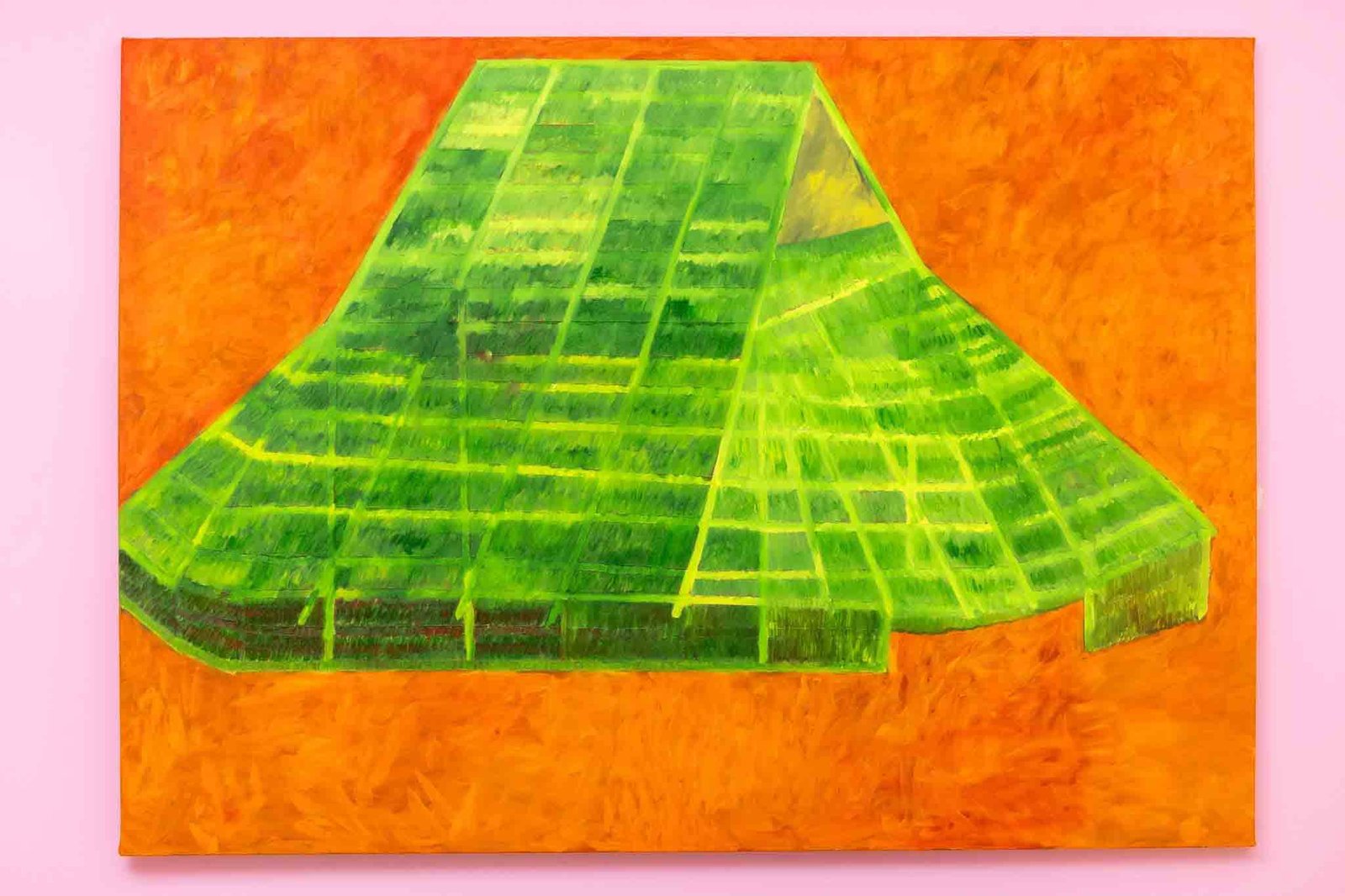
In her large-scale work Amoka’s Garden, Arocha reconstructs the landscape of the Amazonian gardens of the reserve where she exchanged knowledge with Gory Nejedeka during her research travels in the Amazon.

The Artist

Tatiana Arocha

Tatiana Arocha is a Colombian artist born in New York in 1974, whose practice explores the intimacy between people and the land, personal memory, and her own experience as an immigrant.
Read more

Kanasto de Origen

Kanasto de Origen

Aimena Úai

Artist’s country of origen: Colombia
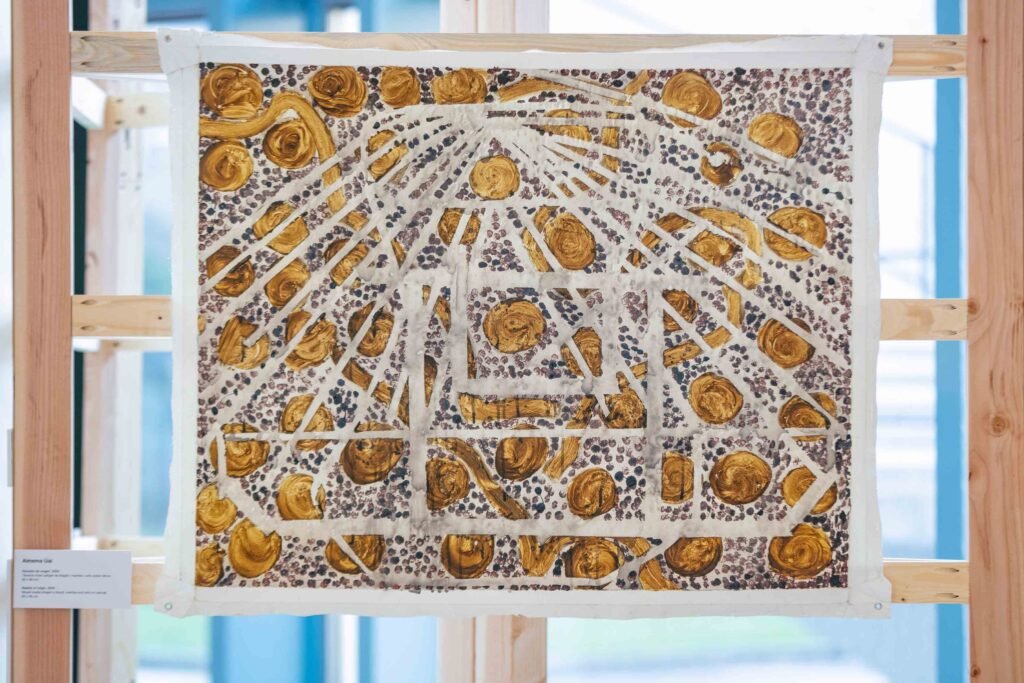
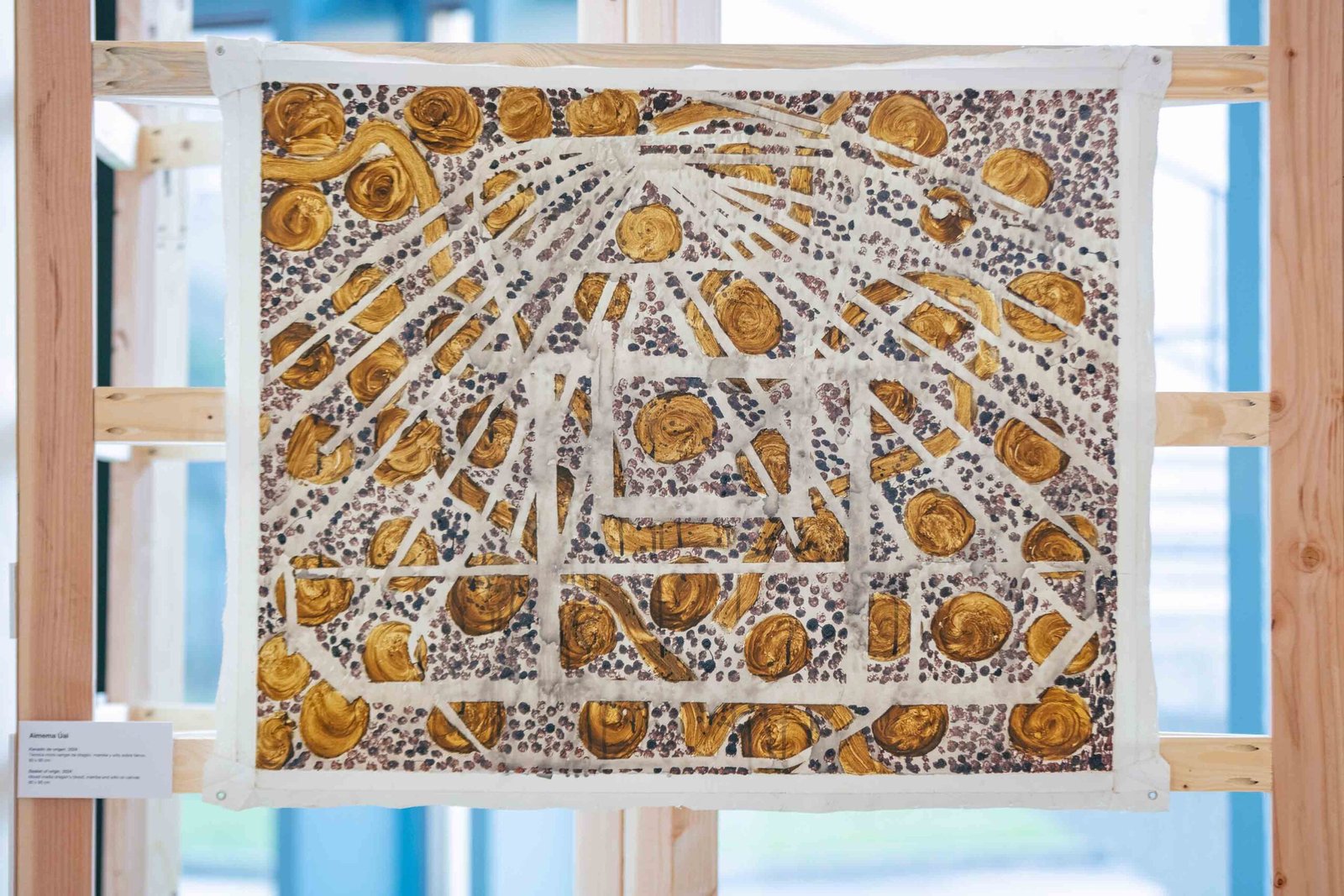
Materials: Mixed media: dragon’s blood resin, mambe, and wito on canvas

Size: 80 × 90 cm (31.5 × 35.4 in)
Year: 2024

Line of Inquiry:

Coca-Worlds

The Maloka and everything learned within it form a constellation of great interconnected knowledges. In this context, the kanasto embodies the image and practice of weaving the Murui word-thought: a living archive opened to teach, heal, deliberate, and envision the future—anchored in the mambeadero, the house, and the plants of power.

The Artist

Aimena Úai

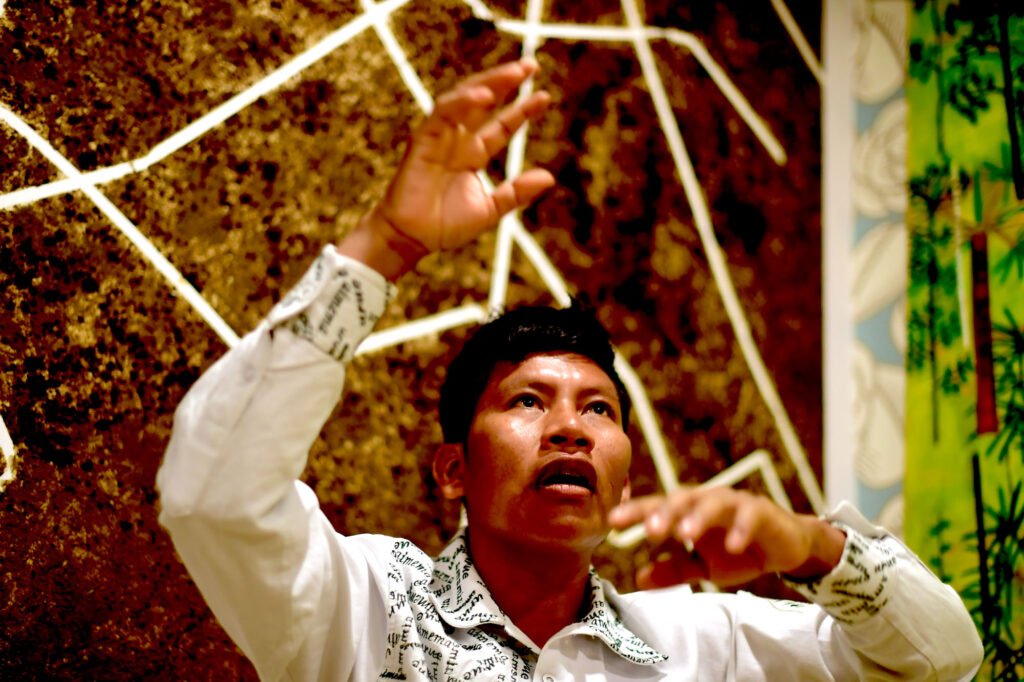
Aimema Úai —The Voice of the Crane— is a contemporary artist, mambeólogo (coca practitioner), and researcher from the Murui-Muina people of the Colombian Amazon. Born in La Chorrera in 1996, his artistic formation is deeply rooted in the ancestral knowledge of his family.

Read more

More From This Artist

Seeking the Origin

Seeking the Origin

Aimena Úai

Artist’s country of origen: Colombia
Materials: Mambe, wito, and oil on canvas

Size: 90 x 150 cm
Year: 2024

Line of Inquiry:

Coca-Politics Coca-Worlds

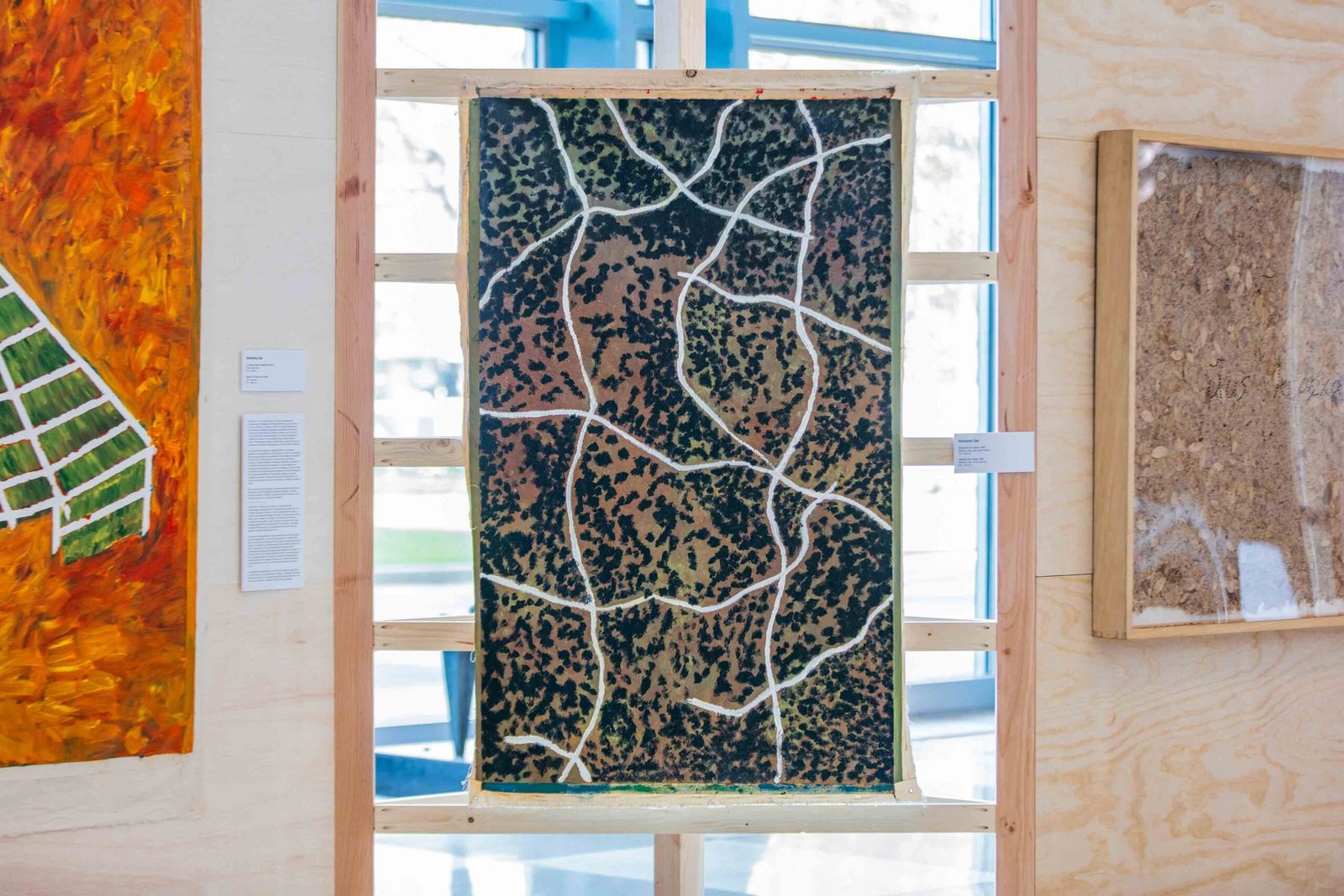
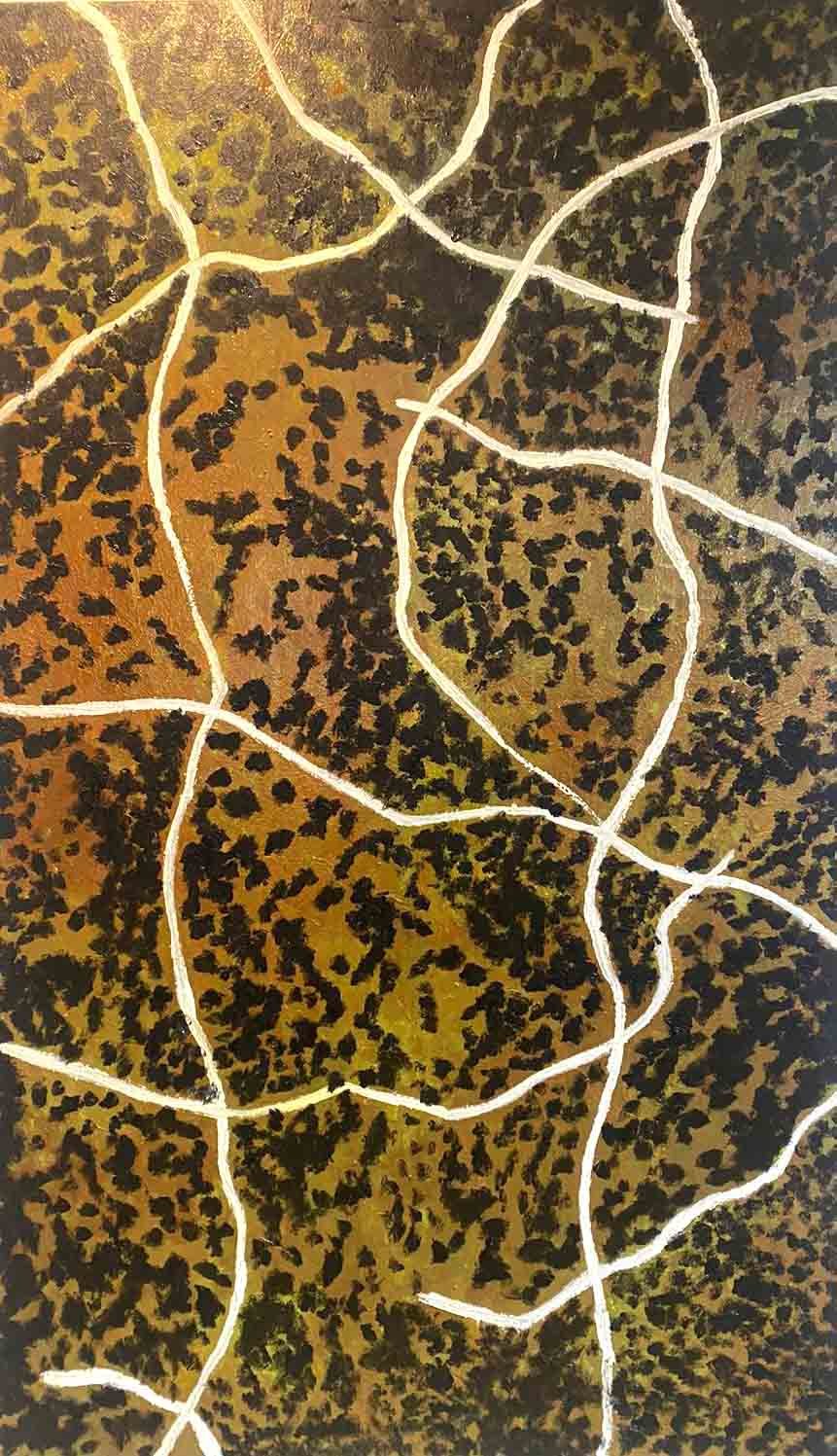
In Seeking the Origin, Aimema Úai evokes the memory of his grandparents and the path that connects his territory to ancestral knowledge. The work is part of the Caminos (íio) series, in which painting becomes a gesture of spiritual search and return to his Murui-Muina roots. From his place of origin —La Chorrera, between the Putumayo and Caquetá rivers— the Murui-Muina and other Amazonian peoples have resisted in order to preserve the jíbina or koka, the sacred plant that helps care for the world and maintain its natural balance. However, with the arrival of Catholic evangelizers after the rubber genocide, the demonization of the plant began. Decades later, during the cocaine boom, its spiritual meaning was again distorted. Despite these ruptures, within the mambeadero —a space for word, listening, and teaching— ancestral knowledge about the proper use of the plant has been preserved. Today, mambe, the fine powder resulting from mixing toasted and ground coca leaves with the ashes of yarumo —a plant and tree considered sacred by Amazonian peoples—, reaffirms itself as a symbol of strength and cultural continuity: word of life. Mambe sustains spiritual communication, collective thought, and the daily practice of the principles that guide life.

The Artist

Aimena Úai

Aimema Úai —The Voice of the Crane— is a contemporary artist, mambeólogo (coca practitioner), and researcher from the Murui-Muina people of the Colombian Amazon. Born in La Chorrera in 1996, his artistic formation is deeply rooted in the ancestral knowledge of his family.

Read more

More From This Artist

The House Where Words Are Chewed

The House Where Words Are Chewed

Aimena Úai

Artist’s country of origen: Colombia
Size: 165 x 230 cm
Year: 2025

Line of Inquiry:

Coca-Worlds

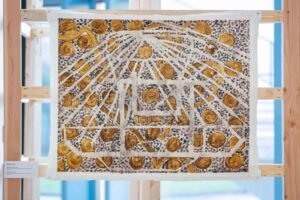
In Moo Buinaima Jofo, Aimema Úai depicts the communal space where mambe, ambil, and word are shared. The work translates a spiritual architecture—the maloka—into pictorial form, merging oil paint with coca leaves and other natural materials. These elements not only reference ritual practices but also embody the physical presence of plants as carriers of knowledge and memory. Through painting, Úai examines how relationships between body, territory, and thought materialize in living matter, positioning coca as a symbol of dialogue and cultural continuity.

The Artist

Aimena Úai

Aimema Úai —The Voice of the Crane— is a contemporary artist, mambeólogo (coca practitioner), and researcher from the Murui-Muina people of the Colombian Amazon. Born in La Chorrera in 1996, his artistic formation is deeply rooted in the ancestral knowledge of his family.

Read more

More From This Artist