Sabio yarumo, dulce coca, tabaco frío y yuca brava

Sabio yarumo, dulce coca, tabaco frío y yuca brava

Tatiana Arocha

Artist’s country of origen: Colombia – United States
Medium: Single channel video with audio
Year: 2025
Photo Credit: Etienne Frossard © Tatiana Arocha

Line of Inquiry:

Coca-Worlds

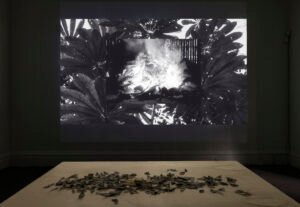
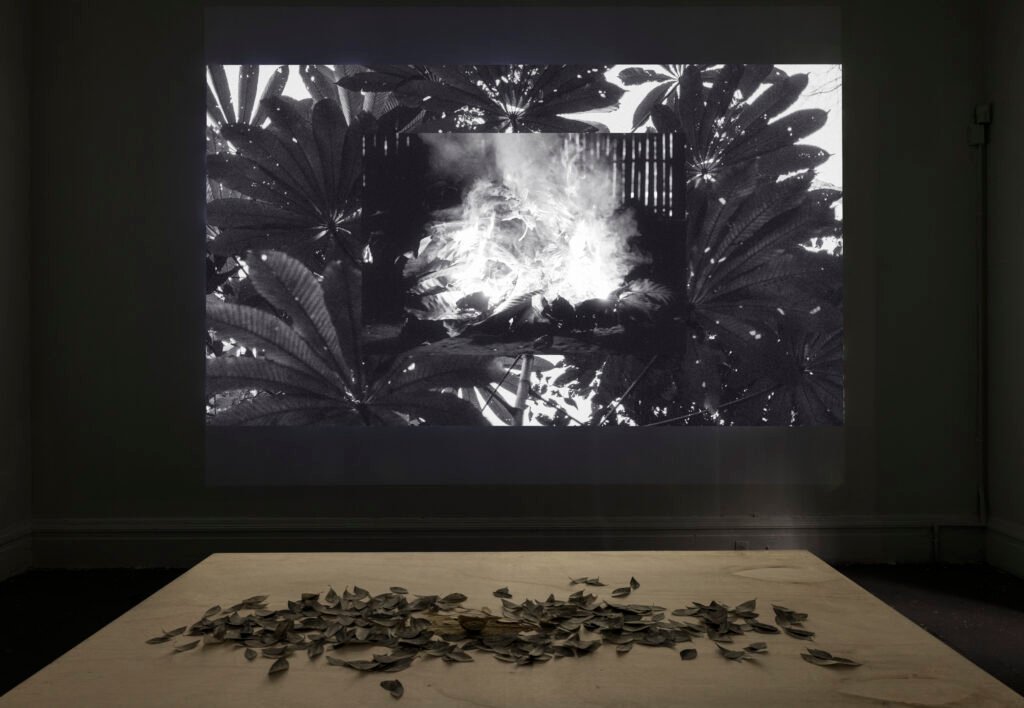
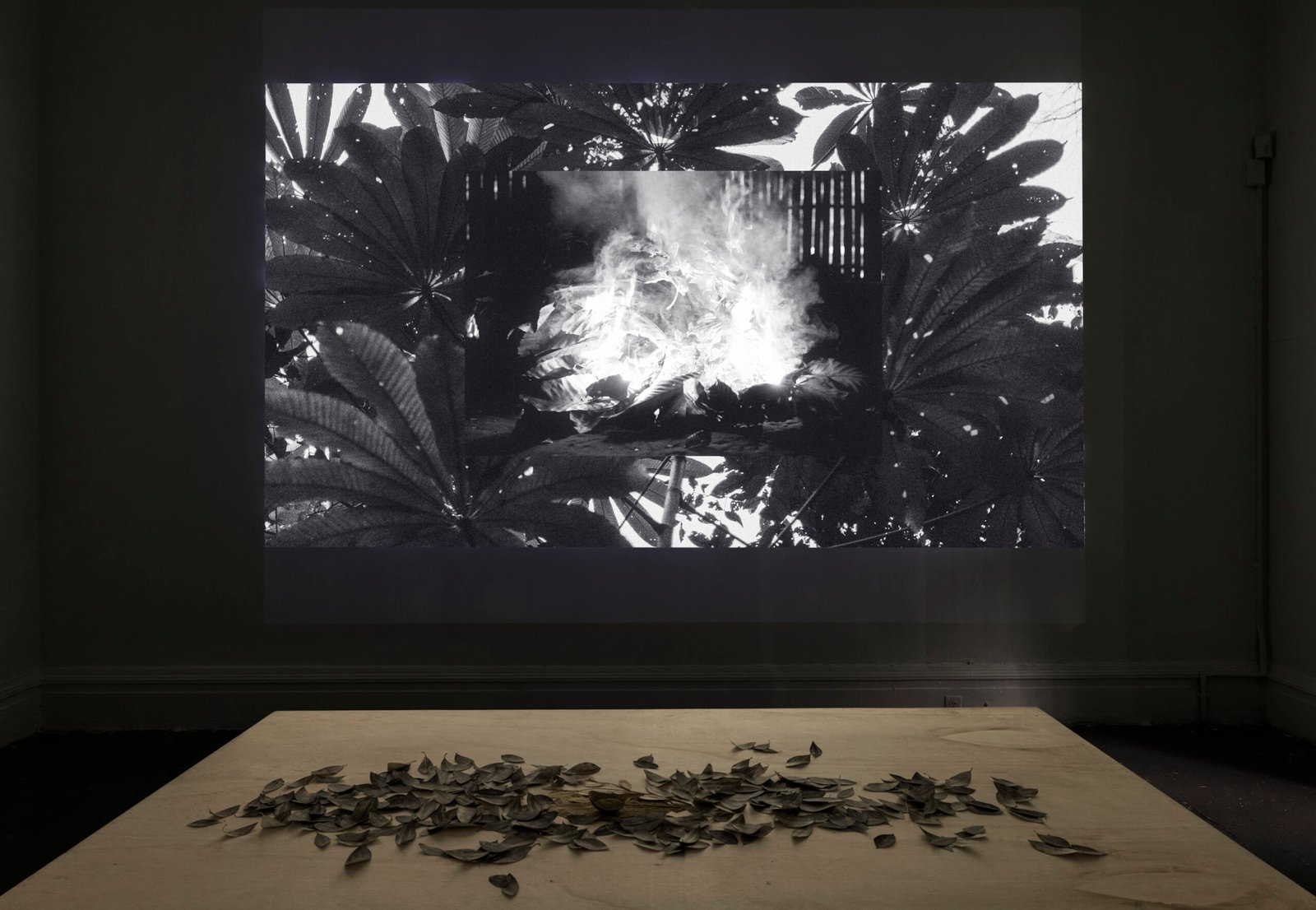
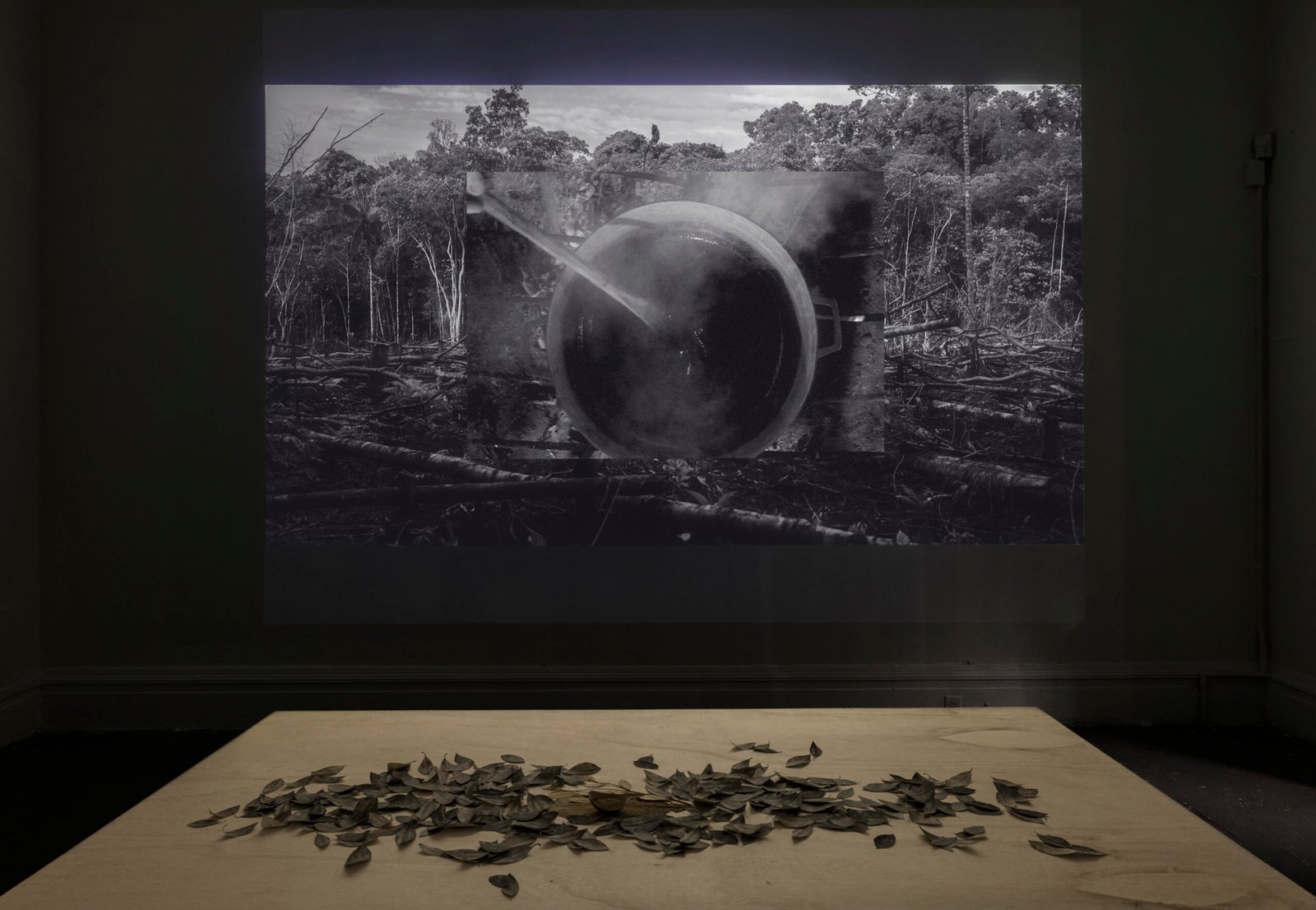
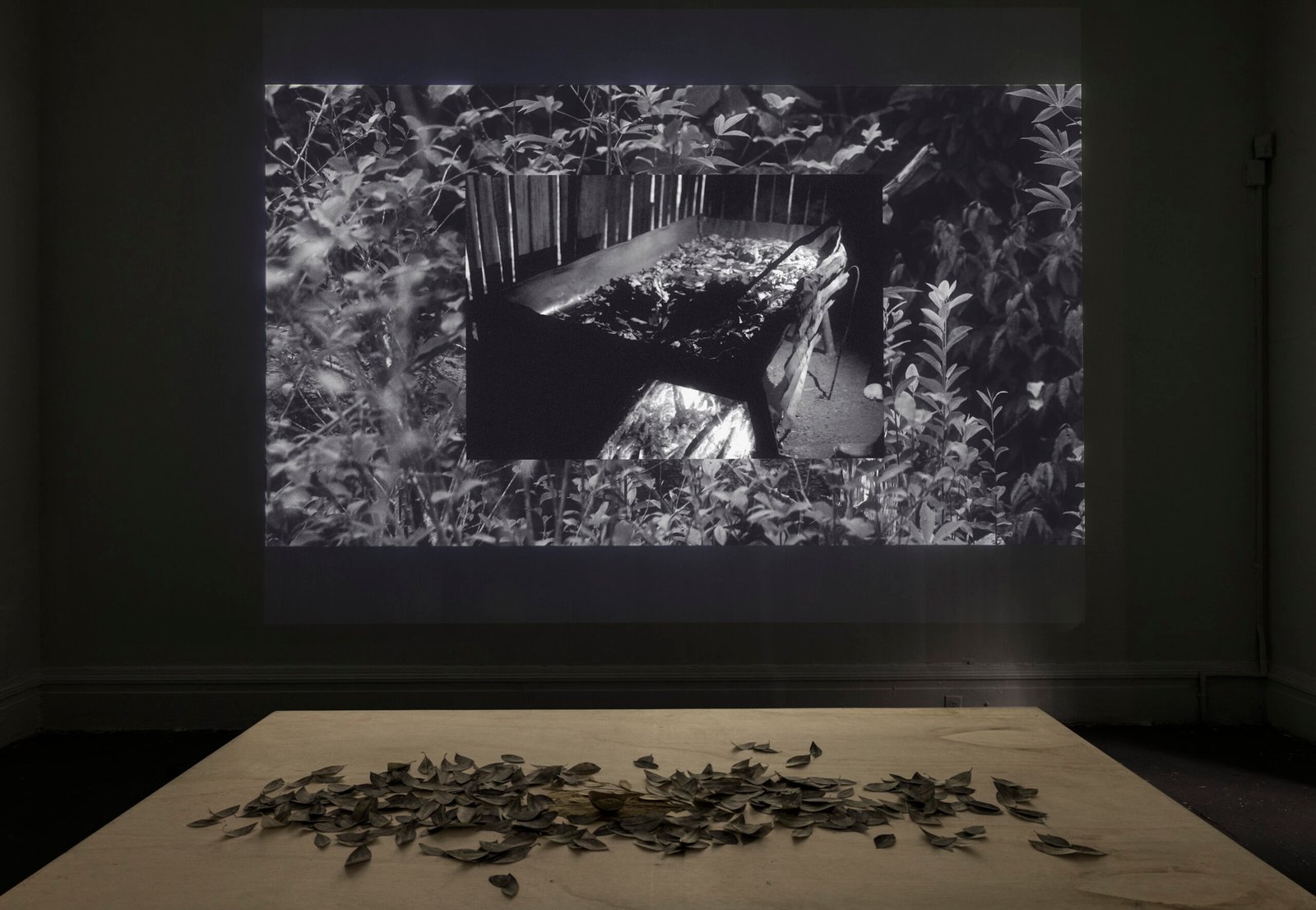
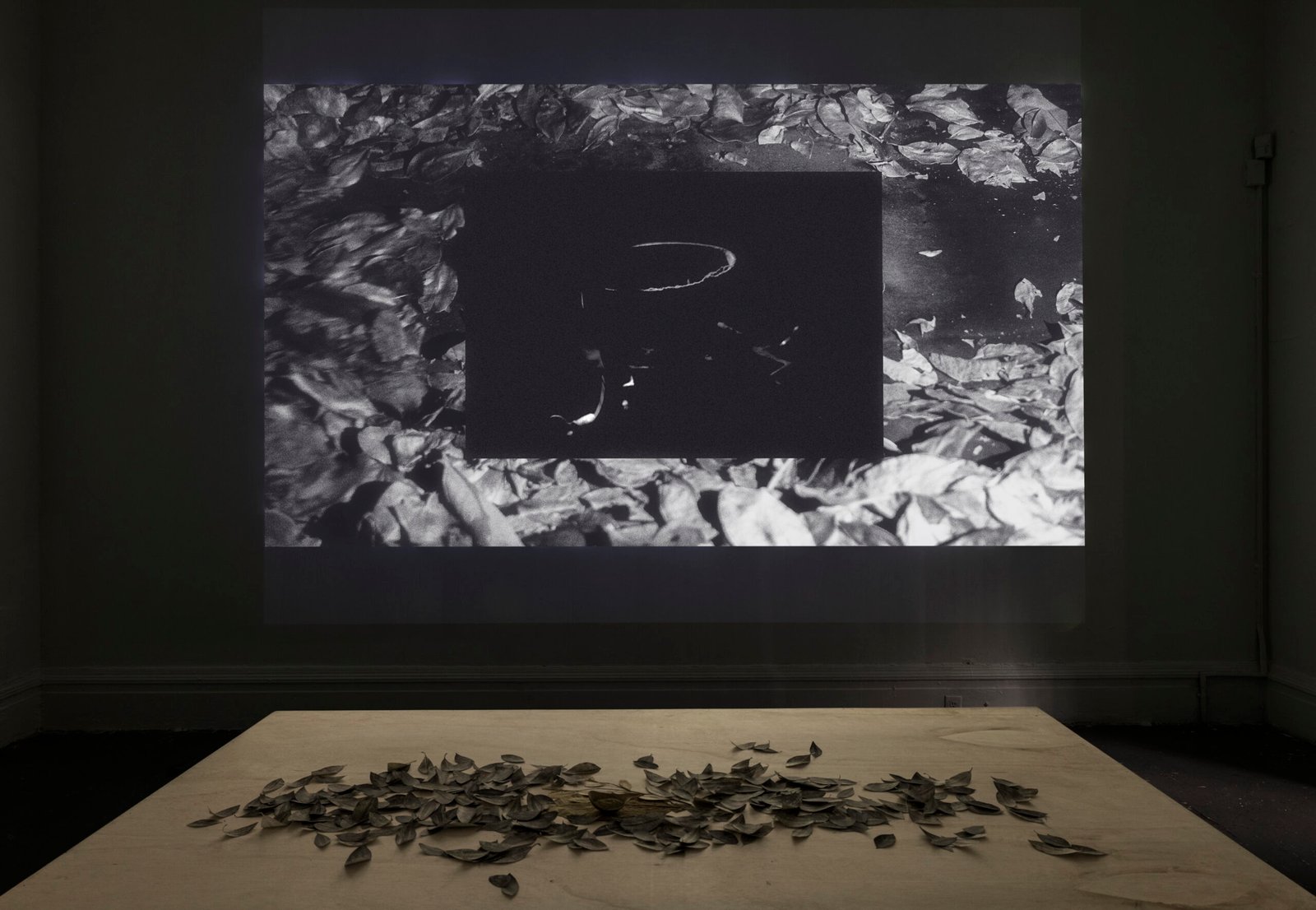
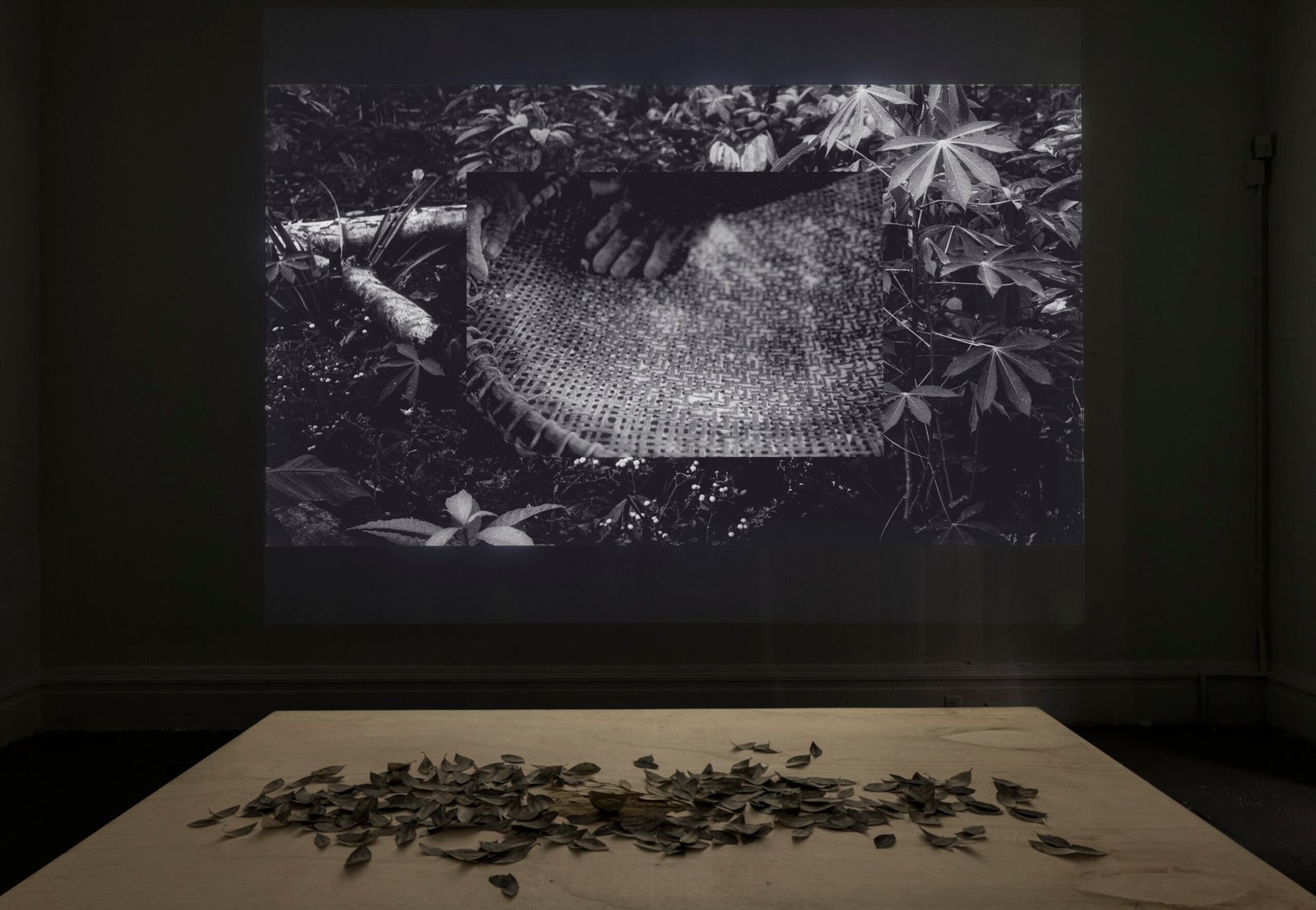
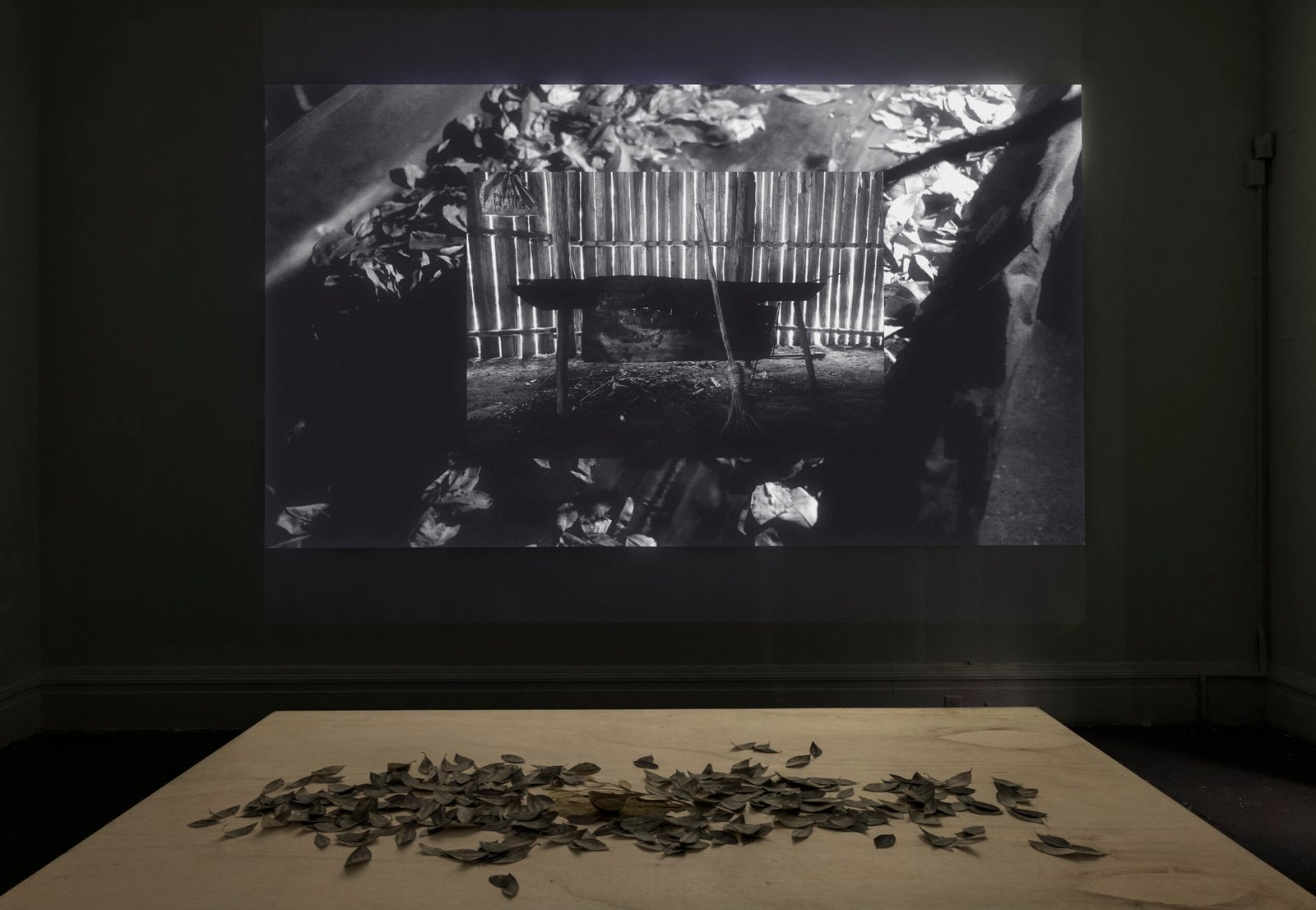
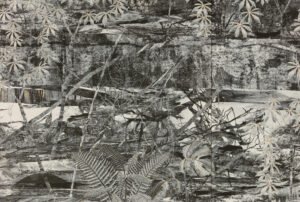
Sabio Yarumo, Dulce Coca, Tabaco Frío y Yuca Brava is an immersive audiovisual installation in which the four elements that give it its title — yarumo, coca, tobacco, and yuca — are living forces in constant dialogue at the center of the maloca, where the domestic and the sacred intertwine.

In the maloca of the Bora Muinane reserve, everything happens simultaneously: the preparation of mambe, the roasting of the leaves, and the voices of the community intertwine like layers of a single sonic fabric, creating a living archive and inviting an act of deep listening.

The Artist
Tatiana Arocha

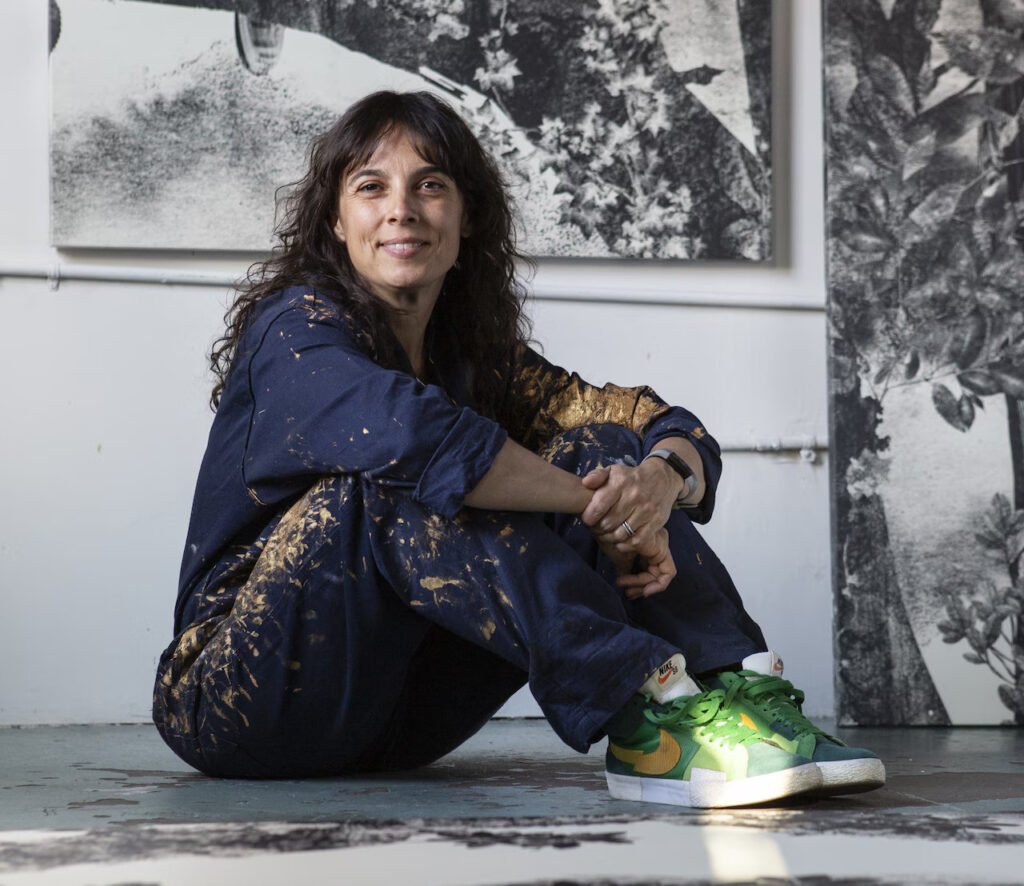
Tatiana Arocha is a Colombian artist born in New York in 1974, whose practice explores the intimacy between people and the land, personal memory, and her own experience as an immigrant.

Read more

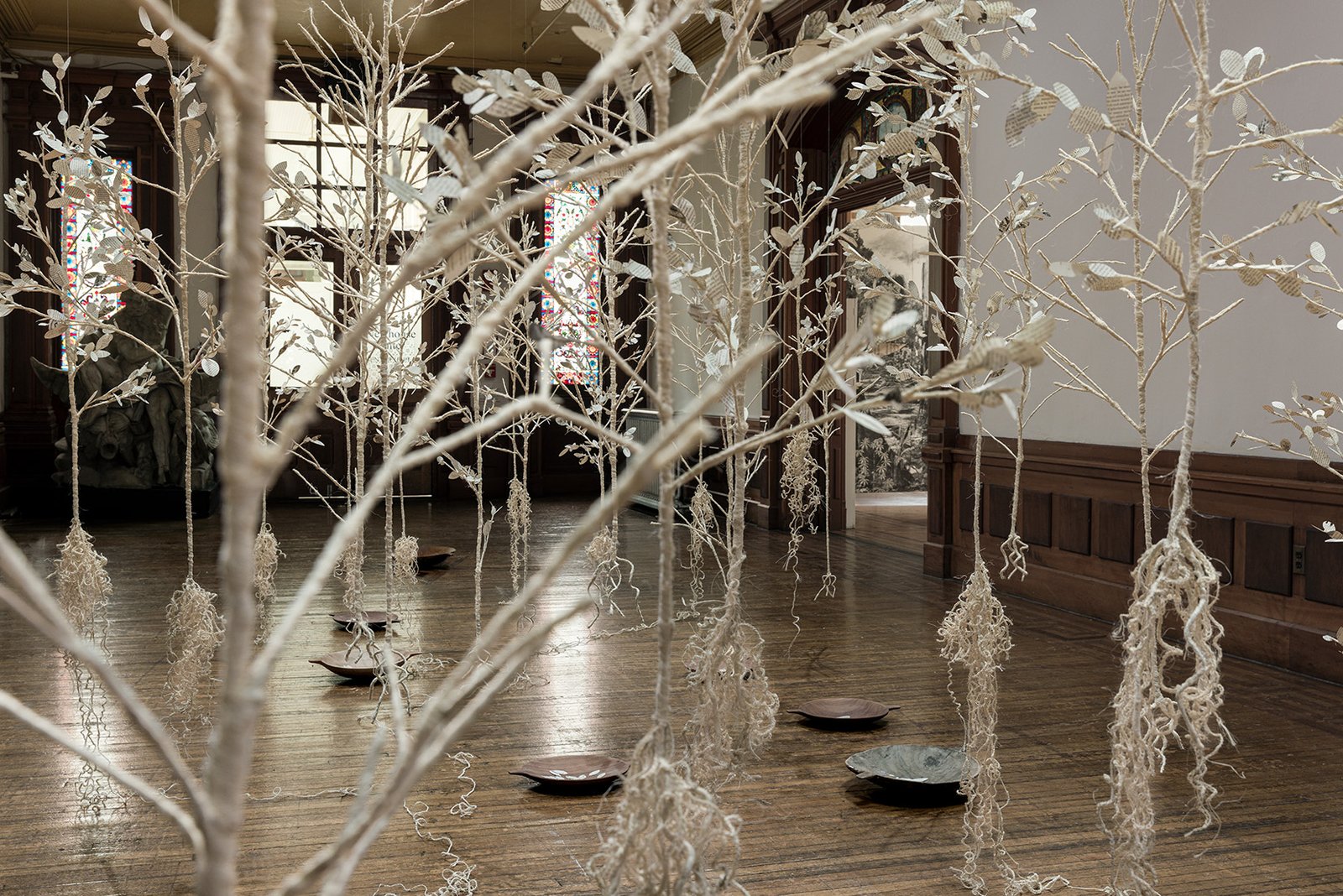
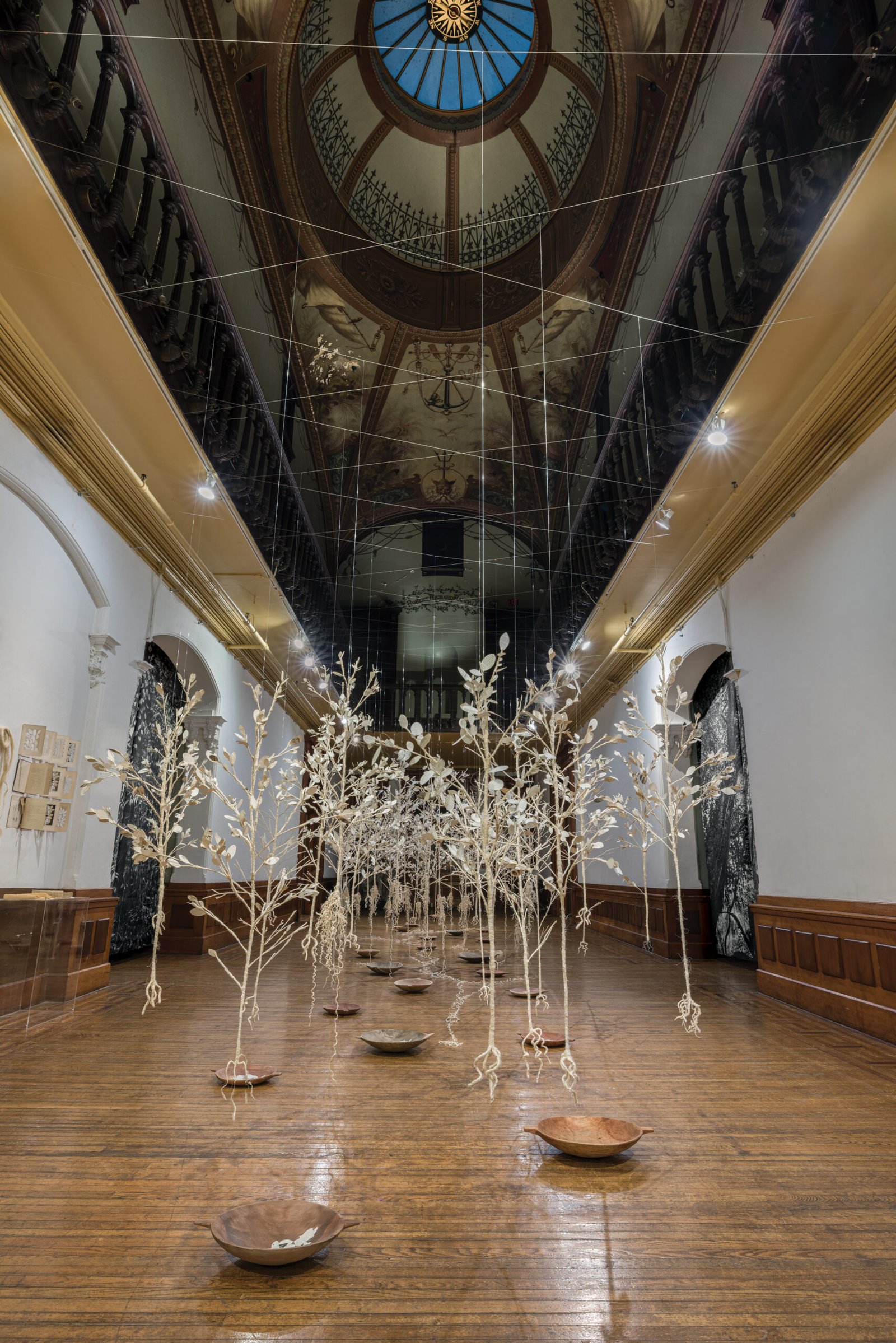
Sueño con Jardines de Coca

Sueño con Jardines de Coca

Tatiana Arocha

Artist’s country of origen: Colombia – United States
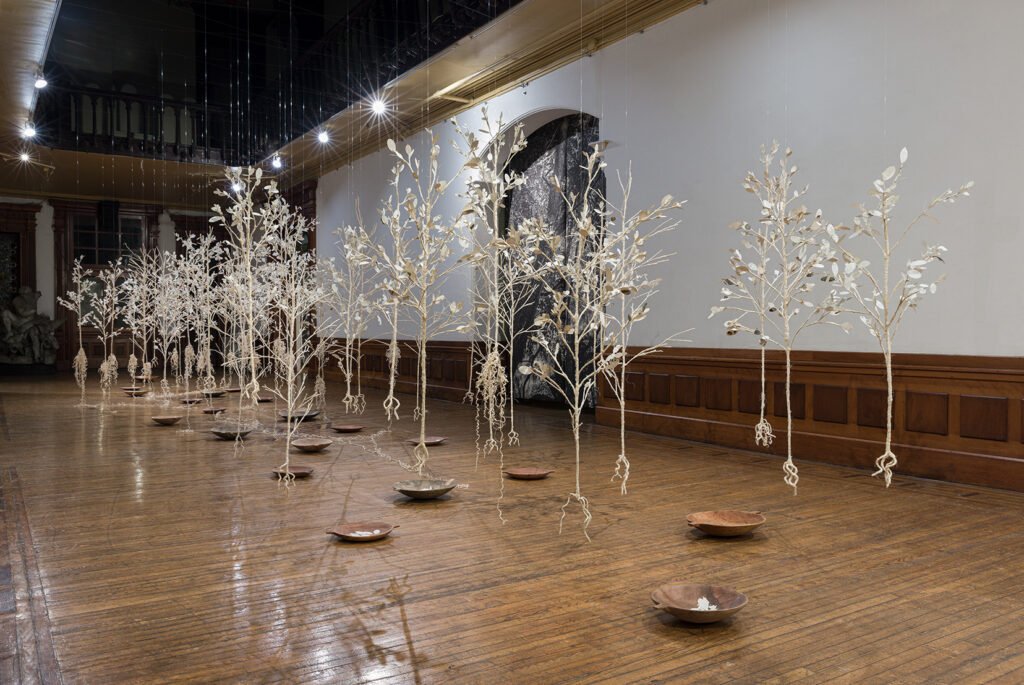
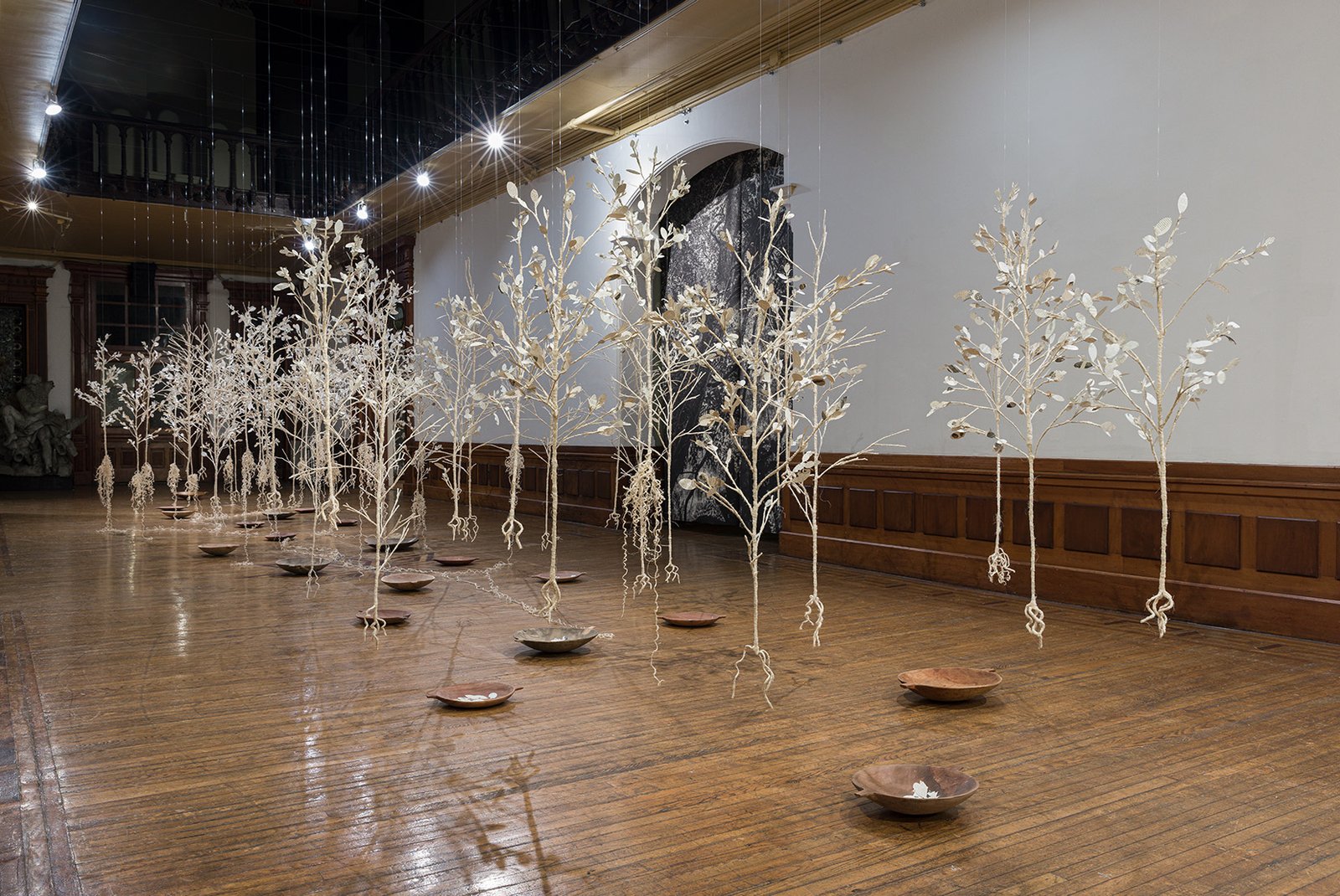
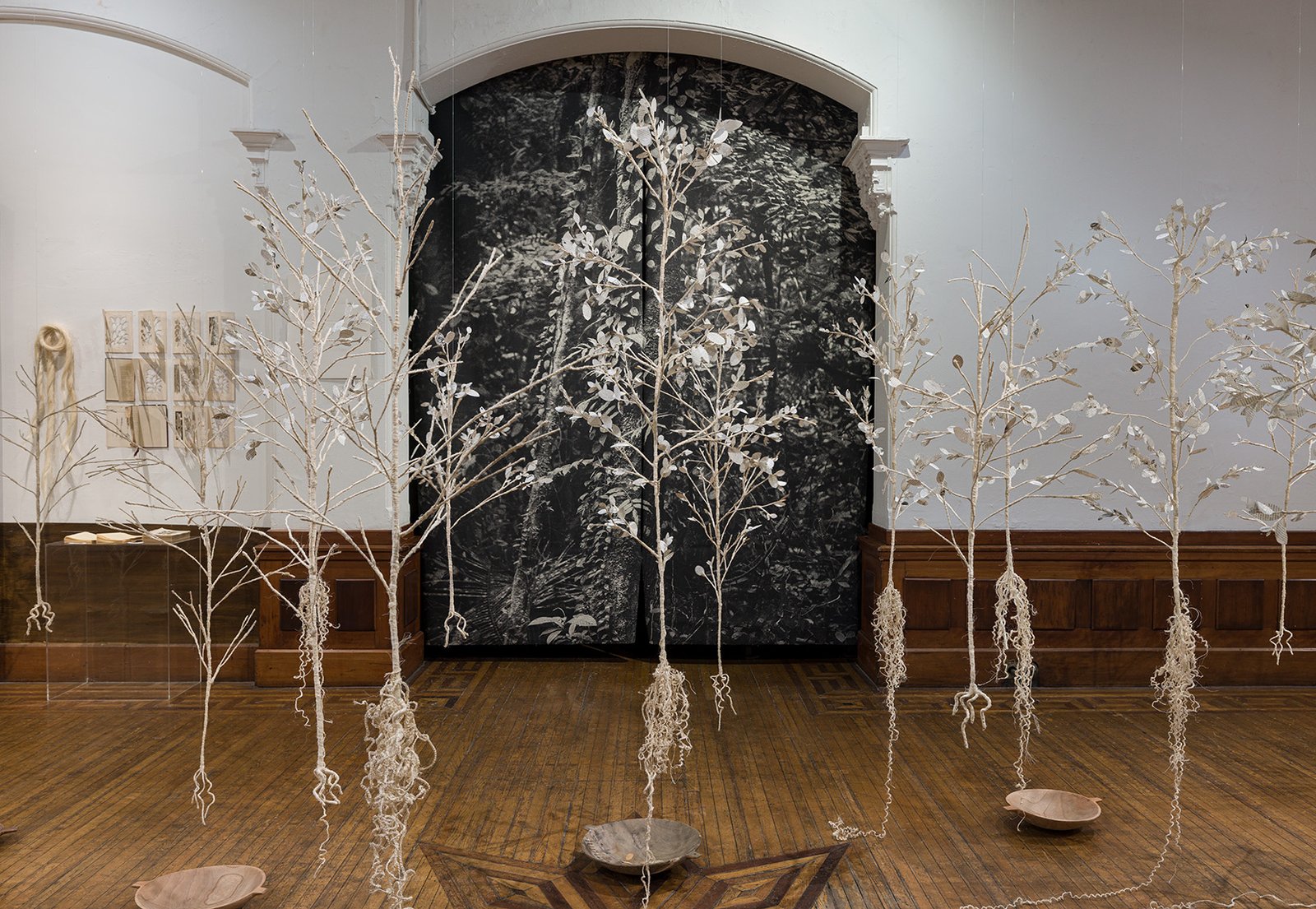
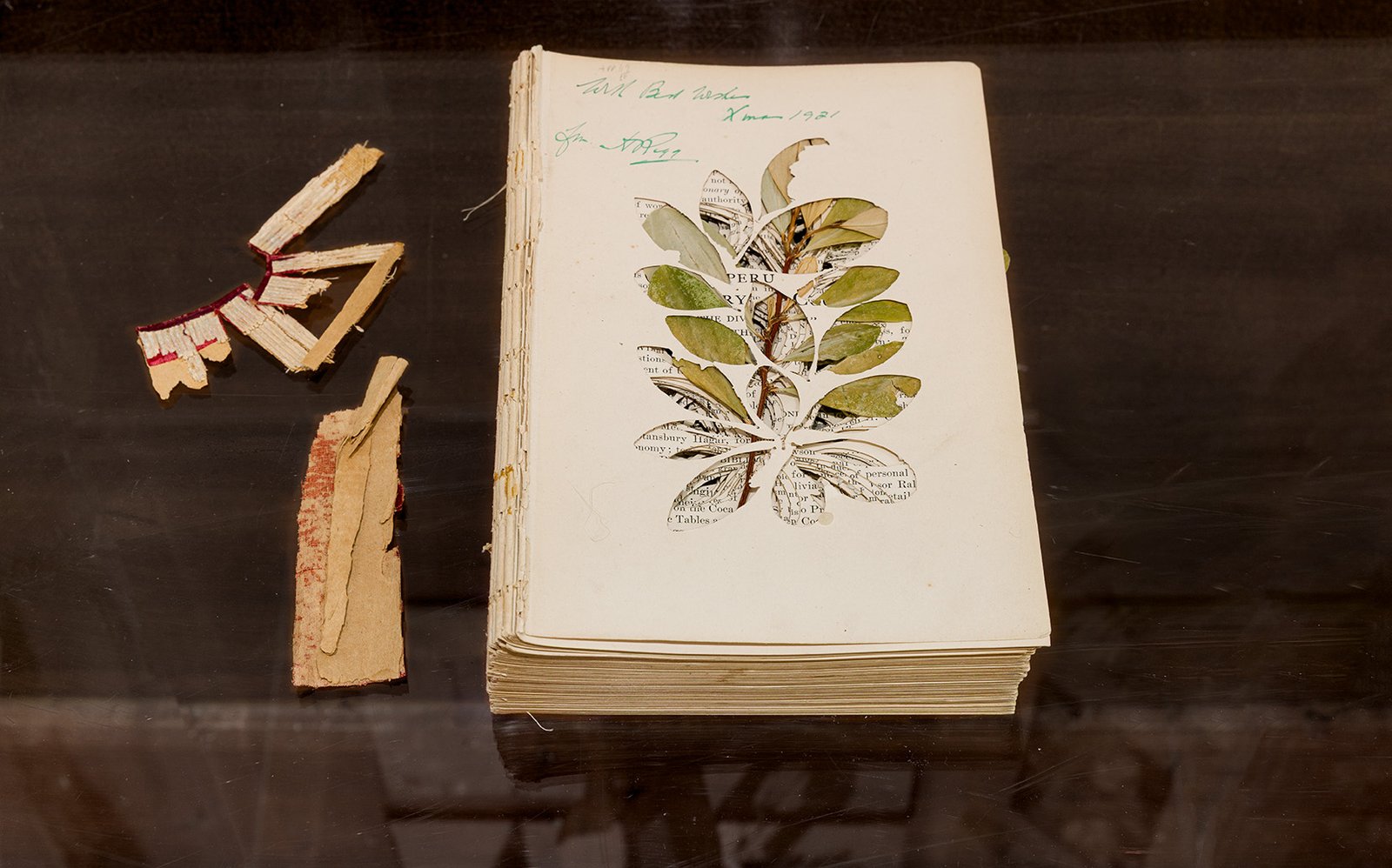
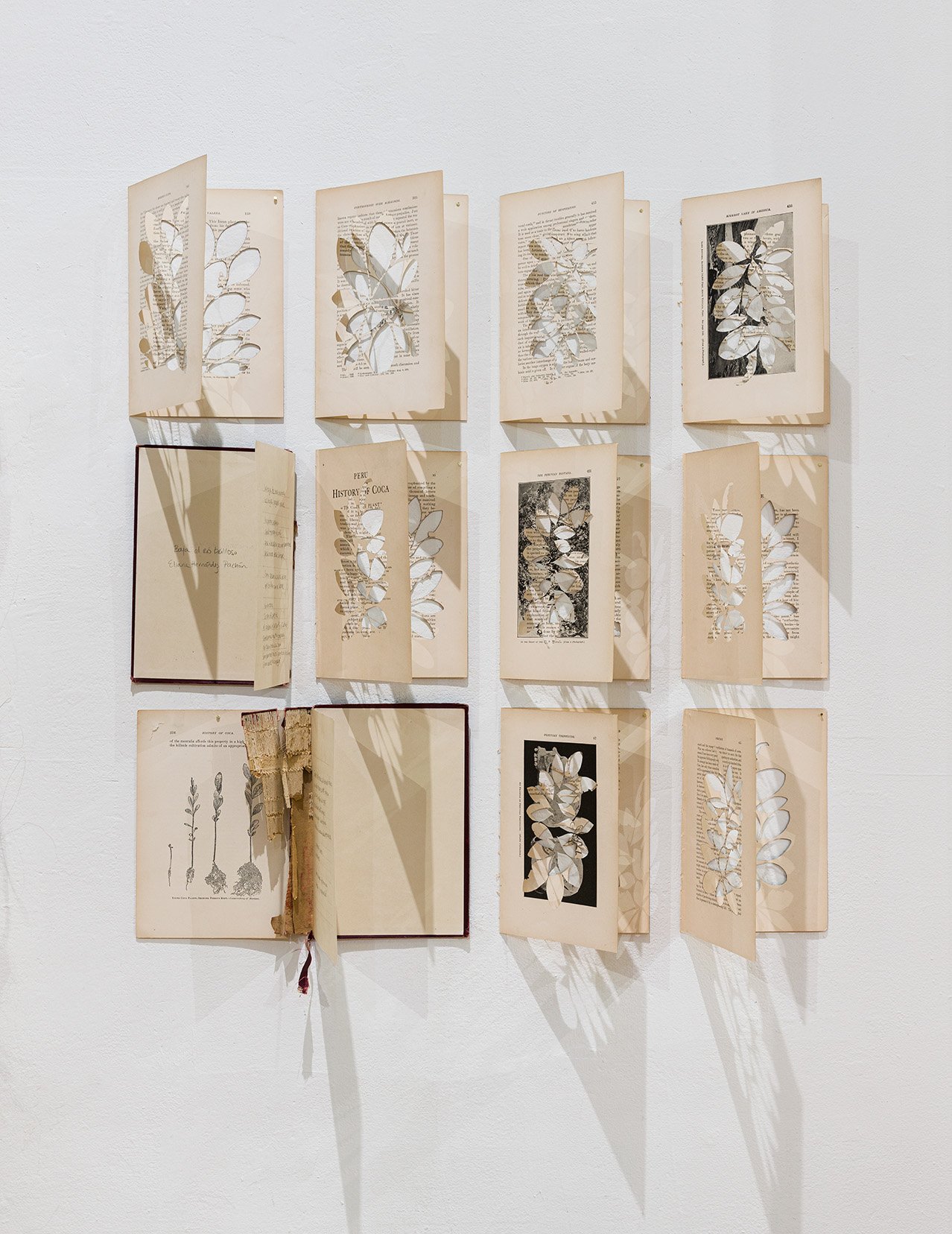
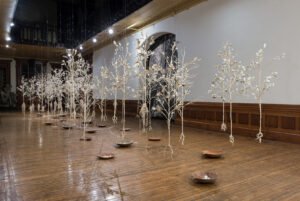
Medium: Fique fiber, aluminum wire, wooden bateas, coca leaves, and paper from nineteenth-century book pages
Year: 2025
Photo Credit: Etienne Frossard © Tatiana Arocha

Line of Inquiry:

Coca-Politics Coca-Worlds

This work was created in collaboration with Fundación San Lorenzo de Barichara —Yadira Bueno, Margarita Suárez, y Gloria Inés Beltrán, Juli Viviana Silva Sánchez— who hand-crafted the structure of each coca bush using fique fiber and wire. The wooden bateas, traditionally used to separate gold from river sand, were made by José Félix Murillo, Choibá Chocó.

The Artist

Tatiana Arocha

Tatiana Arocha is a Colombian artist born in New York in 1974, whose practice explores the intimacy between people and the land, personal memory, and her own experience as an immigrant.
Read more

Macabre Dance

Macabre Dance

Alejandra Delgado Uría

Artist’s country of origen: Bolivia
Materials:
Video Sound: Danse macabre by Camille Saint-Saëns, Op. 40
Medium: Installation, Video, Performance
Size: 00:02:31 sec.
Year: 2013 / 2022 / 2024

Line of Inquiry:

Coca-Politics

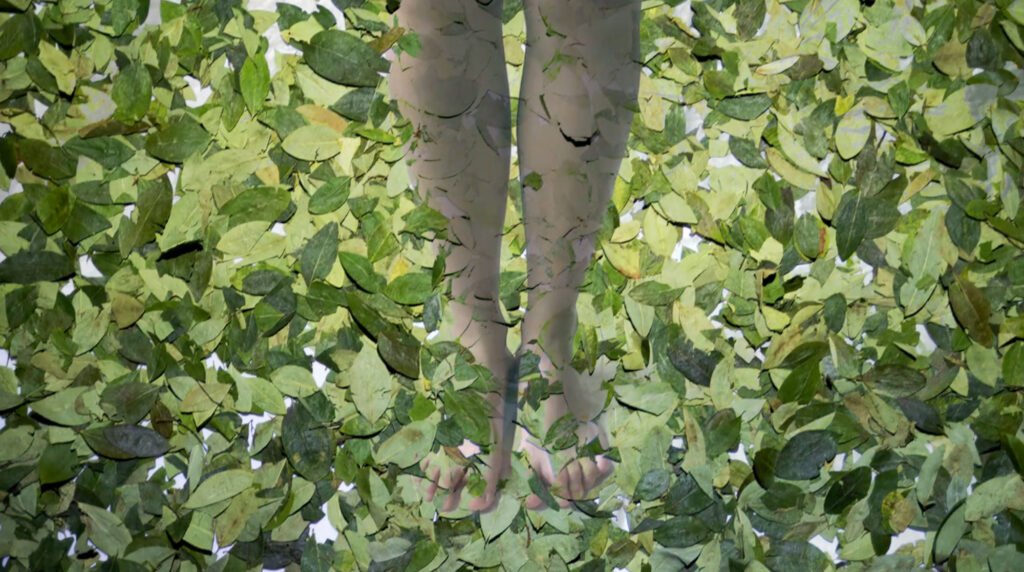
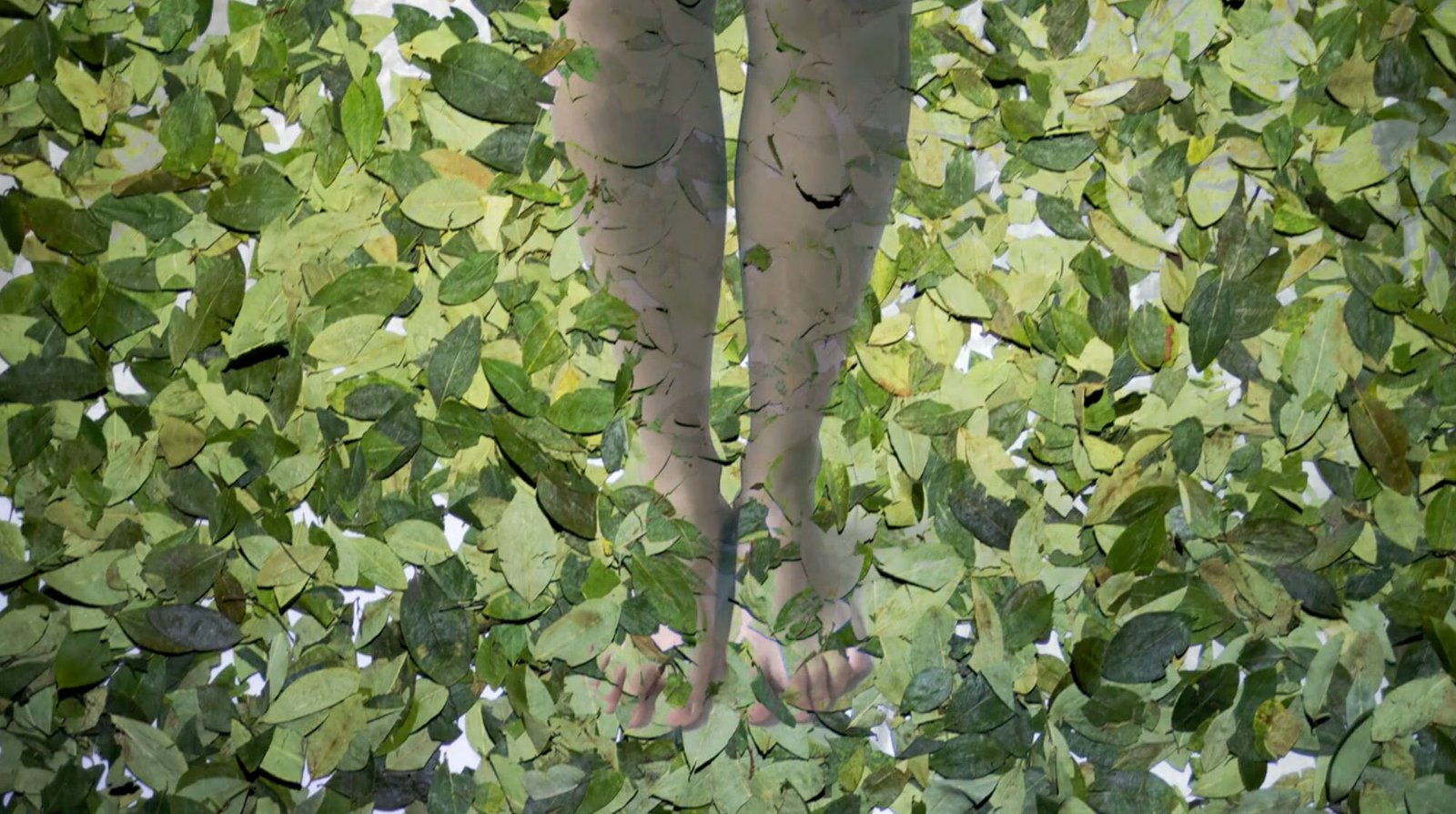
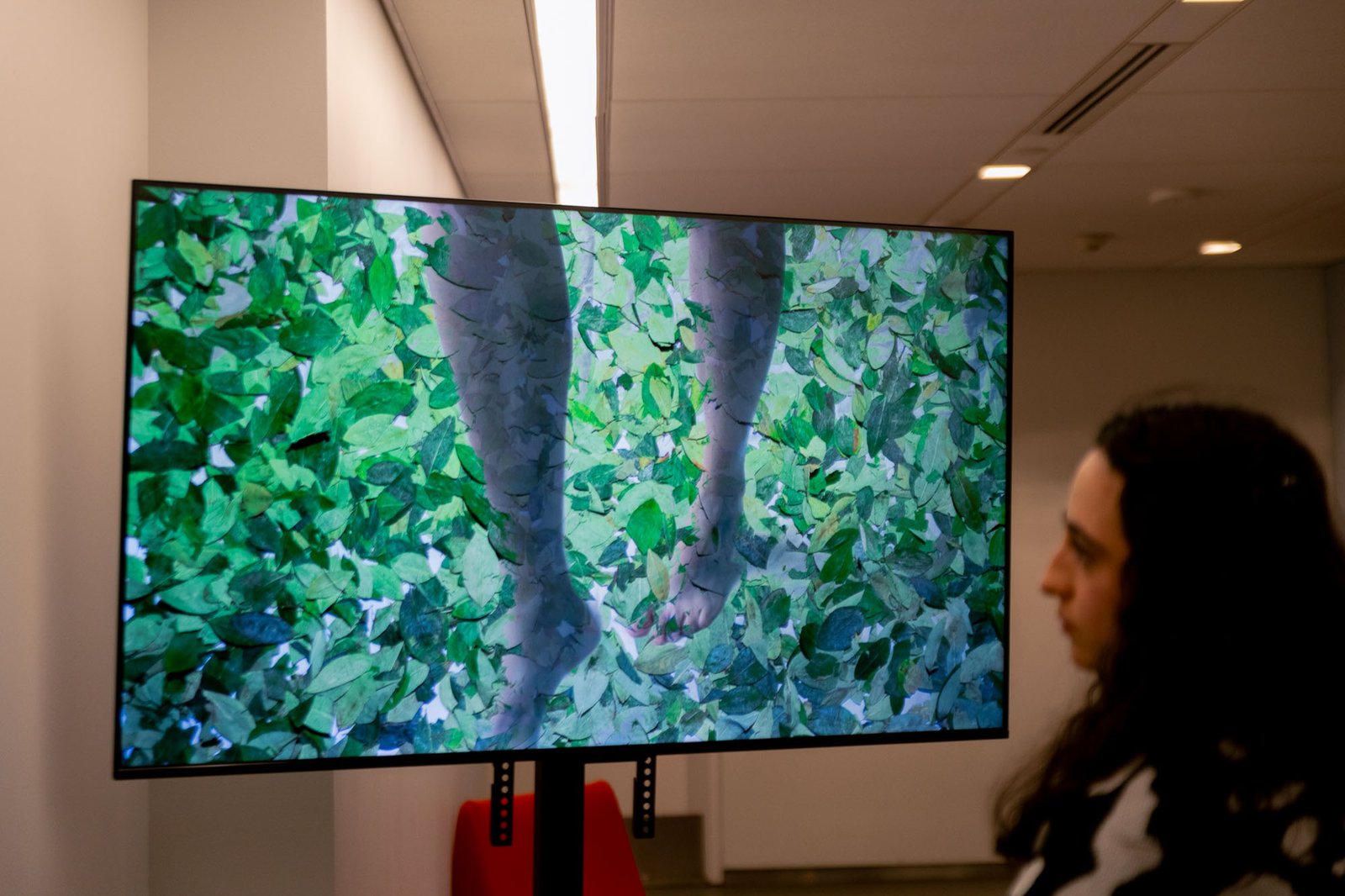
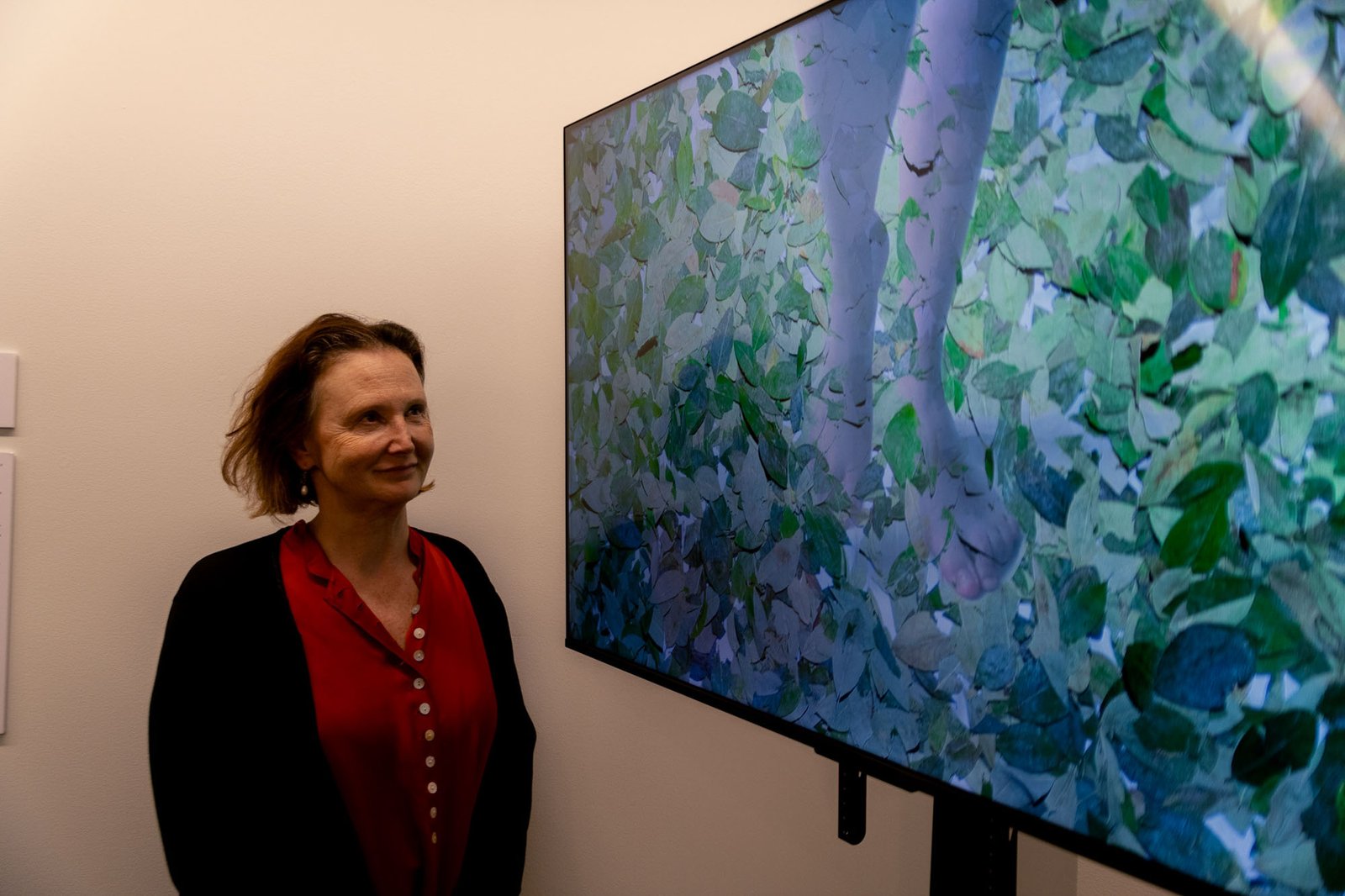
In her piece Macabre Dance, Delgado intertwines performance, sound, and installation to explore the complex historical realities of Bolivia surrounding the coca leaf. She creates a tapestry made of coca leaves, onto which she projects a video showing a woman’s feet dancing to Danse Macabre by Camille Saint-Saëns, inspired by the play Danza macàbra by Camillo Antona Traversi, a satirical Italian work from the late 19th century. 

The femele feet projected onto the tapestry reference the traditional process of stomping coca leaves to produce coca base paste, while also symbolizing the role of Bolivian Indigenous women in the fight against the prohibition of the coca leaf and their their vulnerability to the abuses of drug trafficking, prostitution, and human trafficking embedded in the illicit economy. Delgado uses this duality to highlight the contradictions surrounding coca: a plant both sacred and commodified.

This work reflects the fundamental role of women in defending their traditions, as well as their resistance to the violence and exploitation stemming from the global drug problem, highlighting their role in care networks and in the struggle for dignity and justice.


The Artist

Alejandra Delgado Uría

Alejandra Delgado Uría is a Bolivian visual-artist and photographer whose work explores architecture, memory, and identity in the Andean region.

Read more

More From This Artist

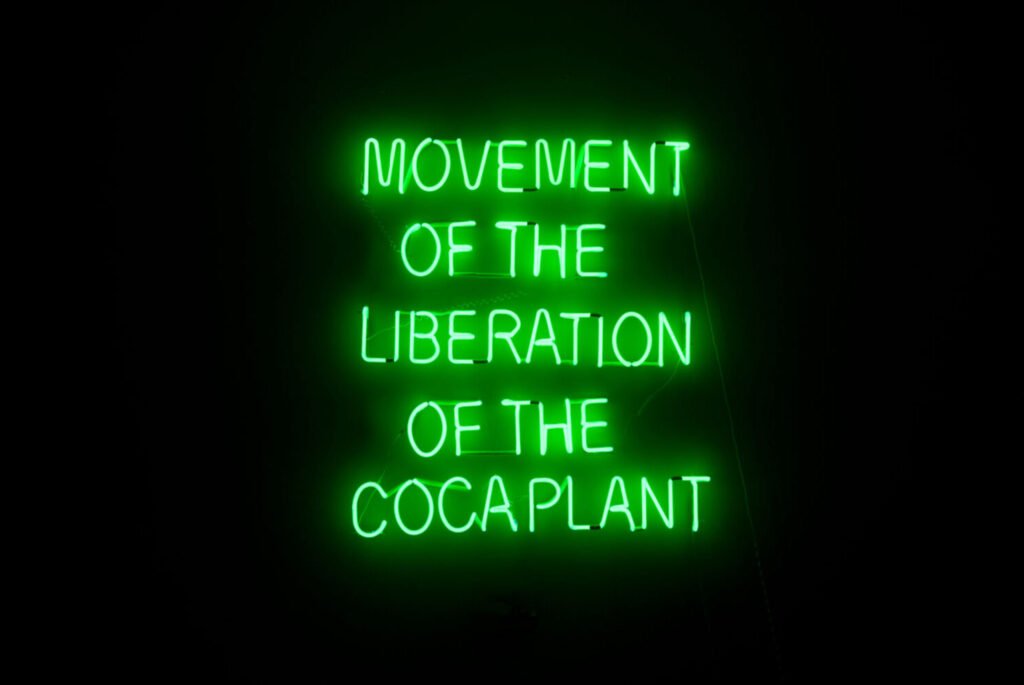
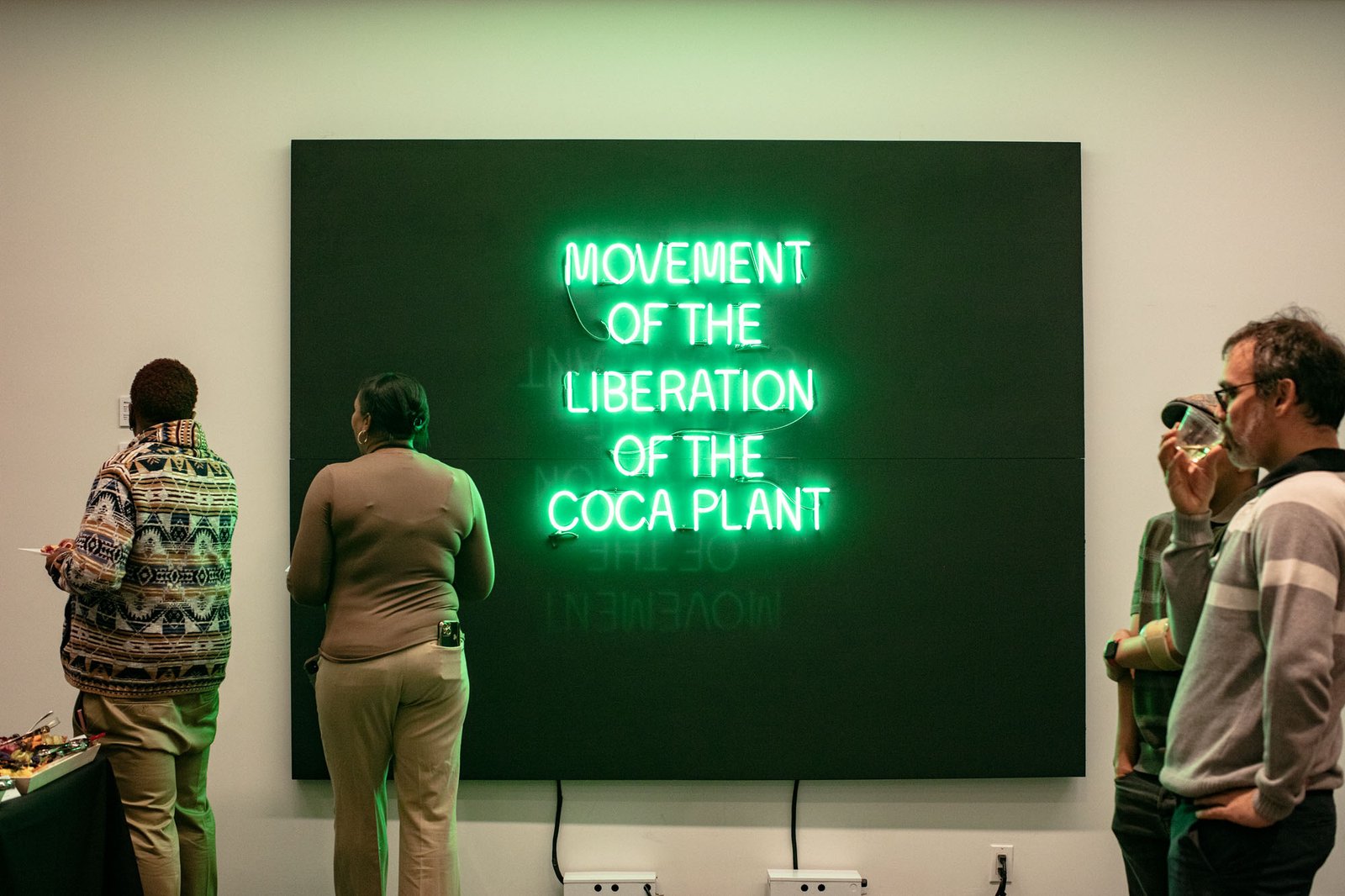
Movement for the Liberation of the Coca Plant

Movement for the Liberation of the Coca Plant

Wilson Díaz Polanco

Artist’s country of origen: Colombia
Materials:
Neón
Medium: Sculpture, Installation, Digital Art / New Media
Size: 140 × 114 × 5.5 cm
Year: 2012 – 2014

Line of Inquiry:

Coca-Politics

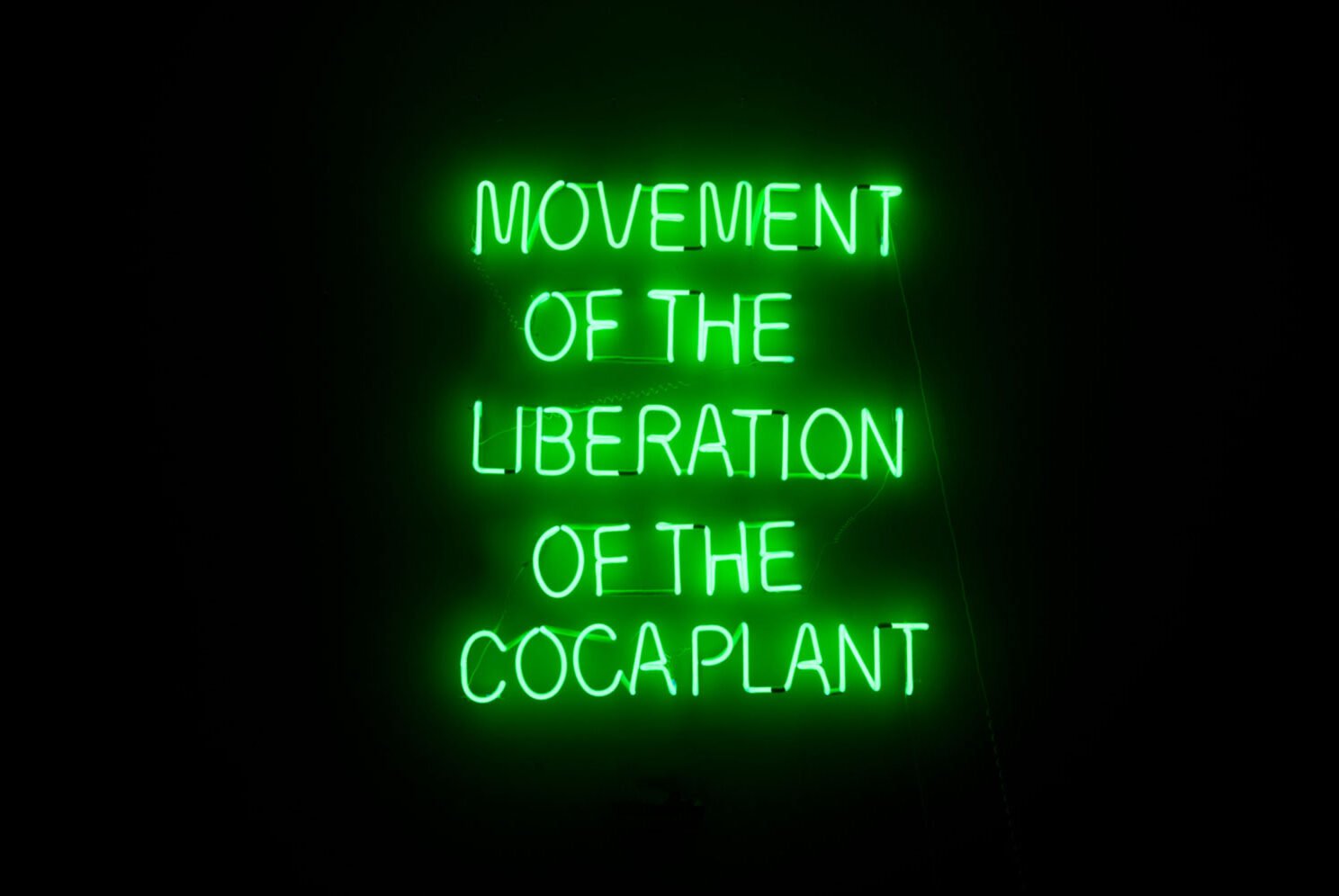
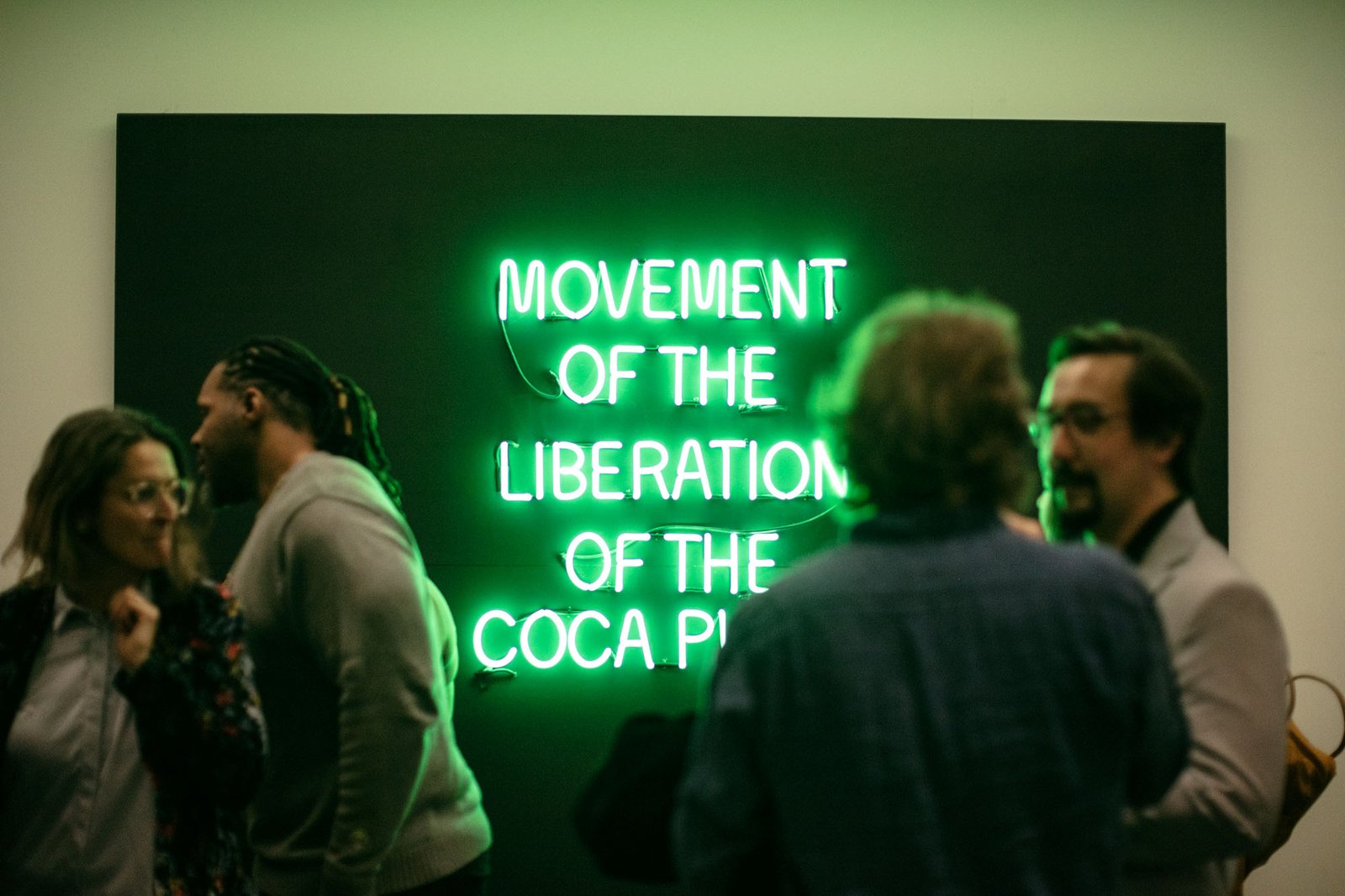
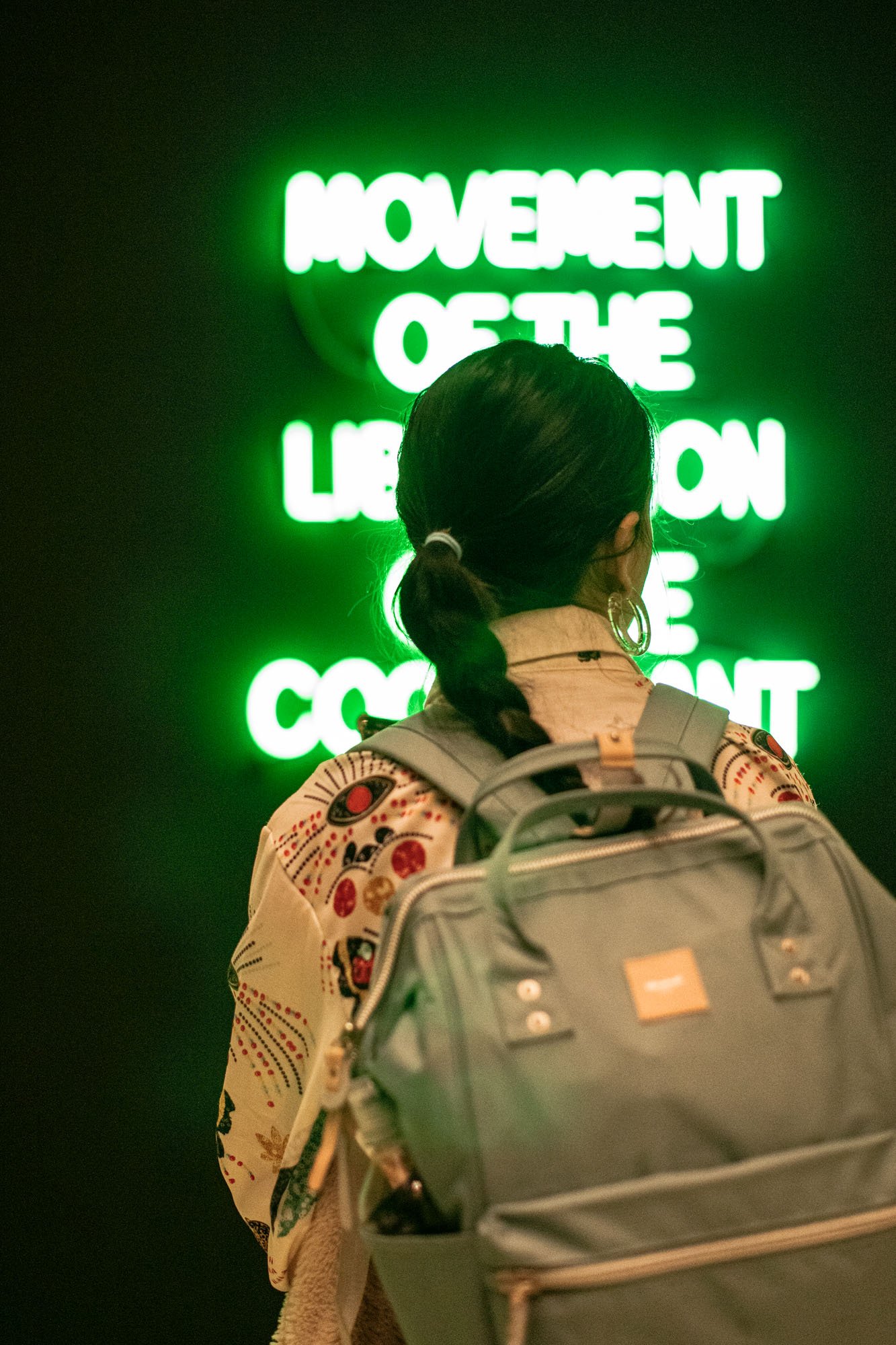
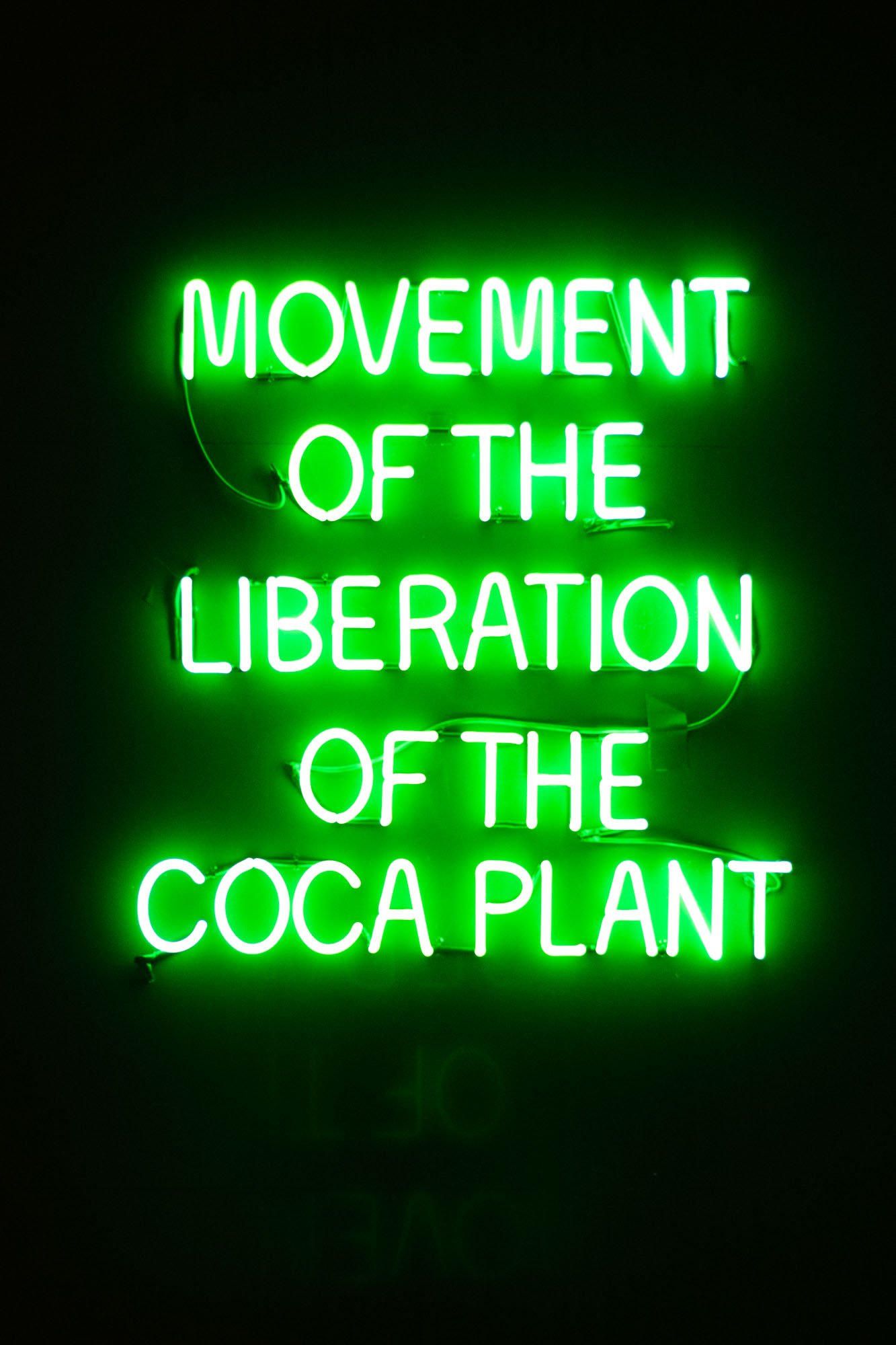
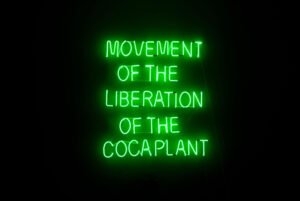
In this neon installation, Wilson Díaz transforms a simple phrase, “Movimiento de liberación de la planta de coca”, into a luminous declaration. The work reclaims the coca plant from decades of stigma tied to drug policy and the armed conflict in Colombia. By inscribing this call to liberation in glowing light, Díaz invites viewers to reflect on how language, power, and perception shape the fate of both plants and people.

The piece challenges official narratives of eradication and control, proposing instead a symbolic and literal “liberation” of the coca leaf. Díaz advocates for recognizing the plant’s ancestral, medicinal, and cultural dimensions, which have been overshadowed by its association with narcotrafficking. Through its simplicity and clarity, the neon text becomes both artwork and manifesto, a call to restore the coca plant’s dignity and to envision new, decolonial relationships between nature, politics, and society.

The Artist

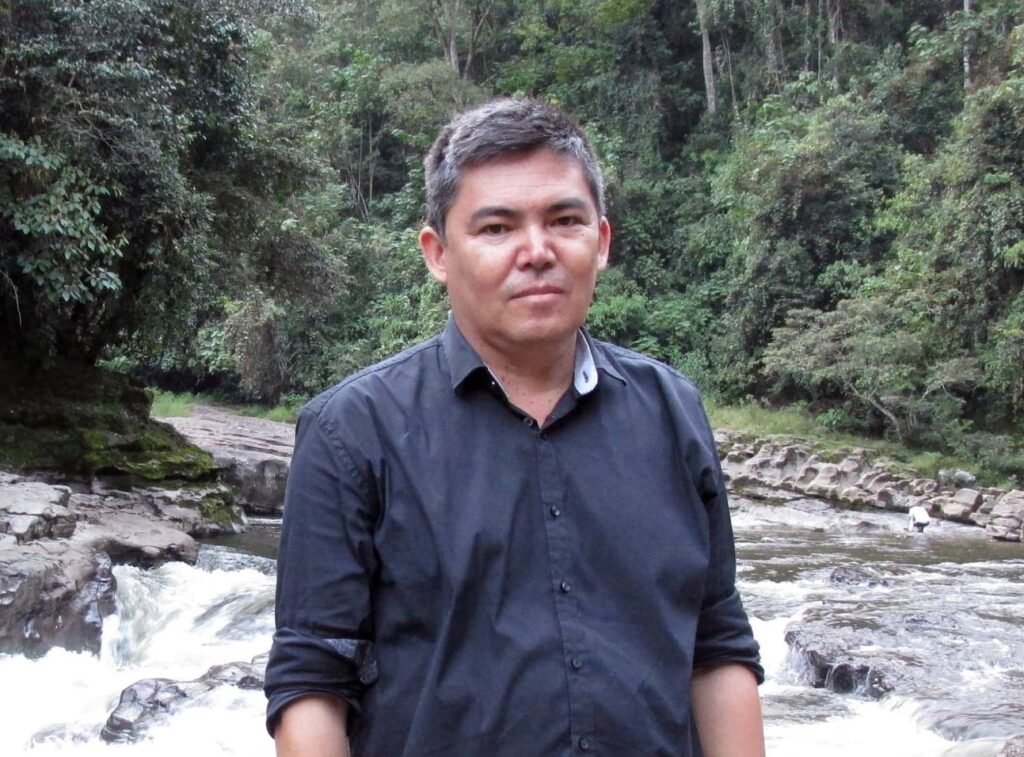
Wilson Díaz Polanco

Wilson Díaz Polanco is a Colombian visual artist exploring the sociopolitical landscape of Colombia through popular culture, armed conflict, and media representation.

Read more

More From This Artist

Nuevo El Dorado (Wild Economy)

Nuevo El Dorado (Wild Economy)

Miguel Ángel Rojas

Artist’s country of origen: Colombia
Materials:
Coca leaf powder, neutral silkscreen base, clay, mineral pigments, gold and silver leaf on fiber paper mounted on foam board
Medium: Installation, Print / Graphic Work
Size: 400 x 1800 cm – 400 x 1500 cm
Year: 2018

Line of Inquiry:

Coca-Politics

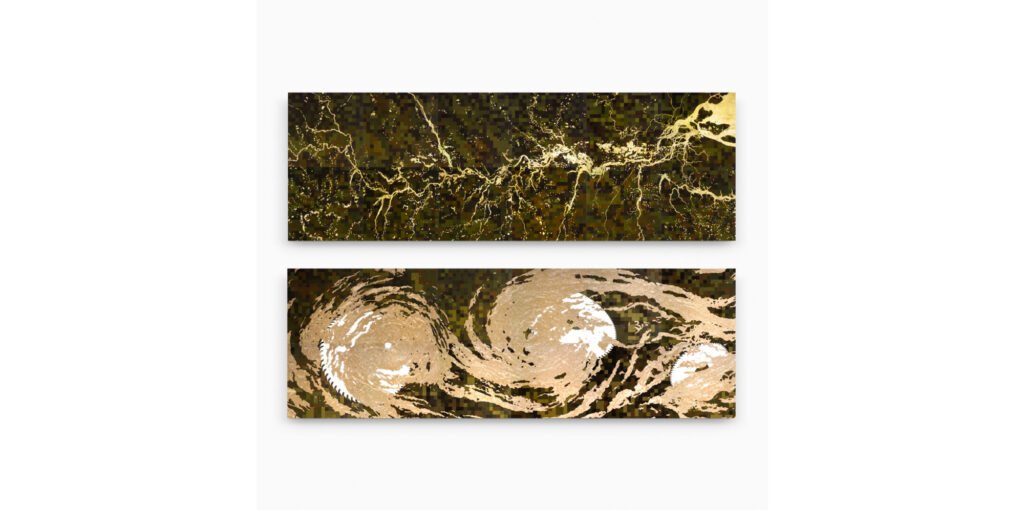
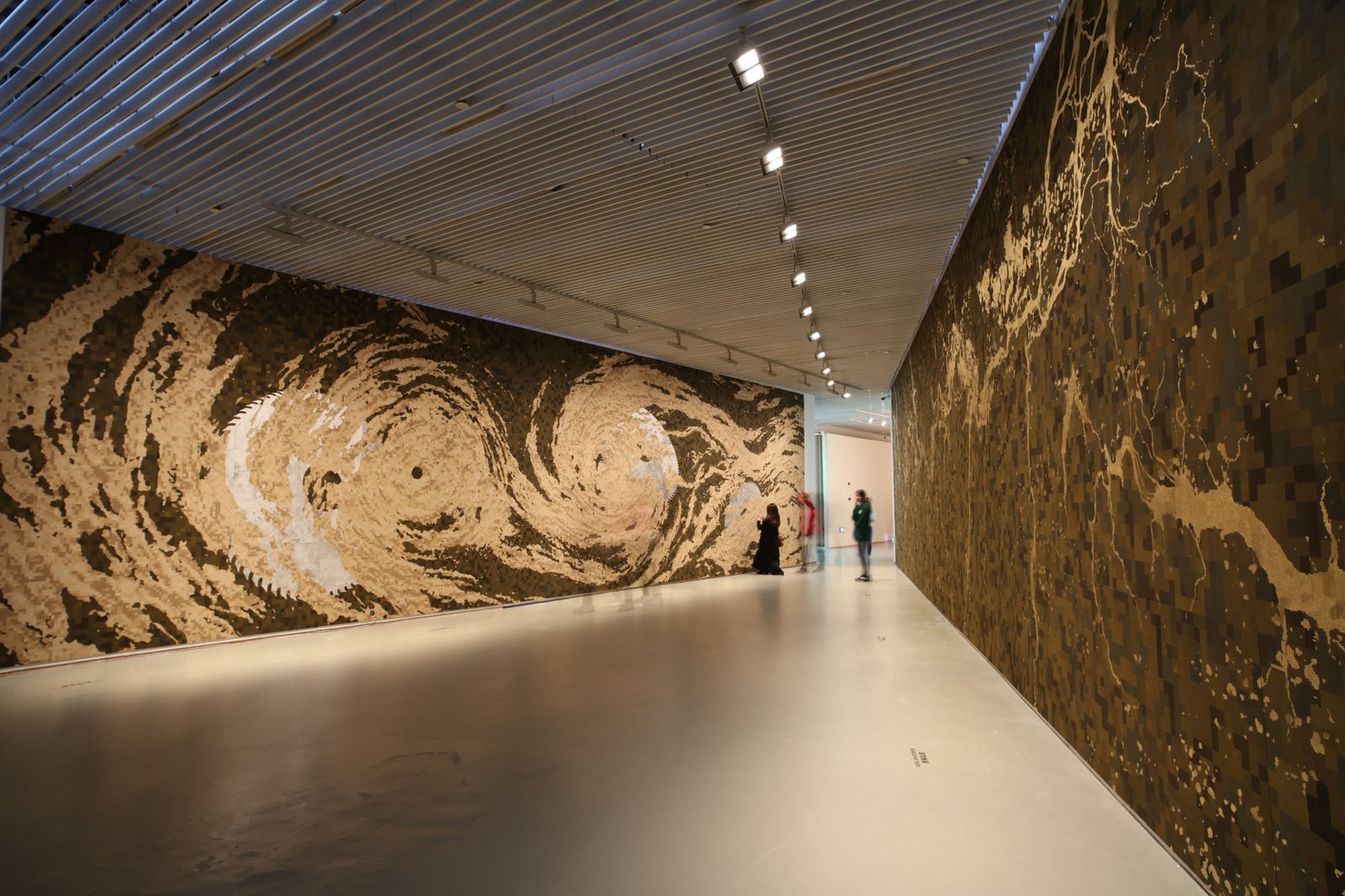
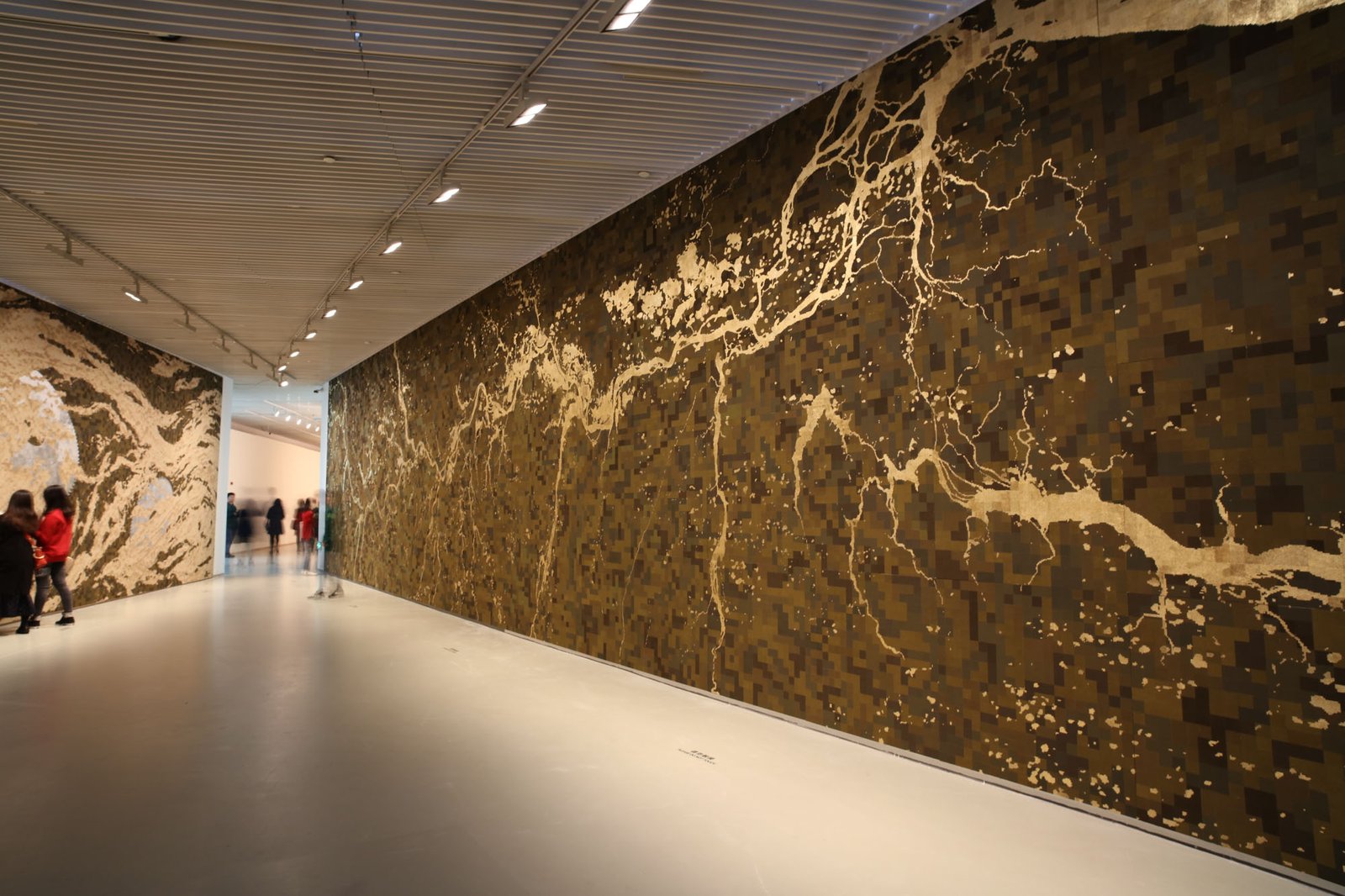
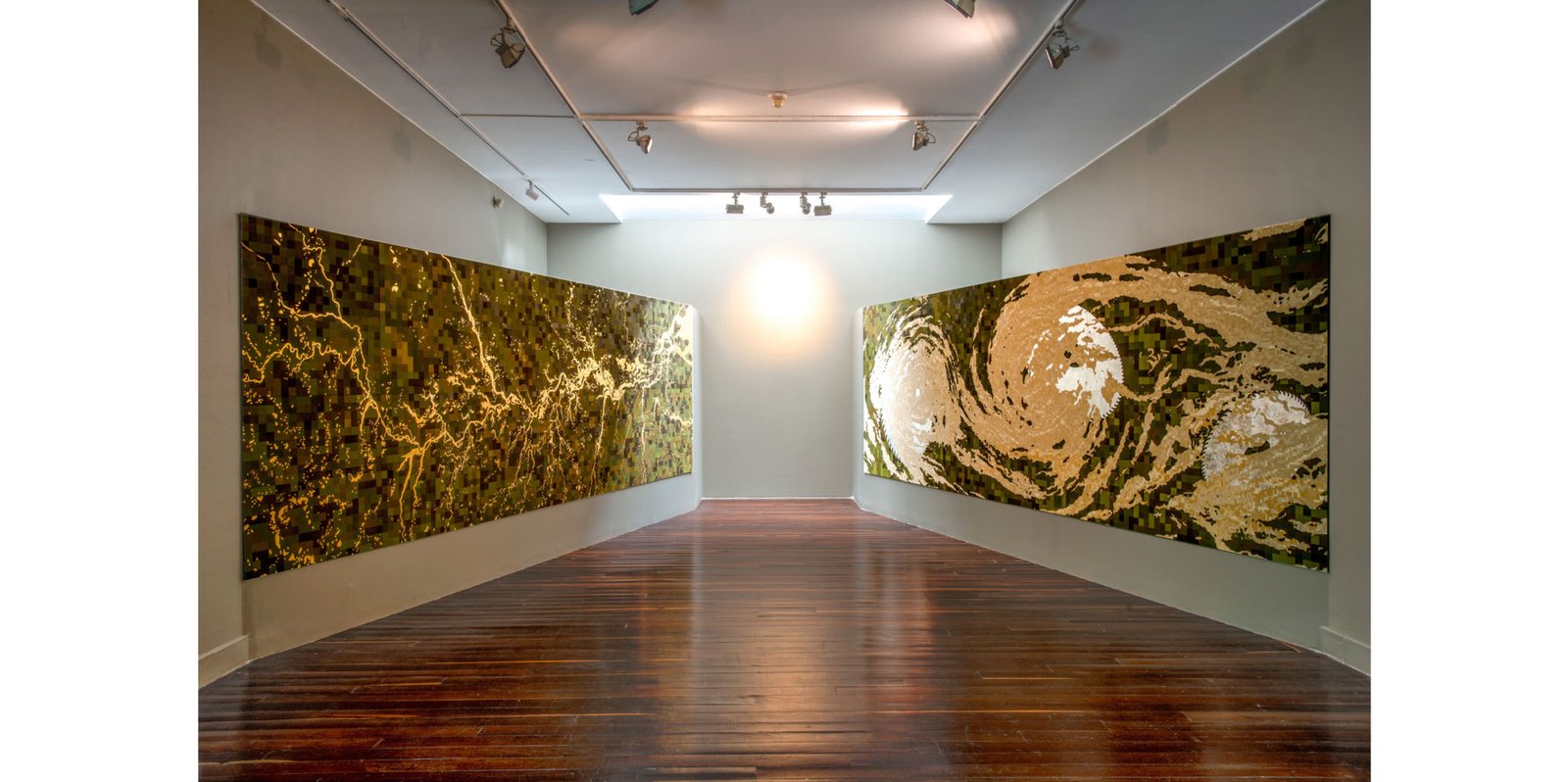
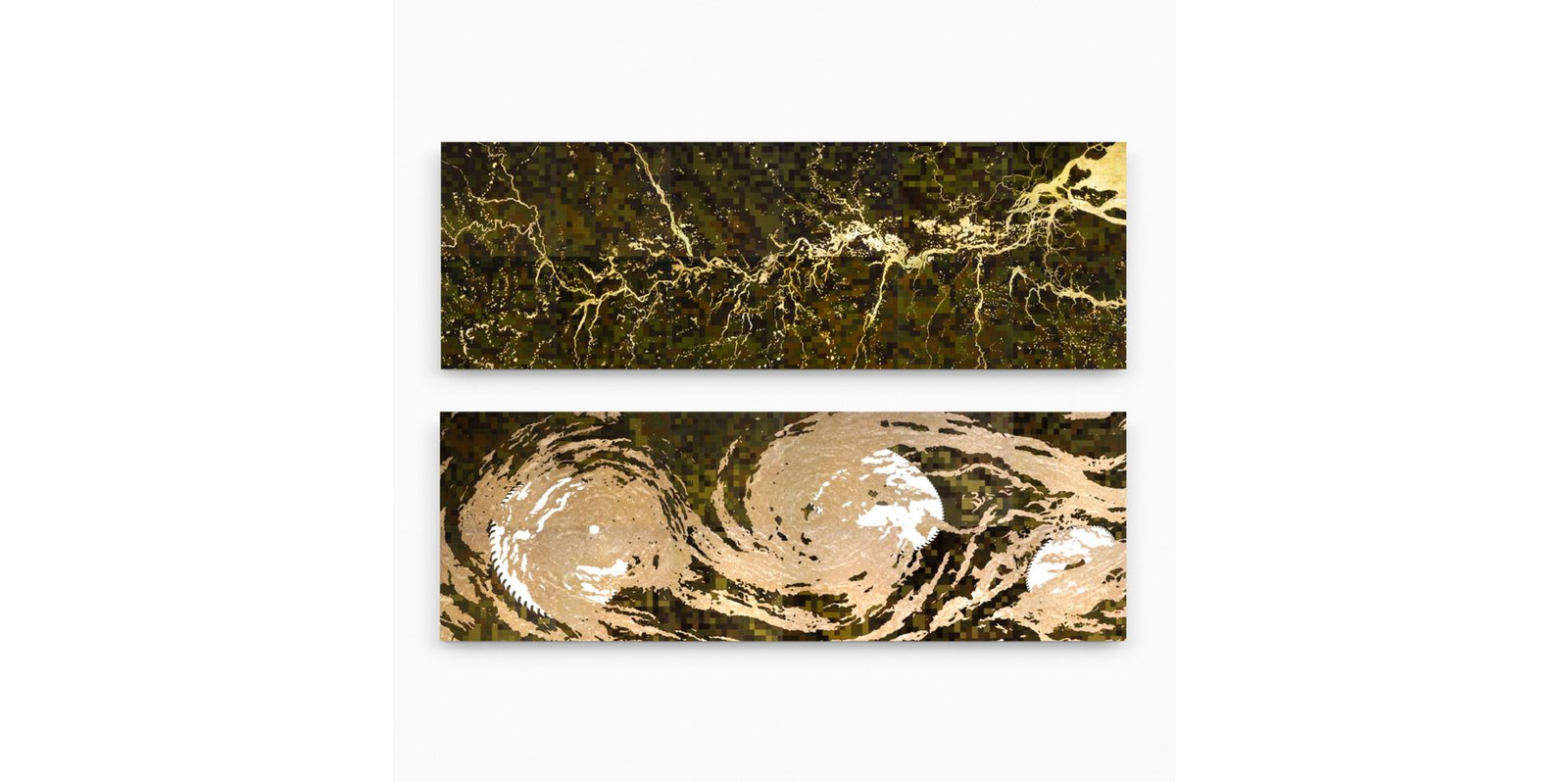
In this monumental installation, Rojas critiques the environmental degradation and social inequalities resulting from extractive industries and illicit economies. By using materials like coca leaf powder and gold leaf, Rojas underscores the complex interplay between cultural heritage and the exploitative forces of globalization.

Displayed at the 12th Shanghai Biennale and later at the Museo de Arte Moderno de Bogotá (MAMBO) in the exhibition Regreso a la Maloca, this piece serves as a poignant commentary on the ongoing colonial dynamics and the commodification of natural resources. Rojas’s work invites viewers to reflect on the intertwined histories of indigenous knowledge, ecological destruction, and the pursuit of wealth, challenging them to reconsider the true cost of progress.

The Artist

Miguel Ángel Rojas

Miguel Ángel Rojas is a pioneering Colombian conceptual artist whose work exposes hidden systems of power, marginality, and identity through an examination of his country’s social and political landscape.

Read more

More From This Artist

Raspachines’ Dreams (Health)

Raspachines’ Dreams (Health)

Miguel Ángel Rojas

Artist’s country of origen: Colombia
Materials:
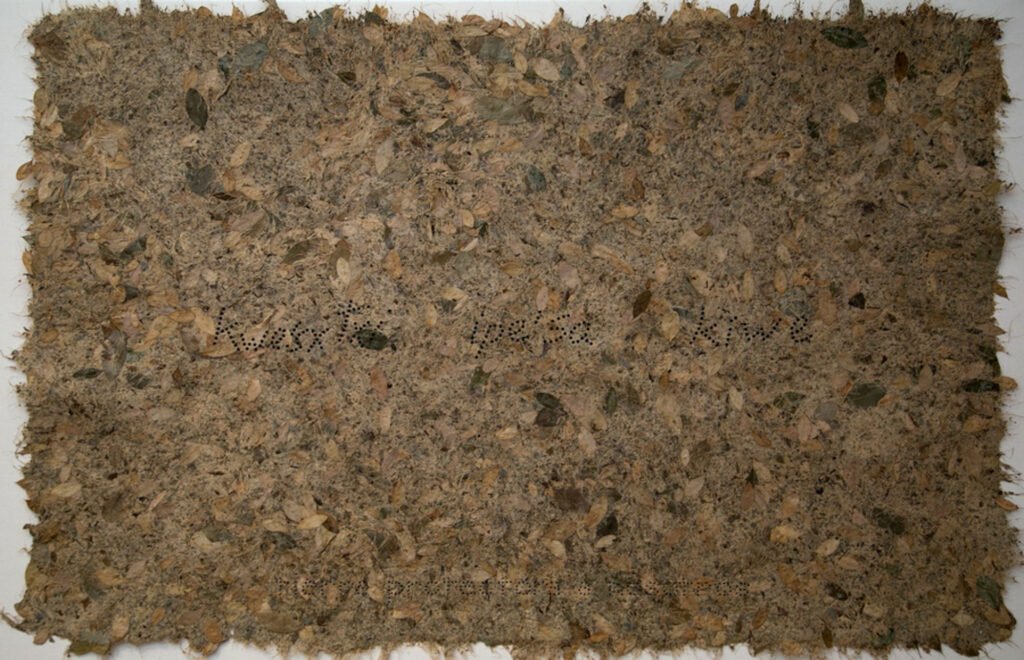
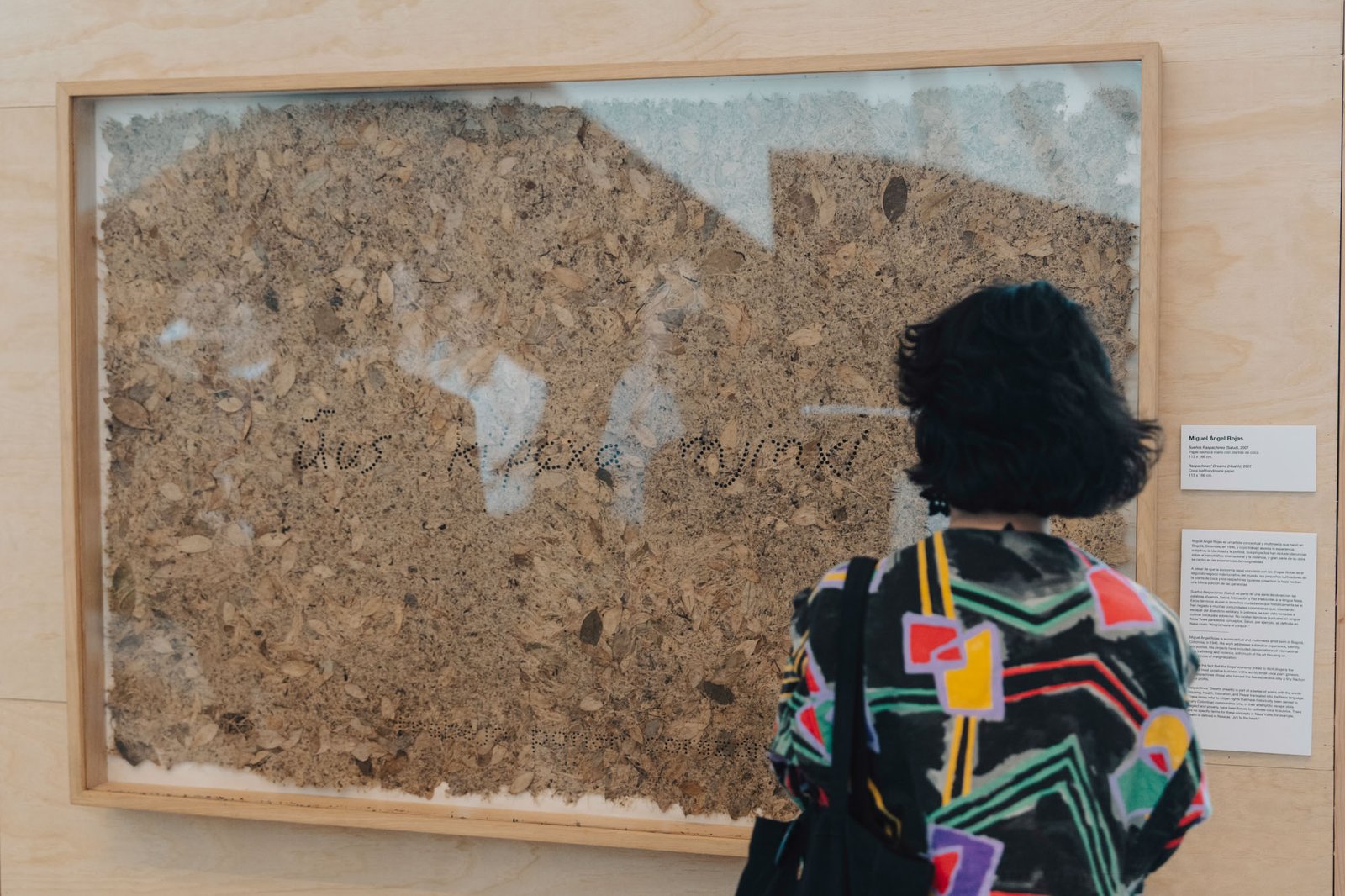
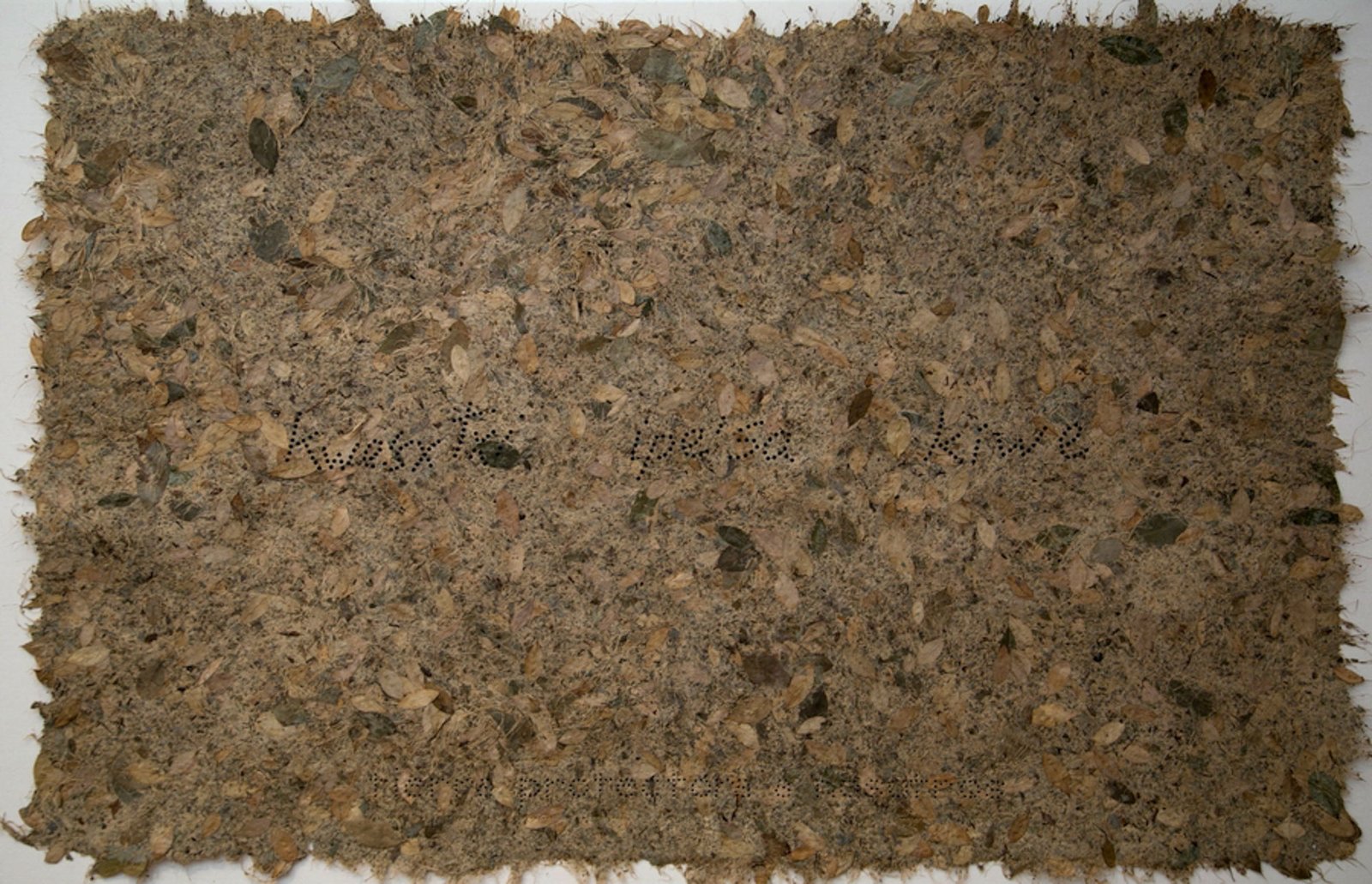
Coca leaf handmade paper
Medium: Installation, Print / Graphic Work
Size: 113x166cm
Year: 2007

Line of Inquiry:

Coca-Politics

Despite the fact that the illegal economy linked to illicit drugs is the second most lucrative business in the world, small coca plant growers and raspachines (those who harvest the leaves) receive only a tiny fraction of the profits.

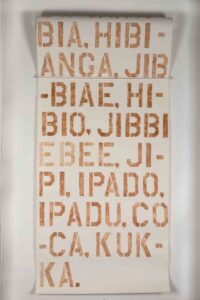
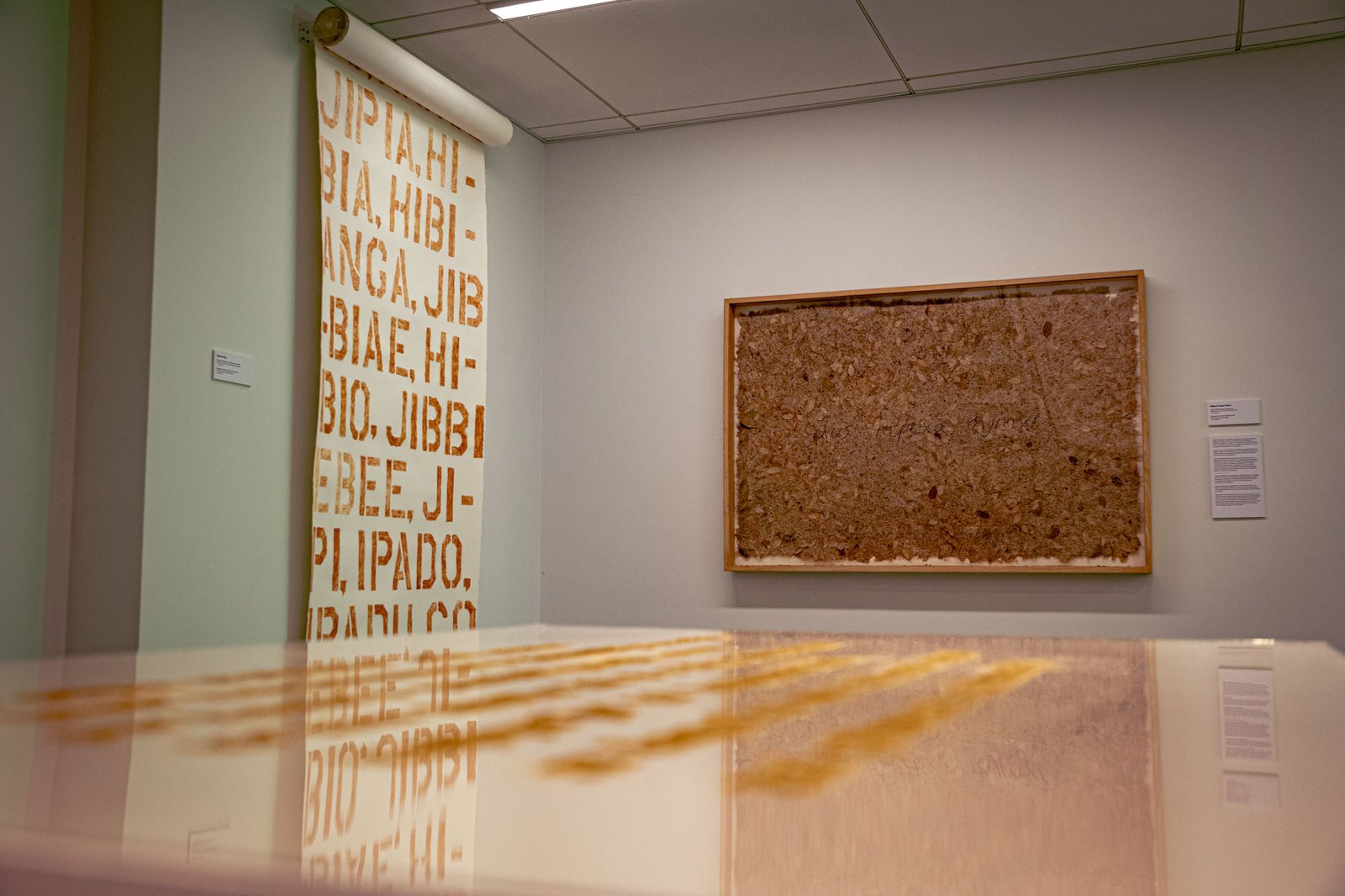
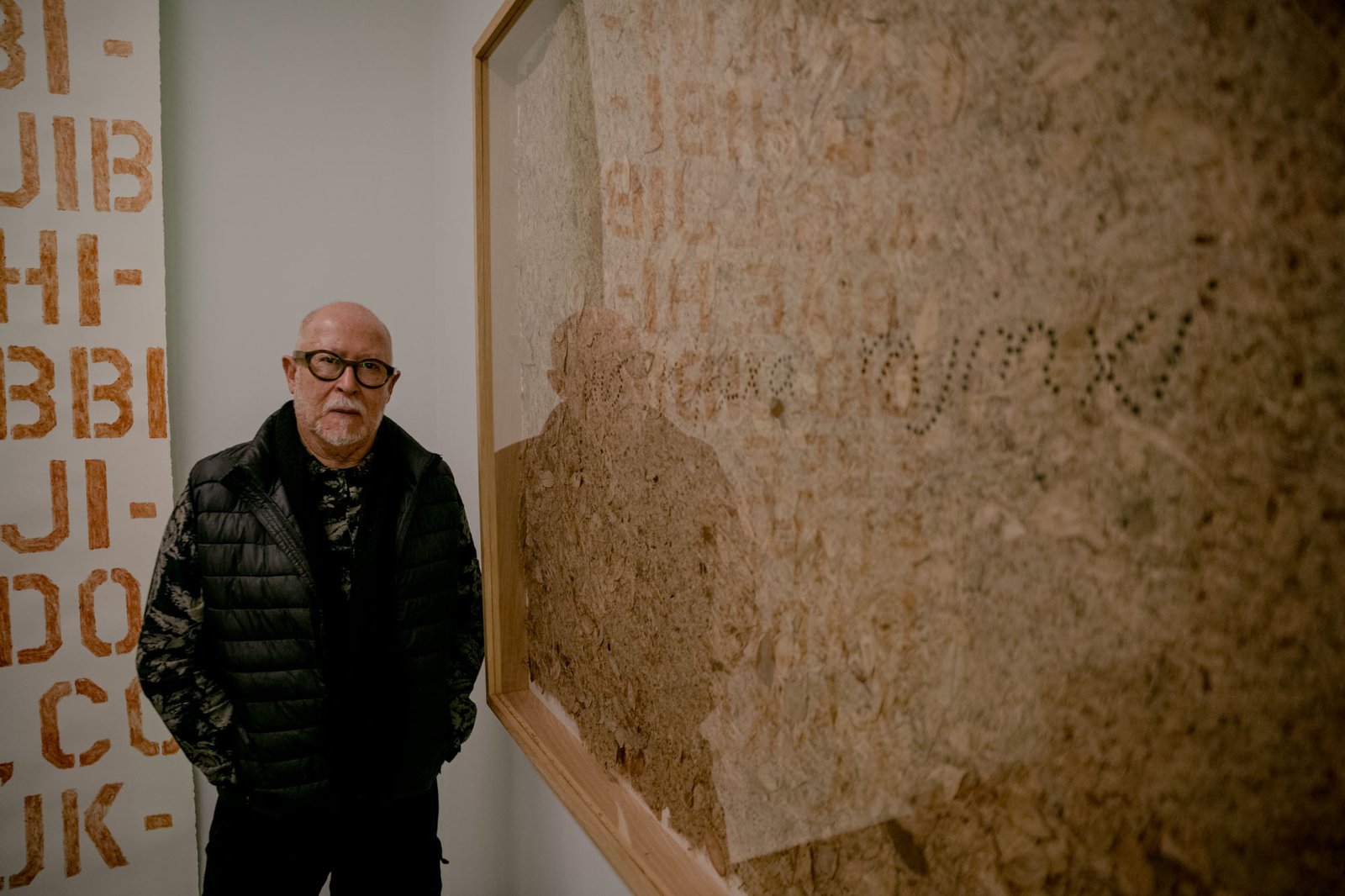
Raspachines’ Dreams (Health) is part of a series of works with the words Housing, Health, Education, and Peace translated into the Nasa language. These terms refer to citizen rights that have historically been denied to many Colombian communities who, in their attempt to escape state neglect and poverty, have been forced to cultivate coca to survive. There are no specific terms for these concepts in Nasa Yuwe; for example, health is defined in Nasa as “Joy to the heart.”

The Artist

Miguel Ángel Rojas

Miguel Ángel Rojas is a pioneering Colombian conceptual artist whose work exposes hidden systems of power, marginality, and identity through an examination of his country’s social and political landscape.

Read more

More From This Artist