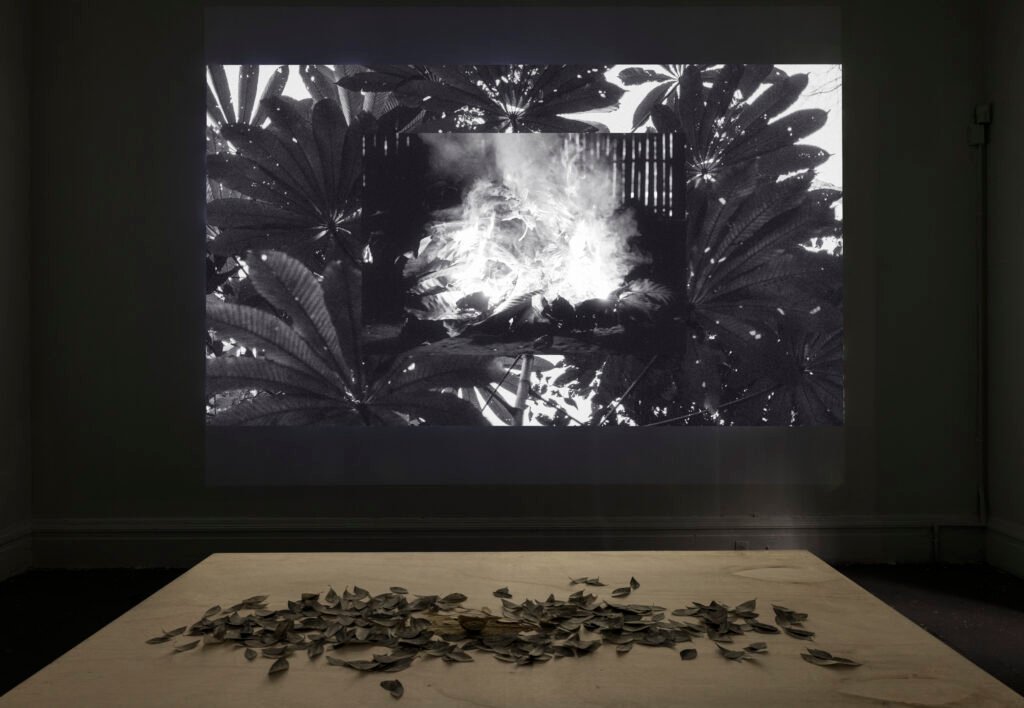
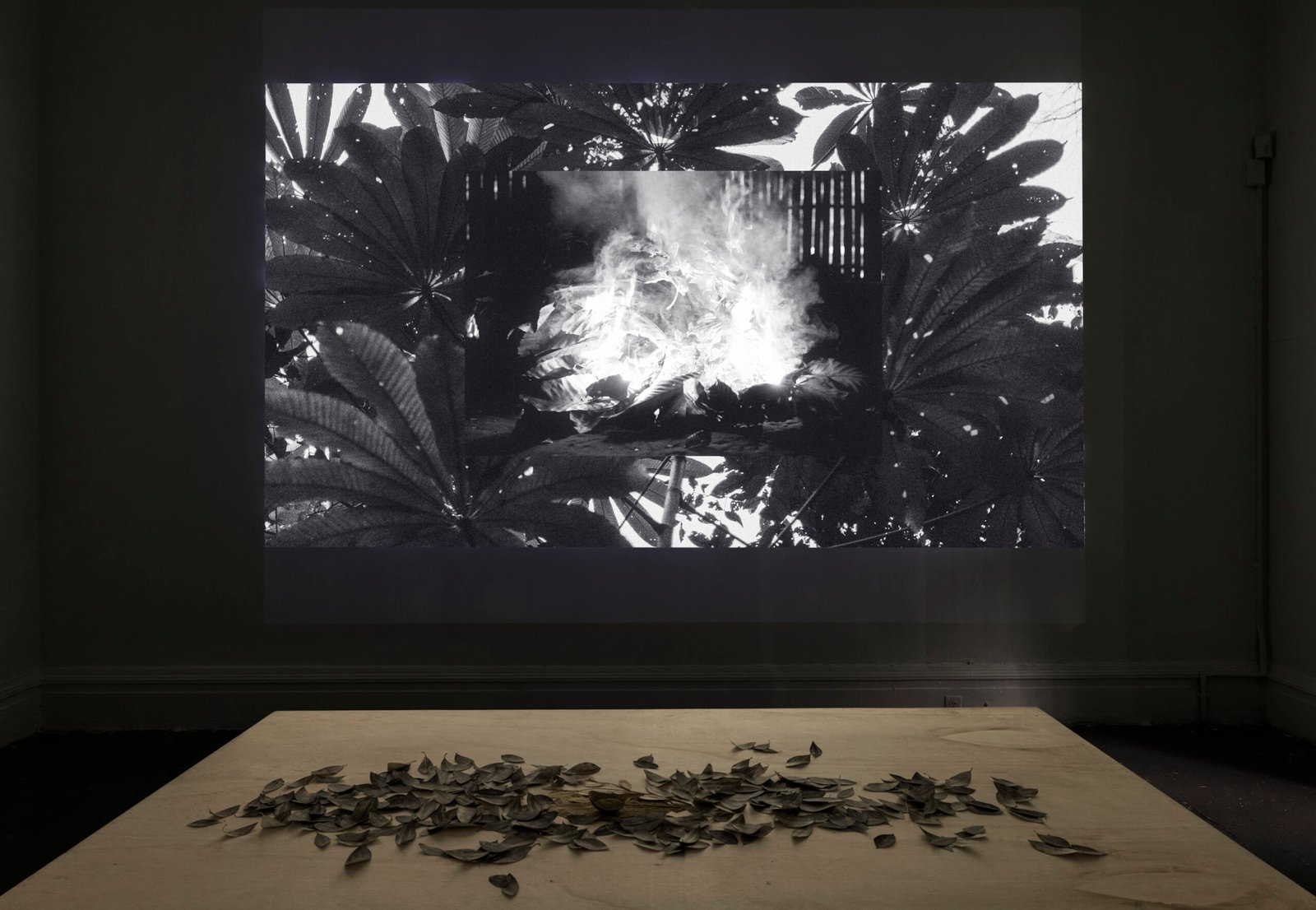
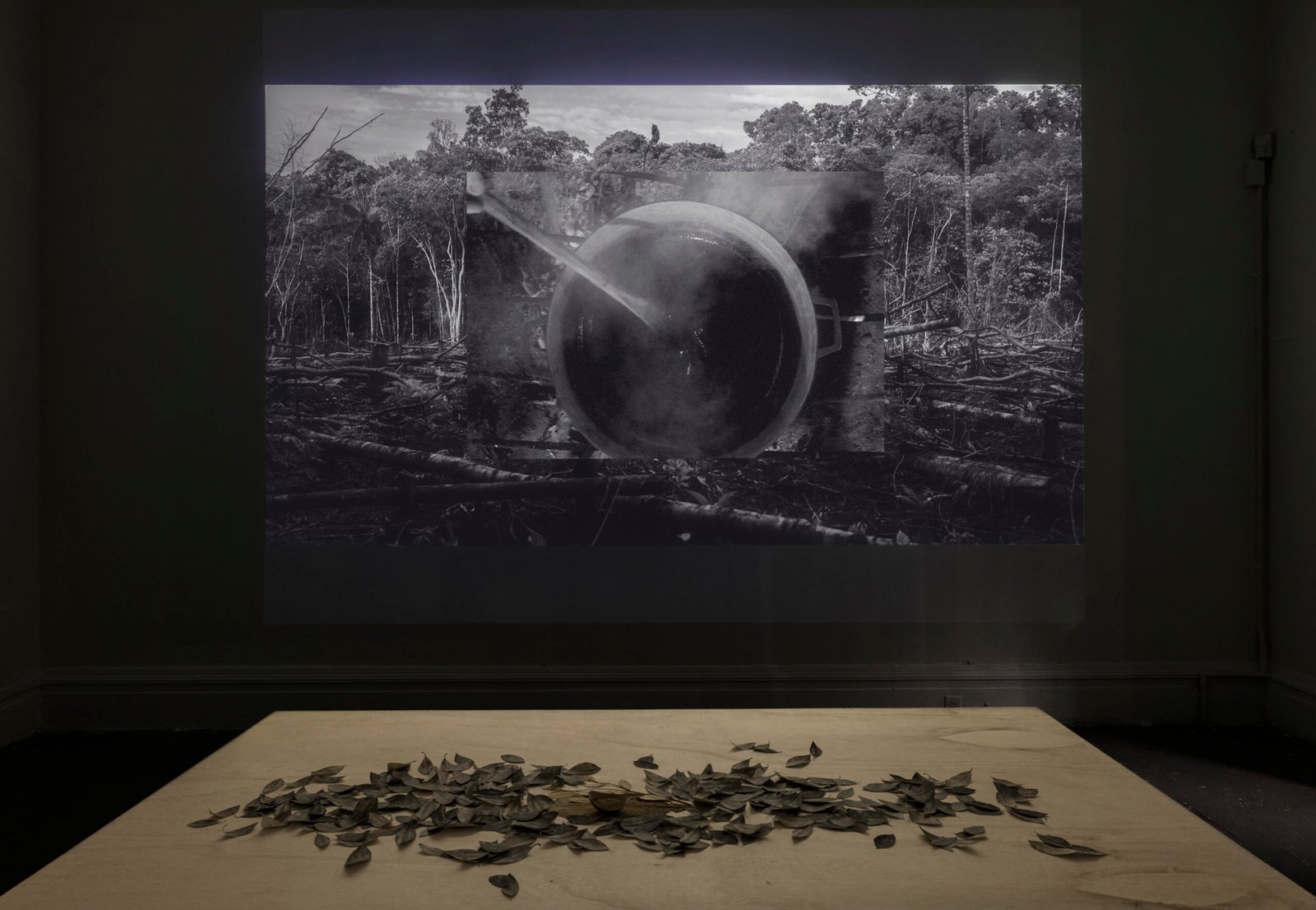
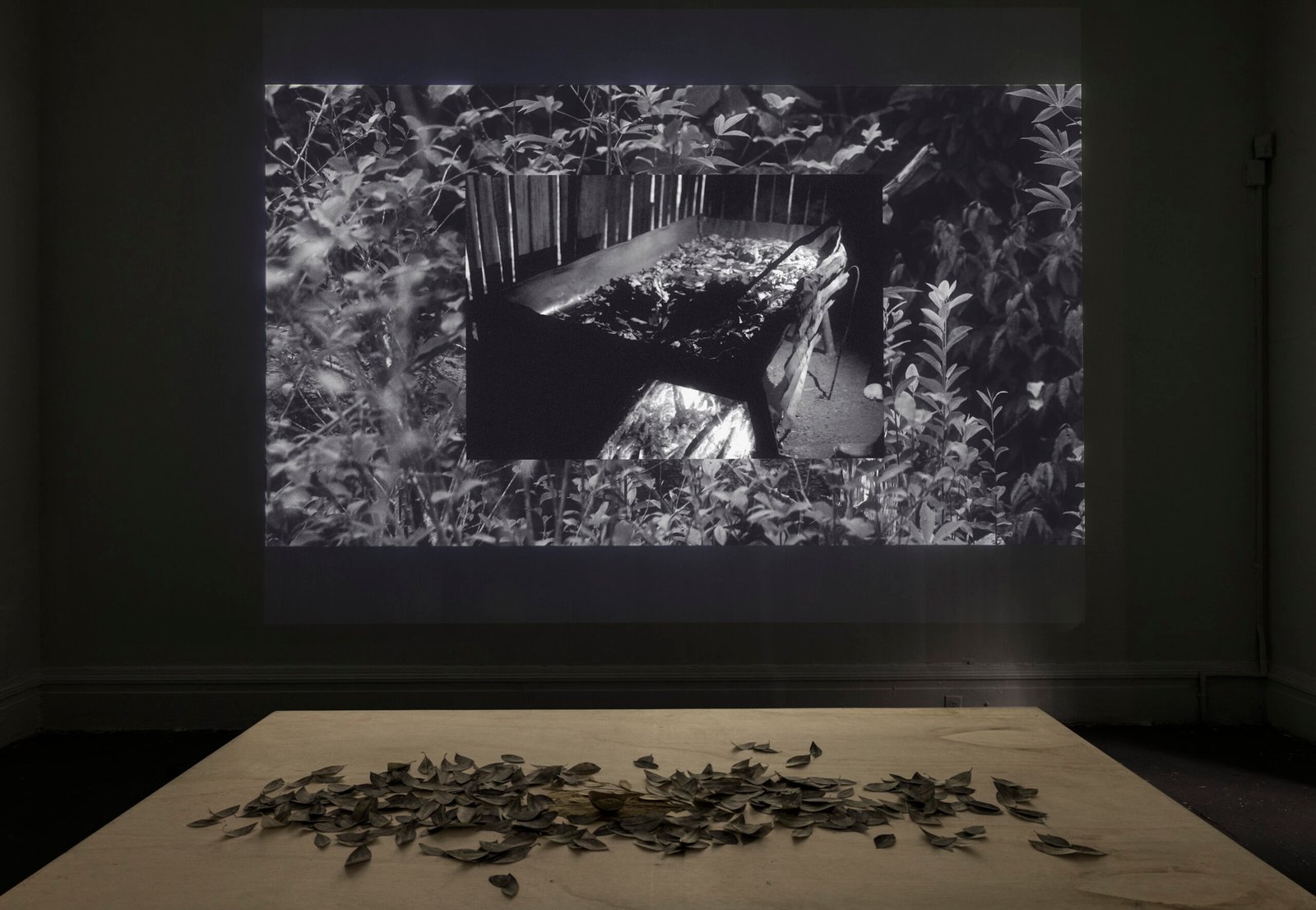
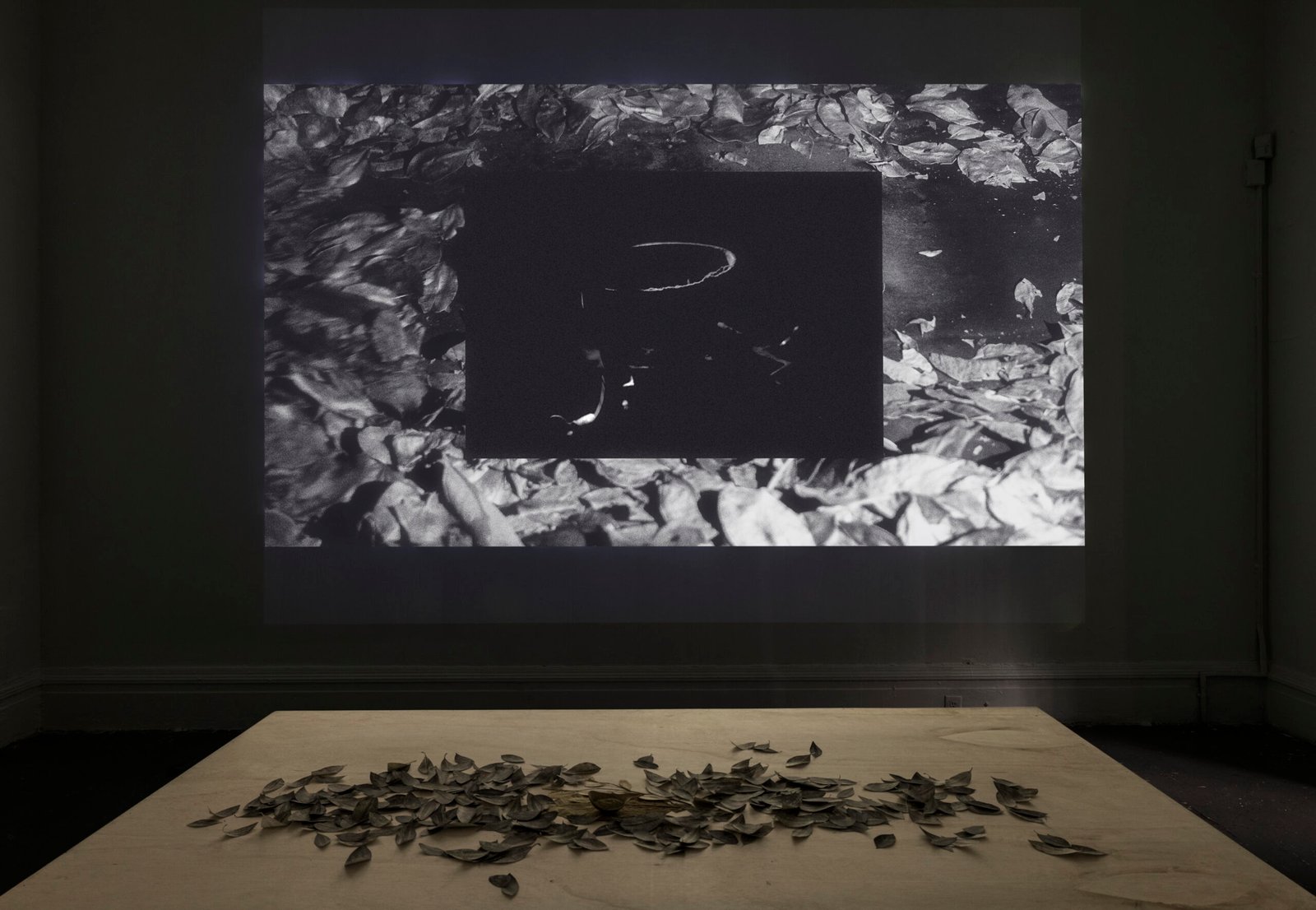
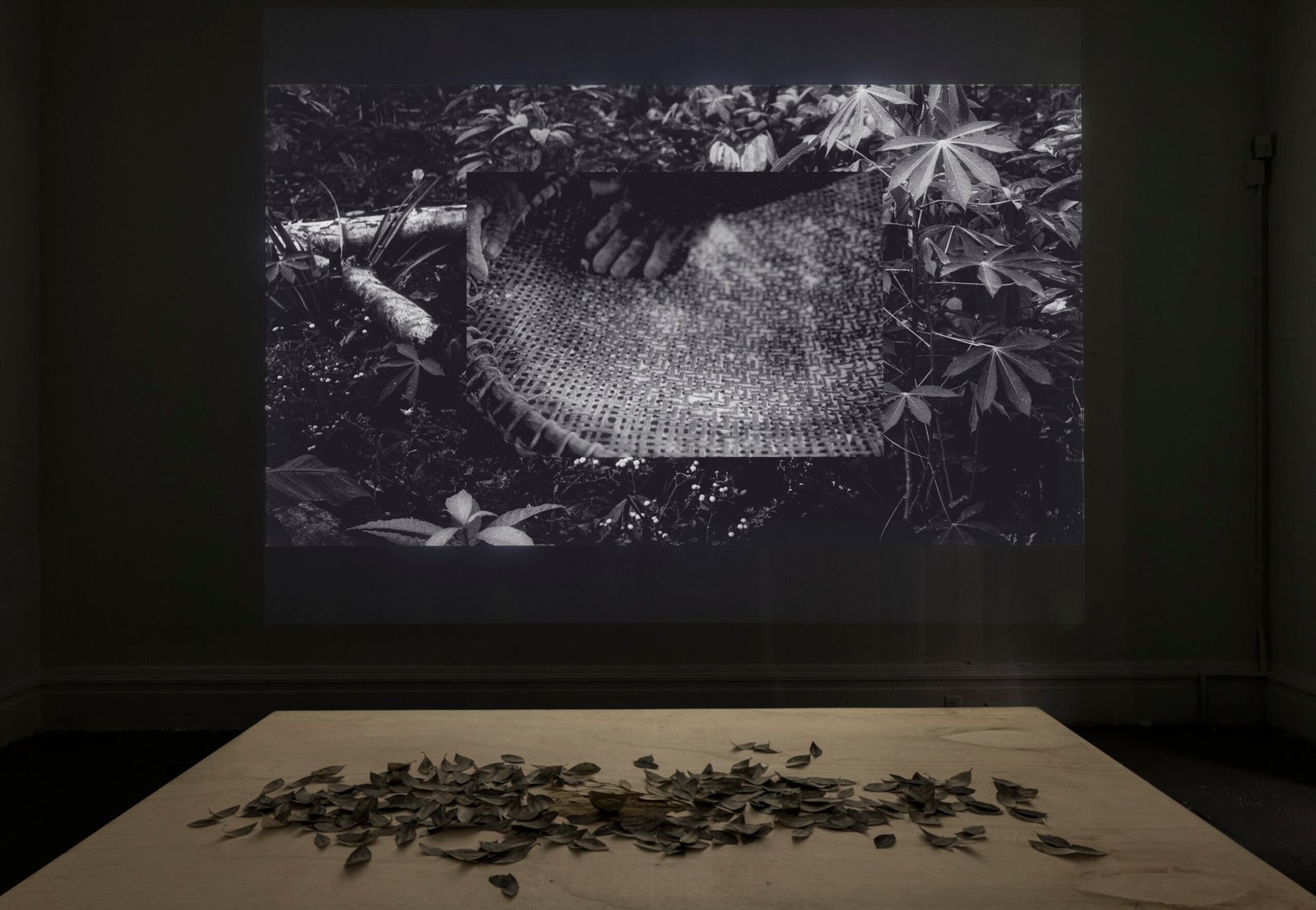
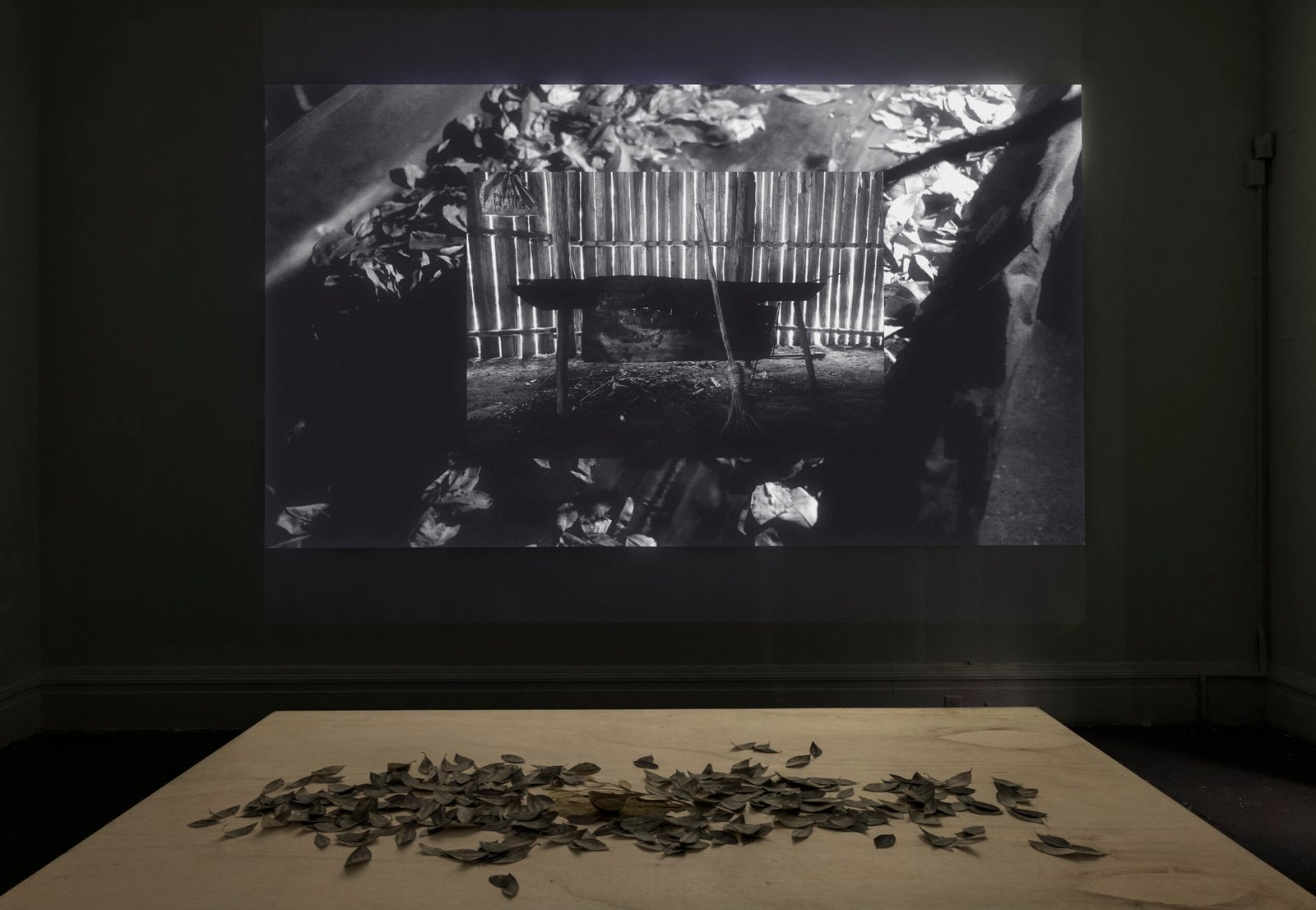
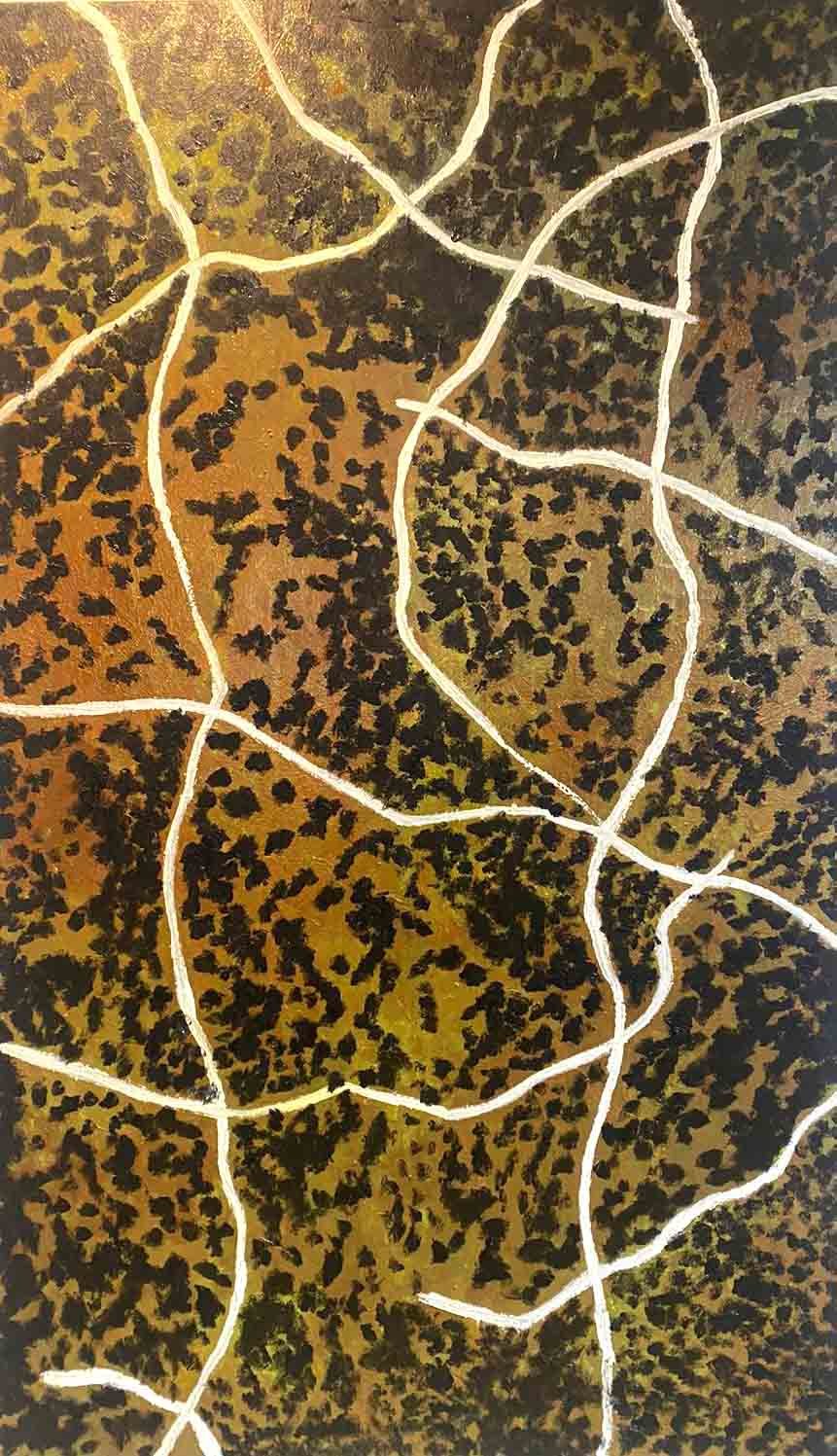
Sabio yarumo, dulce coca, tabaco frío y yuca brava

Sabio yarumo, dulce coca, tabaco frío y yuca brava

Tatiana Arocha

Artist’s country of origen: Colombia – United States
Medium: Single channel video with audio
Year: 2025
Photo Credit: Etienne Frossard © Tatiana Arocha

Line of Inquiry:

Coca-Worlds

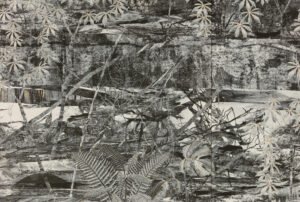
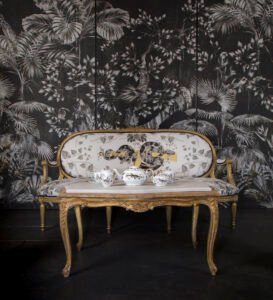
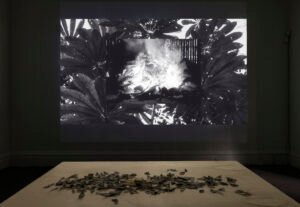
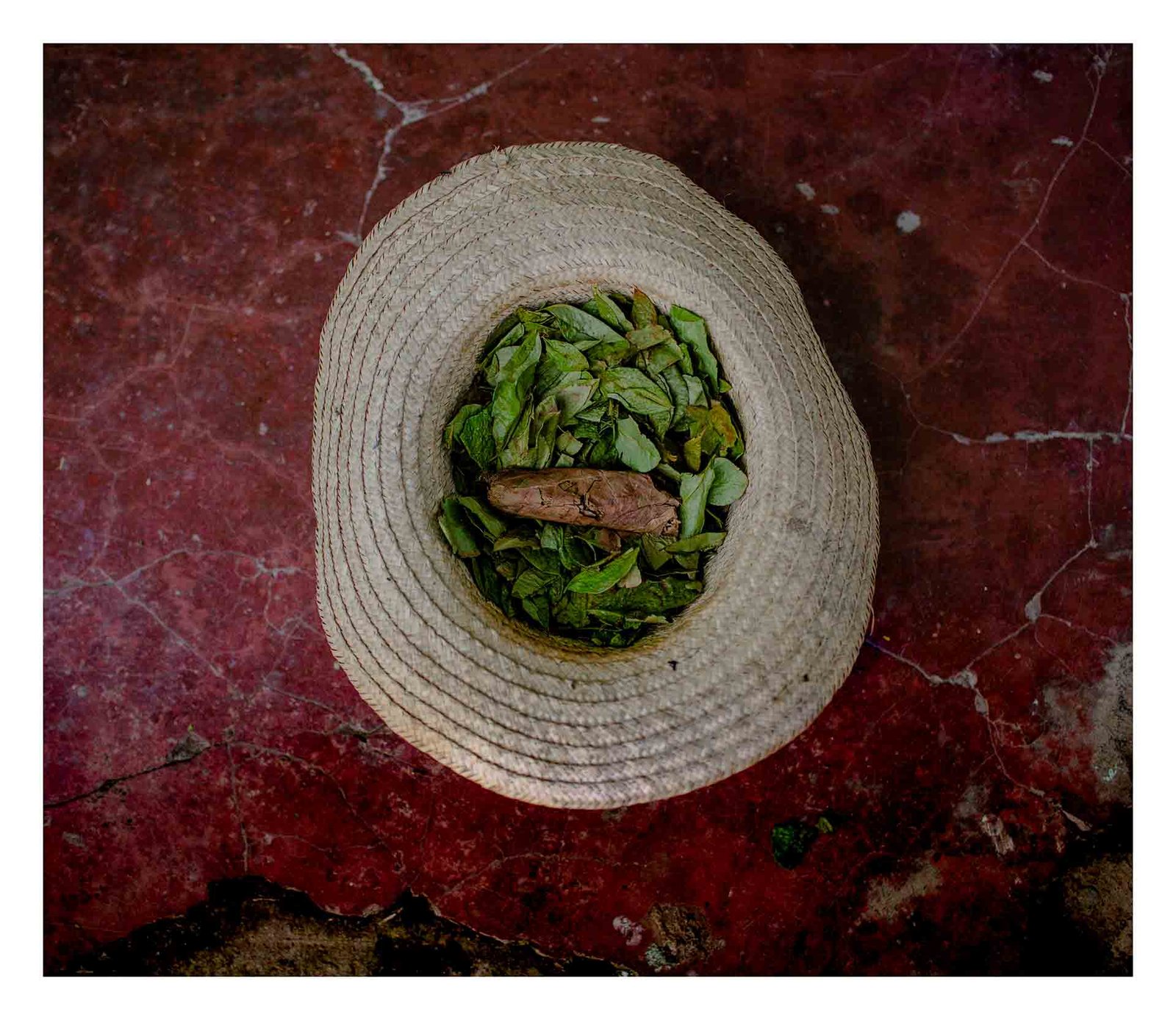
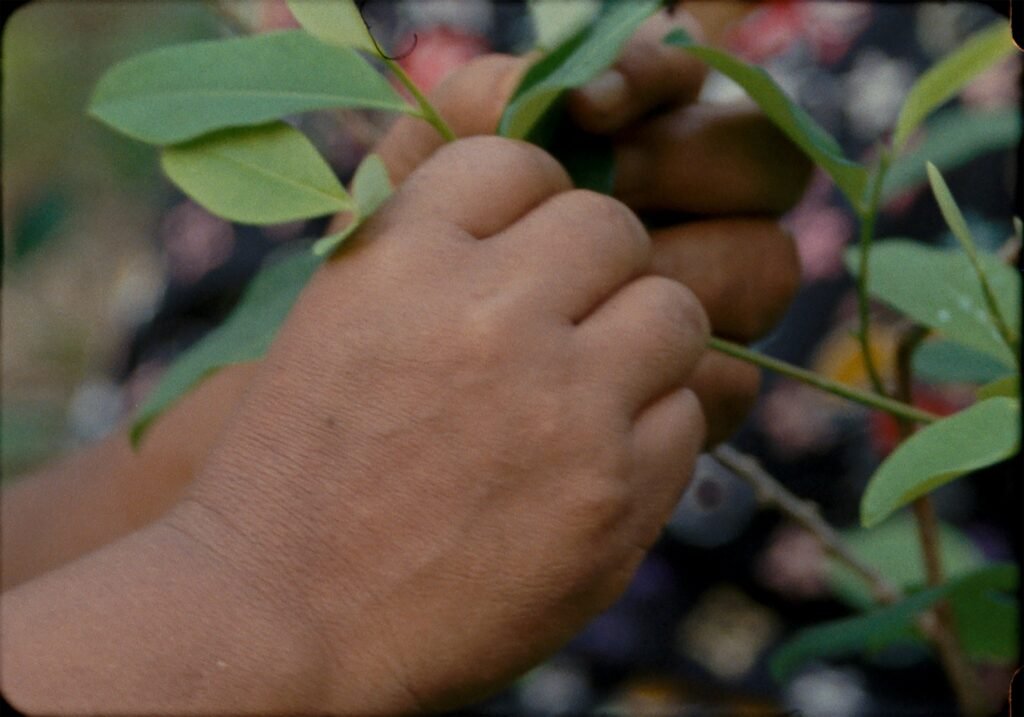
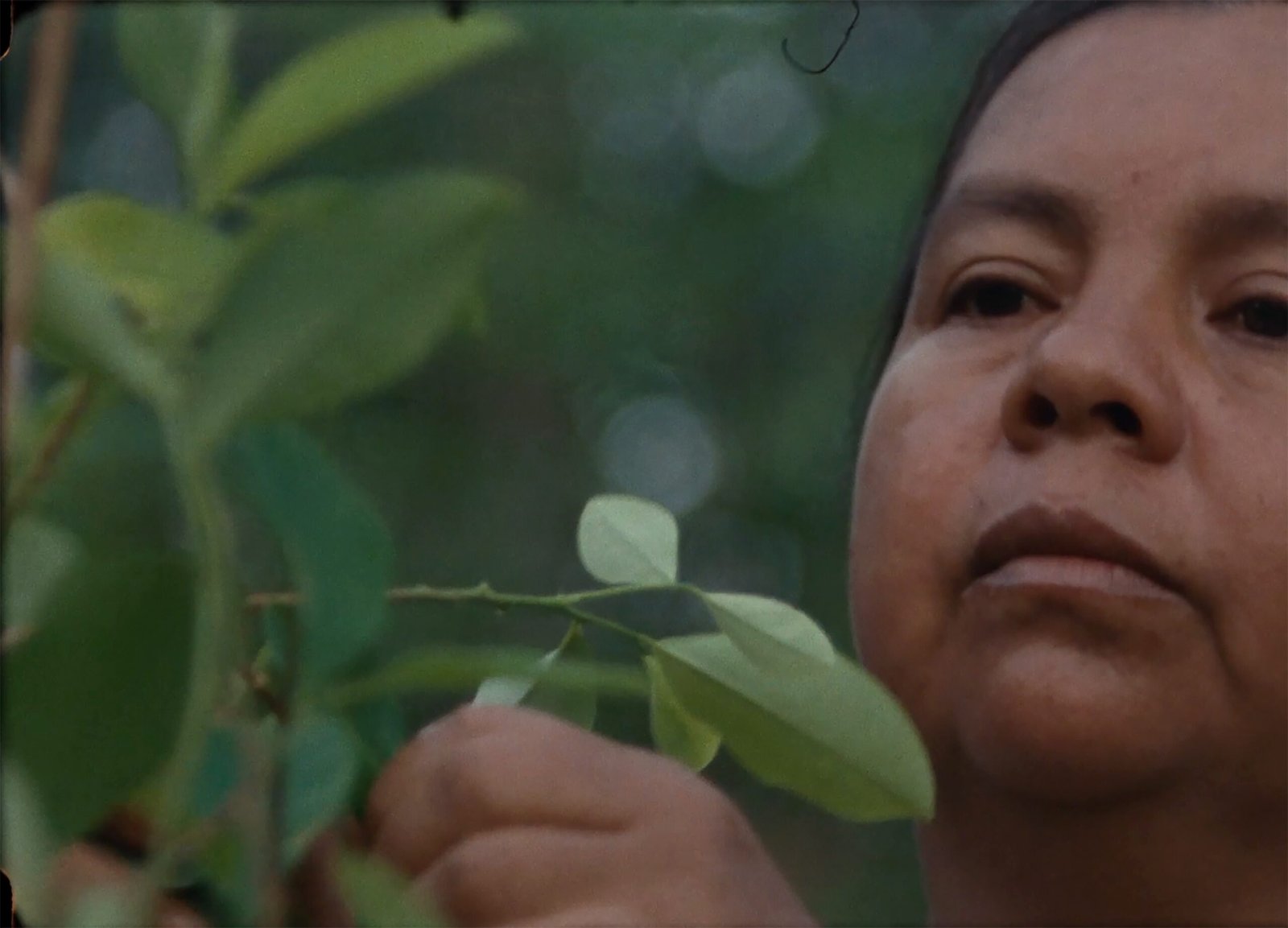
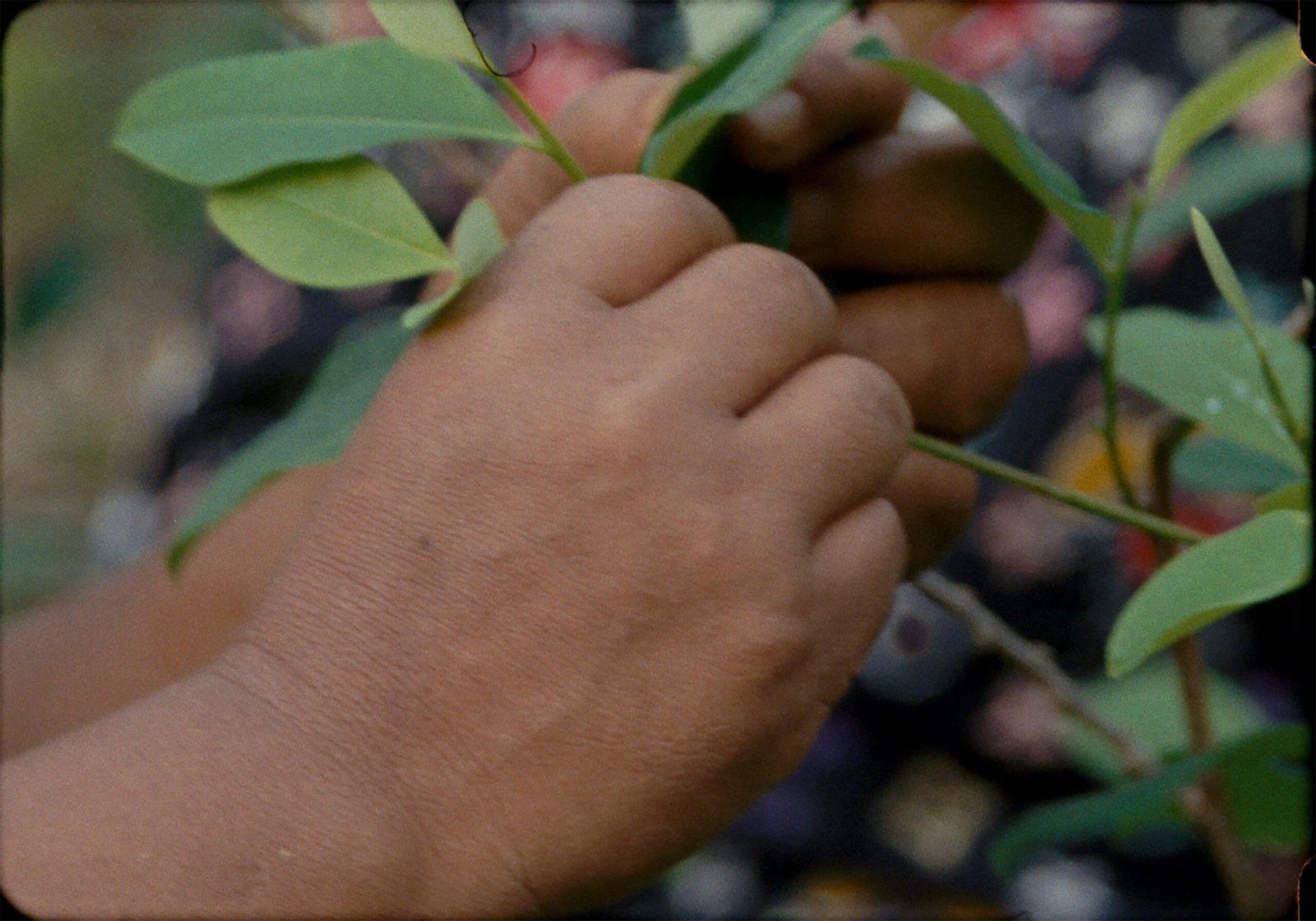
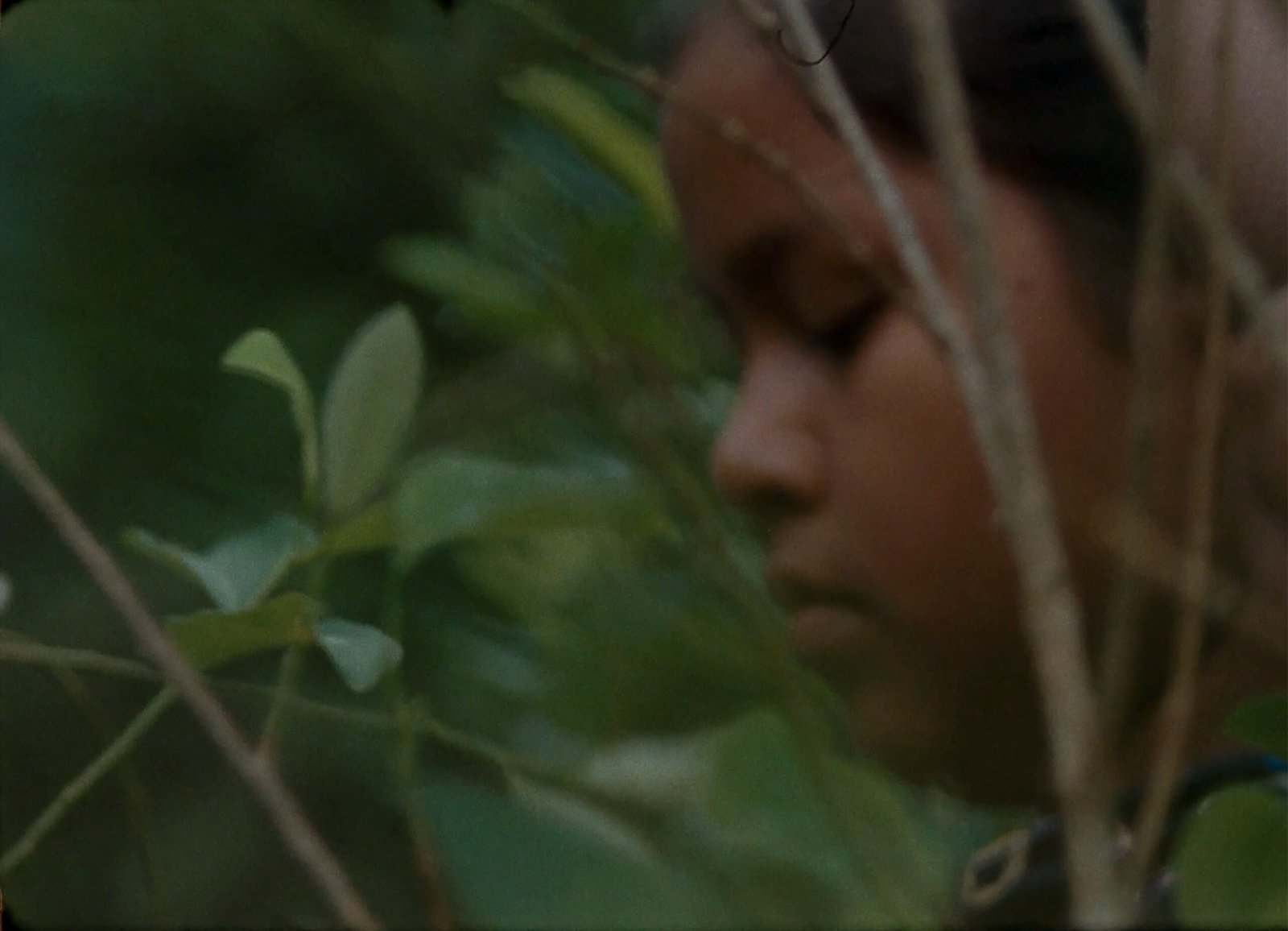
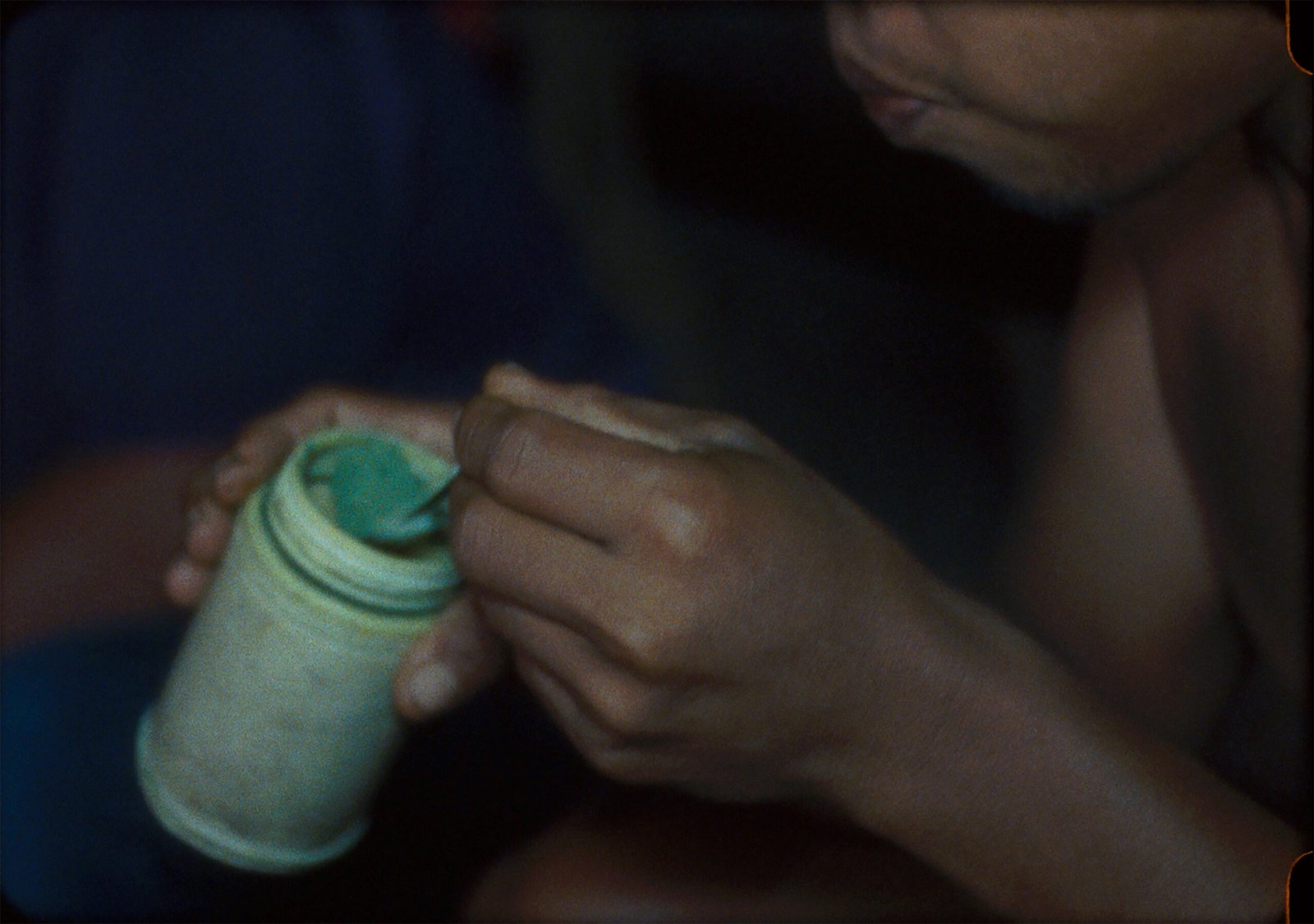
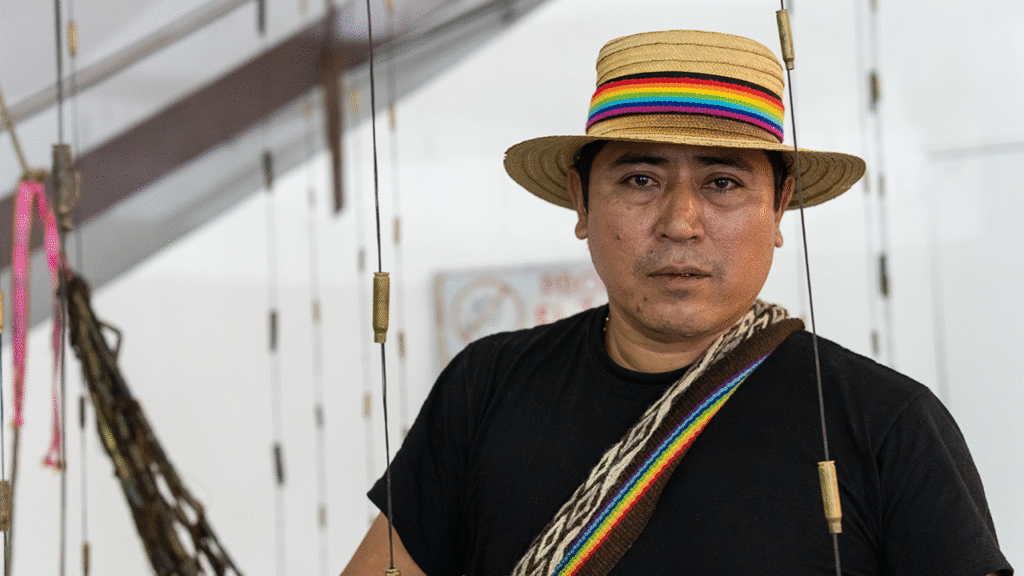
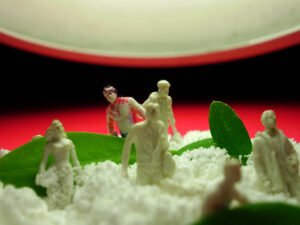
Sabio Yarumo, Dulce Coca, Tabaco Frío y Yuca Brava is an immersive audiovisual installation in which the four elements that give it its title — yarumo, coca, tobacco, and yuca — are living forces in constant dialogue at the center of the maloca, where the domestic and the sacred intertwine.

In the maloca of the Bora Muinane reserve, everything happens simultaneously: the preparation of mambe, the roasting of the leaves, and the voices of the community intertwine like layers of a single sonic fabric, creating a living archive and inviting an act of deep listening.

The Artist

Tatiana Arocha

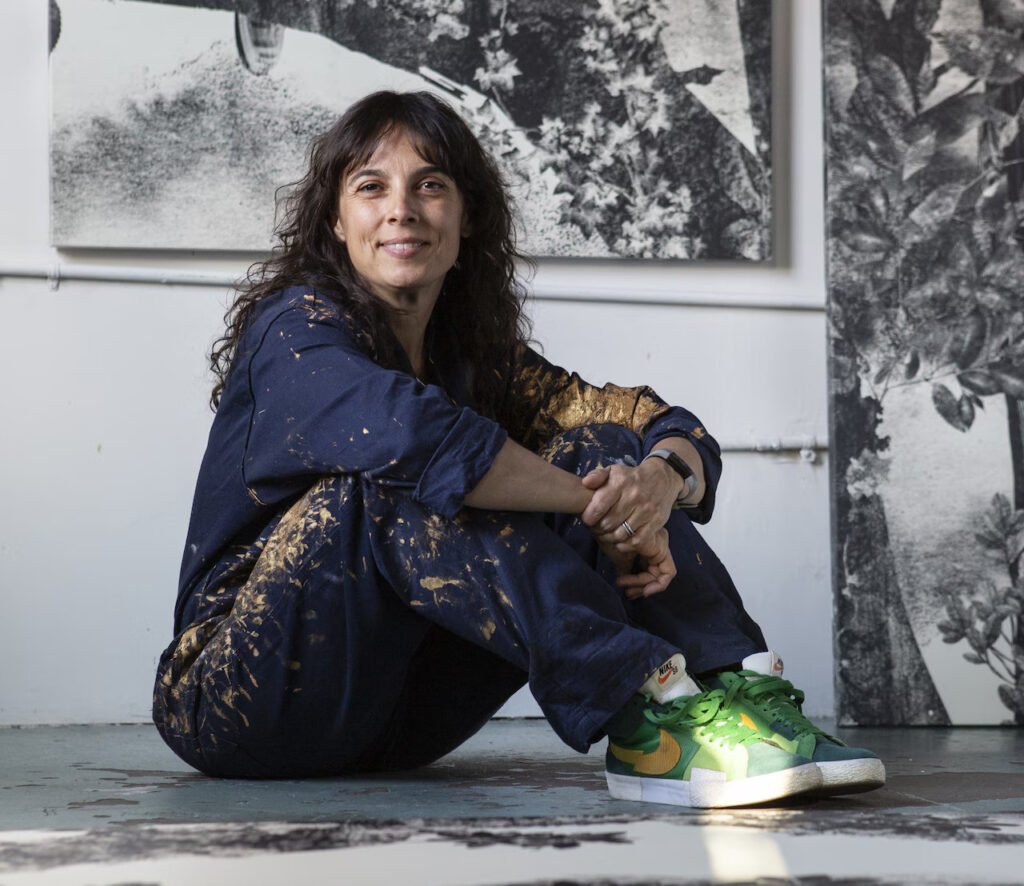
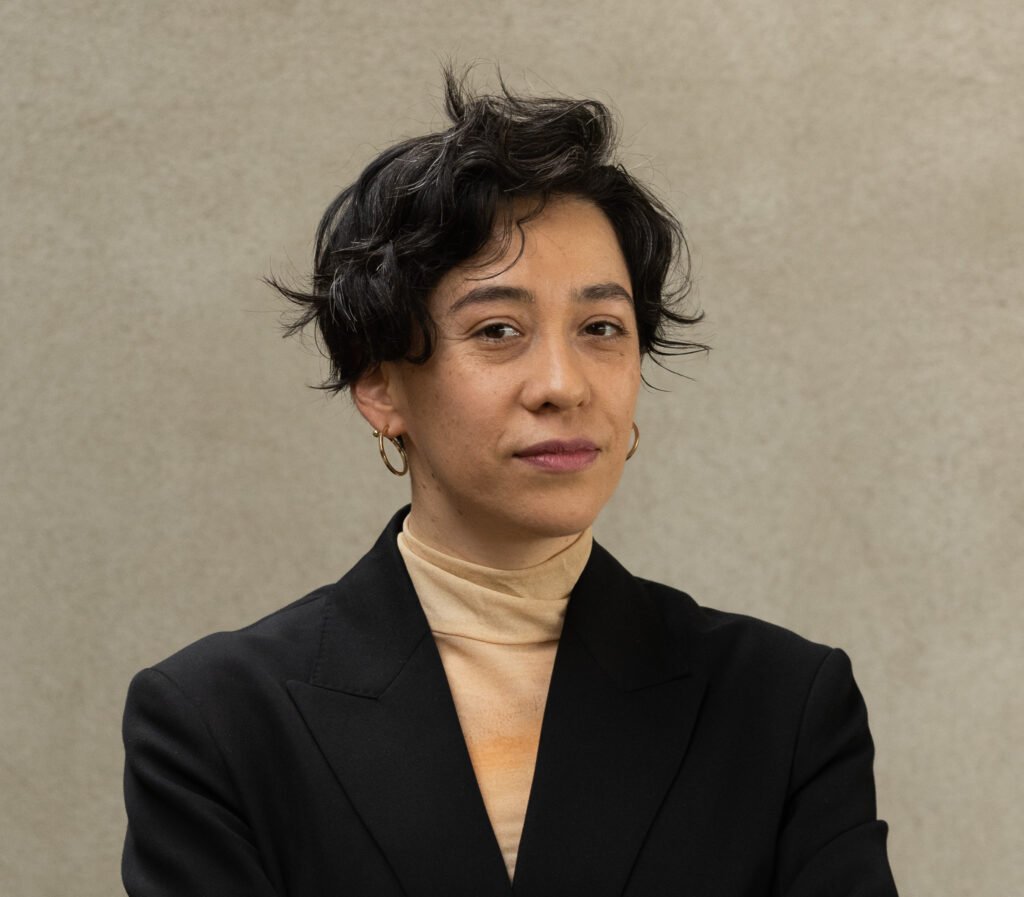
Tatiana Arocha is a Colombian artist born in New York in 1974, whose practice explores the intimacy between people and the land, personal memory, and her own experience as an immigrant.

Read more

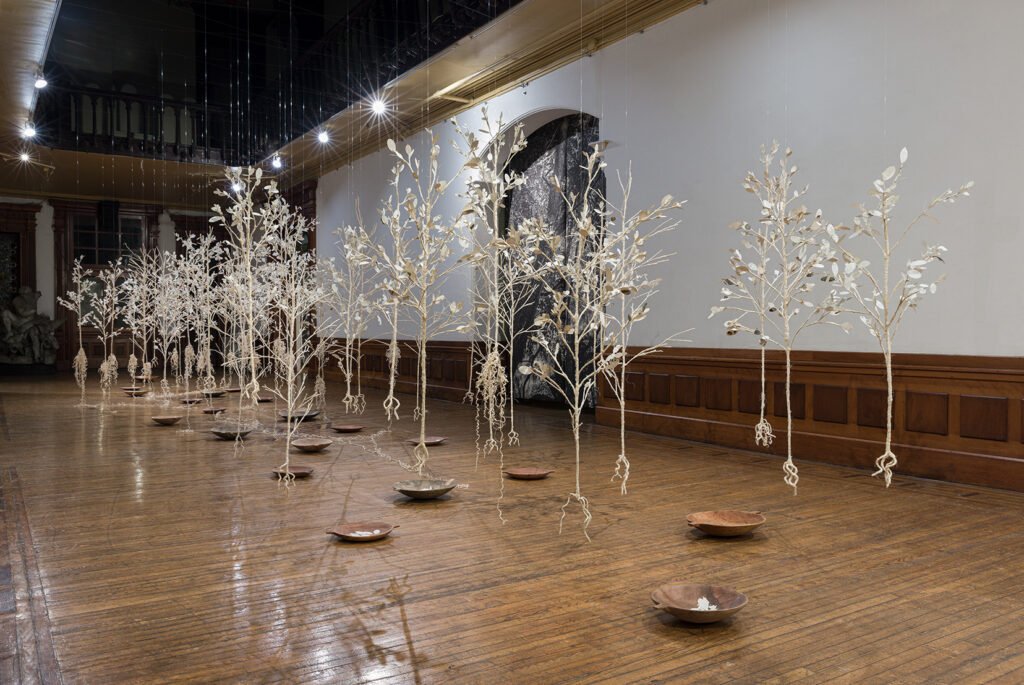
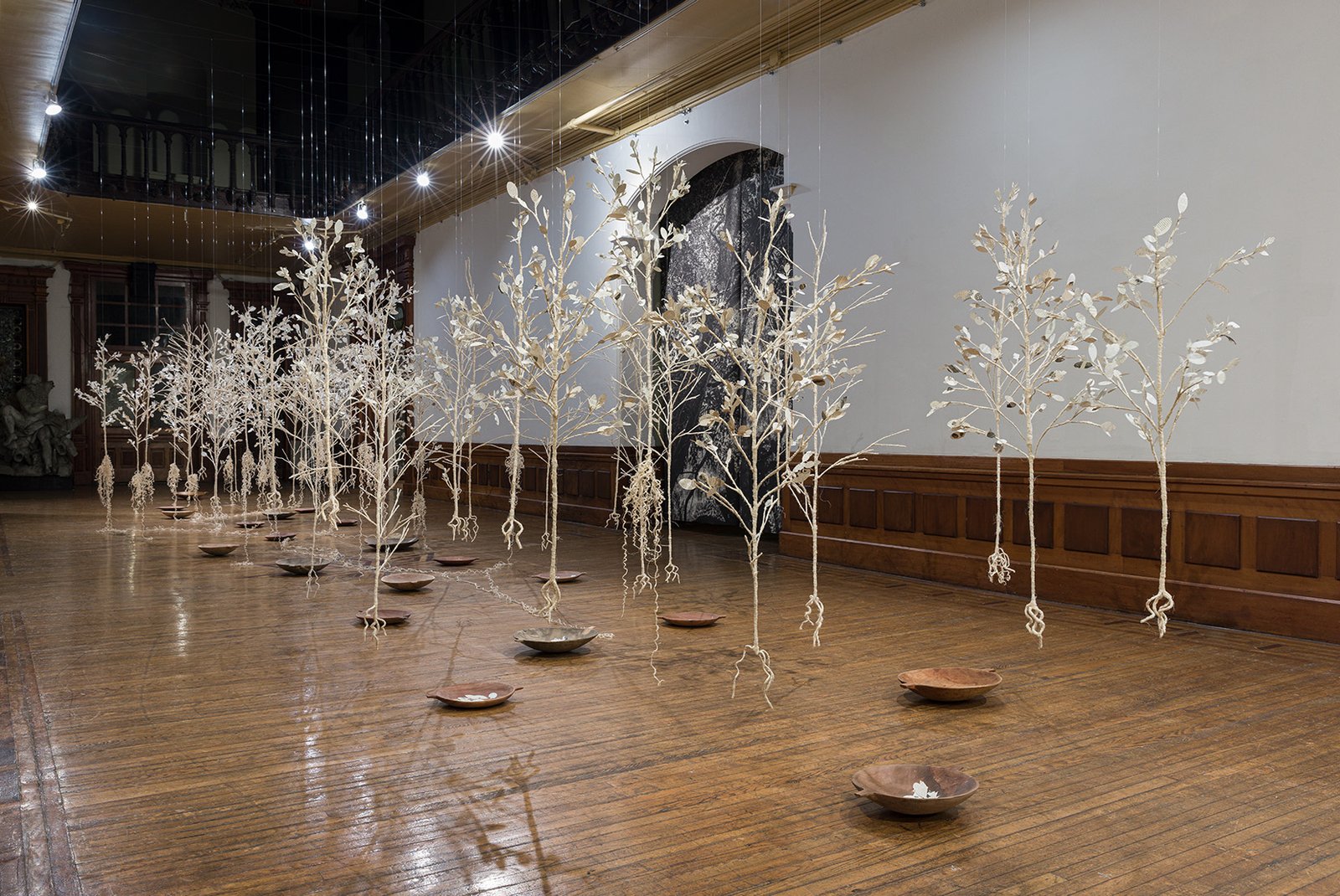
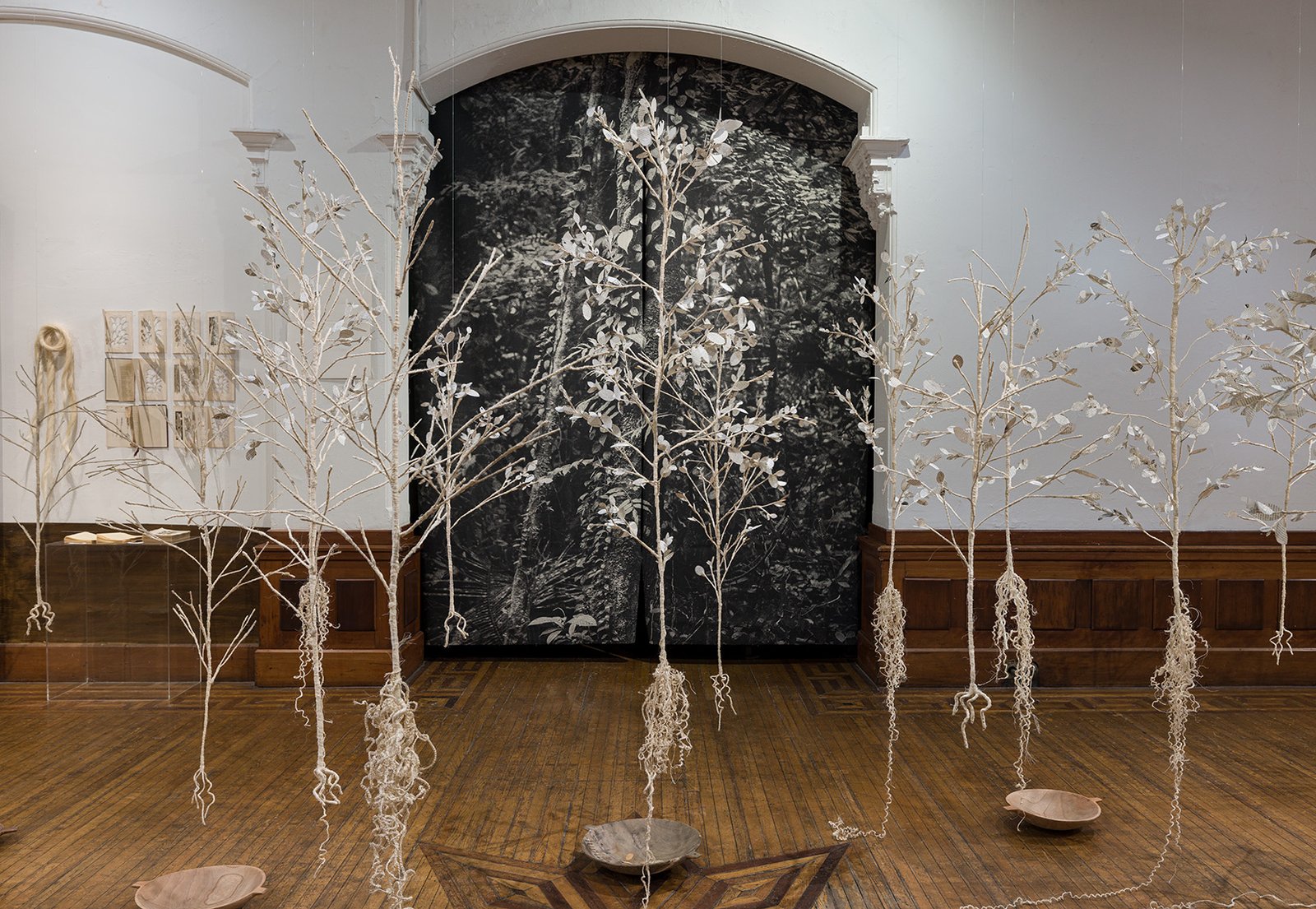
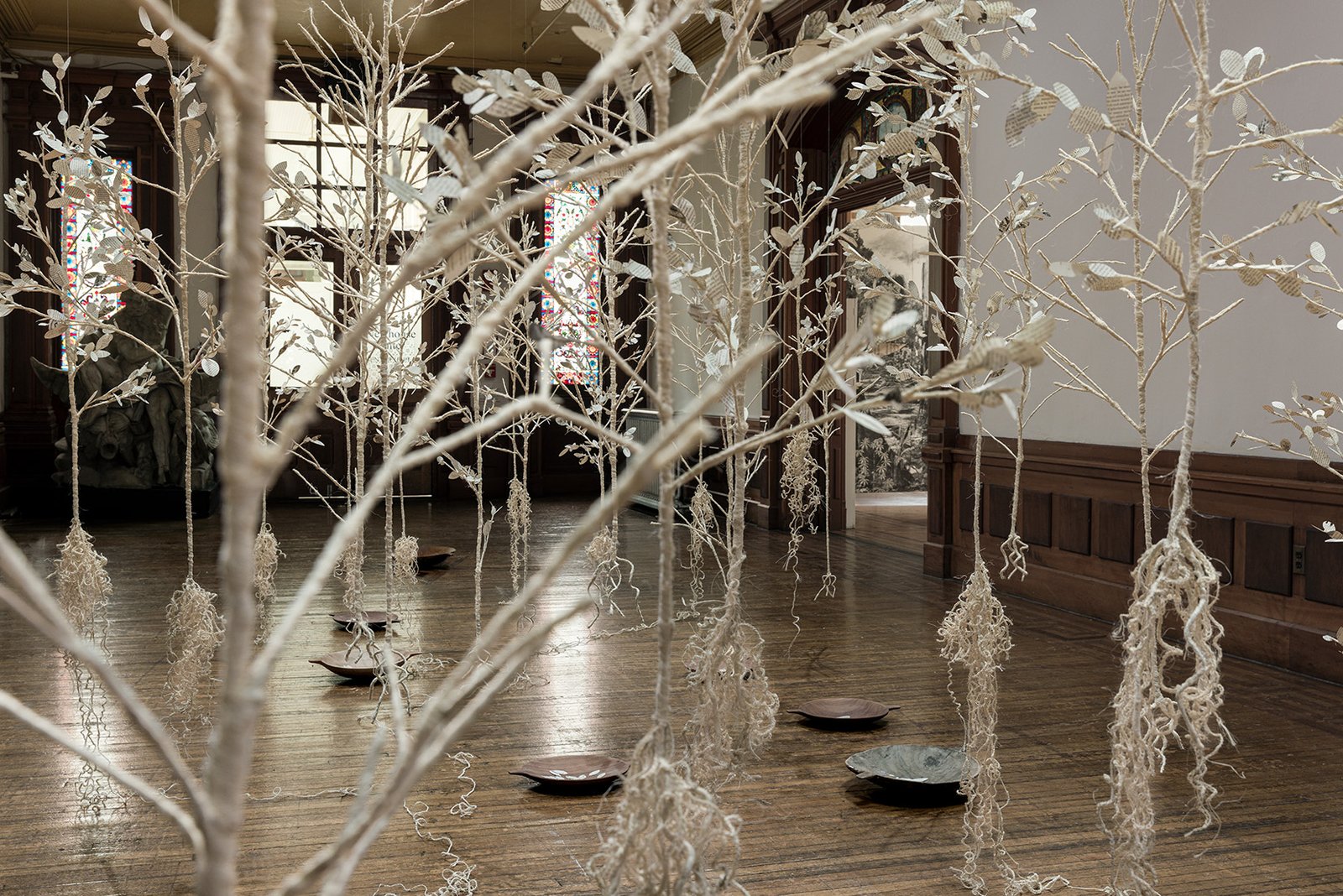
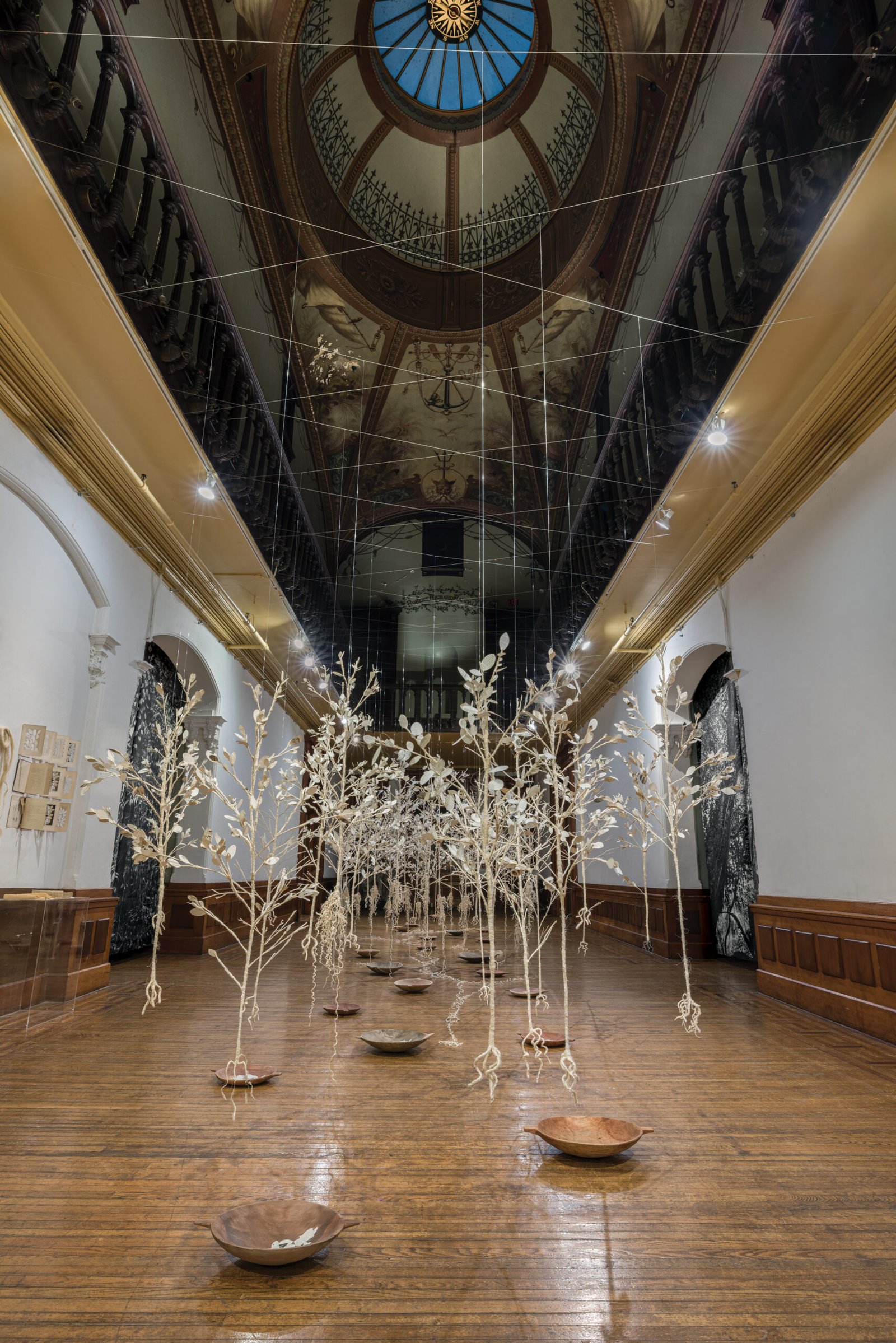
Sueño con Jardines de Coca

Sueño con Jardines de Coca

Tatiana Arocha

Artist’s country of origen: Colombia – United States
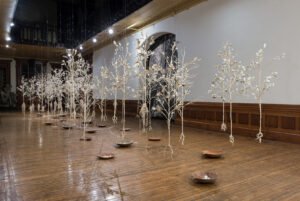
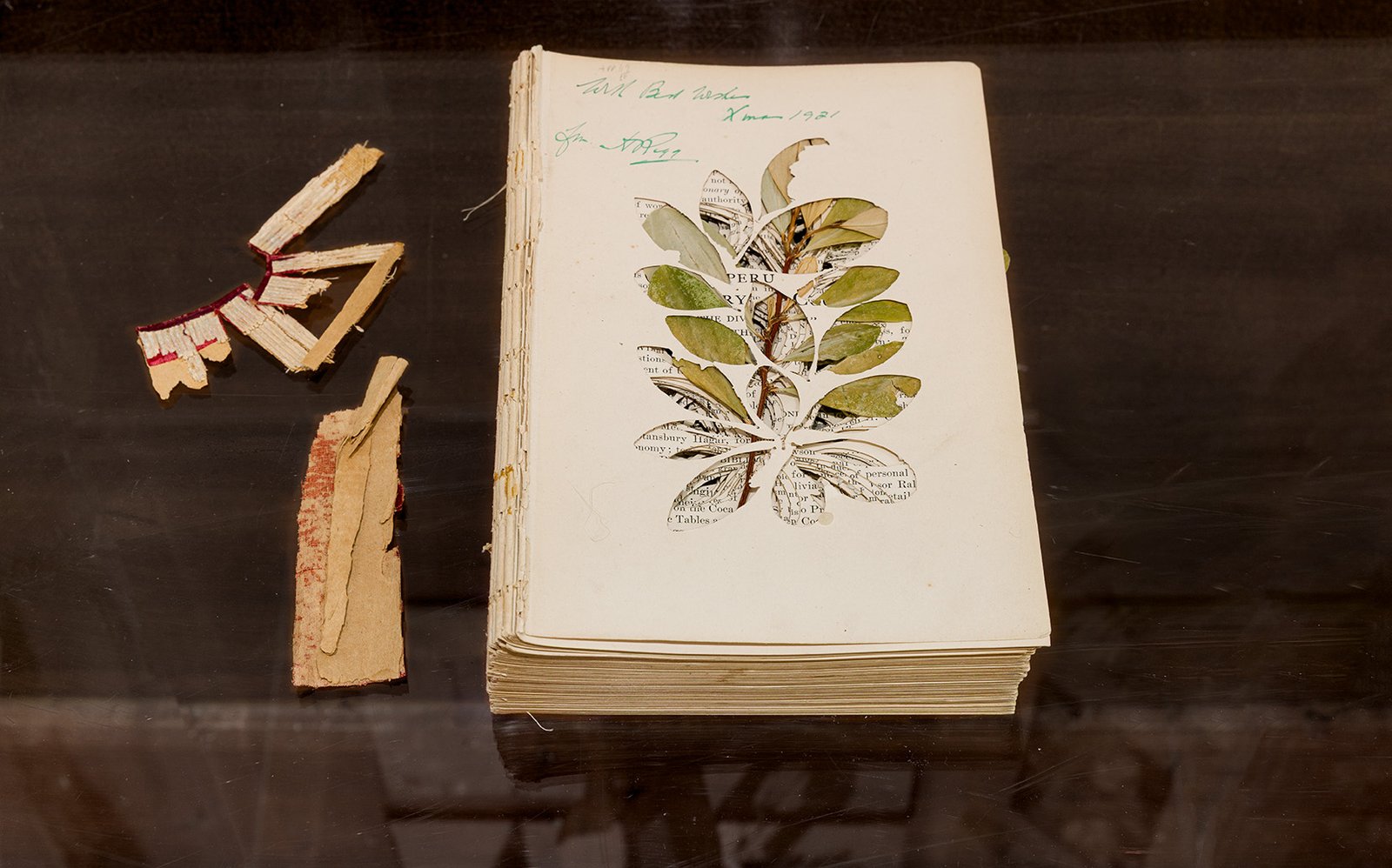
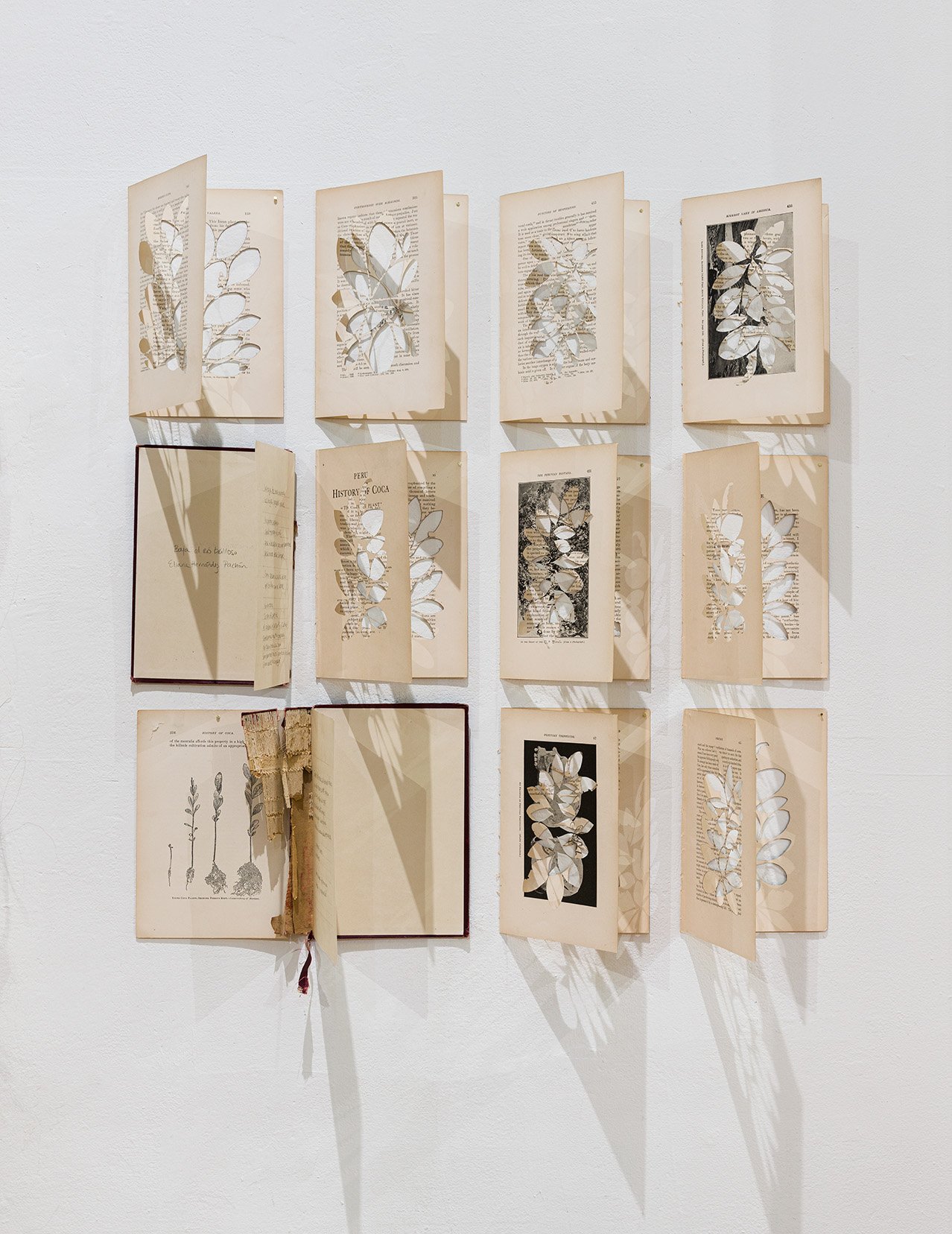
Medium: Fique fiber, aluminum wire, wooden bateas, coca leaves, and paper from nineteenth-century book pages
Year: 2025
Photo Credit: Etienne Frossard © Tatiana Arocha

Line of Inquiry:

Coca-Politics Coca-Worlds

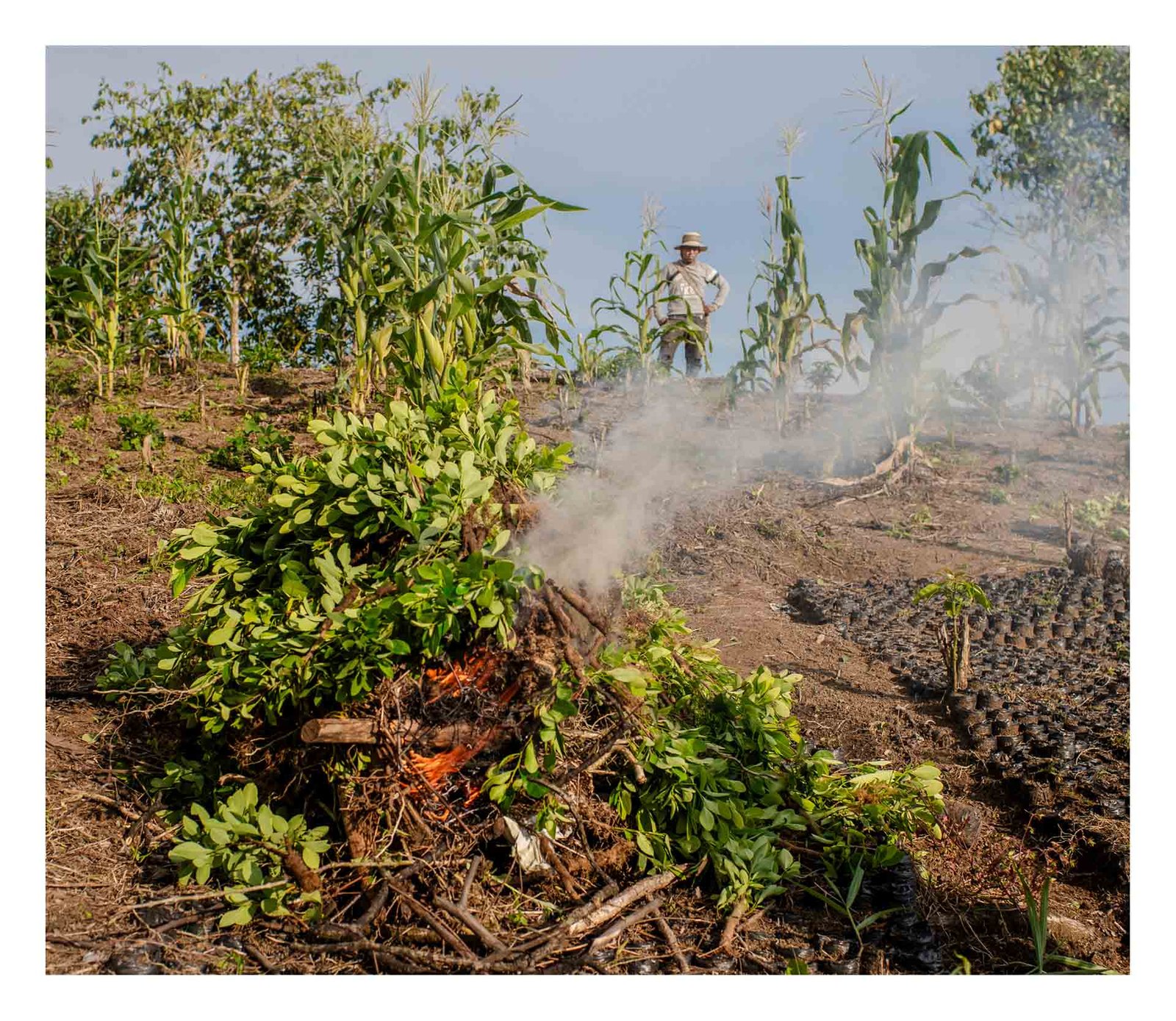
This work was created in collaboration with Fundación San Lorenzo de Barichara —Yadira Bueno, Margarita Suárez, y Gloria Inés Beltrán, Juli Viviana Silva Sánchez— who hand-crafted the structure of each coca bush using fique fiber and wire. The wooden bateas, traditionally used to separate gold from river sand, were made by José Félix Murillo, Choibá Chocó.

The Artist

Tatiana Arocha

Tatiana Arocha is a Colombian artist born in New York in 1974, whose practice explores the intimacy between people and the land, personal memory, and her own experience as an immigrant.

Read more

Ofrenda

​​Ofrenda

ENTRELAZANDO

Artist’s country of origen: Colombia
Medium: Photography
Year: 2015-2024
Photo Credit: © Entrelazando | Ariel Arango y Laura Langa

Line of Inquiry:

Coca-Politics Coca-Worlds

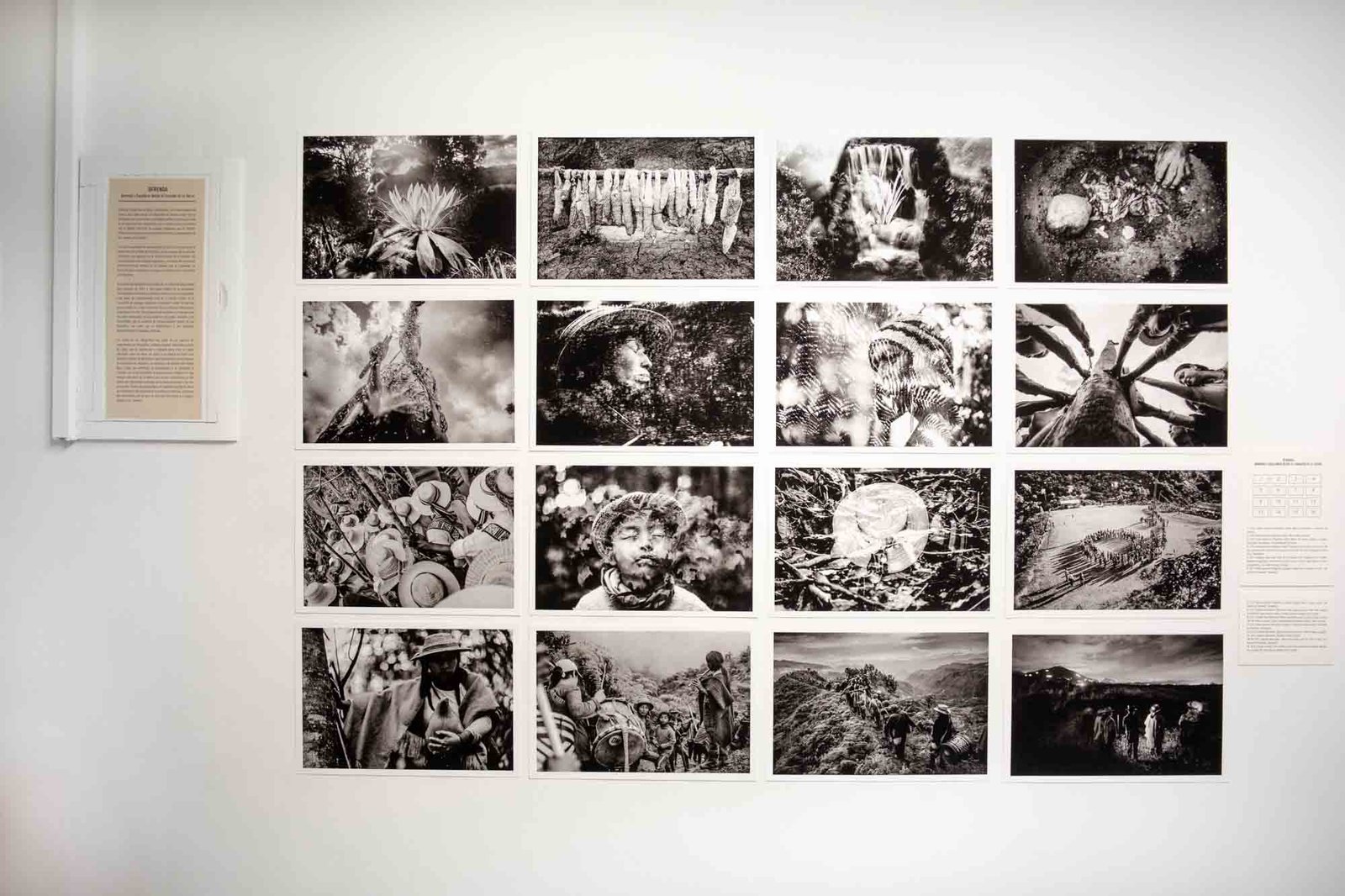
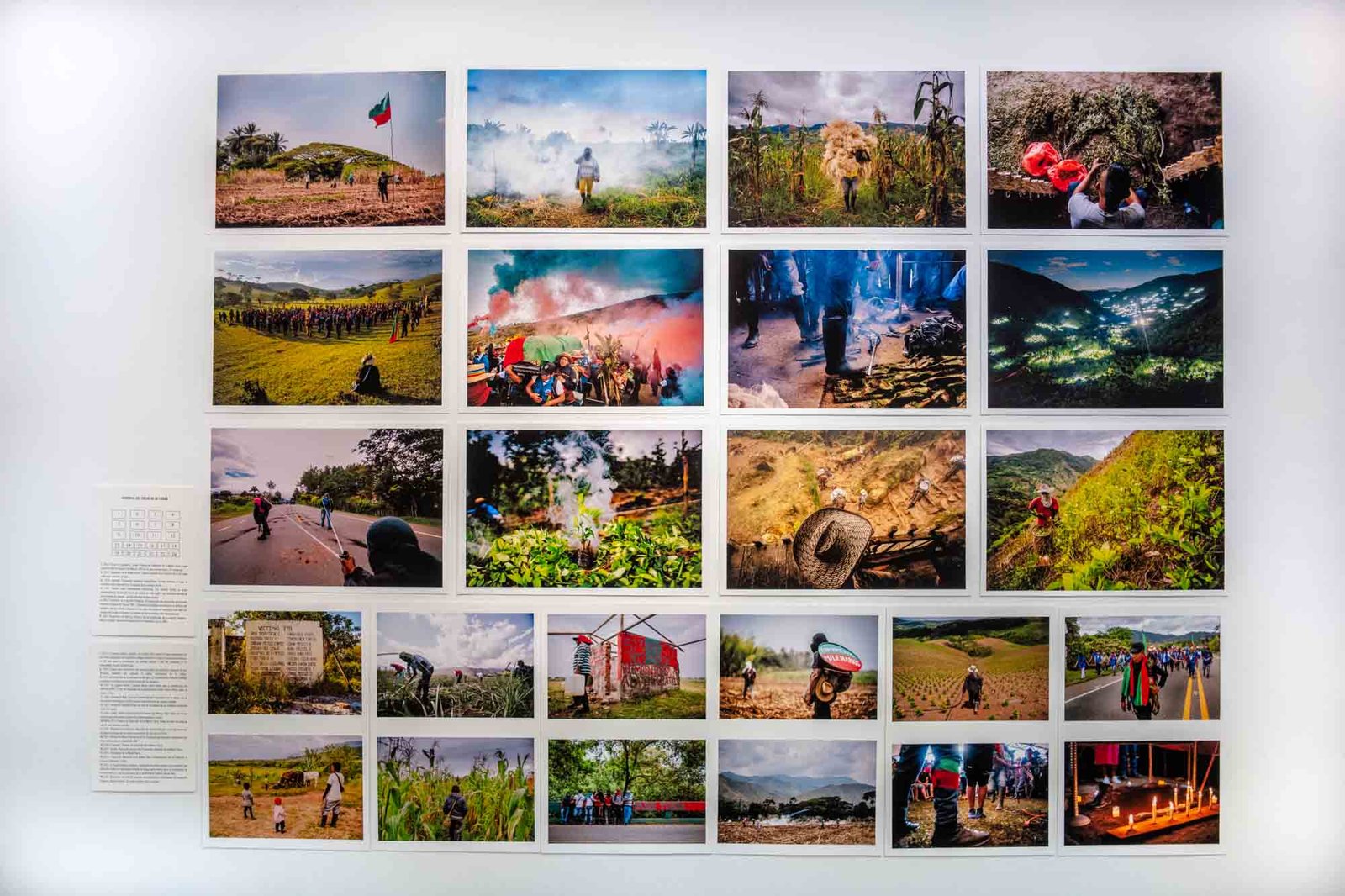
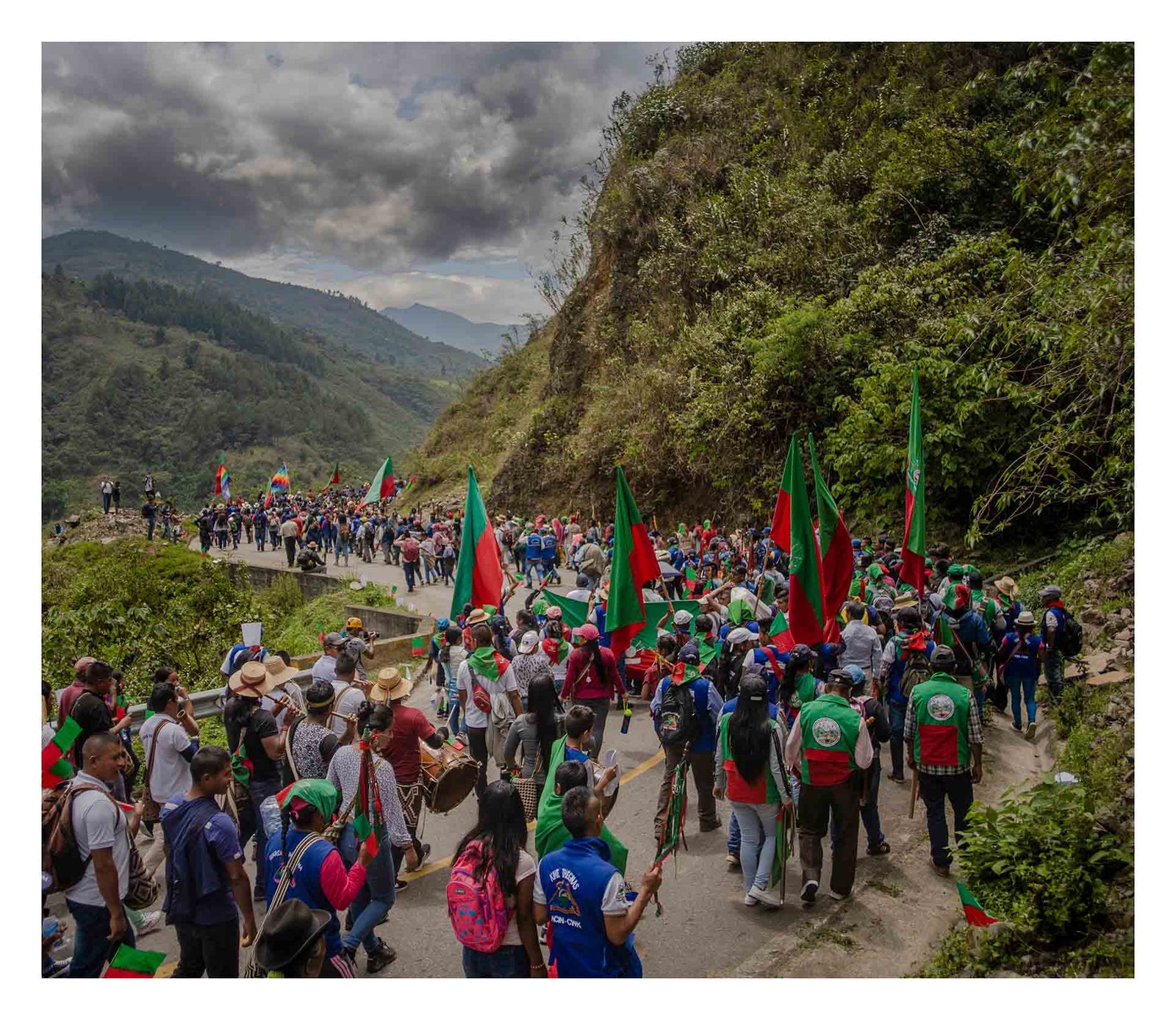
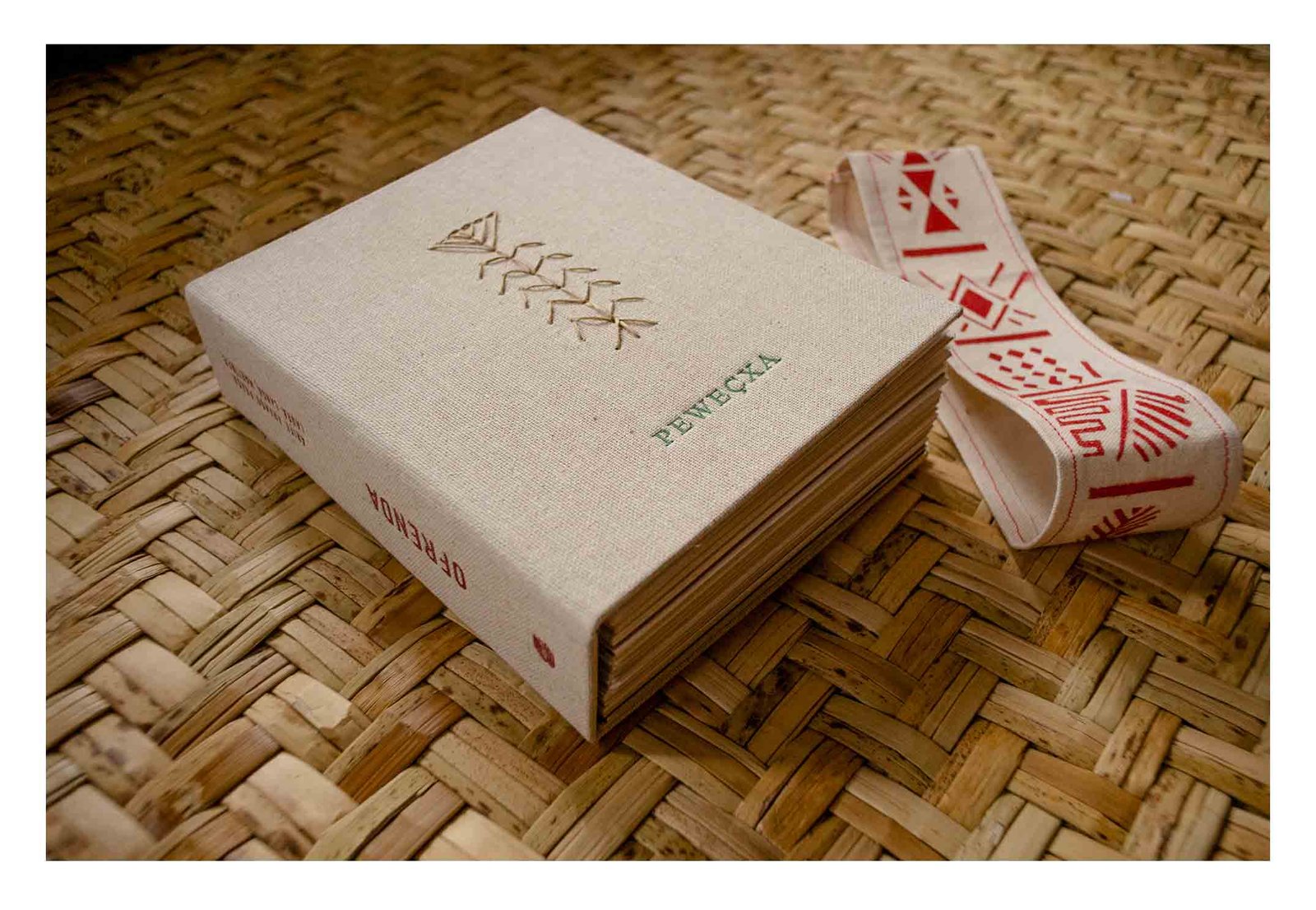
OFRENDA is the result of a long-term creative and research process that, through photography, audiovisual work, writing, and sound, traces the paths walked by the Entrelazando collective (Ariel Arango Prada and Laura Langa Martínez) since 2015 in the department of Cauca, alongside the Nasa Indigenous people.

This journey is grounded in a practice of listening, accompaniment, and learning around what constitutes the strength of re-existence—a concept articulated by Afro-Colombian thinker Adolfo Albán—which speaks to ways of life that do not merely resist or survive, but actively create, reinvent, and sustain vital alternatives through the activation of ancestral knowledges.

This re-existence unfolds within a territory deeply wounded by violence and its continuities: assassinations, the recruitment of children for war, unfulfilled peace agreements, the presence of old and new armed groups, drug trafficking—including illicit coca and marijuana crops—extractivism, deeply unequal agricultural relations, and the expansion of the sugar agroindustry, among other dynamics, particularly in northern Cauca.

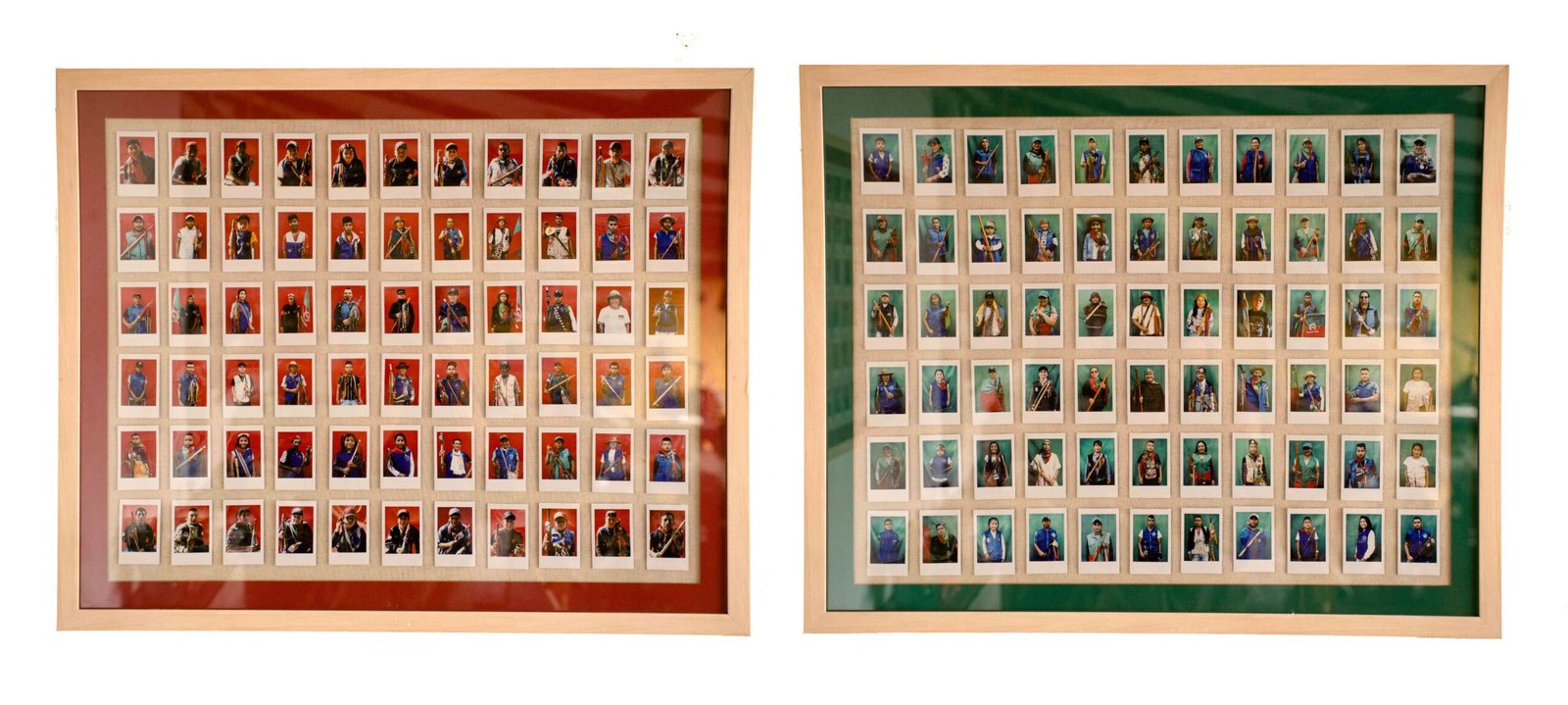
In the face of these territorial disruptions, collective processes such as the Liberation of Mother Earth and the Indigenous Guard emerge, sustaining life through community organization and the care of territory.

OFRENDA offers a partial cartography of this complex weave: on the one hand, of the dissonances that traverse Indigenous Cauca; and on the other, of the re-existences that reveal how communities reinvent everyday life through ancestral practices. Within this horizon, the coca leaf occupies a central place as a living, relational plant—one capable of carrying us into deep time to activate other ways of thinking and another political ethics, in direct opposition to logics of violence and to the uses imposed on it by drug trafficking.

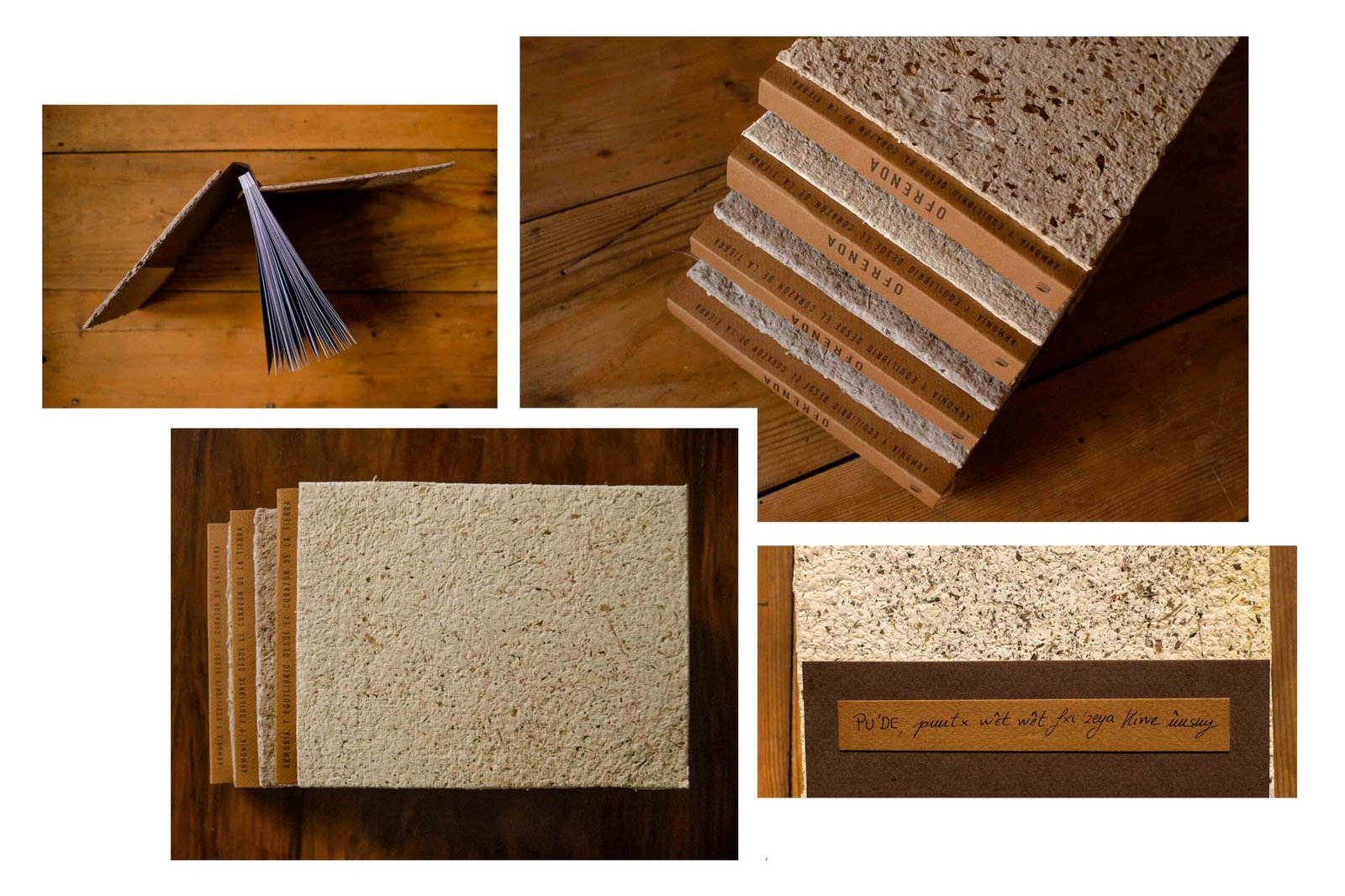
Over ten years of documentation and research, OFRENDA has taken material form in two artist books, experimental audiovisual projects, and multiple exhibitions, drawing from an extensive body of work that includes photographs, archival and hemerographic materials, audiovisual fragments, texts, soundscapes, woven pieces, and other elements from the territory.

The Artist

ENTRELAZANDO

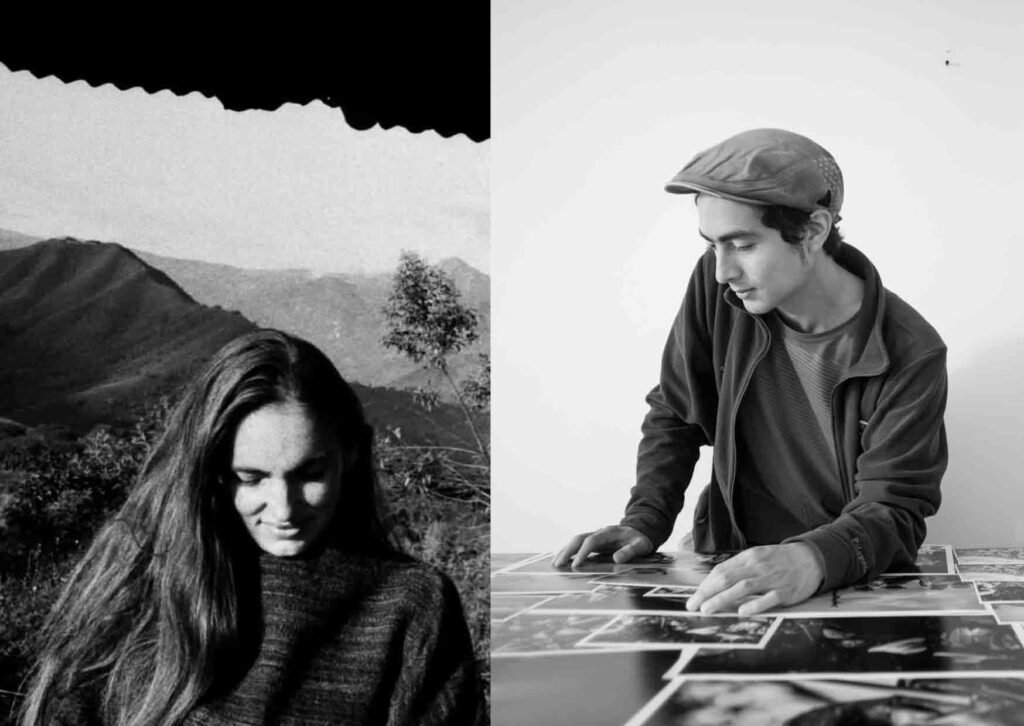
Rooted in collective practice and critical thought, Entrelazando has taken shape since its founding in 2011 as an audiovisual and photographic production platform, and since 2020 as an autonomous, handcrafted publishing house.

Read more

More From This Artist

Para la Coca

Para la coca

Based on Jibina Marena Uay – Coca de la Buena Palabra, an ongoing script written by Cristobal Gomez Abel (Murui/Bora) and Laura Huertas Millan.

Artist’s country of origen: Colombia – Francia
Materials:
2-channel installation
Medium: video, installation
Size: 14 min
Year: 2024

Line of Inquiry:

Coca-Plant Coca-Worlds

Para la Coca is a film and audiovisual installation centered on the coca plant (Erythroxylum coca), co-authored with Cristóbal Gómez Abel, a member of the Bora and Murui Colombian First Nations, the work emerges from a dialogue sustained over more than ten years. Initiated by Gómez Abel, Para la Coca revisits a Murui myth of origin that functions as an ancestral law, offering ethical guidance on the proper use of the coca plant.

In this myth, coca is not an object or a resource, but a person and a deity, embodied in the figure of a young girl who teaches her father and community how to relate to the plant with responsibility, care, and reciprocity. The work challenges dominant colonial and Western frameworks that reduce coca to its extraction into cocaine, and instead affirms its cultural, spiritual, and medicinal significance within Indigenous worlds. Para la Coca advocates for the decriminalization of the plant by restoring its place within living systems of knowledge and practice.

The project was developed with the guidance of Nelly Kuiru, founder and director of the Escuela de Comunicación Indígena Amazonía Ka+ Jana Uai (La voz de nuestra imagen). Her role was central to the production and writing of the film. The work is shared with the permission of Gómez Abel and his community, acknowledging the responsibility involved in circulating the teachings of coca through the form of myth.

Creditos: Based on Jibina Marena Uay – Coca de la Buena Palabra, an ongoing script written by Cristobal Gomez Abel (Murui/Bora) and Laura Huertas Millan.

We acknowledge that the ancestral myth of origin of the coca plant belongs to the Murui nation. We thank them for allowing our interpretation with the purpose of de-stigmatizing the coca plant and psychotropics, as well as honoring and amplifying ancestral indigenous political, cultural and spiritual resistance in Colombia.

With
Cristobal Gomez Abel, Pedro Armando Sopin Morales, Harold Jeferson Gomez Florez, Gilber Olmedo Morales, Dewins Nicolas Gomez Florez, Didier Libardo Santana Gaspar, Carmen Sofia Gaspar Florez, Libardo Santana Florez, Diana Valentina Cuellar Gomez, Cristian Gomez Florez, Alina Santana Gaspar.

Recorded in
the Muiri Muina community,
Nimaira Náimeke ibike, Patio de Ciencia Dulce

Directed and produced by
Laura Huertas Millán

Creative and production consultant
Nelly Kuiru

DoP
Mauricio Reyes, Laura Huertas Millan

Sound recording
Laura Huertas Millan, Grégory Castéra, Angel Maria Fajardo

With the support of
PinchukArtCenter, Liverpool Biennial, CNAP (Centre National des arts plastiques), Institut Français (Résidence+), Mondes Nouveaux (Ministère de la culture).

More info visit: https://www.laurahuertasmillan.com/shows

The Artist

Laura Huertas Millán
Laura Huertas Millán (b. 1983, Colombia) is an artist and filmmaker. She holds a PhD from Université PSL (SACRe-Programm) in Paris and conducted research at Harvard’s Sensory Ethnography Lab as part of her studies.

Read more

More From This Artist

If it’s Bayer, it’s good

If it’s Bayer, it’s good

Edinson Quiñones

Artist’s country of origen: Colombia
Materials: Digital Print
Size: 100 x 80 cm
Year: 2017

Line of Inquiry:

Coca-Politics

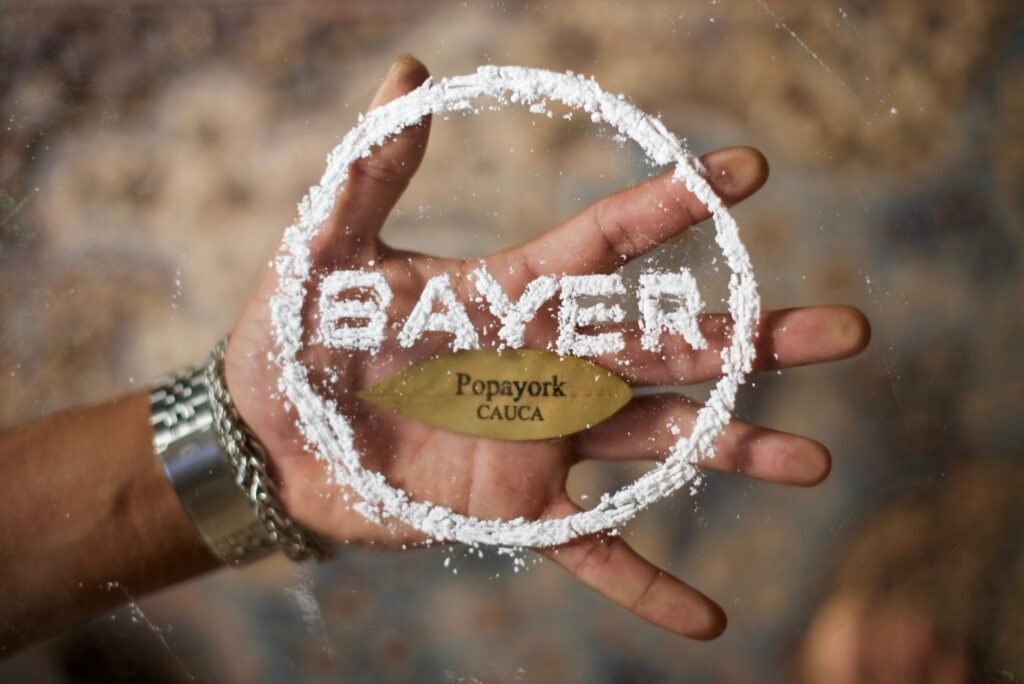
In the work If it’s Bayer, it’s good, Quiñones appropriates the symbol of the German company to point to the role of the European and North American pharmaceutical industry in stripping the sacred coca leaf of its ancestral meaning. Since the extraction of the psychoactive alkaloid cocaine by european scientist, the plant became of popular use for scientific purposes, as anaesthesia in dental surgeries (although later replaced with less risky substances).

Following the mid-19th-century extraction of cocaine from the coca leaf by German chemists Gaedcke and Niemann in around 1860s, the plant entered European scientific and medical pharmaceutical industry. This chemical research enabled companies such as Merck and Bayer to commercialize isolated plant compounds, transforming coca from a sacred Andean plant into an industrial medical substance.

The Artist

Edinson Quiñones

Edinson Javier Quiñones Falla Campo Zemanate is an artist of Nasa descent, born in La Plata, Huila (Colombia) in 1982. He holds a BFA in Visual Arts and a Master’s degree in Arts Integrated with the Environment from the University of Cauca.

Read more

The Parakeet Won’t Knock Down the Dove

The Parakeet Won’t Knock Down the Dove

Edinson Quiñones

Artist’s country of origen: Colombia
Materials: Impresión sobre satín
Size: 100 x 80 cm
Year: 2024

Line of Inquiry:

Coca-Worlds

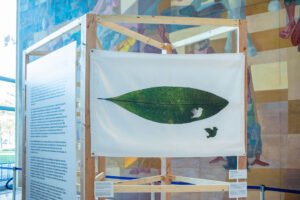
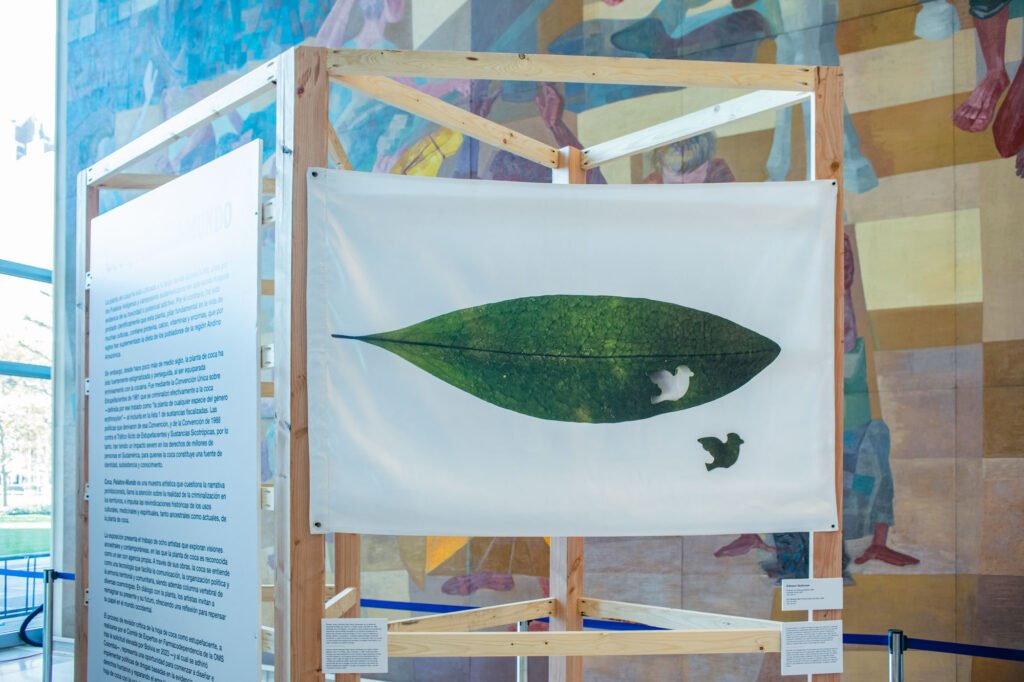
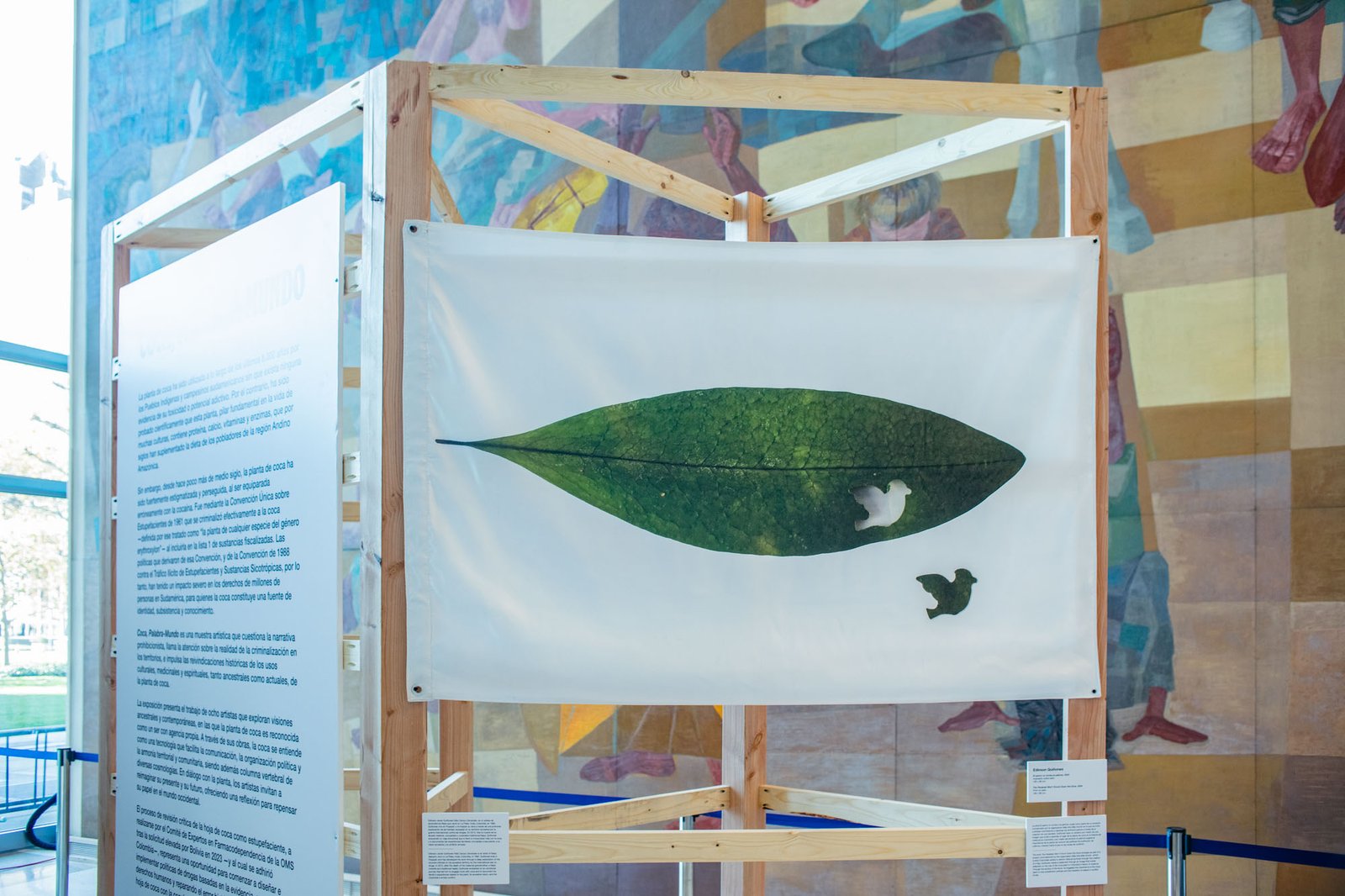
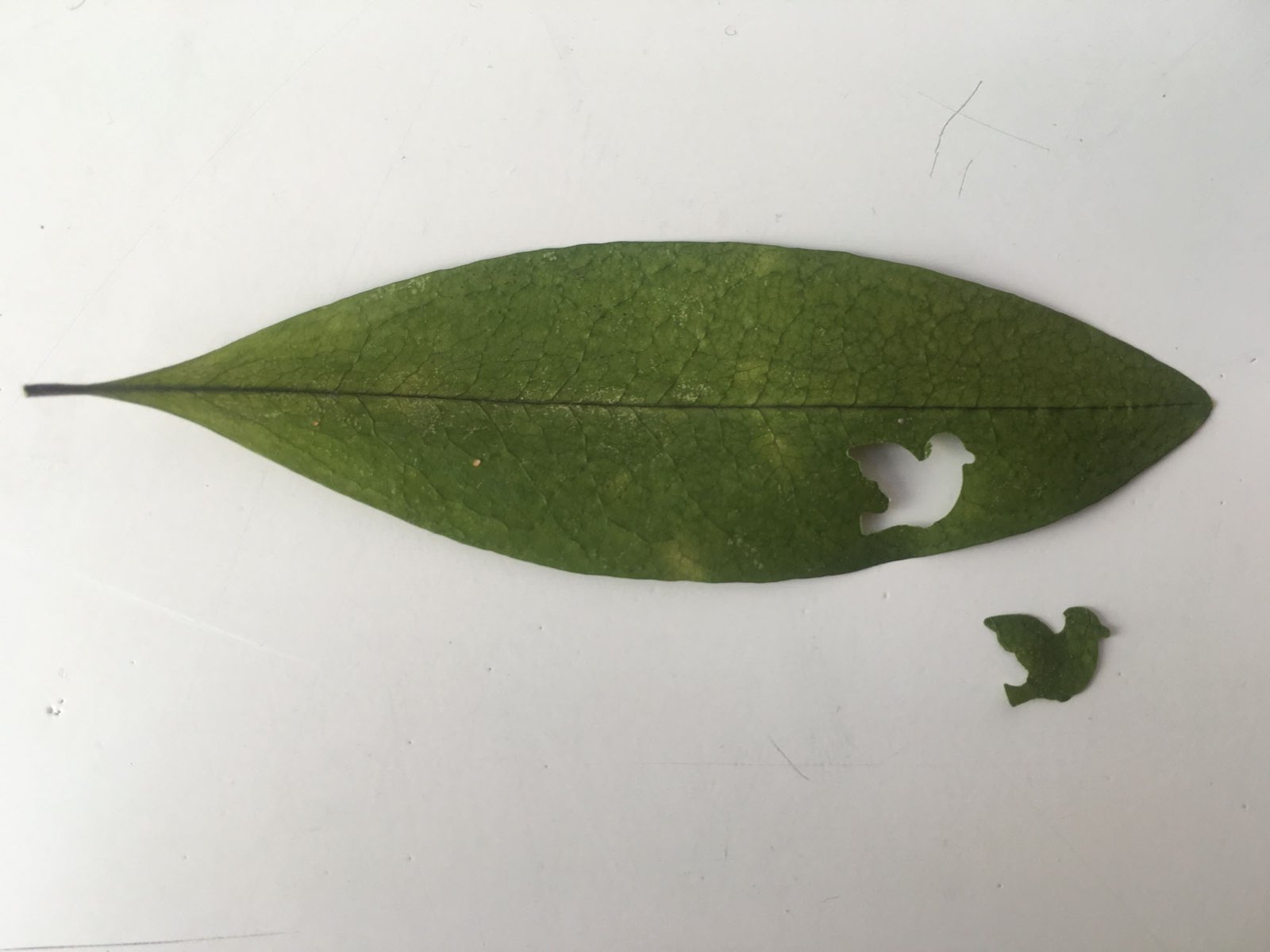
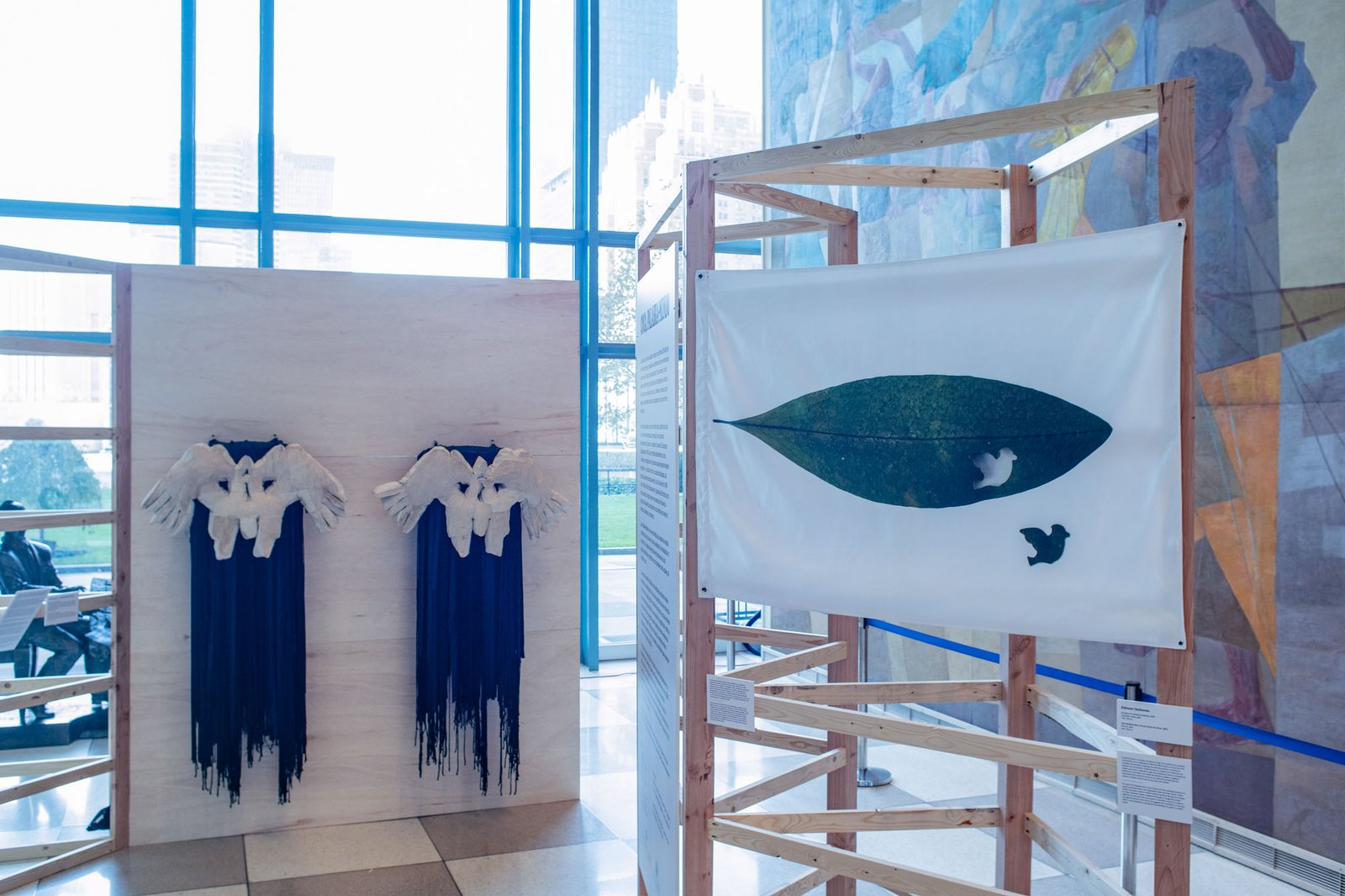
The work The Parakeet Won’t Knock Down the Dove emerges as part of a project commissioned by the organization Más Arte Más Acción, which invited Colombian artists to rethink national symbols through the creation of a flag. Quiñones makes a statement through an image that invites reflection on the role of the coca plant in Colombia’s history of violence. Through the symbol of the dove, he suggests the importance of the coca plant in crop substitution policies and the transition to peace in conflict zones.

The Artist

Edinson Quiñones

Edinson Javier Quiñones Falla Campo Zemanate is an artist of Nasa descent, born in La Plata, Huila (Colombia) in 1982. He holds a BFA in Visual Arts and a Master’s degree in Arts Integrated with the Environment from the University of Cauca.

Read more

Artist Manifesto, Point 4 of the Peace Agreements

Artist Manifesto, Point 4 of the Peace Agreements

Edinson Quiñones

Artist’s country of origen: Colombia
Materials: Mambe powder
Size: 100 x 70 cm
Year: 2024

Line of Inquiry:

Coca-Worlds

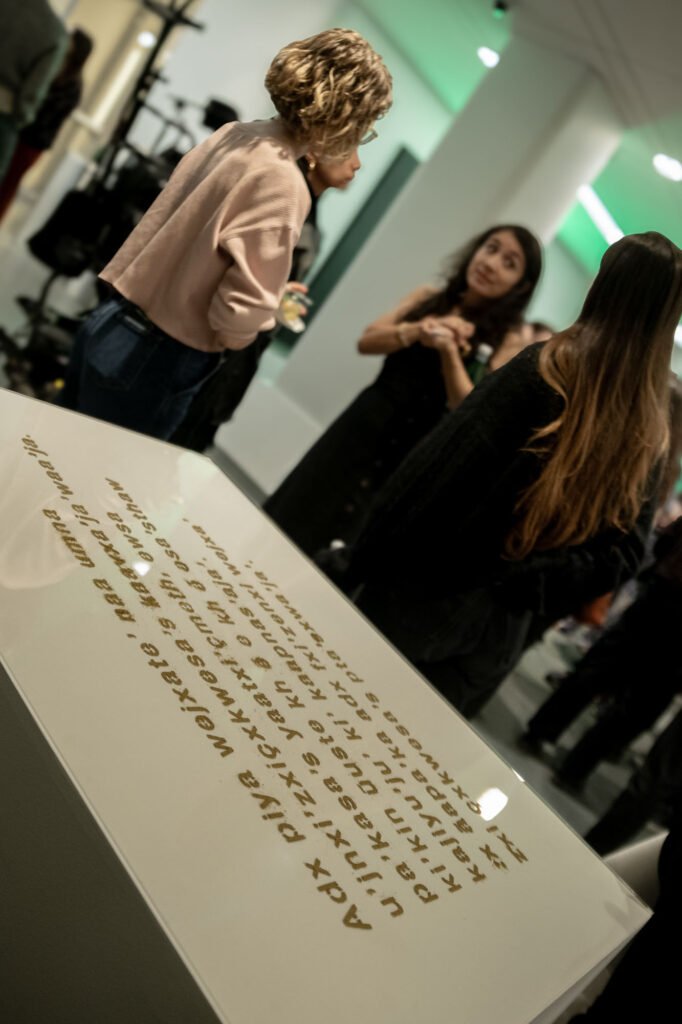
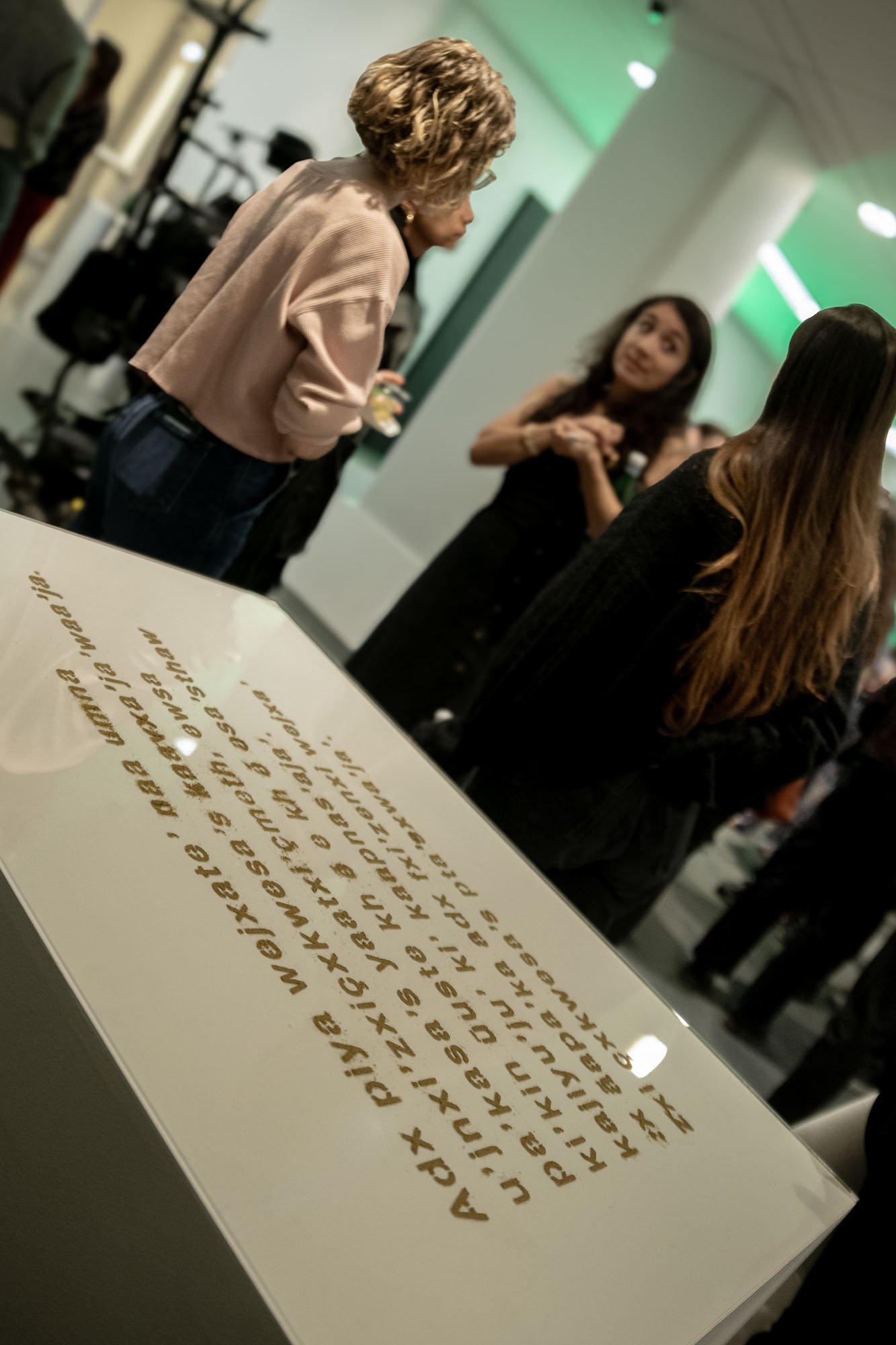
His work, Artist Manifesto, Point 4 of the Peace Agreements, presents a biography of the artist in which he speaks about how his personal experience has been central to his artistic production, written in the Nasa language as part of his lineage. Using mambe (coca powder mixed with Yarumo ash), Quiñones constructs an ephemeral narrative that highlights the oral nature of Indigenous language and underscores the need to rethink the use of the coca plant in the substitution of illicit crops and the transition to peace.

The Artist

Edinson Quiñones

Edinson Javier Quiñones Falla Campo Zemanate is an artist of Nasa descent, born in La Plata, Huila (Colombia) in 1982. He holds a BFA in Visual Arts and a Master’s degree in Arts Integrated with the Environment from the University of Cauca.

Read more

Heal

Heal

Andrés Domínguez

Artist’s country of origen: Colombia
Materials: Mambe on canvas
Size: 100 x 70 cm
Year: 2024

Line of Inquiry:

Coca-Worlds

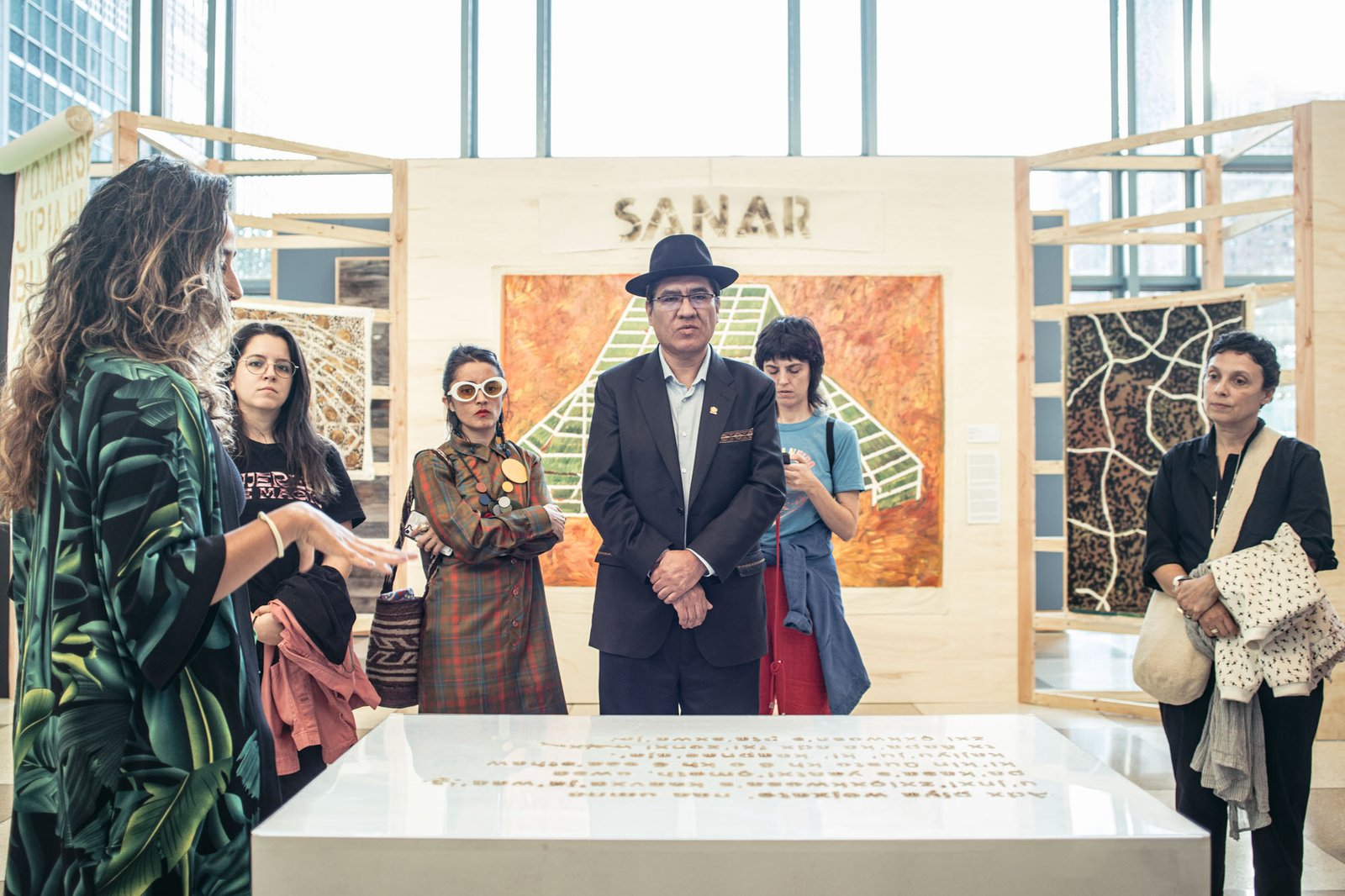
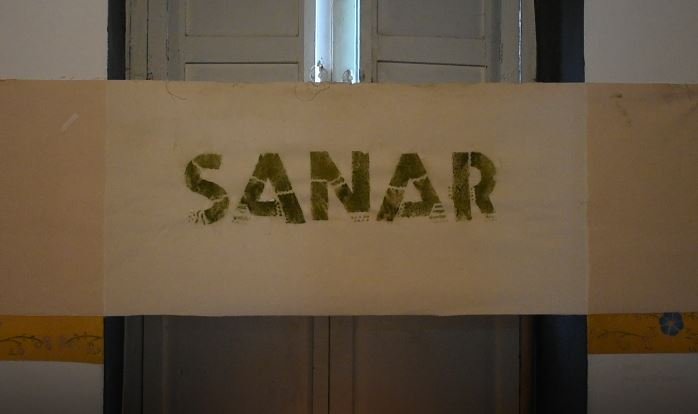
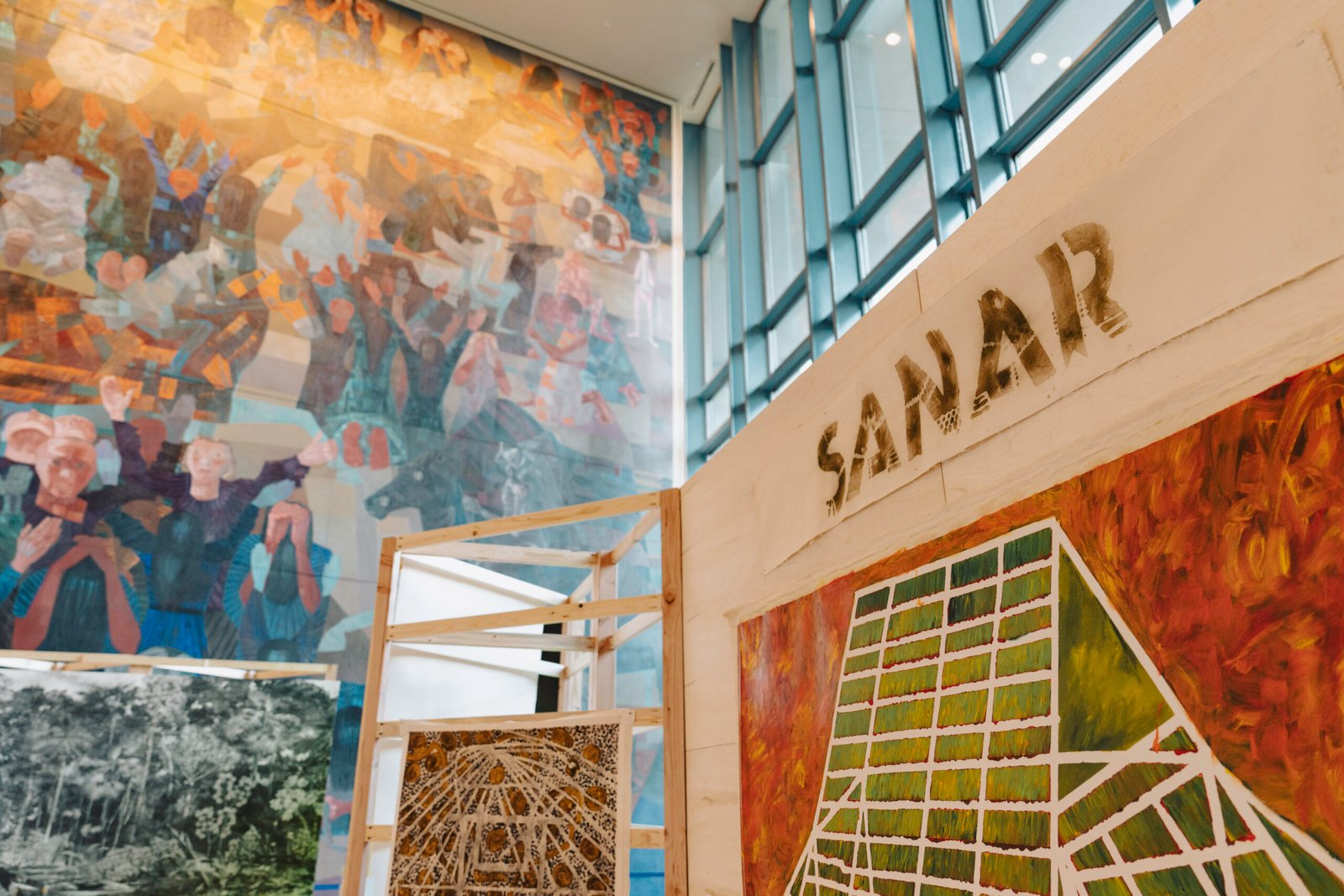
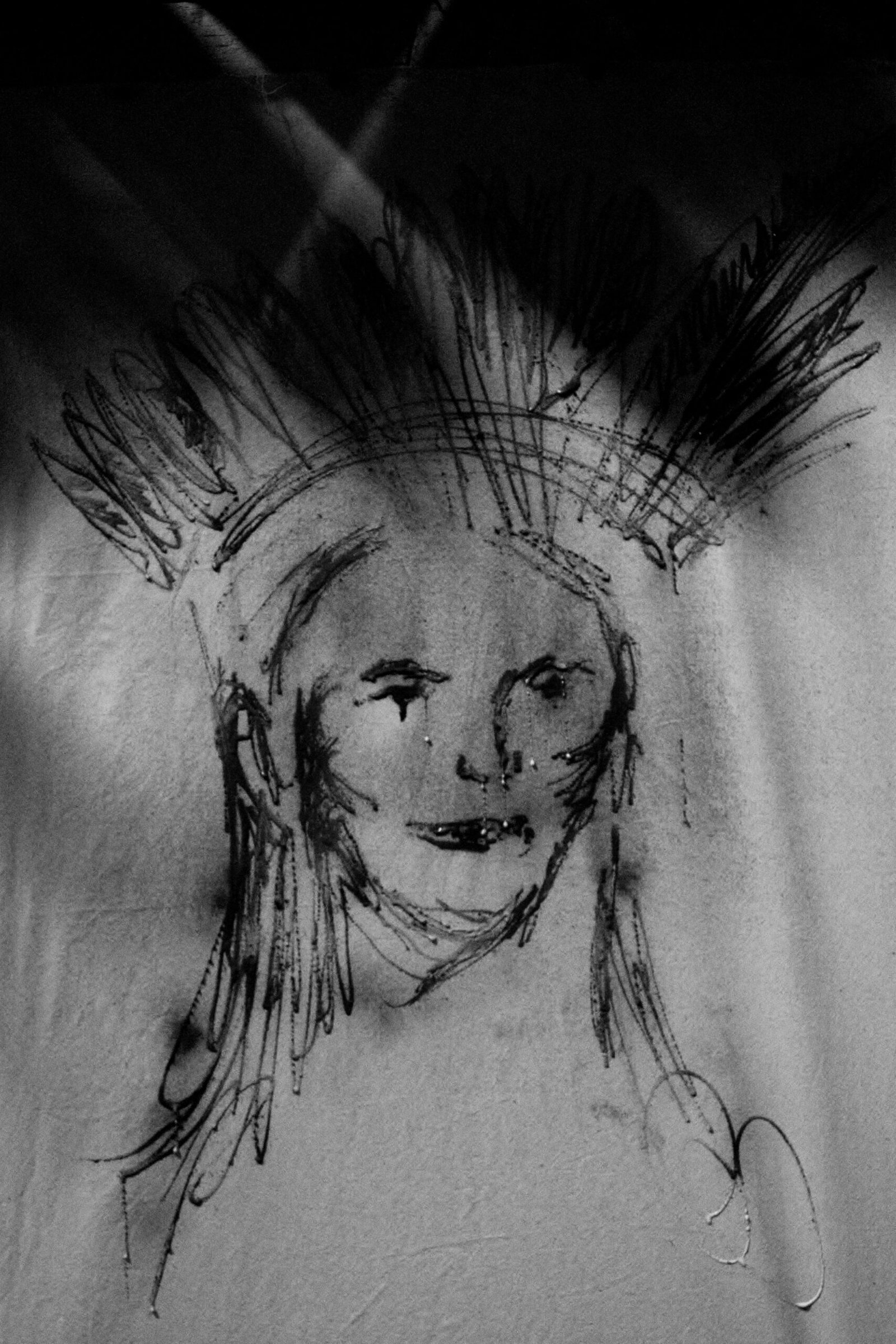
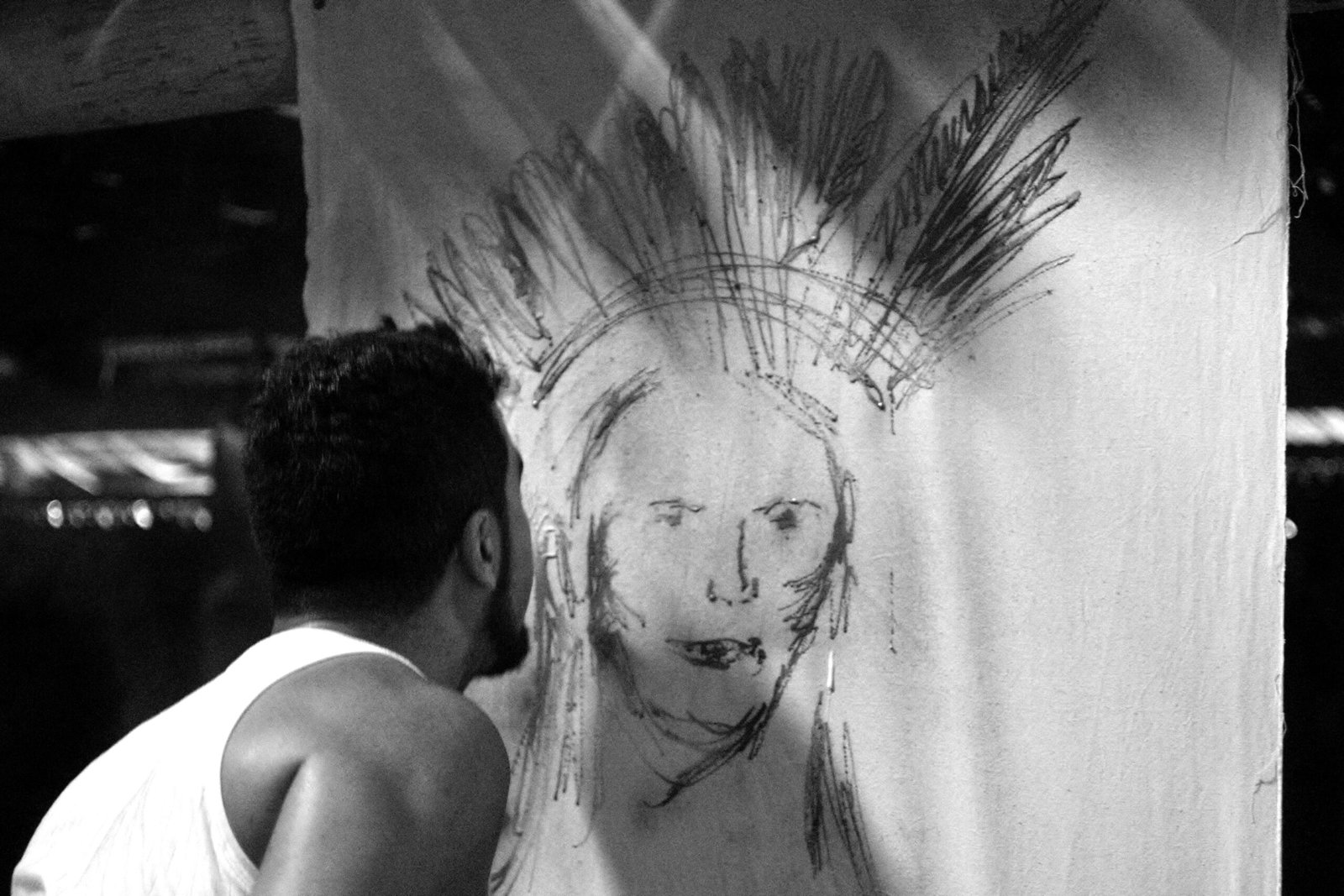
This workd stems from Domínguez’s experience during the Popayork artist residency in Cauca, Colombia, where he witnessed the multiple inter-ethnic conflicts in the territory associated with tensions over the rights and use of ancestral lands. Domínguez creates this drawing through a ceremonial action in which he writes the word ‘sanar’ while blowing mambe over the canvas. The action of blowing comes from his experience with Amazonian elder healers who, when gathering to share their words and songs while consuming coca powder mixed with yarumo ash (mambe), release the powder through their mouths as they engage in dialogue.

The Artist

Andrés Domínguez

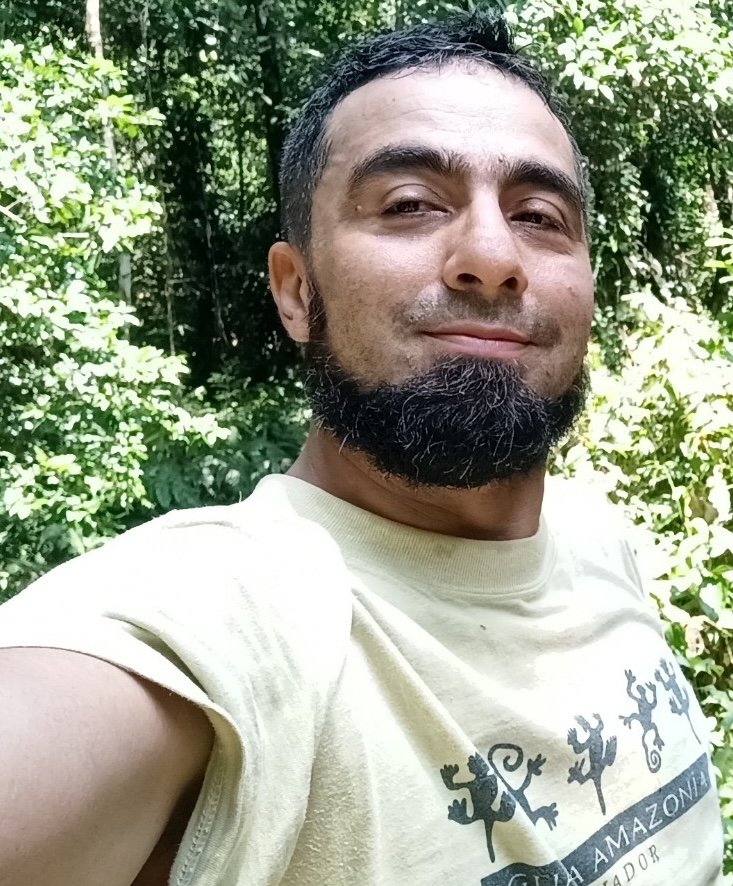
Andrés Fabián Domínguez Urrea is an artist born in Leticia, Amazonas, Colombia, in 1983. His practice experiments with media and materials of Amazonian origin, such as yanchama or mambe, as well as with ecologically oriented works that use organic and recycled materials.

Read more

More From This Artist

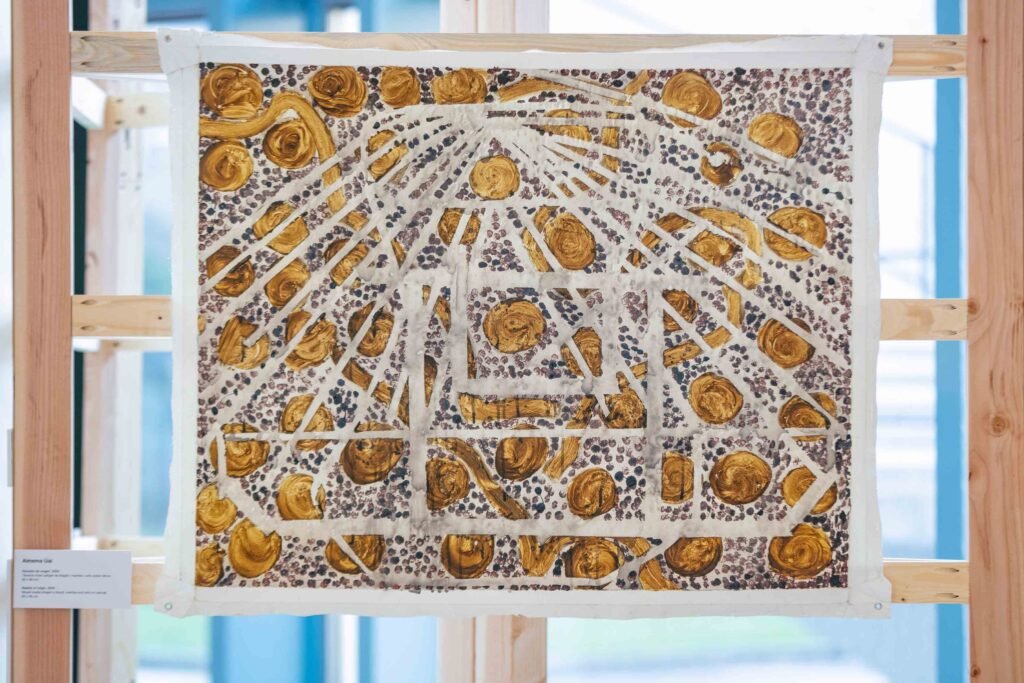
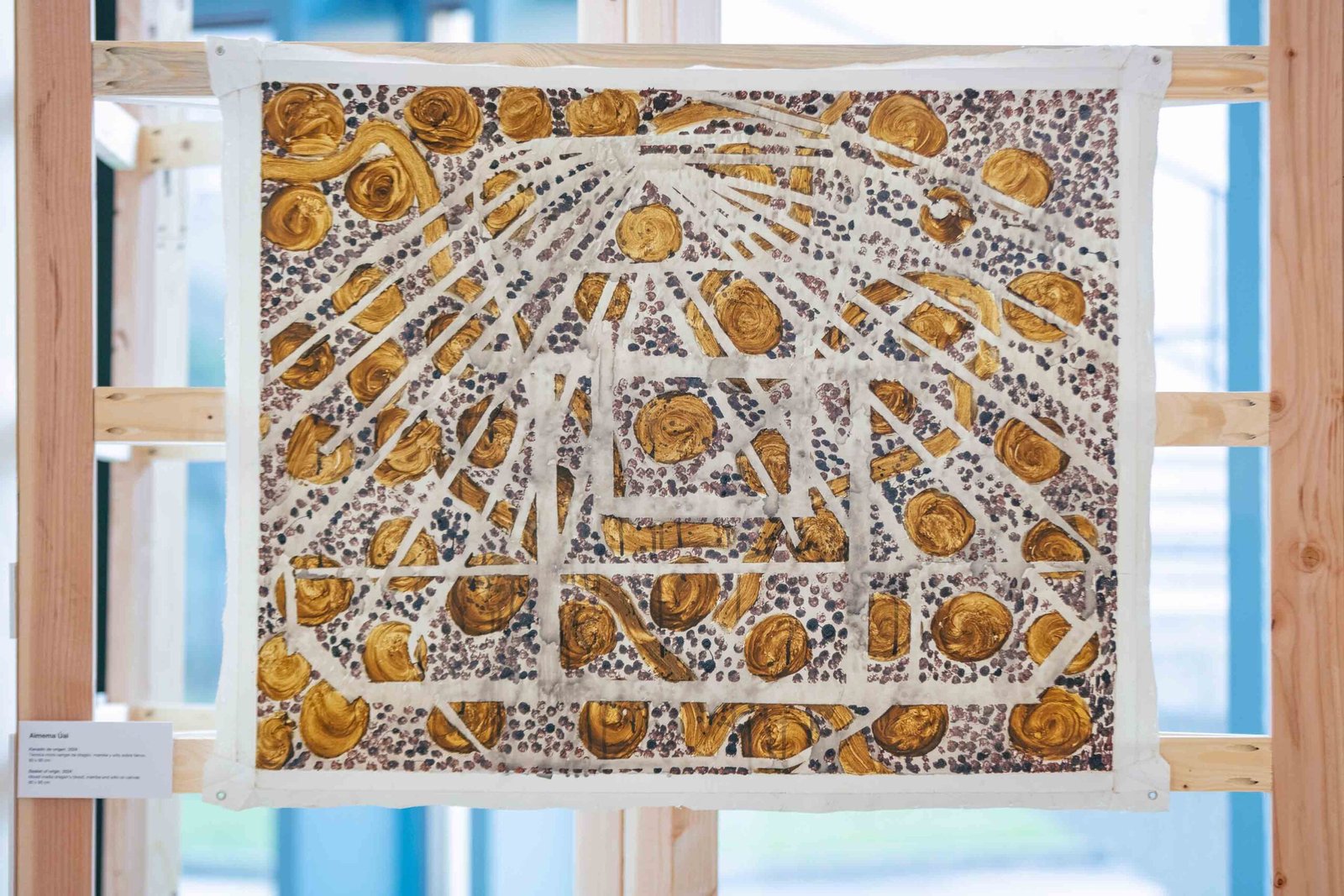
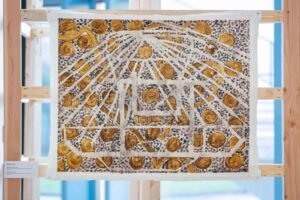
Kanasto de Origen

Kanasto de Origen

Aimena Úai

Artist’s country of origen: Colombia
Materials: Mixed media: dragon’s blood resin, mambe, and wito on canvas

Size: 80 × 90 cm (31.5 × 35.4 in)
Year: 2024

Line of Inquiry:

Coca-Worlds

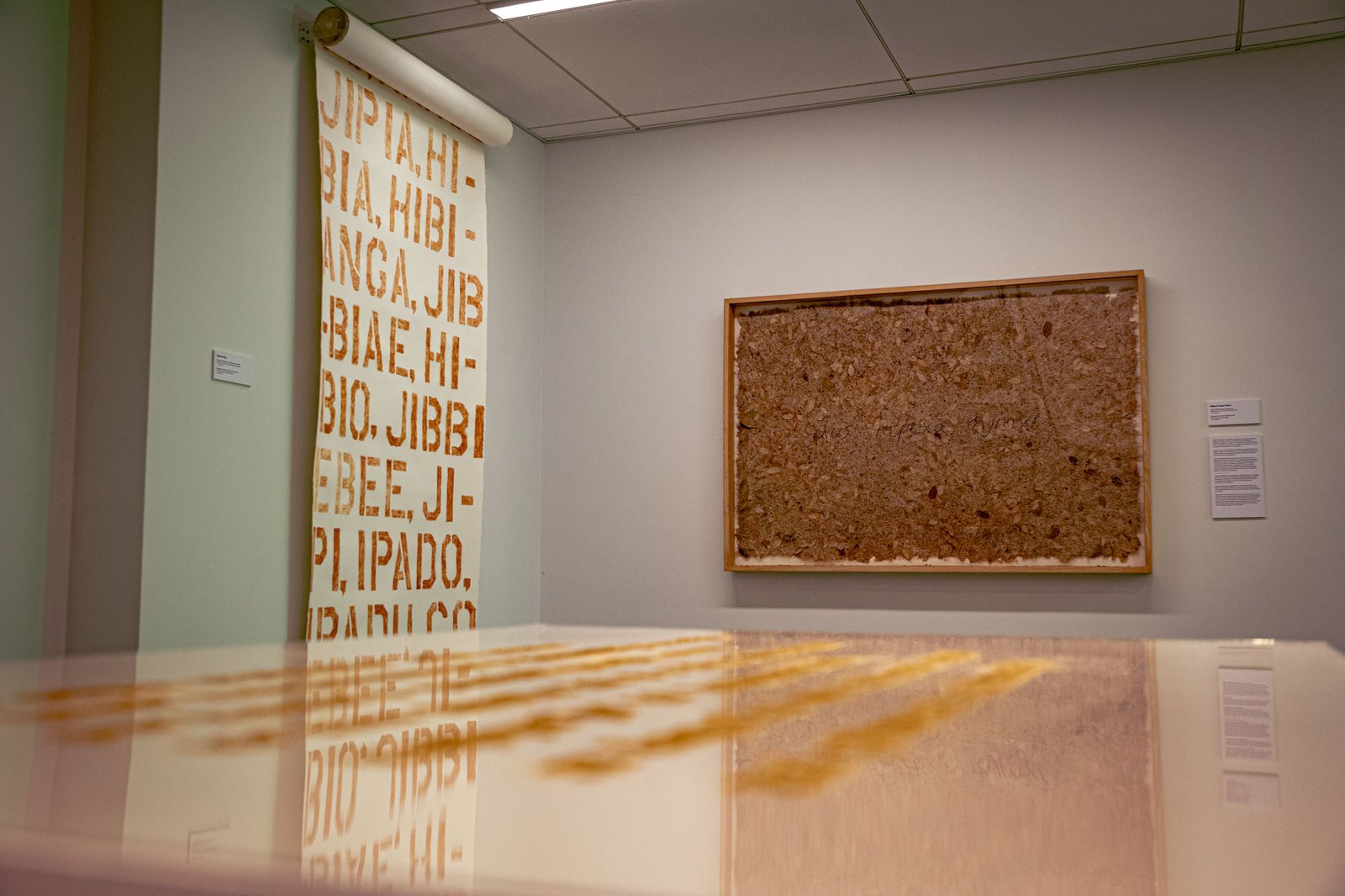
The Maloka and everything learned within it form a constellation of great interconnected knowledges. In this context, the kanasto embodies the image and practice of weaving the Murui word-thought: a living archive opened to teach, heal, deliberate, and envision the future—anchored in the mambeadero, the house, and the plants of power.

The Artist

Aimena Úai

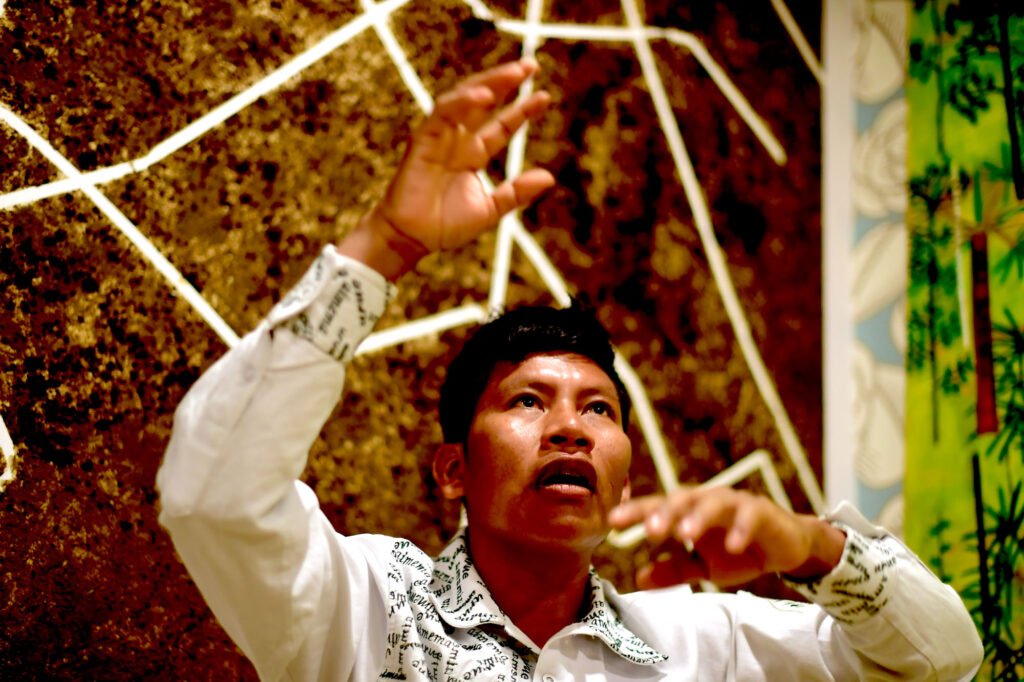
Aimema Úai —The Voice of the Crane— is a contemporary artist, mambeólogo (coca practitioner), and researcher from the Murui-Muina people of the Colombian Amazon. Born in La Chorrera in 1996, his artistic formation is deeply rooted in the ancestral knowledge of his family.

Read more

More From This Artist

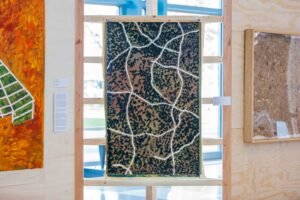
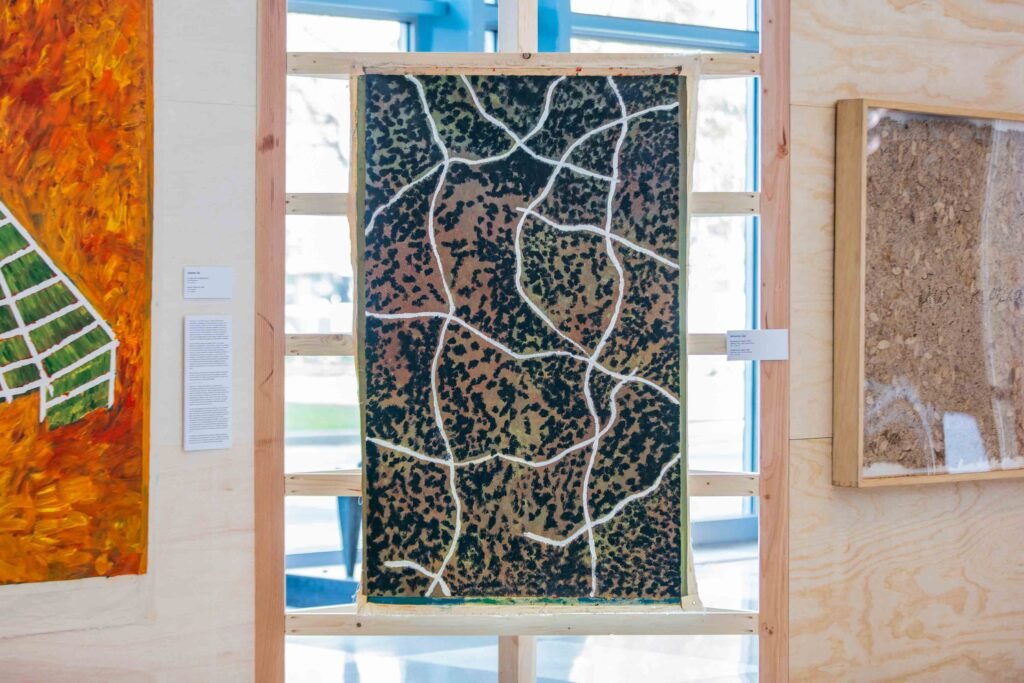
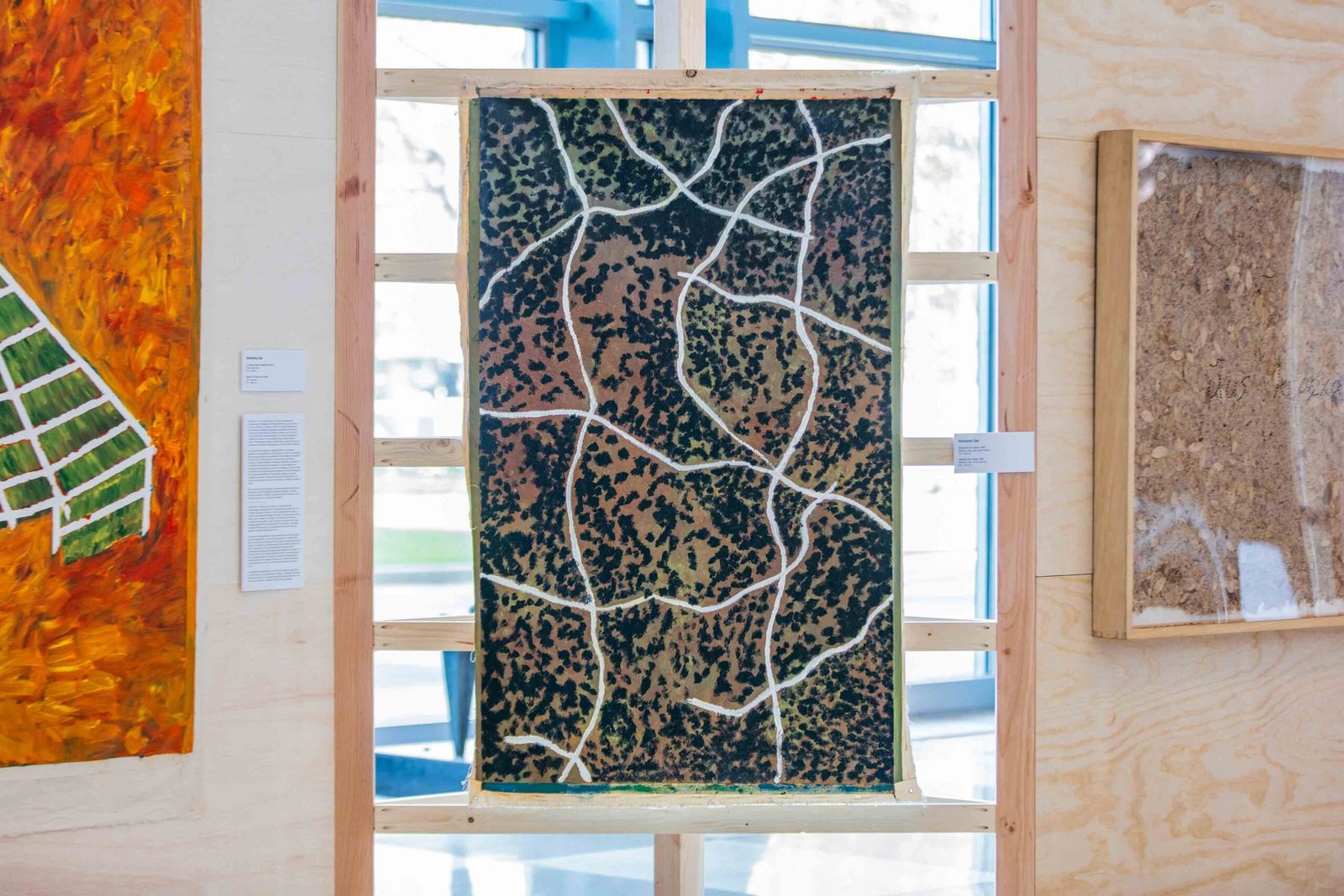
Seeking the Origin

Seeking the Origin

Aimena Úai

Artist’s country of origen: Colombia
Materials: Mambe, wito, and oil on canvas

Size: 90 x 150 cm
Year: 2024

Line of Inquiry:

Coca-Politics Coca-Worlds

In Seeking the Origin, Aimema Úai evokes the memory of his grandparents and the path that connects his territory to ancestral knowledge. The work is part of the Caminos (íio) series, in which painting becomes a gesture of spiritual search and return to his Murui-Muina roots. From his place of origin —La Chorrera, between the Putumayo and Caquetá rivers— the Murui-Muina and other Amazonian peoples have resisted in order to preserve the jíbina or koka, the sacred plant that helps care for the world and maintain its natural balance. However, with the arrival of Catholic evangelizers after the rubber genocide, the demonization of the plant began. Decades later, during the cocaine boom, its spiritual meaning was again distorted. Despite these ruptures, within the mambeadero —a space for word, listening, and teaching— ancestral knowledge about the proper use of the plant has been preserved. Today, mambe, the fine powder resulting from mixing toasted and ground coca leaves with the ashes of yarumo —a plant and tree considered sacred by Amazonian peoples—, reaffirms itself as a symbol of strength and cultural continuity: word of life. Mambe sustains spiritual communication, collective thought, and the daily practice of the principles that guide life.

The Artist

Aimena Úai

Aimema Úai —The Voice of the Crane— is a contemporary artist, mambeólogo (coca practitioner), and researcher from the Murui-Muina people of the Colombian Amazon. Born in La Chorrera in 1996, his artistic formation is deeply rooted in the ancestral knowledge of his family.

Read more

More From This Artist