Sueño con Jardines de Coca

Sueño con Jardines de Coca

Tatiana Arocha

Artist’s country of origen: Colombia – United States
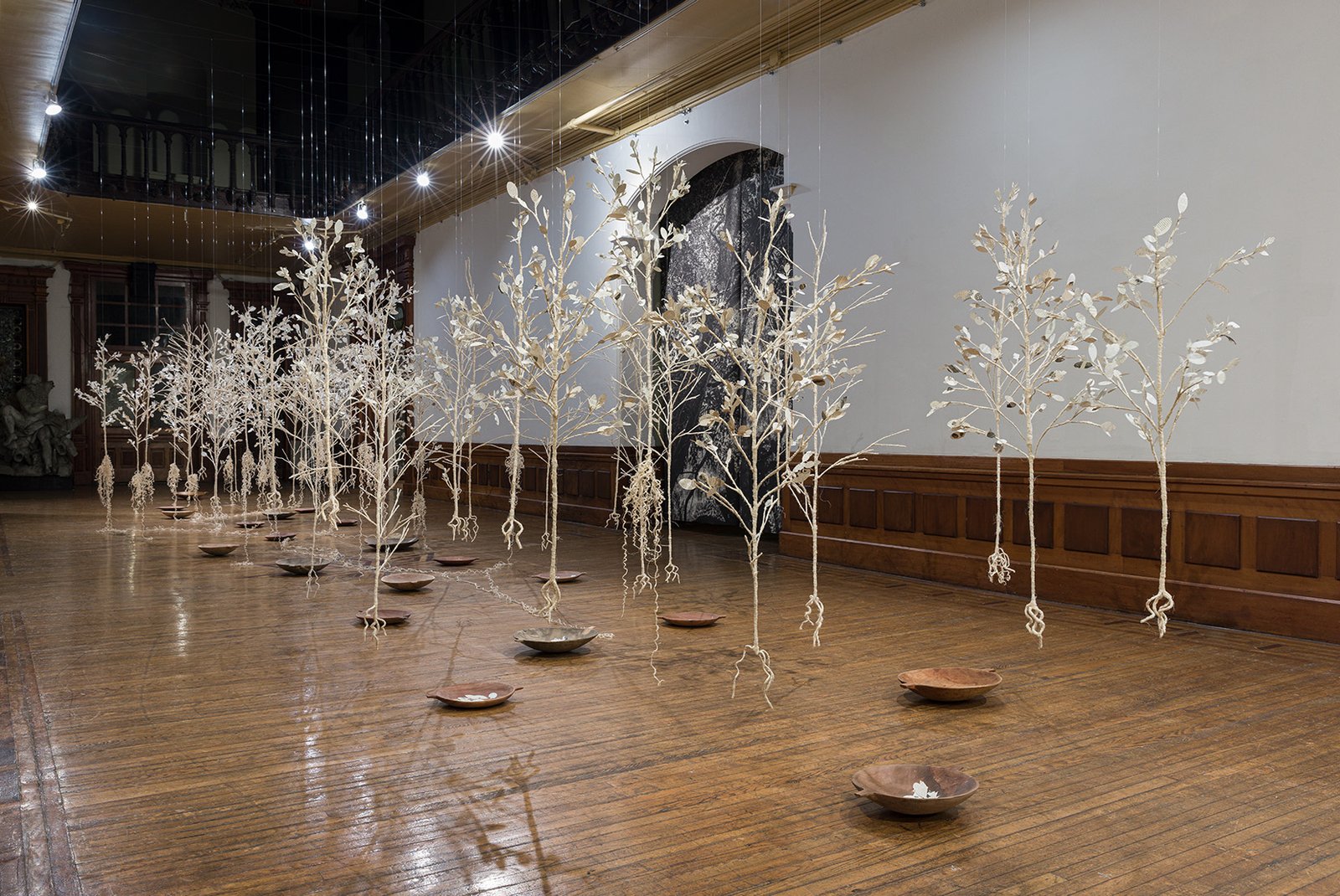
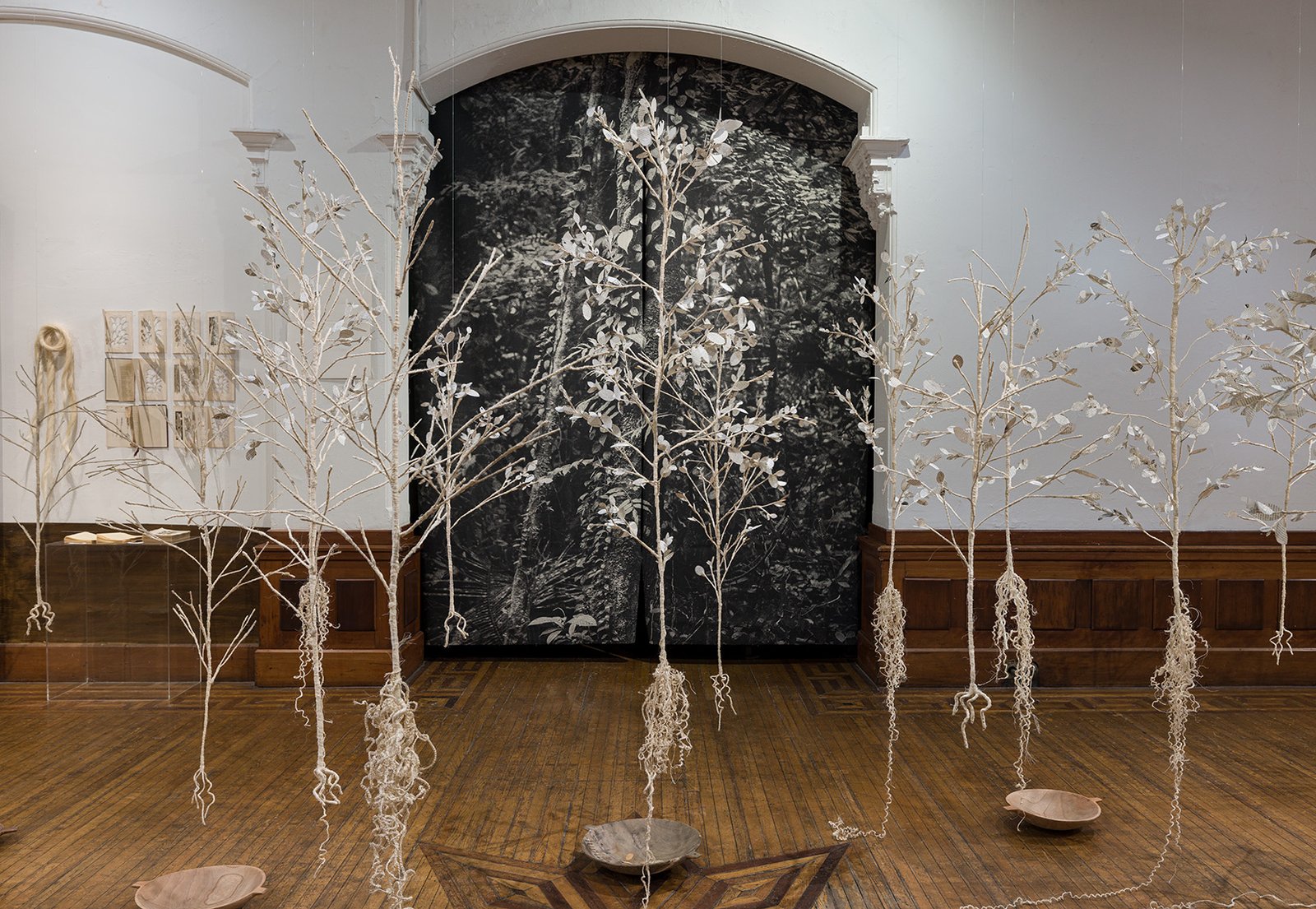
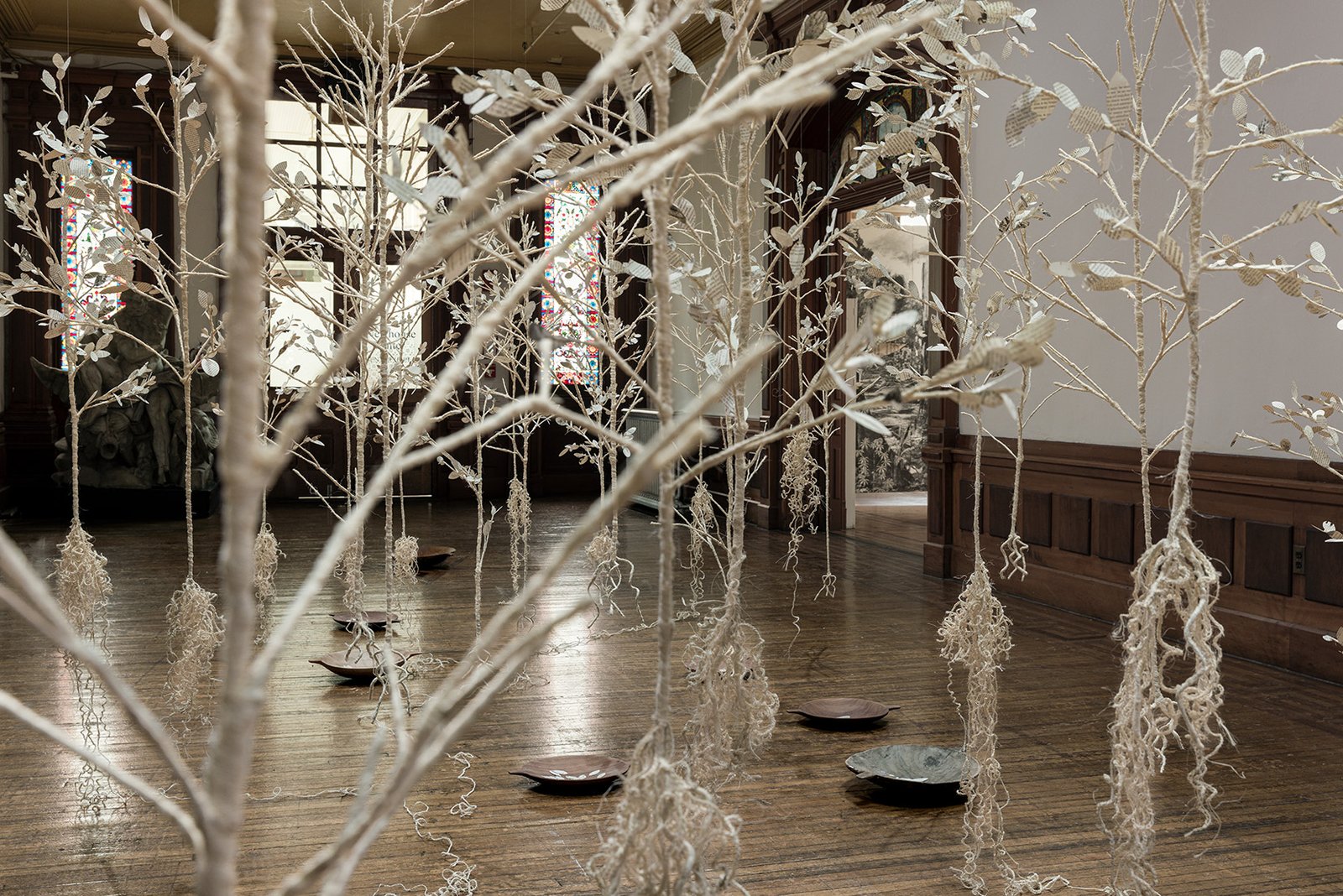
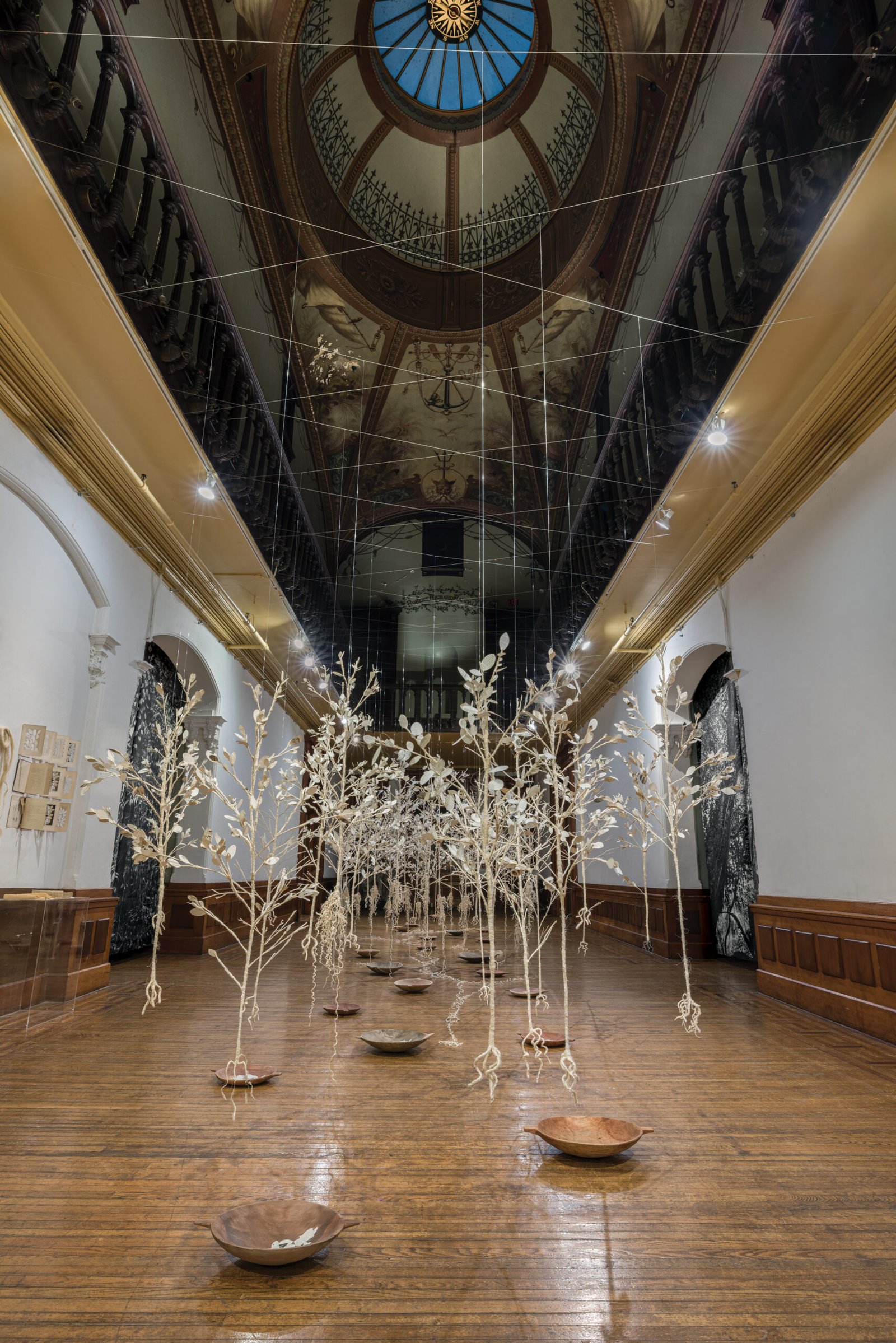
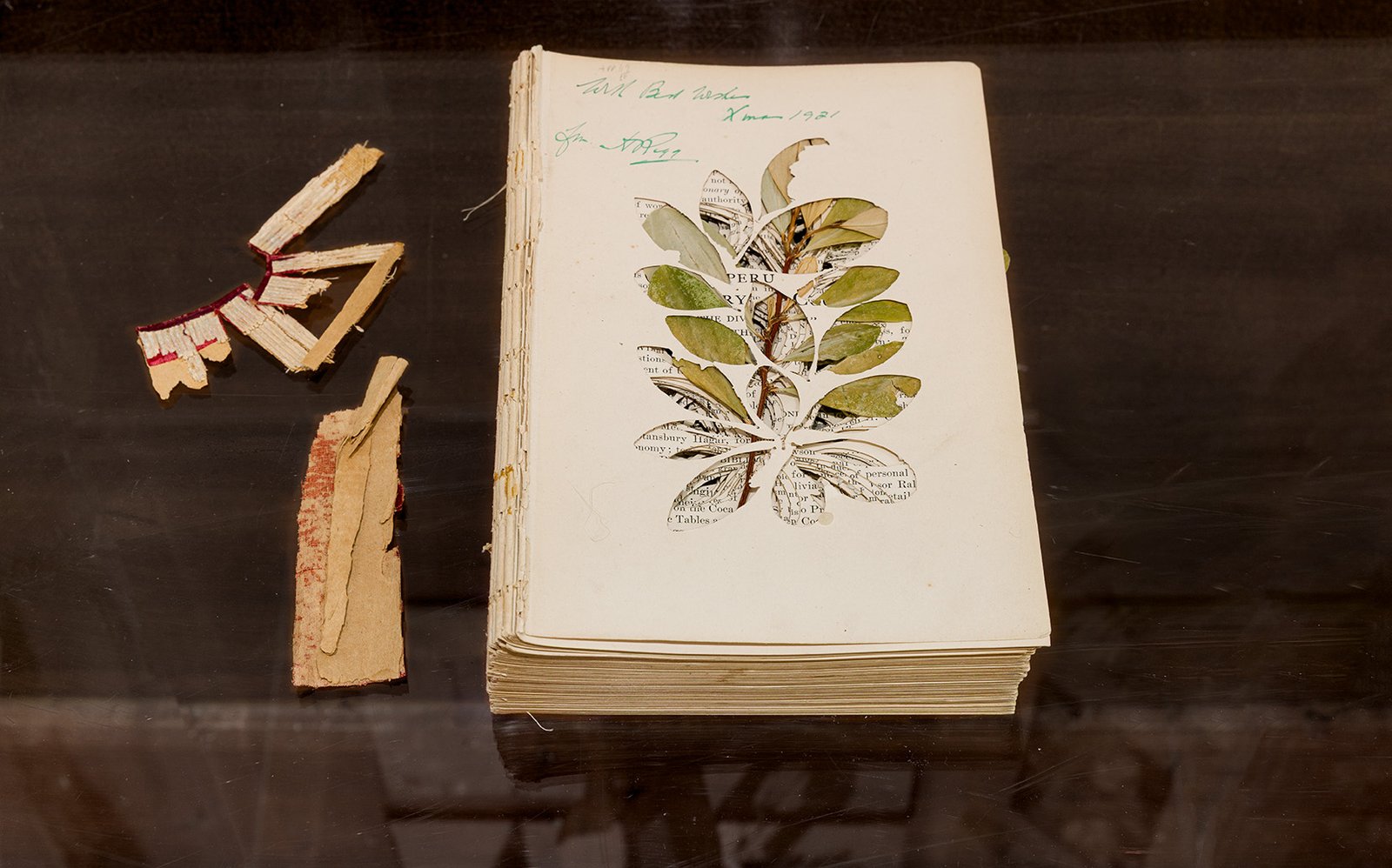
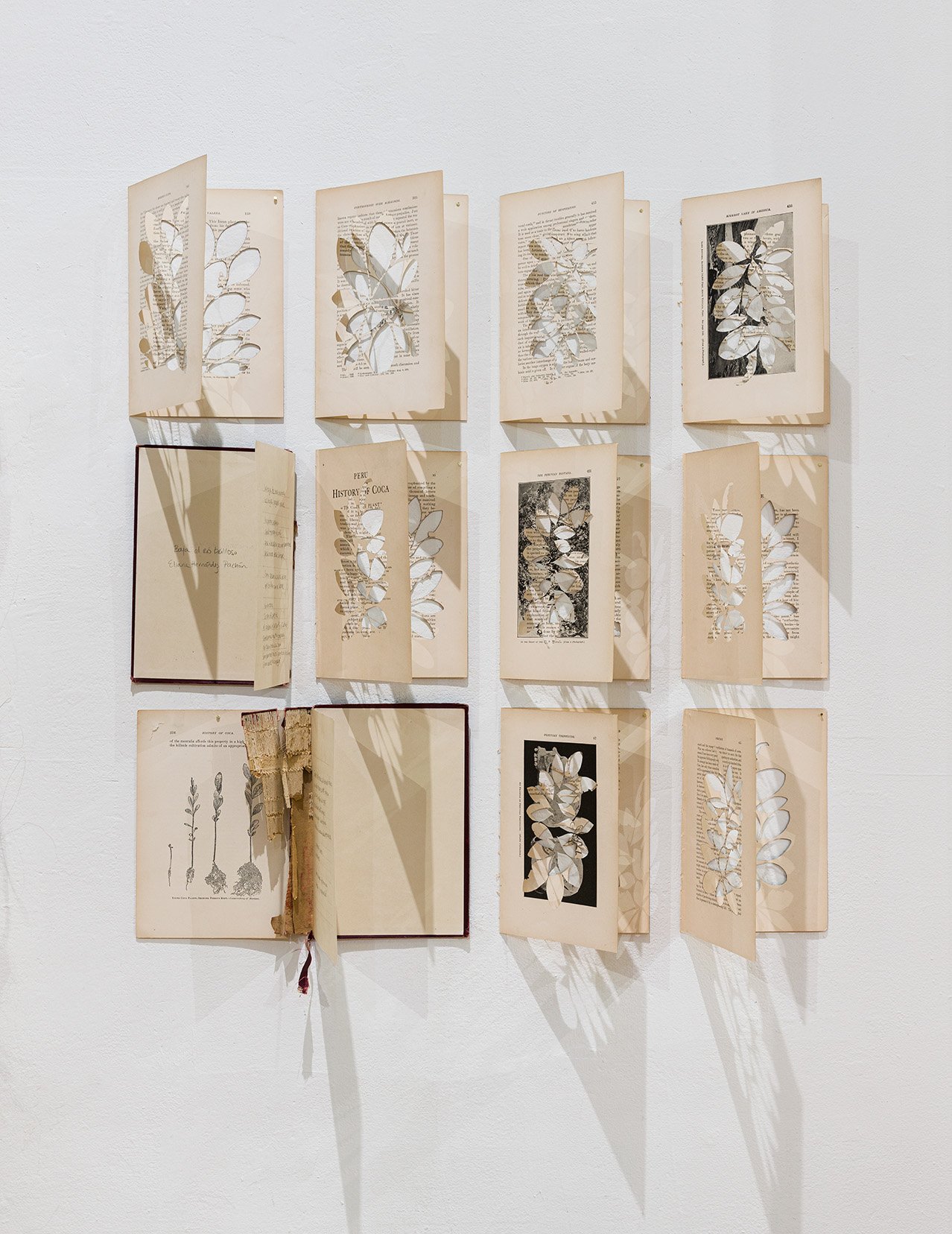
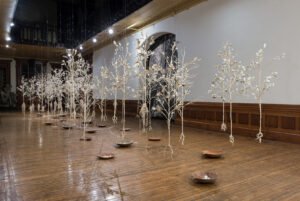
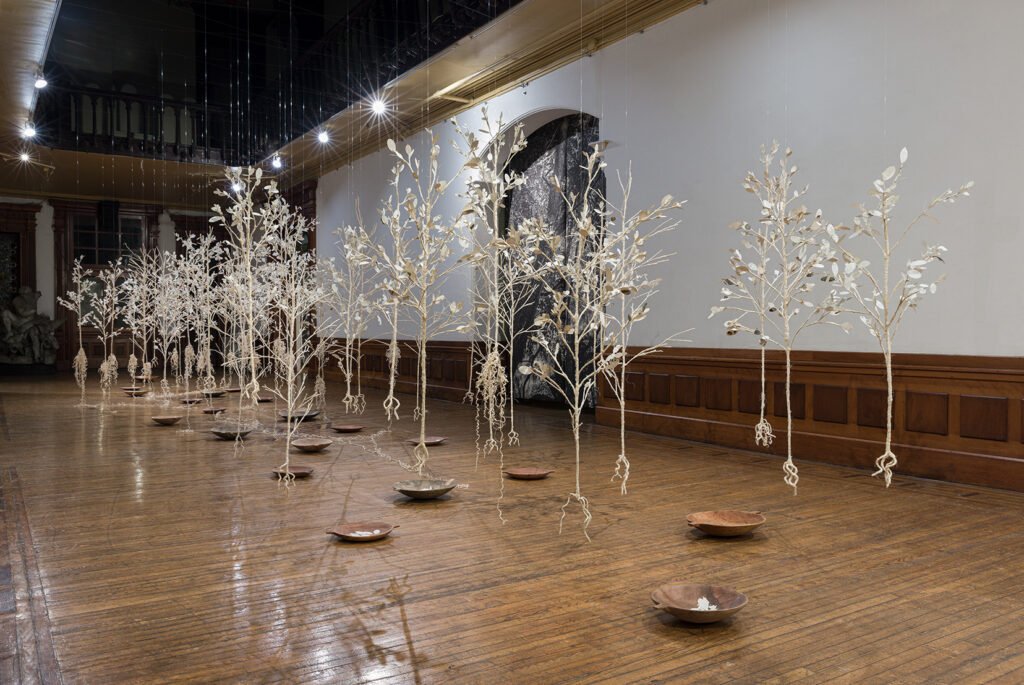
Medium: Fique fiber, aluminum wire, wooden bateas, coca leaves, and paper from nineteenth-century book pages
Year: 2025
Photo Credit: Etienne Frossard © Tatiana Arocha

Line of Inquiry:

Coca-Politics Coca-Worlds

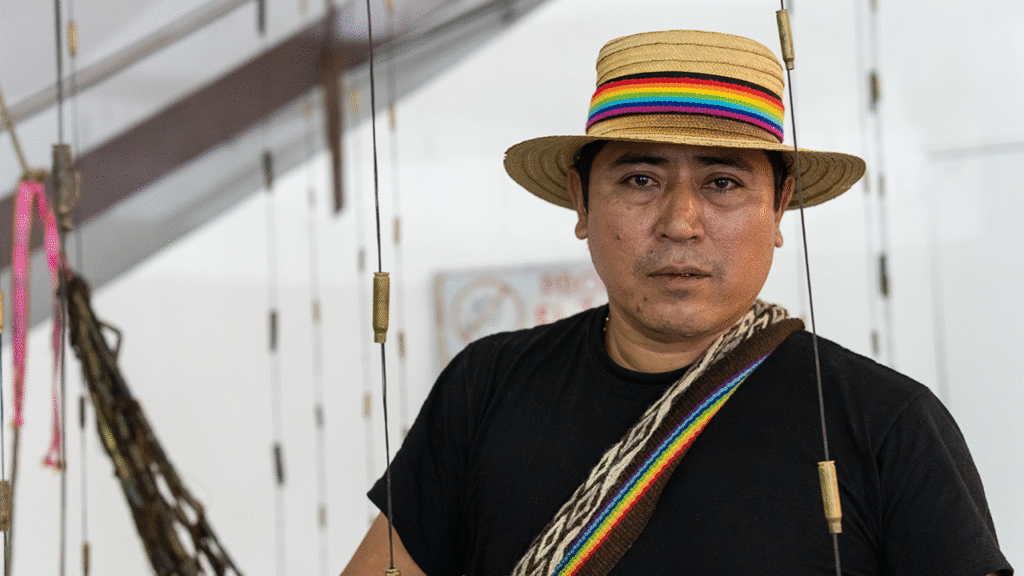
This work was created in collaboration with Fundación San Lorenzo de Barichara —Yadira Bueno, Margarita Suárez, y Gloria Inés Beltrán, Juli Viviana Silva Sánchez— who hand-crafted the structure of each coca bush using fique fiber and wire. The wooden bateas, traditionally used to separate gold from river sand, were made by José Félix Murillo, Choibá Chocó.

The Artist

Tatiana Arocha

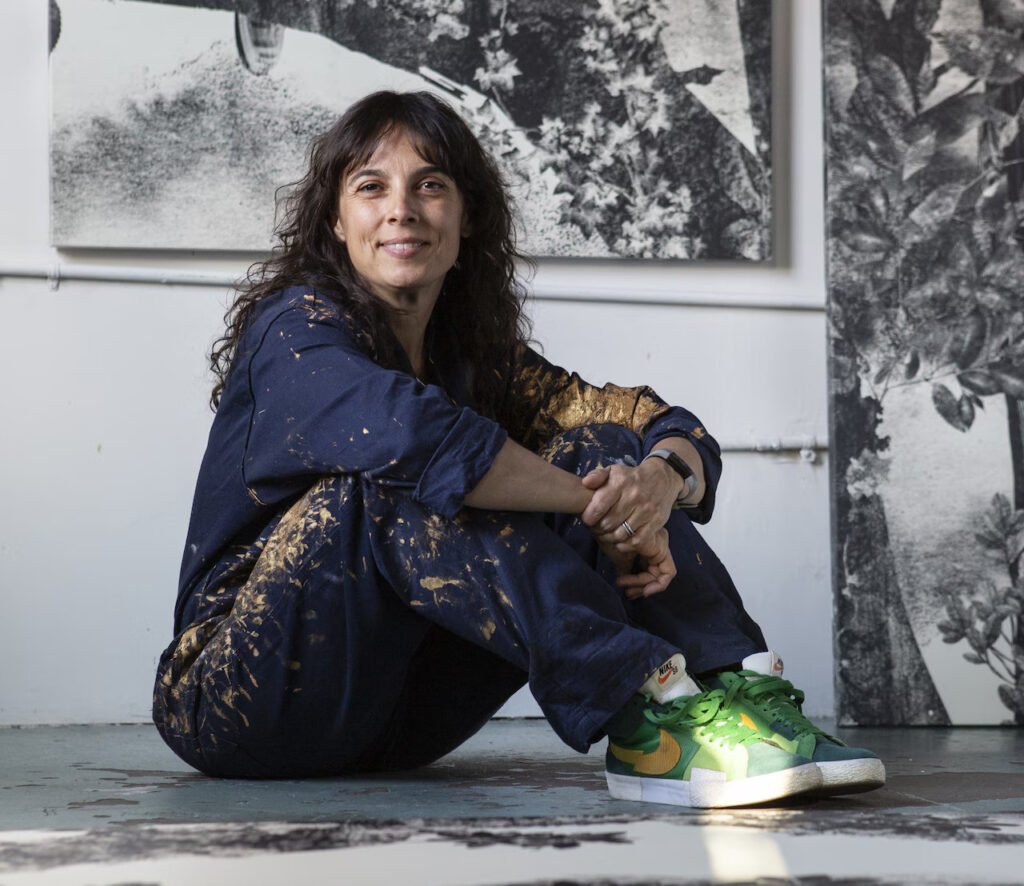
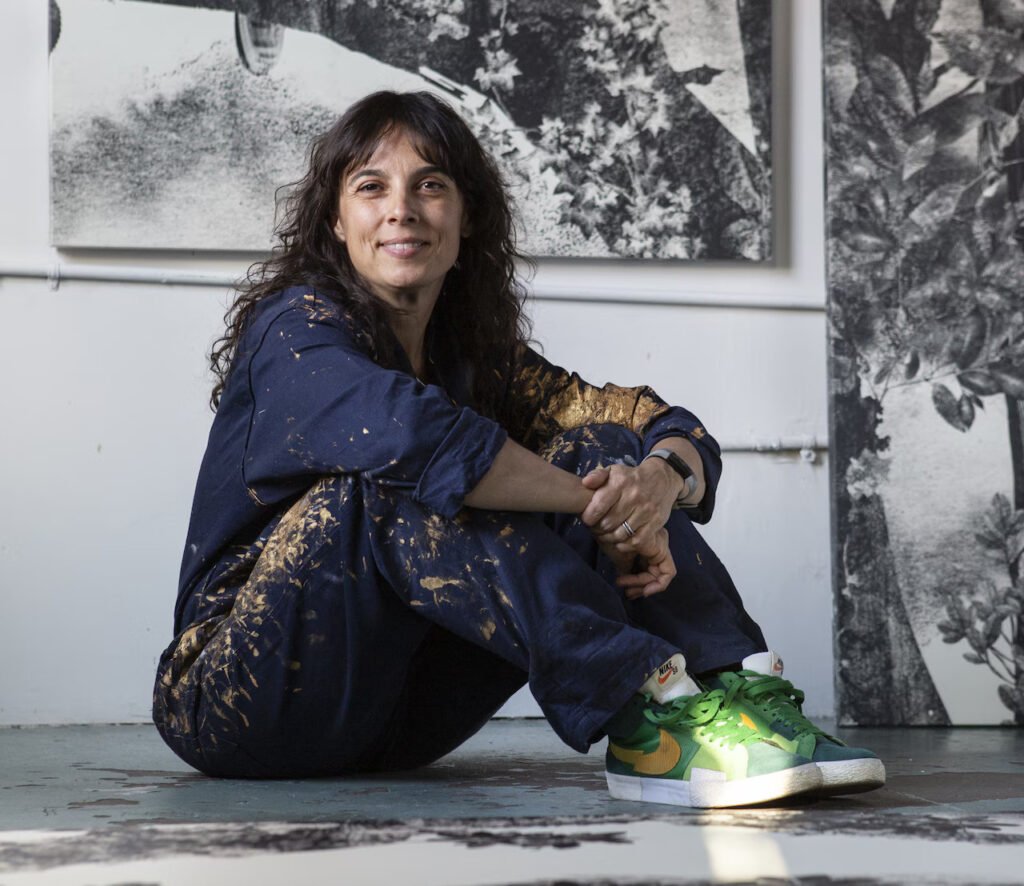
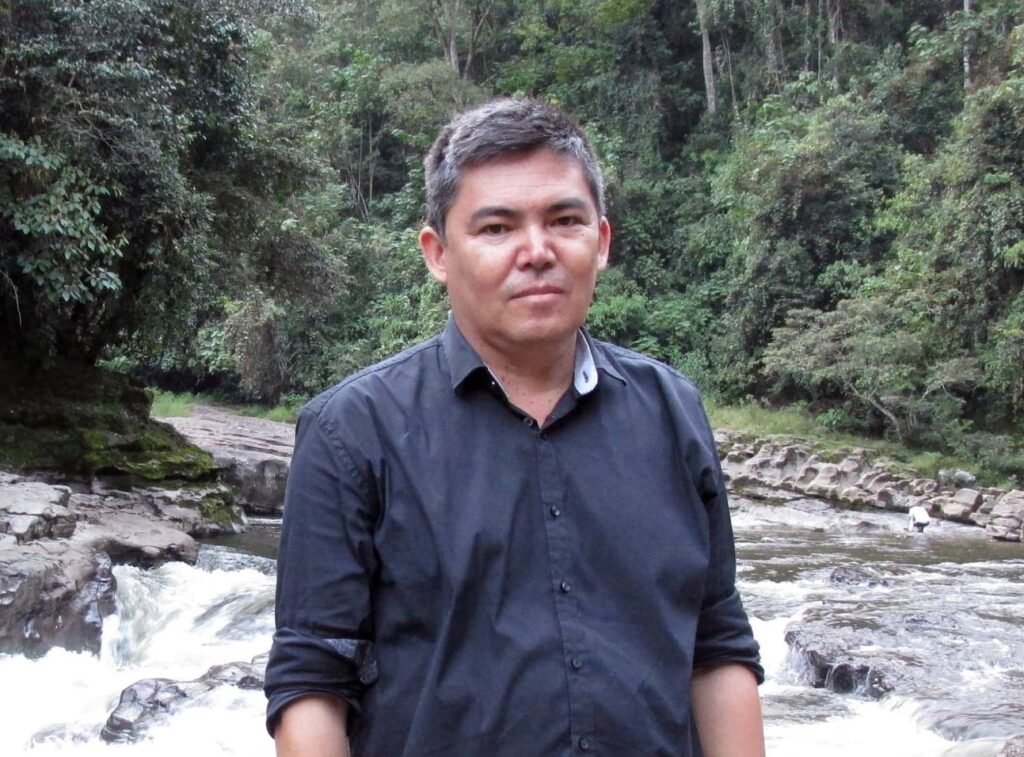
Tatiana Arocha is a Colombian artist born in New York in 1974, whose practice explores the intimacy between people and the land, personal memory, and her own experience as an immigrant.

Read more

Ofrenda

​​Ofrenda

ENTRELAZANDO

Artist’s country of origen: Colombia
Medium: Photography
Year: 2015-2024
Photo Credit: © Entrelazando | Ariel Arango y Laura Langa

Line of Inquiry:

Coca-Politics Coca-Worlds

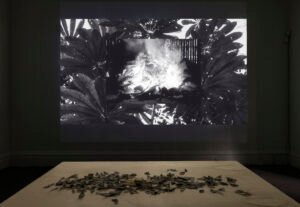
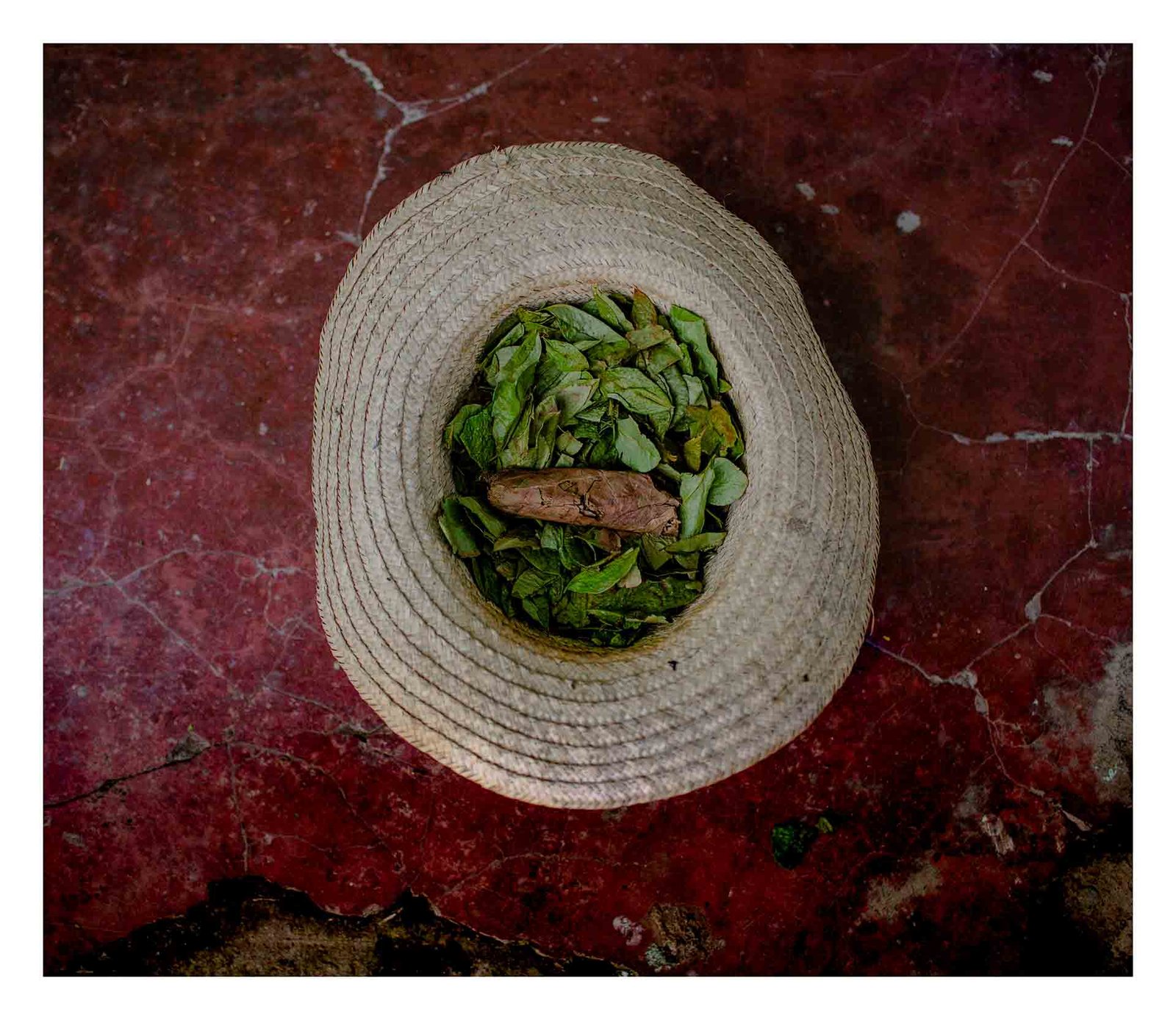
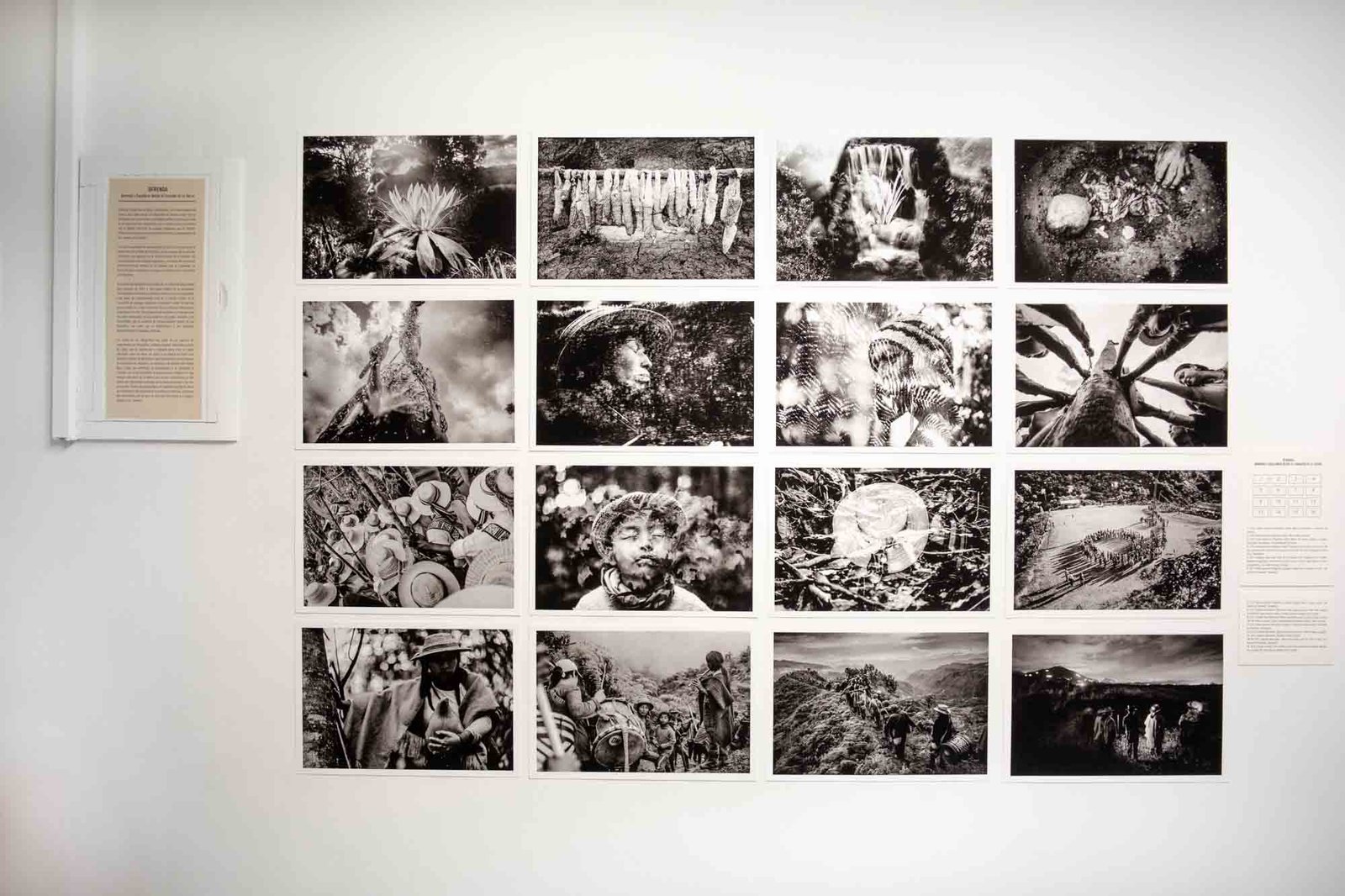
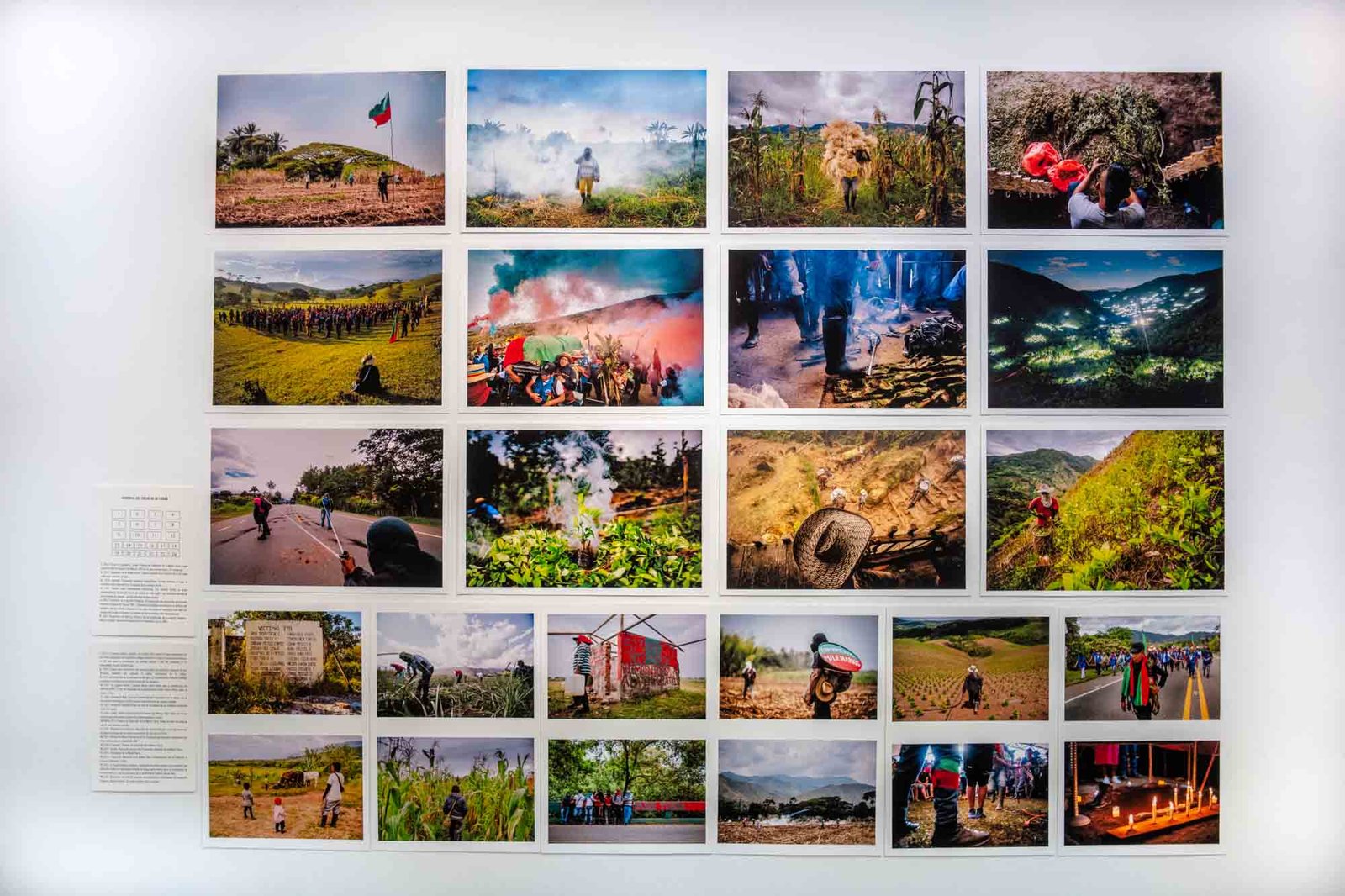
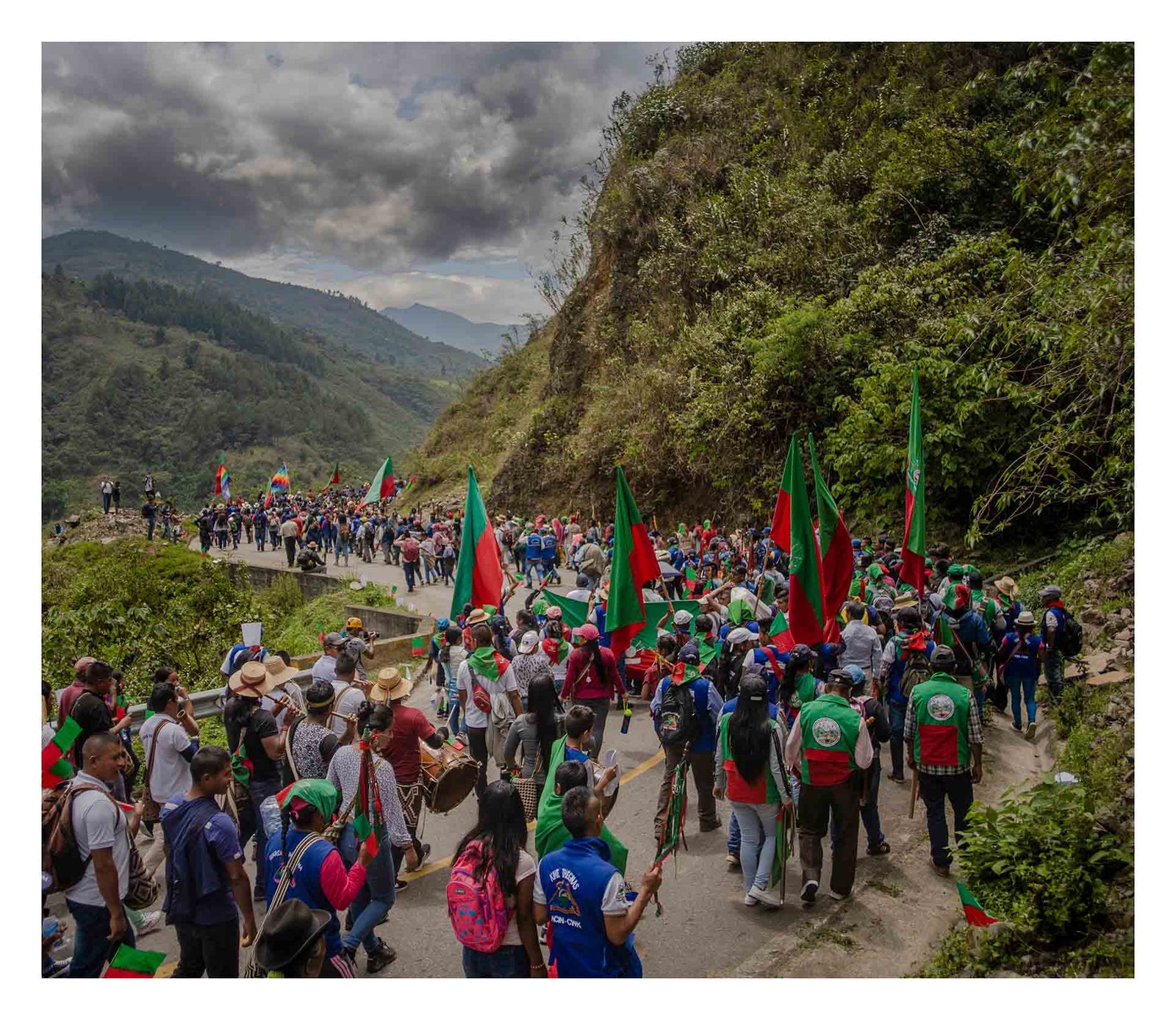
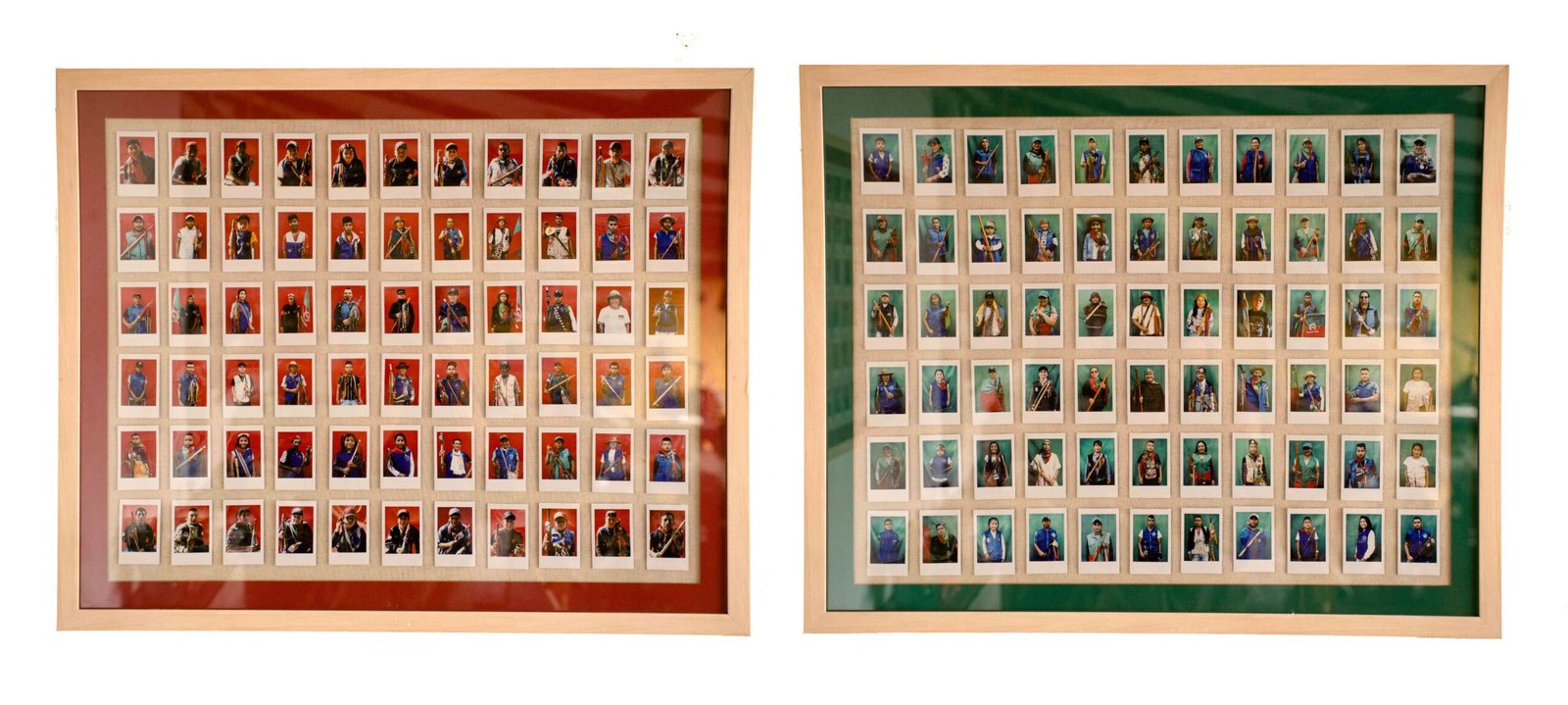
OFRENDA is the result of a long-term creative and research process that, through photography, audiovisual work, writing, and sound, traces the paths walked by the Entrelazando collective (Ariel Arango Prada and Laura Langa Martínez) since 2015 in the department of Cauca, alongside the Nasa Indigenous people.

This journey is grounded in a practice of listening, accompaniment, and learning around what constitutes the strength of re-existence—a concept articulated by Afro-Colombian thinker Adolfo Albán—which speaks to ways of life that do not merely resist or survive, but actively create, reinvent, and sustain vital alternatives through the activation of ancestral knowledges.

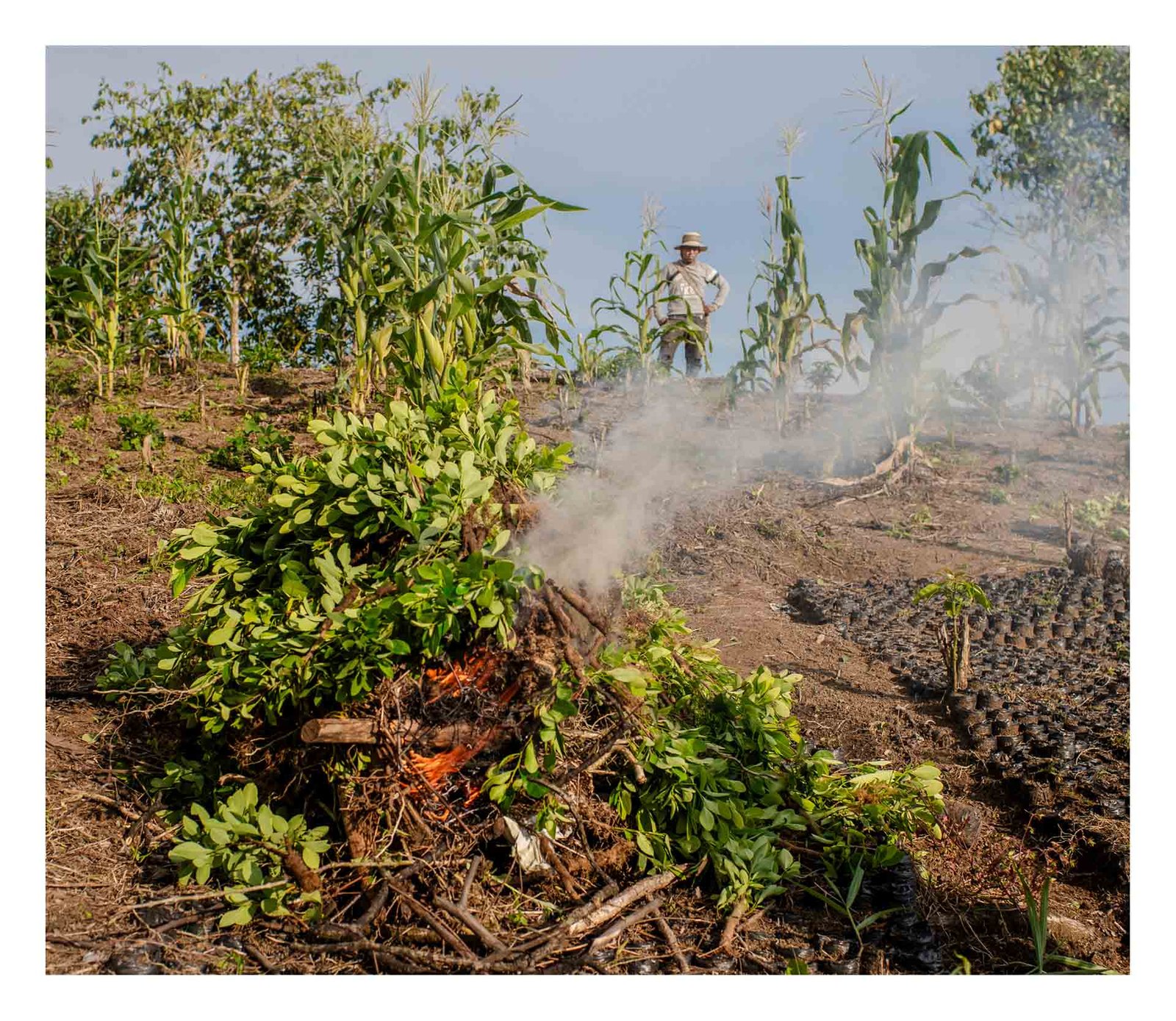
This re-existence unfolds within a territory deeply wounded by violence and its continuities: assassinations, the recruitment of children for war, unfulfilled peace agreements, the presence of old and new armed groups, drug trafficking—including illicit coca and marijuana crops—extractivism, deeply unequal agricultural relations, and the expansion of the sugar agroindustry, among other dynamics, particularly in northern Cauca.

In the face of these territorial disruptions, collective processes such as the Liberation of Mother Earth and the Indigenous Guard emerge, sustaining life through community organization and the care of territory.

OFRENDA offers a partial cartography of this complex weave: on the one hand, of the dissonances that traverse Indigenous Cauca; and on the other, of the re-existences that reveal how communities reinvent everyday life through ancestral practices. Within this horizon, the coca leaf occupies a central place as a living, relational plant—one capable of carrying us into deep time to activate other ways of thinking and another political ethics, in direct opposition to logics of violence and to the uses imposed on it by drug trafficking.

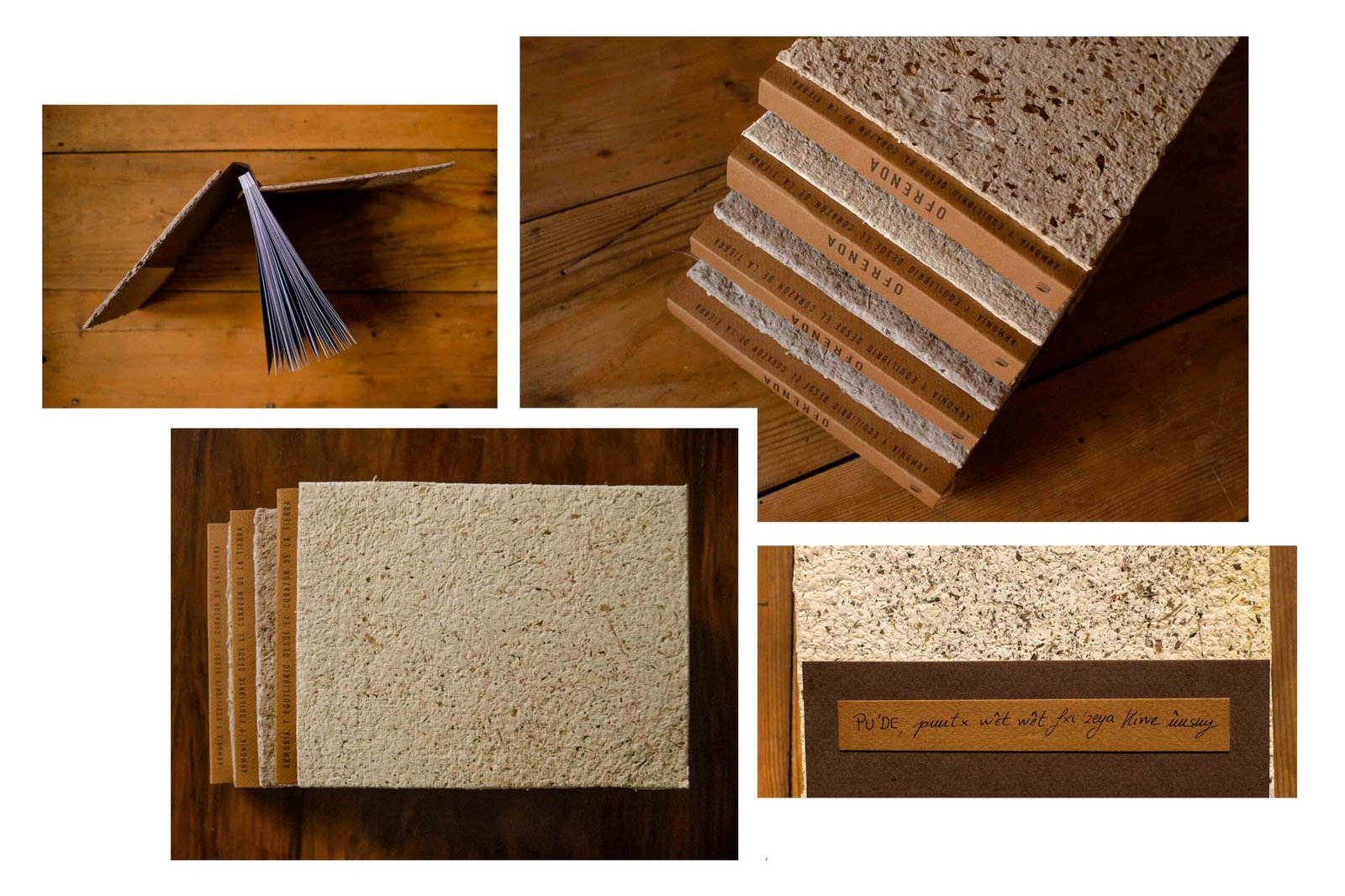
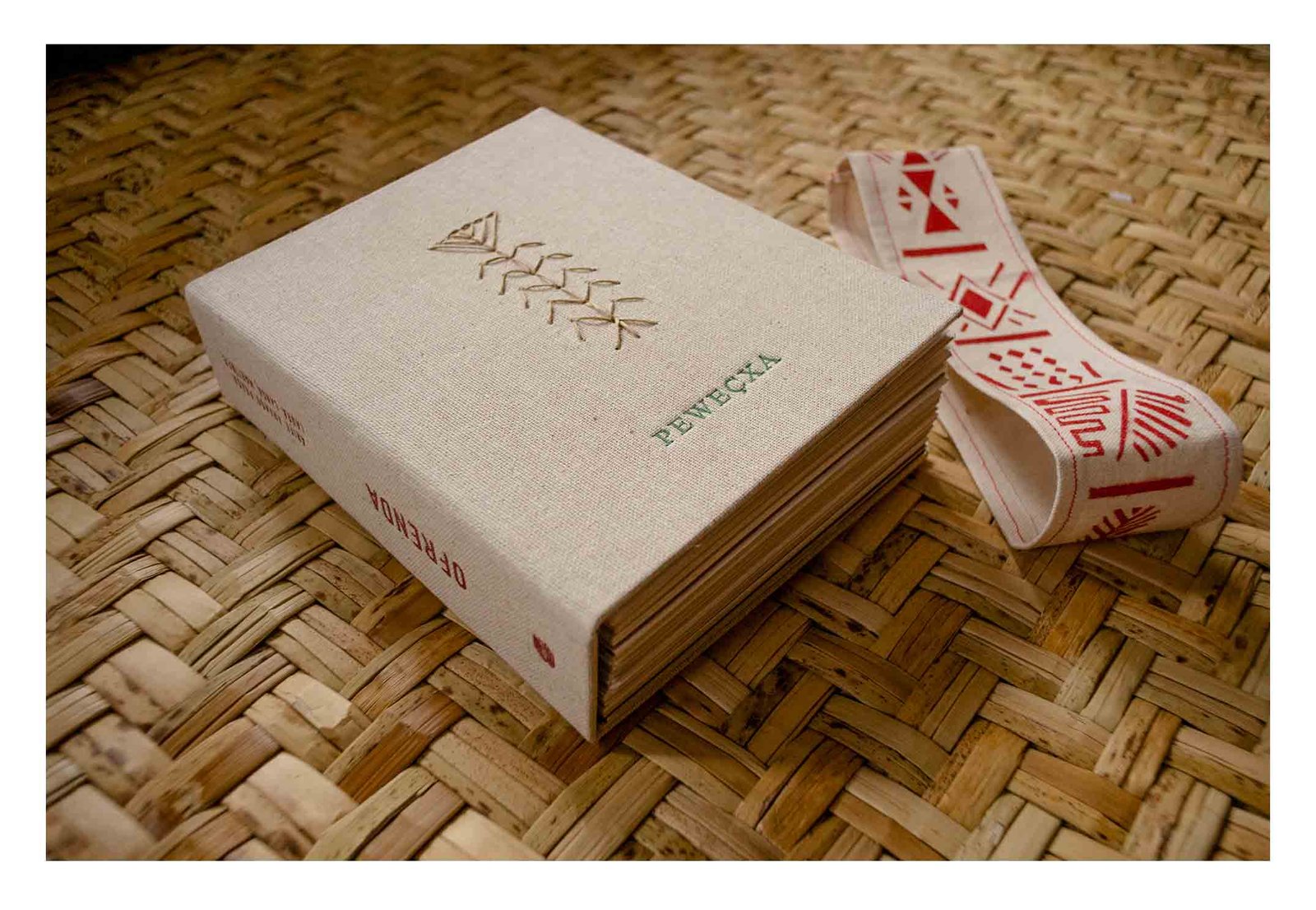
Over ten years of documentation and research, OFRENDA has taken material form in two artist books, experimental audiovisual projects, and multiple exhibitions, drawing from an extensive body of work that includes photographs, archival and hemerographic materials, audiovisual fragments, texts, soundscapes, woven pieces, and other elements from the territory.

The Artist

ENTRELAZANDO

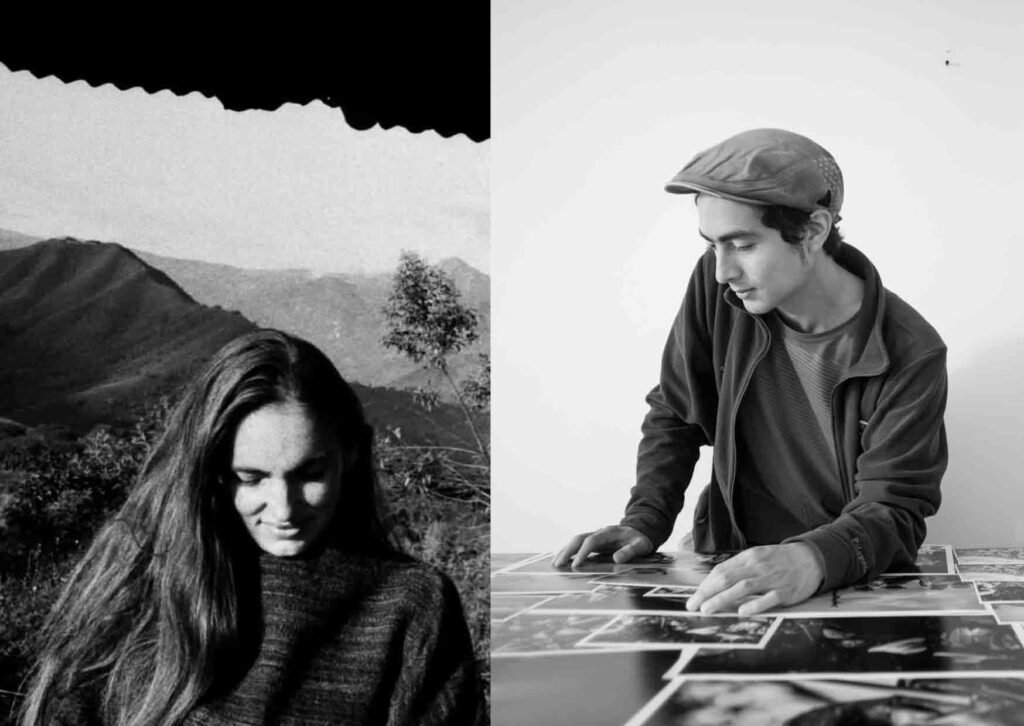
Rooted in collective practice and critical thought, Entrelazando has taken shape since its founding in 2011 as an audiovisual and photographic production platform, and since 2020 as an autonomous, handcrafted publishing house.

Read more

More From This Artist

Macabre Dance

Macabre Dance

Alejandra Delgado Uría

Artist’s country of origen: Bolivia
Materials:
Video Sound: Danse macabre by Camille Saint-Saëns, Op. 40
Medium: Installation, Video, Performance
Size: 00:02:31 sec.
Year: 2013 / 2022 / 2024

Line of Inquiry:

Coca-Politics

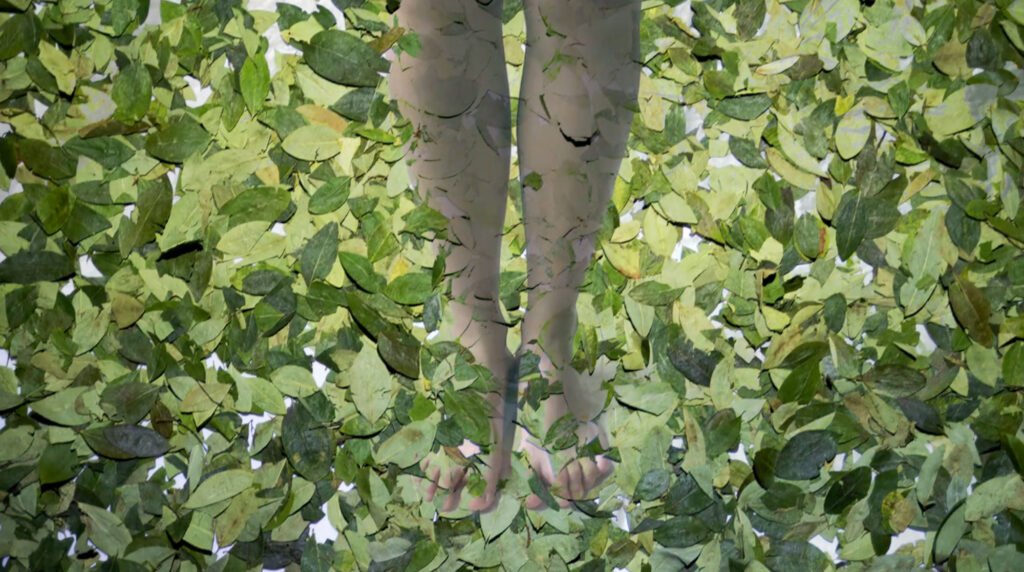
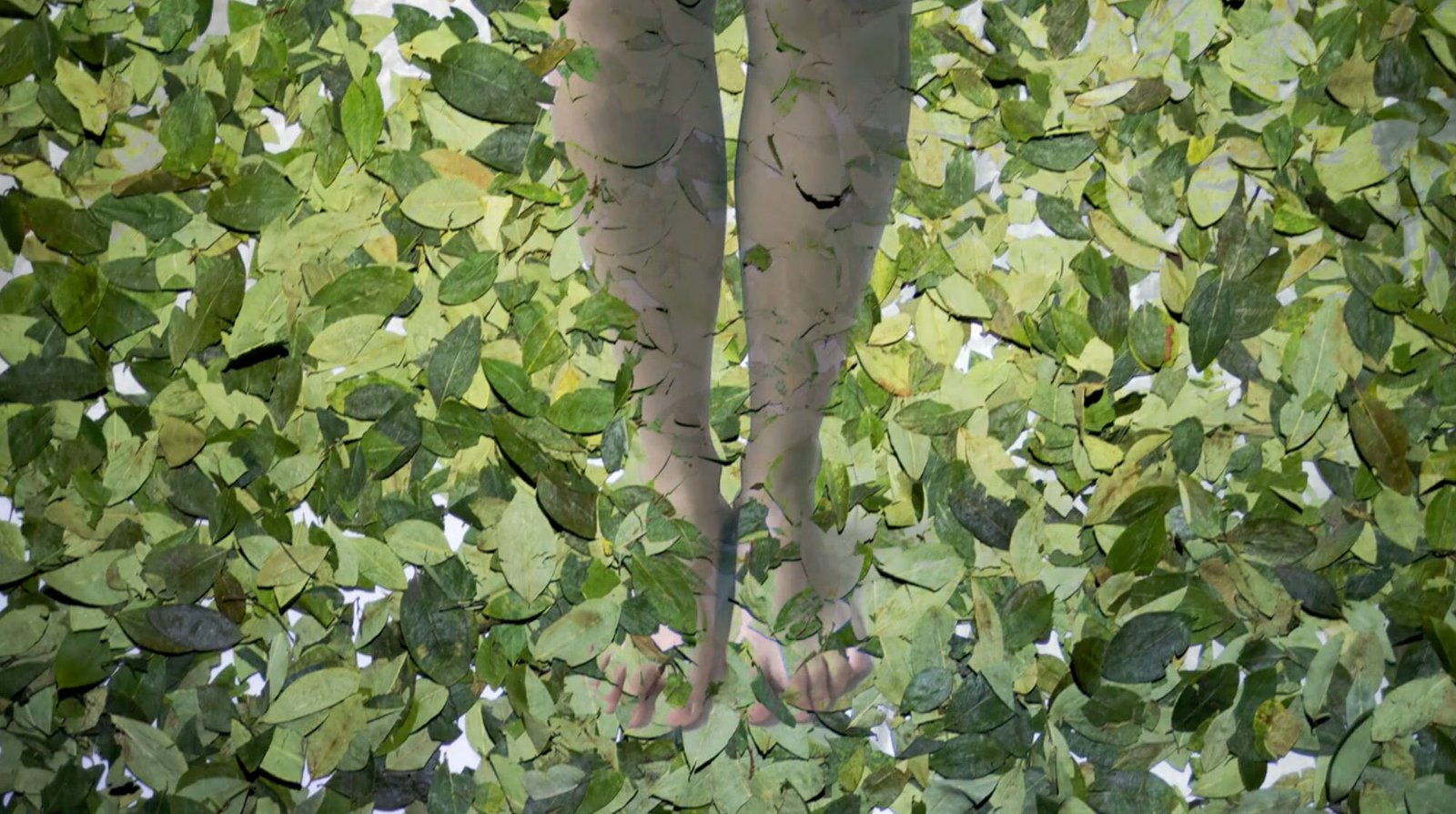
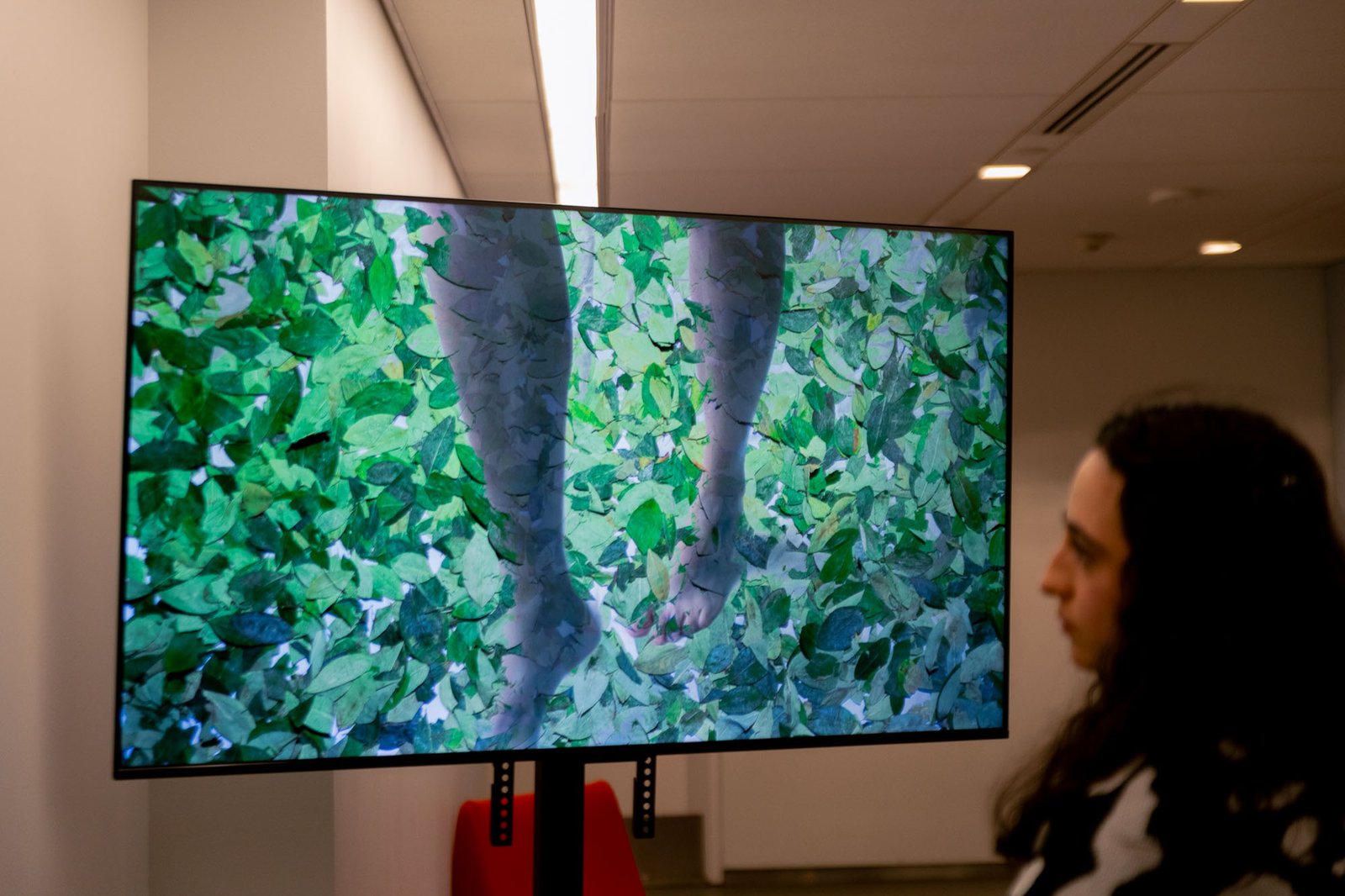
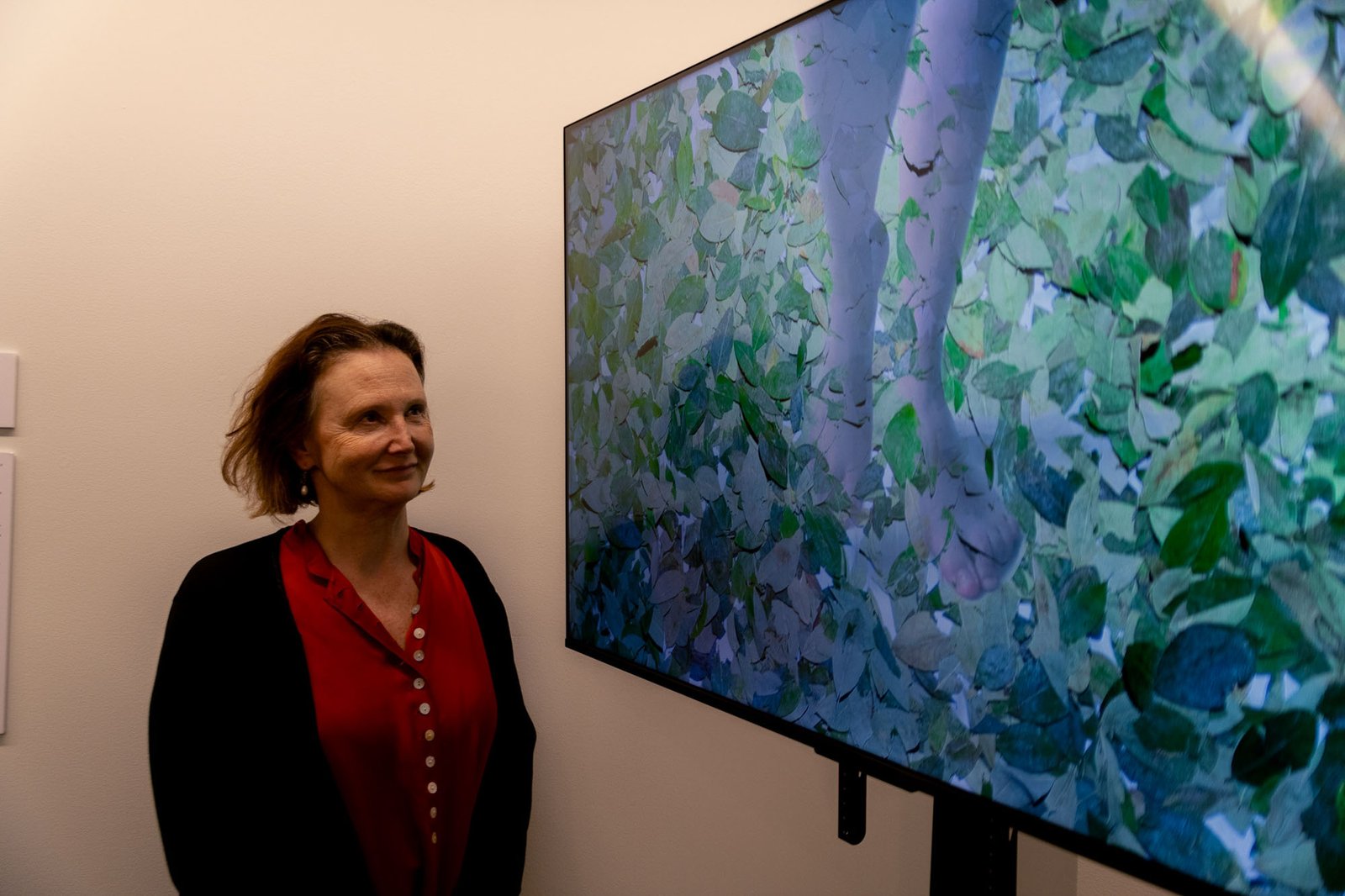
In her piece Macabre Dance, Delgado intertwines performance, sound, and installation to explore the complex historical realities of Bolivia surrounding the coca leaf. She creates a tapestry made of coca leaves, onto which she projects a video showing a woman’s feet dancing to Danse Macabre by Camille Saint-Saëns, inspired by the play Danza macàbra by Camillo Antona Traversi, a satirical Italian work from the late 19th century. 
The femele feet projected onto the tapestry reference the traditional process of stomping coca leaves to produce coca base paste, while also symbolizing the role of Bolivian Indigenous women in the fight against the prohibition of the coca leaf and their their vulnerability to the abuses of drug trafficking, prostitution, and human trafficking embedded in the illicit economy. Delgado uses this duality to highlight the contradictions surrounding coca: a plant both sacred and commodified.
This work reflects the fundamental role of women in defending their traditions, as well as their resistance to the violence and exploitation stemming from the global drug problem, highlighting their role in care networks and in the struggle for dignity and justice.


The Artist

Alejandra Delgado Uría

Alejandra Delgado Uría is a Bolivian visual-artist and photographer whose work explores architecture, memory, and identity in the Andean region.

Read more

More From This Artist

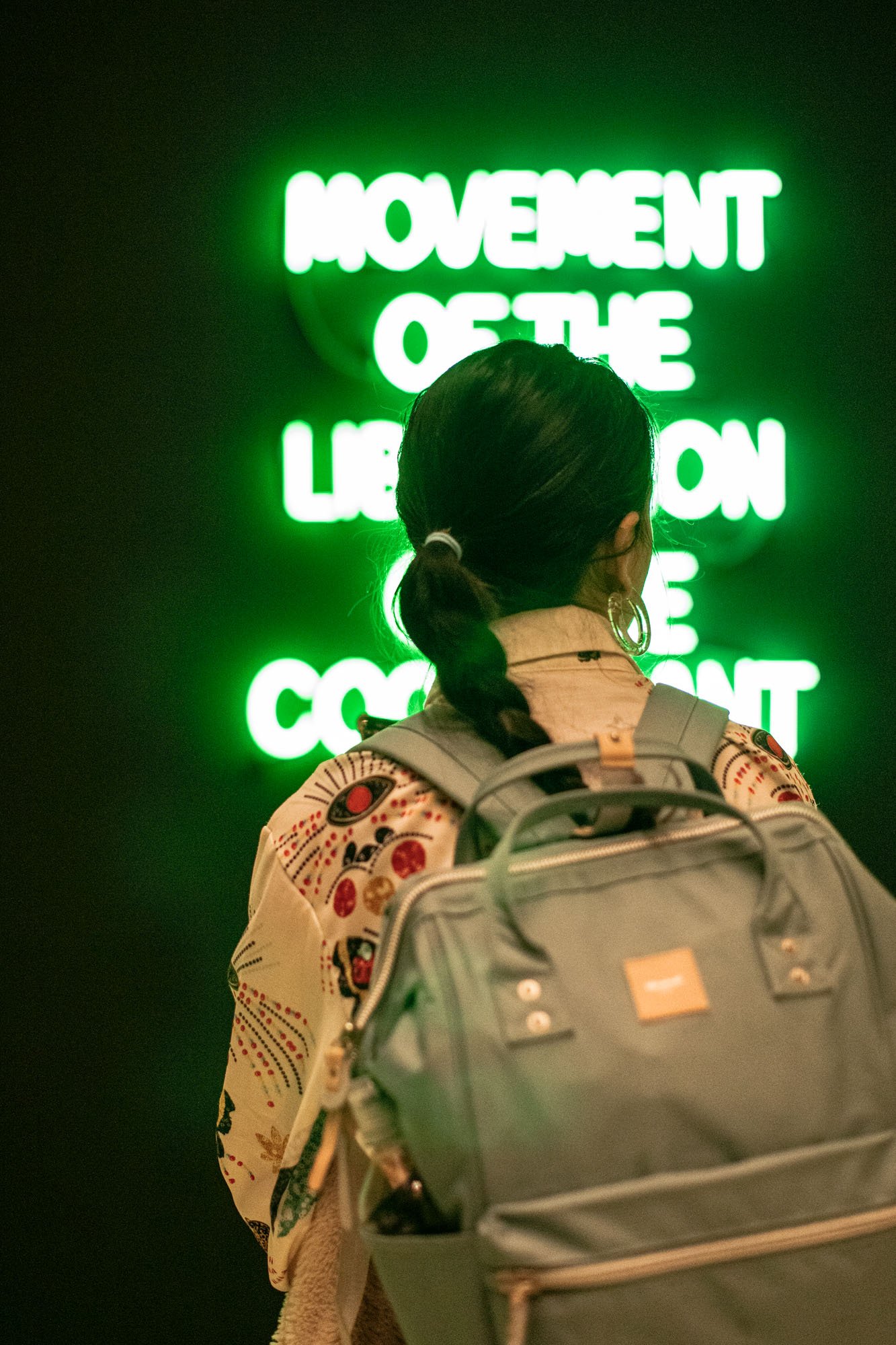
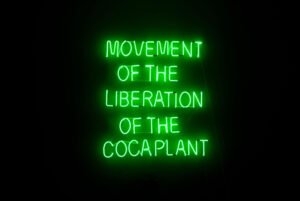
Movement for the Liberation of the Coca Plant

Movement for the Liberation of the Coca Plant

Wilson Díaz Polanco

Artist’s country of origen: Colombia
Materials:
Neón
Medium: Sculpture, Installation, Digital Art / New Media
Size: 140 × 114 × 5.5 cm
Year: 2012 – 2014

Line of Inquiry:

Coca-Politics

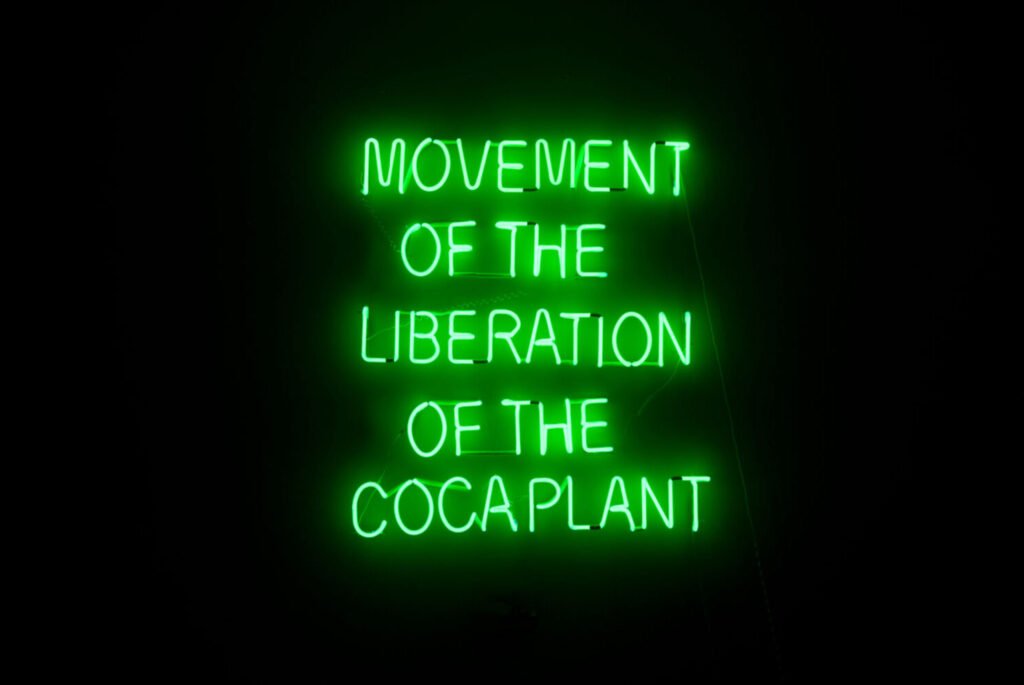
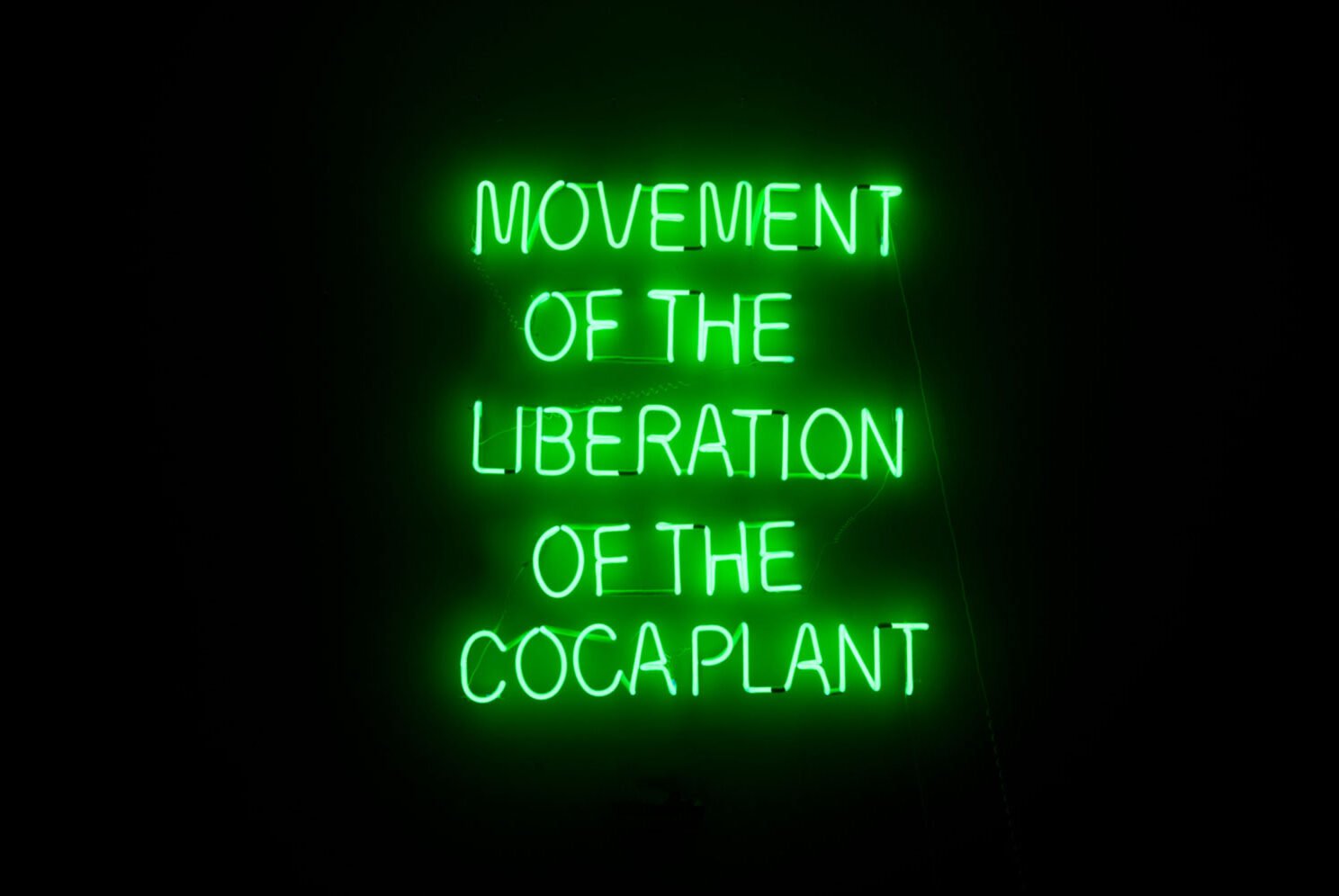
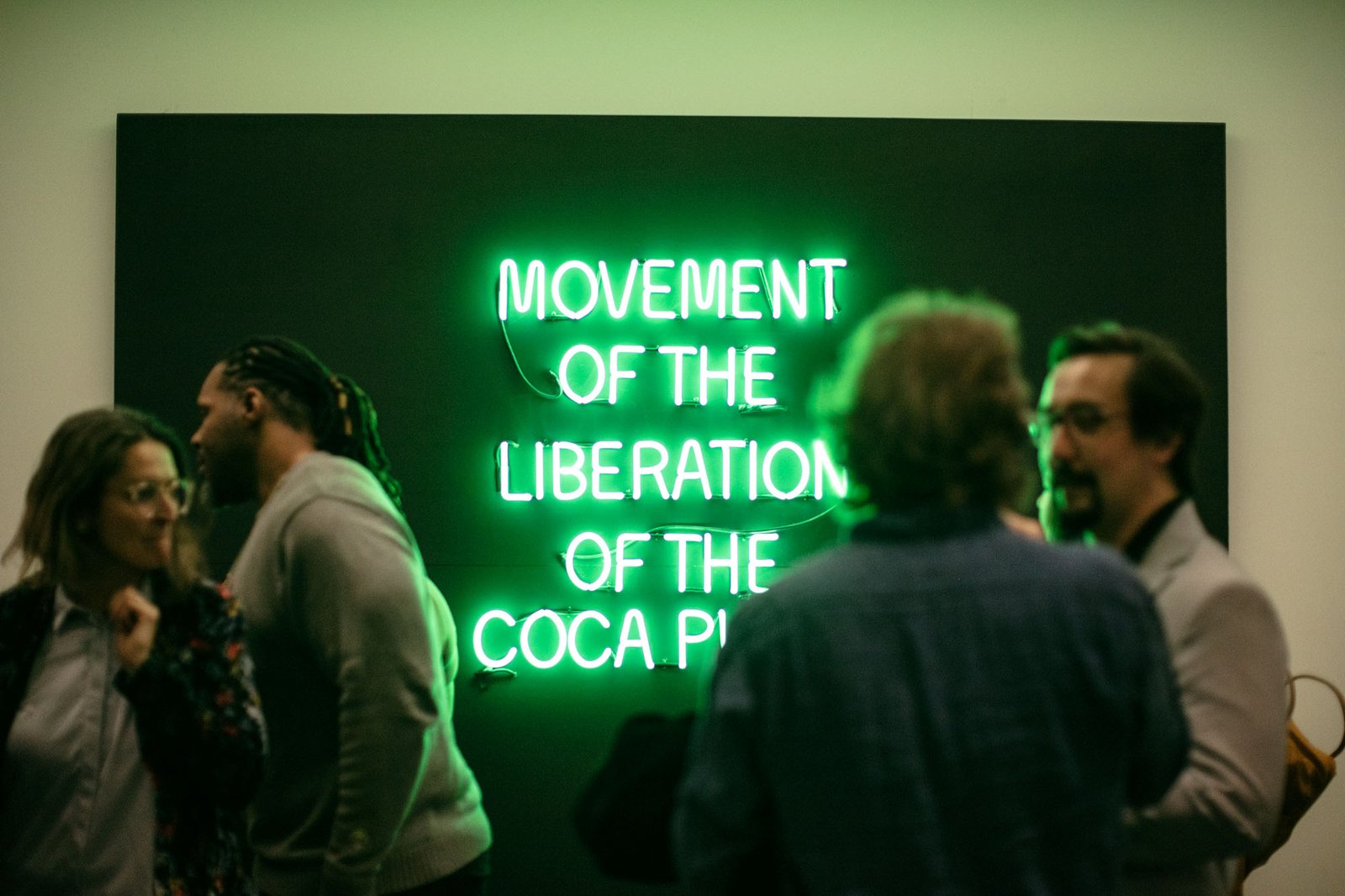
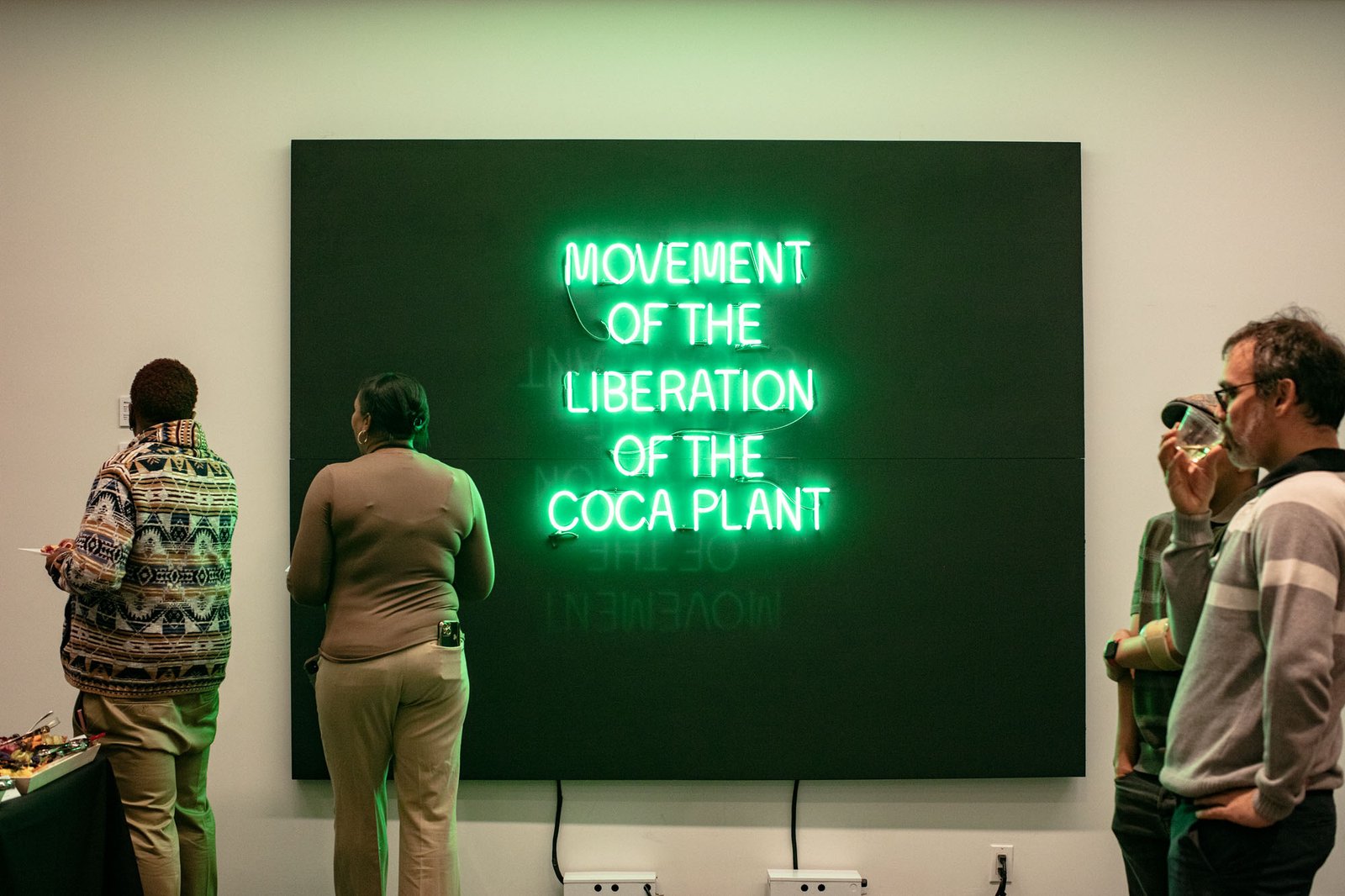
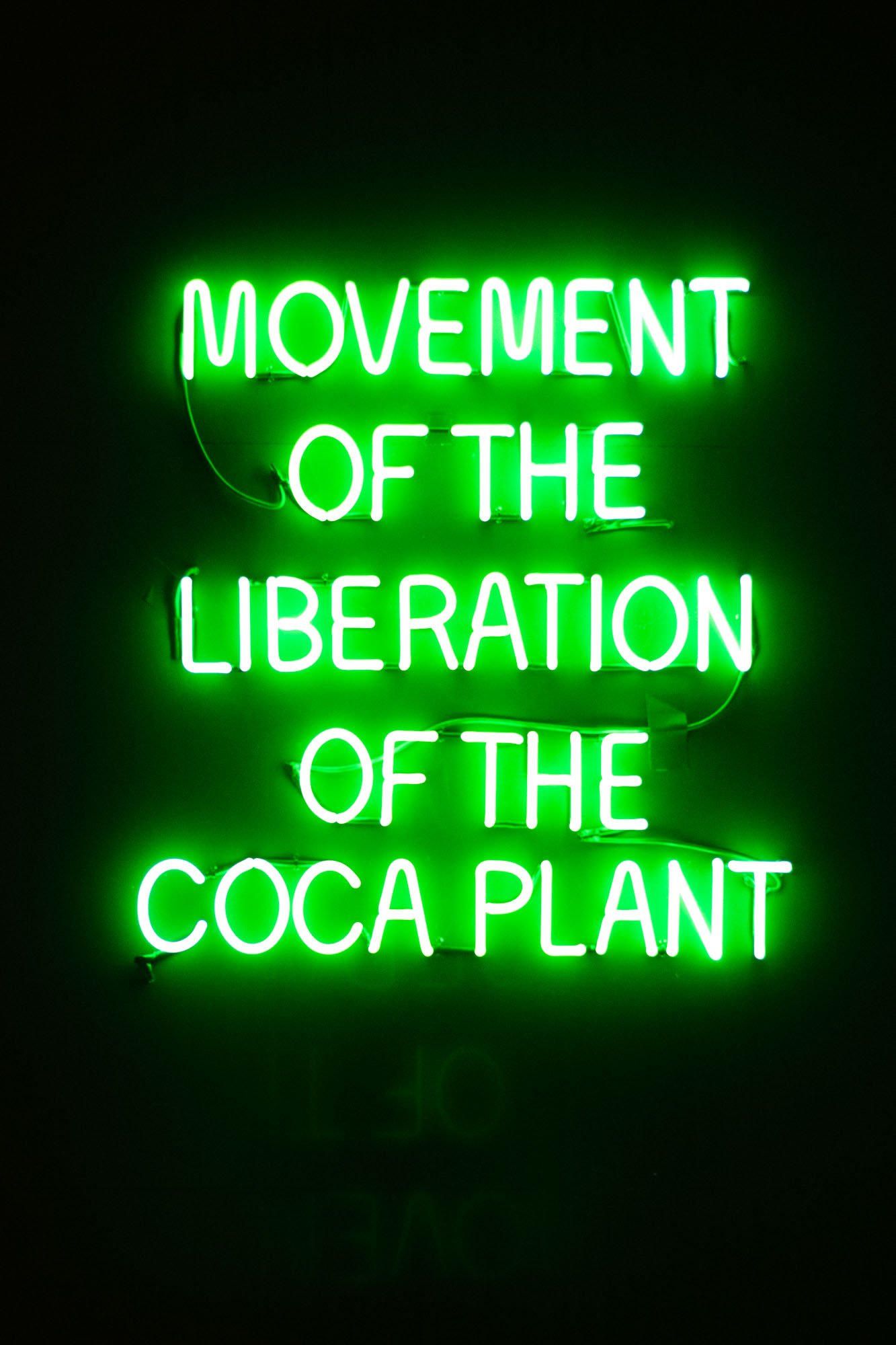
In this neon installation, Wilson Díaz transforms a simple phrase, “Movimiento de liberación de la planta de coca”, into a luminous declaration. The work reclaims the coca plant from decades of stigma tied to drug policy and the armed conflict in Colombia. By inscribing this call to liberation in glowing light, Díaz invites viewers to reflect on how language, power, and perception shape the fate of both plants and people.

The piece challenges official narratives of eradication and control, proposing instead a symbolic and literal “liberation” of the coca leaf. Díaz advocates for recognizing the plant’s ancestral, medicinal, and cultural dimensions, which have been overshadowed by its association with narcotrafficking. Through its simplicity and clarity, the neon text becomes both artwork and manifesto, a call to restore the coca plant’s dignity and to envision new, decolonial relationships between nature, politics, and society.

The Artist

Wilson Díaz Polanco

Wilson Díaz Polanco is a Colombian visual artist exploring the sociopolitical landscape of Colombia through popular culture, armed conflict, and media representation.

Read more

More From This Artist

Nuevo El Dorado (Wild Economy)

Nuevo El Dorado (Wild Economy)

Miguel Ángel Rojas

Artist’s country of origen: Colombia
Materials:
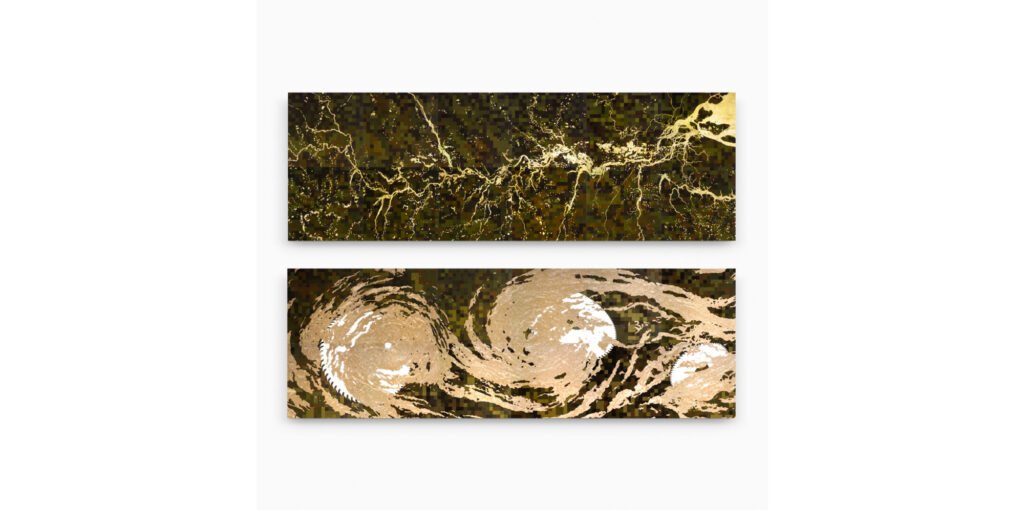
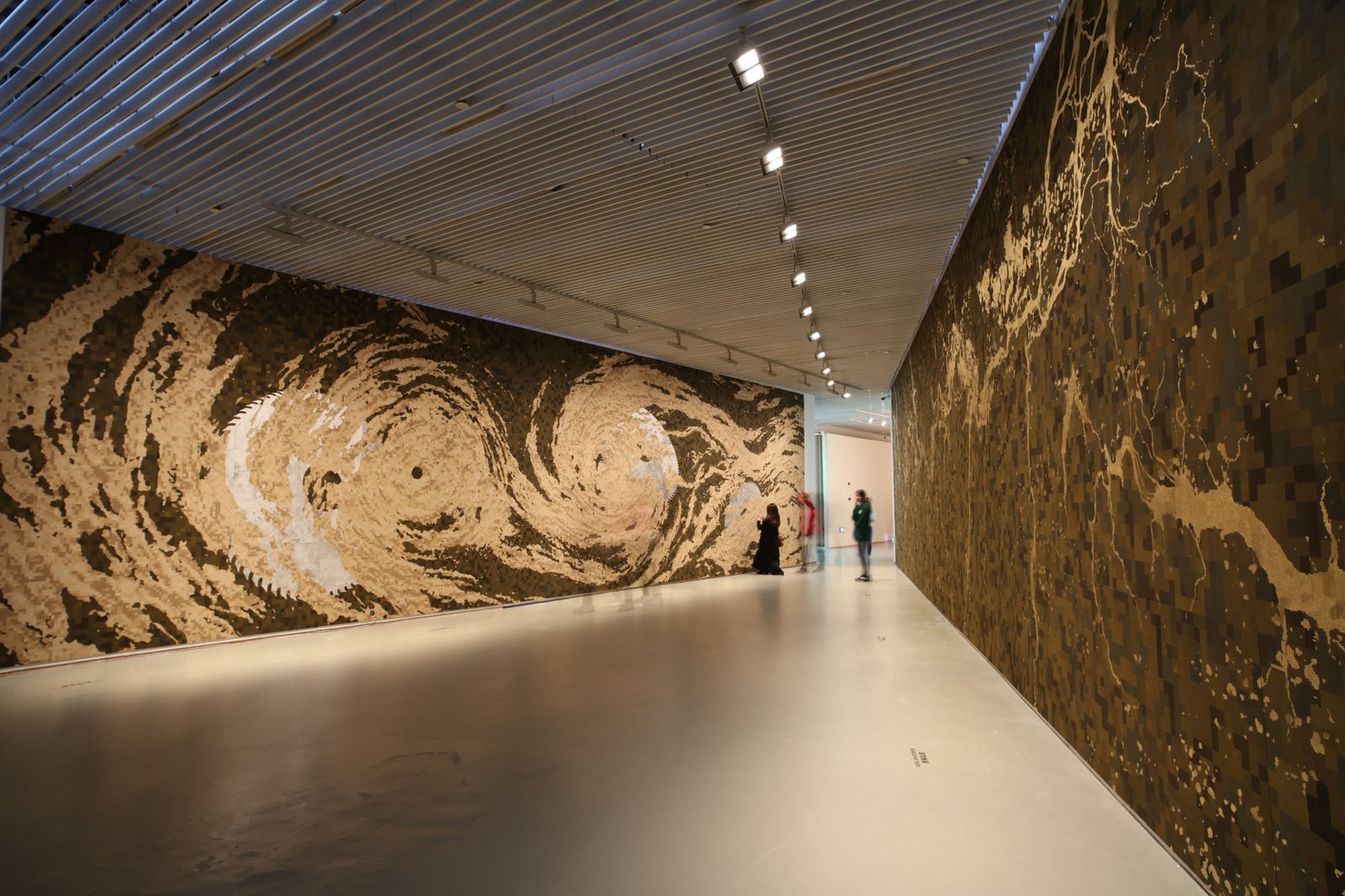
Coca leaf powder, neutral silkscreen base, clay, mineral pigments, gold and silver leaf on fiber paper mounted on foam board
Medium: Installation, Print / Graphic Work
Size: 400 x 1800 cm – 400 x 1500 cm
Year: 2018

Line of Inquiry:

Coca-Politics

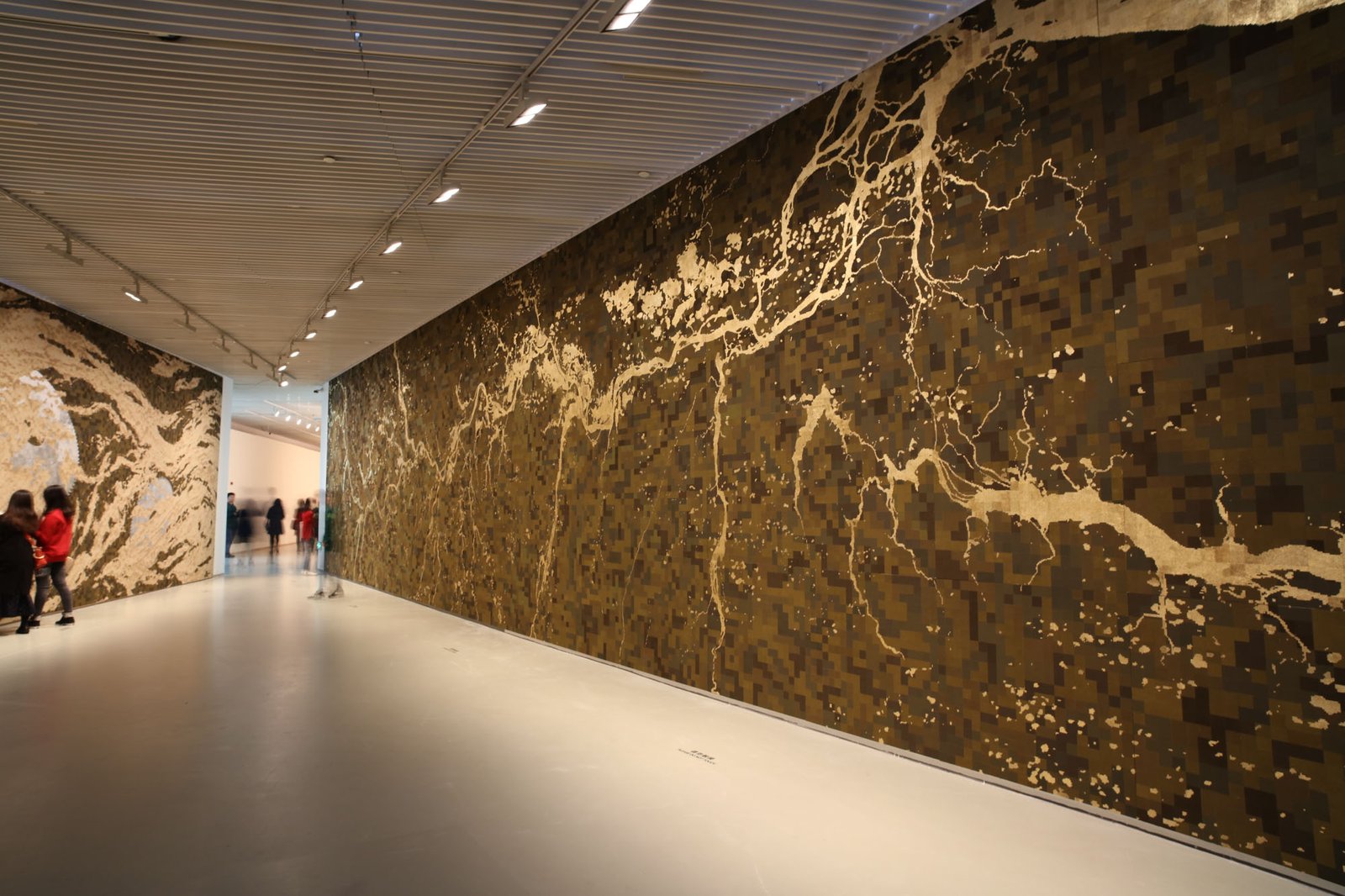
In this monumental installation, Rojas critiques the environmental degradation and social inequalities resulting from extractive industries and illicit economies. By using materials like coca leaf powder and gold leaf, Rojas underscores the complex interplay between cultural heritage and the exploitative forces of globalization.

Displayed at the 12th Shanghai Biennale and later at the Museo de Arte Moderno de Bogotá (MAMBO) in the exhibition Regreso a la Maloca, this piece serves as a poignant commentary on the ongoing colonial dynamics and the commodification of natural resources. Rojas’s work invites viewers to reflect on the intertwined histories of indigenous knowledge, ecological destruction, and the pursuit of wealth, challenging them to reconsider the true cost of progress.

The Artist

Miguel Ángel Rojas

Miguel Ángel Rojas is a pioneering Colombian conceptual artist whose work exposes hidden systems of power, marginality, and identity through an examination of his country’s social and political landscape.

Read more

More From This Artist

Raspachines’ Dreams (Health)

Raspachines’ Dreams (Health)

Miguel Ángel Rojas

Artist’s country of origen: Colombia
Materials:
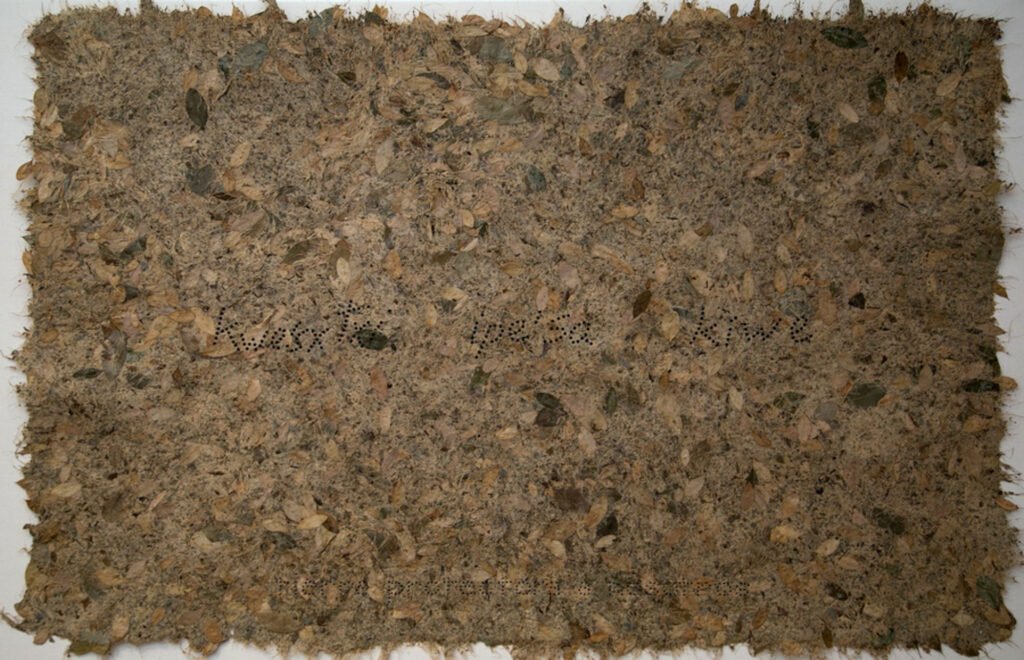
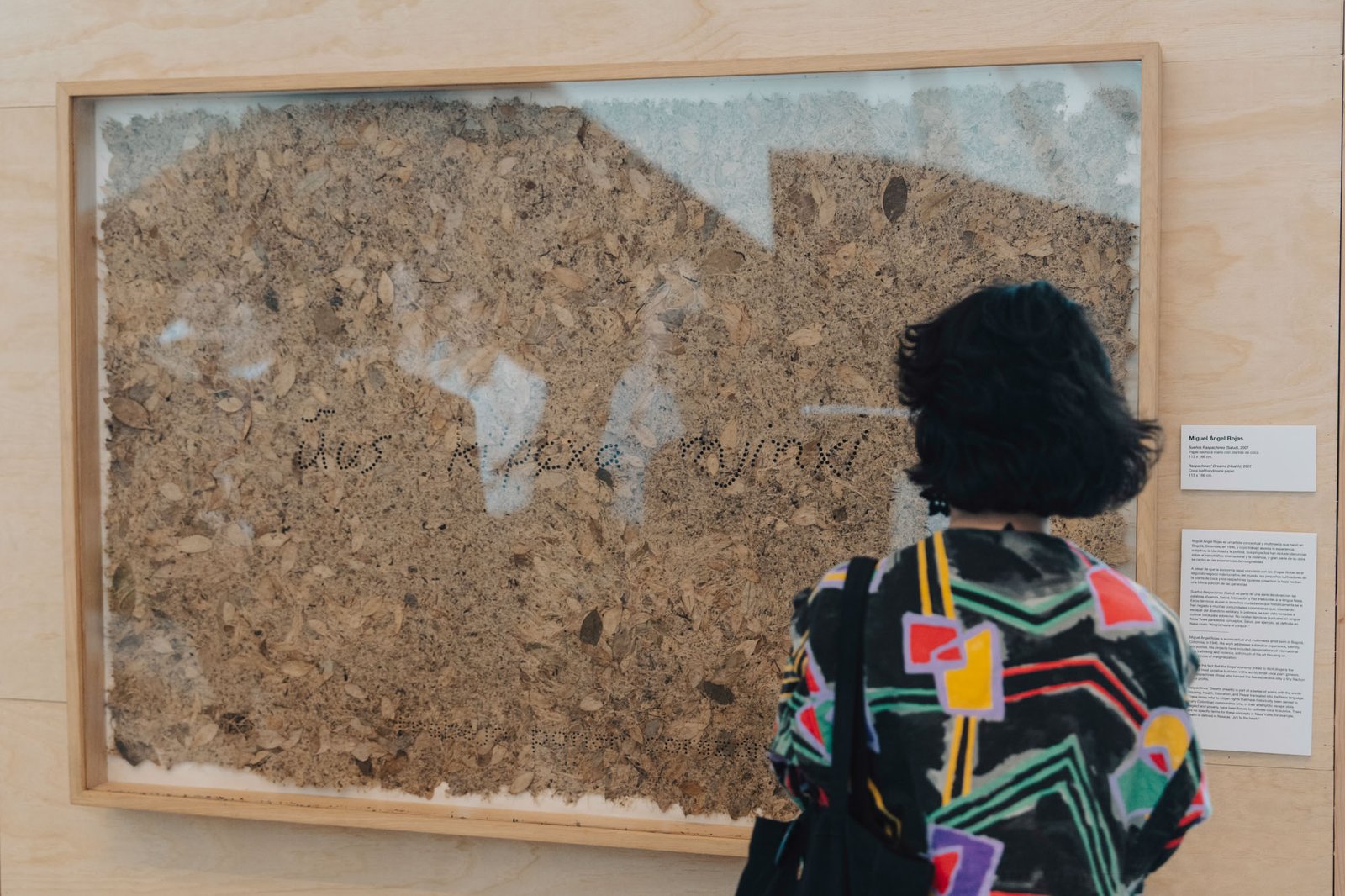
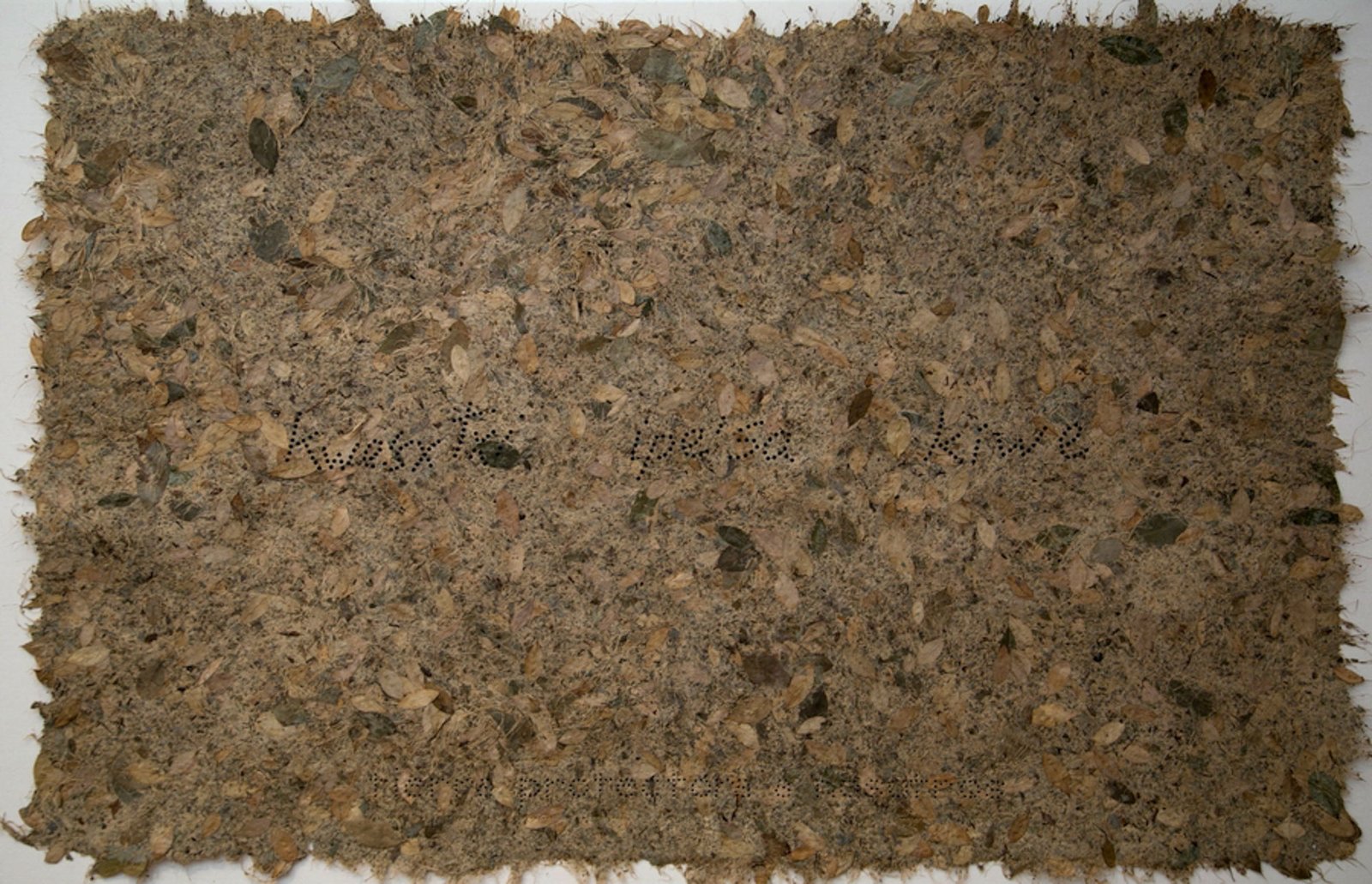
Coca leaf handmade paper
Medium: Installation, Print / Graphic Work
Size: 113x166cm
Year: 2007

Line of Inquiry:

Coca-Politics

Despite the fact that the illegal economy linked to illicit drugs is the second most lucrative business in the world, small coca plant growers and raspachines (those who harvest the leaves) receive only a tiny fraction of the profits.

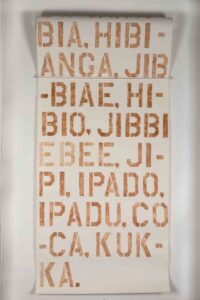
Raspachines’ Dreams (Health) is part of a series of works with the words Housing, Health, Education, and Peace translated into the Nasa language. These terms refer to citizen rights that have historically been denied to many Colombian communities who, in their attempt to escape state neglect and poverty, have been forced to cultivate coca to survive. There are no specific terms for these concepts in Nasa Yuwe; for example, health is defined in Nasa as “Joy to the heart.”

The Artist

Miguel Ángel Rojas

Miguel Ángel Rojas is a pioneering Colombian conceptual artist whose work exposes hidden systems of power, marginality, and identity through an examination of his country’s social and political landscape.

Read more

More From This Artist

Flaky Landscapes – Work with the nails

Flaky Landscapes – Work with the nails

Edinson Quiñones

Artist’s country of origen: Colombia
Materials:
Digital Print
Size: 15 x 25 cm
Year: 2012 – 2019

Line of Inquiry:

Coca-Politics

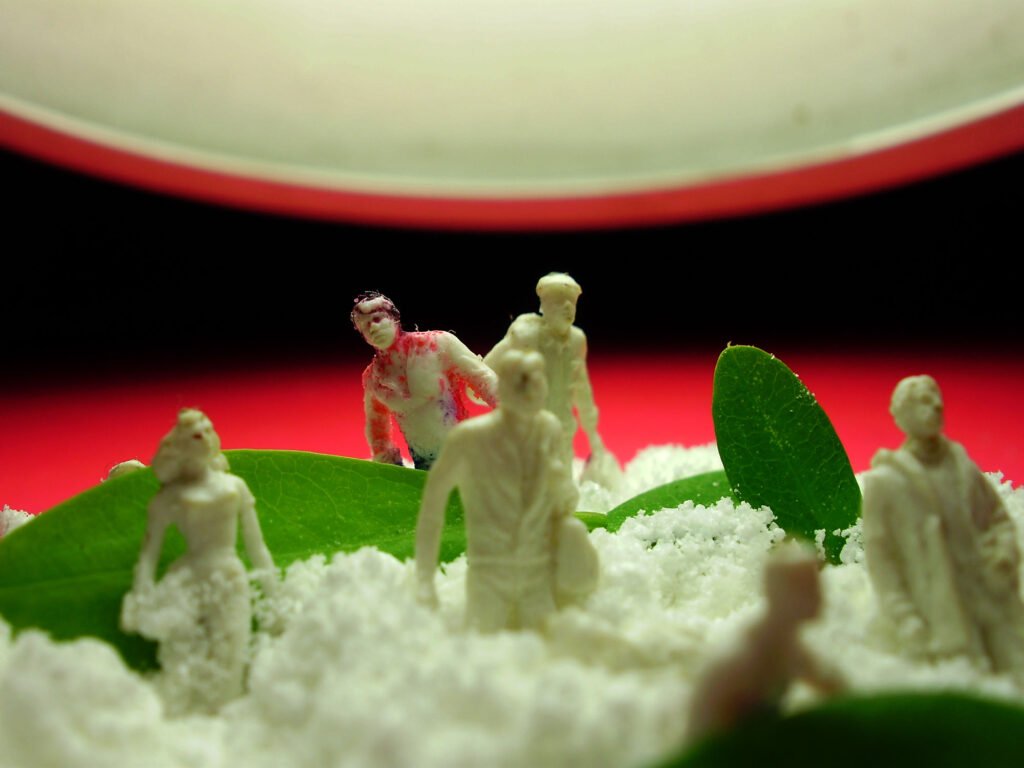
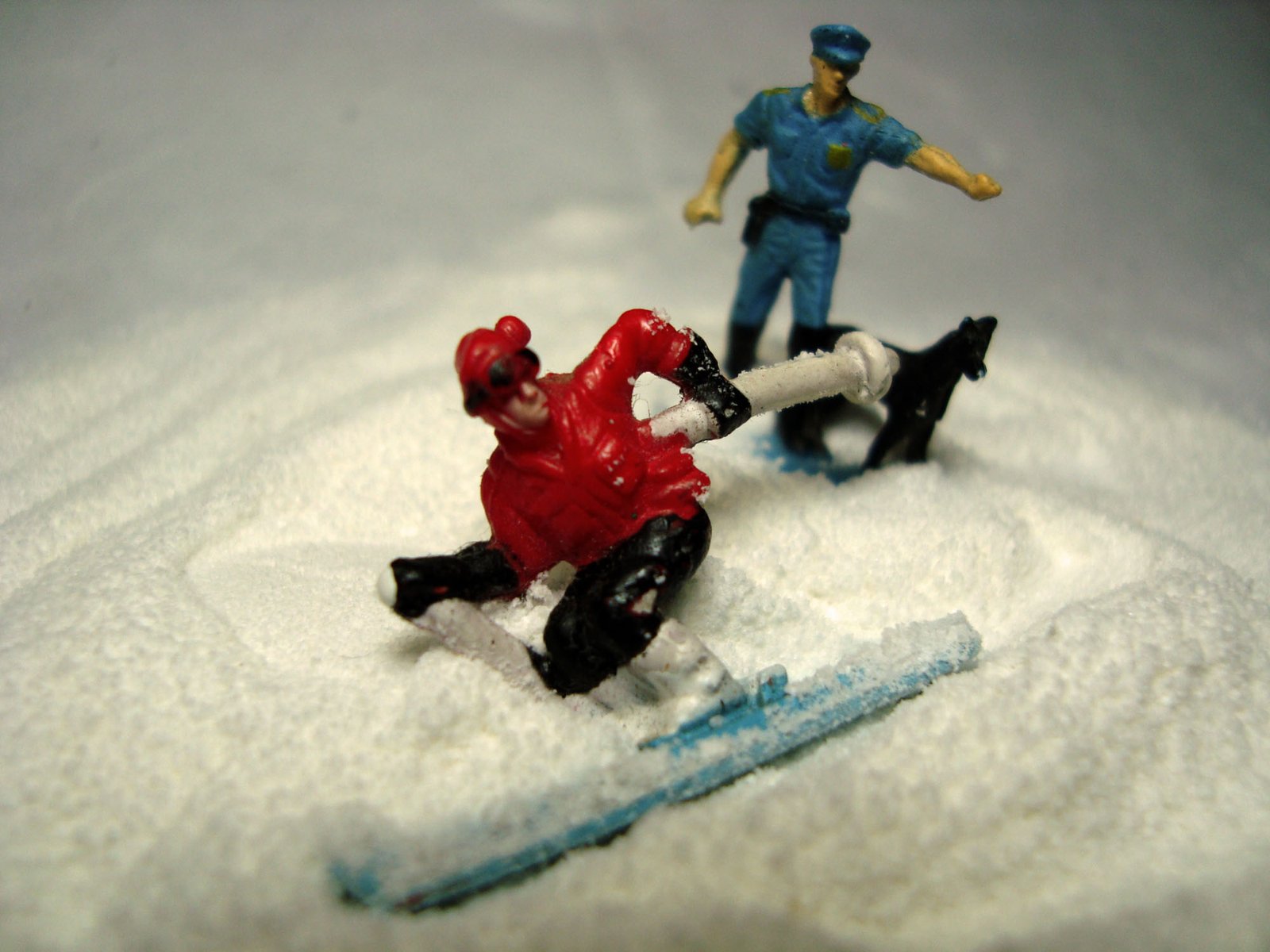
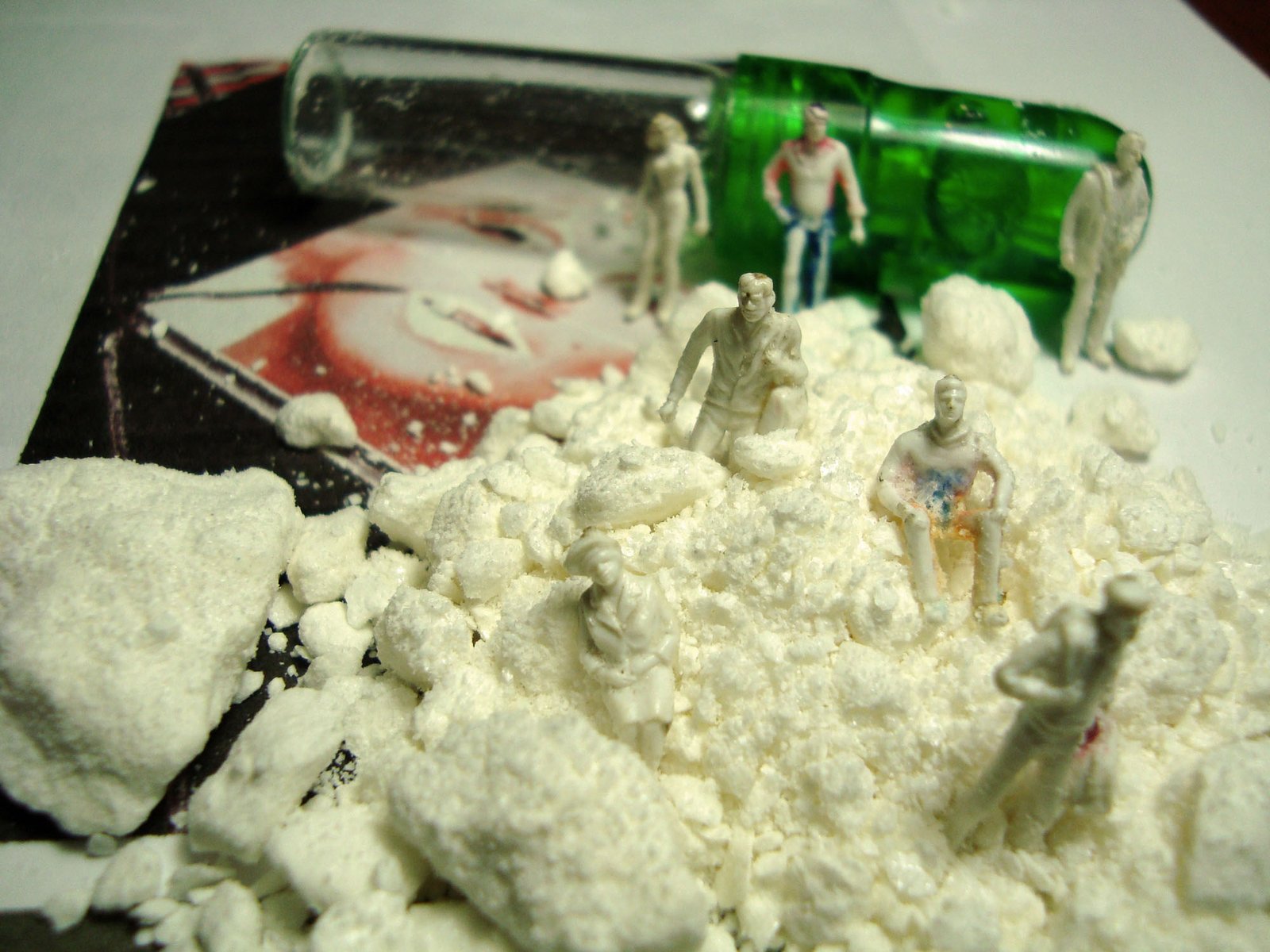
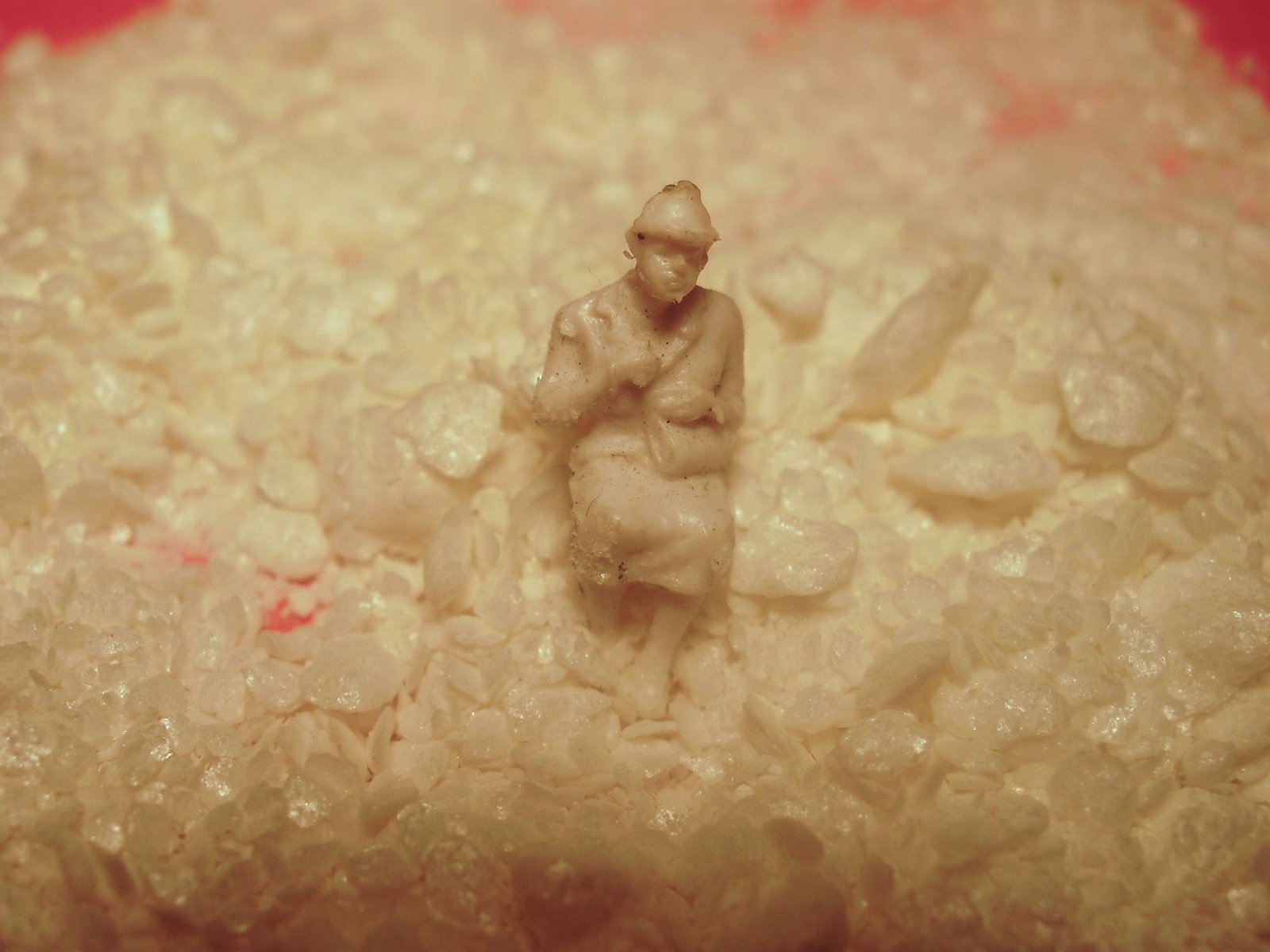
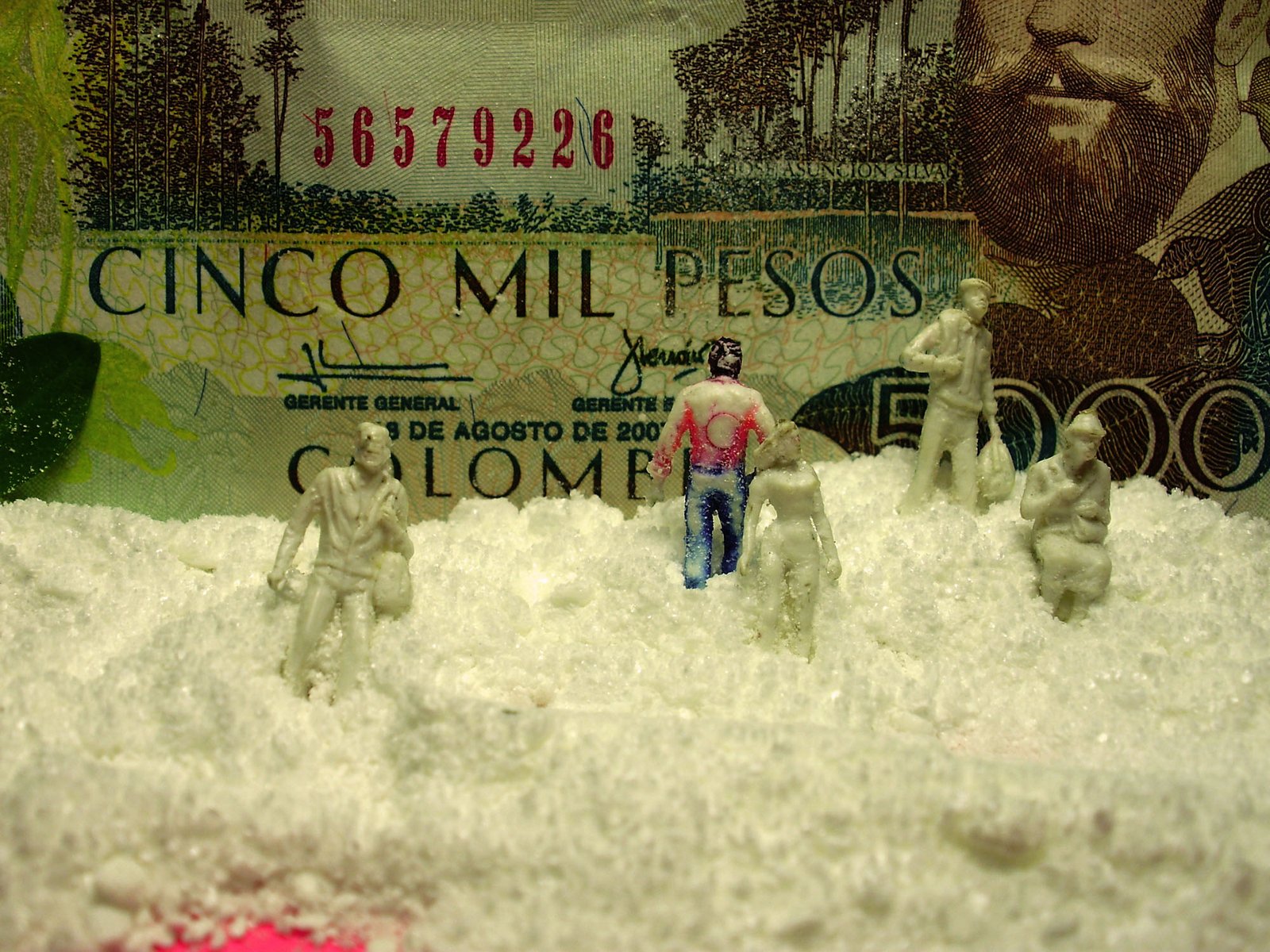
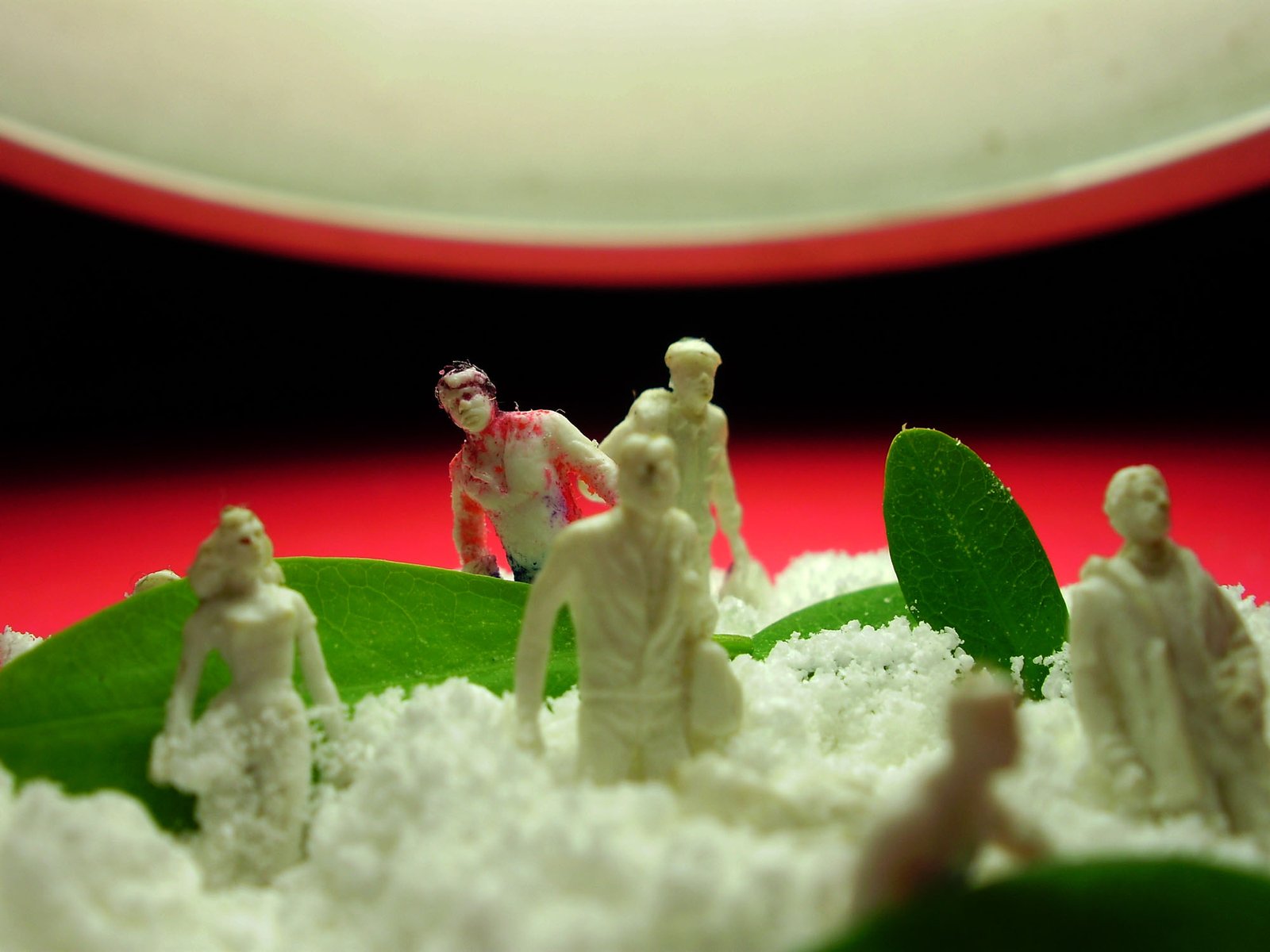
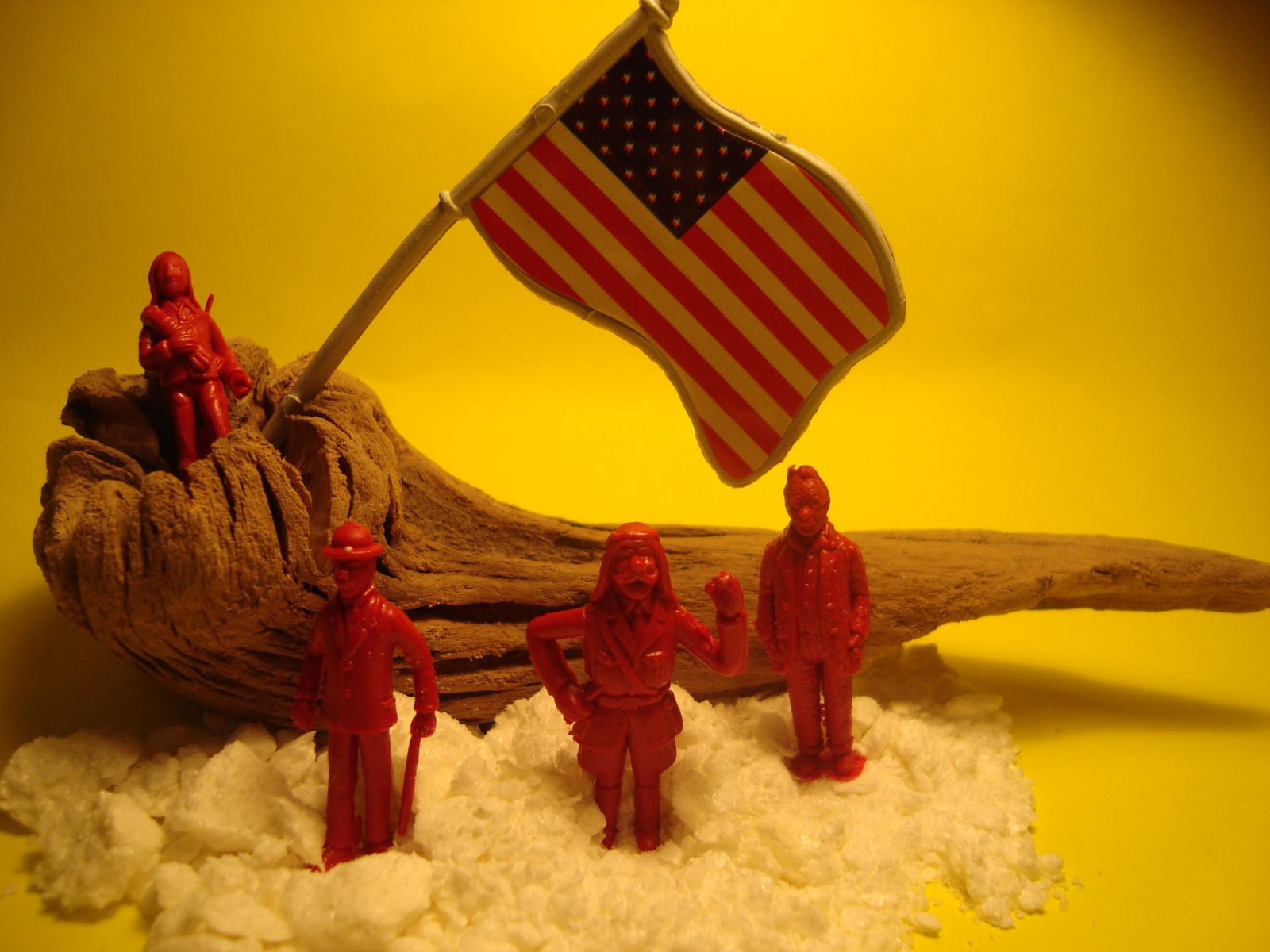
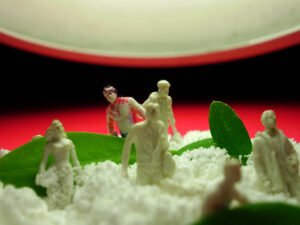
The series Flaky Landscapes – Work with the nails presents miniature scenarios integrating model figures, bills, coca leaves, and cocaine crystals representing everyday situations where European and American characters immerse themselves in the “Colombian snow”.

The Artist

Edinson Quiñones

Edinson Javier Quiñones Falla Campo Zemanate is an artist of Nasa descent, born in La Plata, Huila (Colombia) in 1982. He holds a BFA in Visual Arts and a Master’s degree in Arts Integrated with the Environment from the University of Cauca.

Read more

Narco pedagogical advertisement

Narco Pedagogical Advertisement

Edinson Quiñones

Artist’s country of origen: Colombia
Materials:
Fabric printed banners
Size: 140 x 30 cm
Year: 2015 – 2017

Line of Inquiry:

Coca-Politics

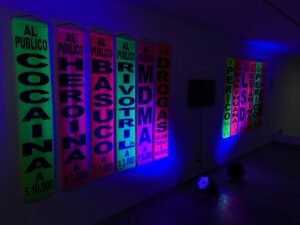
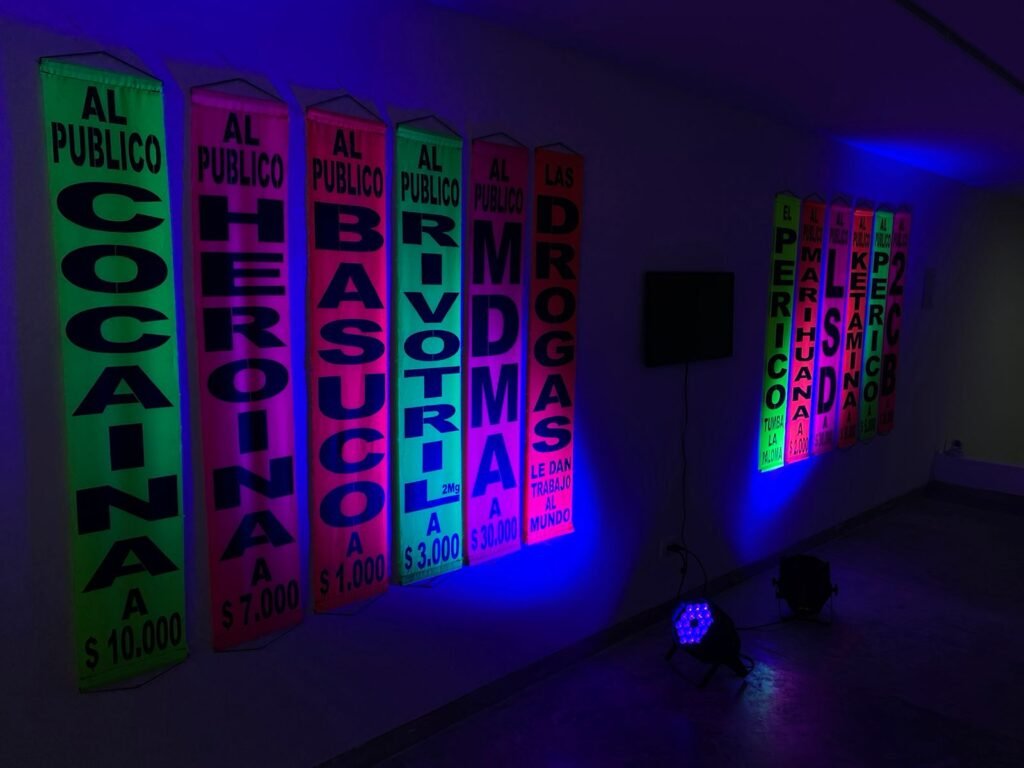
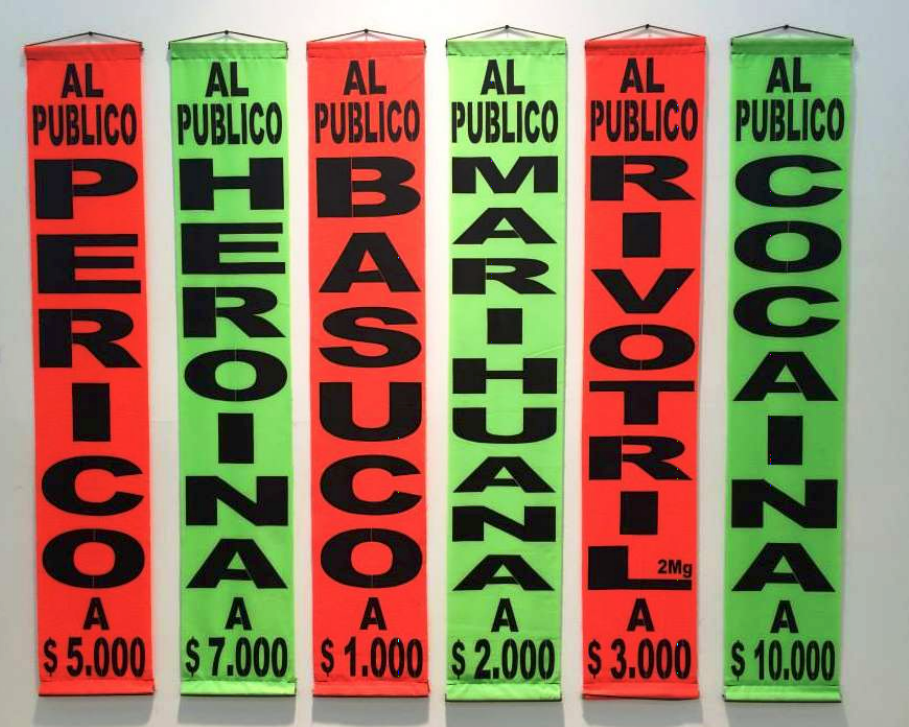
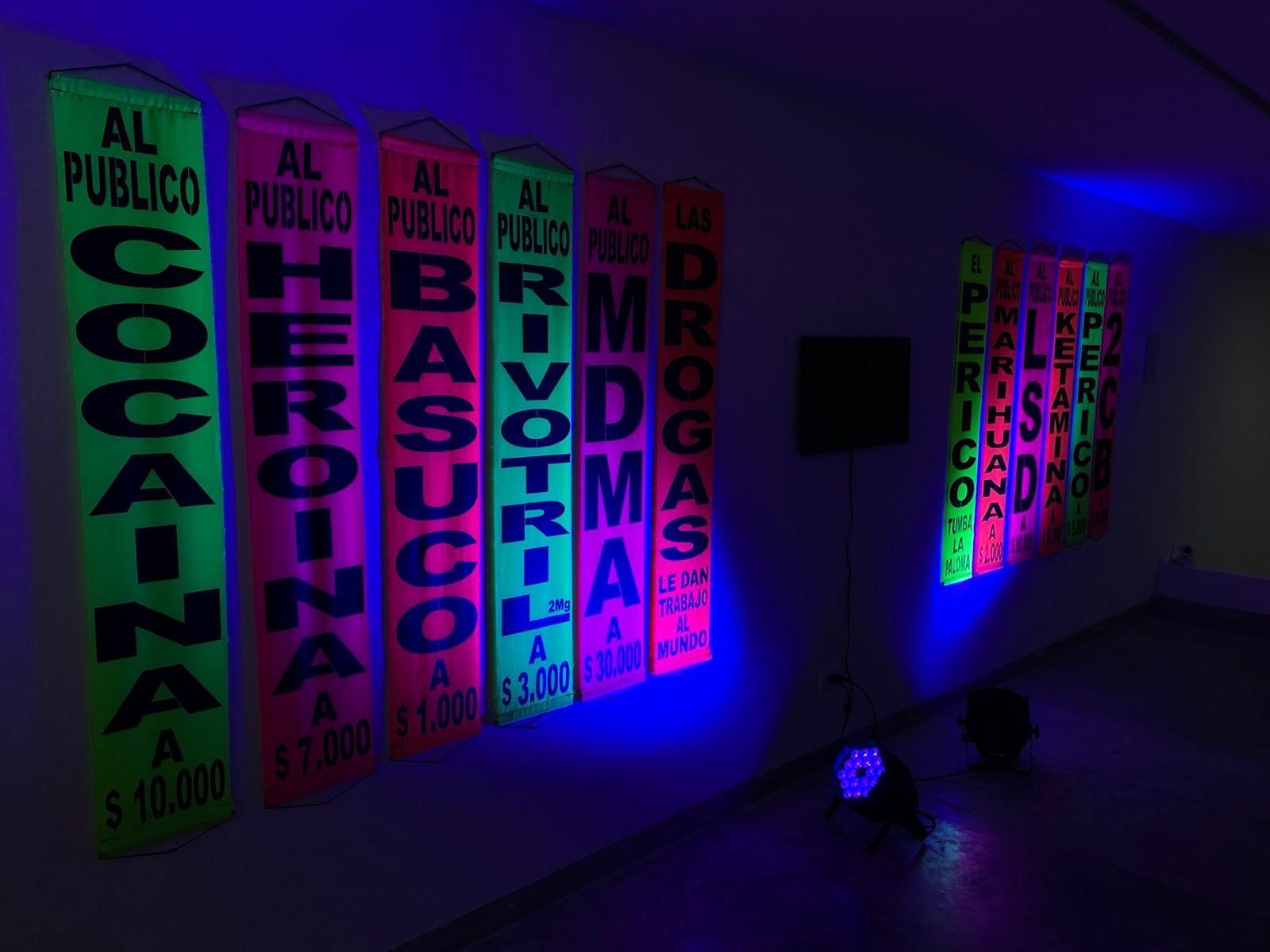
Narco Educational Advertisements is a series of banners that reproduce the aesthetic of Colombian street advertising from the 2000s, showing the prices of cocaine and “perico,” a colloquial term for cocaine. This series is activated by the artist through conversations in streets and parks about drug legalization and the future of coca. Through these conversations, Quiñones questions the global misinformation about the plant and the reality of cocaine consumption.

The Artist

Edinson Quiñones

Edinson Javier Quiñones Falla Campo Zemanate is an artist of Nasa descent, born in La Plata, Huila (Colombia) in 1982. He holds a BFA in Visual Arts and a Master’s degree in Arts Integrated with the Environment from the University of Cauca.

Read more

Impending Beauty

Impending Beauty

Tatiana Arocha

Artist’s country of origen: United States
Materials: Vintage settee (1940s), upholstered in cotton fabric hand-painted with gold acrylic paint.
Size: 99  x 180 x 68  cm / 96 x 60 x 66 cm ​
Year: 2017

Line of Inquiry:

Coca-Politics

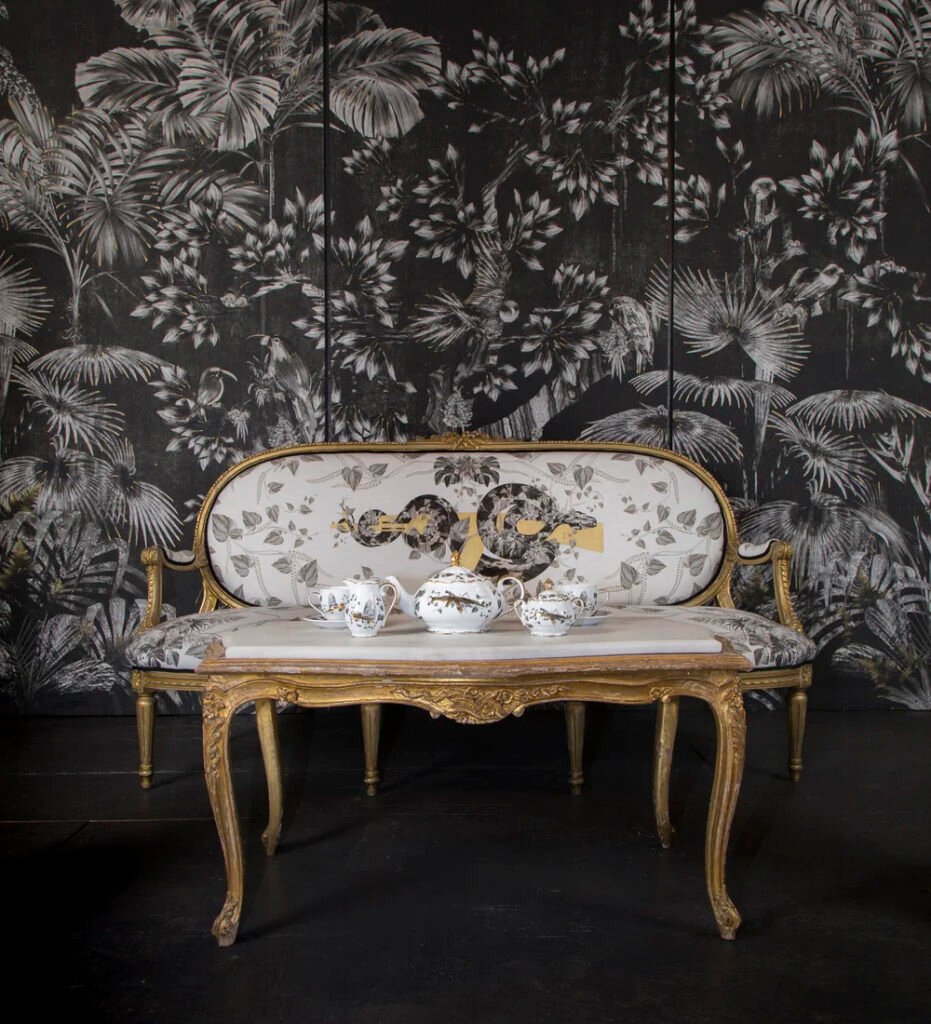
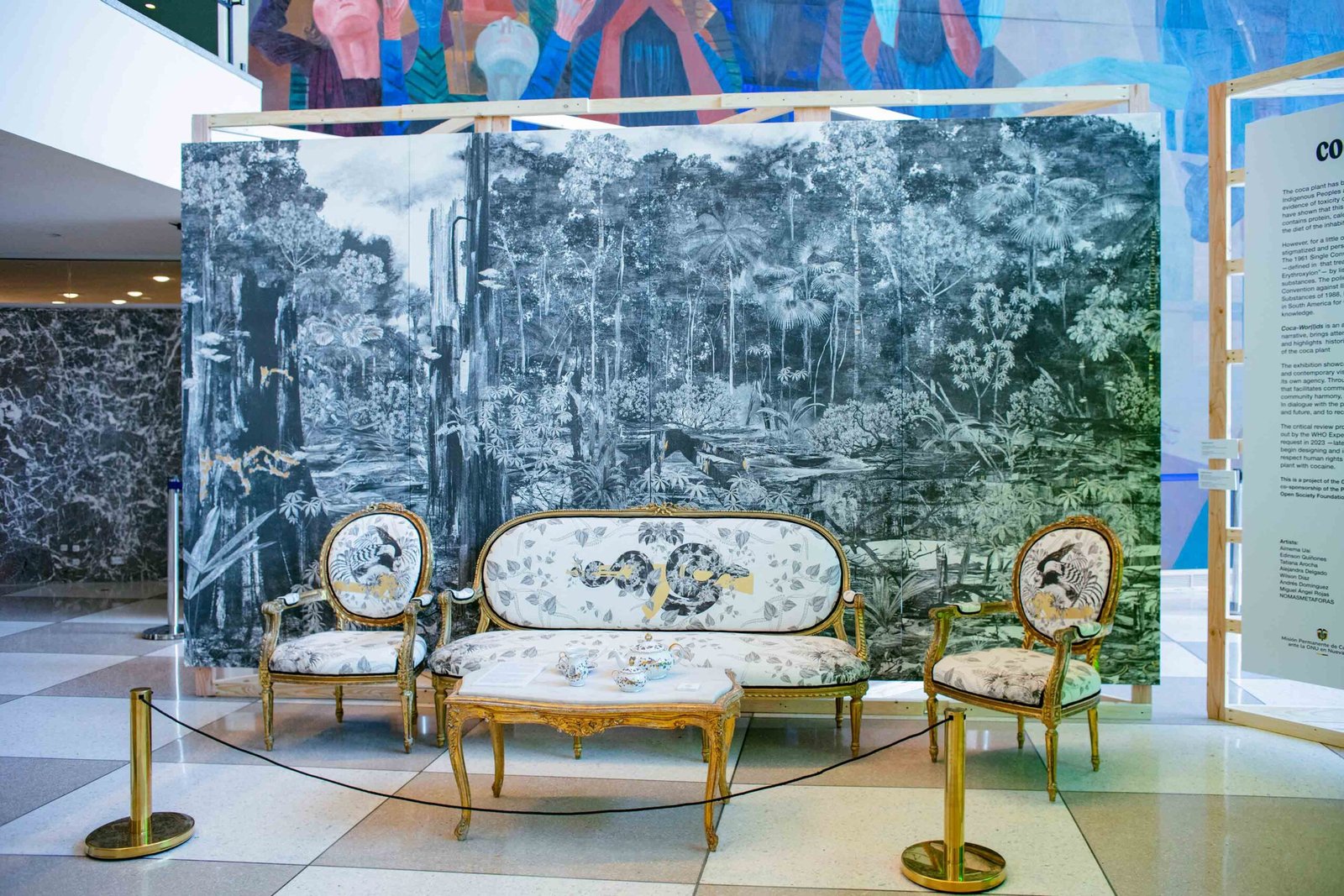
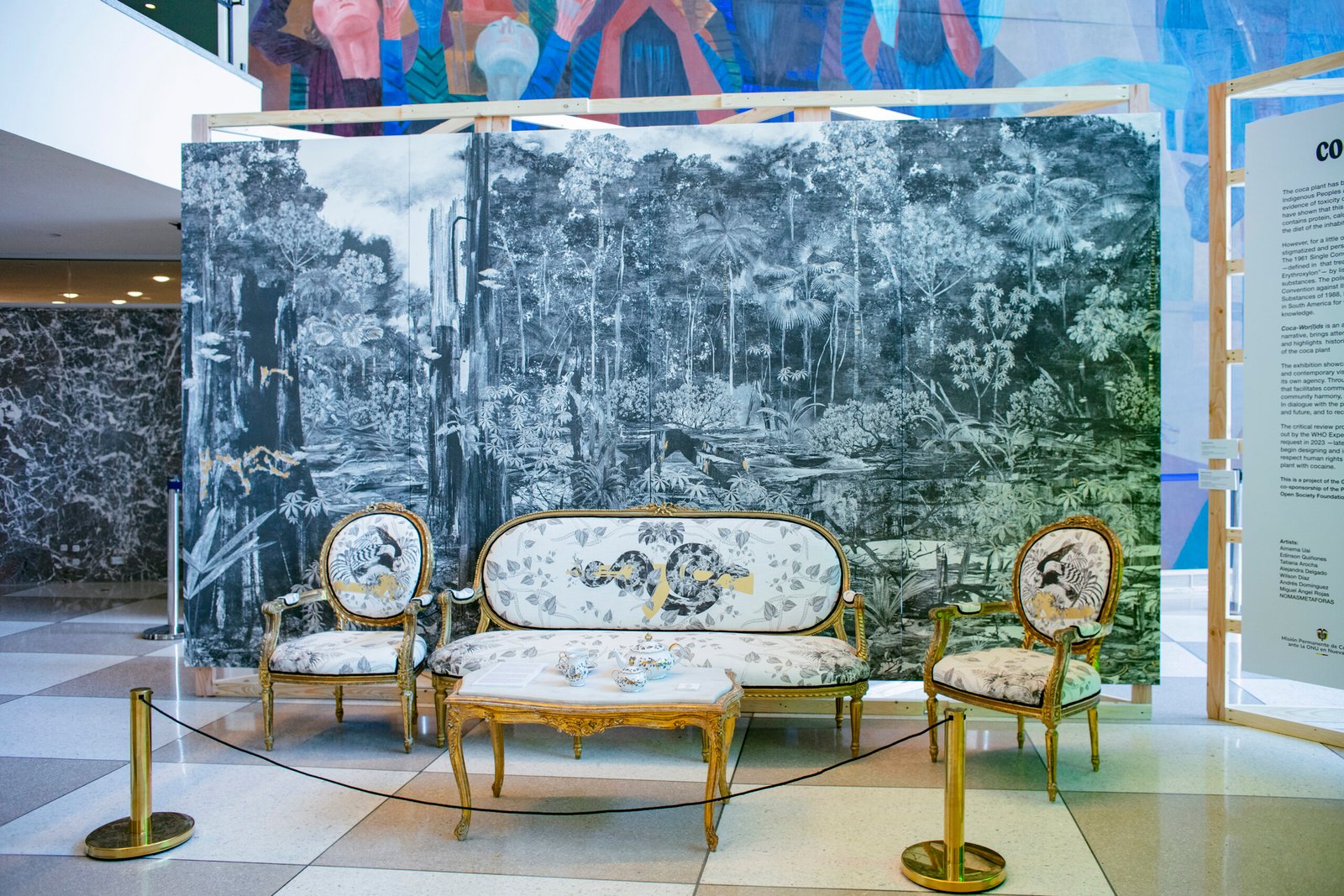
In her installation Impending Beauty, artist Tatiana Arocha reconstructs a late 19th-century European tea room through elements that allude to the environmental impact that illicit economies have on tropical forests. The upholstery of the furniture is intervened by the artist with images that evoke the rainforest—plants, snakes, and other animals.

The wooden parts of the furniture, painted in gold, highlight the tension between the material value of this metal and the ecological value of an ecosystem such as the Amazon, which is of vital importance to global balance.

The installation is activated through the collective act of sharing coca tea, as an invitation to engage in dialogue about the consequences of colonial power on the territories and cultures of Indigenous and rural peoples.

For the exhibition Coca, Palabra-Mundo at the United Nations Headquarters in New York, this installation was presented alongside the work La Chagra de Amoka, which served as a backdrop and created a space of encounter where her large-scale work became the setting.

The Artist

Tatiana Arocha

Tatiana Arocha is a Colombian artist born in New York in 1974, whose practice explores the intimacy between people and the land, personal memory, and her own experience as an immigrant.

Read more

Amoka’s Hort

Amoka’s Hort

Tatiana Arocha

Artist’s country of origen: Colombia – United States
Materials: Acrylic on canvas, gold
Size: 822 x 274 cm
Year: 2019

Line of Inquiry:

Coca-Politics Coca-Worlds

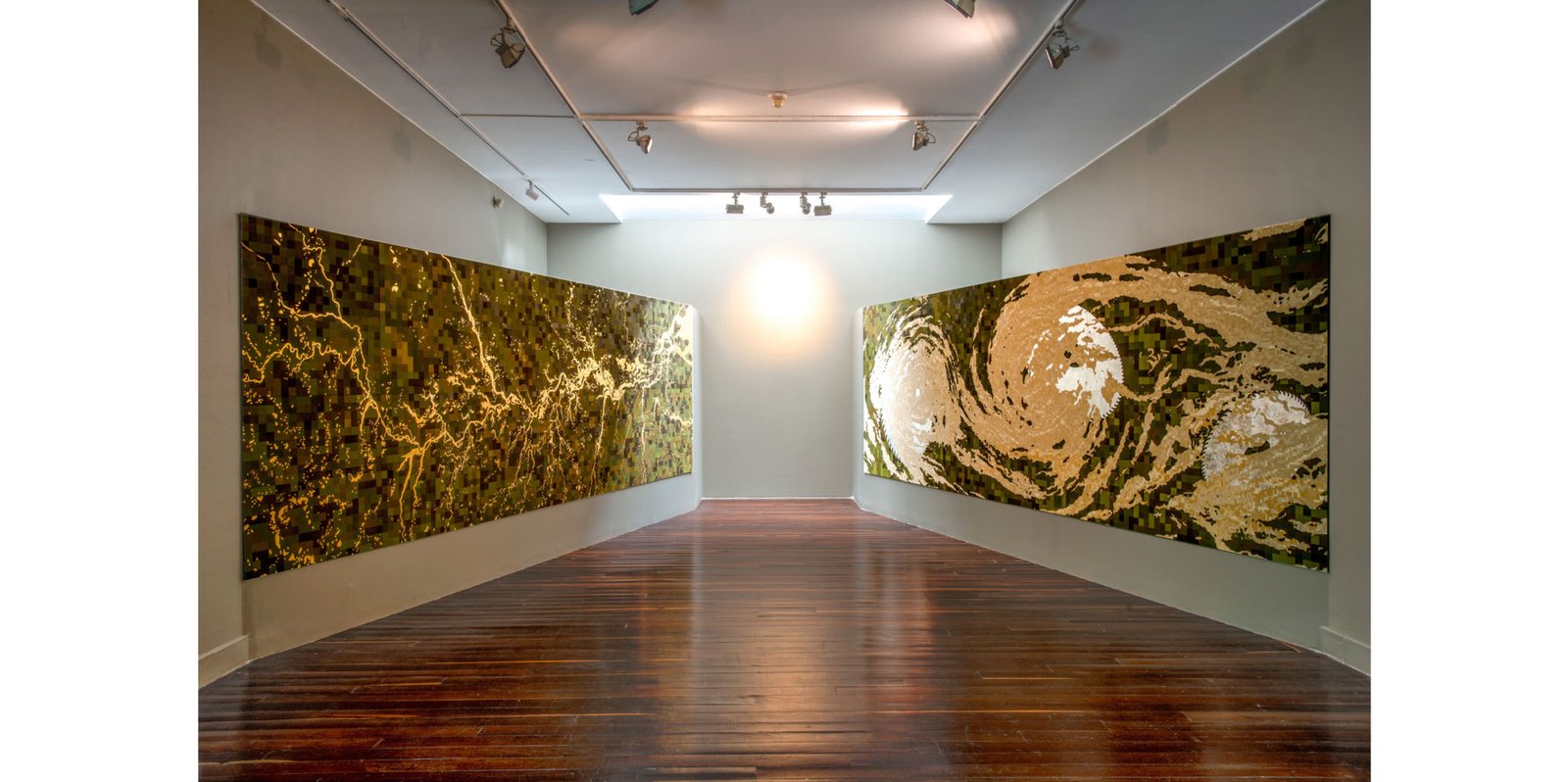
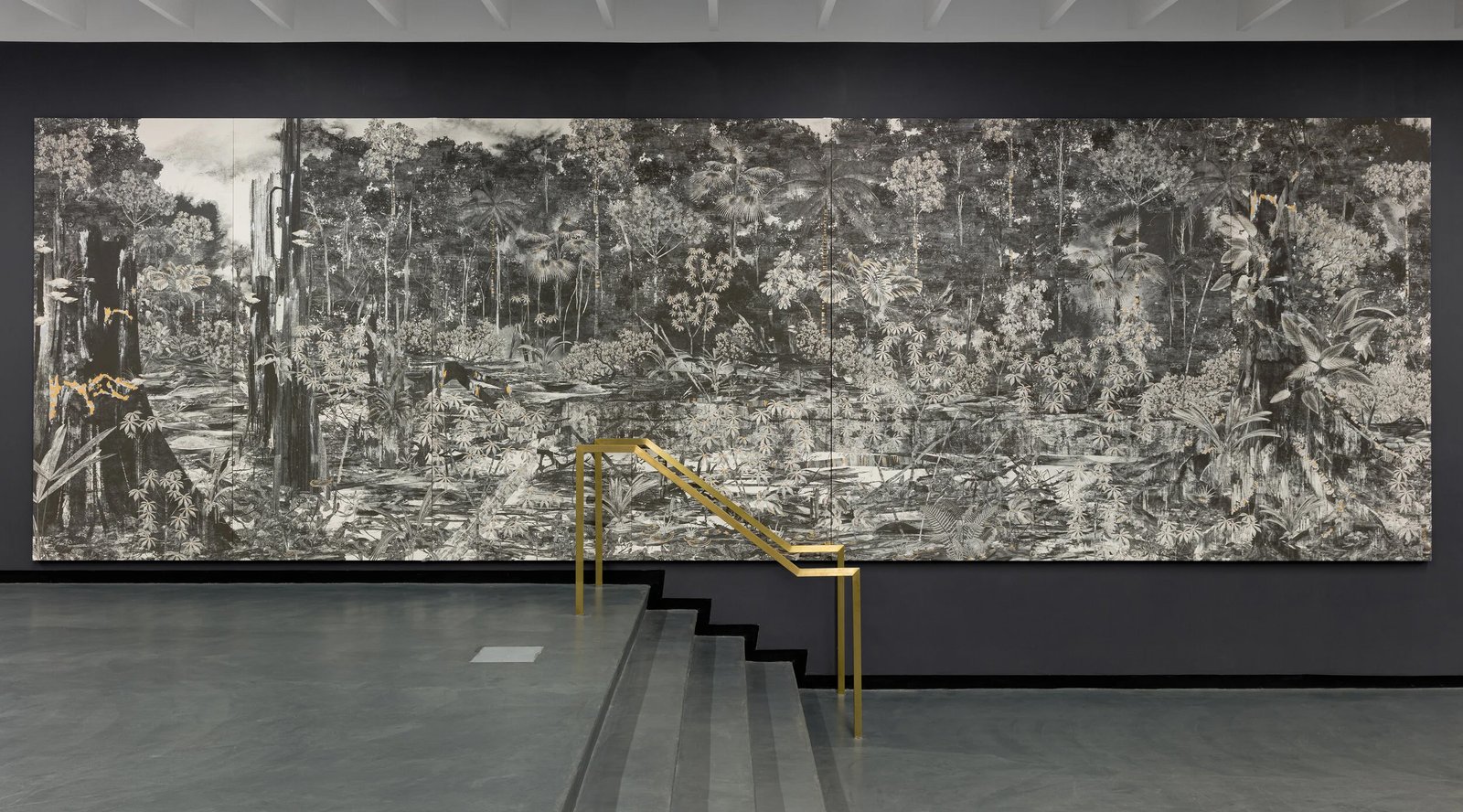
In conversation with Gory Nejedeka Jifichiu, a Muinane elder, Arocha deepened her understanding of the sacred plants, gardens, and ancestral knowledge of the Murui-Muinane people. During a visit to his maloca in the Colombian Amazon in July 2019, made possible through the Sustainable Arts Foundation fellowship for artist-parents, Arocha and her son Joaquín were warmly received by Gory and his family.

These conversations are documented in Arocha’s catalogs, recording Gory’s teachings about the jungle and mambe, a preparation primarily made from coca leaves and yarumo ashes, consumed with tobacco paste, called ambil. The experience expanded Arocha’s perception of the forest and the ancestral knowledge that sustains the land, maintaining its connectivity, diversity, and vitality.

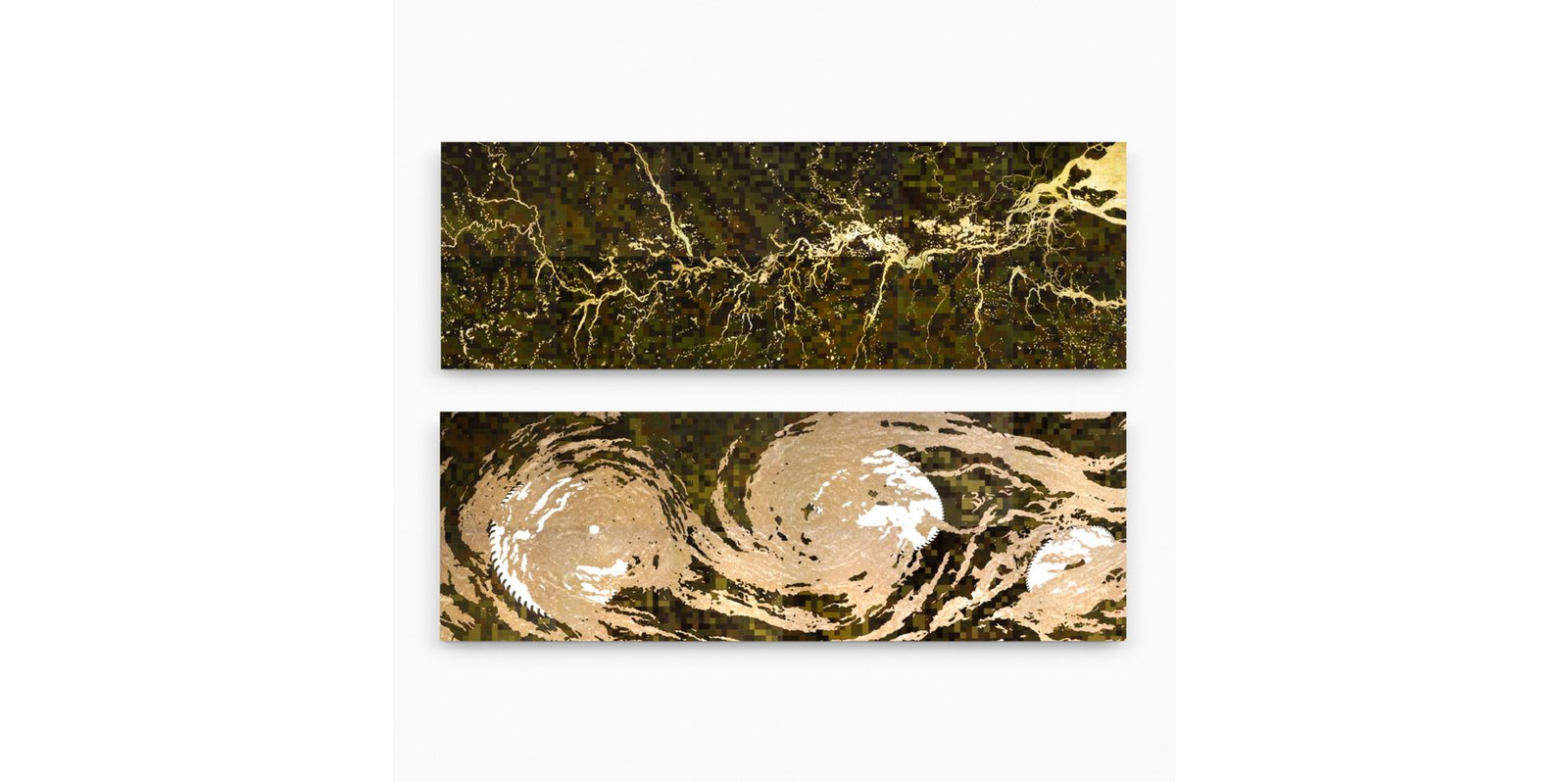
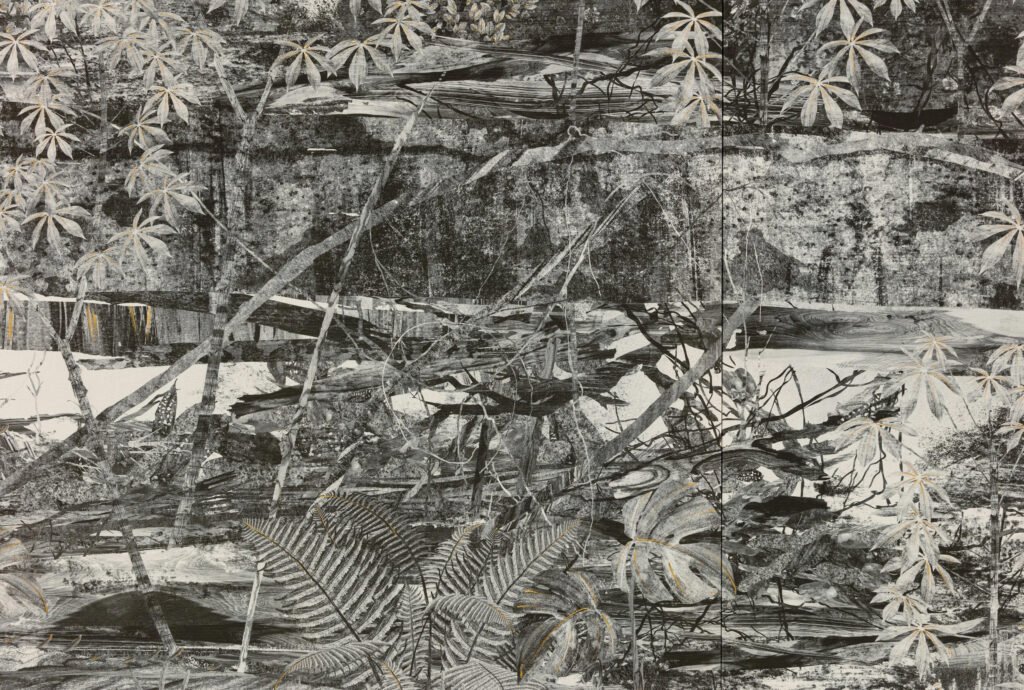
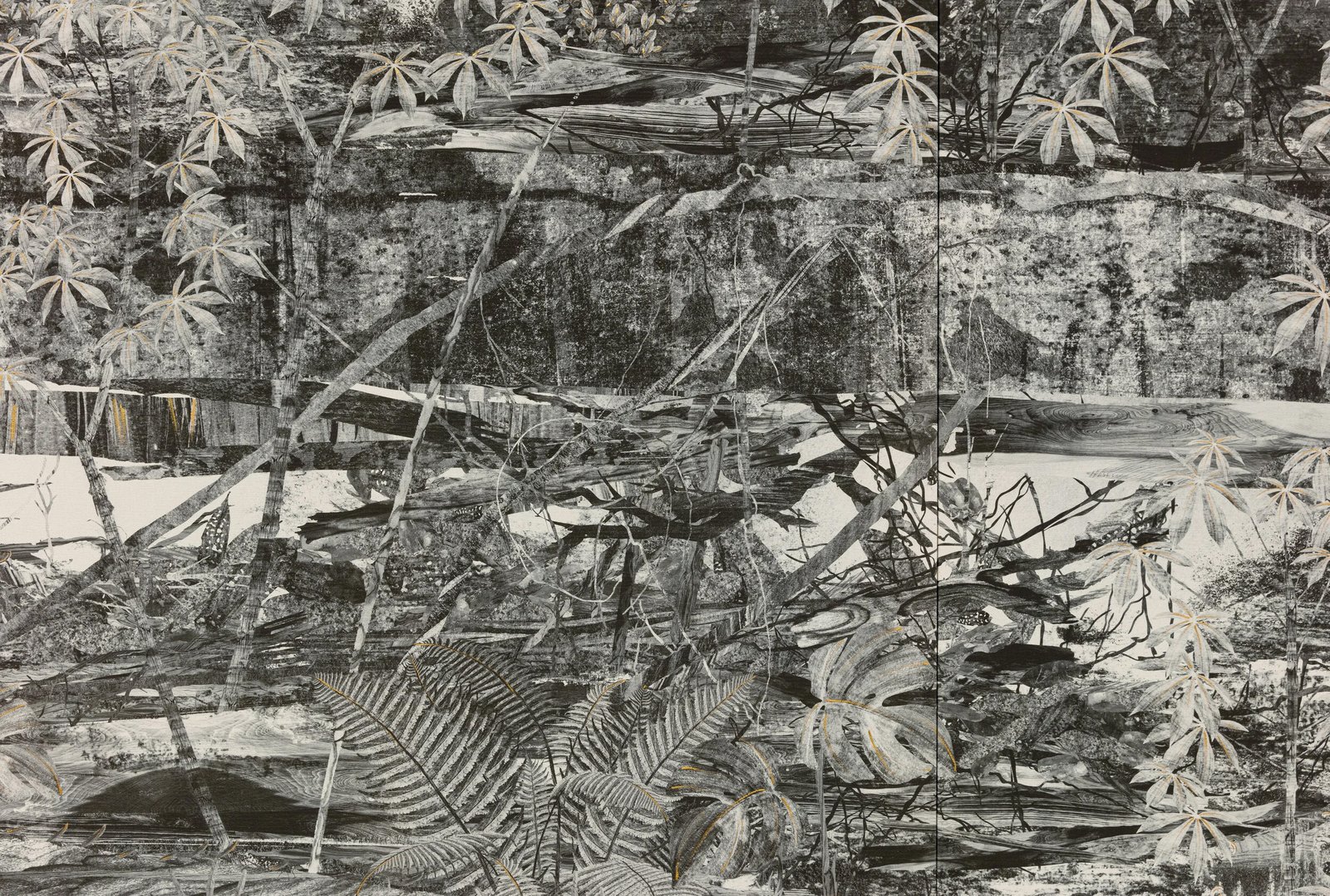
In her large-scale work Amoka’s Garden, Arocha reconstructs the landscape of the Amazonian gardens of the reserve where she exchanged knowledge with Gory Nejedeka during her research travels in the Amazon.

The Artist

Tatiana Arocha

Tatiana Arocha is a Colombian artist born in New York in 1974, whose practice explores the intimacy between people and the land, personal memory, and her own experience as an immigrant.

Read more