coca-WOR(L)DS
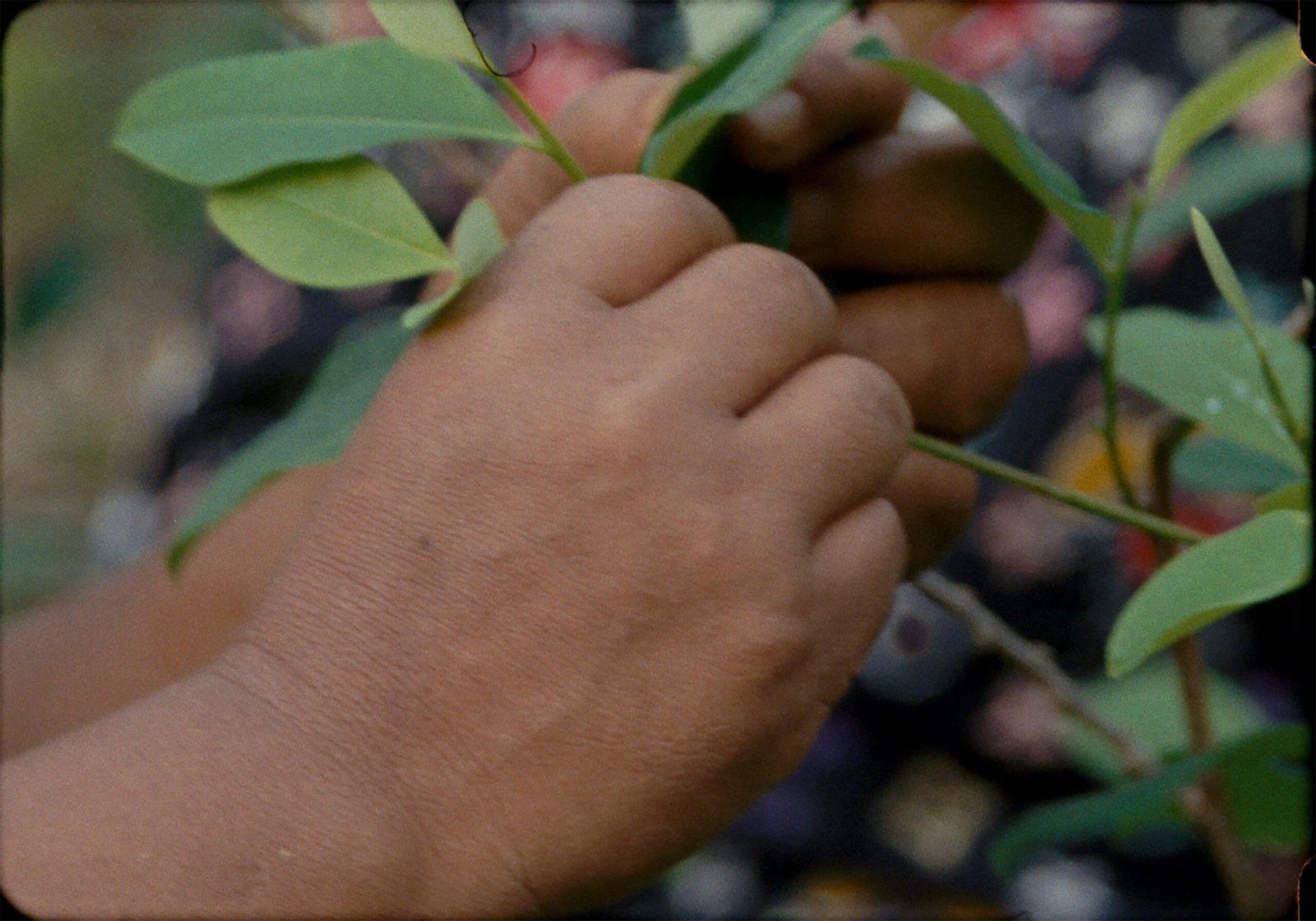
Jiibie, hayu, khoka, mambe — the multiplicity of names this plant receives in the traditional contexts of Amazonian and Andean communities reflects the diversity of languages, cosmologies, and relationships that coca sustains with everyday and ceremonial life. Its use, documented in the Andean-Amazonian region for over eight thousand years, reveals a deep connection between Indigenous peoples of South America and a plant regarded as a mother —associated with creation, the sustenance of life, and the balance between the human and the non-human.
The knowledge this plant carries is inseparable from the contexts in which it is cultivated and used. Whether as a catalyst for conversation in the mambeaderos of Murui malokas, as an offering in the pagamentos performed by Kogui mamus in the Sierra Nevada, or as a means of divination in the Bolivian Andes, coca embodies a fabric of non-Western knowledge expressed through orality, listening, and relation with the more-than-human world.
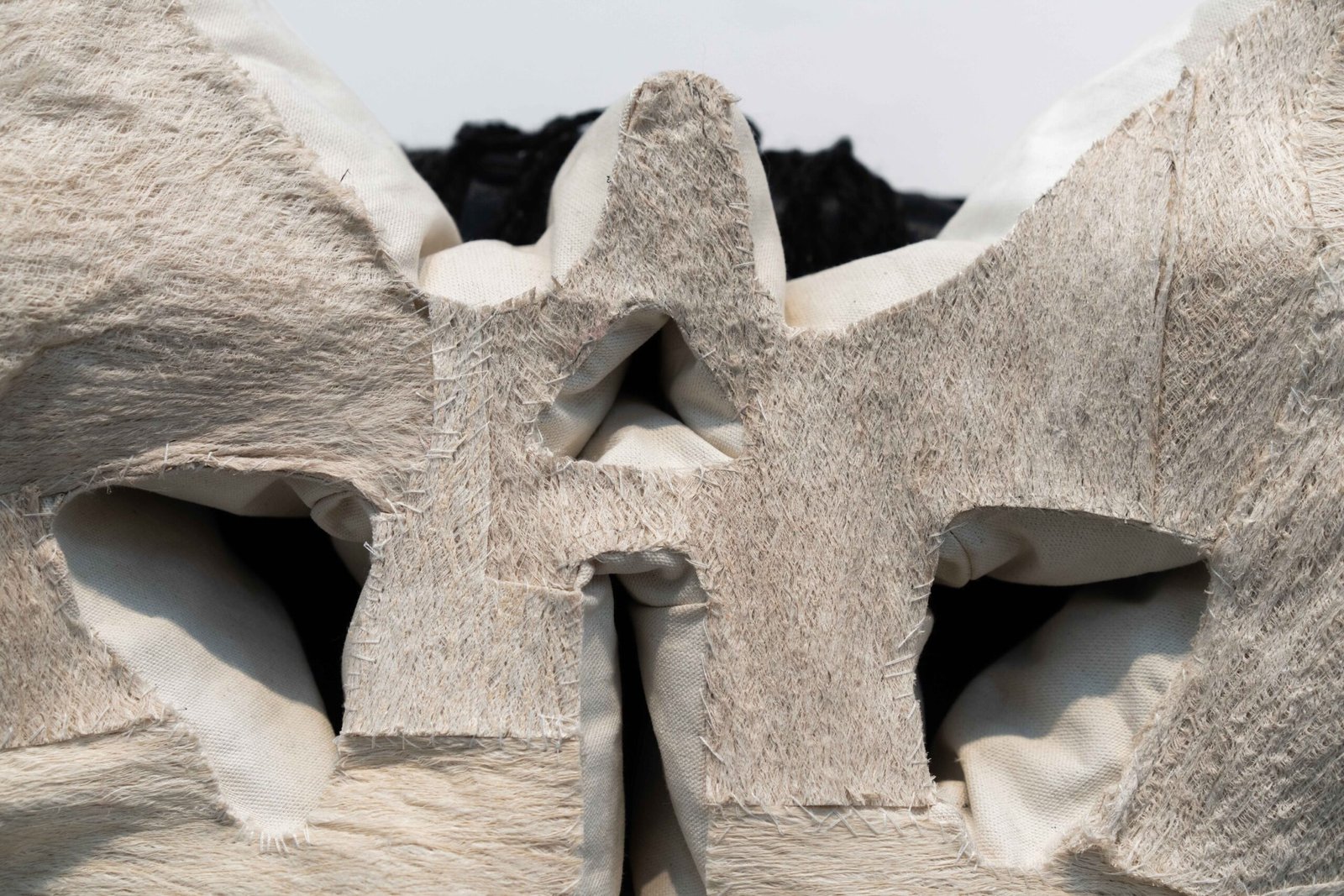
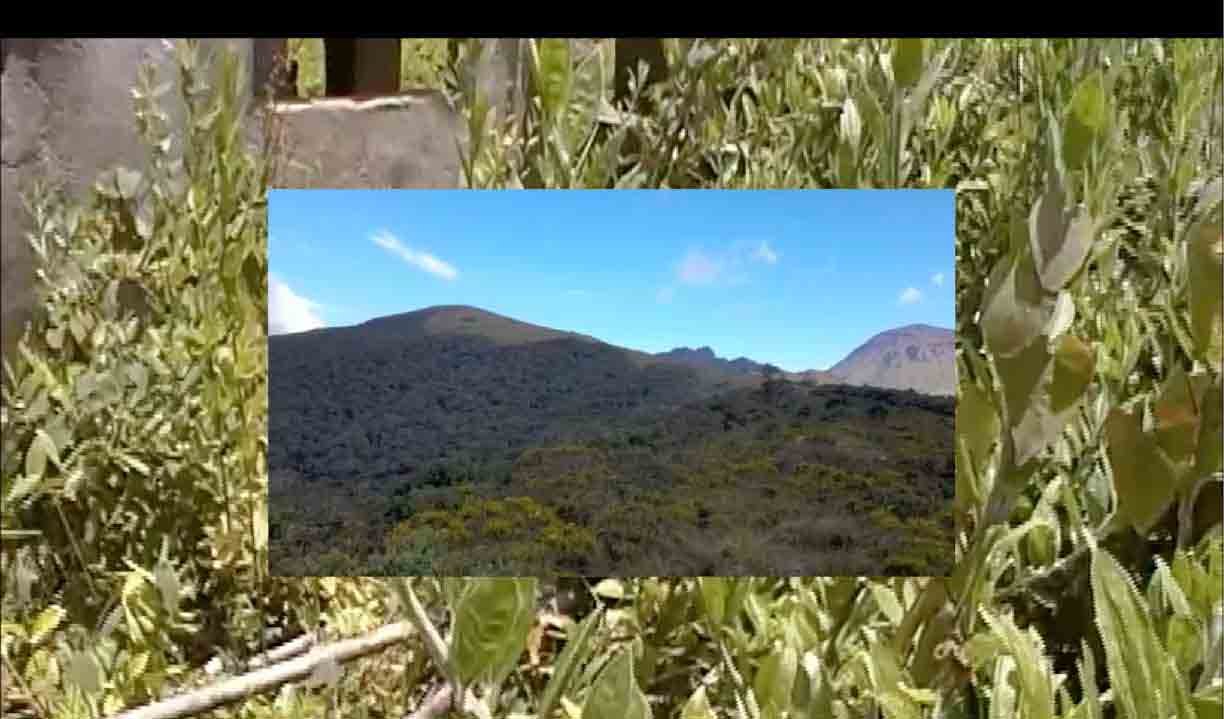
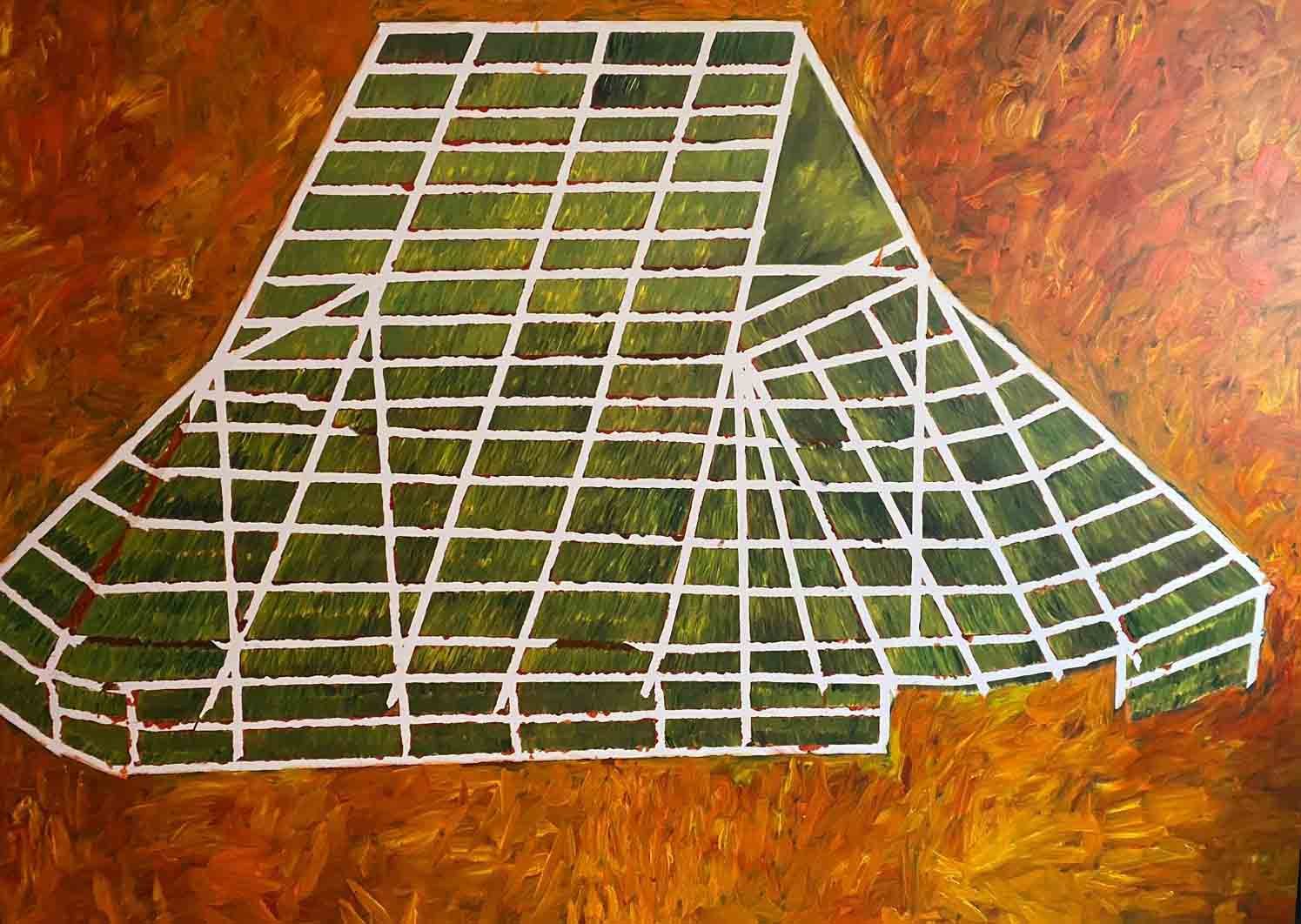
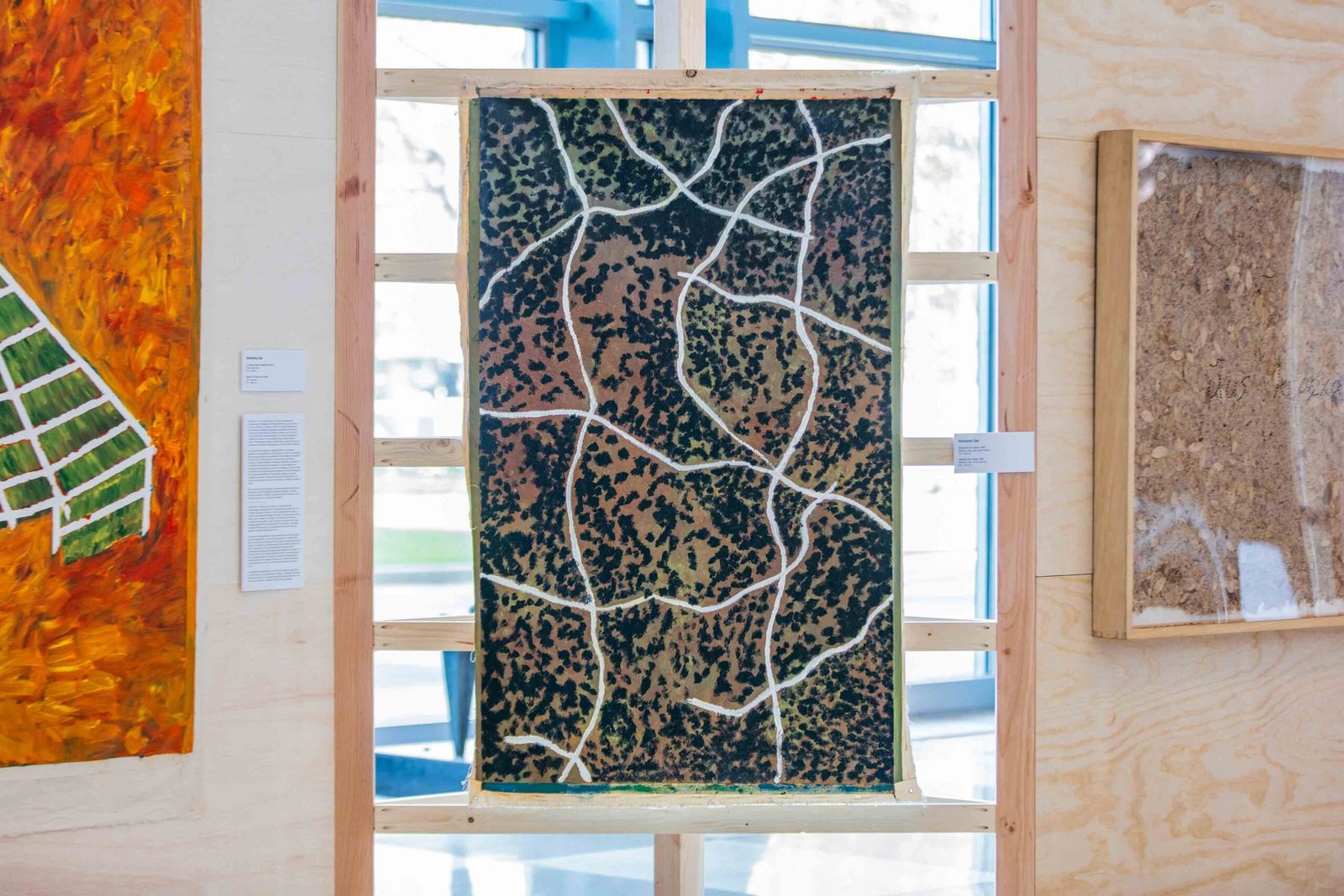
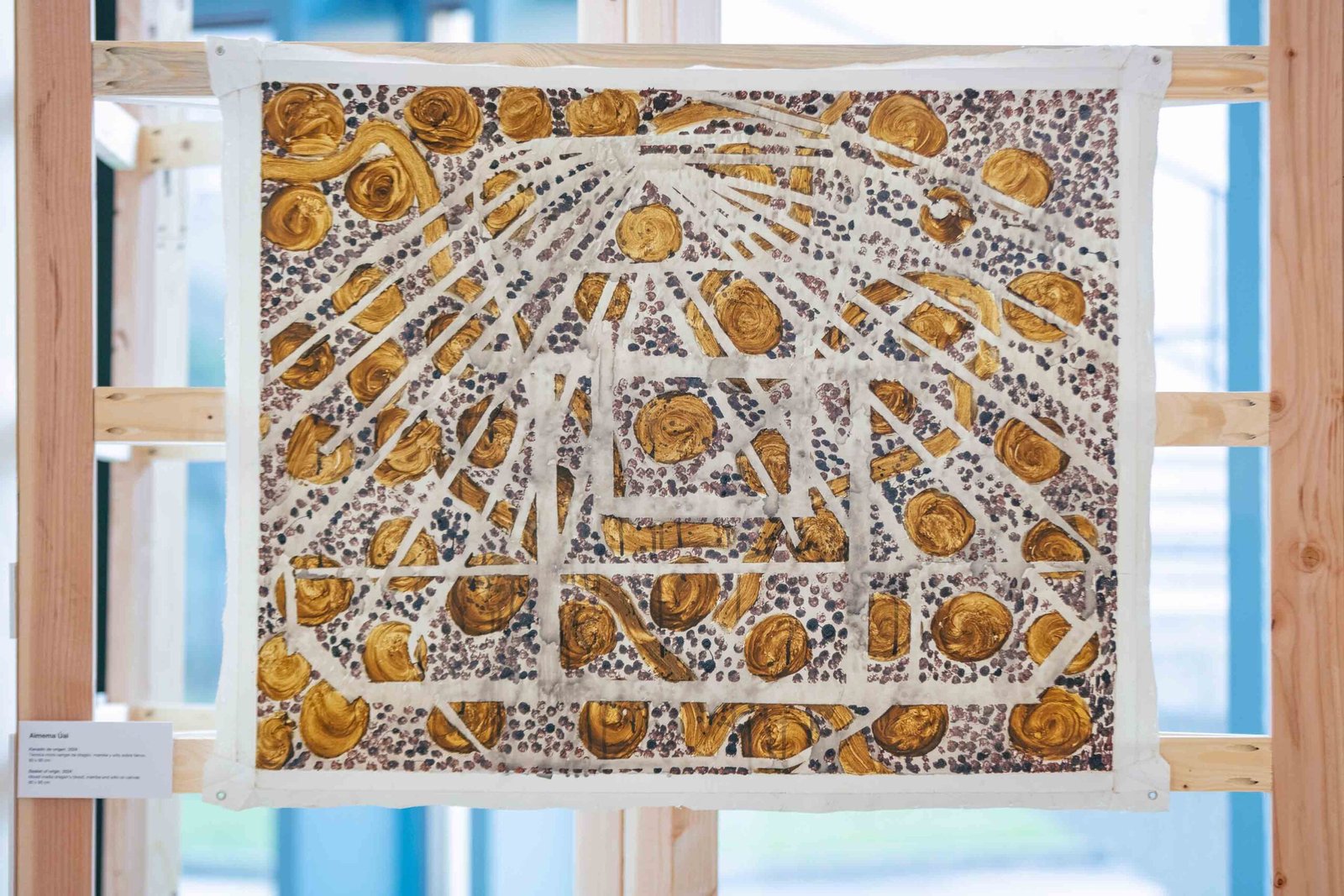
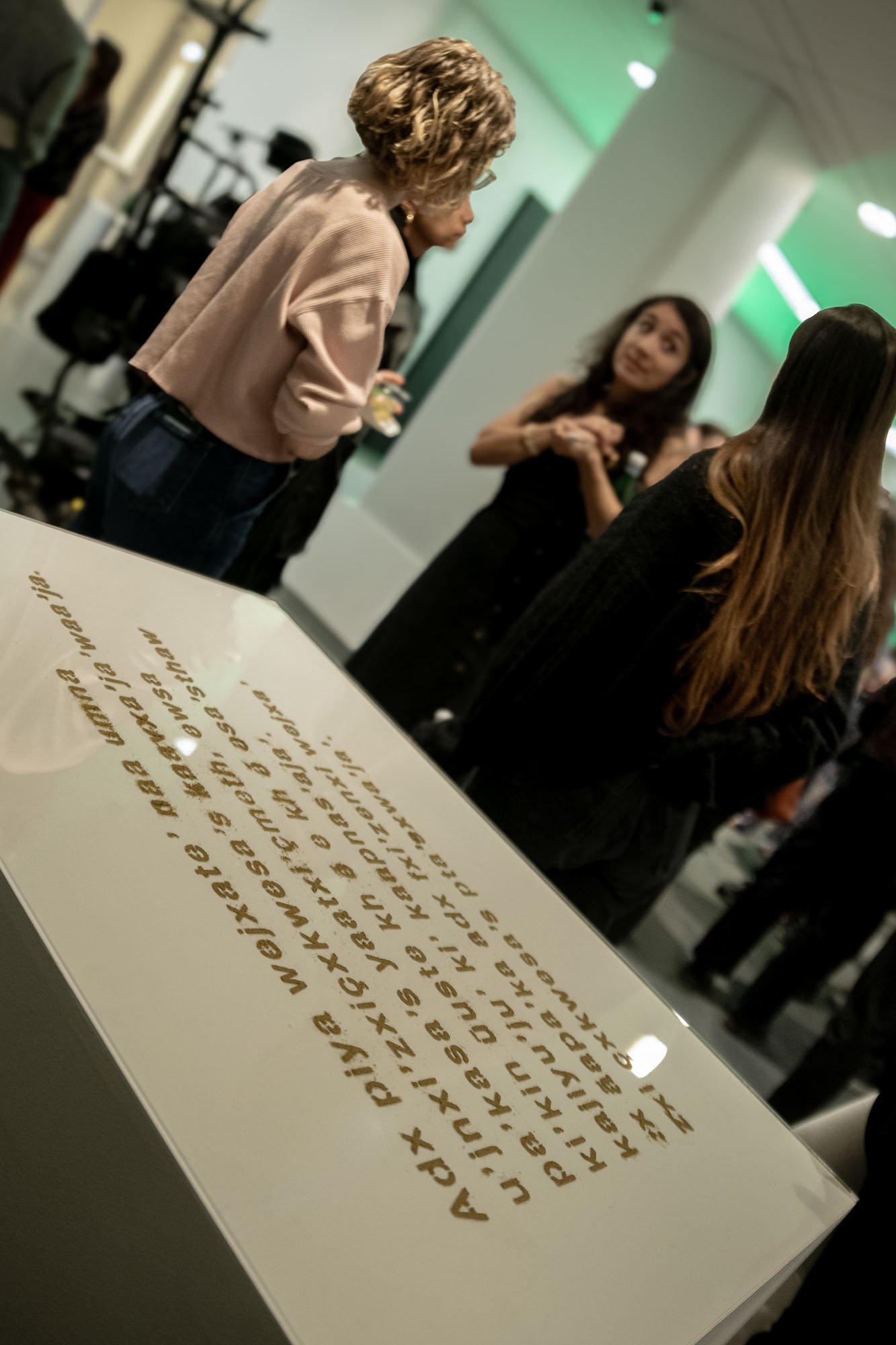
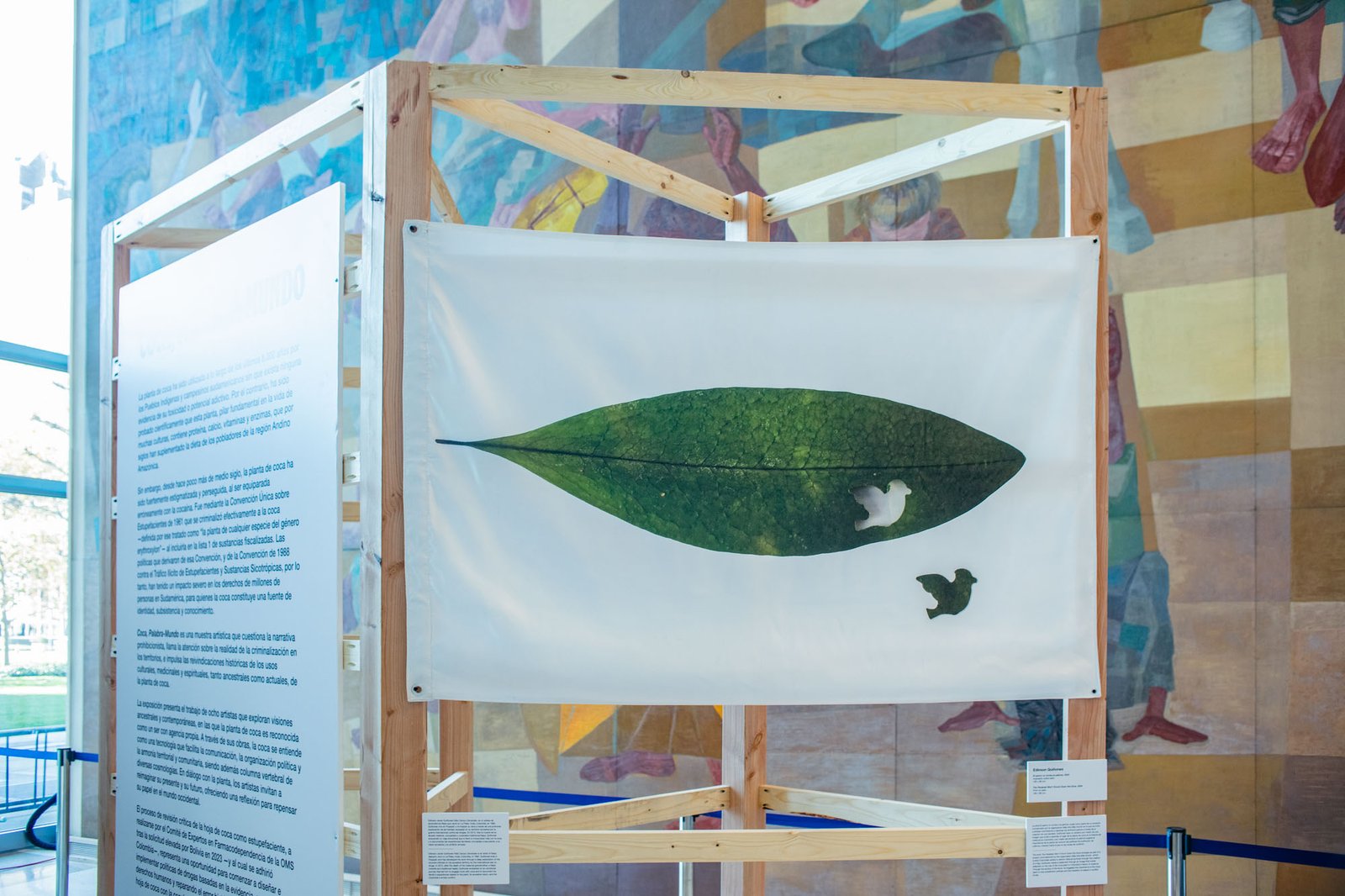
Coca-Wor(l)ds brings together artworks that highlight coca’s central role in the cosmologies of thousands of indigenous and peasant communities. The pieces assembled here affirm the right of these peoples to maintain, protect, and develop their traditions, including the use of sacred plants such as coca in daily life and ceremonial practice.
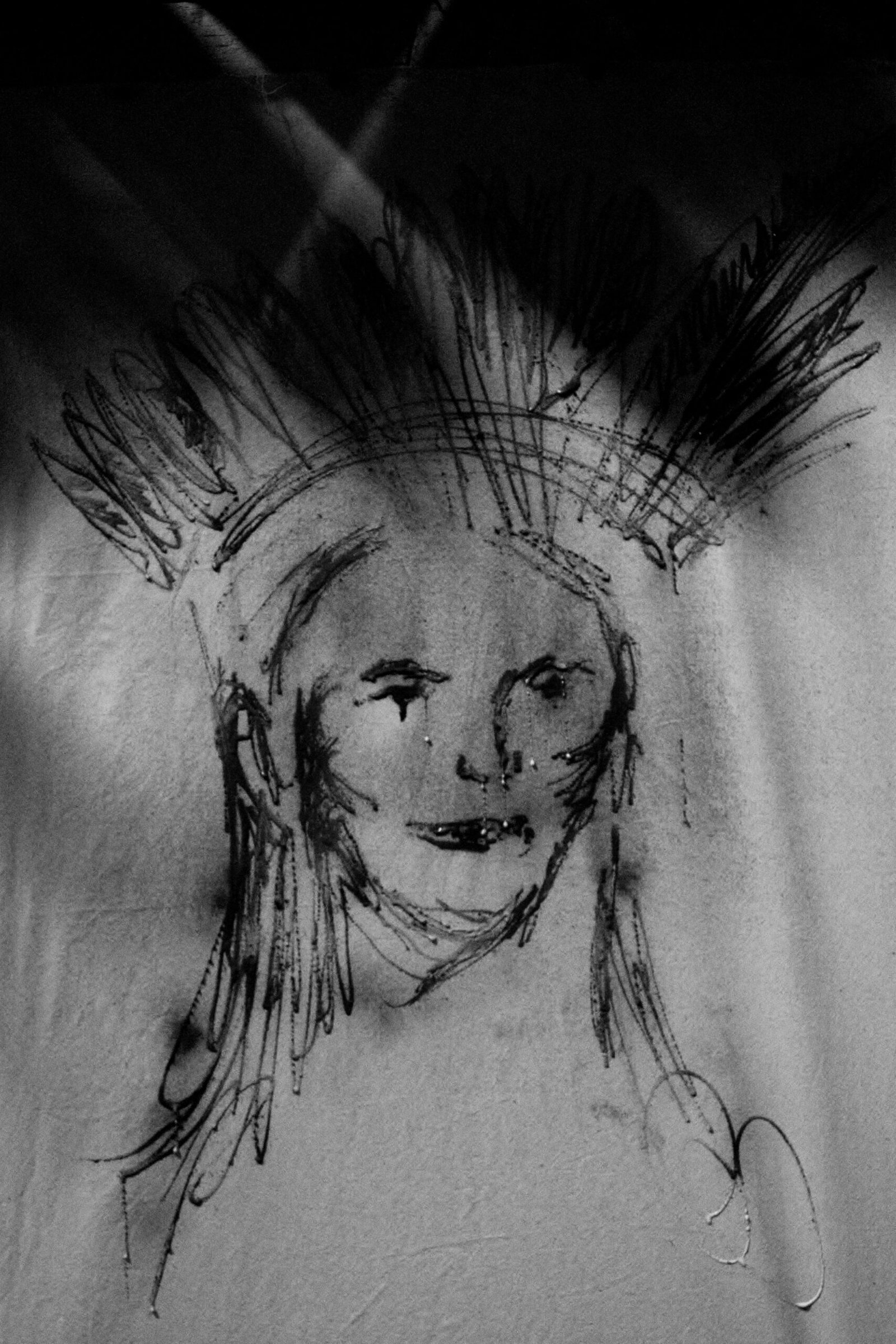
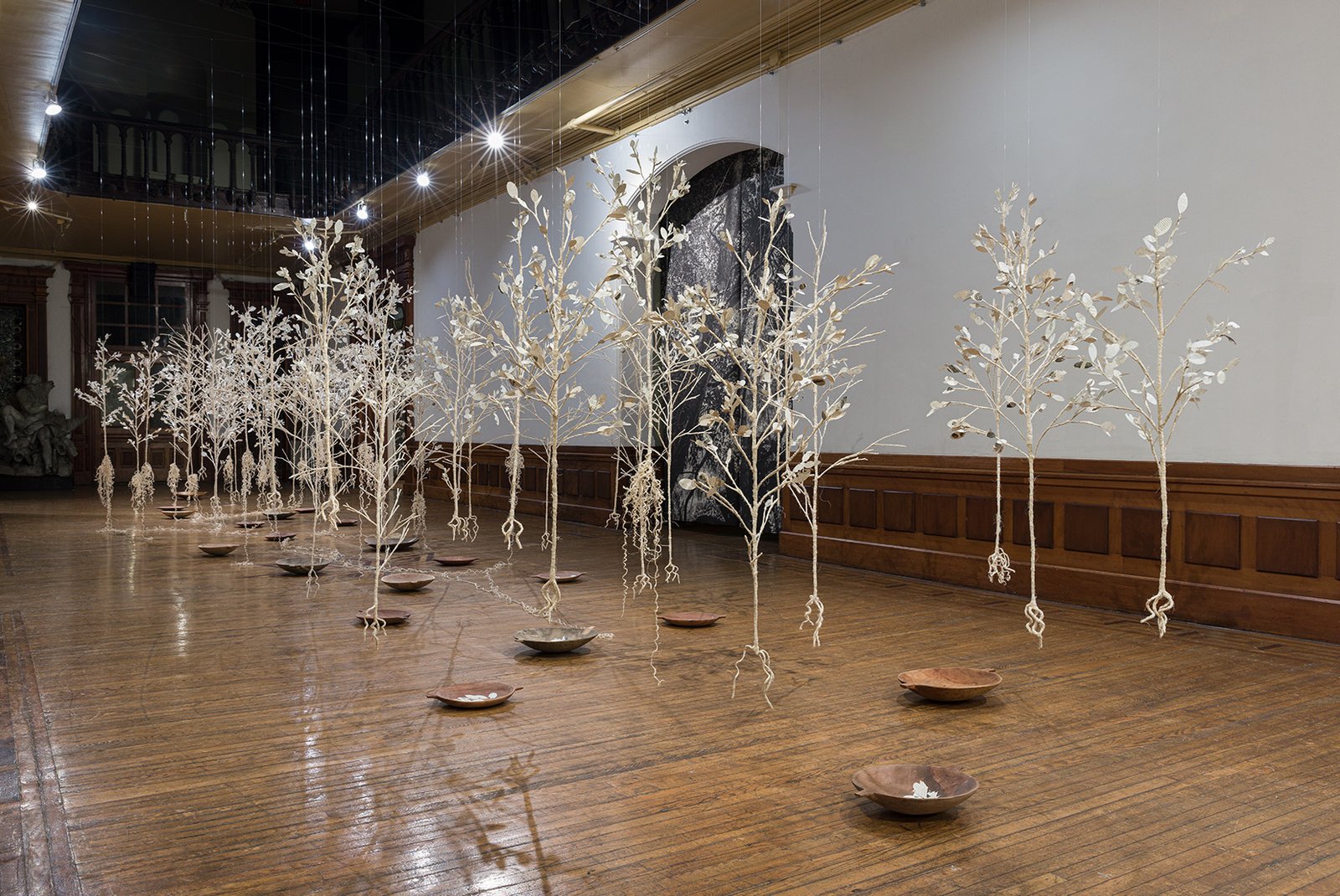
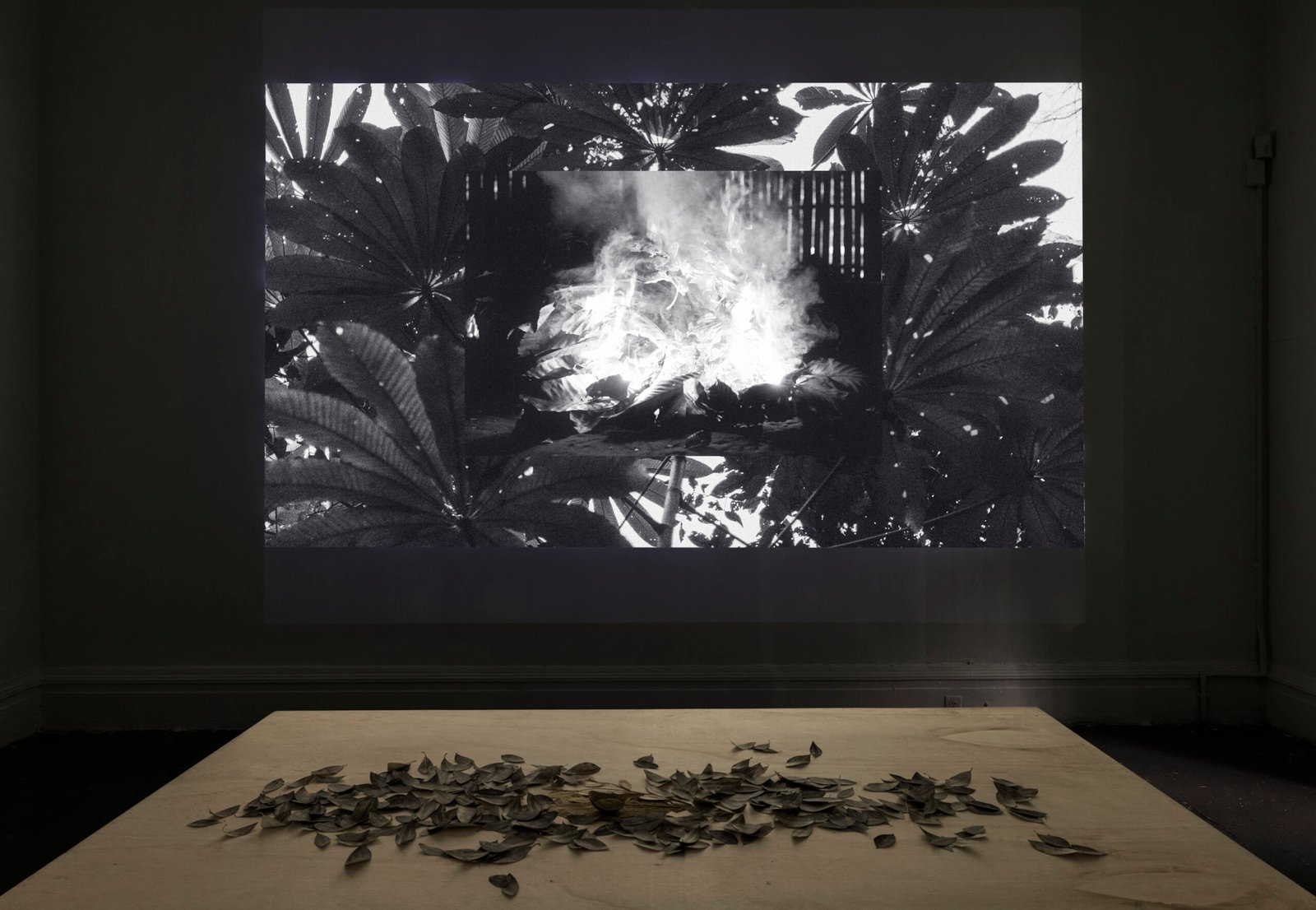
Through video, installation, performance, and textile works, the artists in this line reclaim coca’s cultural and spiritual uses, recognizing in it a source of language, memory, and resistance. In dialogue with knowledge keepers and communities across the Amazon, the Andes, and the Sierra Nevada, their works reactivate origin narratives and ancestral forms of knowing, revealing the word of coca as a force that creates and sustains the world.