coca-pOLITICS
Since the early stages of European colonization in the Americas, the Spanish Crown identified the central role of coca in Andean life: a sacred plant used as an energizing aliment and as a means of exchange among communities throughout South America. The colonial response was its moral and legal condemnation, labeling it a “vice” and inaugurating a long history of stigmatization and prohibition. From that moment on, coca has stood at the center of Western systems of control over ancestral worldviews that understand the coca plant as fundamental to the sustenance of natural equilibrium and collective power.
In the 1850s, German chemists Gaedcke and Niemann isolated cocaine, a psychoactive alkaloid of the coca leaf, giving rise to a pharmaceutical industry that accelerated the growth of European and U.S. medical and beverage companies. Over time, this chain of production evolved into the contemporary global economy of cocaine consumption. Throughout the twentieth century, international regulation deepened the plant’s criminalization. In 1961, the United Nations Single Convention on Narcotic Drugs classified the coca leaf in the same schedule as cocaine, invisibilizing centuries of cultural, medicinal, and spiritual use. A decade later, in 1971, the U.S.-led “War on Drugs” marked a new phase of geopolitical control over coca. Under this narrative, the control of coca crops became a mechanism of military and economic domination.
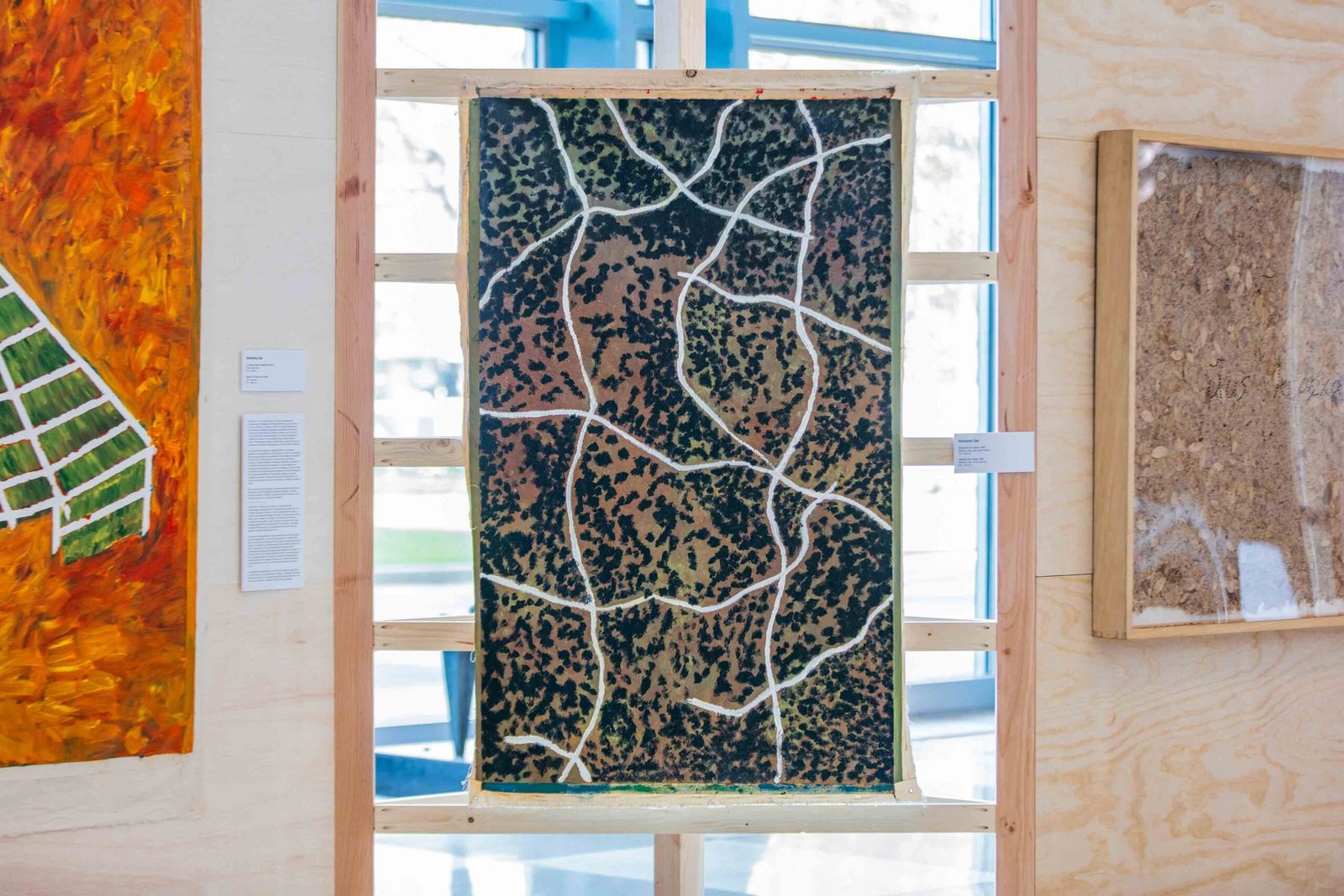
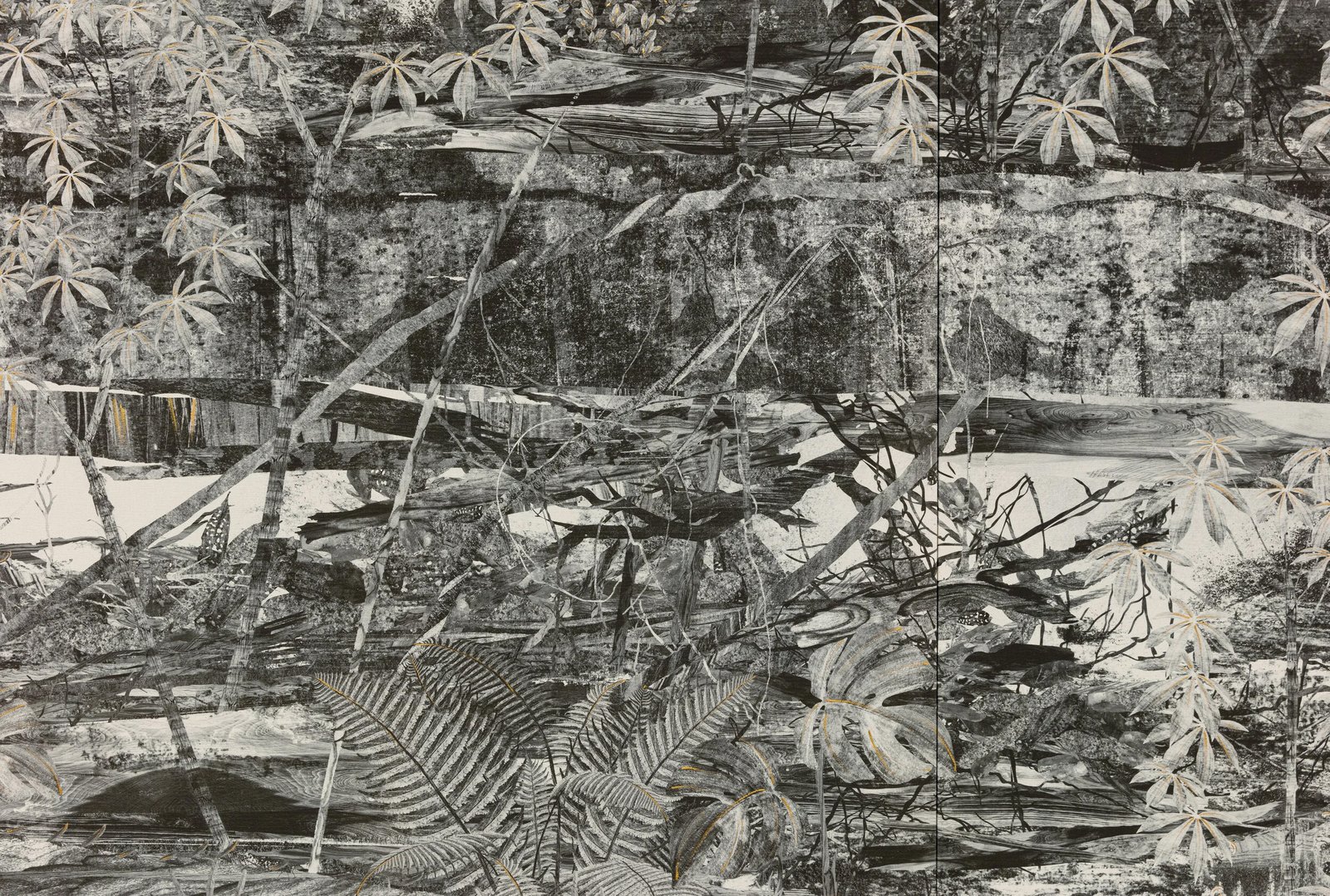
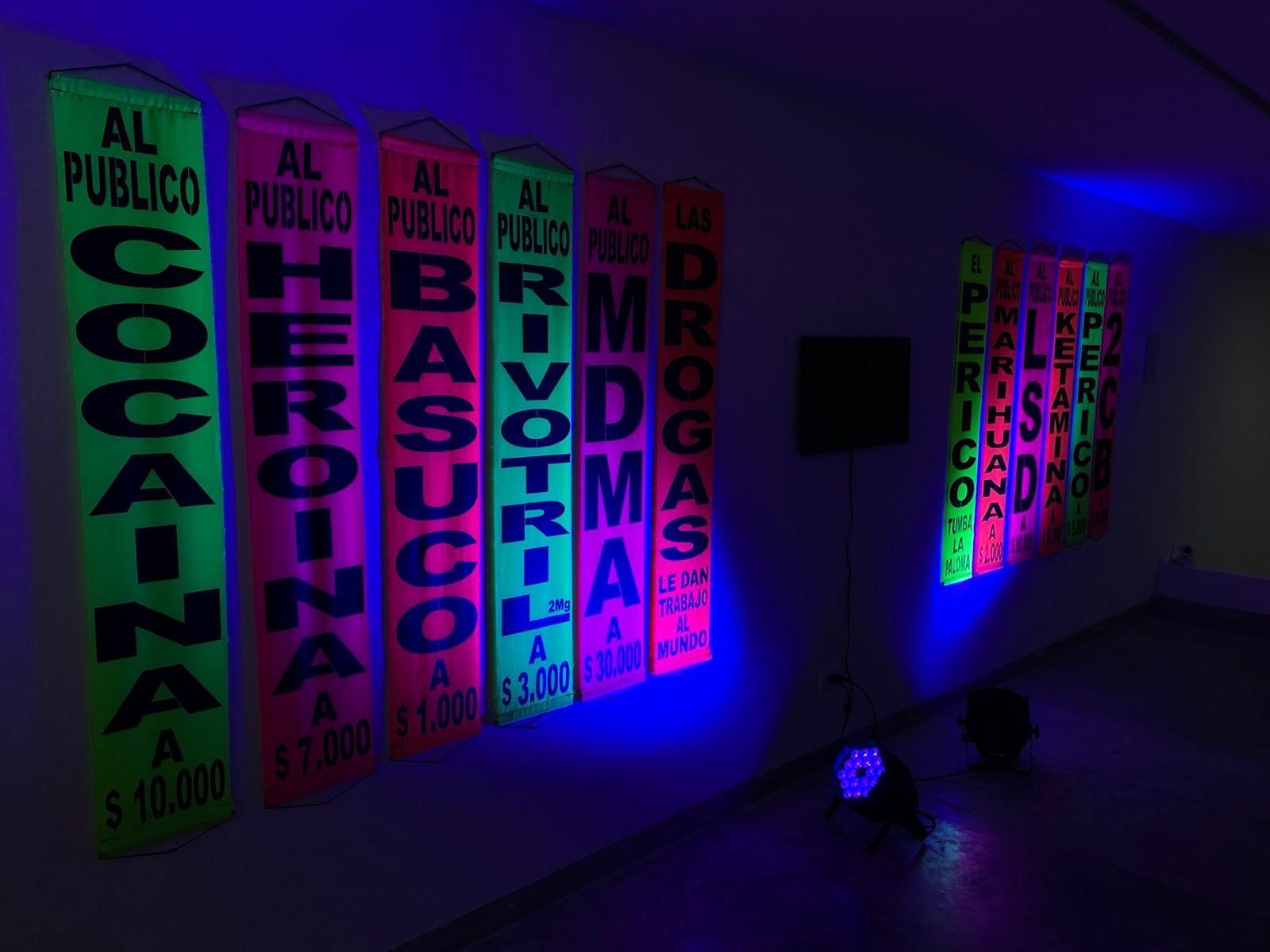
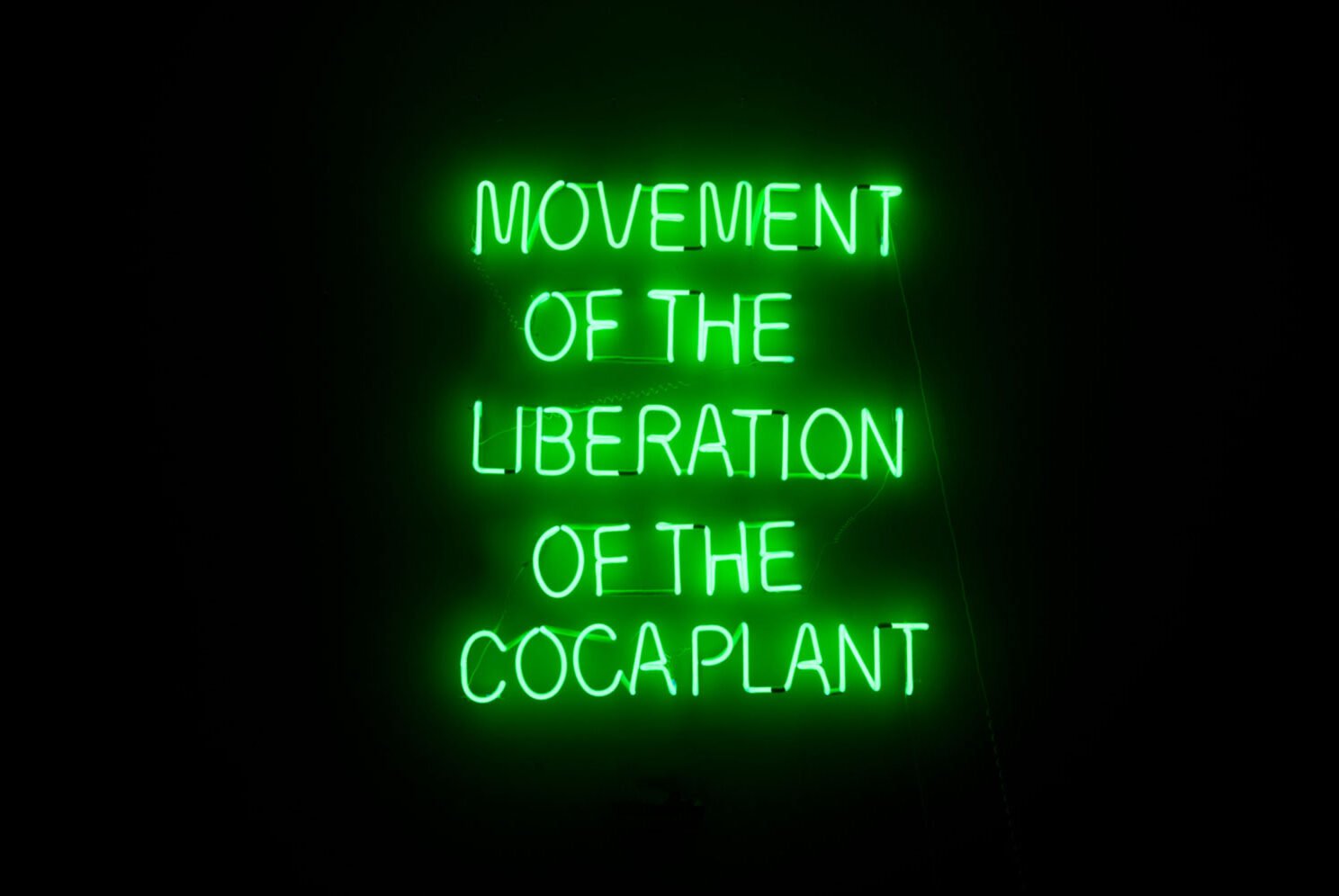
Coca Politics brings together the work of artists who confront the discourses and images that sustain violent and extractive views of the coca plant—views that have disproportionately affected those at the lowest links of the chain: peasants, raspachines, and Indigenous communities—and that have fueled the territorial and social conflicts that have multiplied across Latin America. Through critical lenses, these works examine how imperial and colonial structures persist through new forms of extractivism and control, revealing how drug trafficking and drug policies operate as systems that shape economies, power, and representation in Latin American societies, with a strong focus on the Colombian armed conflict.