
ABOUT COCAWORLDS
COCAWORLDS is a curatorial project that gathers contemporary artistic practices related to the coca plant. The project seeks to highlight the coca leaf’s mystical, political, medicinal, and nutritional dimensions—values often overshadowed by the plant’s association with narcotic production. Reclaiming coca as a plant of power and ancestral knowledge, COCAWORLDS reimagines its place beyond extractivist and punitive frameworks. It confronts the colonial and neoliberal violences that have harmed both the territories and the communities that have sustained the use of this plant for centuries, presenting artistic practices as forms of resistance, healing, and re-signification.
Launched in 2023 and unfolding across New York City, the project has evolved through a series of exhibitions and residencies, including a curatorial residency at Canal Projects, its participation in Botanicarte at Taller Boricua in Harlem, and the exhibition COCAWORLDS presented at the United Nations Headquarters and later extended to the Open Society Foundations between late 2024 and early 2025.
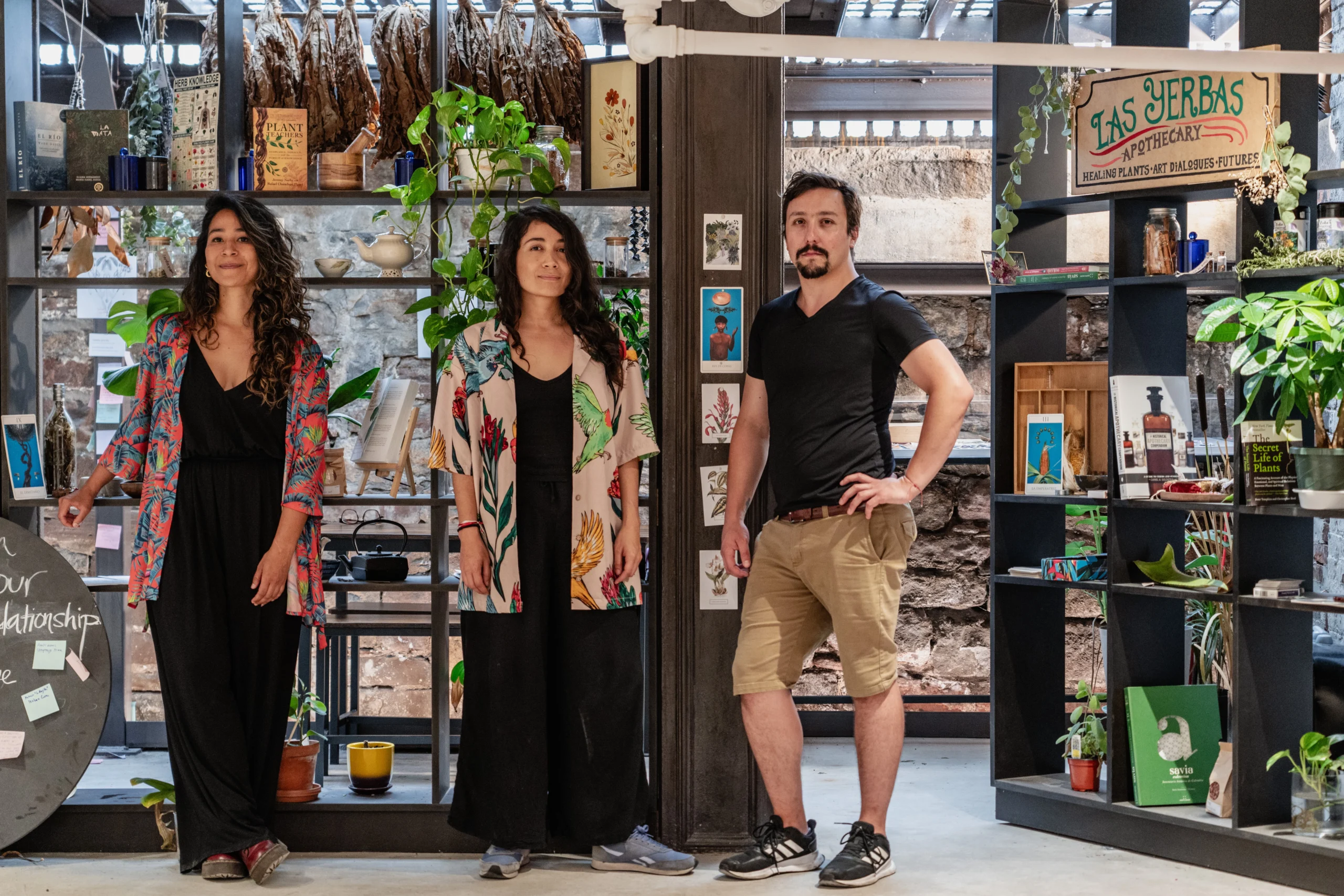
LIANA COLLECTIVE
Liana Collective, is a curatorial collaboration between Colombian interdisciplinary artists and researchers Giselly Mejía (Támesis, 1990), Angélica Cuevas (Medellín, 1988), and Juan Pablo Caicedo (Bogotá, 1991). Liana explores the understanding of plant intelligence by fostering multispecies dialogue through artistic research and collective practice—creating spaces to highlight to the agency of plants as understood by Indigenous, peasant, and diasporic communities. Liana operates in the intersecton of art, public policy, systems and futures design, ecology, ancestral knowledge, and advocacy.
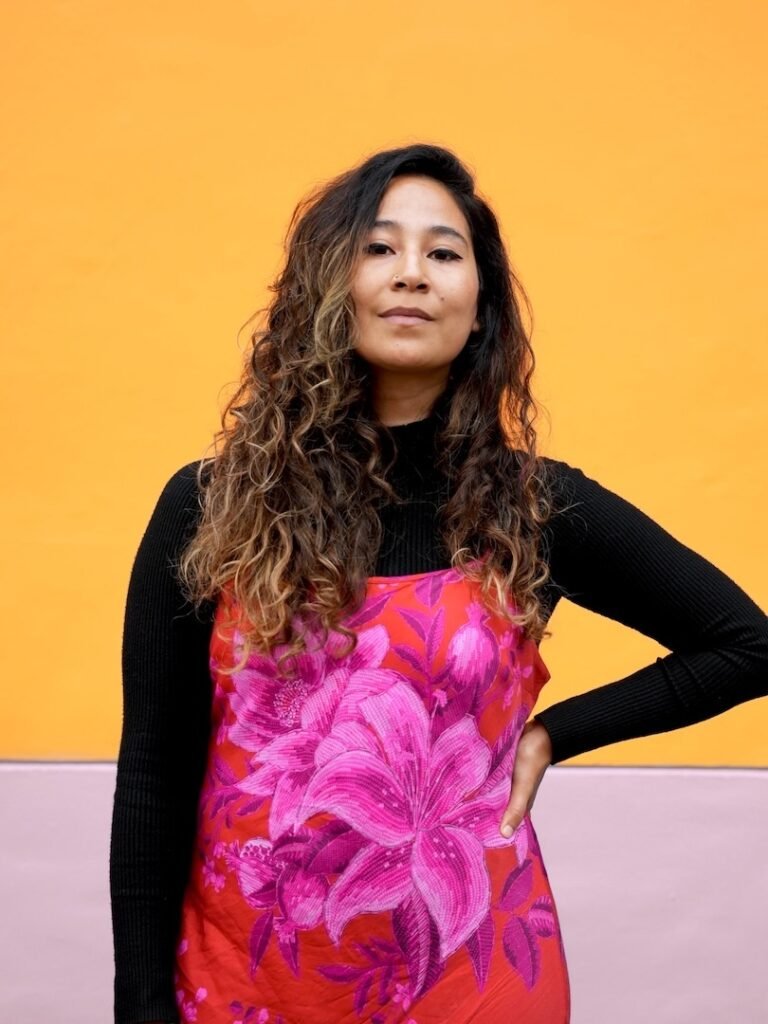
angélica cuevas
www.angelicacuevas.com
LinkedIn
Angélica Cuevas is a Colombian anthropologist, curator, and communicator based in New York. Her practice moves across curatorial research, political storytelling, and cultural work with social movements, foregrounding questions of memory, territory, and narrative power.
Working at the intersection of contemporary art, human rights, and transmedia forms, her research engages with the climate crisis, Indigenous knowledge systems, forced migration, and the afterlives of armed conflict. She collaborates with grassroots movements and international organizations across the Global South, developing narrative and curatorial strategies that challenge extractive worldviews and dominant regimes of knowledge.
Her work has been shaped by research at the Smithsonian National Museum of African American History and Culture, as well as fellowships from the Fulbright Program, the International Center for Journalists (ICFJ), and the Gabo Foundation. She earned her MA in Anthropology and Design at The New School (NYC).
In 2024, she co-curated Riographies of the Baudó: How Do You Heal a Wounded Territory? for ARTBO, Bogotá, in collaboration with Doctors Without Borders. She is currently Communications Coordinator at the International Network for Economic, Social and Cultural Rights (ESCR-Net).
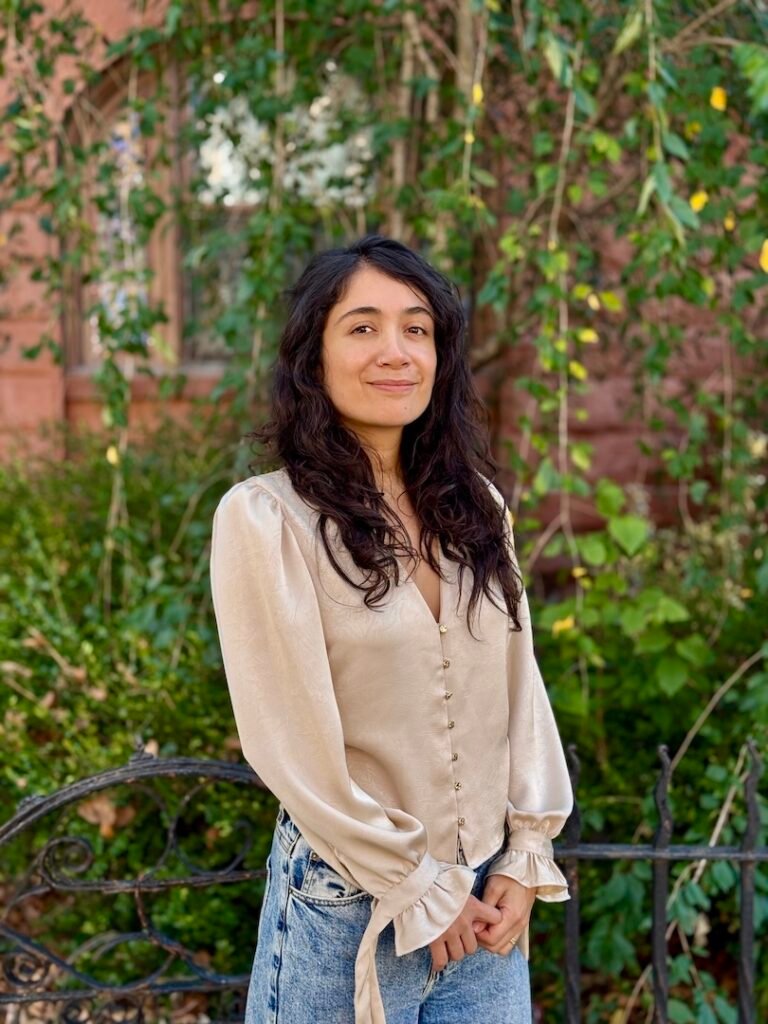
GISELLY MEJÍA
Giselly is a transdisciplinary designer, researcher, futurist, and artist from Támesis. Her practice moves across oral history, qualitative research, and speculative storytelling, exploring reparations, environmental justice, and Latin American futures.
At Liana Collective, she leads research, project management, community engagement, and design. She is currently exploring the cultural and policy futures of the coca plant, and part of this research has been featured in her peer-reviewed paper, Mama Coca Chronicles: Navigating Ancestral Heritage and Future Narratives, published in the Journal of Futures Studies in 2024.
Giselly holds an MFA in Transdisciplinary Design from Parsons School of Design. She currently works as a Senior Advisor at Public Policy Lab in New York, where she serves as project lead, qualitative researcher, and designer of public services for underrepresented communities.
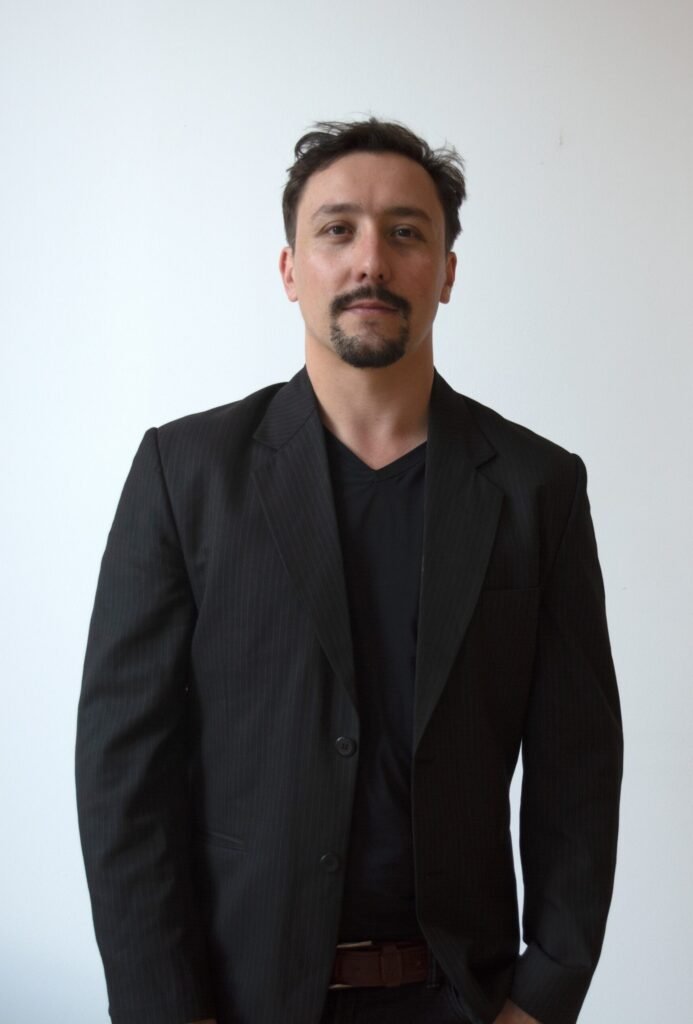
JUAN PABLO CAICEDO
www.jpcaicedotorres.com
LinkedIn
Juan Pablo Caicedo Torres is a Colombian artist, curator, and educator from Bogotá. His work focuses on the role of art in social transformation through community-based strategies and cultural politics. His practice spans exhibition-making, pedagogy, and transnational cultural organizing.
Caicedo’s practice addresses territorial and geopolitical sociopolitical issues, with an emphasis on public space and social participation. Grounded in critical perspectives, his work examines power dynamics within historical, political, and environmental contexts at both global and local scales.
Juan Pablo holds a Master of Arts in Arts Politics from New York University and a Bachelor of Fine Arts from the National University of Colombia. He currently coordinates public programs and community partnerships at MoMA PS1 in New York.
Credits & Acknowledgements
COCAWORLDS is led by Liana Collective, formed by Colombian artists and researchers Angélica Cuevas, Giselly Mejía, and Juan Pablo Caicedo Torres. Since its earliest stages, the project has engaged in conversations and collaborations with the artists Aimema Uai, Alejandra Delgado, Andrés Domínguez, Anyi Ballesteros (Agroarte), Ariel Arango, Daniela Rubio, Edinson Quiñones, Estefanía García Pineda, Laura Huertas Millán, Laura Langa, María Alejandra Torres, Miguel Ángel Rojas, Mónica Suárez, NOMASMETAFORAS (Julián Dupont and Clara Melniczuk) in collaboration with the Consejo de Mayores del Territorio Ancestral Kweth Kina and the Consejo de Mayores UAIIN–CRIC., Ricardo Cortés, Sandra Díaz, Tatiana Arocha, Wilson Díaz, and Ximena Garrido-Lecca, among others.
Visual web design and photographic documentation were developed with the contribution of designer Sebastián Páez, Coro Estudio, and photographers Alejandro Jaramillo, Beto Paredes, and Mariana Reyes. Darian Woods contributed to proofreading and translation.
Exhibitions and public programs have been supported by Sara Garzón, Andrea Sofía Matos, Laura Amaya Orozco, Julián Sánchez, Instituto de Visión, Galería La Cometa, Canal Projects, NYU Hear Us Tisch Creative Research, Taller Boricua, Ofrenda Fest, Open Society Foundations, the Permanent Mission of Colombia to the United Nations, and the Ministry of the Arts, Cultures, and Knowledge of Colombia, with museographic design by Diana Rodríguez.
The project was initiated with the contribution of researchers from the Colombian Studies Group in New York: Andrés Ávila, Benjamín Garrido, Juan José Guzmán, María Fernanda Pulido, Melody Feo Sverko, and Natalia Mahecha. Initial consultations included the guidance of Indigenous elders and leaders Emilio Fiagama Ja+nuama (Murui) and Humberto Figueroa (Koreguaje).
This website was designed with the support of the Ministry of the Arts, Cultures, and Knowledge of Colombia.
