coca-plant
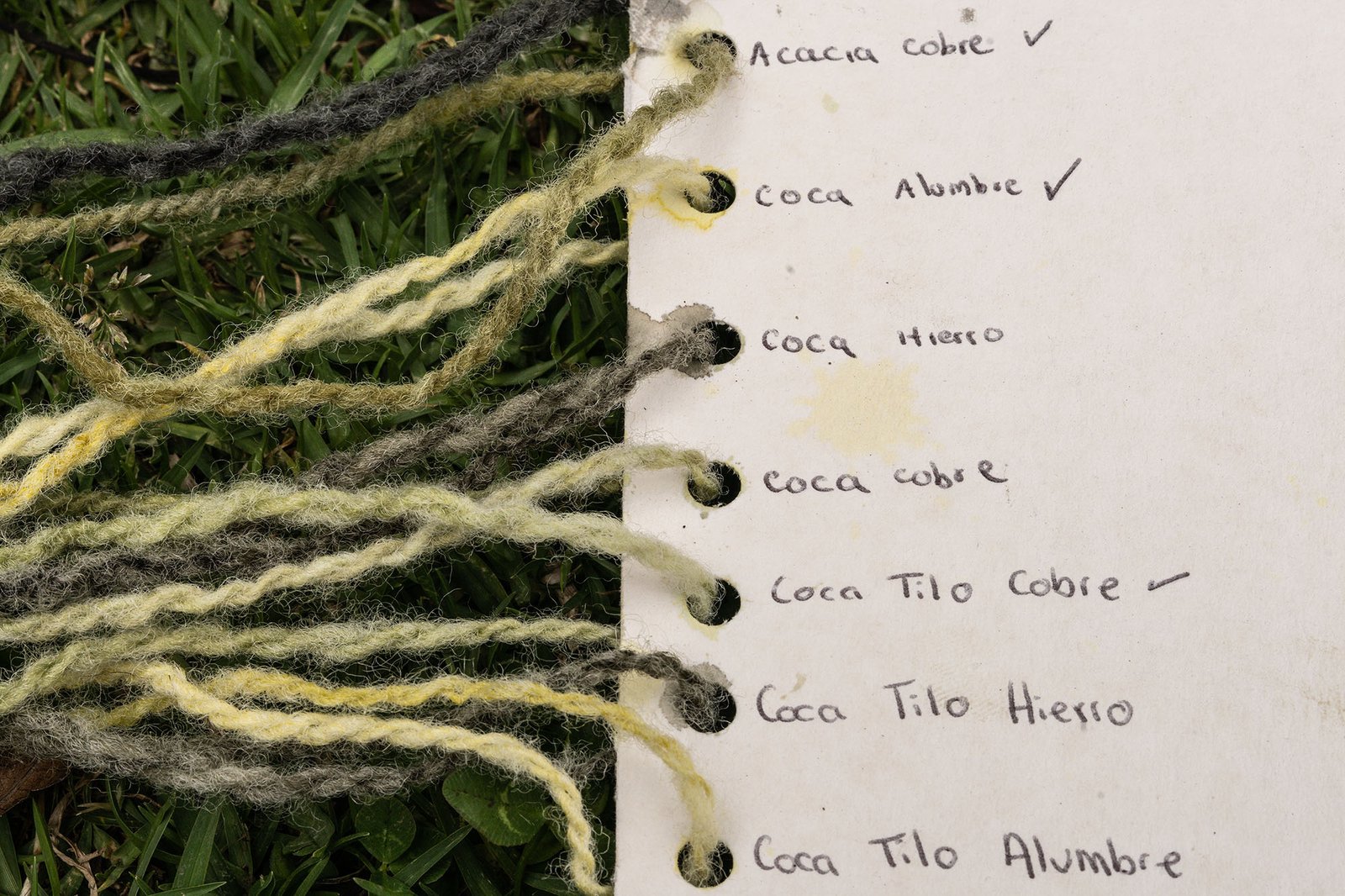
Rich in calcium, iron, magnesium, zinc, amino acids, vitamins, and with more than 11 alkaloids, the coca leaf holds an exceptional chemical and nutritional composition. Practices led by artists, scientists, and communities have revealed its versatility: the plant can become flour, natural dye, fiber, paper, oil, or skin cream—and even agroecological fertilizer capable of restoring soils degraded by glyphosate, a broad-spectrum herbicide developed by Monsanto and used by the Colombian government in aerial fumigation campaigns to eradicate illicit coca crops.
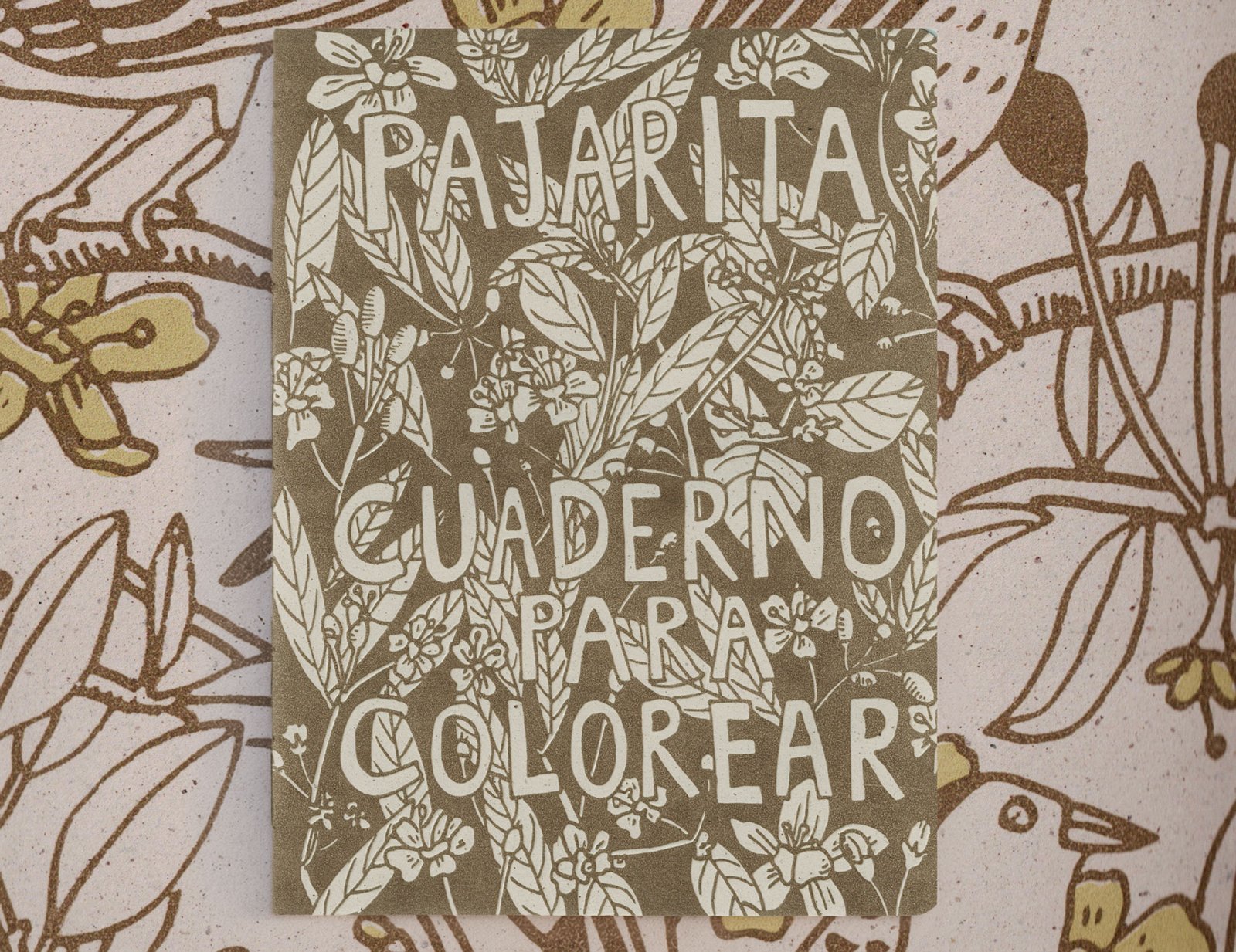
Ecologically, coca demonstrates extraordinary adaptability. It grows in a wide range of soils and altitudes—from sea level up to 2,500 meters—developing multiple varieties adapted to environments as diverse as the Amazon rainforest, the Andean-Amazonian foothills, and the mountains of the Sierra Nevada. Over the centuries, this biological plasticity has ensured its survival and intertwined the plant with the agricultural, ritual, and symbolic knowledge of the communities that cultivate it. The names of its varieties—pajarita, boliviana, peruana, amarga—reflect this deep relationship and the cultural memory it carries and evoke the historical relationship between the plant and the peasant communities that have cultivated it for generations.
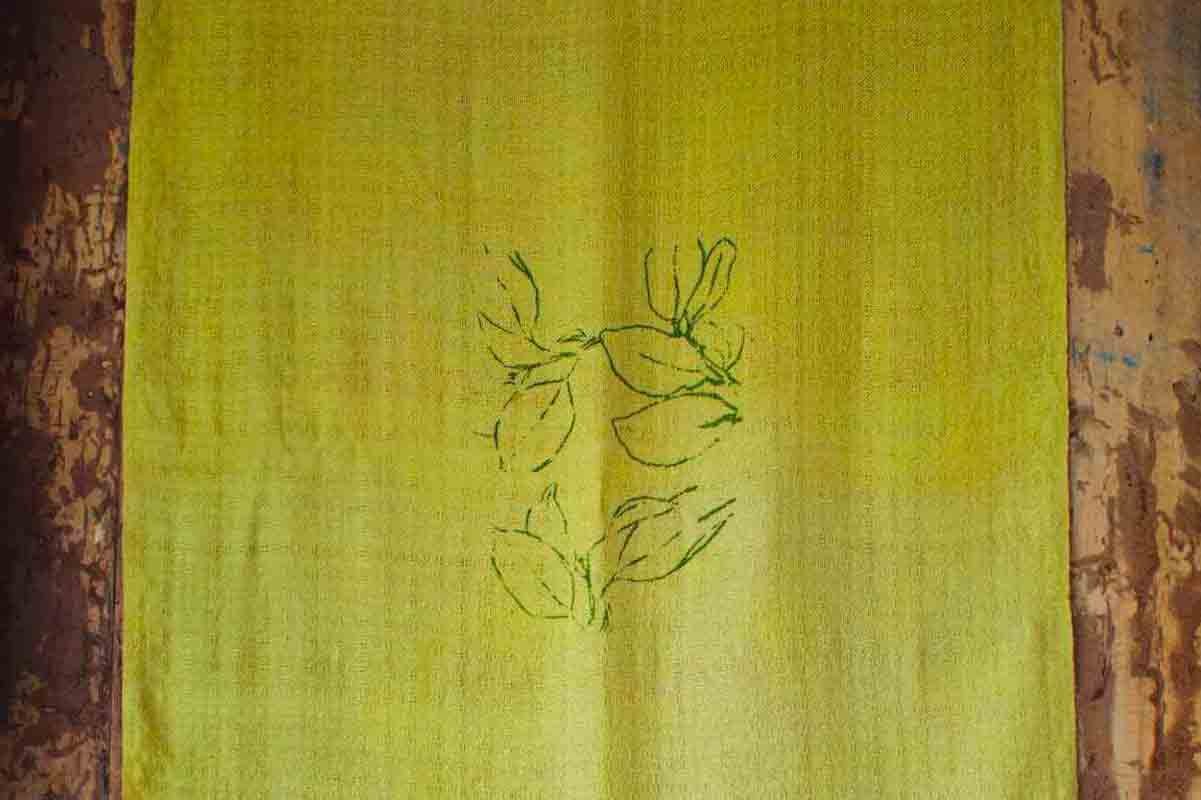
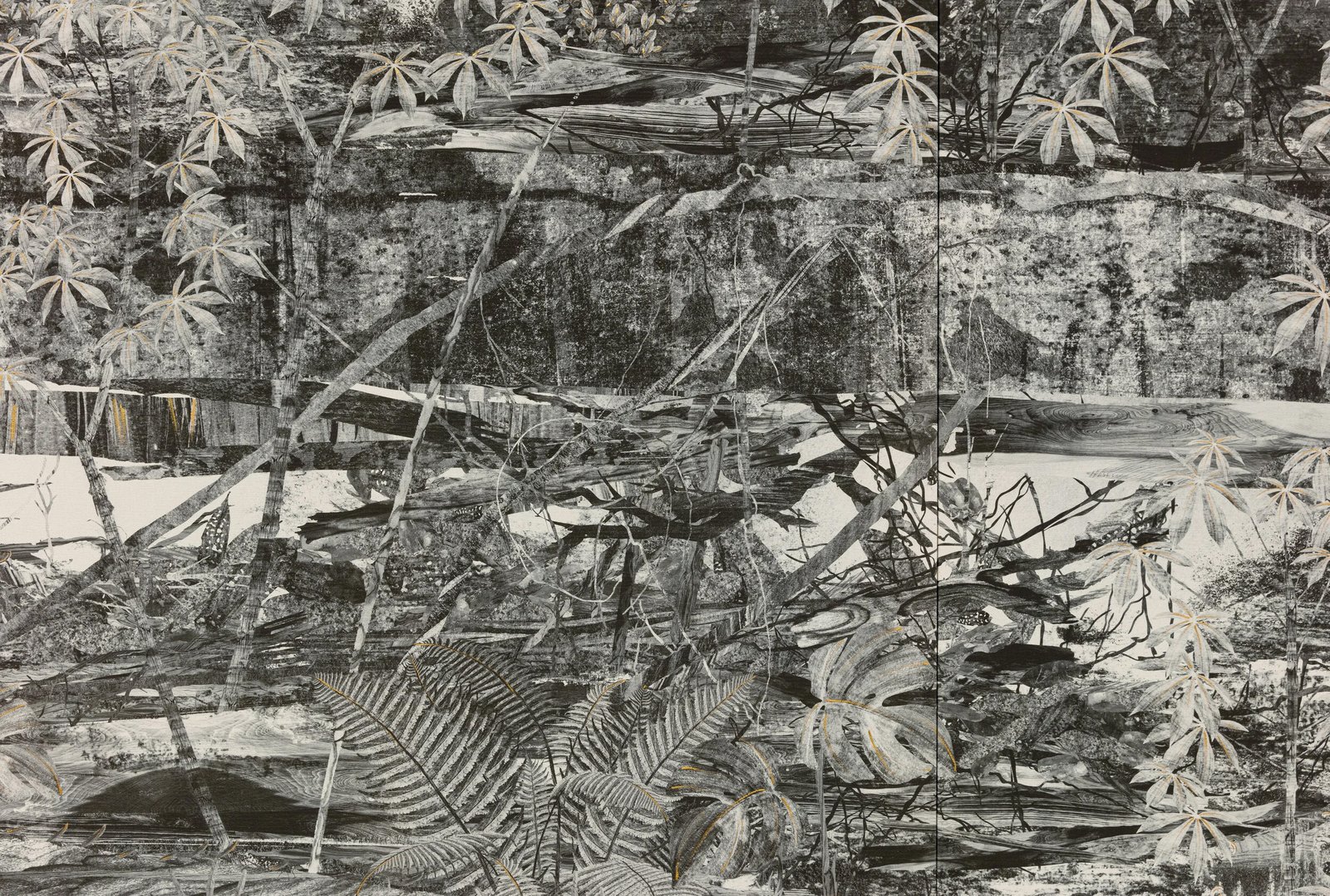
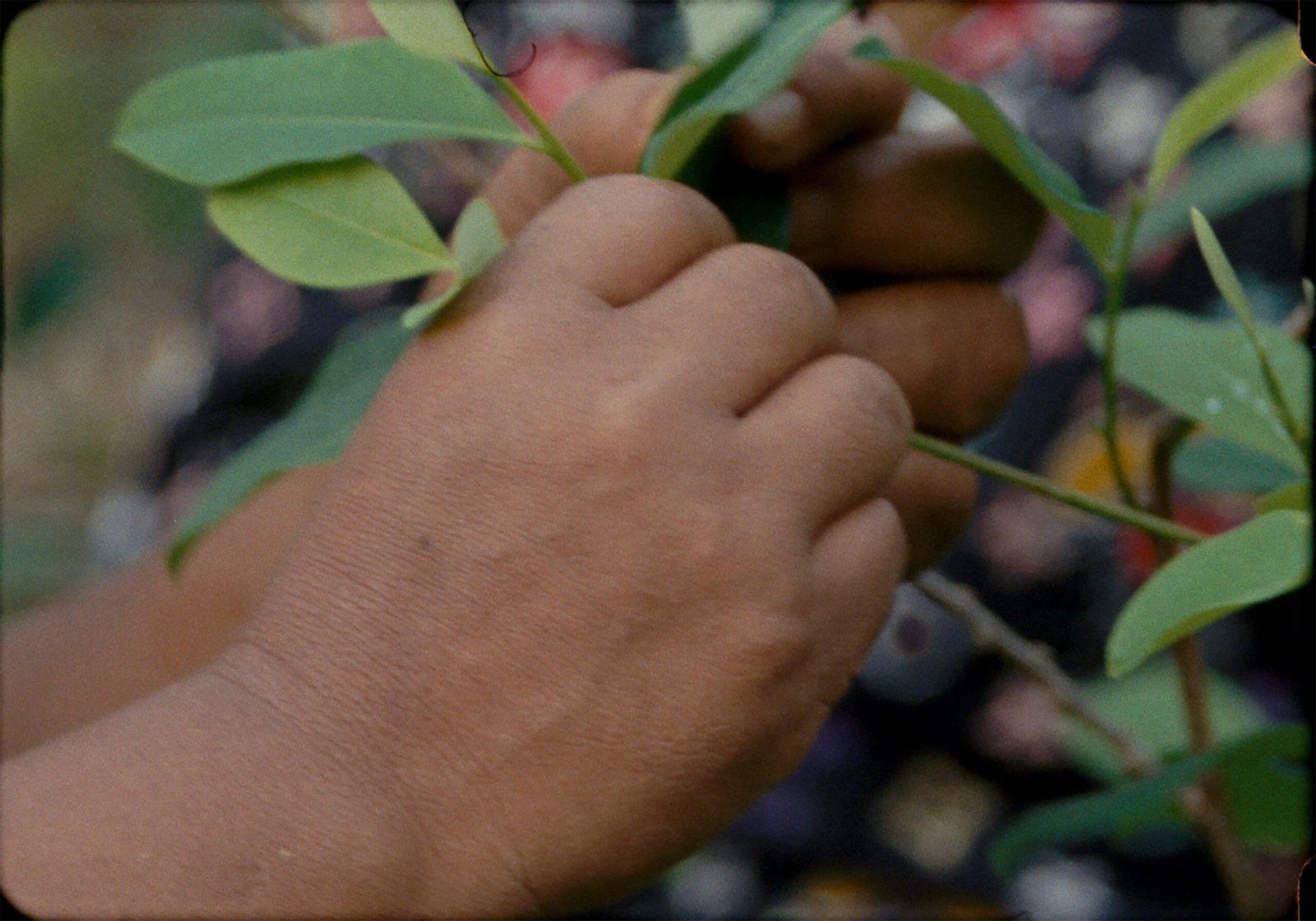
Coca – Plant brings together artworks that explores the coca plant as a living being through its physical, biological, ecological, nutritional, and healing dimensions. Several of the artists featured in this line explore these intersections, experimenting with the plant’s plasticity to generate color, texture, fibers, or paper, celebrating the coca plant’s material vitality.
.