Pajarita

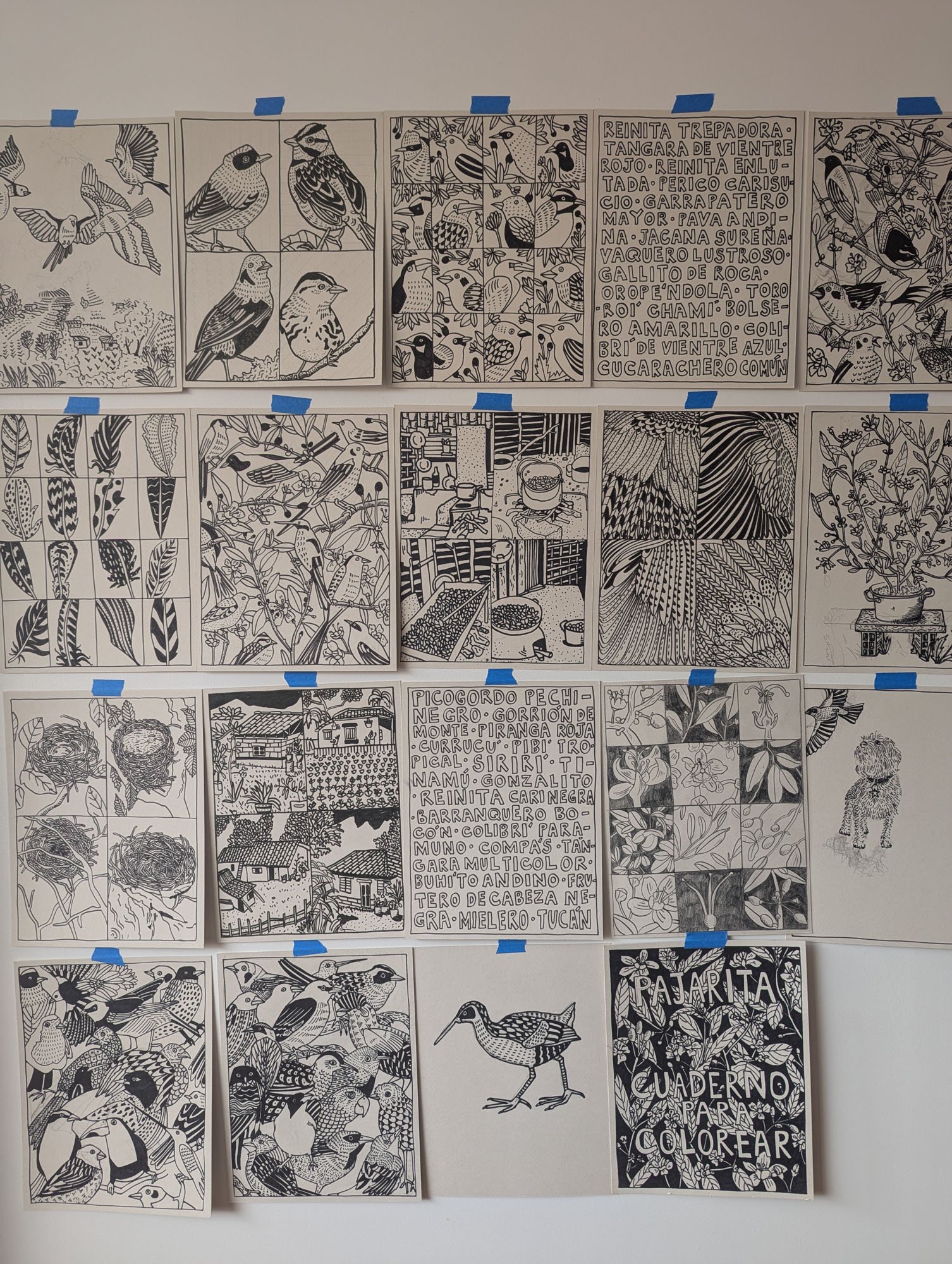
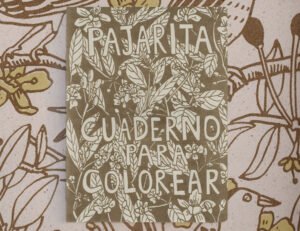
Pajarita. Cuaderno para colorear

Pajarita

Esteban Borrero (Illustrator), Felipe Herreño at Taller El Primitivo (Printing), and Ginger Blonde

Artist’s country of origen: Colombia
Materials:
printed in screen-printing technique with coca leaf–based ink
Medium: Print / Graphic Work
Size: 21.5 cm x 27.9 cm
Year: 2024

Line of Inquiry:

Coca-Plant

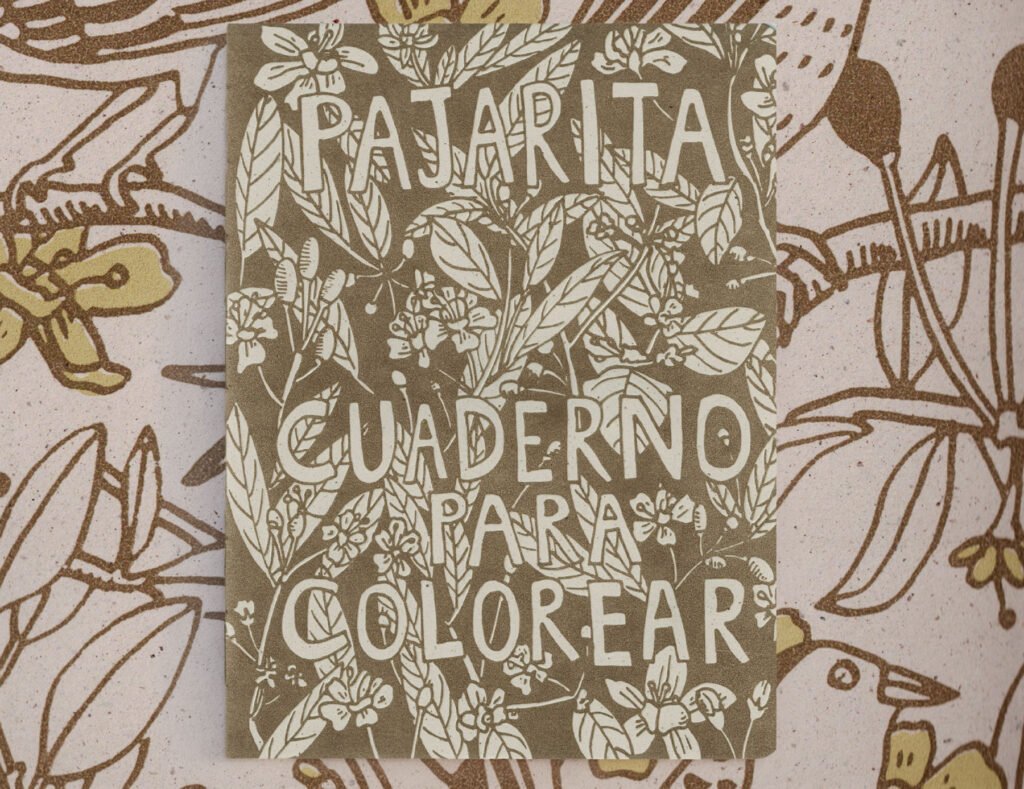
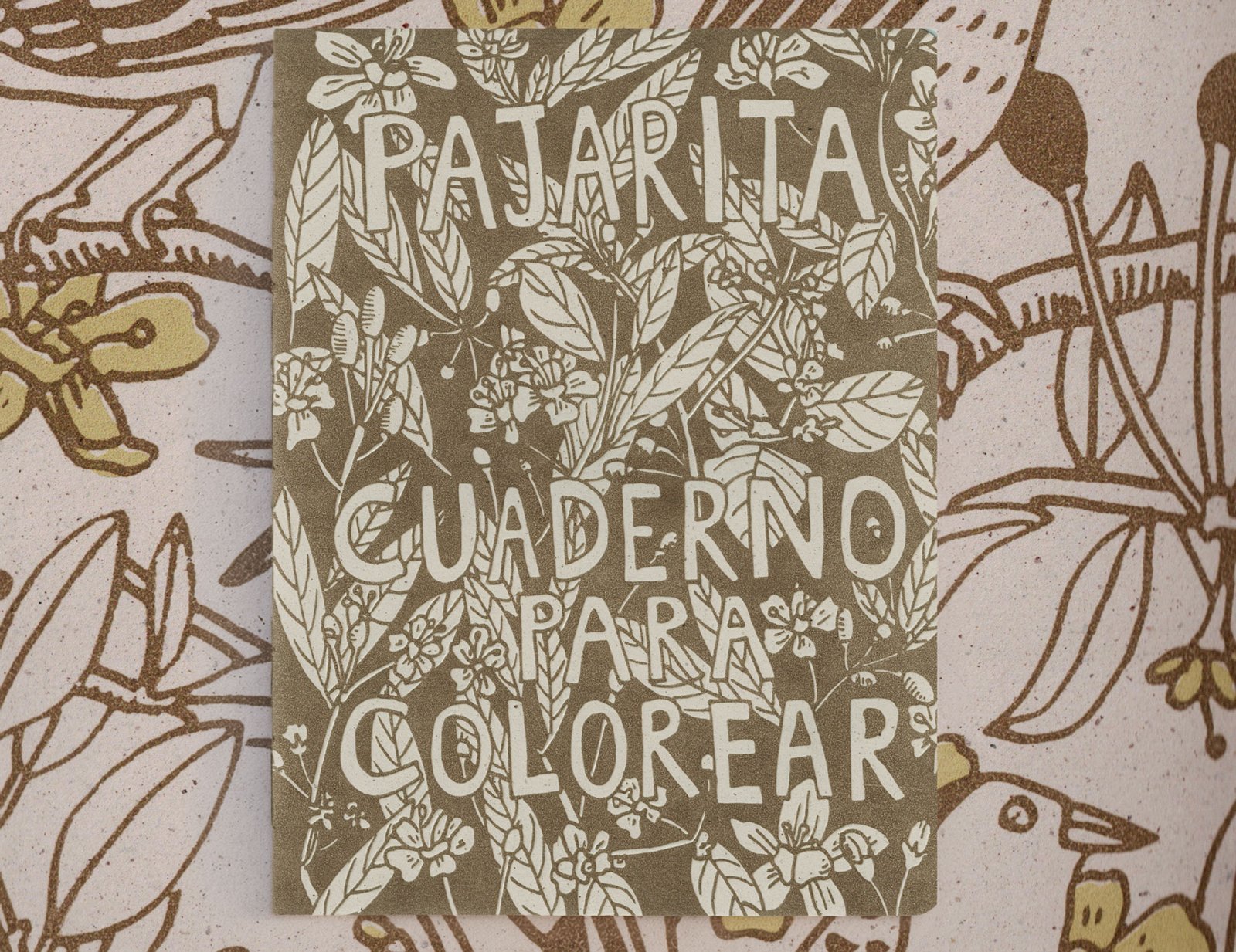
Pajarita is a coloring book published by the Ginger Blonde collective, printed using ink made from coca leaves. The publication proposes a playful and educational way of engaging with this ancestral plant beyond the stigmas that surround it, especially reaching younger audiences through art and play.

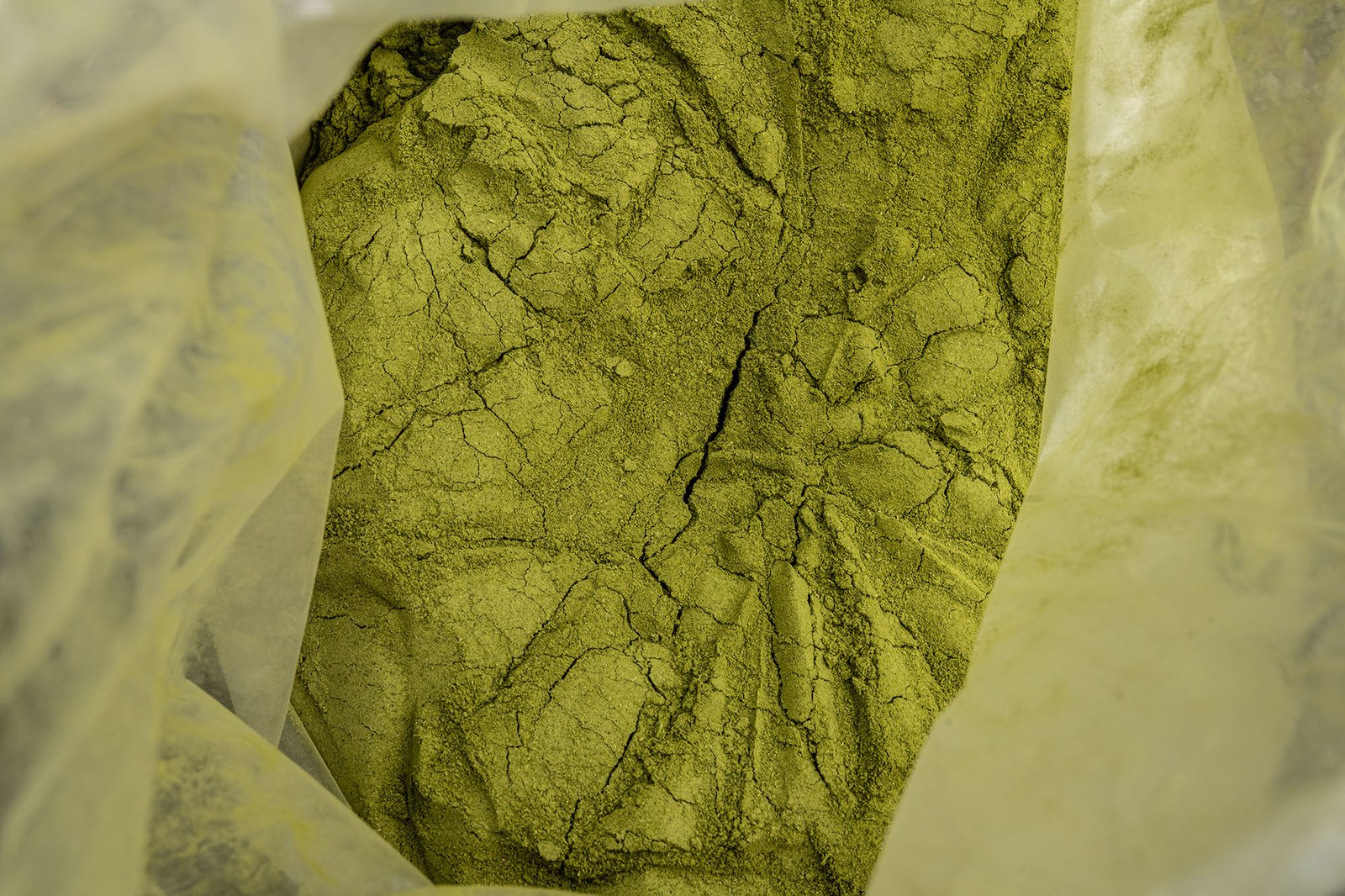
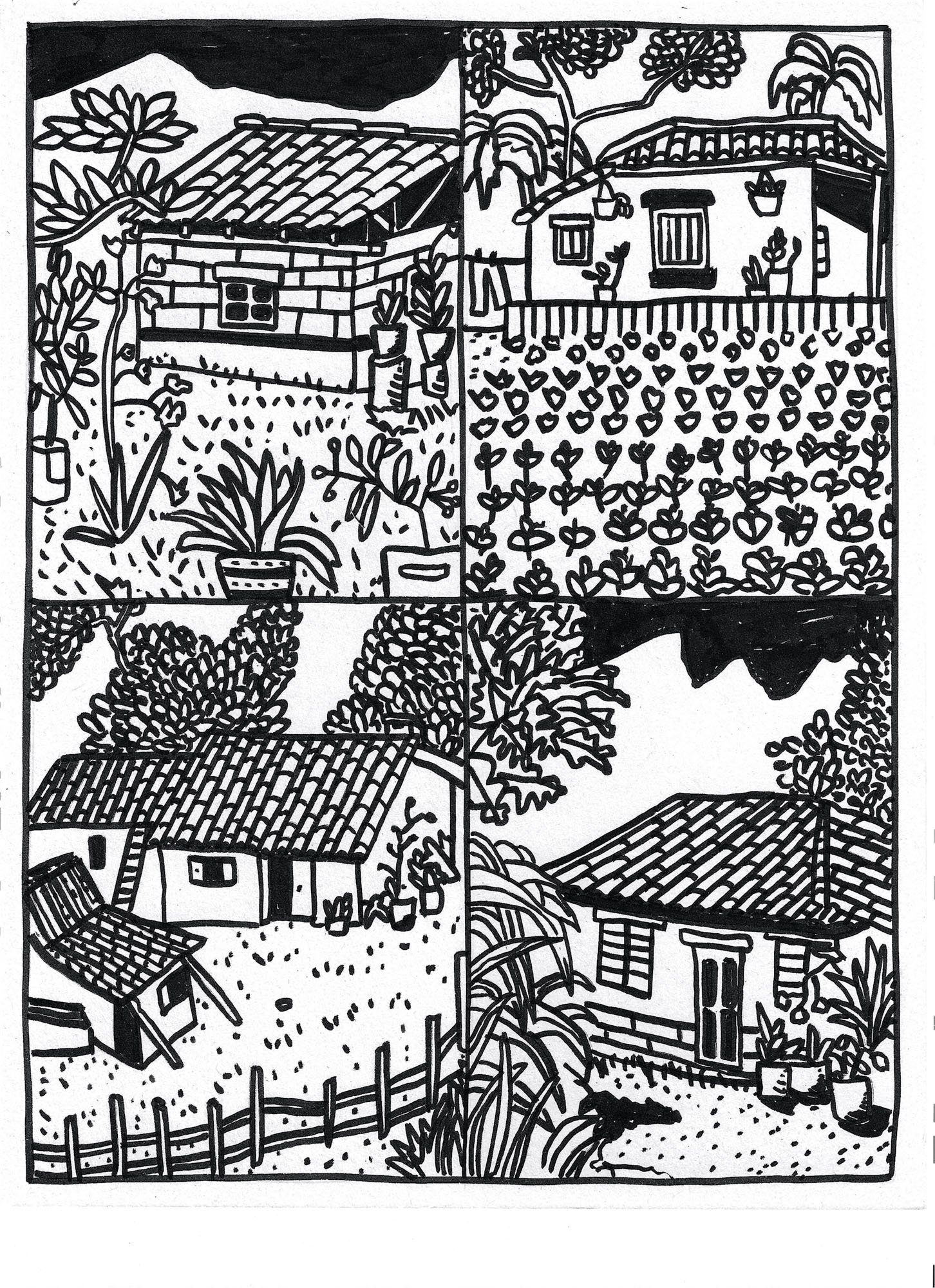
The illustrations were designed by artist Esteban Borrero, who explores his imaginative interpretations of Colombian birds as a way to connect the project with children and other young audiences, incorporating elements of the plant’s anatomy and subtle references to its close relationship with Andean farming communities. The publication was printed at Taller El Primitivo using ink prepared by mixing coca leaf flour with screen-printing ink on paper, reinforcing the book’s sensory and material experience.

The Artist
Ginger Blonde

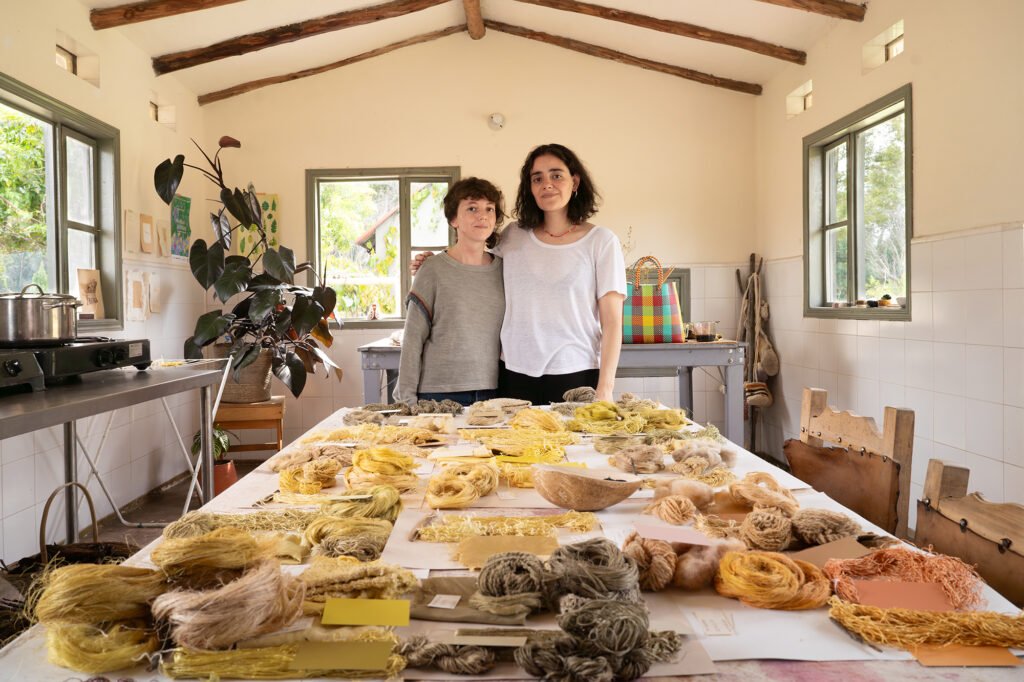
Ginger Blonde is a design and visual communication studio founded in 2021 by Mónica Suárez and Daniela Rubio. Based between Bogotá and Panama City, the studio works from a cooperative, interdisciplinary, and predominantly female approach, focused on social innovation, responsible design, and territorial transformation.
Read more

More From This Artist

Tinta Dulce (Sweet Ink)

Tinta Dulce (Sweet Ink)

Asociación de artesanos de Guacamayas, Asociación de los Oficios Tradicionales Tejilarte, Cooperativa de fibras naturales de Santander (ECOFIBRAS) and Ginger Blonde.

Artist’s country of origen: Colombia
Materials:
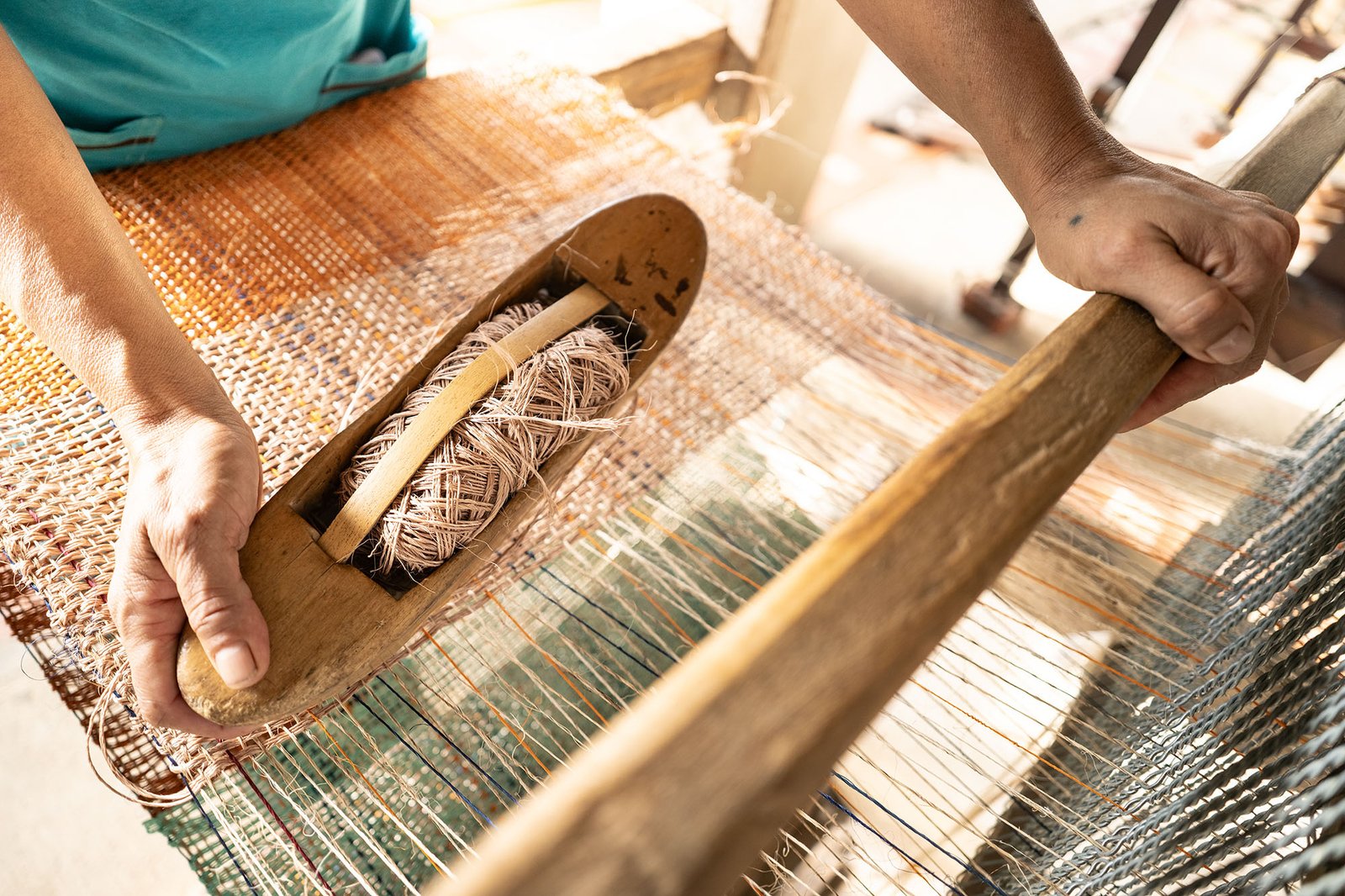
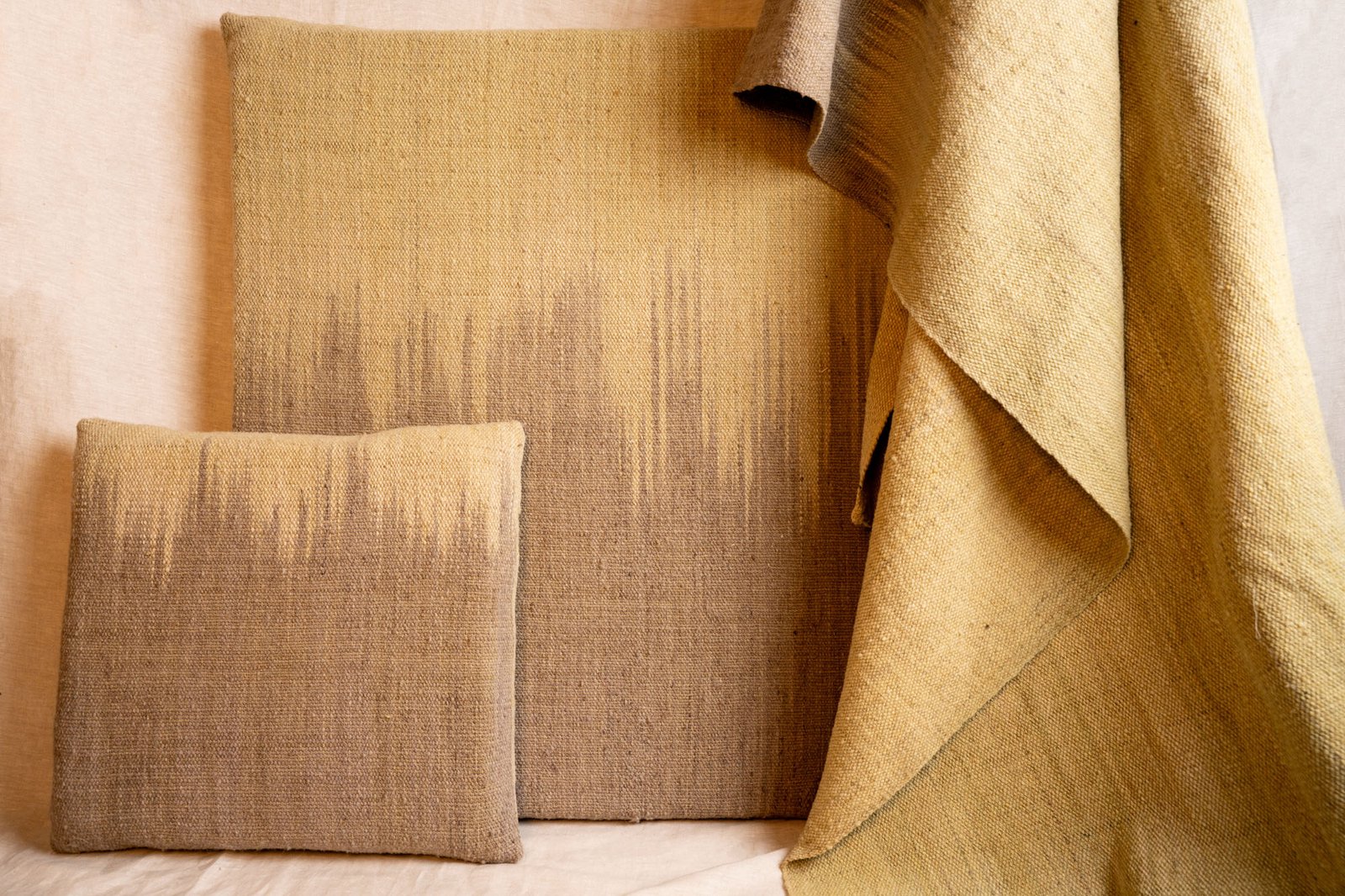
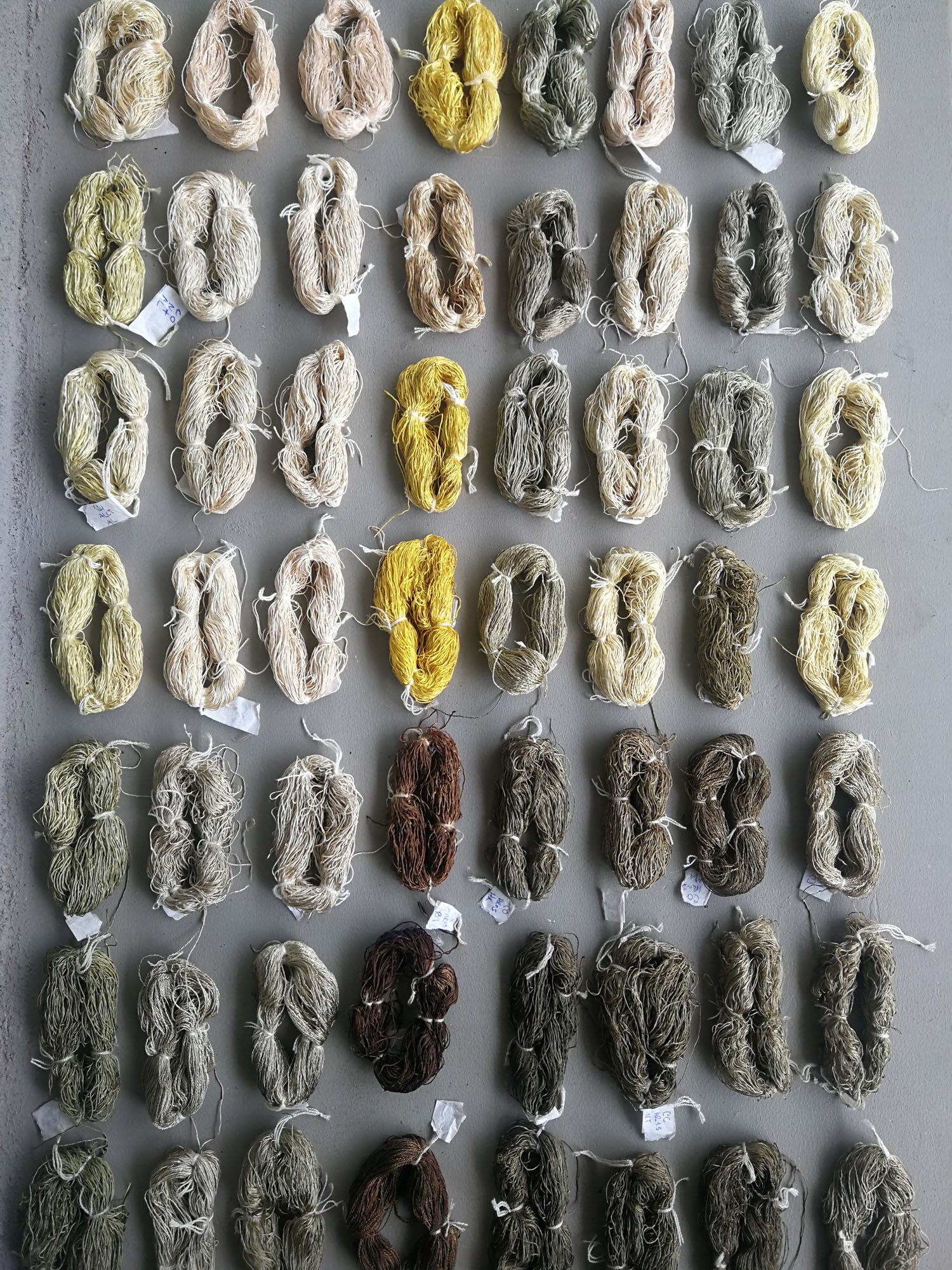
Fique fibers, wool, dyes made from coca leaves
Medium: Textile / Object
Size: N/A
Year: 2024

Line of Inquiry:

Coca-Plant

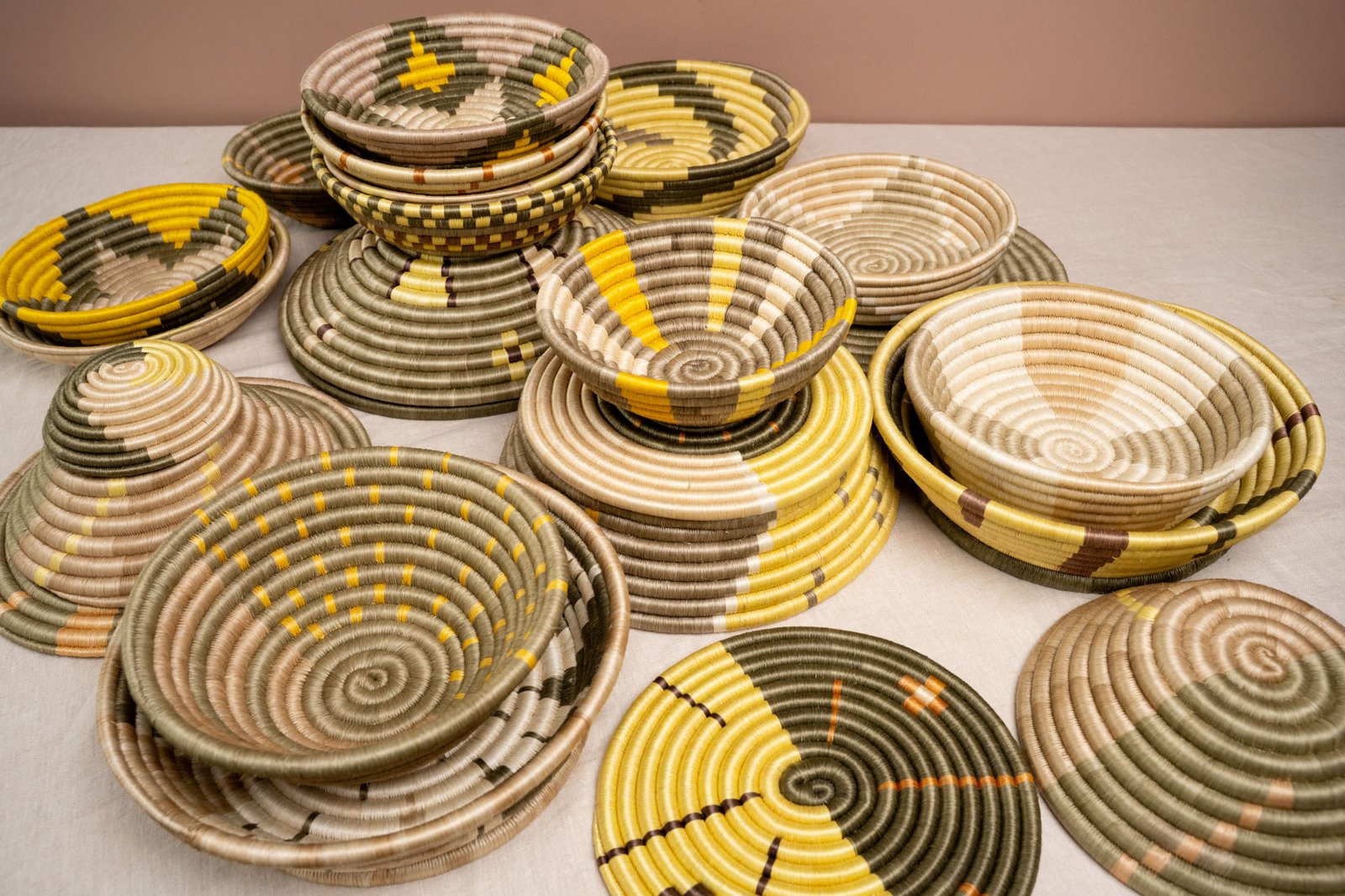
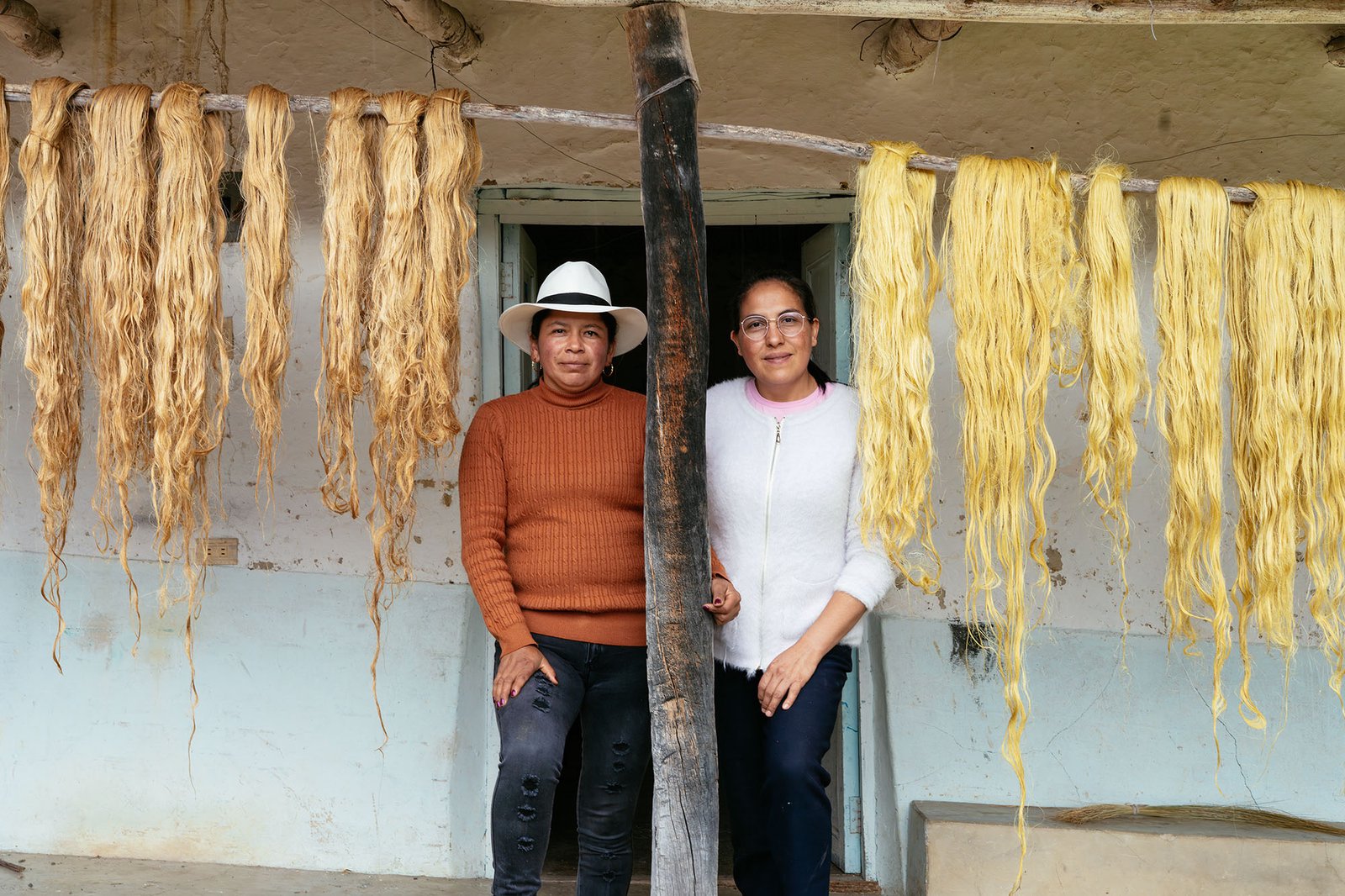
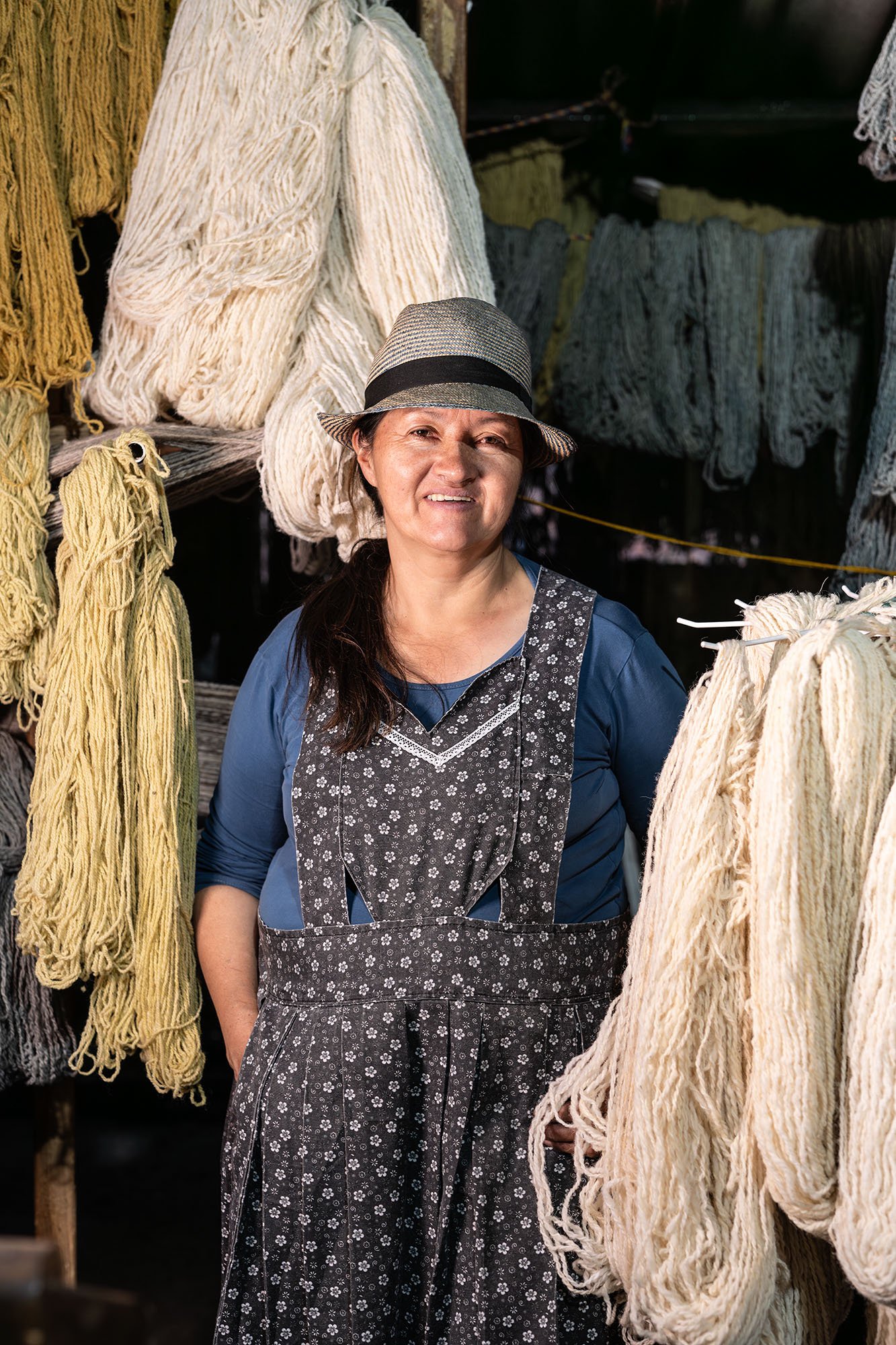
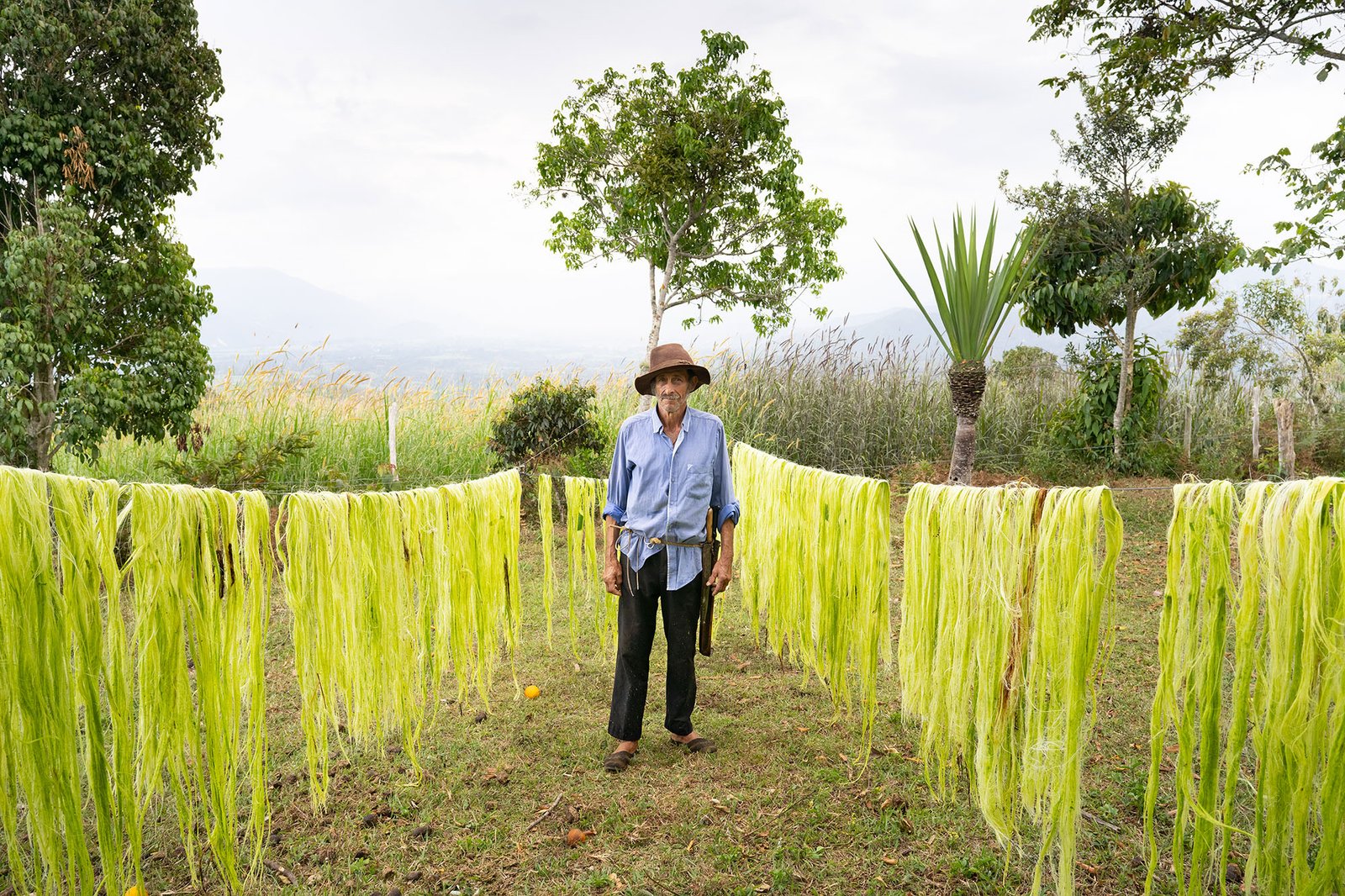
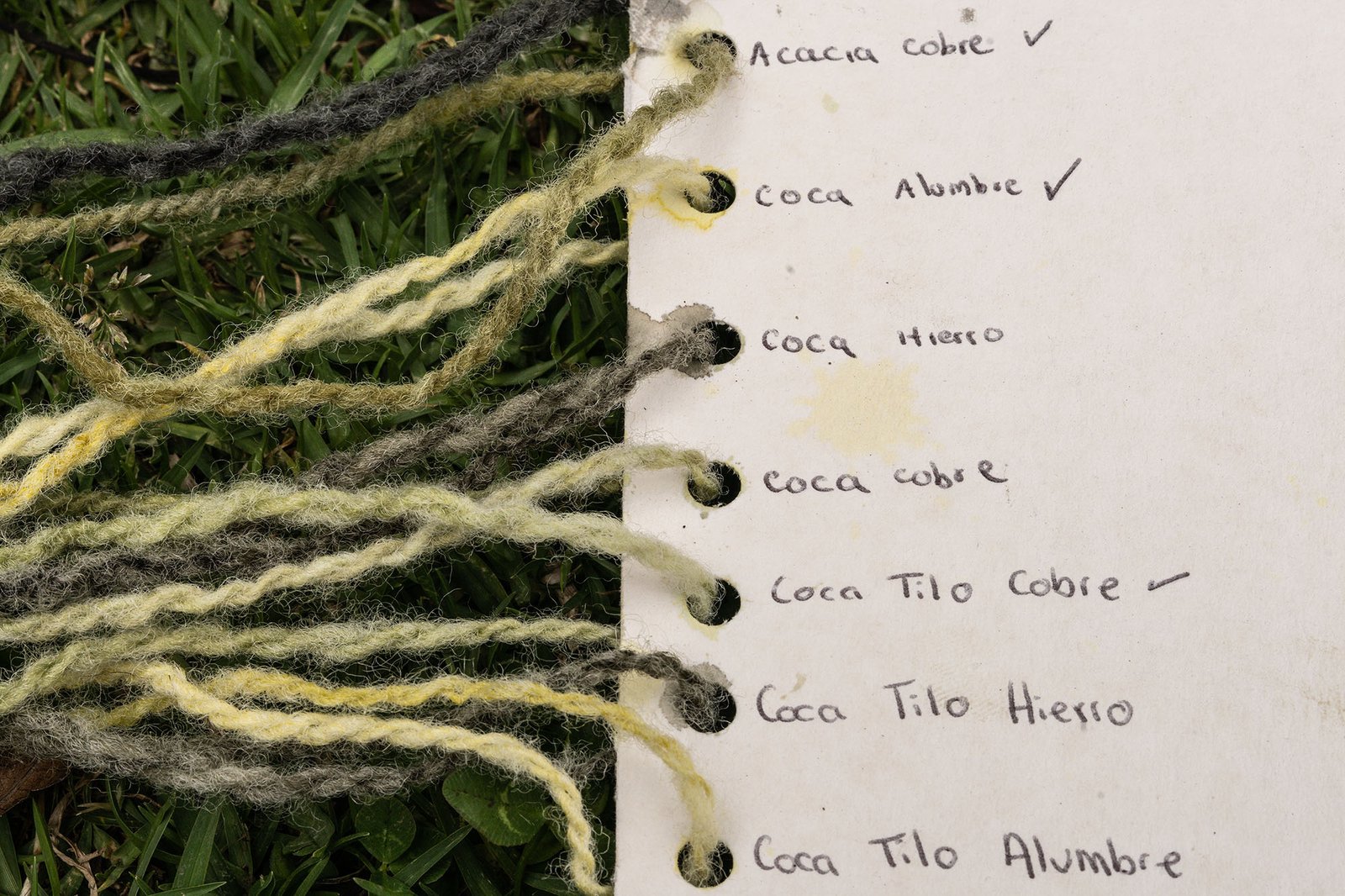
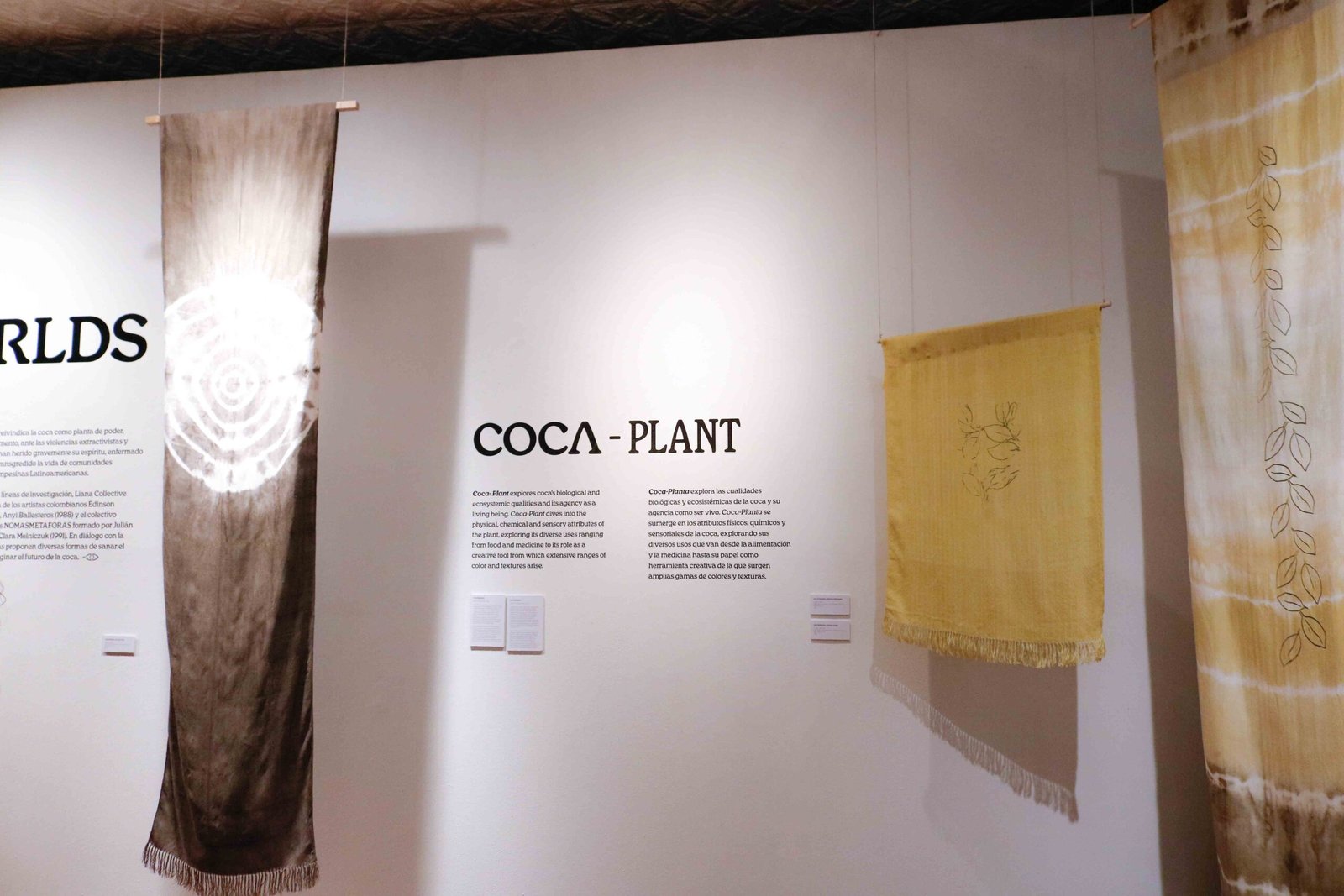
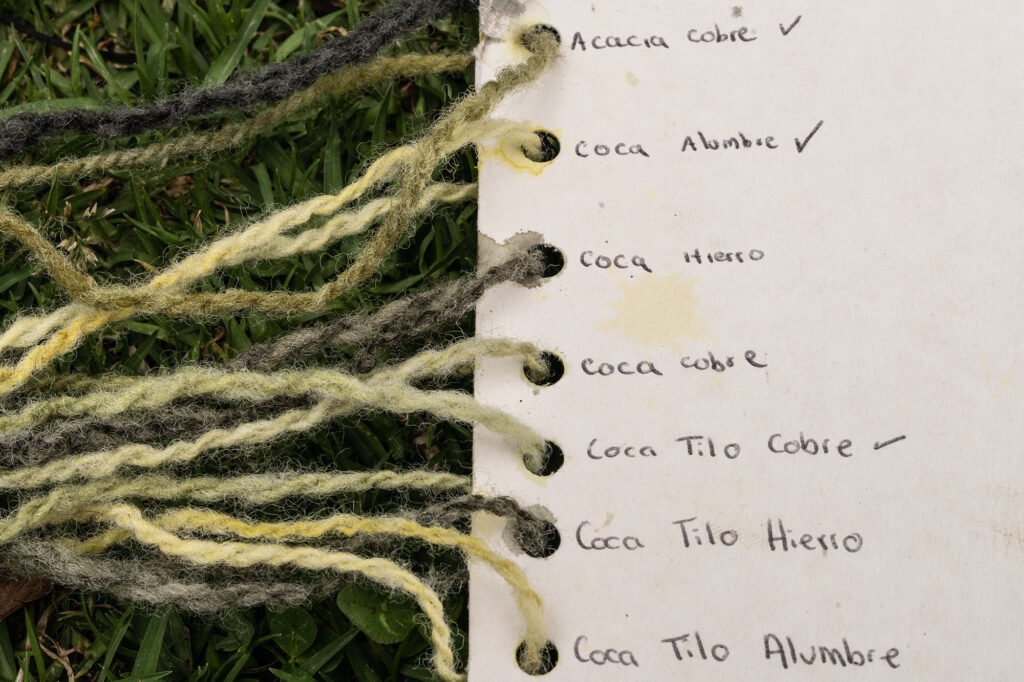
Tinta Dulce is a project of experimentation and collective creation that investigates the use of coca leaf flour as a natural source of color. Through artisanal dyeing processes, the project develops pigments applied to fibers such as silk, cotton, fique, and wool, resulting in a chromatic palette that ranges from yellows to greens.

The initiative has been developed in collaboration with women’s artisan associations and natural fiber cooperatives in different regions of Colombia, including Boyacá, Santander, Cauca, and Cundinamarca. Through workshops and knowledge-transfer processes, Tinta Dulce has supported the integration of coca dyes into artisanal product portfolios, strengthening local capacities, diversifying incomes, and promoting alternative productive value chains.

Beyond its artistic dimension, Tinta Dulce seeks to transform perceptions of the coca leaf and the communities that cultivate it, reclaiming its cultural value and its potential as a creative resource. This purpose is reflected in a short documentary that brings together the voices of artisans from Guacamayas, Sutatausa, and Curití, who share their experiences using coca leaves as a textile dye and opening new horizons grounded in local knowledge.

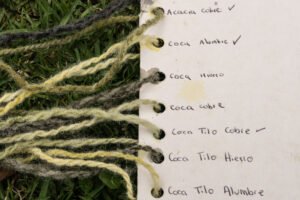
Additionally, Tinta Dulce makes available a free, downloadable dyeing logbook focused on coca leaf inks and dyes, which documents the processes and aims to expand the project’s reach to those interested in incorporating coca as a natural source of color in their own creative projects.
Download the Booklet (PDF)

The Artist

Ginger Blonde

Ginger Blonde is a design and visual communication studio founded in 2021 by Mónica Suárez and Daniela Rubio. Based between Bogotá and Panama City, the studio works from a cooperative, interdisciplinary, and predominantly female approach, focused on social innovation, responsible design, and territorial transformation.
Read more

More From This Artist

Amoka’s Hort

Amoka’s Hort

Tatiana Arocha

Artist’s country of origen: Colombia – United States
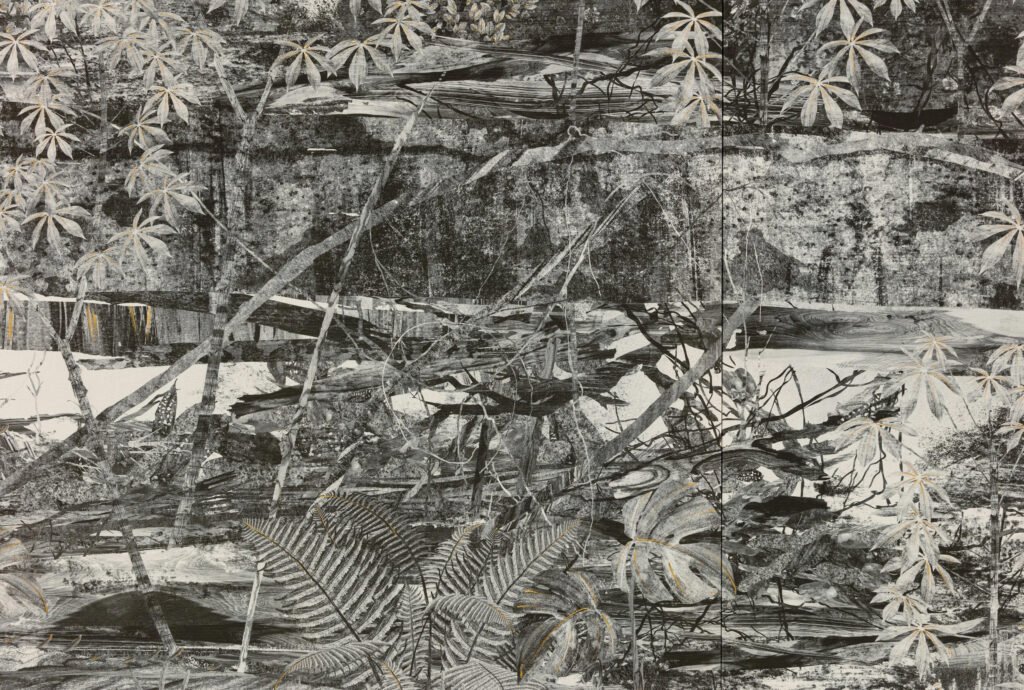
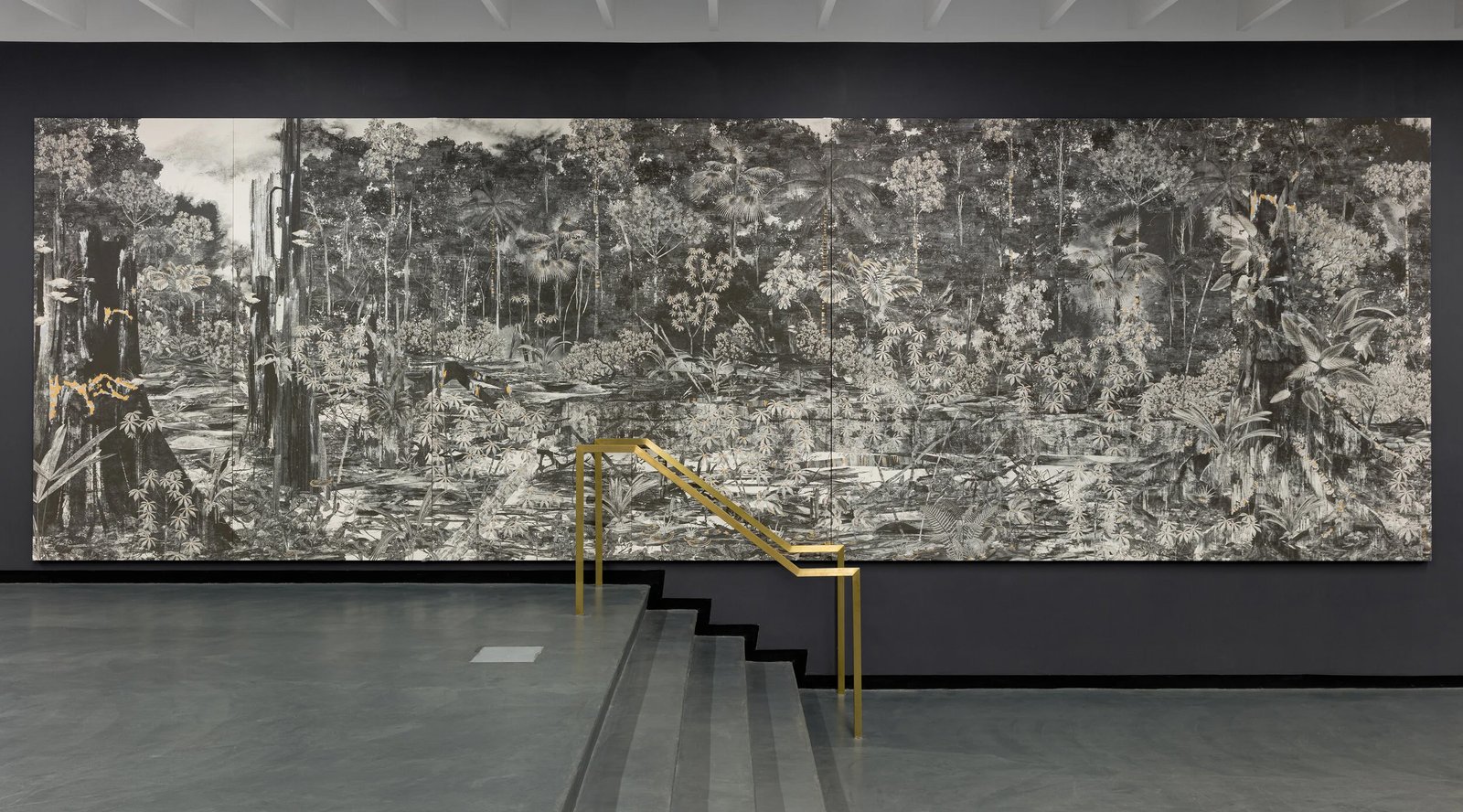
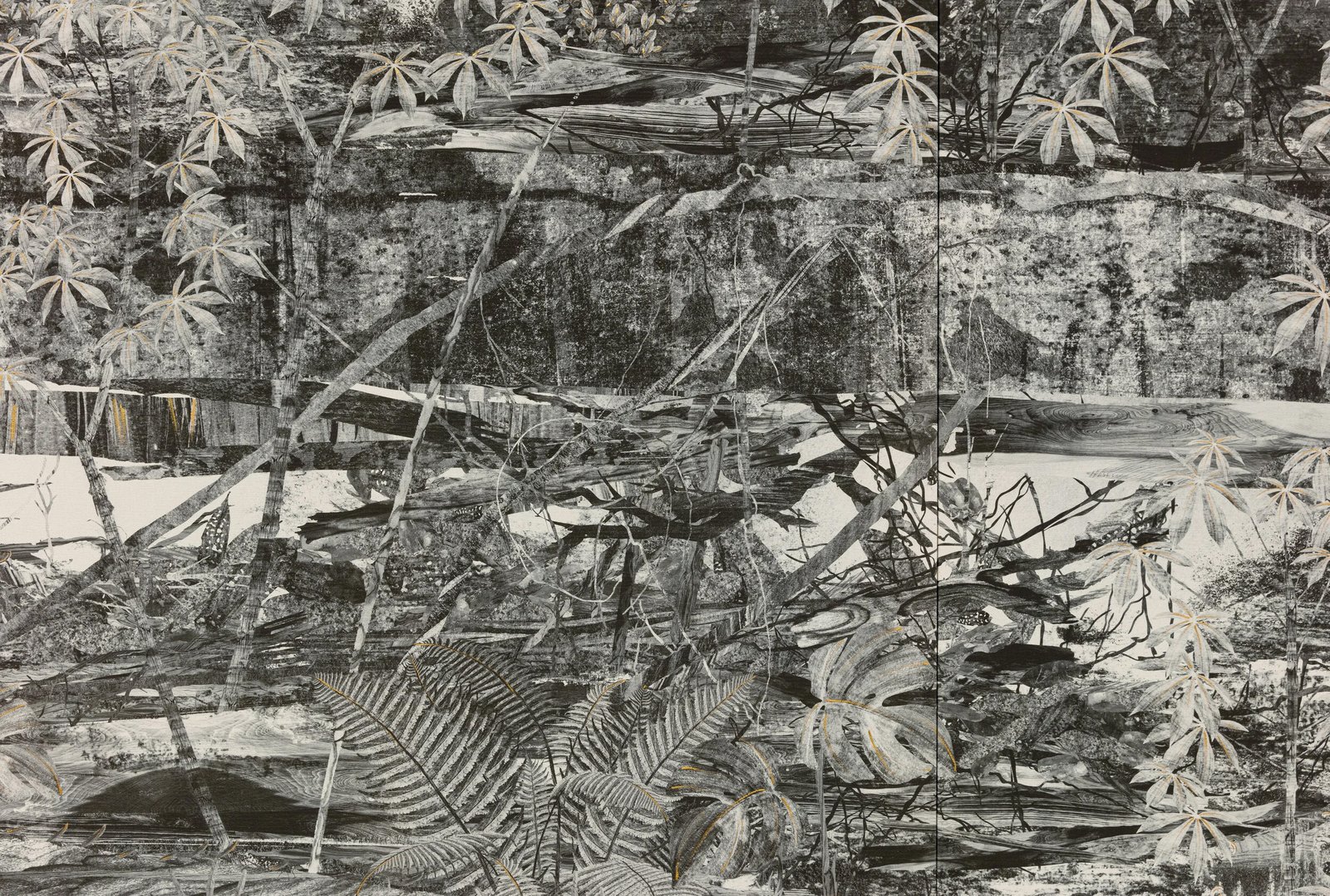
Materials: Acrylic on canvas, gold
Size: 822 x 274 cm
Year: 2019

Line of Inquiry:

Coca-Politics Coca-Worlds

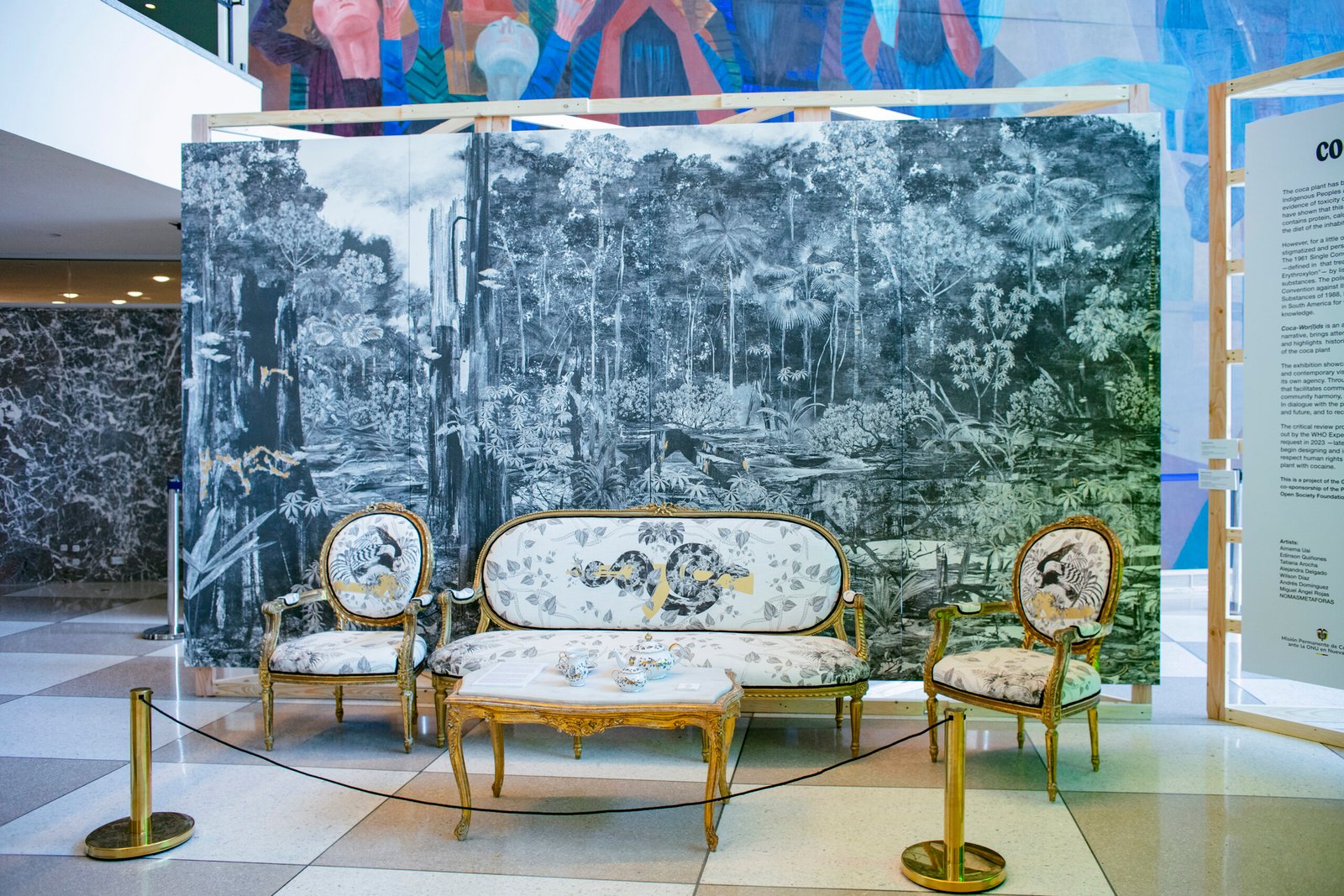
In conversation with Gory Nejedeka Jifichiu, a Muinane elder, Arocha deepened her understanding of the sacred plants, gardens, and ancestral knowledge of the Murui-Muinane people. During a visit to his maloca in the Colombian Amazon in July 2019, made possible through the Sustainable Arts Foundation fellowship for artist-parents, Arocha and her son Joaquín were warmly received by Gory and his family.

These conversations are documented in Arocha’s catalogs, recording Gory’s teachings about the jungle and mambe, a preparation primarily made from coca leaves and yarumo ashes, consumed with tobacco paste, called ambil. The experience expanded Arocha’s perception of the forest and the ancestral knowledge that sustains the land, maintaining its connectivity, diversity, and vitality.

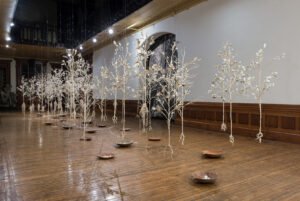
In her large-scale work Amoka’s Garden, Arocha reconstructs the landscape of the Amazonian gardens of the reserve where she exchanged knowledge with Gory Nejedeka during her research travels in the Amazon.

The Artist

Tatiana Arocha

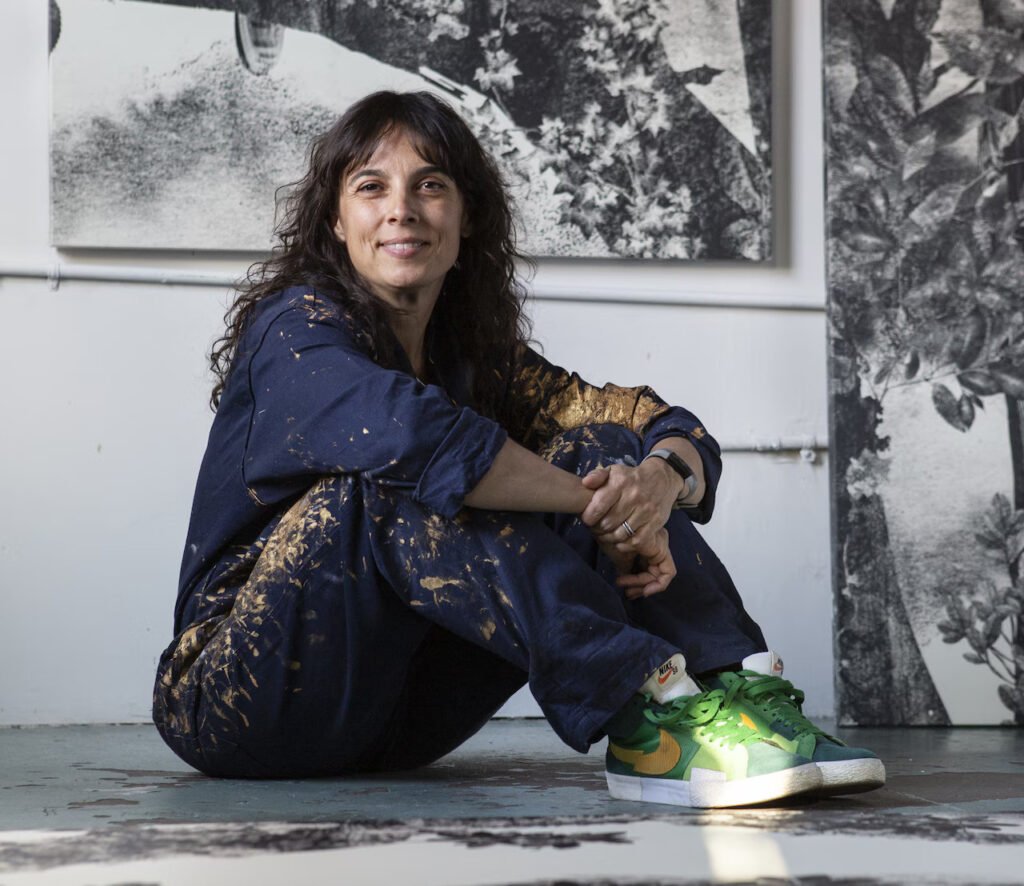
Tatiana Arocha is a Colombian artist born in New York in 1974, whose practice explores the intimacy between people and the land, personal memory, and her own experience as an immigrant.

Read more

Essence, Memory, and Transformation

Essence, Memory and Transformation

Anyi Ballesteros with Pajarita Caucana, in collaboration with Daniela Rubio, María Alejandra Torres, and Mónica Suárez.

Artist’s country of origen: Colombia
Materials: Organic silk, coca leaves, natural dyes.
Size: Variable
Year: 2021

Line of Inquiry:

Coca-Plant

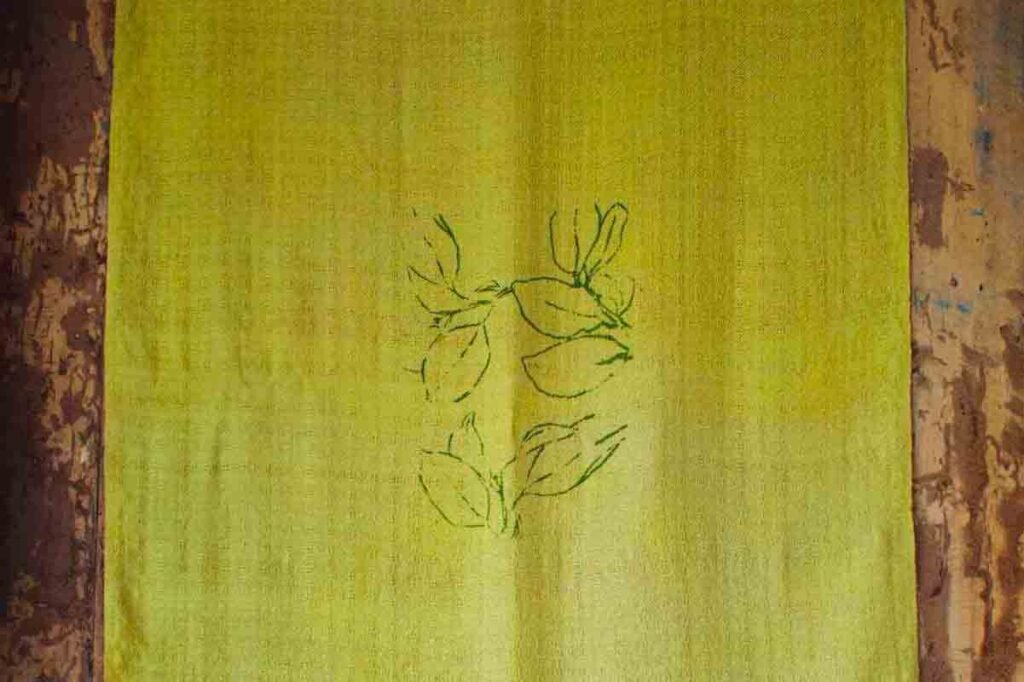
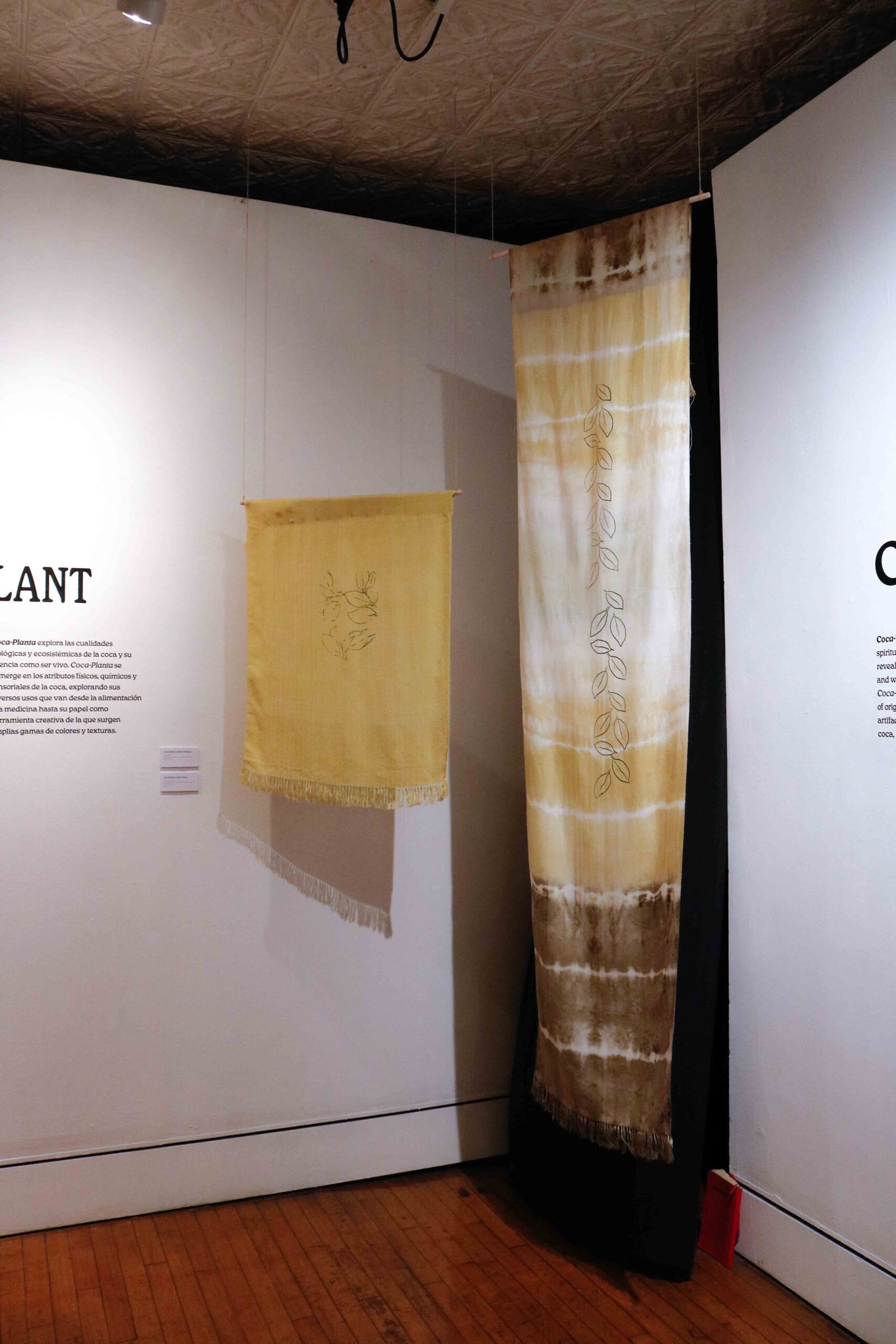
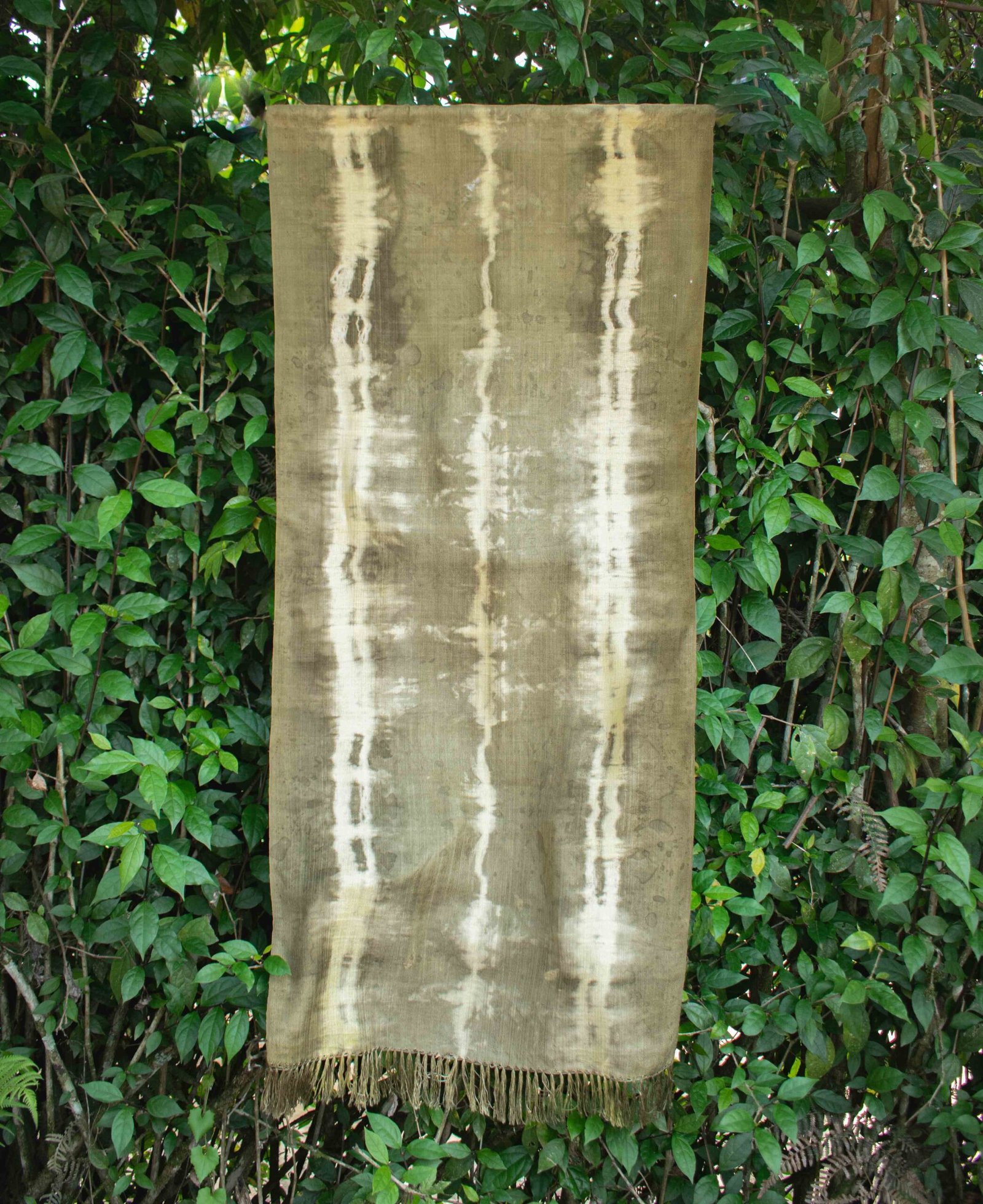
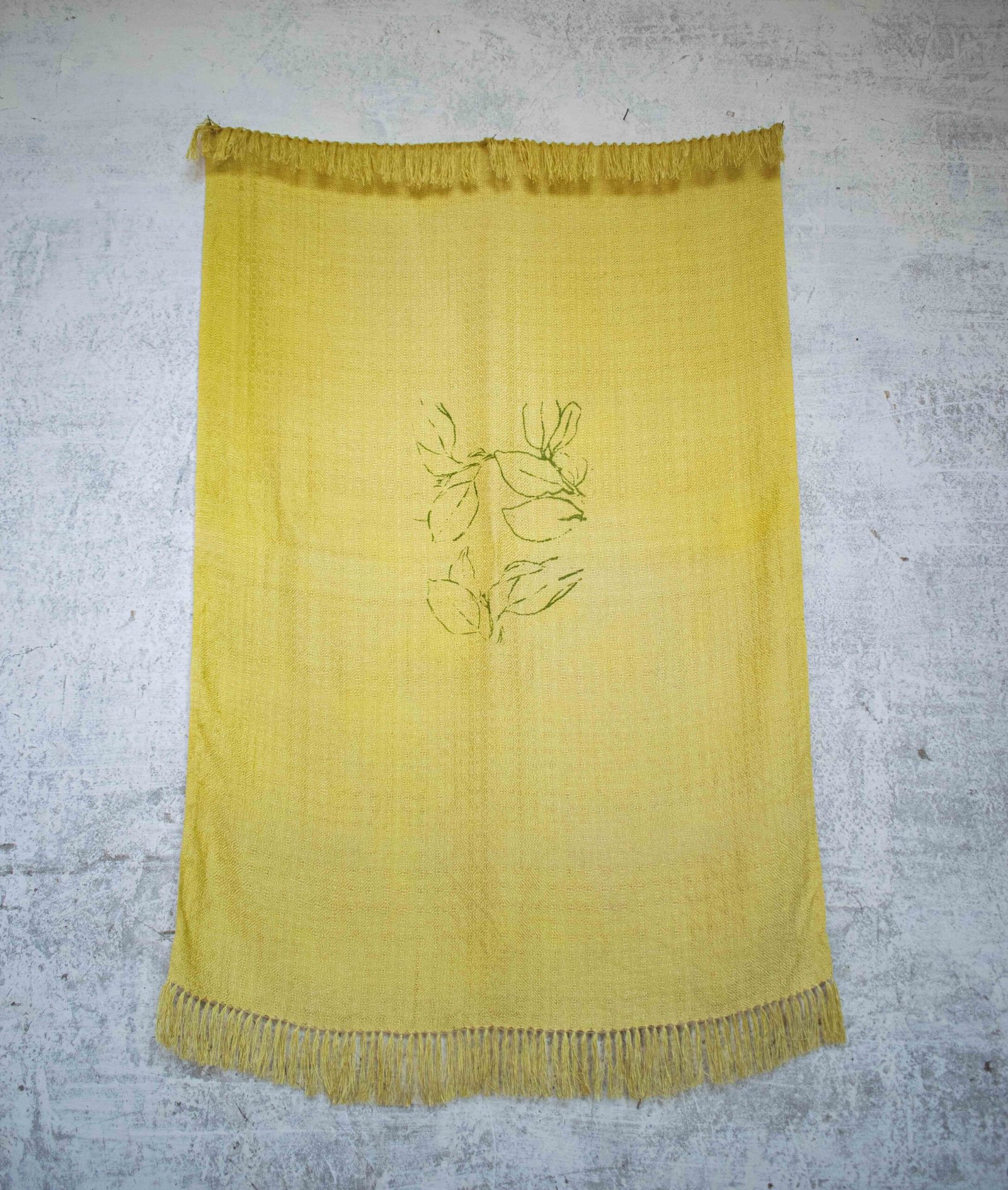
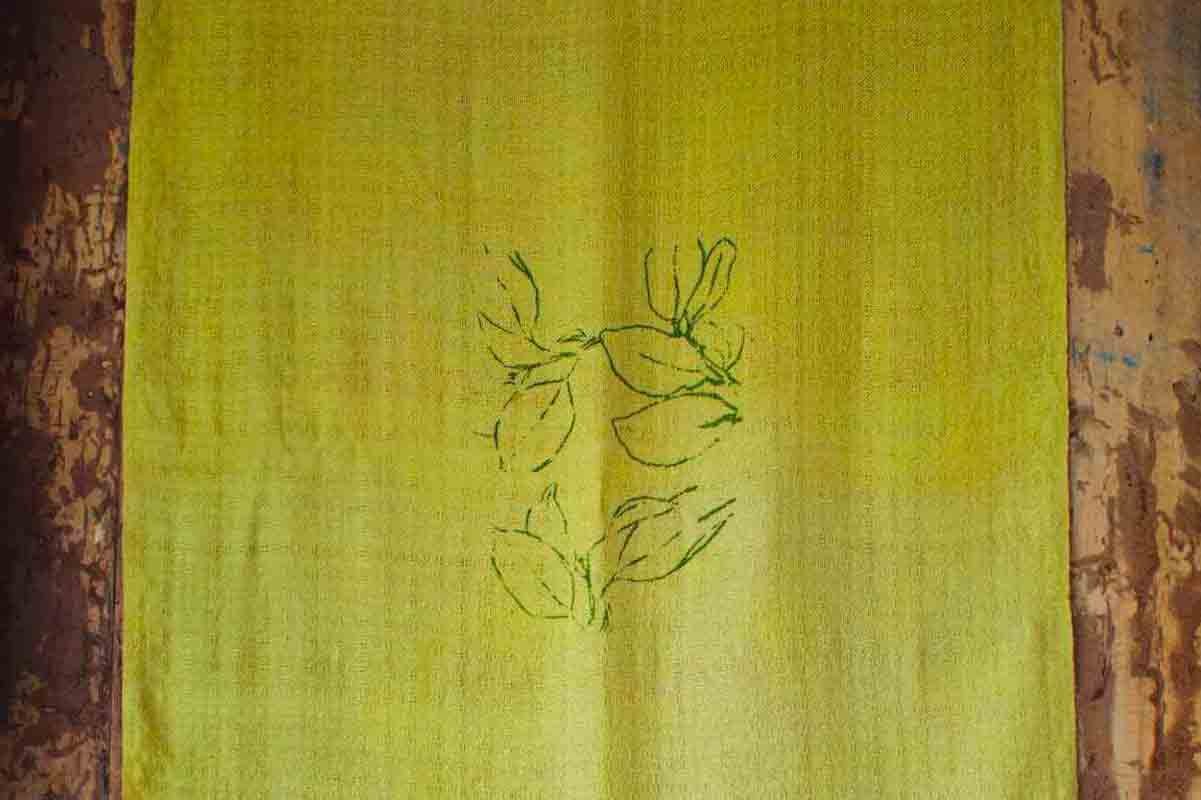
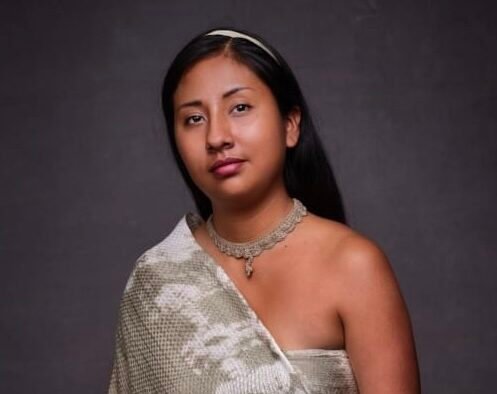
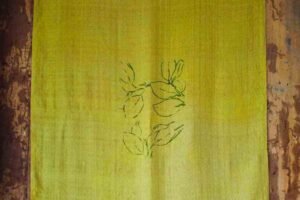
Since 2021, Anyi Ballesteros has been researching dyeing techniques using coca leaves through her project Pajarita Caucana, developed in collaboration with designers Daniela Rubio, María Alejandra Torres, and Mónica Suárez. This process led them to discover 96 natural hues derived from the plant, ranging from yellows and greens to browns and beiges.Her collection “Essence, Memory, and Transformation” consists of three shawls designed and woven by Agroarte artisans using organic silk thread dyed with coca leaves. Created collectively, these pieces evoke the history and resilience of their communities. The shawl “Renacer” (Rebirth) alludes to new narratives of the coca plant and its potential for a sustainable future; “El Alba” (Dawn) embodies the serene dawns of Cauca; and “Semilla” (Seed) represents birth, with coca sprouts emerging in soft yellow tones—the result of dyeing experiments with coca leaf and flour.

The Artist

Anyi Ballesteros

Anyi Ballesteros is a textile artisan working at the intersection of ecology, community, and ancestral craft traditions.

Read more

More From This Artist